Cubism
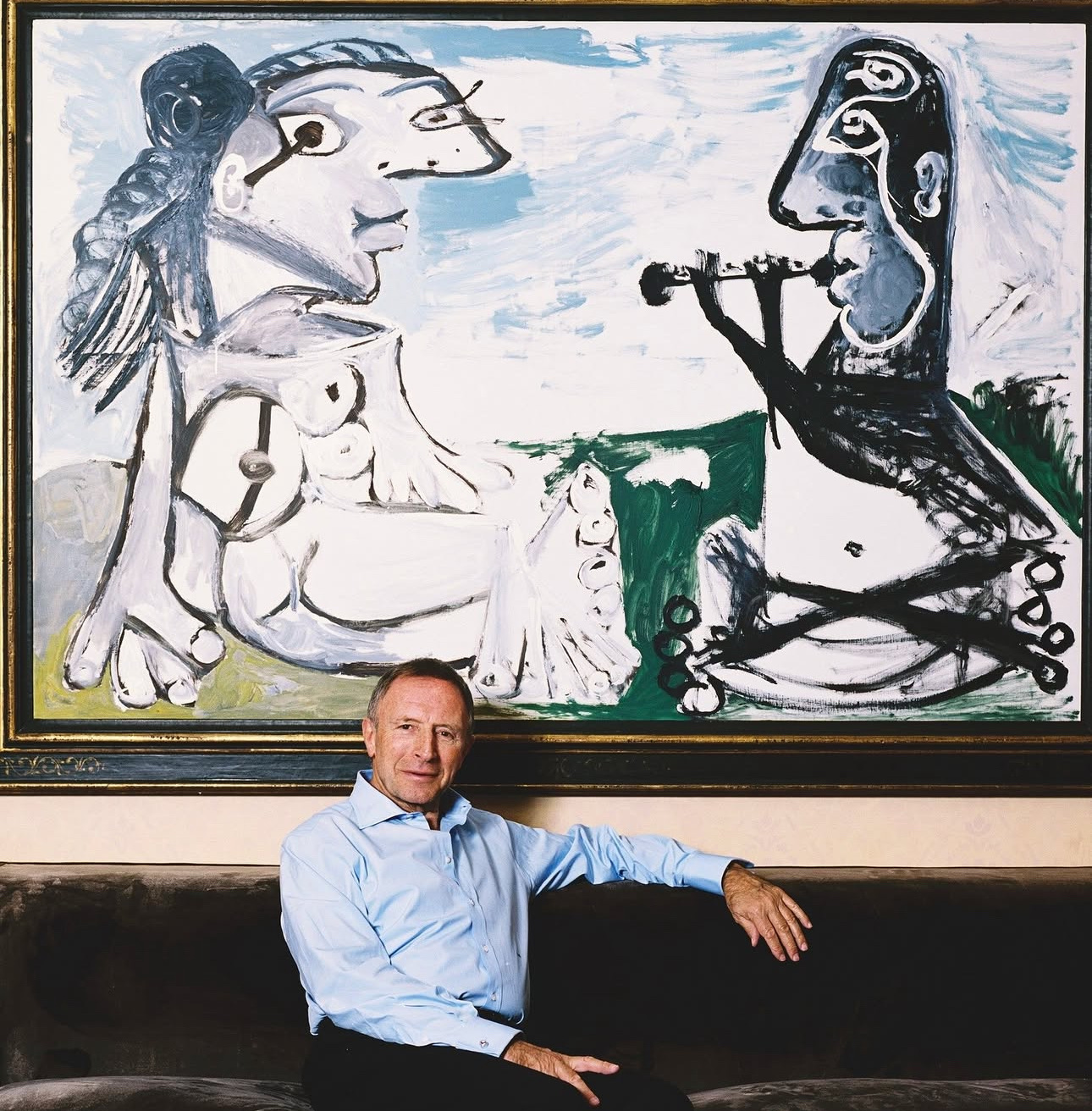
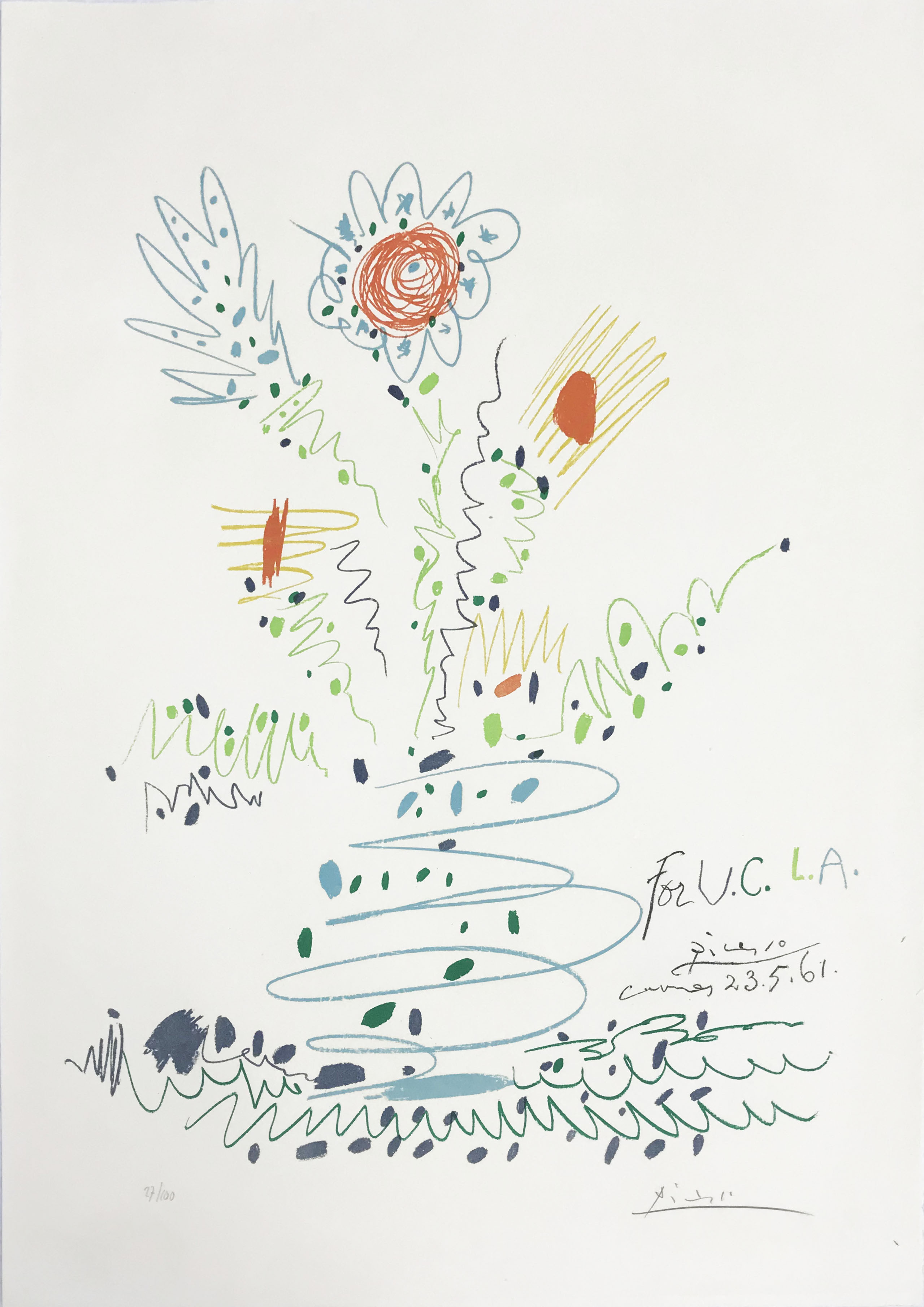
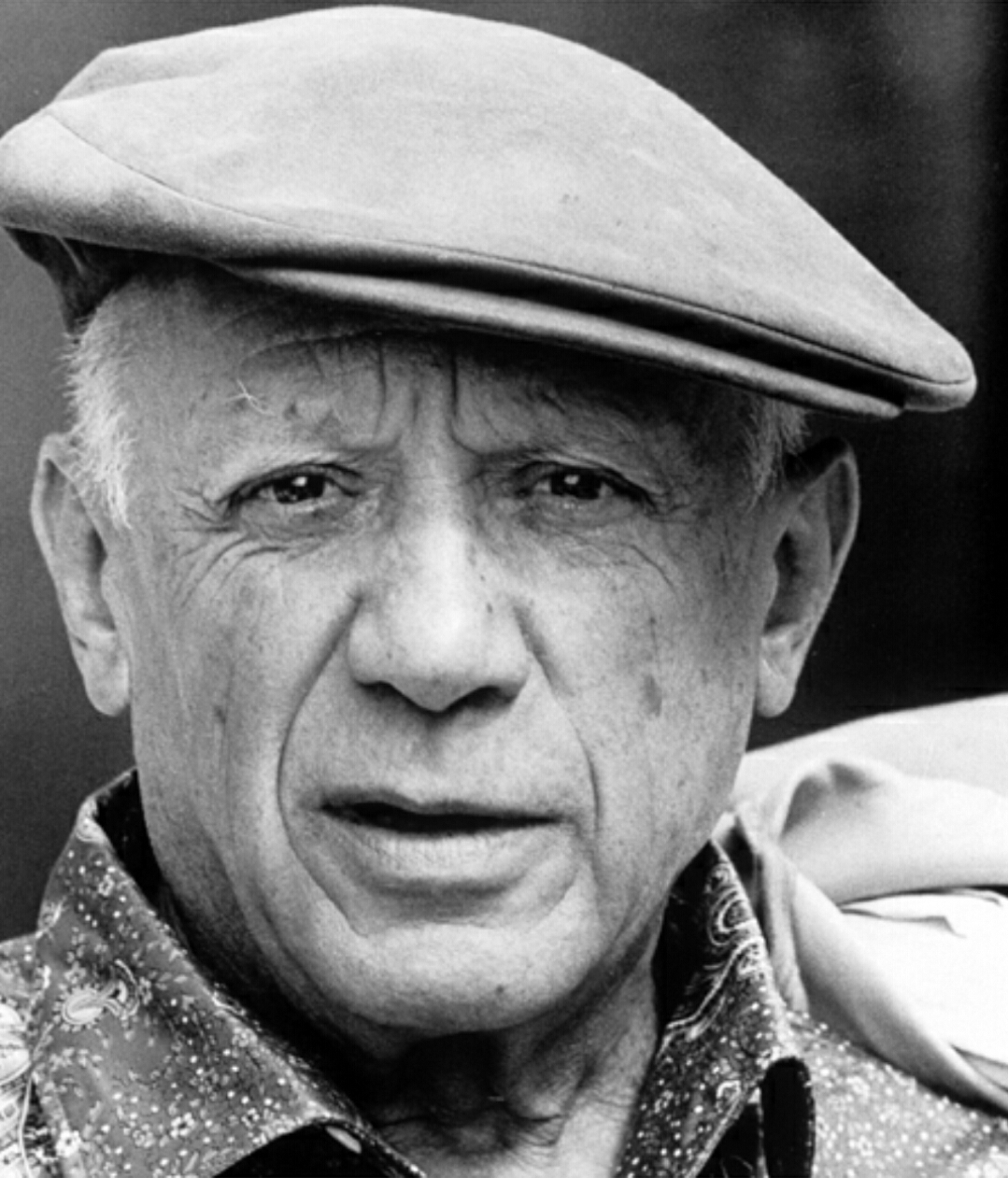
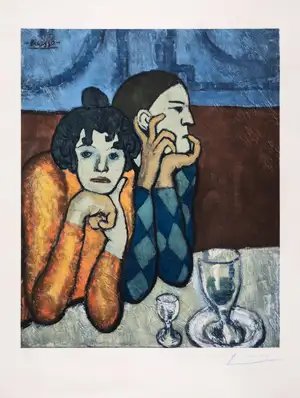
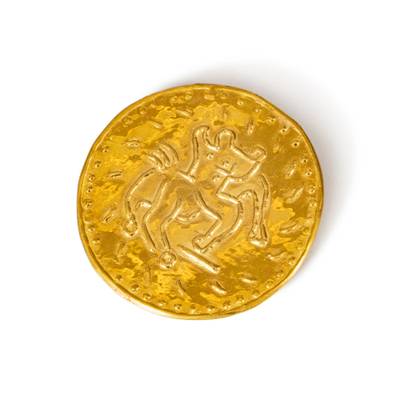
Pablo Picasso
L’Aubade, 1967

Cubism Broke the World Apart Beautifully
There are moments in art history when everything that came before suddenly looks like rehearsal. Cubism was one of those moments. Emerging in Paris in the first decade of the twentieth century, it did not simply introduce a new style or a fresh palette. It proposed an entirely different theory of seeing, one that refused the comfortable fiction that a painting could capture reality from a single, fixed point of view.
More than a century later, the shock has not entirely worn off. The story begins, as it so often does, with Pablo Picasso. In 1907, working in his studio on the Rue Ravignan in Montmartre, he completed Les Demoiselles d'Avignon, a painting so radical that even his closest allies were unsettled by it. Georges Braque, who visited the studio and found himself genuinely disturbed, would soon become Picasso's most essential collaborator.
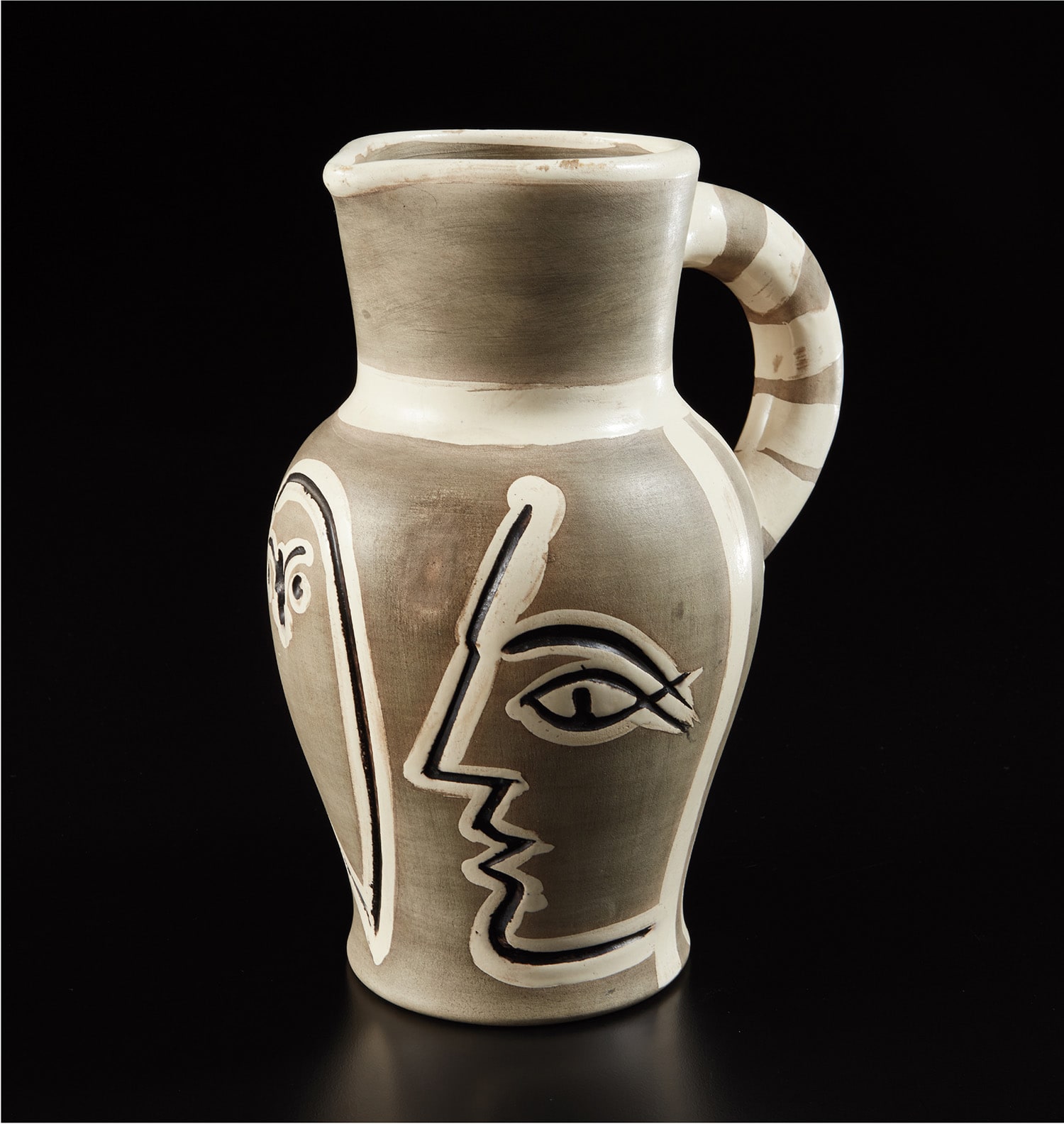
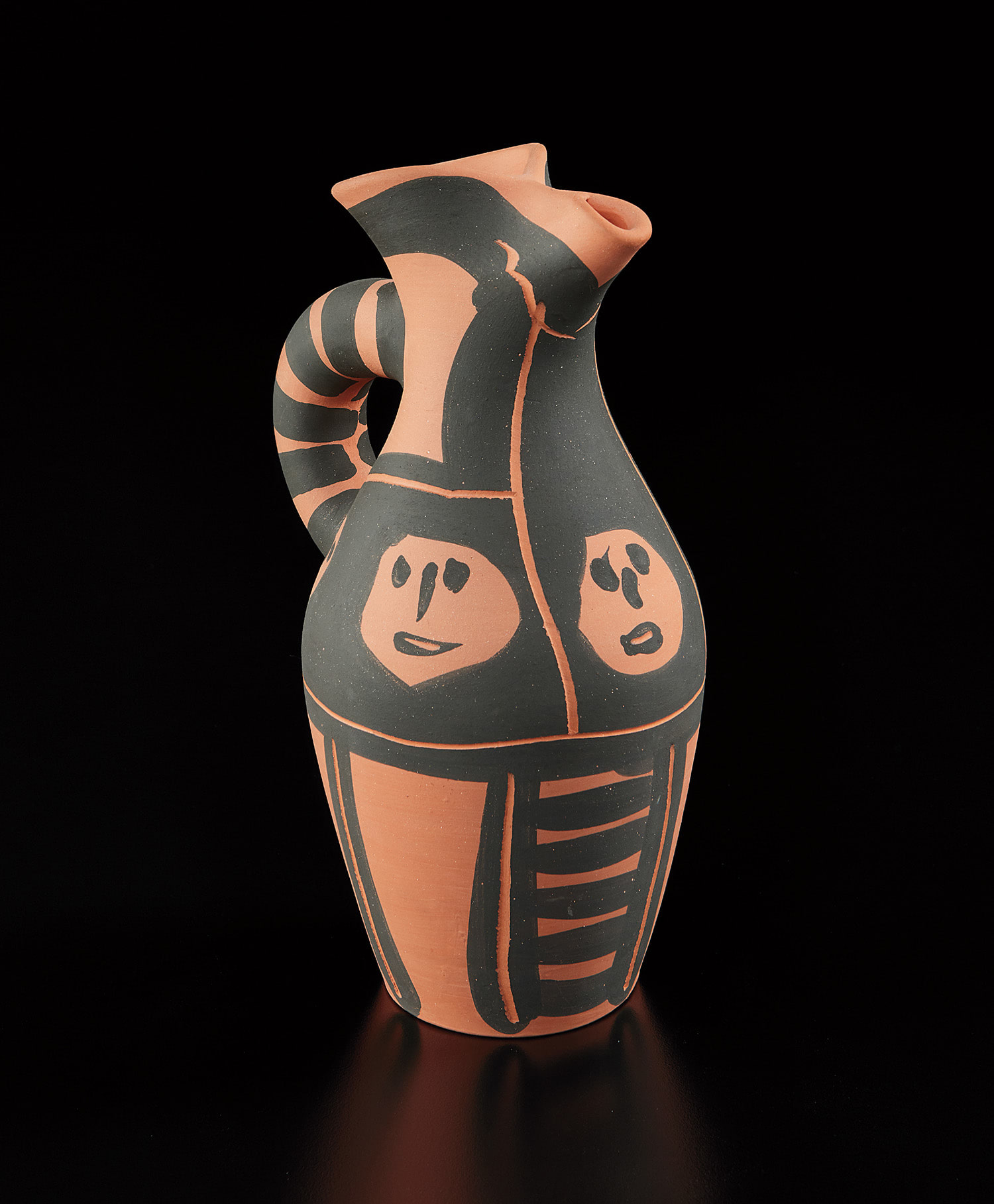
Pablo Picasso
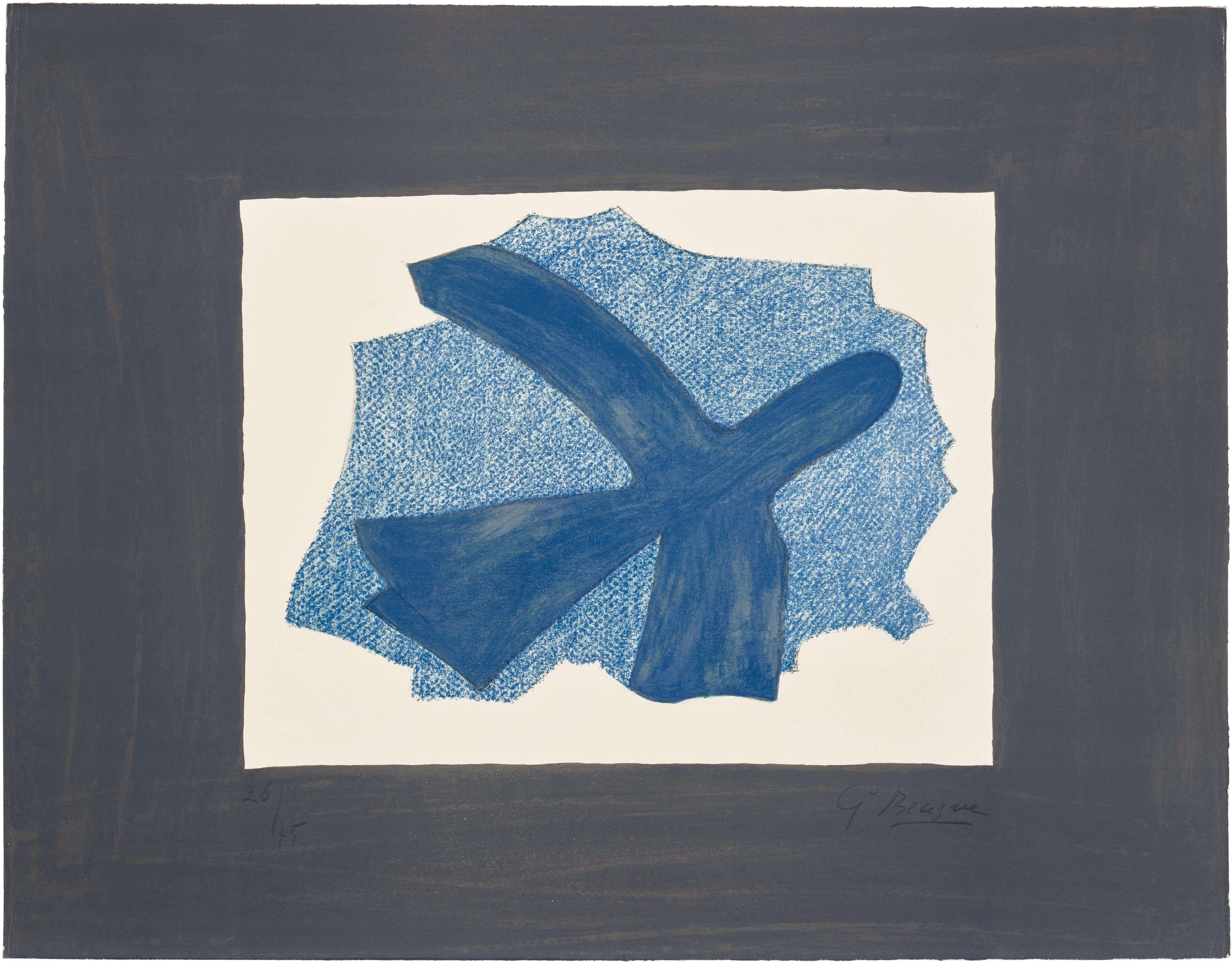
Grey engraved pitcher (Pichet gravé gris)
Their dialogue between 1908 and 1914, conducted through visits, letters, and a sustained exchange of canvases, produced what we now recognize as Analytic Cubism. The two men worked in such close communion during those years that they themselves sometimes could not attribute a given painting to one hand or the other. Analytic Cubism operates through fragmentation and reassembly. Forms are broken into facets, rotated, seen simultaneously from multiple angles, and compressed into a shallow, almost relief like pictorial space.
The palette is deliberately restrained, running through ochres, greys, and muted browns, as though color itself might distract from the radical work being done with form and space. By around 1912, the movement entered what historians call its Synthetic phase, introducing collage elements, broader colors, and more legible imagery. Picasso's papiers collés, in which newsprint and other materials were incorporated directly onto the surface, opened the door to a new understanding of what a painting could even be made of. Braque's contribution to this development is sometimes underappreciated in the popular imagination, which tends to center Picasso as the singular genius.
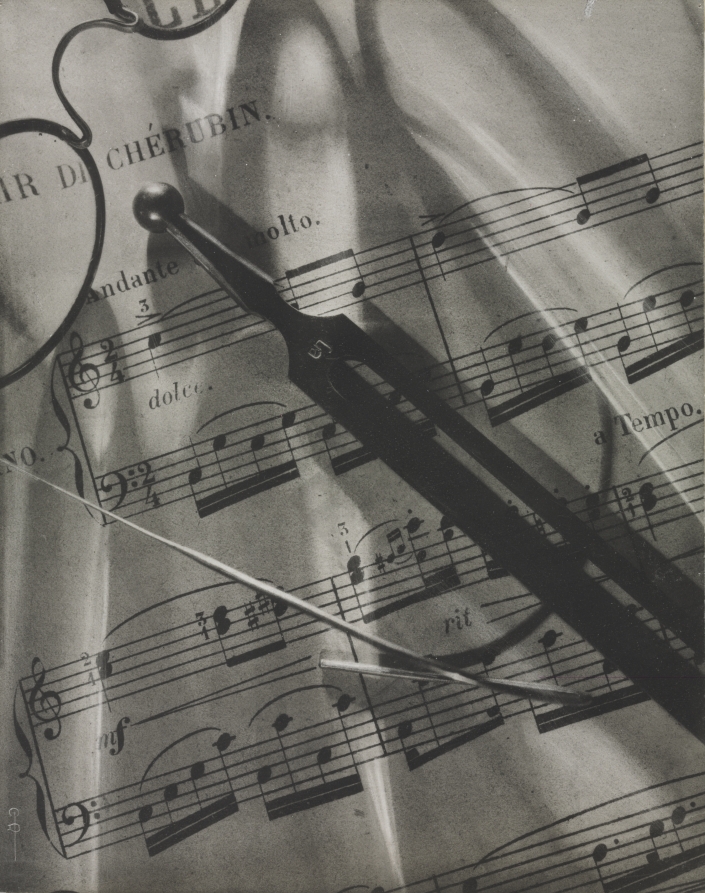
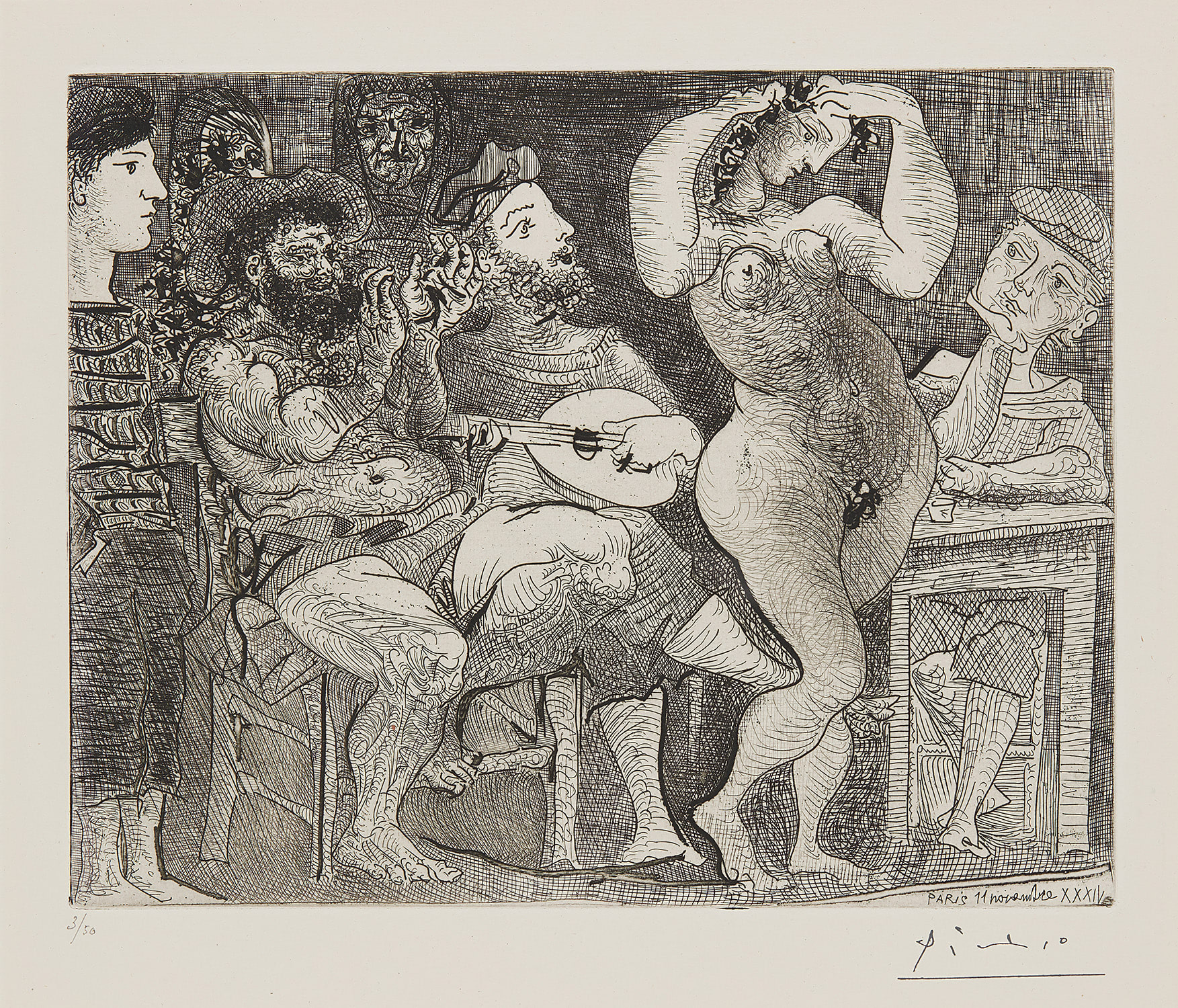
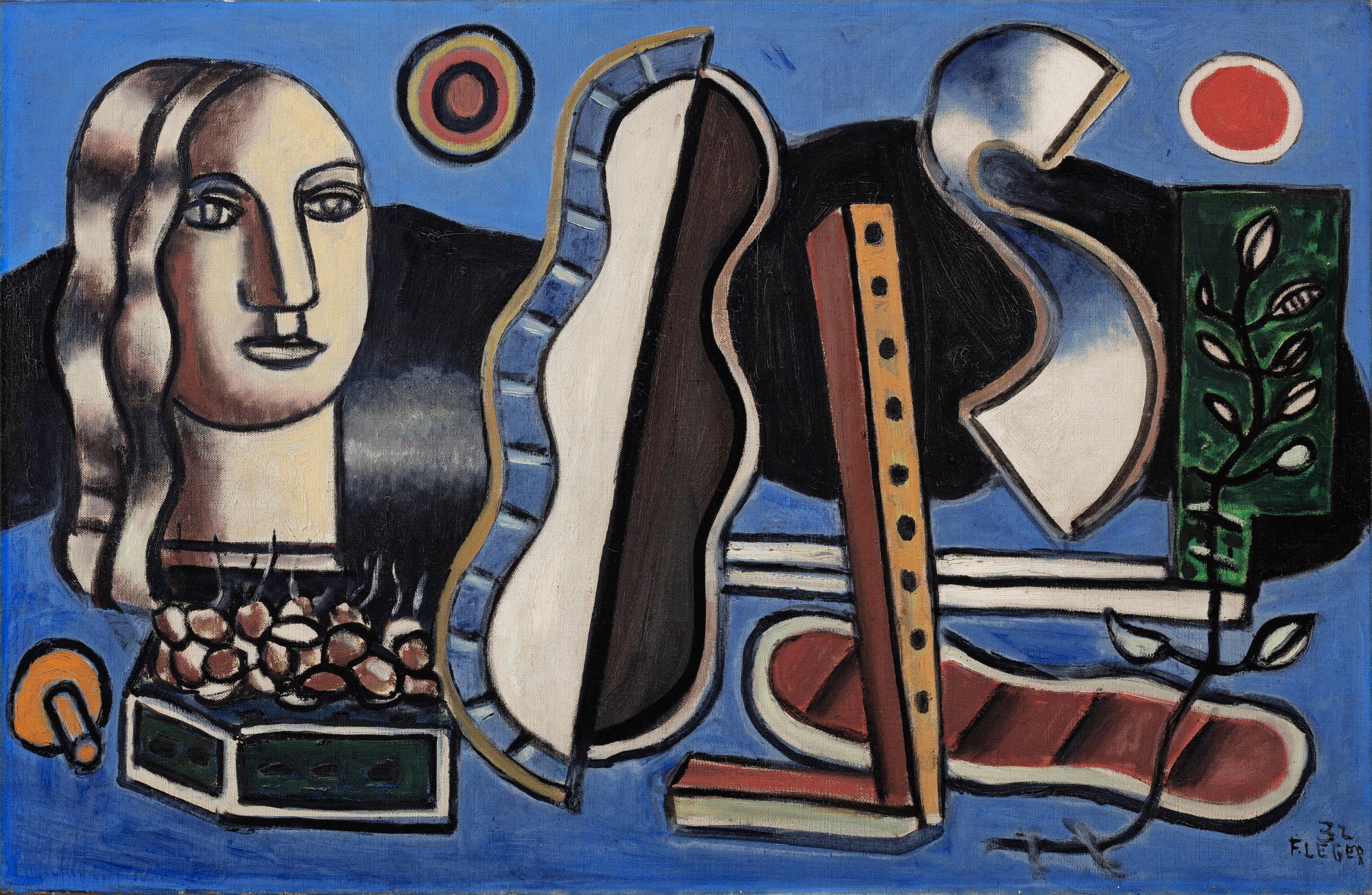
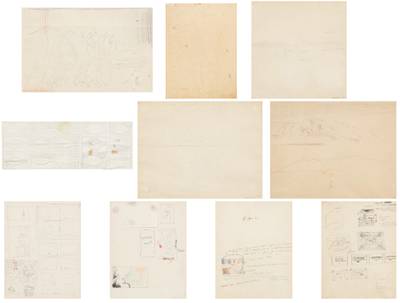
Pierre Dubreuil
Interlude, 1932
But Braque brought a craftsman's intelligence and a particular sensitivity to surface and texture that shaped the movement profoundly. His work is well represented on The Collection, offering collectors an opportunity to sit with canvases that reward sustained attention. Alongside them, Juan Gris arrived in Paris from Madrid in 1906 and developed his own distinct Cubist language, more architecturally precise and chromatically richer than his predecessors, becoming one of the movement's most rigorous and elegant voices. Jean Metzinger and Albert Gleizes formalized the movement's theoretical underpinnings in their 1912 publication Du Cubisme, the first major text to articulate what was happening in those studios and salons.
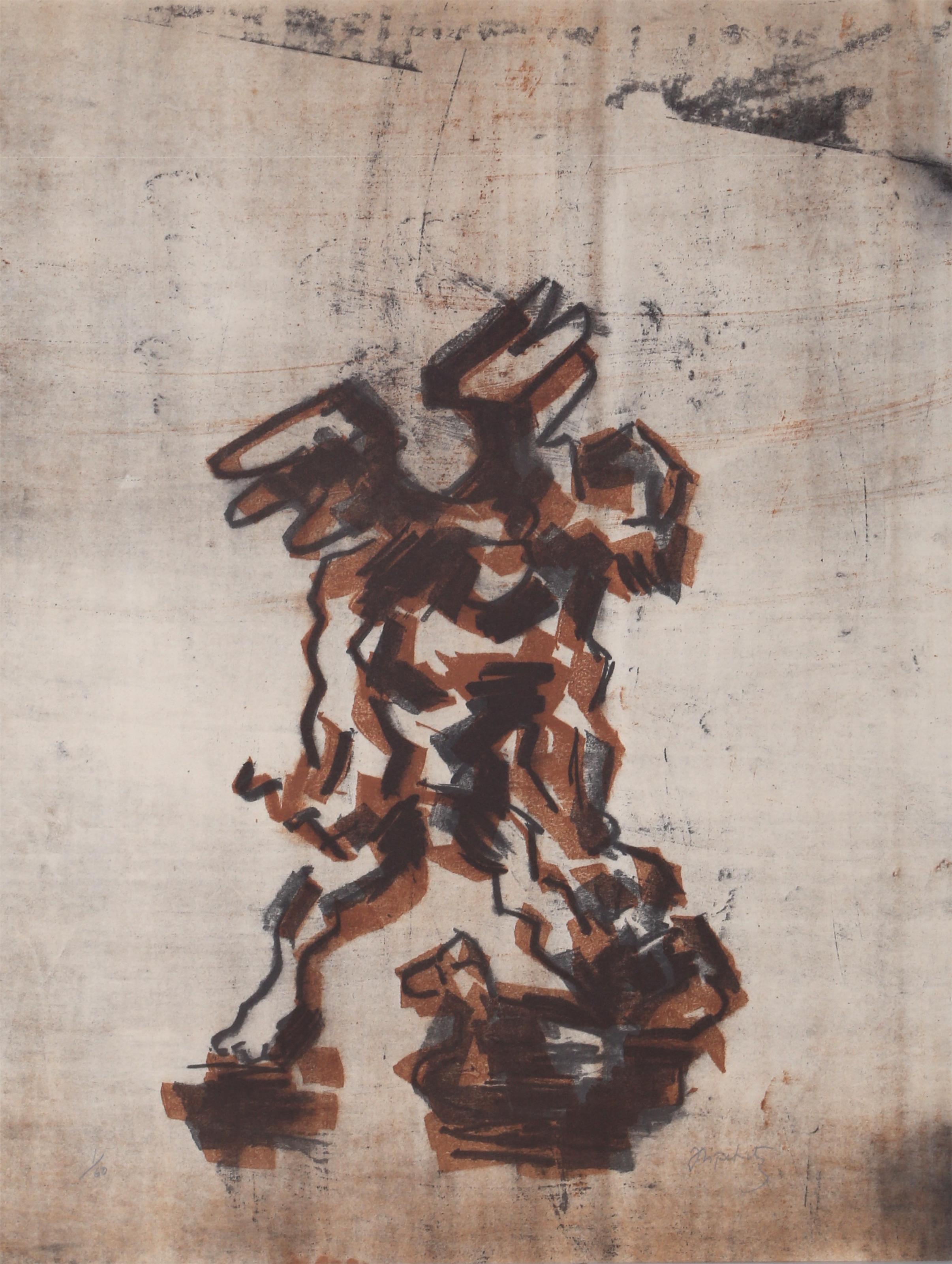
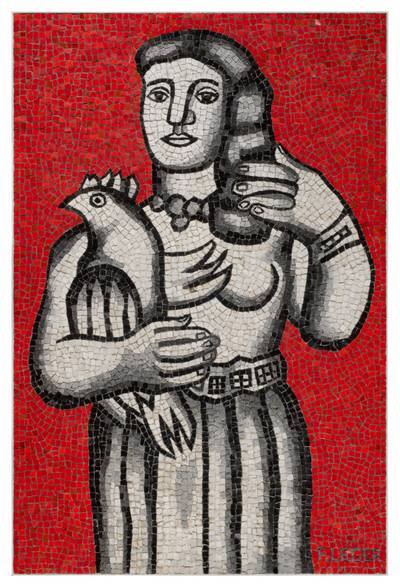
The movement attracted a remarkable constellation of artists who each inflected its principles through their own cultural and aesthetic lenses. Fernand Léger, whose work on The Collection spans a range of his output, moved Cubism toward something more mechanical and monumental, his tubular forms carrying the energy of modern industrial life. Jacques Lipchitz and Alexander Archipenko translated Cubist ideas into three dimensions, producing sculpture that fragmented the figure with the same analytical intelligence Picasso and Braque were applying on canvas. Henri Laurens did the same with a particular lyrical warmth.
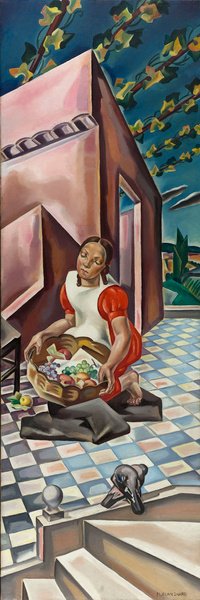
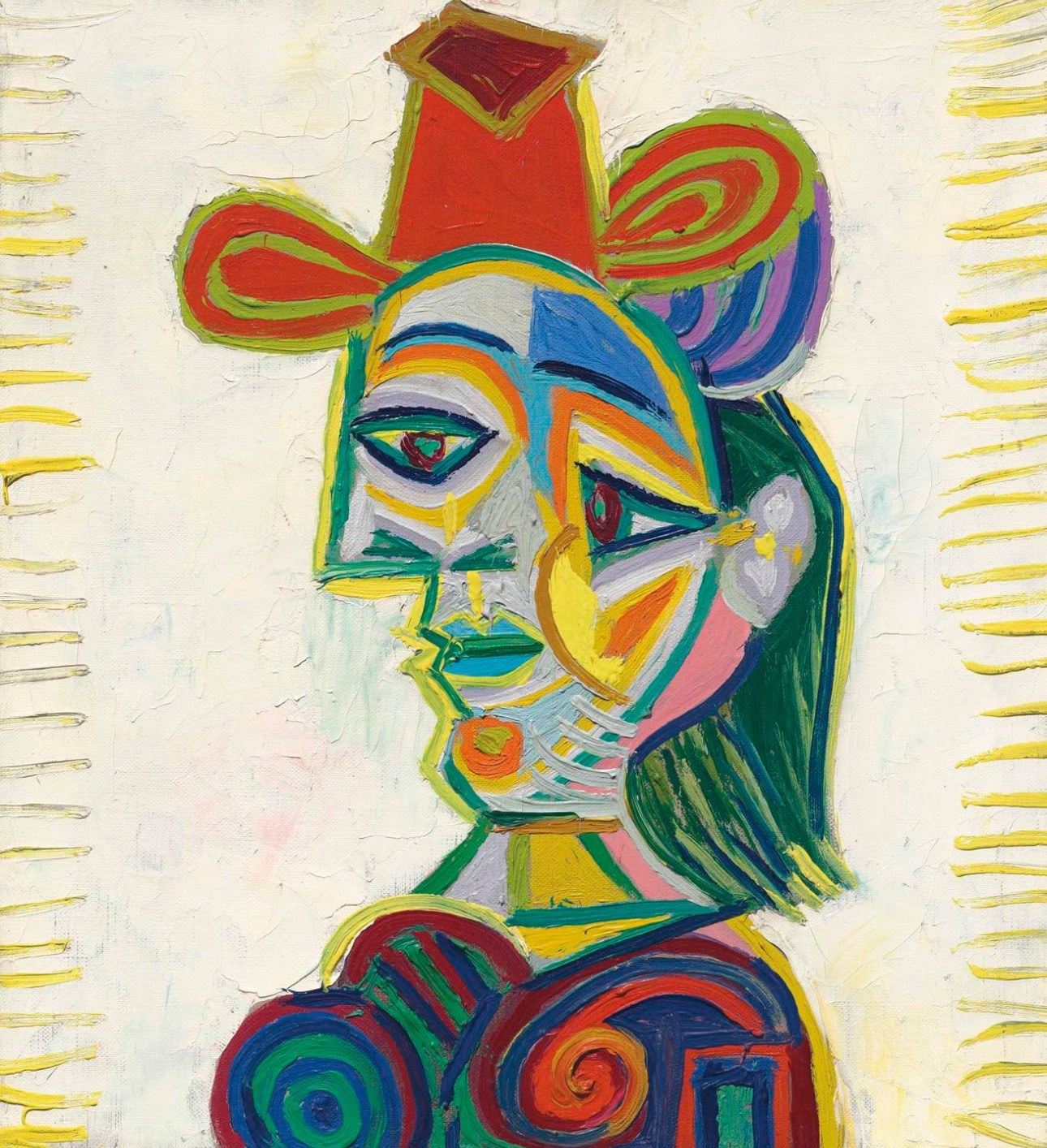
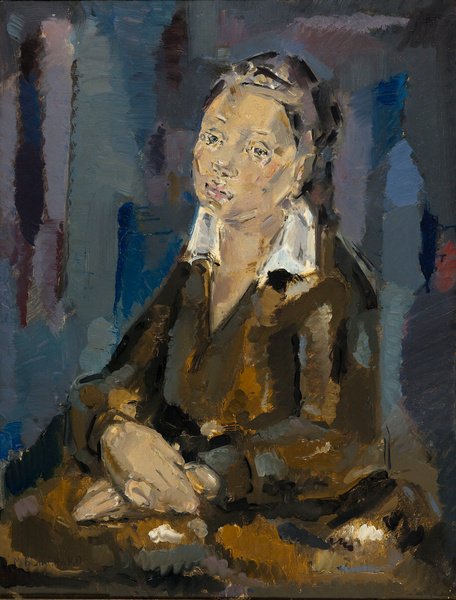
María Blanchard
Femme au panier de fruits, 1922
María Blanchard, a Spanish painter working in Paris whose career has long deserved more attention than it has received, brought genuine emotional depth to her Cubist compositions, and her work on The Collection reveals an artist of considerable power and individuality. Amédée Ozenfant and Le Corbusier, perhaps unexpectedly to those who know the latter primarily as an architect, responded to Cubism by proposing Purism as a corrective. Published in their 1918 manifesto Après le Cubisme, Purism argued that the movement had become decorative and needed to return to clean, ordered, universal forms. It is a fascinating counterpoint, proof of how generative the original impulse was, fertile enough to produce both its greatest works and its own critiques.
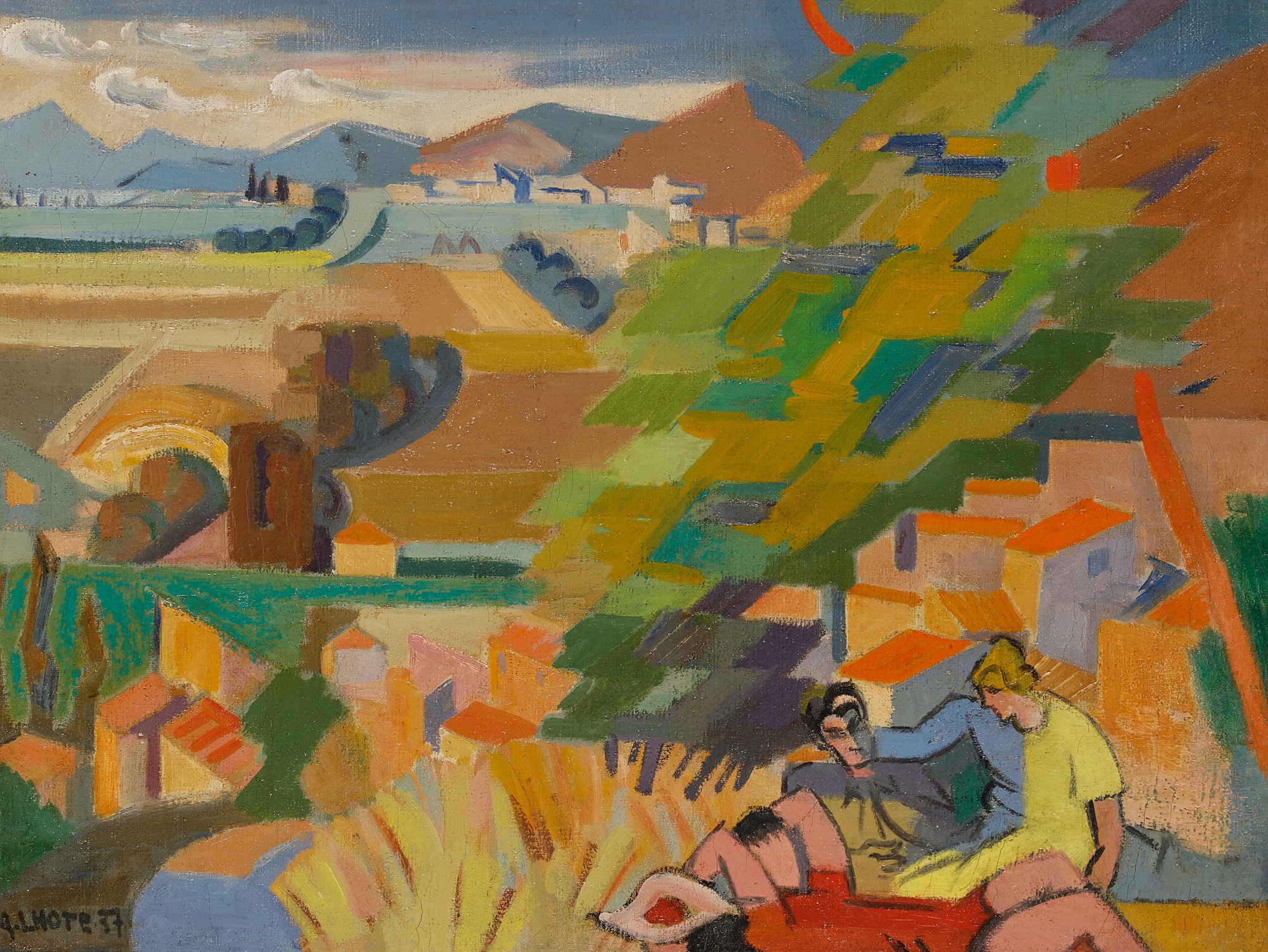
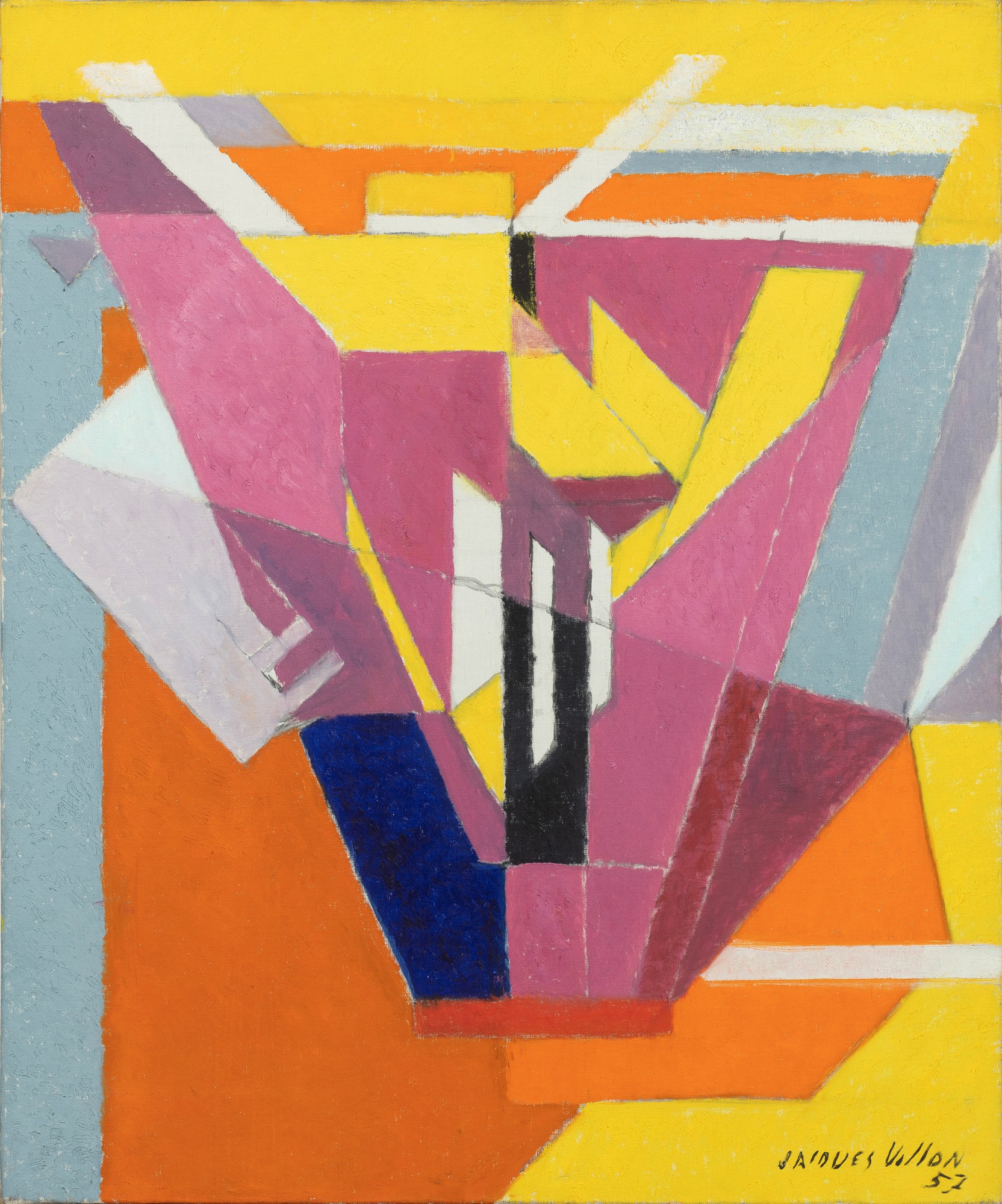
André Lhote, meanwhile, became one of the movement's most influential teachers, transmitting Cubist thinking to generations of students who passed through his Paris atelier. Jacques Villon brought a quieter, more luminous quality to his Cubist canvases, and his work repays comparison with that of his brother Marcel Duchamp, who took Cubist fragmentation and set it in motion, most famously in Nude Descending a Staircase from 1912, a painting that scandalized visitors to the New York Armory Show in 1913 and introduced American audiences to European modernism in the most confrontational way imaginable. The Armory Show is worth pausing on, because it illustrates something important about Cubism's cultural reach. By 1913, what had begun as an intimate dialogue between two painters in Montmartre had become a genuinely international phenomenon, capable of provoking outrage in the popular press, inspiring collectors, and rearranging the ambitions of artists working as far from Paris as Moscow, New York, and Calcutta.
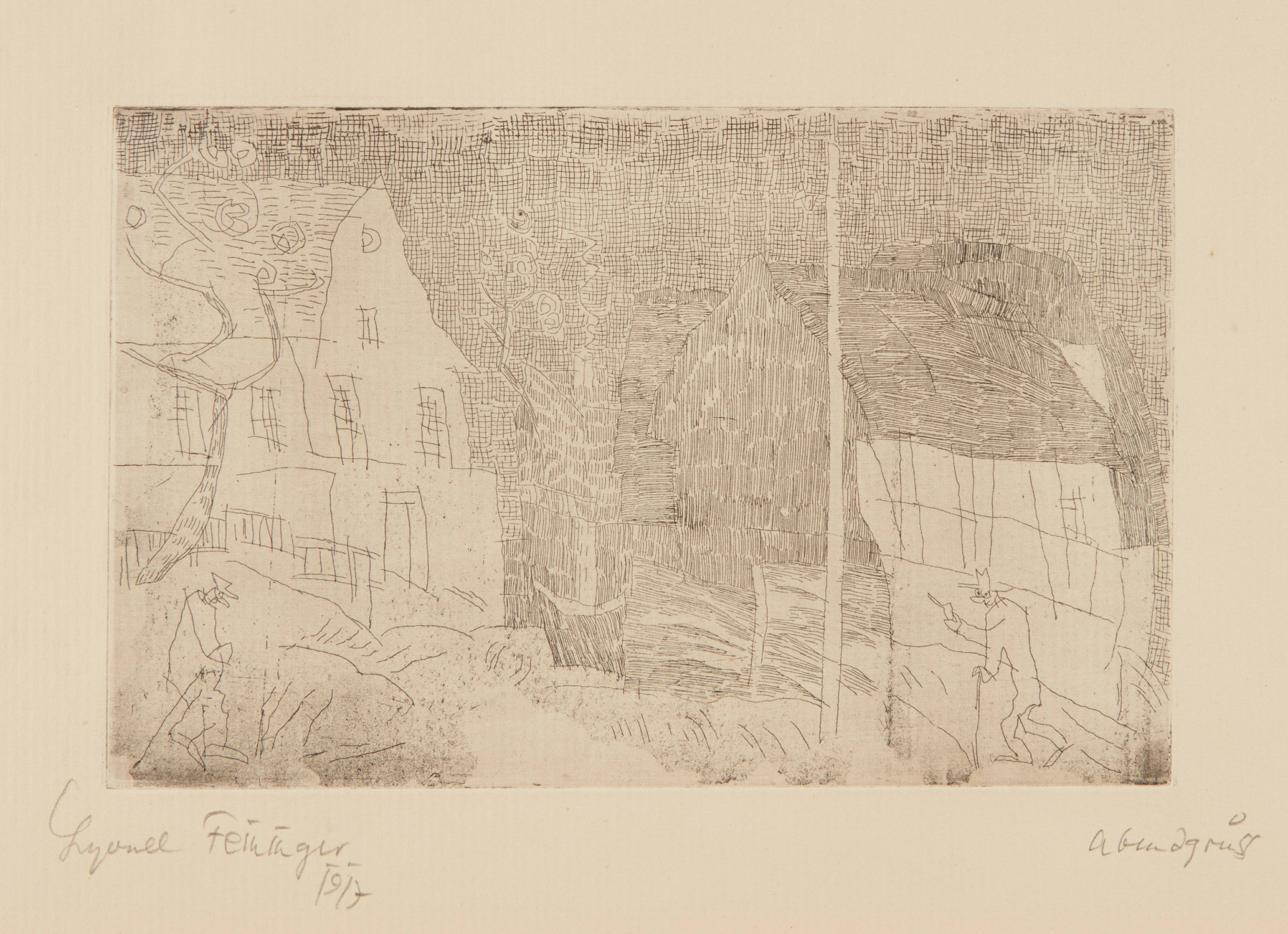
Lyonel Feininger
Abendgruss (The Evening Greeting)
Robert Delaunay took the movement's fracturing of form into pure chromatic abstraction with Orphism. Stuart Davis carried its structural logic into American modernism. Lyonel Feininger found in Cubism a framework for the crystalline, luminous architecture of his later work. The movement was never one thing, and that multiplicity of inflections is precisely what made it so durable.
To collect Cubism today is to engage with one of the central arguments of modern art, the argument that visual truth is not a single perspective but a composite of many. The works available on The Collection, from the foundational figures of Picasso and Braque to the sometimes overlooked contributions of Georges Valmier, Louis Marcoussis, and Joseph Csaky, collectively tell a story that is richer and more contested than any single masterpiece could convey. Spending time with these works, moving from the analytic severity of an early Braque to the warm geometry of a Léger, one begins to understand that Cubism was not merely a style. It was a way of insisting that reality is more complex, more layered, and more interesting than any single point of view can hold.