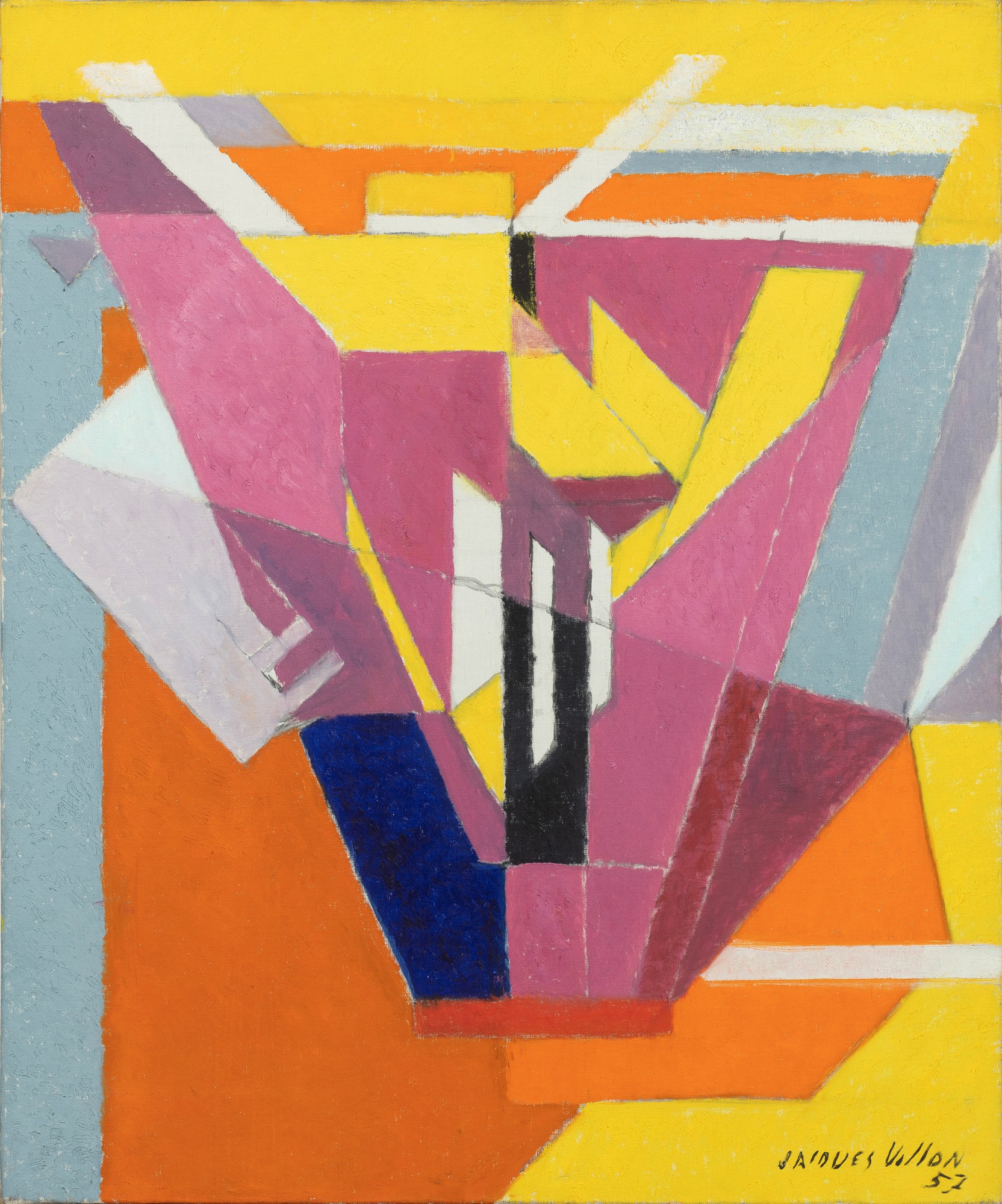
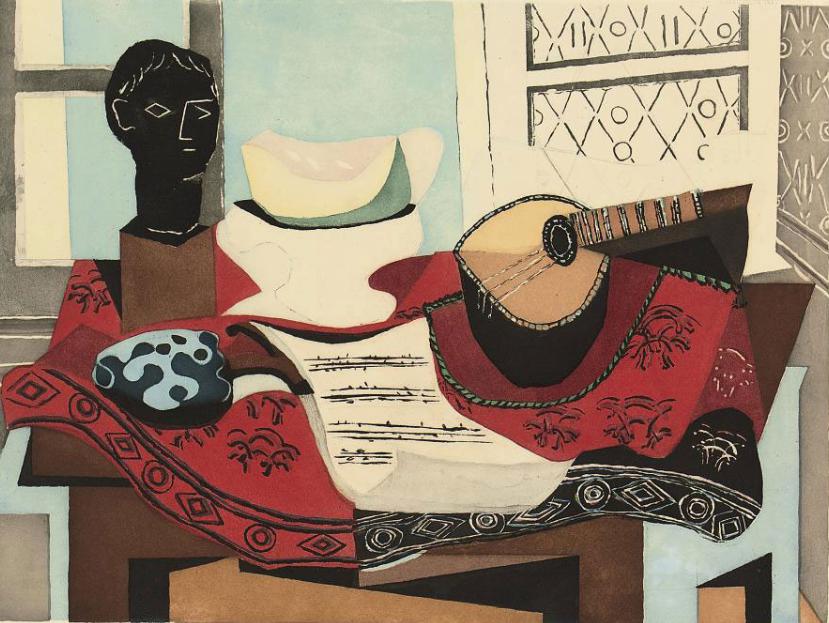
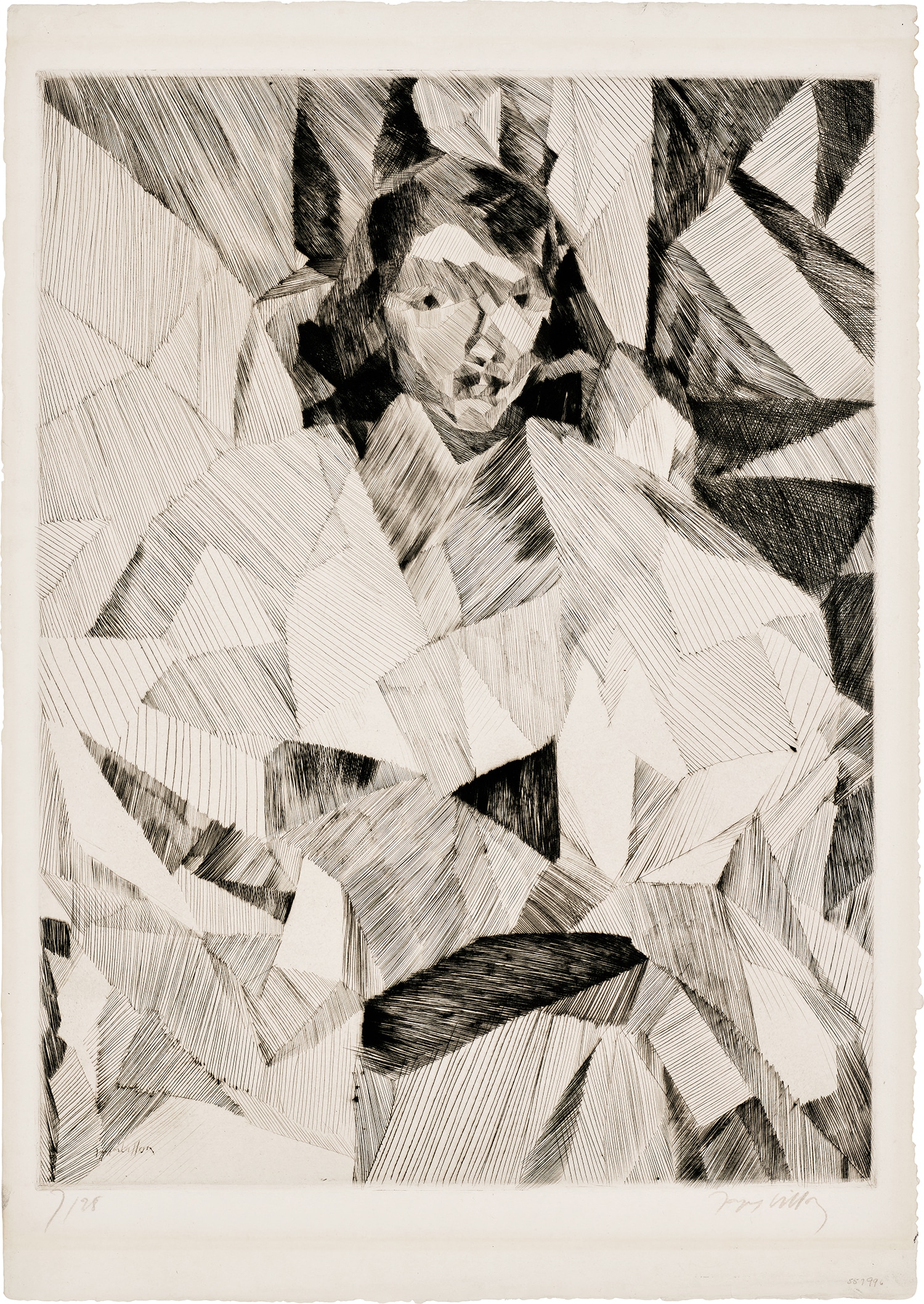
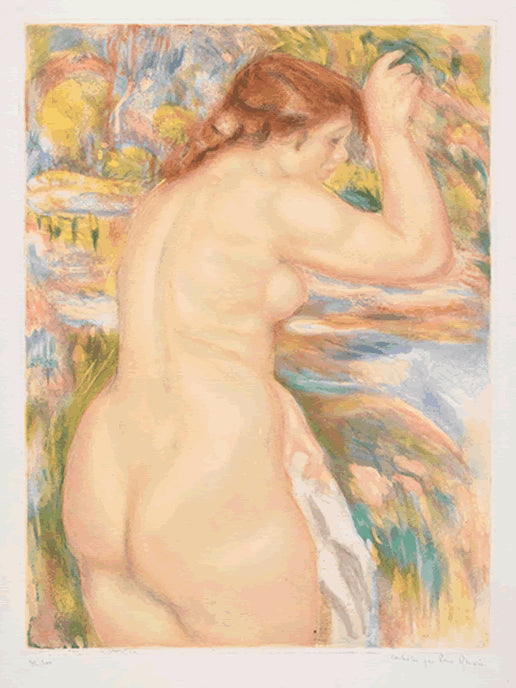
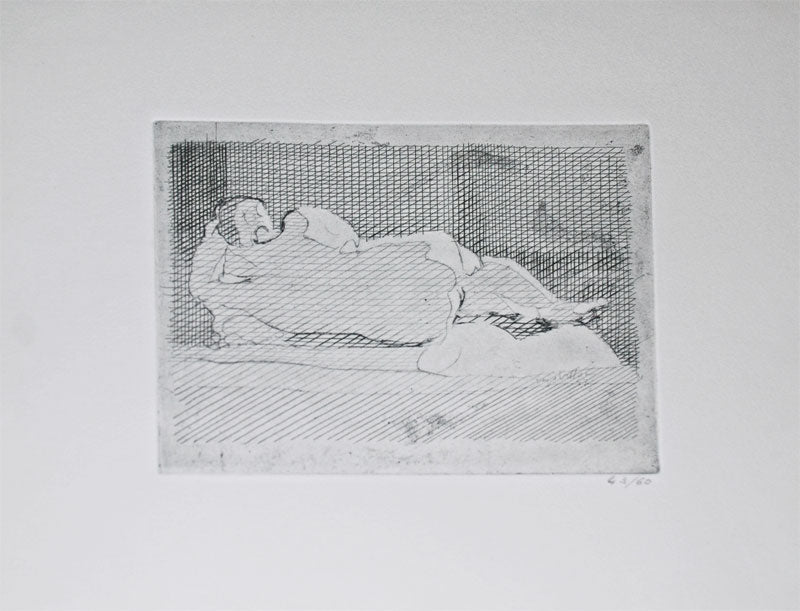
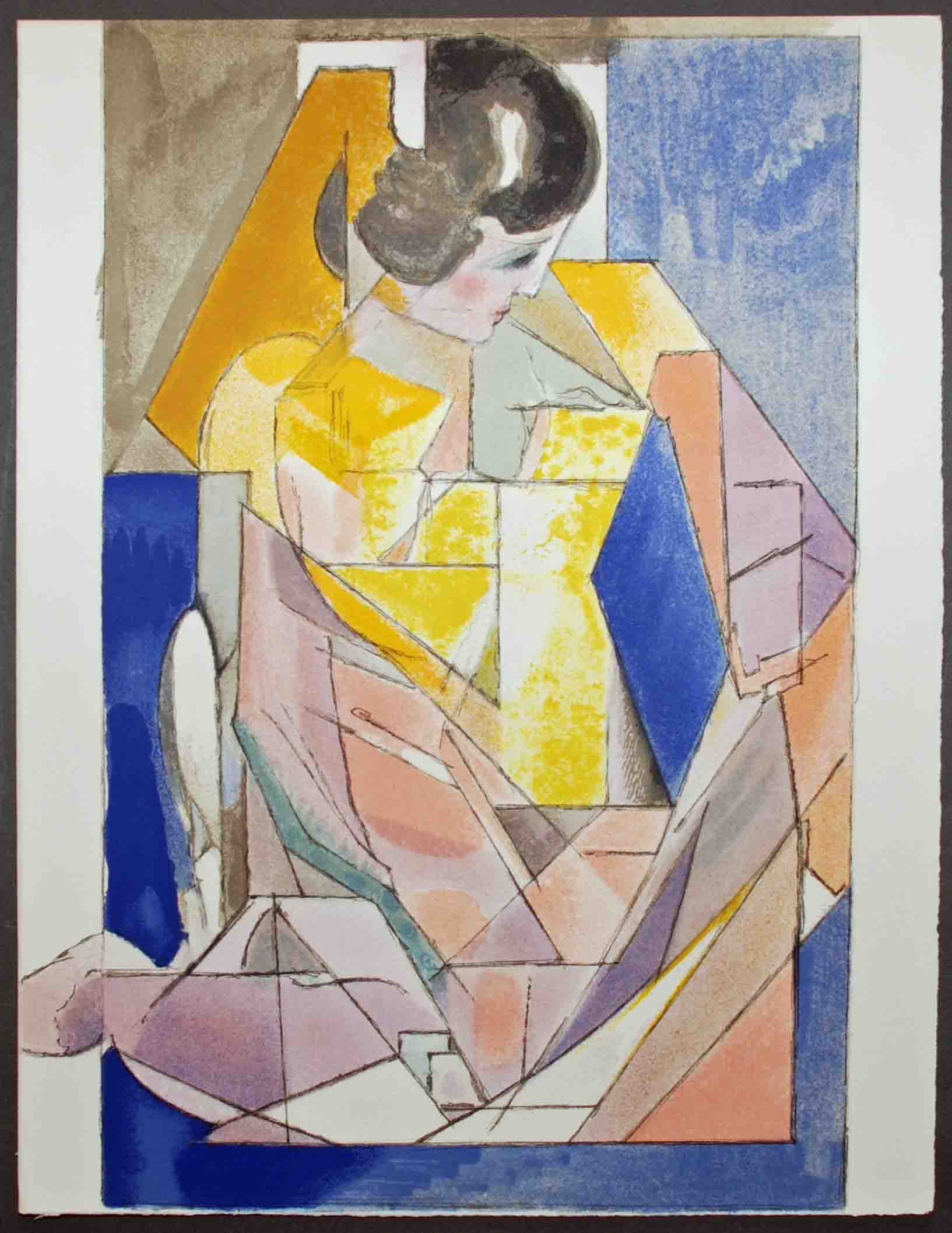
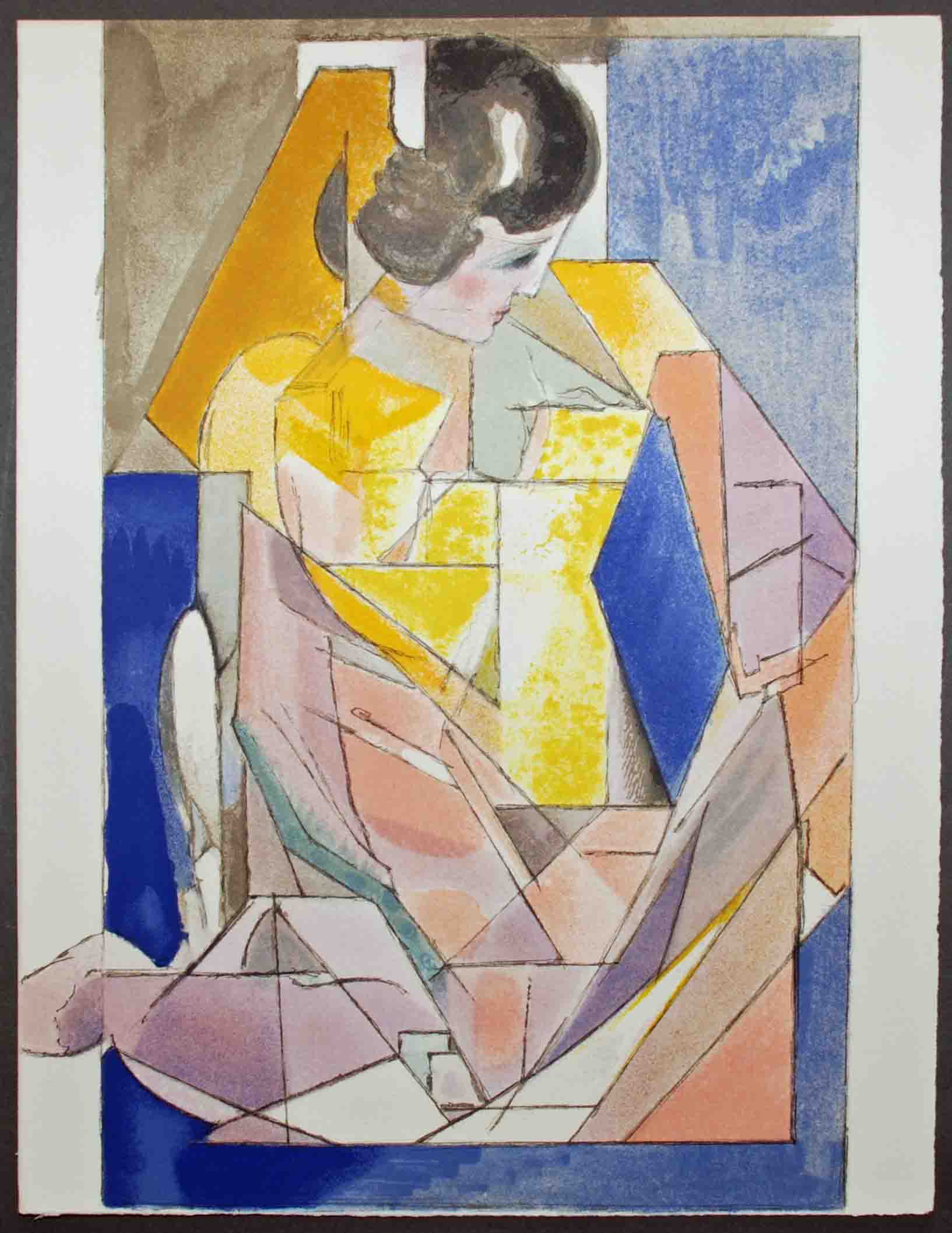
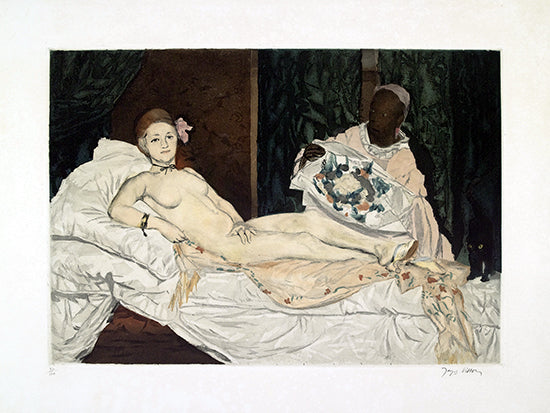
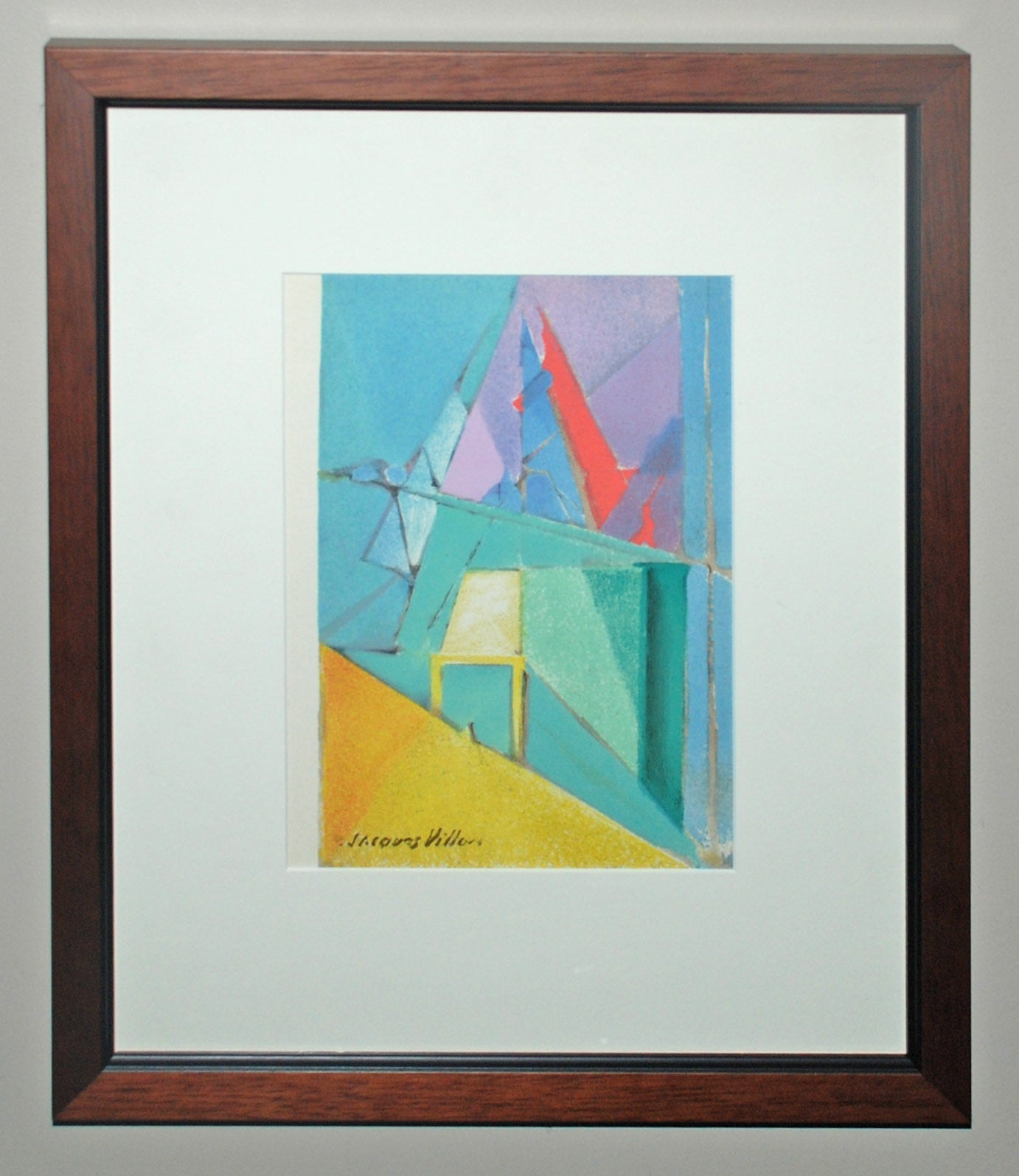
There is a particular kind of painter whose influence radiates outward quietly, shaping the sensibilities of collectors, fellow artists, and entire movements without ever demanding the loudest seat in the room. Jacques Villon was precisely such a figure. When the Musée National d'Art Moderne in Paris mounted a significant retrospective honoring his life's work in the years following his death in 1963, critics and curators found themselves confronting an oeuvre of startling range and consistency, one that had unfolded across nearly seven decades of restless, joyful inquiry. To stand before a late Villon canvas is to understand that painting, at its most devoted, is an act of sustained wonder. Gaston Duchamp, who would take the name Jacques Villon as a nod to the medieval French poet François Villon, was born in Damville, Normandy, in 1875. He grew up inside one of the most remarkable artistic families in modern French history. His brothers would become Marcel Duchamp, the provocateur whose Nude Descending a Staircase transformed the art world's sense of what a painting could do, and Raymond Duchamp Villon, the pioneering sculptor who died tragically young. Their sister Suzanne Duchamp was herself a painter of considerable accomplishment. The Duchamp household was not simply a home; it was a proving ground for ideas, and Jacques absorbed its atmosphere of intellectual seriousness and artistic ambition from the very beginning. He moved to Paris in 1894, enrolled at the École des Beaux Arts, and supplemented his studies by working as an illustrator and caricaturist for publications including Le Rire and L'Assiette au Beurre, developing a precise, witty graphic sensibility that would inform everything he made afterward. Villon's early career placed him at the center of one of the most fertile moments in the history of twentieth century art. He settled in Puteaux, a suburb just west of Paris, and his studio became the gathering place for a circle of artists and theorists who would give birth to what is now called Cubism in its more systematic, philosophically inclined variant. The Section d'Or group, which Villon helped organize and named, held its landmark exhibition at the Galerie La Boétie in Paris in October 1912. That show brought together work by Fernand Léger, Albert Gleizes, Jean Metzinger, Francis Picabia, and Marcel Duchamp, among others, and it represented a serious attempt to ground the new fragmented vision of reality in classical proportion and mathematical order. Villon's contribution to this moment was not merely organizational; his own canvases from this period demonstrate a mind wrestling beautifully with how light and structure could be made to coexist in a single field of color. What sets Villon apart from many of his Cubist contemporaries is the warmth that never left his work, even at its most analytical. La table servie, completed in 1912 and now among the most admired works in private collections, shows a domestic scene transformed by prismatic geometry into something that hums with quiet energy, its faceted planes catching light the way a crystal does. Villon was always as interested in the poetry of everyday life as he was in theoretical systems. During the long years of the Second World War, when he retreated to the countryside, he produced works like La cueillette and Jardinage, both from 1942, that breathe with a kind of tender observation of rural labor and growing things. These are not escapist pictures; they carry the weight of their historical moment while insisting on the enduring value of the visible world. Satanique, from 1931, demonstrates another register entirely, with its darker chromatic language suggesting that Villon could descend into shadow when the moment demanded it. By the postwar years, Villon had achieved something rare: a late style that felt genuinely new rather than merely autumnal. The canvases of the 1950s and into the early 1960s show a painter who had synthesized everything he had learned over half a century into a language of cascading, luminous color planes that anticipate later developments in lyrical abstraction. Triomphe, painted in 1957, is in many respects his declaration of arrival. Its title carries no irony; it is a picture of pure chromatic jubilation, planes of color orchestrated with the confidence of a composer who knows exactly where every note belongs. Globes terre ciel from 1951 is equally compelling, balancing celestial aspiration with the grounded warmth that always characterized his vision. These late works have commanded serious attention at auction in recent decades, with major examples passing through Sotheby's and Christie's Paris and New York sales at prices that reflect growing international recognition of his sustained achievement. Collectors drawn to Villon are, in my experience, a particular kind of person: someone who values depth over spectacle, who finds the long arc of an artist's development as compelling as any single masterpiece. His prints deserve special attention in this regard. Villon was one of the great printmakers of his generation, and his drypoints are technical marvels. Works like Yvonne D. de face and Renée on a Sofa demonstrate his ability to conjure volume and atmosphere through the most economical means, the burr of the drypoint line holding ink in ways that give these portraits an almost breathing quality. Impressions on Arches paper with full margins and deckle edges represent the ideal collecting standard for his graphic work, and fine examples with strong burr throughout are becoming increasingly difficult to find. For collectors building a serious collection around early twentieth century French modernism, a strong Villon print is among the most rewarding and historically grounded acquisitions available. To understand Villon fully it helps to place him in constellation with the artists closest to his sensibility. He shares with Robert Delaunay a love of prismatic color and the way light dissolves solid form, though Villon's approach is always more intimate and less declamatory than Delaunay's grand Orphist ambitions. He connects to Albert Gleizes and Jean Metzinger through the Section d'Or's theoretical framework, but outlasted both in terms of continued development and formal invention. His late paintings have an affinity with the work of Roger de La Fresnaye, another artist whose Cubism was inflected by a French classicist's love of clarity and proportion. Collectors who admire any of these figures will find in Villon a painter who stands fully equal to the finest work in that company. Jacques Villon was awarded the Grand Prize for painting at the Venice Biennale in 1956, recognition that came late but felt entirely deserved. He continued working until very near the end of his life, dying in Puteaux in 1963 at the age of eighty seven, in the same suburb where he had helped change the history of modern art more than fifty years before. His longevity was not merely biographical; it was artistic. He kept asking new questions of painting until there was no more time to ask them. In an era when art history tends to reward the provocateur and the iconoclast, Villon stands as a reminder that sustained devotion to the act of seeing, pursued with intelligence and genuine joy, produces its own kind of revolution.