Screenprint
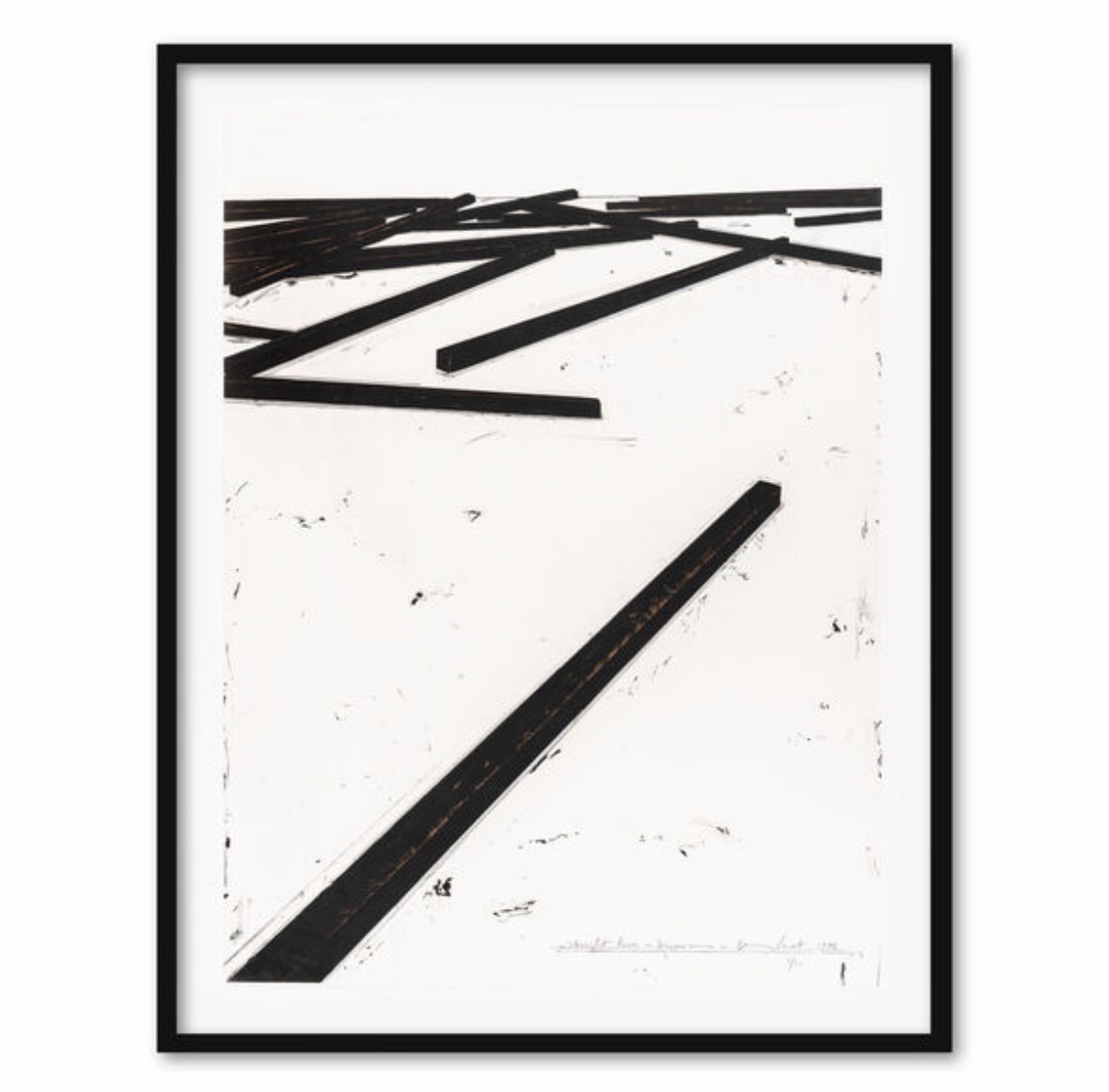
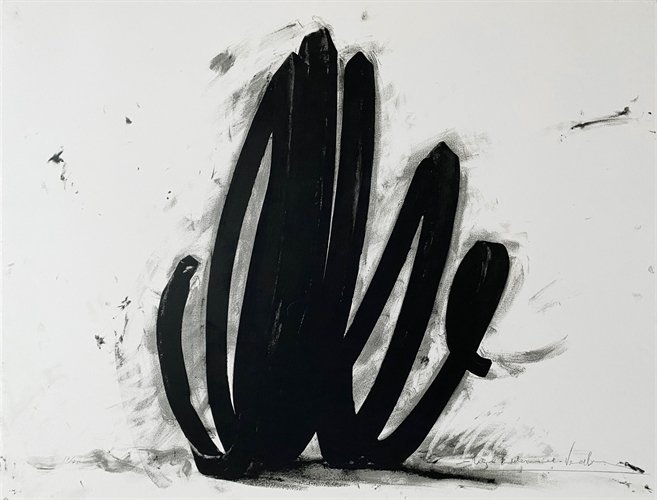
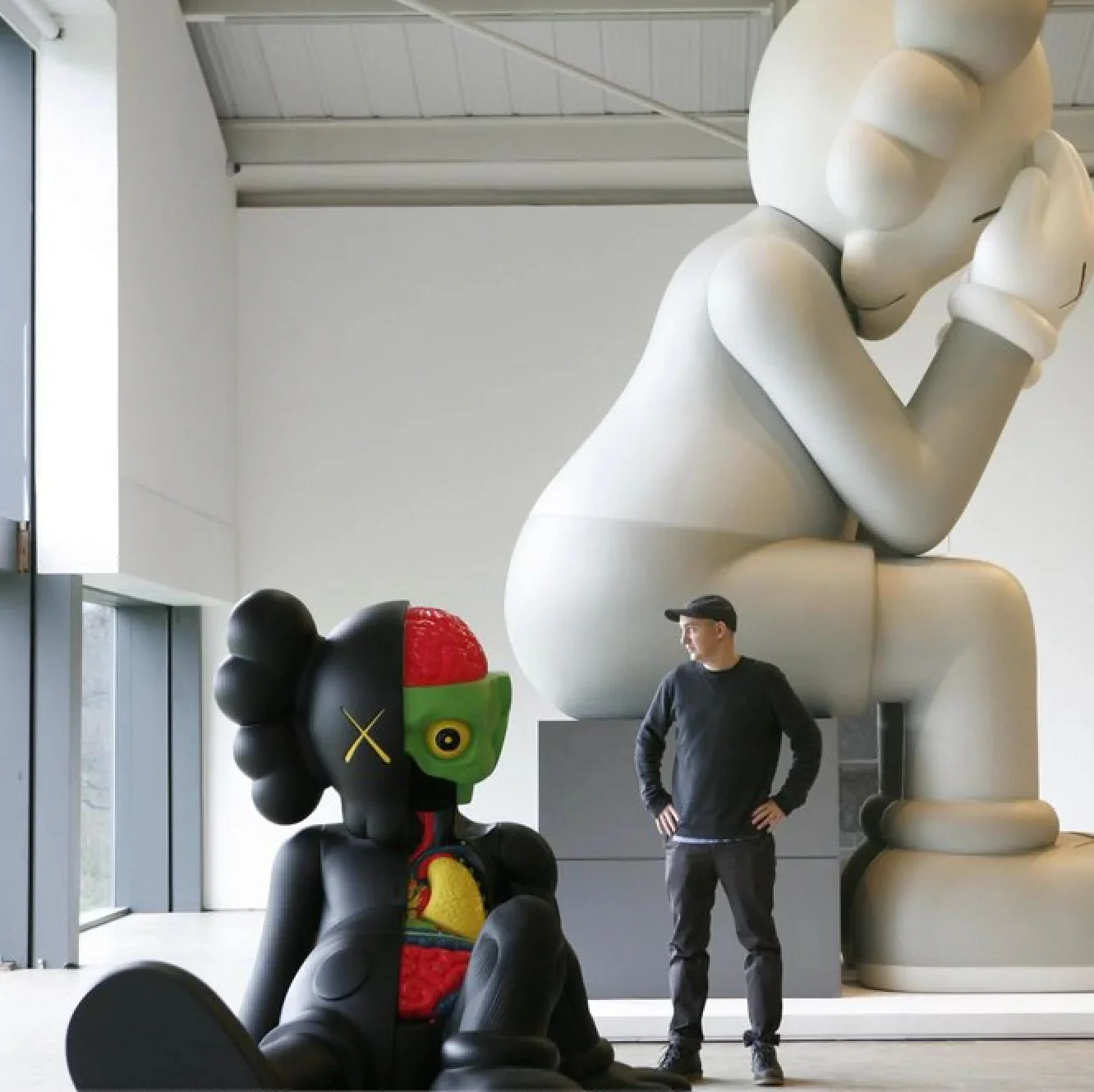
Bernar Venet
Straight Lines / Dispersion, 1997
Ink, Mesh, and the Democracy of Images
There is something almost alchemical about the screenprint. A sheet of paper, a squeegee dragged across a taut mesh, and suddenly an image exists that did not exist a moment before. Repeat the gesture and the image exists again, identical and yet somehow alive in its own right. This capacity to multiply without diminishing, to reproduce without loss, is what made screenprinting not just a technique but a philosophical position about what art could be and who it could reach.
The process itself has ancient roots, traceable to stencilling practices in China and Japan dating back centuries. But the industrial form we recognise today, using a woven mesh screen to transfer ink onto a surface, emerged in the early twentieth century as a commercial tool for printing onto fabric and packaging. It was only in the 1930s that American artists, many working under the Federal Art Project during the New Deal era, began seriously experimenting with the technique as a fine art medium. They even coined a new name for it, serigraph, to distinguish their artistic ambitions from the print shop floor.
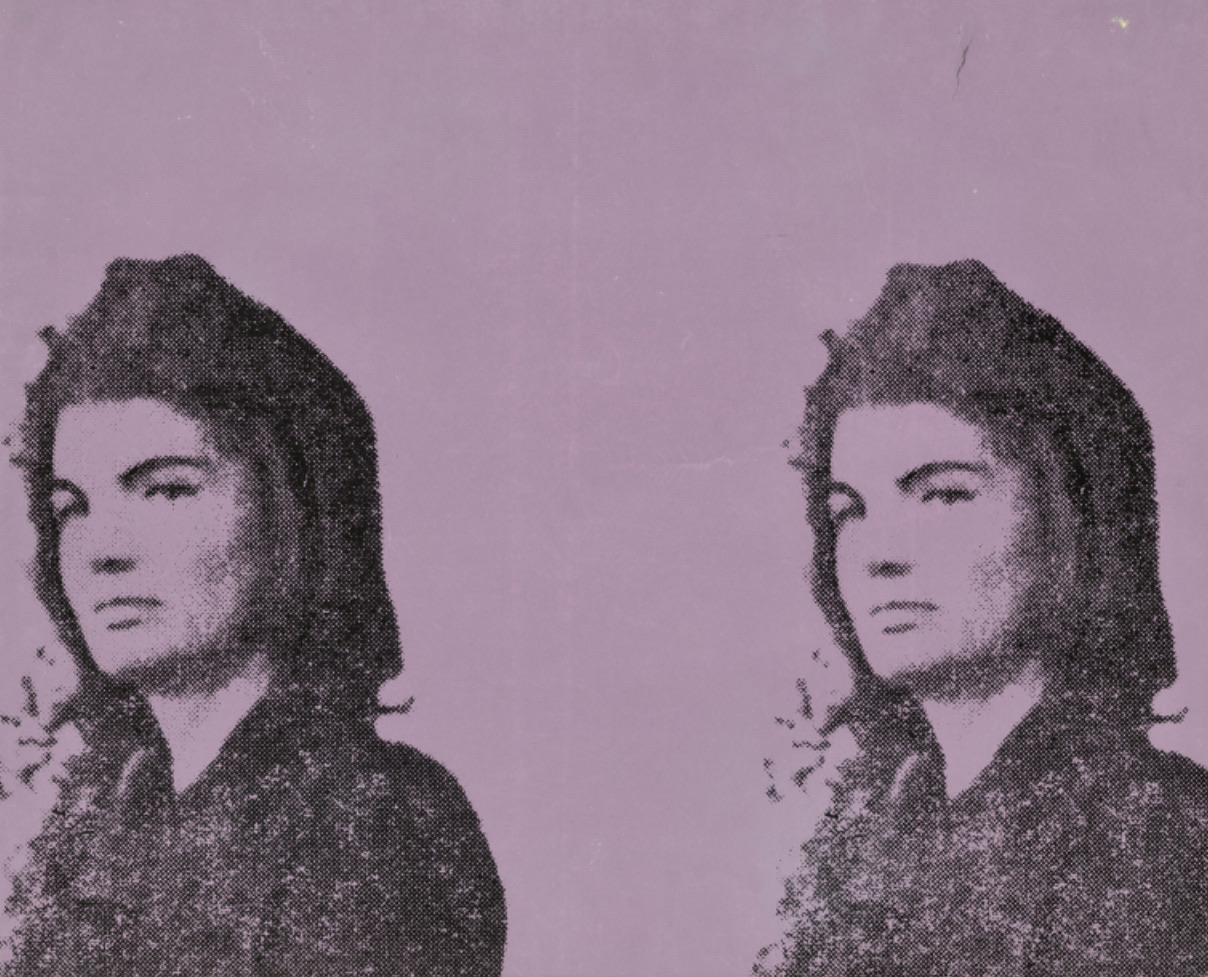
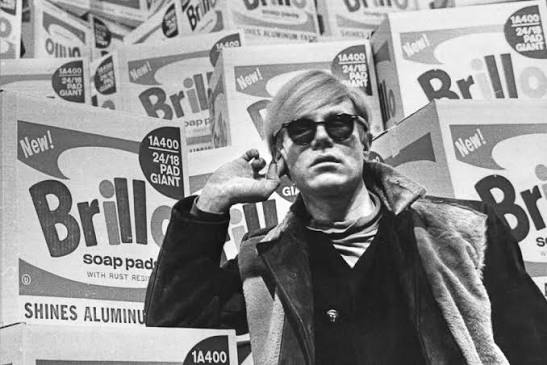
Andy Warhol
Jacqueline Kennedy II (Jackie II), from 11 Pop Artists II, 1966
The word never quite stuck, but the ambition did. What transformed screenprinting from a promising curiosity into a defining medium of its era was, of course, the Pop Art movement of the early 1960s. The shift happened with remarkable speed. Andy Warhol made his first silkscreen paintings in 1962, applying the photographic screenprint process to canvases of Marilyn Monroe, Campbell's soup cans, and Elvis Presley.
The effect was immediate and disorienting in the best possible sense. Here was a fine art object that wore its commercial origins openly, that repeated itself like an advertisement, that treated the glamorous and the mundane with identical cool indifference. Warhol understood, with an almost frightening precision, that the screenprint was the perfect medium for a culture saturated in mass reproduction. His works remain perhaps the most represented body of screenprints anywhere in the secondary market, and the depth of his output available through The Collection speaks to an ongoing and entirely justified collector appetite.
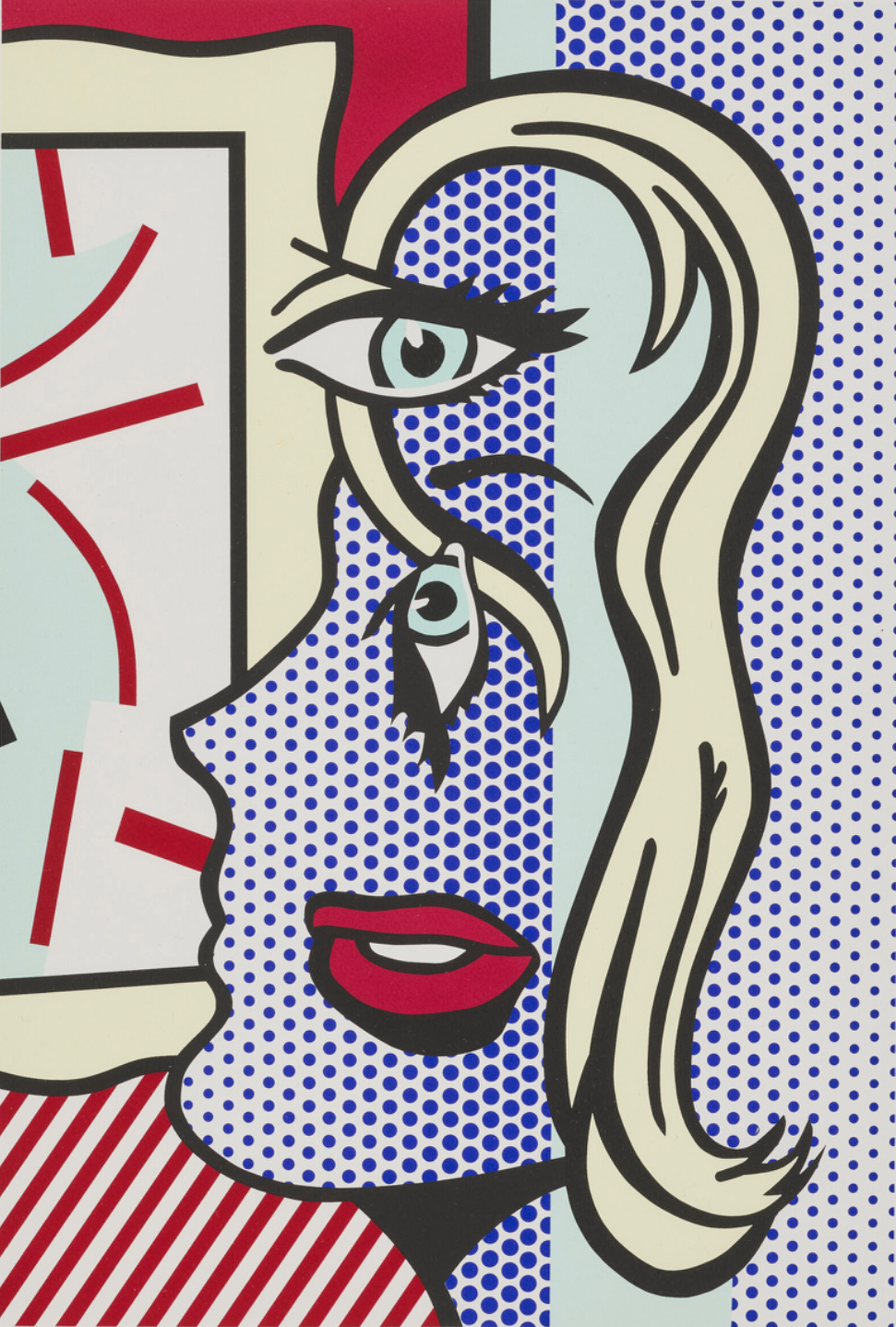
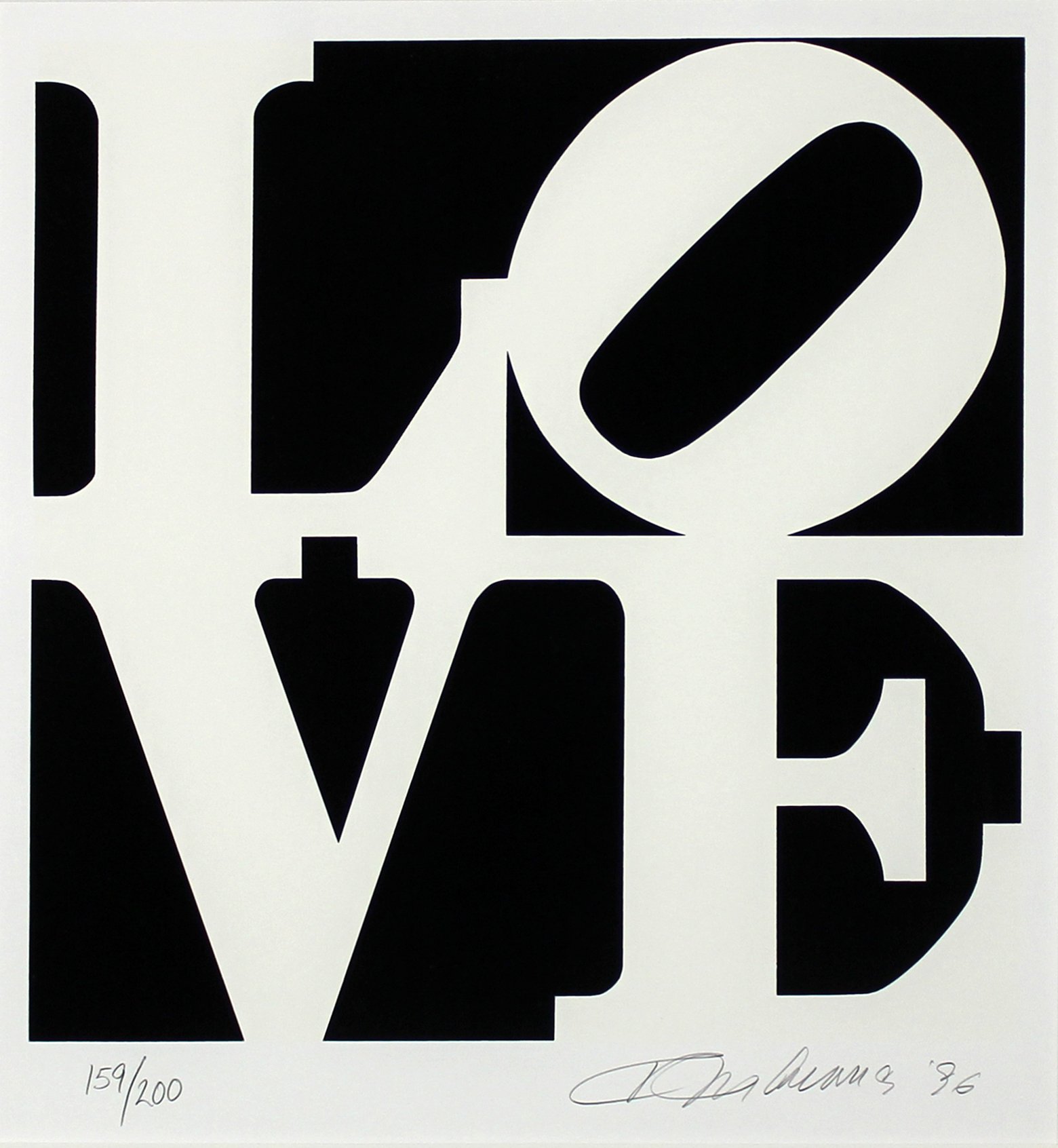
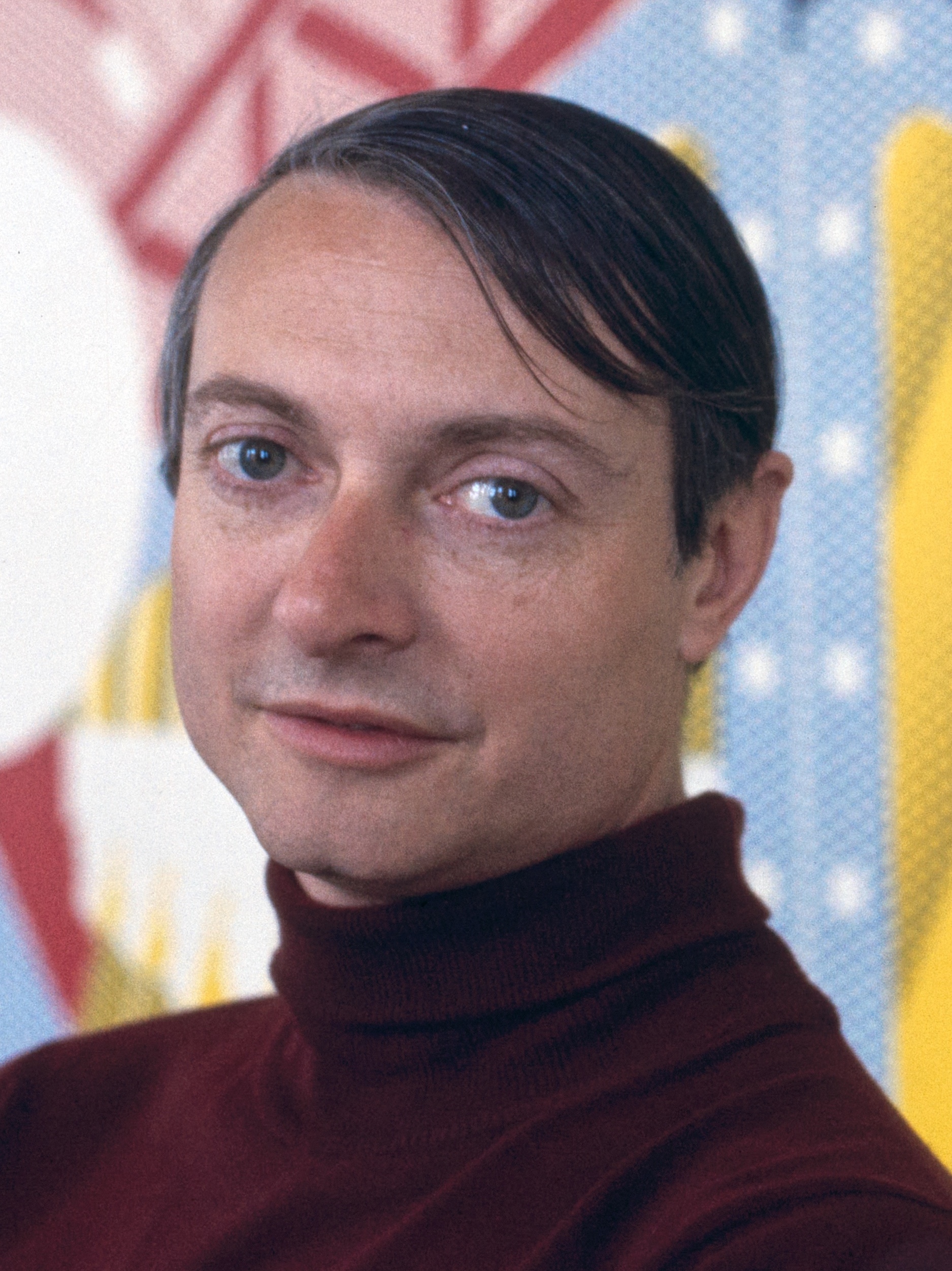
Roy Lichtenstein
Art Critic, 1996
Warhol was not working in isolation. Roy Lichtenstein was simultaneously interrogating the aesthetics of mass reproduction, though from a different angle and with different tools. Richard Hamilton in London had already laid theoretical groundwork for Pop with his 1956 collage and his thinking about popular culture as valid artistic material. James Rosenquist, who came to fine art from a background painting billboard advertisements, brought an almost cinematic sense of scale and fragmentation to his screenprints.
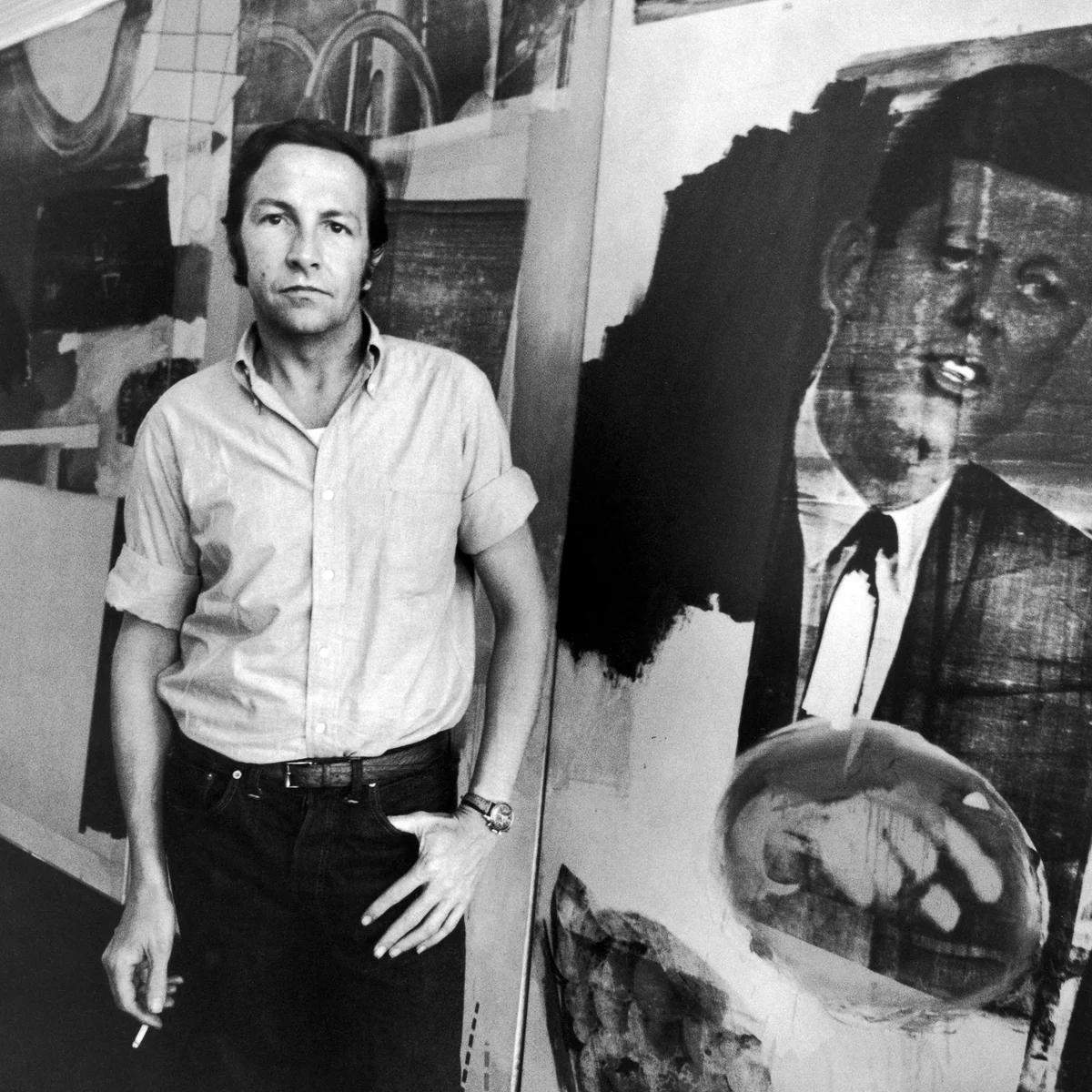
Robert Rauschenberg was doing something stranger and more layered, combining photographic transfers with painterly gesture in works that felt like cultural archaeology. These artists were not simply using screenprinting as a means to an end. They were exploring what the medium itself meant, what it said about authorship, about originality, about the relationship between art and the world outside gallery walls. The technique rewards close looking.
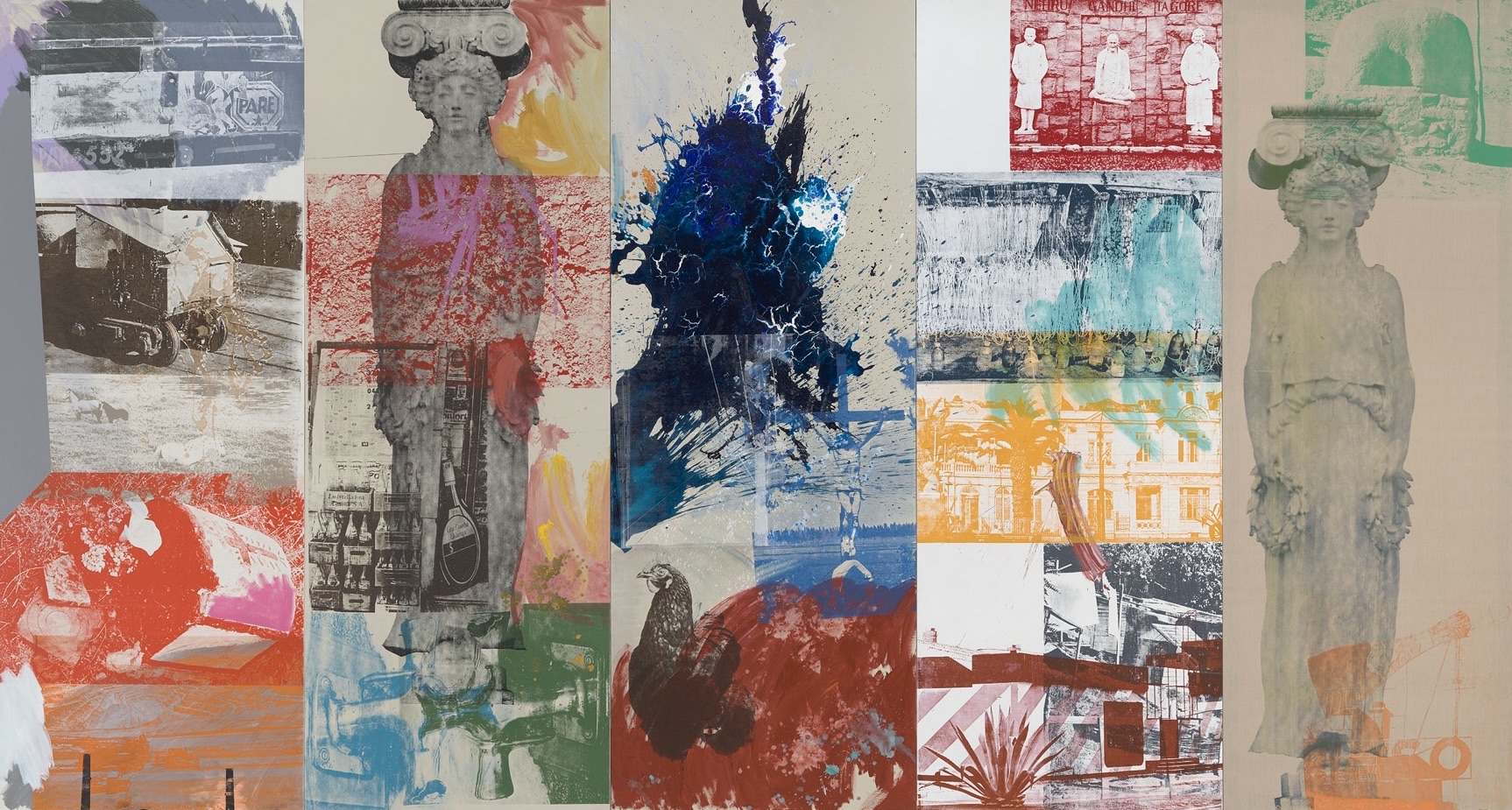
Robert Rauschenberg
Caryatid Cavalcade I / ROCI CHILE, 1985
A screenprint begins with the separation of an image into distinct layers, each corresponding to a different ink colour. For photographic work, the image is transferred onto the screen photographically, coating the mesh with a light sensitive emulsion and exposing it through a film positive. For hand drawn work, the artist may draw directly onto the screen or onto a transparent film. Each colour requires its own screen and its own pass through the press, and the registration, meaning the precise alignment of each layer, determines whether the final image holds together or falls apart.
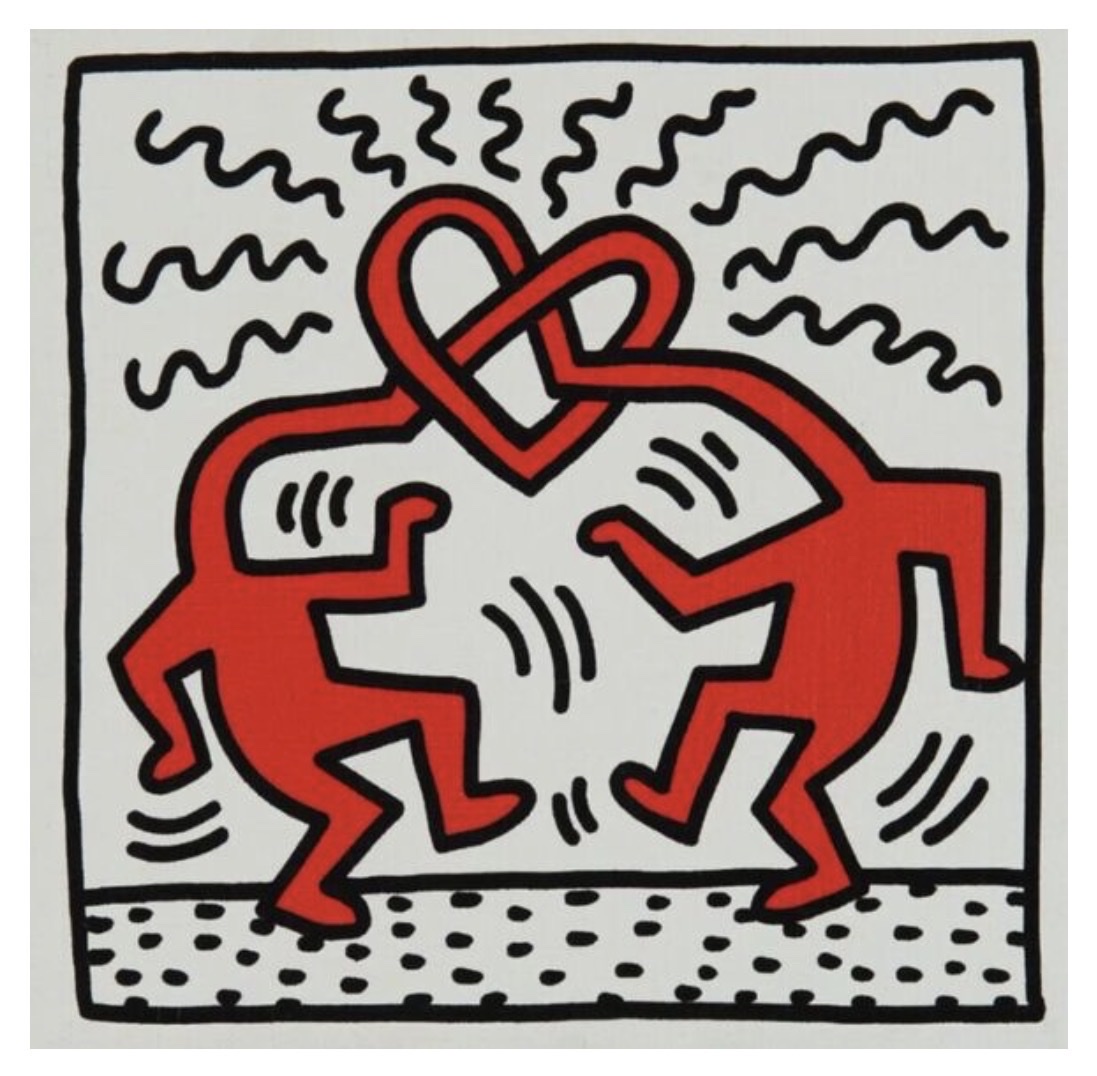
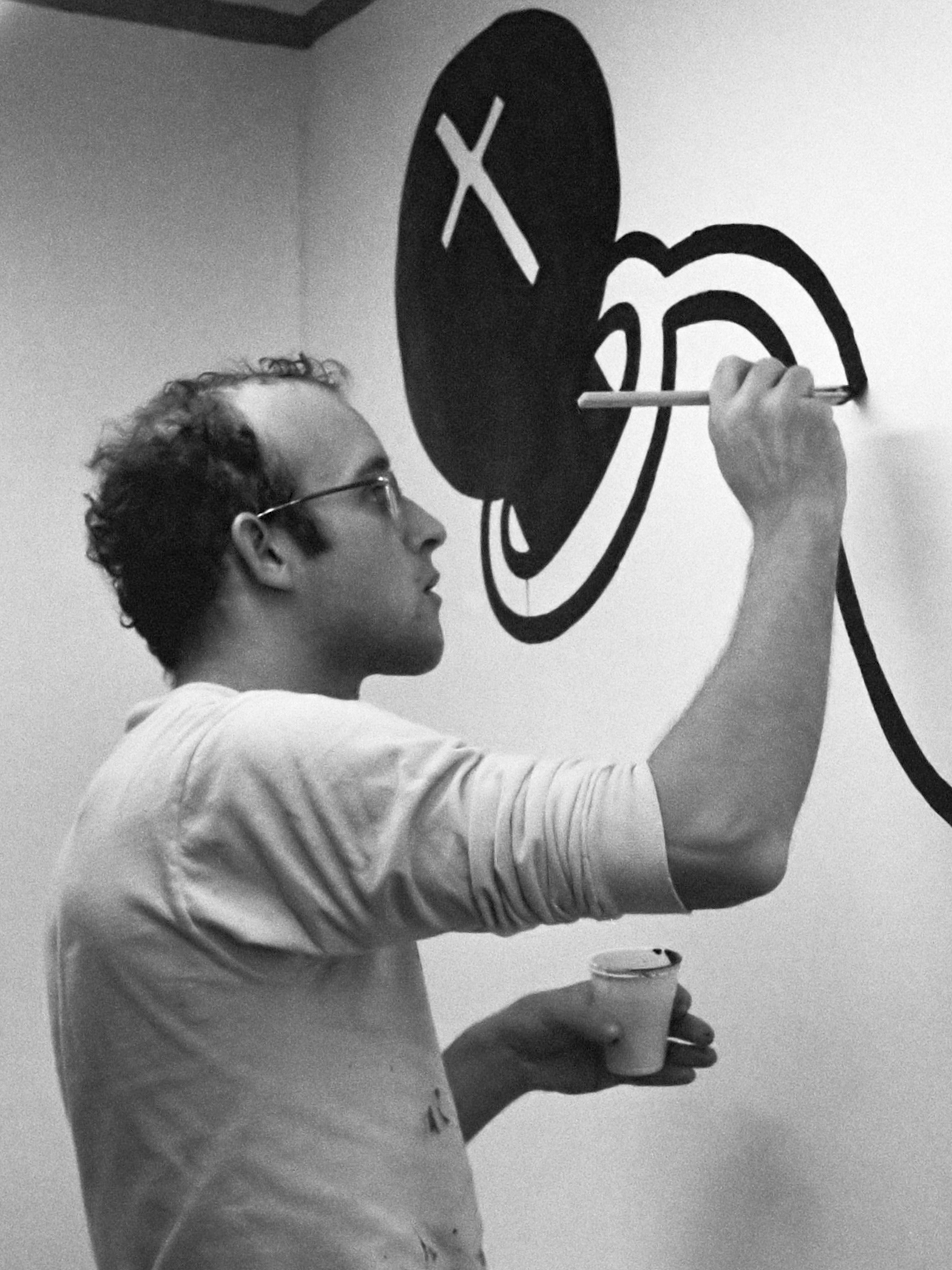
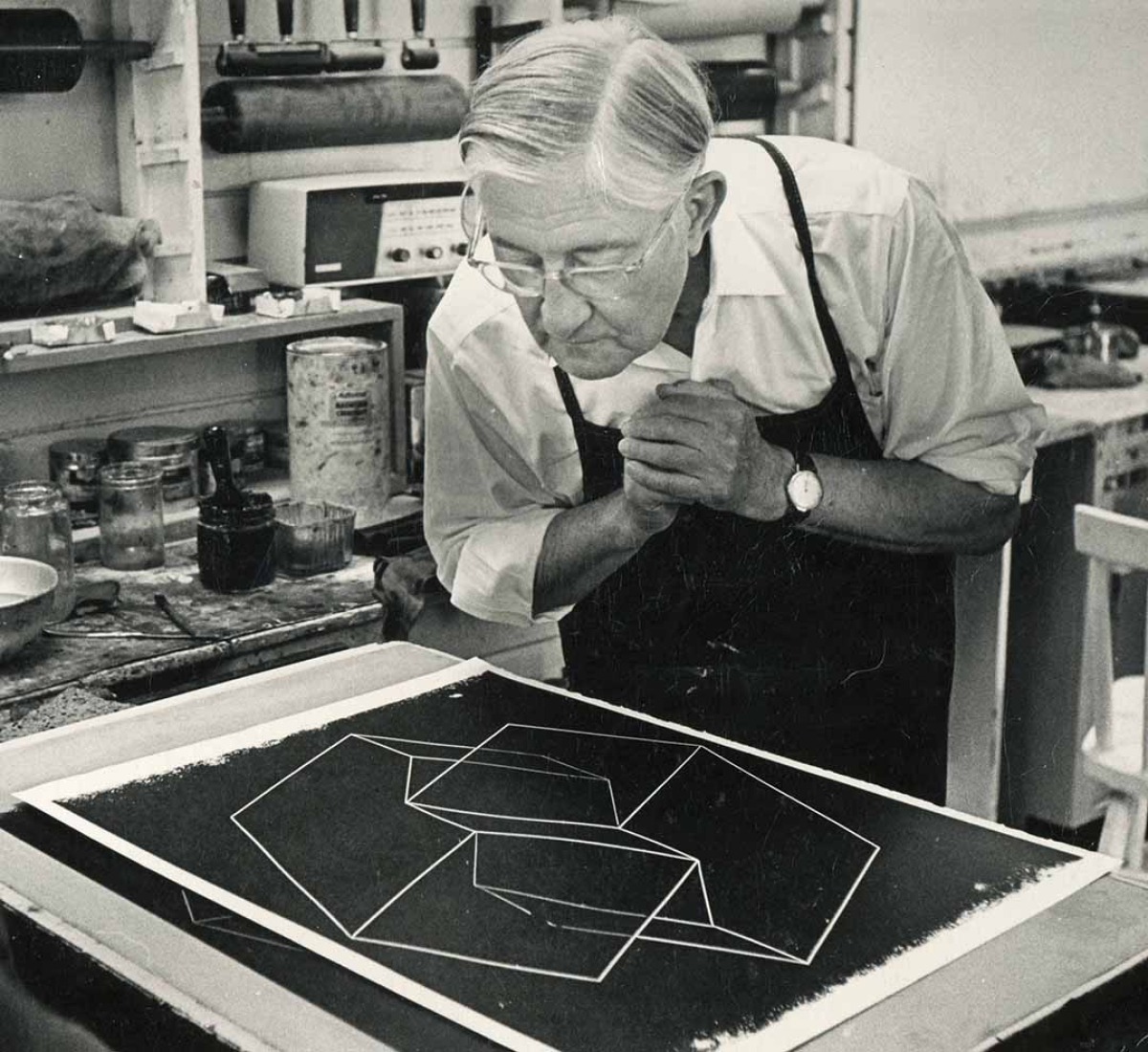
Bridget Riley's screenprints demonstrate how demanding this precision can be, her optical compositions depending entirely on the exact placement of repeated elements. Josef Albers used the medium to pursue his lifelong investigation into colour relationships, producing works in which the interaction between flat, adjacent tones generates a visual vibration that feels almost physical. As the 1970s and 1980s arrived, screenprinting moved beyond its Pop origins into new territories. Keith Haring used it to extend the reach of a visual language he had developed in the New York subway, bringing his bold black outlines and electric palette to editions that could travel the world.
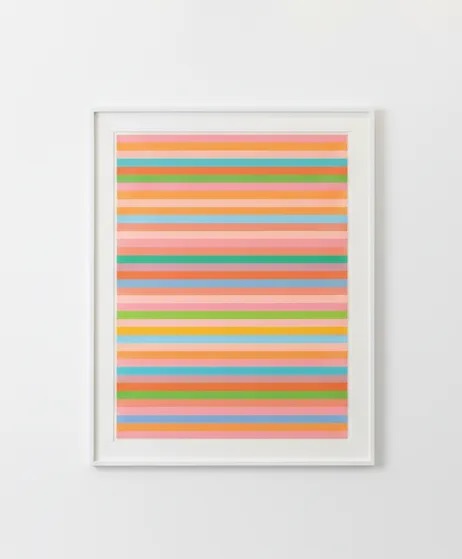
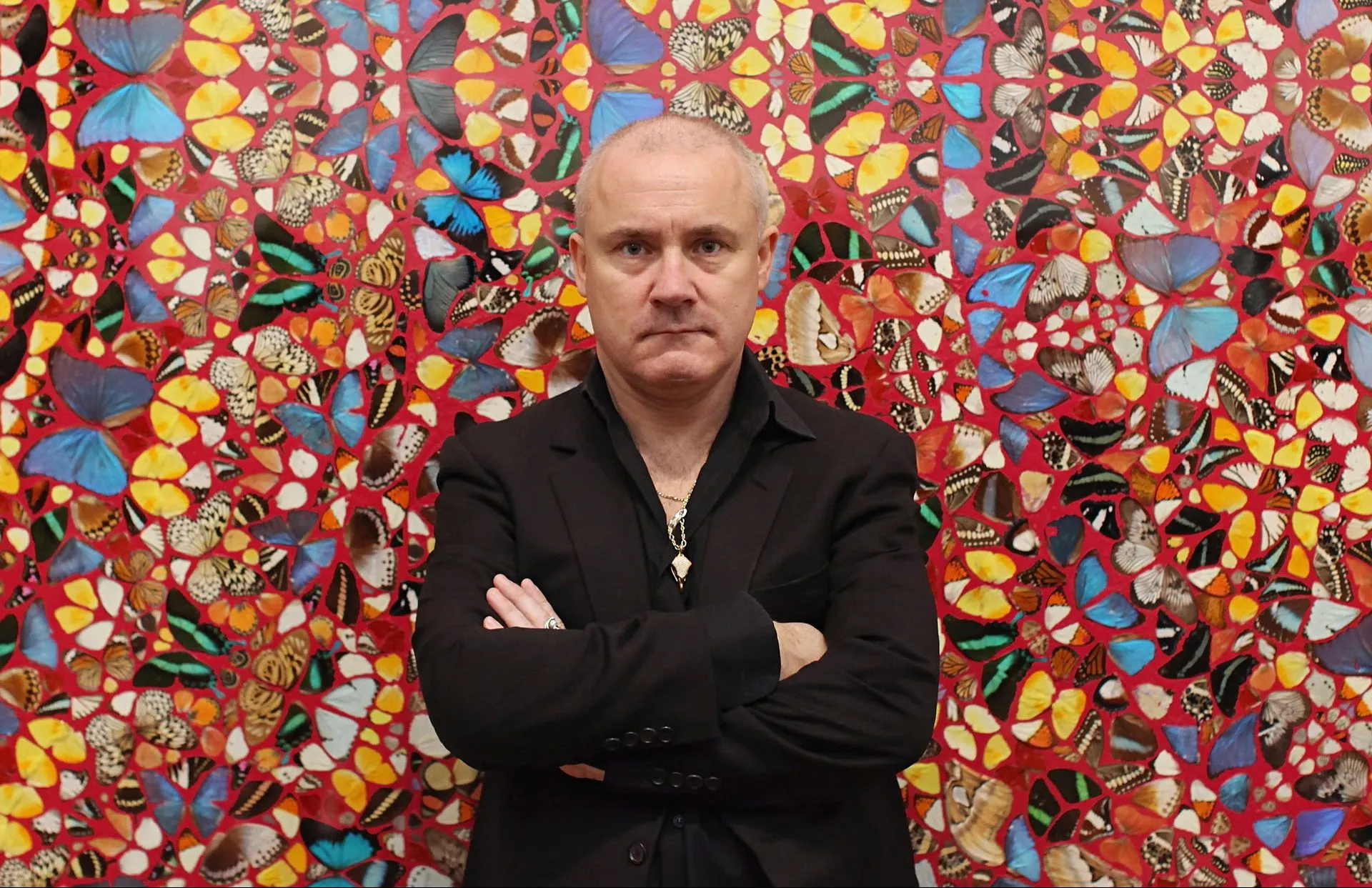
Bridget Riley
Rose Rose, 2011
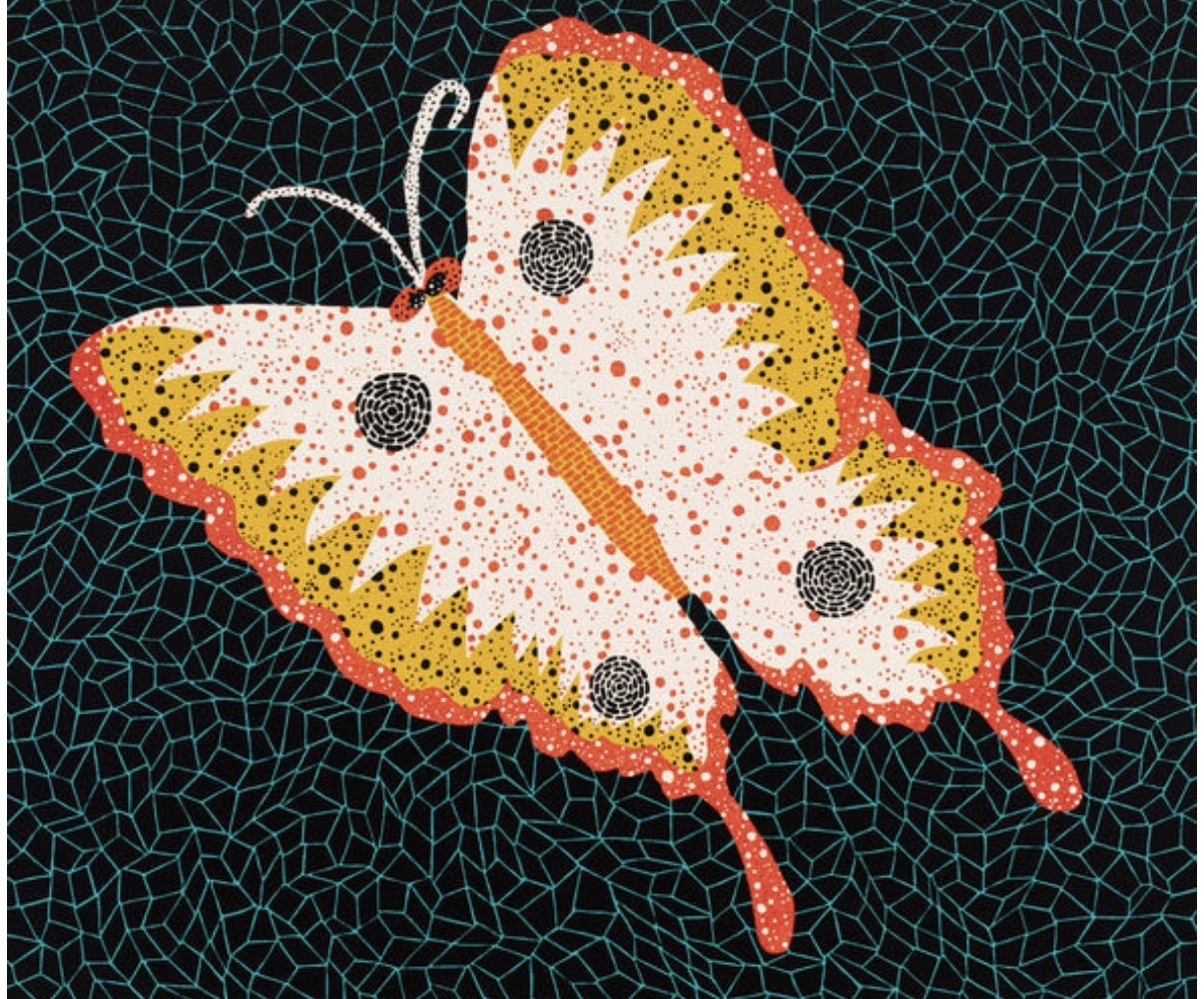
Jean Michel Basquiat applied his fractured, graffiti rooted imagery to the format with characteristic intensity. Later, artists like Damien Hirst and Takashi Murakami would use the screenprint edition as a vehicle for works that were conceptually loaded as well as visually compelling, editions that participated in the global art market while also commenting on it. Banksy, working from an entirely different tradition rooted in stencil and street practice, used screenprinted editions to reach an audience that had never set foot in a gallery, producing works that could carry political content with wit and clarity. What has always distinguished the screenprint from other forms of printmaking is its relationship to flatness and to colour.
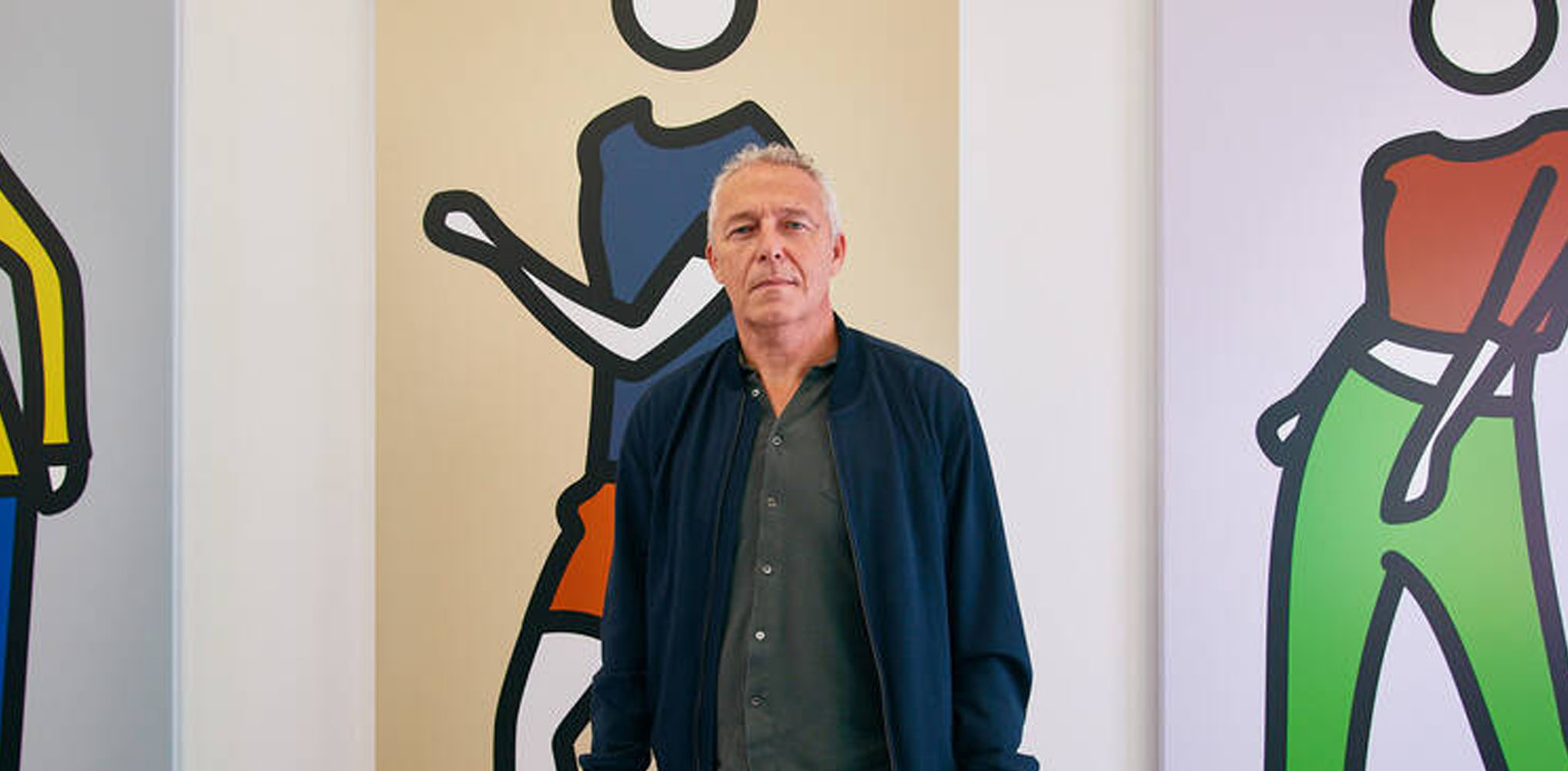
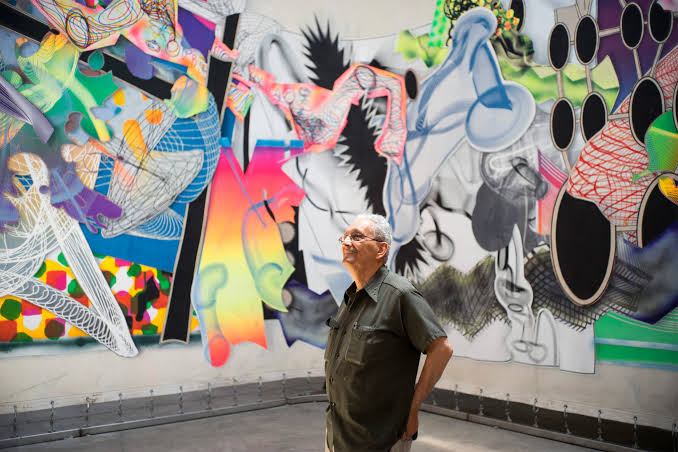
There is no embossing, no plate mark, no physical relief. The ink sits on the surface in a way that catches light evenly across the image, giving the best screenprints a visual directness and clarity that suits subjects ranging from the graphic simplicity of Julian Opie's portraits to the text heavy investigations of Ed Ruscha and John Baldessari. Frank Stella's more complex geometric screenprints push against this flatness with overlapping forms and dense layering, but even here the medium asserts its particular character. Today, screenprinting occupies a curious and energised position in the art world.
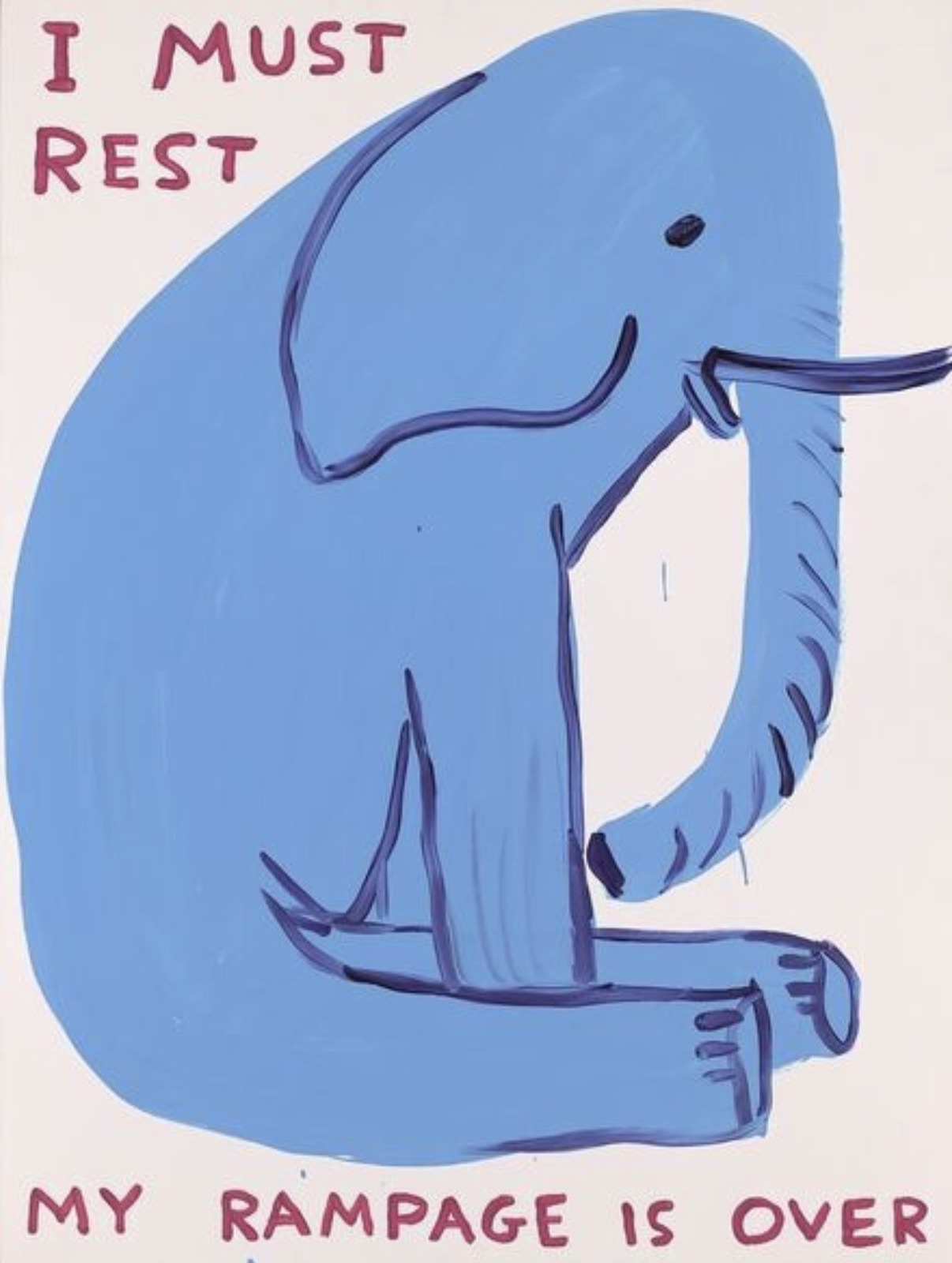
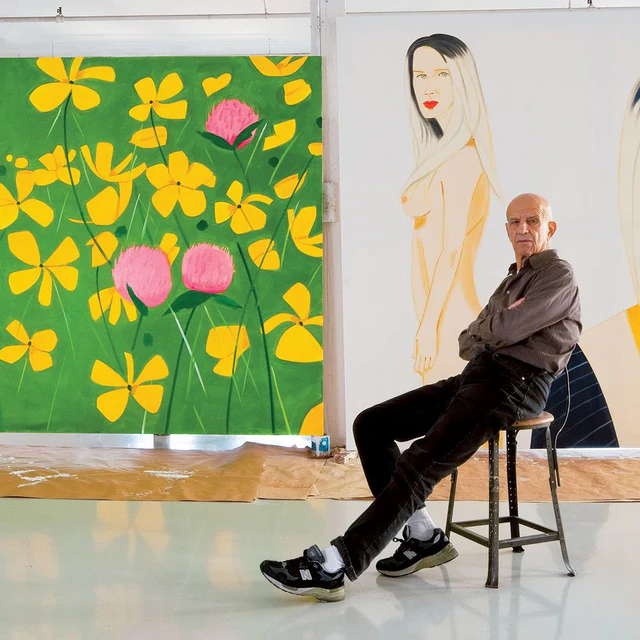
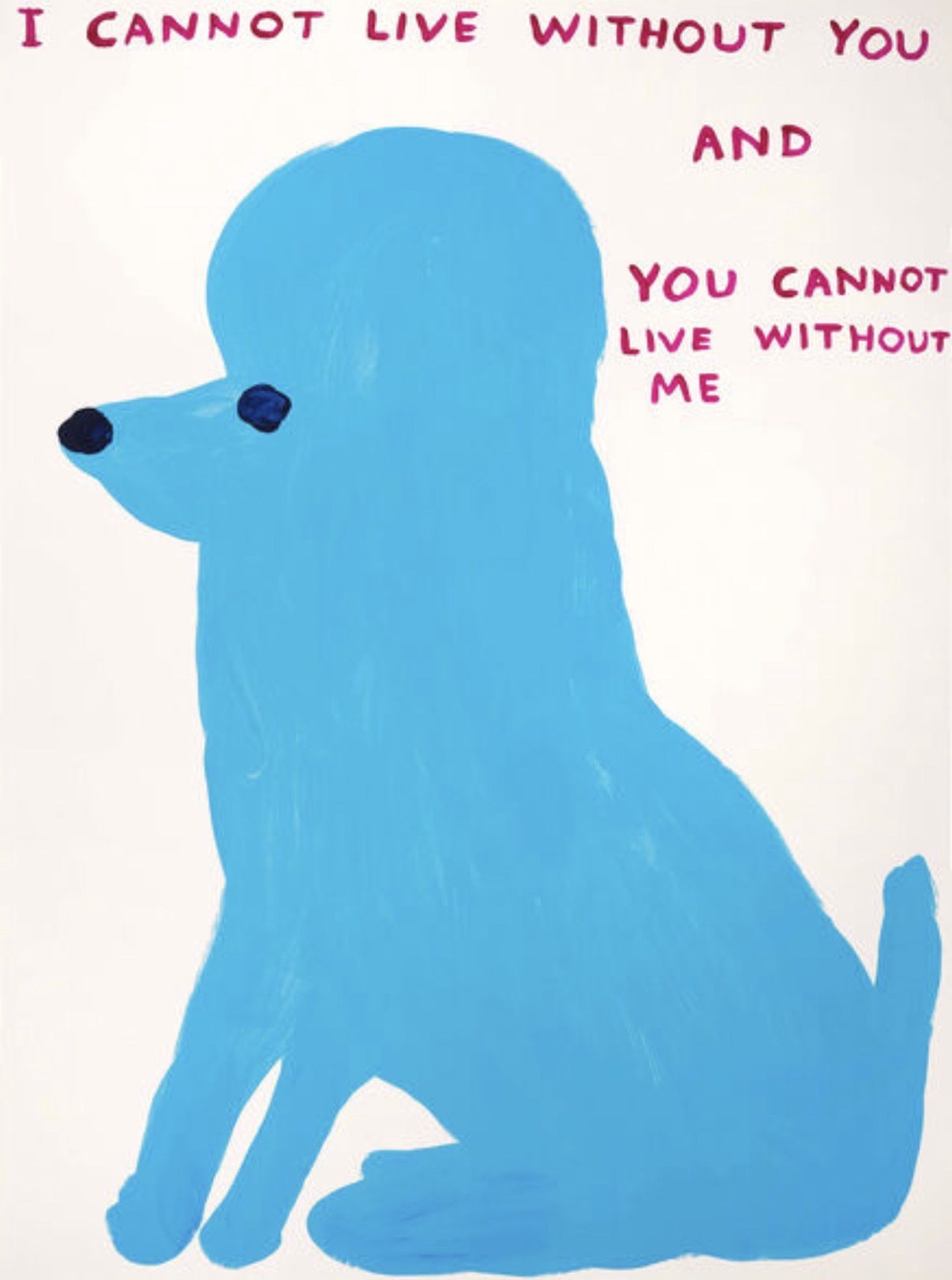
It is simultaneously a historical medium closely identified with twentieth century movements and a living practice embraced by artists across every generation and genre. Collectors who come to screenprints through Warhol or Lichtenstein often find themselves drawn deeper, discovering the precision of Albers, the warmth of Alex Katz, the political charge of Shepard Fairey, or the deadpan humour of David Shrigley. The medium rewards this kind of exploration. Its apparent simplicity conceals genuine complexity, and its democratic ambitions have never stopped feeling relevant.
In a world still flooded with images, an art form that asks you to look carefully at how an image is made, and what that making means, remains as urgent as ever.