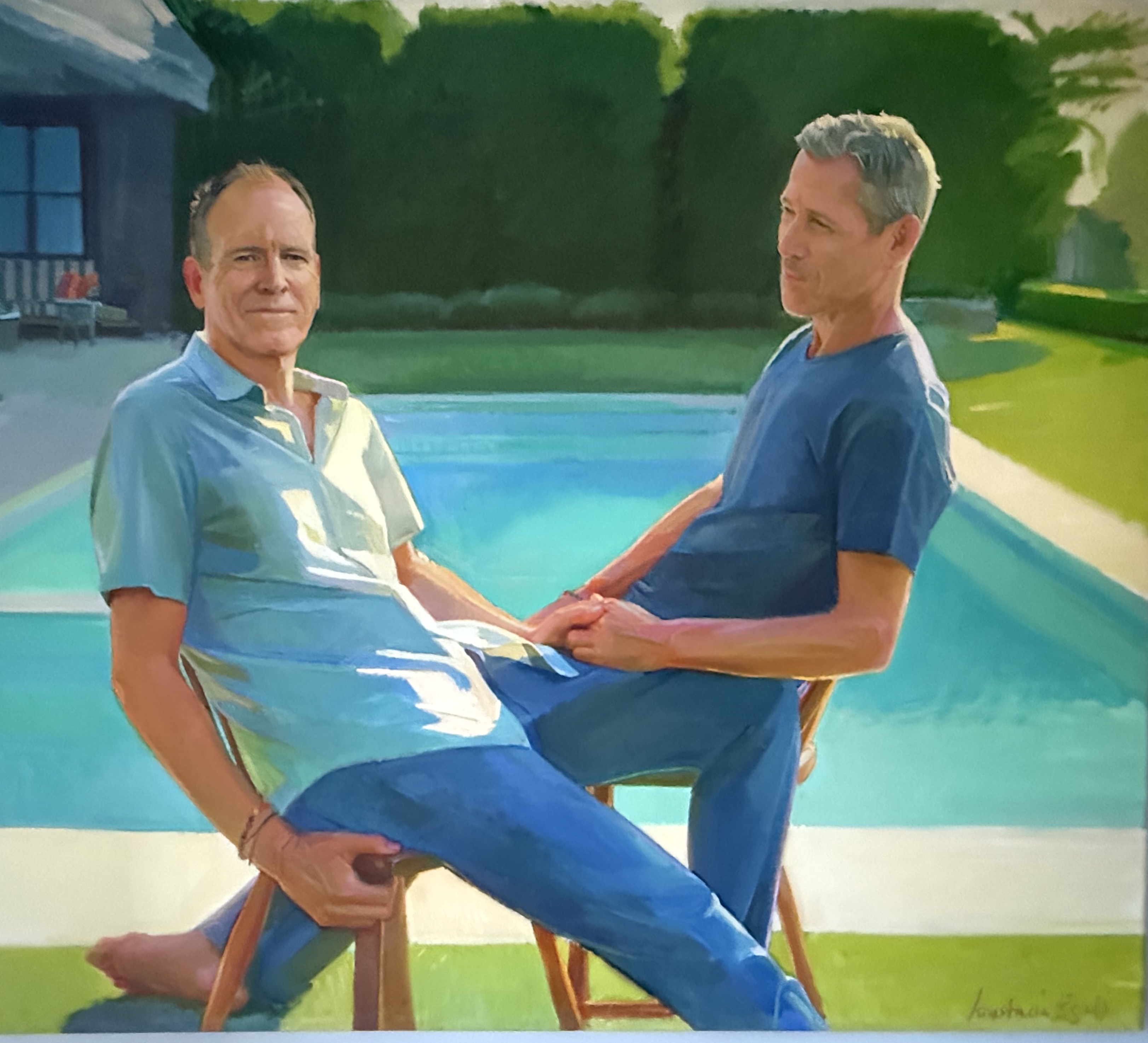
Female Artist
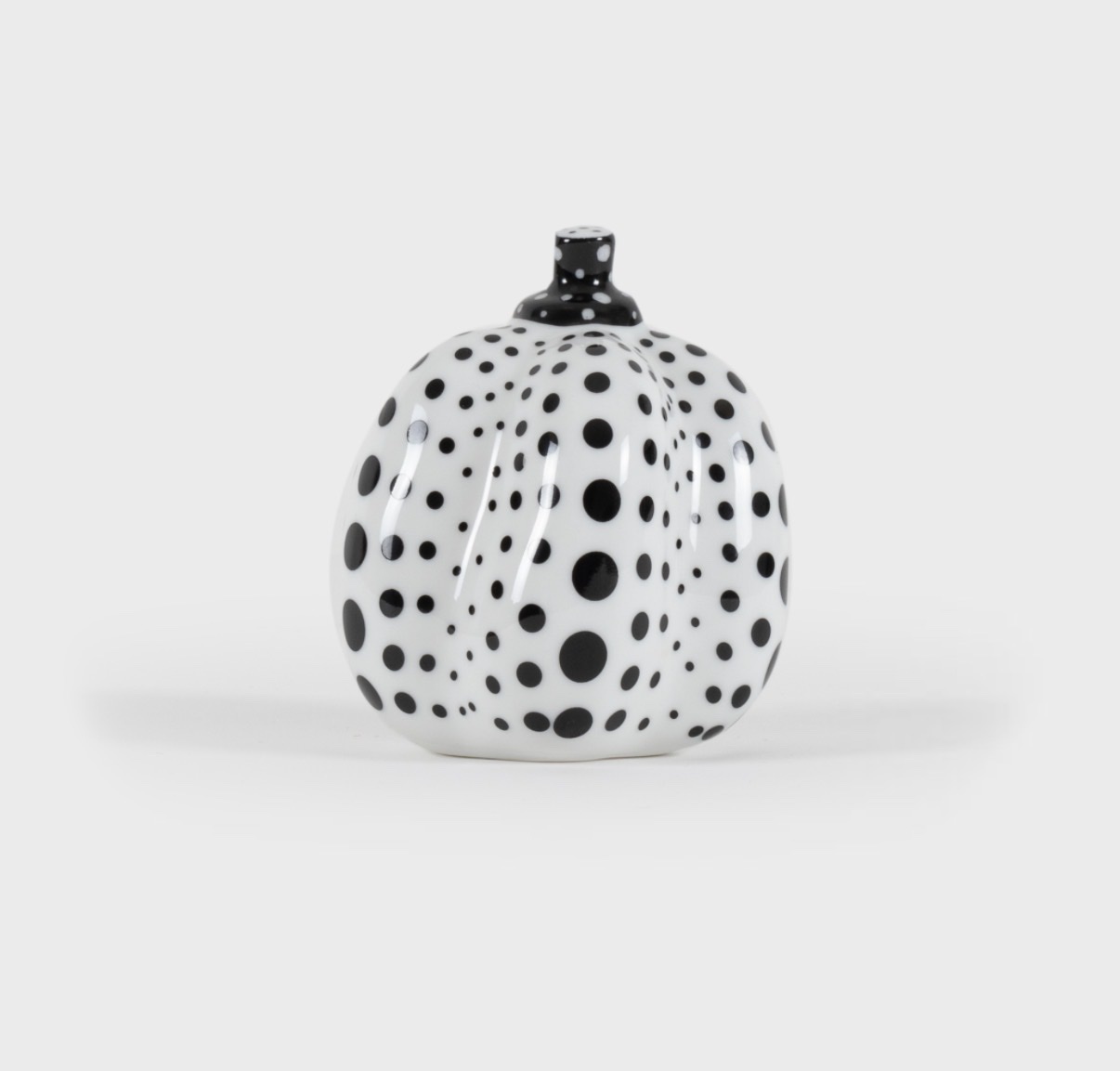
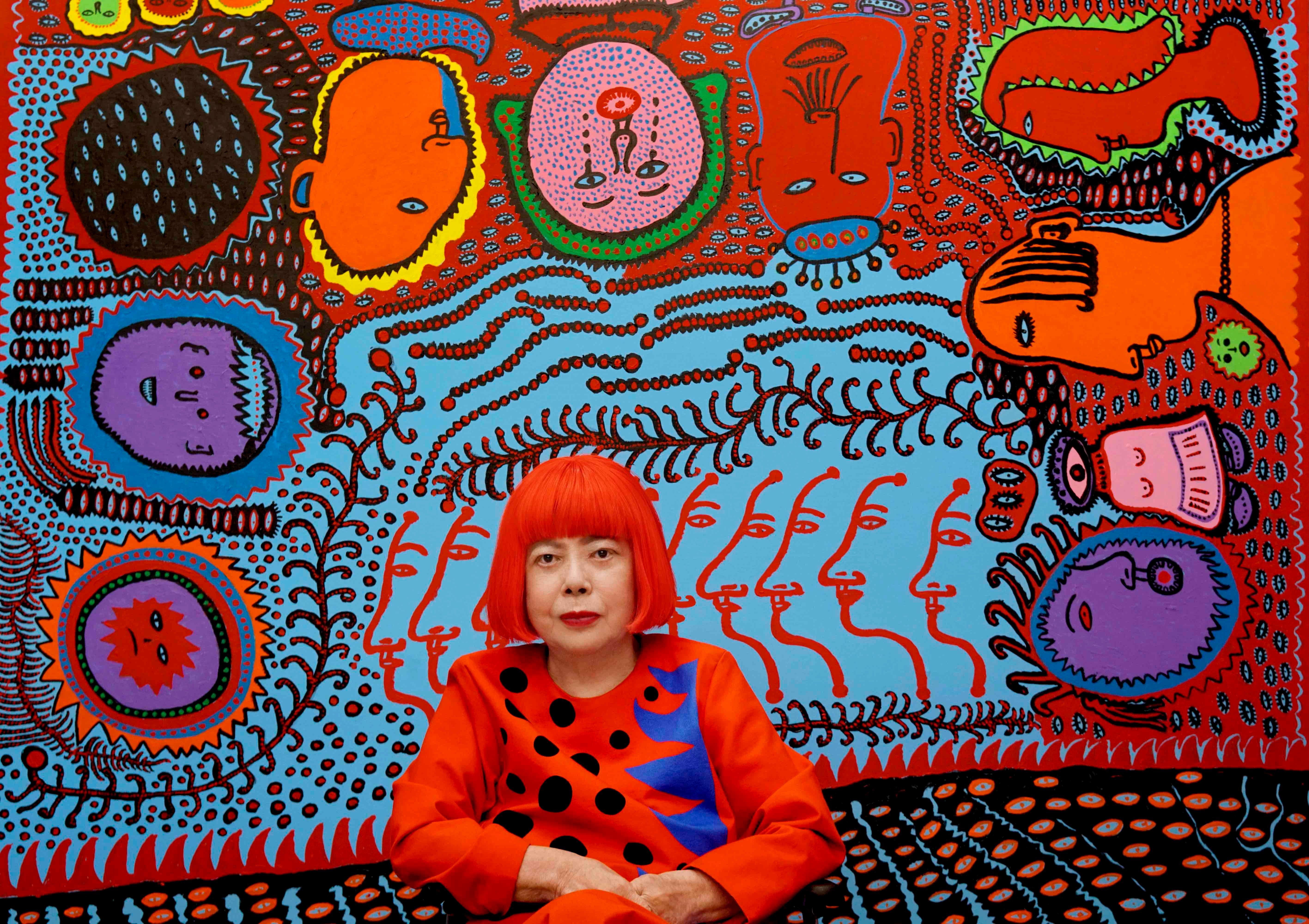
Yayoi Kusama
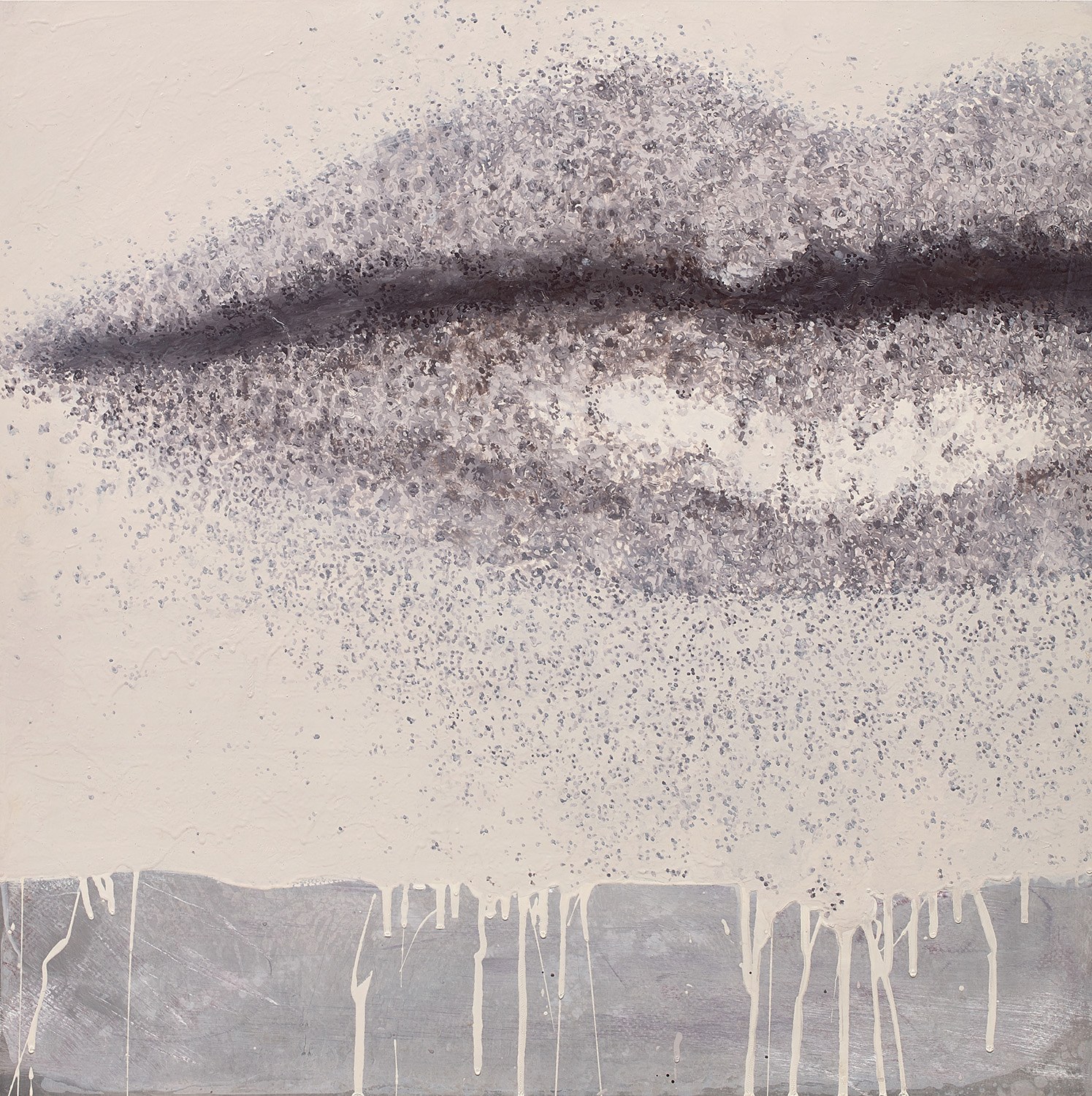
Pumpkin (Limoges) (White and Black), 2002

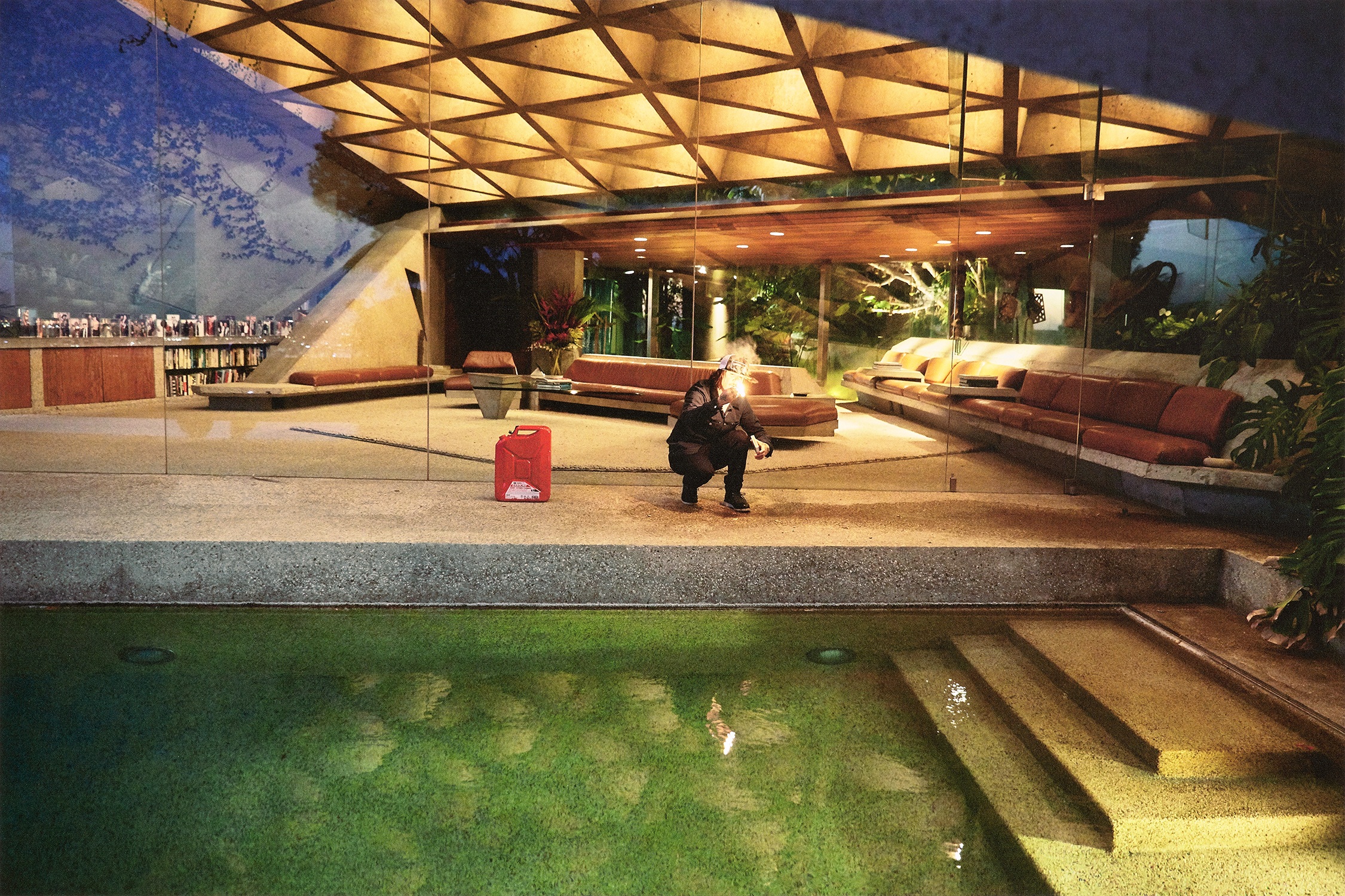


The Market Finally Catches Up With Women
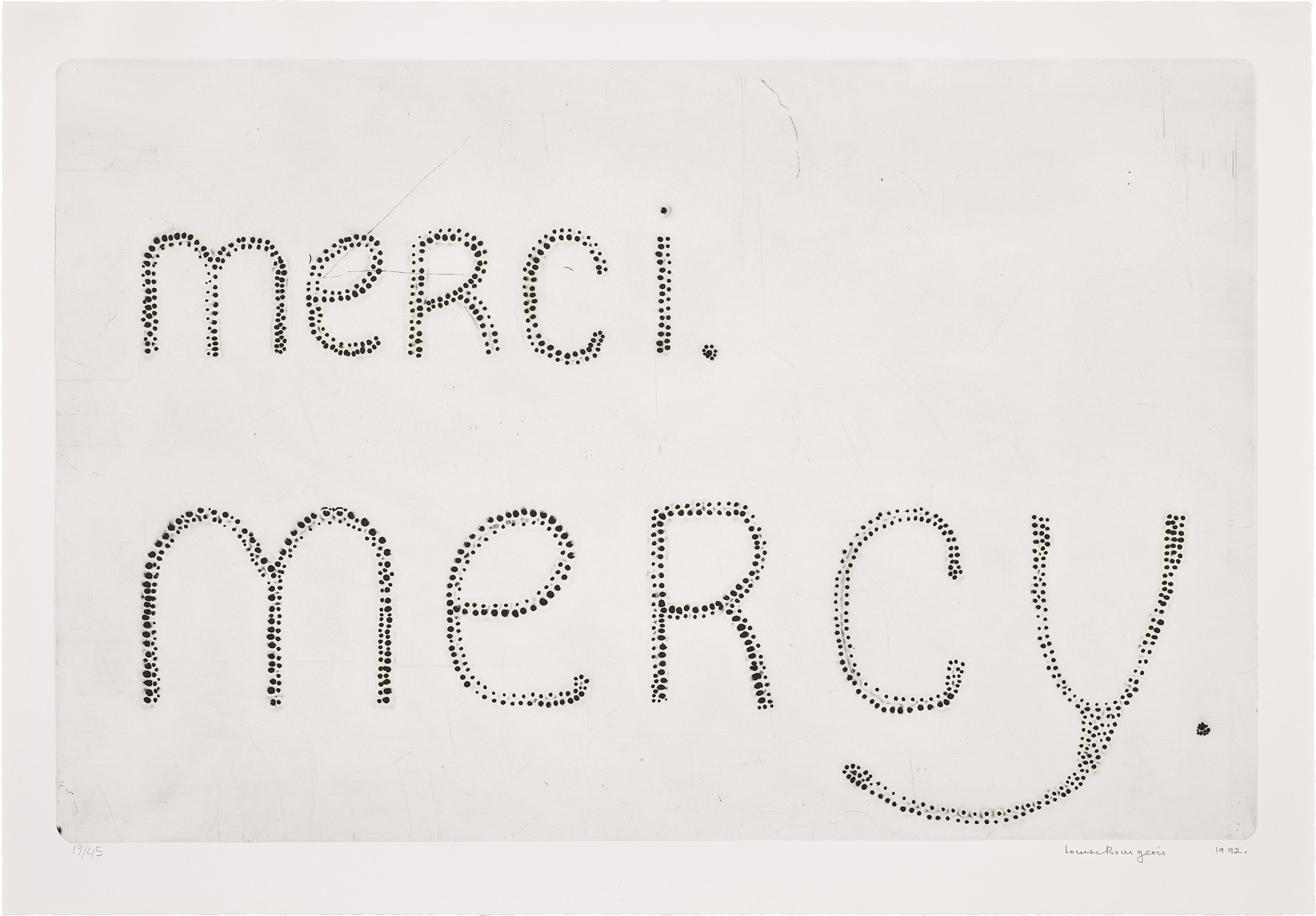
In May 2023, Louise Bourgeois's Spider sold at Christie's for over 32 million dollars, confirming what serious collectors had understood for years: the market's long resistance to valuing work by women artists was never about quality. It was about something else entirely. That sale, and the sustained momentum around it, marked a particular kind of cultural reckoning, one that feels less like a trend and more like a correction that was simply overdue. When the hammer falls at that level for a woman who spent decades being condescended to by the very institutions now scrambling to collect her, the art world has to take stock of what it missed and why.
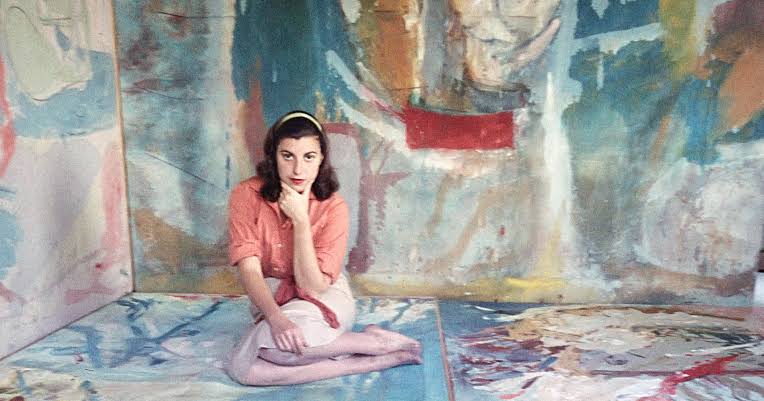
The critical reassessment of women artists has been building in earnest since at least 2010, but it accelerated visibly through the second half of the last decade. The Museum of Modern Art's 2019 rehang of its permanent collection made headlines for deliberately foregrounding artists who had been systematically underrepresented, and names like Joan Mitchell and Helen Frankenthaler suddenly occupied the walls they had long deserved. MoMA's willingness to publicly acknowledge the gaps in its own collection sent a signal to the entire institutional ecosystem. Other museums followed, and the effect on the secondary market was almost immediate.
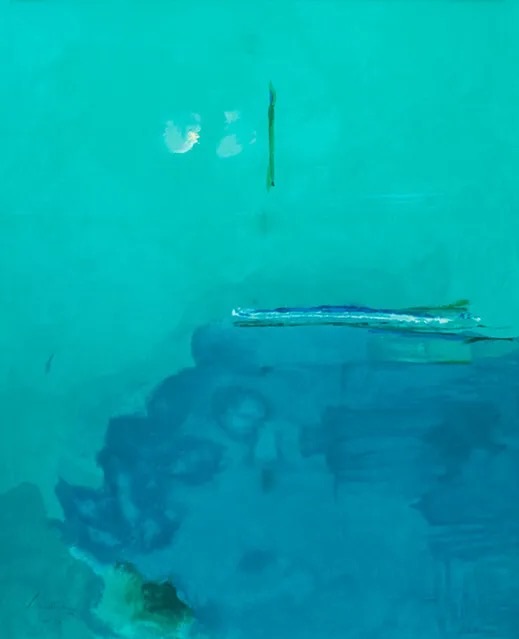
Helen Frankenthaler
Contentment Island, 2004
Frankenthaler's auction records climbed sharply in the years that followed, with her large abstractions now commanding prices that reflect their genuine art historical significance rather than the discounted rates that once applied almost by default to Abstract Expressionist women. The Guerrilla Girls asked in 1989 whether women had to be naked to get into the Metropolitan Museum of Art. The question was rhetorical but the data behind it was damning, and it has taken the better part of four decades for institutions to meaningfully shift the numbers. Today the conversation is more nuanced and more urgent.
Curators like Connie Butler and Helen Molesworth have spent careers building the theoretical and institutional architecture for understanding women's practices on their own terms rather than as satellites to male movements. Publications including Artforum, frieze, and a new wave of writing from critics such as Johanna Burton have made the critical language richer and more precise. The result is that collectors entering this space now have a genuinely sophisticated framework to work within. At auction, the appetite for certain names has become remarkably consistent.
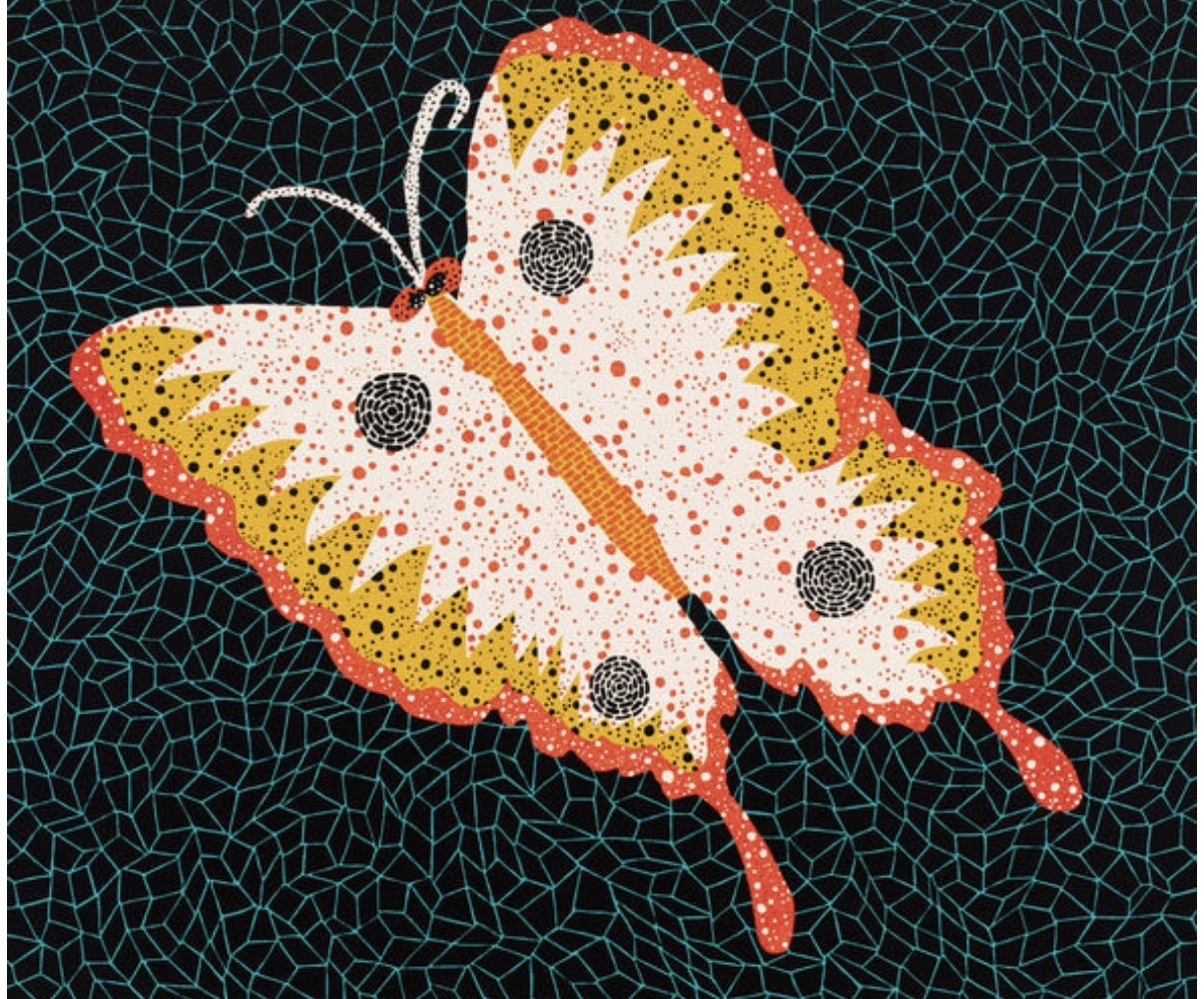
Yayoi Kusama
Butterfly, 1985
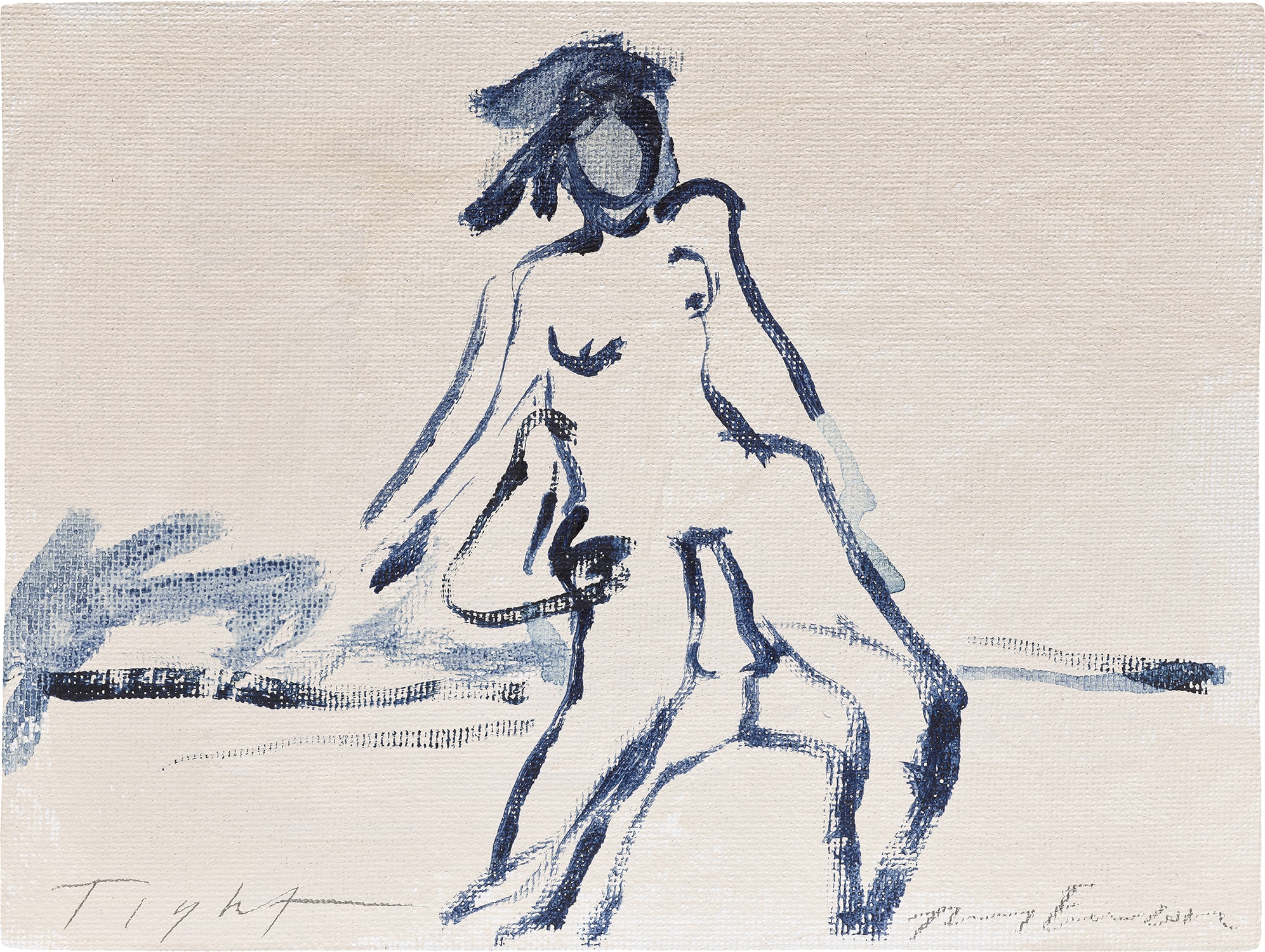
Tracey Emin continues to attract serious bidding across media, with her neon text works and paintings both finding strong results at the major London and New York sales. Cindy Sherman's photographs, long collected by institutions, have seen private collectors push prices in ways that suggest the work is finally being understood as something beyond art historical document. Marlene Dumas commands extraordinary prices for her unsettling, psychologically charged paintings, and Yayoi Kusama has crossed into a category where market and cultural phenomenon are almost inseparable. Diane Arbus photographs remain among the most sought after in the medium, with her prints carrying a gravity that has never diminished.
What unites these results is not just demand but a sense that buyers are acquiring with conviction rather than speculation. Institutional collecting in this area has become a genuine competitive front. The Broad in Los Angeles has assembled a significant holding that includes Cindy Sherman. The Rubell Museum in Miami made deliberate choices over decades to collect women artists before the market caught up, and that foresight now reads as exceptional connoisseurship.
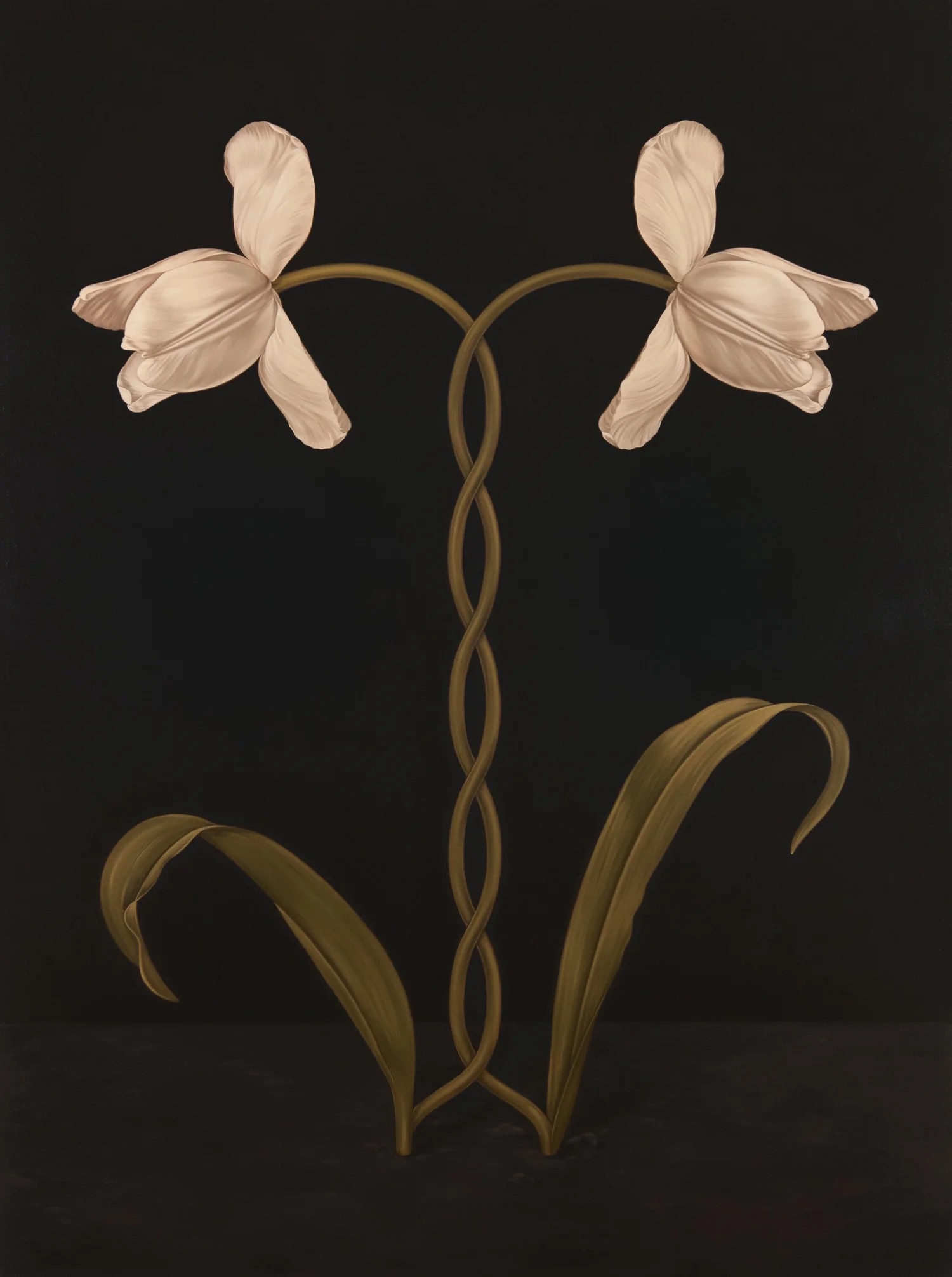
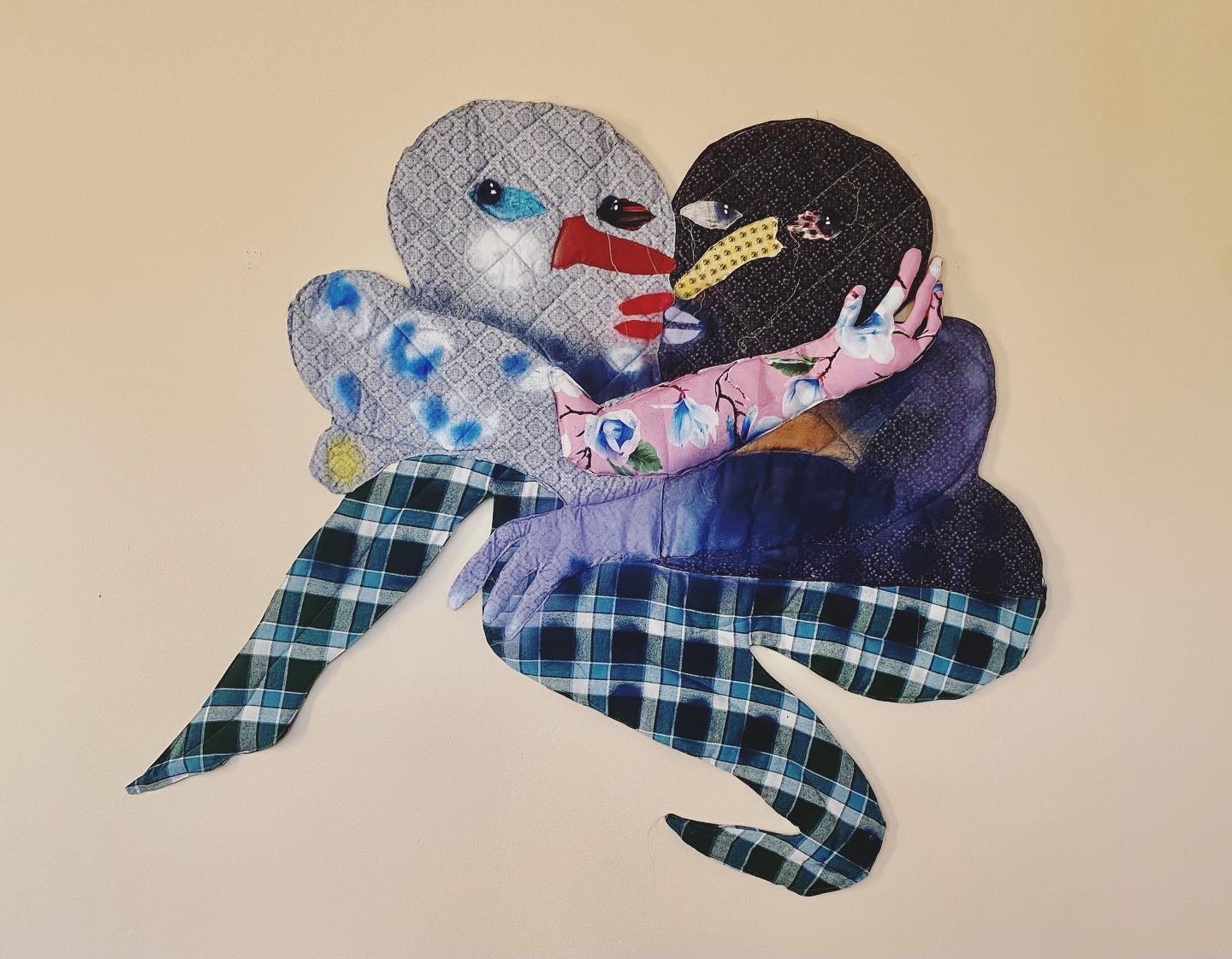
Meghann Stephenson
Mistaken For Strangers, 2025
Tate Modern's commitment to artists like Louise Bourgeois and Bridget Riley runs deep, and the ongoing influence of those collections shapes what younger curators and collectors pay attention to. Private foundations have also played a significant role: the Glenstone Museum in Maryland and the Lonti Ebers collection have both signaled through their acquisitions that rigorous collecting in this space is a long game, not a moment. What feels particularly alive right now is the space around artists who sit at the intersection of identity and material experimentation. Mickalene Thomas has built one of the most culturally resonant practices of her generation, bringing together collage, painting, and photography in ways that engage with Black femininity, desire, and art history simultaneously.
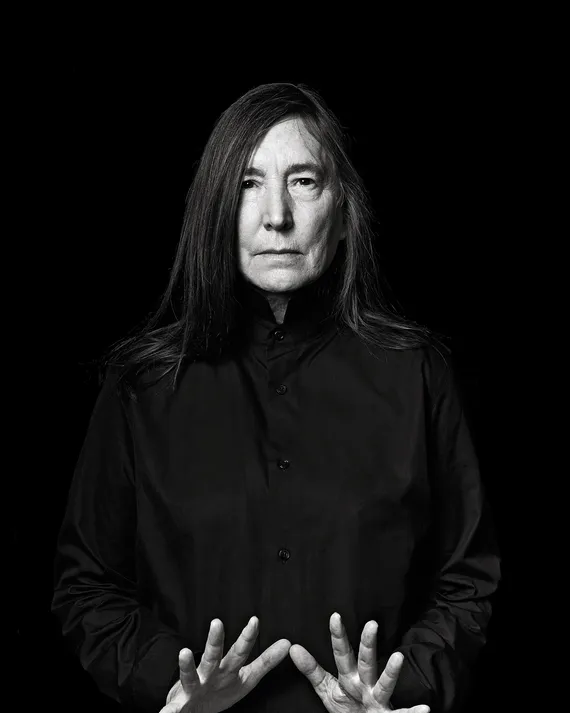
Her institutional profile has grown substantially, with solo exhibitions at major venues in both the United States and Europe reinforcing market confidence. Kiki Smith continues to attract serious attention across sculpture, printmaking, and drawing, her work threading mythology and the body together with a consistency that rewards long term collecting. Jenny Holzer, whose text based work anticipated so many of the conversations we are now having about language and power, feels more relevant than ever. The energy among younger artists in this conversation is also worth tracking carefully.
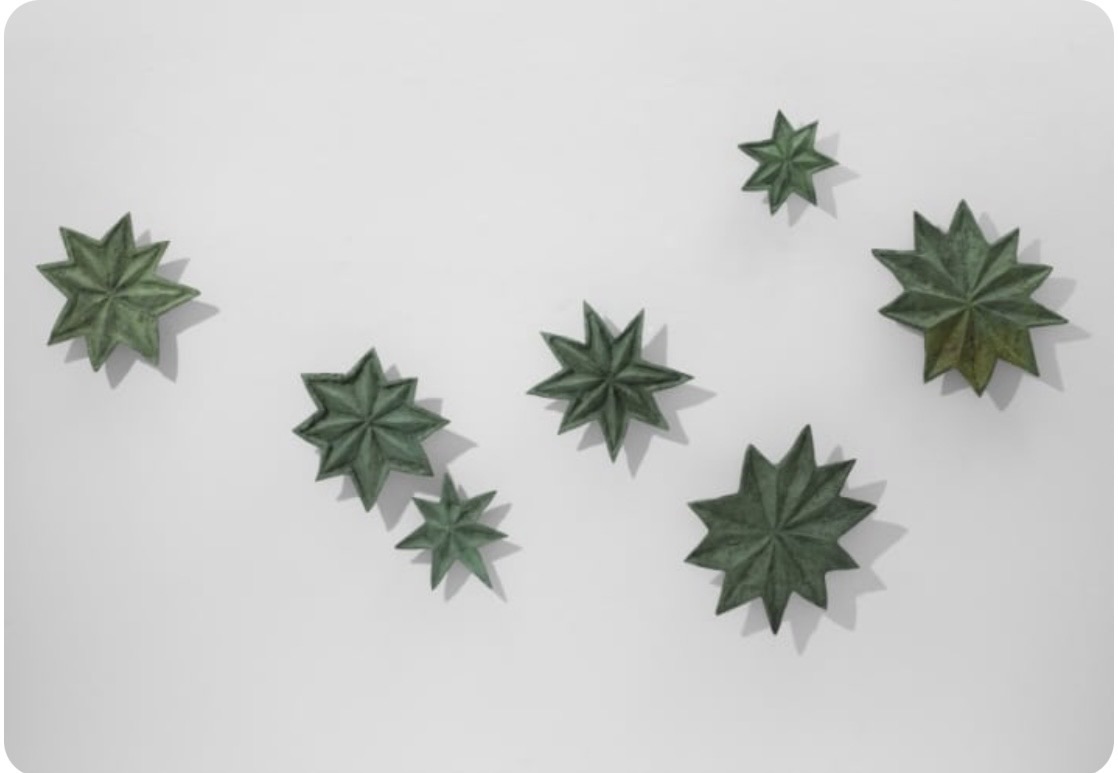
Kiki Smith
Northern Sky, 2012
Shara Hughes has moved from emerging status to something closer to established in a remarkably short period, her psychedelic landscape paintings finding homes in serious collections worldwide. Petra Cortright, working at the intersection of digital painting and internet culture, occupies a space that many institutional collectors are only beginning to understand. Rosson Crow's large scale paintings, saturated with American vernacular history, suggest an artist whose full critical reception may still be ahead of her. These are names where the gap between quality and recognition has not yet fully closed, which is precisely where thoughtful collecting becomes most interesting.
The broader cultural moment has also changed who is writing, curating, and making decisions. The number of women in director and chief curator roles at major institutions has grown meaningfully, and that shift has consequences that run all the way through to what gets exhibited, accessioned, and ultimately sold. The critical conversation is no longer primarily remedial, correcting absences and arguing for inclusion. It has moved into deeper territory, asking more demanding questions about how we understand medium, genre, and value when we set aside the assumptions that built the canon in the first place.
For collectors paying close attention, that shift represents not just a moral alignment but a genuine intellectual opportunity. The artists represented on The Collection, from Bourgeois and Frankenthaler to Nan Goldin and Berenice Abbott, reflect a sustained belief that the most rigorous collecting happens when you follow the work rather than the moment.