Figurative

Antony Gormley
Quantum Cloud VIII, 1999





The Figure Never Left. It Just Got Smarter.
There is something almost primal about the pull of figurative art. You walk into a room and a painted face looks back at you, and something in you responds before your critical faculties even engage. Collectors who live with figurative work often describe it as a kind of companionship, a presence that shifts depending on your mood, the light, the hour. Abstract work can be thrilling to own, but figuration does something that very little else in art can do: it holds a mirror up, however distorted, and asks you to consider what it means to occupy a body in the world.
For serious collectors, this emotional immediacy is precisely the point, and also the trap. Because figuration is so legible, so accessible, it attracts a vast range of quality. The market is enormous and the spread between a mediocre figurative work and a genuinely important one can be harder to read than in more rarefied categories. Understanding what separates the good from the great is the real skill here, and it is the question that separates confident collectors from those who end up with rooms full of pleasant but ultimately inert paintings.

Francis Bacon
Untitled
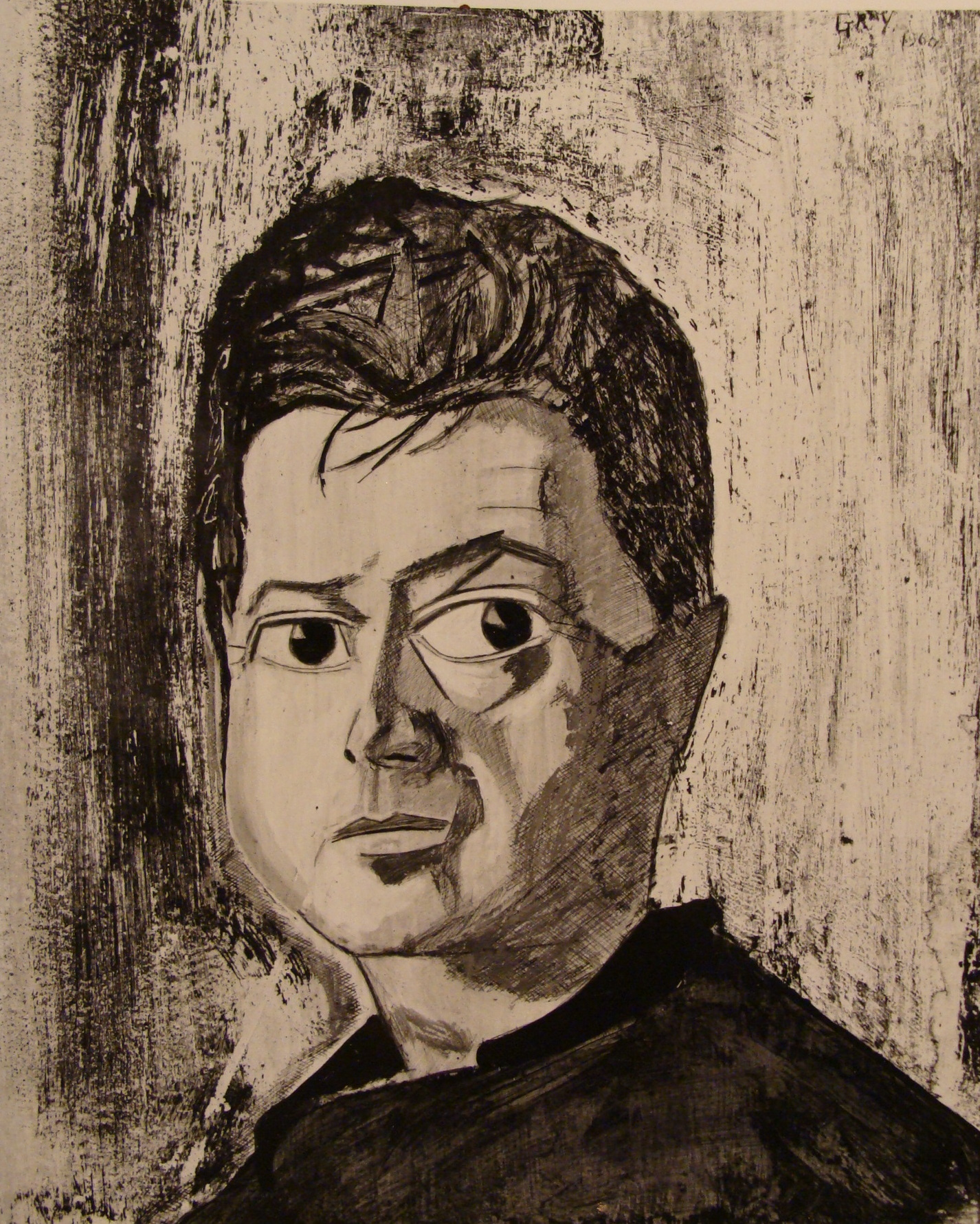
What makes a figurative work exceptional is rarely the likeness. Technical facility in rendering the human form is table stakes. What you are looking for is tension: the sense that the image is doing more than one thing at once. Francis Bacon understood this better than almost anyone working in the twentieth century.
His figures are simultaneously present and dissolving, caged and exposed, and the physical paint itself seems to be in a state of psychological distress. When you stand in front of a Bacon, you feel something in your chest that you cannot quite name. That is the threshold. A great figurative work creates a condition in the viewer, not merely a picture for them to recognize.

Pablo Picasso
L’Aubade, 1967
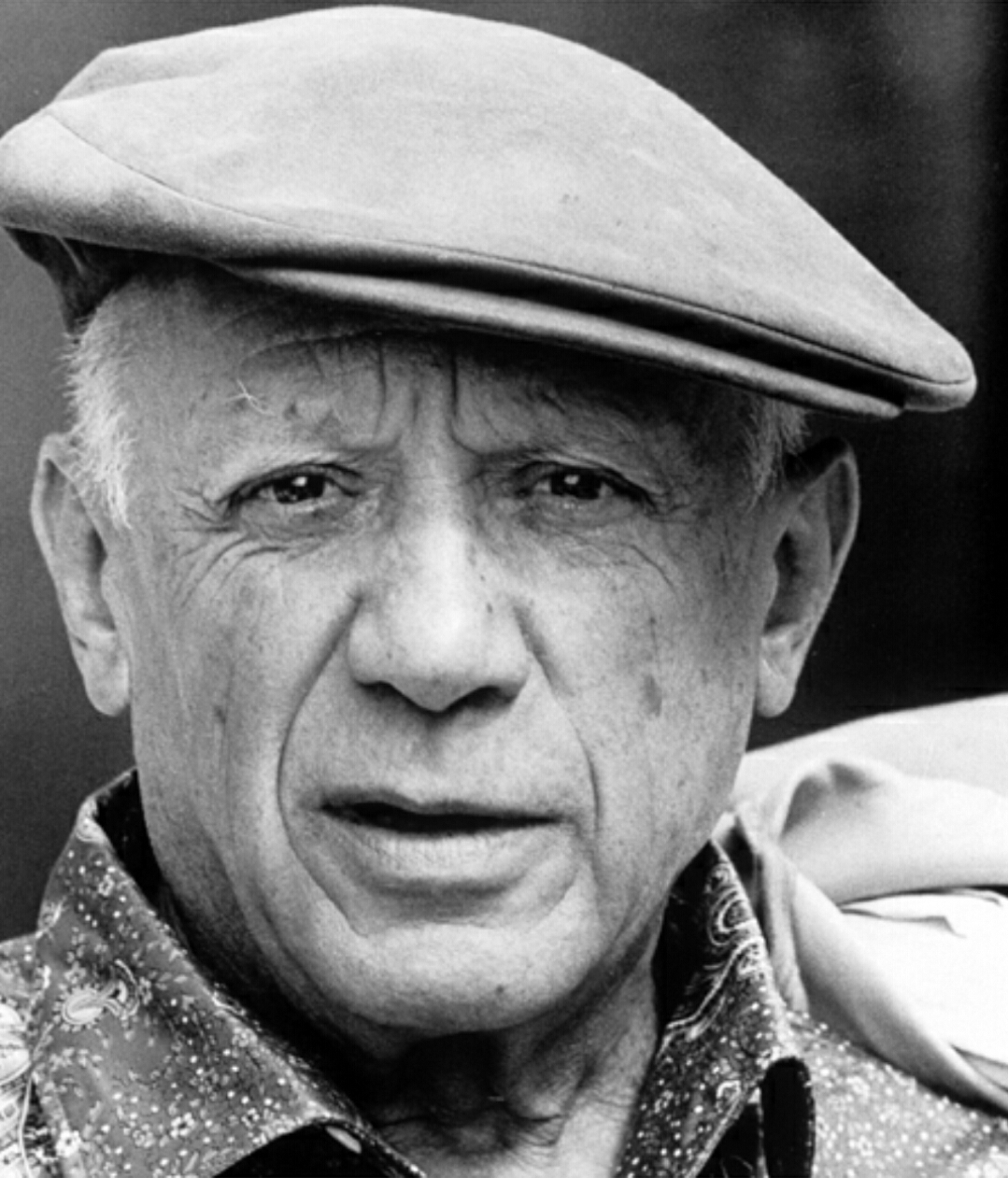
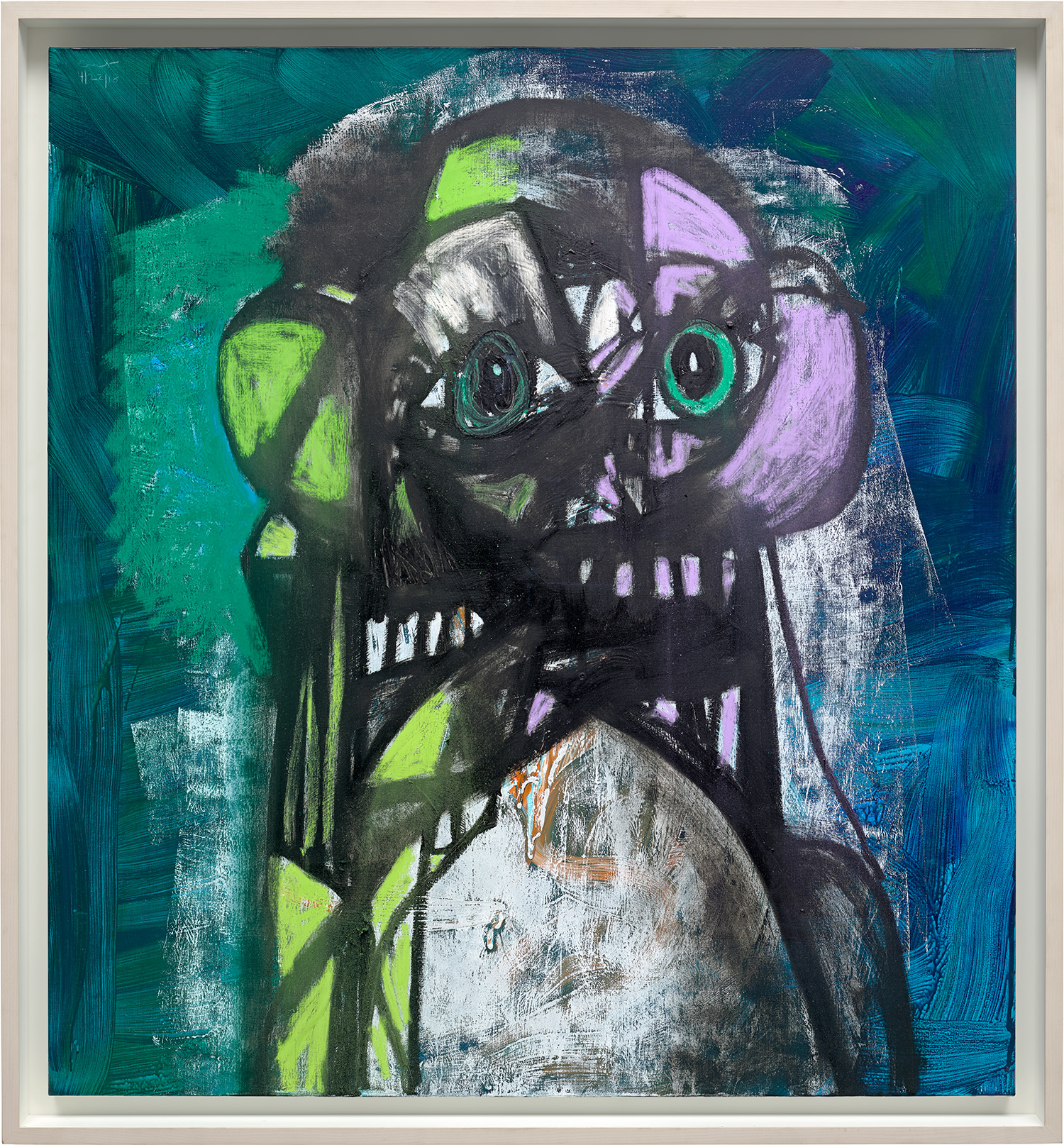
Along related lines, George Condo has built a career on the deliberate fracturing of portraiture, drawing on old master conventions only to subject them to something vertiginous and comic and strange. His work rewards close attention and has grown significantly in institutional and market standing over the past decade. Similarly, Jean Michel Basquiat used the figure as a site of cultural and historical reckoning, and works on paper as well as canvas have held their value with remarkable consistency at auction. Pablo Picasso remains the gravitational centre of any figurative collection at scale, and the breadth of his practice across different periods means there are genuine entry points across a wide range of budgets, though buyers should focus on periods of peak invention rather than decorative late works.
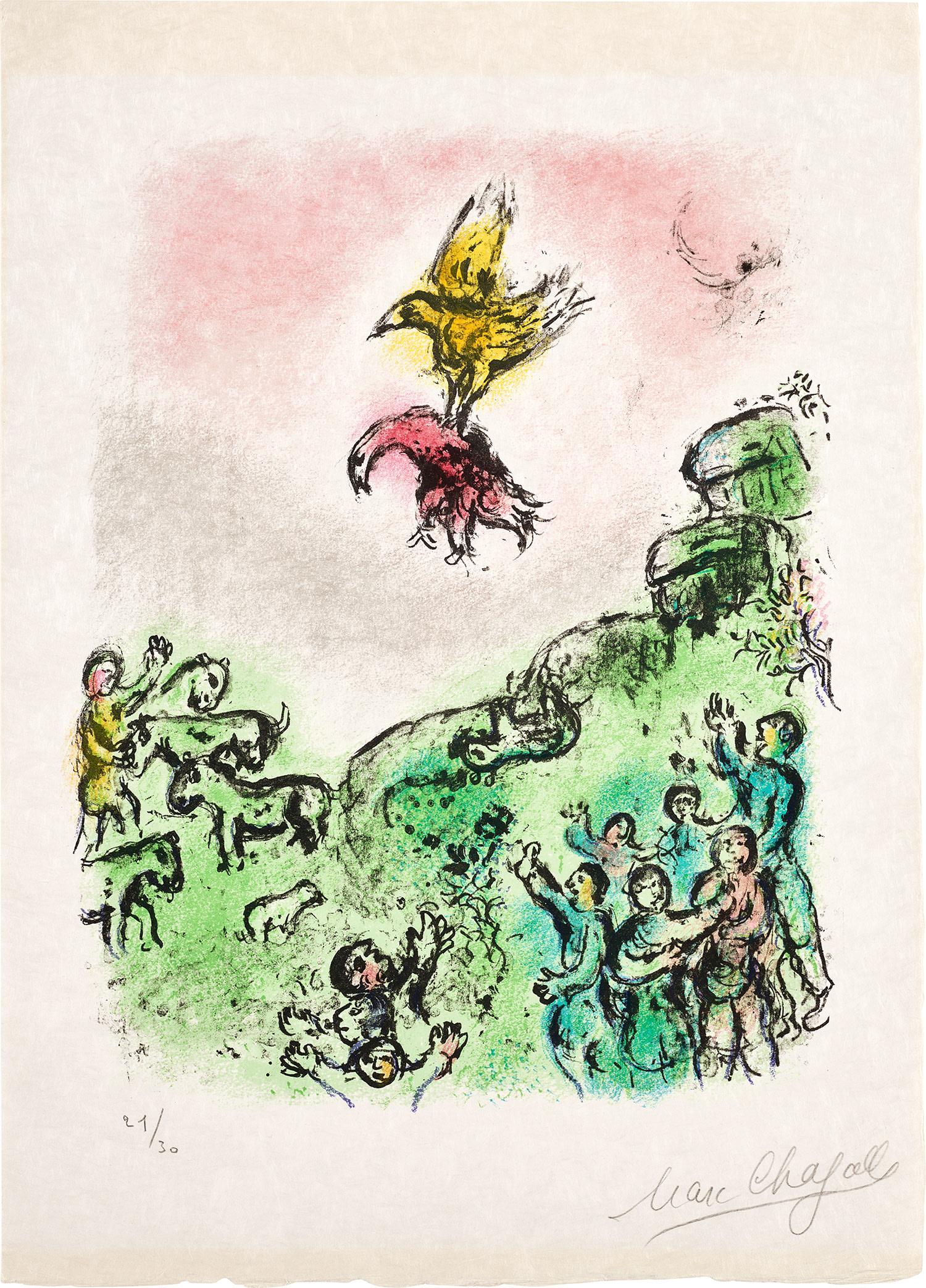
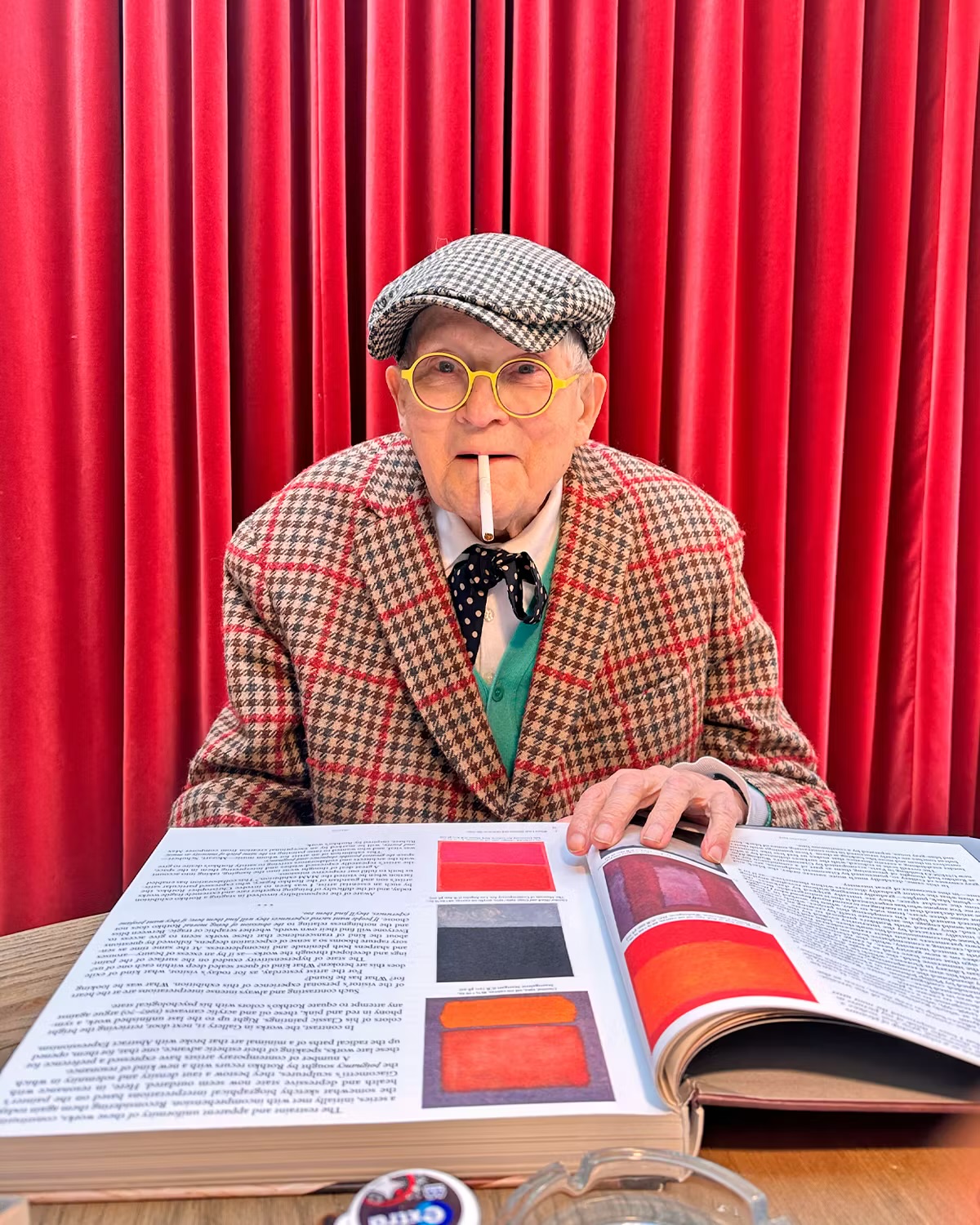
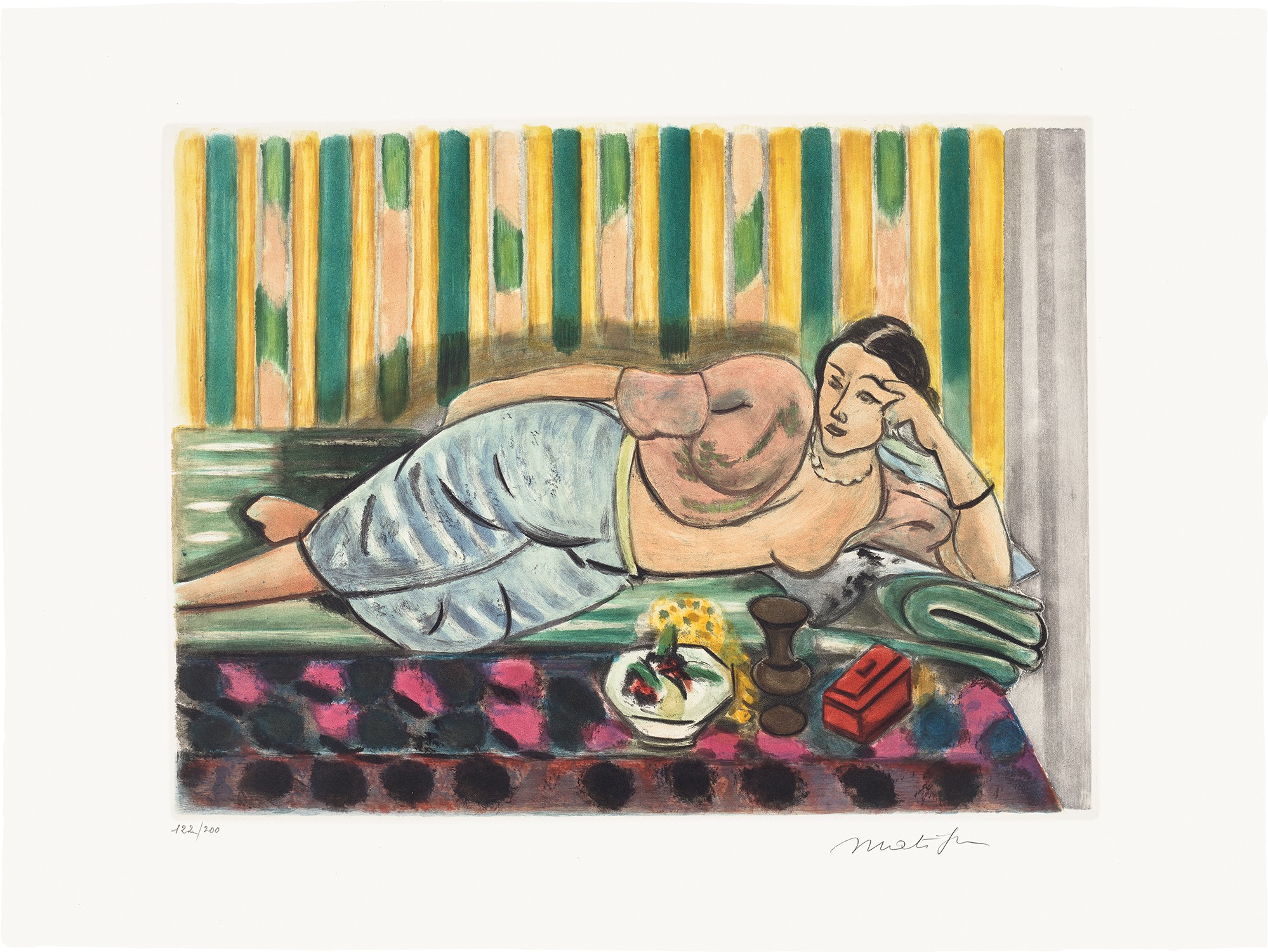
For collectors drawn to figuration but looking for works that offer both quality and relative accessibility, Henri Matisse prints and illustrated books present an interesting proposition. The cut paper and drawn figure works are among the most joyful objects in twentieth century art and have proven durable in the secondary market. David Hockney's figurative output, particularly his poolside portraits and later iPad drawings, has become one of the most closely watched bodies of work in the contemporary market, and with good reason. His ability to make looking feel like a pleasure again is genuinely rare.
Juan Genovés
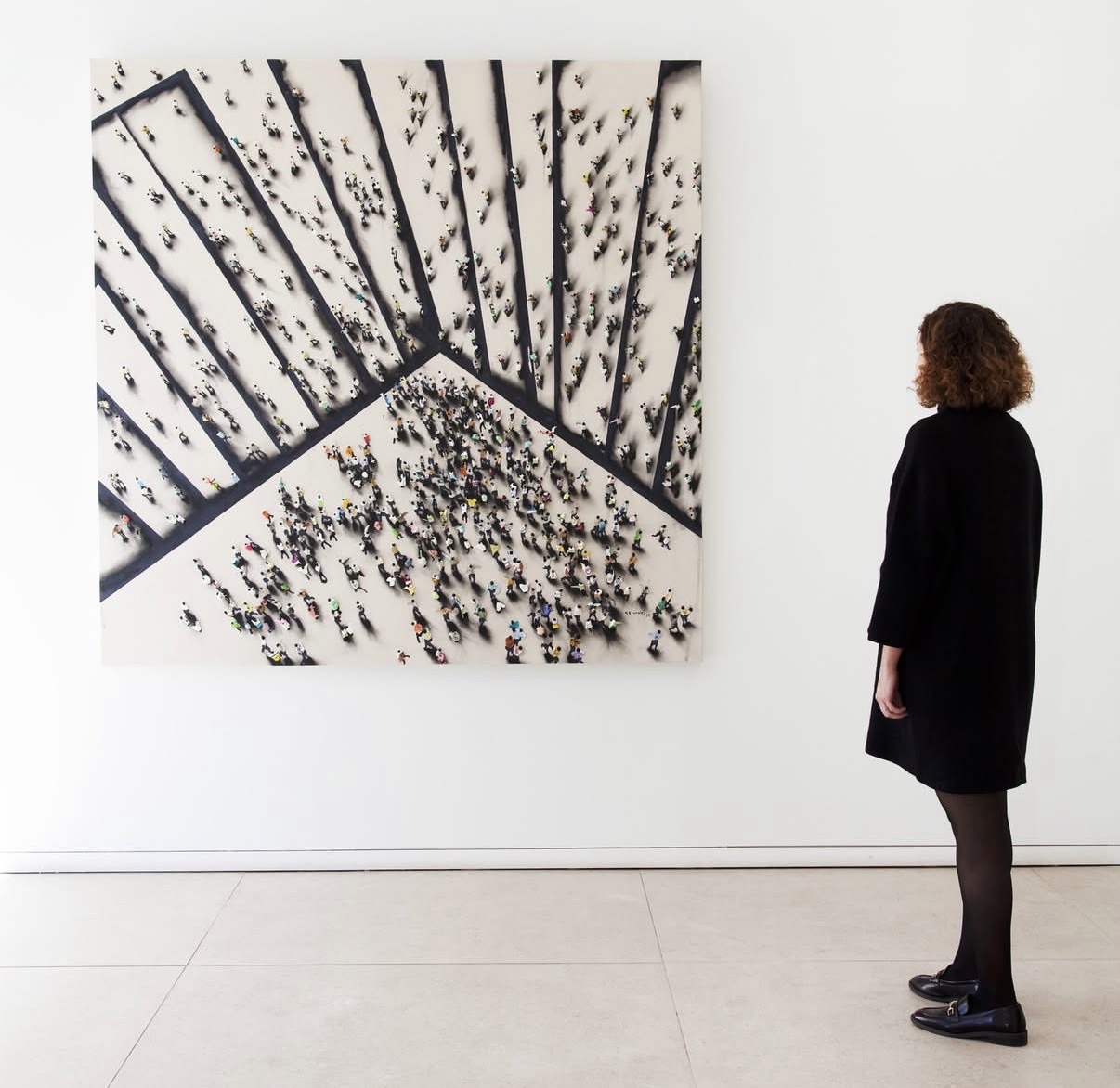
Tosco, 2019
Alex Katz, now in his nineties and the subject of renewed institutional attention, offers a cooler register: flat, clean, deeply American, and increasingly recognized as a foundational influence on a generation of younger painters. Among more recent voices, Salman Toor deserves serious attention. His small scale figurative paintings of South Asian men in intimate domestic and social settings carry a psychological nuance that belies their modest dimensions, and his market trajectory following his 2020 Whitney show has been steep without yet feeling overheated. Yoshitomo Nara occupies a fascinating position between pop culture and genuine emotional depth, and his works have performed consistently well at auction across Asian and Western markets for more than two decades.
KAWS, sometimes dismissed by traditionalists, has built a figurative practice rooted in mass culture that commands serious prices at Christie's and Sotheby's and shows no signs of softening among younger collectors. At auction, figurative work across the twentieth and twenty first centuries performs with broad liquidity precisely because the category spans so many collecting tastes and price points. Works by Picasso, Bacon, and Basquiat regularly set records, but the more interesting story is mid market figuration, where artists like Fernando Botero, whose rounded exaggerated forms are immediately identifiable, or Lê Phổ, the Vietnamese born painter who worked in Paris and whose delicate figurative canvases are increasingly sought after in both European and Asian markets, offer strong value relative to their historical importance. Watch the evening sale results at the major houses and pay attention to what is being held back as private sale: often the most desirable figurative works never reach the public rostrum at all.

Jonathan Kent Adams
Untitled
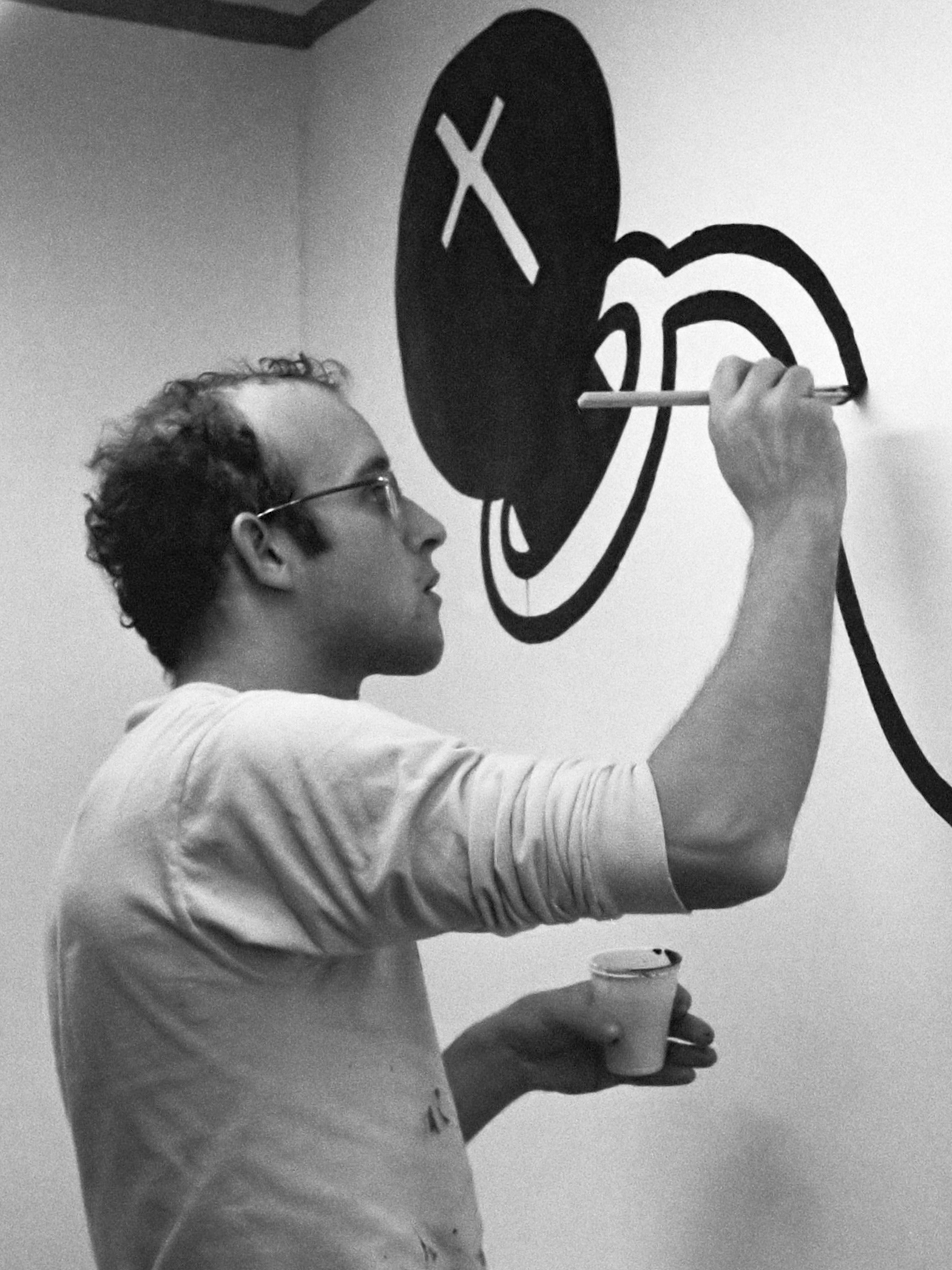
Practical considerations matter more in this category than collectors sometimes admit. Condition is paramount with figurative work because the eye is drawn directly to the surface, and any restoration is far more visible than it would be in an abstract piece. Always ask for a condition report written by a conservator, not just by the gallery. For works on paper, including Keith Haring drawings or Matisse lithographs, light exposure is the primary concern: ask about provenance and display history.
With editions, whether prints or bronzes by someone like Auguste Rodin or Henry Moore, understand the edition size and where the work sits within it, and be clear about whether you are buying a lifetime or posthumous casting. Finally, ask any gallery or dealer directly whether a figurative work has been exhibited in a significant institutional context. Provenance and exhibition history do not just affect resale value. They tell you something essential about how the work has been understood, and that understanding is part of what you are acquiring when you bring a figure home to live with you.