Narrative
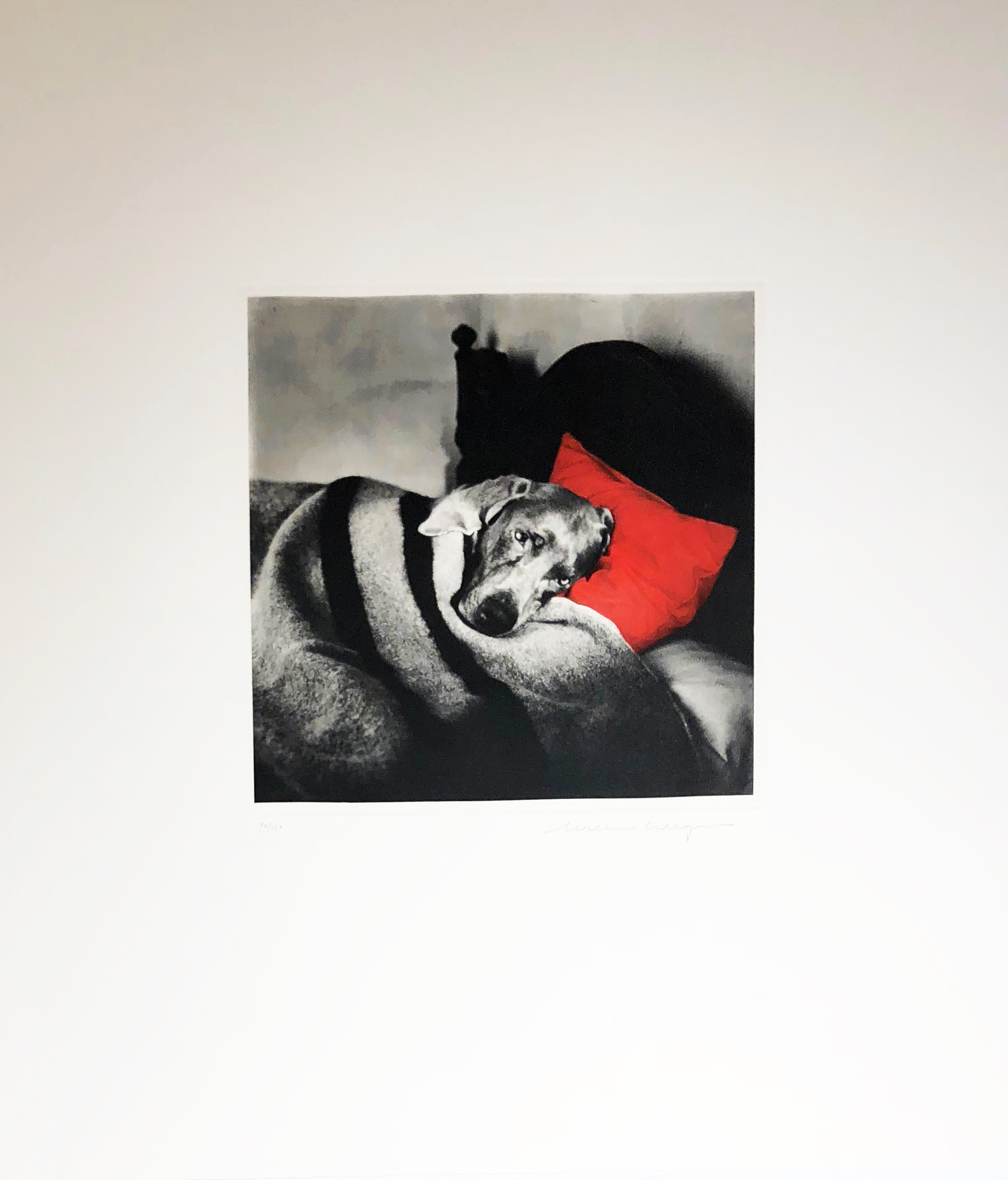
William Wegman
Cinderella Sleeping, 1994

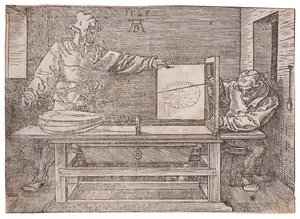
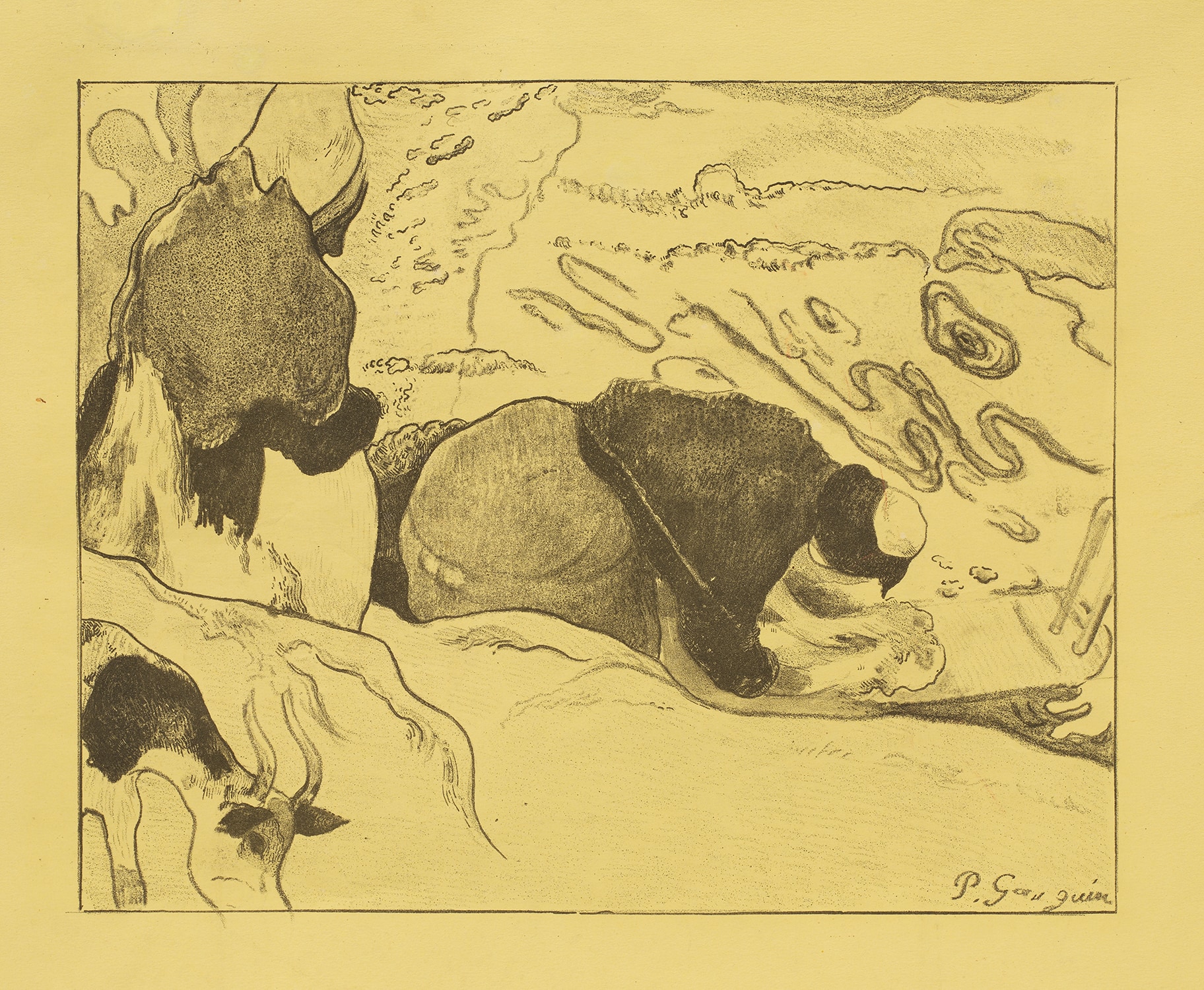
The Story a Great Work Keeps Telling
There is a particular kind of restlessness that comes from living with a narrative work of art. Unlike pure abstraction, which asks you to feel, or portraiture, which asks you to see, narrative art asks you to wonder. What happened just before this moment? What comes next?
Collectors who fall for this mode of image making often describe the same experience: the work changes on them. They notice a new detail after years of ownership, or the meaning shifts as their own life shifts around it. That quality of inexhaustibility is not accidental. It is the whole point.
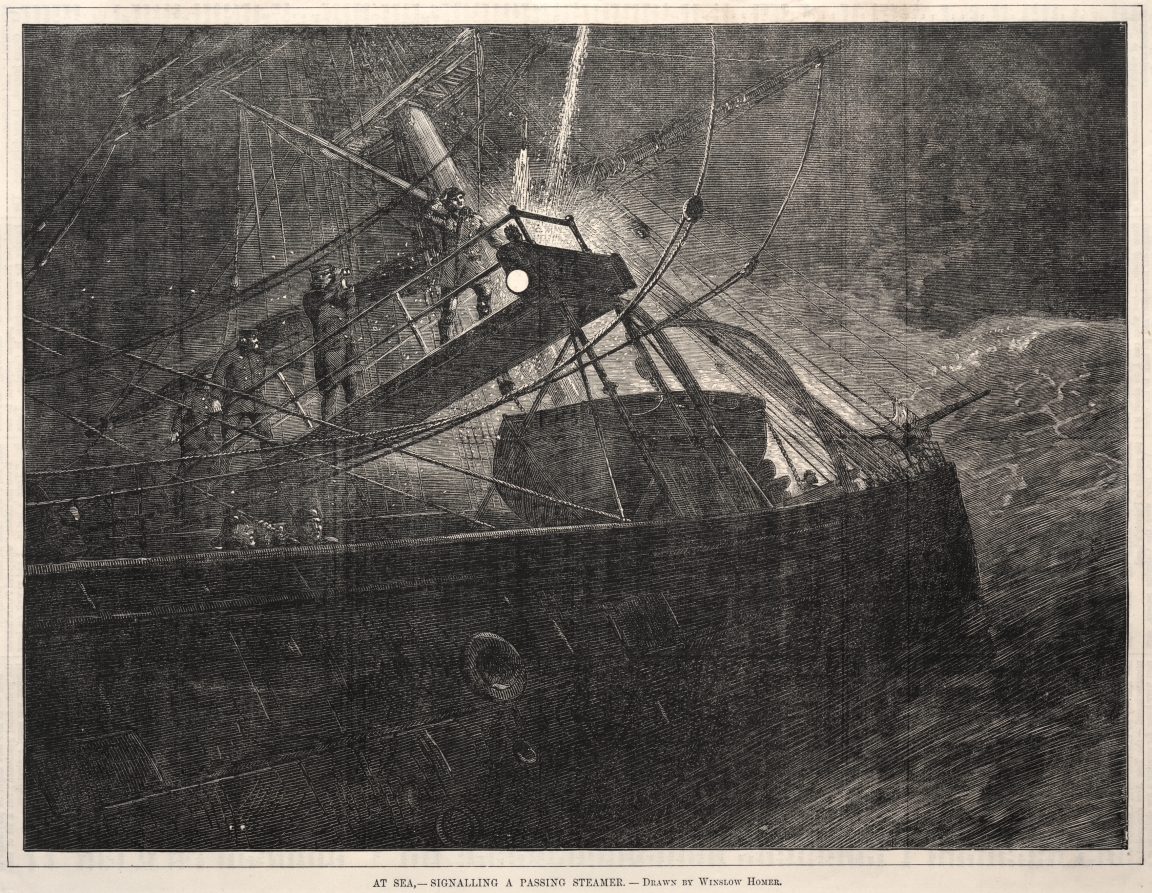
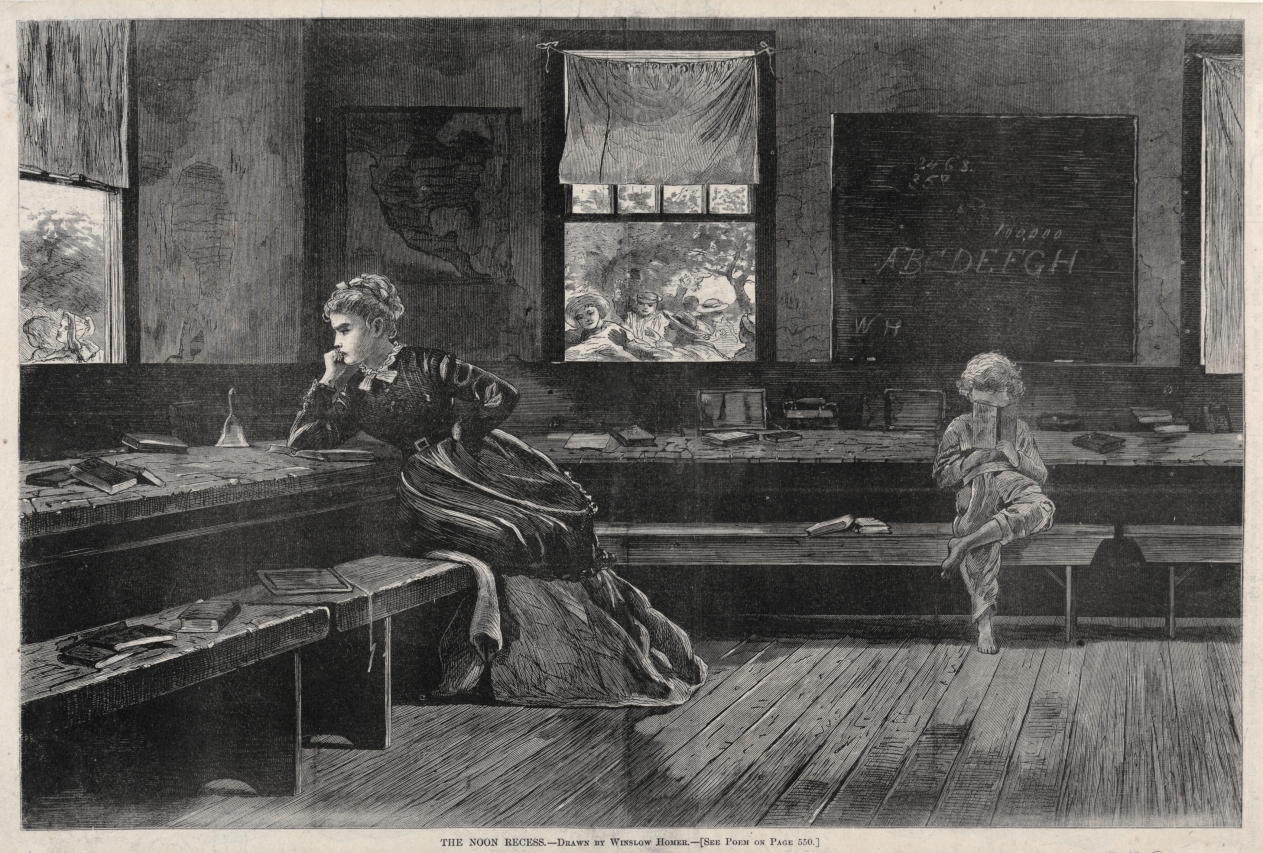
Winslow Homer
At Sea, Signalling a Passing Steamer, 1871
What separates a good narrative work from a truly great one is rarely technical skill alone. The masters of the form understood that restraint is more powerful than explanation. Winslow Homer, whose output across watercolor and print is remarkable in its range, was a genius of the charged moment. His best works give you just enough to construct a world and no more.
A figure on a shoreline, a boat at the edge of a squall, a child at the lip of some open space: Homer always knew what to leave out, and that absence is where the story lives. When you are looking at works on The Collection, ask yourself whether the image opens outward or closes down. The great ones always open outward. Marc Chagall operates differently but with the same instinct.
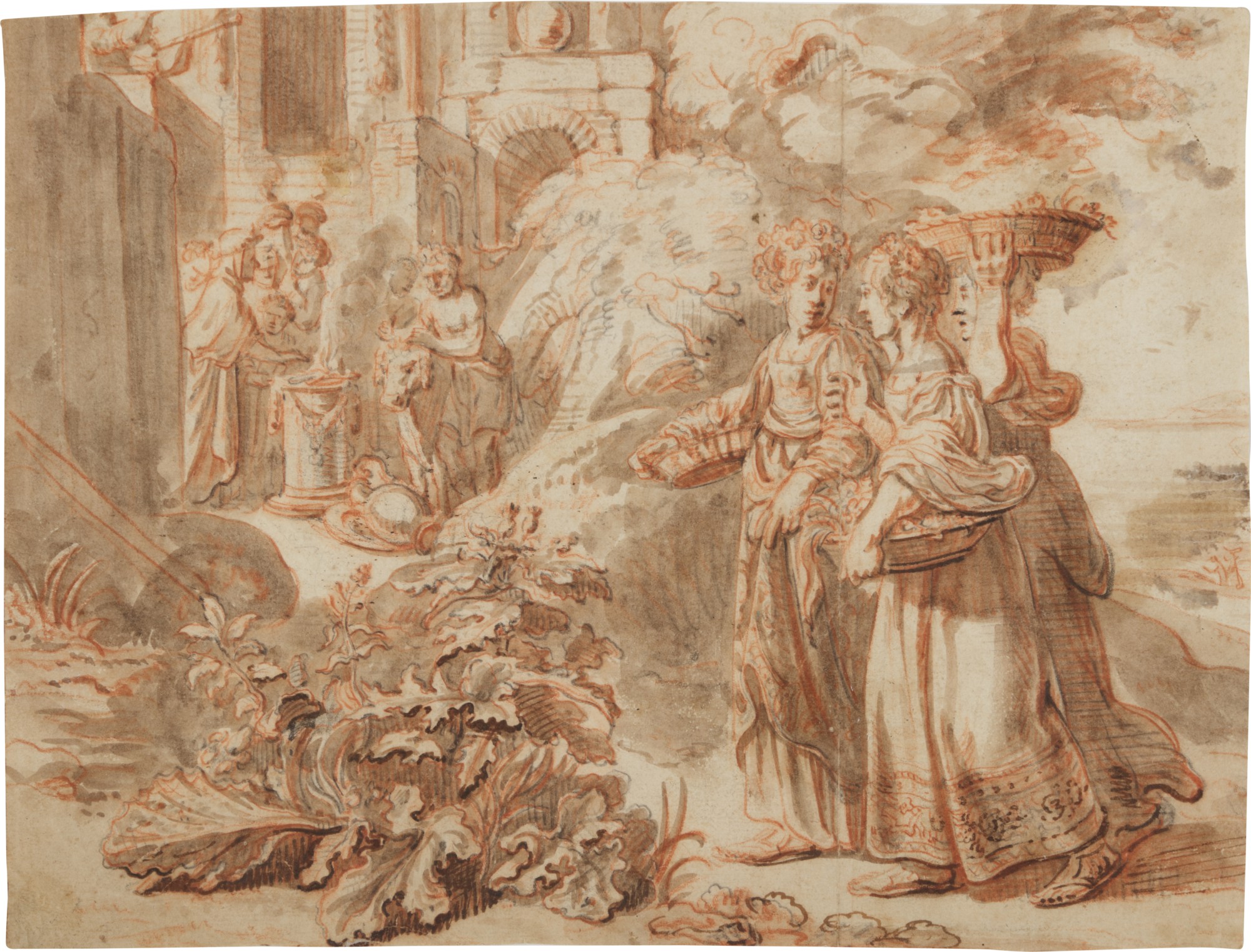
Circle of Pieter Lastman
Woman carrying baskets up to the walls of a city, a sacrifice being prepared in the background
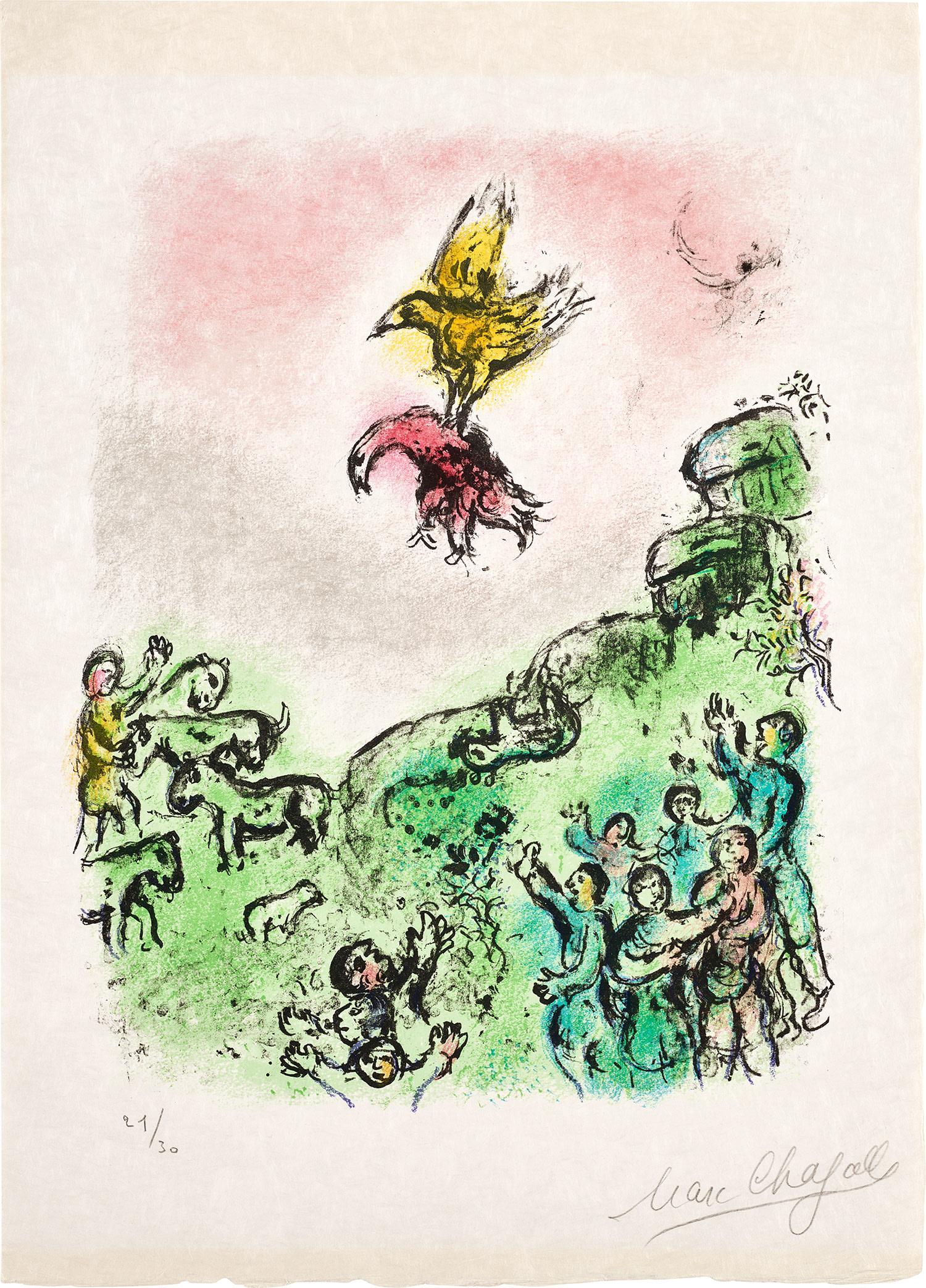
His narratives borrow from Jewish folklore, from the shtetl world of his Belarusian childhood, from the Old Testament, from dreams. The logic is not linear but emotional, and the result is that his images carry an almost theatrical sense of time suspended. Collectors sometimes underestimate Chagall because his imagery is so immediately pleasurable, but his best prints and works on paper reward the kind of sustained attention usually reserved for painting. On The Collection he is well represented, and the range of subject and scale available makes him an ideal entry point for collectors building around narrative themes.
Similarly, Rembrandt van Rijn understood narrative as a function of light. His etchings in particular compress entire psychological dramas into small formats, a quality that makes them both accessible for collecting and endlessly moving to live with. For collectors who want to engage with narrative in a more contemporary register, the case for Kara Walker is almost self evident. Her work draws on the visual language of the nineteenth century silhouette tradition and turns it into something fierce and morally urgent, confronting American histories of slavery and violence with a formal elegance that makes the content even more destabilizing.
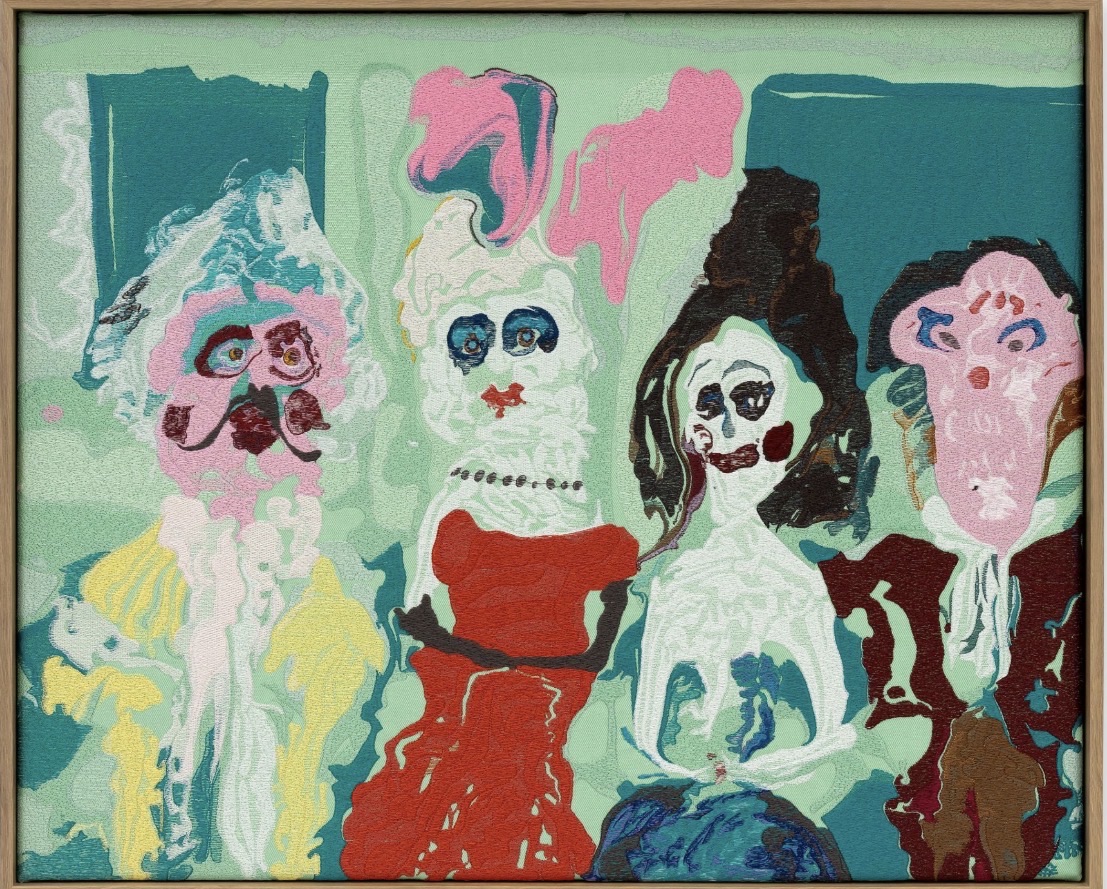
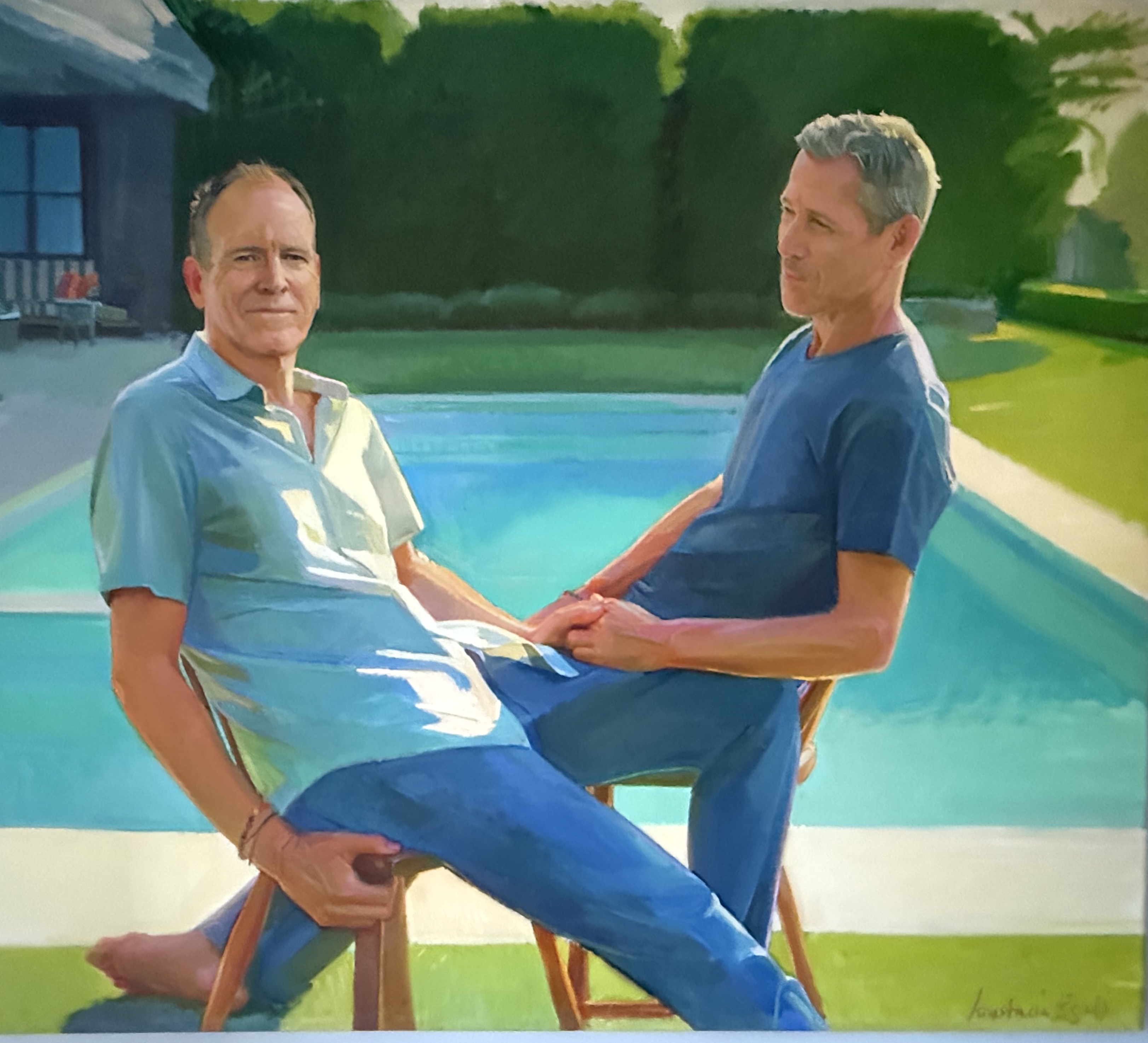
Genieve Figgis
Friends, 2026
Raymond Pettibon, represented on The Collection, works in a related mode: drawings that fuse text and image into something that reads like a fever dream of American culture, punk music, noir fiction, and underground comics all compressed together. Both artists reward collectors who are willing to sit with discomfort, and both have strong institutional track records that give their secondary market positions real durability. For those watching where narrative energy is gathering right now, Genieve Figgis deserves serious attention. Her painted figures, slipping and dissolving in their own glamorous decay, have a gothic storytelling quality that feels genuinely original.
She came to wider notice through social media and the support of artists she admired, but her market has matured considerably, and works that appeared at modest price points a decade ago have moved significantly. Hernan Bas is another artist worth tracking: his paintings and works on paper circle around queer literature, occult imagery, and Southern Gothic atmosphere, building a narrative world that is entirely his own. He has the kind of dedicated collector base that tends to sustain secondary market performance through cycles. Speaking of the secondary market, narrative works as a category have historically performed with more consistency than many collectors assume.
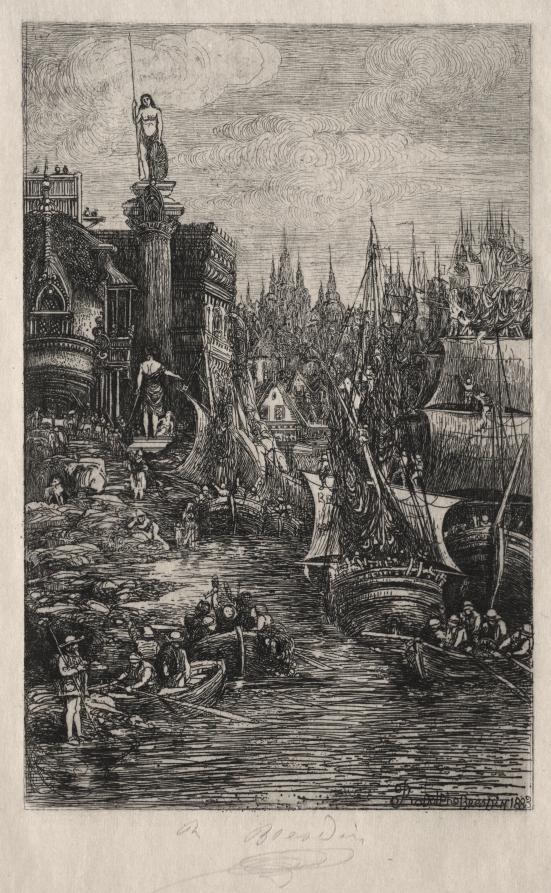
Rodolphe Bresdin
My Dream, 1883
The key variable is legibility: works where the storytelling is too specific to a particular cultural moment can date badly, while works that encode narrative ambiguity tend to hold and grow. Albrecht Dürer's prints are the extreme long term proof of this principle. His narrative sequences, the Apocalypse woodcuts from 1498 among them, have been collected continuously for over five centuries because the stories they tell are inexhaustible. At auction, condition is everything with works on paper and prints: foxing, toning, and plate wear all affect value significantly, and a fine impression of a well documented work will always command a premium over a later or undistinguished one.
Ask any gallery or auction specialist to specify the edition state and provenance clearly before committing. Display is a genuine consideration with narrative works, particularly those on paper. Ultraviolet filtering glass is not optional. Works that live in direct or strong indirect light will fade in ways that cannot be reversed, and the loss is not just aesthetic but financial.
Framing choices matter too: a narrative work benefits from enough mat space to let the image breathe, to allow the viewer to enter the world rather than feel pressed against it. For works in editions, the question of which edition and what size of edition is critical. Picasso's print editions, for instance, vary enormously in scale and quality, and understanding the specific publication history of any work you are considering is basic due diligence. Artists like Julian Opie and John Baldessari have also worked extensively in editioned formats, and for both, the relationship between the edition size, the institution or publisher involved, and the secondary market value is very traceable if you do the research.
The deepest reason to collect narrative art is ultimately personal rather than strategic. You will spend years looking at what you own, and a work that tells a story will keep you company in a way that a purely decorative object simply cannot. The best collectors in this space are not passive owners; they become readers. They know the mood of the work in morning light versus evening, they notice what the work asks of them when they are sad versus when they are celebratory, and they find that the story is never quite finished.
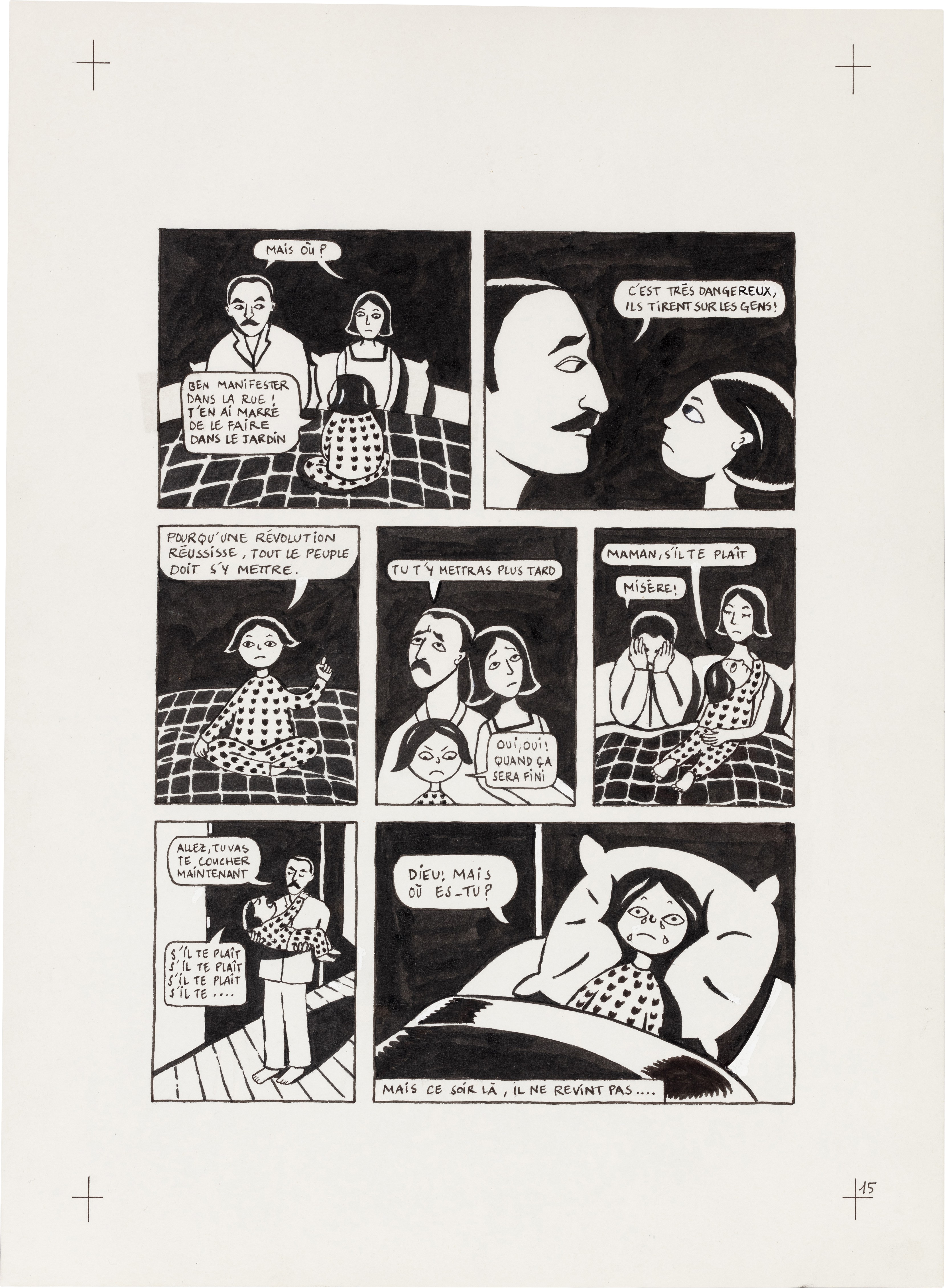
That is the real promise of narrative, and the artists who deliver on it, Homer, Chagall, Walker, Satrapi, Figgis and so many others, are worth the investment in every sense.