American
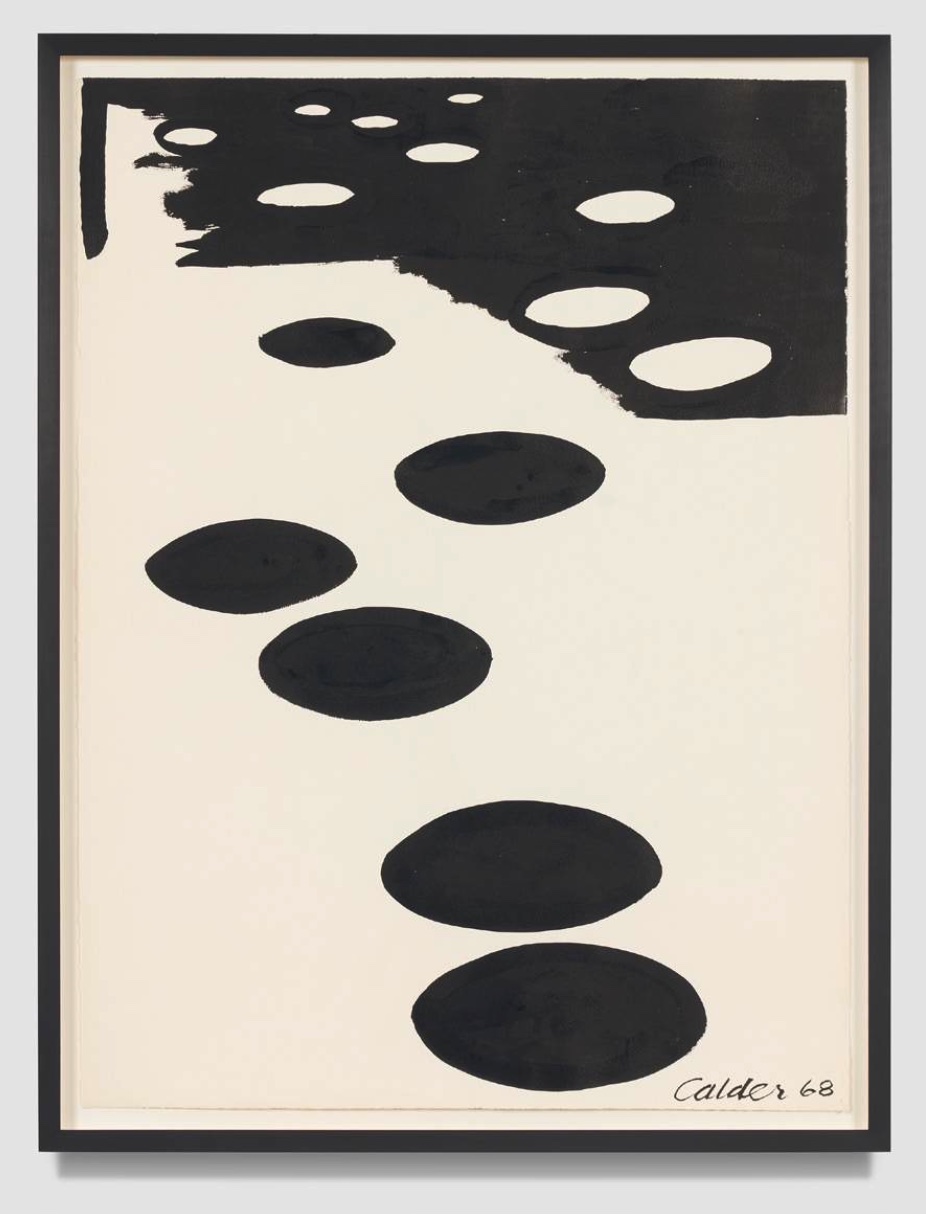
Alexander Calder
Untitled, 1968



What America Looks Like When It Collects Itself
There is something particular about living with American art. It is not nostalgia exactly, and it is not patriotism. It is closer to the feeling of recognizing your own accent in a stranger's voice. The works that fall under this broad, contested, endlessly generative category share a quality of directness, a willingness to look at the physical and cultural landscape without flinching and without excessive poeticizing.
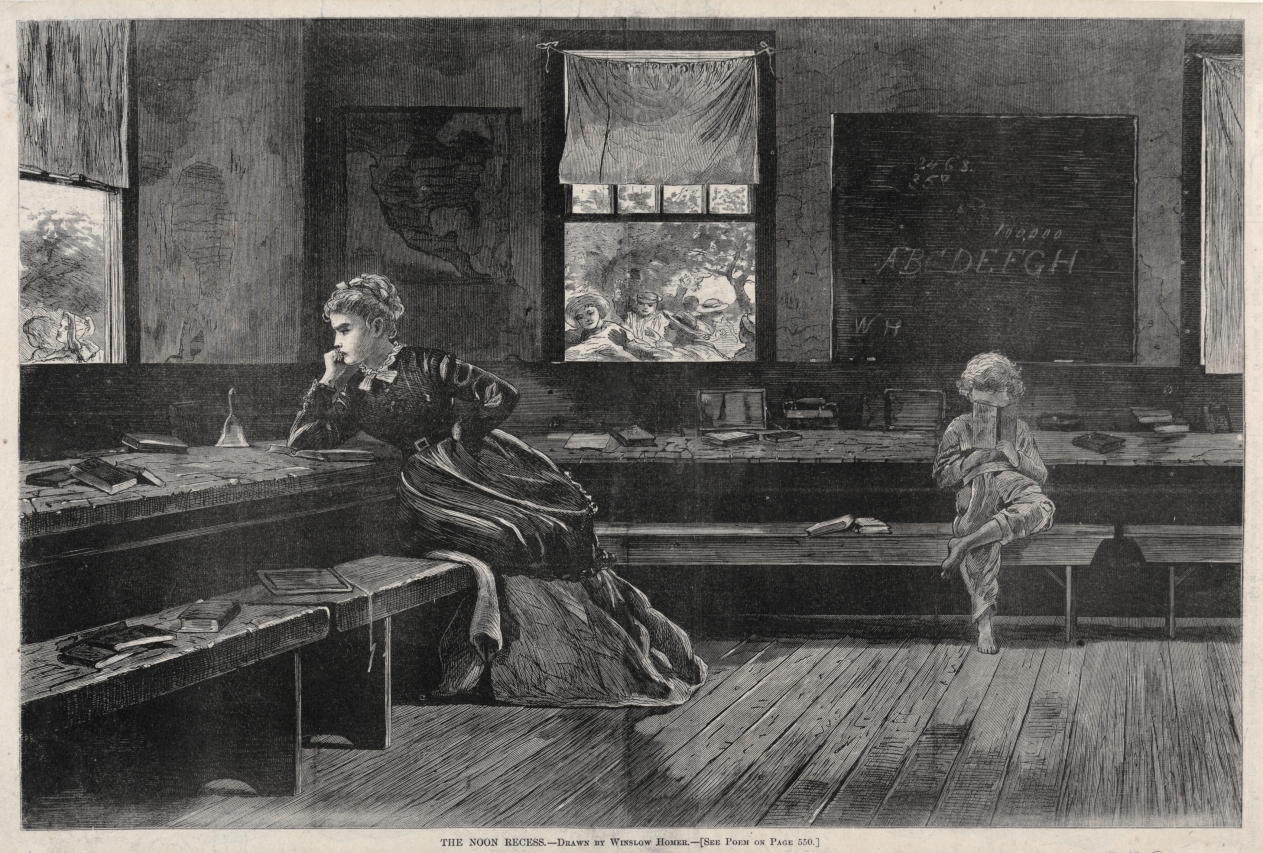
Collectors who gravitate toward American art often describe the same experience: they live with these works and find that the works push back, that they ask something of the room they occupy and the person looking at them. What draws serious collectors here is precisely this refusal of decorousness. The American tradition, at its strongest, is not comfortable art. Winslow Homer's seascapes carry genuine menace.
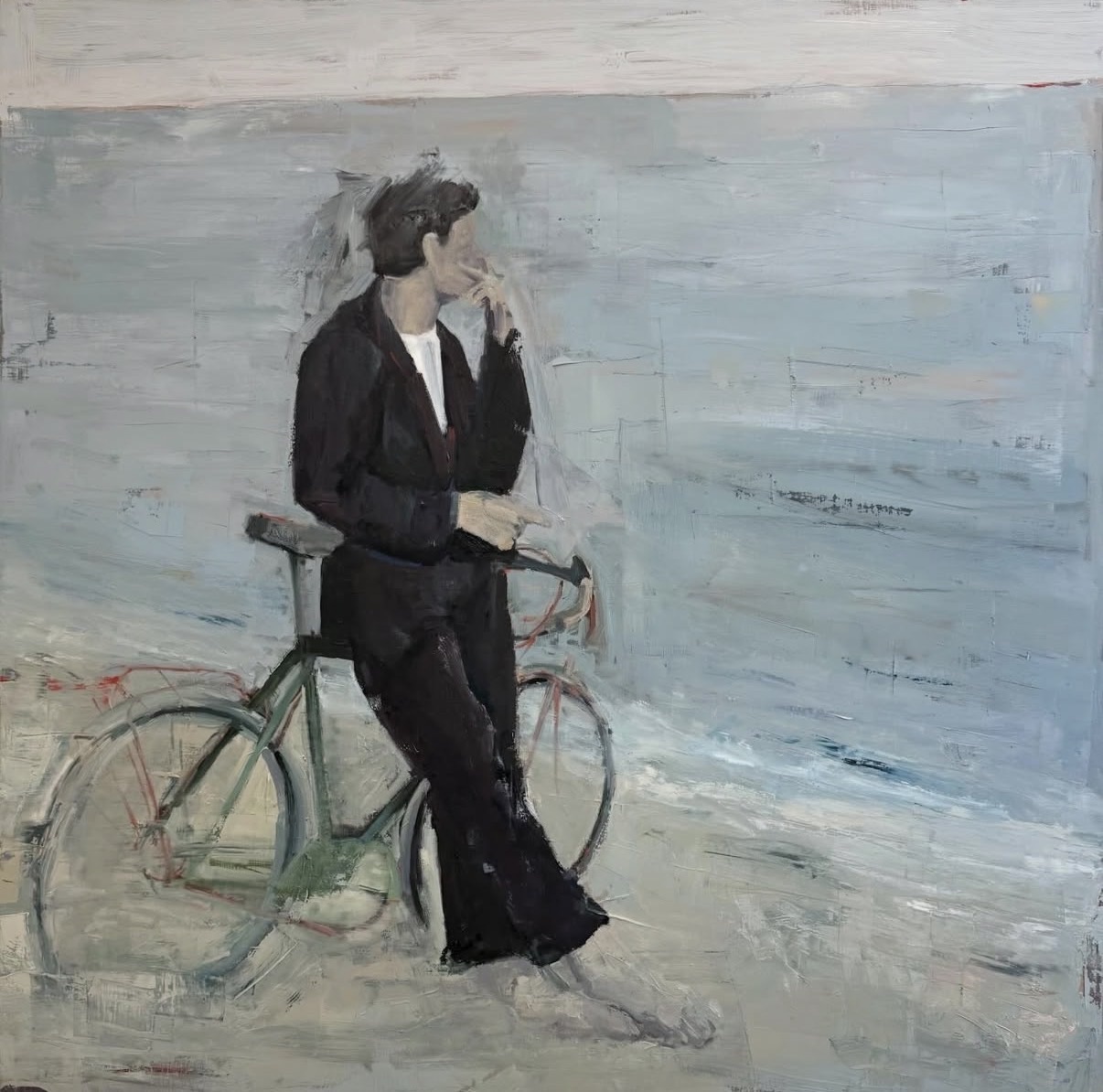
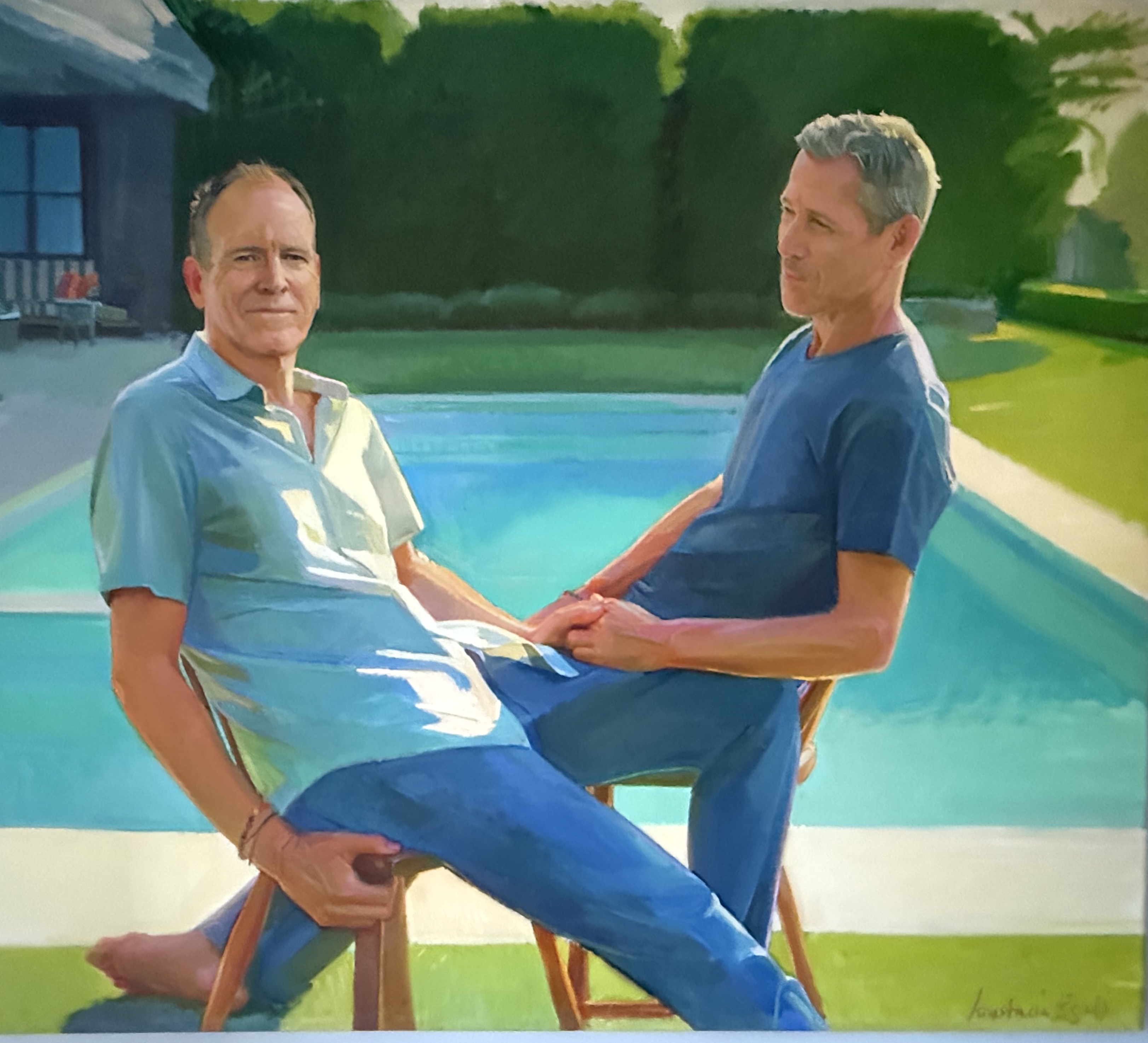
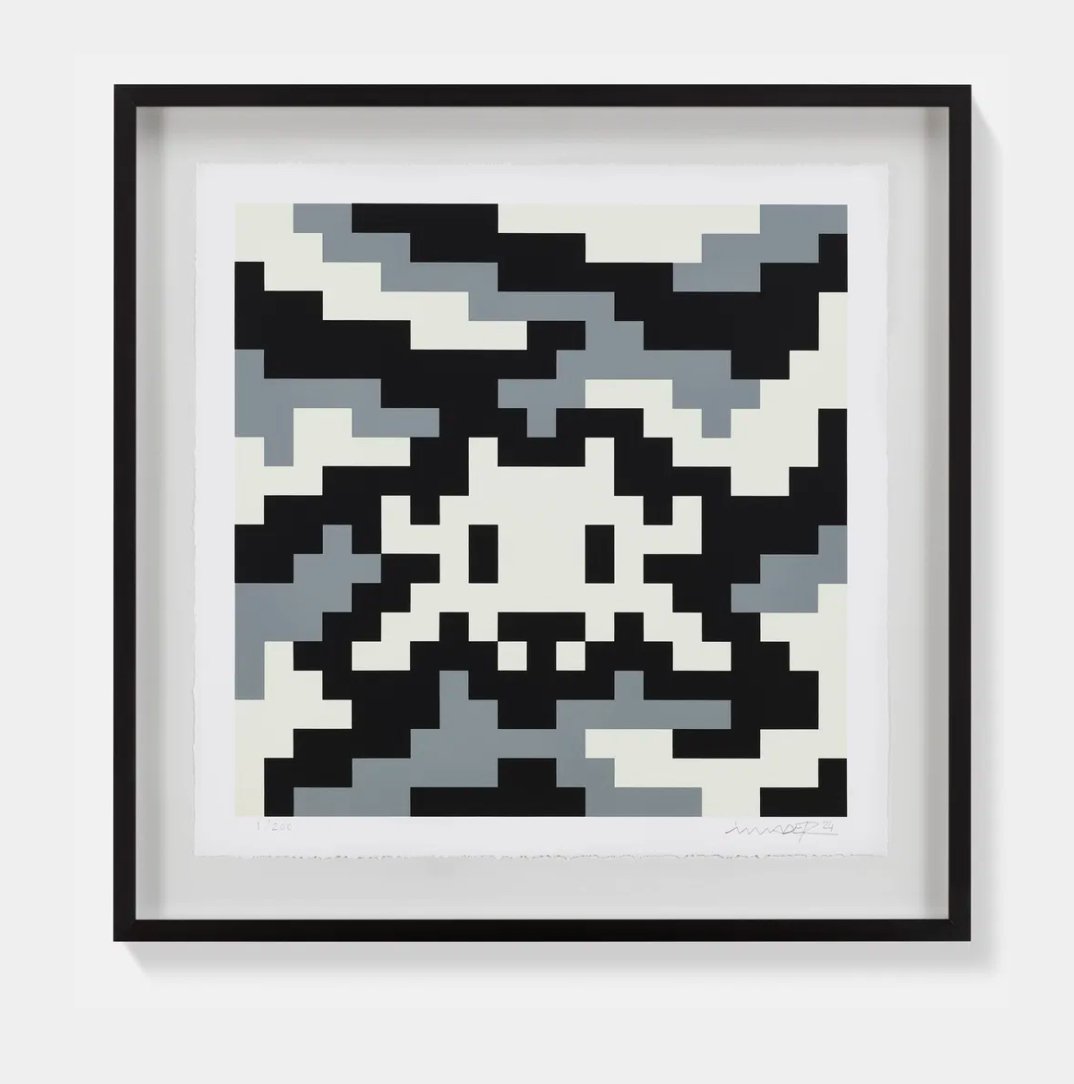
Patrick Vrem
Ride by the Water
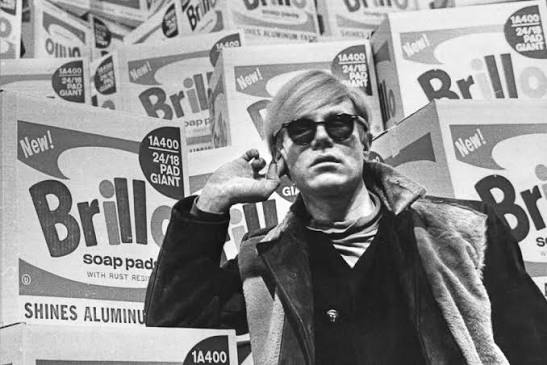
Robert Frank's photographs of 1950s America, gathered in his landmark 1958 book The Americans, made his contemporaries deeply uncomfortable because they were so accurate. Andy Warhol's silkscreens of consumer goods and celebrity deaths were not celebrations but something far more ambivalent and therefore far more durable. Collectors who understand this are collecting a mode of seeing, not simply an aesthetic. Separating a good work from a great one in this category requires attention to intention.
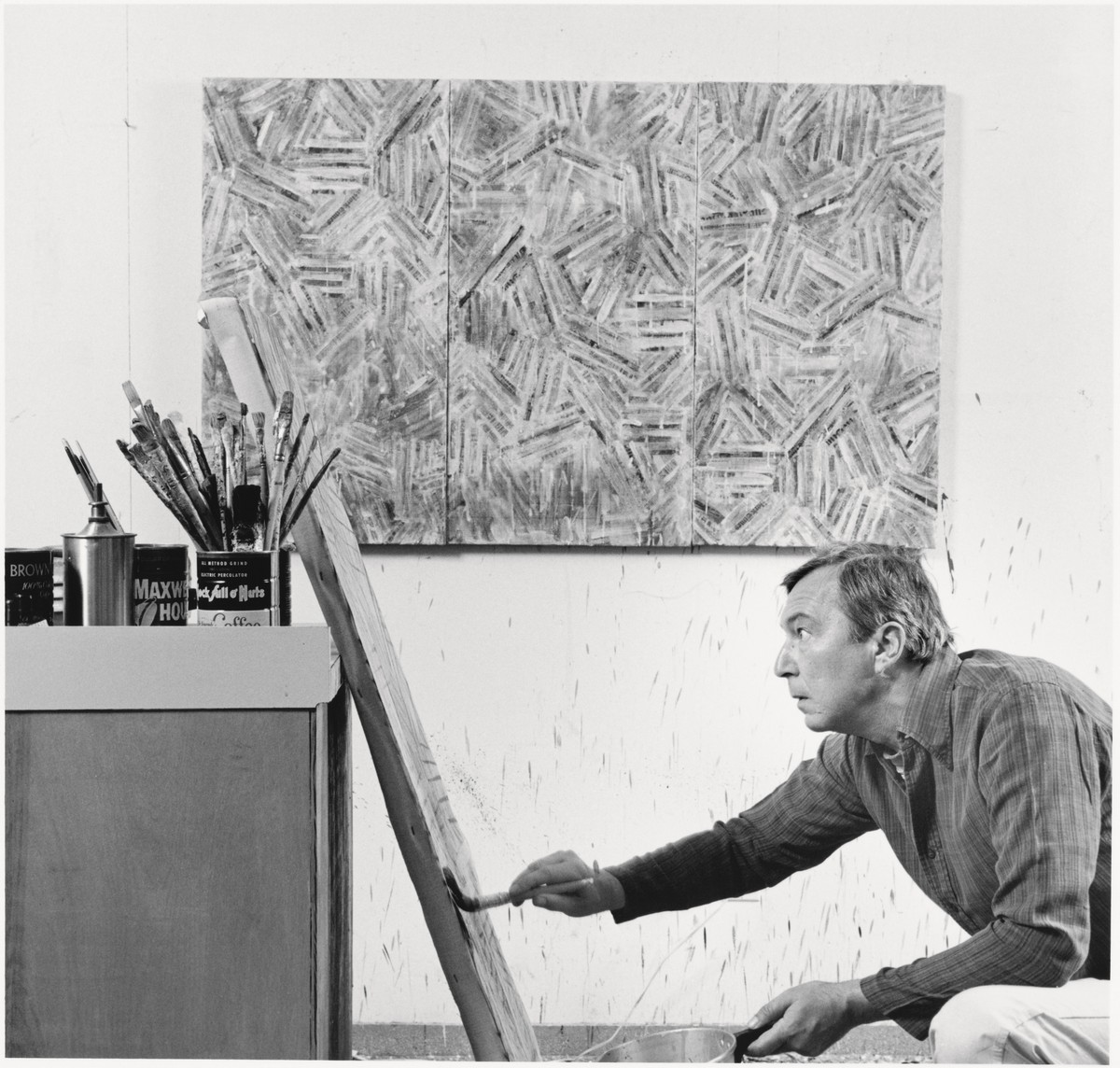
The strongest American works have a thesis, even when that thesis is unstated. A Roy Lichtenstein from the early 1960s, when he was first translating comic book imagery into large scale painting, is a different proposition than a later decorative variation on the same idea. The early works carry urgency. Similarly, a Jasper Johns encaustic flag painting from the 1950s represents Johns genuinely interrogating what a painting is, what a symbol is, what looking means.

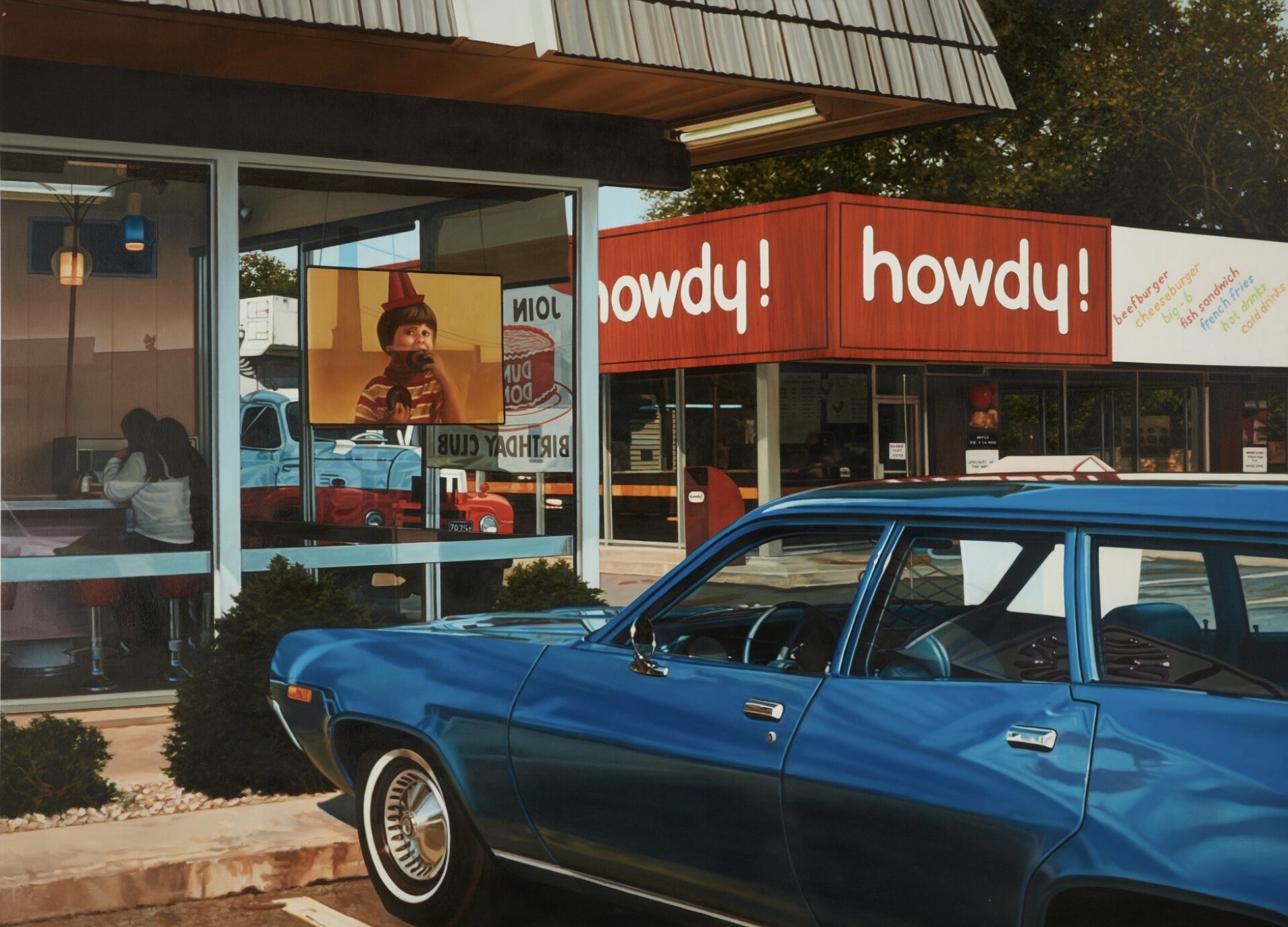
Jasper Johns
Untitled, 1978
Later works in the same iconographic territory can feel like self quotation. The question to ask when considering any work is whether the artist needed to make it, or whether they had already said what they needed to say elsewhere. Condition is particularly consequential with American works because so many of them involve unconventional materials and processes. John Chamberlain's crushed automobile sculptures are susceptible to surface corrosion and paint oxidation in ways that a bronze or marble is not.
Works on paper by artists like Robert Motherwell or Ed Ruscha require careful attention to light exposure and humidity. Rauschenberg's combines, which incorporate found objects and fabric alongside paint, present complex conservation challenges that should always be disclosed in any sale. Before acquiring, it is worth asking a gallery or auction house for a full condition report and, for anything significant, commissioning an independent assessment. This is not excessive caution.
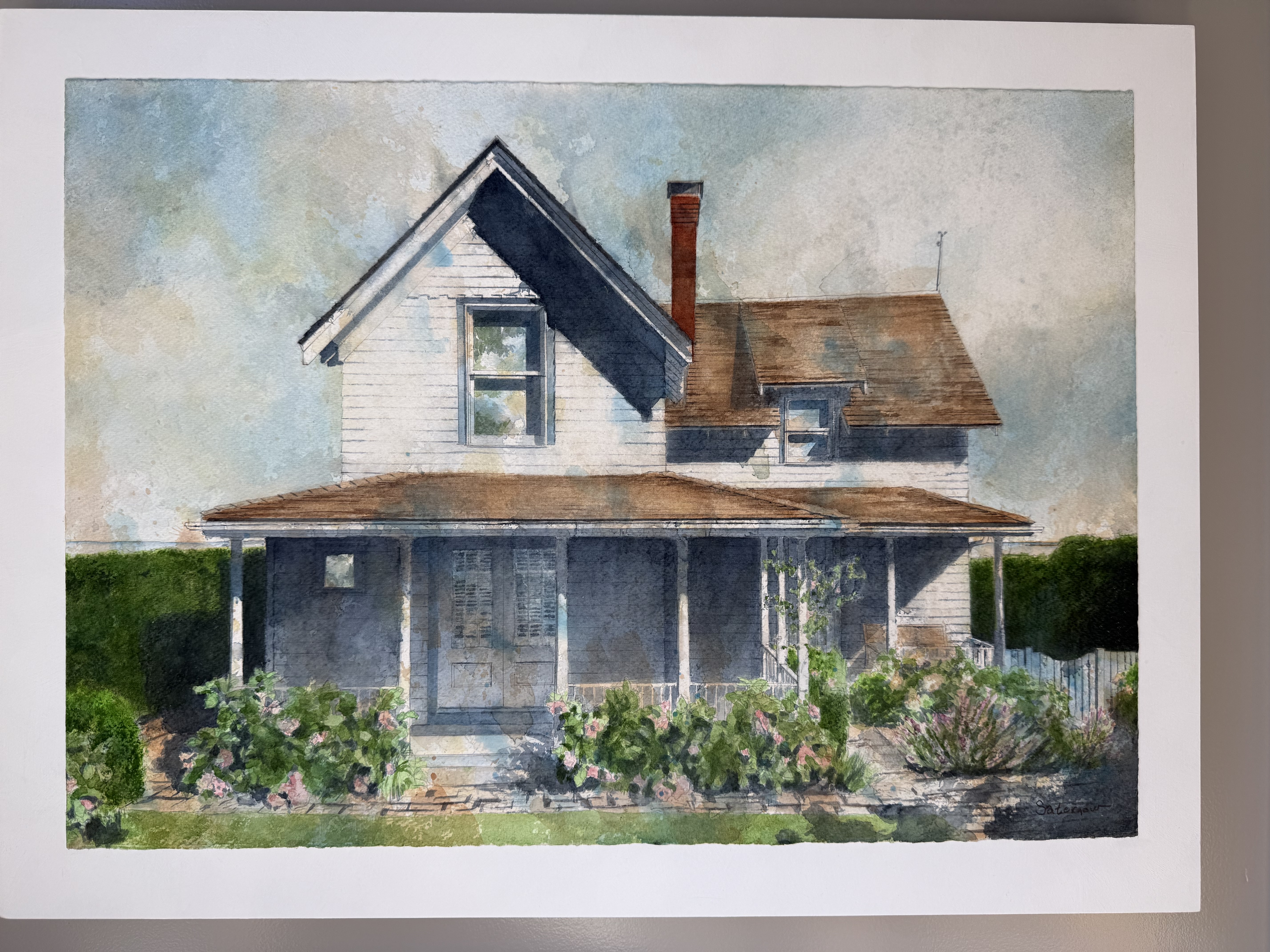
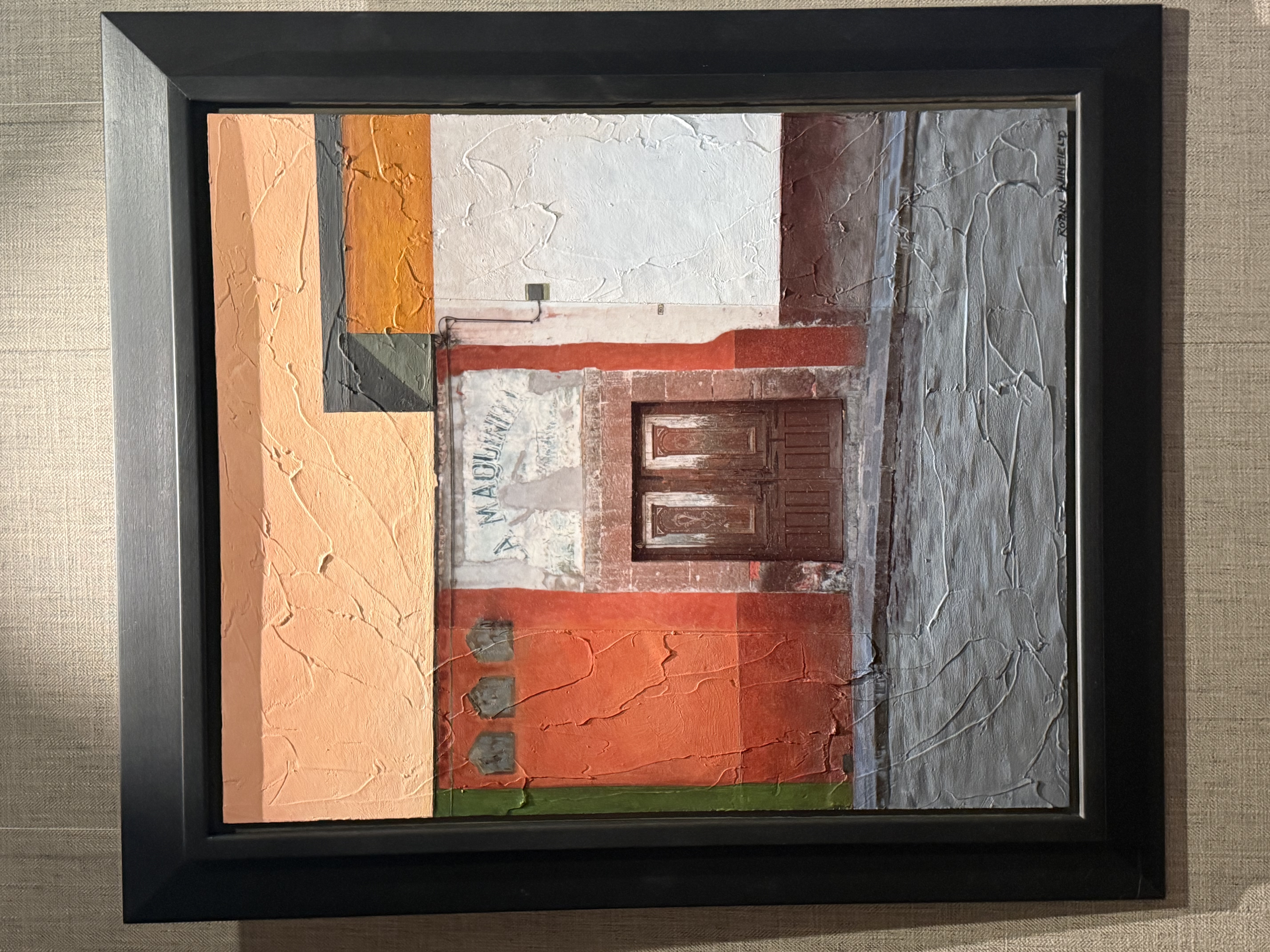
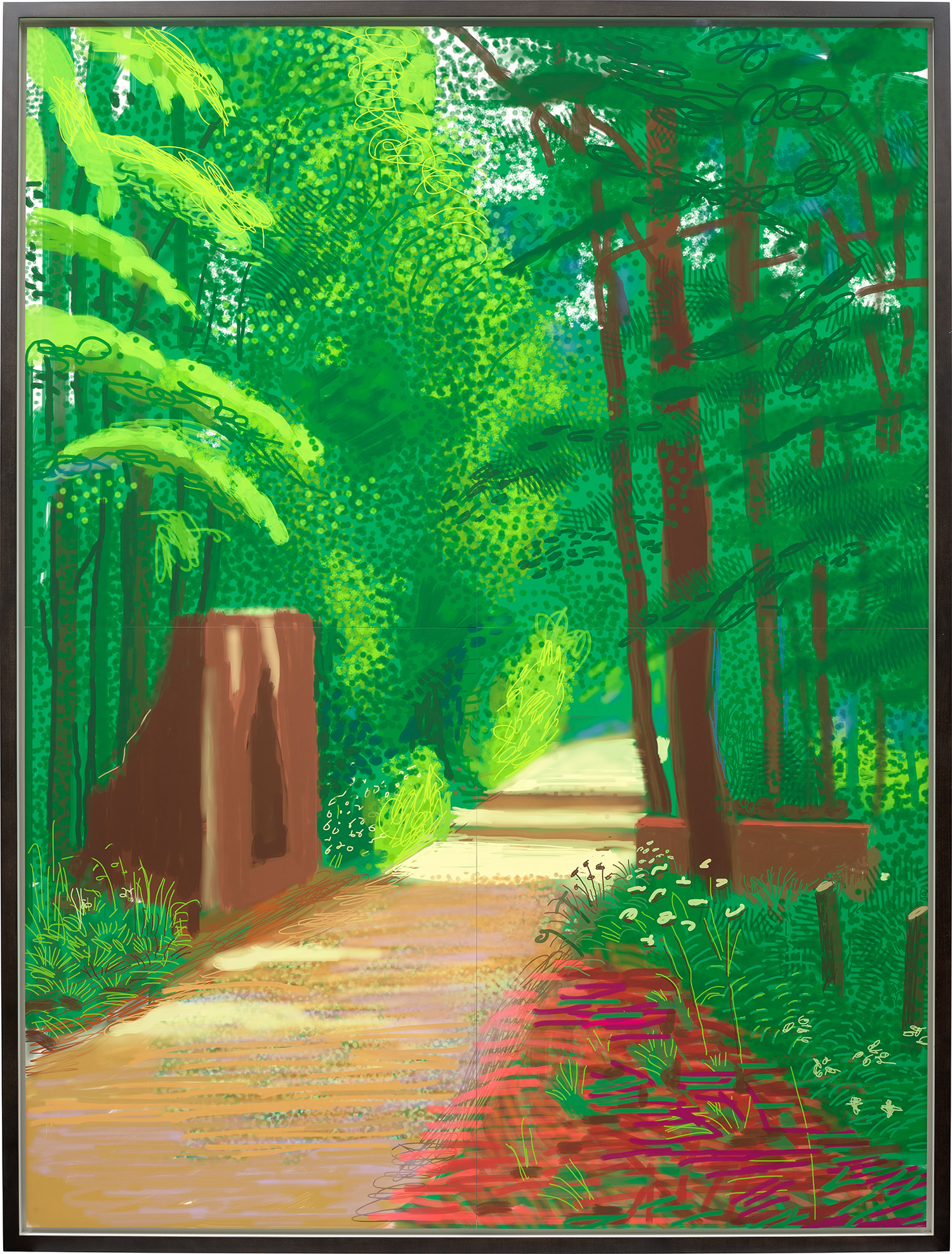
Tim Sharenow
479 COMMERCIAL ST.
It is simply due diligence that protects the investment and the object. In terms of where the strongest value sits right now, the postwar American masters remain foundational. Warhol, Johns, Rauschenberg and Lichtenstein anchor every serious American collection for reasons that extend beyond market consensus. Their works continue to perform because they hold art historical significance, cultural recognition and genuine visual power simultaneously, a combination that is rarer than it sounds.
Below that tier, artists like Robert Motherwell and Richard Diebenkorn represent compelling opportunities. Motherwell's Elegy to the Spanish Republic series established him as one of the great painters of the twentieth century, and his works appear on The Collection in meaningful depth. Diebenkorn, particularly his Ocean Park series from the late 1960s onward, occupies a singular position between abstraction and observed landscape that the market has been steadily reappraising upward. Alex Katz, whose flat declarative portraits once seemed too cool for critical warmth, has seen serious institutional and market revaluation over the past decade.

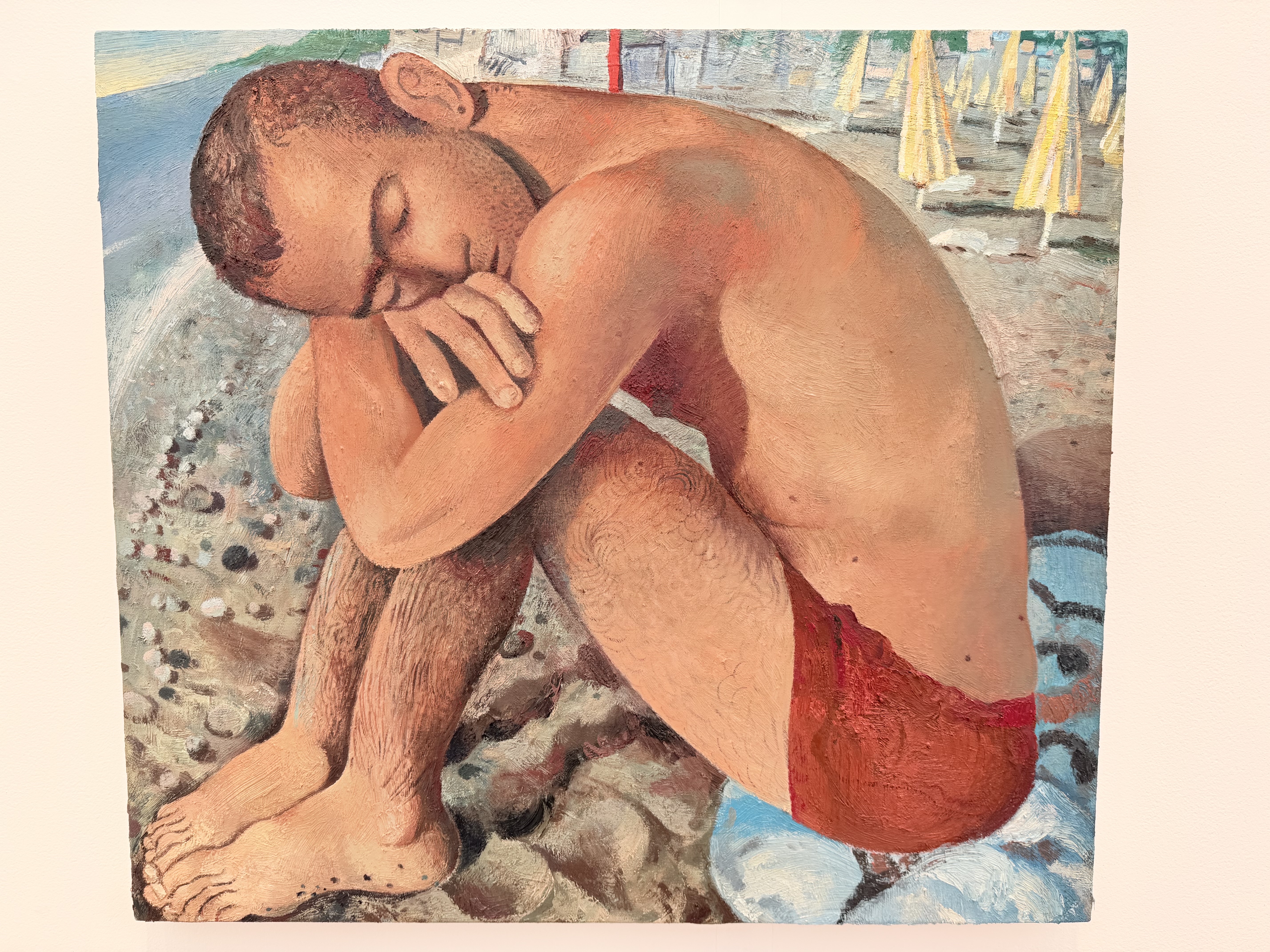
Alex Katz
Three Women on Pink
Works from his 1970s and 1980s output represent some of the most exciting value still available to collectors who move decisively. For collectors interested in photography as a lens on American identity, the opportunities are exceptional. Alfred Stieglitz essentially invented the idea of photography as fine art with his early twentieth century work, and his prints carry both historical weight and genuine scarcity. Ansel Adams remains one of the most recognized names in the medium, though condition and edition status vary enormously and require careful scrutiny.
The more textured opportunity might be Lewis Wickes Hine, whose early twentieth century photographs of child laborers and immigrant communities at Ellis Island are among the most powerful social documents in American art, and whose market has not yet fully reflected their historical importance. Similarly, Henry Hamilton Bennett's nineteenth century photographs of the Wisconsin Dells are technically extraordinary and historically significant in ways that collectors are only beginning to appreciate. Editions deserve a specific word because they constitute a large portion of the American market at every price level. Warhol, Haring, KAWS, Ruscha and Ellsworth Kelly all produced substantial bodies of prints and multiples alongside their unique works.
The key questions are always authenticity, provenance, edition size and condition of the specific impression. A print from a small early edition in excellent condition, properly authenticated and with clear ownership history, is a fundamentally different object than a later restrike or a posthumous publication. The American print market is deep and liquid, which makes it accessible but also means that quality differentiation matters enormously. Dealers who specialize in prints can be invaluable here, and asking for the certificate of authenticity and the edition details in writing should be standard practice before any acquisition.
The younger end of the American collecting landscape is genuinely interesting. George Condo, whose figuration draws on American vernacular culture filtered through European modernism, has established himself as a figure of real consequence. KAWS has demonstrated that work emerging from street art and commercial culture can hold serious collecting attention over time, following a trajectory not unlike Haring's own trajectory in the 1980s. The artists worth watching are generally those who, like their predecessors, are using American visual culture as both subject and material, who are inside it critically rather than decoratively.
That tension, between love and interrogation, is where the most enduring American art has always been made.