21st Century
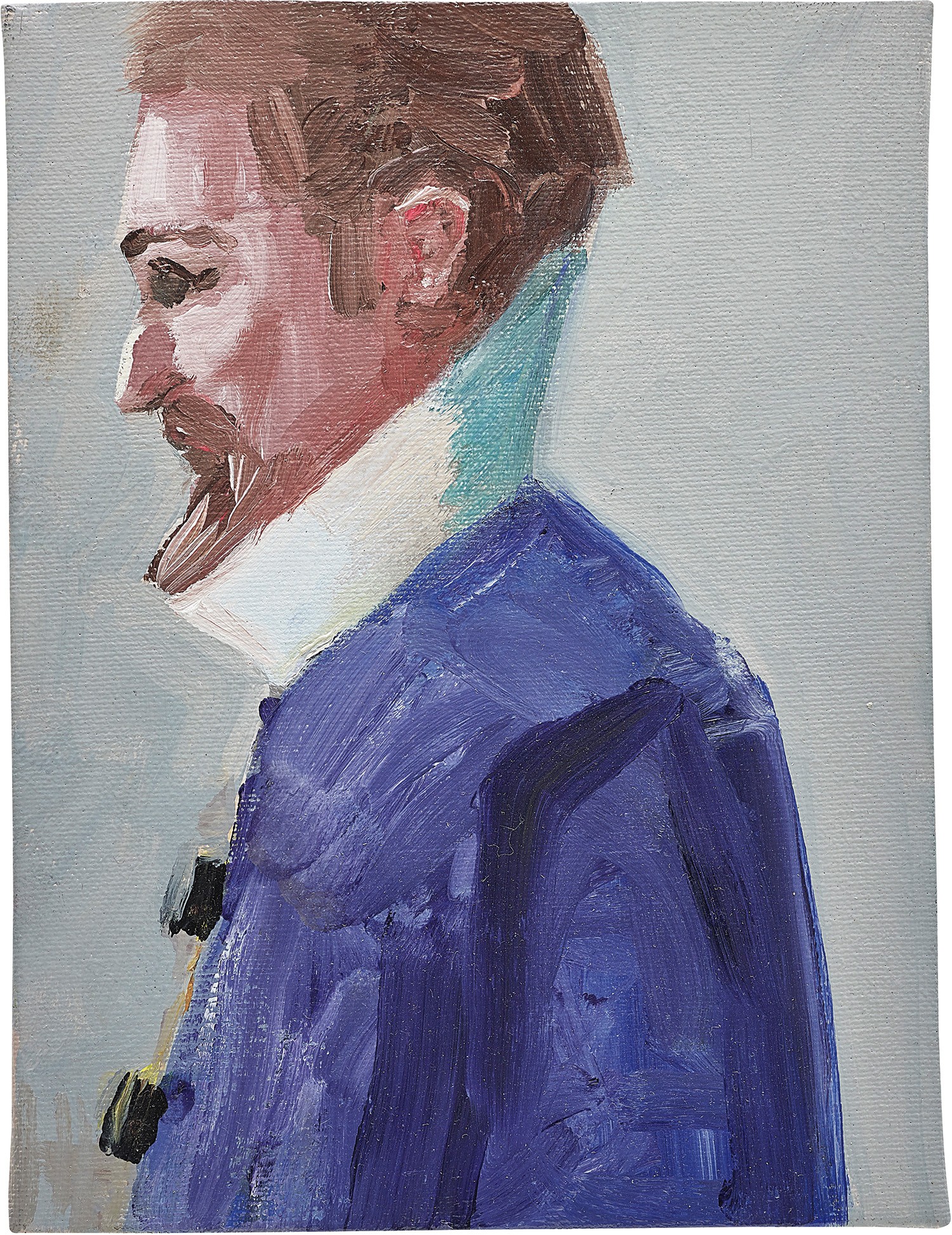
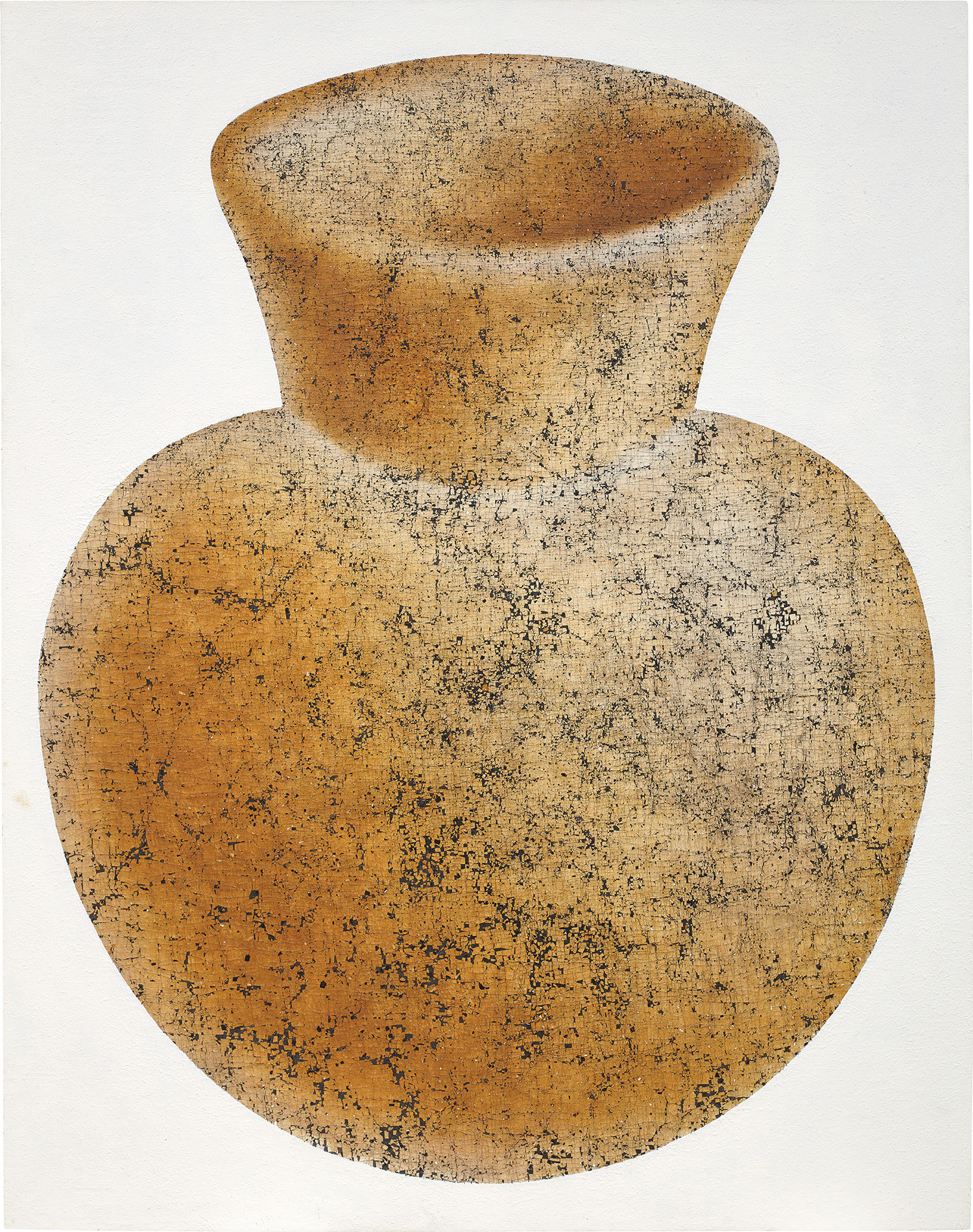
George Condo
The Franciscan, 2004


Now Is the Only Time That Matters
There is something almost confrontational about collecting contemporary art. You are not acquiring the safely canonized, the already adjudicated. You are making a bet on the present, on living artists whose reputations are still in motion, whose best work may or may not yet exist. For many collectors, that is precisely the point.
Living with a work by Rashid Johnson or Dana Schutz means living with something that is still arguing with the world, still in conversation with the culture around it. The friction is the appeal. What draws serious collectors to twenty first century work is not just aesthetic preference but a kind of intimacy. You can meet these artists, visit their studios, follow the evolution of their thinking in real time.

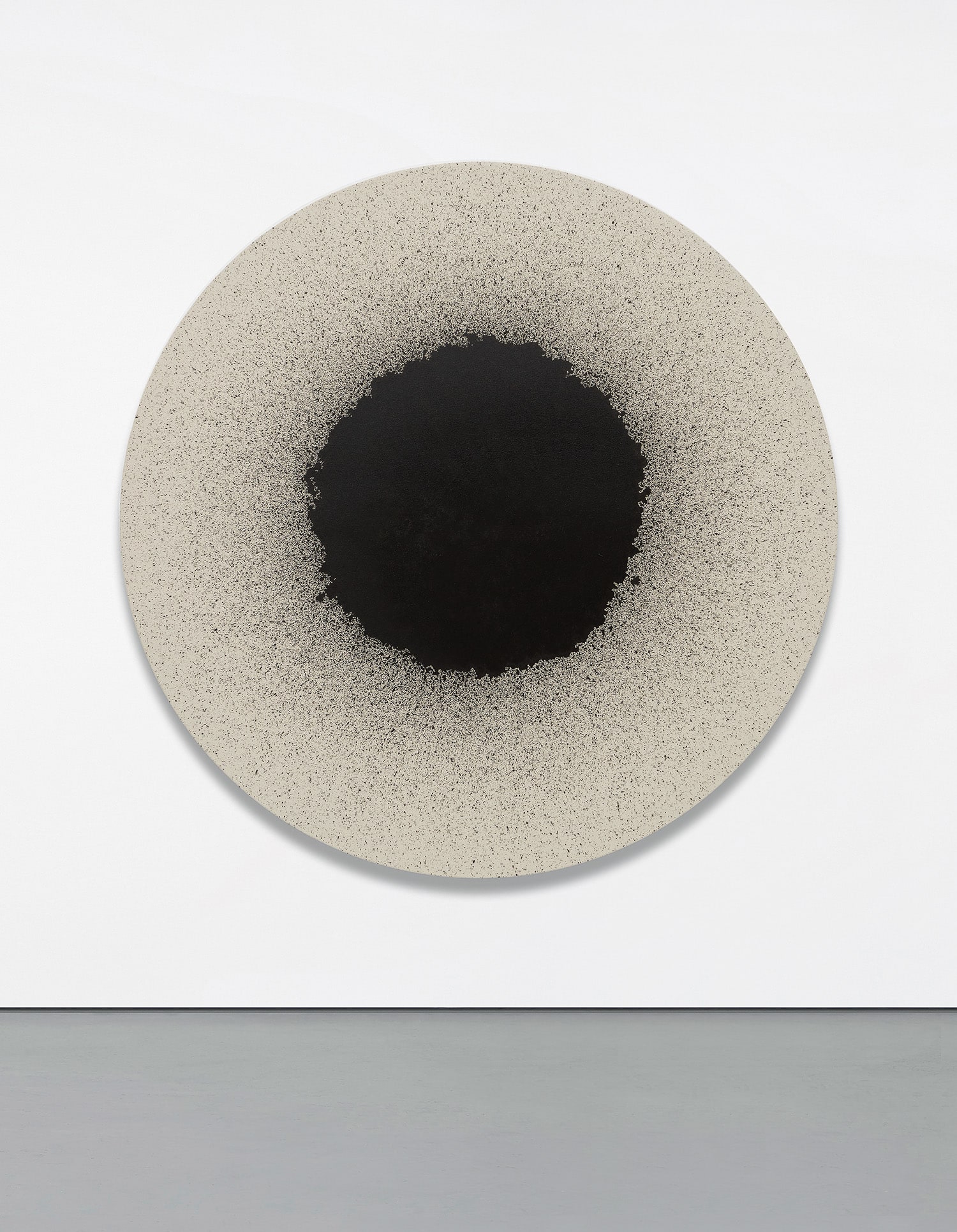
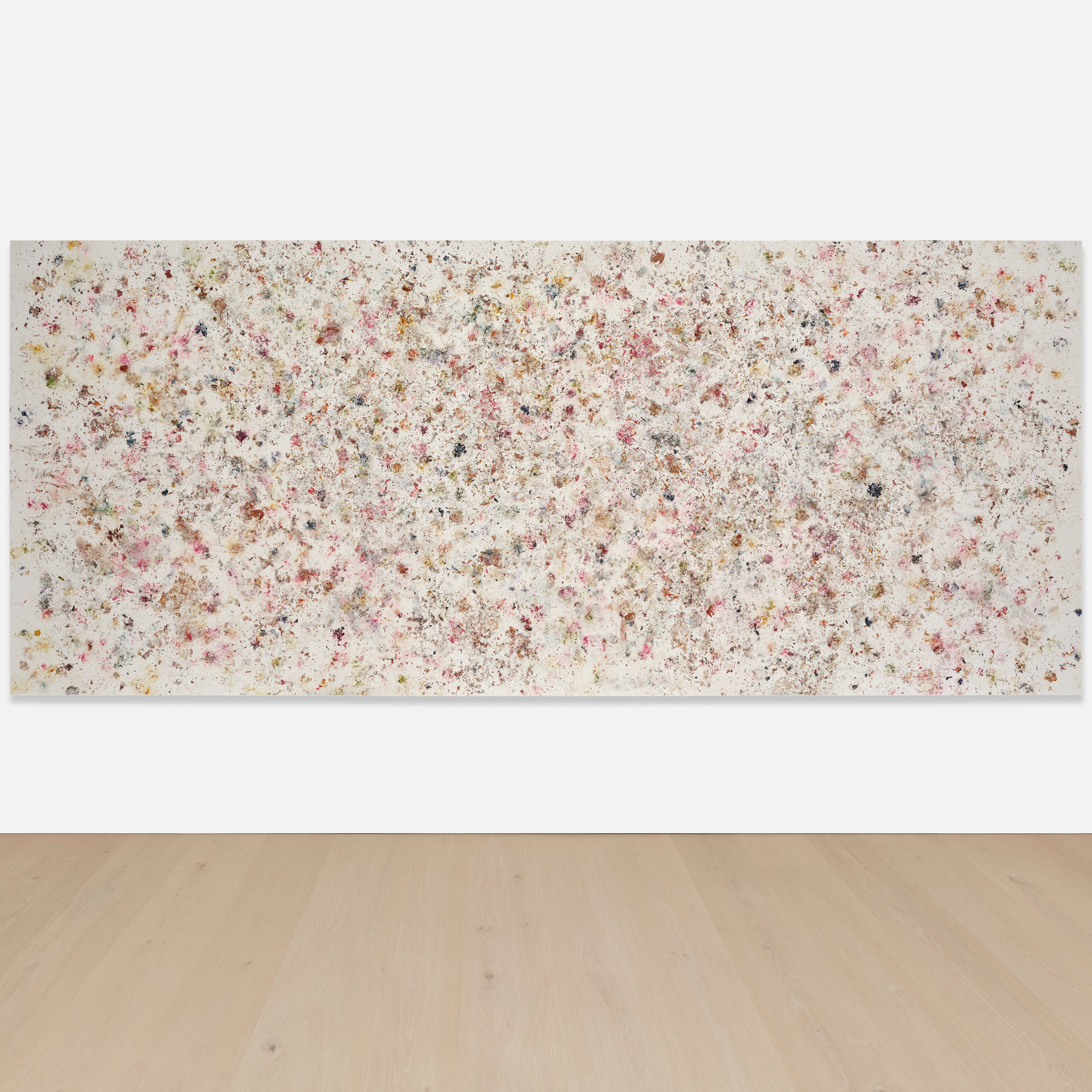
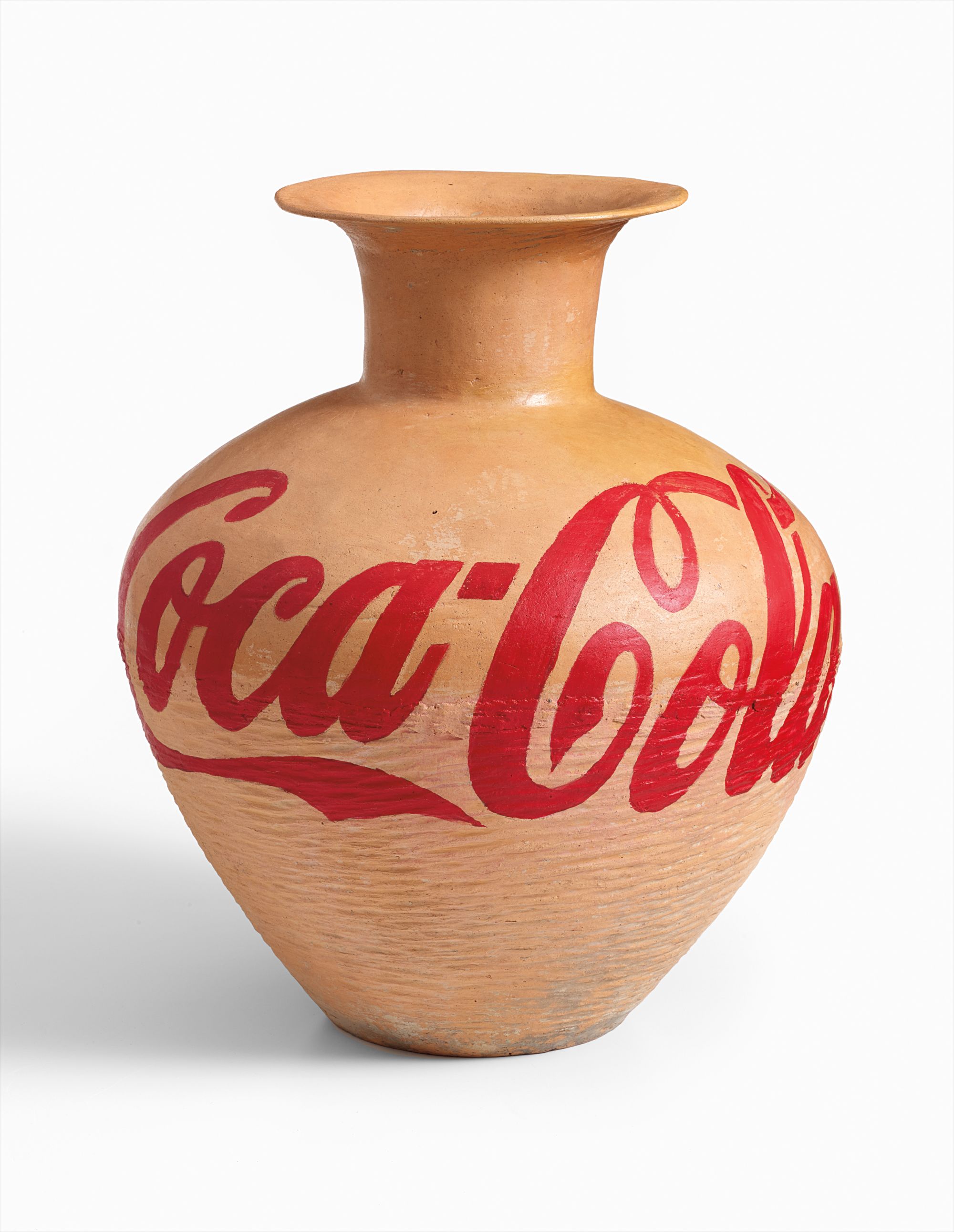
Takashi Murakami
With Eyes on the Reality of One Hundred Years from Now, 2013
When Takashi Murakami opened his Kaikai Kiki studio model to scrutiny and expanded his practice across fashion, animation, and fine art, collectors who had been paying attention understood they were watching the construction of an entirely new kind of artistic enterprise. That context, gathered firsthand, changes how you see a work on your wall. It becomes layered with knowledge you actually lived. Separating a good contemporary work from a truly great one requires looking past surface desirability.
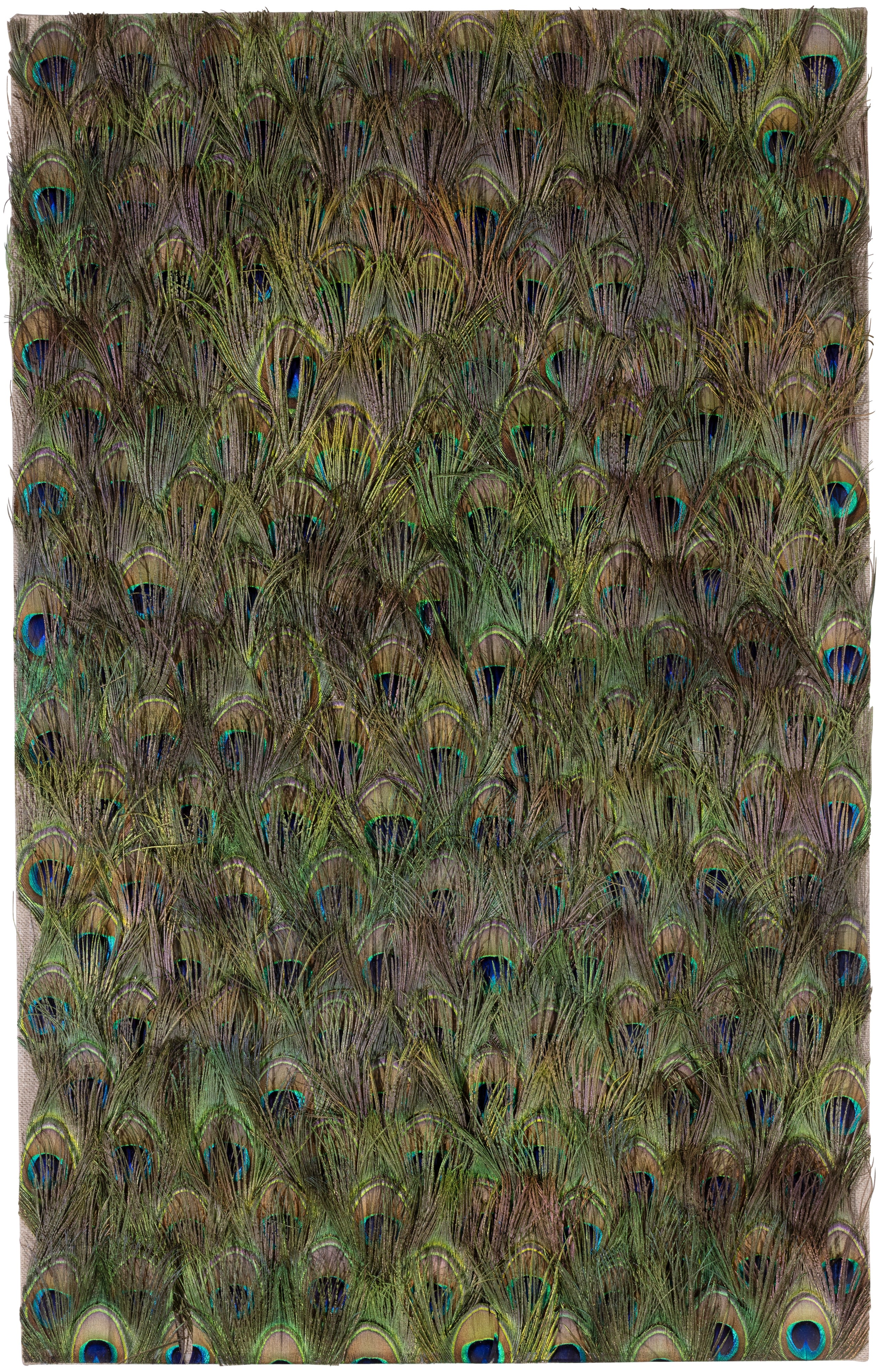
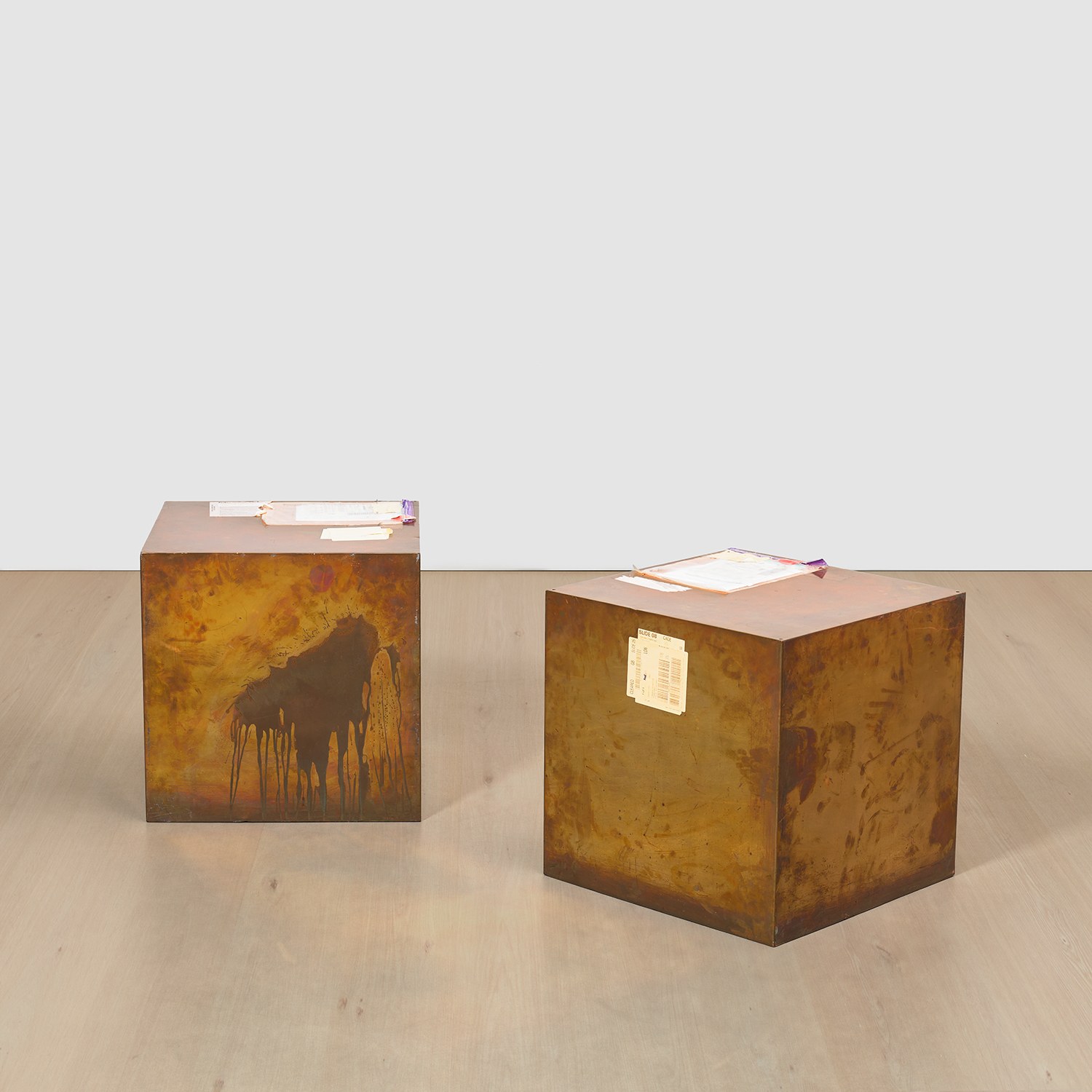
The strongest works carry internal necessity. They could not have been made any other way, by any other person, at any other moment. When you stand in front of a large Sterling Ruby textile or an early Walead Beshty copper fold photograph, you sense immediately that you are looking at something that exists at the precise intersection of a rigorous conceptual framework and a deeply personal material intelligence. The work is not illustrating an idea.
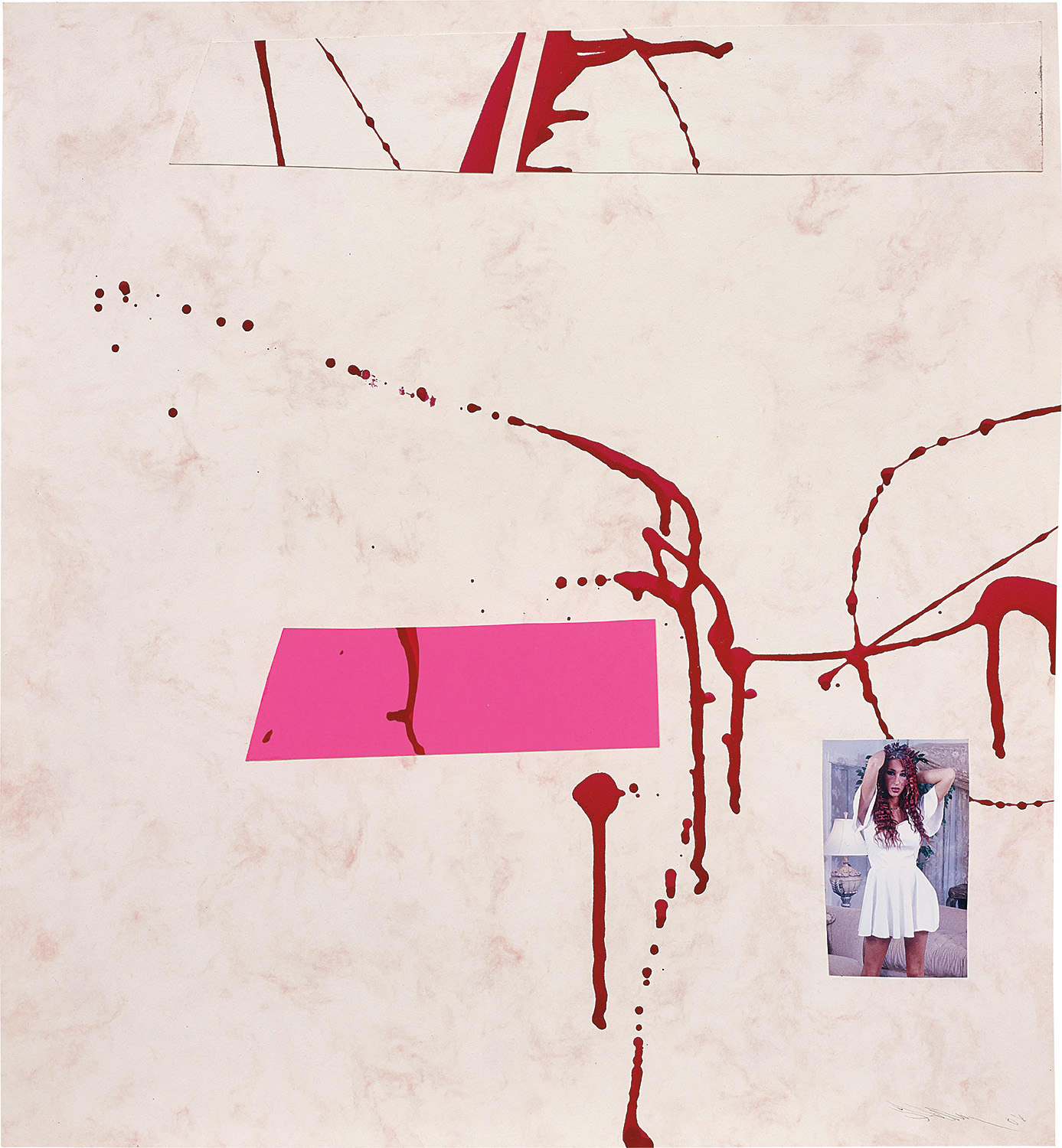
Sterling Ruby
Transcompositional (White Dress), 2006
It is the idea, made physical. That distinction is worth pursuing relentlessly when you are acquiring. Provenance and exhibition history matter enormously in this category. A work shown at a significant institution, handled by a serious primary gallery, and acquired by a thoughtful early collector carries a different weight than one that passed quietly through the secondary market without much context.
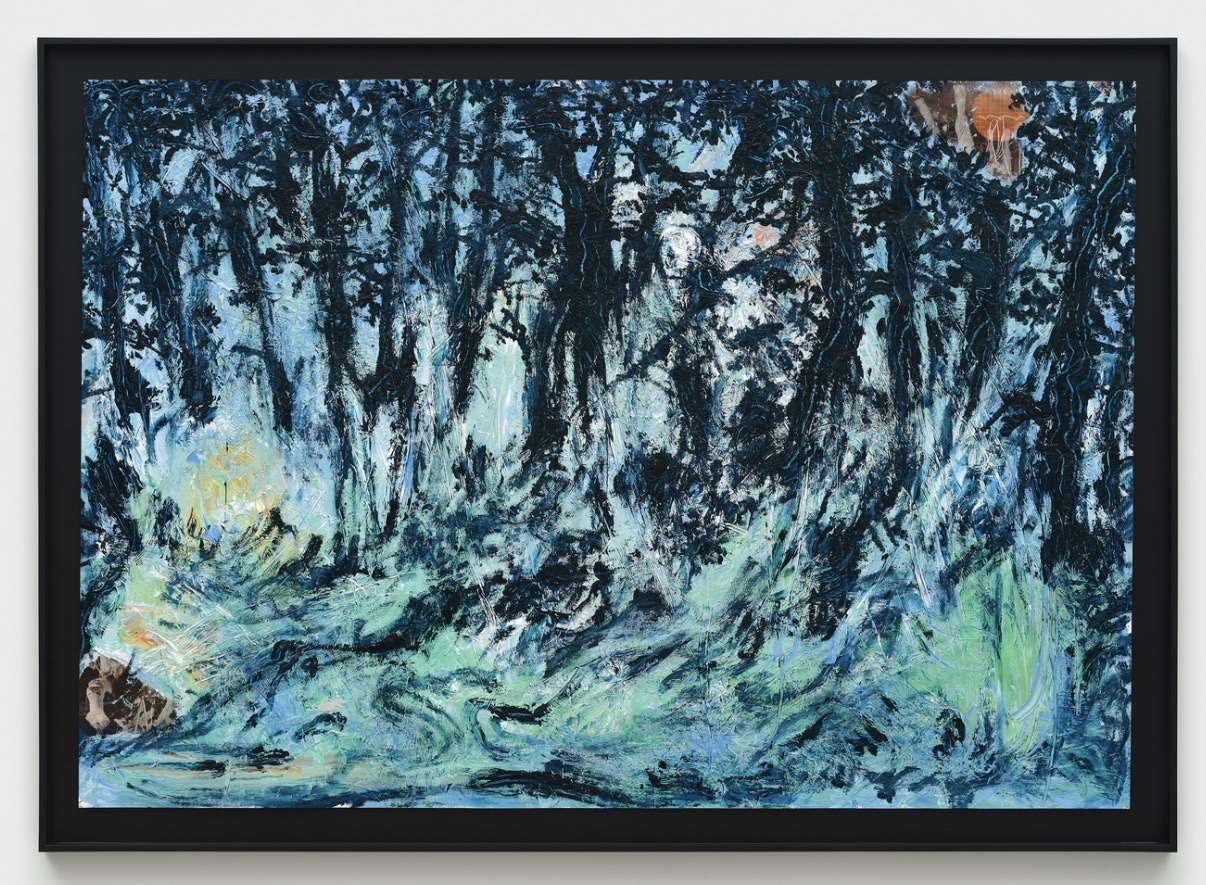
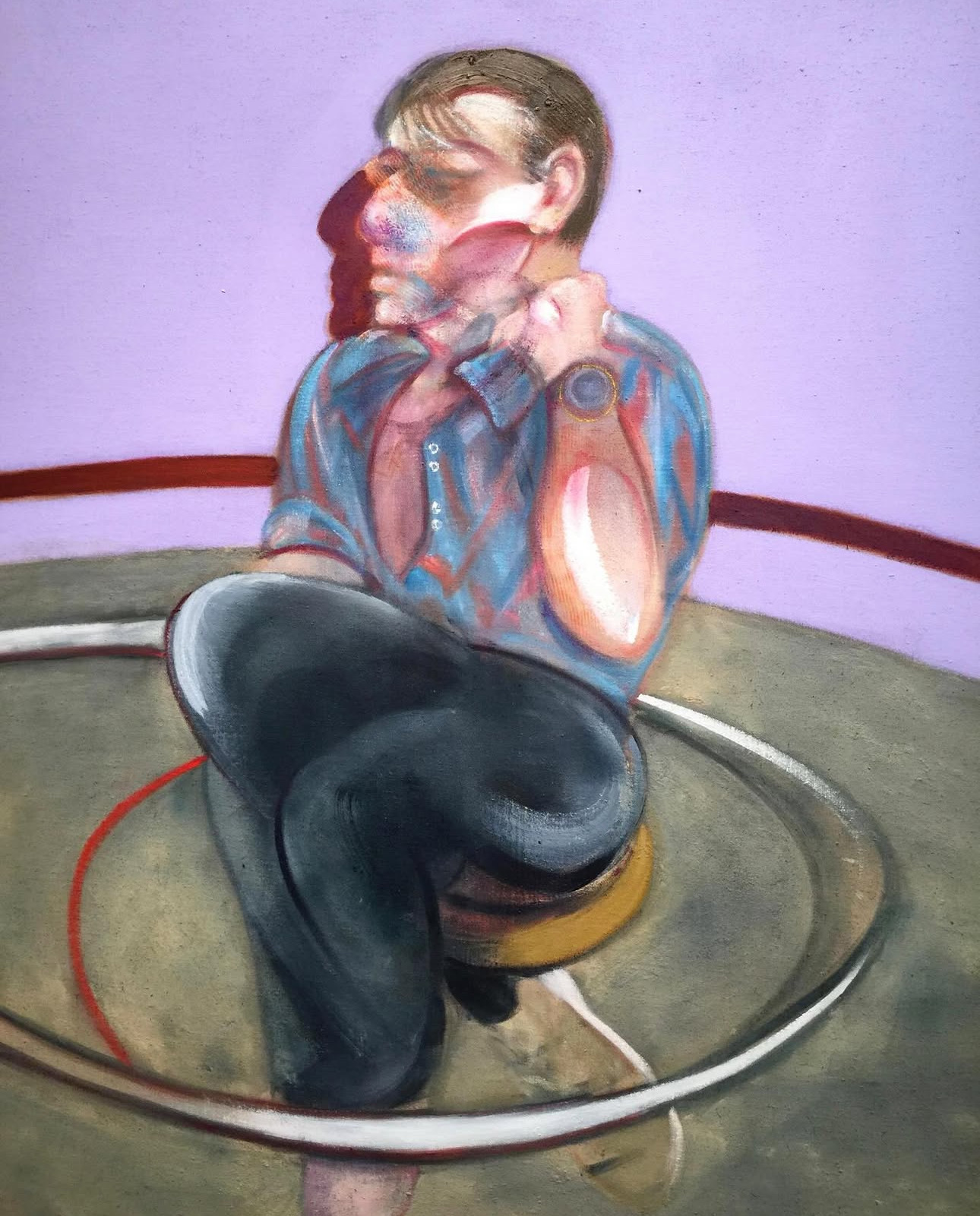
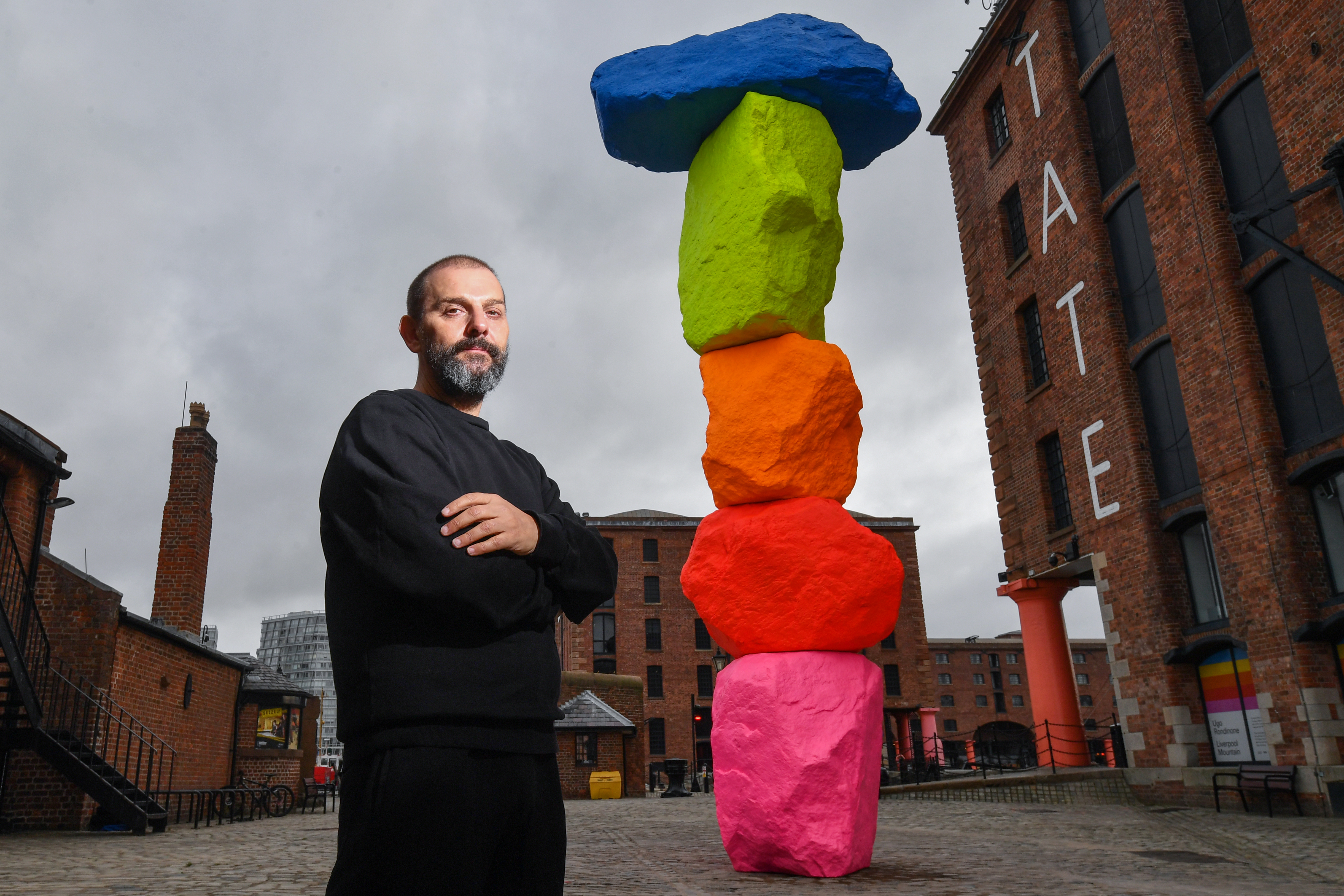
With artists like Ugo Rondinone or George Condo, whose practices span decades and enormous stylistic range, understanding exactly where a specific work sits within the artist's development is essential. A Condo from the late 1990s reads very differently than one from 2012, and the market reflects those distinctions with precision. Ask your gallery not just about condition and edition size but about where the work has been and who cared about it. In terms of artists representing compelling long term value on The Collection, the range is genuinely impressive.
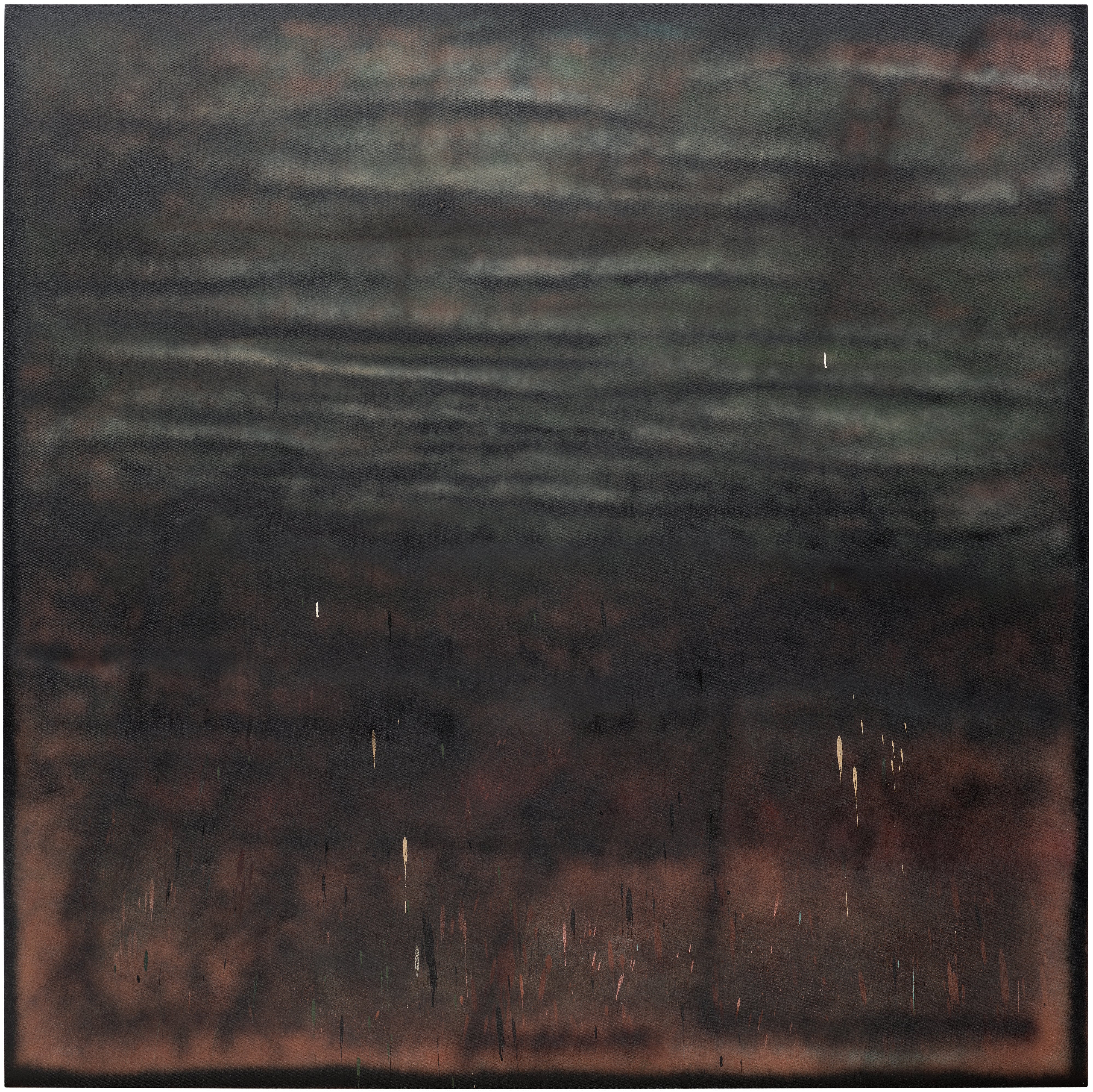
George Condo
The Franciscan, 2004
David Hockney at this stage is as close to a guaranteed blue chip proposition as contemporary art offers, but the more interesting conversation is happening around figures like Mickalene Thomas, whose rhinestone embedded portraits have moved from critical curiosity to institutional validation with remarkable speed, and Kehinde Wiley, whose visibility after the Obama portrait commission introduced his work to an audience far beyond the traditional collector base. Both artists benefit from a cultural moment that is actively reassessing whose image gets monumentalized, and that conversation is not going away. Works acquired thoughtfully now, with attention to scale and period, are likely to look prescient in ten years. For collectors willing to move slightly earlier in the career arc, the opportunities become more pronounced.
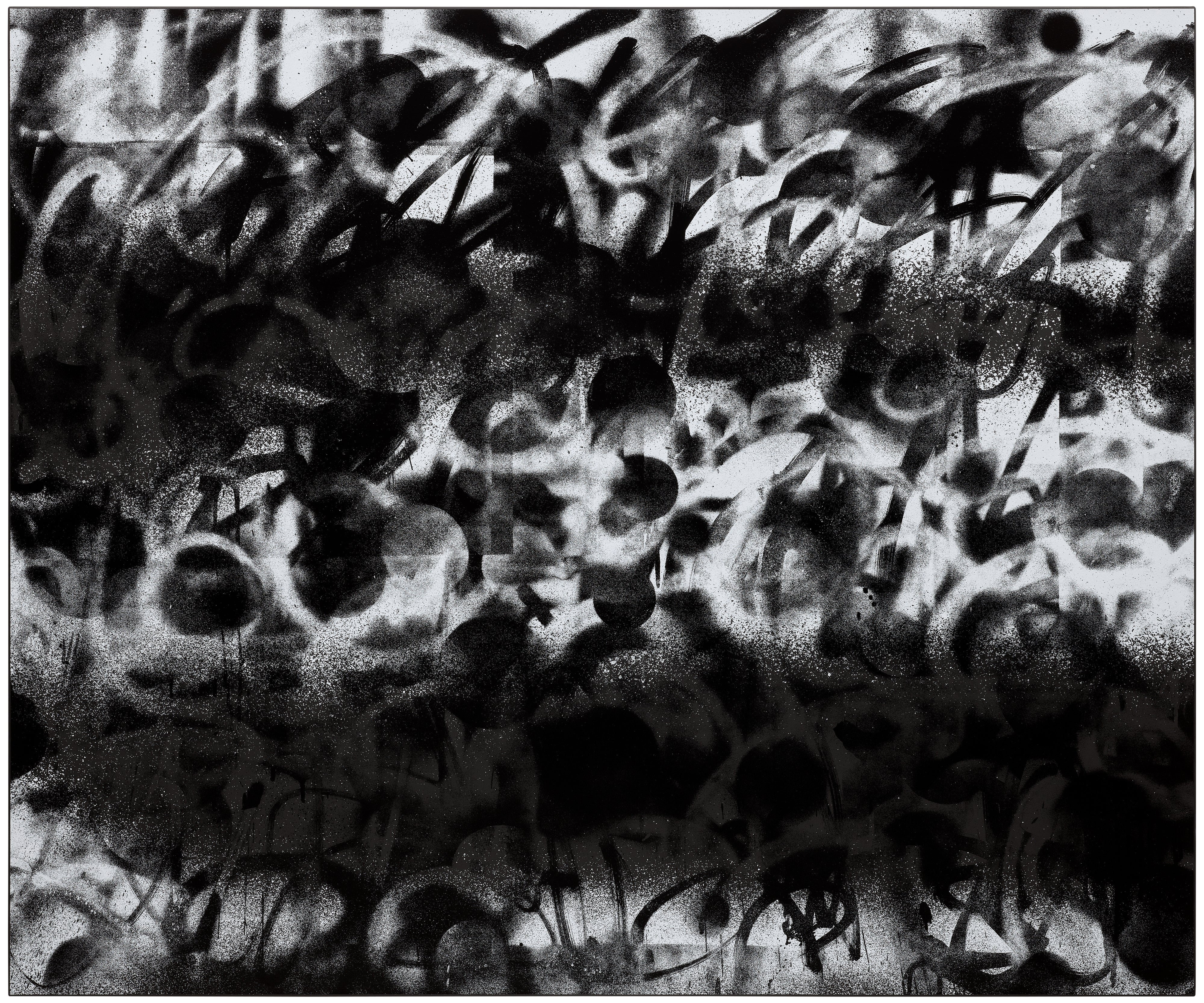
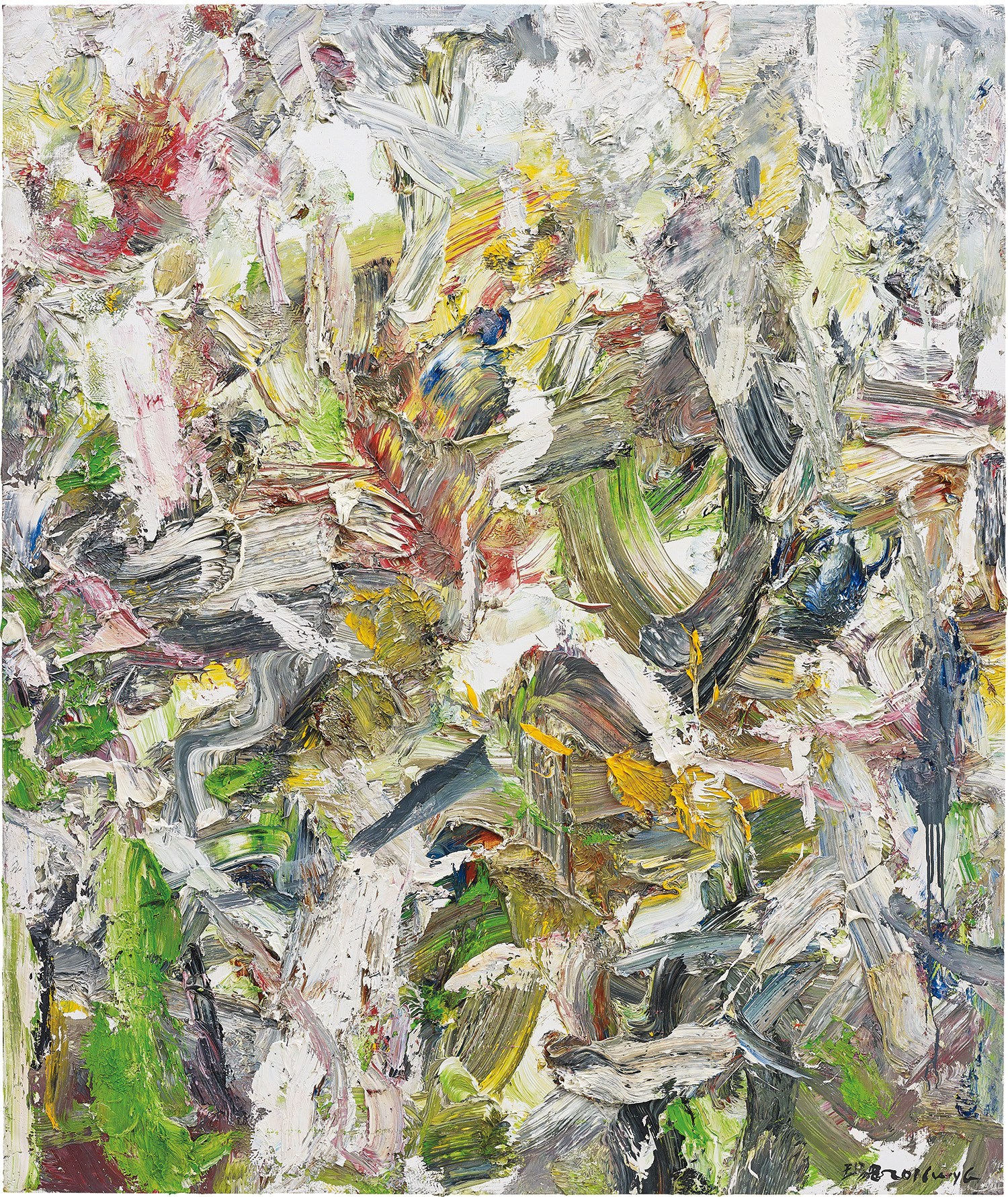
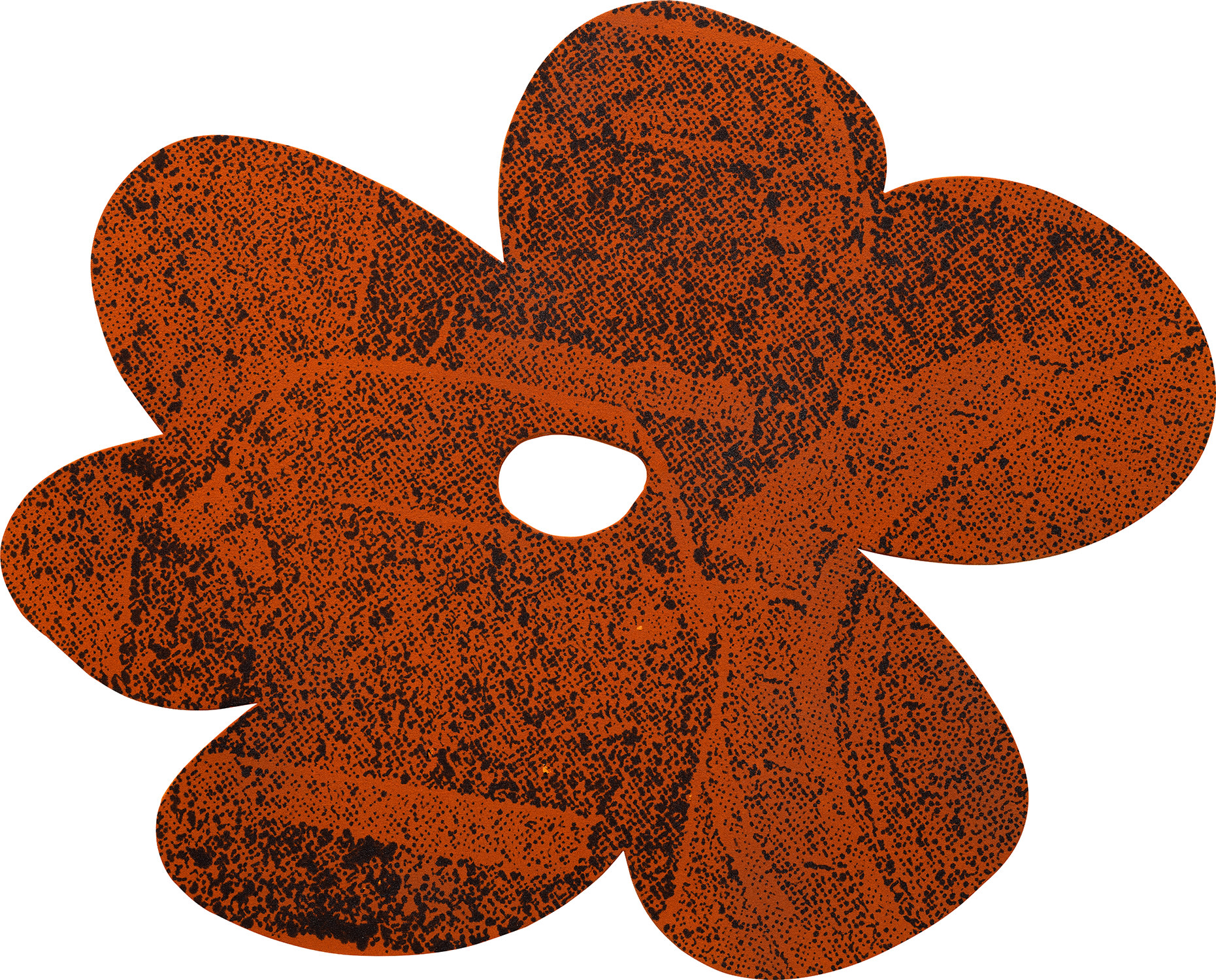
Eddie Martinez has built a quietly devoted following among people who love the history of American painting without being nostalgic about it. His surfaces carry the energy of both AbEx gesture and lowbrow graphic culture, and the market for his work has tightened noticeably as institutional attention has grown. Joe Bradley occupies a similarly interesting position, beloved by painters who find his stripped back primitivism philosophically serious rather than simply clever. These are artists where patient, educated collecting still yields works that feel like discoveries rather than transactions.
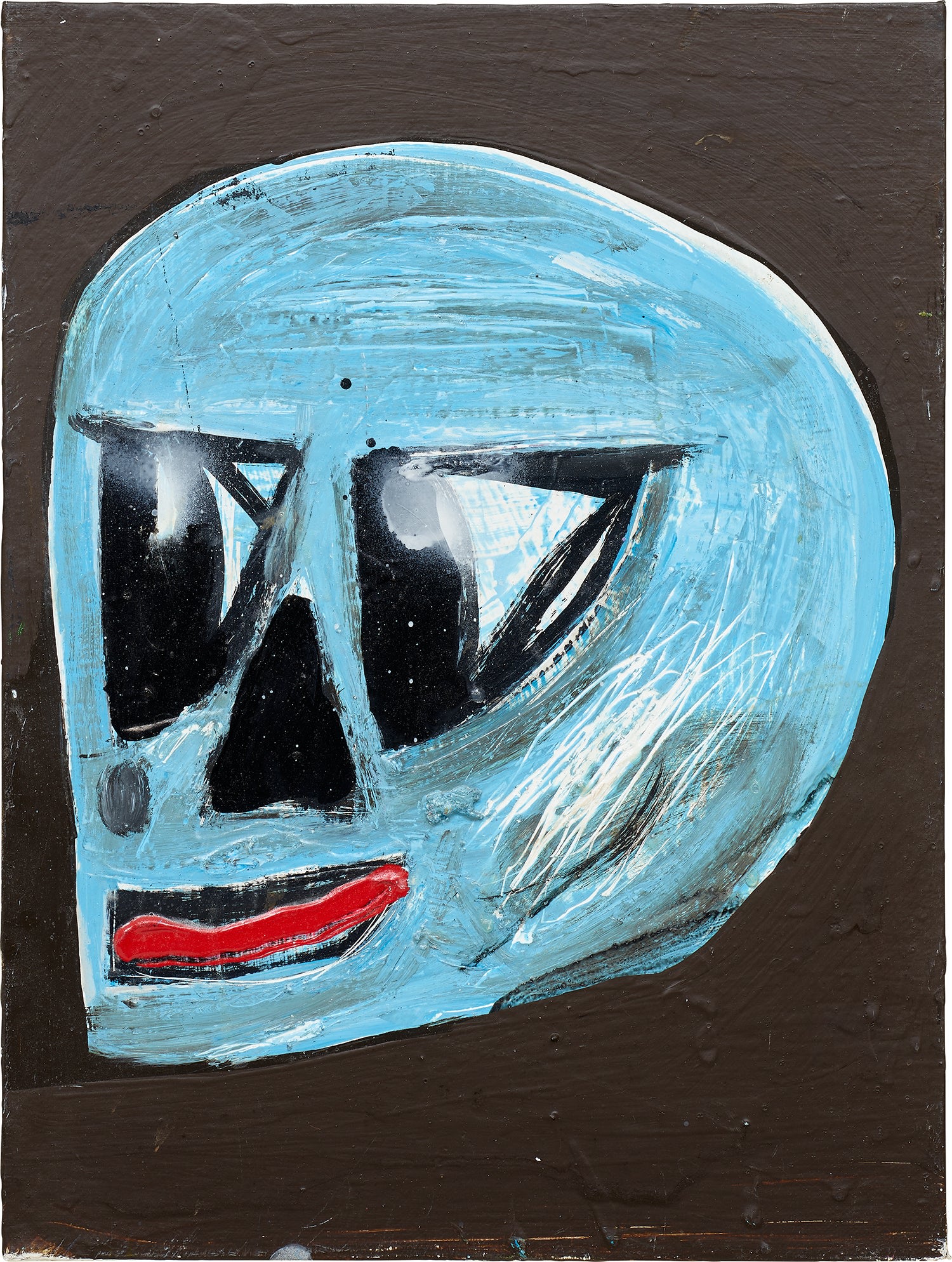
Eddie Martinez
Alien, 2009
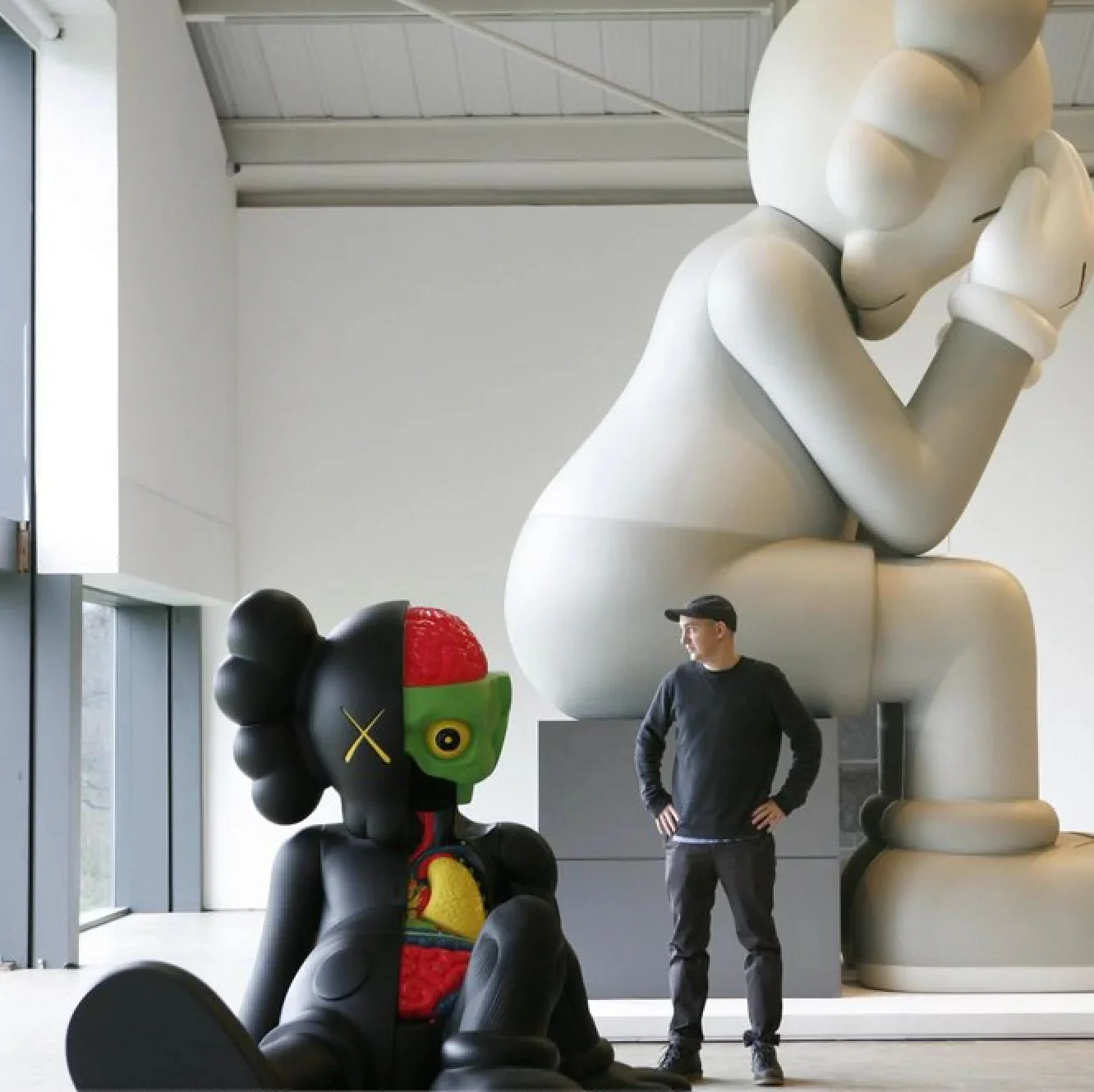
At auction, twenty first century works perform with increasing confidence, though the category rewards specificity. KAWS has demonstrated that an artist who built his reputation outside traditional gallery structures can command serious secondary market results, with works regularly exceeding estimate at the major houses. Nate Lowman, whose practice has always had a mordant wit about American cultural detritus, has seen his auction profile rise steadily as his critical reputation has solidified. The general principle holds that works from strong series, in good condition, with clean ownership histories outperform outliers almost every time.
Chasing a bargain in a weak example rarely ends well. Condition is a subject that collectors of contemporary work sometimes underestimate, particularly with artists working in unconventional materials. A piece by Urs Fischer involves different considerations than a traditional oil on canvas, and works by Petra Cortright, whose digital and video based practice raises genuine questions about display technology and longevity, require conversations about future compatibility that simply did not exist a generation ago. Always ask what the artist or estate recommends for long term storage, whether the gallery offers condition reports, and what the edition structure means for future resale.
With editions, lower numbers generally carry a slight premium, but what matters more is that the edition is from a reputable publisher with proper documentation. The practical wisdom that separates confident collectors from anxious ones in this space comes down to relationship and patience. Build real connections with galleries that represent artists you believe in. Follow Wolfgang Tillmans not just because his photographs are beautiful but because understanding how he thinks about image making will sharpen your eye across the whole category.
Read the criticism, visit the shows, and resist the pressure to buy reactively when something suddenly appears everywhere at once. The works that sustain over decades are almost always the ones acquired because a collector felt genuine compulsion, not social momentum. Trust that instinct. It is the most reliable instrument you have.