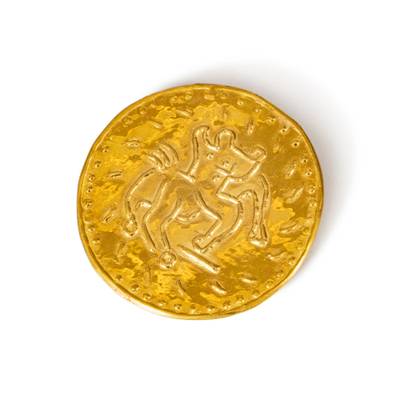
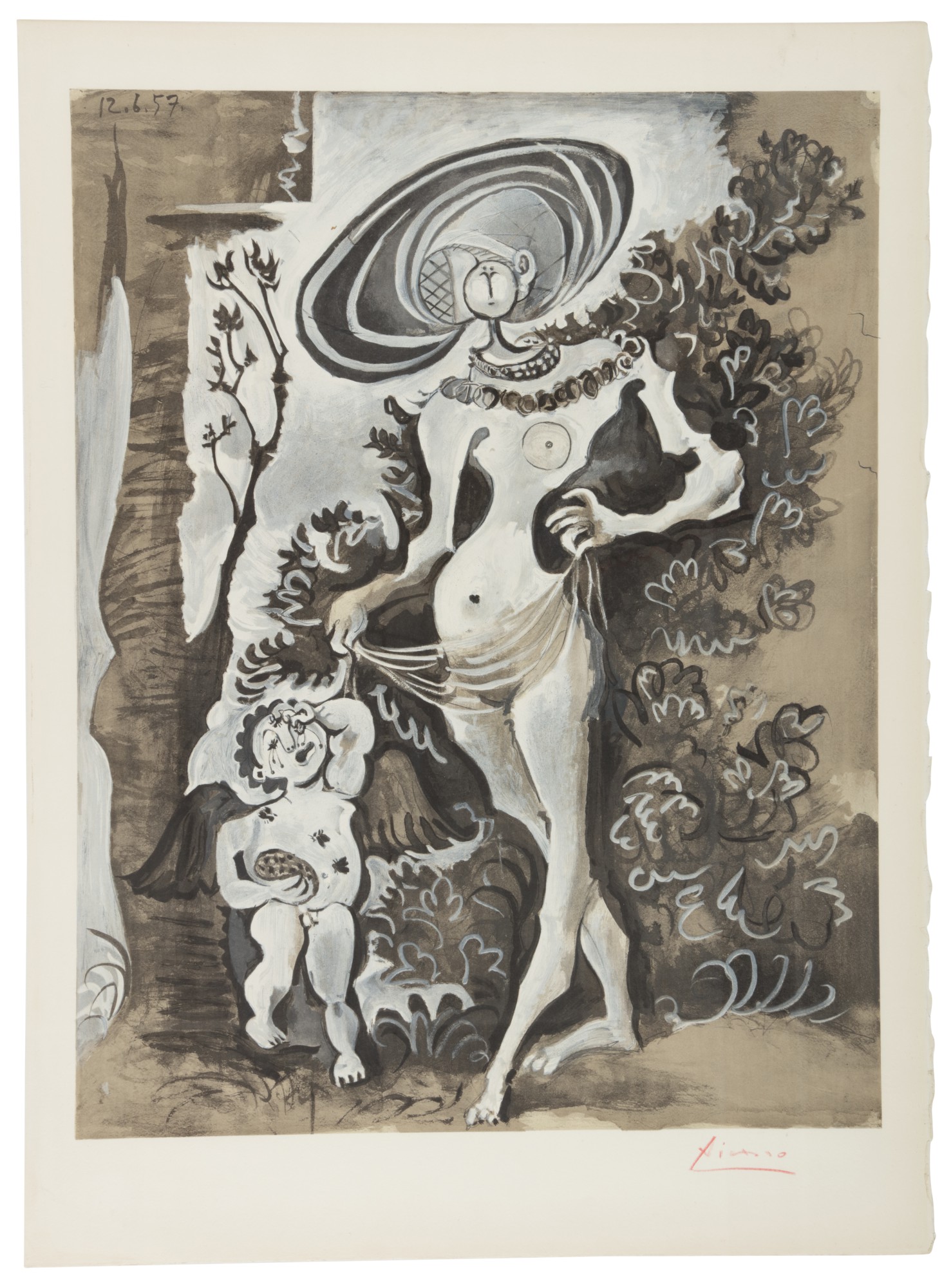
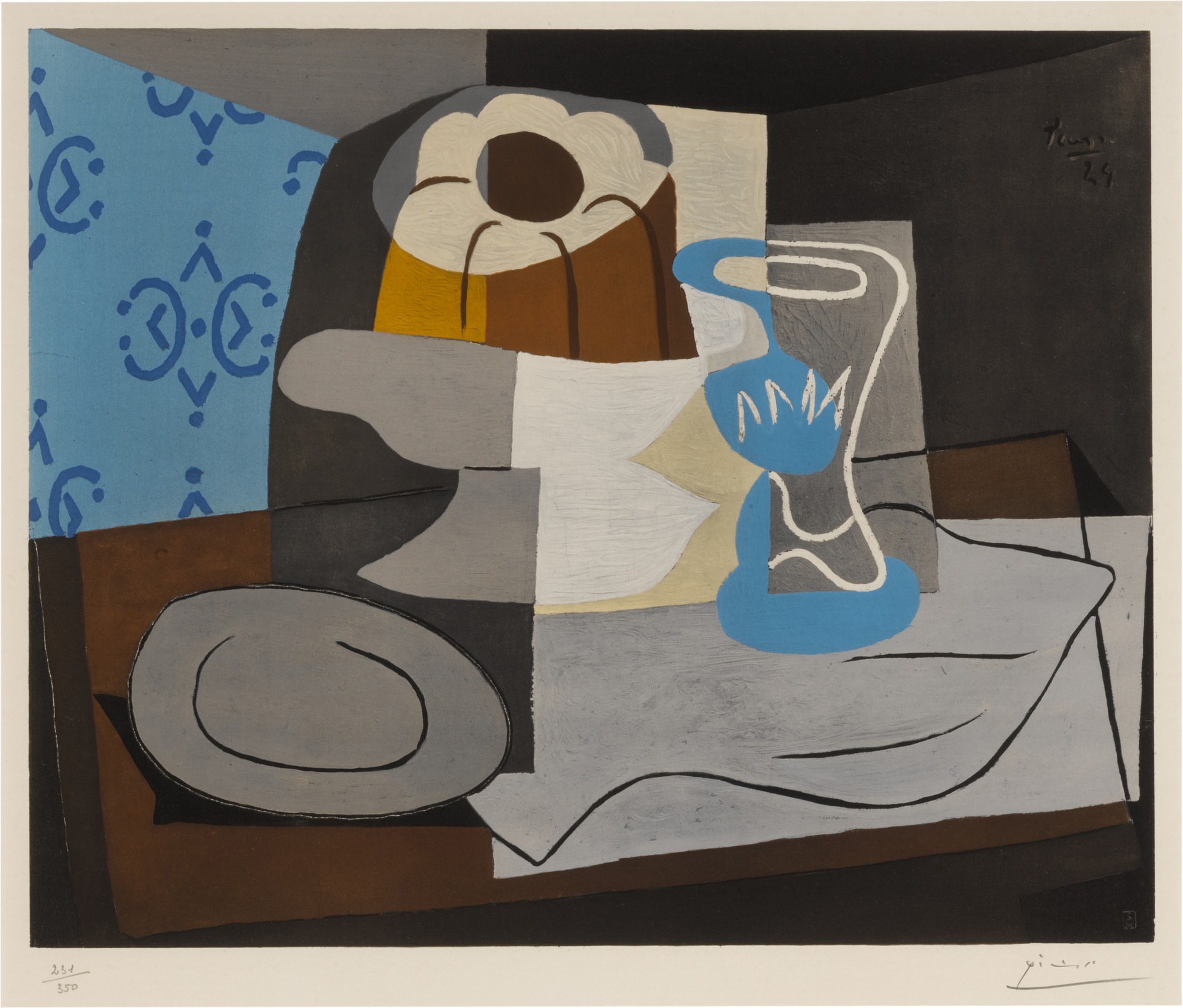
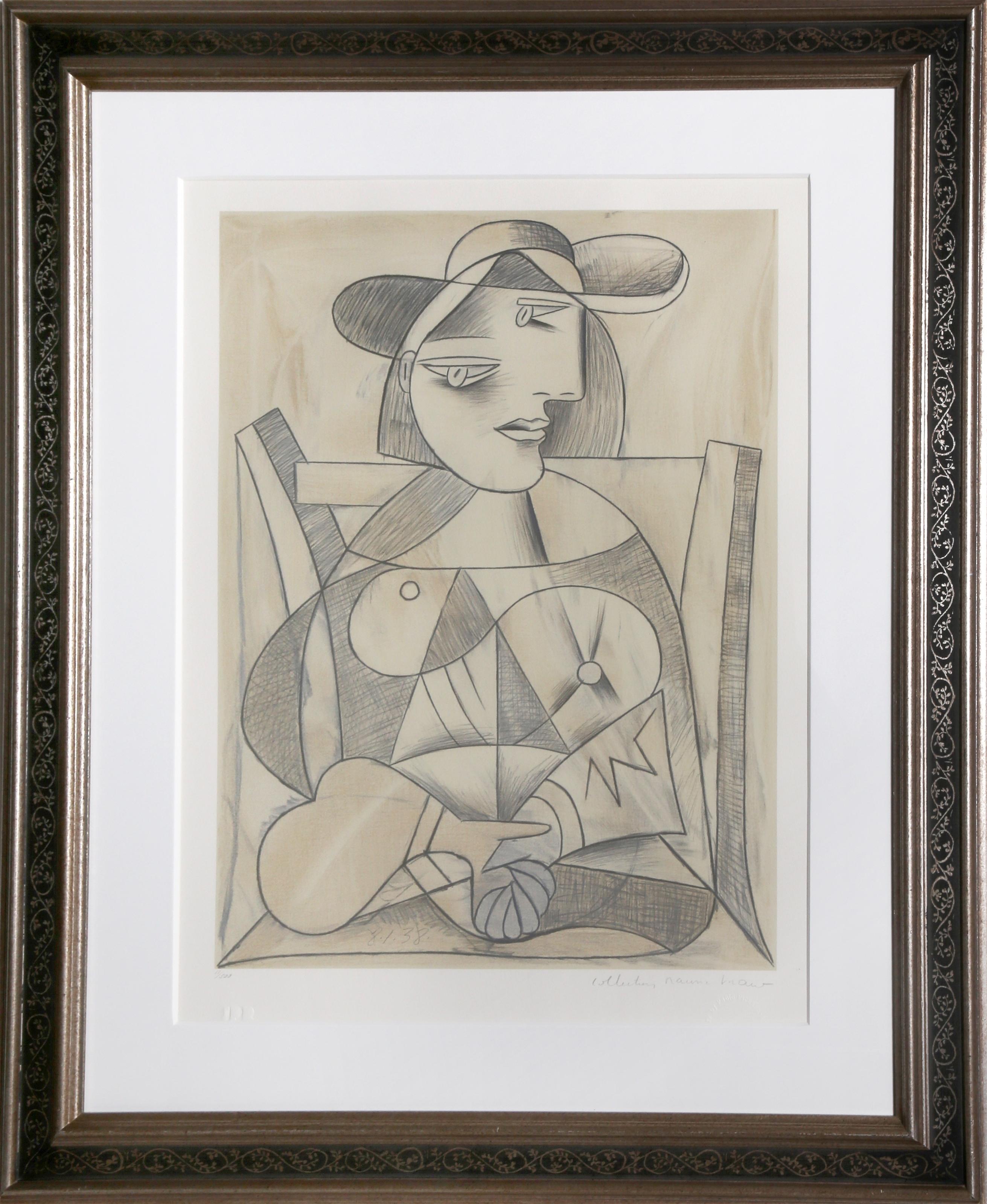
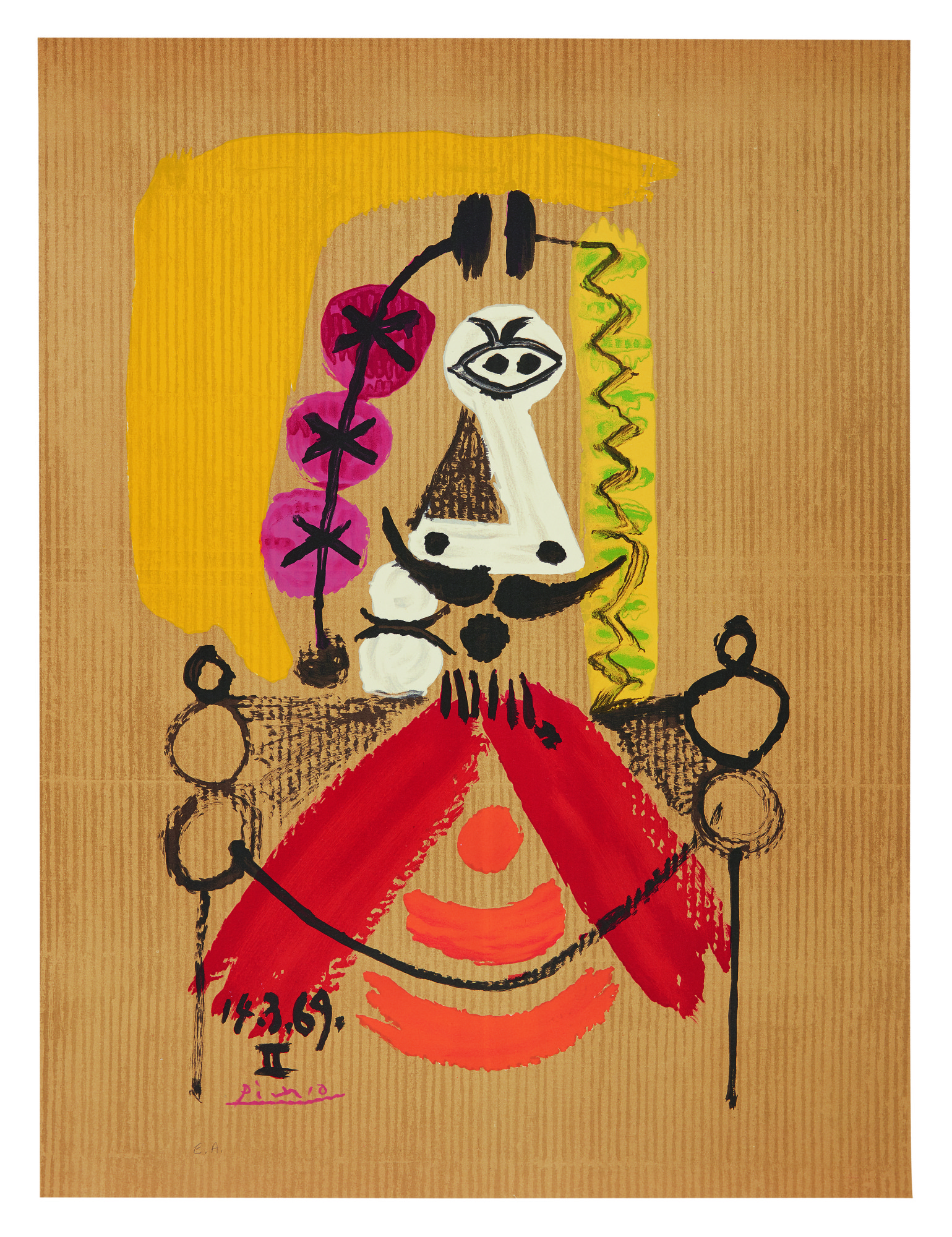
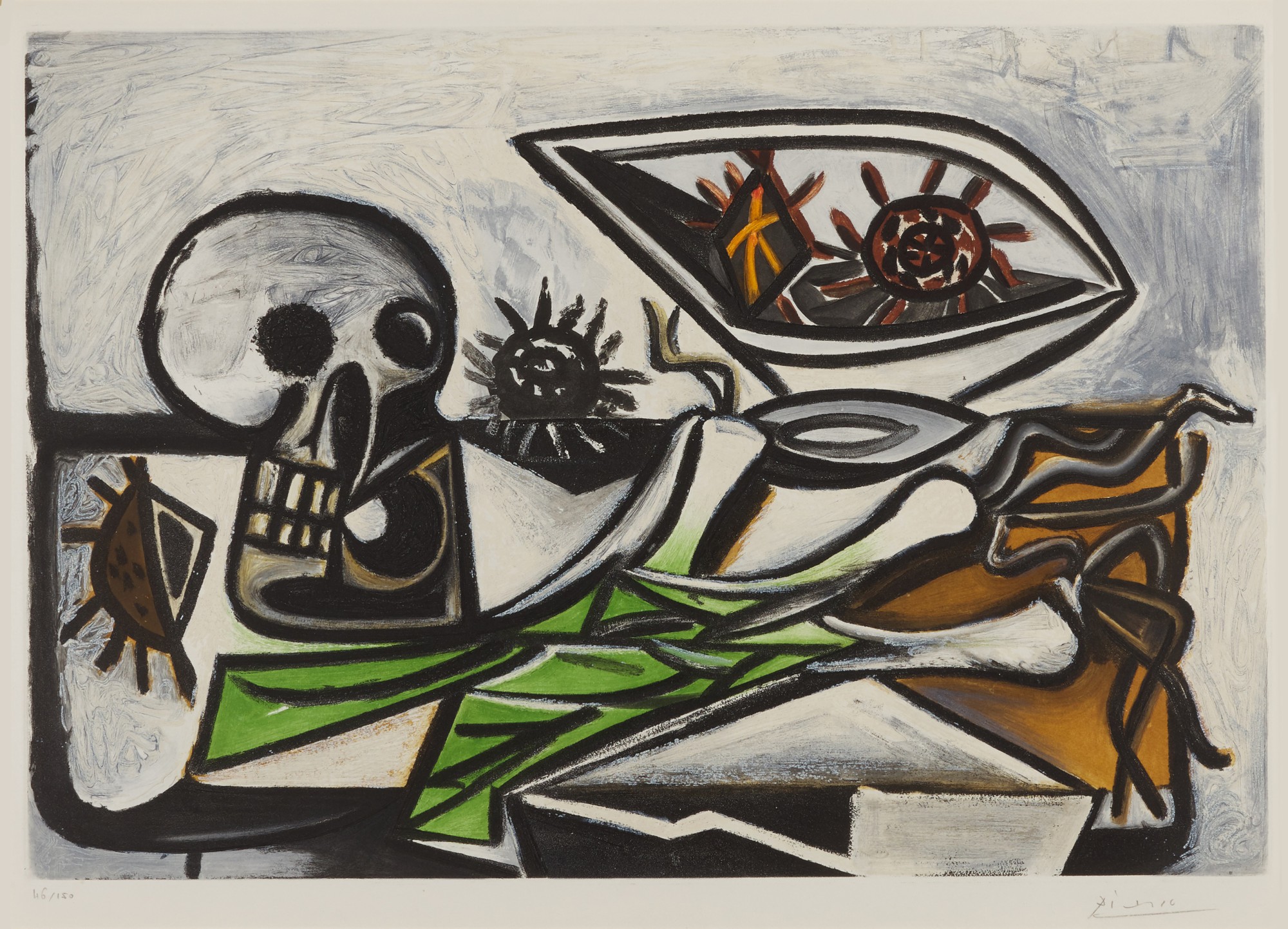
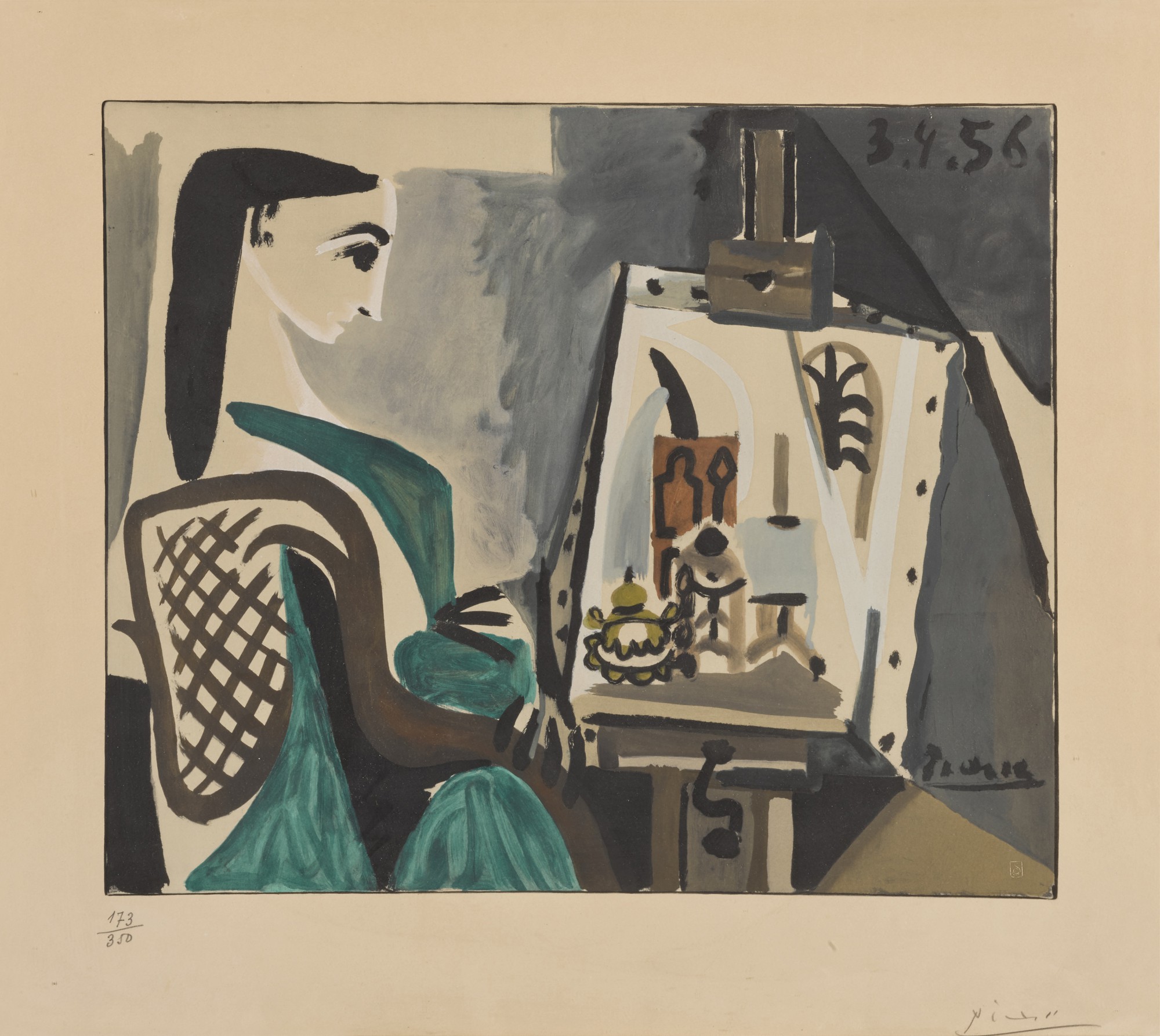
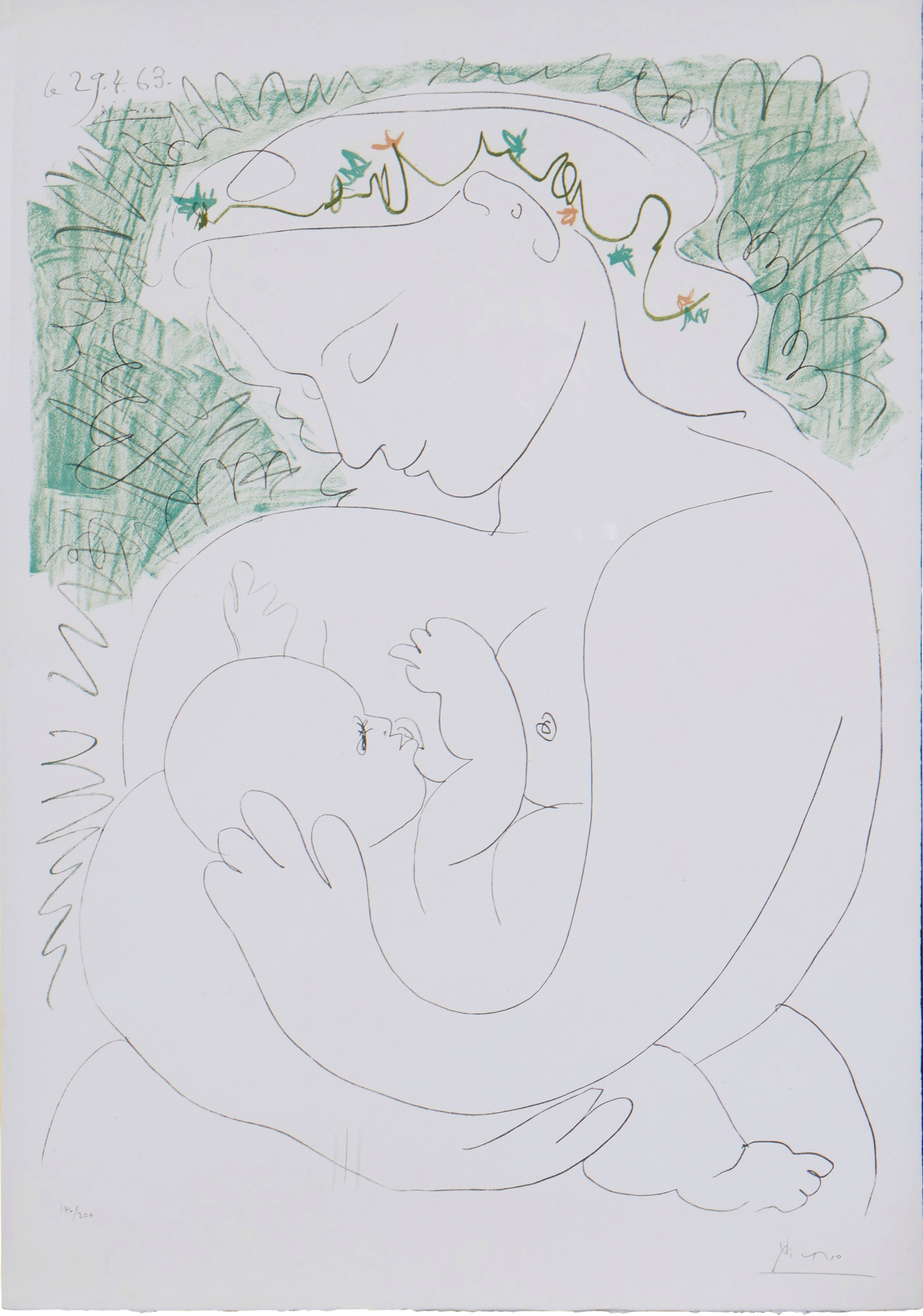
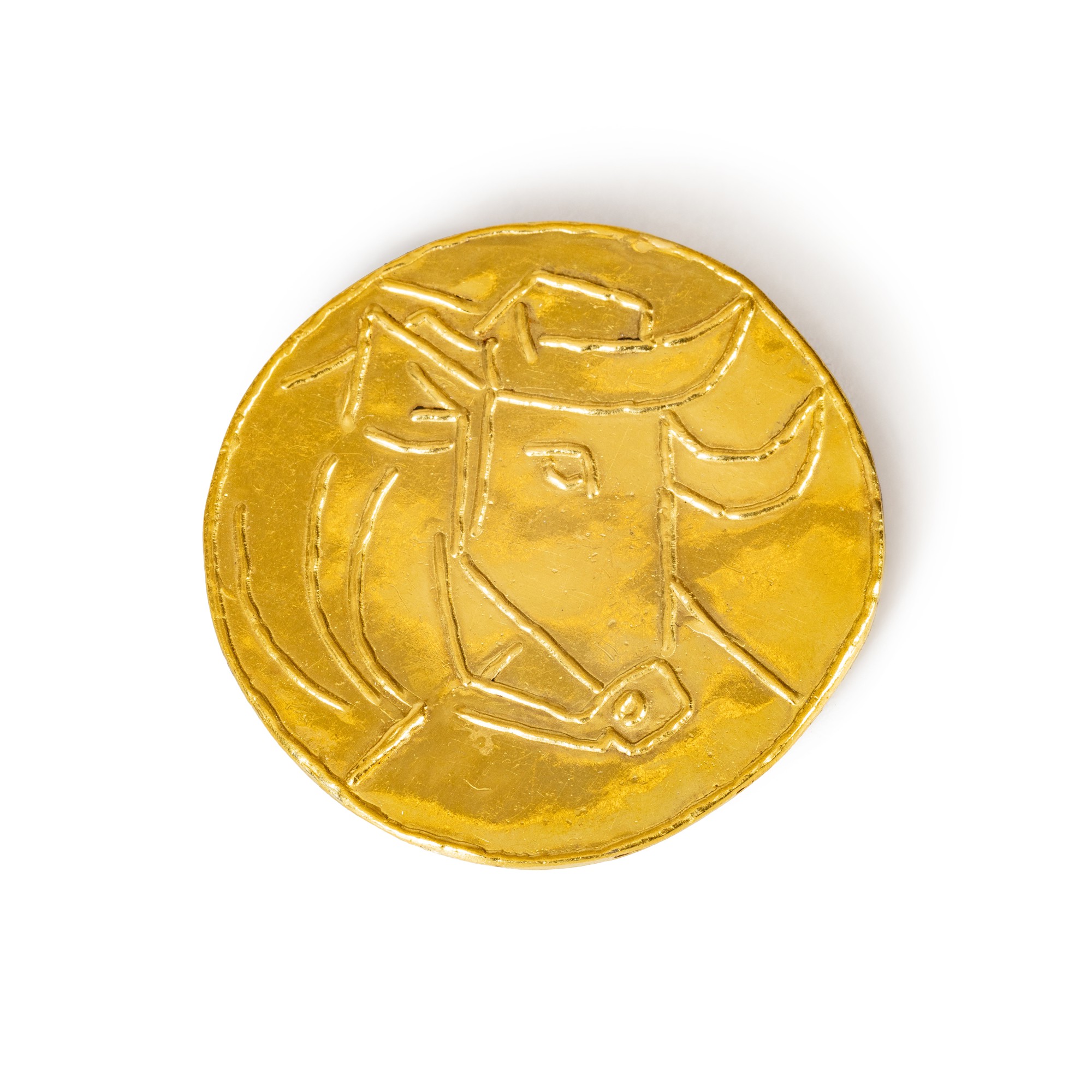
There is a particular kind of reverence that moves a hand across a canvas in imitation of greatness. At auction houses from Christie's to Sotheby's and across the secondary market rooms of Paris, London, and New York, works designated "After Pablo Picasso" appear with remarkable regularity, drawing seasoned collectors and curious newcomers alike into a conversation that spans more than a century of art history. These are not forgeries in the criminal sense, nor are they mere copies in the dismissive sense. They are, rather, a testament to the almost gravitational pull that one artist exerted over the visual culture of the twentieth century and continues to exert well into the twenty first. To understand the phenomenon of works created after Picasso, one must first appreciate the sheer scale of the world he built. Pablo Picasso was born in Málaga, Spain in 1881 and by the time of his death in Mougins, France in 1973, he had produced an estimated fifty thousand works across painting, sculpture, printmaking, and ceramics. His career moved through Blue and Rose periods, through the revolutionary fracturing of Cubism alongside Georges Braque, through Surrealist dreamscapes and tender figurative studies, through the brutal political thunder of Guernica. He was not one artist but a constellation of them, and it is little wonder that students, printmakers, and devoted practitioners across generations felt compelled to work within his orbit. The designation "After Pablo Picasso" is a formal auction house attribution, a careful and honest signal that a work reflects Picasso's visual language without claiming his hand. These attributions cover an enormous range of makers: trained artists who studied under him or within his immediate circle in Paris and on the Côte d'Azur, anonymous printmakers who reproduced his compositions for broader distribution, and later practitioners who absorbed his influence so deeply that their work becomes inseparable from his legacy. The breadth of medium and quality within this category is genuinely wide, which makes the act of collecting within it one of the more intellectually engaging pursuits available on the secondary market today. Among the works that appear in this category, certain subjects recur with telling frequency. The bull and the centaur, creatures that Picasso returned to across decades as symbols of raw force and mythological complexity, appear in works such as "Le Taureau" and "Centaure," both dating to 1956, a period when Picasso himself was deeply engaged with classical themes at his studio in Vallauris and later at La Californie in Cannes. A remarkable silver "Tête de taureau" from the same year, stamped with French assay marks and bearing the silversmiths' registration numbers, speaks to the luxury craft tradition that surrounded Picasso's own sculptural practice. The presence of "Grande Maternité" as a lithograph printed in colors on Arches wove paper from 1963 recalls the tenderness of Picasso's classical period and his sustained interest in the mother and child as an enduring human subject. Works such as "Femme aux Mains Jointes," a lithograph depicting Marie Thérèse Walter, bring into focus the intimate portraiture that defined some of Picasso's most emotionally direct compositions from the 1930s onward. What draws collectors to works in this category is a layered set of motivations. For some, it is access: original Picasso works have reached prices in the hundreds of millions of dollars at auction, placing them beyond all but the most rarified collecting brackets. A work after Picasso, sensitively acquired, offers genuine proximity to that visual world at a fraction of the cost. For others, the appeal is art historical. Tracing how a composition moves through time, from Picasso's hand through the interpretations of those who followed, is its own form of scholarship. The lithographic tradition in particular produced works of genuine quality in this vein, with Paris printmaking ateliers in the mid twentieth century maintaining high standards of craft even when reproducing or interpreting existing compositions. Collectors who focus on works on paper and prints find this category especially rewarding, because the standards of paper quality, ink, and impression can be evaluated with real connoisseurial precision. The art historical context for these works places them within a tradition as old as artistic training itself. The practice of working after a master, of copying Raphael in the Vatican museums or sketching from Rubens in the Louvre, has always been understood as both education and homage. In the modern era, artists from Jasper Johns to Roy Lichtenstein engaged explicitly with the idea of reproduction and quotation as artistic acts in themselves. The difference with works designated after Picasso is that the makers are, in most cases, unknown, which places the emphasis firmly on the object itself rather than on a named secondary artist. This is, paradoxically, what gives the category a kind of purity: the work stands on its visual merits, on the quality of its draftsmanship, the fidelity or creative liberty of its interpretation, and the condition and provenance it carries into the present. For the collector approaching this category on the secondary market, several considerations sharpen the acquisition. Condition is paramount: lithographs on quality papers such as Arches wove age with dignity, while lesser supports can be unforgiving over time. Provenance, even when the originating artist is unknown, matters enormously, as works that have passed through reputable auction houses carry a paper trail that supports long term value. Subject matter within the Picasso canon also guides desirability: the bullfighting imagery, the female portraits, the still life compositions and mythological scenes that defined his most celebrated periods consistently attract the strongest interest. Works that bear any additional marks of authentication, such as silversmiths' stamps or edition numbers in the case of multiples, add a further layer of documentary confidence. The legacy of Picasso is, in the most literal sense, still being written. New scholarship on his circle, on the women in his life and work, on the political dimensions of his Surrealist period, and on the global reach of Cubism continues to reshape how we understand what it meant to work in his world. Works designated after Picasso are not footnotes to that legacy but active participants in it. They record the responses of unnamed practitioners to one of the most powerful artistic forces of the modern age, and in doing so they preserve something essential: the proof that great art does not simply end at the edges of one person's canvas, but radiates outward, inspiring hands and eyes for generations to come. To collect in this category is to participate in that ongoing conversation, to hold a fragment of one of art history's greatest dialogues, and to bring it into the present with fresh eyes.