Fernand Léger
68
Works
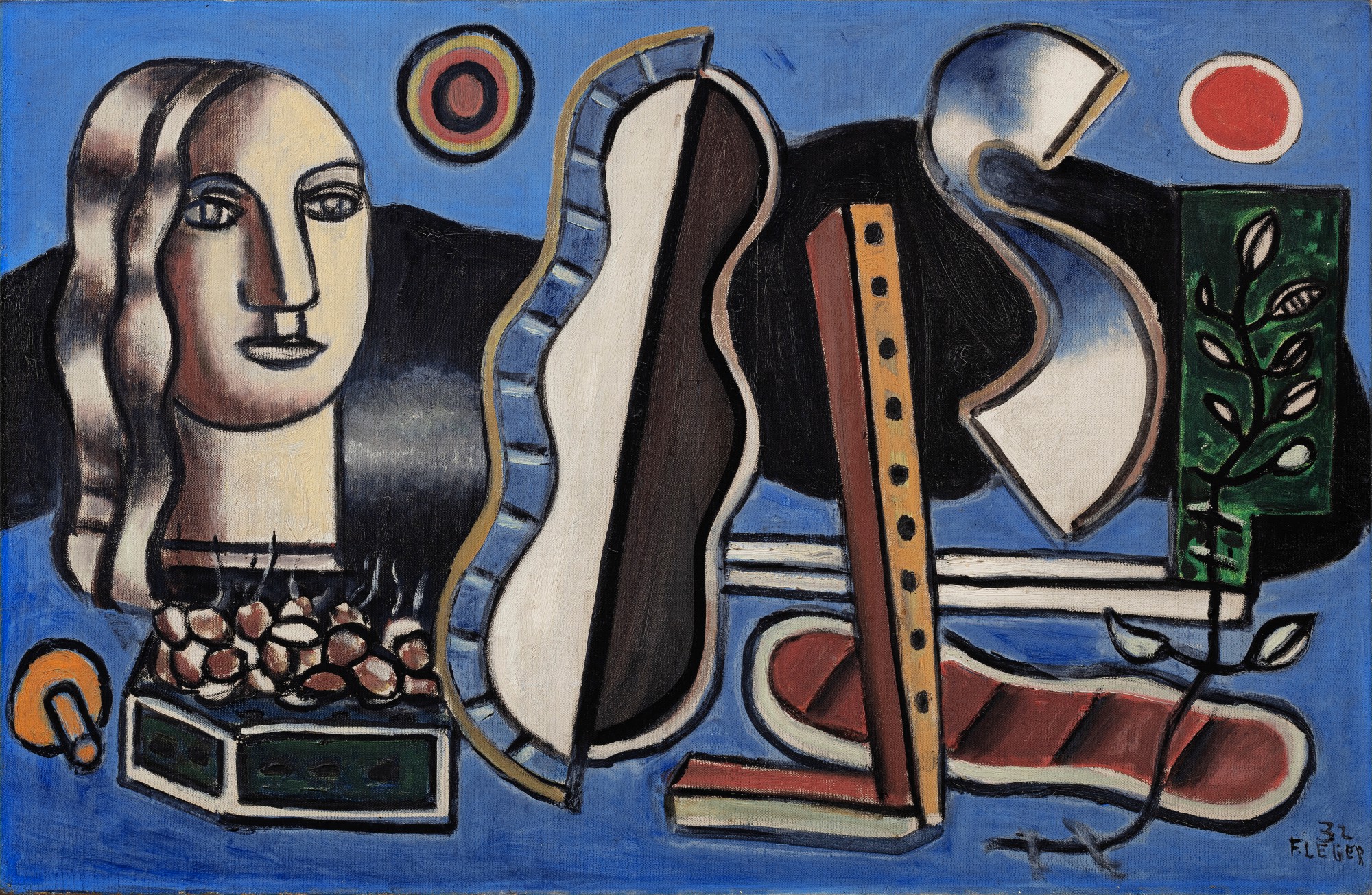
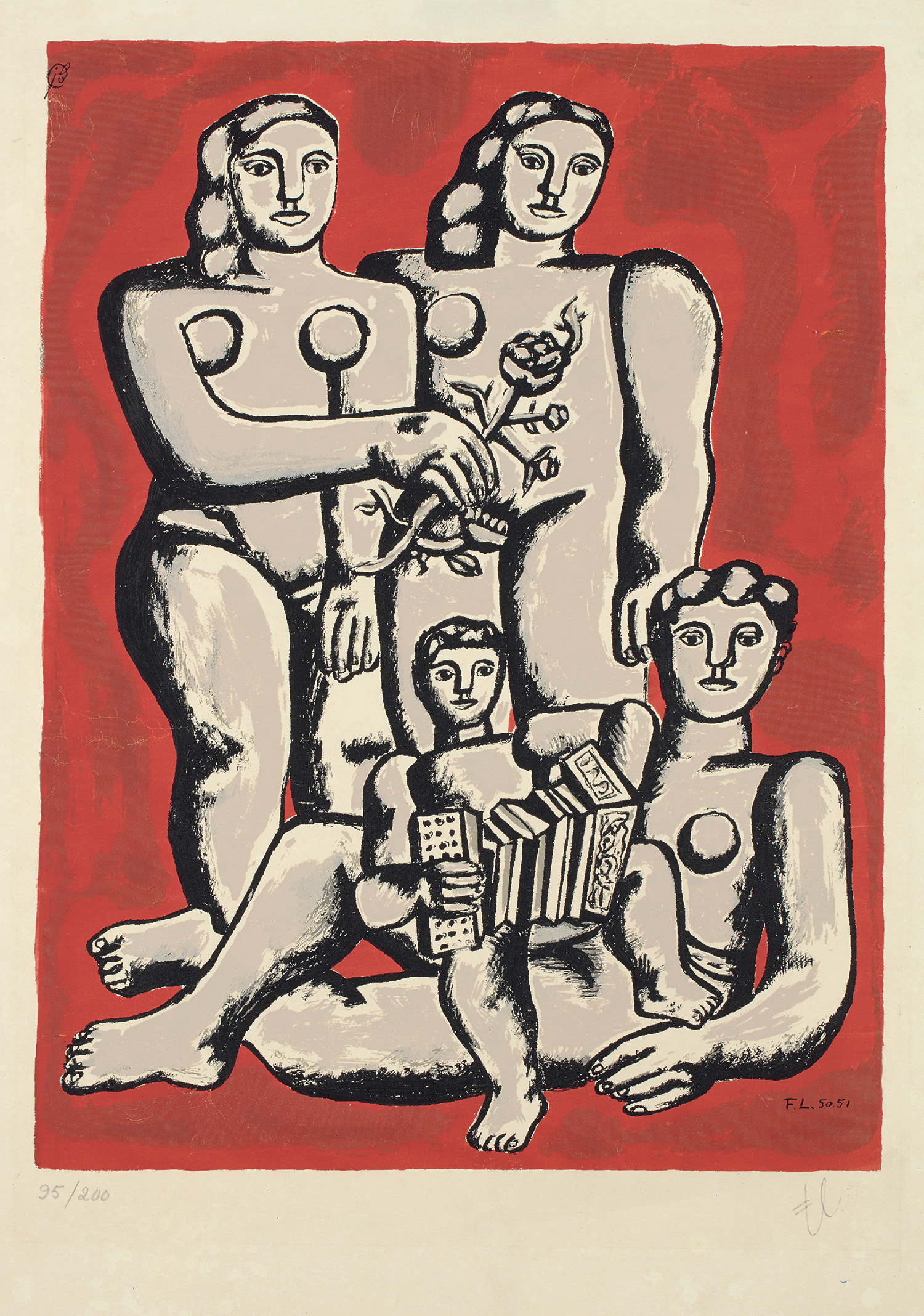
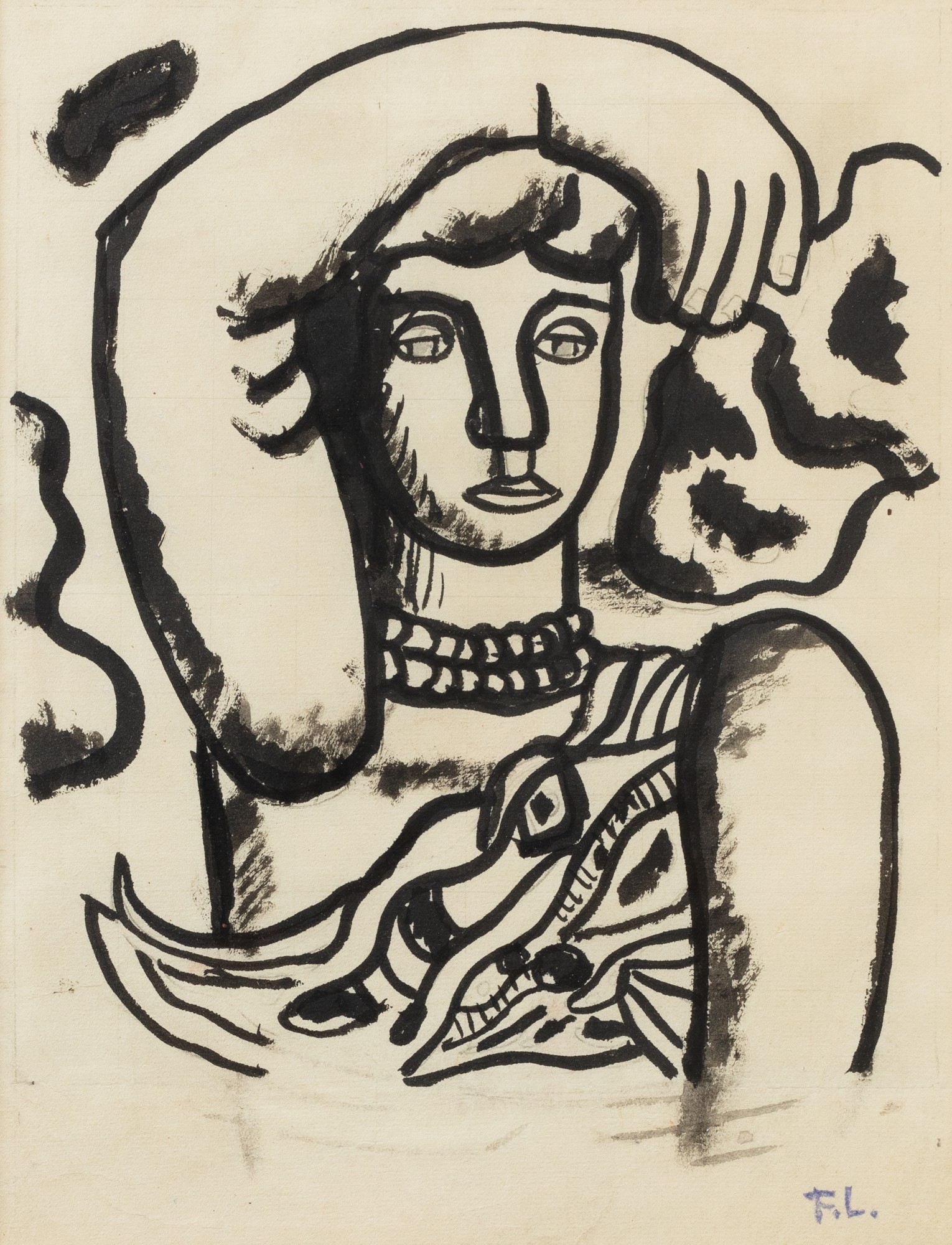
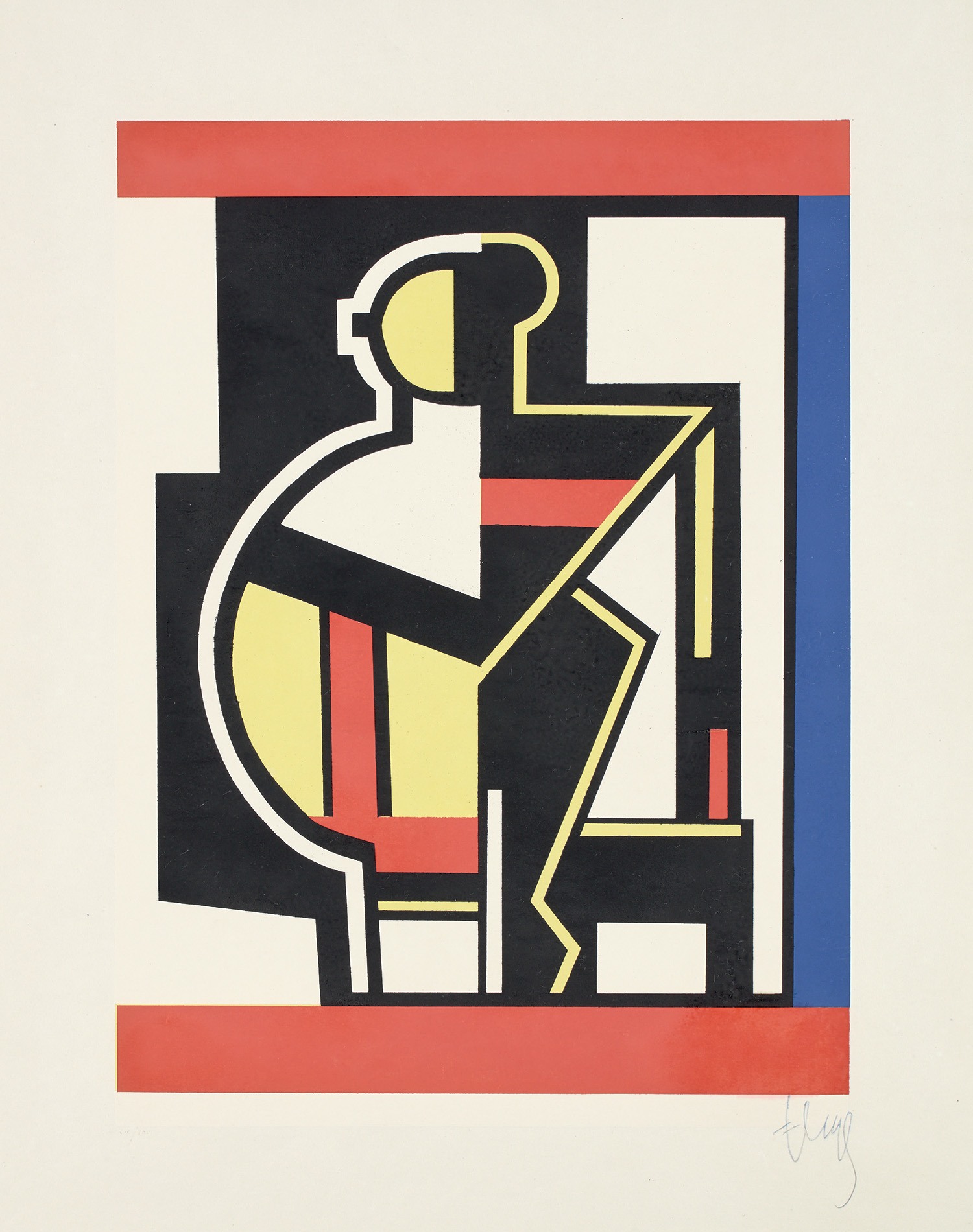
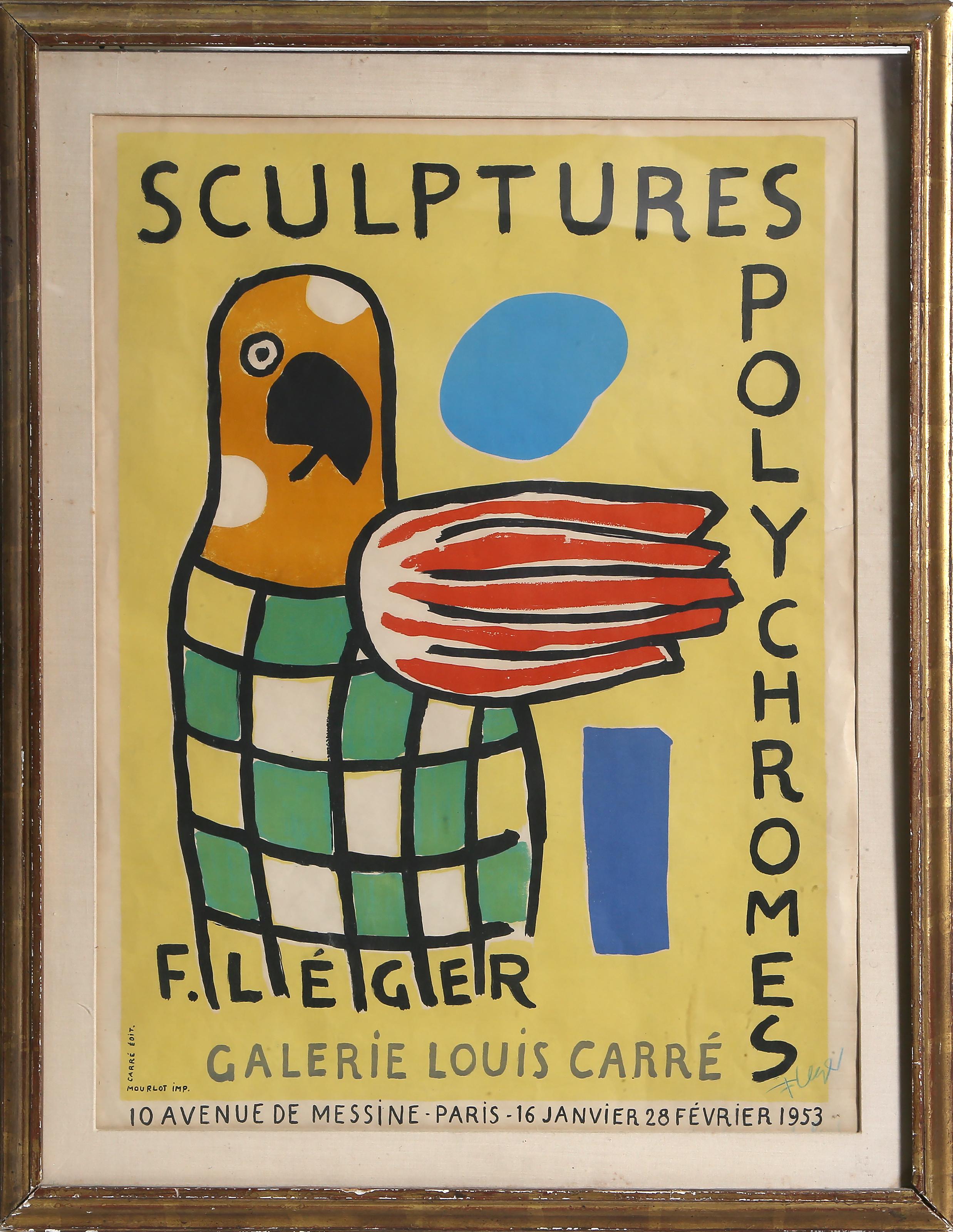
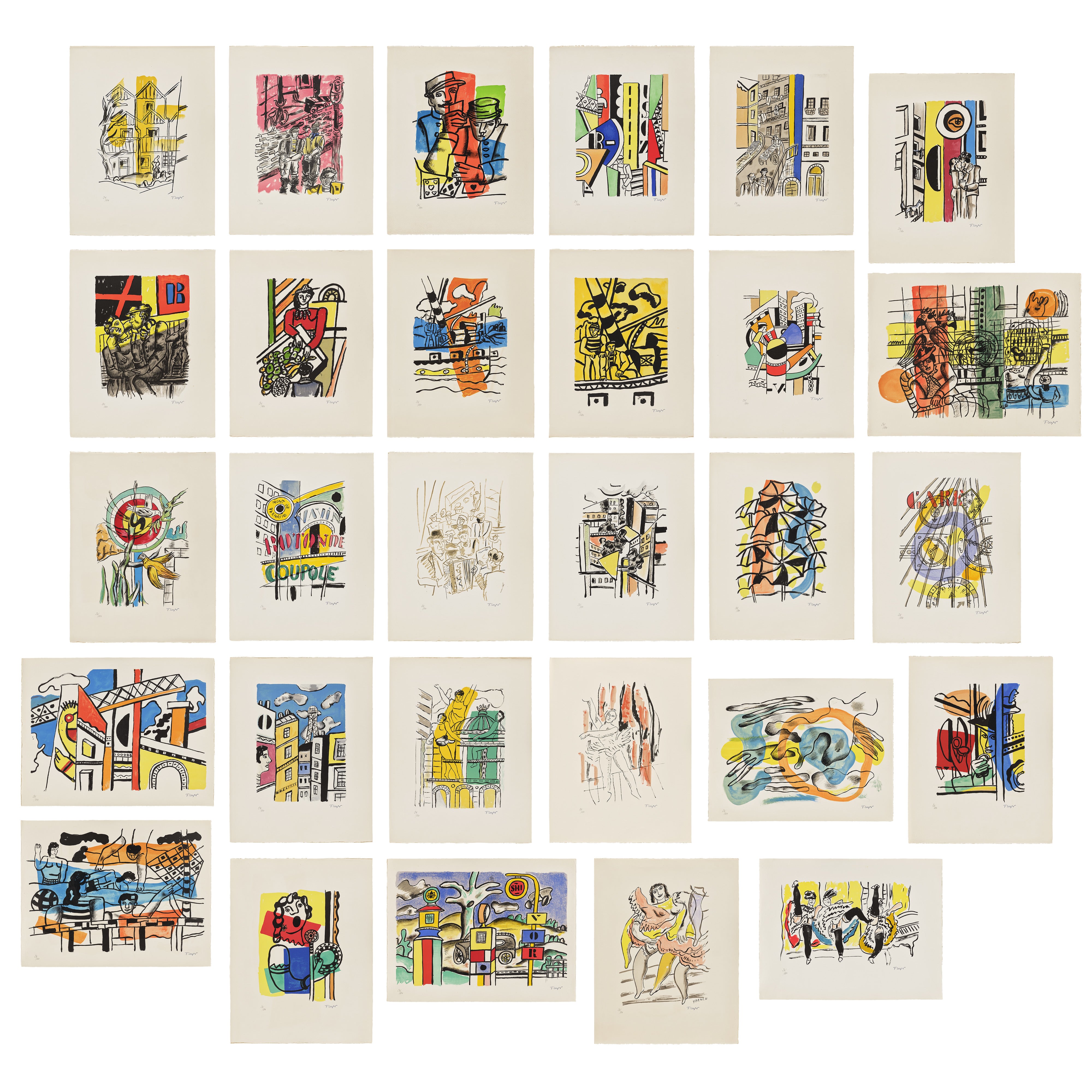
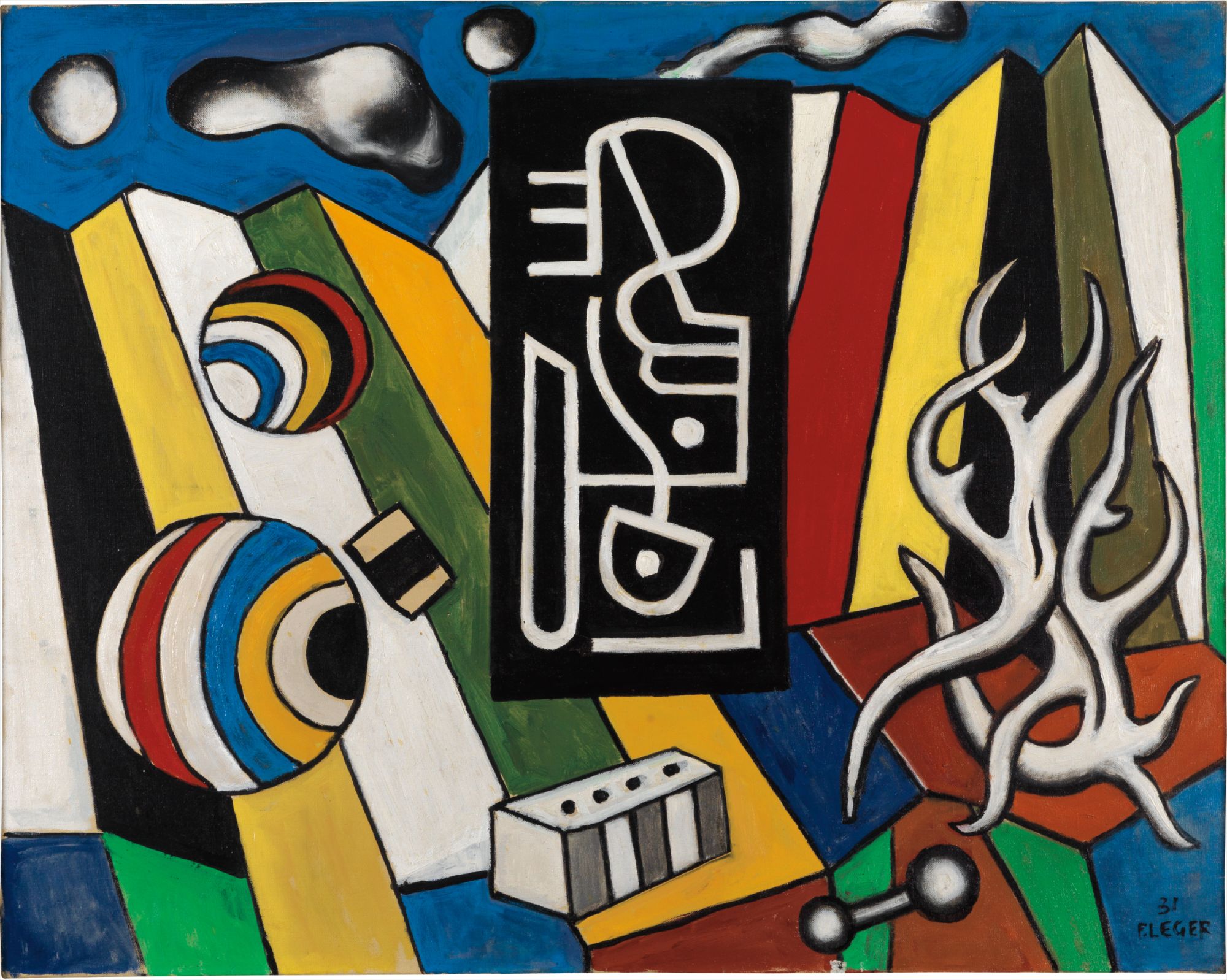
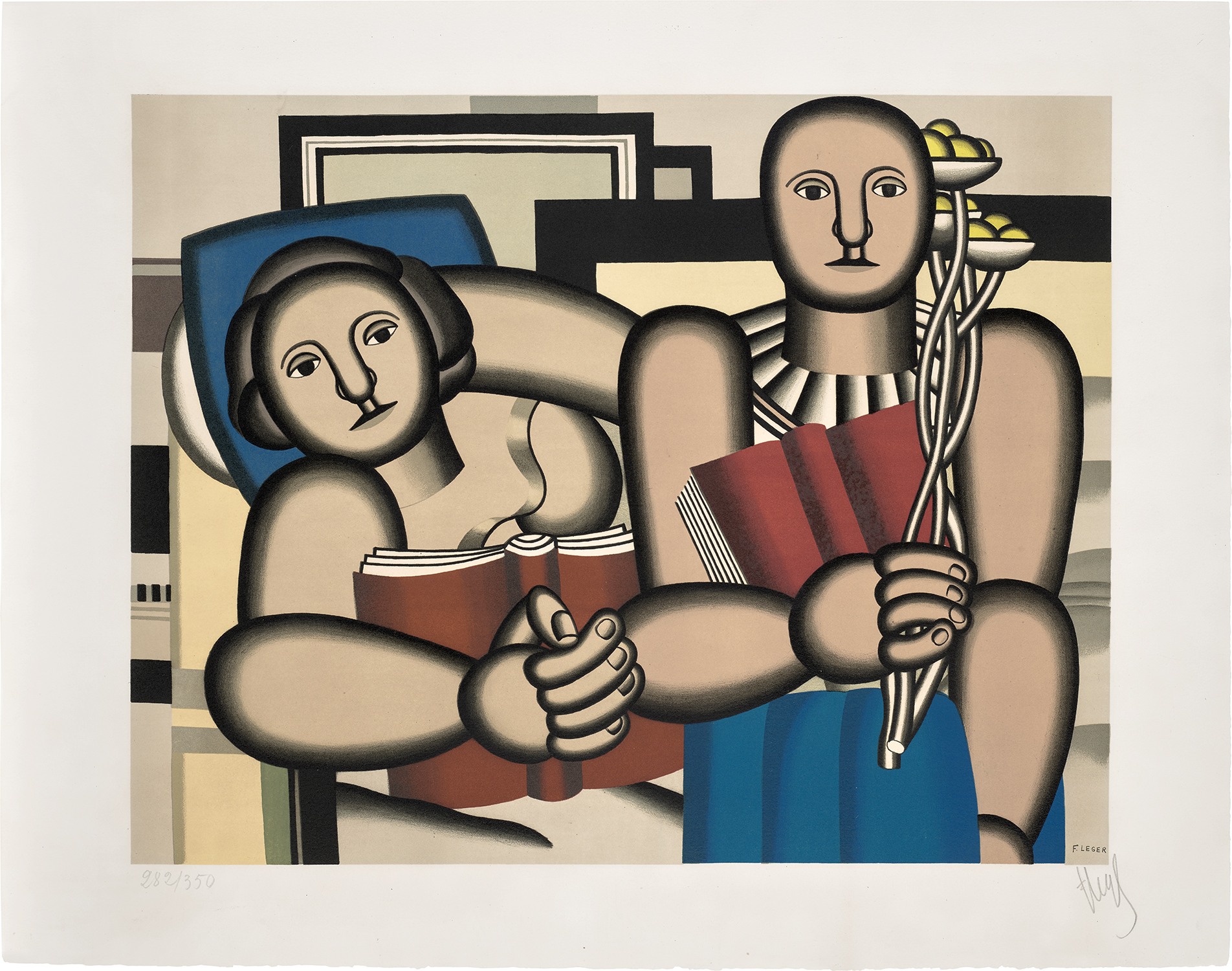
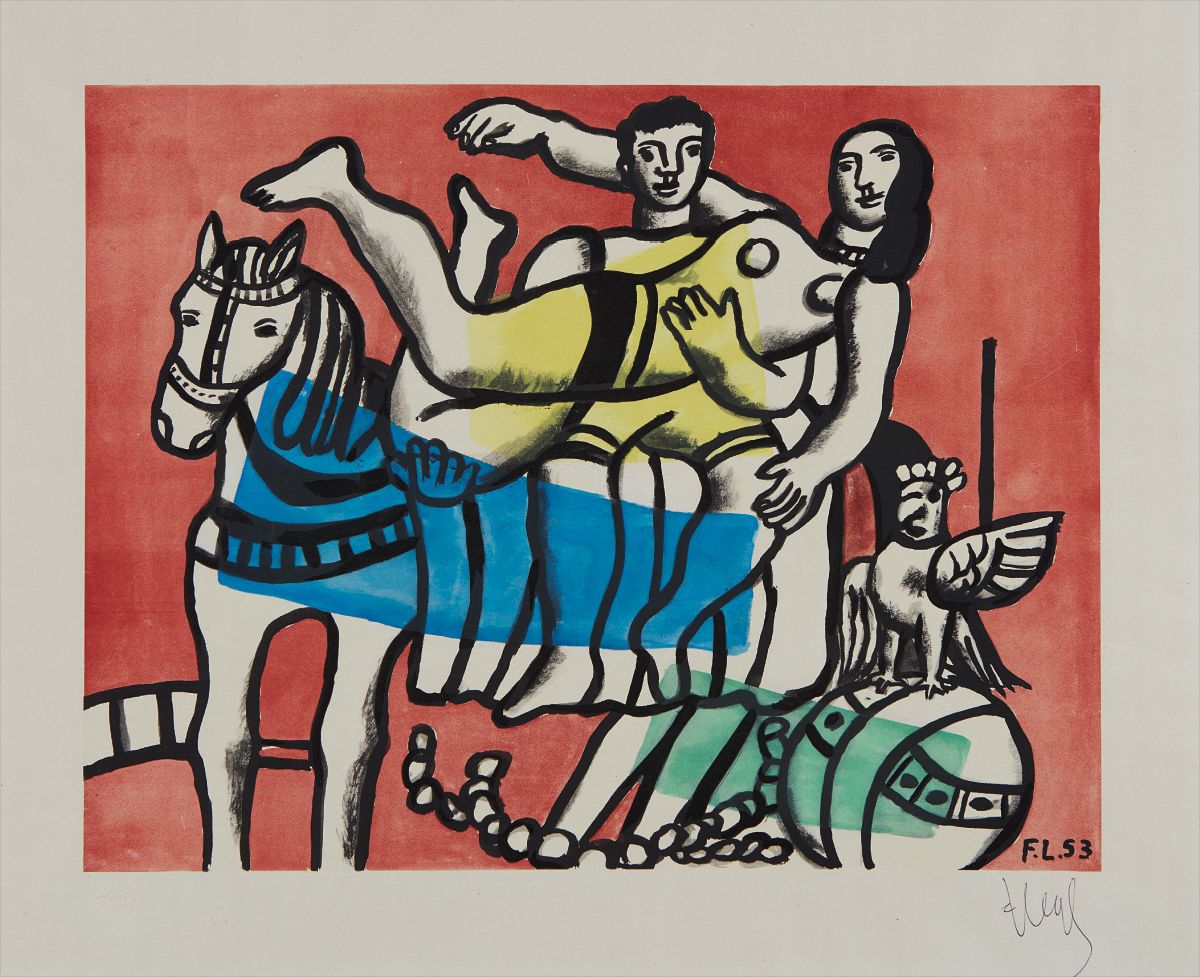
Fernand Léger (1881, 1955) was one of the most significant French painters of the twentieth century, closely associated with Cubism and later with a distinctive style he developed that became known as 'Tubism', characterized by bold, cylindrical forms, flat planes of primary color, and a celebration of the machine age. Born in Argentan, Normandy, Léger trained as an architect before moving to Paris and immersing himself in the avant-garde milieu of Montparnasse, where he befriended Pablo Picasso, Georges Braque, and Guillaume Apollinaire. His early works, such as 'Nudes in the Forest' (1909, 1910), broke figures and landscapes into interlocking mechanical fragments, establishing his signature visual language of robust, tubular shapes rendered with a graphic clarity that distinguished him from his Cubist contemporaries. Léger's experience as a soldier in World War I profoundly shaped his artistic vision. Exposed to machinery, artillery, and the collective energy of working-class men, he emerged from the war with a renewed commitment to depicting modern industrial life with vitality and optimism. Works such as 'The City' (1919), 'Three Women (Le Grand Déjeuner)' (1921), and the 'Mechanical Ballet' film (1924), one of the pioneering works of avant-garde cinema, exemplify his interest in mechanization, movement, and the beauty of everyday objects. He embraced the aesthetics of advertising, billboard lettering, and mass production, integrating them into large-scale compositions that blended high art with popular visual culture. Throughout his career, Léger was deeply engaged with the social dimensions of art, believing that painting should be accessible to ordinary working people. He collaborated on architectural and decorative projects, designed stage sets and costumes, and created monumental murals and tapestries. After spending time in the United States during World War II, where he taught and exhibited widely, he returned to France and joined the French Communist Party. His late works, including the 'Constructors' series (1950), depicted laborers with heroic dignity against open skies. Léger founded the Académie de la Grande Chaumière workshop and bequeathed his estate to the Musée National Fernand Léger in Biot, France, which remains one of the foremost museums dedicated to a single modernist artist. His influence on Pop Art, graphic design, and the integration of art and architecture has been enormous and enduring.
Spotted by
Artists in conversation