Pop Art
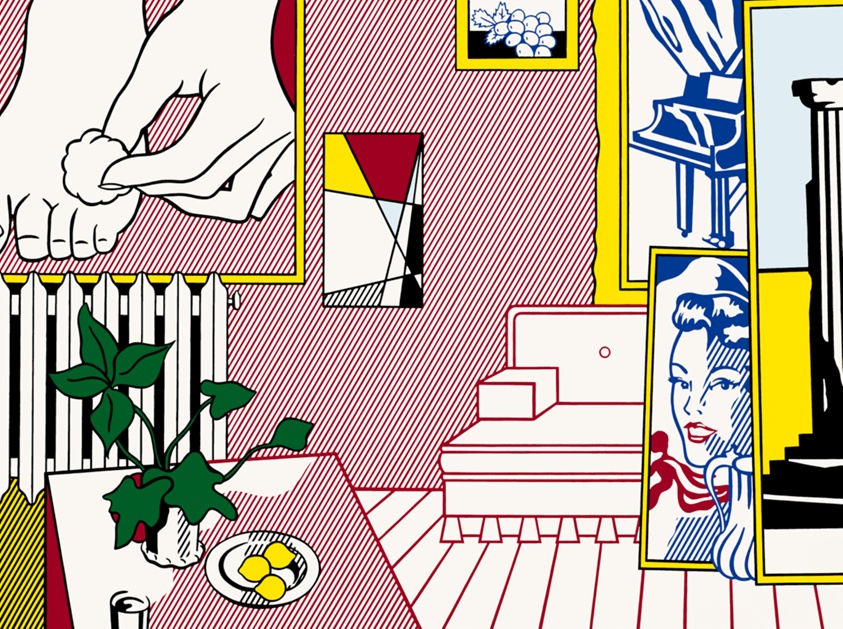
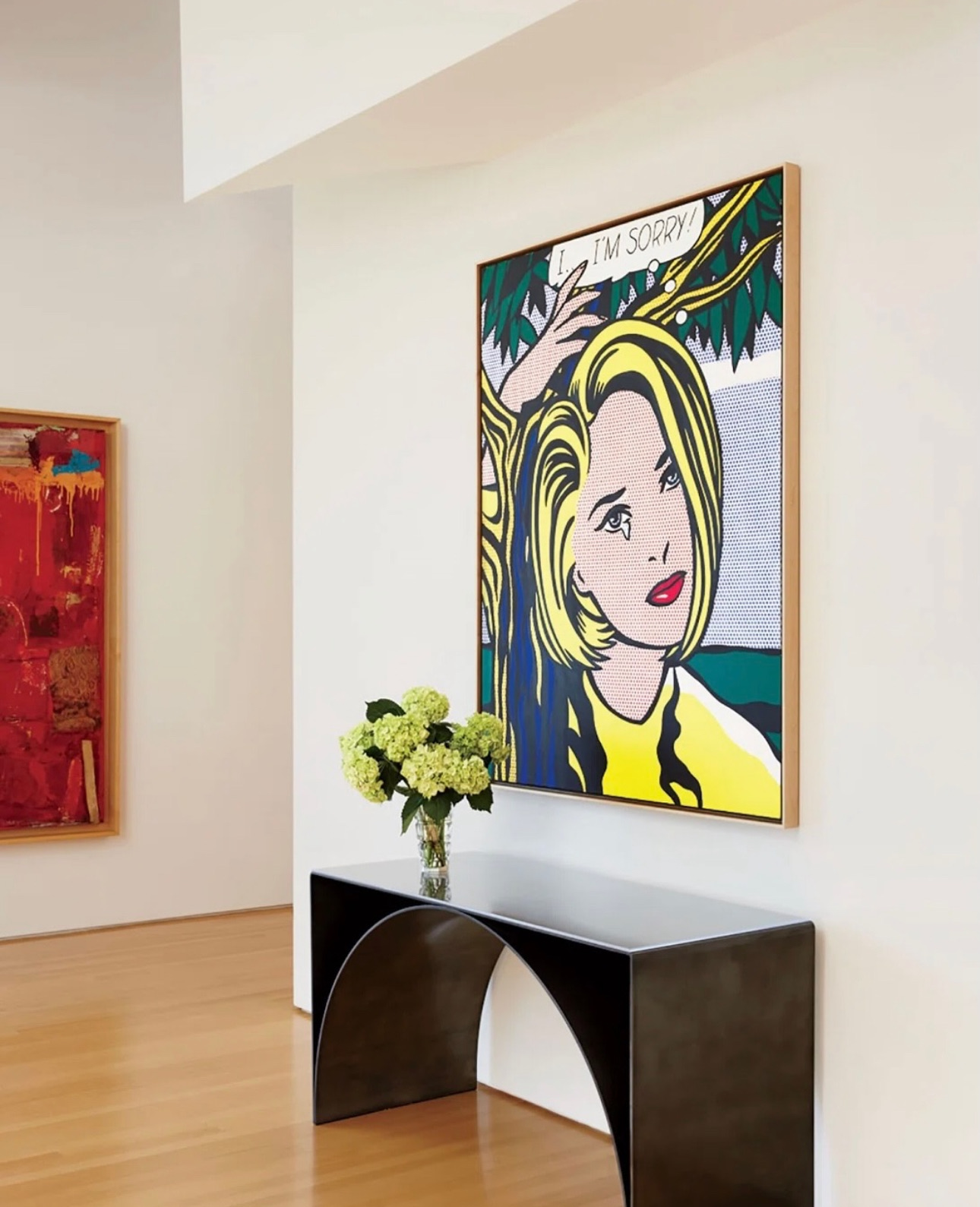
Roy Lichtenstein
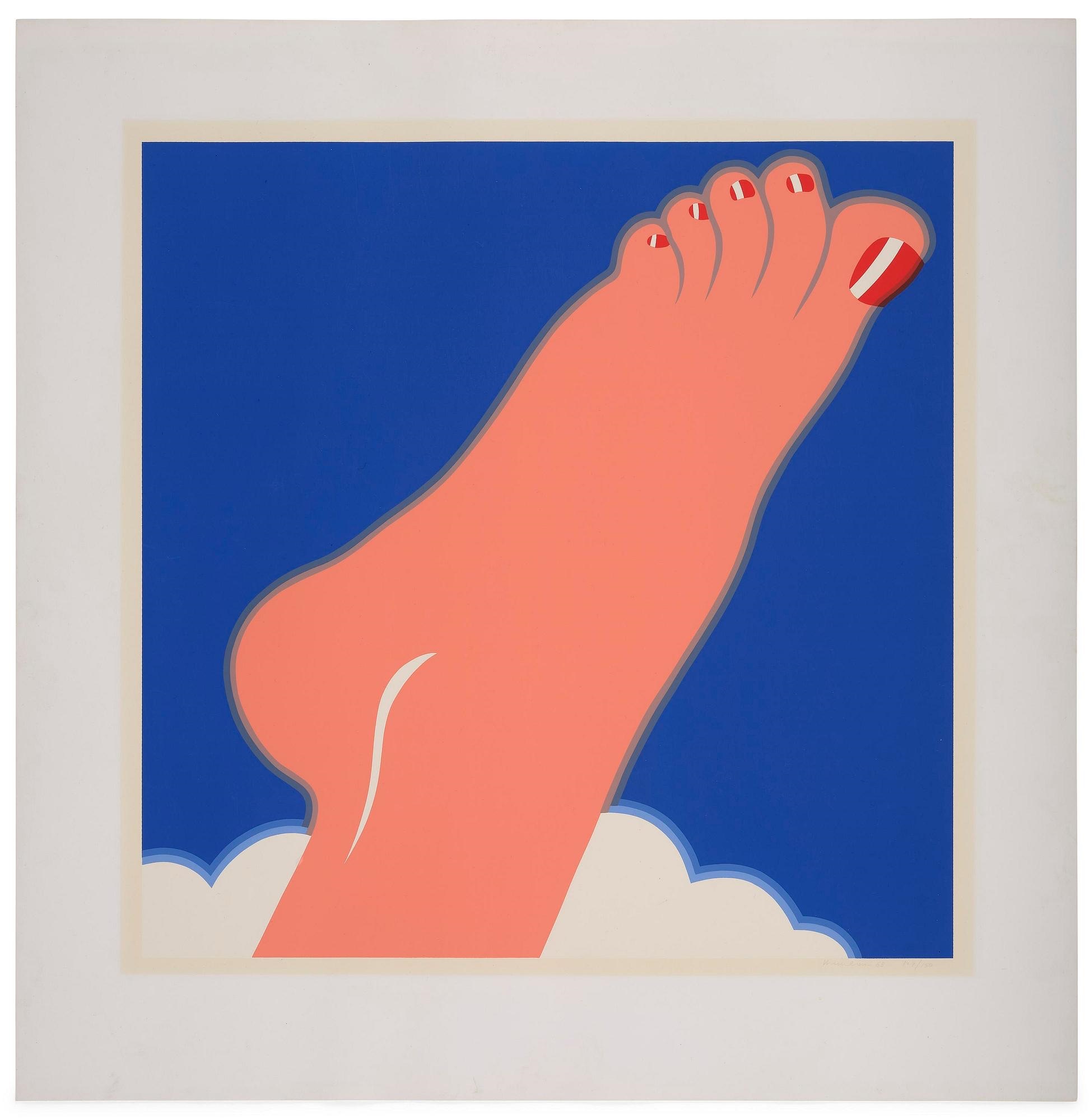
Artist's Studio "Foot Medication", 1974

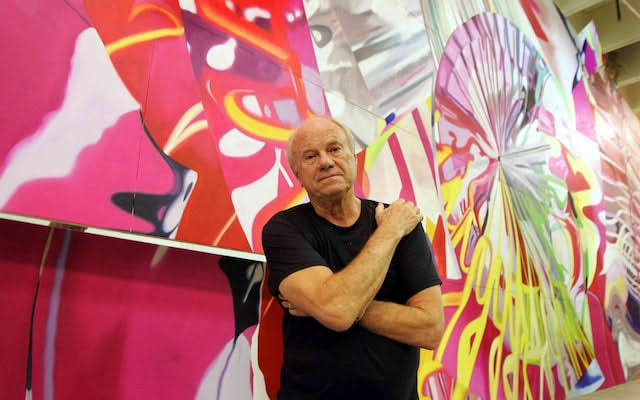

Pop Art Is Having the Last Laugh
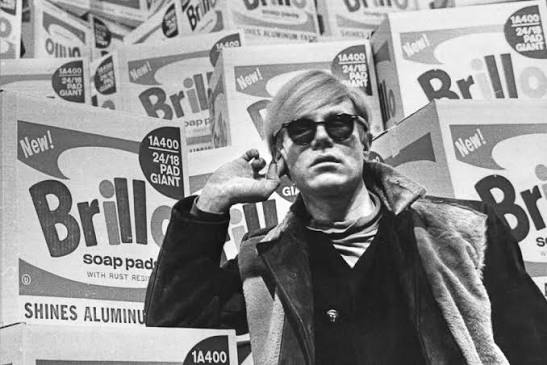
When Andy Warhol's 'Shot Sage Blue Marilyn' sold at Christie's New York in May 2022 for $195 million, it became the most expensive work by an American artist ever sold at auction. The result sent a jolt through the market, not because it was unexpected exactly, but because of what it confirmed: that Pop Art, a movement once dismissed by critics as superficial and commercially compromised, now sits at the absolute pinnacle of the art world's value system. The irony would not have been lost on Warhol himself, who spent his career asking where exactly the line between commerce and culture was supposed to be drawn. The timing of that sale felt significant.
It arrived at a moment when the broader art market was recalibrating after the disruptions of the pandemic years, and institutional appetite for blue chip modern and contemporary work was intense. Pop Art, with its legibility, its bold graphic confidence, and its deep embeddedness in postwar cultural memory, offered collectors something rare: works that speak immediately to anyone who encounters them, while rewarding sustained looking and serious scholarly attention in equal measure. Roy Lichtenstein, whose estate works remain among the most sought after on the secondary market, demonstrated this double function better than almost any other artist. His large scale paintings from the 1960s regularly exceed $30 million at auction, and his prints circulate with extraordinary velocity through major houses.
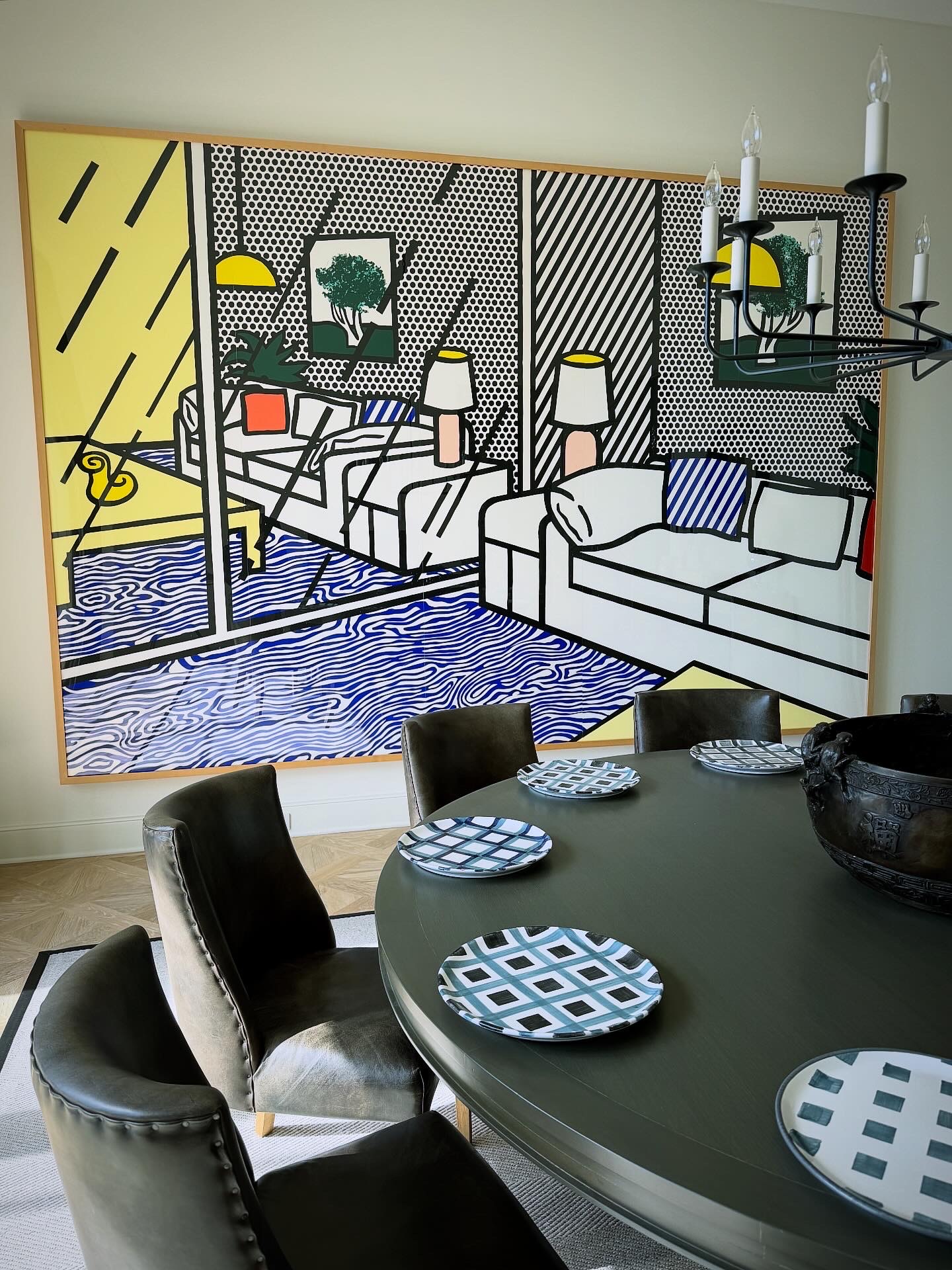
Roy Lichtenstein
untitled
Museum programming has reflected and reinforced this renewed energy. The Tate Modern's retrospective of Ed Ruscha in 2009 introduced a generation of European collectors to an artist whose relationship to language, landscape, and deadpan wit had long been underappreciated outside California. More recently, institutions have turned their attention to figures who were perhaps overshadowed during their lifetimes, including James Rosenquist, whose enormous billboard scale canvases the Whitney Museum examined with renewed seriousness following his death in 2017. The Denver Art Museum's survey of Tom Wesselmann brought fresh critical attention to an artist whose nude compositions occupied an uncomfortable but productive tension between celebration and critique, and whose market has strengthened considerably as a result.
Richard Hamilton, who is often credited as one of the movement's British progenitors, has been the subject of sustained reassessment particularly in the United Kingdom, where the Tate has worked to position his contribution alongside his American counterparts. Auction data tells a layered story. Jeff Koons remains the living artist whose works command the highest prices in this orbit, with 'Rabbit' achieving $91.1 million at Christie's in 2019, a record for a living artist at the time.
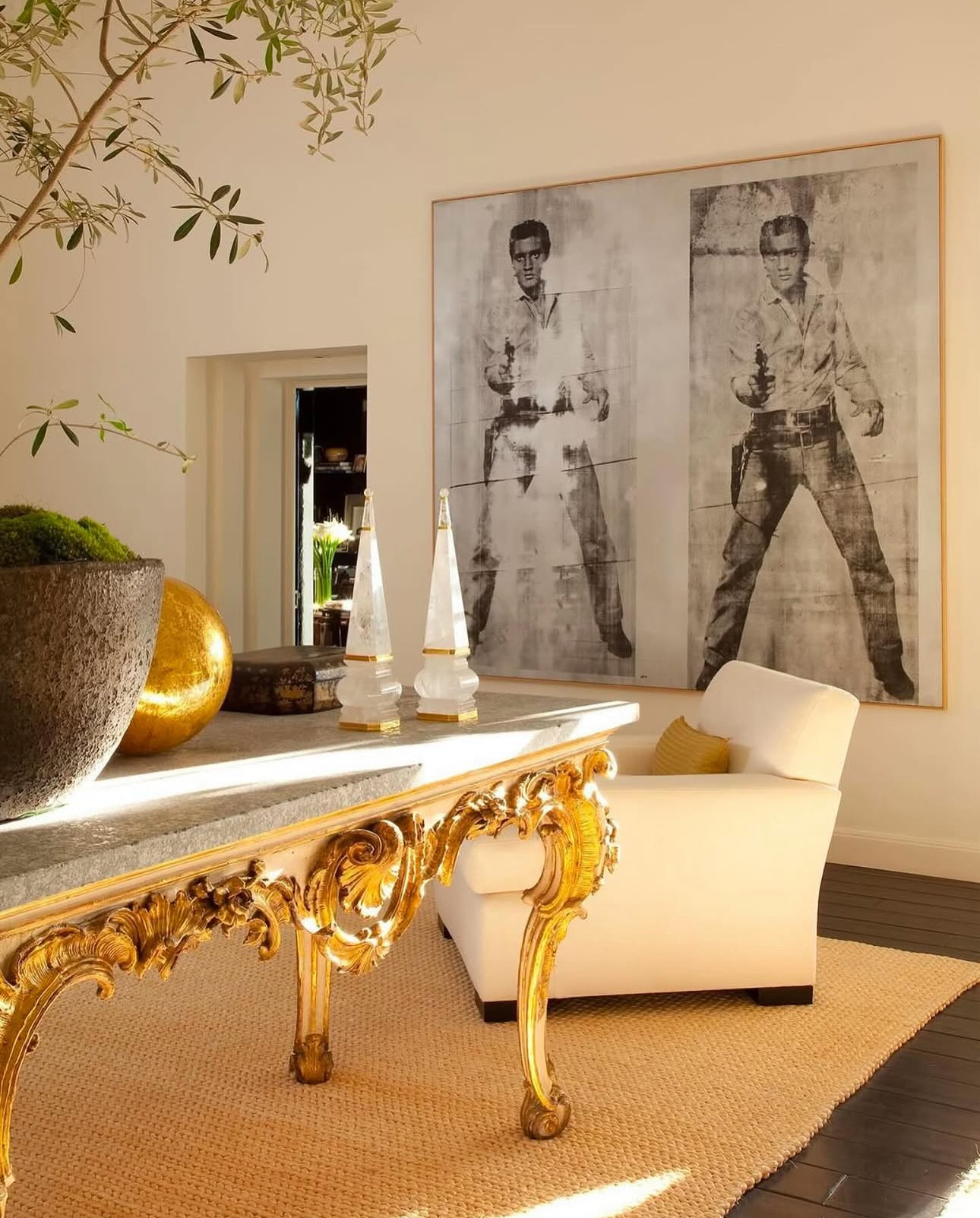
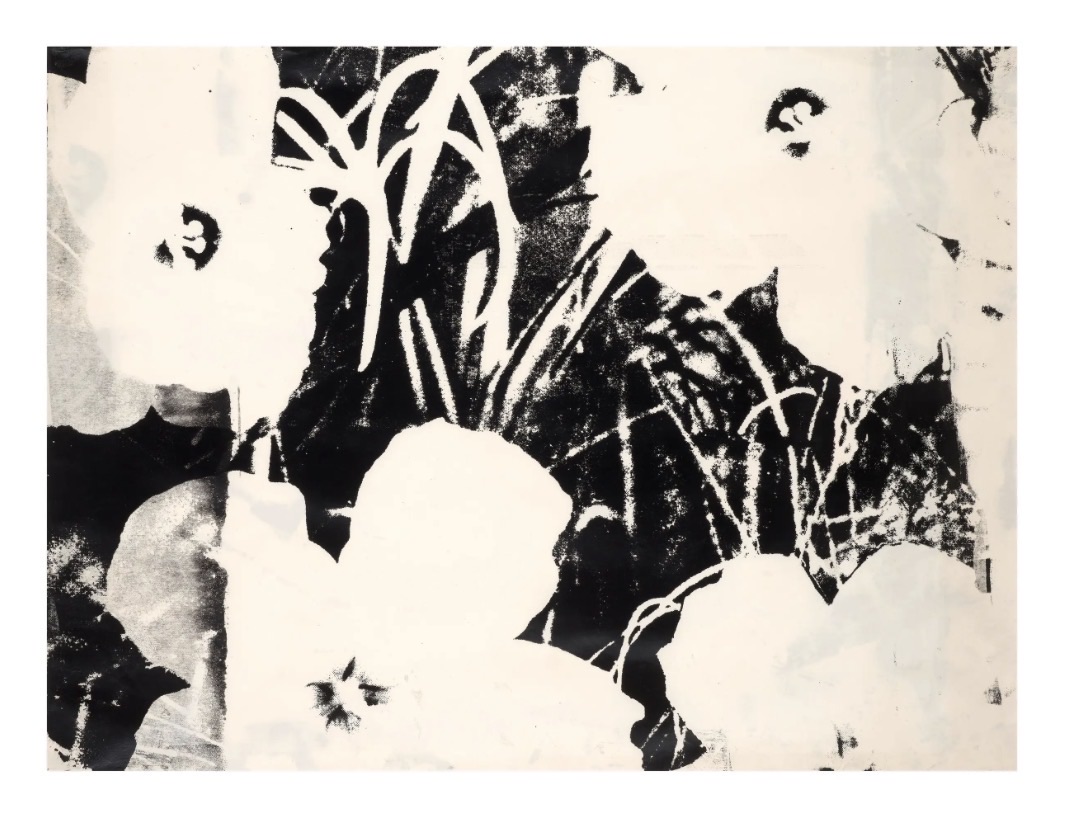
Andy Warhol
Double Elvis, 1963
But the broader market for Pop extends well beyond its most famous names. Works by Robert Indiana, whose LOVE image has achieved a kind of cultural ubiquity that complicates rather than diminishes its art historical value, perform consistently across price points. Keith Haring's drawings and prints have developed a collector base that spans generations, and institutions from the Museum of Modern Art to the Broad in Los Angeles continue to integrate his work into permanent collection displays. Claes Oldenburg's sculptural wit remains a touchstone, and the market has followed scholarly opinion in treating him as a genuinely major figure rather than simply a charming footnote.
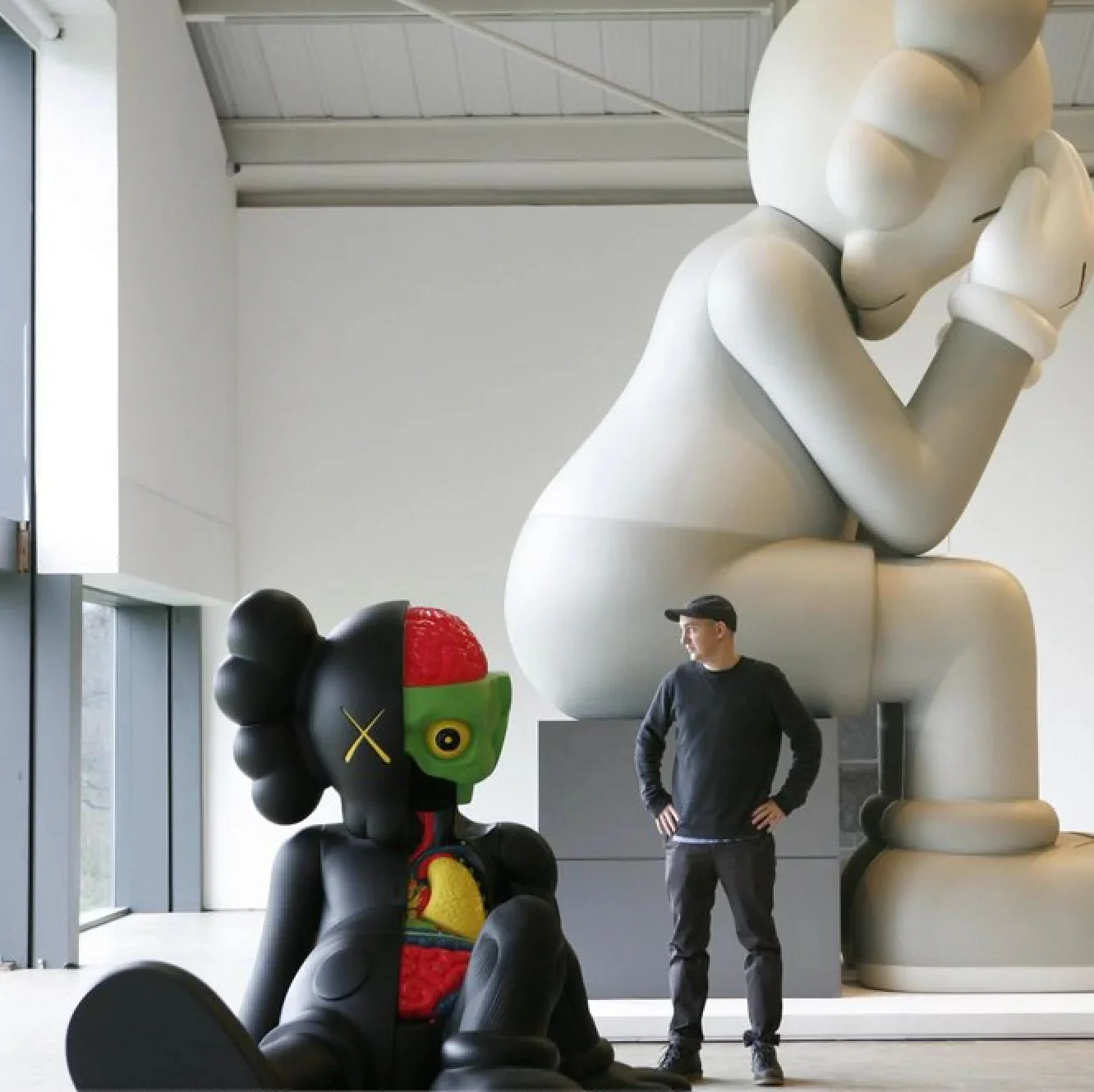
Where things get genuinely interesting is in the conversation about where Pop ends and what comes after it begins. Takashi Murakami has been insistent over many years that his Superflat theory is not simply an homage to Pop but a distinct and culturally specific response to it, rooted in manga, anime, and the particular textures of postwar Japanese consumer culture. KAWS, meanwhile, has built one of the most commercially successful artistic practices of the current moment by working in a tradition that is clearly indebted to Pop's embrace of mass imagery and its refusal to apologize for broad appeal. The critical establishment spent years treating both artists with some condescension, but that posture has shifted.
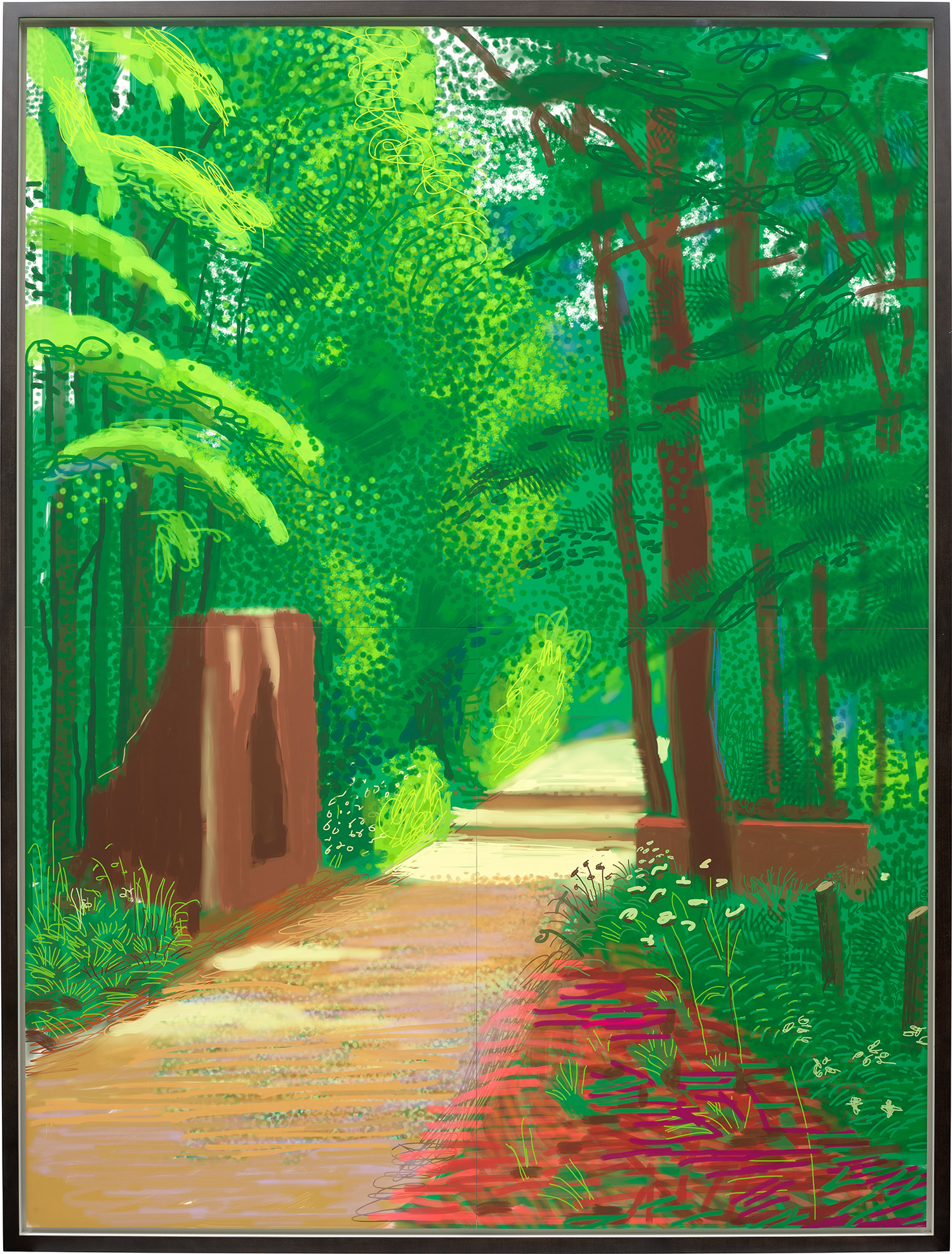
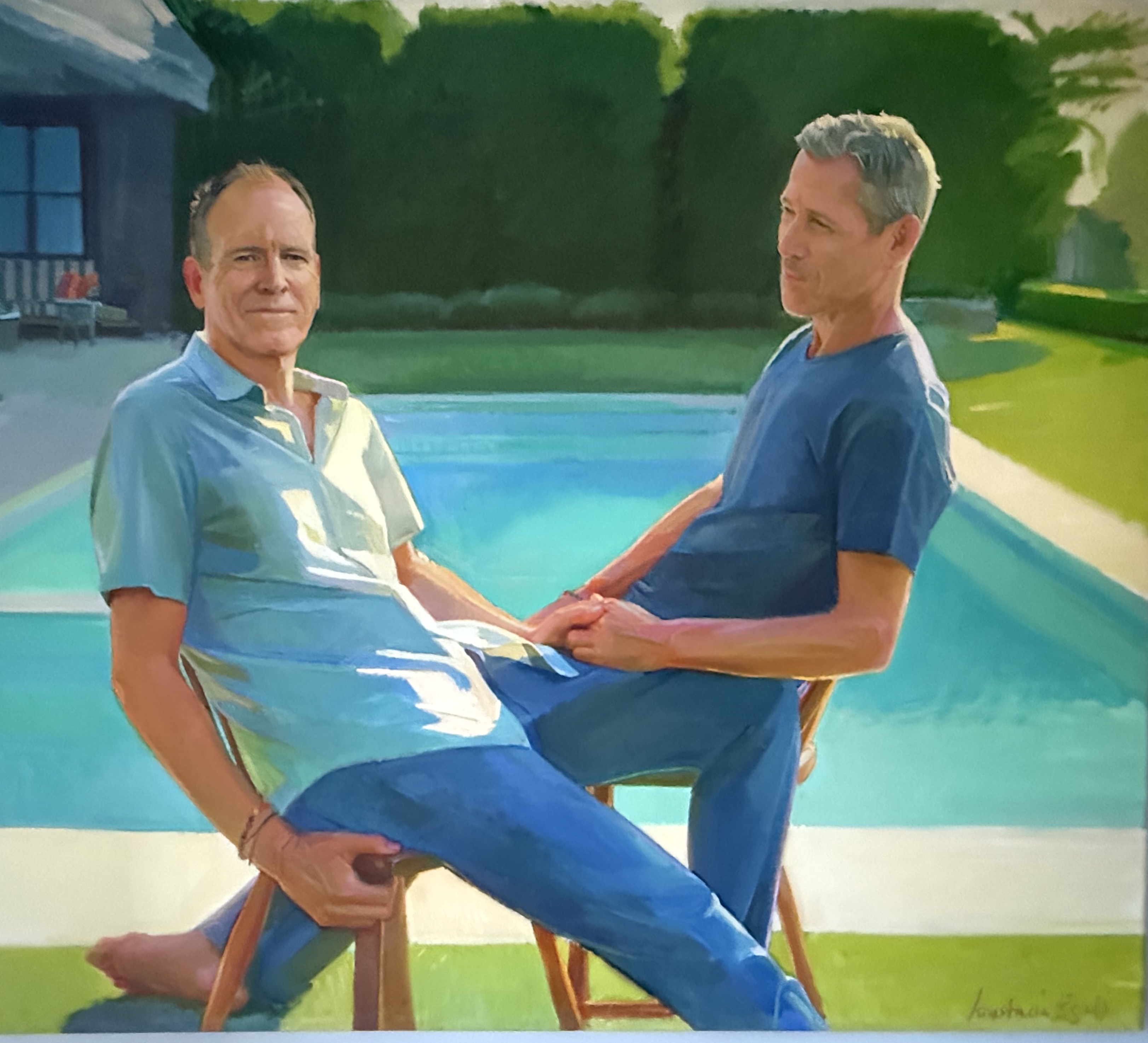
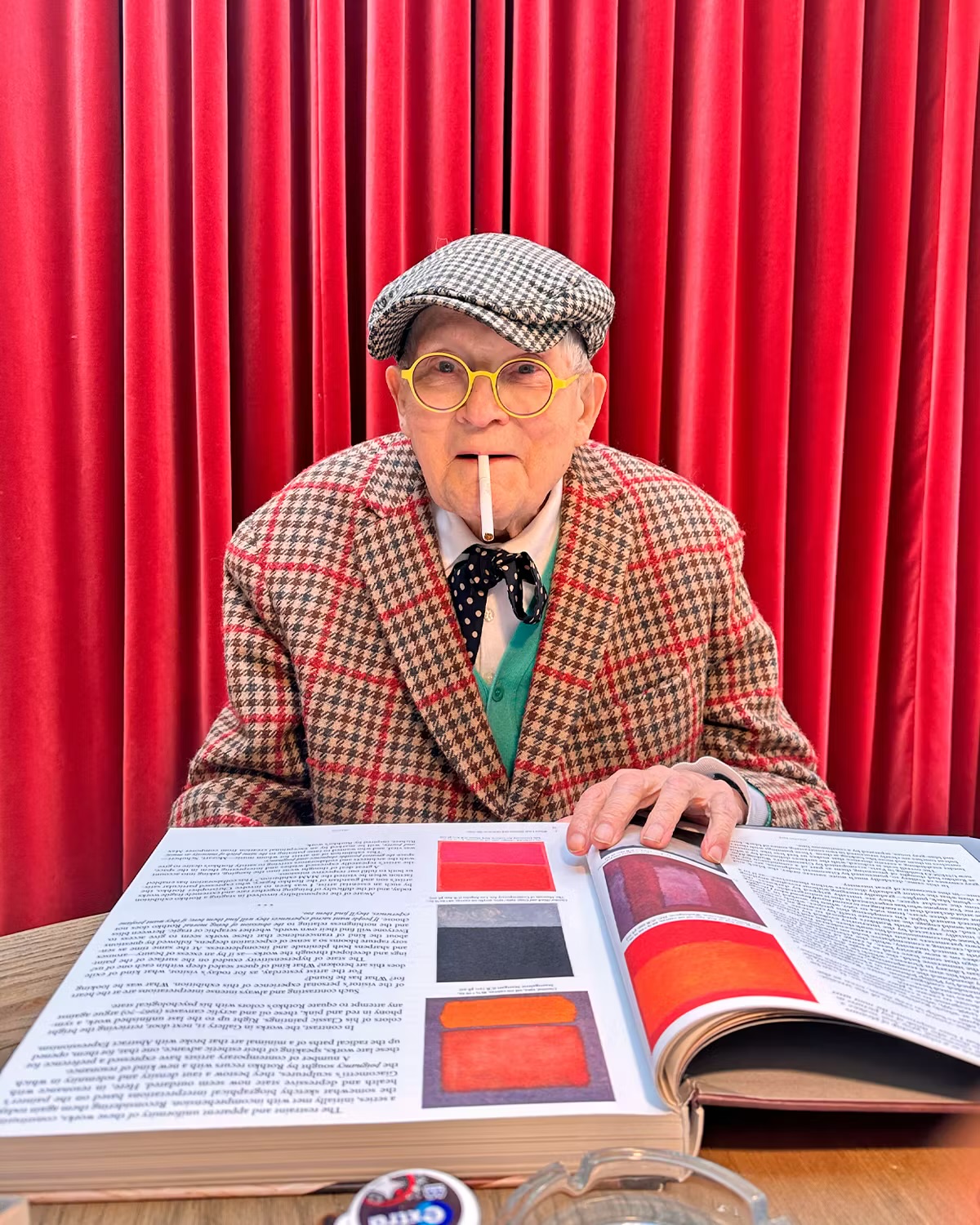
David Hockney
Untitled
Major auction results, serious museum programming, and the growing sophistication of their collector bases have made skepticism harder to sustain. Yoshitomo Nara occupies adjacent territory, with a market that has grown considerably in Asia and beyond, and whose work carries an emotional directness that feels genuinely connected to Pop's investment in affect and accessibility. The curators and writers shaping this conversation are increasingly interested in recovering complexity from a movement that was long discussed in reductive terms. Scholars like Thomas Crow, whose writing on Pop's relationship to mass culture and its discontents remains essential, helped establish a critical framework that takes the movement's ambivalences seriously.
Publications including Artforum and October have returned repeatedly to questions about appropriation, authorship, and the relationship between Pop's strategies and later developments in Pictures Generation work and beyond. Jasper Johns and Robert Rauschenberg, whose practices preceded and in many ways enabled the Pop explosion, continue to be reconsidered as figures who are too singular to belong cleanly to any single movement but whose centrality to the period is impossible to argue with. Vik Muniz has contributed his own quietly brilliant commentary on image culture and reproduction that operates in a conversation stretching back through Pop to its earliest provocations. For collectors active in this space, the current moment offers something useful: a market that is mature enough to be legible but still dynamic enough to reward careful looking.
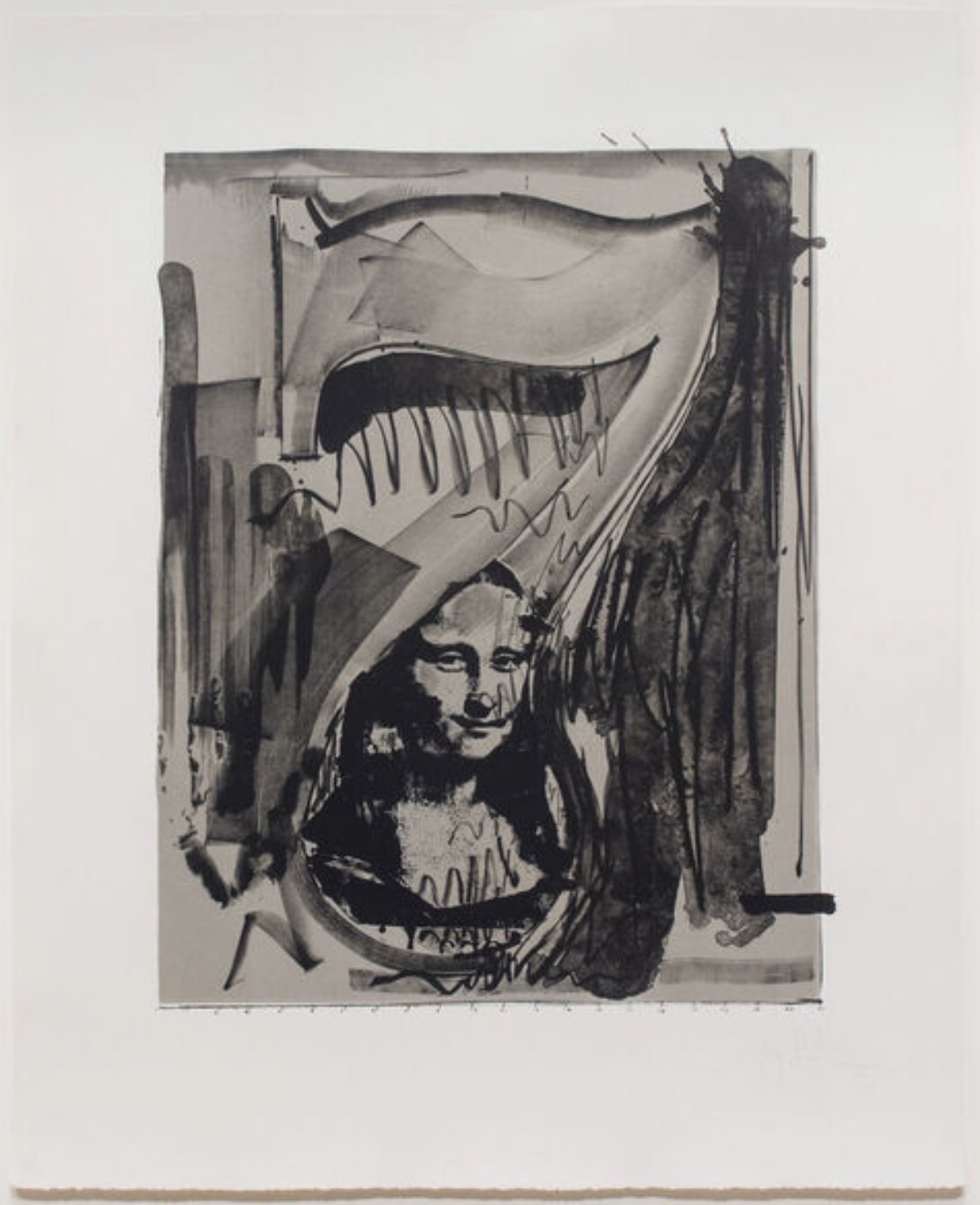
Jasper Johns
Figure 7, from the Black Numerals series, 1968
Artists like Harland Miller, whose large scale text paintings carry a wit and literary density that connects them to Ruscha while remaining entirely their own, represent a kind of intelligent extension of Pop's preoccupations into the present. Shepard Fairey and Banksy occupy contested territory between fine art and street culture, but their auction results and institutional presence have moved beyond novelty. Wayne Thiebaud's confectionary paintings, now understood as documents of a particular American longing as much as celebrations of visual pleasure, have seen sustained institutional and market attention that shows no sign of diminishing. The movement's capacity to metabolize new voices while retaining its central proposition, that everything in the visual environment is fair game and worthy of serious attention, remains its most enduring quality and perhaps the best argument for why it keeps arriving, and mattering, all over again.