Decorative Arts
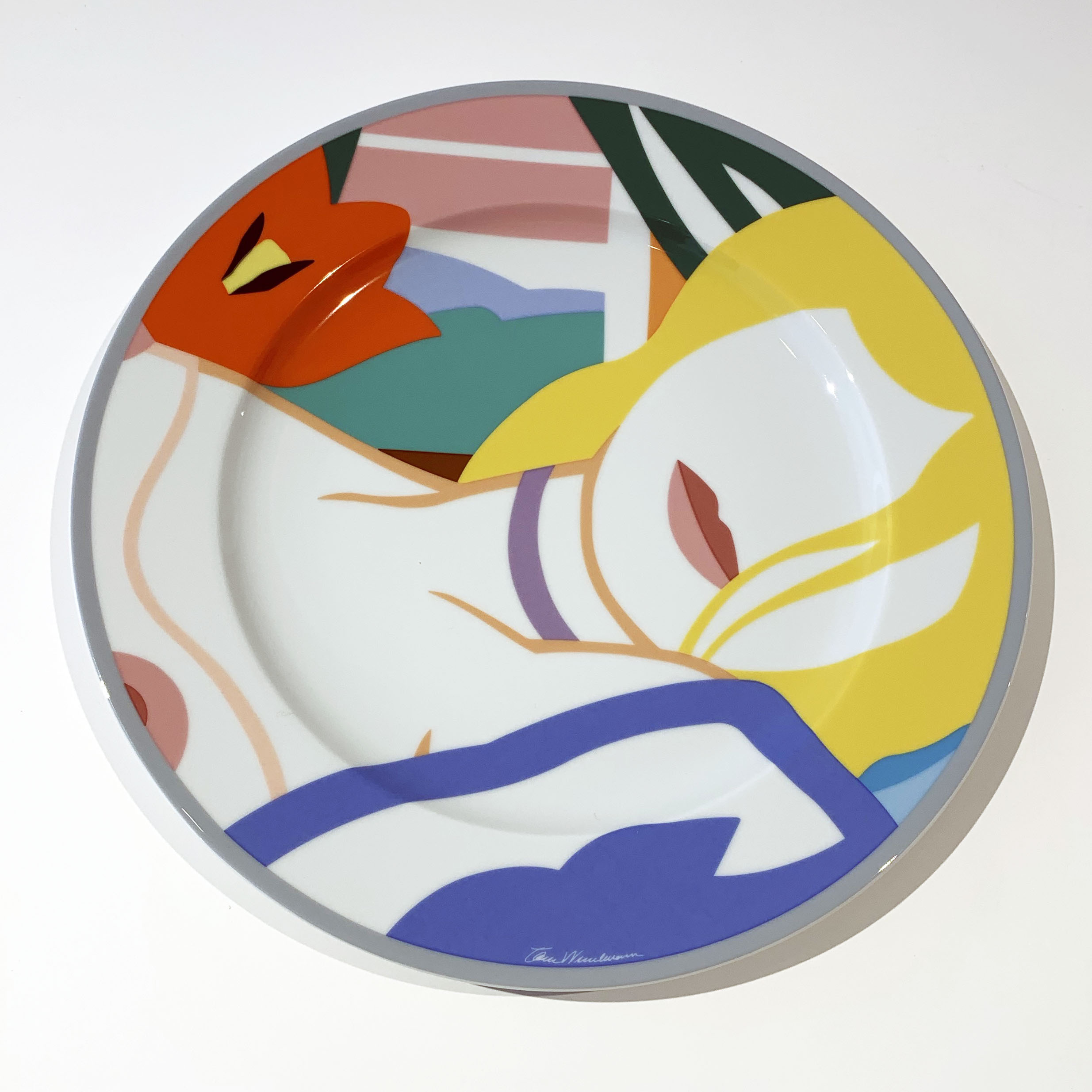
Tom Wesselmann
Rosenthal Künstler-Platzteller: Blonde Vivienne, 1990

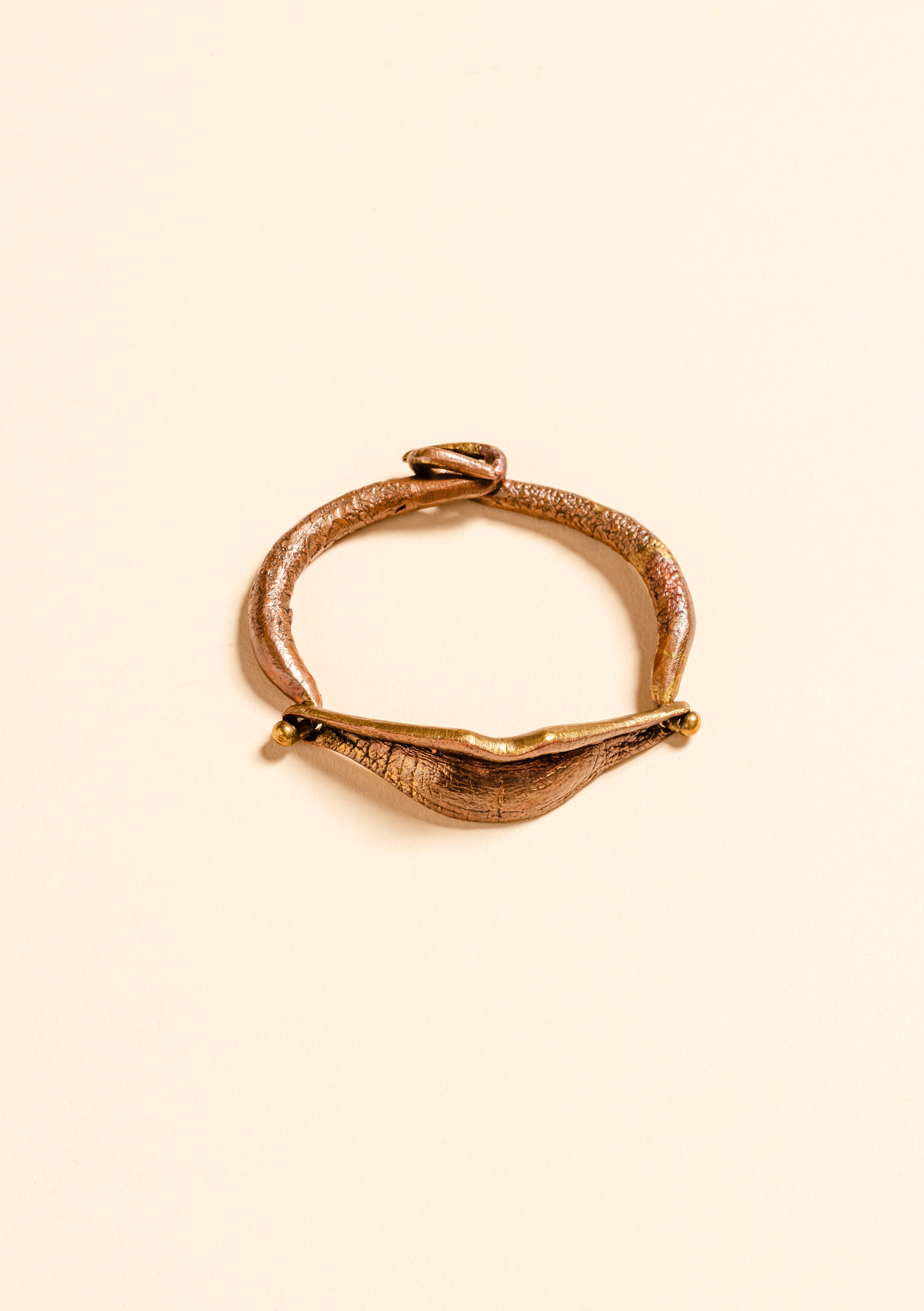
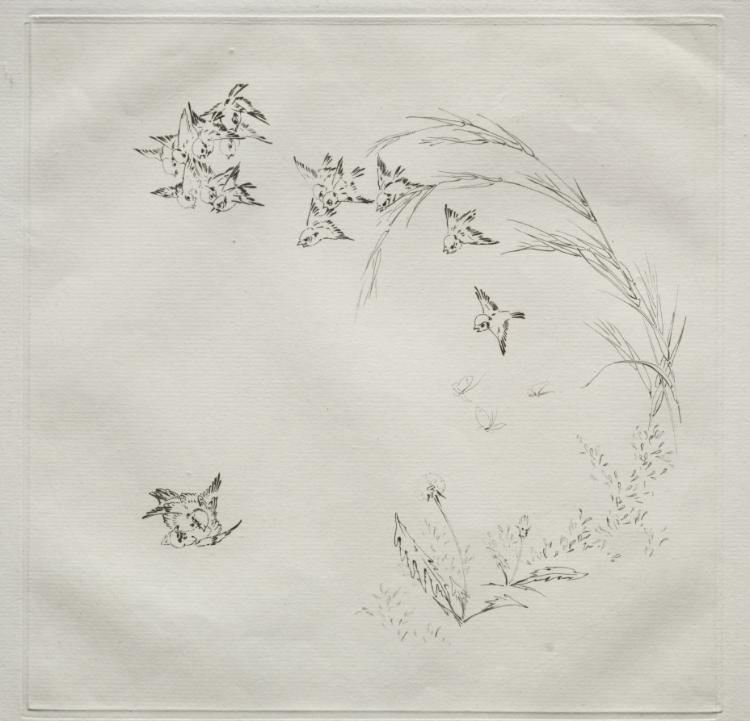

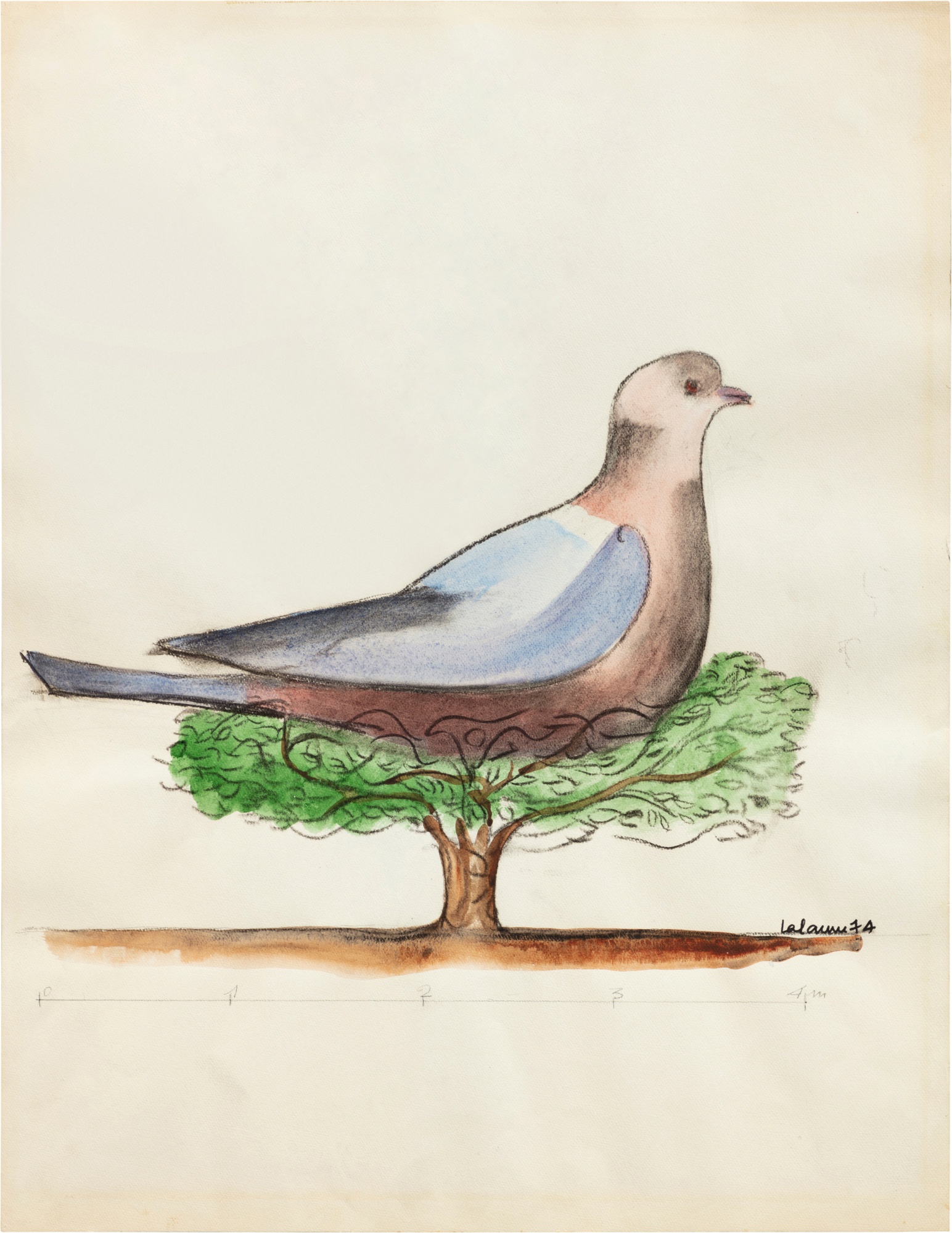
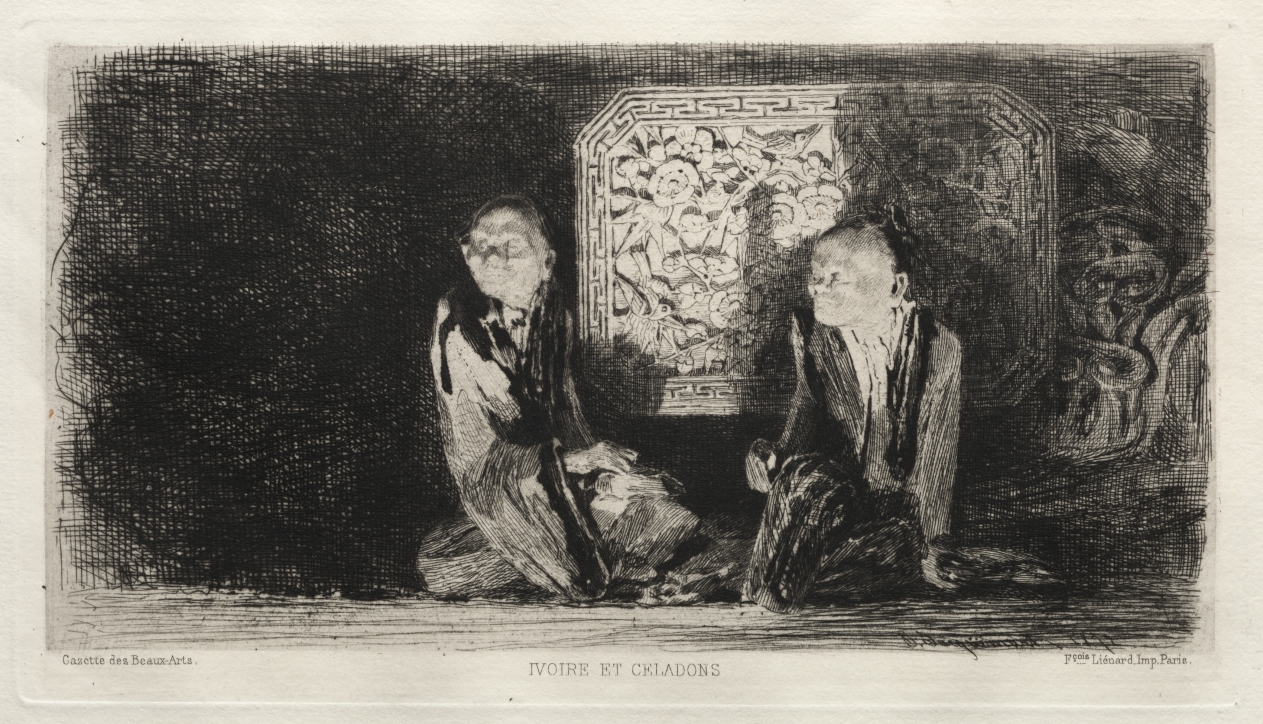
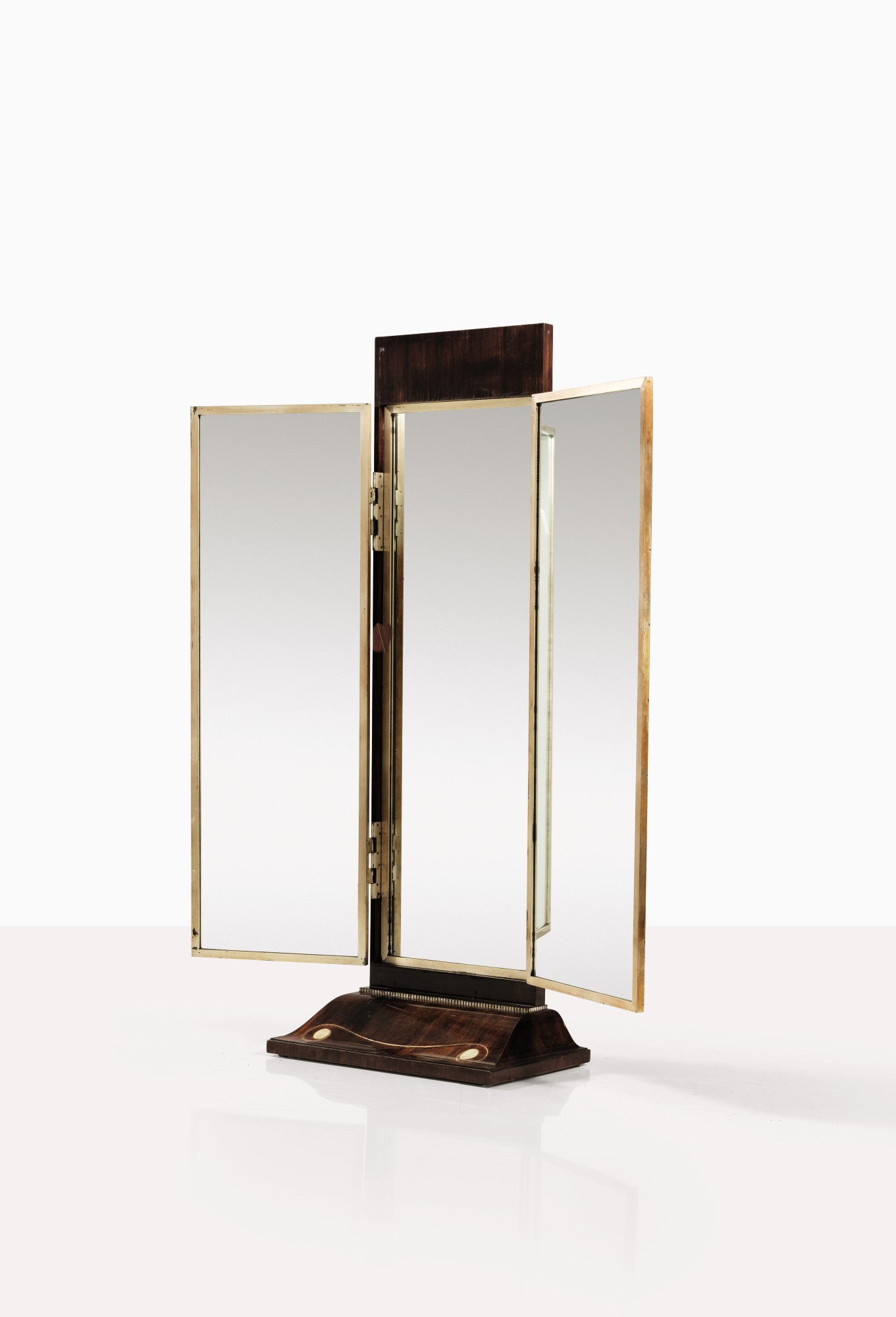
Decorative Arts Are Having Their Moment
When a pair of François Xavier Lalanne's sheep sculptures sold at Sotheby's Paris for well above their high estimate a few seasons ago, the room understood something had shifted. These were not works being collected as curiosities or as footnotes to more serious fine art. They were being fought over with the same urgency collectors once reserved for Impressionist paintings. The decorative arts, long dismissed by a certain corner of the academy as the lesser sibling of painting and sculpture, have arrived at a place of genuine cultural authority.
The Lalanne story is perhaps the most instructive. François Xavier and Claude Lalanne, that remarkable couple who worked for decades in a converted barn outside Paris, created objects that refused to behave according to category. Claude's bronzed cabbage bowls and sheep ottomans, François Xavier's rhinoceros bar and bird tables, these were functional, fantastical, and entirely sui generis. Their work now commands serious attention from both museum curators and collectors who once might have kept their passions narrowly focused on canvas.
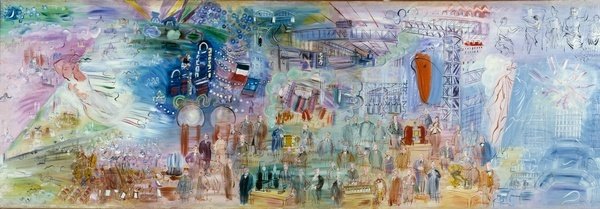
Raoul Dufy
La Fée Electricité, 1937
Claude Lalanne's presence on The Collection reflects just how central this body of work has become to any serious conversation about twentieth century French art. The museum world has been paying attention for some time. The Musée des Arts Décoratifs in Paris remains the institution most committed to making the critical case for this category, and its retrospectives over the past decade have consistently reframed what we thought we knew. Shows dedicated to Jean Dunand, the lacquerwork master whose pieces now appear regularly at auction alongside the finest Art Deco furniture, have helped a new generation of collectors understand that the division between fine and applied art is largely an invention of eighteenth century European aesthetics rather than a reflection of any meaningful hierarchy.
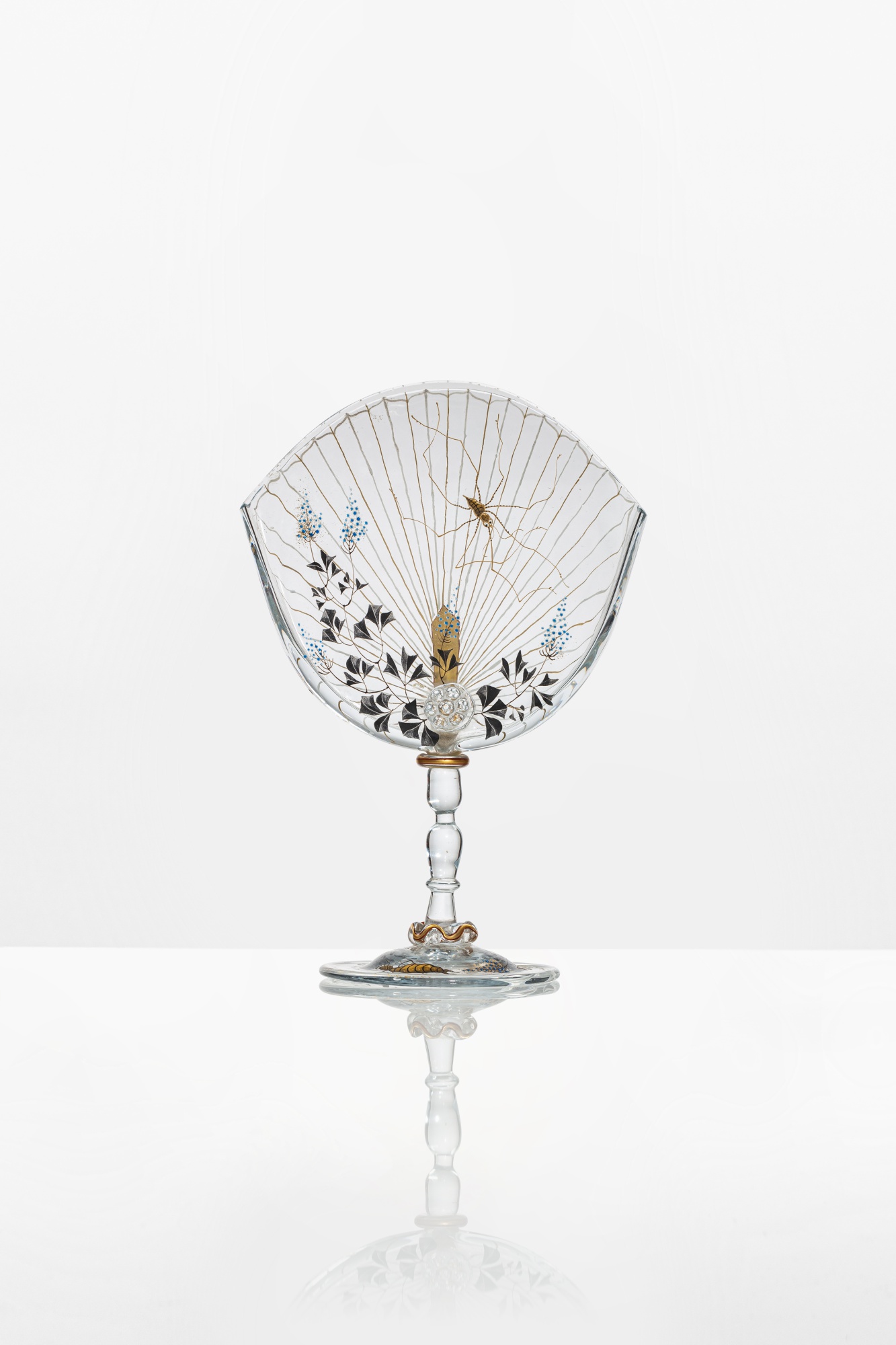
Dunand's extraordinary lacquered panels and vessels represent the kind of work that repays sustained looking. In the auction rooms, the results have been clarifying. Émile Gallé's glass, particularly the pieces with deeply carved naturalistic decoration from the 1890s and early 1900s, continues to find passionate buyers who understand that Gallé was operating at the absolute frontier of what craft could mean. Émile Jacques Ruhlmann's furniture, with its ivory inlay and rare wood veneers, routinely achieves prices that would make many painters envious.
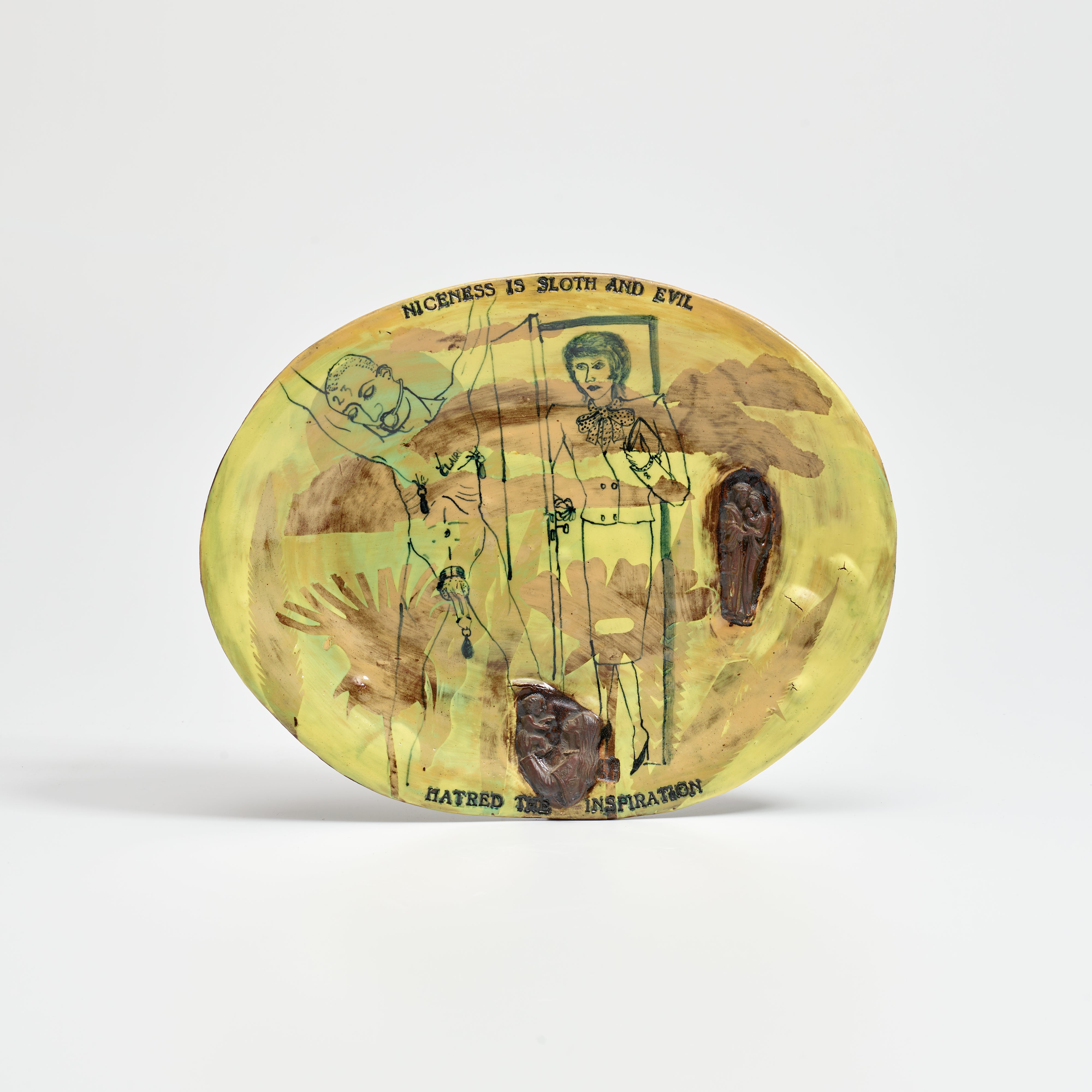
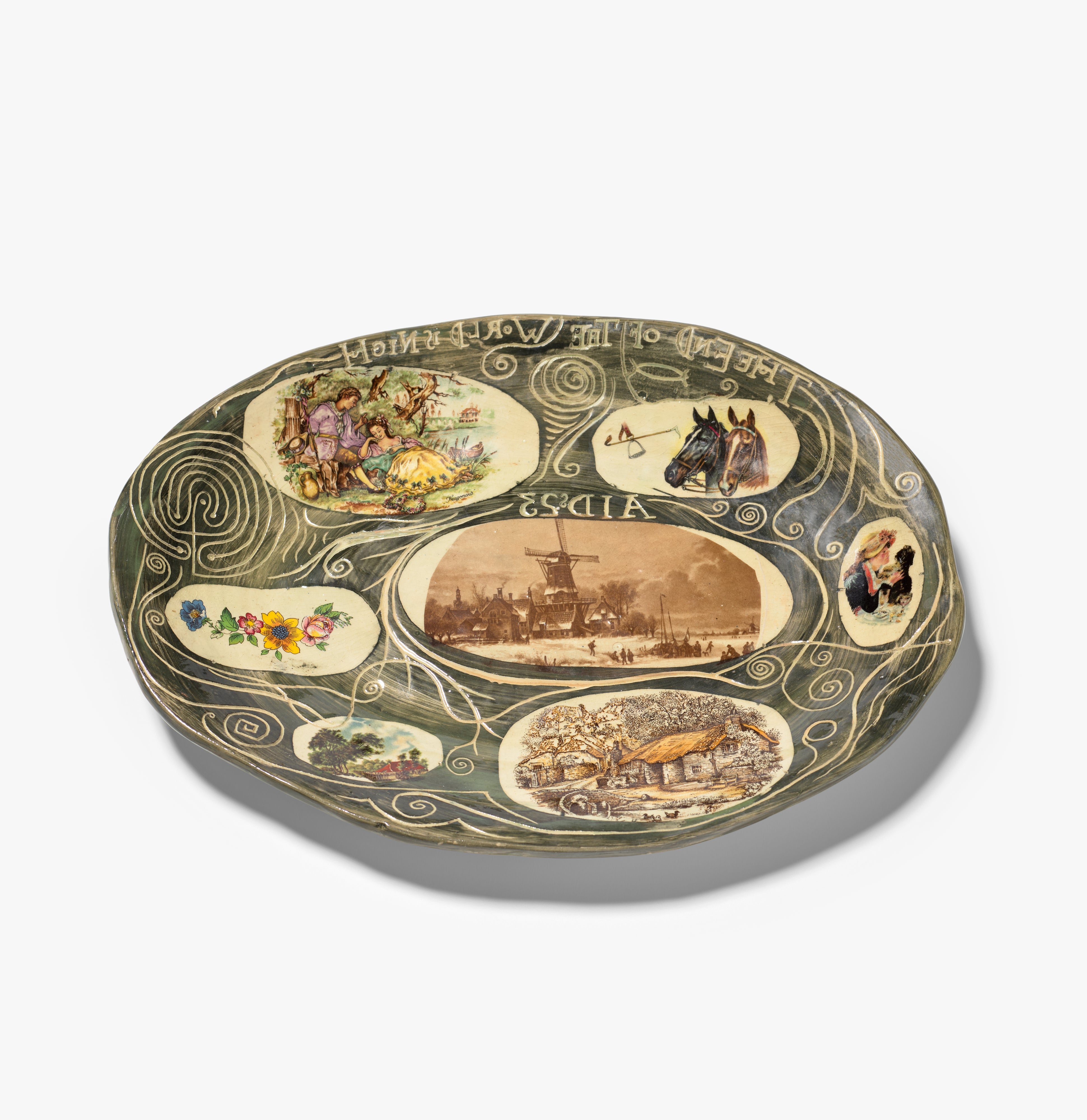
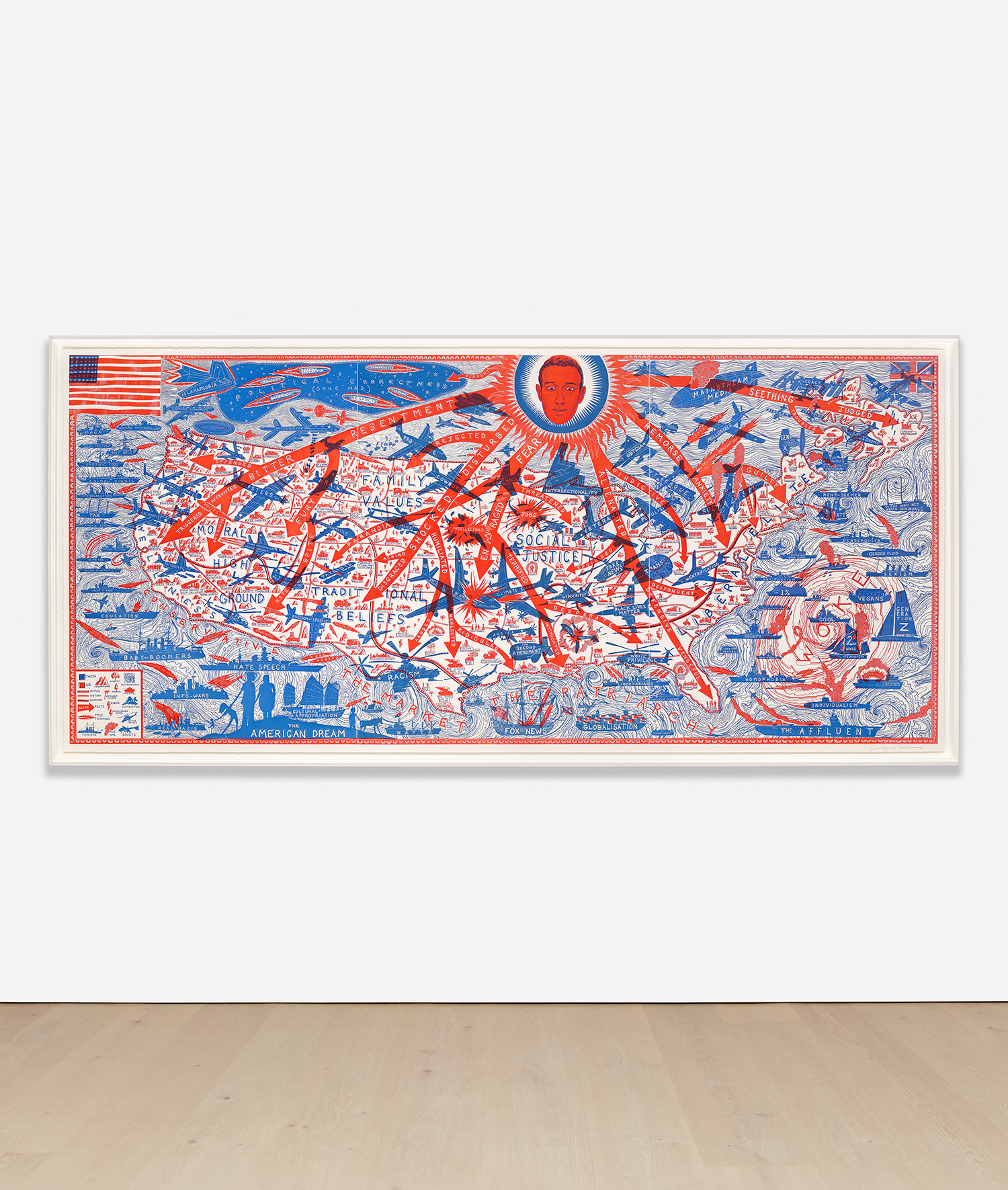
Grayson Perry
Niceness Is Sloth And Evil, 1980
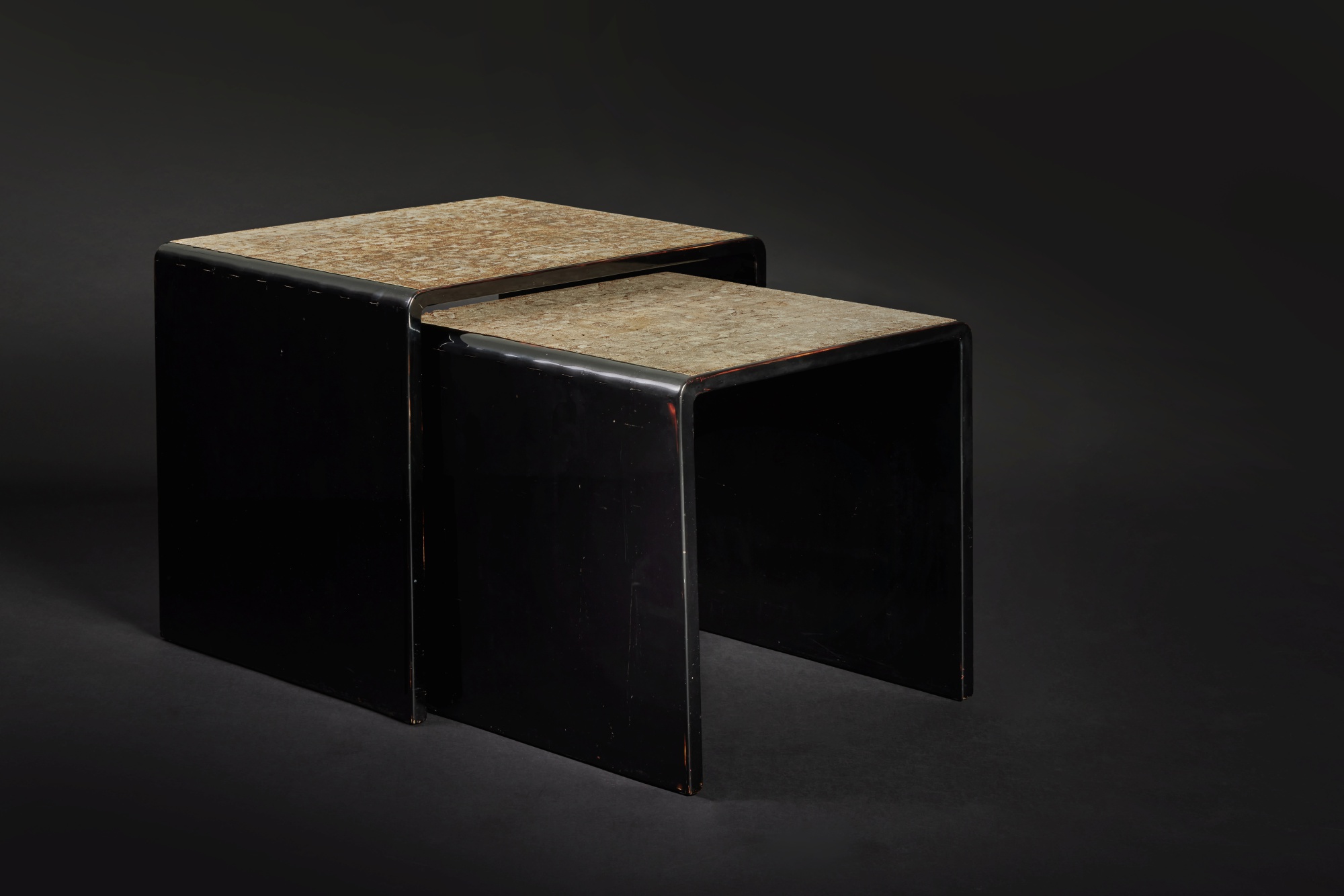
Jean Royère, whose bubbly and exuberant postwar furniture was for a long time considered too eccentric for mainstream collecting, has undergone a spectacular reassessment. His Ours Polaire sofa, a shapeless, generous, foam filled object that looks like furniture dreamed up by a surrealist, has become one of the most recognizable and sought after designs of the twentieth century. The collector who understood Royère fifteen years ago made one of the great quiet decisions of recent art market history. What the auction results reveal collectively is that collectors are no longer waiting for critical permission.
Armand Albert Rateau, whose bronze furniture for Jeanne Lanvin drew on classical antiquity in ways that felt both archaeological and entirely modern, represents exactly the kind of figure the market has been reconsidering. Paul Dupré Lafon, whose furniture was so refined and restrained that it almost disappears into the rooms it inhabits, is another name that serious collectors are quietly accumulating. Jean Michel Frank's severe, almost ascetic interiors, which influenced mid century American design far more than is generally acknowledged, feel newly urgent in a moment when minimalism is being reassessed through a more historically informed lens. The institutional collecting picture is equally telling.
![A Celadon And Brown Jade 'peach' Cup | Qing Dynasty, 19th Century [two Items] — Qing Dynasty, 19th Century [two Items]](https://rtwaymdozgnhgluydsys.supabase.co/storage/v1/object/public/artwork-images/auction-lots/L18213-20181031-lot36.jpg)
A Celadon And Brown Jade 'peach' Cup | Qing Dynasty, 19th Century [two Items]
Qing Dynasty, 19th Century [two Items]
The Metropolitan Museum of Art has steadily expanded its decorative arts holdings, and the way the American Wing and the European Sculpture and Decorative Arts department are programmed signals a genuine commitment to treating these objects with the same scholarly rigor as paintings. The Victoria and Albert Museum in London continues to be the great democratic institution of this world, one that has never accepted the hierarchy to begin with. When Grayson Perry, one of the most thoughtful artists working today, received his retrospective there, the show felt like a culmination of the museum's long argument that ceramics and textiles belong at the center of cultural history rather than its edges. Perry's work, which uses pottery and tapestry to navigate contemporary anxieties about class, identity, and belonging, sits in fascinating dialogue with historical decorative arts practice.
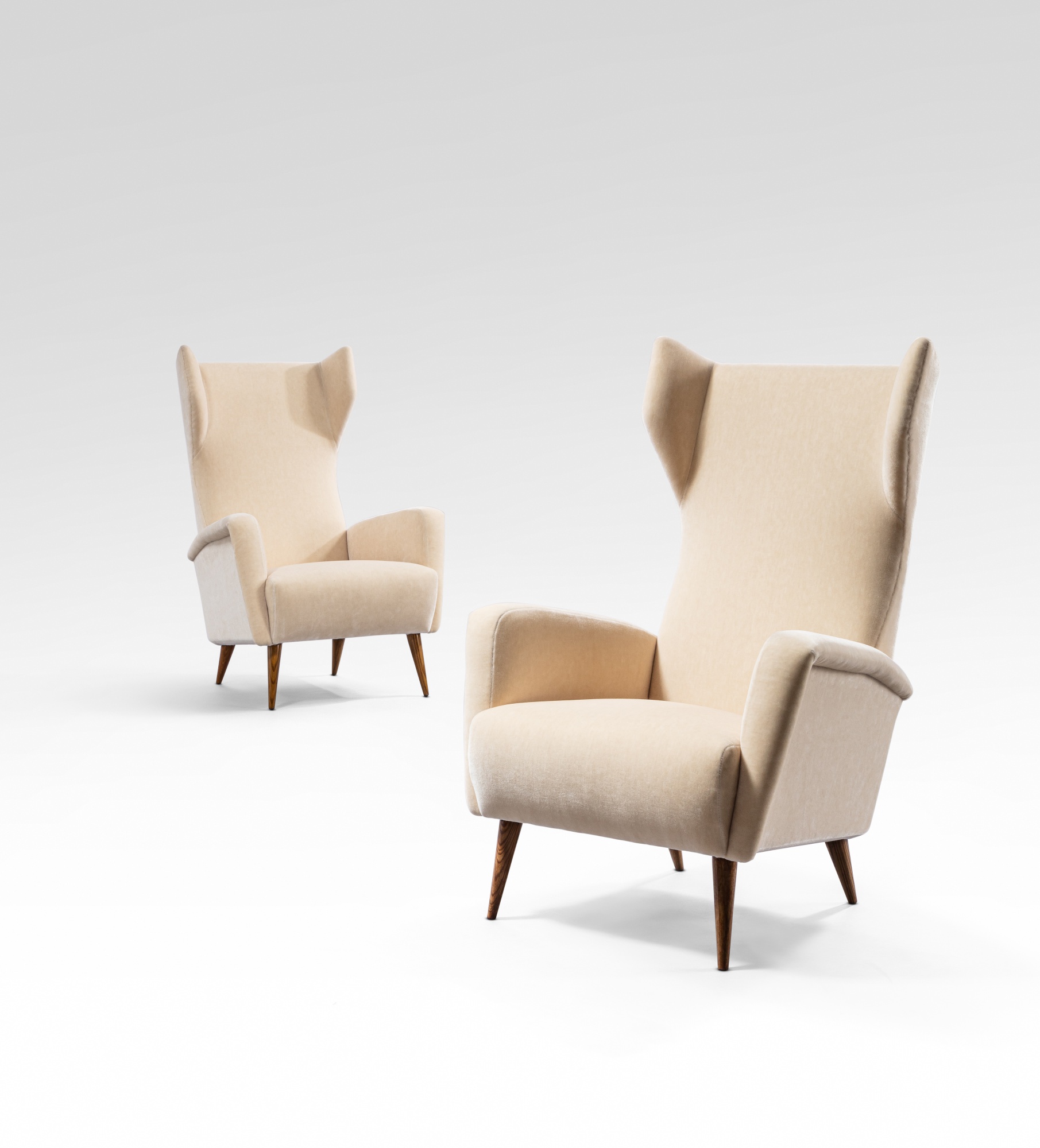
The critical conversation has become genuinely more interesting in recent years. Writers like Glenn Adamson, whose work on craft and making has brought real intellectual seriousness to bear on these questions, have helped shift the discourse away from connoisseurship and toward meaning. The journal Studies in the Decorative Arts, and more recently a generation of curators trained in both fine and applied traditions, have produced scholarship that no longer feels defensive. Gio Ponti, the great Italian polymath who designed everything from espresso machines to skyscrapers, is being read now as a total artist whose ceramics and furniture are inseparable from his architecture and editorial vision at Domus magazine.
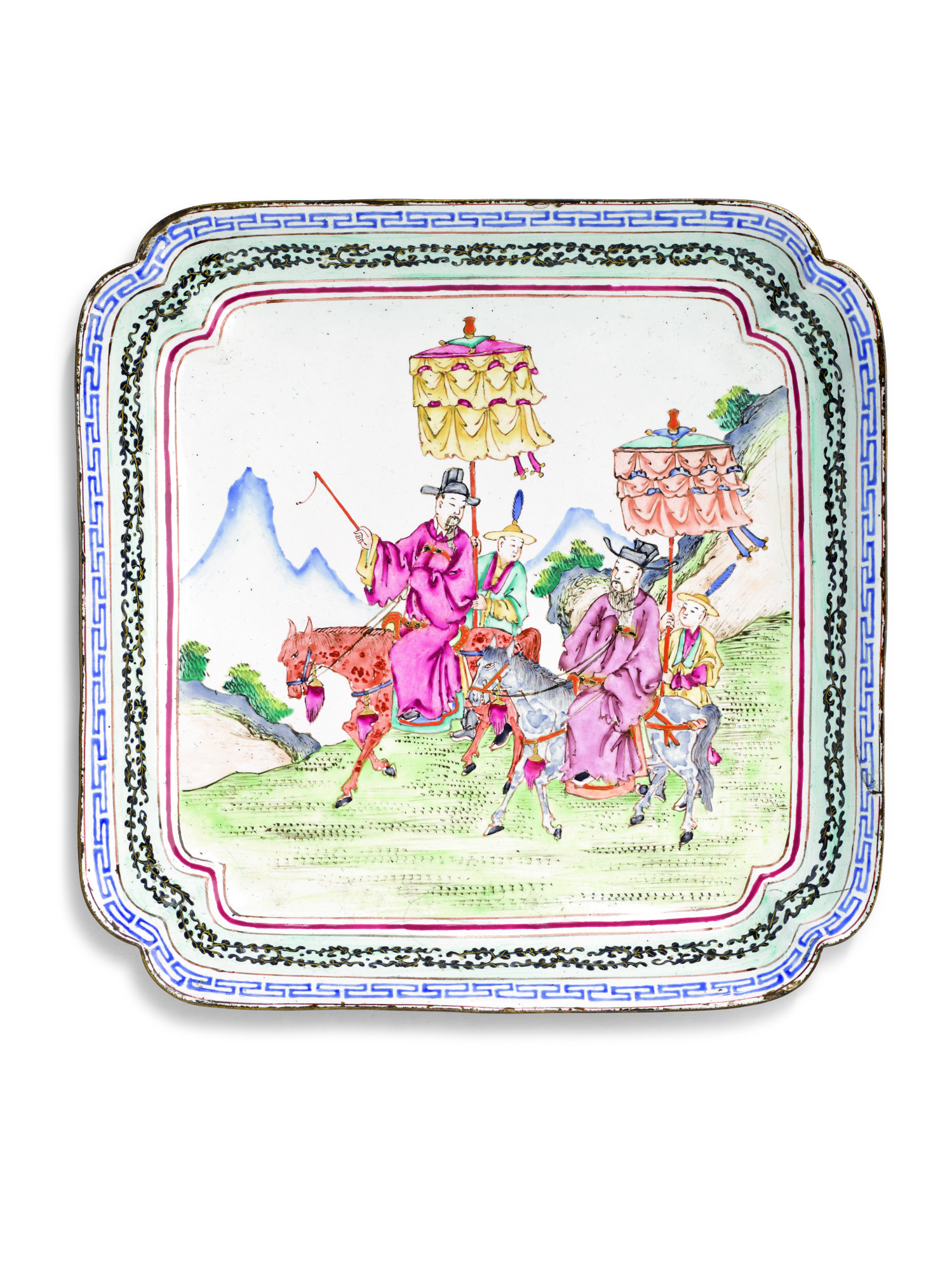
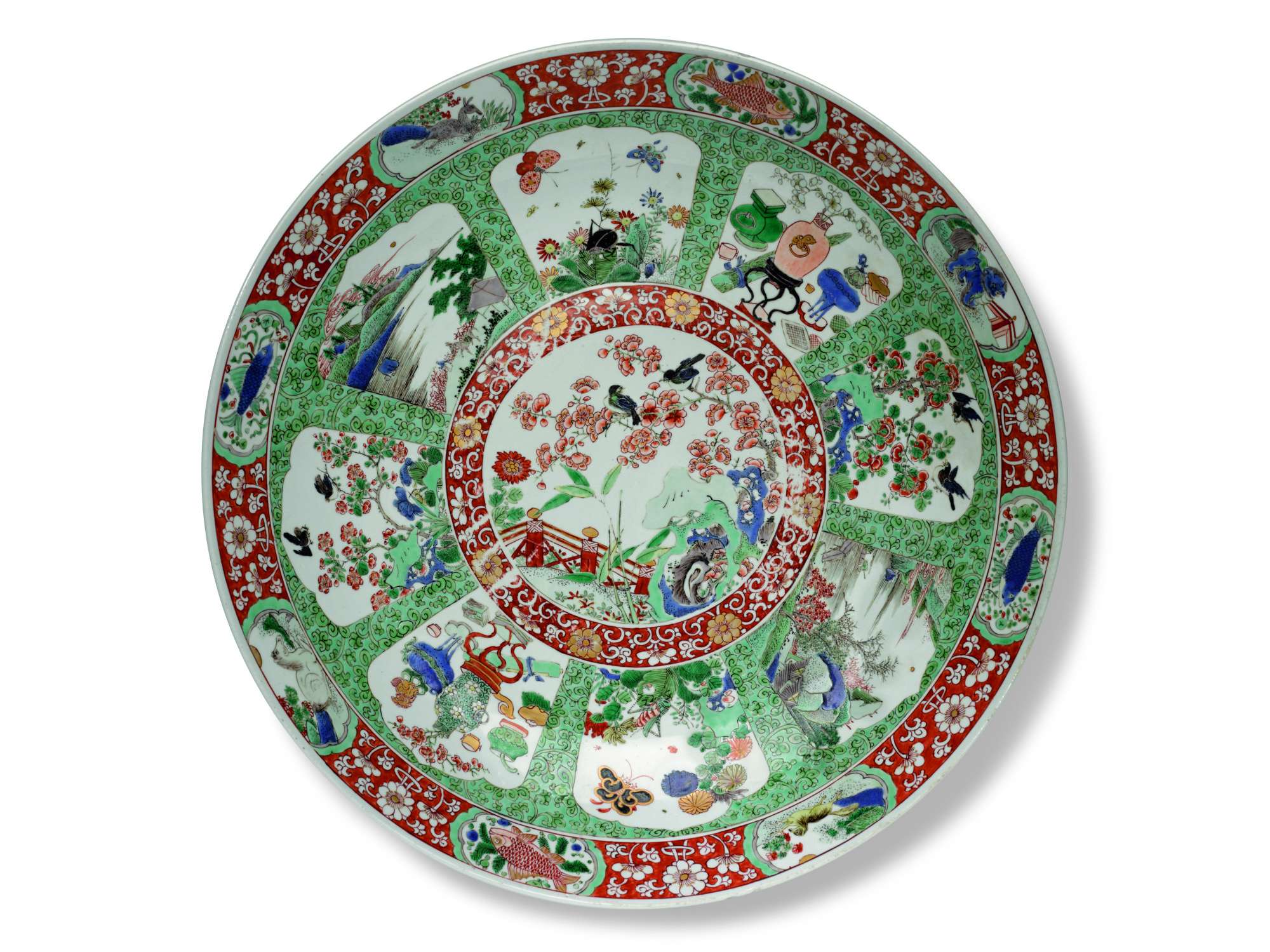
A Famille Rose Canton Enamel Dish | Qing Dynasty, Circa 1800
Qing Dynasty, Circa 1800
Ettore Sottsass, whose Memphis Group created objects that looked like Pop Art exploded into furniture, is being reassessed as one of the genuine provocateurs of the late twentieth century. Where is the energy heading. The honest answer is toward the anonymous and the historical. Some of the most interesting collecting conversations happening right now involve objects whose makers are unknown, whose attribution is uncertain, whose beauty exists independent of any signature or market narrative.
The richly lacquered Chinese export wares, the Japanese cloisonné enamels, the French faience that passed through aristocratic collections and emerged without documentation, these objects carry a different kind of charge. Ai Weiwei's engagement with Chinese ceramic traditions, which uses the authority of those historical forms to make arguments about power and memory, points toward one direction the conversation might go. The decorative arts have always known something that fine art is still learning, which is that the most important objects are often the ones that refuse to sit still in their categories.
![Unknown (Historical) — Qing Dynasty, 19th Century [two Items]](https://rtwaymdozgnhgluydsys.supabase.co/storage/v1/object/public/artwork-images/auction-lots/L18213-20181031-lot27.jpg)