Oil Painting
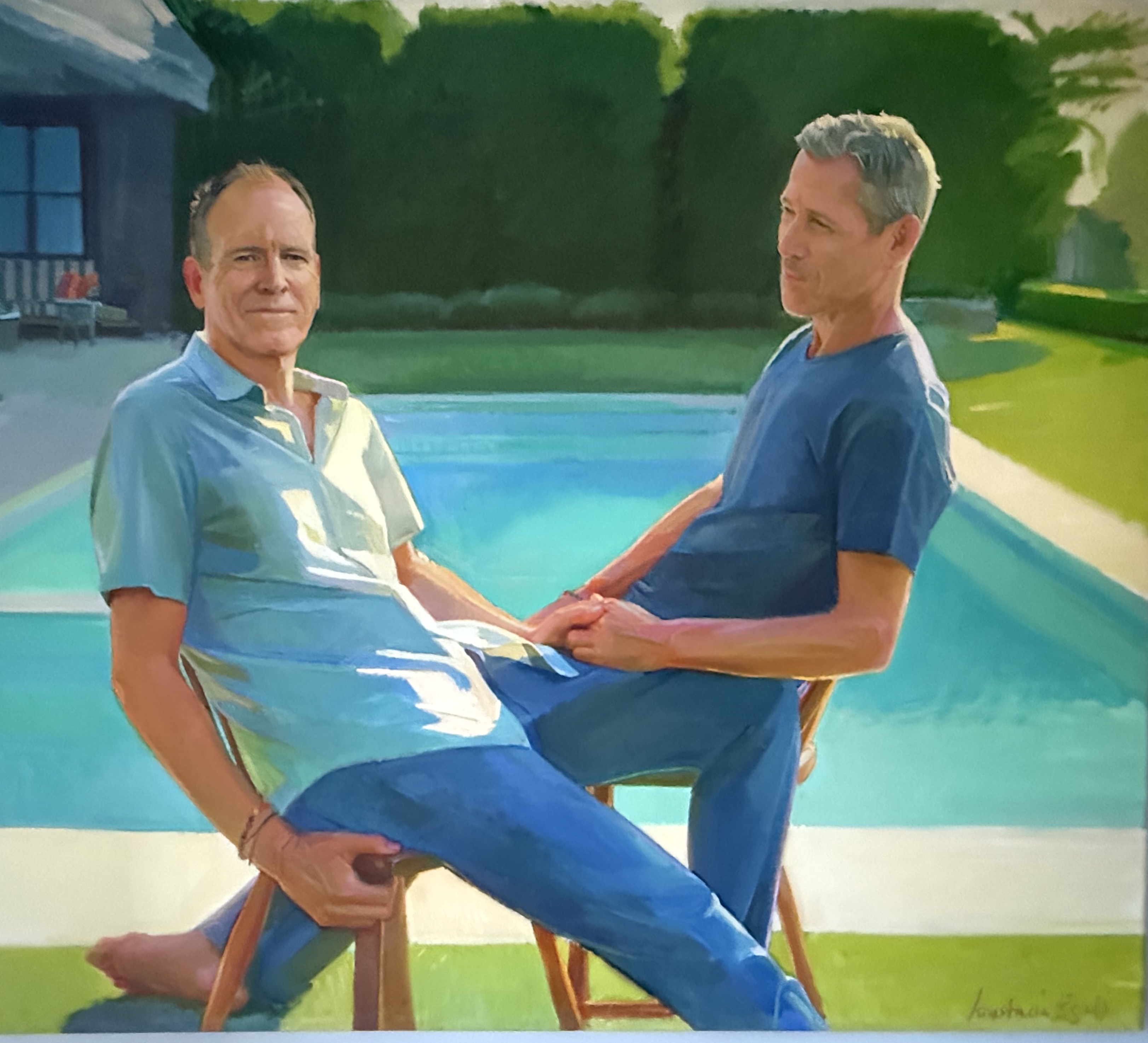
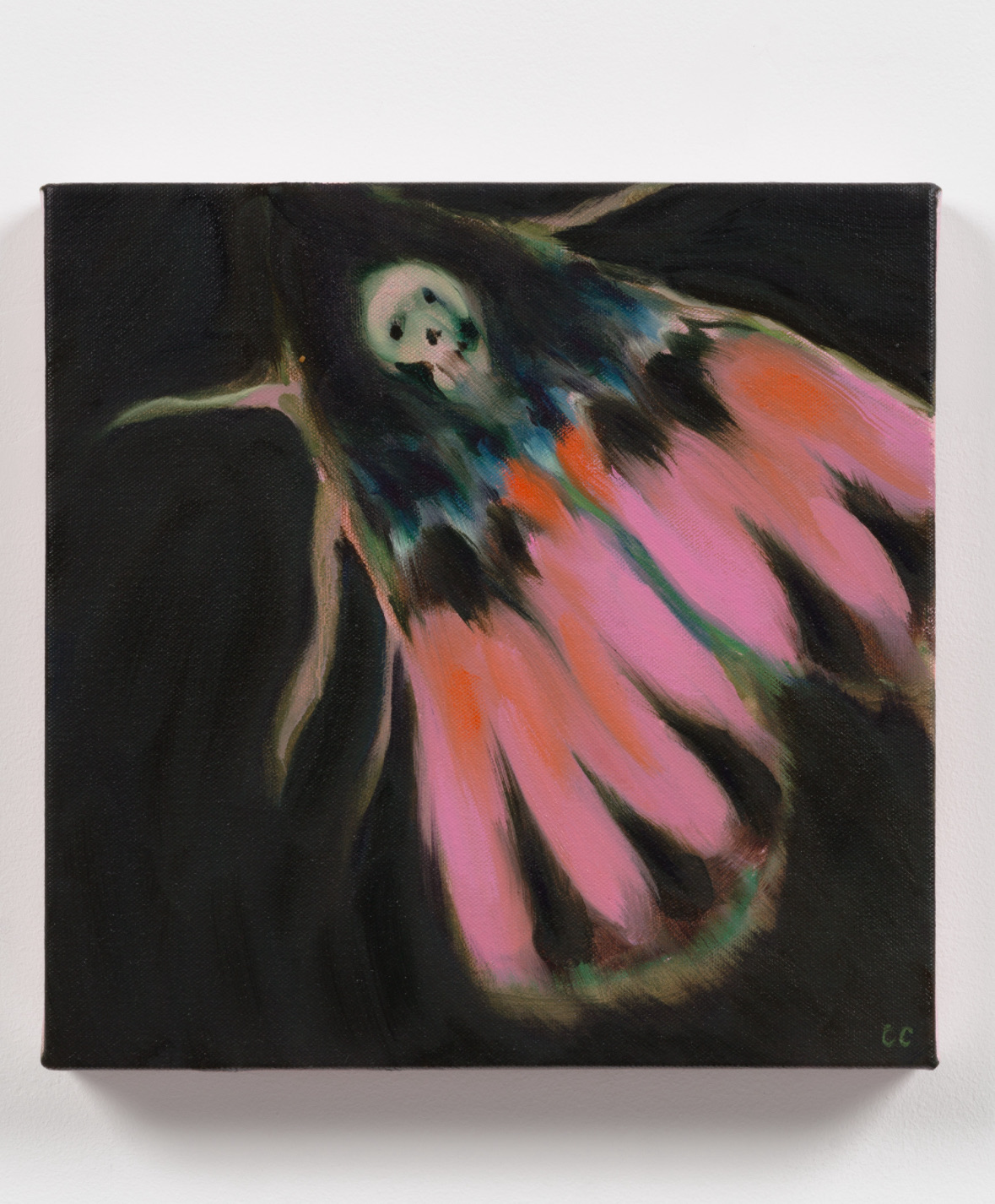
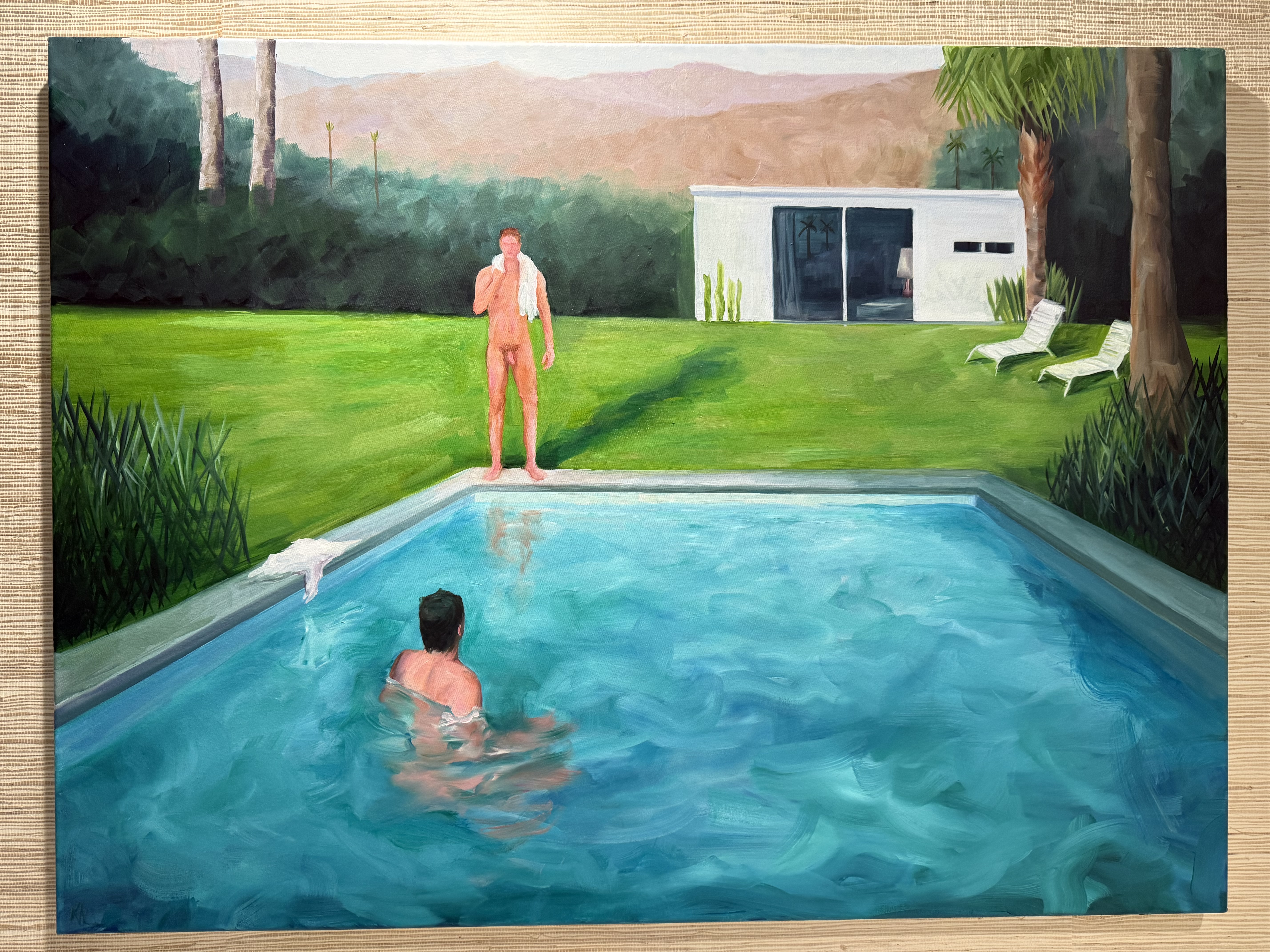
Anastasia Egeli
Jon and Harvey, 2021

Oil Paint Is Having Its Loudest Moment Yet
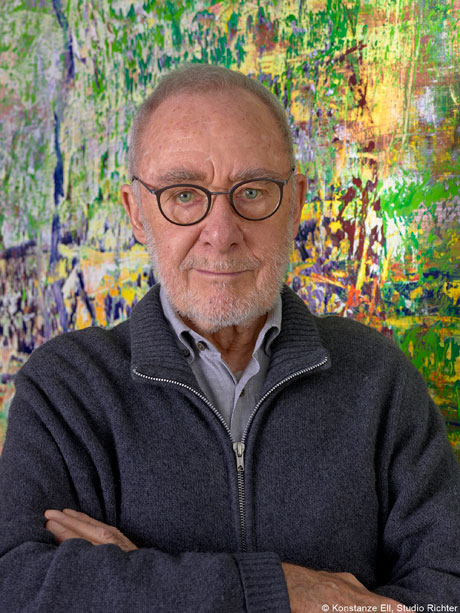
When Gerhard Richter's 'Abstraktes Bild' sold at Sotheby's London in 2012 for just over £21 million, setting a record for a living artist at auction at the time, the art world took it as confirmation of something collectors had quietly known for years: oil painting was not a relic of past centuries but the most contested and commercially vital terrain in contemporary art. That result reverberated through the market for a decade. It helped establish Richter as the defining figure in a broader reappraisal of painting's ambitions, and it opened the door for a new generation of painters whose work would command prices that once seemed unthinkable outside of blue chip Impressionism. The years since have seen auction houses treat oil painting with a kind of evangelical enthusiasm.
Christie's and Sotheby's have structured entire dedicated evening sales around the medium, framing painters like Adrian Ghenie and Cecily Brown not as niche critical darlings but as standard bearers for what serious collecting looks like now. Ghenie's expressionistic canvases, with their smeared and obliterated faces drawn from the darkest currents of twentieth century history, have climbed steadily at auction, with works regularly surpassing their high estimates. Brown, whose dense and sensuous surfaces draw equally on de Kooning and Rubens, has seen her market tighten considerably as institutional interest has caught up with the speculative enthusiasm of early buyers. The exhibition history behind this moment matters enormously.
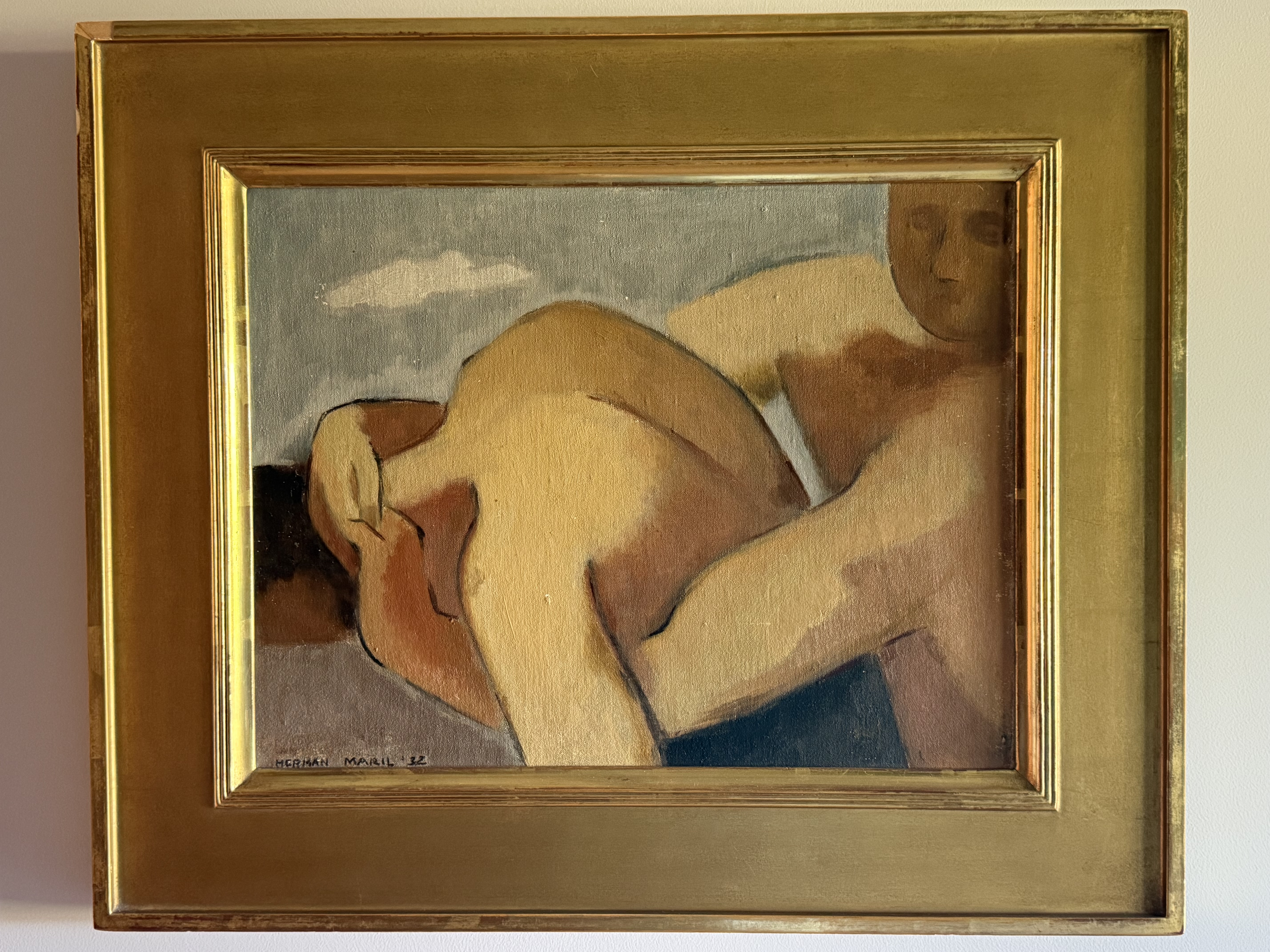
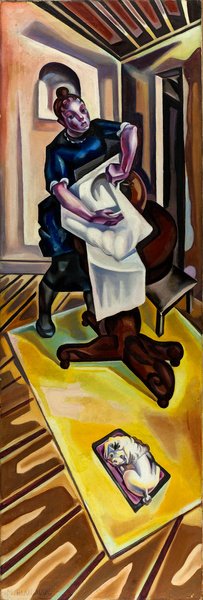
Herman Maril
The Wrestlers, 1932
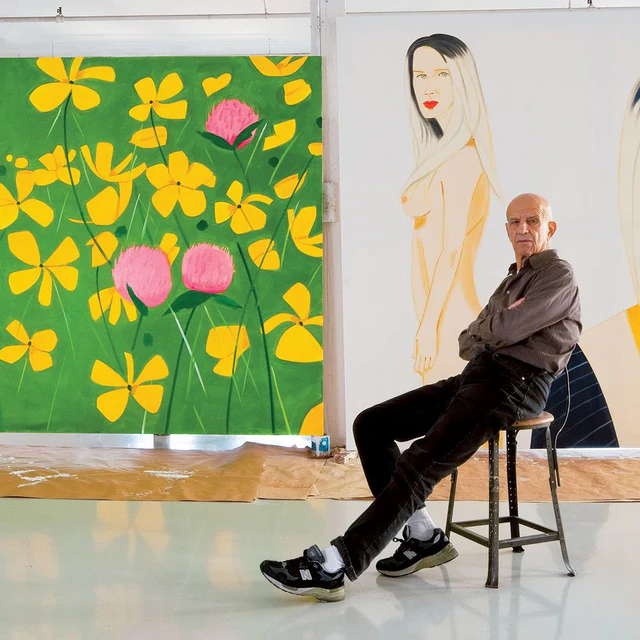
The Museum of Modern Art's 2012 survey of Gerhard Richter was a pivotal institutional statement, drawing enormous crowds and cementing the critical case for painting as the medium through which the twentieth century's traumas and uncertainties could be most fully examined. More recently, the Tate Modern's retrospective of Alex Katz in 2023 felt like a kind of coronation. Katz had spent decades being admired more than celebrated, his flat and luminous figures somehow too cool for critical embrace and too elegant for the raw expressionist tradition that dominated critical conversation. The Tate show changed the terms entirely, positioning him as a foundational influence on generations of figurative painters.
What institutions are buying tells its own story. The Broad in Los Angeles, the Fondation Louis Vuitton in Paris, and the Pinault Collection have all made oil painting central to their acquisition strategies in recent years, with particular attention to artists who sit at the intersection of figuration and abstraction. Julian Schnabel's plate paintings have found their way into major European collections, appreciated now not as the bombastic gestures they were once dismissed as but as structurally inventive works that anticipate many of painting's current preoccupations. The Menil Collection in Houston continues to deepen its holdings in painters whose work resists easy categorization, and the result is a kind of institutional consensus that painting is where the serious money and the serious thinking are converging.
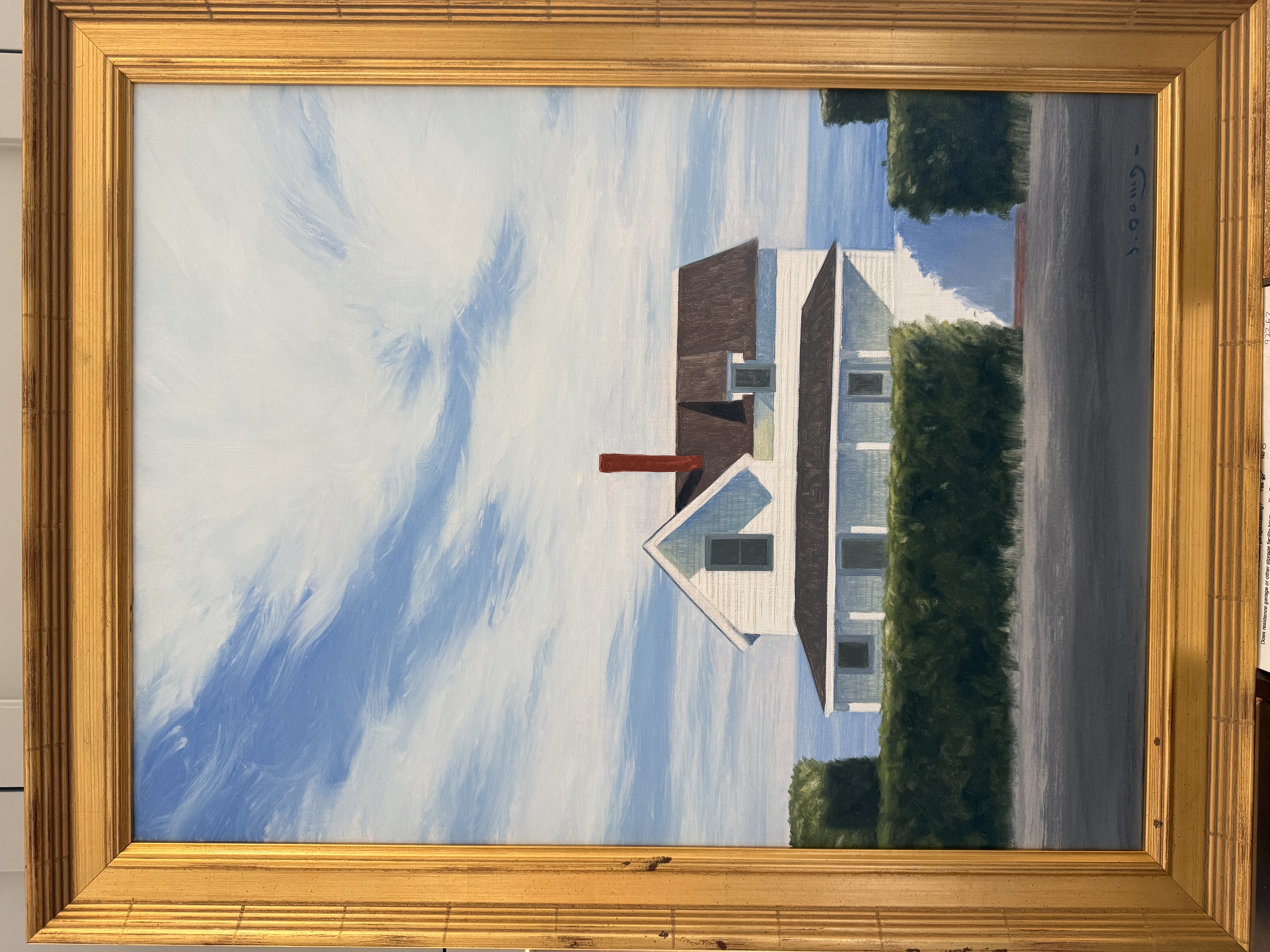
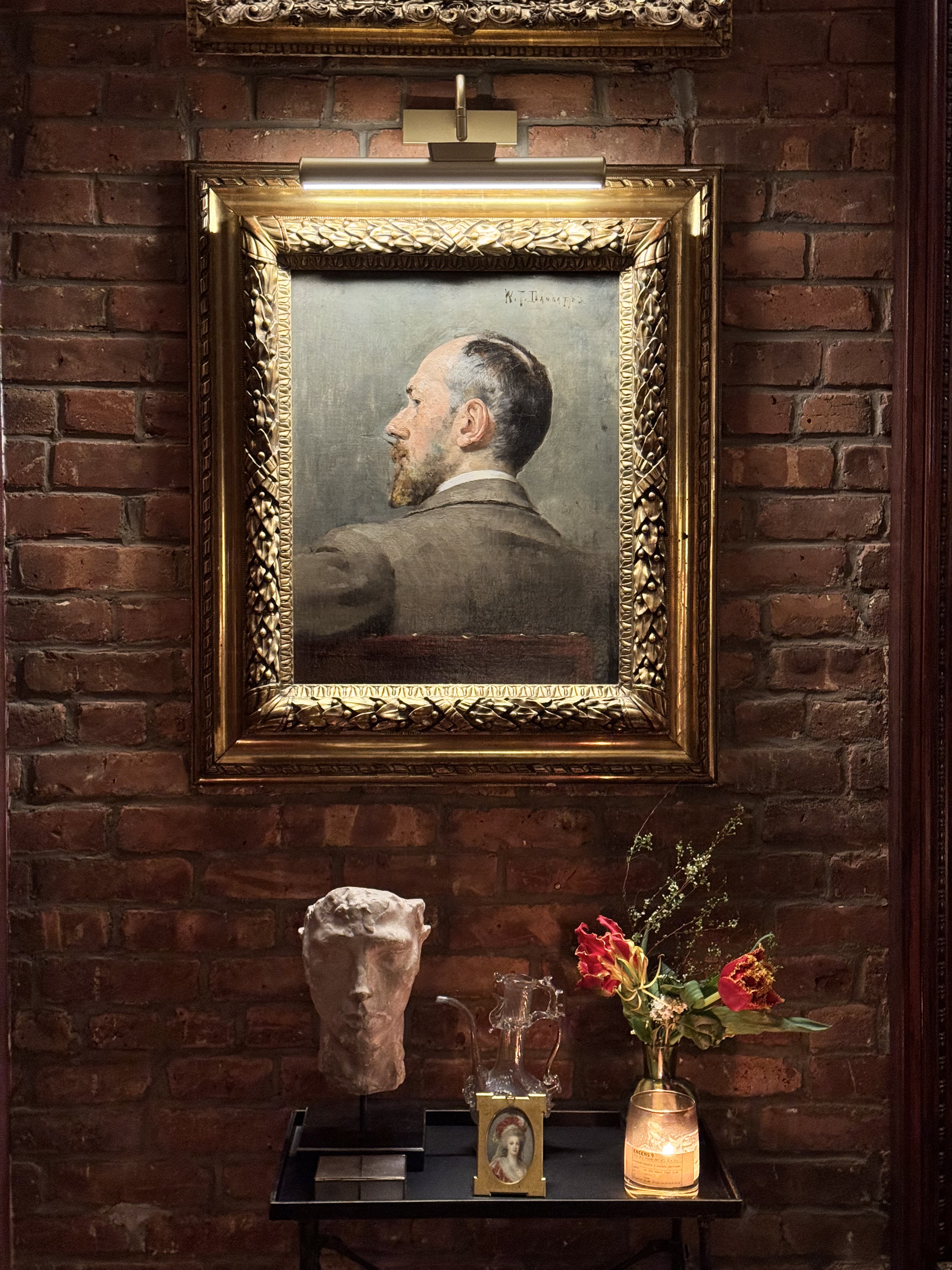
John Dowd
On the Bay
The critical conversation has shifted in genuinely interesting ways. Writers like Hal Foster and critics associated with October magazine spent much of the 1980s and 1990s building an argument that painting was complicit in commodity culture in ways that other practices were not. That argument has not disappeared, but it has lost its urgency as younger critics and curators have found more nuanced frameworks. The Norwegian born critic and curator Gunnar B.
Kvaran, along with writers contributing to Frieze and Artforum, have helped articulate what is genuinely at stake when painters like Miriam Cahn or Shara Hughes make pictures: questions of perception, embodiment, and the specific knowledge that comes from working slowly with a physical material in a culture defined by speed and dematerialization. The Barbizon tradition and the Impressionist inheritance remain deeply relevant to where the market sits today. Works by Camille Pissarro and Pierre Auguste Renoir continue to perform well at auction precisely because they represent a kind of foundational literacy for collectors. But the more interesting conversation is happening around artists who absorbed that tradition and transformed it.
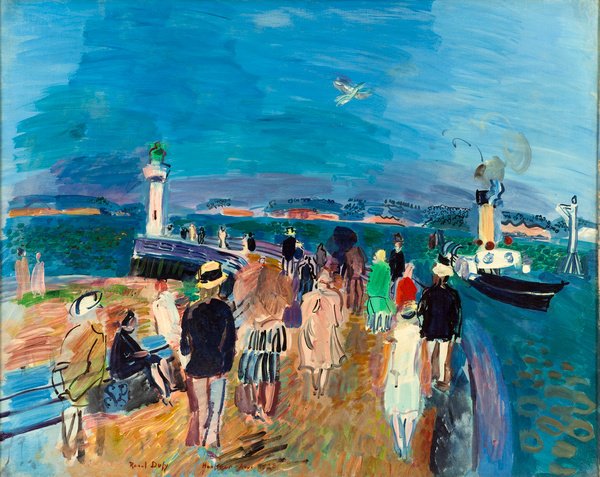
Raoul Dufy
La jetée de Honfleur, 1928
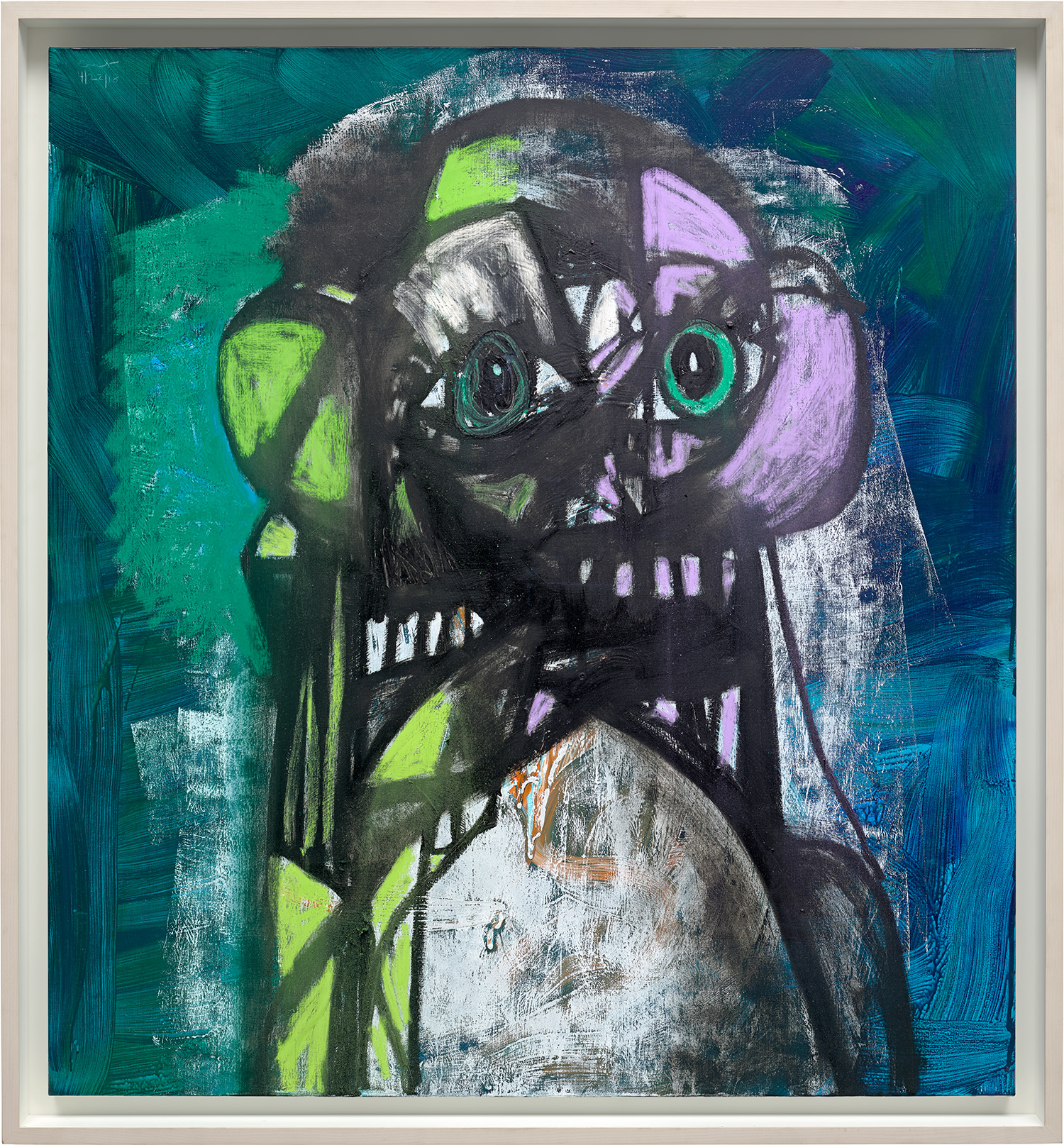
Raoul Dufy's exuberant color fields, well represented on The Collection, offer a bridge between Post Impressionist freedom and the decorative ambitions that resurface in painters working today. Lê Phổ, the Vietnamese born painter trained in Paris whose work blends Impressionist light with Vietnamese motifs, has seen genuine reappraisal in recent years, with auction prices rising as institutions and collectors reckon with the full geography of modernism rather than its narrowly Eurocentric version. What feels alive right now is anything that resists the algorithmic. Collectors who spent the last decade chasing the newest names are coming back to painters who have sustained long practices: George Condo's disfigured psychological portraits, John Currin's technically astonishing and deliberately uncomfortable figures, Georg Baselitz's inverted canvases that never stop asking fundamental questions about what a painting is.
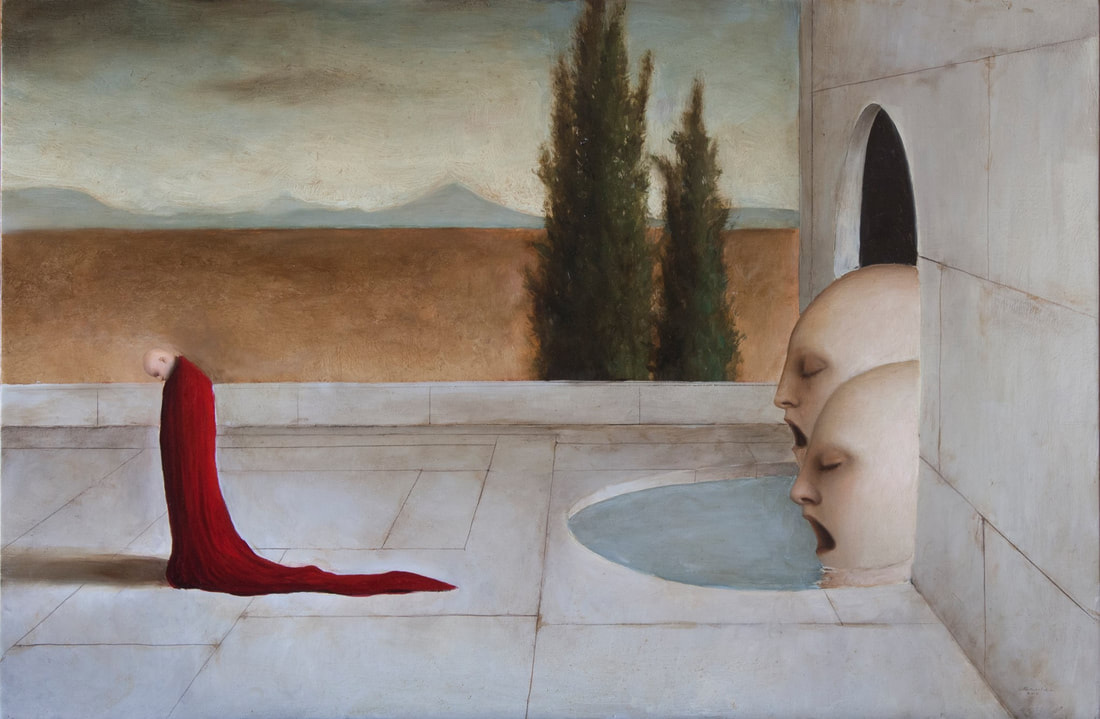
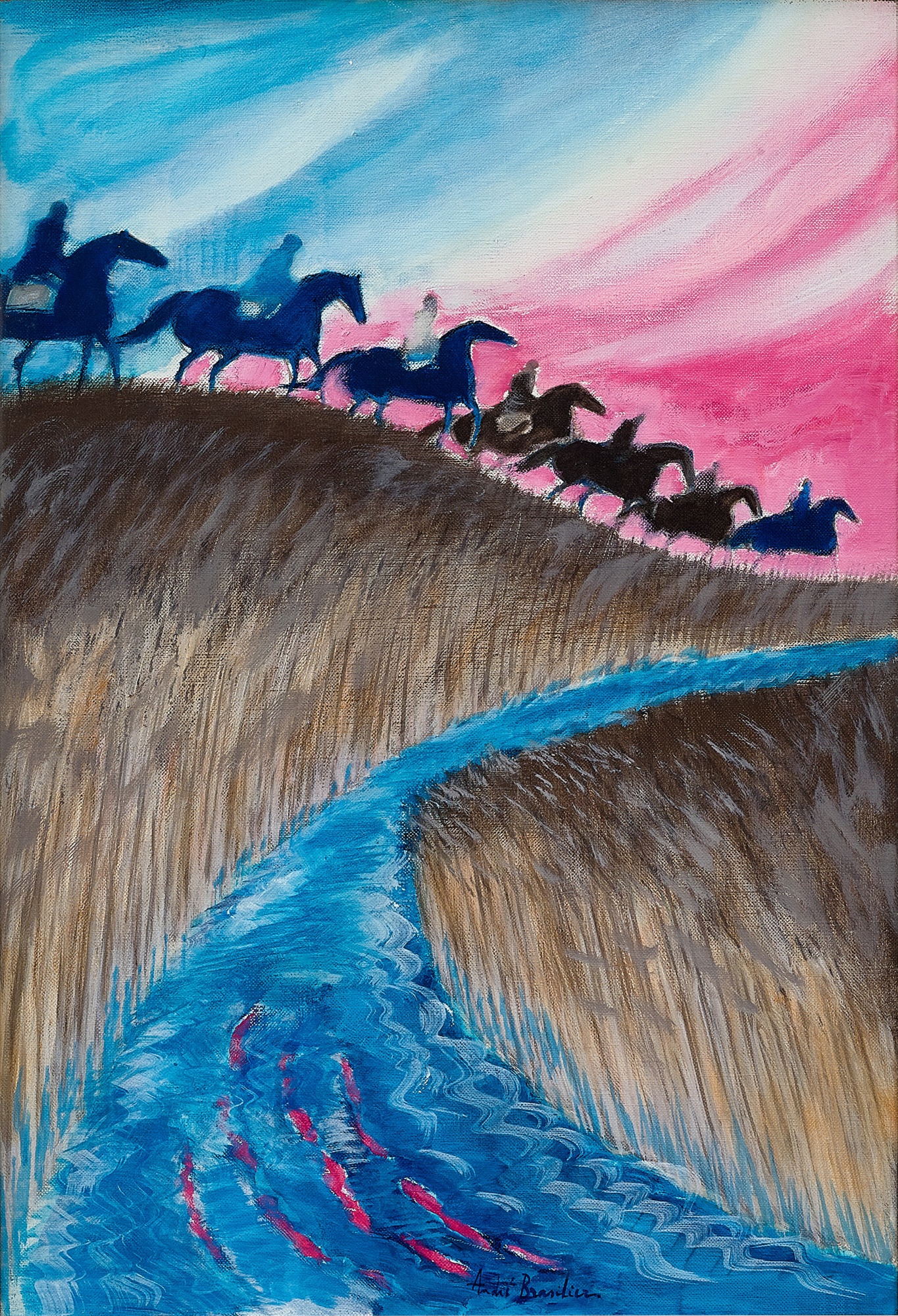
There is also renewed attention to the Surrealist legacy, with René Magritte and Salvador Dalí continuing to draw serious buyers who understand that the market for canonical modernism is not saturated but simply requires patience and genuine connoisseurship. The surprise, if there is one, is how much energy is gathering around painters who work outside the major market centers. Alessandro Sicioldr, the Italian figurative painter whose dreamlike and technically meticulous canvases have built a devoted following, represents a mode of painting that bypasses trend entirely in favor of a kind of private intensity. André Brasilier, whose equestrian and pastoral scenes carry an almost meditative calm, has found collectors who value sustained vision over market volatility.
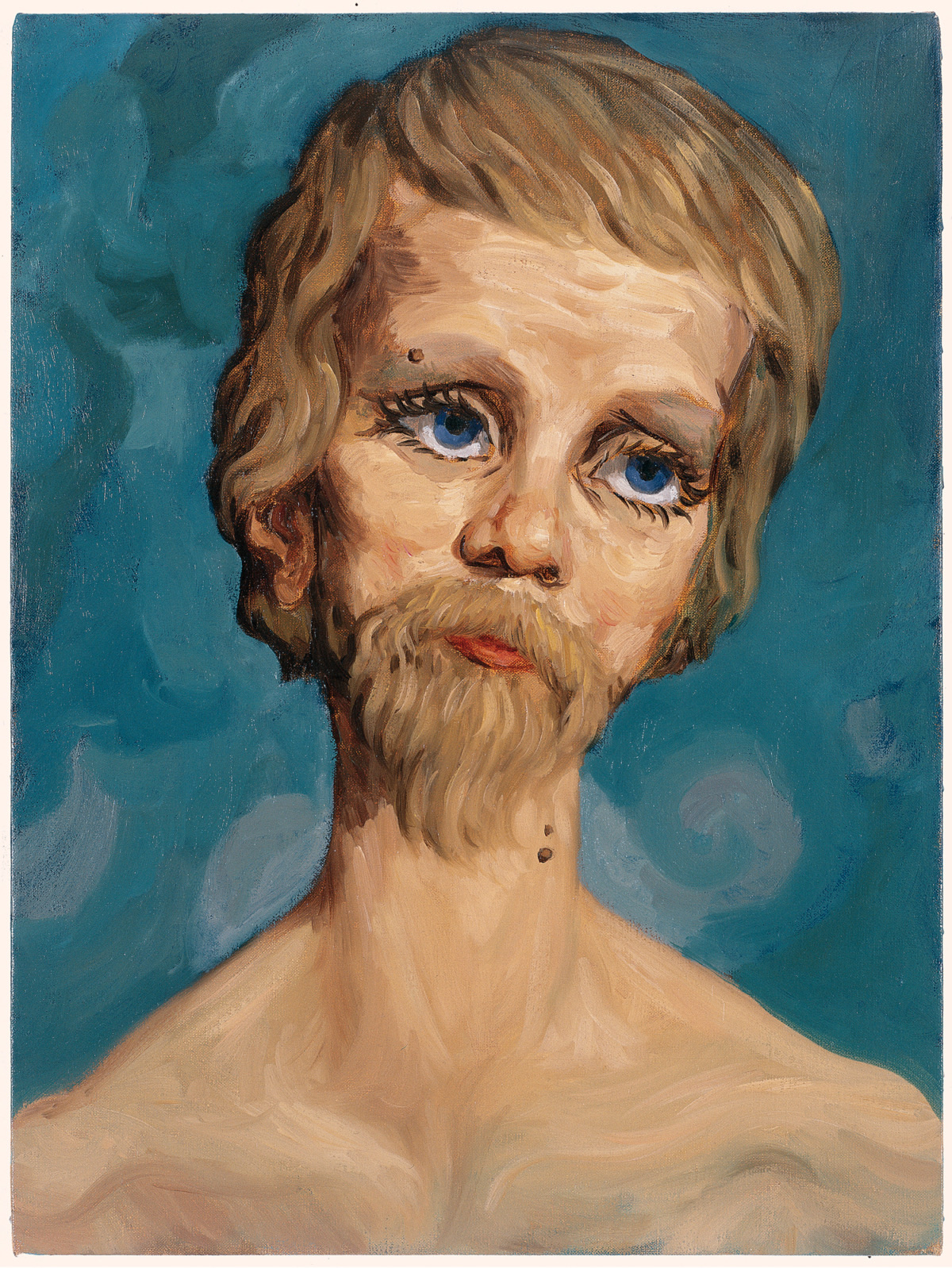
John Currin
Innocent, Loser, Prophet, 1995
These are not names that dominate auction headlines, but they appear consistently on platforms where serious collectors do their actual looking, which is perhaps the better signal of where lasting value accumulates. Oil painting, in the end, rewards exactly the kind of attention that the market's noise makes difficult but never quite impossible to sustain.