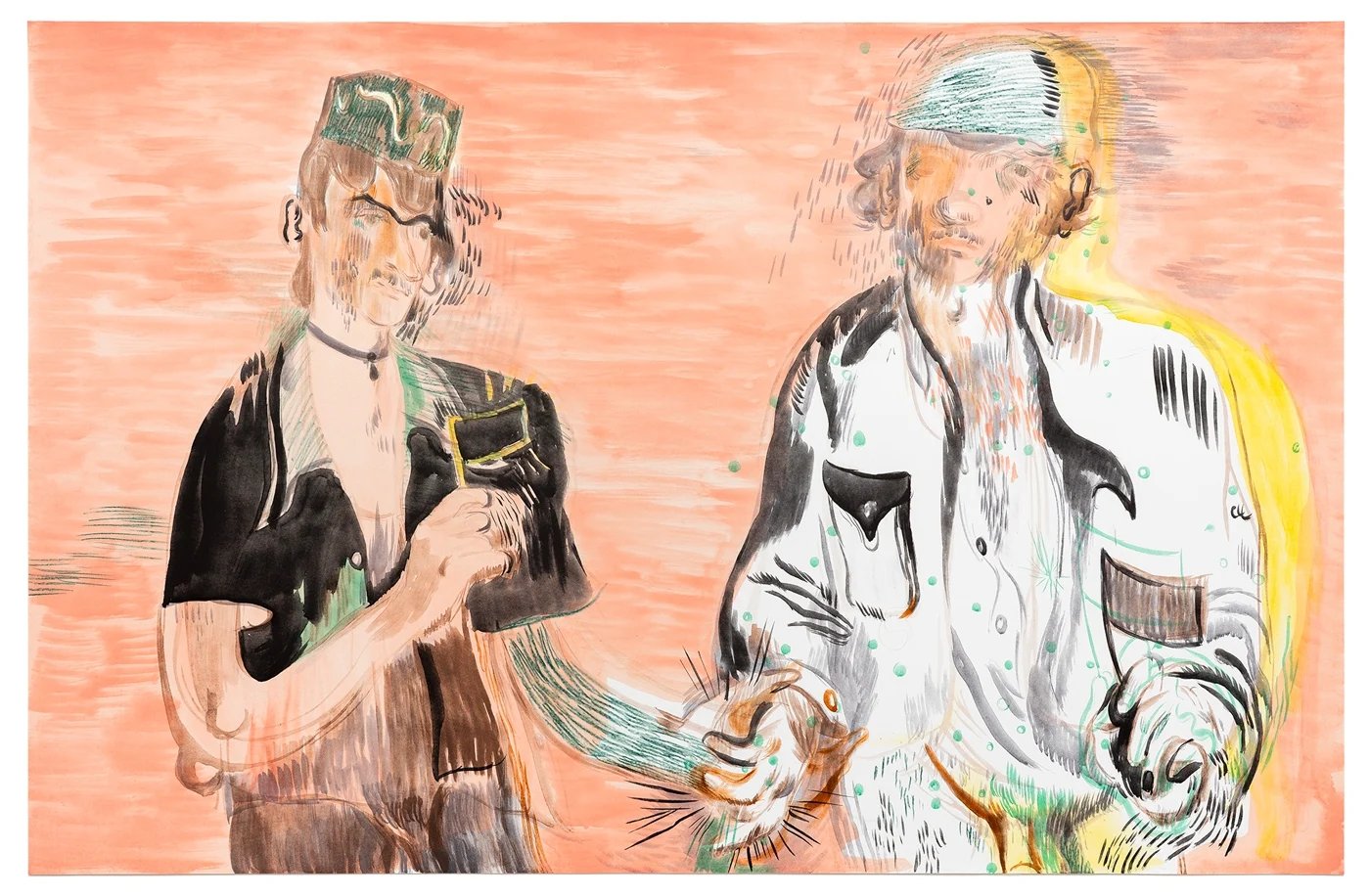
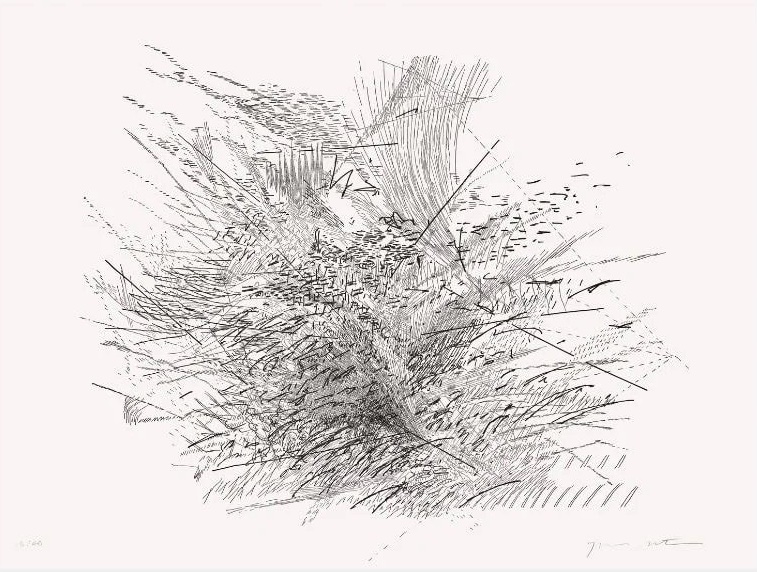
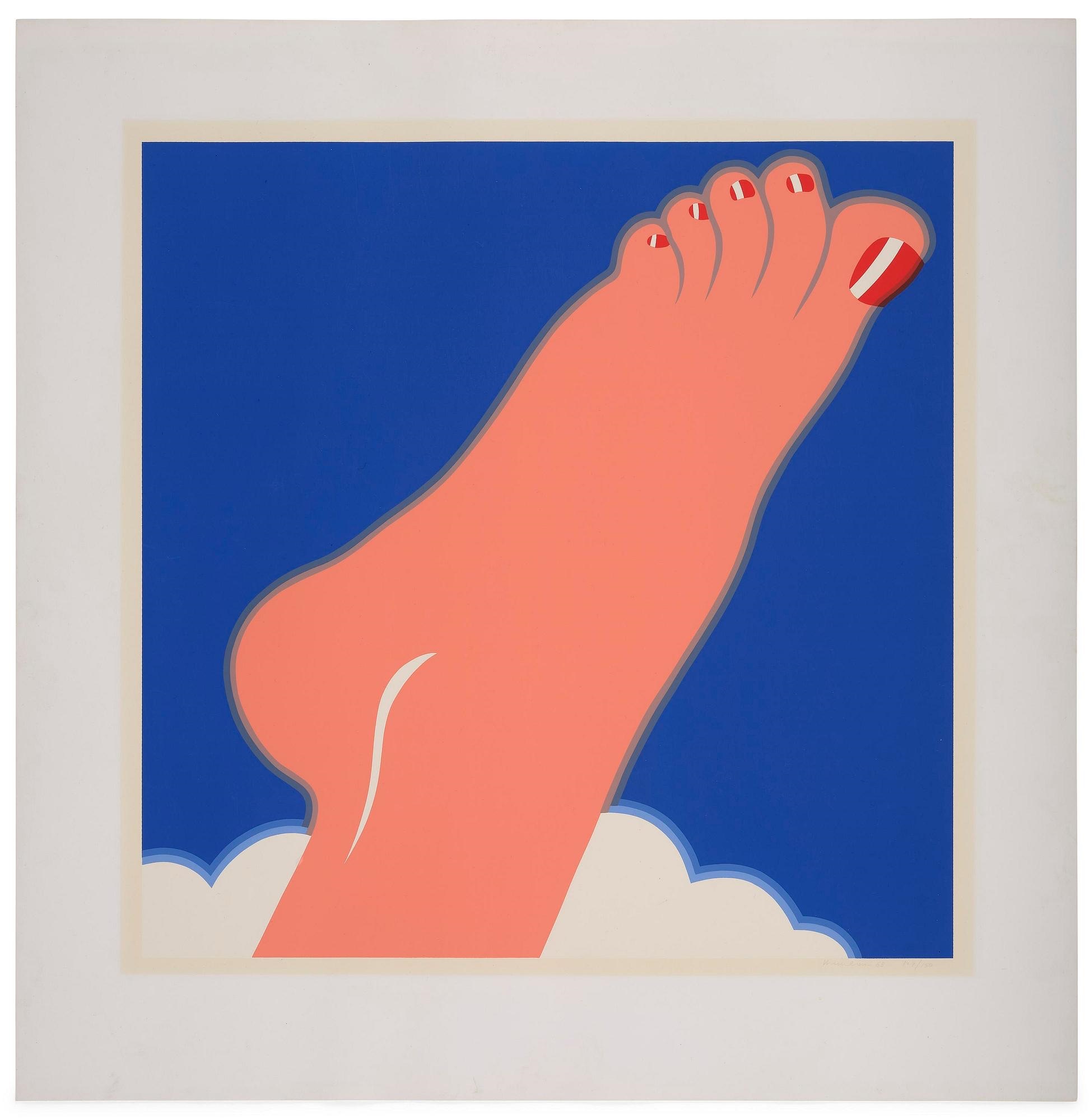
Modernism
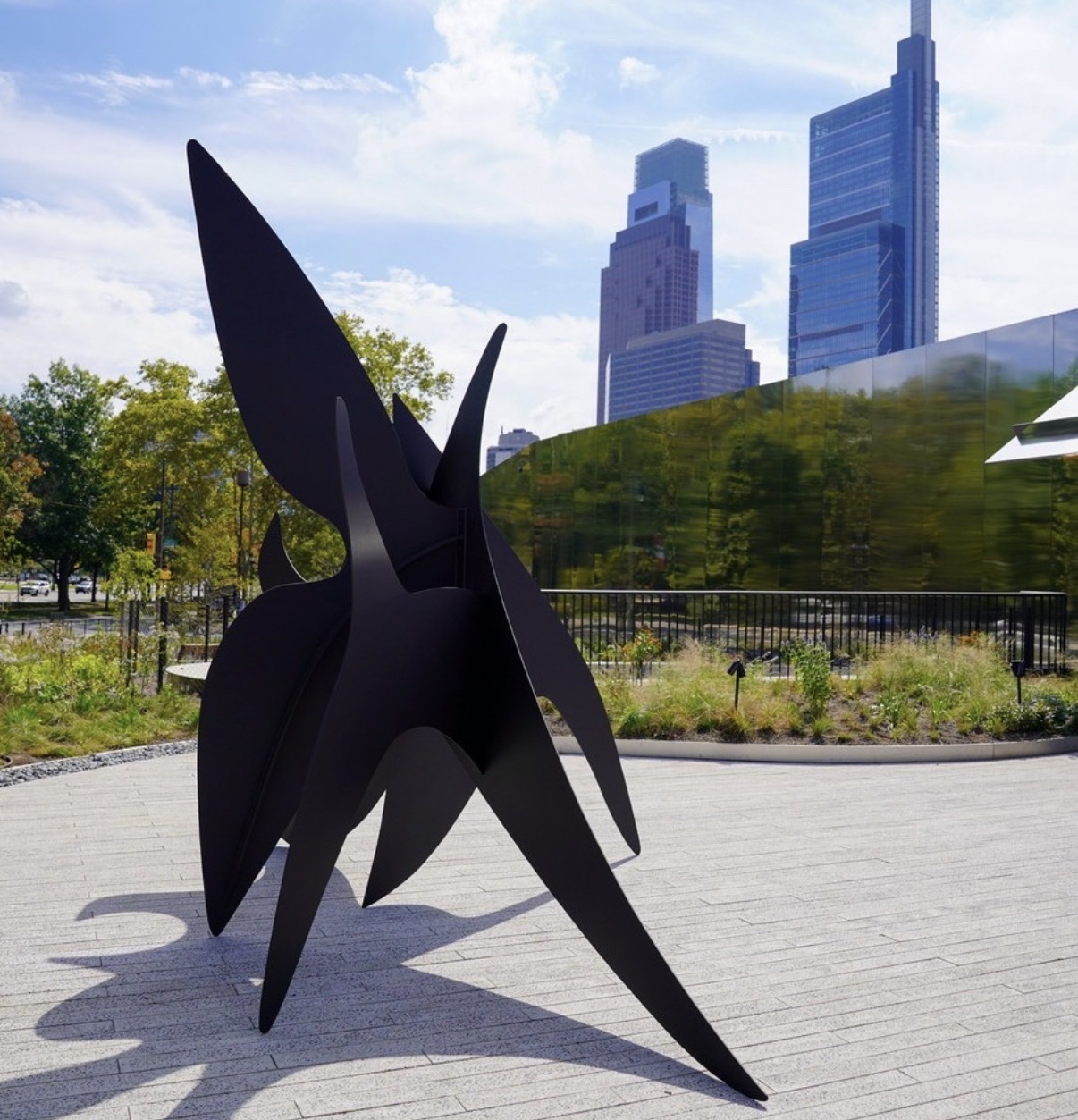
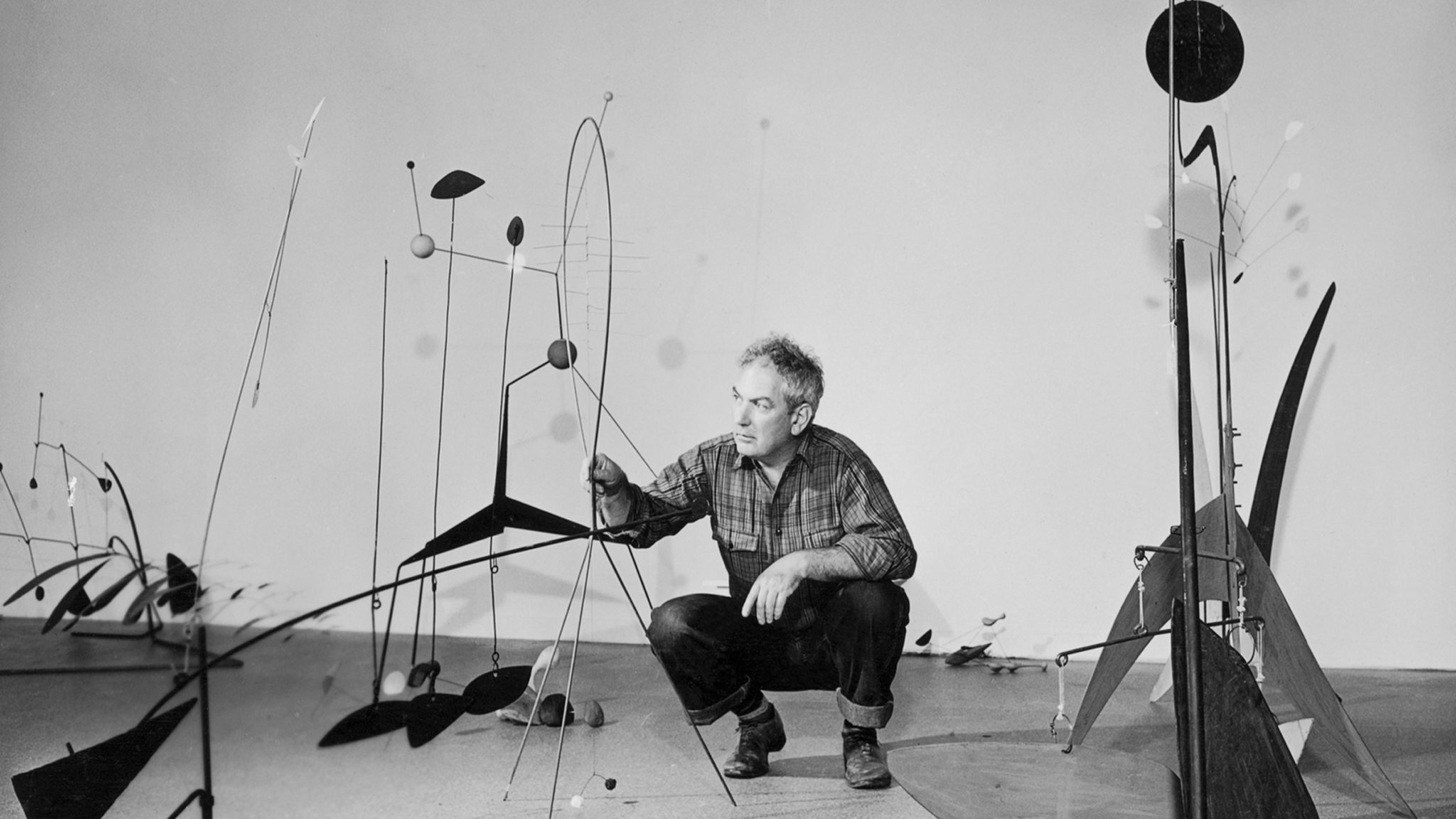
Alexander Calder
Untitled

Modernism Is Not Over. It Never Was.
When Picasso's 'Femme assise près d'une fenêtre (Marie Thérèse)' sold at Christie's New York in May 2021 for just over 103 million dollars, the room went quiet in that particular way rooms do when a number confirms something everyone already suspected. The appetite for canonical Modernism was not softening. It was, if anything, sharpening into something more focused, more deliberate, and more expensive. That result was not an outlier.
It was a signal. The past several years have seen Modernism reassert itself at the top of the market with a confidence that younger movements are still building toward. Works by Henri Matisse, Pablo Picasso, and Joan Miró continue to dominate evening sales at the major houses, and the secondary market for figures like Alexander Calder and Constantin Brâncuși has grown steadily as collectors recognise that truly great examples of their sculpture rarely come available. A Calder mobile of genuine scale and presence is, at this point, an institutional object that happens occasionally to pass through private hands.
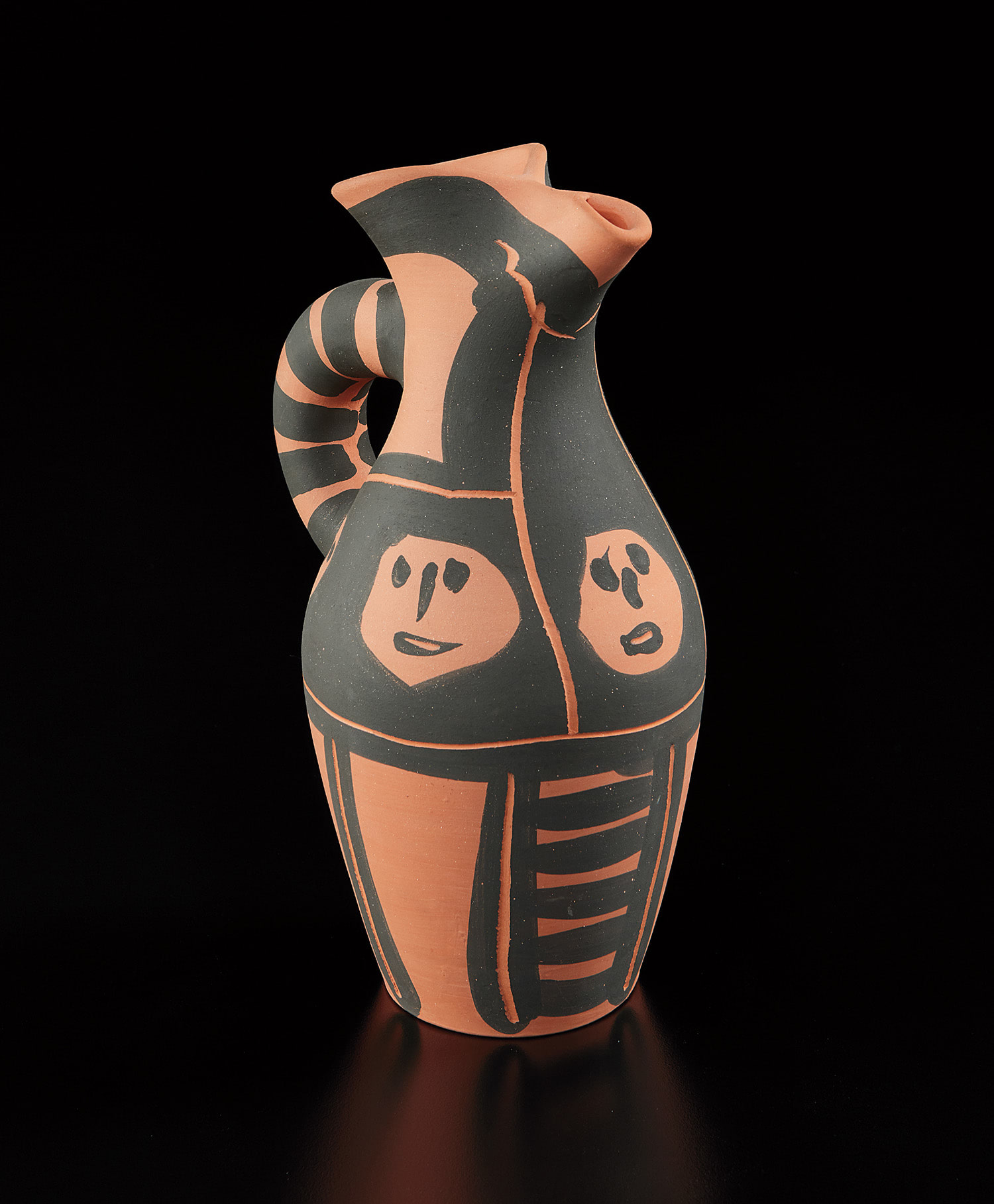
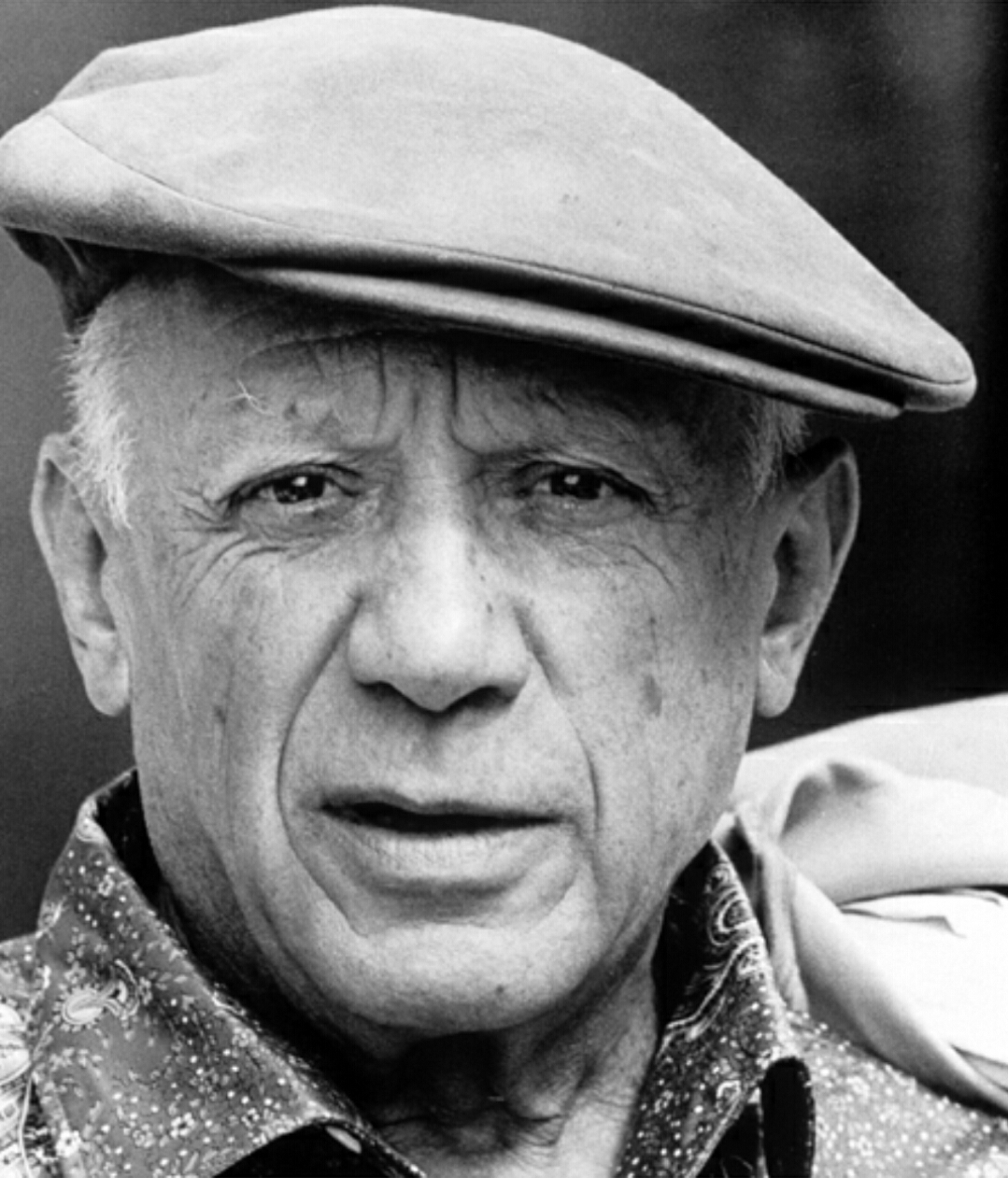
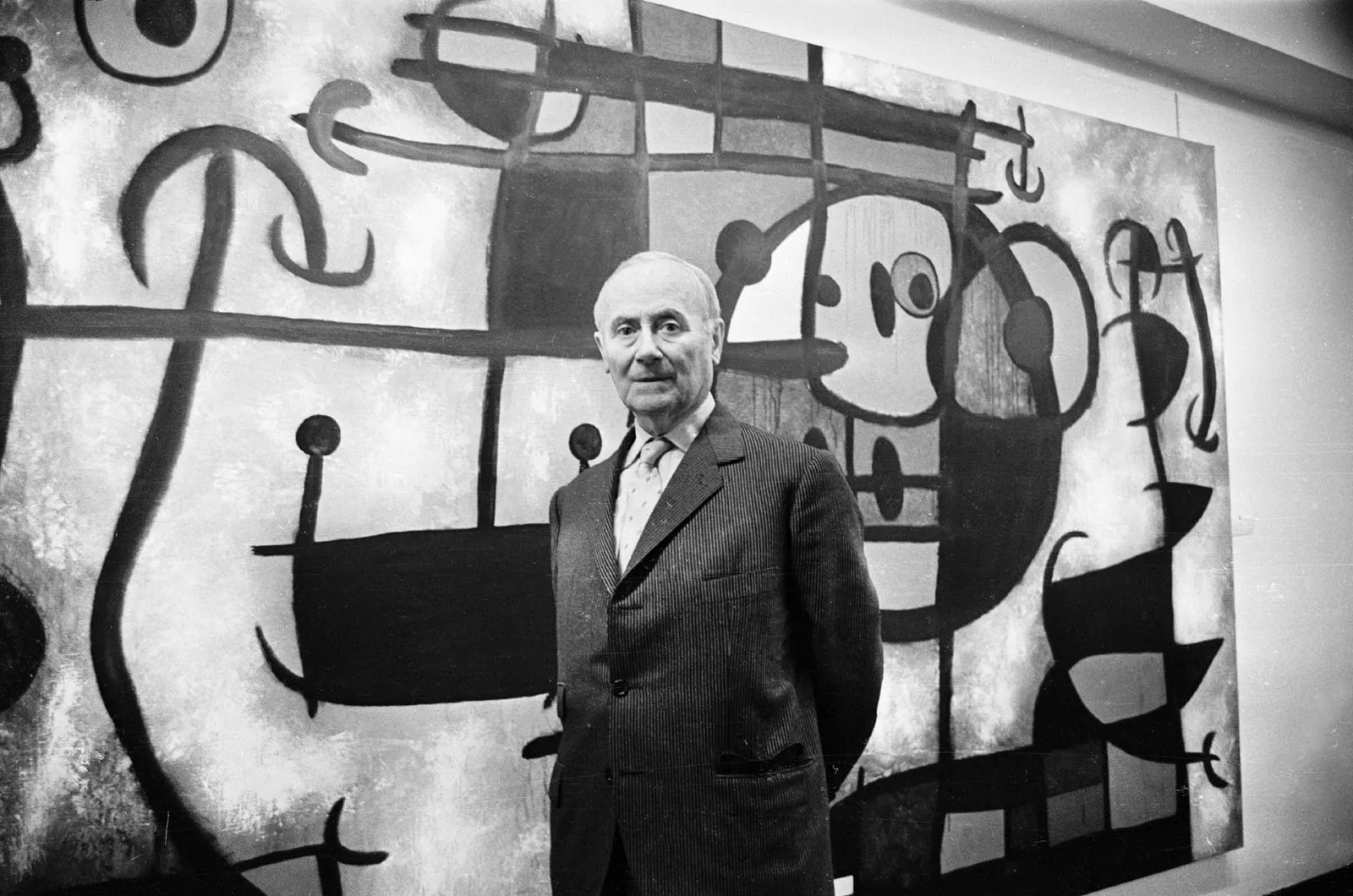
Pablo Picasso
Little-headed Yan (Yan petites têtes)
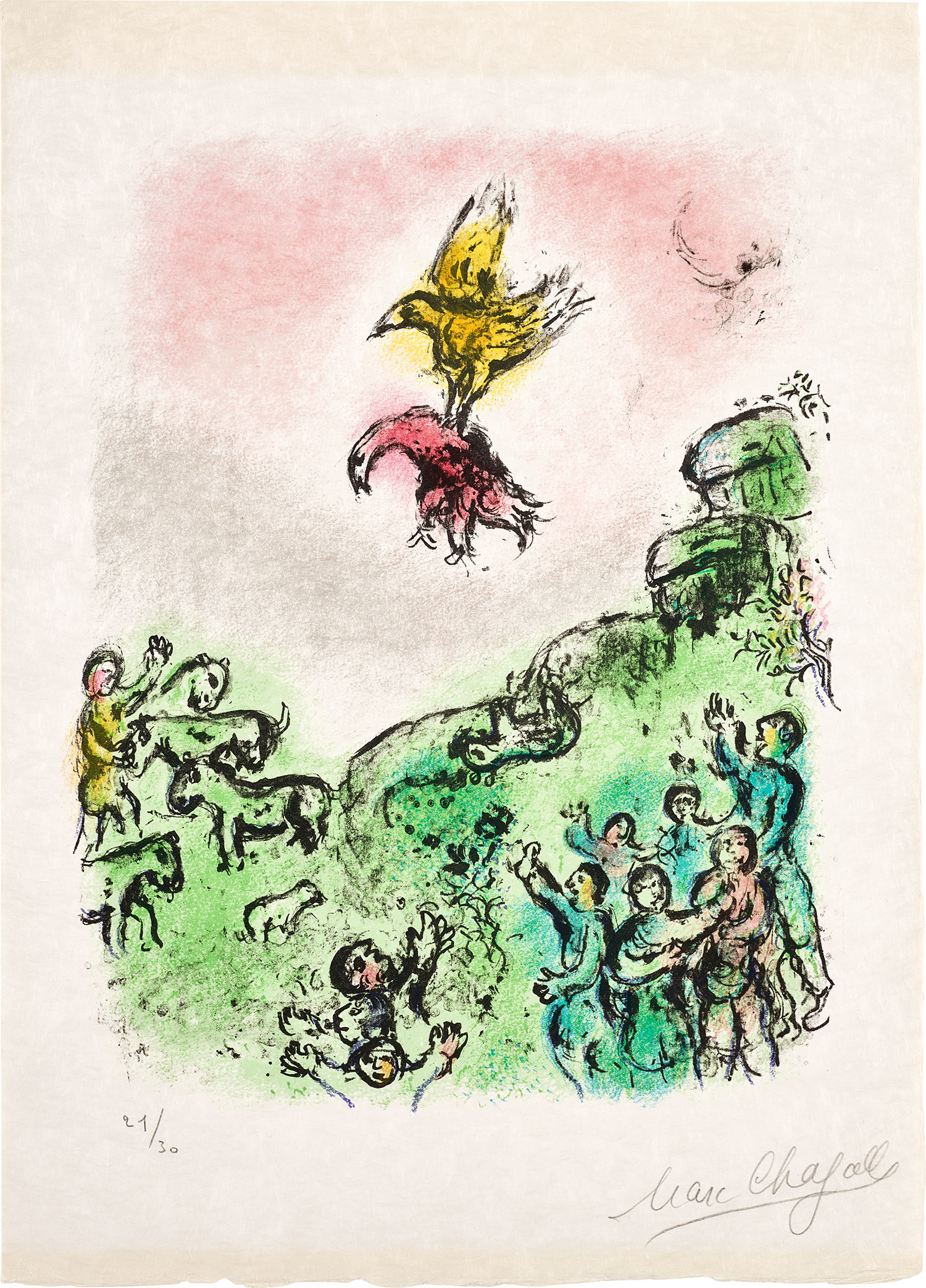
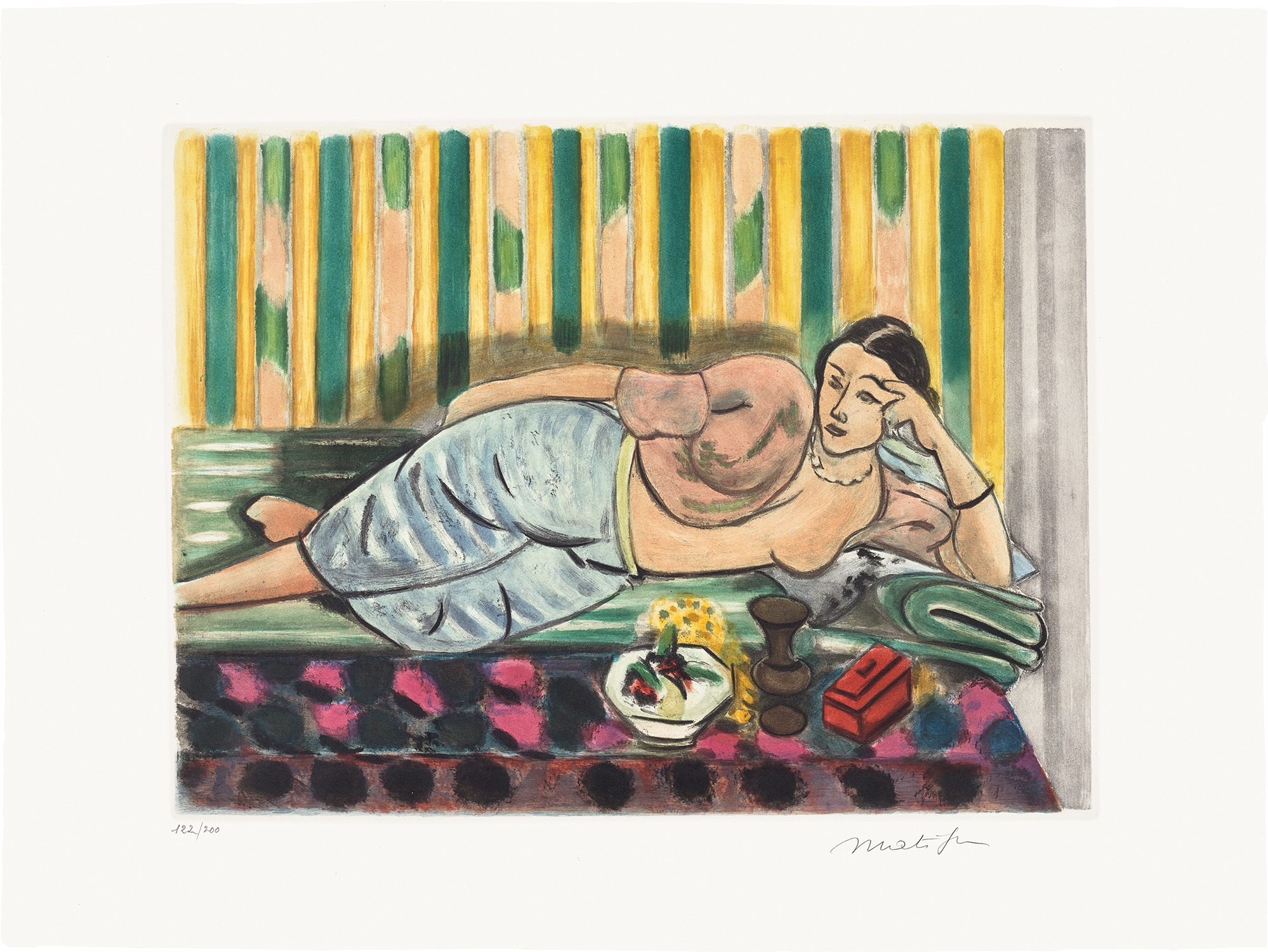
The same might be said of a carved Brâncuși in marble or bronze, objects so reduced and so complete that they seem to have always existed. Museum programming has reinforced this appetite rather than satisfied it. The Tate Modern's 2022 exhibition devoted to Sonia Delaunay brought serious critical attention back to an artist whose work had long been undervalued relative to her husband Robert, and the show made a compelling case for her colour theory as one of the genuinely original contributions of the early twentieth century. Around the same time, major retrospectives for Henri Matisse at the Pompidou and for Marc Chagall at various European venues reminded audiences that there is still new thinking to be done around artists who can seem, from a distance, thoroughly accounted for.
The best of these shows do not summarise. They reopen. The institutional collecting picture tells its own story. The Museum of Modern Art in New York, the Centre Pompidou in Paris, and Tate Modern in London have each made strategic acquisitions in the Modernist space in recent years, filling specific gaps rather than adding to areas of existing strength.
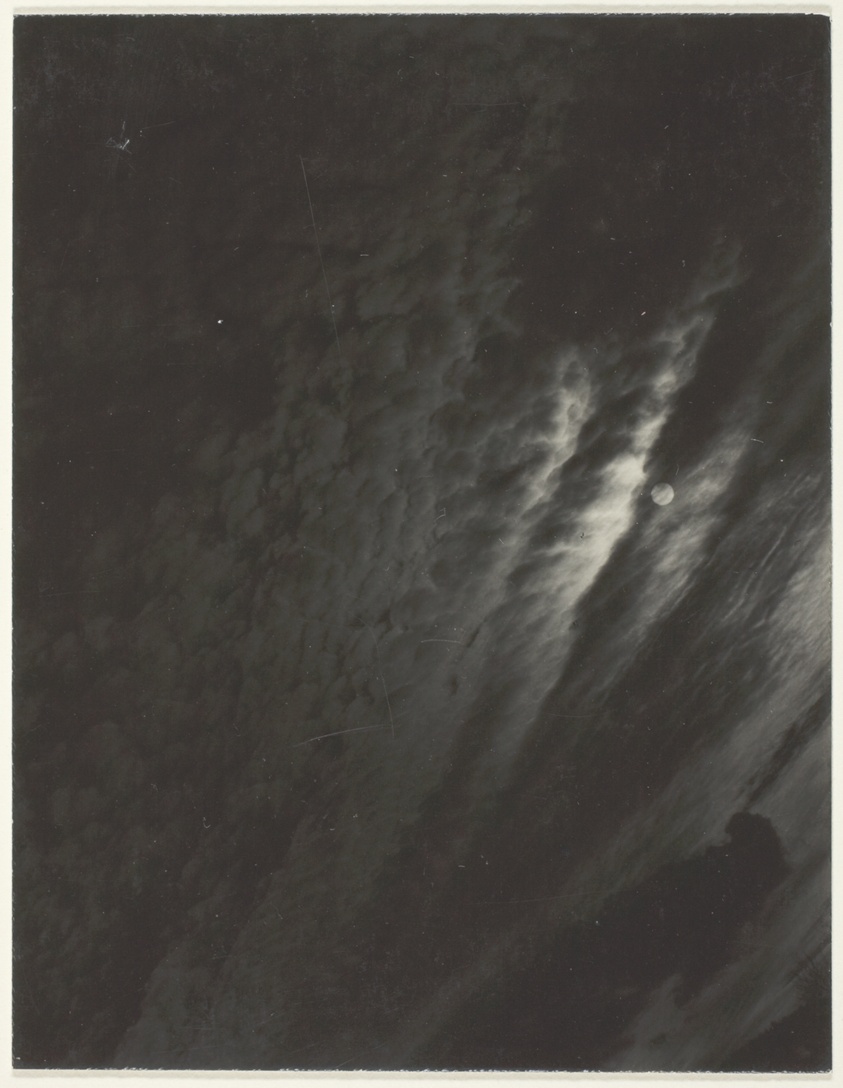
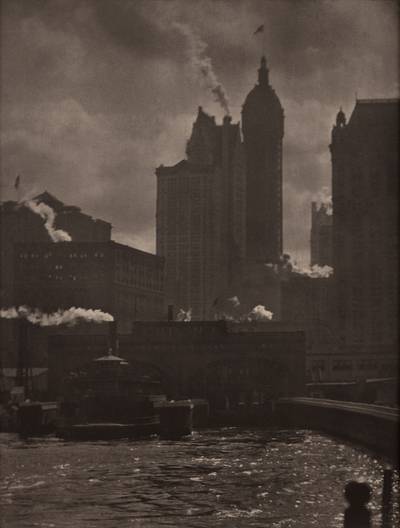
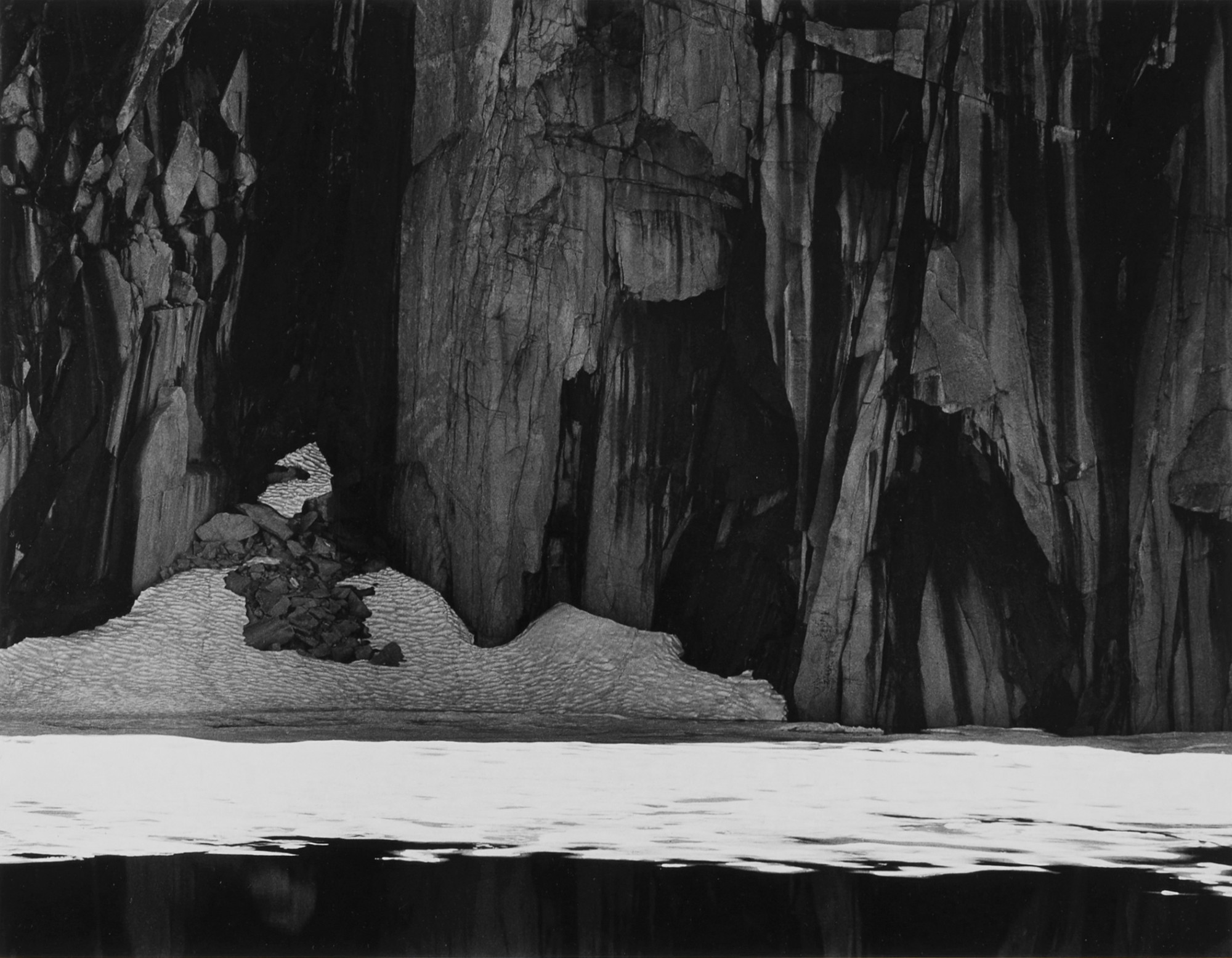
Alfred Stieglitz
Equivalent, from Set A (Third Set, Print 4), 1929
Smaller institutions, particularly in the American South and Midwest, have been quietly building holdings in American Modernism, acquiring works by figures like Milton Avery and George Bellows as a way of anchoring their collections in a specifically national tradition. This kind of focused regional collecting has given artists like Rufino Tamayo renewed attention in the United States, and his place within the broader Modernist conversation, one that always had a complicated relationship with geography and centre versus periphery, feels more secure now than it did a decade ago. Photography is perhaps the area within Modernism where the critical conversation has moved most interestingly. The work of Alfred Stieglitz, Eugène Atget, Paul Strand, Edward Weston, and André Kertész has been reframed substantially in recent years, not just as documentary evidence of a period but as a fully autonomous body of aesthetic achievement.
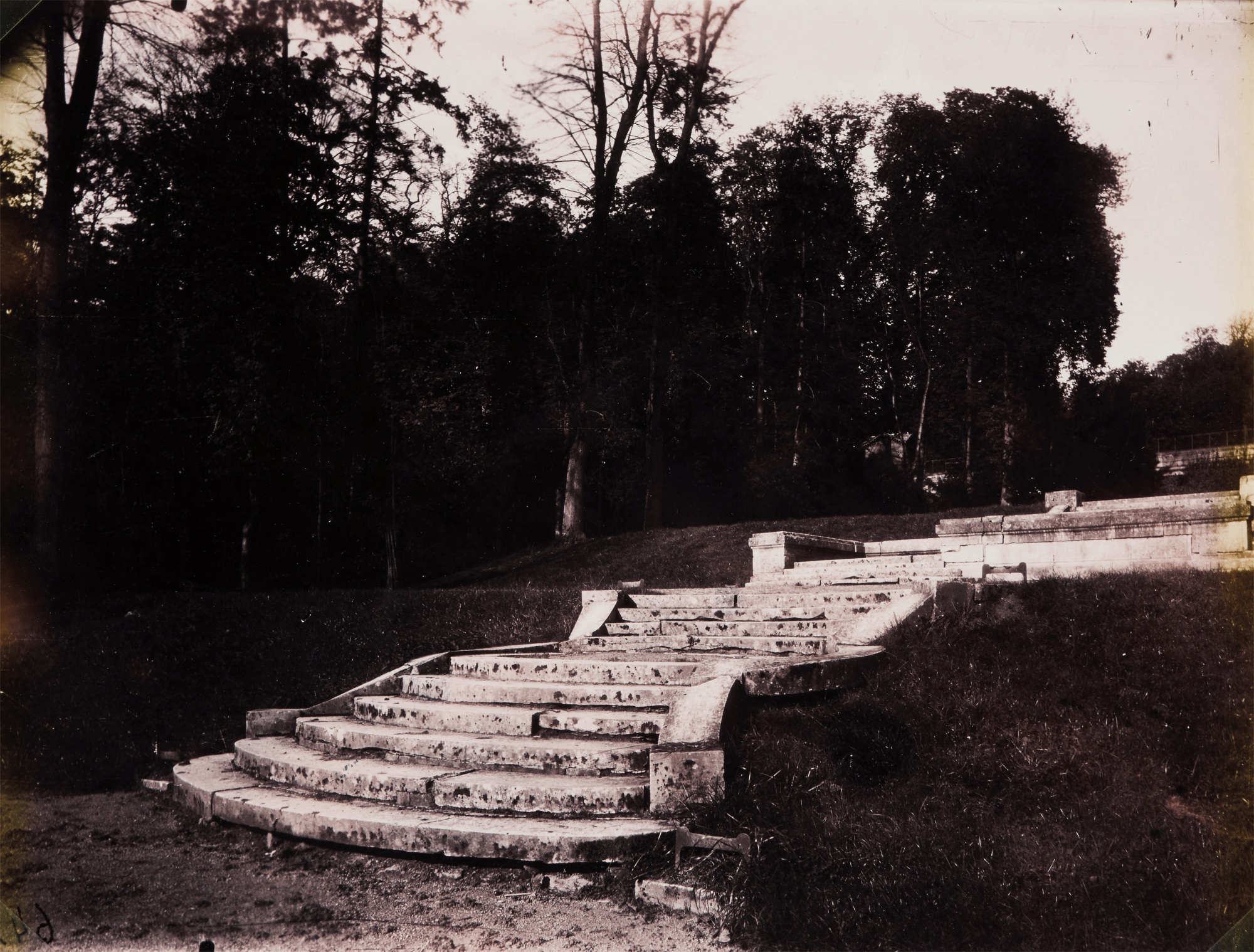
The 2020 Getty exhibition on Atget was a reminder that his Paris, made in the decades around the turn of the twentieth century, is one of the most sustained and singular artistic visions in the history of the medium. Irving Penn and Ansel Adams continue to anchor the upper end of the photography market, with strong results at auction reflecting both their visual authority and the relative scarcity of pristine vintage prints. The critical voices shaping the current conversation include a generation of curators who came up through academic art history and bring genuine theoretical rigour to material that can sometimes be handled too reverently or too casually. Scholars associated with institutions like the Clark Art Institute and the Barnes Foundation have done important work questioning the nationalist and formalist frameworks that shaped the first generation of Modernism scholarship.
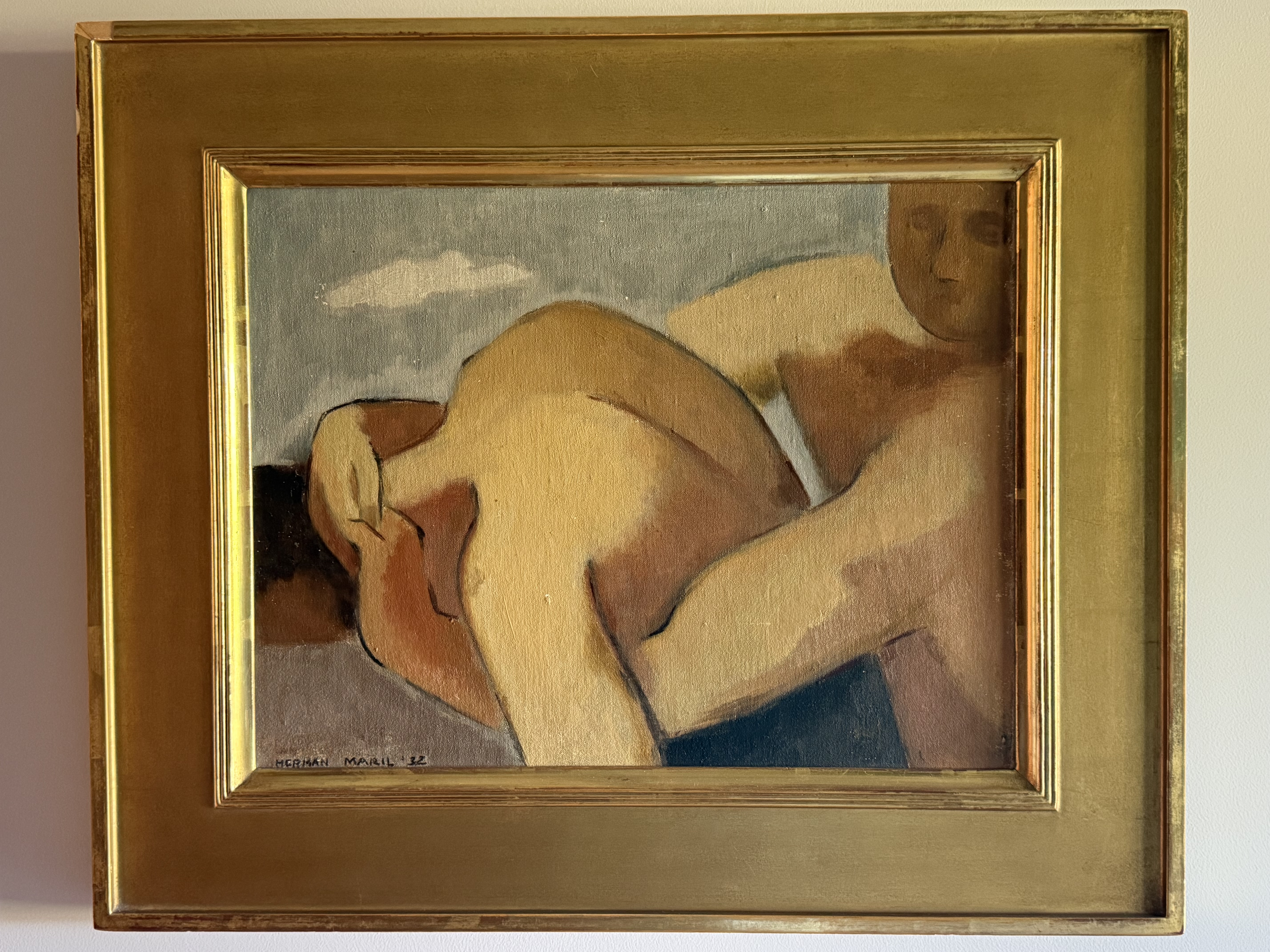
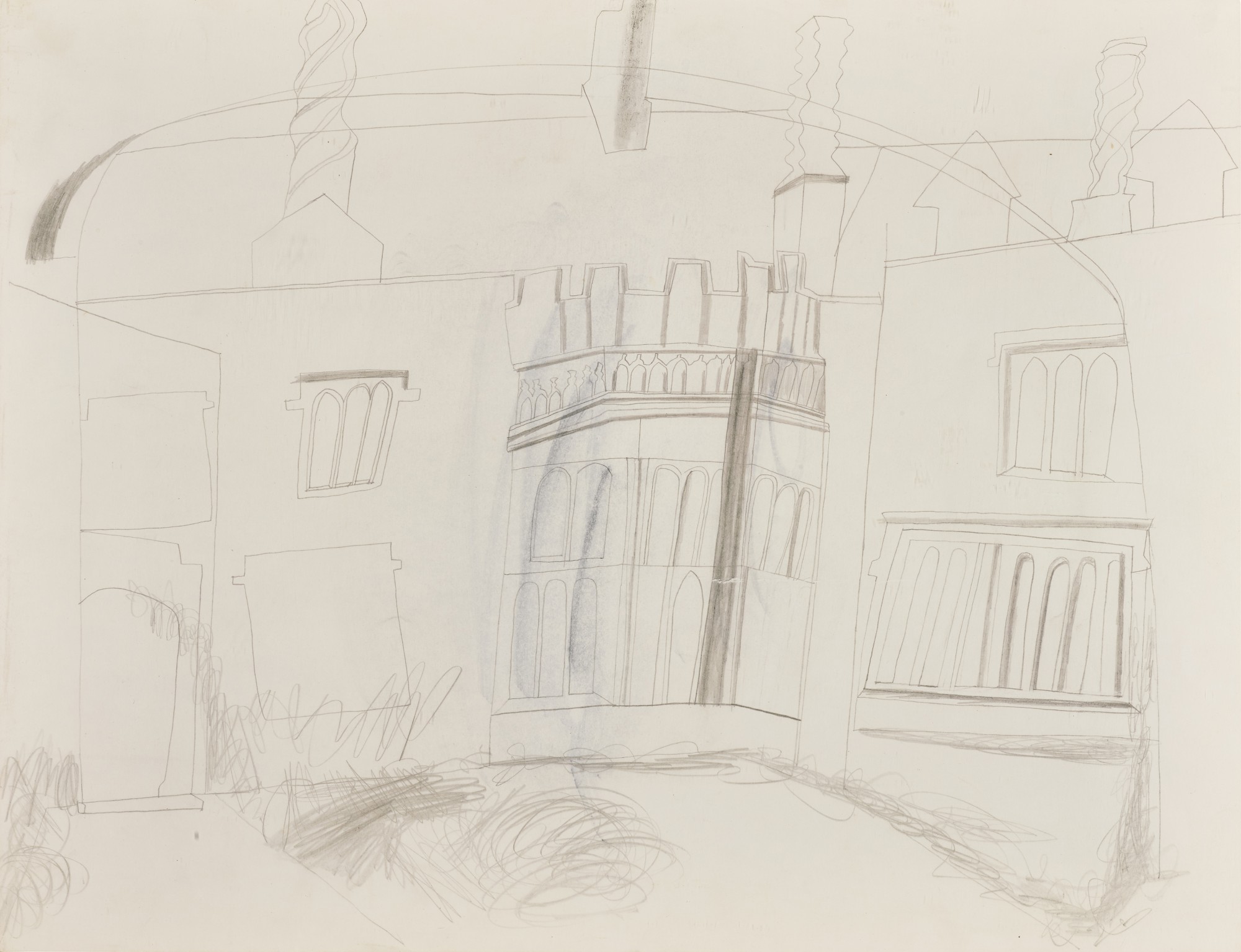
Herman Maril
The Wrestlers, 1932
Writers publishing in October, Burlington Magazine, and Frieze have pushed the conversation toward questions of labour, gender, and exchange that earlier critics set aside. This does not diminish the work. If anything, it makes the best of it more interesting, because it survives the scrutiny and sometimes reveals new dimensions under pressure. What feels alive right now is the renewed interest in the relationship between Modernism and non Western traditions.
The dialogue between European Modernism and African, Oceanic, and East Asian visual culture has been discussed for decades, but the terms of that discussion are changing. Zao Wou Ki, whose work synthesises lyrical abstraction with a deep grounding in Chinese ink painting, has seen remarkable market growth, with major works crossing significant thresholds at auction in Hong Kong and Paris. His trajectory feels emblematic of a broader reassessment, one that asks which parts of the Modernist map were always drawn incompletely. What feels settled is the hierarchy at the very top.
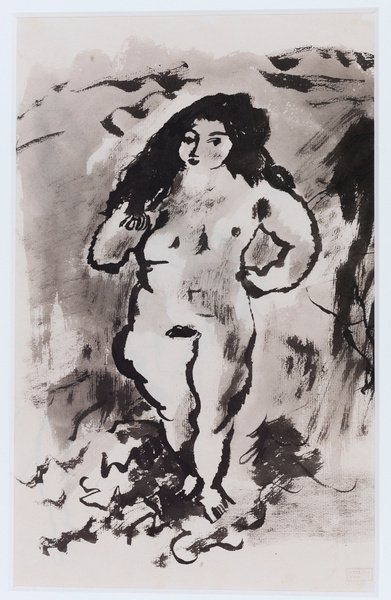
Jules Pascin
Nu debout, 1917
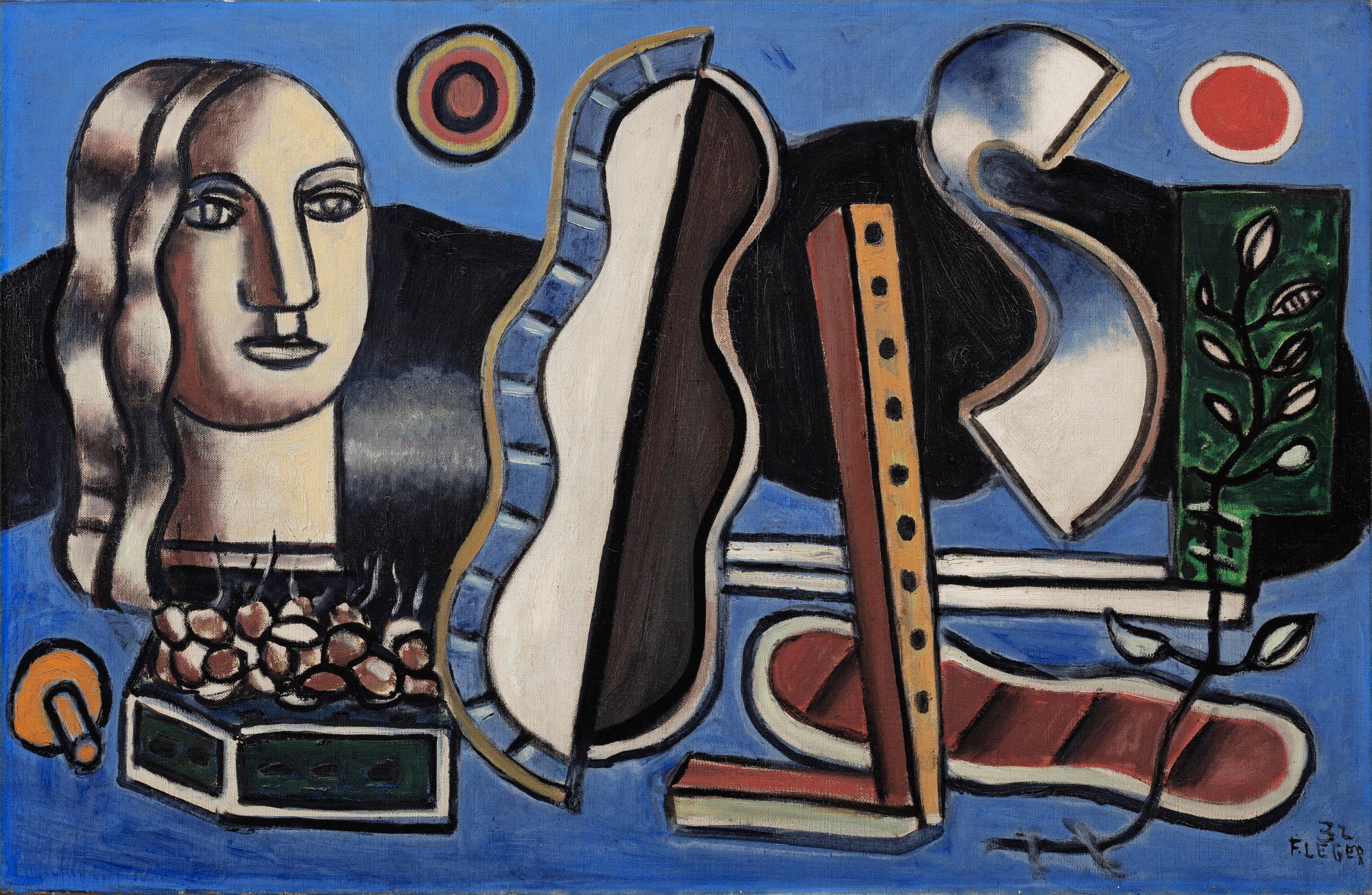
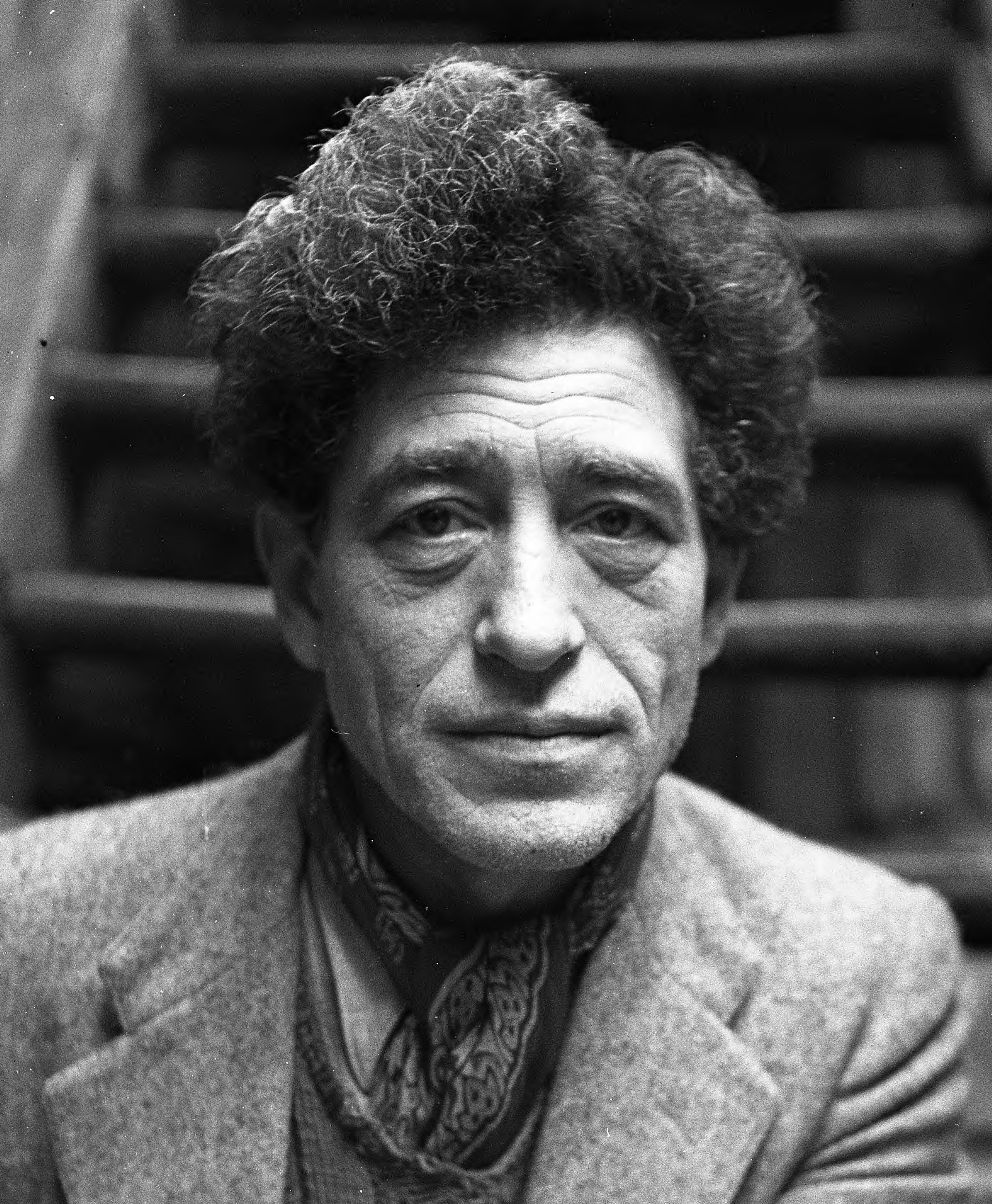
Picasso, Matisse, Miró, Giacometti, Calder: these names organise the market and the museum calendar the way they have for decades, and there is no sign of that changing. The surprises are more likely to come from the second and third tier, from artists who were always serious but never adequately valued. Ben Nicholson, whose geometric reliefs are among the most quietly beautiful objects British Modernism produced, remains underpriced relative to his actual significance. Fernand Léger's monumental works command attention, but his smaller pieces on paper can still be acquired at prices that feel like a genuine opportunity.
The collecting intelligence is in knowing where the conversation is heading before the market catches up. Modernism, with its depth and its continuing critical reinvention, offers more of those moments than almost any other area. The works on The Collection represent a serious and well considered cross section of exactly this terrain, and they repay sustained looking.