19th Century
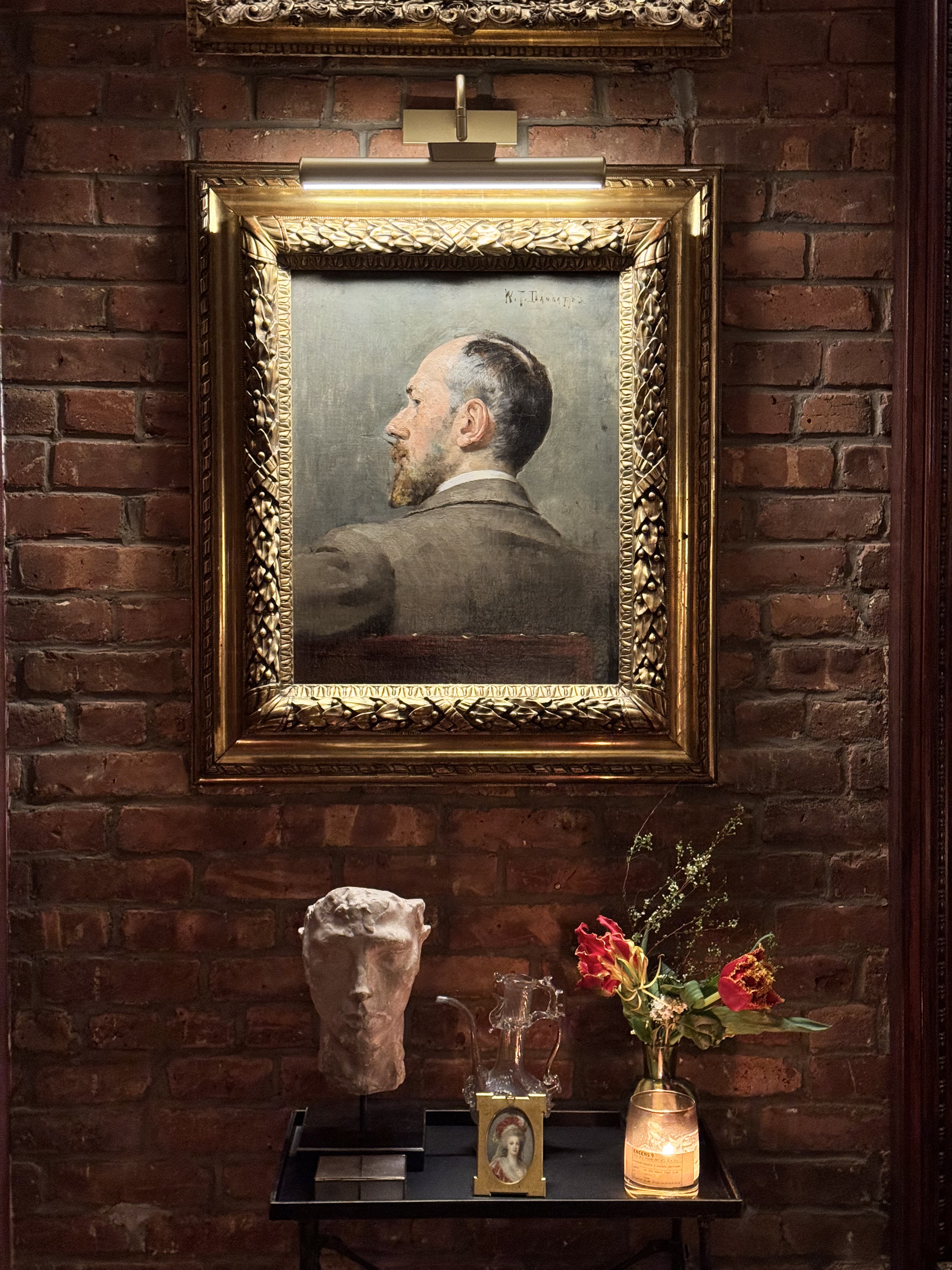
William Dannat
profile portrait of a bearded man, 1875

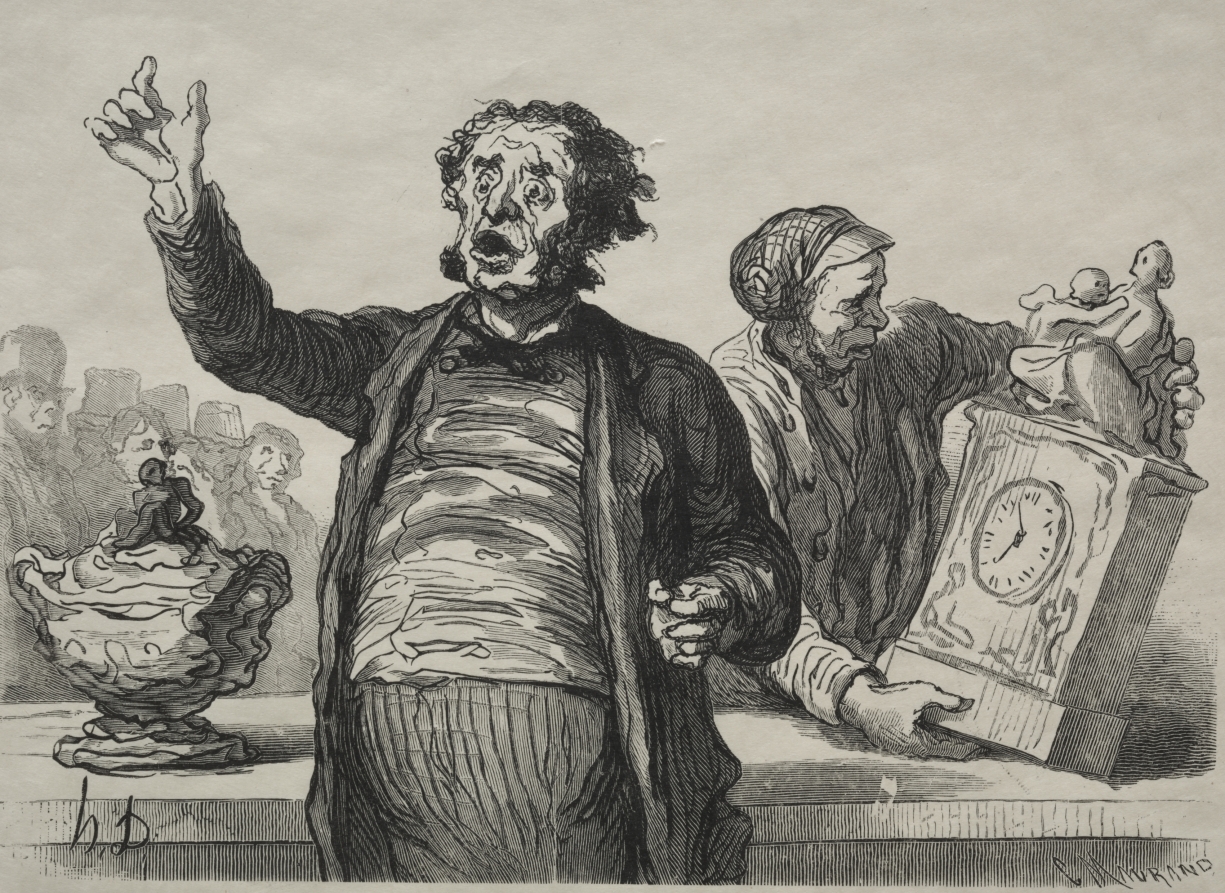
The Nineteenth Century Is Having Its Moment
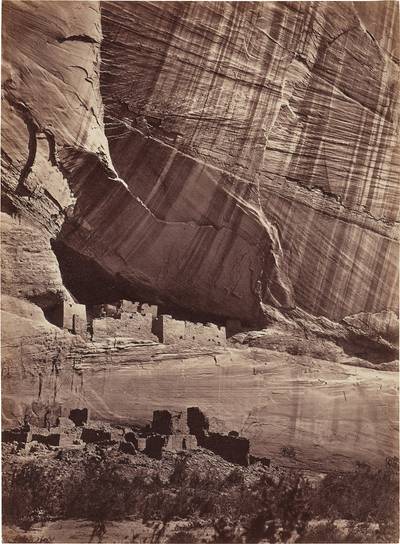
When a rare album of Timothy O'Sullivan photographs from the Wheeler Survey expeditions crossed the block at Christie's a few seasons ago and exceeded its high estimate by a significant margin, it confirmed something many collectors already sensed: the nineteenth century is not a settled matter. It is an argument still very much in progress, and the market is voting accordingly. The prices being paid for works made between roughly 1830 and 1900 reflect not nostalgia but a genuine reckoning with how that period shaped the visual world we inhabit today. The auction results tell a layered story.
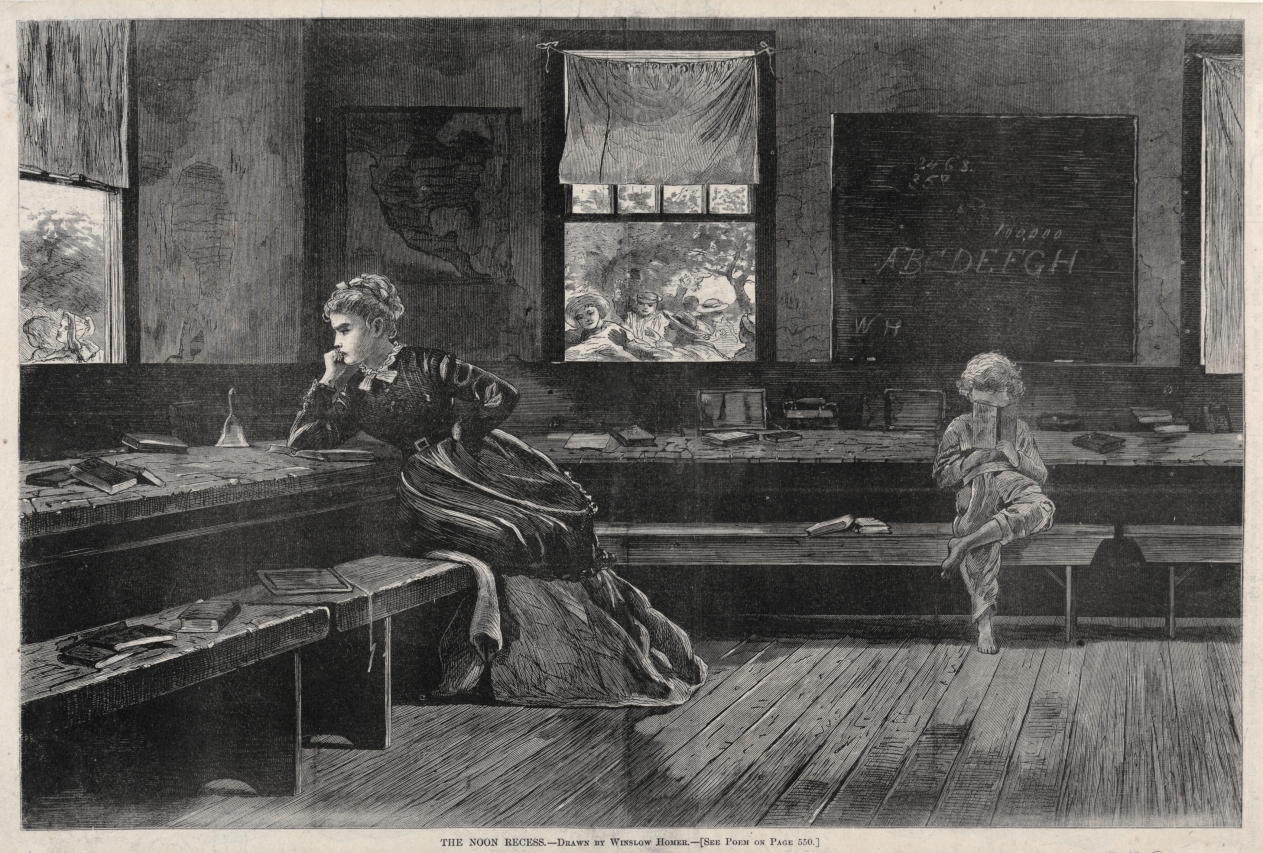
Winslow Homer remains the undisputed anchor of American nineteenth century painting at the highest levels of the market, with major watercolors and oils consistently reaching into the millions at Christie's, Sotheby's, and Bonhams. His ability to hold value across market cycles speaks to an unusually broad constituency of collectors, from American regionalists to international buyers drawn simply to the quality of looking his work demands. Ernest Meissonier, long dismissed as a painter of stiff academic tableaux, has quietly seen renewed attention from European collectors and institutions who are now willing to consider his technical virtuosity on its own terms rather than as a symptom of Salon conservatism. The photography market within the nineteenth century has been among the most dynamic and genuinely surprising corners of the broader category.
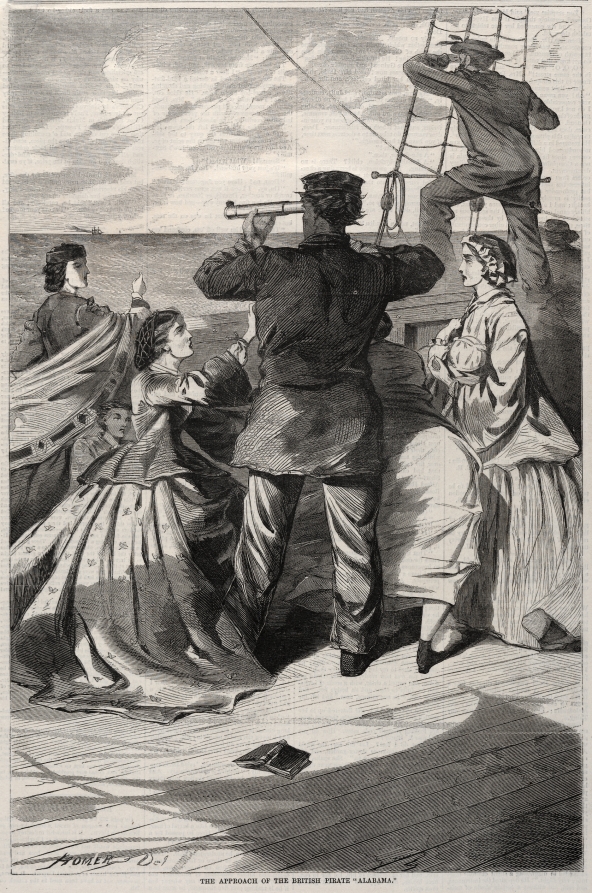
Winslow Homer
The Approach of the British Pirate "Alabama", 1863
Roger Fenton, whose Crimean War photographs were already considered canonical, has seen renewed scholarly and market interest following major archival work in recent years. Carleton Watkins and his sweeping views of Yosemite Valley command serious prices at auction and are actively sought by American art museums building out their photography holdings. What is notable is the range of seriousness being applied to photographers who were once treated as documentary recorders rather than artists. Samuel Bourne's work in India and Francis Frith's Egyptian surveys are increasingly understood as complex aesthetic projects shaped by the tensions of empire and individual vision simultaneously.
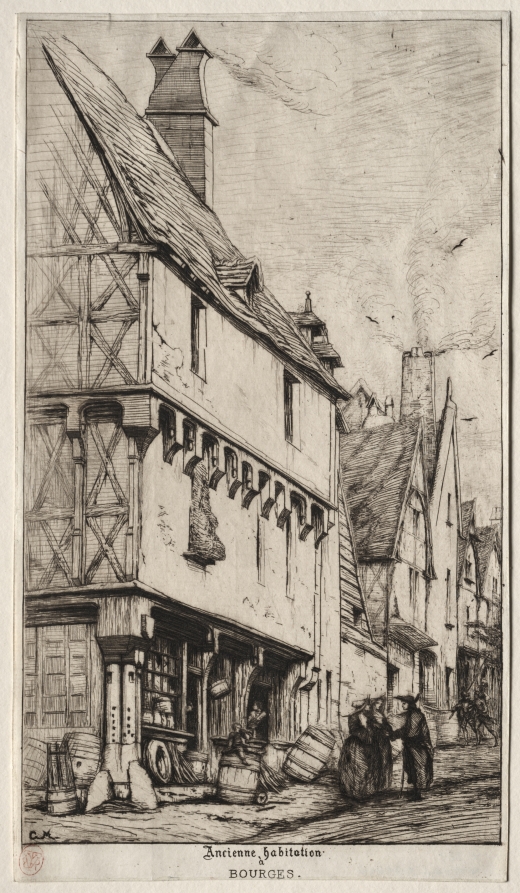
Museum programming has done significant work to reframe this century. The Metropolitan Museum of Art's ongoing commitment to showing nineteenth century photography alongside painting and decorative arts has shifted how curators and collectors think about medium hierarchies from that period. The Art Institute of Chicago mounted a landmark examination of Charles Méryon's etchings of Paris that recontextualized his work within the literature of Baudelaire and the broader project of urban modernity. The Victoria and Albert Museum has repeatedly returned to figures like Francis Seymour Haden and Félix Bracquemond to trace the printmaking revival that ran through the latter half of the century, a movement that connected London, Paris, and eventually New York in ways that feel newly relevant to collectors thinking across national categories.
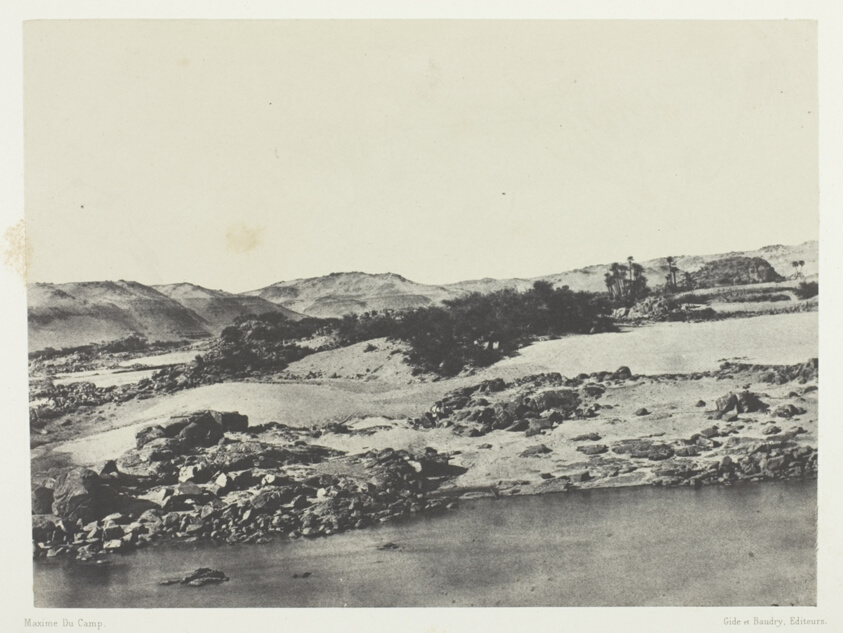
Maxime Du Camp
Entrée de la Première Cataracte, Haute-Egypte, plate 66 from the album "Egypte, Nubie, Palestine et Syrie" (1852), 1849
The critical conversation has been shaped in recent years by a handful of writers and curators willing to trouble the old boundaries. Curator Sylvie Aubenas at the Bibliothèque nationale de France has spent years repositioning French nineteenth century photography as a serious object of study rather than a prologue to modernism. Her work on figures like Maxime Du Camp, whose photographs of Egyptian monuments in the early 1850s represent one of the great documentary achievements of the century, has helped establish a critical framework that collectors and dealers now actively reference. In the United States, scholars working at the intersection of photography history and postcolonial theory have brought sustained attention to the work of Raja Deen Dayal and John Thomson, whose images of South Asia demand to be read with considerably more nuance than the imperial archive narrative once allowed.
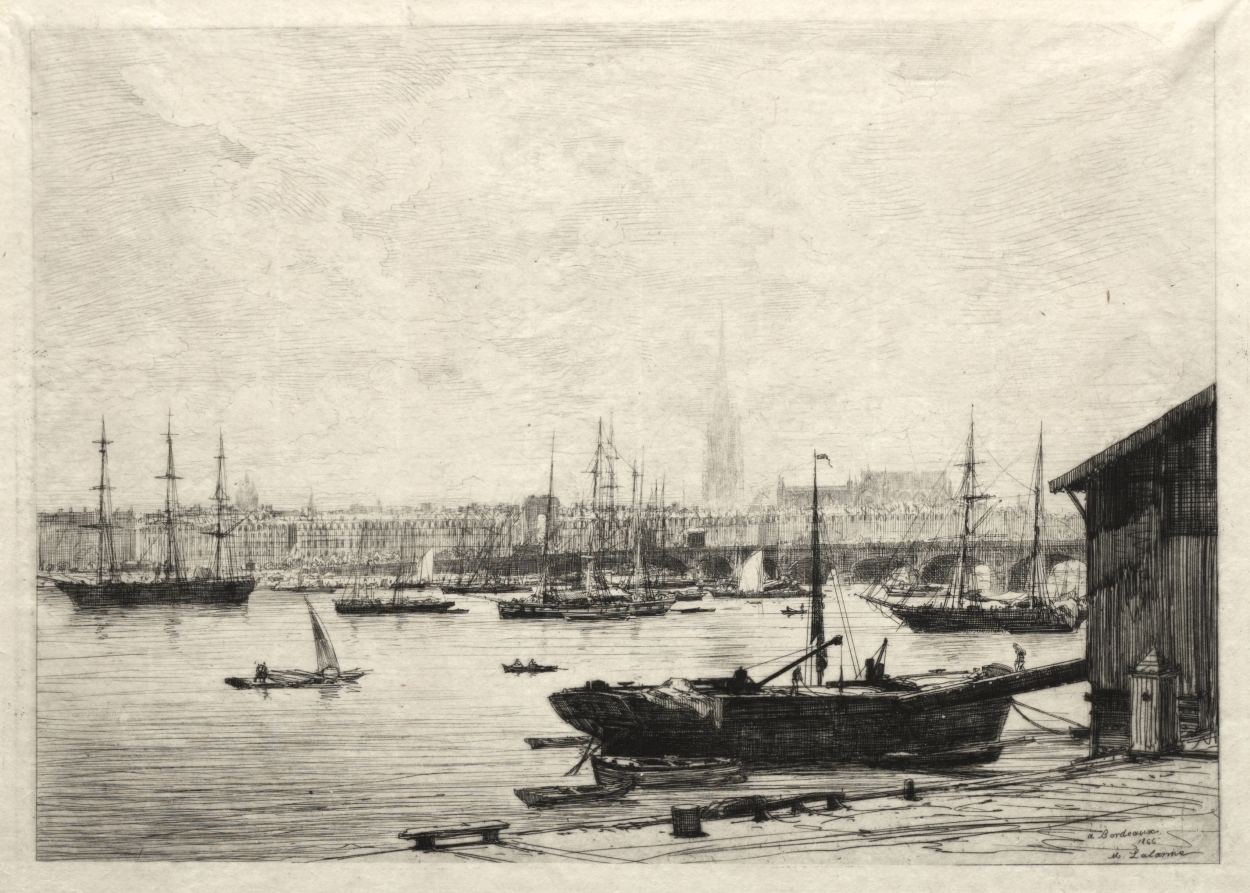
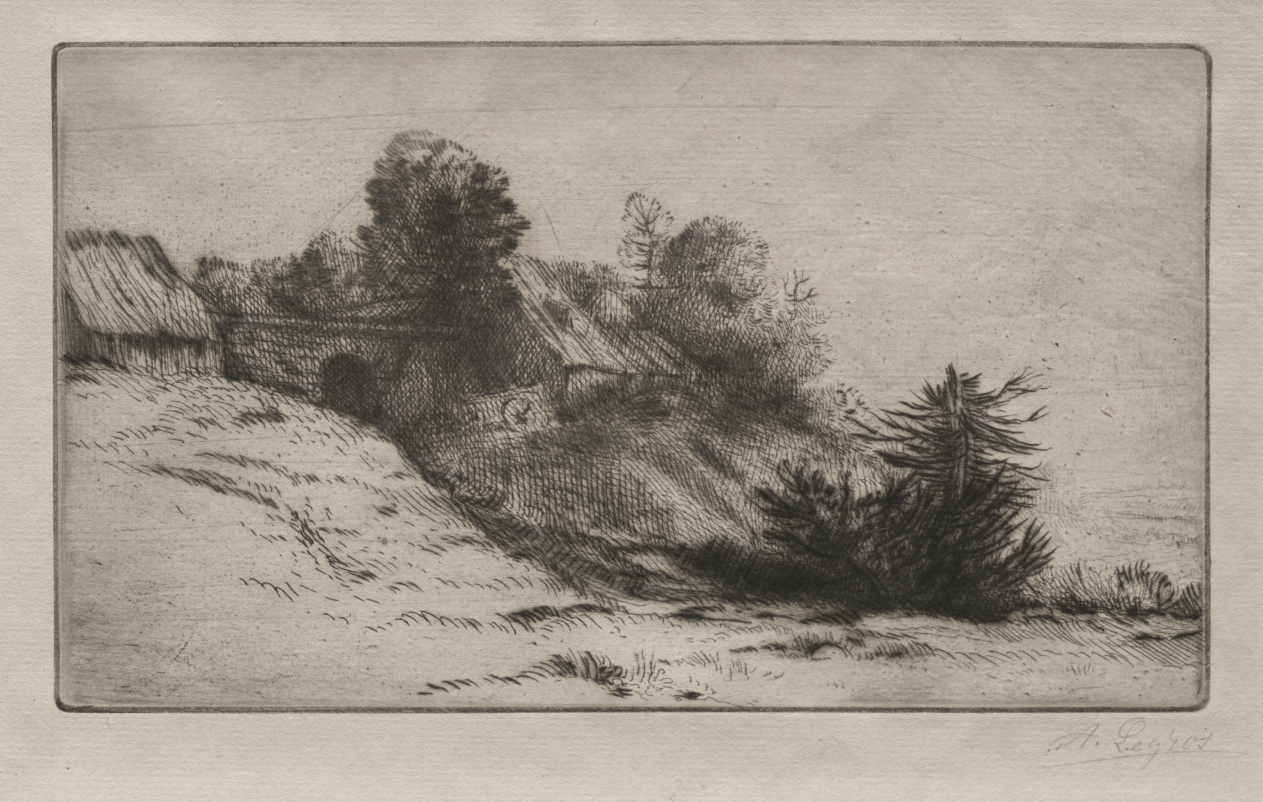
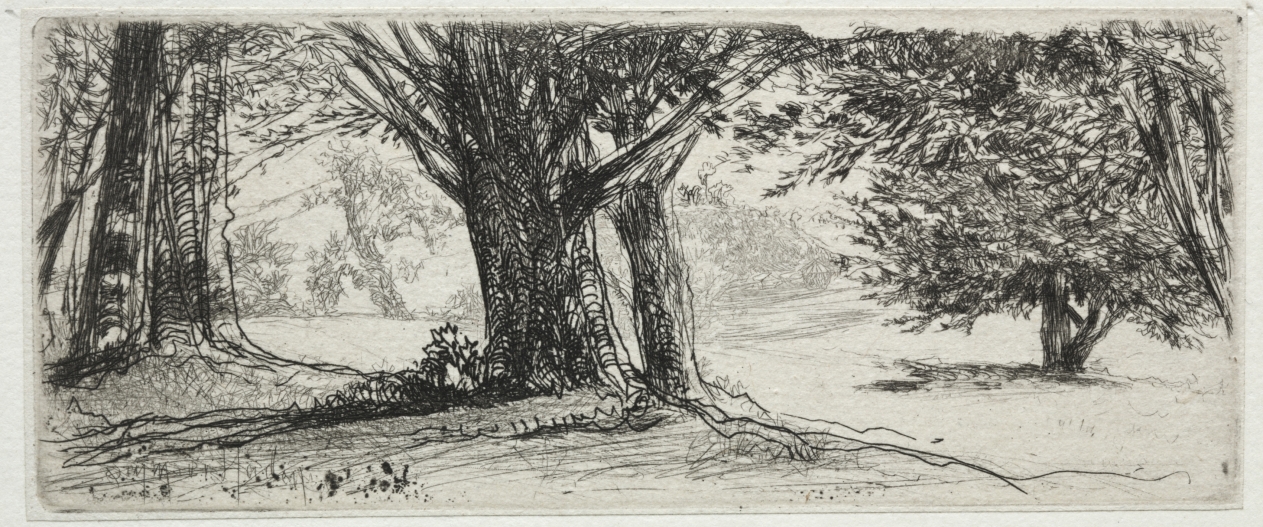
The printmaking revival of the 1860s through 1890s deserves particular attention from collectors who may not yet have moved into that space. The etching movement anchored by figures like James McNeill Whistler and Alphonse Legros drew in painters and professional printmakers alike, creating a body of work that is both historically significant and still available at prices that feel genuinely reasonable given the quality involved. Whistler's Venice etchings, produced during his 1879 to 1880 stay in the city, remain among the most discussed and collected works in the category. Auguste Louis Lepère brought a different sensibility to the woodcut revival that followed, and his work is now being reconsidered by a younger generation of collectors drawn to the directness of relief printing.
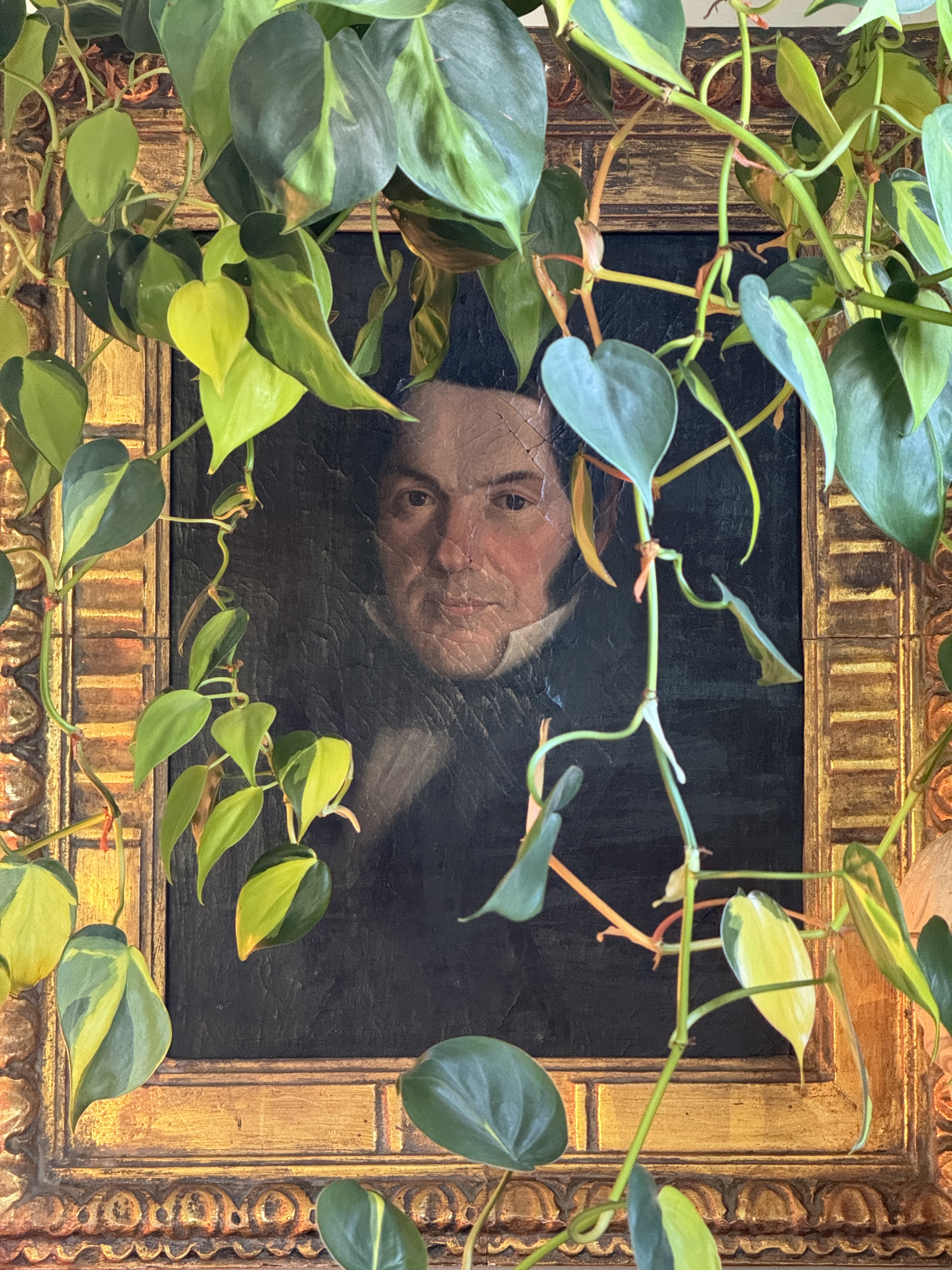
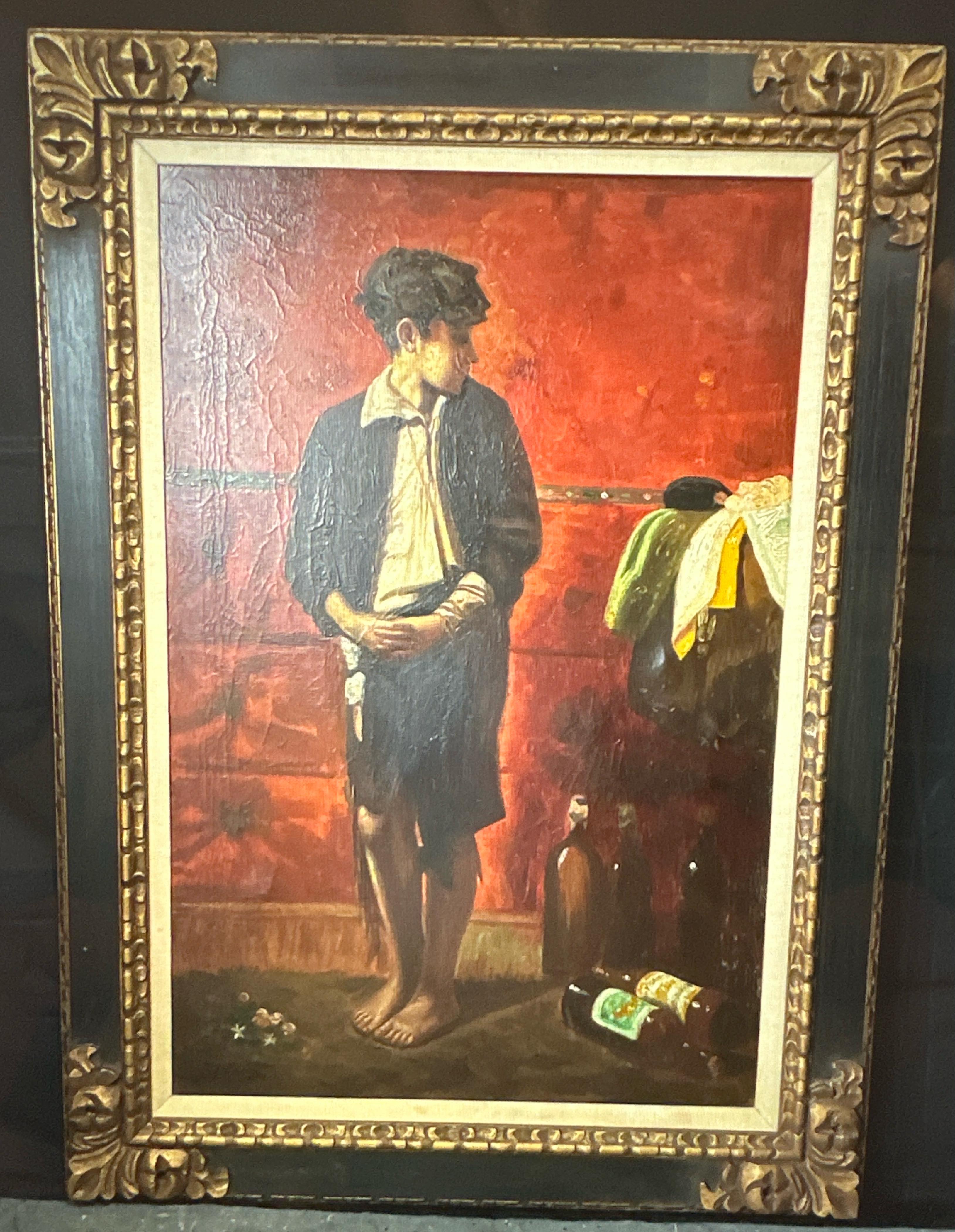
Unknown
Untitled, 1800
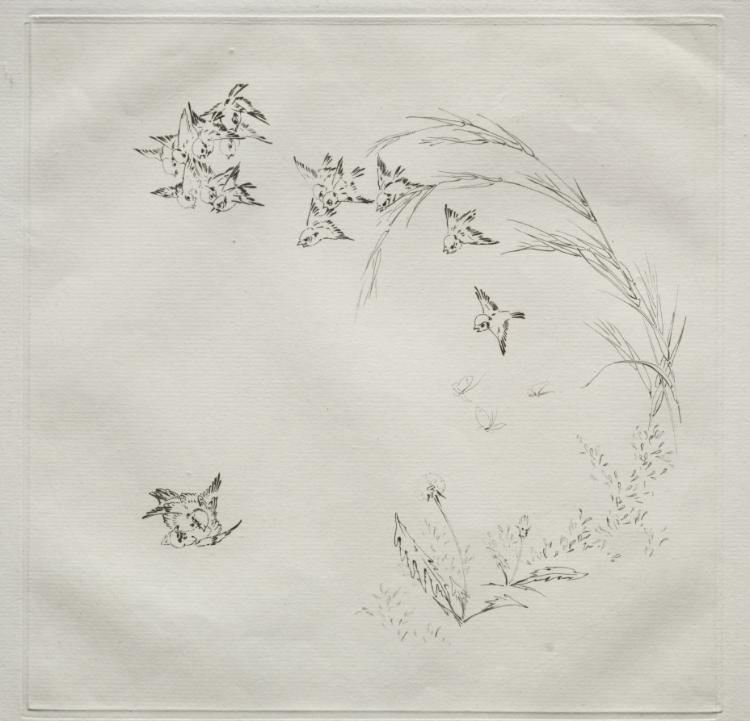
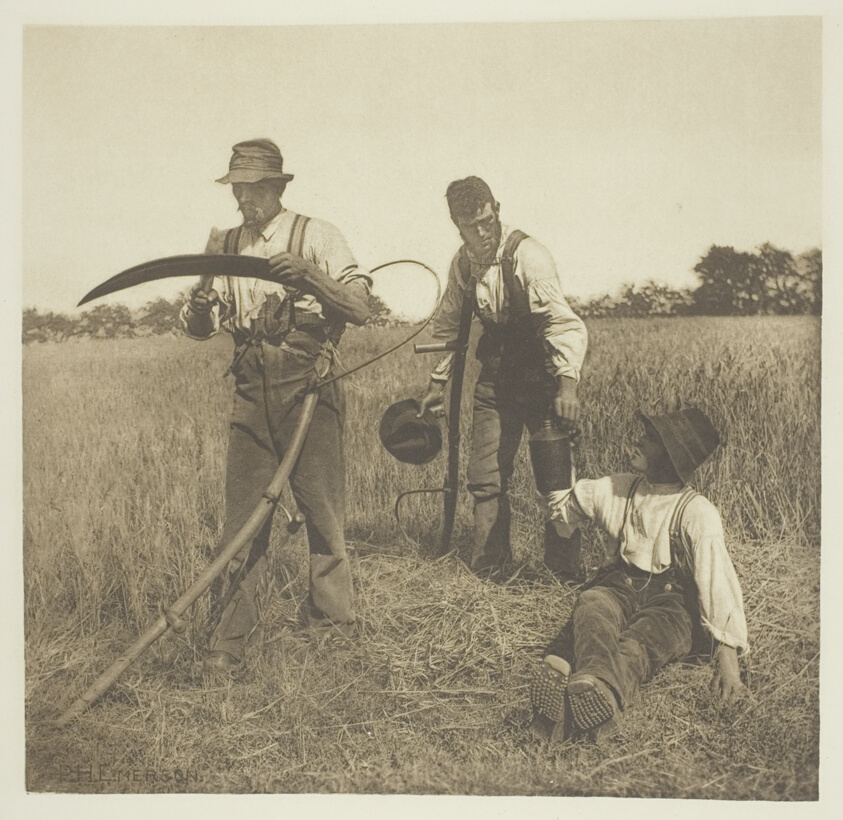
Henri Fantin Latour's lithographs occupy a fascinating position at the edge of Symbolism, understated enough to have been undervalued and refined enough to reward close attention. Peter Henry Emerson stands slightly apart in this conversation and is worth watching carefully. His theoretical writings on naturalistic photography, published in the late 1880s, were radical in their time and are now being revisited by photographers and critics thinking about representation, landscape, and ecological perception. His platinum prints of the Norfolk Broads have an atmospheric quality that resonates with contemporary sensibilities in ways that feel genuine rather than merely fashionable.
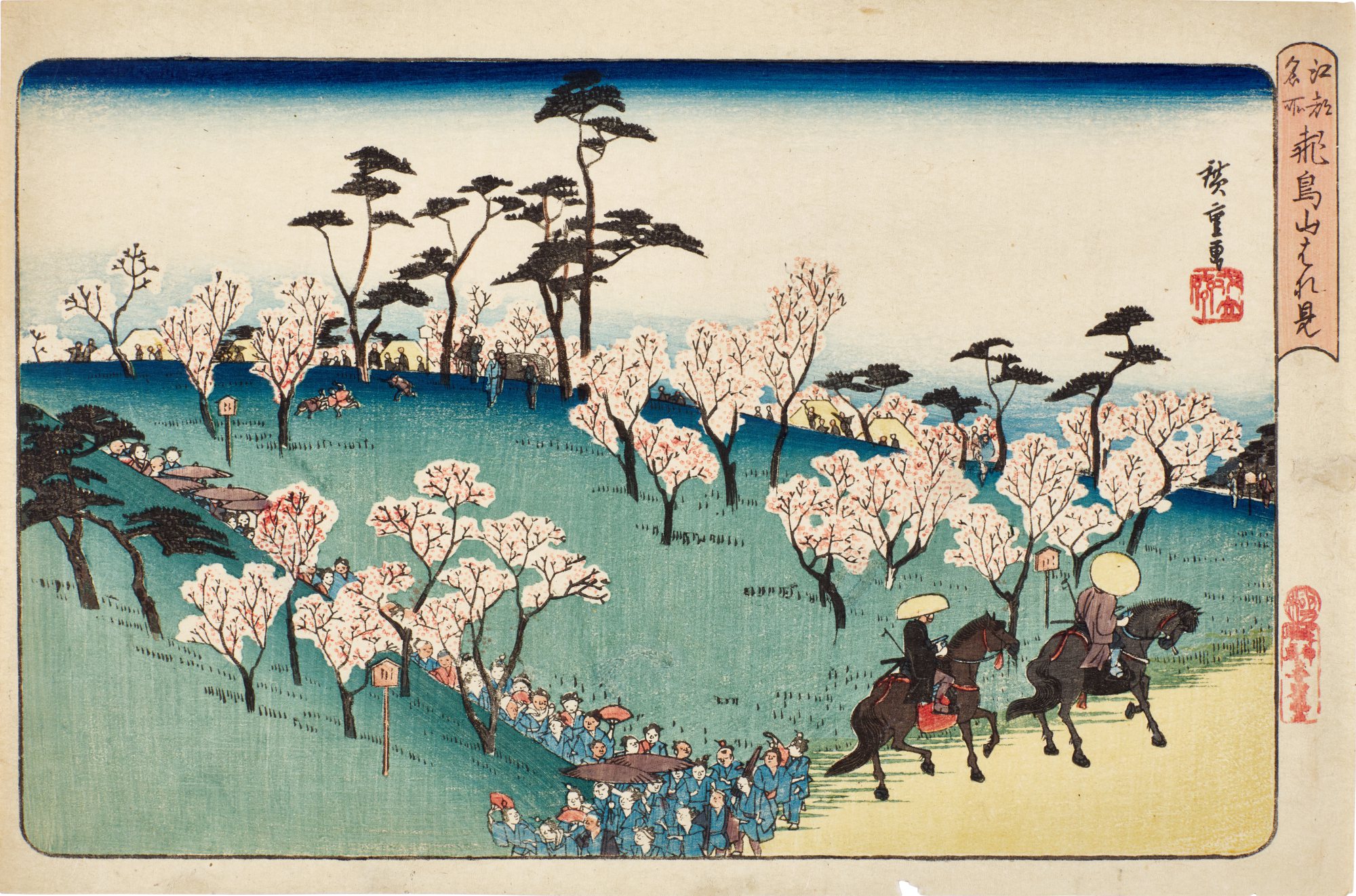
John Burke's photographs of Afghanistan from the Second Anglo Afghan War occupy similarly charged terrain, being reassessed now with the kind of critical apparatus that was not available to earlier generations of collectors. What feels alive in this category right now is the intersection of photography, travel, and empire: the images made by Europeans and Americans moving through Asia, the Middle East, and the American West are being reread simultaneously as aesthetic objects and as documents requiring ethical engagement. What feels more settled, perhaps too settled, is the Impressionist adjacency that has dominated collecting of French nineteenth century painting for decades. The energy is shifting toward the edges of that story, toward printmakers, photographers, lesser canonized painters, and non Western makers whose work sits in that liminal space marked simply as unknown in many collections.
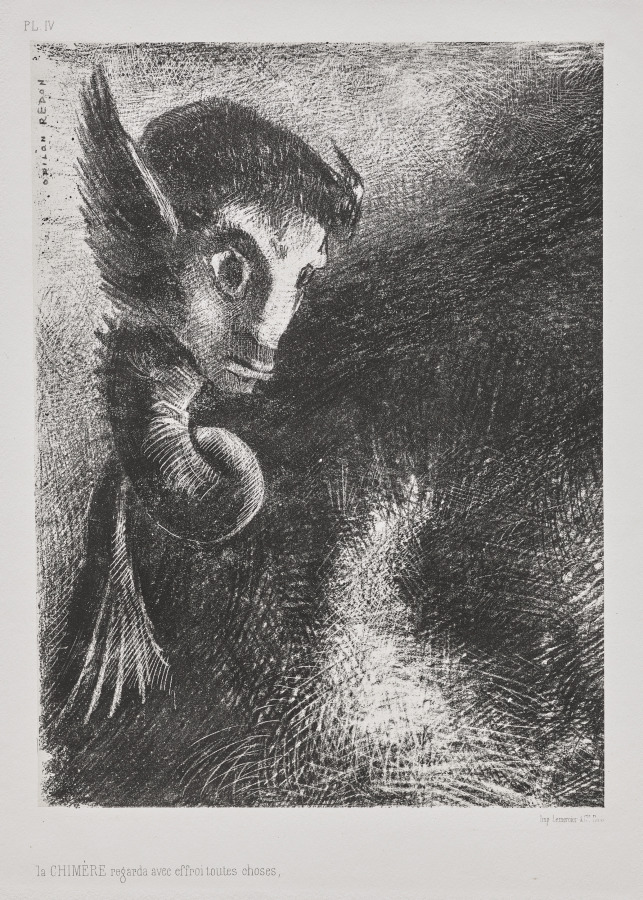
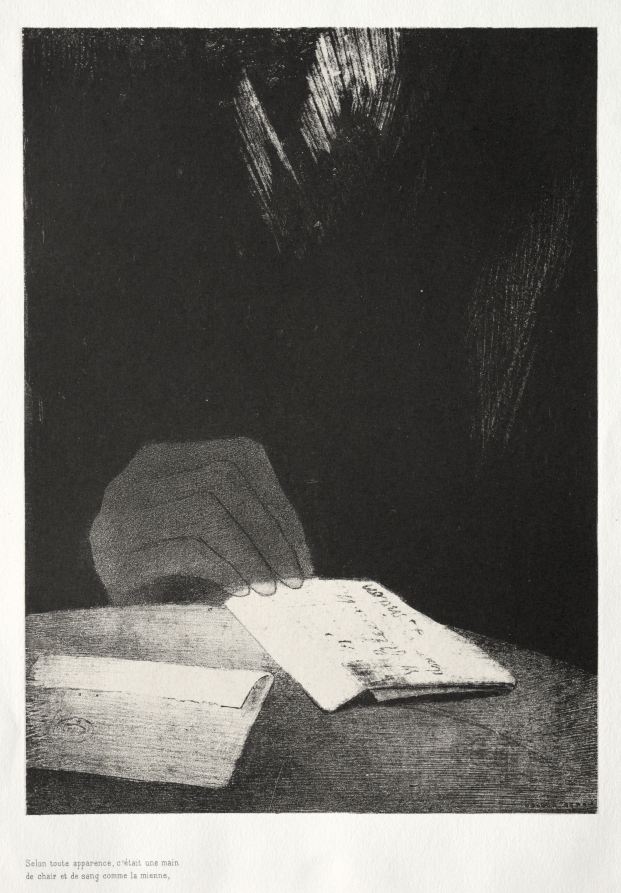
Odilon Redon
The Chimera Gazed at All Things with Fear, 1886
That anonymity is itself an invitation, a signal that the nineteenth century still has rooms we have not yet opened.