Portrait
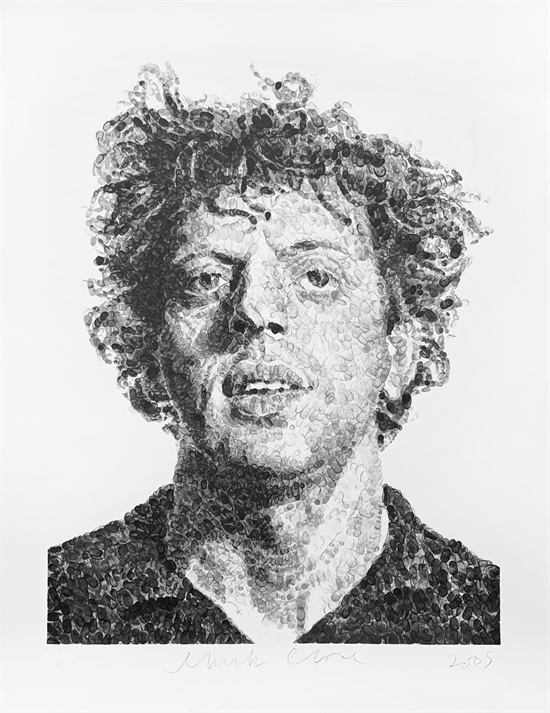
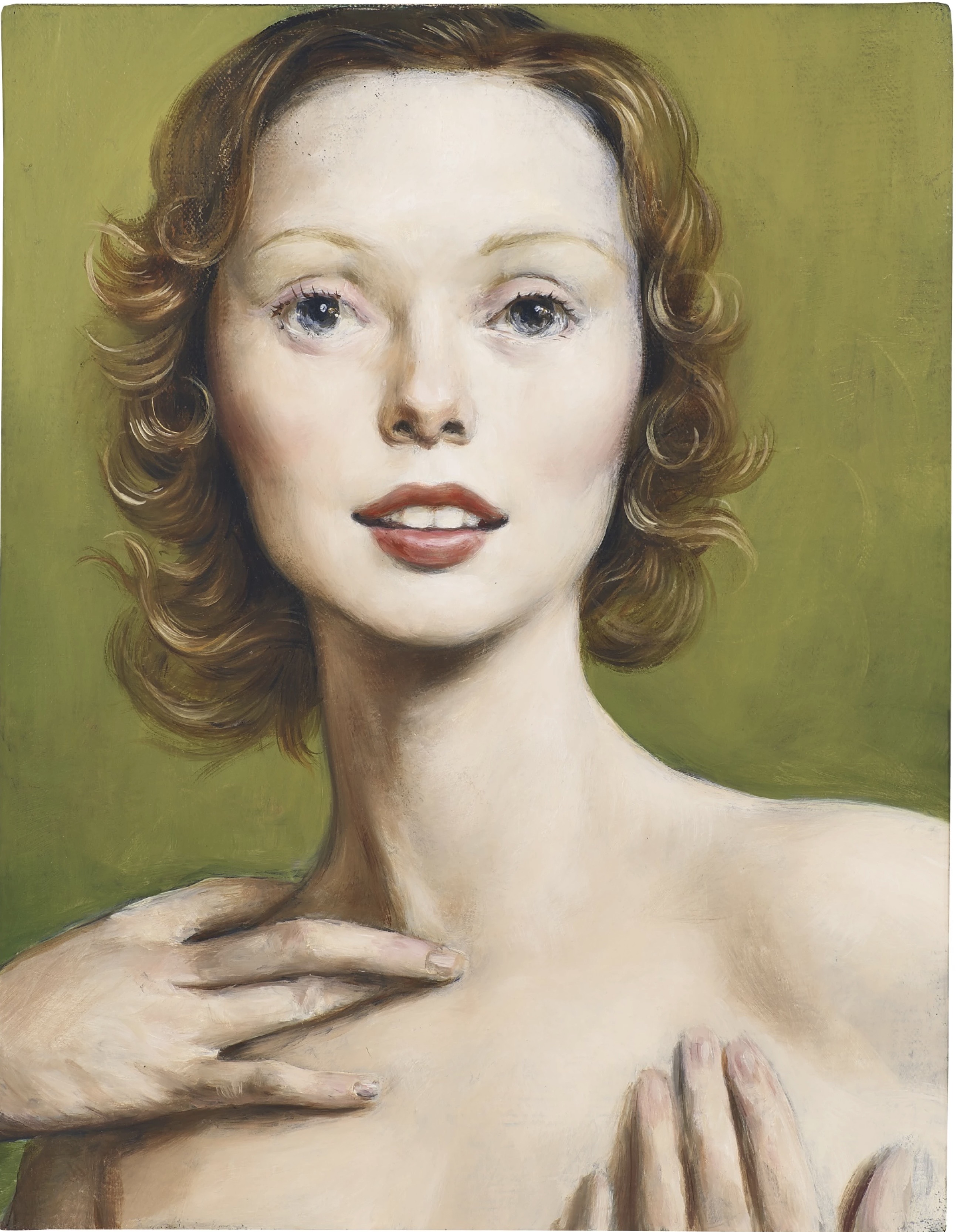
Chuck Close
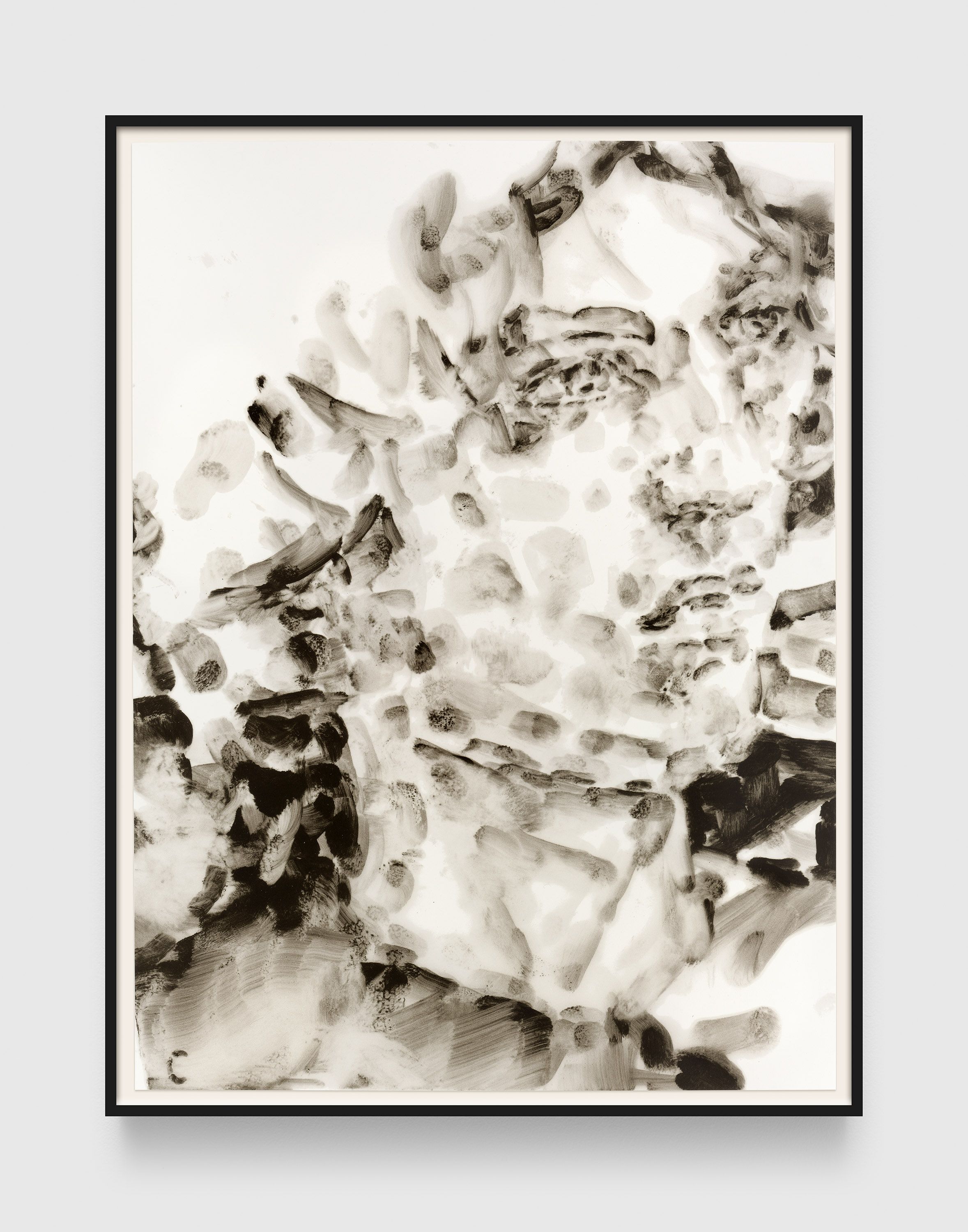
Phil, Fingerprint, 2009

The Face That Stops You Cold
There is something almost irrational about the hold a great portrait exerts. You walk into a room, past paintings of landscapes and still lifes and grand historical scenes, and then a face catches you and you simply stop. Collectors who focus on portraiture often describe this experience as the primary reason they started collecting in the first place: not theory, not investment logic, but the visceral sensation of being looked at by someone who has been gone for decades or centuries. Living with a portrait is a fundamentally different proposition than living with any other category of art.
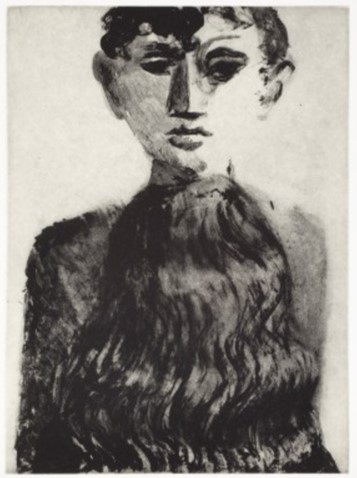
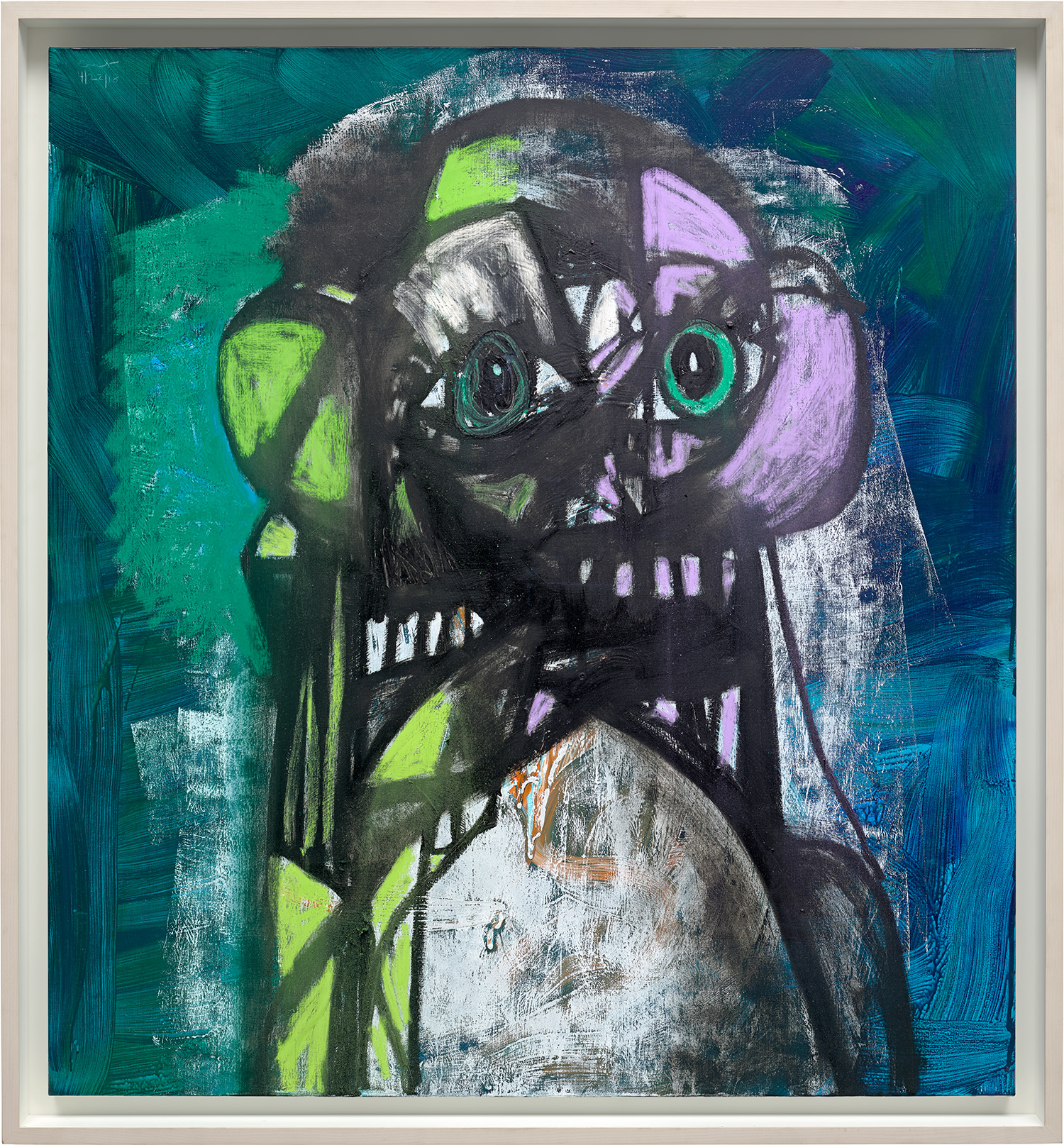
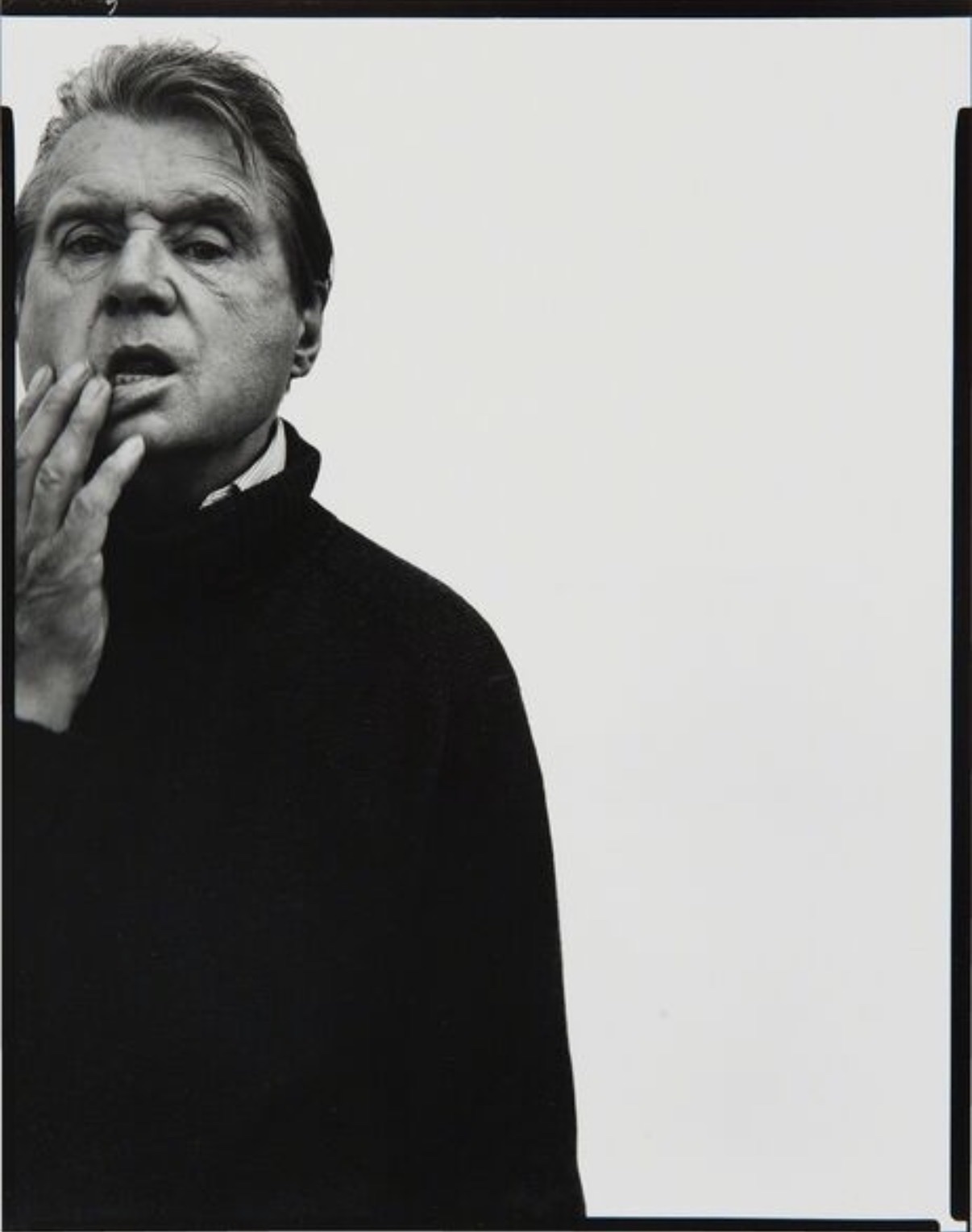
It asks something of you every morning. What separates a good portrait from a great one is a question collectors return to again and again, and the answer has less to do with technical virtuosity than with psychological pressure. A great portrait creates the feeling that the subject had a life the artist only partially captured, that something is being withheld. Think about what Francis Bacon achieves in his studies of figures: the flesh looks like it is under duress from forces both internal and external, and the psychological atmosphere is almost unbearable in the best sense.
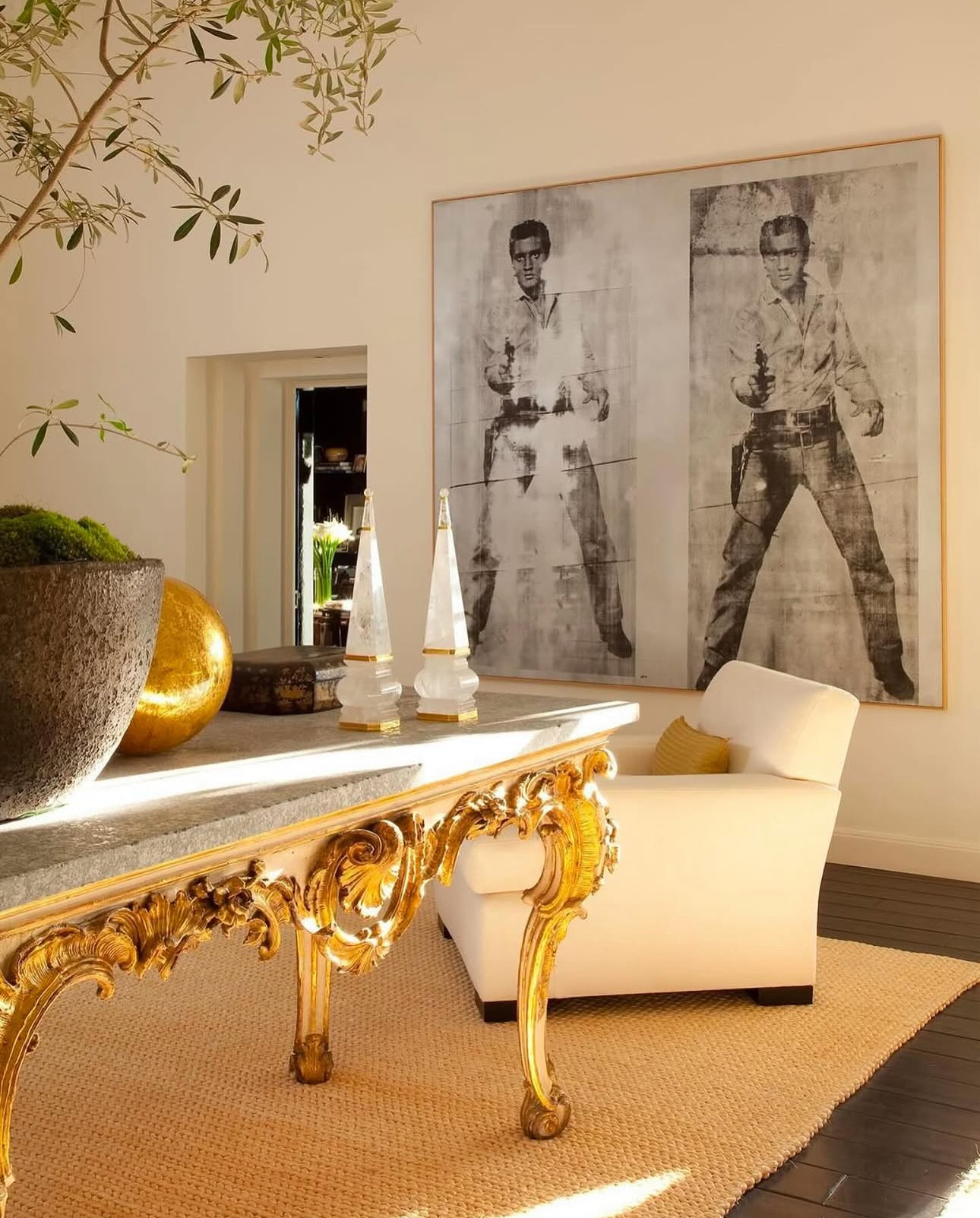
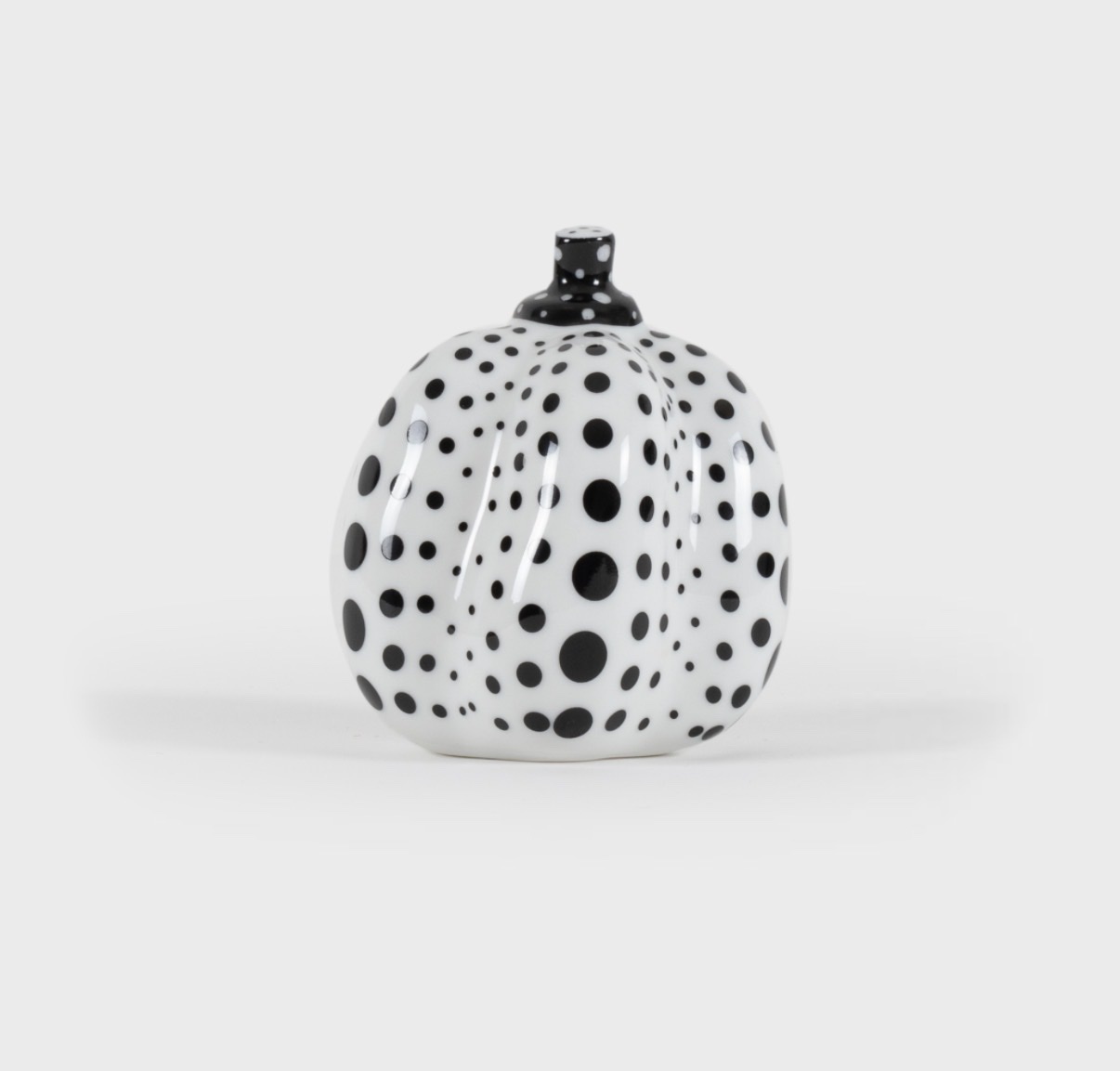
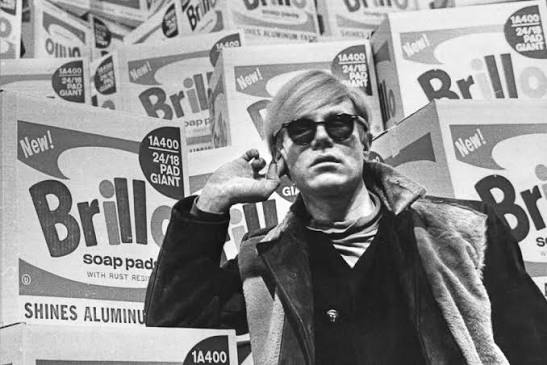
Andy Warhol
Double Elvis, 1963
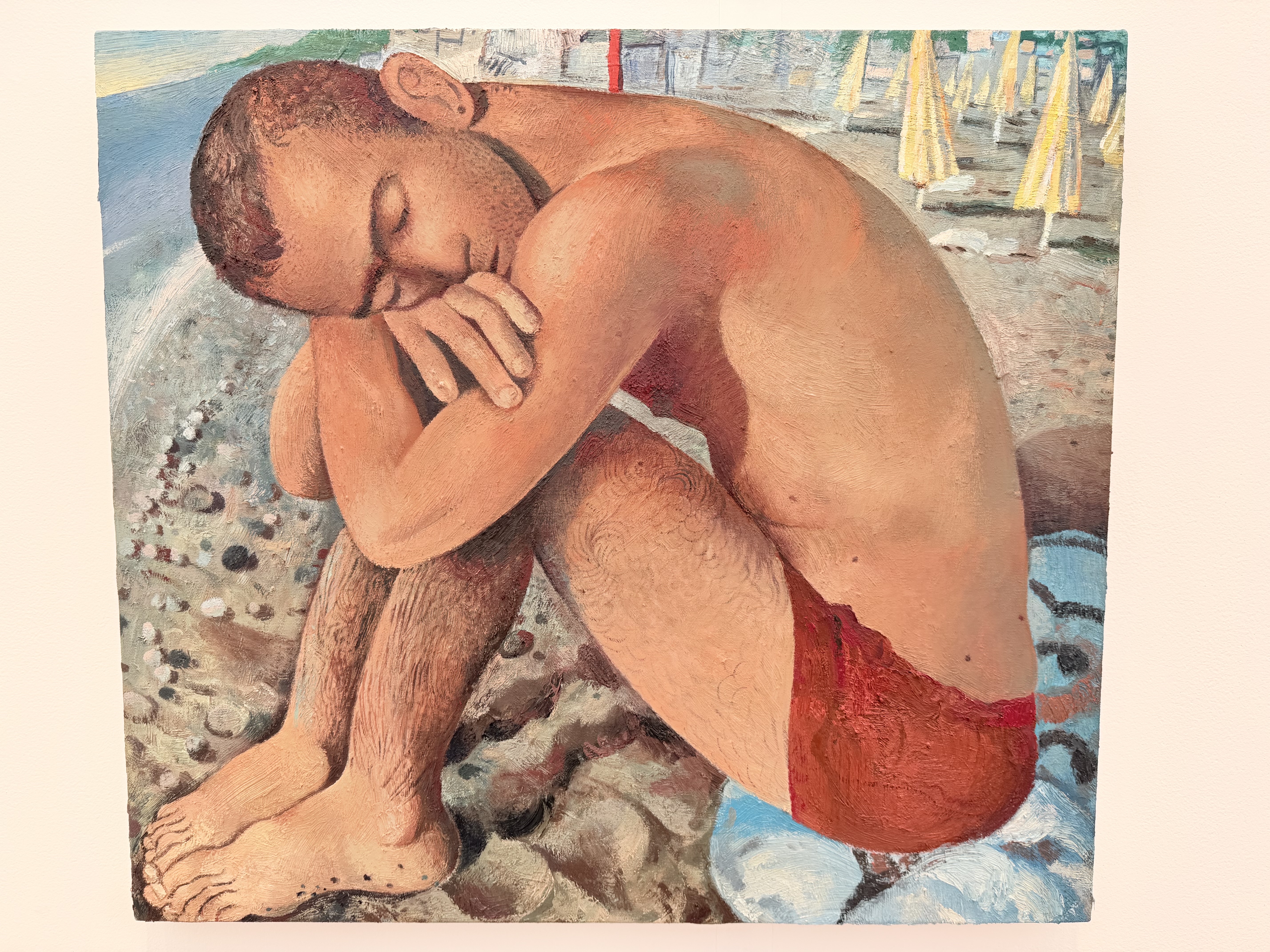
Or consider Lucian Freud, whose unflinching attention to the body as a record of lived experience produces works that feel almost documentary in their honesty. The best portraits reward sustained looking because they resist easy summary. For collectors approaching this category seriously, the question of what to look for comes down to a few core considerations. First, presence: does the work hold the room, or does it recede?
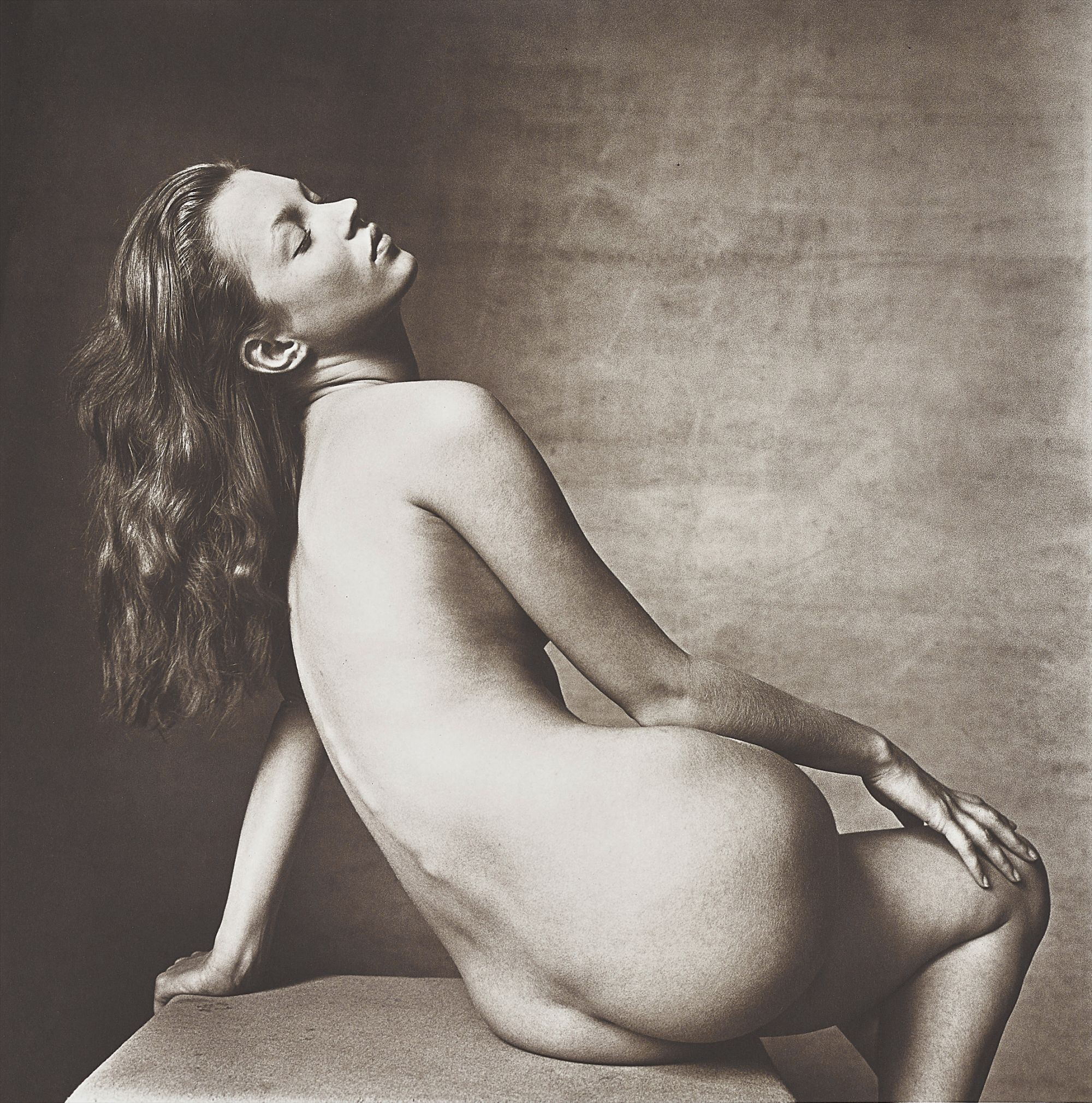
This is partly about scale, but more fundamentally about the quality of attention the artist brought to the sitting. Second, specificity: the most collectible portraits resist type and insist on individual identity. This is why Irving Penn's editorial and portrait work from the mid twentieth century remains so compelling to collectors across photography and fine art alike. Penn was obsessed with the particular.
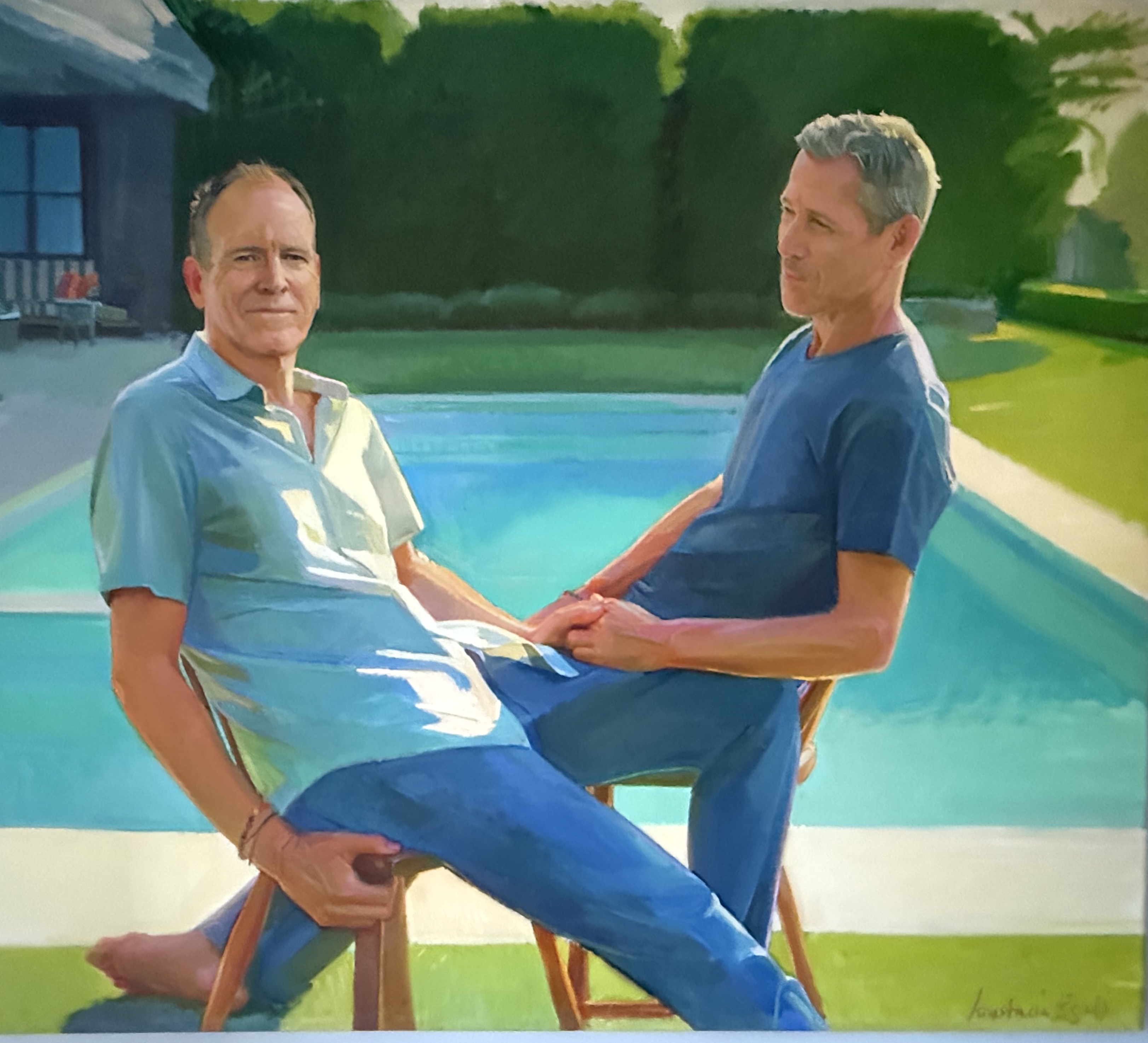
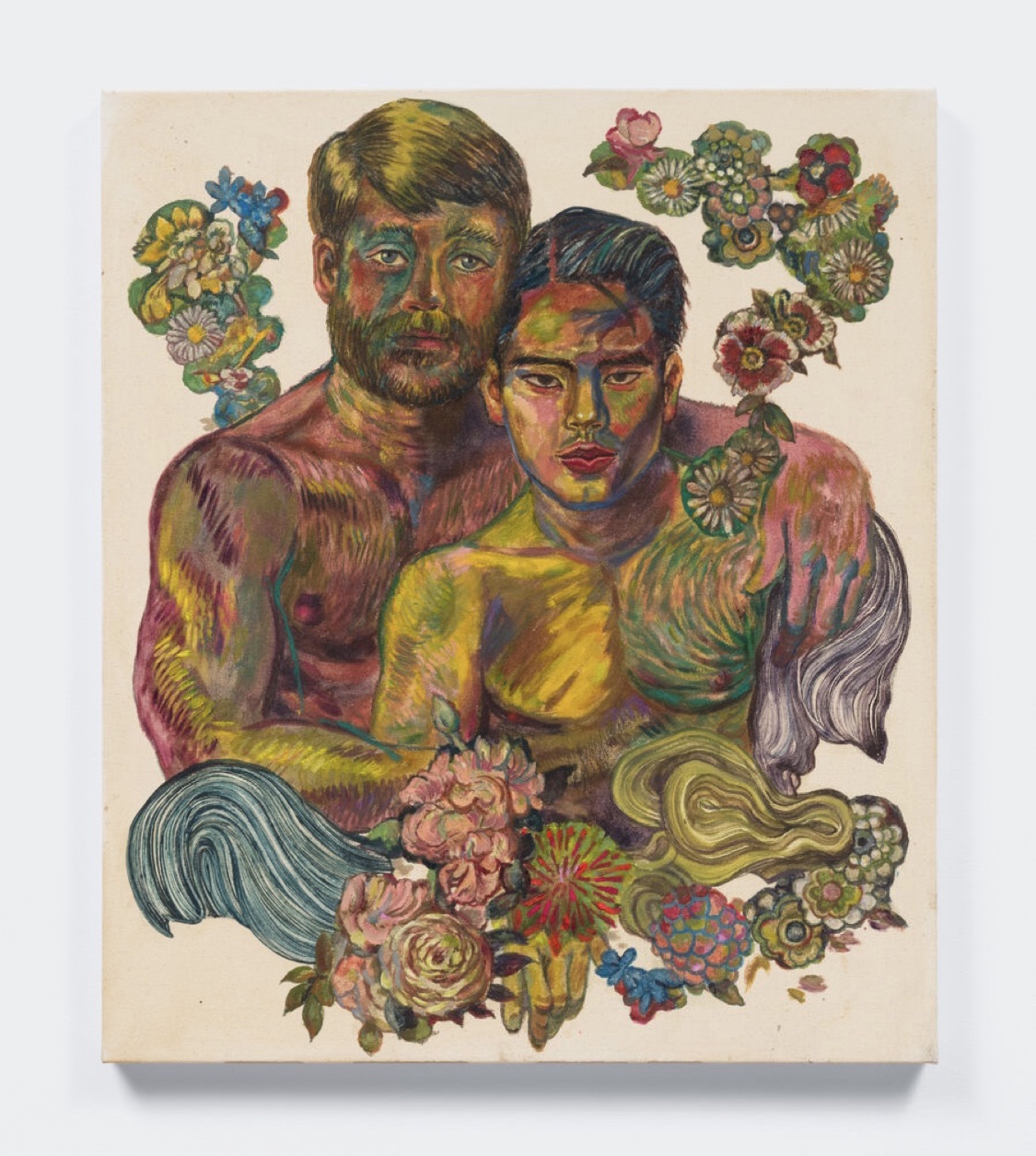
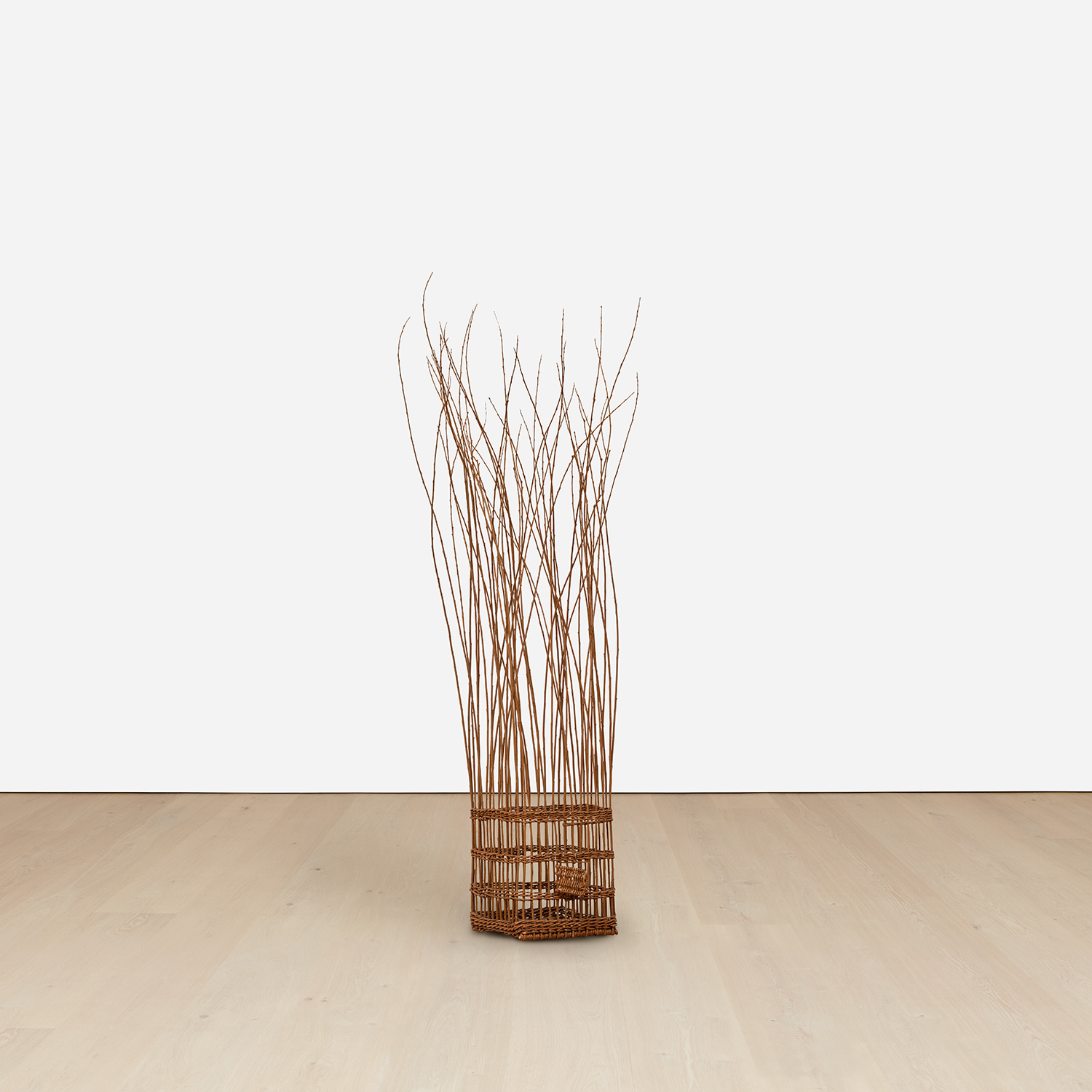
Anastasia Egeli
Jon and Harvey, 2021
His subjects, whether a Peruvian farmer or Truman Capote, never became symbols. They remained stubbornly, irreducibly themselves. Within the artists well represented on The Collection, the range of approaches to portraiture is genuinely remarkable. Andy Warhol transformed the genre entirely by treating celebrity as a readymade subject and the silkscreen as a tool for both celebration and alienation simultaneously.
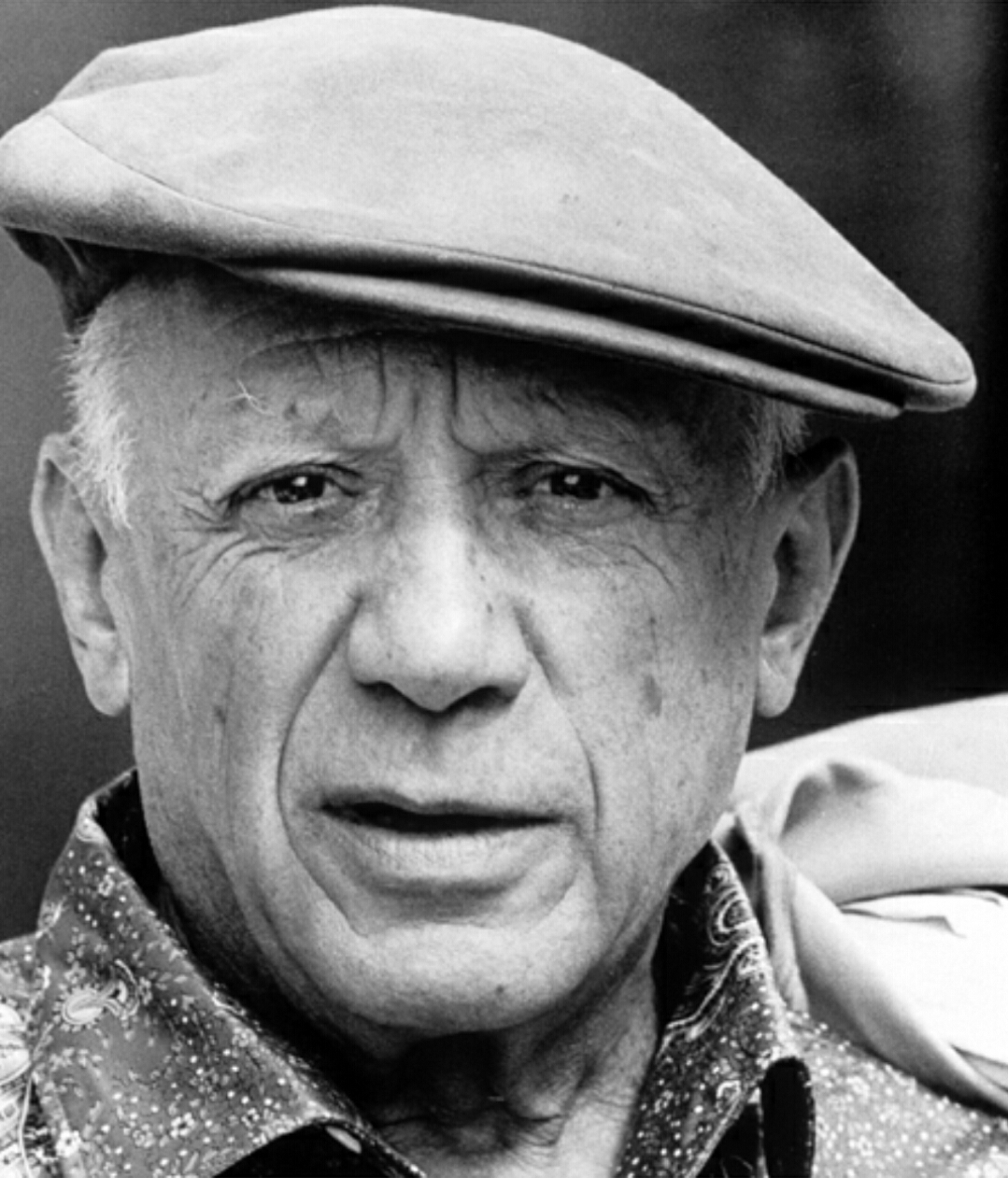
His portrait commissions from the 1970s and 1980s occupy a fascinating position in the market: they are instantly recognizable, highly liquid, and yet individual works carry significant variation in quality depending on the level of Warhol's personal engagement. Buyers should look carefully at provenance and at how much studio involvement is documented. Picasso's portraits, spanning cubist fragmentation and more tender classical periods, represent some of the highest stakes objects in the entire art market. The works on The Collection span this range and offer collectors opportunities at multiple price points.
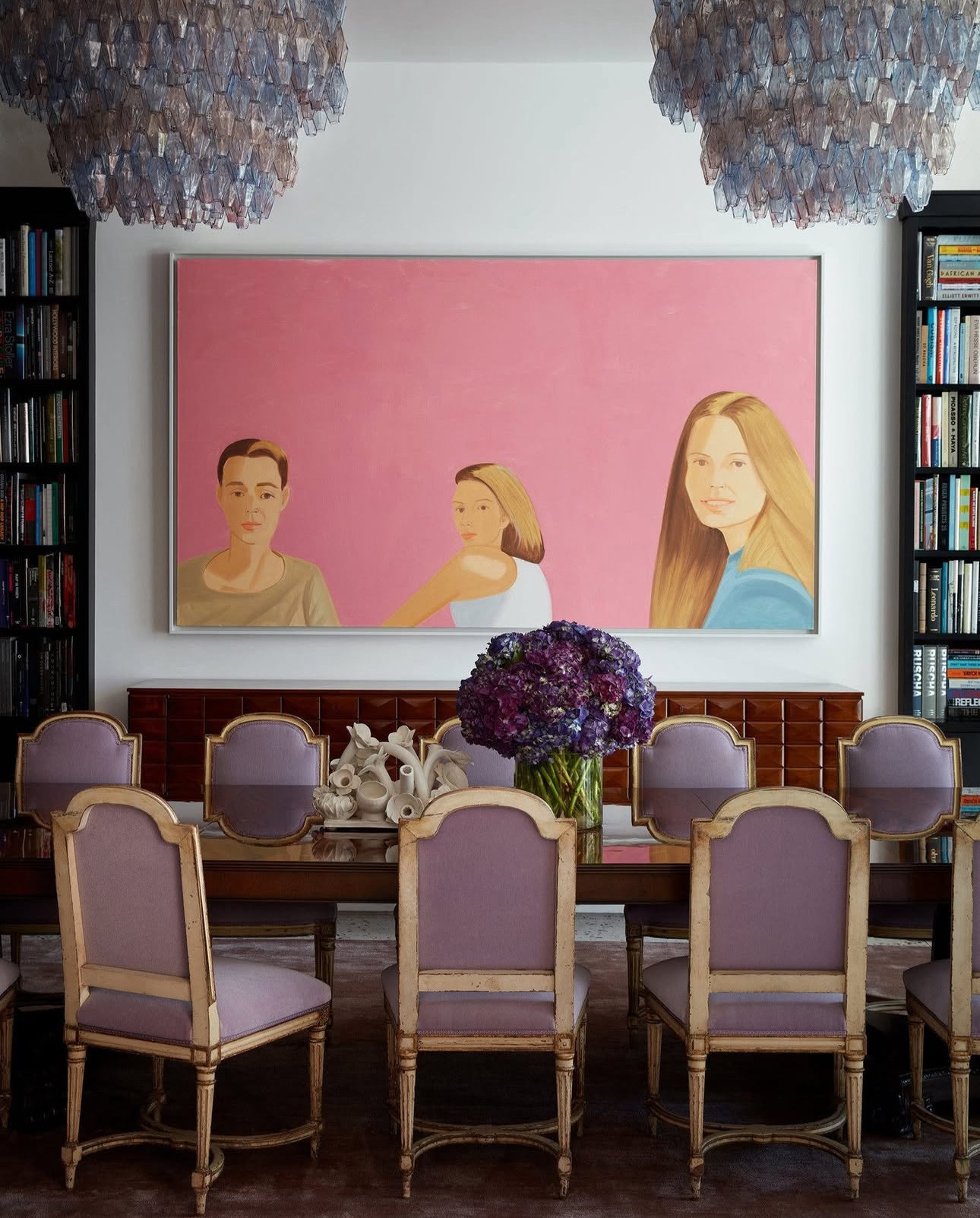
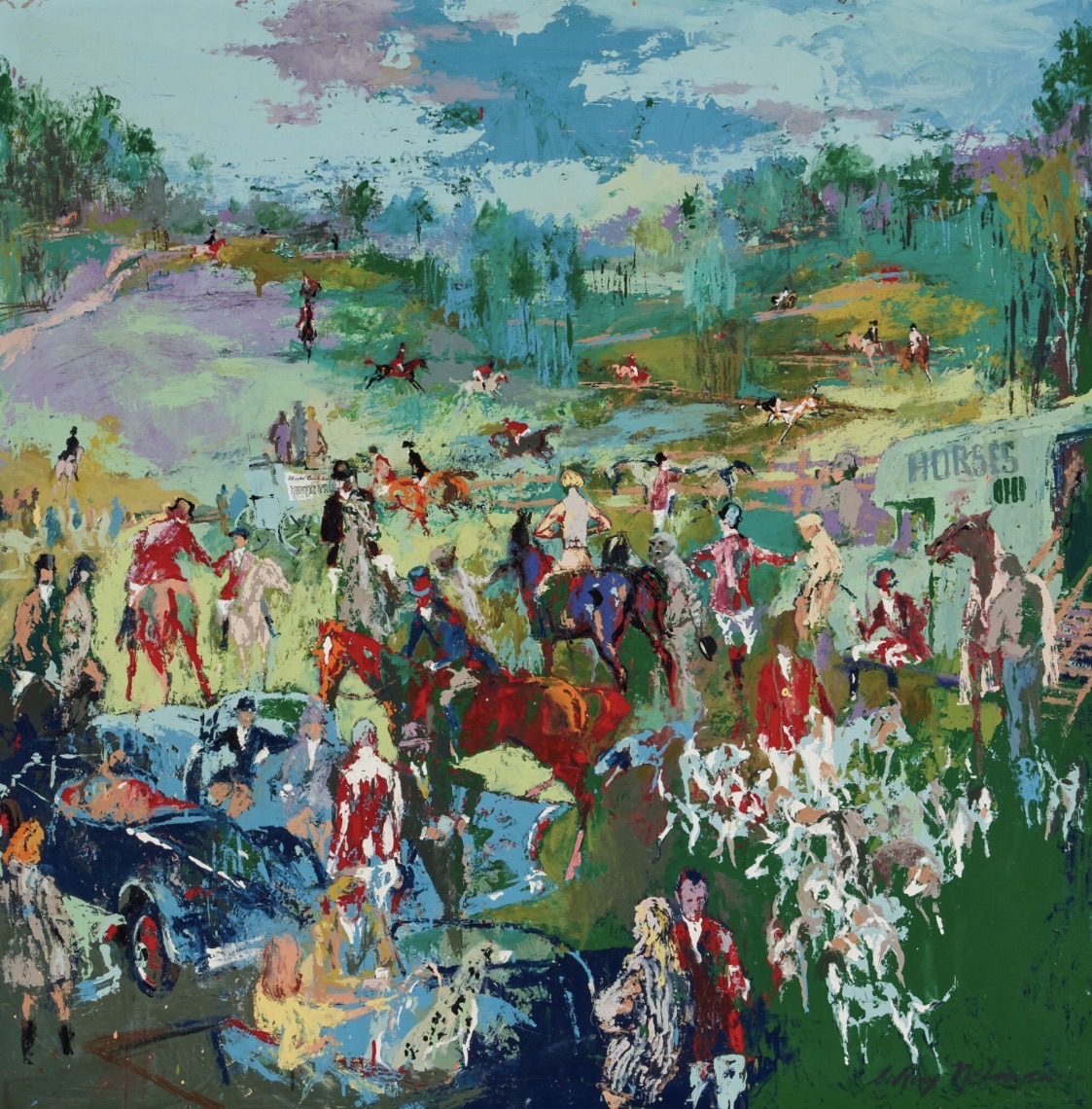
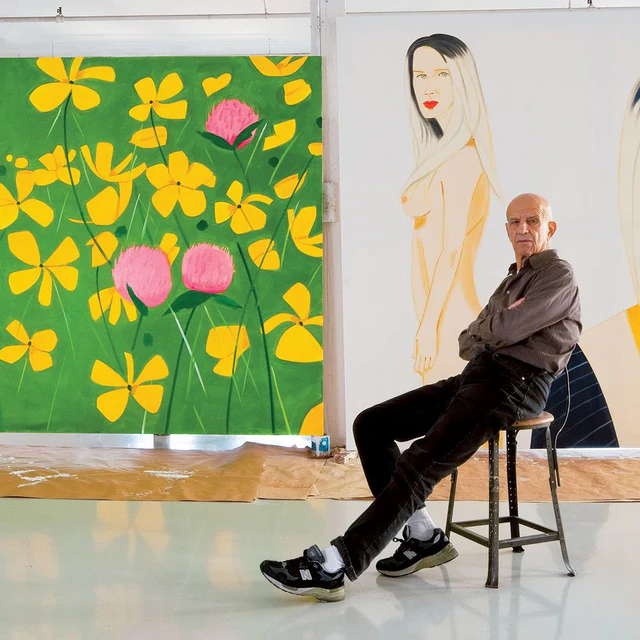
Alex Katz
Three Women on Pink
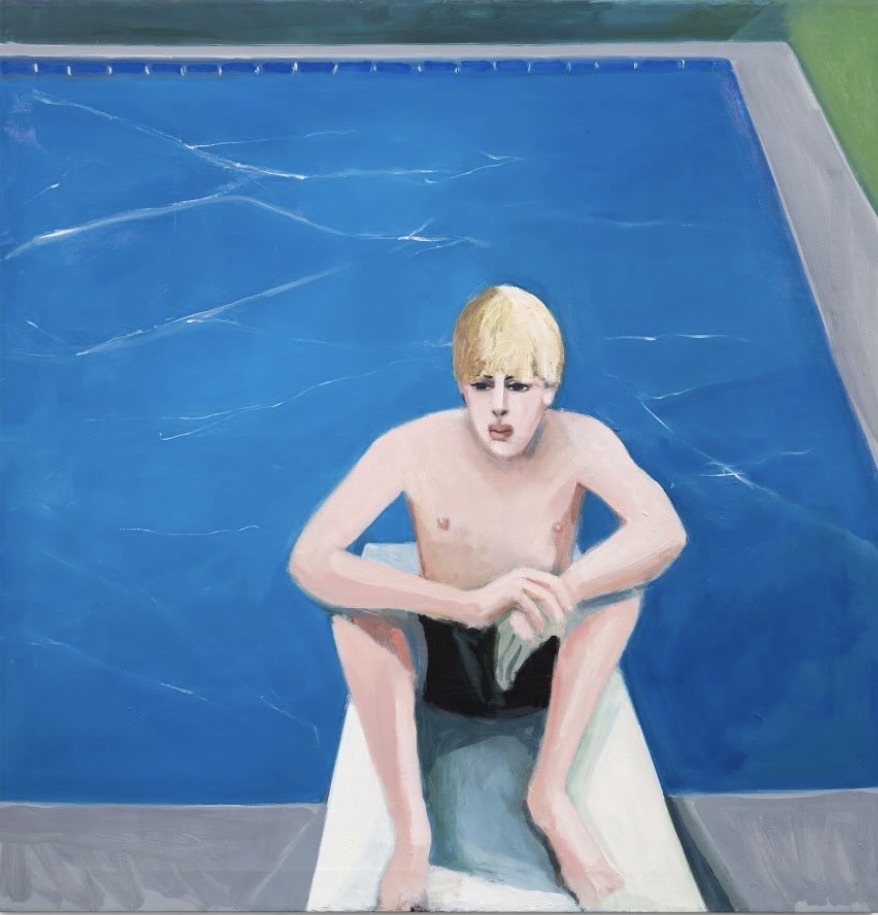
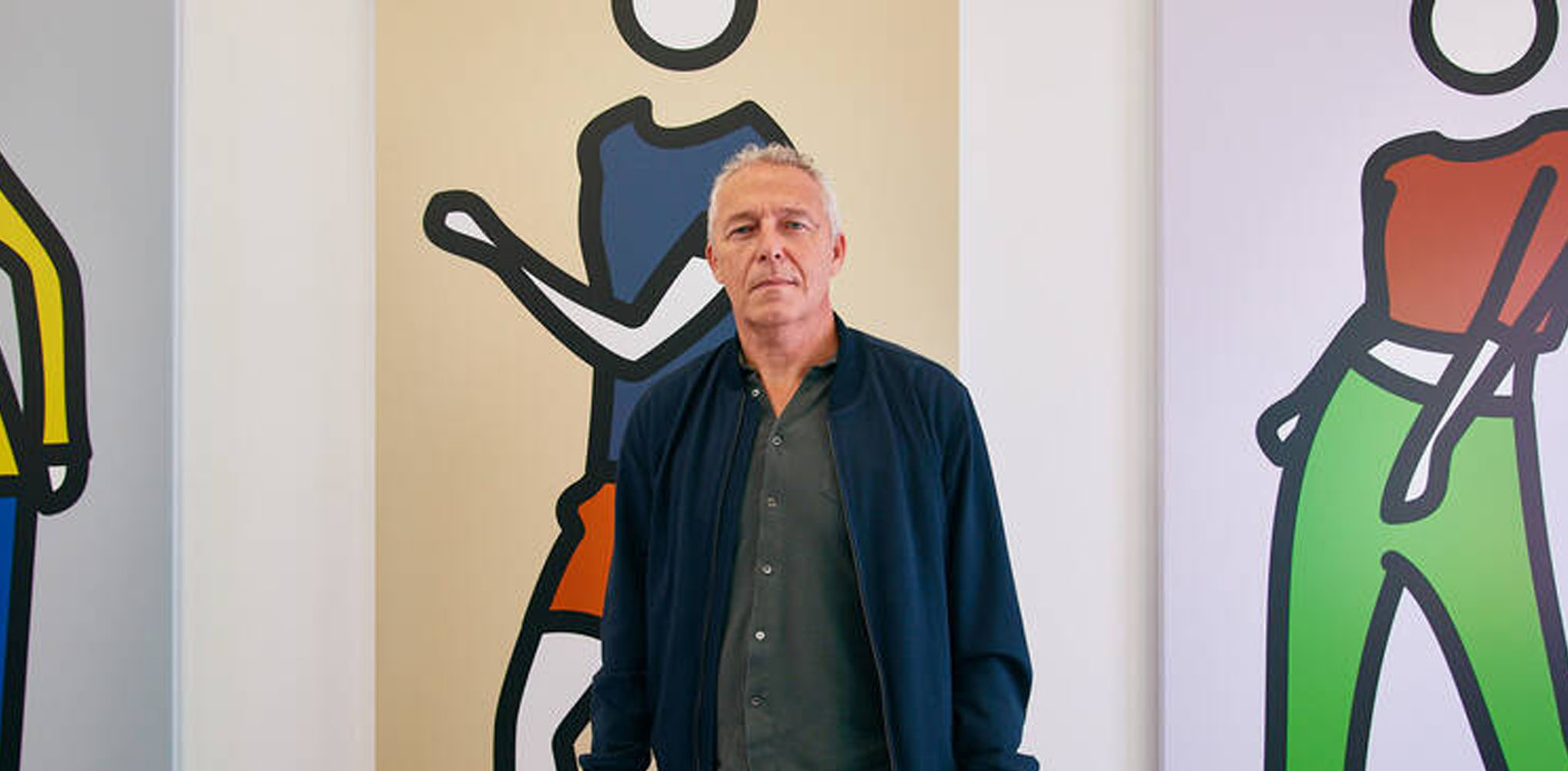
Alex Katz occupies a category of his own within contemporary portraiture and represents one of the more interesting long term value propositions for collectors today. His signature flatness, the cropped faces and cool declarative color, initially read as graphic or decorative, but the more time you spend with his work the more emotionally precise it becomes. The market for Katz has deepened considerably over the past decade as younger collectors respond to his influence on painters like Elizabeth Peyton and others working in a similarly pared down figurative language. Peyton herself is worth serious attention.
Her intimate portraits of friends, musicians, and historical figures have a romantic urgency that translates powerfully in domestic settings, and her prices at auction have shown consistent upward movement. Julian Opie brings a conceptual rigor to portraiture that makes his work function beautifully in contemporary interiors while remaining rooted in serious art historical dialogue. For collectors with an eye toward emerging and underrecognized territory, Mickalene Thomas represents some of the most exciting work being made in portraiture right now. Her rhinestone encrusted canvases create a visual vocabulary entirely her own, drawing on art history, Black feminist thought, and the aesthetics of vernacular photography simultaneously.
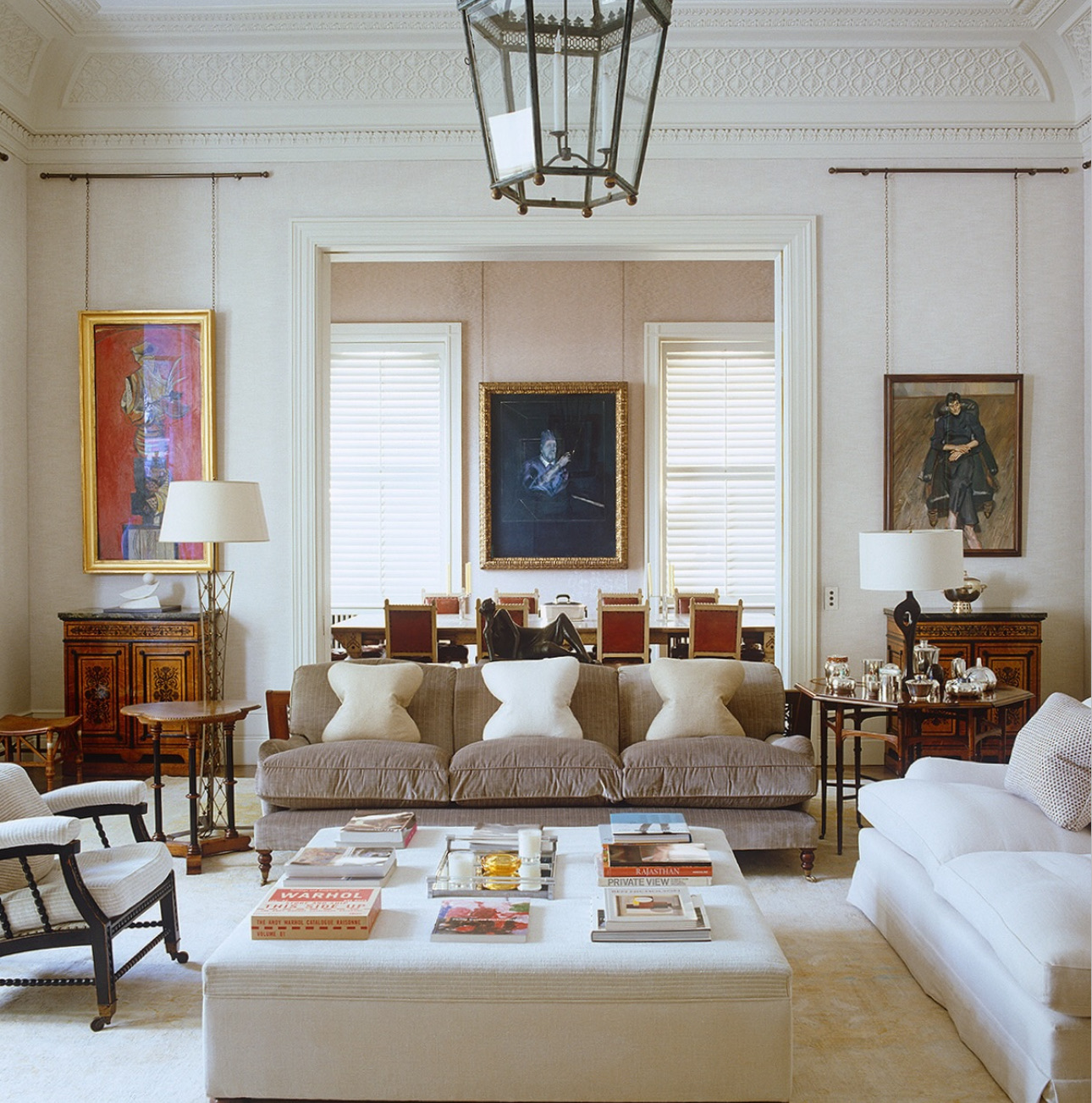
Francis Bacon
Untitled
Marlene Dumas has been recognized by serious institutions for decades but her market still trails her critical standing in ways that suggest meaningful upside. Her watercolor and ink portraits carry an emotional rawness that photographs easily and lives powerfully on a wall. At auction, portraits by blue chip artists perform with notable consistency across market cycles because demand is genuinely global. A recognizable Warhol silkscreen portrait or a strong Freud head will attract bidders from New York, London, Hong Kong, and the Gulf regardless of broader market sentiment.
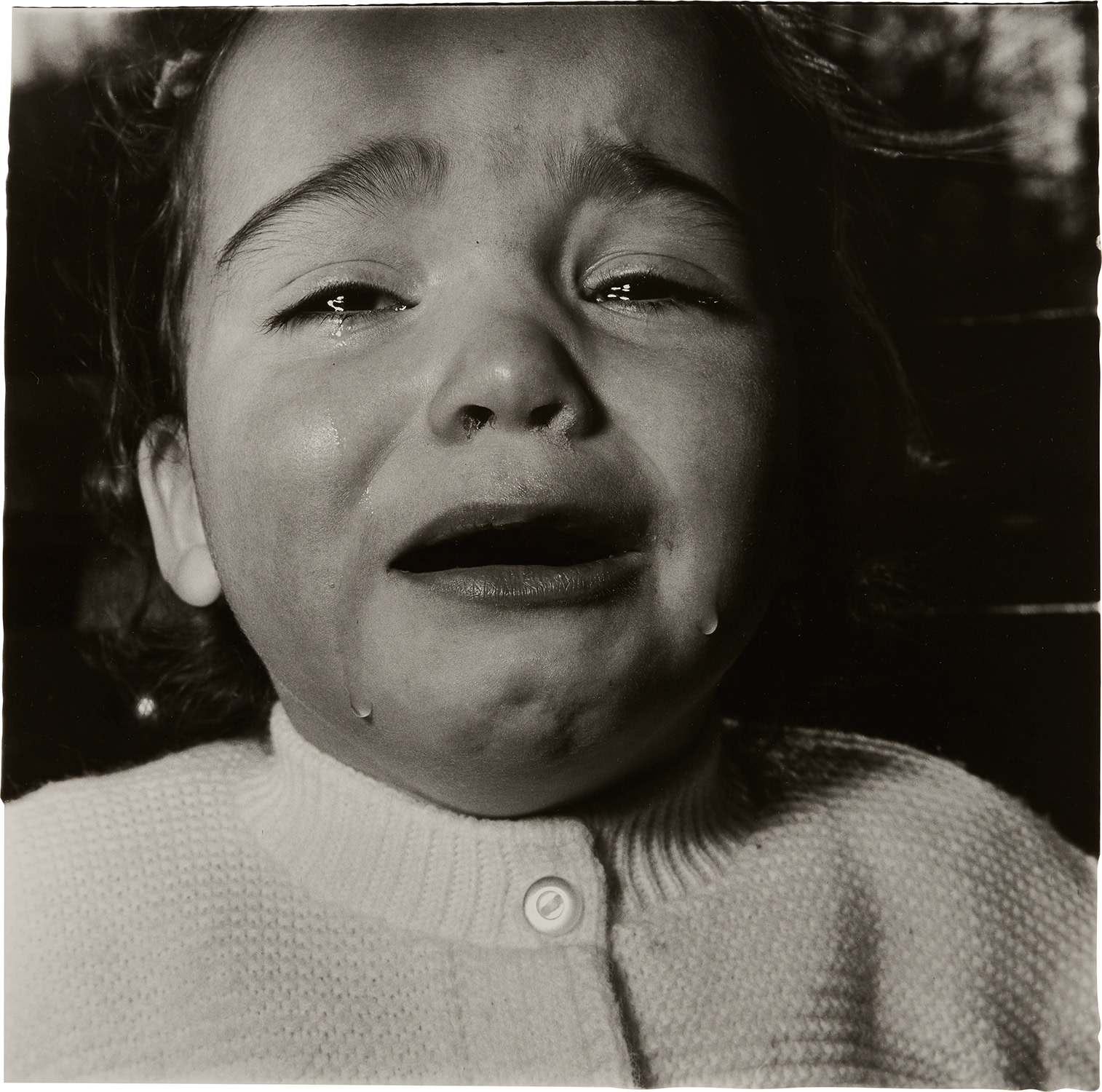
Photography based portraiture, including the work of Diane Arbus, Richard Avedon, Robert Mapplethorpe, and Helmut Newton, presents a slightly more technical collecting landscape because edition size, print date, and the distinction between vintage and later prints all materially affect value. A vintage print by Arbus, made during her lifetime, commands a premium that can be ten times or more the price of a later authorized print of the same image. Always ask a gallery for the full print history. Practically speaking, portraiture rewards attention to condition more than most categories.
Condition issues that might be overlooked in an abstract work become impossible to ignore in a portrait: a crack running through a face, a loss in a painted eye, a significant retouch to a cheek. These are not merely aesthetic problems but market problems that will affect resale. When displaying portraits, resist the instinct to hang them too high. A face positioned at or near eye level creates the sense of encounter that makes the category so powerful.
For unique works in oil or works on paper, climate control and UV protection are essential. For photographs and editions, ask the gallery specifically about paper type, ink stability, and recommended framing specifications. These questions signal to a dealer that you are a serious buyer, and they often unlock more candid conversation about what the artist and the market actually value. The portrait has outlasted every prediction of its obsolescence.
Photography was supposed to end it. Abstraction was supposed to render it naive. And yet here we are, still stopping cold in front of a face, still trying to understand what it means to be looked at across time. That is the category's deepest value, and no market report can quite capture it.