Photography
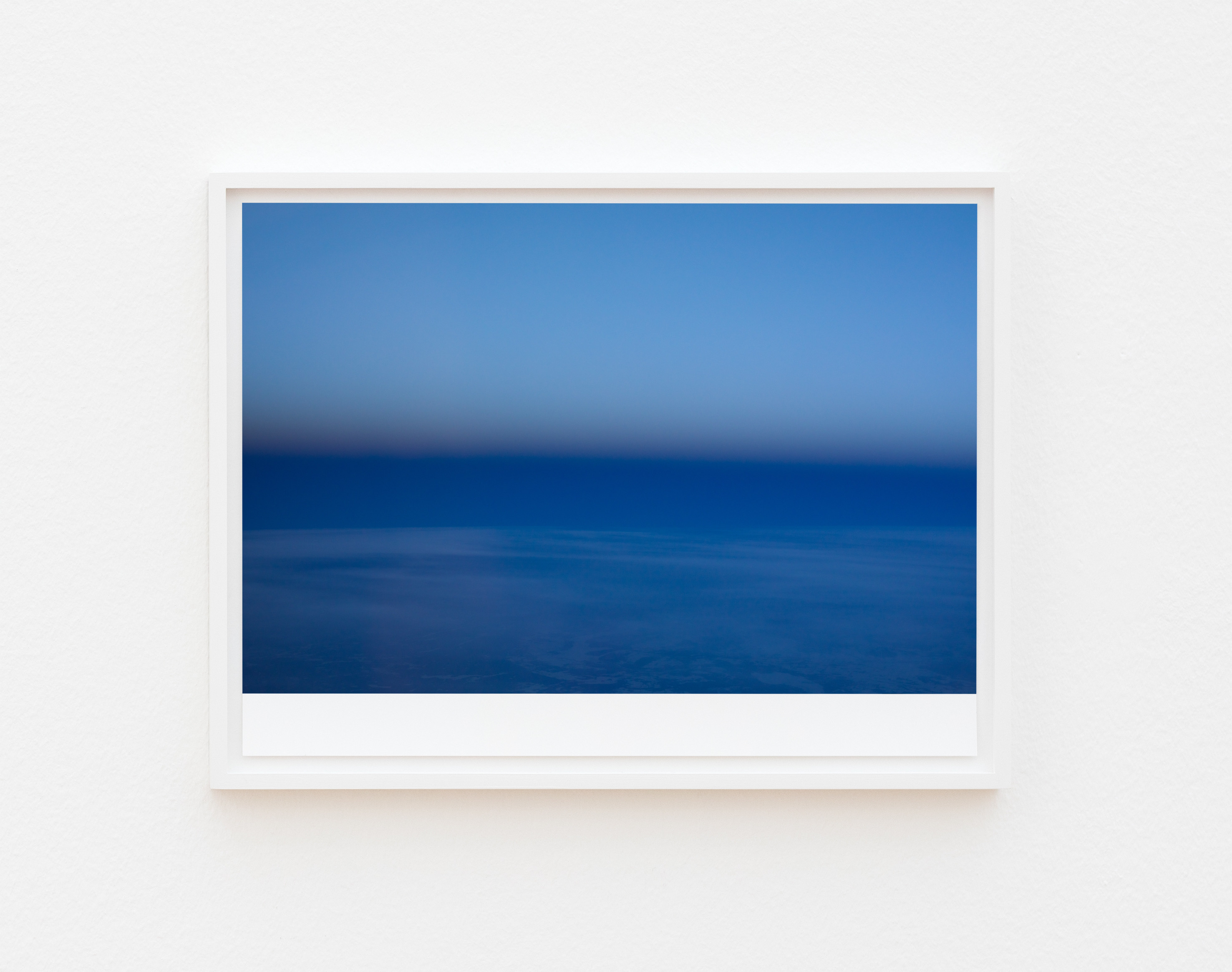
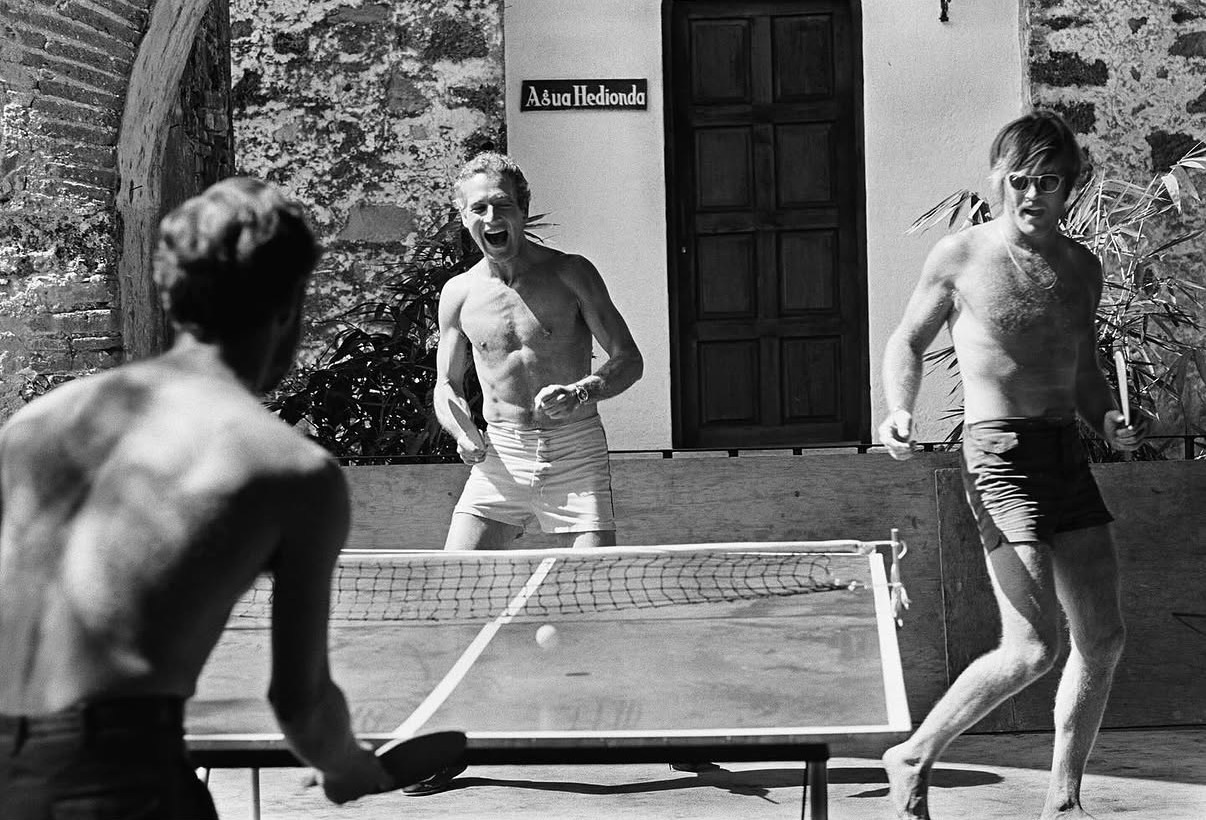
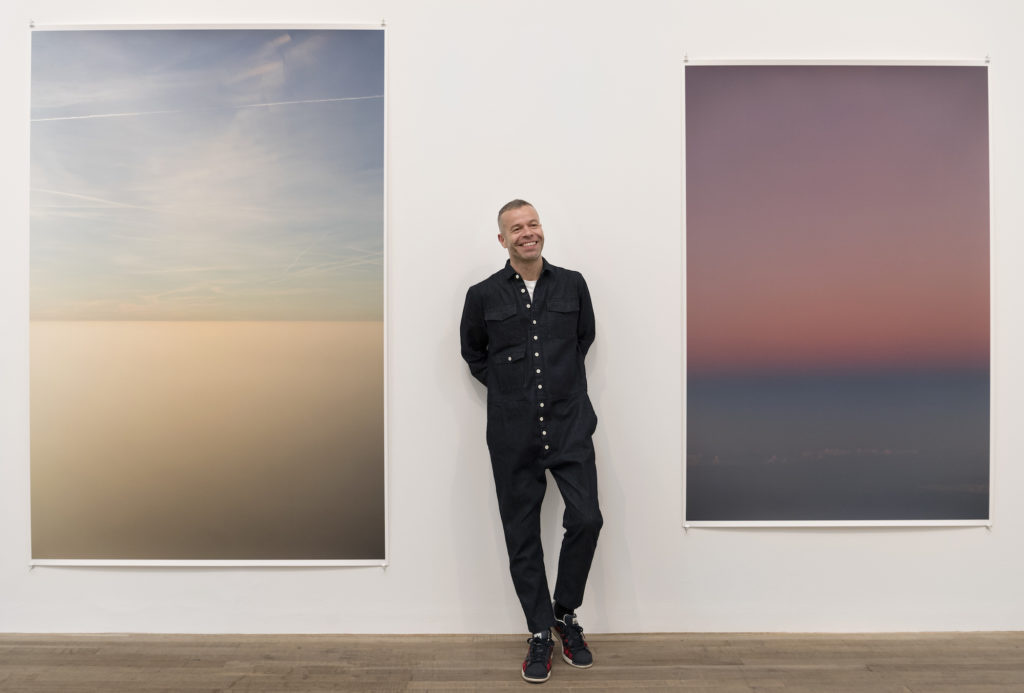
Wolfgang Tillmans
Tag/Nacht (Horizontal), 2023

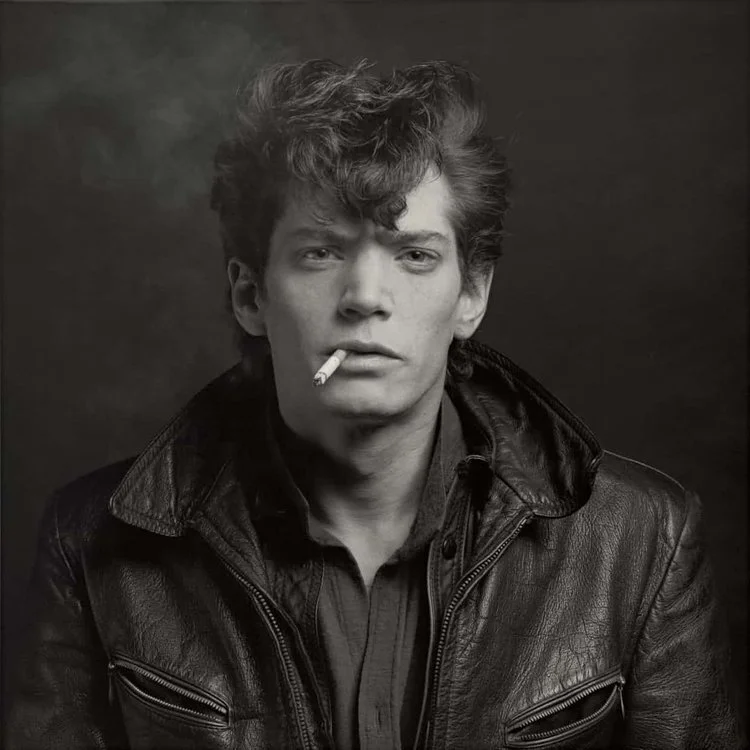
The Medium That Made Everything Else Possible
There is a moment, familiar to anyone who has spent time with a great photograph, when the image stops being a document and becomes a presence. Something in the light, the grain, the particular geometry of a shadow changes the temperature of the room. Photography has been arriving at that moment, over and over, for nearly two centuries, and the art world is still catching up to what that means. No other medium has so thoroughly infiltrated culture while simultaneously fighting for its legitimacy within it.
That tension, between record and revelation, between mechanical reproduction and singular vision, is precisely what makes photography so alive to collect right now. The story begins, officially, in 1839, when both the daguerreotype and William Henry Fox Talbot's calotype process were announced within months of each other, setting two competing philosophies in motion from the start. The daguerreotype offered a mirror of startling fidelity, a one of a kind image fixed on silver. Talbot's negative to positive system sacrificed some of that clarity for something far more consequential: reproducibility.
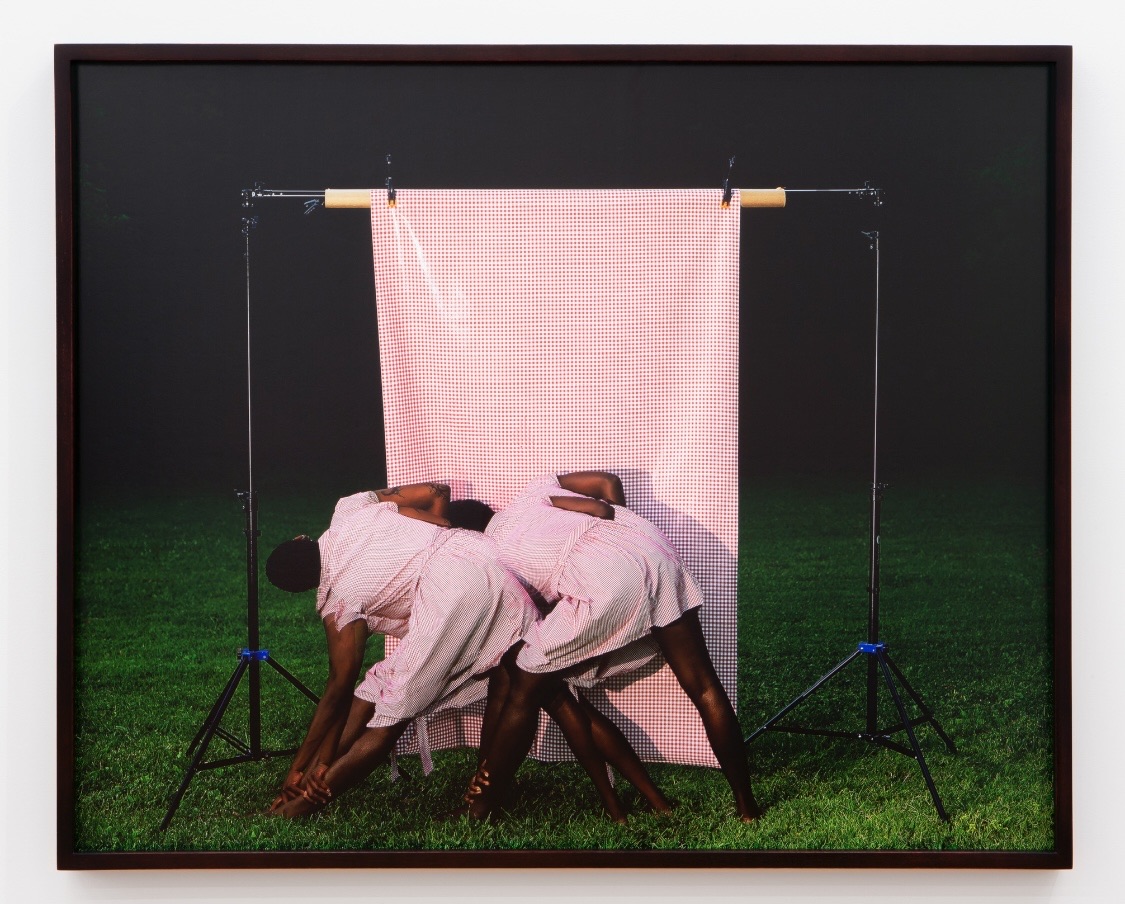
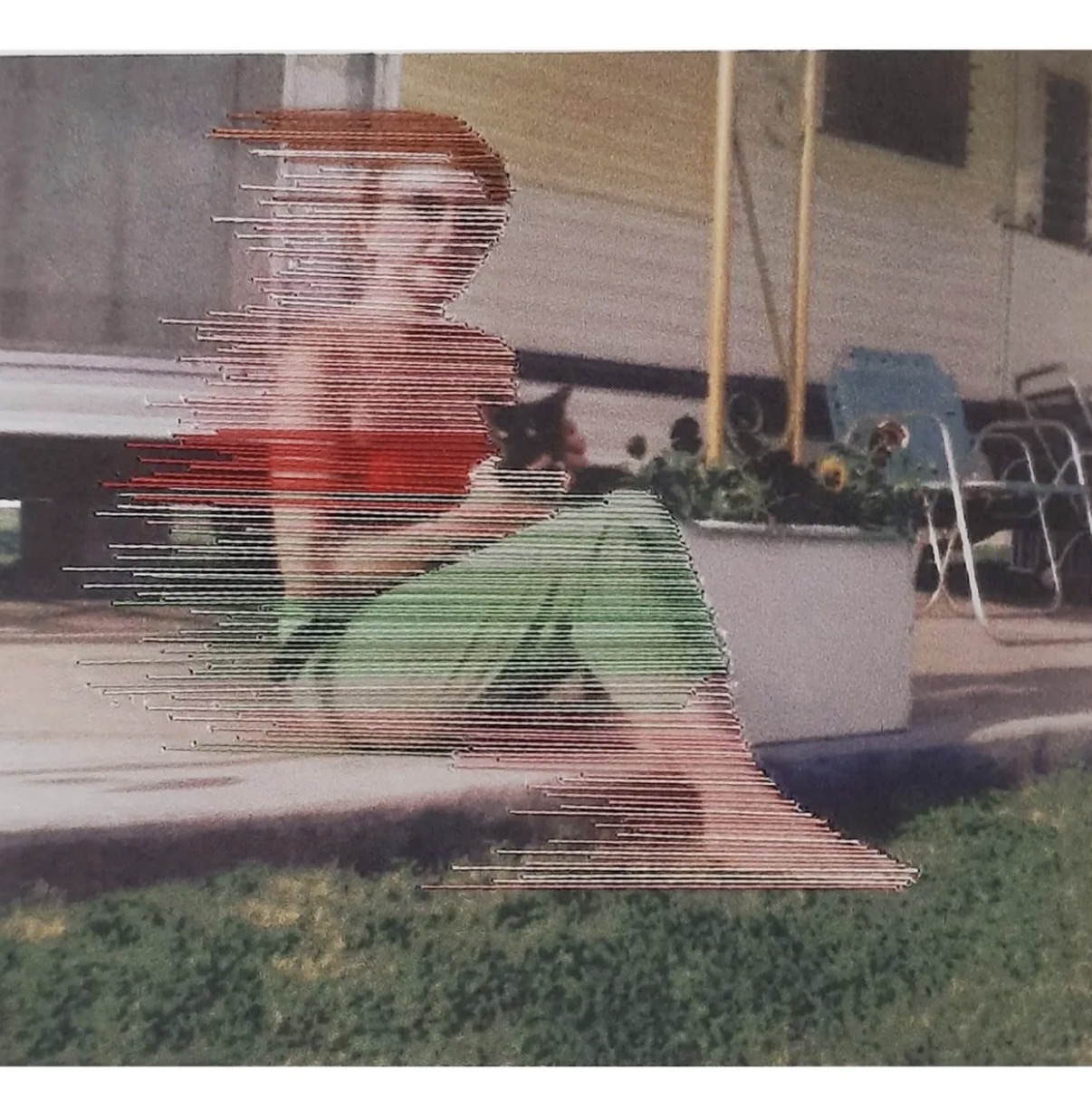
Widline Cadet
Untitled
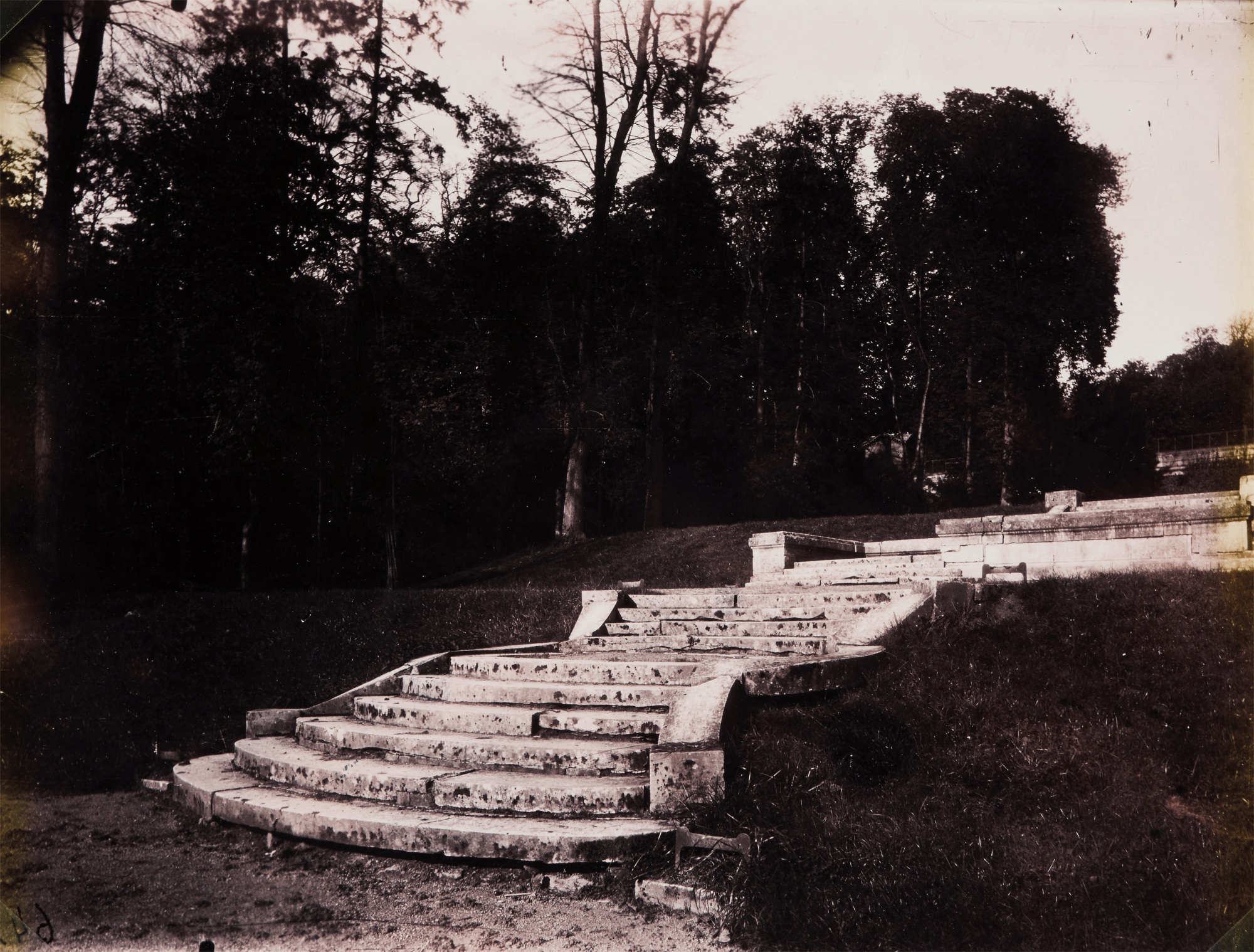
The works by Talbot on The Collection, including his studies of botanical specimens and architectural forms, show a man who understood from the beginning that photography was not simply a tool for recording but a way of organizing vision. His 1844 publication The Pencil of Nature was the first commercially published book illustrated with photographs, and it reads, even now, as a manifesto. As the nineteenth century progressed, photographers began pushing against the documentary assumption. Eugène Atget spent roughly thirty years walking the streets and gardens of Paris, making thousands of photographs that looked like evidence but functioned as elegy.
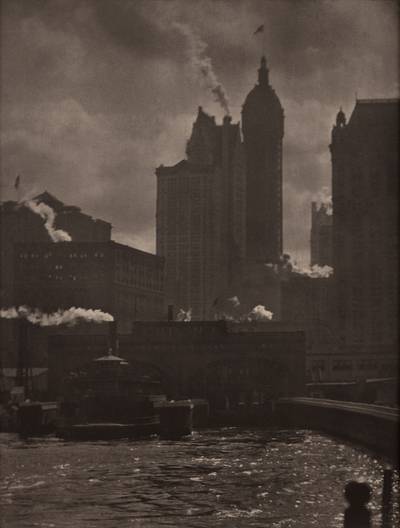
His images of shop fronts, courtyards, and the parks around the city have an extraordinary stillness, as though he were photographing not places but the memory of them. Around the same time, Maxime Du Camp was documenting Egypt and the Near East, producing some of the earliest photographic records of ancient monuments, work that sits at the complicated intersection of colonial ambition and genuine aesthetic discovery. Both men remind us that early photography carried enormous ideological weight alongside its aesthetic ambitions. Alfred Stieglitz changed the terms of the argument when he founded the Photo Secession in 1902 and, later, when he opened his gallery 291 in New York.
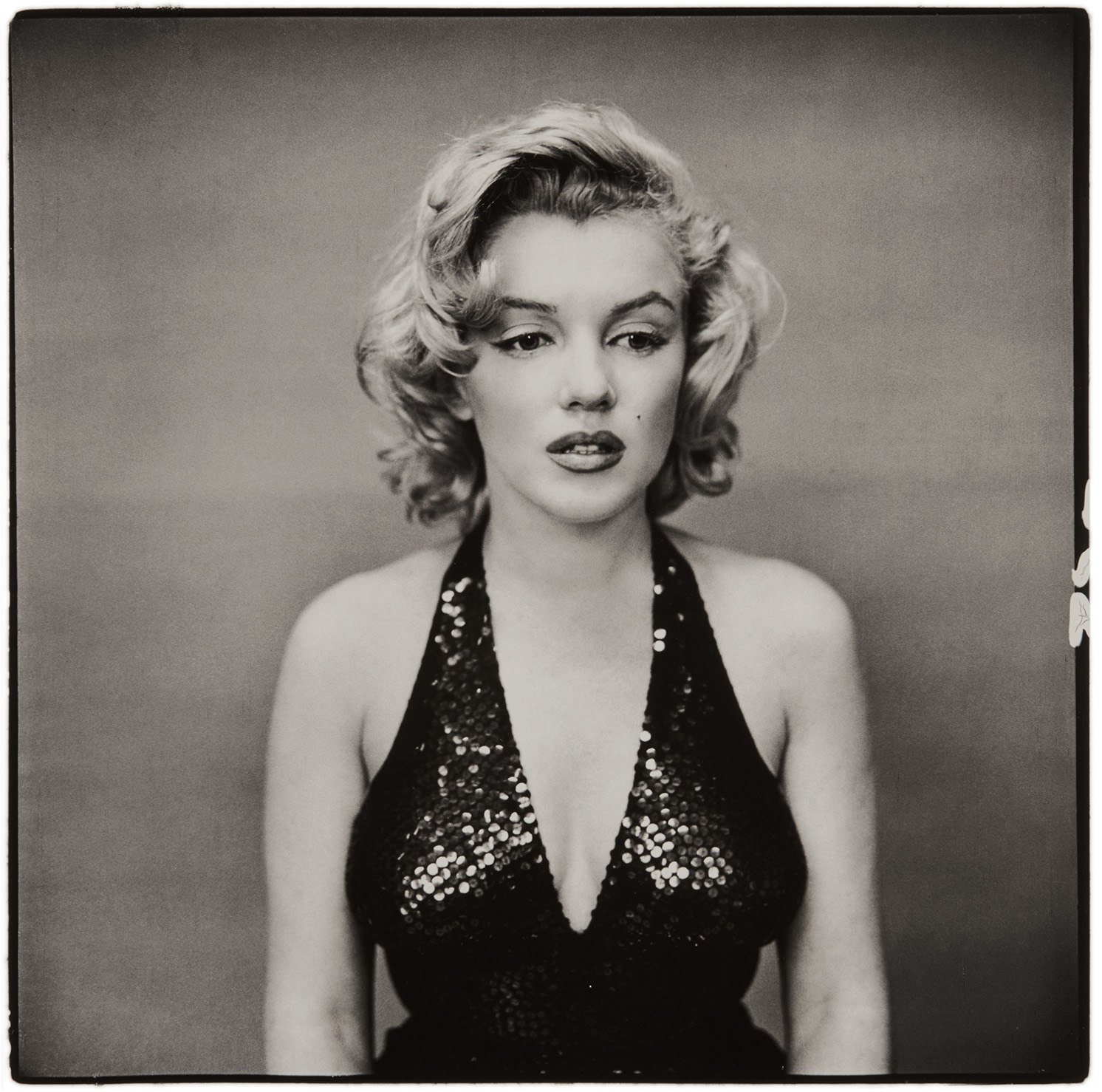
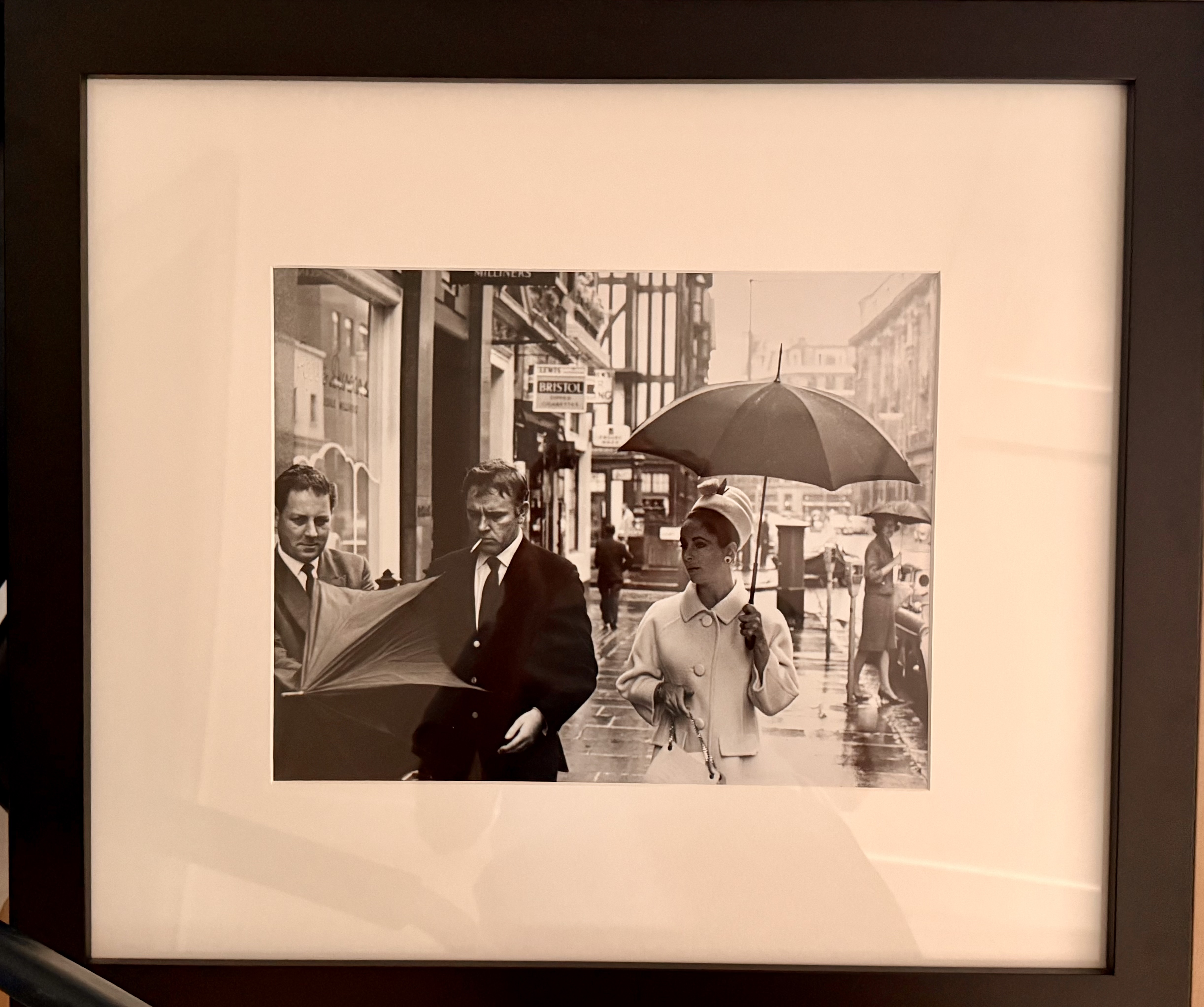
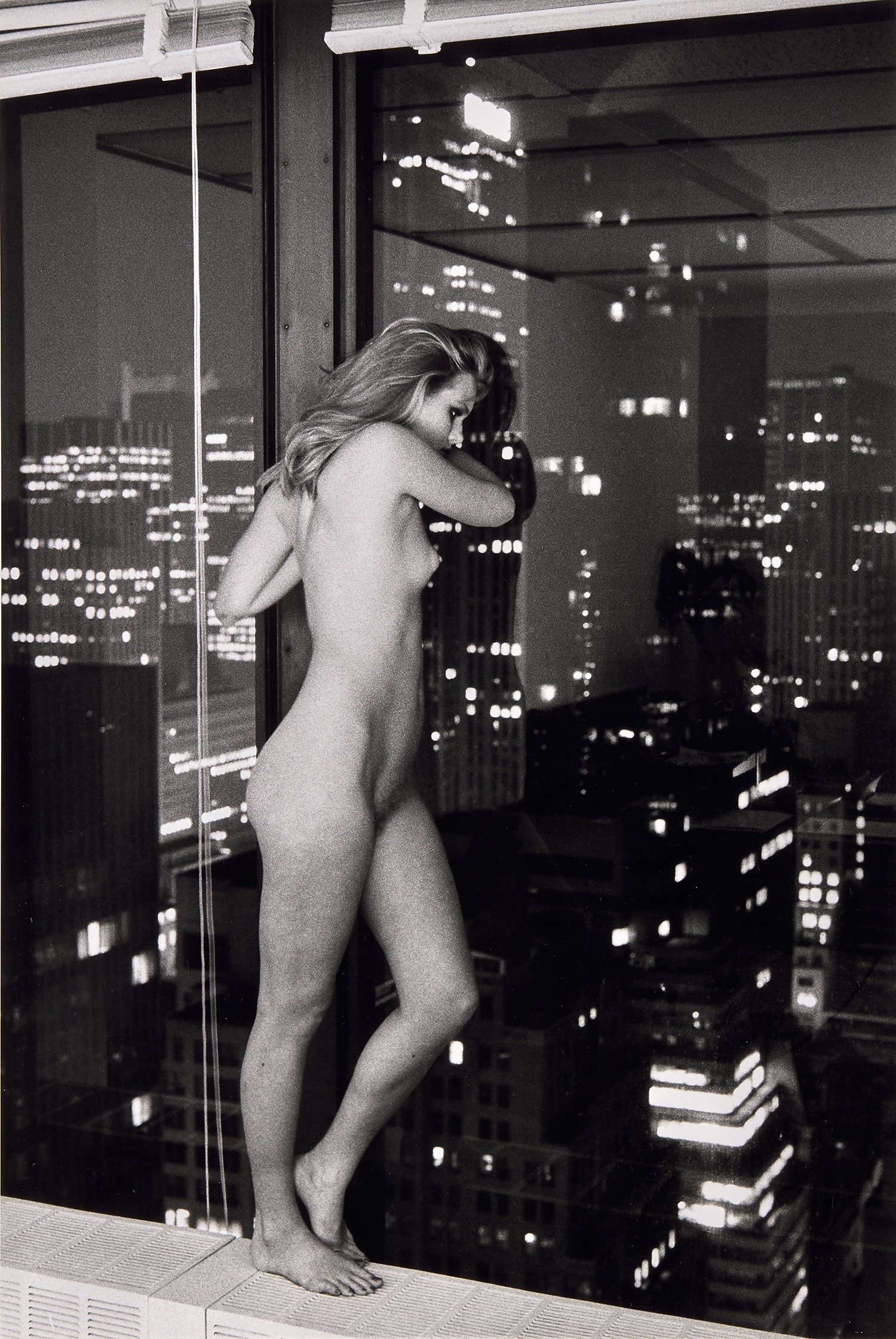
Richard Avedon
Marilyn Monroe, New York City, May 6
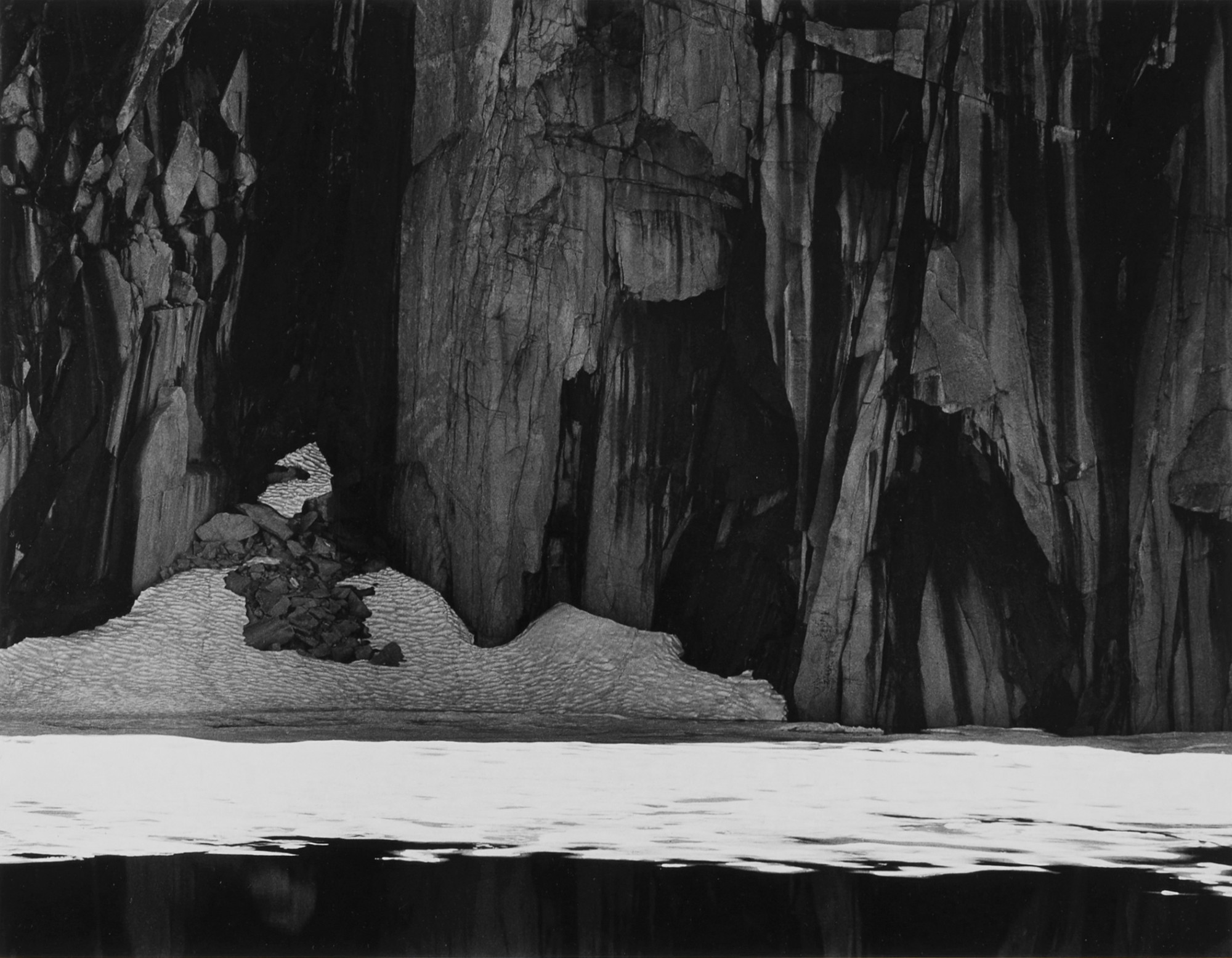
His campaign to have photography accepted as a fine art equal to painting and sculpture was not simply professional lobbying. It was a philosophical position, backed by his own extraordinary pictures, including the cloud studies he called Equivalents, made throughout the 1920s, in which the sky becomes pure abstraction. The twentieth century that followed produced an almost overwhelming proliferation of photographic genius. Henri Cartier Bresson codified the idea of the decisive moment.
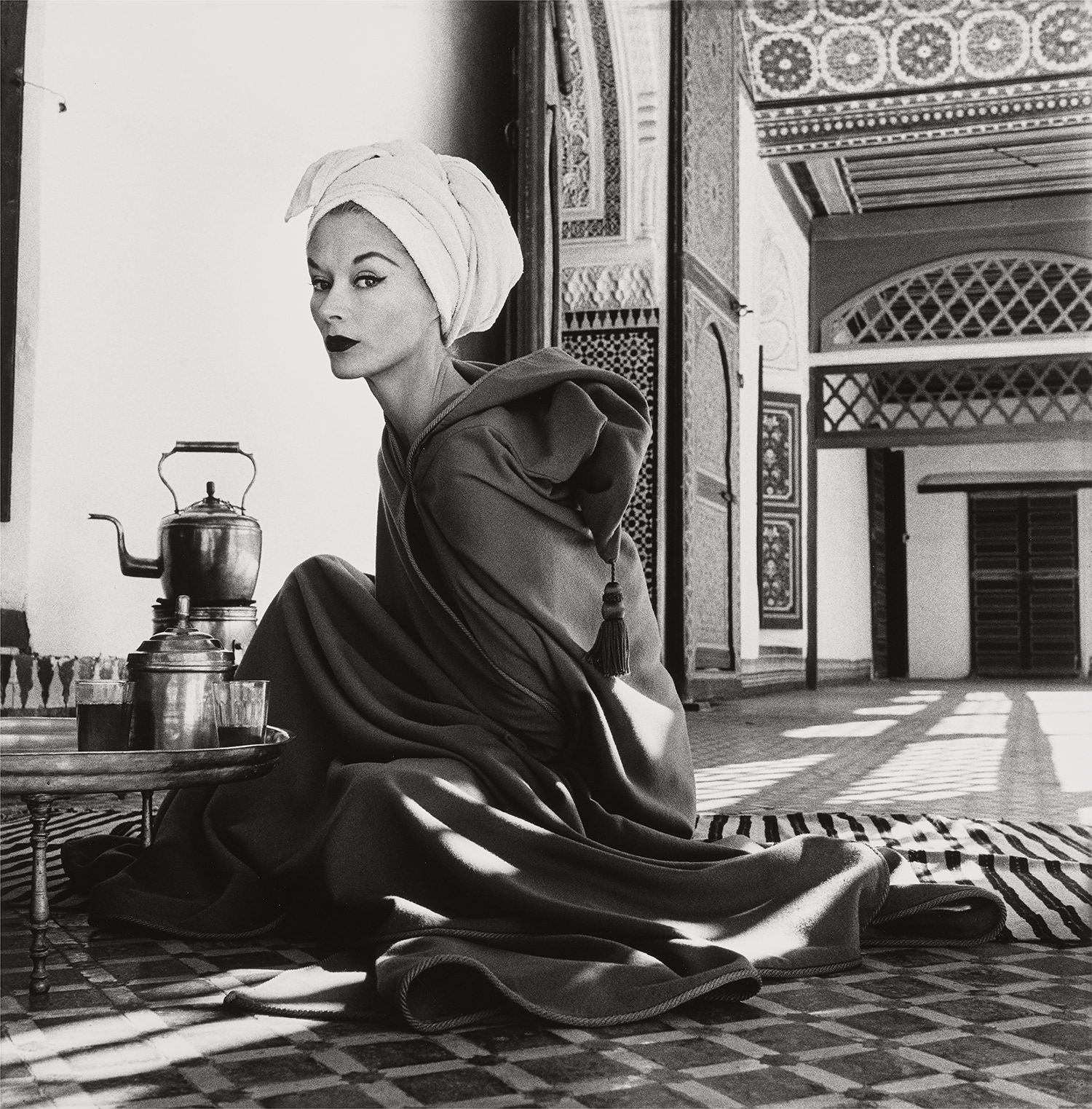
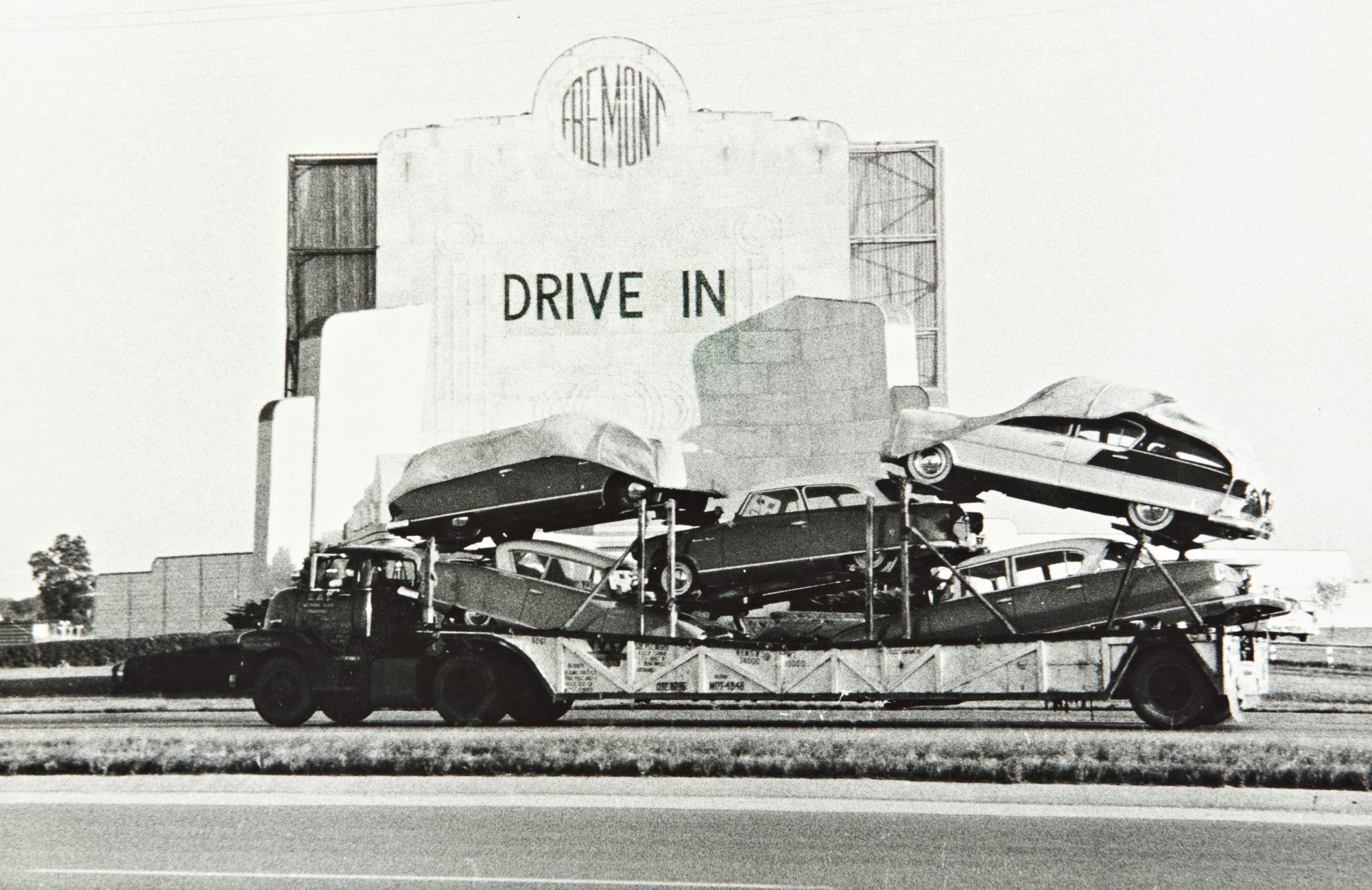
Robert Frank's 1958 book The Americans reoriented what documentary photography could be emotionally and politically. Diane Arbus made portraits that could not be looked at without an awareness of one's own discomfort. Irving Penn brought a formal severity to fashion and still life that no one has quite matched. What distinguishes the photographers who emerged from the 1970s onward is a new level of self consciousness about the medium itself.
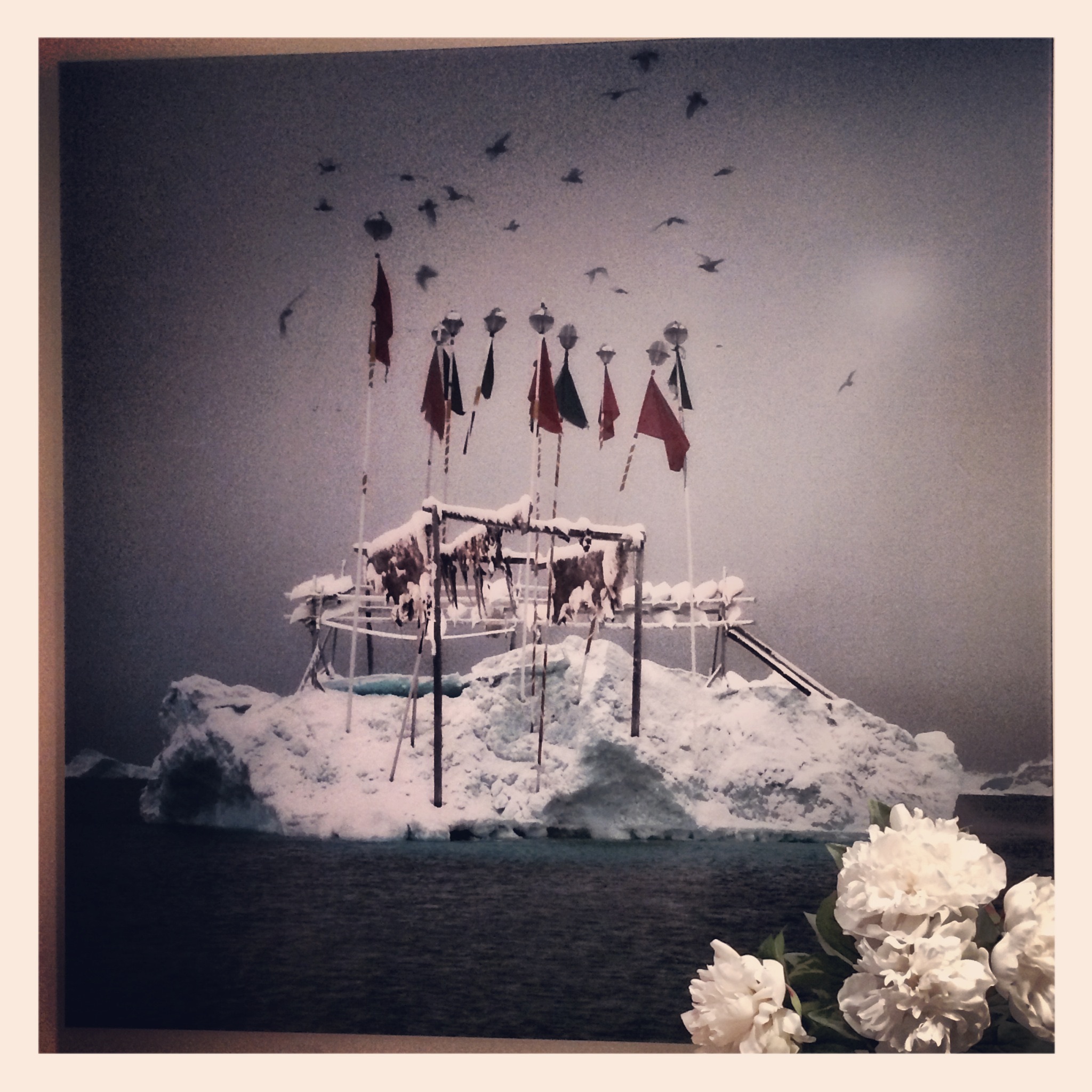
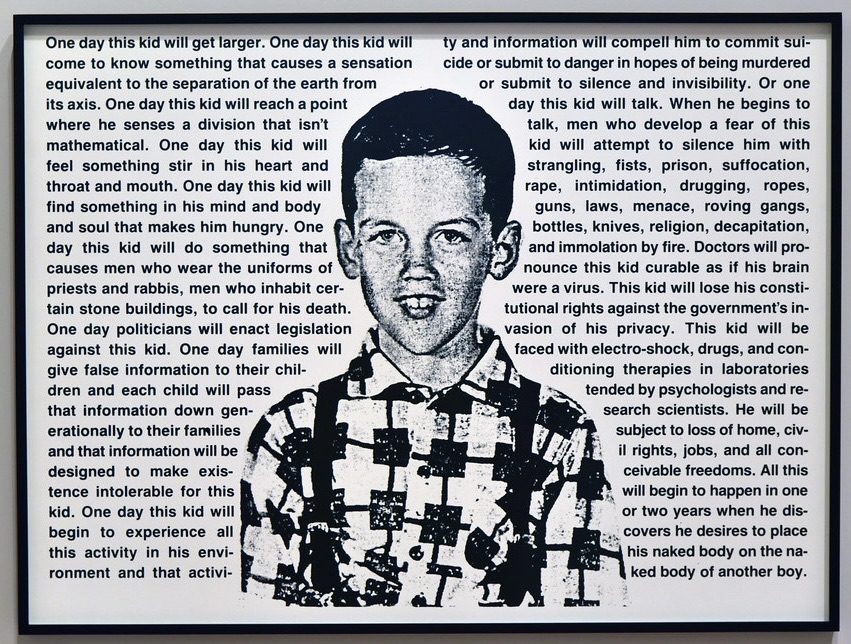
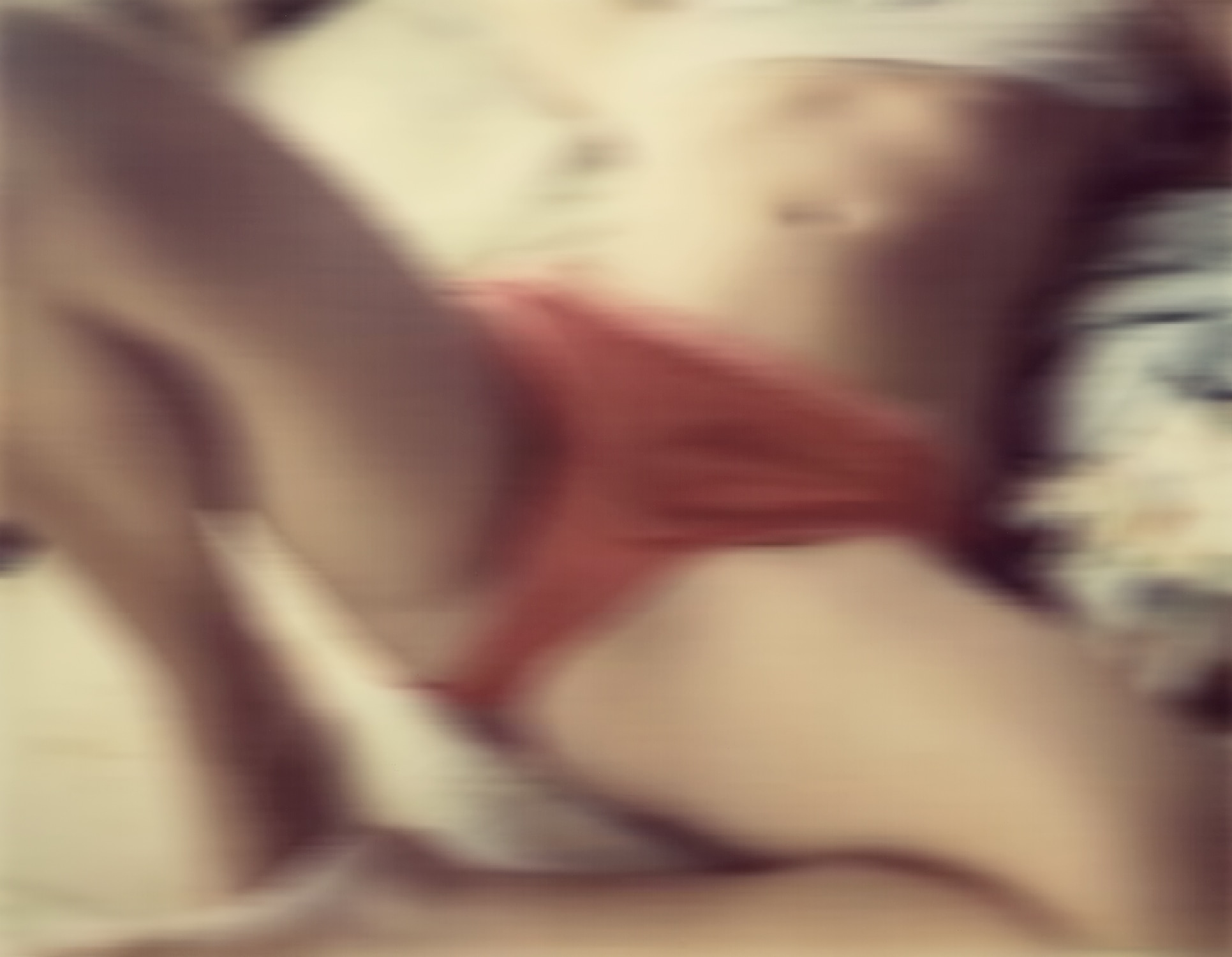
Anthony Goicolea
Untitled
Cindy Sherman, from her earliest Untitled Film Stills in 1977 onward, used photography to interrogate representation, identity, and the construction of femininity, never once appearing as herself while always being unmistakably present. Richard Prince rephotographed magazine advertisements and called them his own, which felt outrageous until it became prophetic. Louise Lawler made images of artworks hanging in collectors' homes and auction houses, asking questions about context and value that remain entirely relevant. These artists understood photography as a conceptual instrument, and their work changed what collecting photography means, because it means something different to own a Lawler than to own an Atget, even if both are silver gelatin prints.
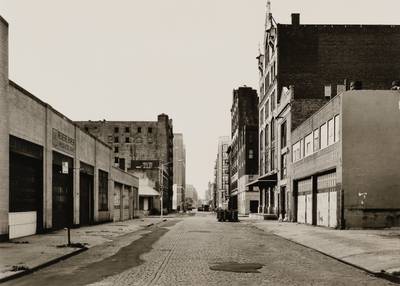
The German tradition that emerged from the Düsseldorf Kunstakademie in the late twentieth century produced photographers of an almost architectural ambition. Andreas Gursky, Thomas Struth, and Thomas Ruff all studied under Bernd and Hilla Becher, whose deadpan typological studies of industrial structures were themselves among the most influential photographic projects of the postwar era. Gursky's large scale, digitally manipulated images of stock exchanges, supermarkets, and global landscapes are among the most debated photographs of the past thirty years, raising questions about truth and authorship that the medium had been circling since Talbot. Hiroshi Sugimoto approaches those same questions from a different direction, using long exposures in movie theaters and seascapes to photograph not what is there but what cannot be seen with the naked eye.
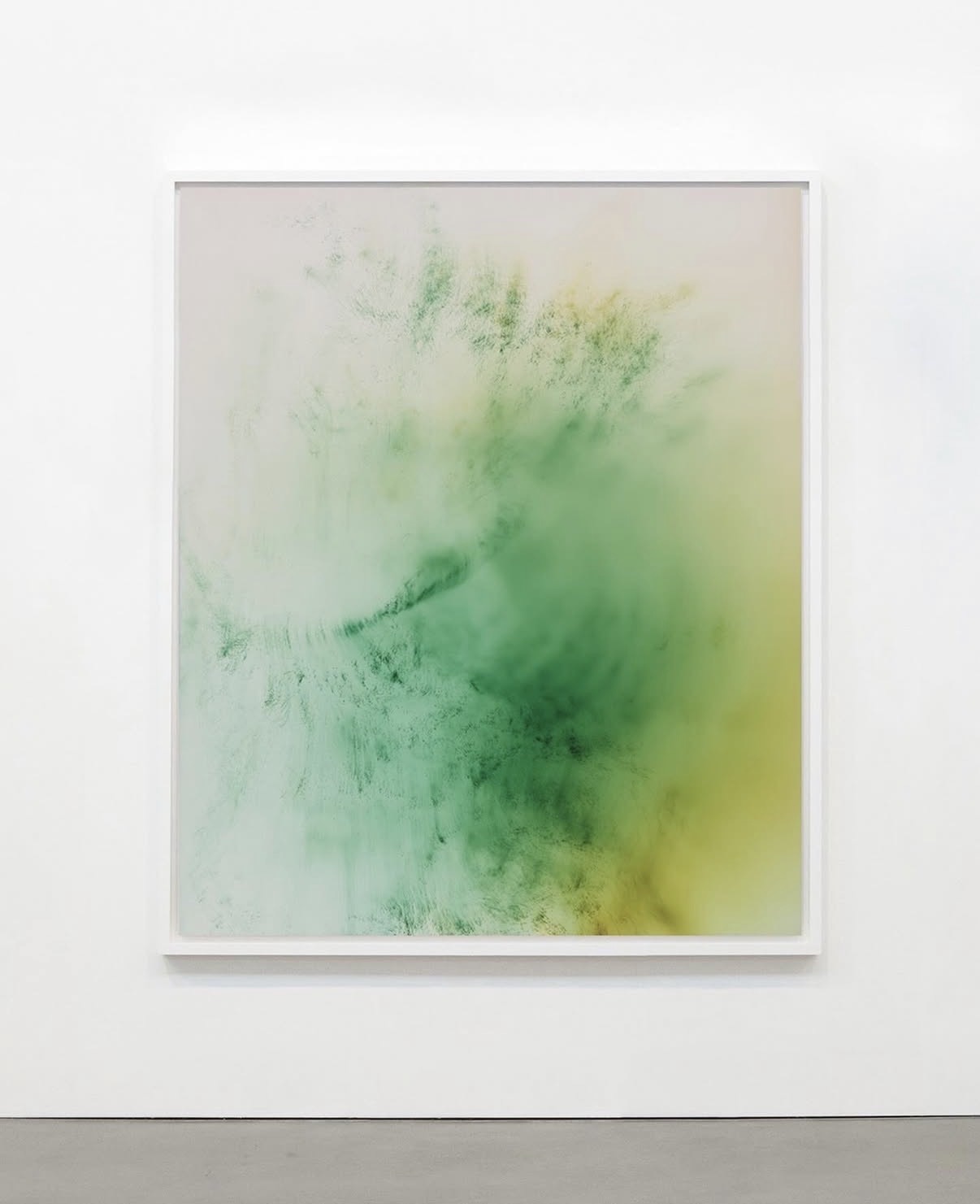
Wolfgang Tillmans
Time Flows All Over 8, 2025
Wolfgang Tillmans occupies a singular position in contemporary photography because he resists almost every category available to him. His work moves between the intimate and the monumental, between the domestic snapshot and the formally radical abstract print, between portraiture and pure light. With more than one hundred works represented on The Collection, the breadth of his practice is fully visible, and that breadth is the point. Tillmans insists that photography is a continuous investigation rather than a series of resolved statements.
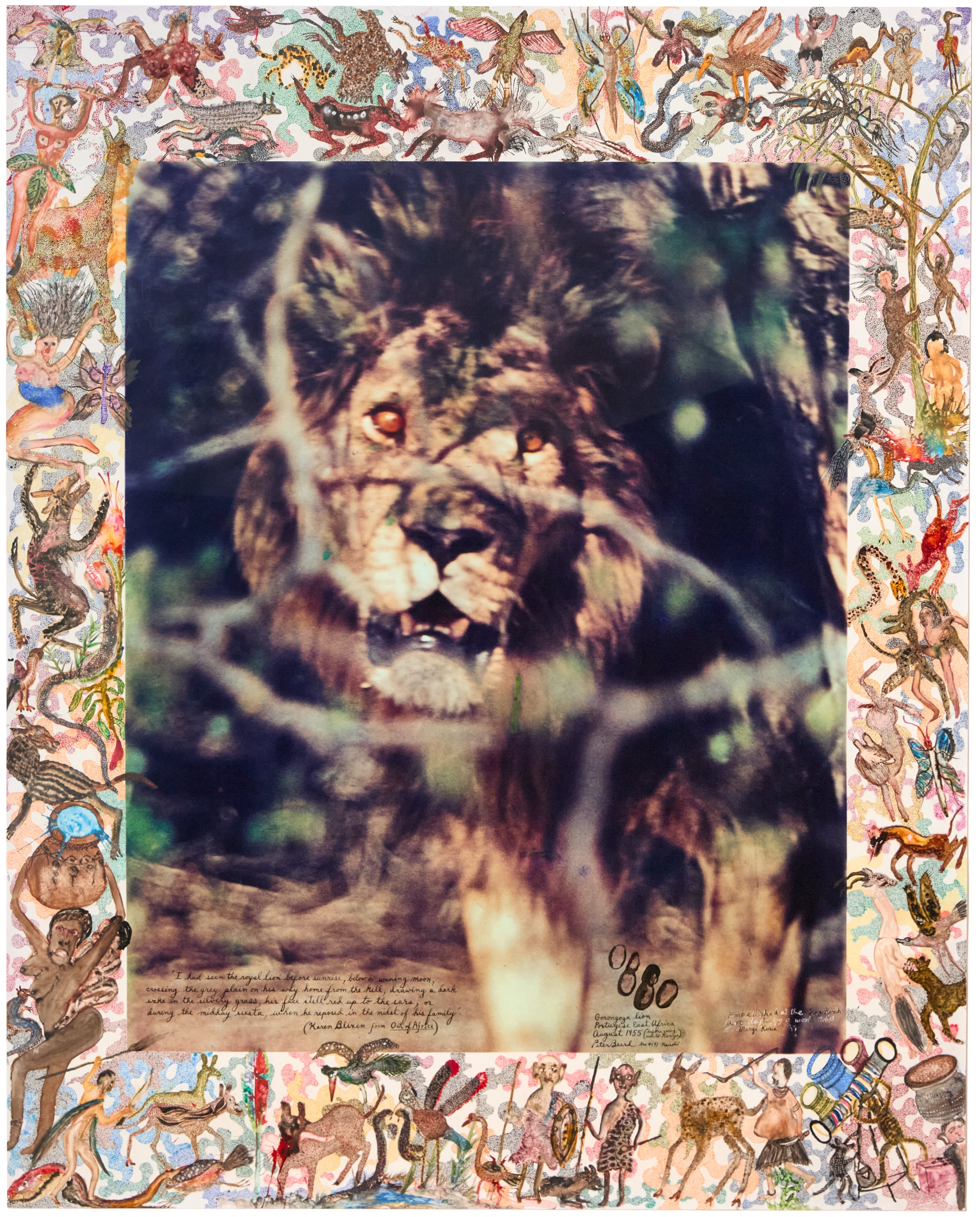
That restlessness connects him, perhaps unexpectedly, to someone like Peter Beard, whose densely annotated and layered photographs push back against the clean borders of the photographic object altogether. For collectors, photography presents a uniquely rewarding challenge. The question of what makes a photograph singular, when the negative or the digital file could theoretically produce many prints, forces a clarity of thinking about what we value in art objects. Edition size, paper choice, printing supervision, provenance, and the artist's direct involvement all become meaningful variables.
At the same time, photography's deep roots in both popular culture and fine art tradition mean that a serious collection in this medium can speak across enormous distances of time and intention. A salt print by Talbot and a chromogenic print by Nan Goldin can hang in the same room and illuminate each other. That is not true of many mediums. It remains one of photography's most enduring and underappreciated gifts.