Documentary
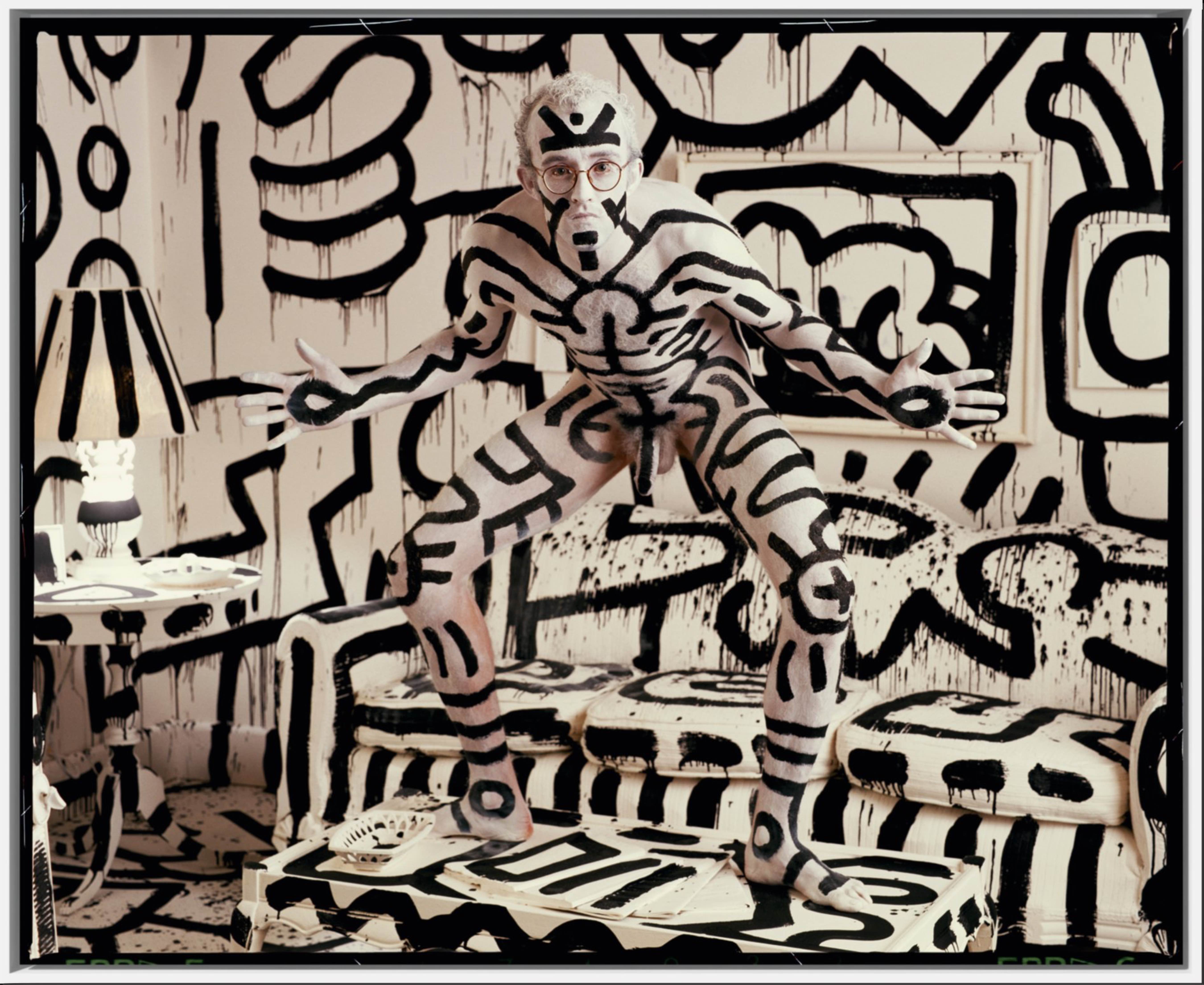
Annie Leibovitz
Keith Haring, 2023

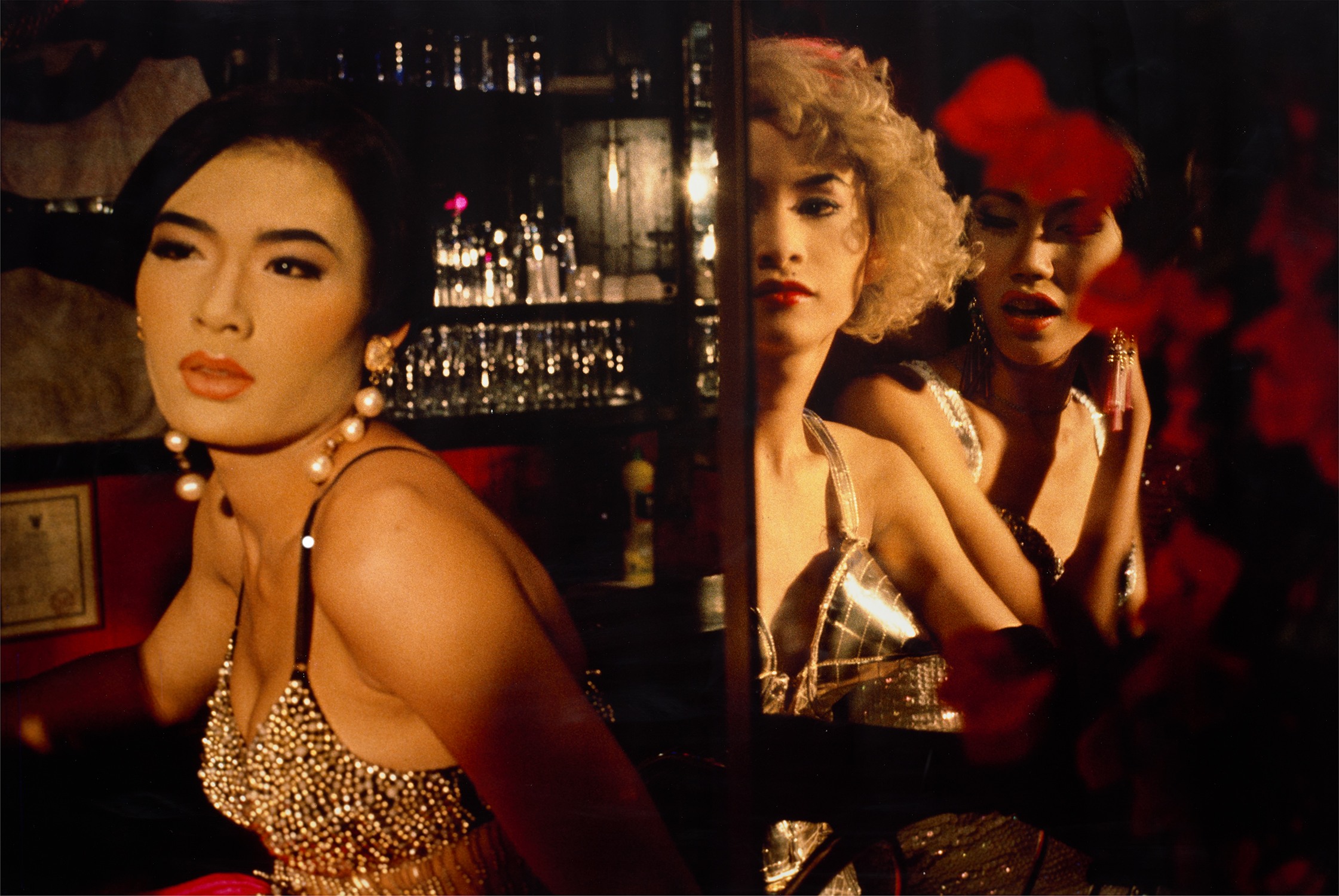
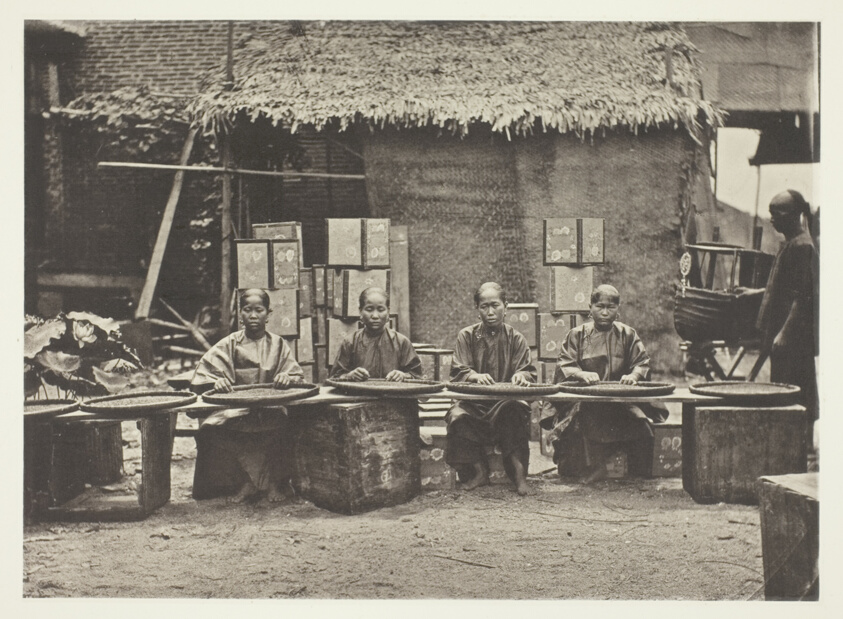
Truth Is the New Masterpiece: Documentary's Moment
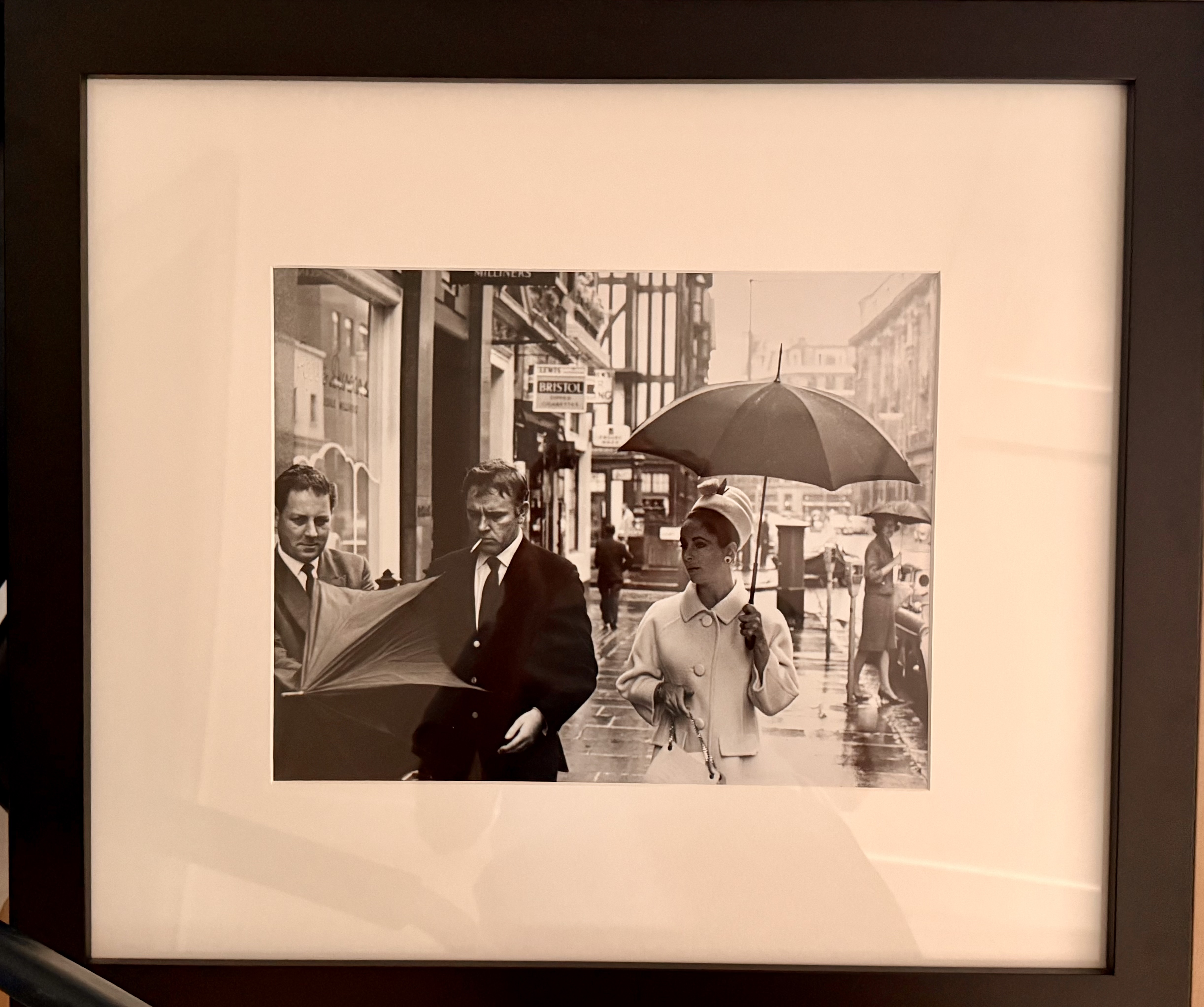
When a print from Robert Frank's 'The Americans' series crossed the block at Christie's in recent years fetching six figures, the room paid attention in a particular way. This was not simply a photograph selling. It was a document, a mood, an argument about what America is, and buyers understood the difference. The appetite for documentary work at auction has shifted from specialist interest to mainstream hunger, and the reasons behind that shift tell us something important about where collecting is headed.
Documentary photography occupies a genuinely strange position in the art market. For decades it existed in a kind of critical purgatory, appreciated by curators and historians but undervalued by collectors who preferred the cleaner categories of fine art. That has changed decisively. The past decade has seen institutions reclassify what counts as art worthy of serious acquisition, and documentary work has moved from the archive room to the gallery wall.
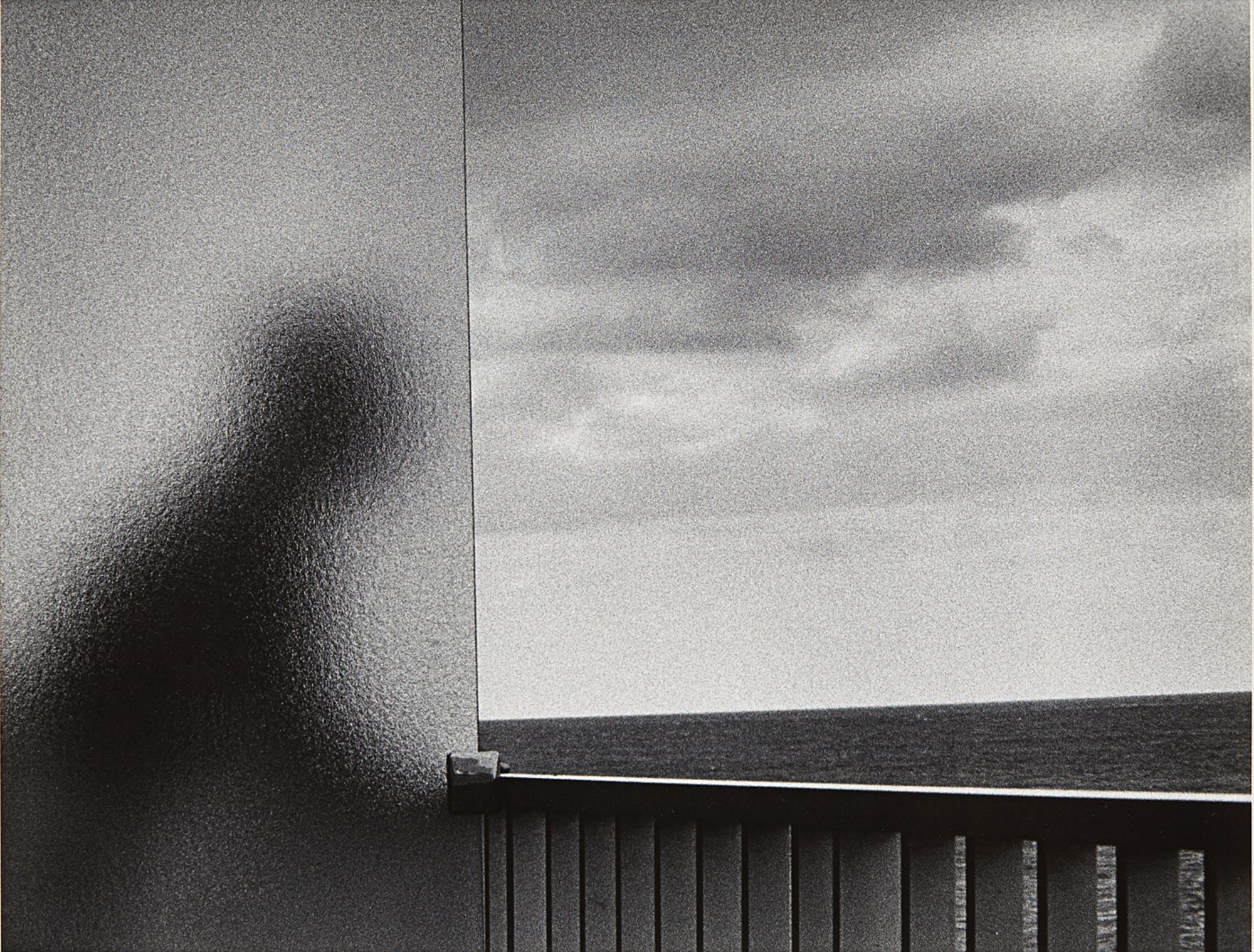
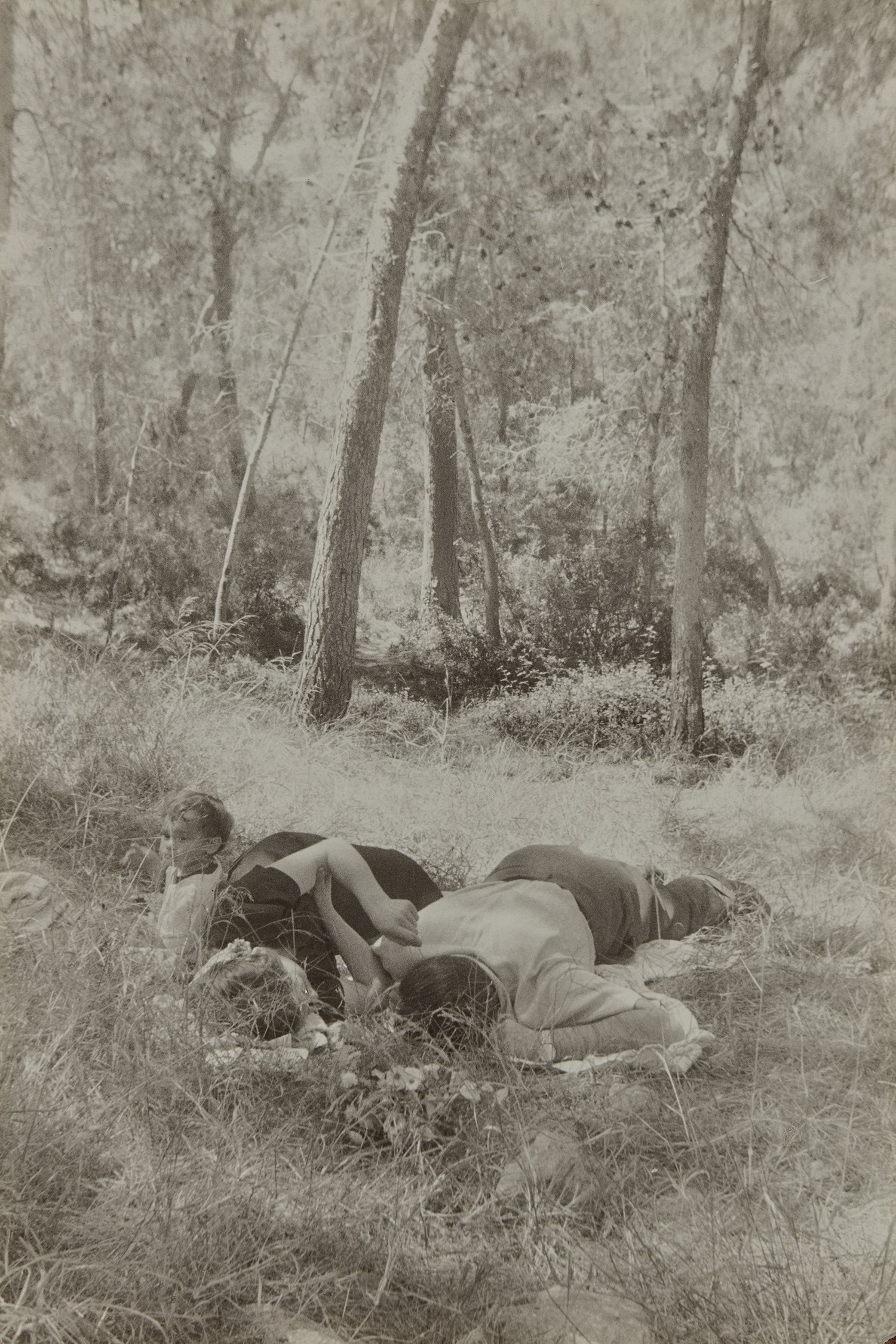
André Kertész
Martinique, January 1
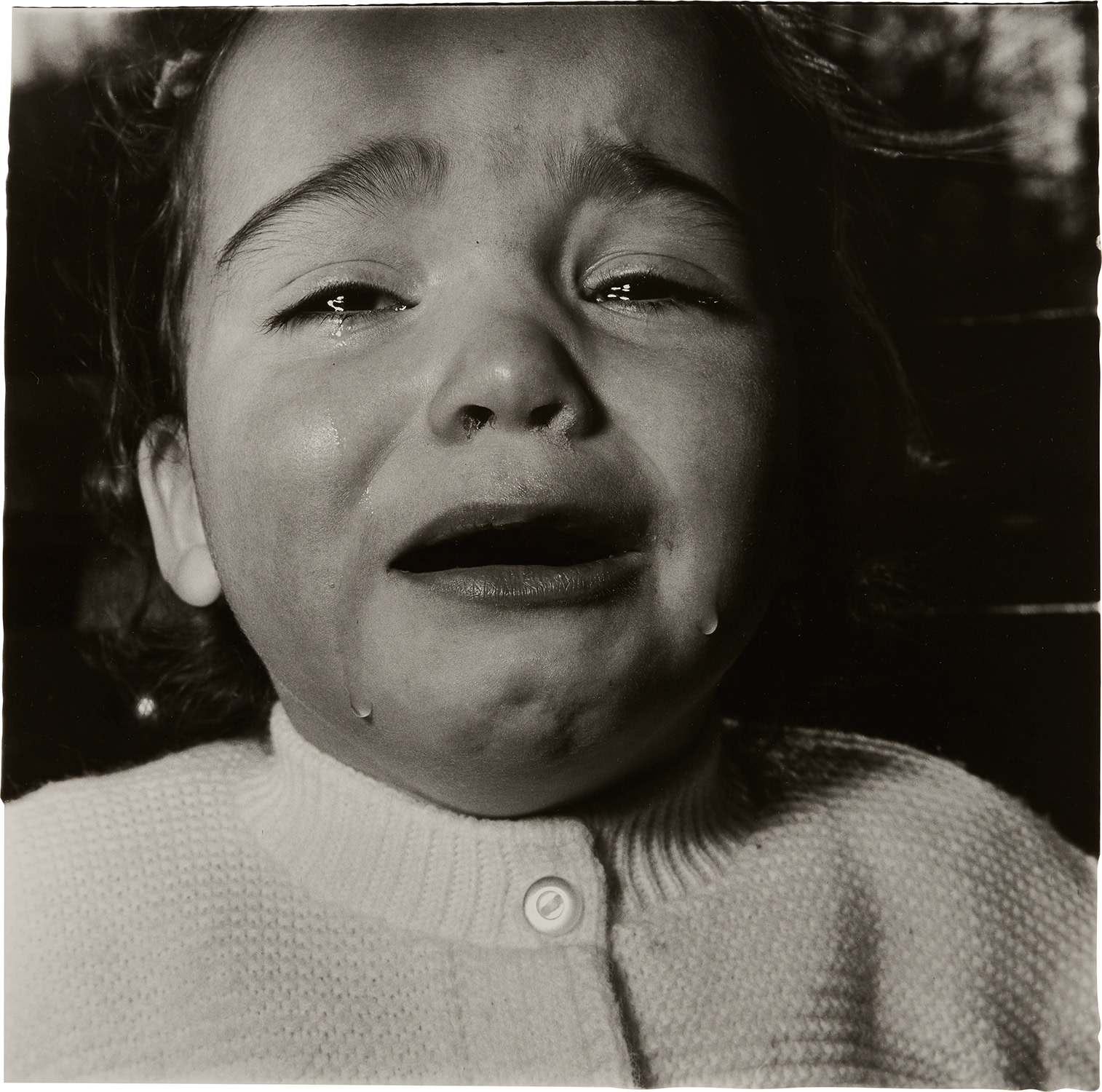
The Museum of Modern Art's ongoing engagement with socially committed photography, including its major reconsiderations of Lewis Hine and Walker Evans, has done a great deal to cement this repositioning. The auction market reflects this institutional confidence. Walker Evans commands prices that would have seemed implausible thirty years ago, with his Depression era studies of American vernacular life now read as formal masterworks as much as social records. Diane Arbus, whose work The Collection holds in real depth, remains one of the most contested and coveted names in the category.
Her posthumous retrospective at the San Francisco Museum of Modern Art in 2003 was a watershed moment, and interest in her prints has only intensified since. When her work appears at auction, it draws bidders who are not documentary specialists at all but simply collectors who recognize an irreducible artistic vision at work. Henri Cartier Bresson sits at the apex of the market in terms of name recognition, and his prices reflect that position. But what is interesting right now is the energy gathering around figures who were historically treated as secondary.
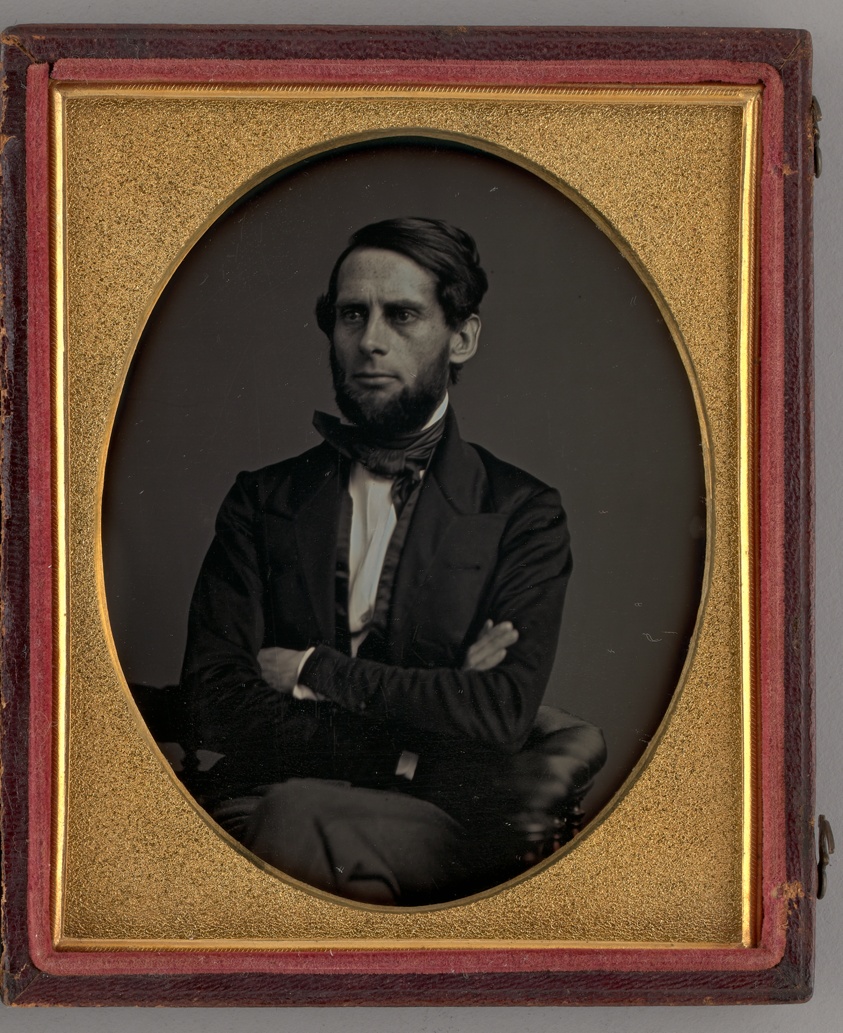
Unknown maker
Untitled (Portrait of Seated Man with his Arms Crossed), 1848
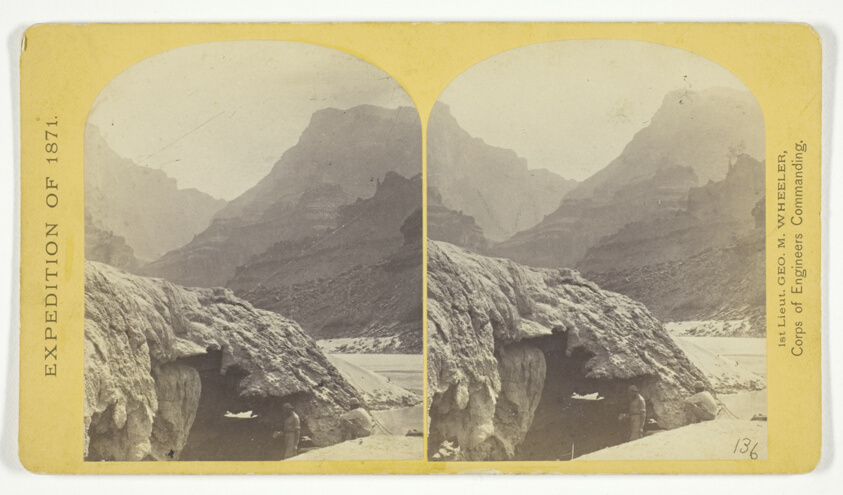
Timothy O'Sullivan, whose photographs of the American West in the 1860s and 1870s combine geological survey precision with an almost eerie stillness, has attracted serious scholarly and market attention. Institutions including the Getty and the Library of Congress hold substantial collections, and when O'Sullivan prints appear at auction they draw competitive bidding from buyers who understand how rare and how significant they are. Similarly, the work of Henry Hamilton Bennett, the Wisconsin photographer whose images of the Wisconsin Dells defined how a generation understood landscape and leisure, has found new admirers among collectors interested in photography's relationship to tourism, commerce, and the construction of American identity. Exhibitions have been doing significant critical work in reshaping how we understand the documentary tradition.
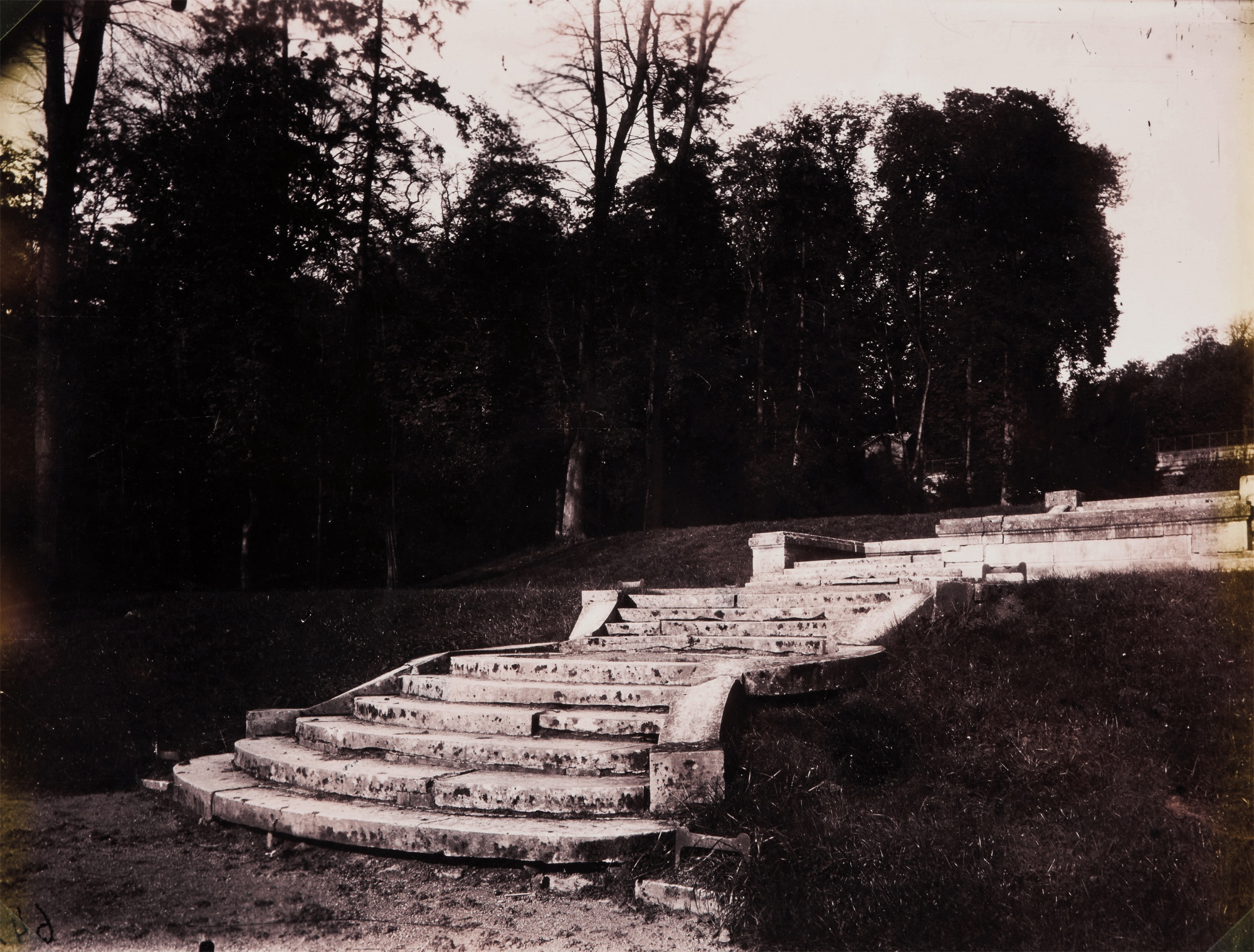
The Metropolitan Museum of Art's survey of Eugène Atget, whose systematic documentation of a vanishing Paris became one of photography's foundational bodies of work, reminded visitors that the line between document and poem was always porous. Nan Goldin's sustained cultural presence, amplified by the documentary film 'All the Beauty and the Bloodshed' directed by Laura Poitras and released in 2022, has brought her work to audiences far beyond the art world. That film, which won the Golden Lion at Venice, sparked a serious reassessment of Goldin not just as a photographer but as an activist, and it sent prices for her prints upward in a meaningful way. The institutional landscape for documentary photography is broader than it has ever been.
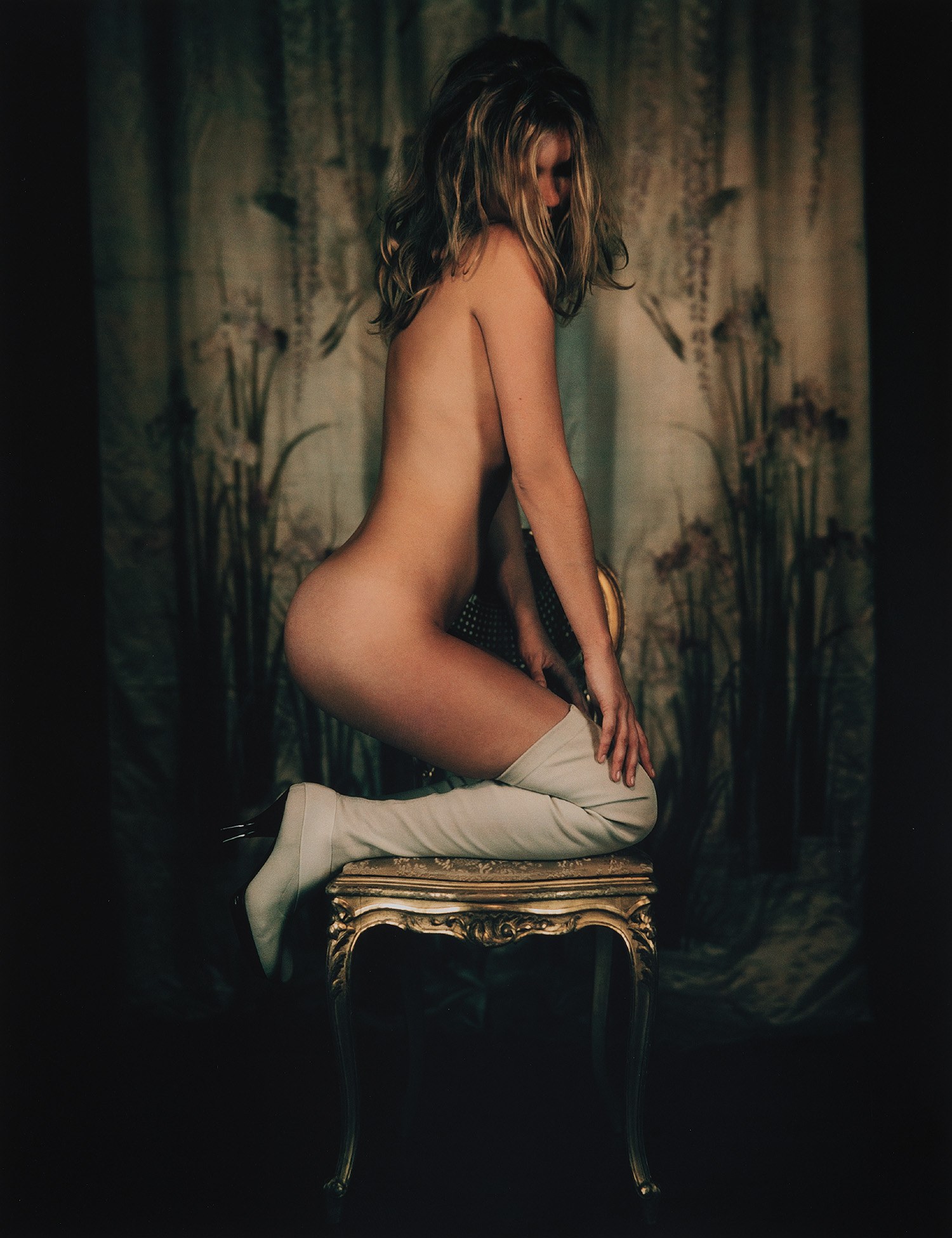
Mary McCartney
Kate In Boots
The International Center of Photography in New York remains the essential institution in this space, but serious collecting is happening at regional museums with real ambition. The Amon Carter Museum of American Art in Fort Worth holds one of the finest collections of nineteenth century American documentary work anywhere, with substantial holdings in Carleton Watkins and Timothy O'Sullivan. The work of Raja Deen Dayal, the Indian court photographer whose images of the subcontinent in the late nineteenth century constitute an astonishing record of a particular historical moment, has attracted growing attention from institutions seeking to tell a less Eurocentric story of photography's global development. The critical conversation around documentary is being shaped by writers who are less interested in defending the genre than in complicating it.
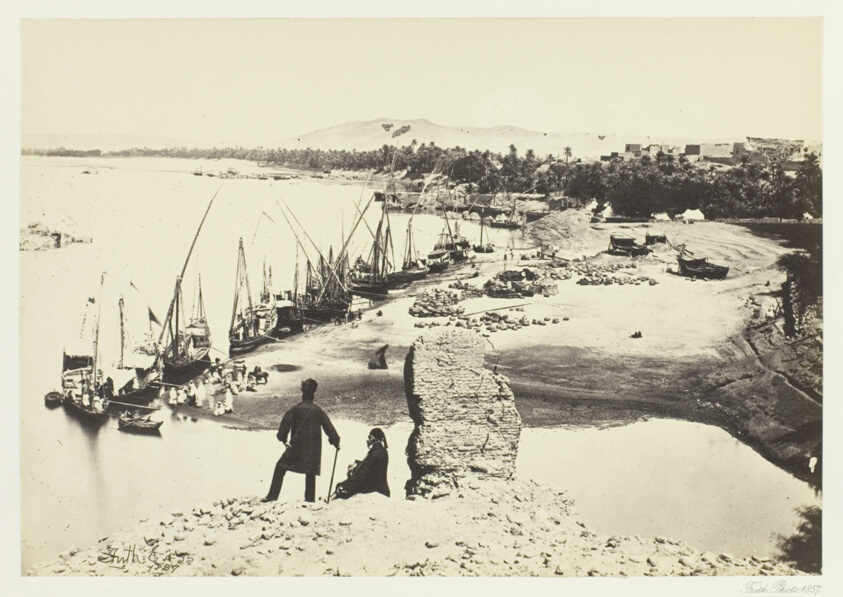
Teju Cole's essays on photography, particularly those collected in 'Blind Spot', ask hard questions about who gets to look and who gets looked at. The work of scholars like Mary Warner Marien and Geoffrey Batchen has given collectors and curators better tools for thinking about the ideological freight that documentary images carry. Publications including Aperture magazine continue to provide serious sustained engagement with photographers working in this mode, and their monographs on figures like Stephen Shore and Lee Friedlander have contributed to solidifying those reputations in the market. What feels alive right now is the reassessment of colonial era photography, a category that cuts across the work of Samuel Bourne in India, John Thomson in Asia, and Francis Frith in Egypt and the Middle East.
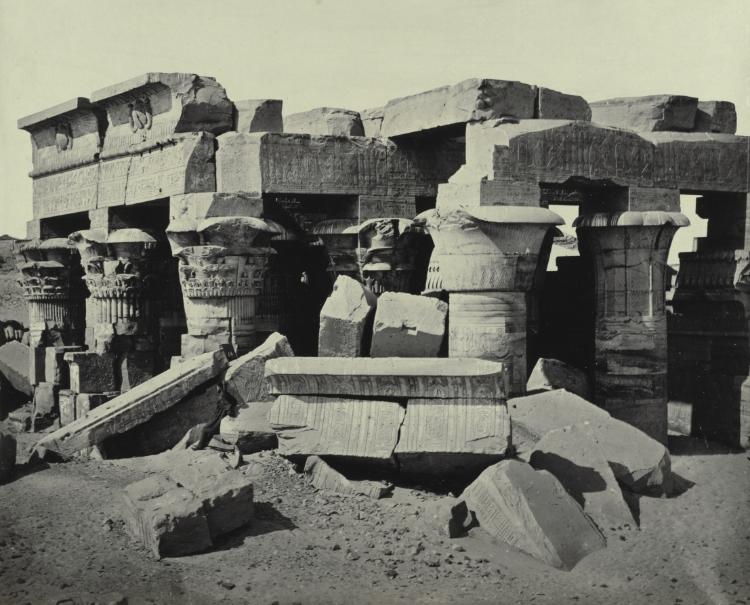
Francis Frith
Kom Ombo, 1858
These photographers are no longer being evaluated purely on aesthetic grounds but are being examined for what their images reveal about the power dynamics of looking, a critical lens that has made them more interesting rather than less. Collectors who can hold that complexity are finding genuine opportunities. What feels settled, by contrast, is the canonical status of figures like Cartier Bresson and Arbus. The surprises, when they come, are more likely to emerge from the careful recovery of photographers who have been overlooked for reasons that have more to do with geography and biography than with the quality of the work itself.
The documentary tradition is larger than we thought, and the market is only beginning to catch up.