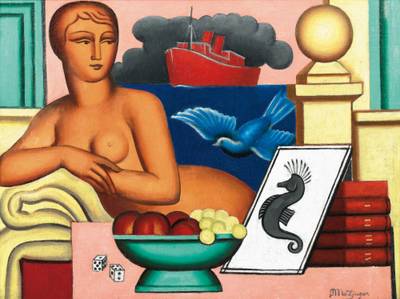
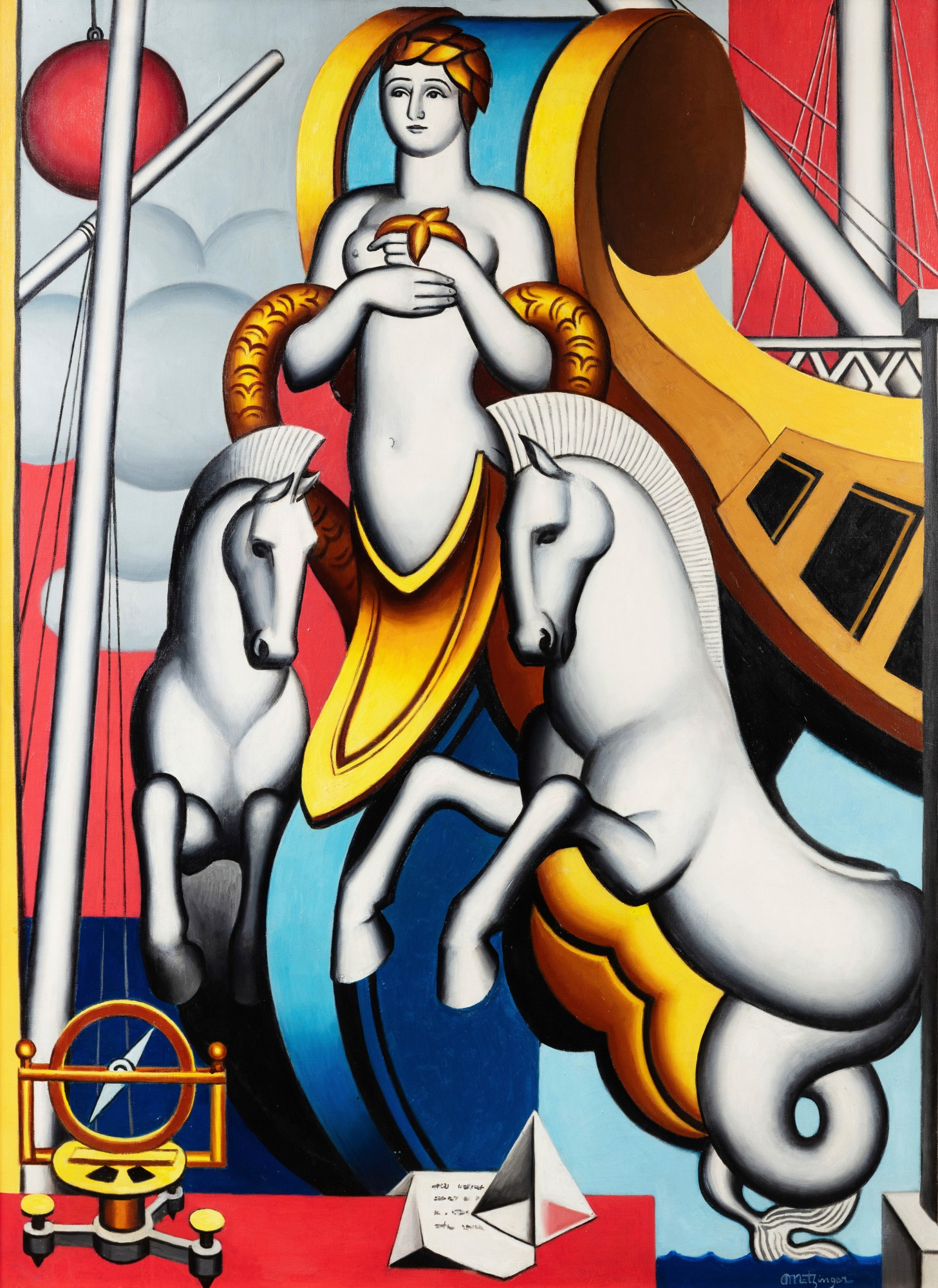
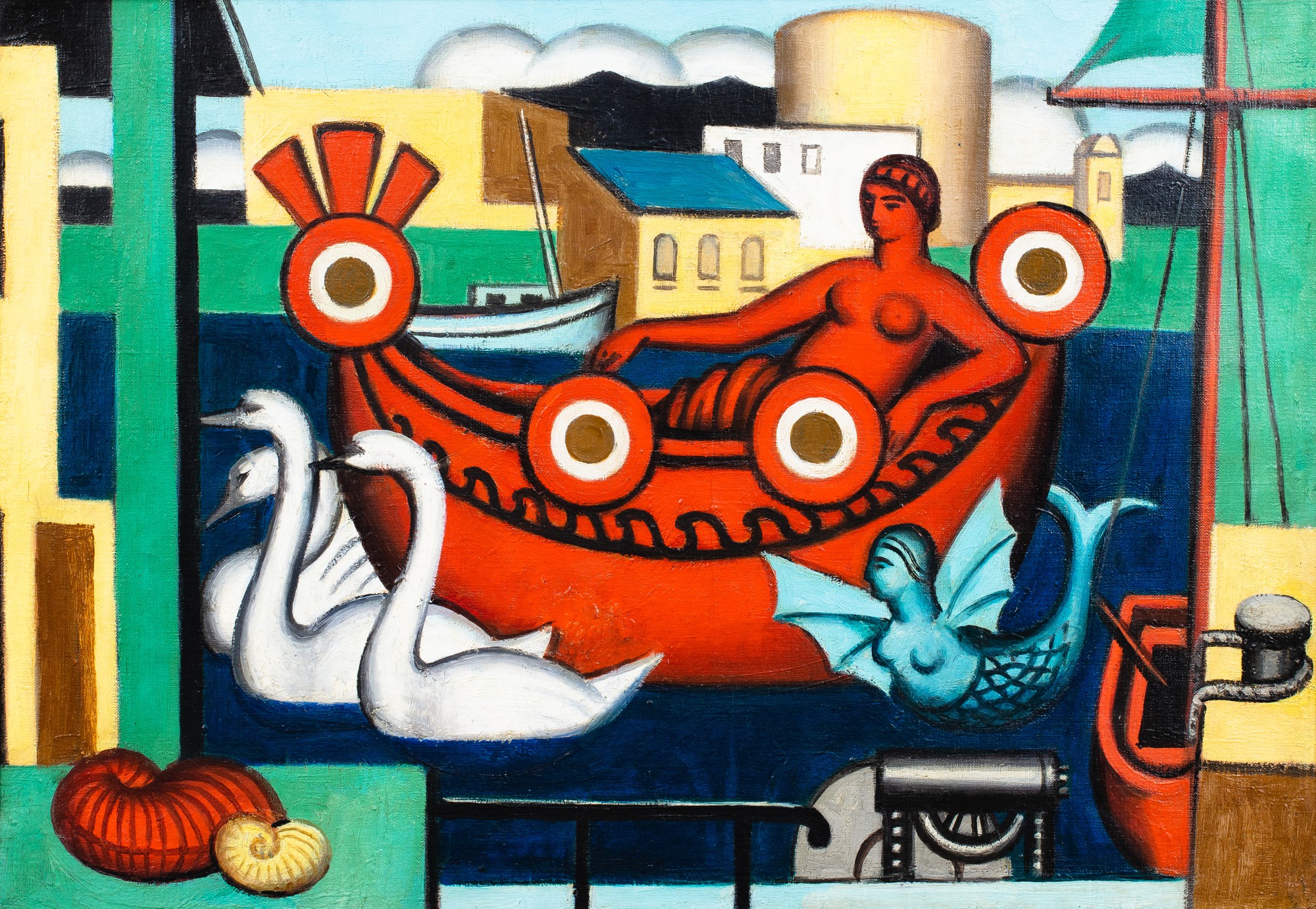
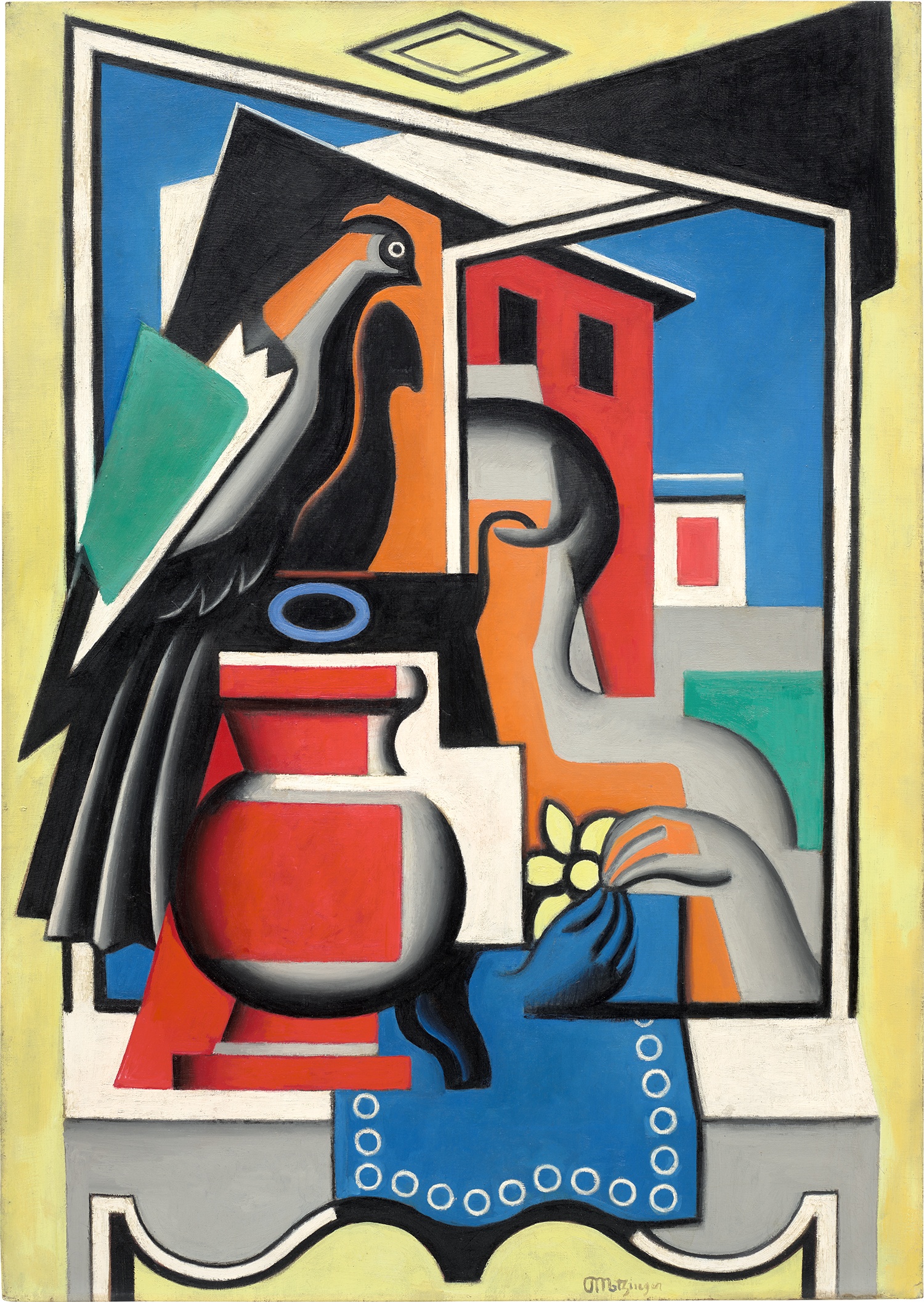
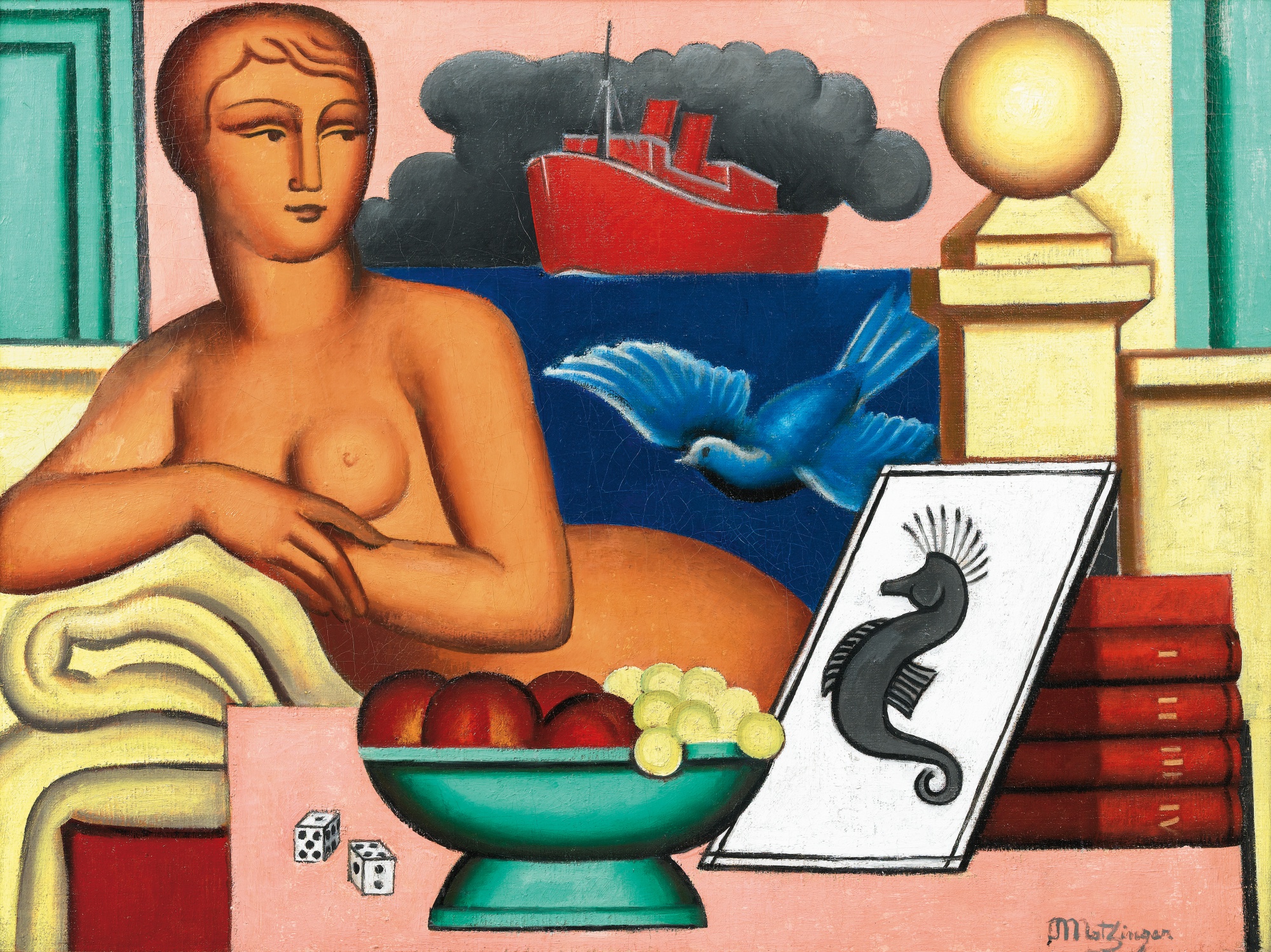
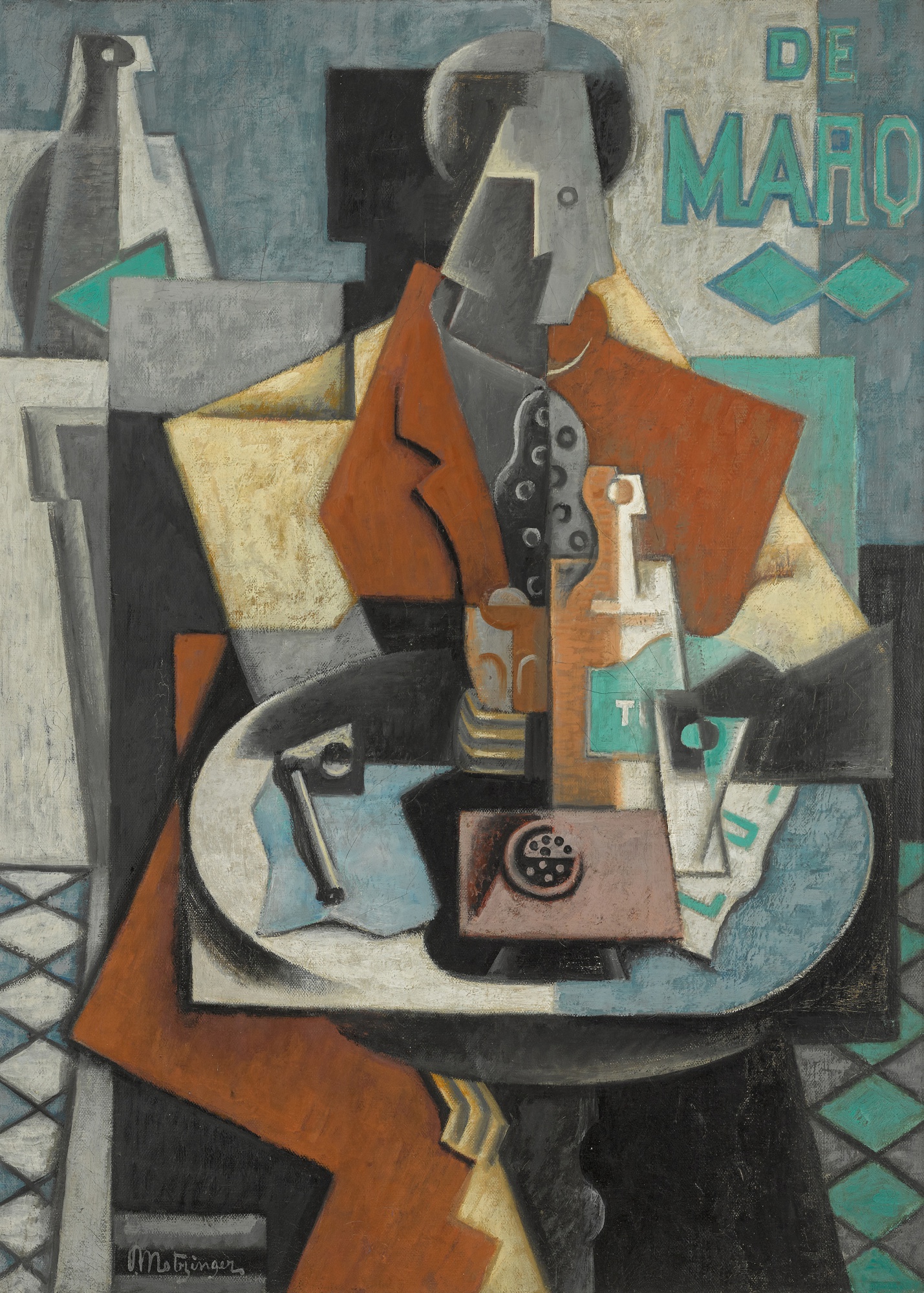
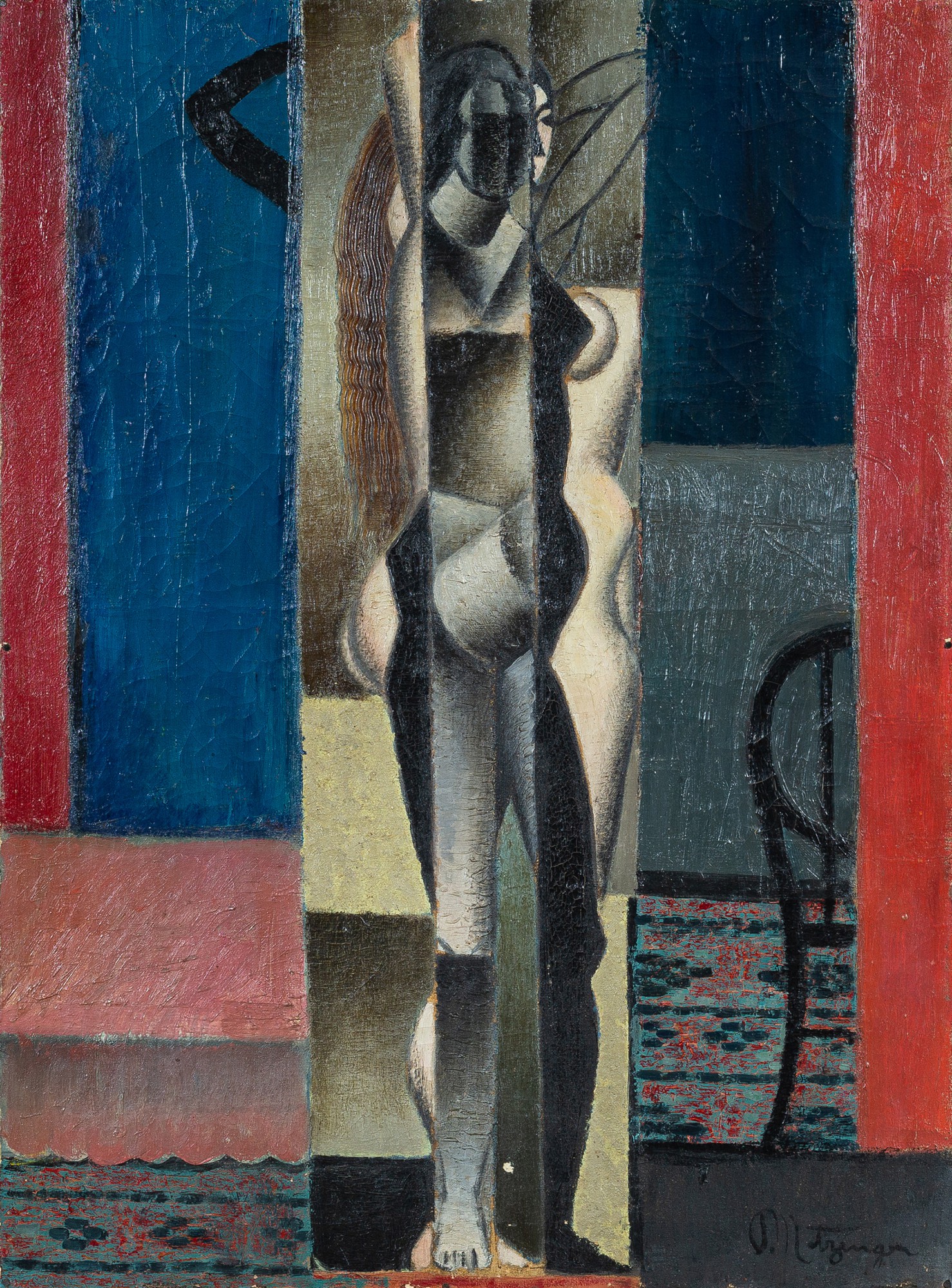
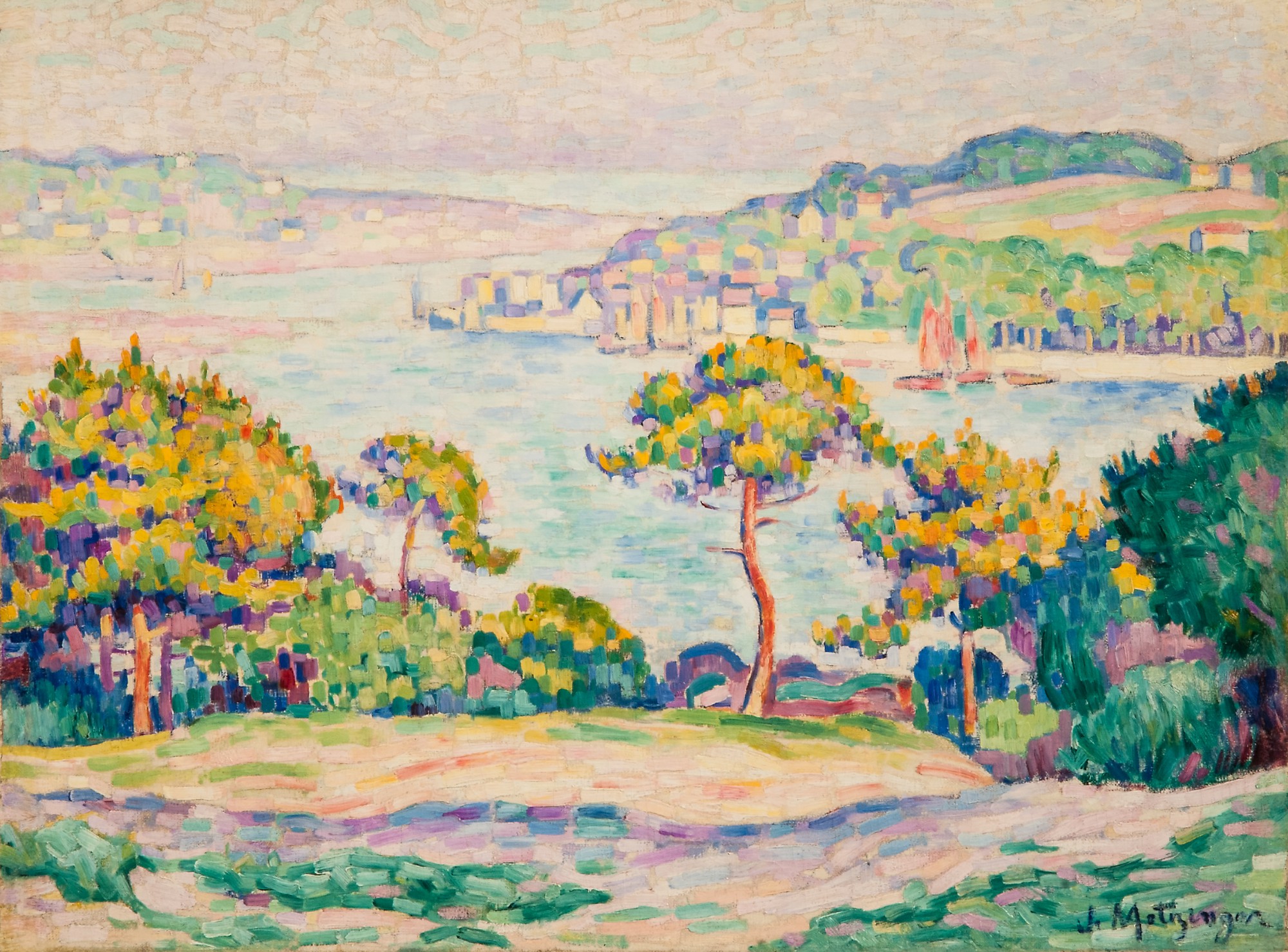
In the grand galleries of the Musée d'Art Moderne de la Ville de Paris, a painting stops you cold. Planes of color shift and overlap, a figure dissolves into geometry and reassembles before your eyes, and the world suddenly feels richer for having been taken apart. This is the gift of Jean Metzinger, a painter whose influence on the course of modern art was profound, whose theoretical intelligence was formidable, and whose canvases reward close, patient looking in ways that continue to astonish collectors and scholars alike. More than six decades after his death in 1956, Metzinger is being rediscovered as one of the essential minds of the twentieth century, a man who did not merely participate in Cubism but helped give it a language. Jean Metzinger was born in Nantes in 1883, a city of maritime commerce and Atlantic light, and he came of age in a France that was electrified by artistic possibility. He arrived in Paris around 1903, entering a world where Paul Cézanne's geometric investigations were still rippling outward and where the city's cafés and salons were alive with argument about what painting could become. Young Metzinger moved quickly through the available currents of the moment, absorbing Neo Impressionist technique and the divisionist color theories of Georges Seurat and Paul Signac with an acuity that marked him as someone who thought as rigorously as he painted. His early canvases from the mid 1900s, including works such as Bretagne, bord de mer from 1906, already show a sensibility attuned to structure and luminosity in equal measure, landscapes where pointillist dabs begin to organize themselves into something more architecturally deliberate. By 1907 and 1908, Metzinger had become one of the first painters in Paris to recognize the radical significance of what Pablo Picasso and Georges Braque were doing in their studios. Crucially, he was among the very first critics to write analytically about Picasso's new work in Cubist terms, publishing an essay in 1910 in which he described Picasso's approach to multiple simultaneous perspectives with genuine intellectual precision. This was not admiration from a distance. Metzinger was himself working through related problems on his own canvases, developing a pictorial language in which a single subject could be perceived from multiple viewpoints at once, time and space collapsed into the surface of the painting in a way that felt entirely new. He became a central figure in the group of painters who showed together at the Salon des Indépendants and the Salon d'Automne, helping to bring Cubism before a wide public at a moment when Picasso and Braque themselves preferred to work quietly away from official exhibitions. The publication of Du Cubisme in 1912, co authored with Albert Gleizes, was a watershed moment for modern art theory. It was the first book length theoretical account of the Cubist movement, written from the inside by two practicing artists, and it gave collectors, critics, and fellow painters a conceptual framework for understanding what had previously seemed willfully obscure. Metzinger's contribution to that text reflects the dual nature of his talent: he was a man who moved between the studio and the library with equal ease, a painter who could articulate why he was doing what he was doing without in any way diminishing the mysterious power of the act of painting itself. The treatise was translated almost immediately into English and Russian, signaling the international reach of the ideas Metzinger helped to shape. Looking across the arc of his career, Metzinger's paintings reveal a sustained and evolving intelligence. The nude studies from around 1913, including Nu aux cheveux longs, demonstrate how fully he had internalized the Cubist grammar while developing a distinctly personal warmth of surface and a refinement of color that sets his work apart from the cooler austerities sometimes associated with the movement. His 1918 canvas Homme assis devant la table, with its integration of oil and sand, shows a painter willing to push at the material limits of the medium, the textured surface giving the fragmented composition a physical presence that photographs barely convey. The works from the later 1920s, among them Femme à l'hippocampe and Amphitrite, première version, both from 1927 and 1928 respectively, reveal a painter drawing on classical mythology and the pleasures of the decorative without abandoning the structural ambitions of his earlier decade. These are paintings of tremendous confidence, the work of an artist who had earned the right to be playful. For collectors, Metzinger occupies a position of particular interest precisely because his career bridges so many of the defining moments of early modernism. He is well documented, his theoretical contributions are a matter of scholarly record, and his works appear across major museum collections in France, the United States, and beyond. His paintings offer something genuinely rare: the pleasure of formal invention combined with the warmth of a sensibility that never became purely cerebral. Works on paper such as the 1926 Dancing, rendered in watercolor and pencil, reveal the intimacy of his draftsmanship and offer a more accessible entry point for collectors building toward larger oil acquisitions. The market for Metzinger has historically rewarded patience and knowledge, with significant works drawing serious attention when they appear at auction through major international houses. Collectors who take the time to understand the full range of his output, from the early divisionist seascapes through the mature Cubist figure studies to the mythologically inflected canvases of the late 1920s, consistently find that the depth of the work justifies deep engagement. Metzinger belongs in the company of Fernand Léger, Robert Delaunay, and Juan Gris as one of the painters who took the discoveries of Picasso and Braque and extended them outward into new territory, each finding a personal voice within the shared Cubist project. What distinguishes Metzinger among this group is the combination of intellectual ambition and lyrical instinct, the sense that behind every fragmented form there is a painter who loved what he was looking at. His legacy is not merely that of a theorist who happened to paint, or a painter who happened to theorize, but of a genuinely integrated artistic intelligence whose work continues to offer fresh rewards to anyone willing to look closely. At a moment when collectors and institutions alike are revisiting the full cast of early modernism with fresh eyes, Metzinger stands as one of its most compelling and most generously talented figures.