Gelatin Silver Print

Bruce Weber
Peter Johnson on rocking horse, Camp Longwood, Adirondacks, 1999



.jpg/400px-Kris_Humphries_NJ_Nets_2009_(cropped).jpg)

Silver and Shadow: The Print That Endures
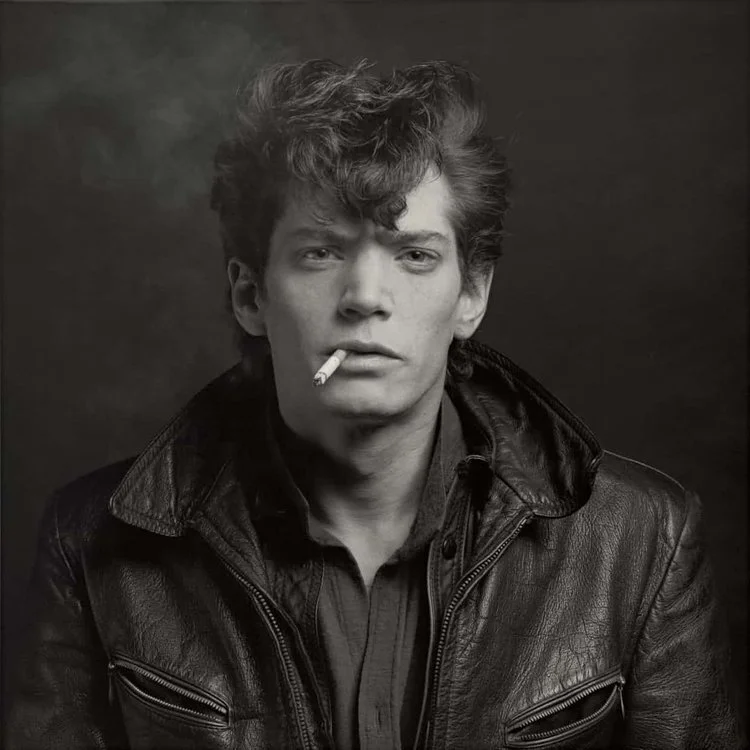
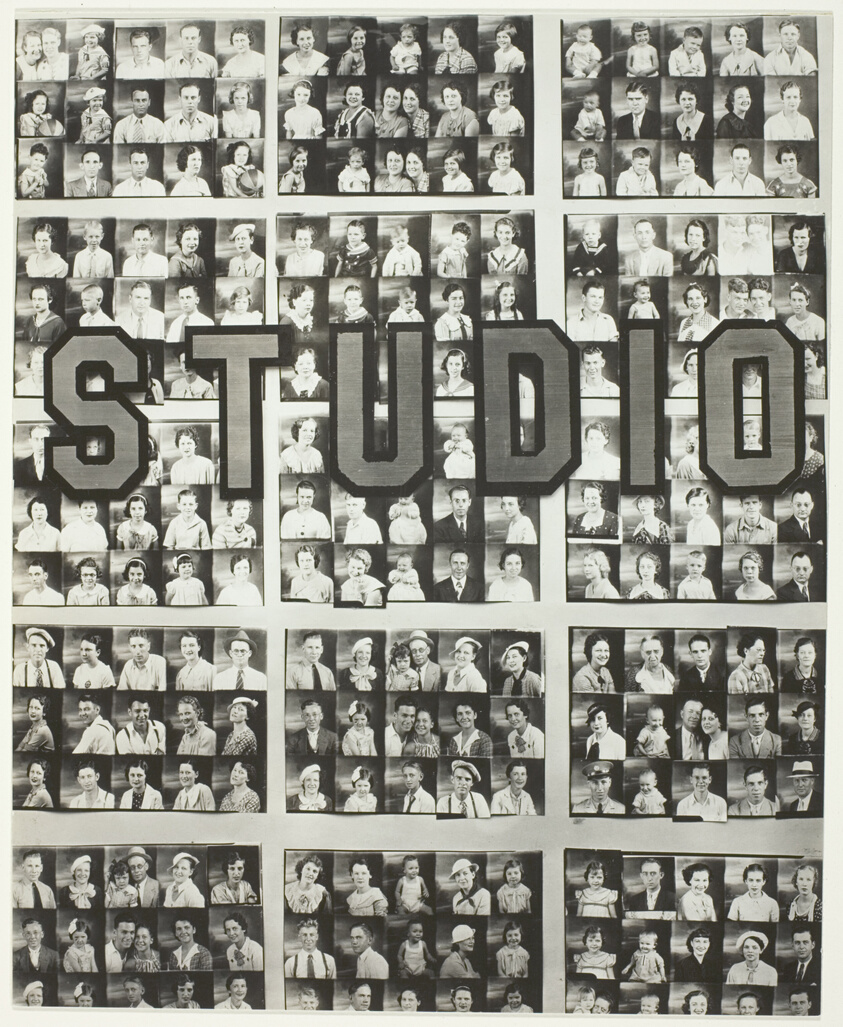
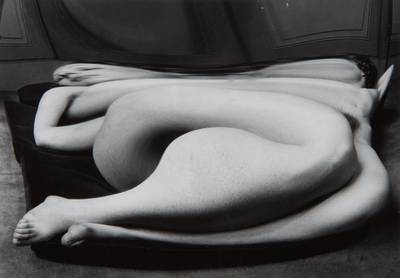
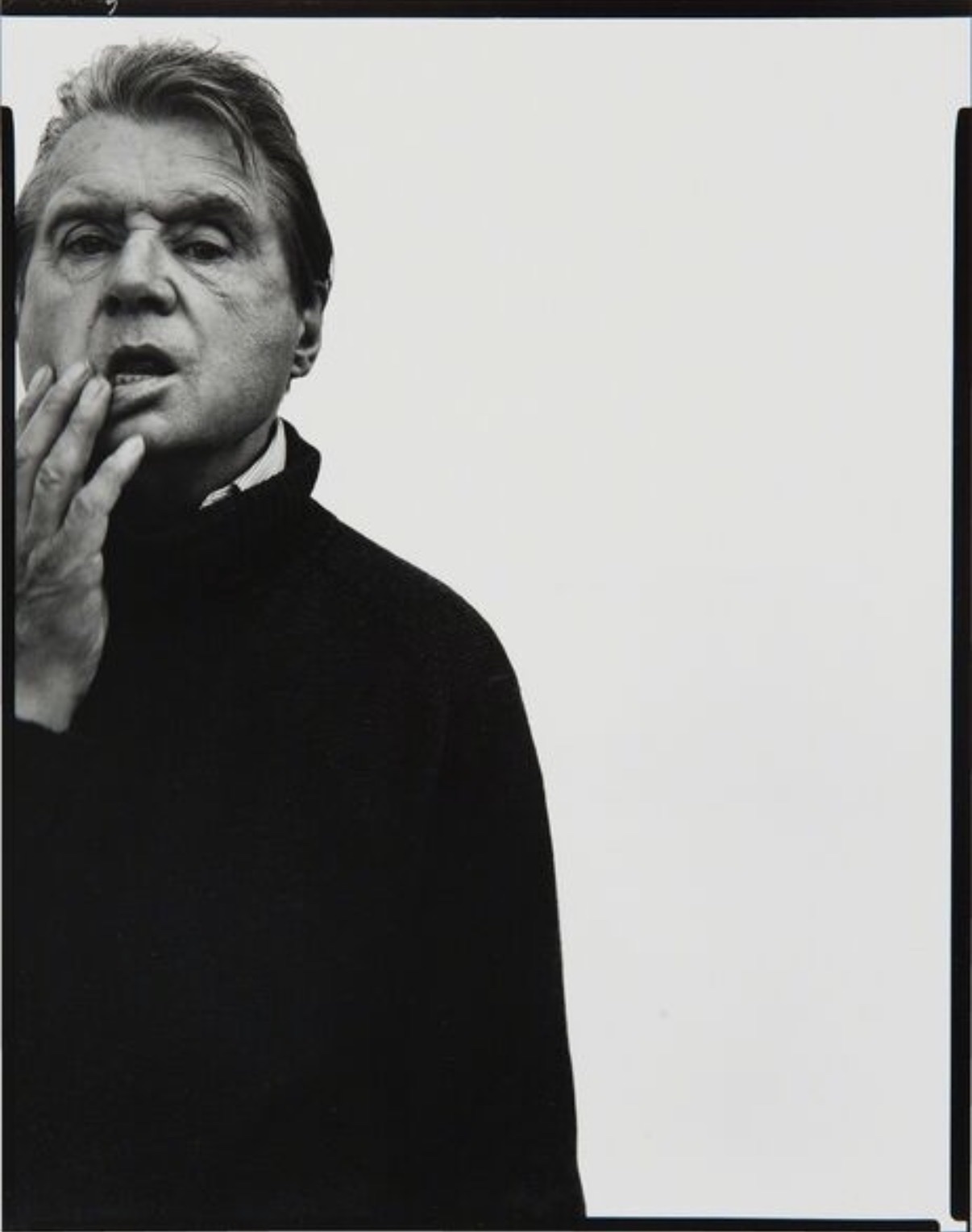
There is something almost alchemical about living with a gelatin silver print. The image exists as a physical deposit of silver within paper, not merely printed onto a surface but embedded in it, and that material intimacy translates into an extraordinary presence on the wall. Collectors who come to photography through painting often remark on how gelatin silver works hold light differently depending on the time of day, the surface finish, whether the paper is fiber based or resin coated, whether a warm or cold tone was coaxed out of the developer. This is not a medium that recedes into decoration.
It demands attention and rewards it. The appeal goes deeper than aesthetics. Gelatin silver printing dominated fine art and documentary photography for most of the twentieth century, which means that the defining images of that era, the ones that shaped how we understand portraiture, landscape, social documentary, and abstraction, exist in this format. When you acquire a gelatin silver print, you are acquiring a direct physical artifact of a specific photographic tradition.
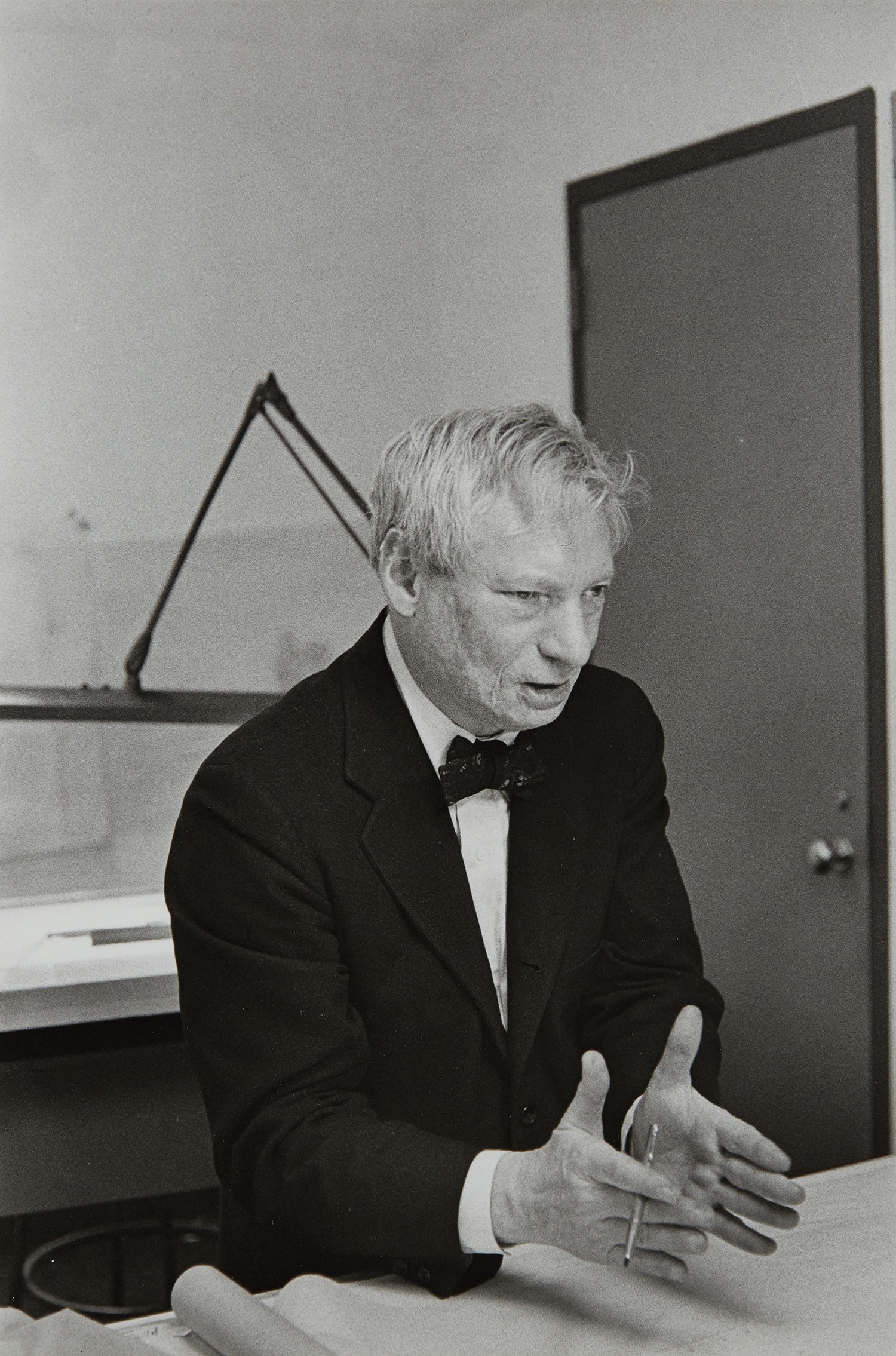
Henri Cartier-Bresson
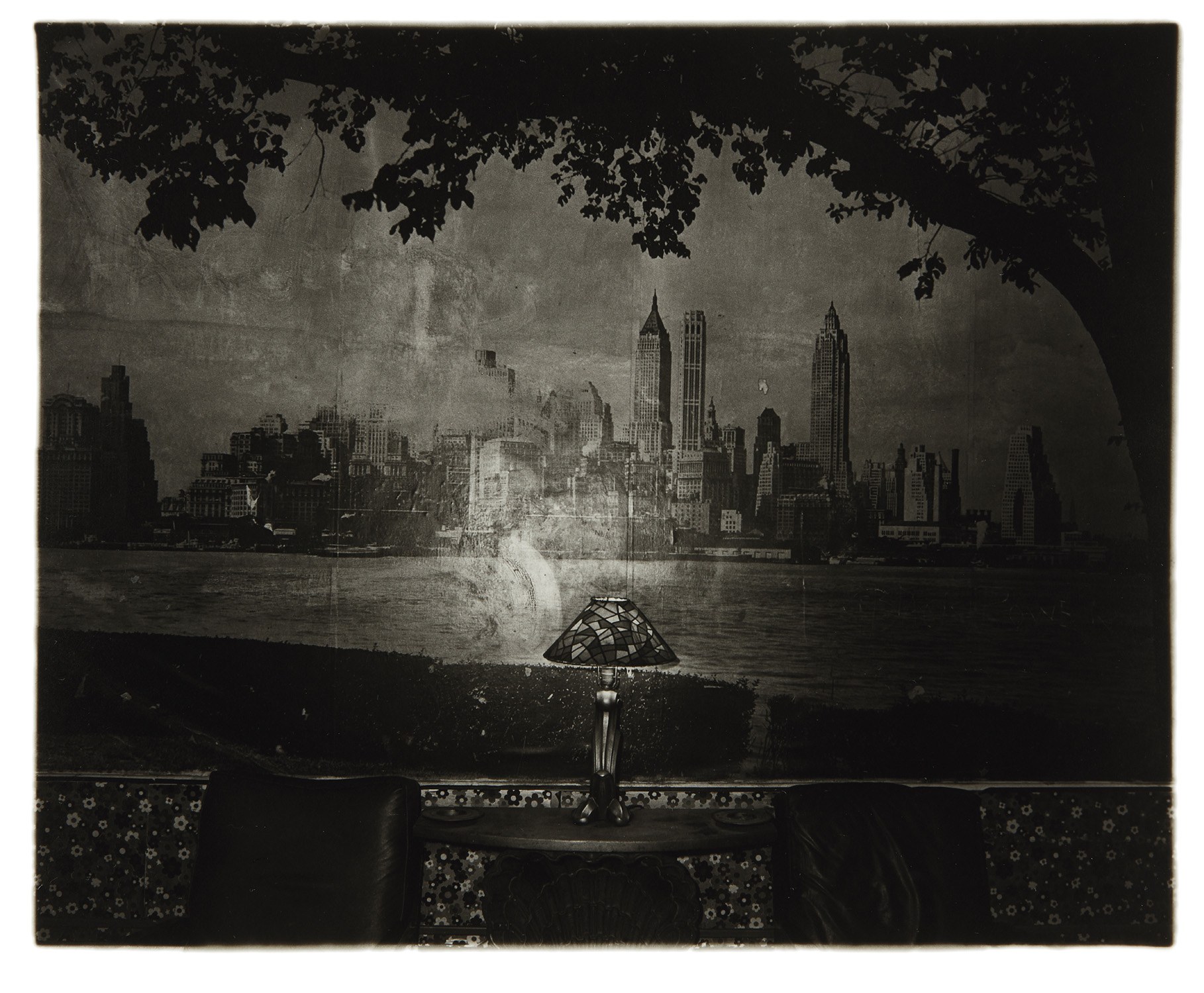
Louis Kahn
For collectors drawn to the idea of owning something genuinely historical, something that connects them to a broader cultural moment, the medium carries a weight that digital output and inkjet reproduction simply cannot replicate. Separating a good gelatin silver print from a great one requires looking closely at several overlapping factors. Tonality is the first test. A truly exceptional print shows a full range from deep, open shadows through luminous midtones to clean, detailed highlights without crushing either end of the scale.
This sounds straightforward but is enormously difficult to achieve in the darkroom, and it is exactly what distinguishes a printer's print, one made with intention and mastery, from a proof or a workprint. Estate prints and later reprints, even those made with care, often lack the particular tension that a photographer achieves when printing for themselves. A print that Henri Cartier Bresson or Ansel Adams made by hand, in their own darkroom, during their most active period carries an entirely different quality of attention than one made posthumously from the same negative. Print date matters enormously, and it is where many collectors new to the medium make costly mistakes.

Lotte Jacobi
Albert Einstein, Physicist, Princeton, N.J.
Vintage prints, meaning those made close in time to when the photograph was taken, command significant premiums and for good reason. They represent the photographer's original interpretation of the negative. Hiroshi Sugimoto's seascape and theater prints, made by Sugimoto himself and printed in extremely limited quantities, exemplify this principle. The density and surface quality he achieves are inseparable from his hands on involvement.
Similarly, the prints Diane Arbus made during her lifetime are physically different objects from estate prints authorized after her death in 1971, and the market has consistently recognized that distinction with substantial price differentials. When approaching any work, ask directly whether the print is vintage or later, who printed it, and whether documentation exists to confirm provenance. In terms of artists representing genuine long term value on the secondary market, the strongest cases tend to combine critical consensus with institutional presence and scarcity of the very best material. Walker Evans occupies an almost unassailable position.
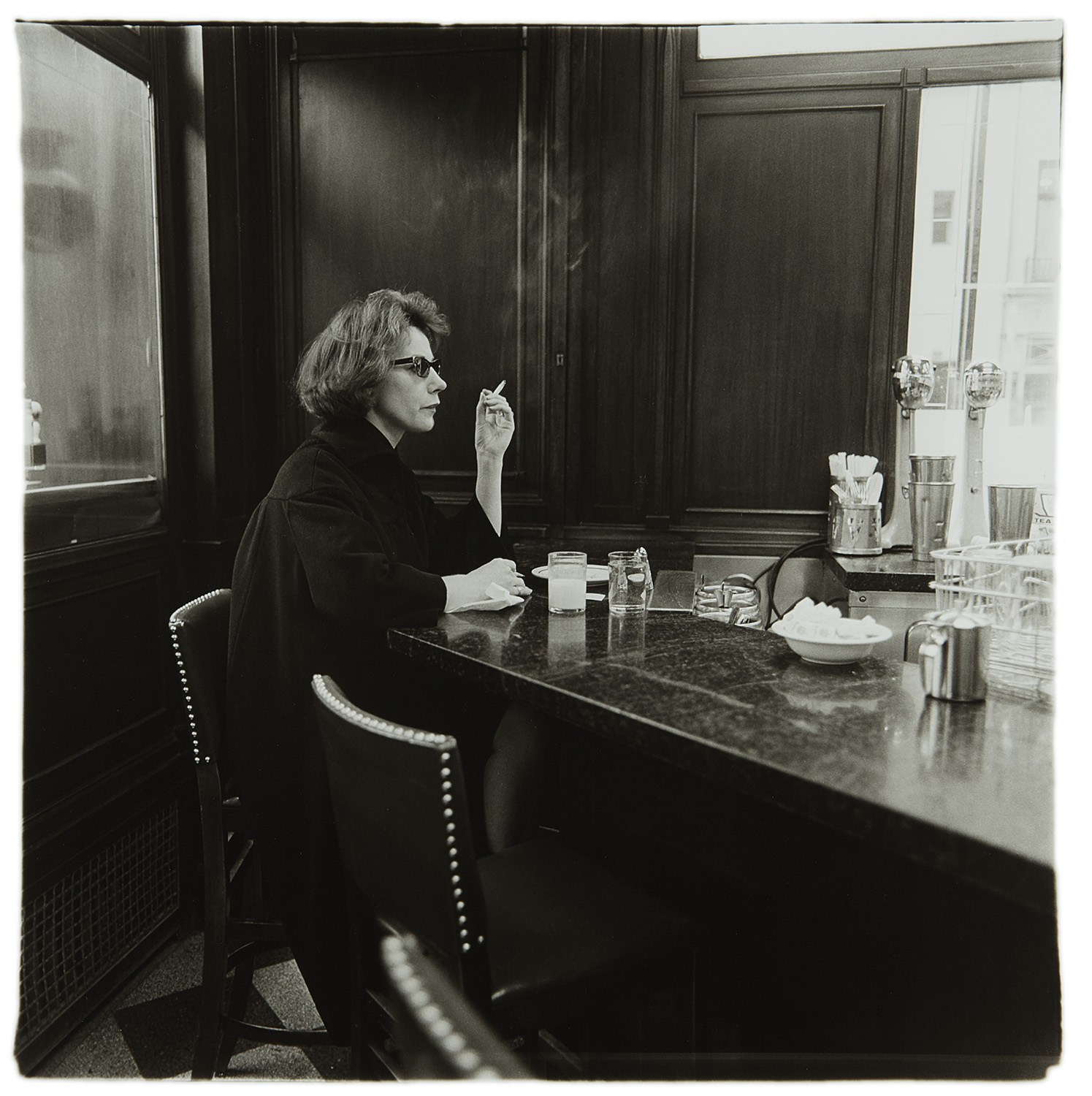
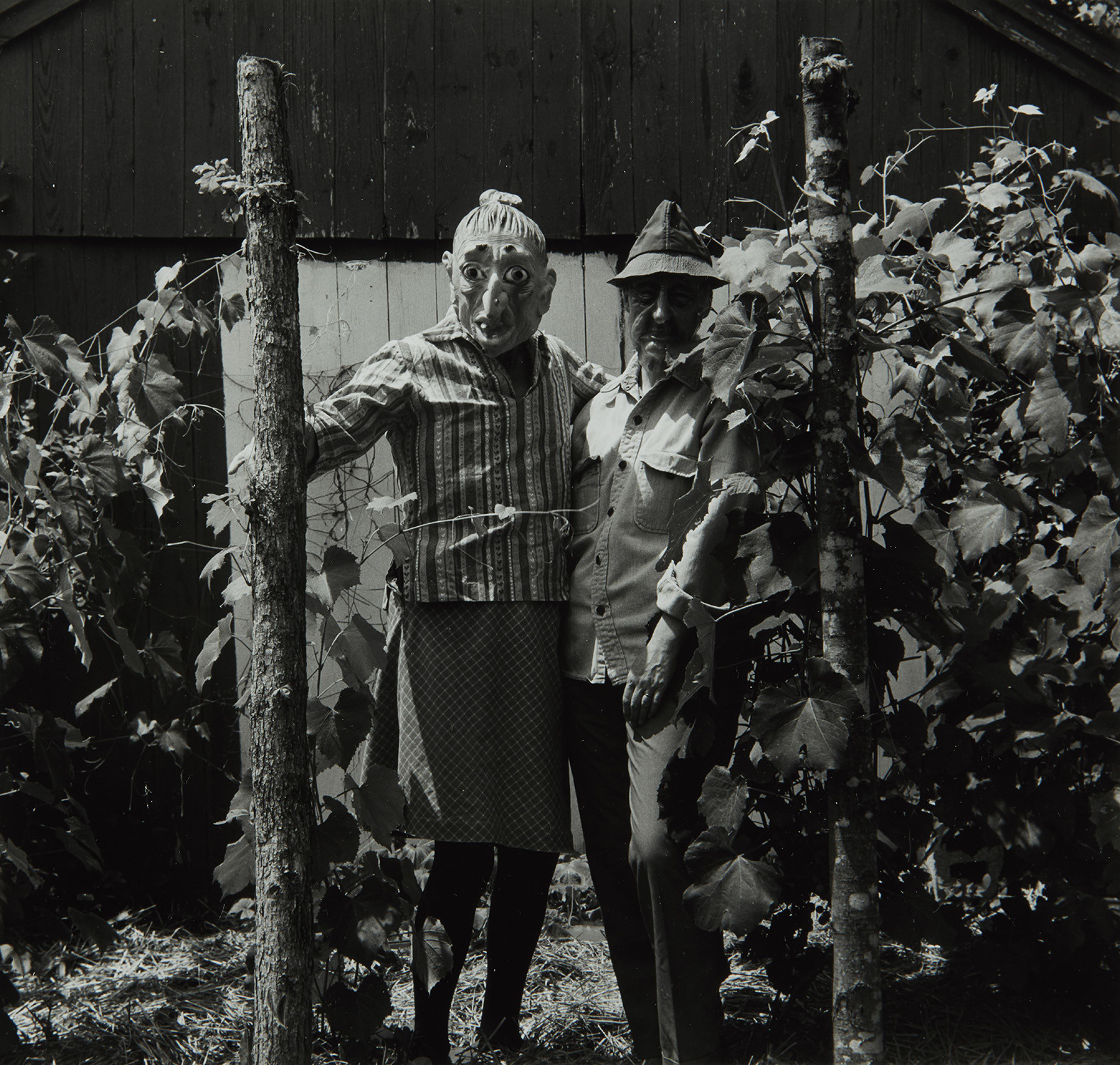
Diane Arbus
Woman at a counter smoking, N.Y.C.
His work from the 1930s, particularly the Farm Security Administration years, is held in every major museum collection, and top quality vintage prints appear at auction infrequently enough to drive serious competition when they do. Robert Frank's work from the period surrounding The Americans, published in 1959, has appreciated dramatically as that book's cultural status has only grown. Berenice Abbott's documentation of New York in the 1930s is chronically undervalued relative to its art historical importance, and attentive collectors have been quietly building positions in her work for that reason. Edward Weston's prints from his Carmel period in the late 1920s and 1930s remain benchmark objects for serious photography collectors, with the finest examples rarely appearing outside major auction houses.
Beyond the canonical names, there are compelling opportunities in artists whose reputations are still consolidating. Sally Mann's gelatin silver work from the 1990s, particularly the large format prints from her Virginia landscape and family series, is genuinely underpriced relative to her critical standing and the difficulty of the printing process she uses. Aaron Siskind, whose abstract photographs from the 1940s onward place him at the intersection of photography and abstract expressionism, remains less collected than he deserves given his relationships with Franz Kline and other painters of that era. Manuel Álvarez Bravo is another artist whose deep influence on Latin American photography and whose associations with Cartier Bresson and the surrealists have not yet fully translated into market recognition outside specialist circles.
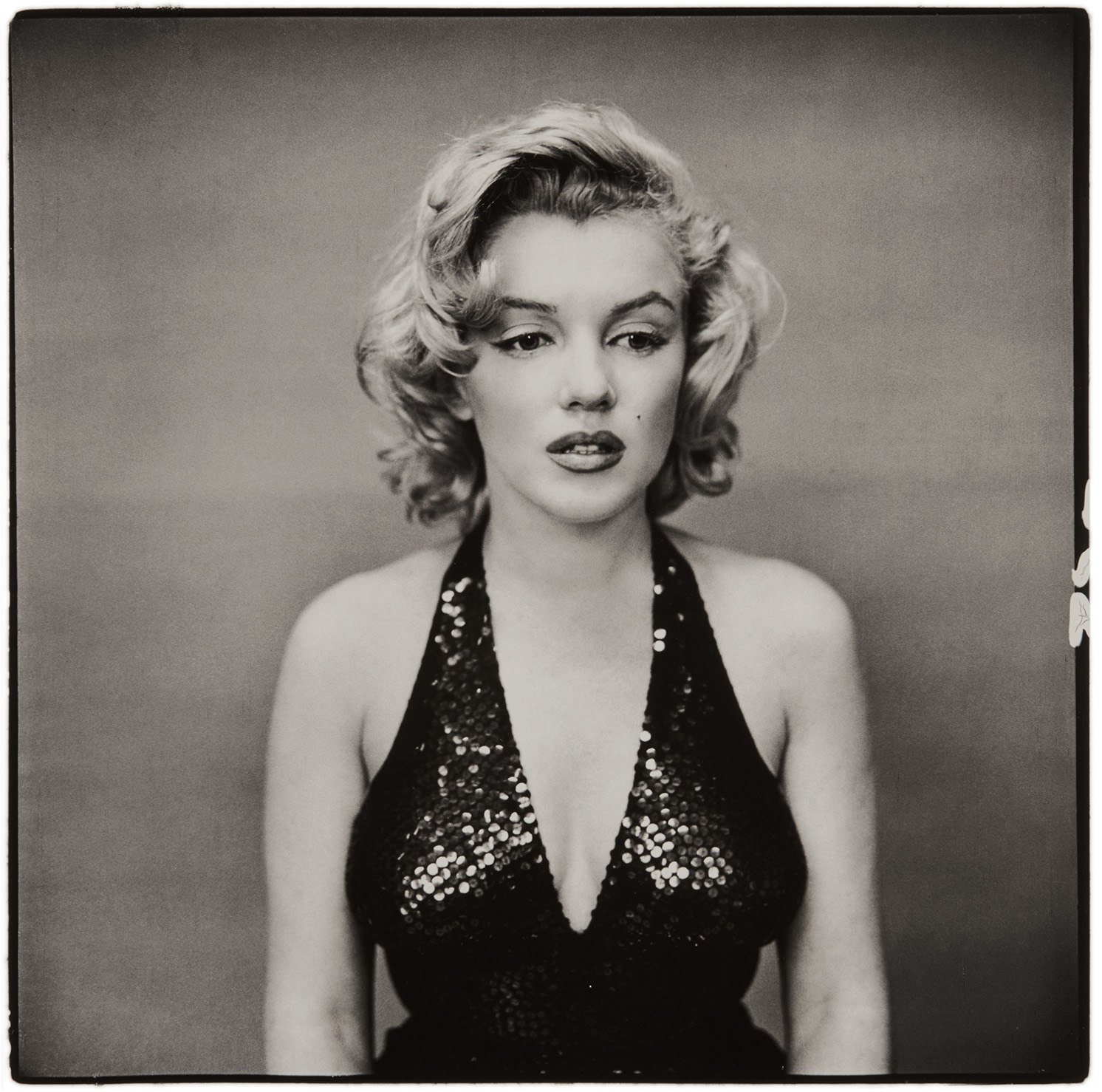
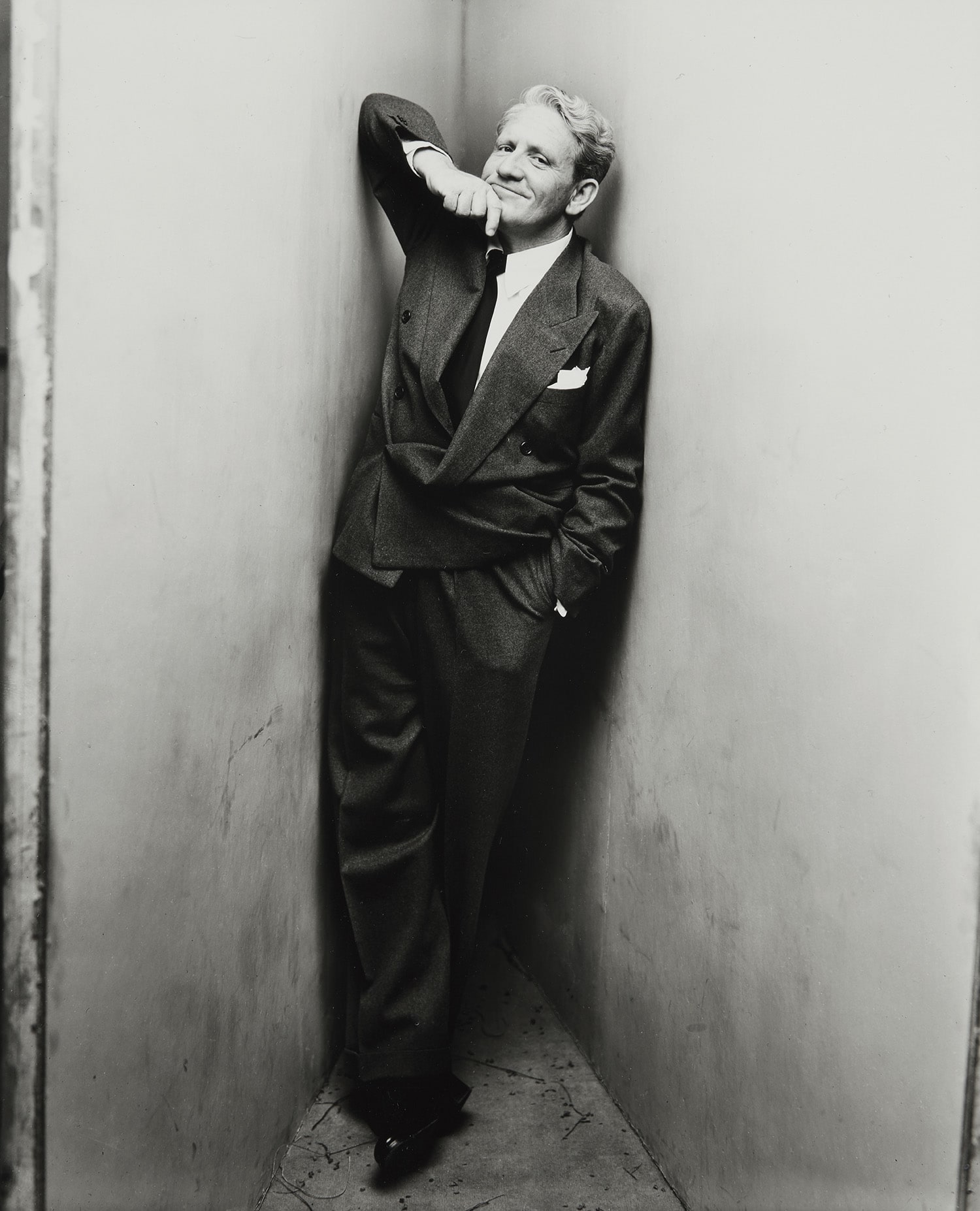
Richard Avedon
Marilyn Monroe, New York City, May 6
At auction, gelatin silver prints from major photographers have demonstrated consistent resilience even in softer overall markets. The top tier, meaning vintage prints in excellent condition with strong provenance, has largely held value through market cycles, partly because the supply of the very best material is genuinely finite. Works on paper and photographs as a category tend to attract collectors who are methodical and research driven, which moderates speculative volatility. That said, mid tier material, later prints from major names or vintage prints in compromised condition, can be surprisingly illiquid.
Buying at the right point in the market means being selective about condition and print date rather than simply acquiring a recognizable name. Condition deserves more attention than it typically receives in preliminary conversations with dealers. Gelatin silver prints are vulnerable to silver mirroring, a metallic sheen that develops on the surface when the image silver oxidizes, often visible at raking angles. Fading, foxing, and emulsion cracks are all condition issues that affect both the visual experience and the value of a work.
Ask to examine prints in raking light and request any available condition reports. For display, UV filtering glass makes a genuine difference, and maintaining stable humidity is more important than most collectors realize. Framing behind conservation quality materials, with an air gap between the print and the glazing, is the minimum standard for long term preservation. A work this physically specific, this tied to the chemistry of its own making, deserves to be protected with the same seriousness that brought it into being.