Drawing
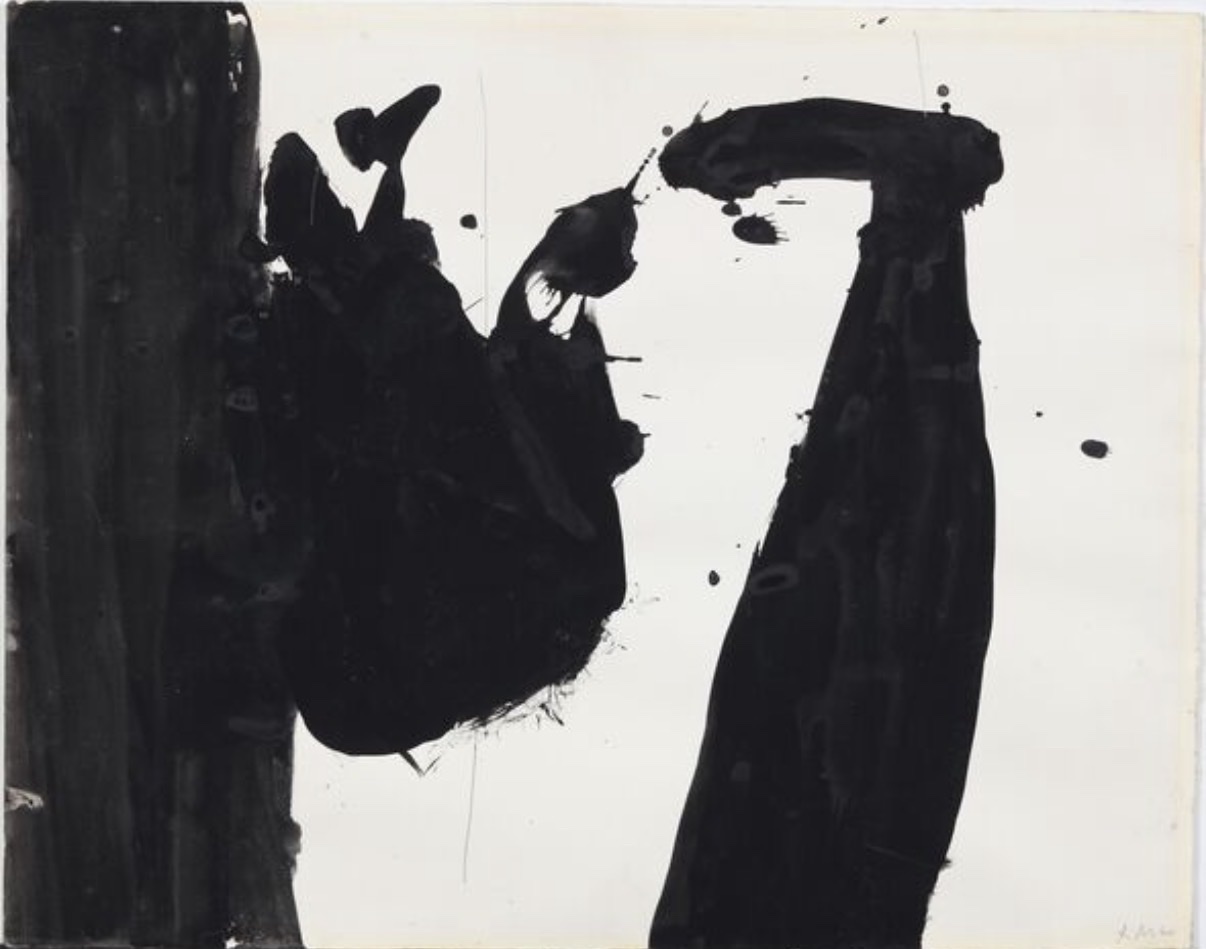
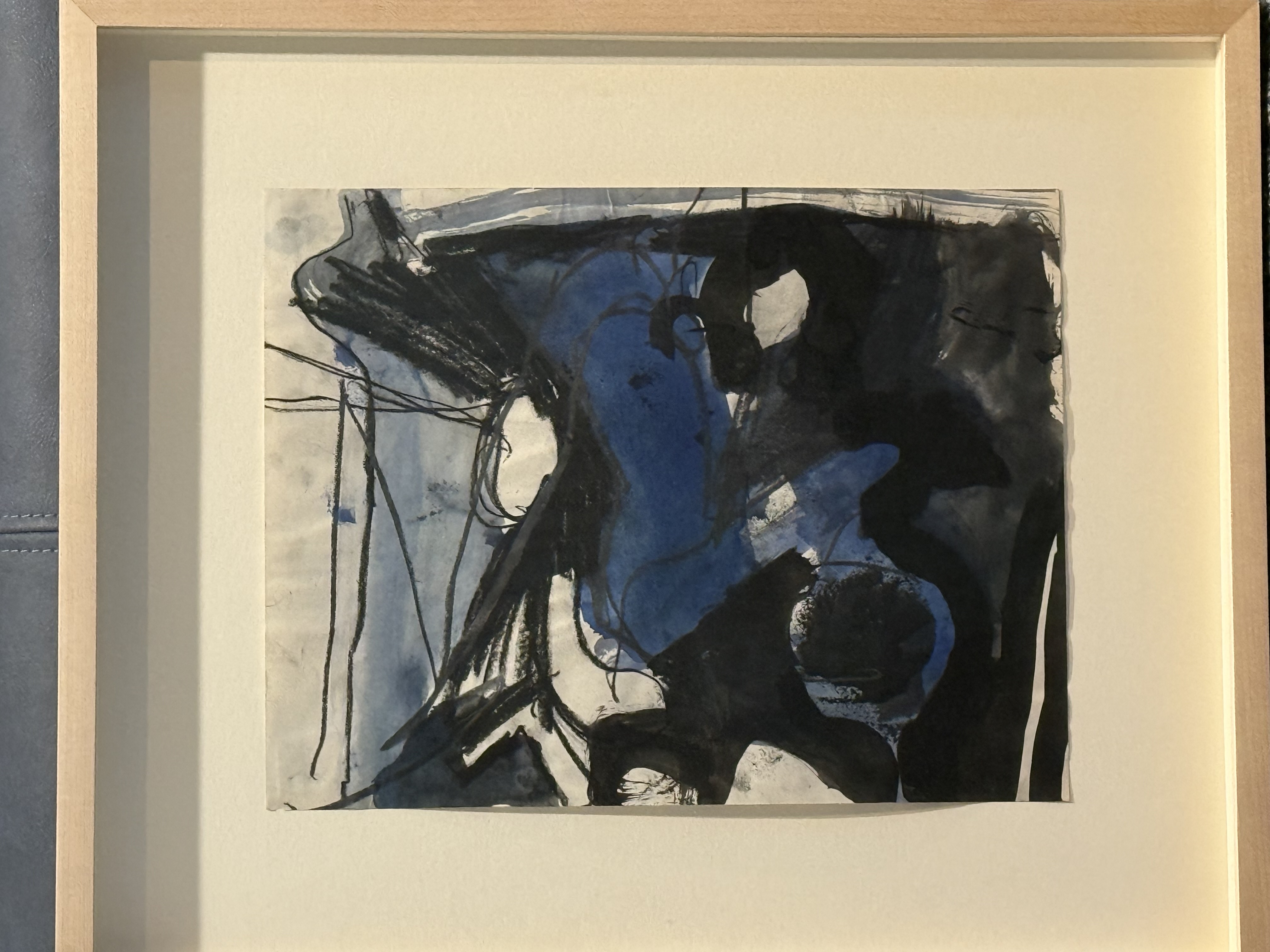
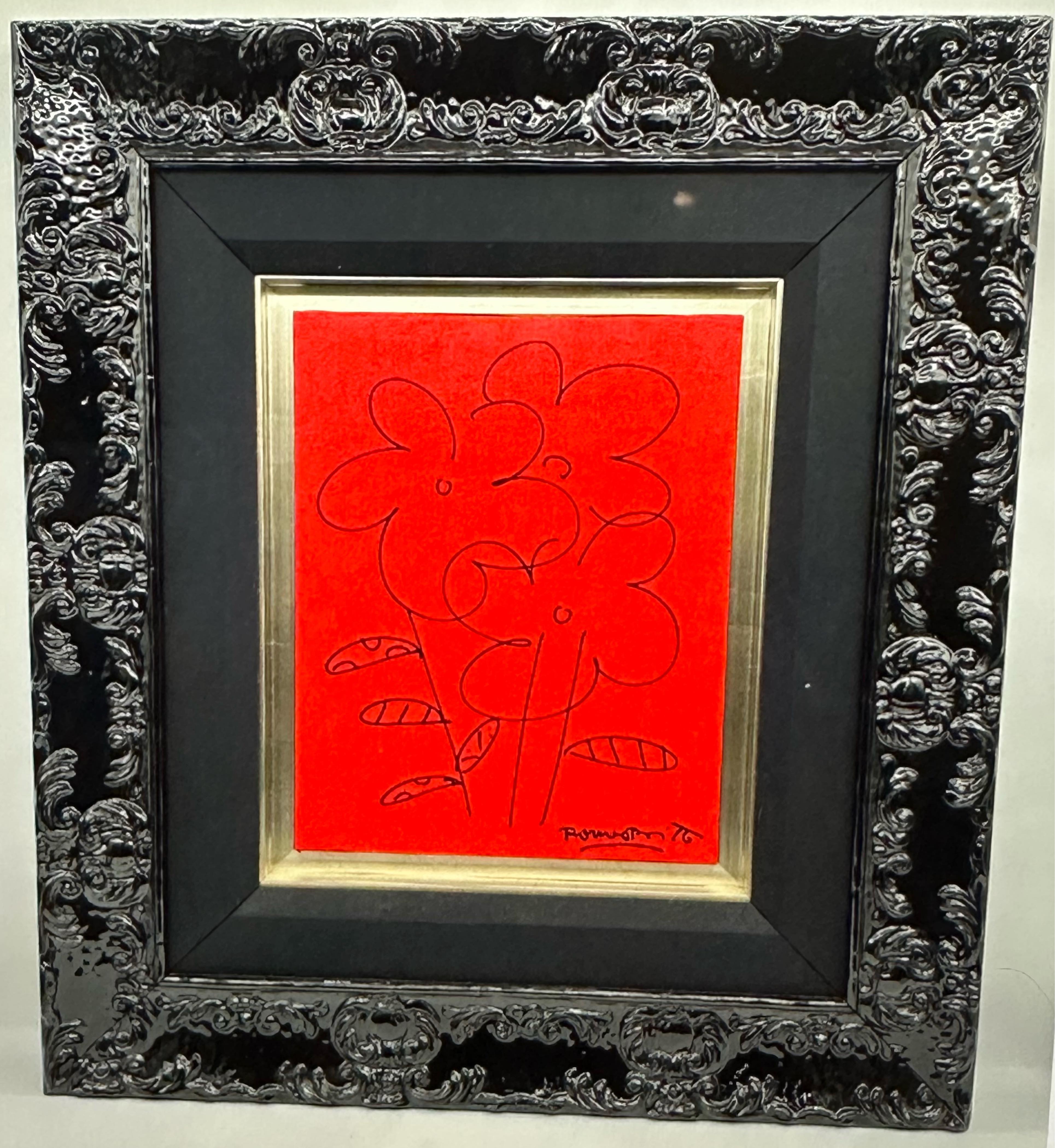
Robert Motherwell
In Black + White, 1960
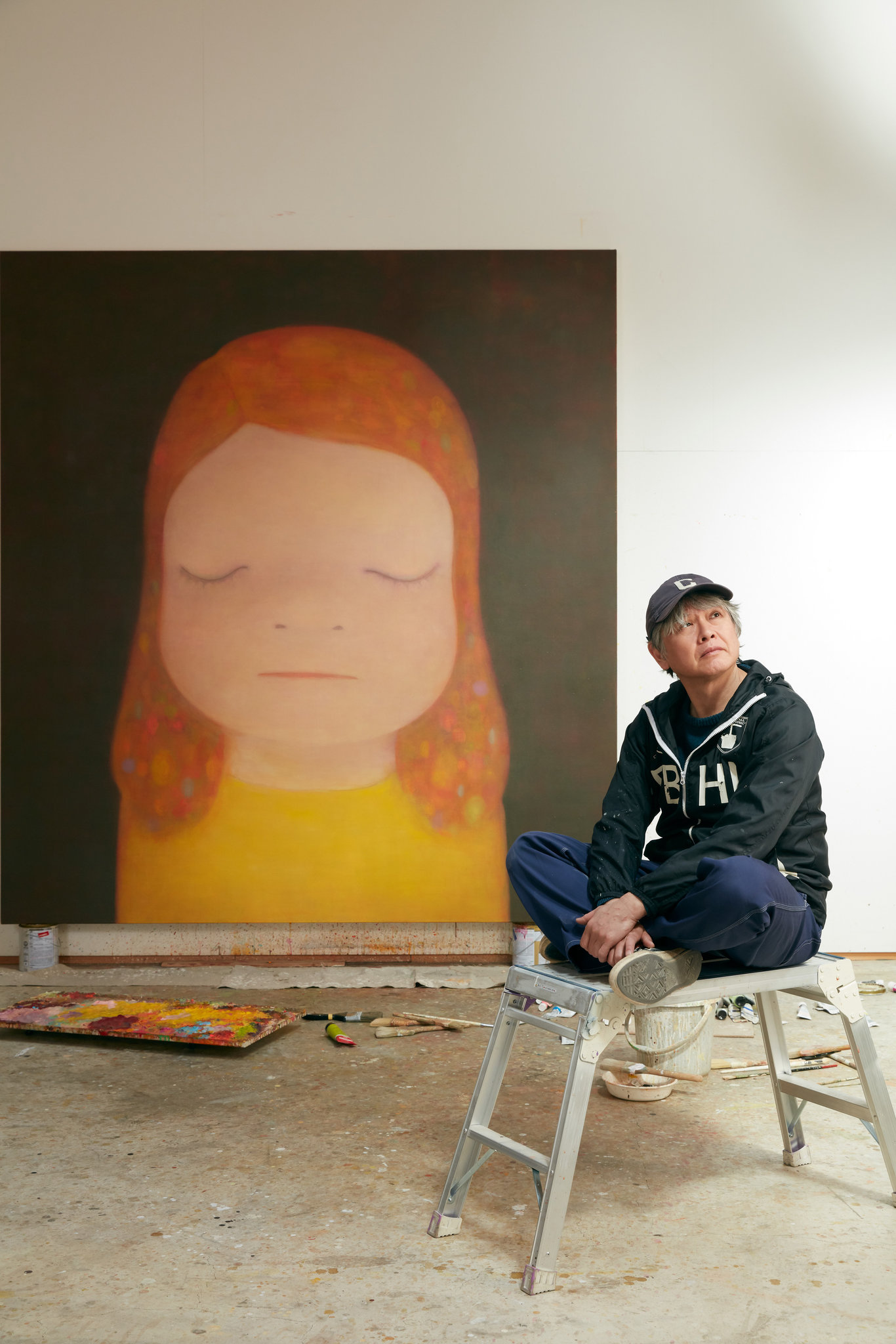
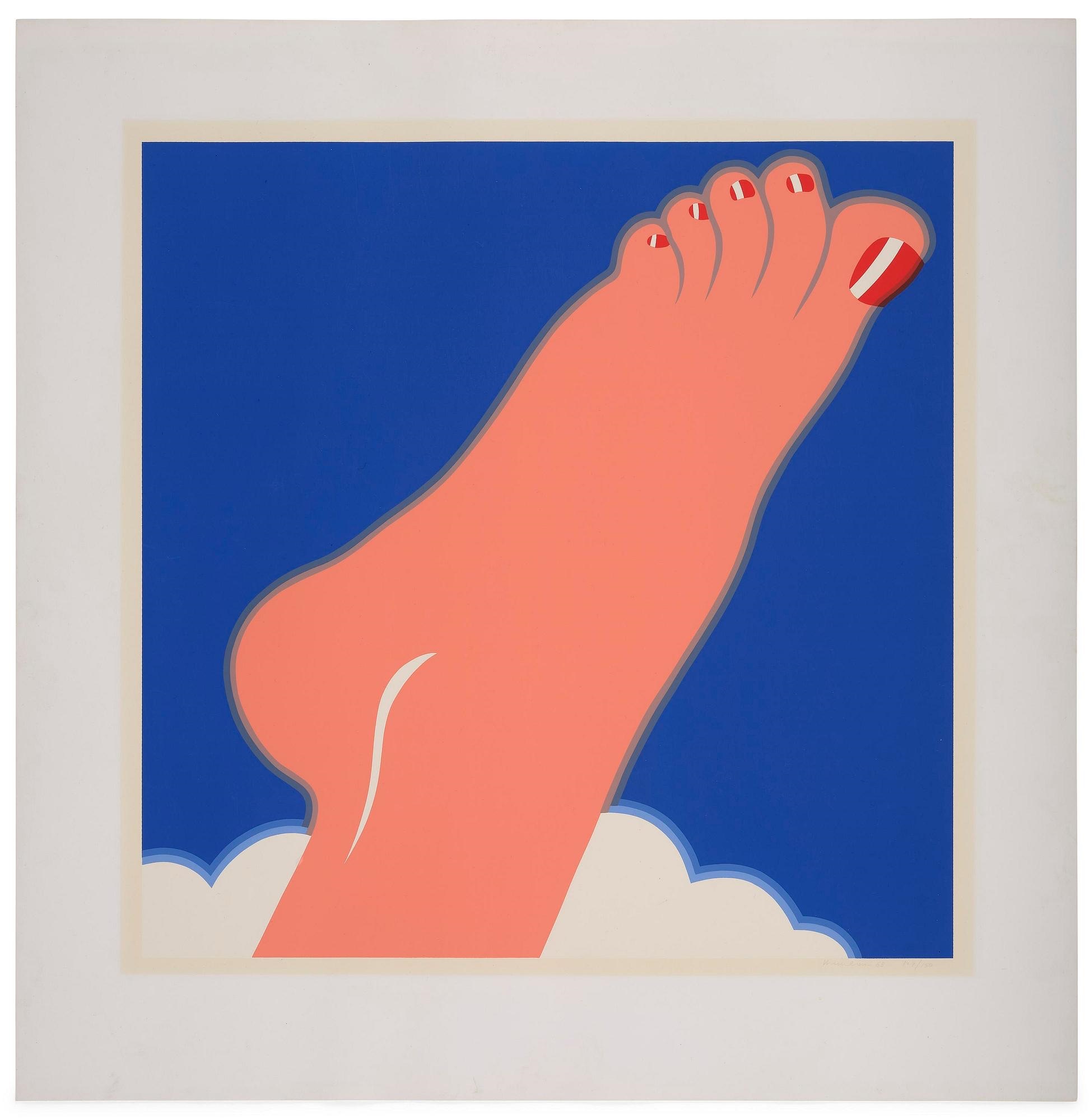
The Line That Started Everything
Last November, a small Picasso drawing on paper sold at Christie's for well above its estimate, drawing the kind of attention usually reserved for paintings three times its size. It was a simple thing, really: a few gestural marks, a figure barely suggested, dated to the late 1960s. But the room understood what it was looking at. Drawing, for all its reputation as the quiet sibling of painting and sculpture, has been making noise in auction rooms and museum galleries alike.
Collectors who once treated works on paper as supplementary are now leading with them. The critical rehabilitation of drawing has been building for at least two decades, but it has accelerated in ways that feel genuinely new. The Metropolitan Museum of Art, the Morgan Library, and the Art Institute of Chicago have all mounted significant drawing focused exhibitions in recent years, each making a case that works on paper are not preparatory gestures but finished arguments. The Morgan in particular has long championed this position, holding one of the world's great drawing collections and programming around it with scholarly seriousness.
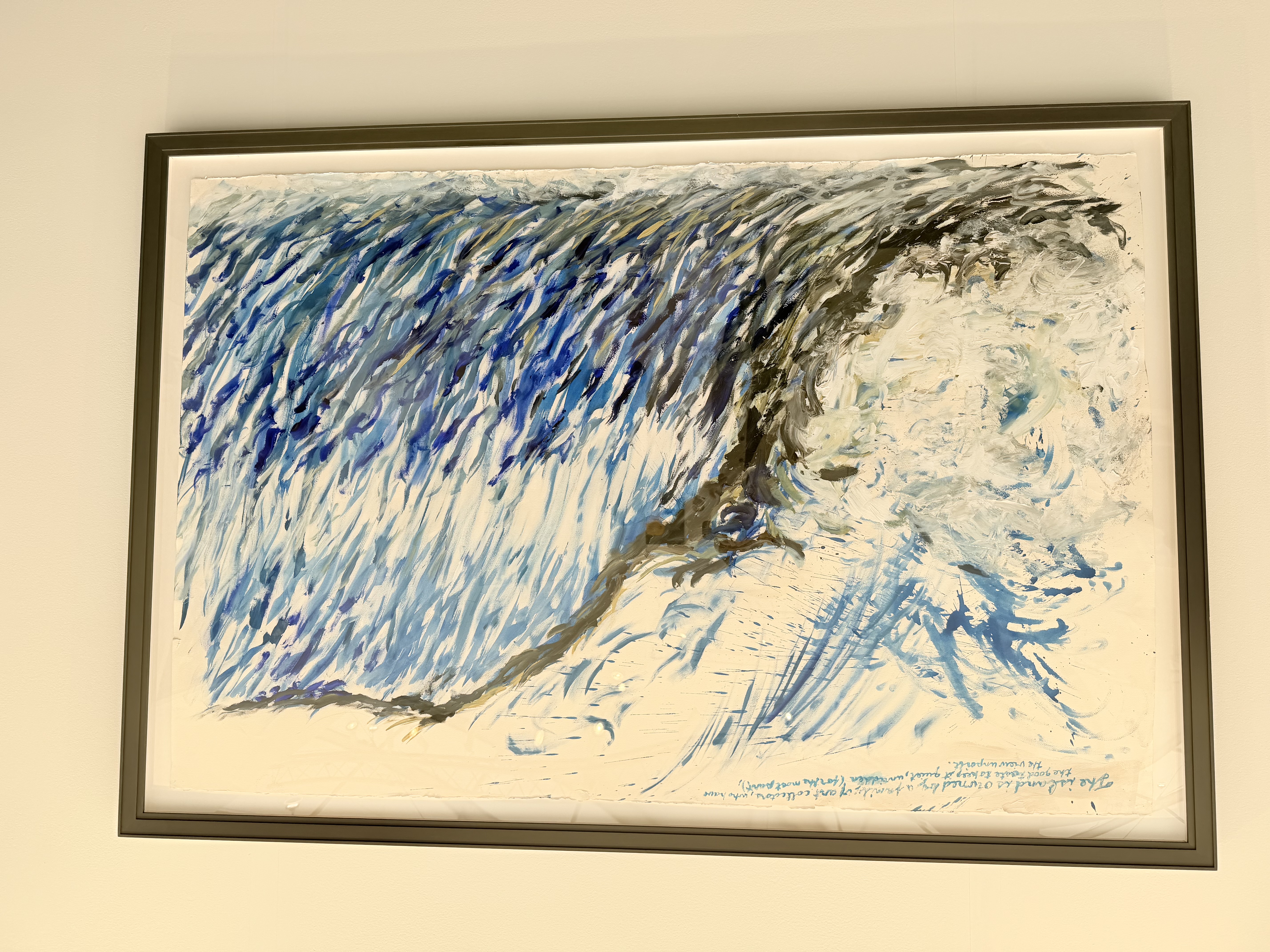
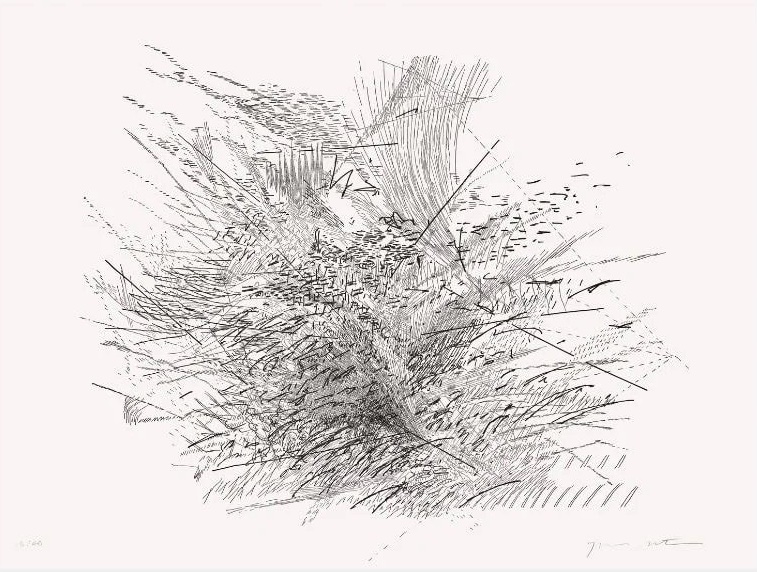
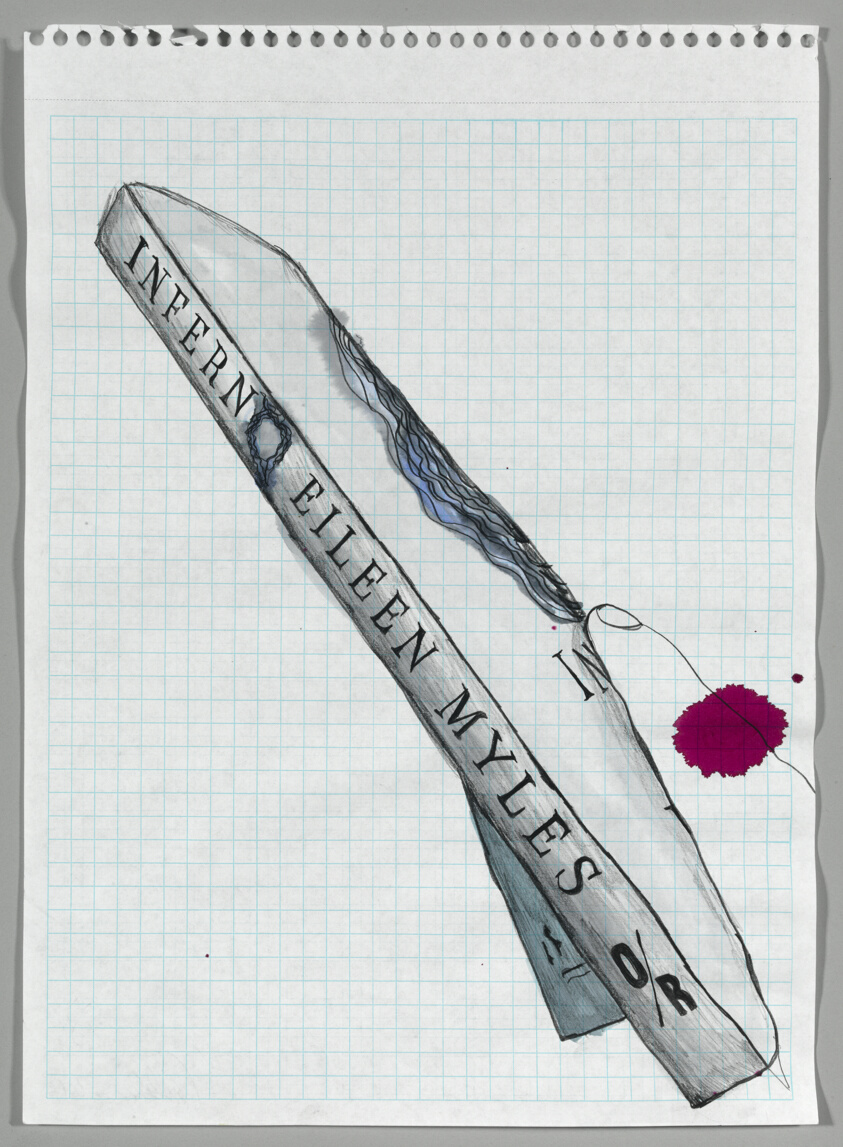
Raymond Pettibon
No Title (The island is...), 2011
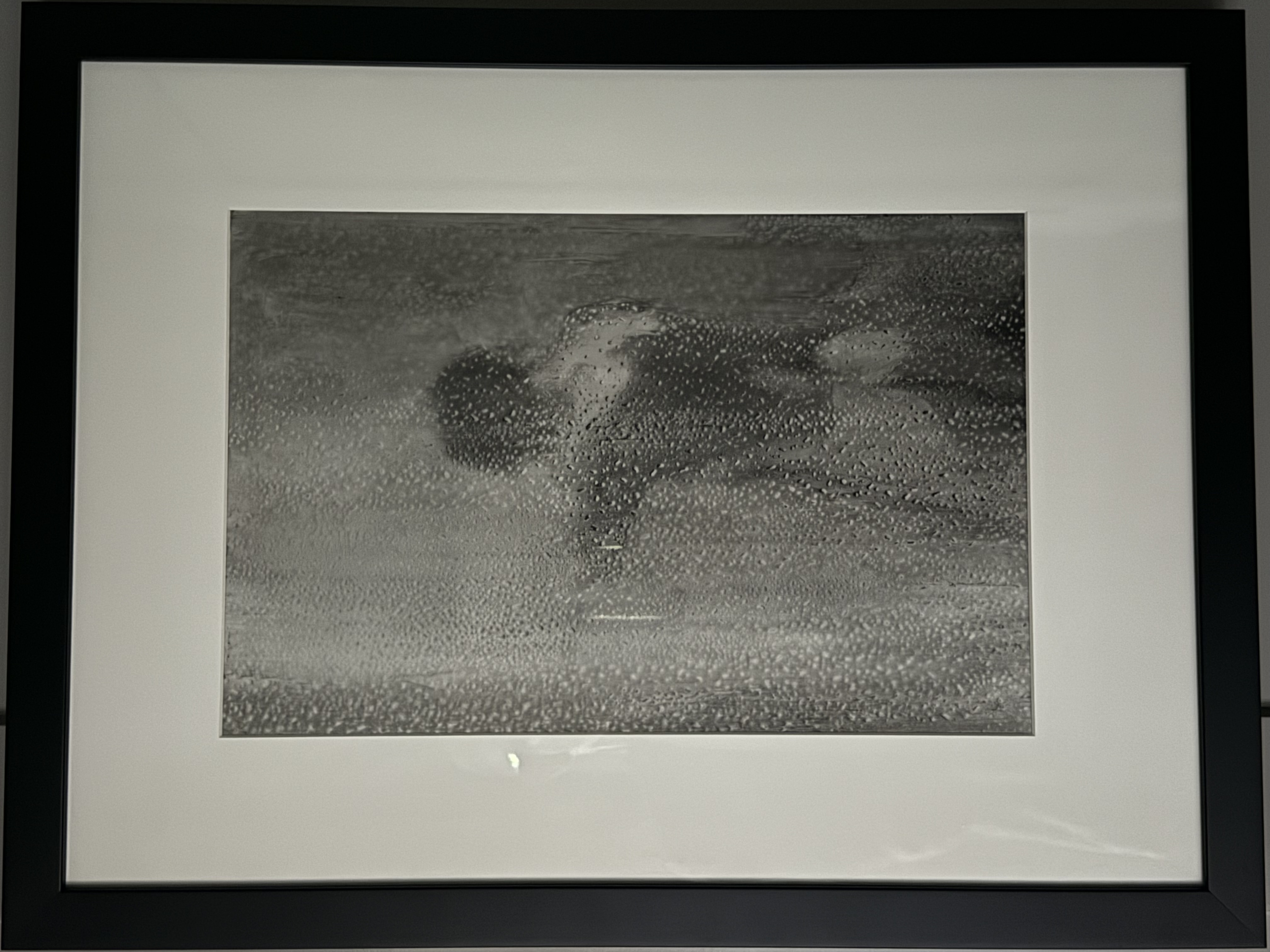
When institutions of that stature devote prime gallery space and serious catalogues to drawing, the market listens. On the auction side, the results have been striking. Jean Michel Basquiat drawings regularly clear seven figures, a sign of how fully the market has absorbed his works on paper into the same conversation as his paintings. Raymond Pettibon, whose obsessive ink drawings on paper sit somewhere between poetry and provocation, has seen prices rise steadily as museums acquire his work and curators position him as one of the defining visual voices of the late twentieth century.
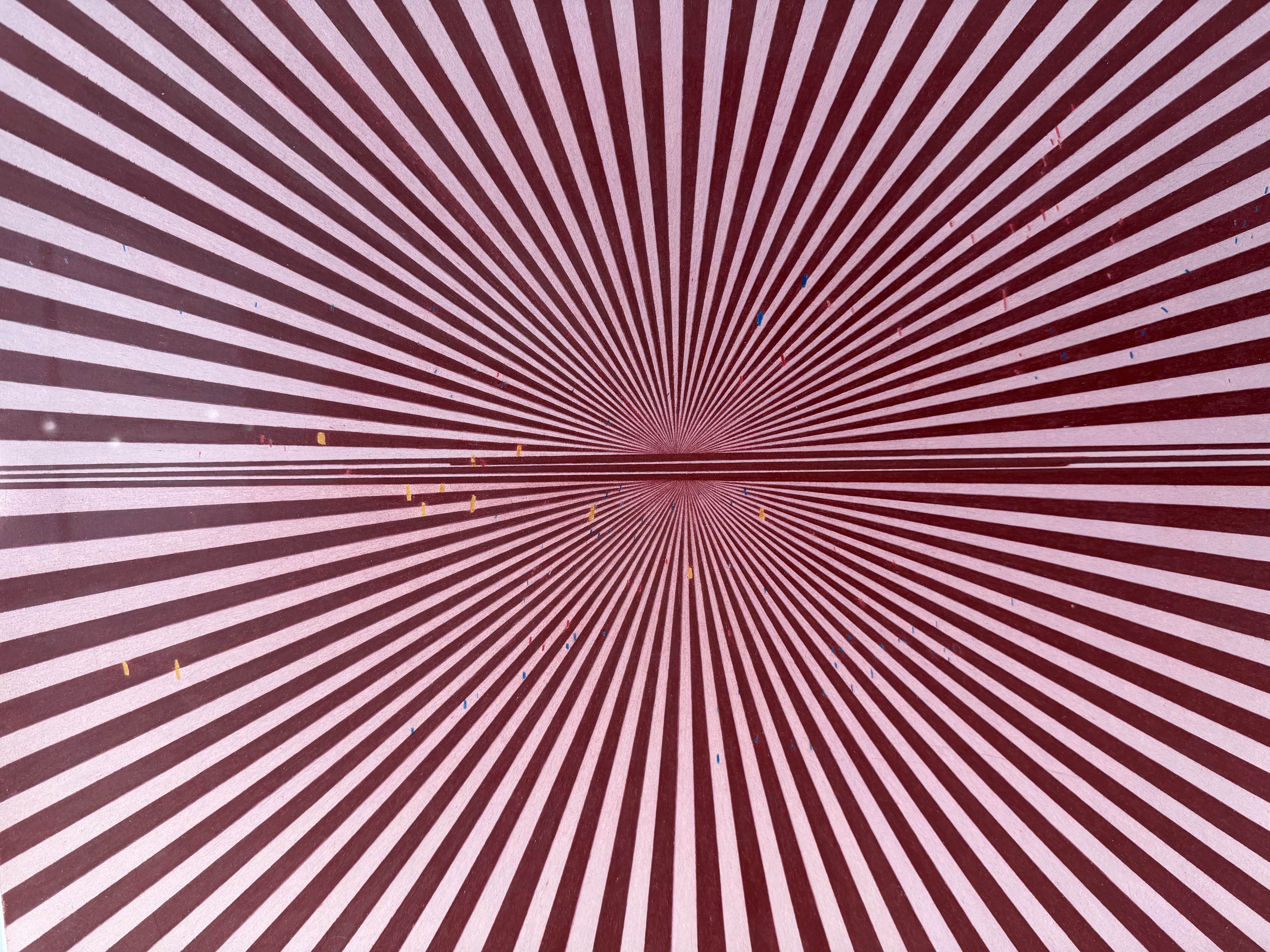
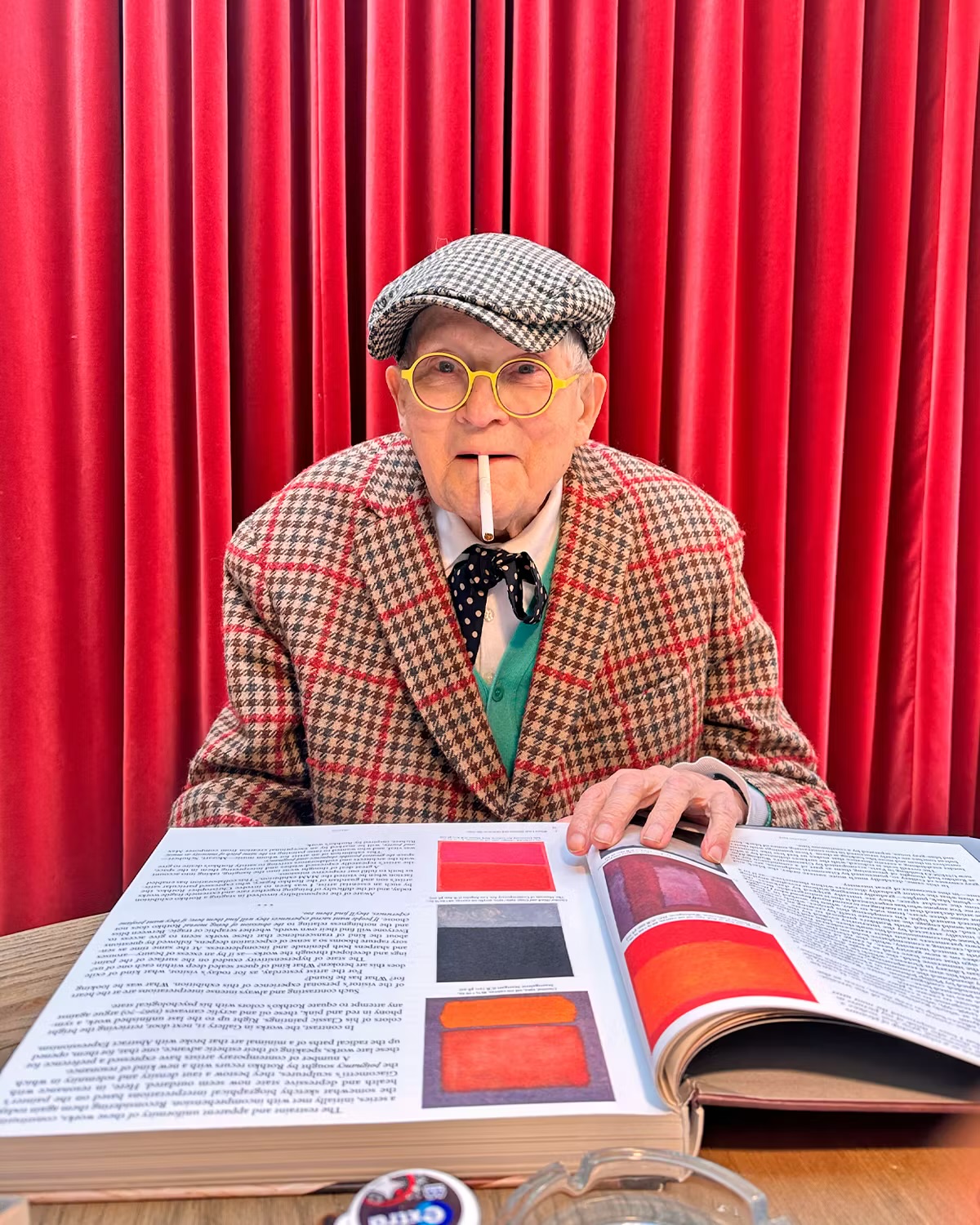
David Hockney's drawings, spare and confident, attract serious bidders who understand that his facility as a draughtsman is actually where his genius lives most nakedly. These are not consolation prizes for collectors who missed the paintings. William Kentridge occupies a singular position in this conversation. His charcoal drawings, often filmed in process and then exhibited as both object and document, have forced a rethinking of what drawing can do temporally.
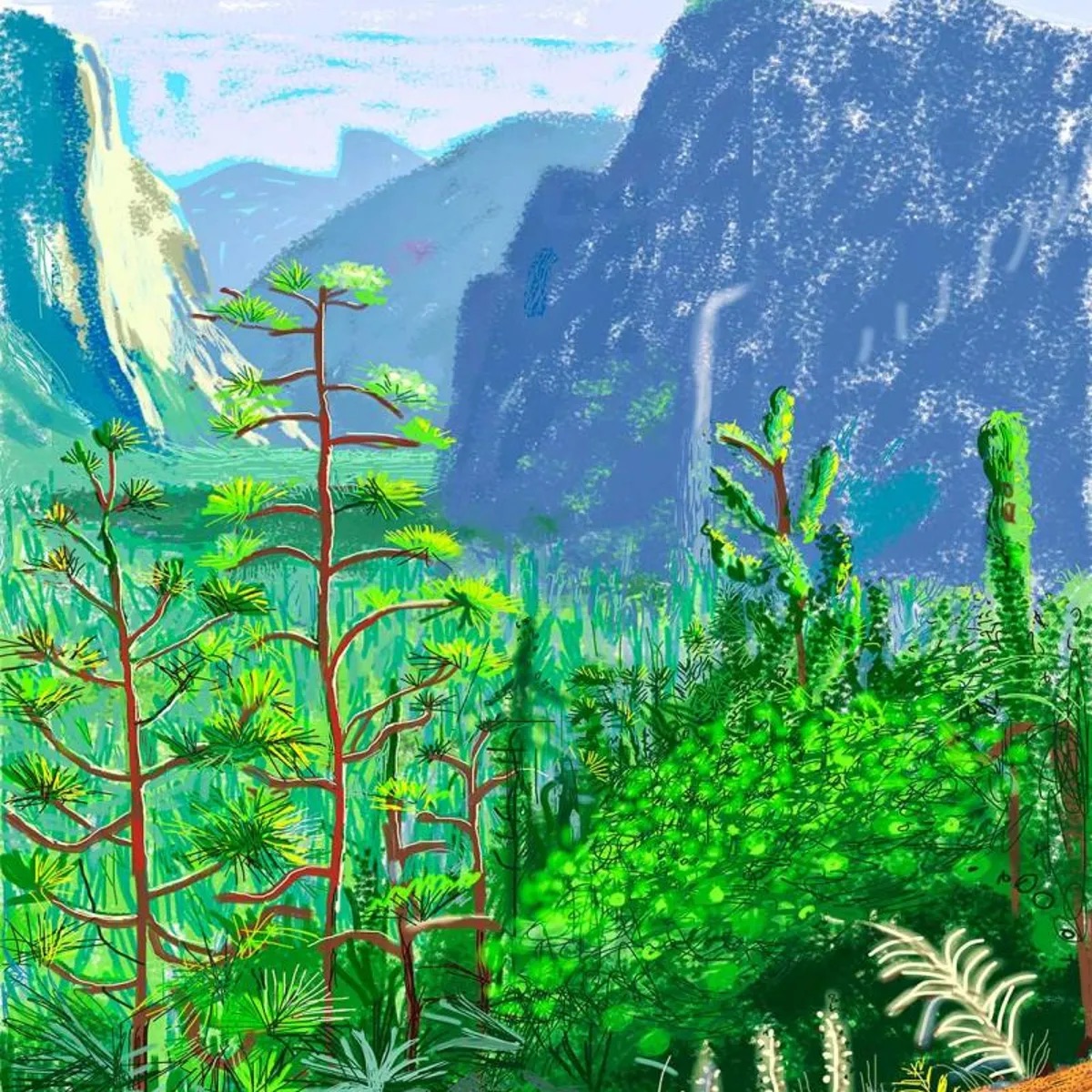
David Hockney
Untitled, 2006
The Albertina in Vienna and the Museum of Modern Art in New York have both given his drawn work serious institutional weight. Kentridge draws as a way of thinking out loud, erasing and redrawing so that the history of marks remains visible on the surface, and collectors who own his works on paper own something philosophically rich as well as visually extraordinary. His presence on The Collection reflects exactly this kind of institutional and market confidence. George Condo and Yoshitomo Nara represent a different current in the drawing market, one driven partly by younger collectors who came to art through the energy of the 1990s and early 2000s.
Condo's drawings carry the same psychological density as his paintings, and some critics argue they are more direct precisely because the medium allows less room to hide. Nara's drawings, tender and slightly unnerving, have become objects of real desire in Asia and North America simultaneously, which tells you something about the global nature of the current conversation around works on paper. Louis Fratino, younger still, is being acquired by institutions with meaningful urgency, and his drawings feel essential rather than supplementary to understanding his practice. The historical figures on The Collection add important depth to this picture.
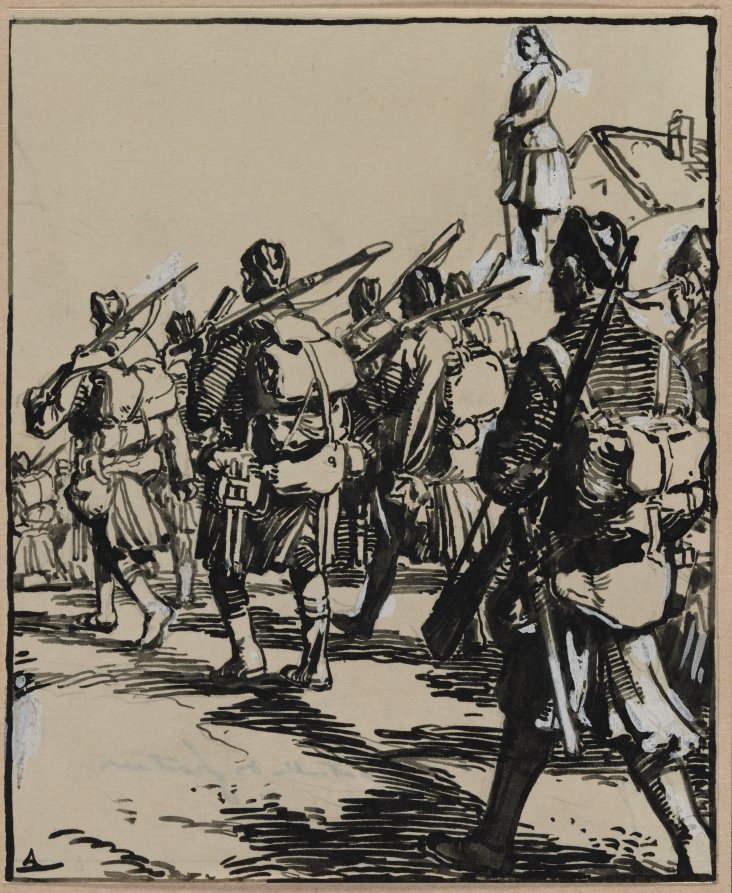
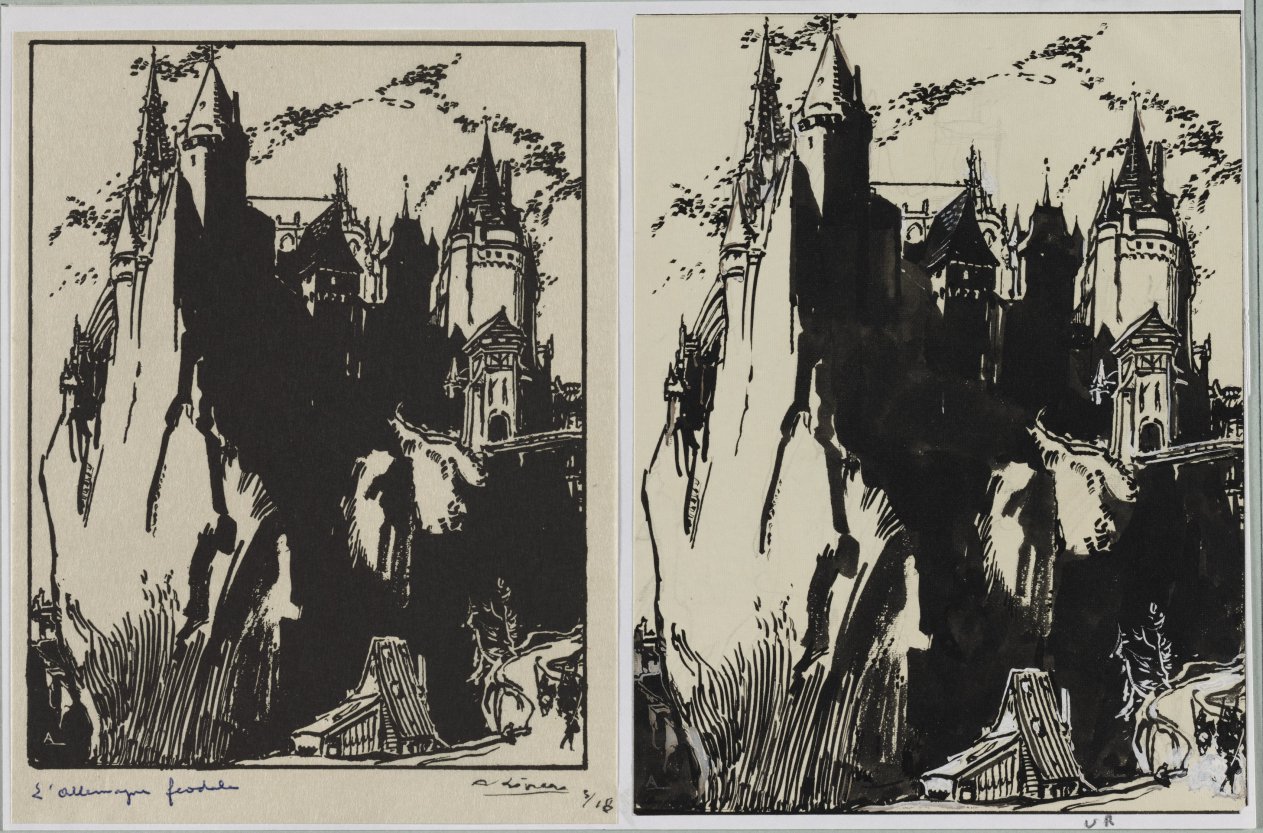
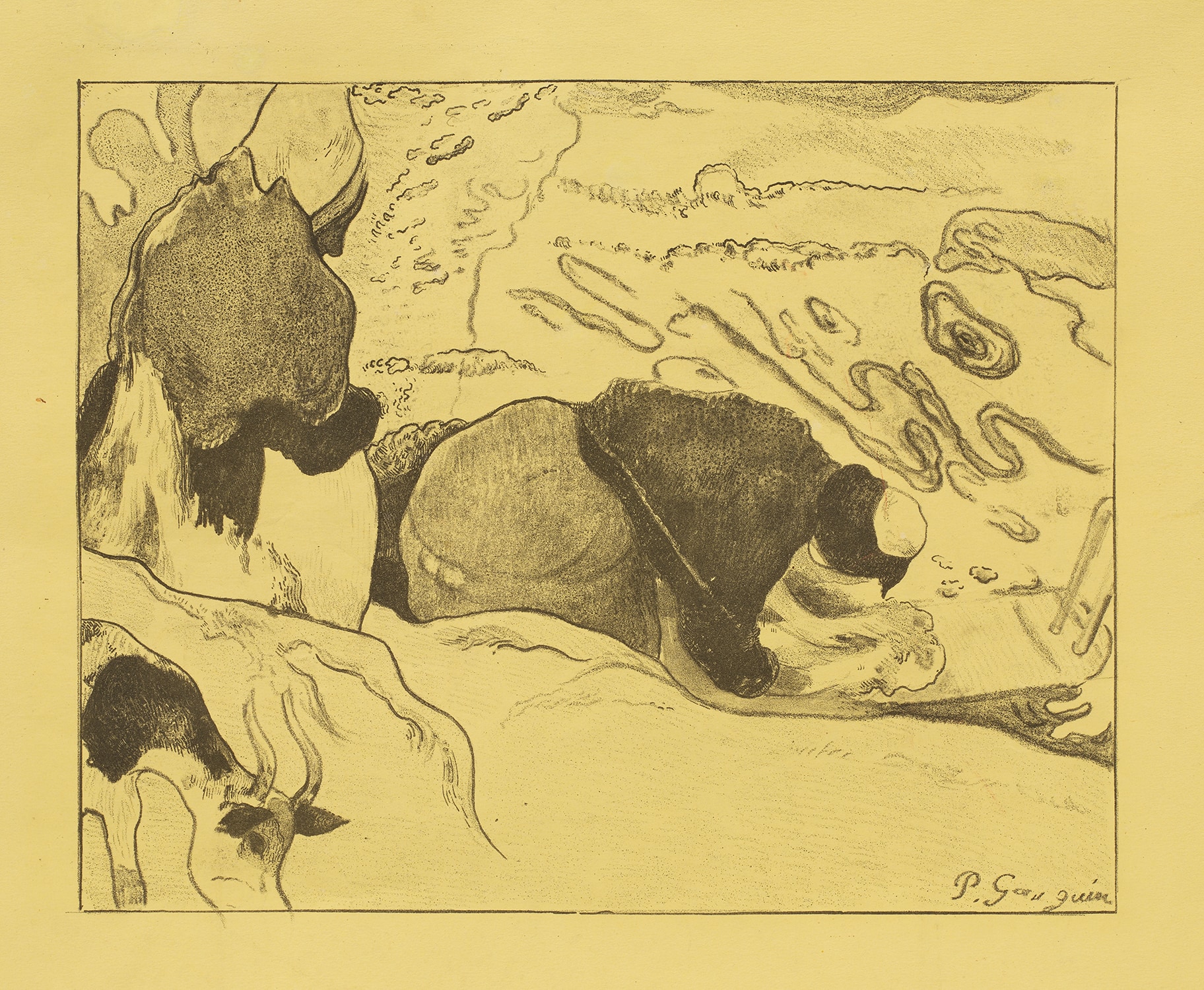
Auguste Louis Lepère
Bataille des frontières: groupe des soldats britanniques, 1914
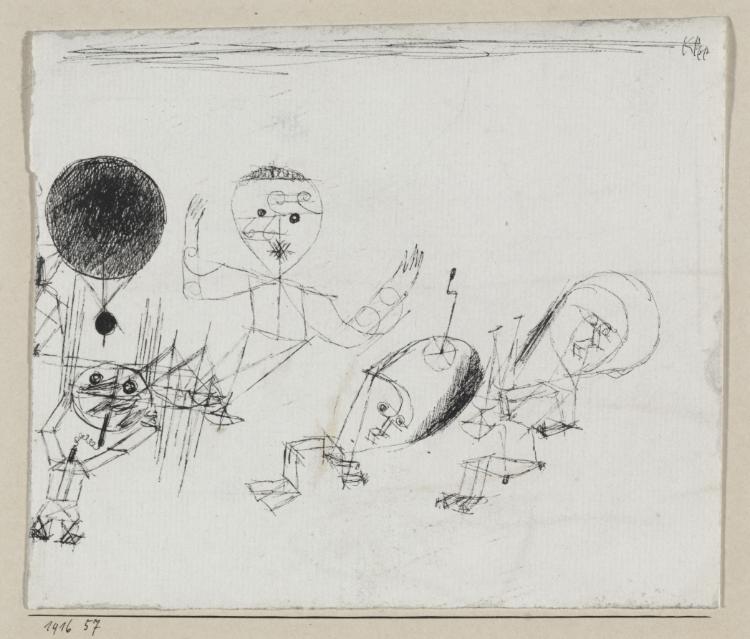
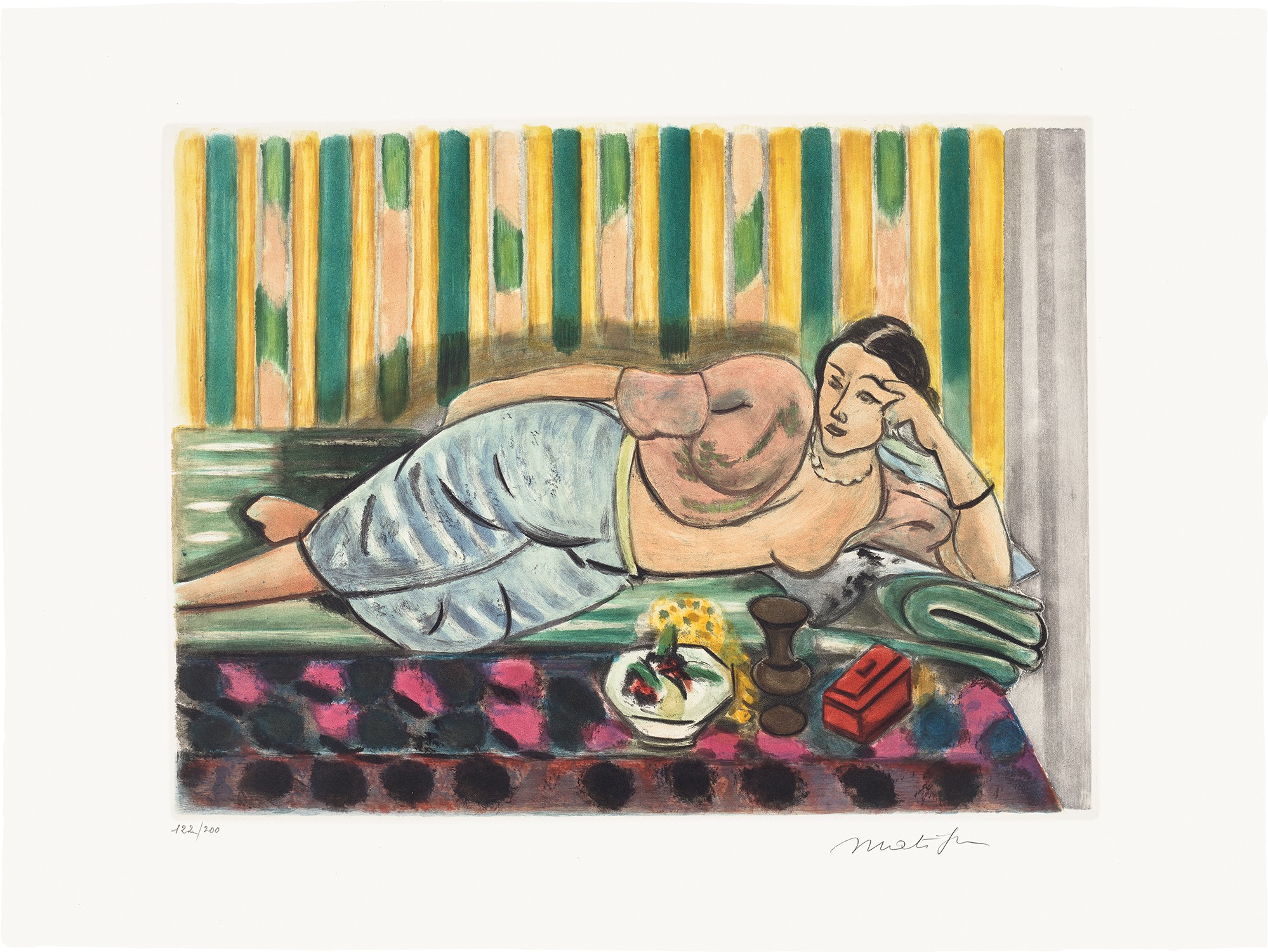
Edgar Degas essentially reinvented the figure through drawing, and his works on paper remain among the most studied and sought after in any category. Henri Matisse understood the drawn line as a form of liberation, and the late cut paper works aside, his drawings on paper represent some of the purest expressions of his thinking. Auguste Louis Lepère, who worked primarily in printmaking and drawing, offers collectors something rarer: the chance to understand a significant figure in French graphic art whose market has remained relatively accessible compared to his contemporaries. James McNeill Whistler's drawings are similarly undervalued relative to his historical importance, and serious collectors know it.
Curators and writers shaping the critical conversation include Bernice Rose, whose work on drawing at MoMA established a framework still in use, and more recently scholars like Joanne Moser and Barry Walker, who have written extensively on American drawing traditions. The journal Print Quarterly, despite its name, addresses drawing with genuine rigor. What these writers share is an insistence that drawing be understood on its own terms rather than as a pathway to something else. That insistence has found its moment.
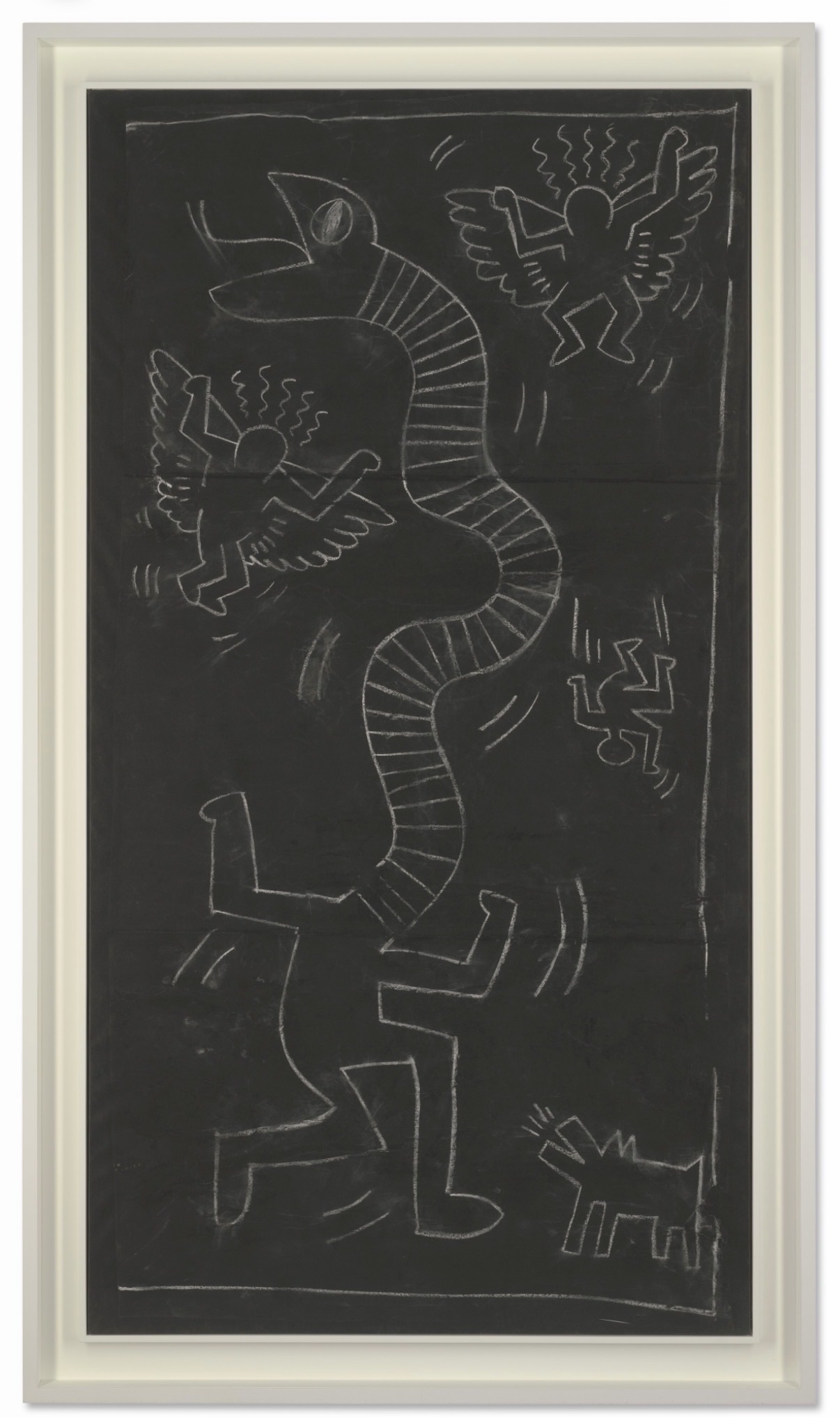
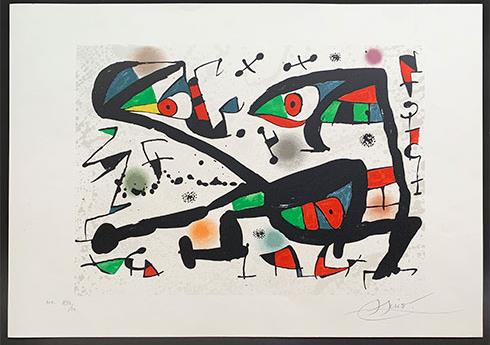
Keith Haring
Untitled (Serpent Man), 1984
What feels alive right now is the intersection of drawing with other practices: text, performance, film, and activism. Cauleen Smith, whose work moves across film and installation, uses drawing as a connective tissue between mediums, and the institutional appetite for her practice reflects a broader curatorial interest in artists who treat the drawn line as a political as well as aesthetic act. Keith Haring understood this long before it became the critical consensus, and his drawings, made in subway stations and on paper alike, now read as both art historical documents and entirely contemporary provocations. What feels settled, perhaps too settled, is the hierarchy that still places works on paper below paintings in certain collector circles.
That gap is closing, but slowly, and it represents an opportunity. The collector who builds seriously in drawing right now, across historical and contemporary practices, is assembling something that will look prescient within a decade. The energy in the room, at auctions and in museum galleries and in the studios of artists who still reach for a pencil before anything else, is unmistakable. Drawing was never really a beginning.
It was always the thing itself.