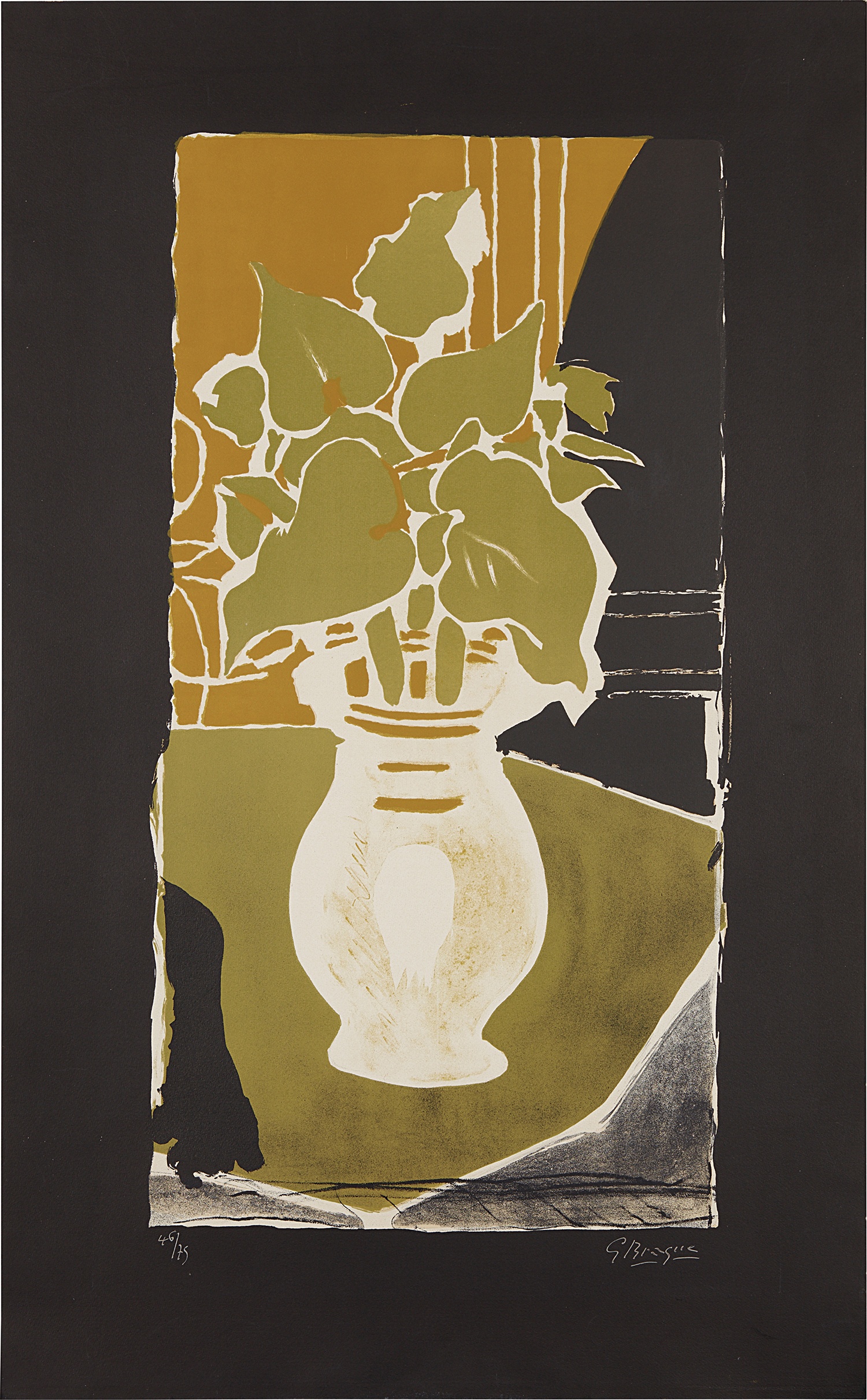
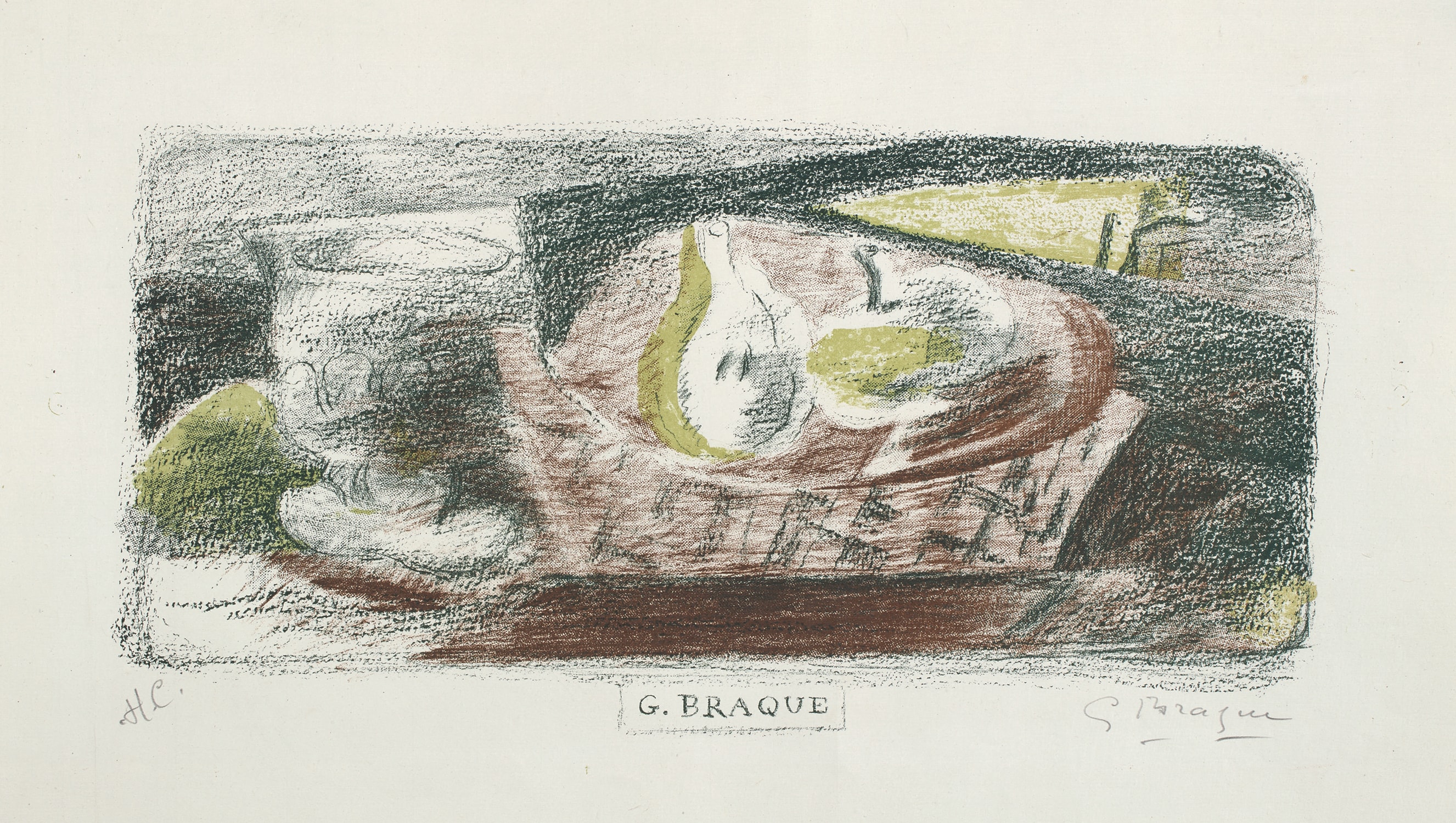
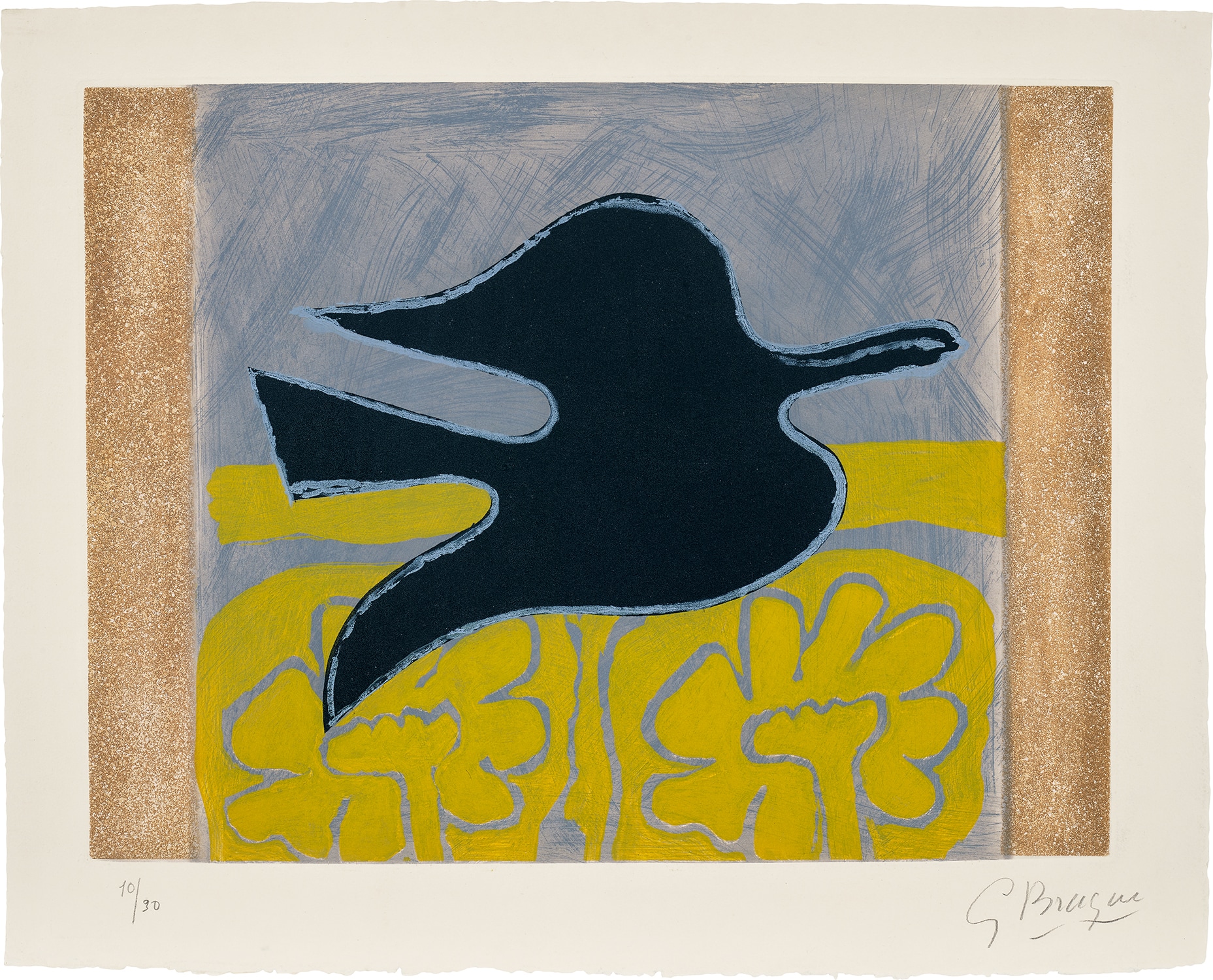
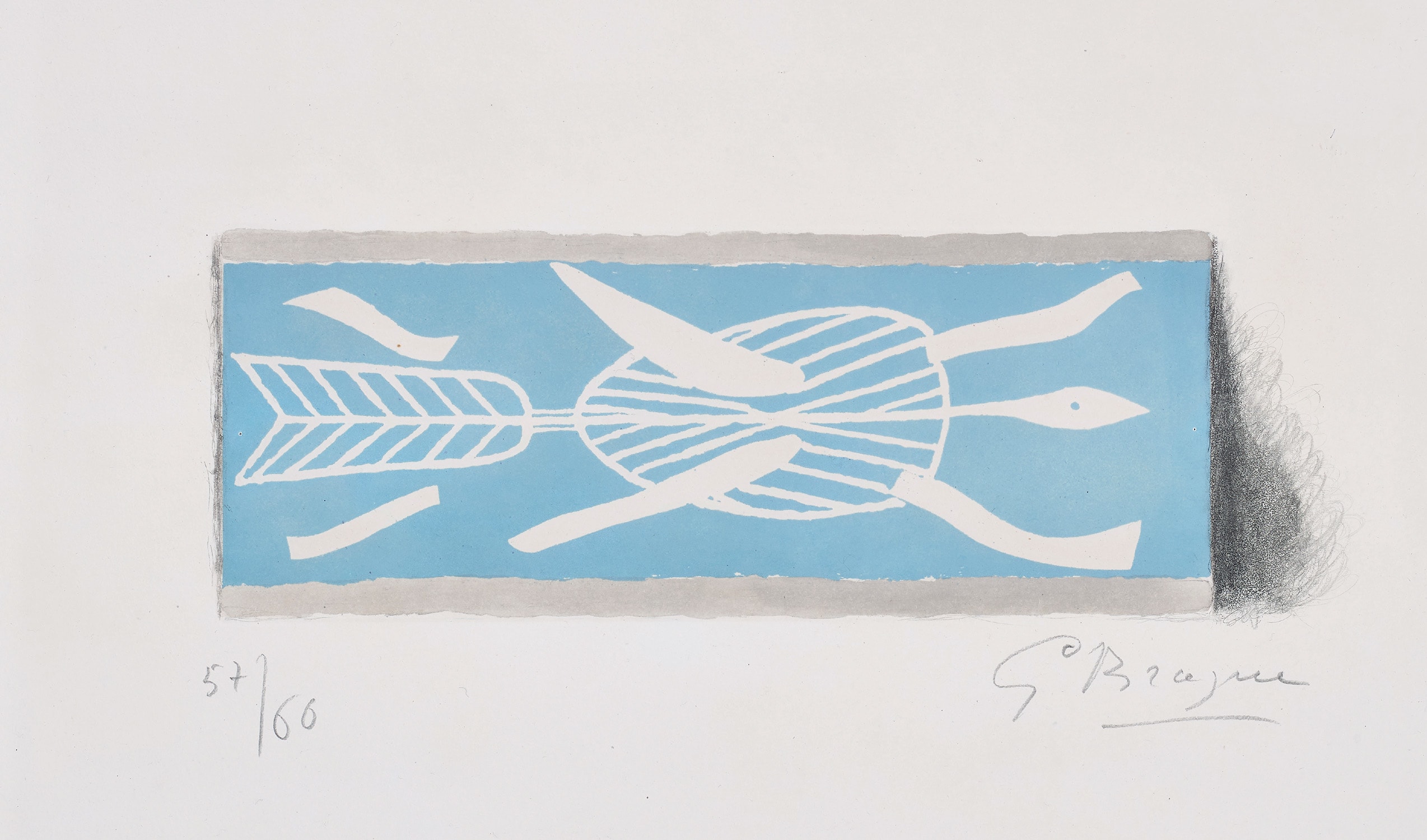
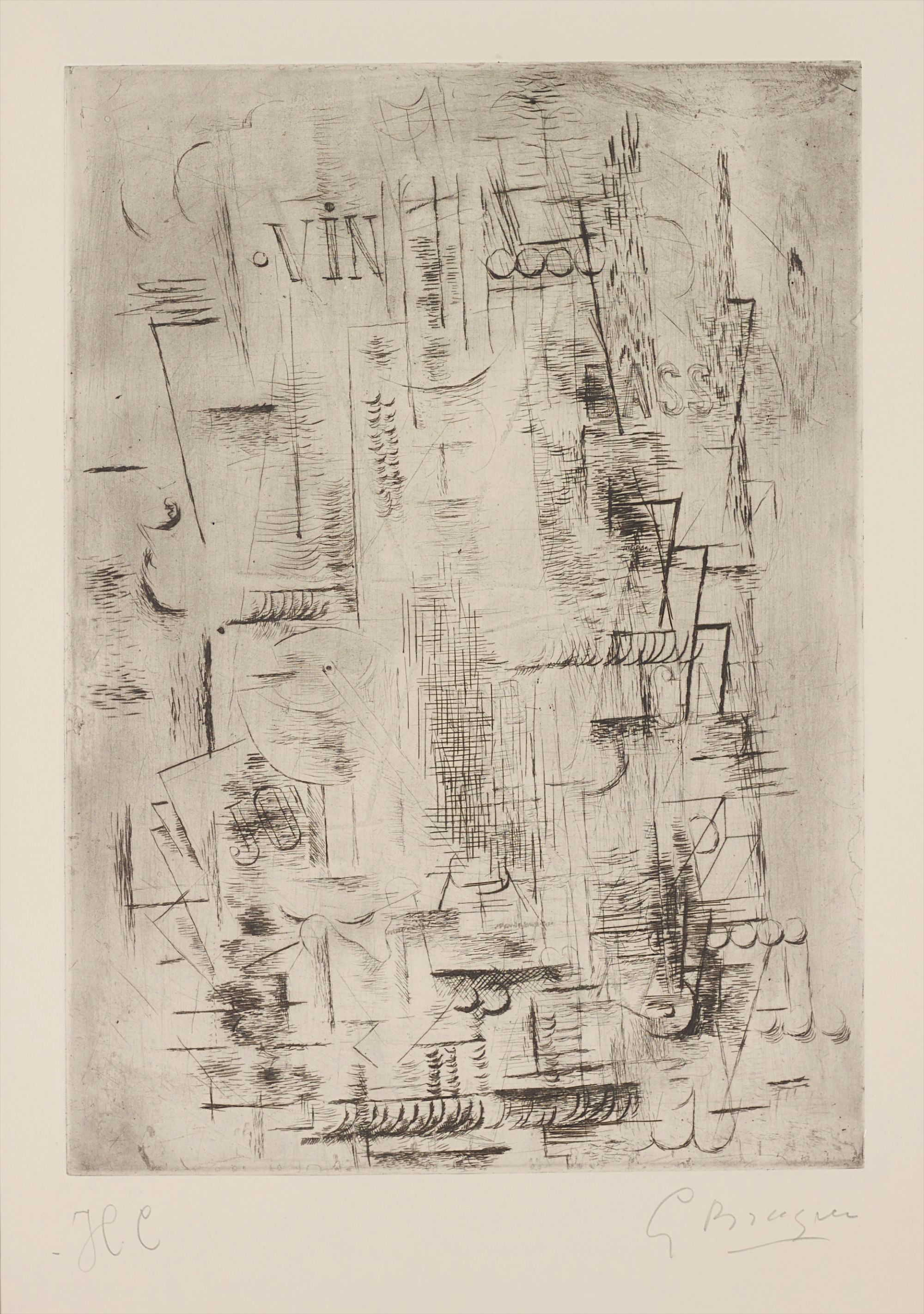
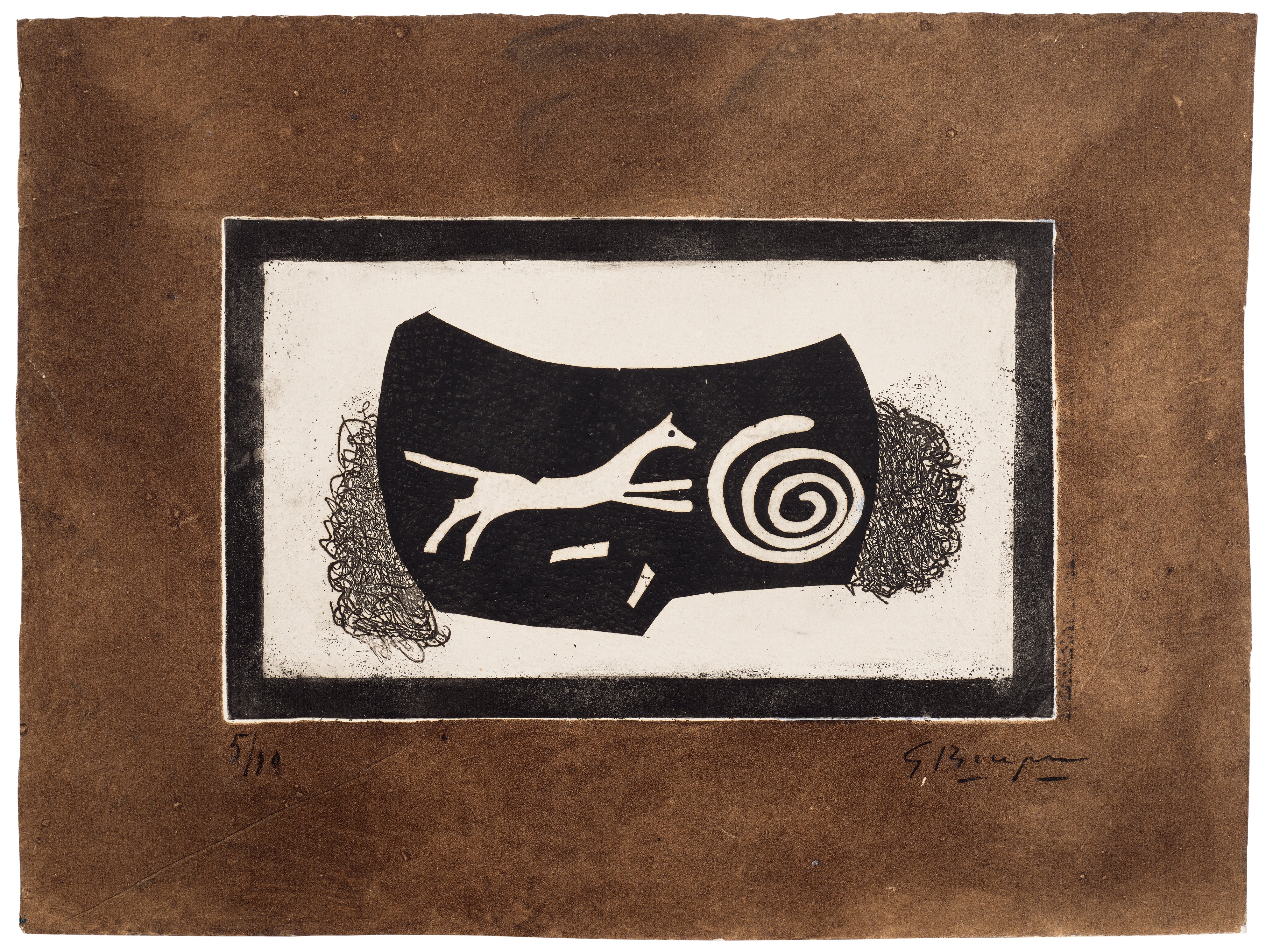
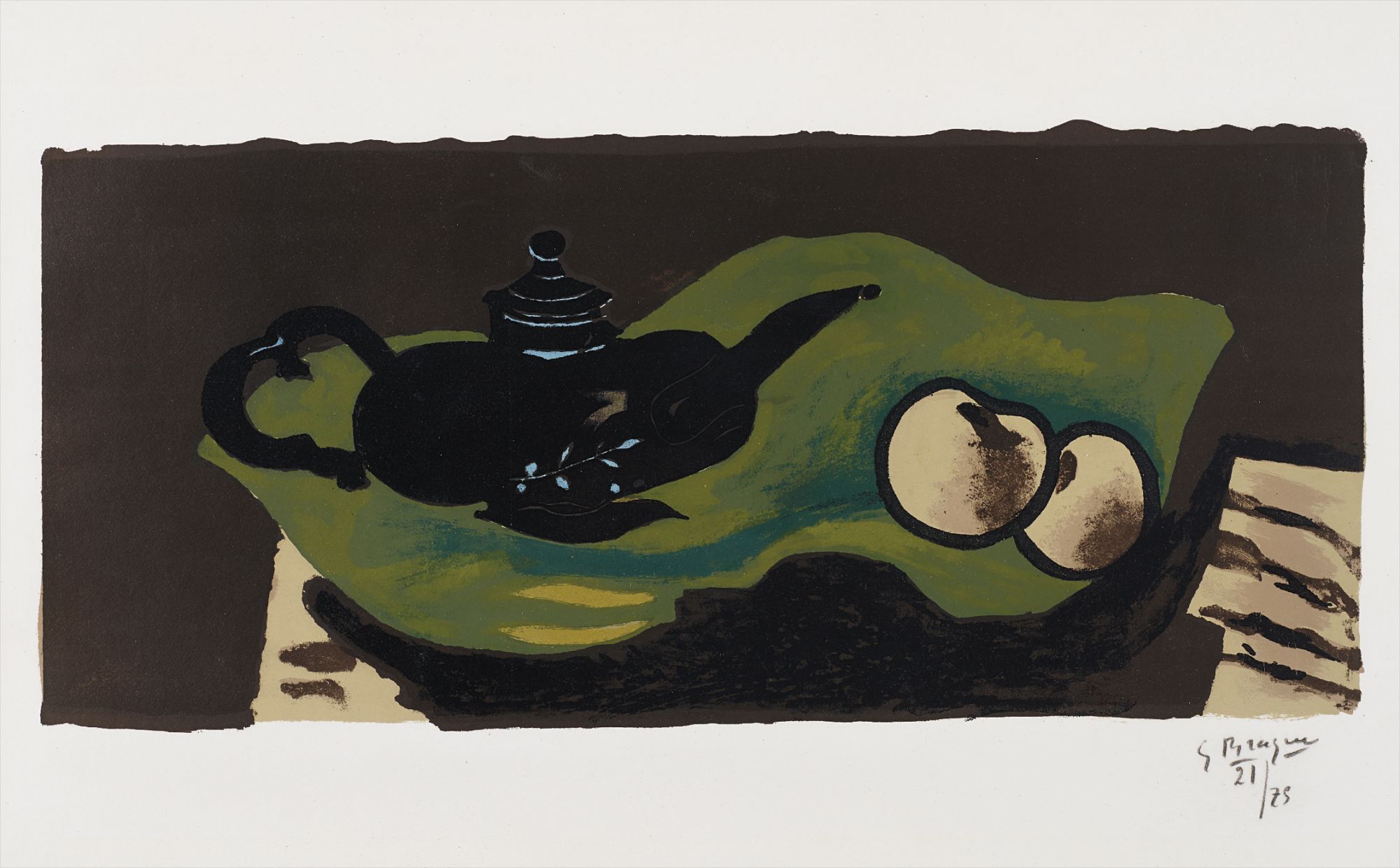
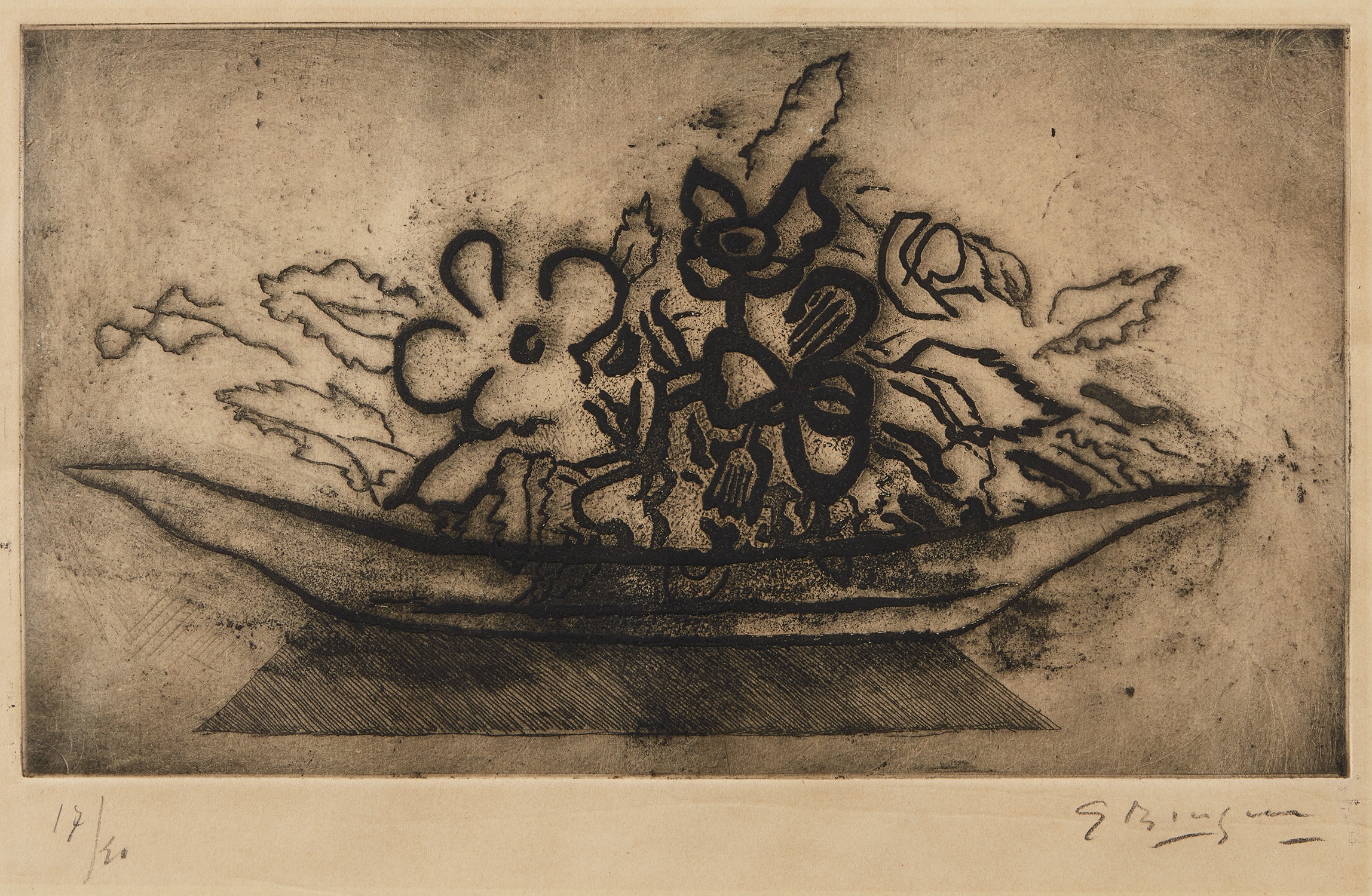
In the autumn of 2013, the Grand Palais in Paris mounted a landmark retrospective to mark the fiftieth anniversary of Georges Braque's death, drawing enormous crowds and reminding a new generation of what those familiar with his work had always known: that Braque was not simply a collaborator in the invention of Cubism but one of the most original and searching minds in the history of modern art. The exhibition gathered paintings, prints, sculptures, and decorative works that spanned more than six decades of relentless inquiry, confirming Braque as an artist whose influence runs so deep through twentieth century visual culture that it can be easy to overlook just how radical his contribution truly was. That retrospective moment lingered long in curatorial conversations, and its reverberations continue to shape how collectors and institutions approach his work today. Georges Braque was born on 13 May 1882 in Argenteuil, a town on the Seine just northwest of Paris already marked by its association with the Impressionists who had painted its riverbanks a decade before his birth. His family moved to Le Havre when he was eight, and it was there that he grew up surrounded by the rhythms of a working port and the sturdy Norman landscape that would return, in transformed guise, throughout his career. His father and grandfather were both amateur painters, and the young Braque trained as a decorator and house painter, acquiring a craftsman's intimacy with surface, texture, and material that would distinguish his canvases for the rest of his life. He moved to Paris in 1900 and enrolled at the École des Beaux Arts before finding his real education among the Fauves, whose explosive color sent him south to paint in L'Estaque and La Ciotat alongside Othon Friesz. The pivotal turn came in 1907 with his encounter with Pablo Picasso, mediated by the dealer Daniel Henry Kahnweiler, and with the overwhelming shock of Paul Cézanne's posthumous retrospective at the Salon d'Automne that same year. Cézanne's insistence on the underlying geometric structure of nature, his refusal to submit to a single fixed viewpoint, and his treatment of the picture plane as something to be built rather than simply depicted, gave Braque the intellectual and formal vocabulary he needed. What followed was one of the most extraordinary creative partnerships in art history: Braque and Picasso working in such close dialogue between roughly 1908 and 1914 that they sometimes chose not to sign their canvases, a gesture of shared authorship that spoke to the depth of their exchange. Together they moved through the stages scholars now call Analytic Cubism, fracturing objects into interlocking planes of grey, ochre, and brown, and then into Synthetic Cubism, introducing collage, stenciled lettering, and the textures of wallpaper and newspaper into the heart of fine art. Braque's contributions to this period were distinct in character from Picasso's. Where Picasso brought ferocity and psychological charge, Braque brought stillness, sensory refinement, and an almost meditative patience. He is widely credited as the inventor of papier collé, the practice of pasting cut paper directly onto the picture surface, a step that proved enormously consequential for twentieth century art. After being seriously wounded during the First World War and undergoing a long convalescence, he returned to painting with a practice that grew steadily more personal and lyrical. His work from the 1920s onward embraced warmer color, more fluid drawing, and a deepening focus on the still life as a philosophical genre. A painting such as Citrons, pipe et verre from 1932, with its confident economy of means and its richly tactile surface, shows how completely he had absorbed the lessons of Cubism and transformed them into something intimate and enduring. The Nu couché of 1926, with its incorporation of sand into the paint to create a granular, almost sculptural surface, reveals his perpetual curiosity about the material substance of the painted object. Braque was also a prolific and distinguished printmaker, and this dimension of his practice has attracted growing attention from collectors seeking access to his vision across a range of media and price points. His prints, many produced in collaboration with master printers at Atelier Crommelynck and published by Maeght in Paris, demonstrate the same qualities that animate his paintings: a precise yet generous line, a sensitivity to the texture of laid paper, and a compositional intelligence that makes each image feel both inevitable and discovered. Works in the Varengeville series, named for the Normandy coastal village where he spent much of his later life and where he is buried, carry the melancholy beauty of that northern landscape translated into the intimate scale of the graphic arts. His etchings, lithographs, and aquatints including La Danse, L'Écho, Equinoxe, and the haunting Oiseau dans son nid represent an accessible entry point into a practice that collectors of all levels of experience find deeply rewarding to live with. In the broader art historical constellation, Braque belongs to a generation that also includes Fernand Léger, Juan Gris, and Robert Delaunay, each of whom drew from the Cubist revolution to arrive at distinct and personal conclusions. His work can be understood alongside that of Henri Matisse, with whom he shared a commitment to decorative intelligence and the orchestration of surface, and in the longer view he stands as a crucial precursor to the postwar painters who would take abstraction further while drawing on his example of rigorous formal thinking grounded in physical sensation. Collectors who admire Braque often find themselves drawn also to Léger's structural clarity or to Gris's crystalline precision, but Braque retains a warmth and sensory immediacy that sets him apart. For those building or refining a collection, Braque's market is well established and his work appears regularly at the major auction houses in London, New York, and Paris, where his paintings and prints command sustained interest from private collectors and institutions alike. His prints offer particular value, combining strong provenance through respected publishers like Maeght and distinguished printers, a generous range of imagery across mythological, lyrical, and landscape subjects, and a quality of surface that rewards close looking over many years. Collectors are advised to attend closely to edition size, condition of margins, and the presence of blindstamps and pencil signatures, all of which bear on authenticity and long term desirability. The legacy of Georges Braque rests on more than his role in founding Cubism. It rests on a lifetime of looking with extraordinary intelligence and humility, on his insistence that painting is above all a matter of sensation rather than theory, and on his gift for making images that feel at once ancient and urgently present. His birds, those recurring silhouettes that float through his late canvases and prints, have become among the most recognizable and beloved motifs in modern art, speaking of freedom, transience, and the aspiration of the artist's eye. To encounter his work in person, whether a grand canvas or a small and perfect print, is to feel the rare pleasure of being in the presence of a mind that truly loved the visible world.