20th Century
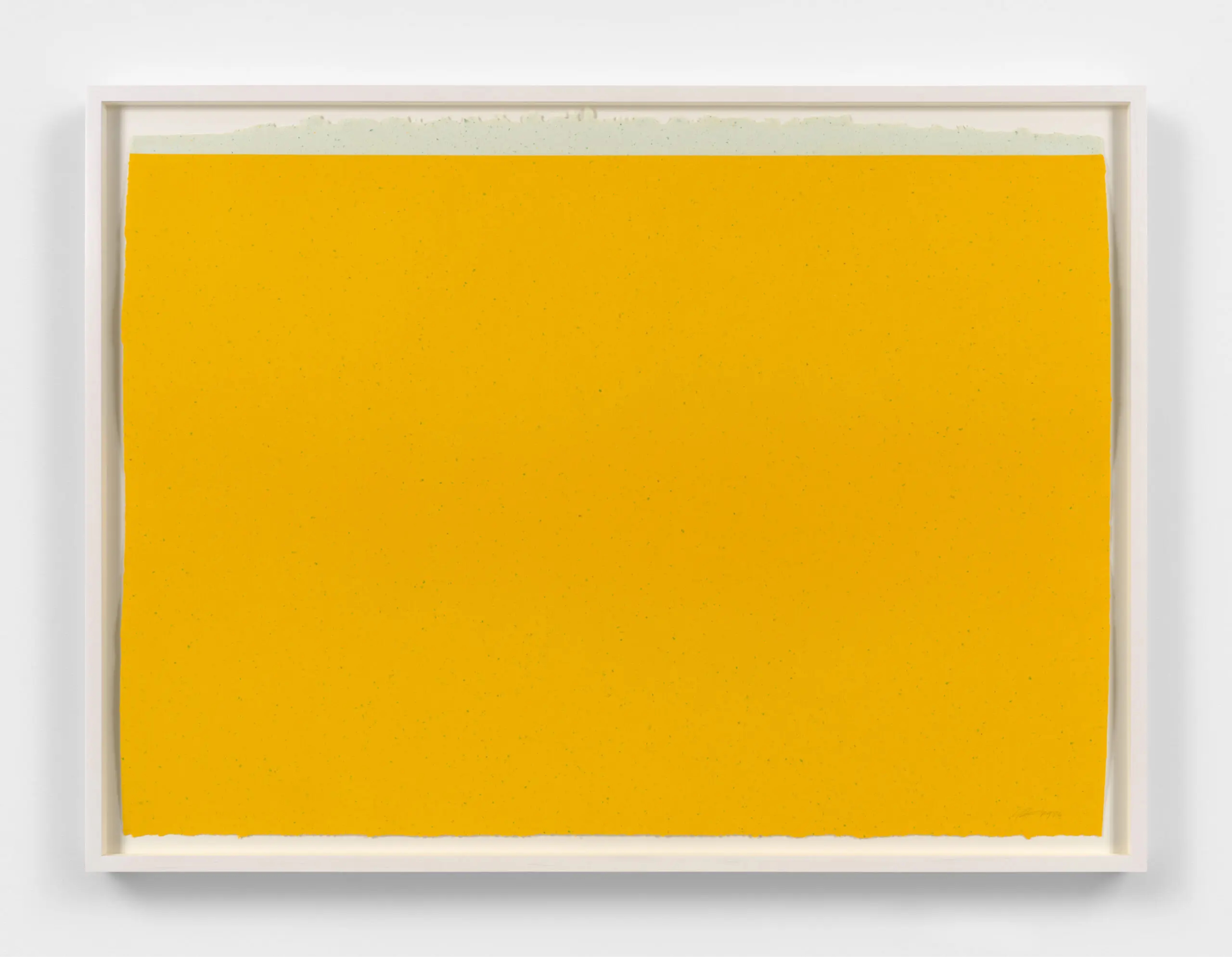
Dan Flavin
(to Don Judd, colorist) 3, 1987
The Century That Still Sets the Price
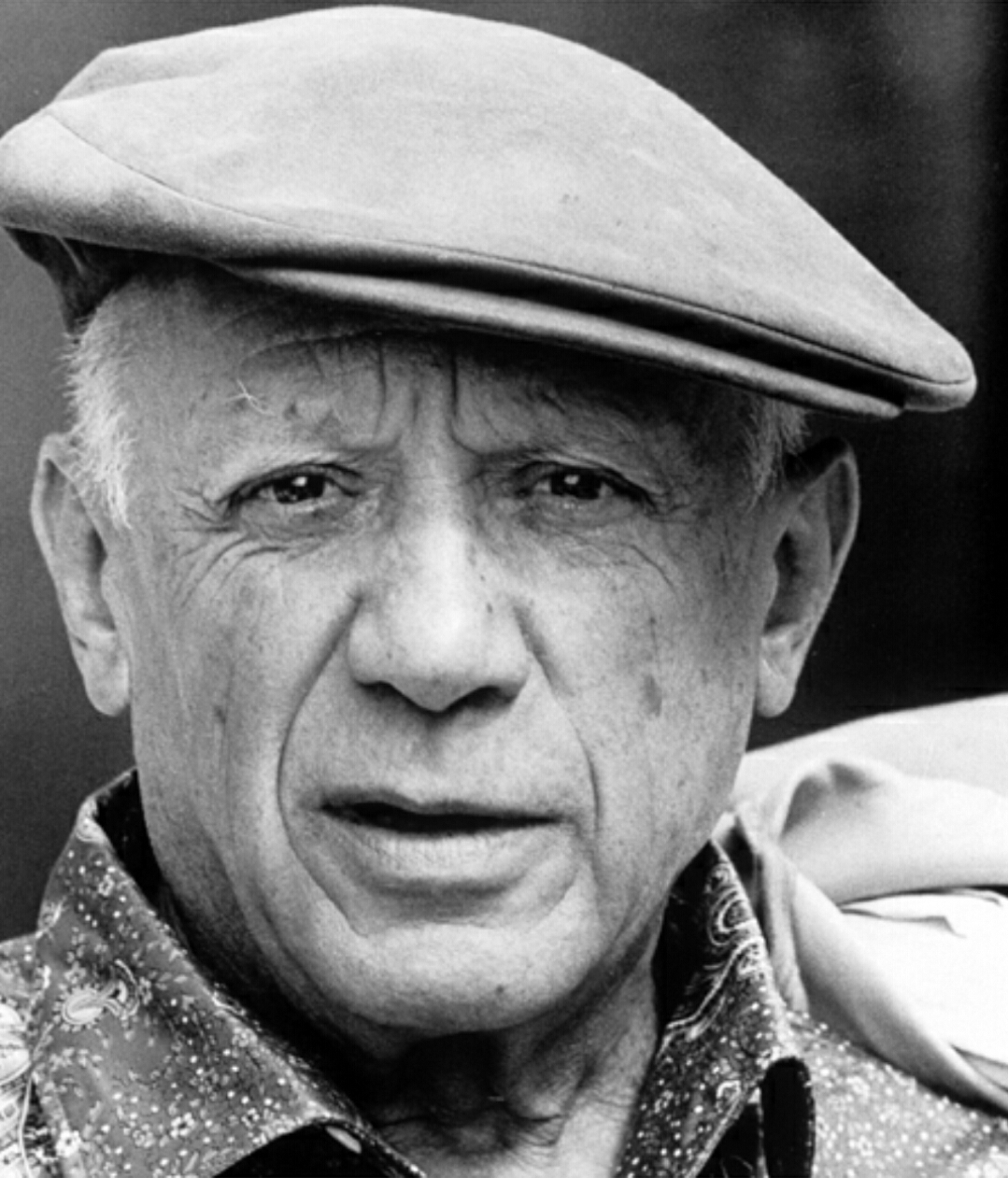
When Christie's New York brought down the hammer on a late Picasso canvas in the spring of 2023, the room held its breath in that particular way it does when everyone present understands they are watching something clarify rather than simply transact. The work, a bold and compressed interior from the early 1970s, sold well above estimate. What the result confirmed was less about Picasso specifically and more about the gravitational pull that twentieth century art continues to exert on the market, on institutions, and on the broader cultural imagination. Decades after these movements concluded, they show no sign of releasing their hold.
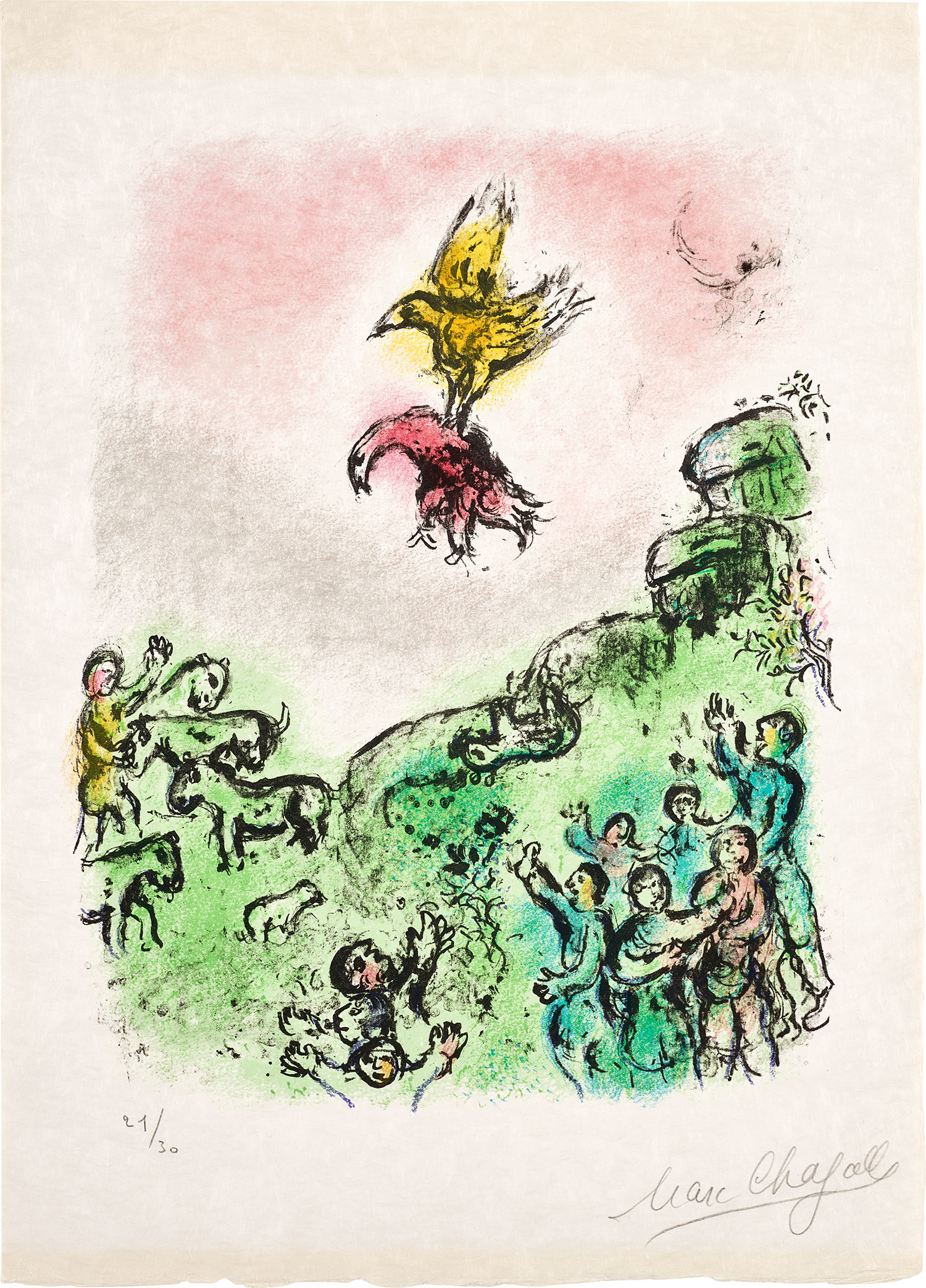
The twentieth century remains the most fiercely contested territory in the art market, and for good reason. It contains multitudes in ways that no other period can quite match. Within a single century you move from Matisse arranging color into pure sensation to Warhol turning a soup can into a mirror of consumer society, from Chagall's floating dreamworlds to Francis Bacon's screaming popes, from Ansel Adams finding the sublime in the American west to Diane Arbus finding it in the people everyone else looked away from. The century's artists did not agree on what art was for, and that argument is still generating heat.
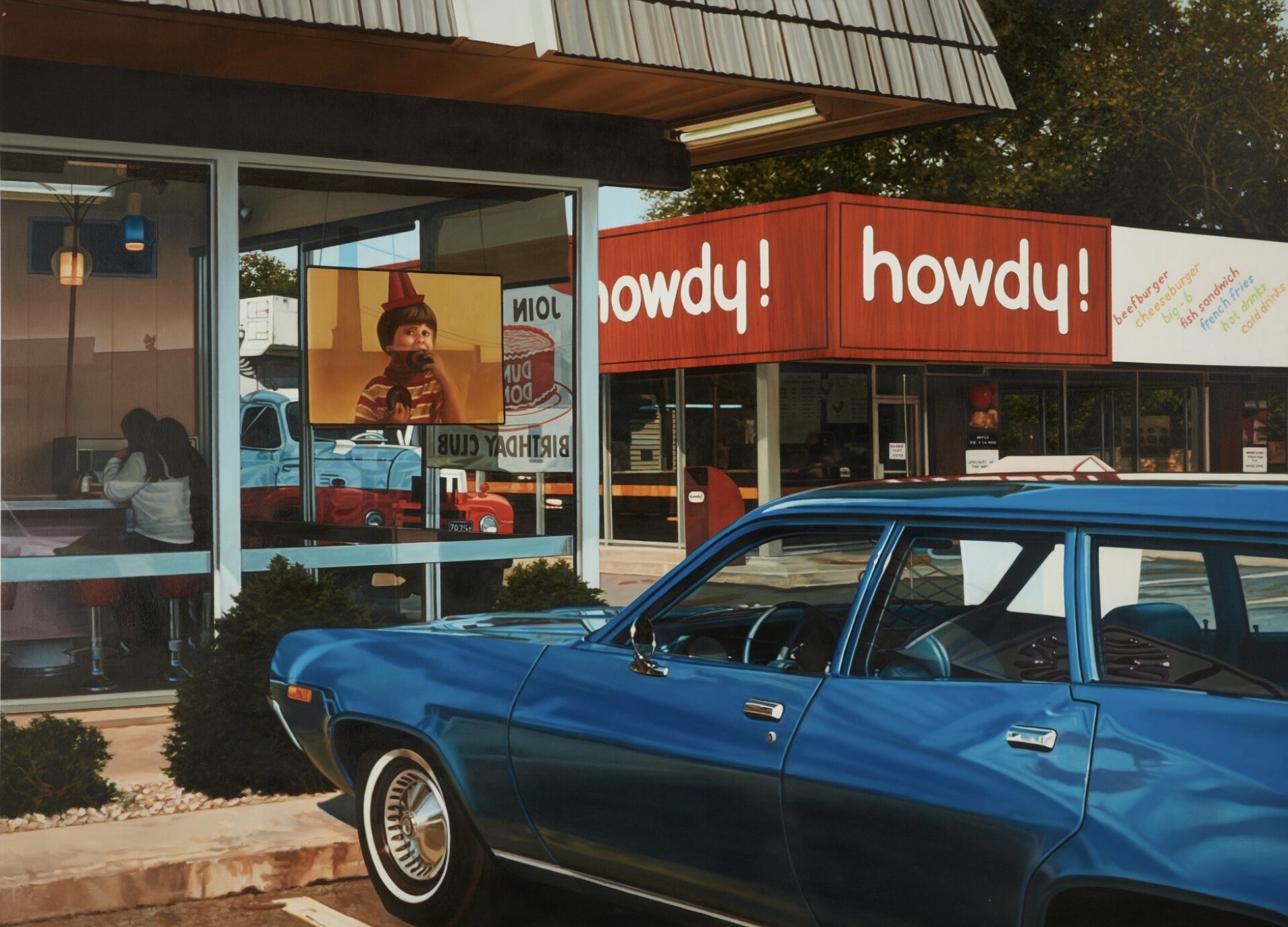
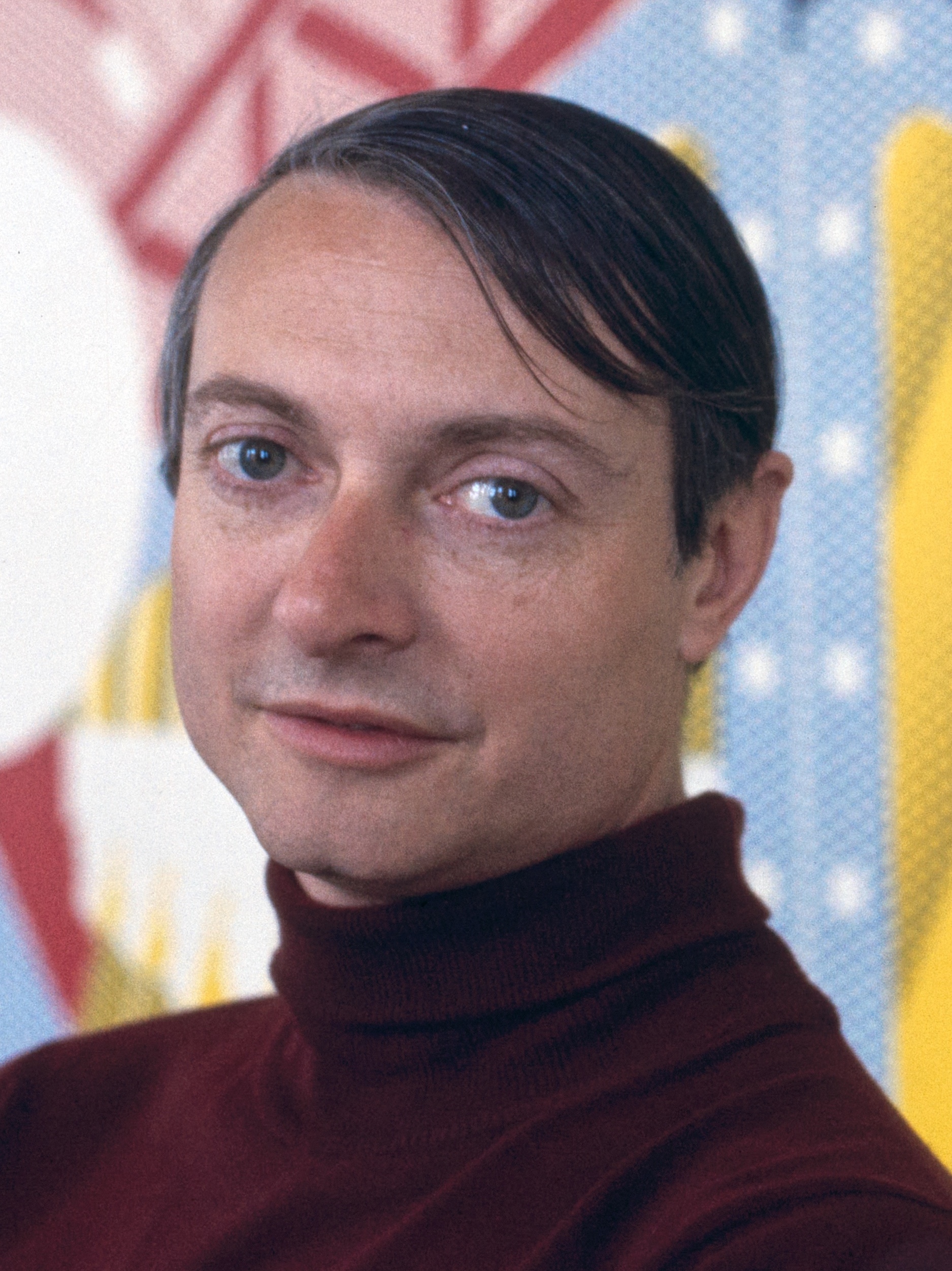
Tom Blackwell
Howdy Beef ‘n Burger, 1975
Museums have been reckoning seriously with how to tell this story. The Museum of Modern Art's ongoing rehang of its permanent collection, which began with its 2019 reopening, was perhaps the most consequential curatorial act of recent years in this space. By weaving works by Louise Bourgeois and other artists who had long sat at the margins of the canonical narrative into direct dialogue with the movements they had always been part of, MoMA signaled that the twentieth century was not a finished text but a living argument. The Tate Modern has made similar moves, while the Centre Pompidou's programming around Surrealism and its global reach drew considerable critical attention and significant attendance.
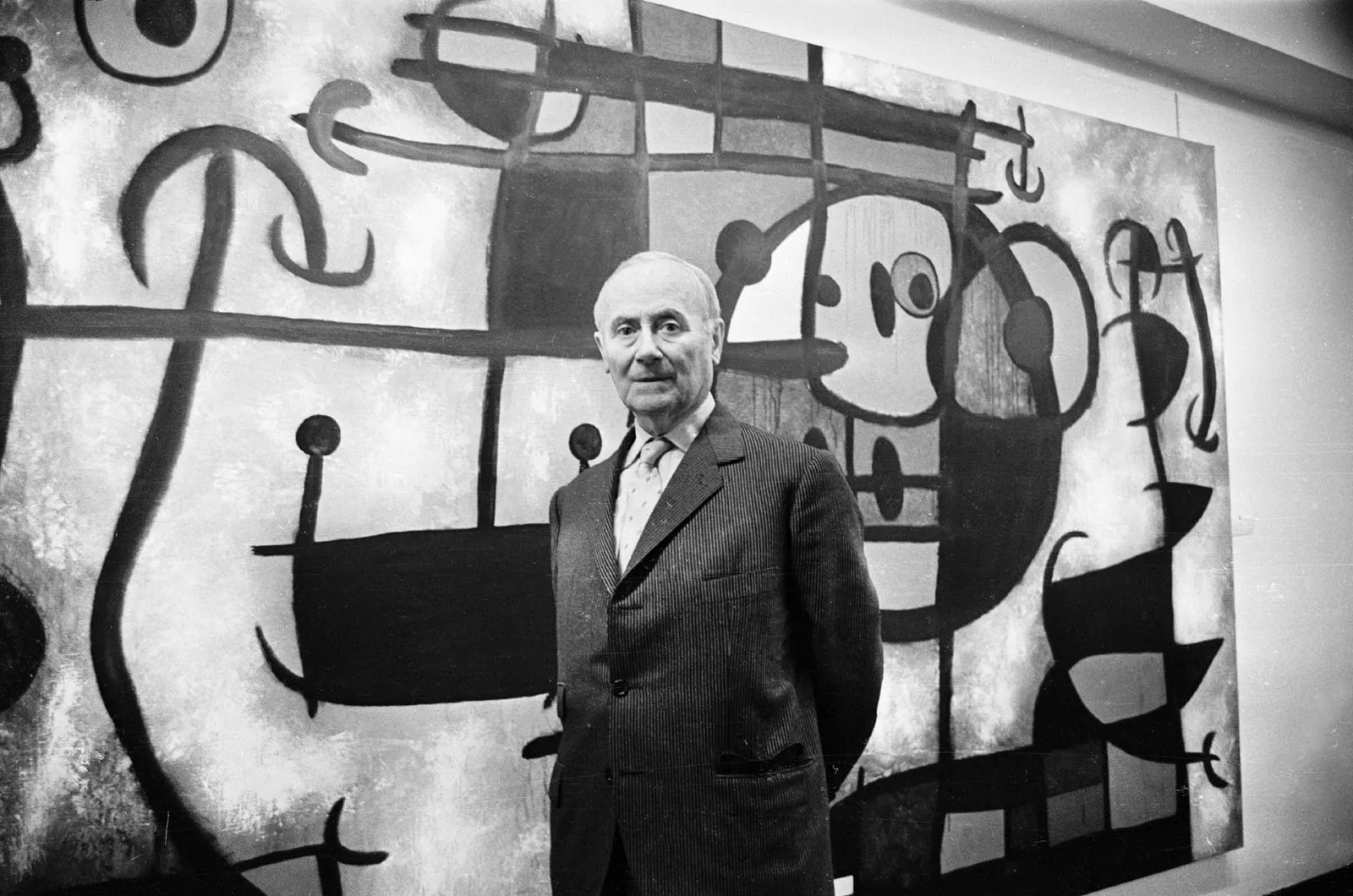
Institutions are no longer presenting the twentieth century as a sequence of isms. They are presenting it as a set of unresolved questions. At auction, the artists who consistently command the most attention from serious collectors include Picasso and Miró at the very top of the market, where major works regularly enter eight figure territory. Both are well represented on The Collection, and for good reason: their output across decades gives collectors a genuine range of entry points, from early intimacies to late monumental works.
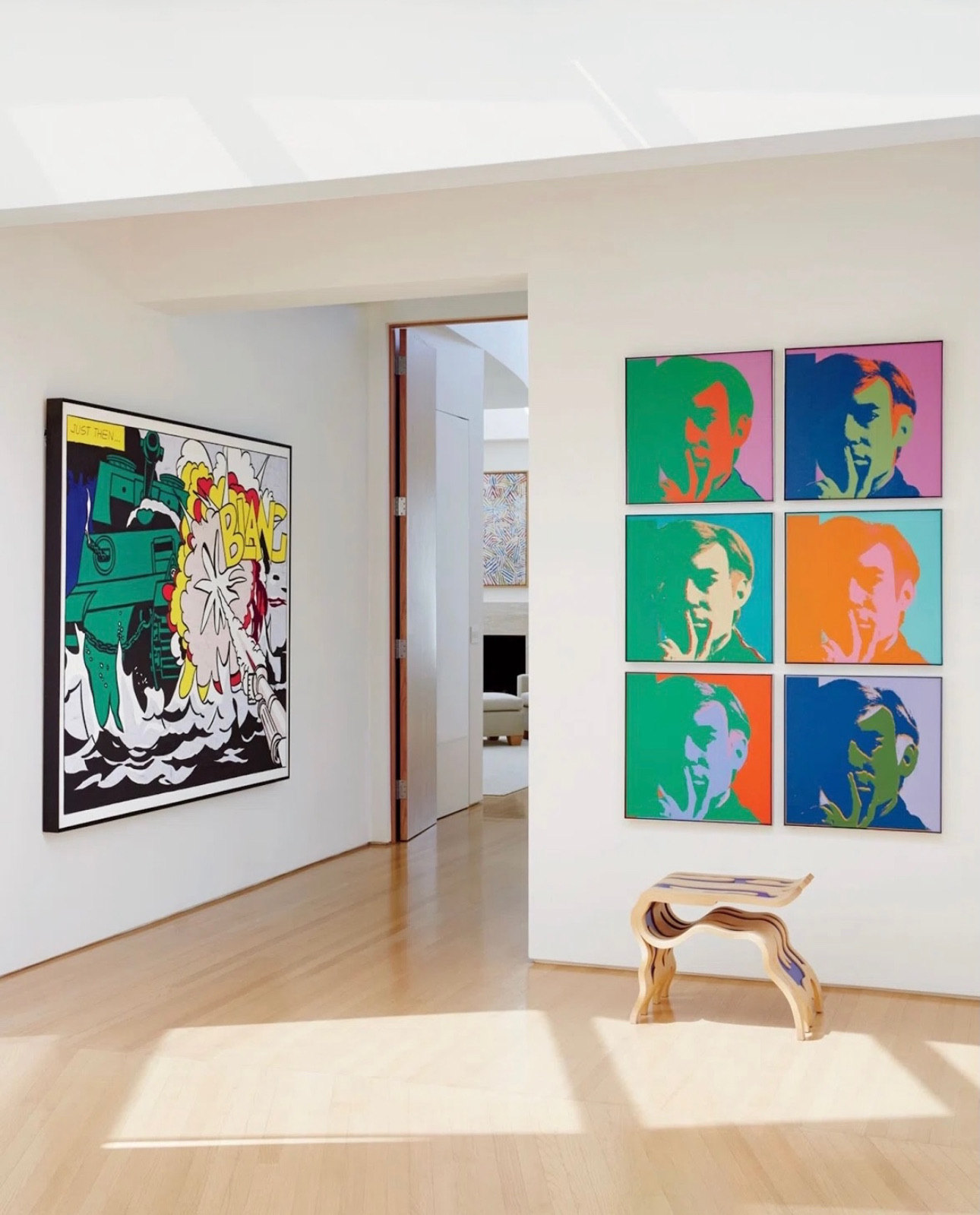
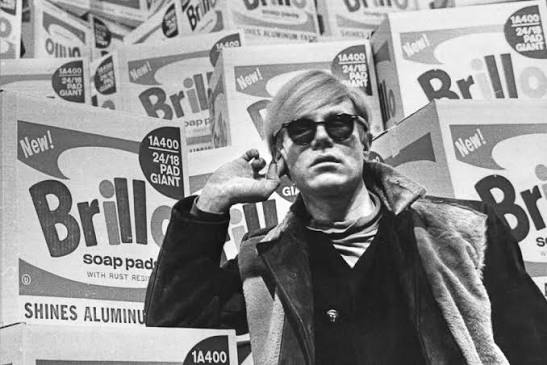
Andy Warhol
Self-Portrait
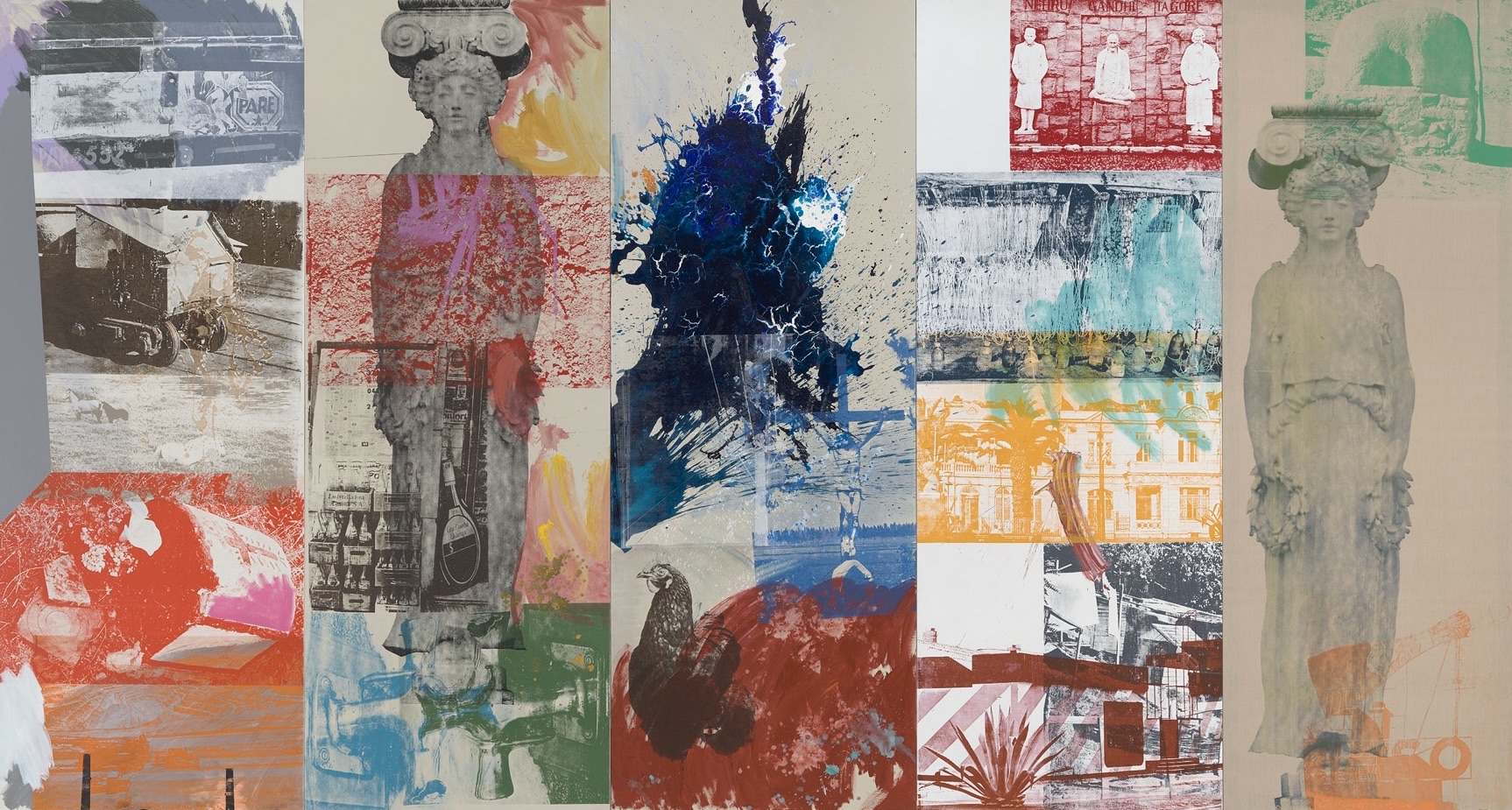
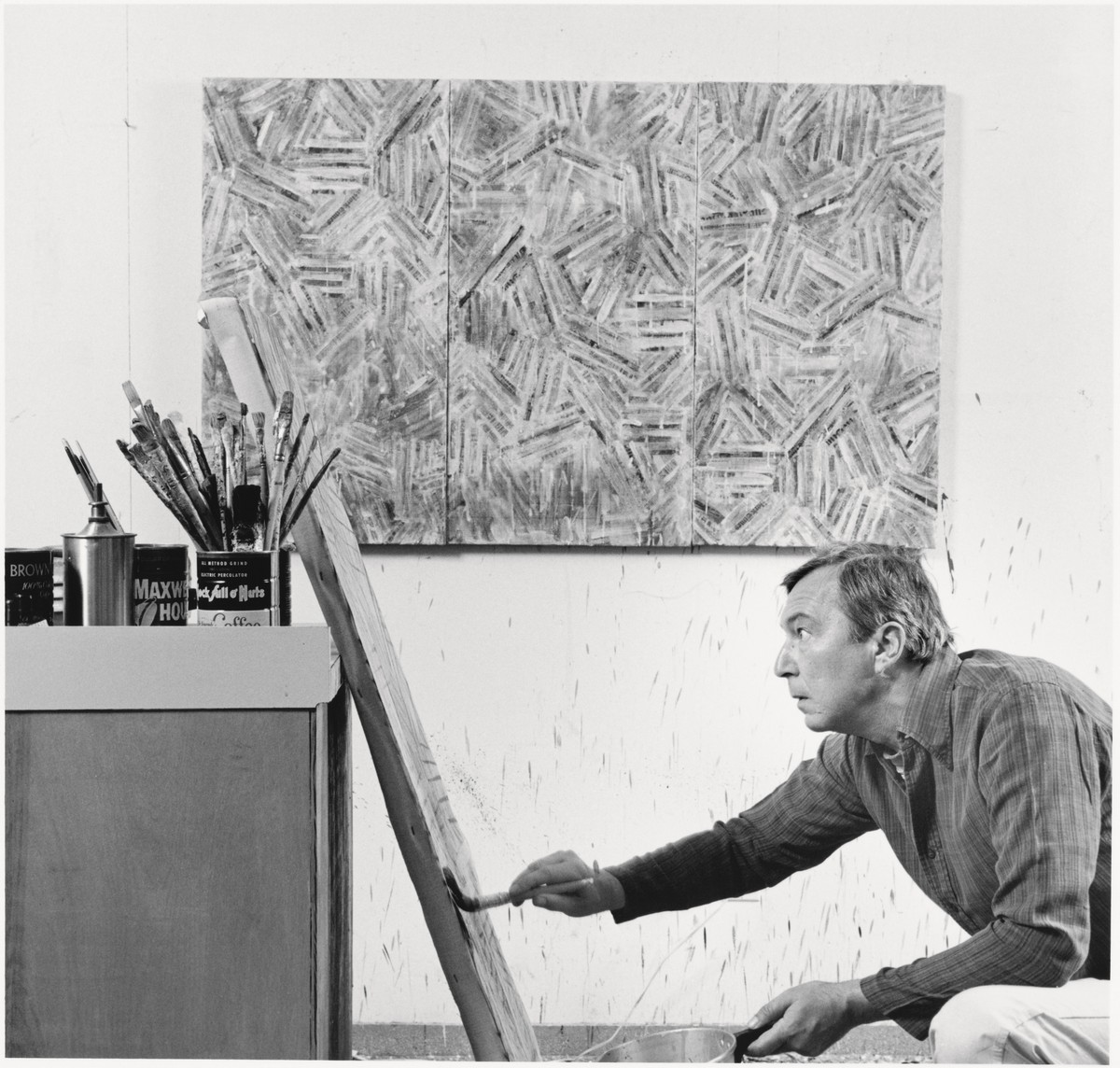
Roy Lichtenstein and Andy Warhol remain the twin poles of Pop Art collecting, with Warhol in particular benefiting from sustained institutional interest and a broader cultural moment that keeps returning to questions of image, reproduction, and celebrity. A strong Warhol screen print or unique work still generates real competition in the room. Robert Rauschenberg and Jasper Johns, who together dismantled Abstract Expressionism's claims to pure feeling and rebuilt something stranger and more durable in its place, have seen growing critical reappraisal translate into market momentum. The photography market within twentieth century work deserves particular attention.
Henri Cartier Bresson, Irving Penn, Robert Frank, and Diane Arbus represent four entirely distinct philosophies of what the camera can do, and collectors have grown considerably more sophisticated in how they approach the medium. Penn's elegant formalism appeals to collectors who appreciate the discipline of a controlled studio practice. Frank's raw, restless vision in The Americans still feels urgent in ways that make it almost uncomfortable to look at. Arbus remains, decades on, genuinely difficult: her work demands something from the viewer rather than simply rewarding a glance, and that quality of demand is exactly what keeps serious collectors returning to it.
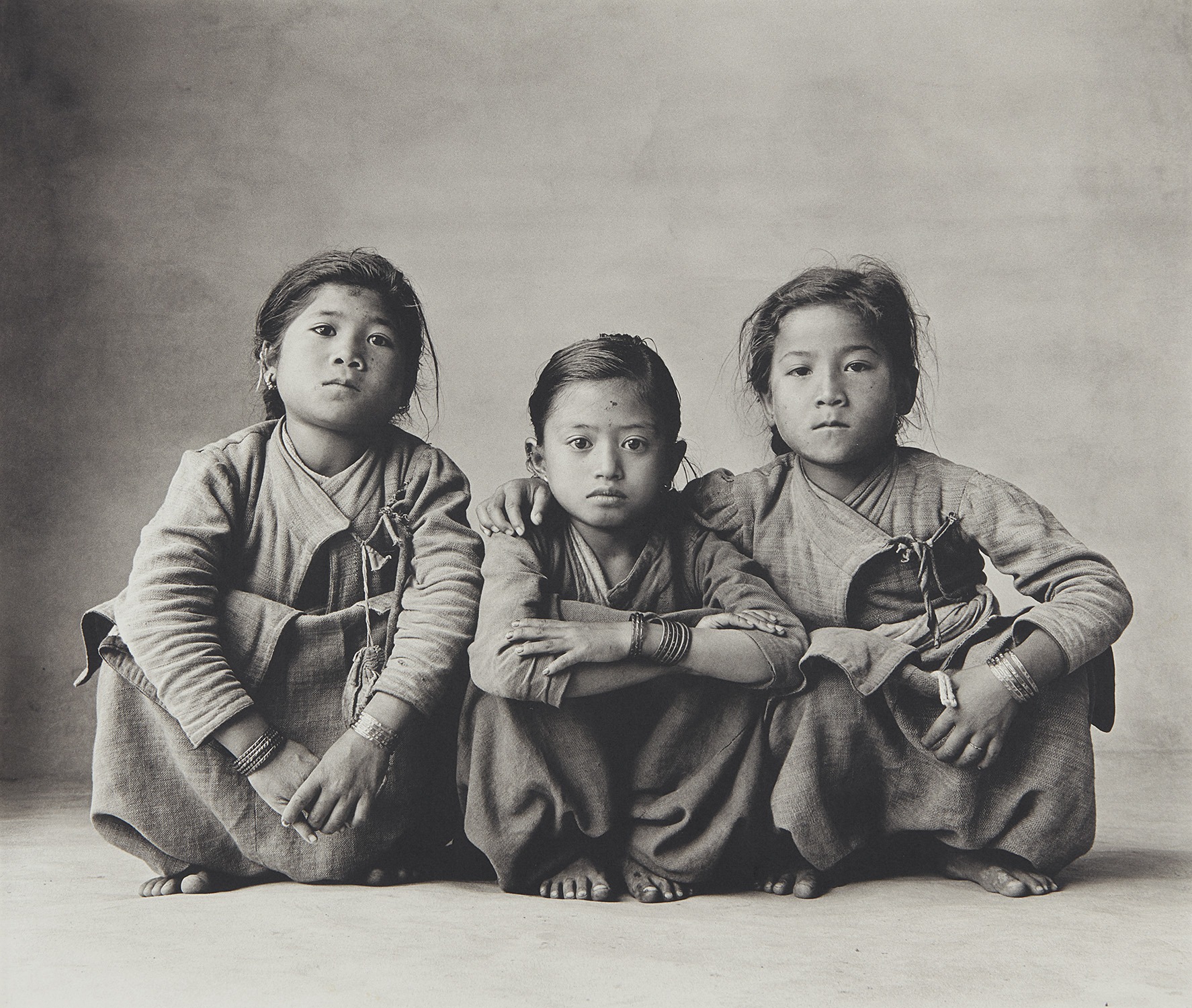
Irving Penn
Three Squatting Sisters, Nepal, 1967, 1971
The photograph as a major collectible is no longer a secondary market proposition. It is a primary one. The critical conversation around twentieth century art has shifted noticeably in recent years toward recovery and recontextualization. Writers and curators associated with publications like October, Artforum, and Frieze have increasingly asked whose stories were excluded from the mid century narratives that shaped the canon.
Louise Bourgeois, who spent decades working in relative obscurity while her male peers at the Cedar Tavern collected the critical oxygen, is now understood as central rather than adjacent. Joseph Beuys, whose practice of social sculpture and political engagement once seemed idiosyncratic, reads now as prescient. The energy in scholarship is around these kinds of corrections, not as revisionism but as restoration. What feels genuinely alive in this space right now is the renewed appetite among younger collectors for work that was once considered secondary within its own moment.
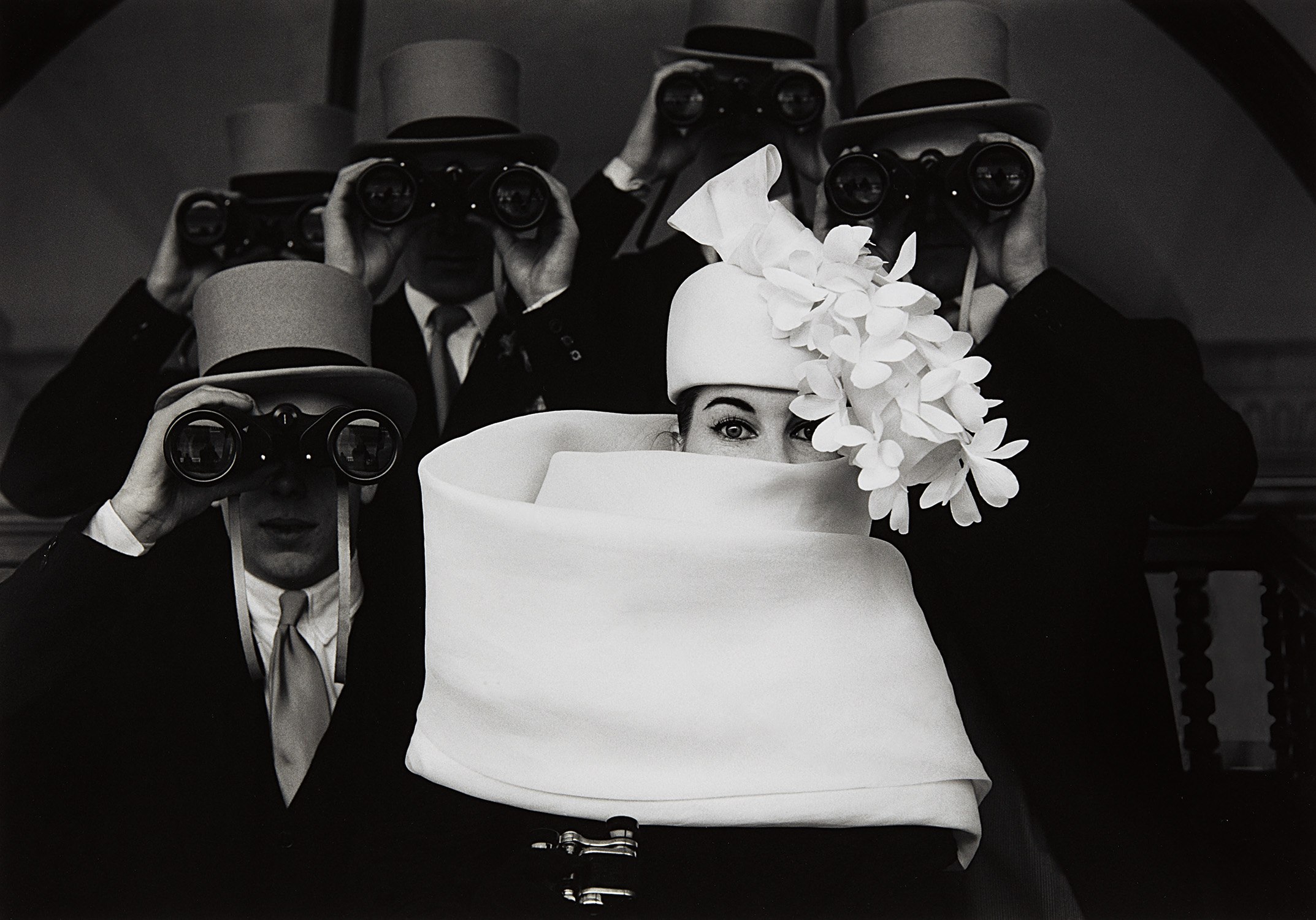
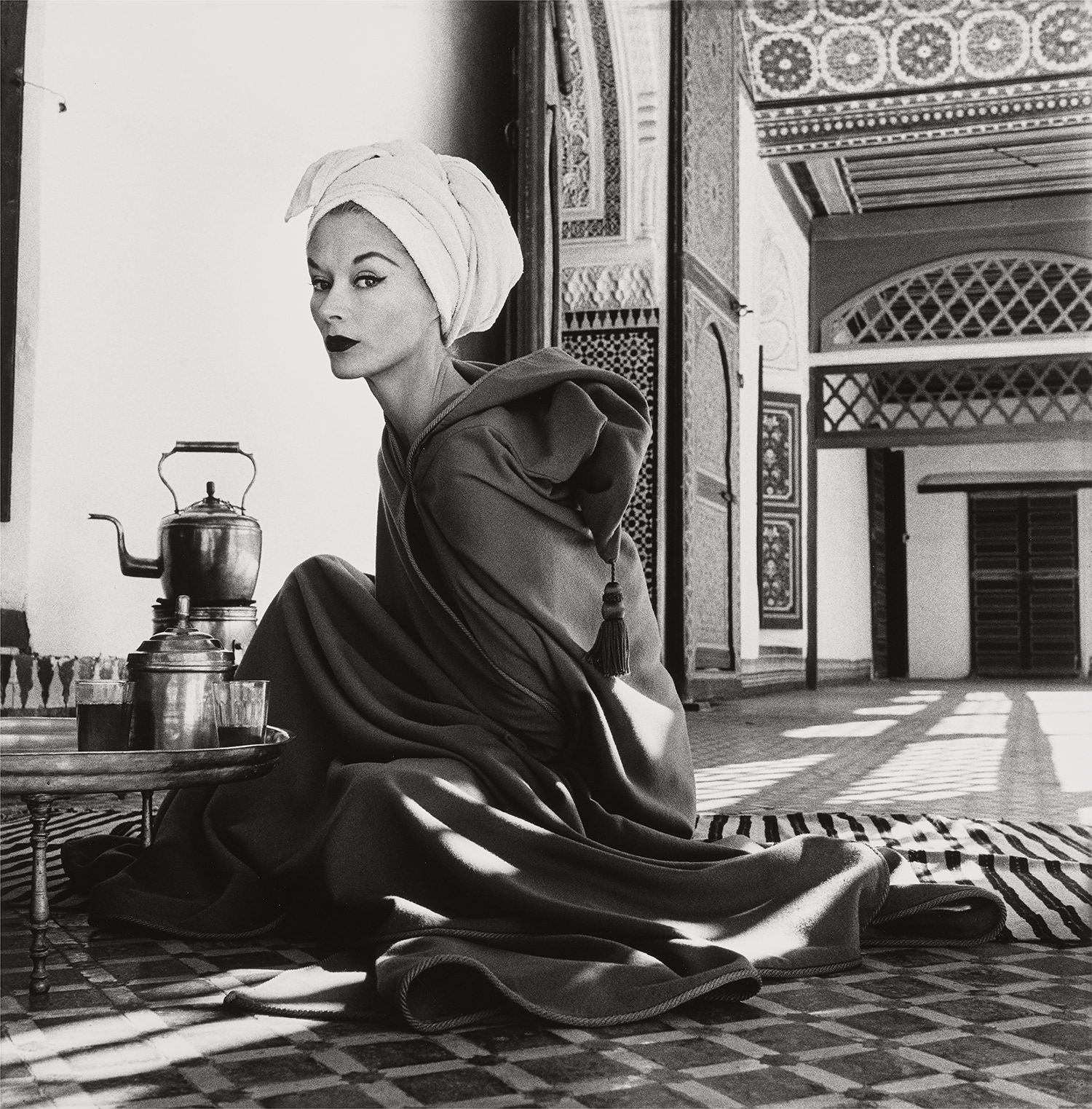
Frank Horvat
Paris, for Jardin des Modes, Givenchy Hat (b)
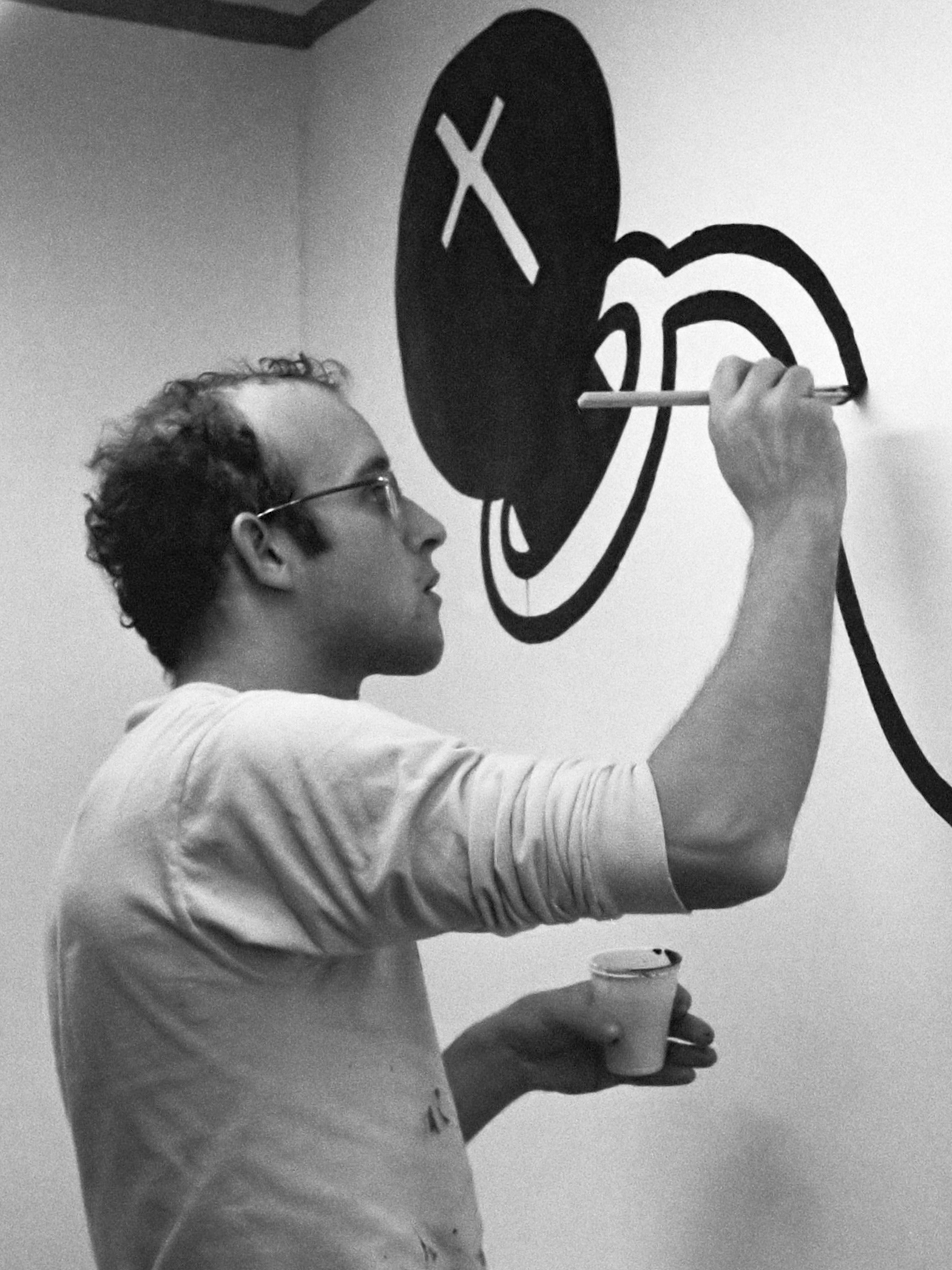
Ed Ruscha's word paintings, which once occupied an ironic distance from both Pop and Conceptualism, feel freshly relevant in an era of text, memes, and language as image. Keith Haring, long associated with accessibility and public gesture, is attracting serious scholarly attention that is beginning to reshape his market position. Ellsworth Kelly's reductive intensity, Sol LeWitt's systematic elegance, Robert Motherwell's brooding abstraction: these are artists whose estates and foundation programs have done careful work sustaining critical interest, and it is paying off in room results and private sales alike. What feels settled, by contrast, is the very top of the market.
A major Picasso from the right period, a strong Miró composition, a key Warhol: these works trade among a relatively small number of buyers at a level that is largely insulated from broader market fluctuations. The surprises, when they come, tend to arrive from the second tier, where taste is still being formed. A Peter Beard work crossing a meaningful threshold, a Tom Wesselmann double estimate, a Bernard Buffet rediscovered by a new generation who encountered his work through a museum retrospective: these are the moments that remind you the twentieth century is not a closed archive. It is still being read, argued over, and repriced.
That is exactly why it remains the most interesting place in the room.