Geometric
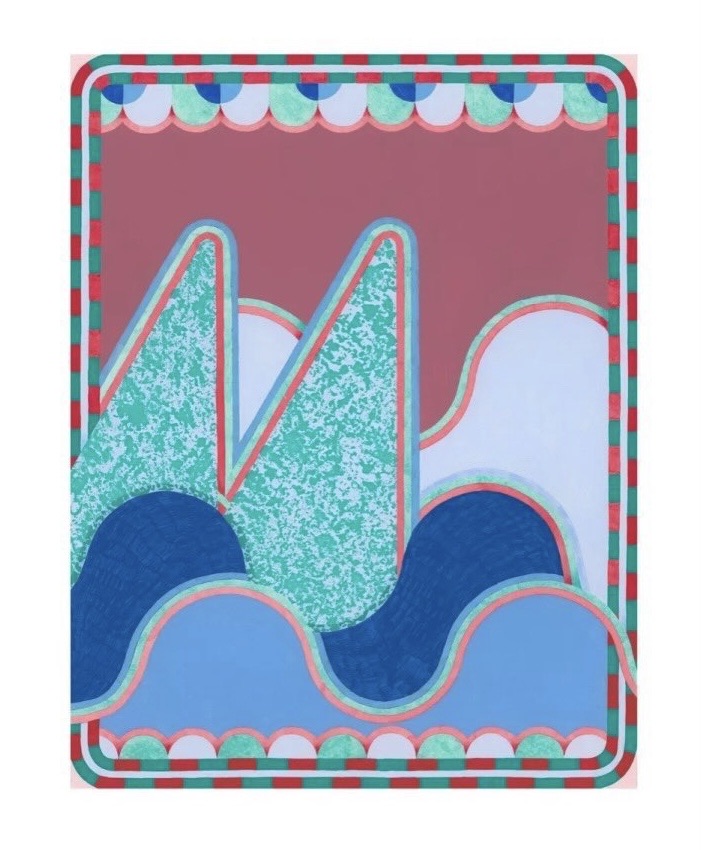
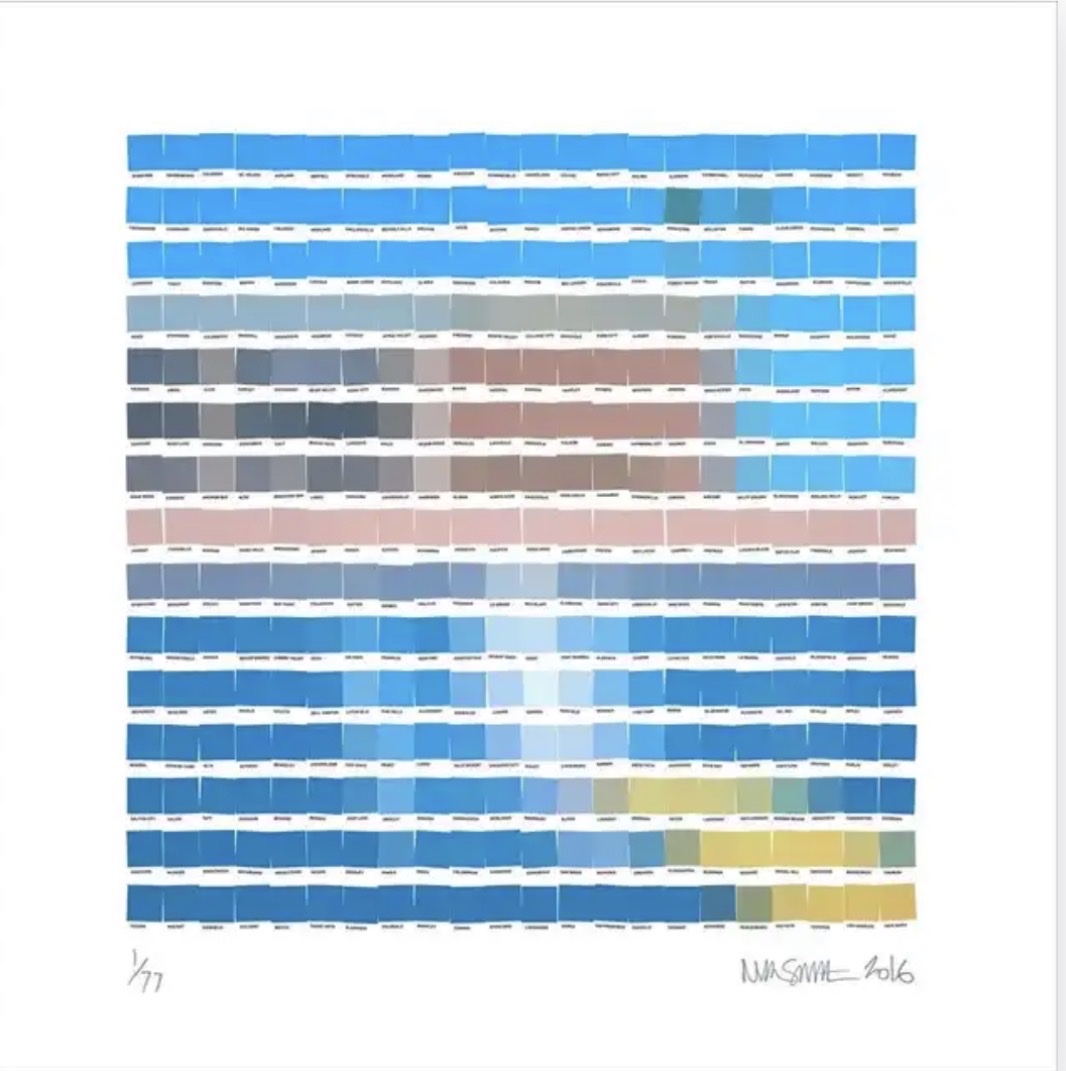
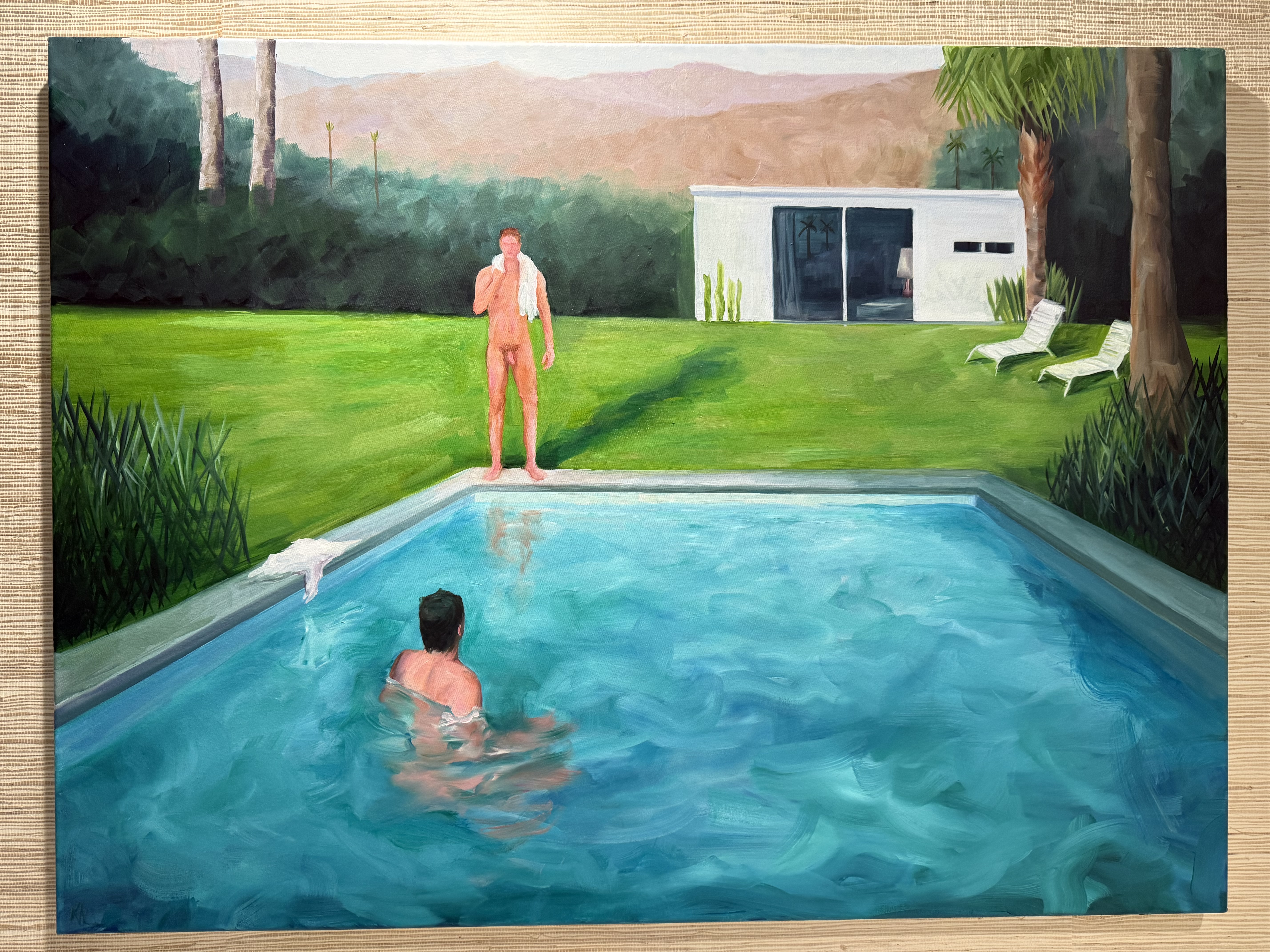
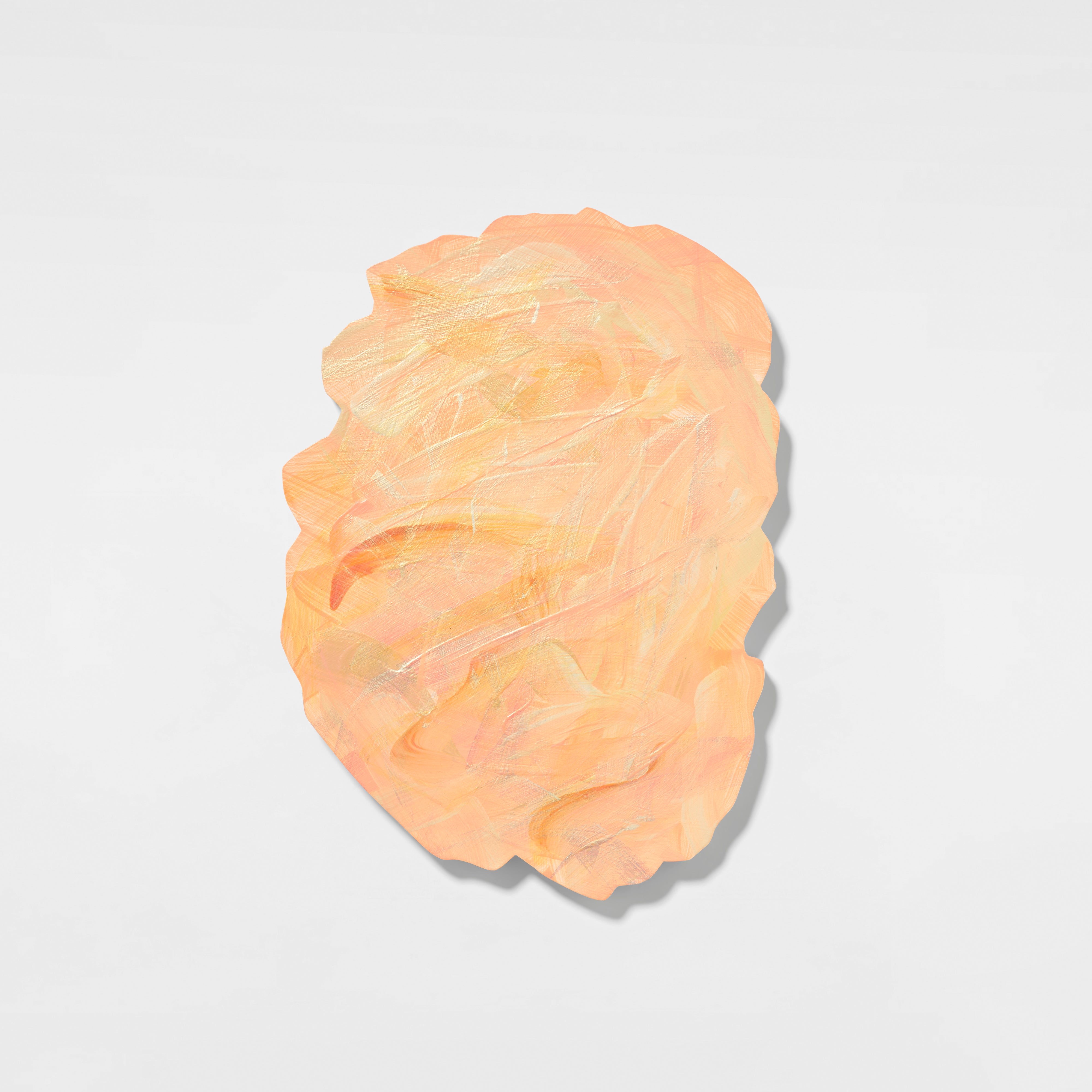
Mark Joshua Epstein
Untitled


The Geometry of Desire: Collecting Pure Form
There is something almost primal about the appeal of geometric abstraction to serious collectors. Unlike figurative work, which invites narrative and demands interpretation, a great geometric piece operates on a more immediate frequency. It enters a room and reorganizes it. It asks nothing of you except attention, and in return it offers a kind of visual clarity that most of us find genuinely difficult to locate anywhere else in contemporary life.
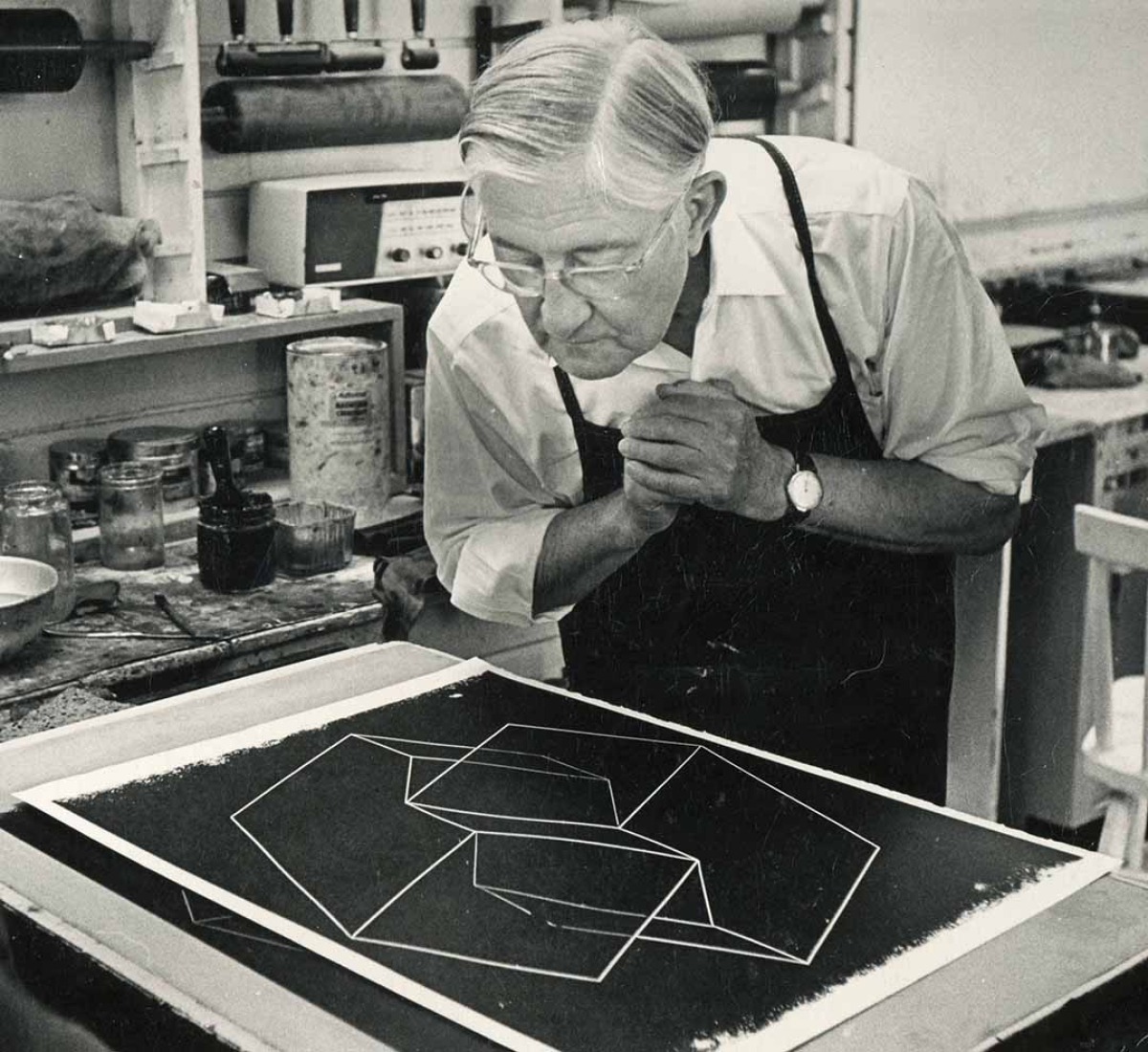
Collectors who live with this work often describe the same phenomenon: the painting or sculpture that seemed almost austere on first encounter becomes, over years, the most emotionally resonant thing on the wall. What separates a good geometric work from a truly great one is not complexity but conviction. The artists who defined this territory understood that reduction is not subtraction. When Josef Albers spent decades painting nested squares in his Homage to the Square series, he was not simplifying.
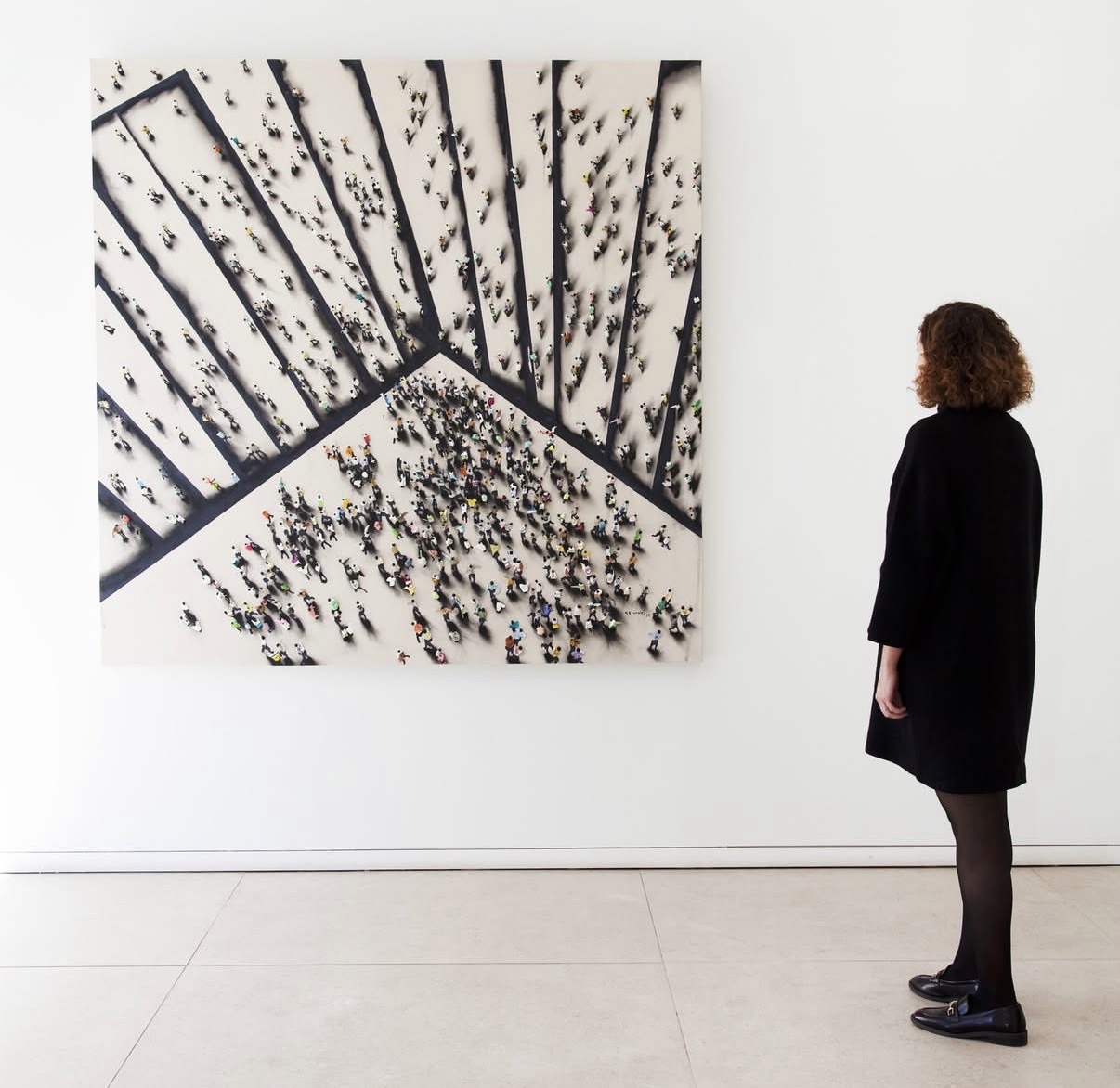
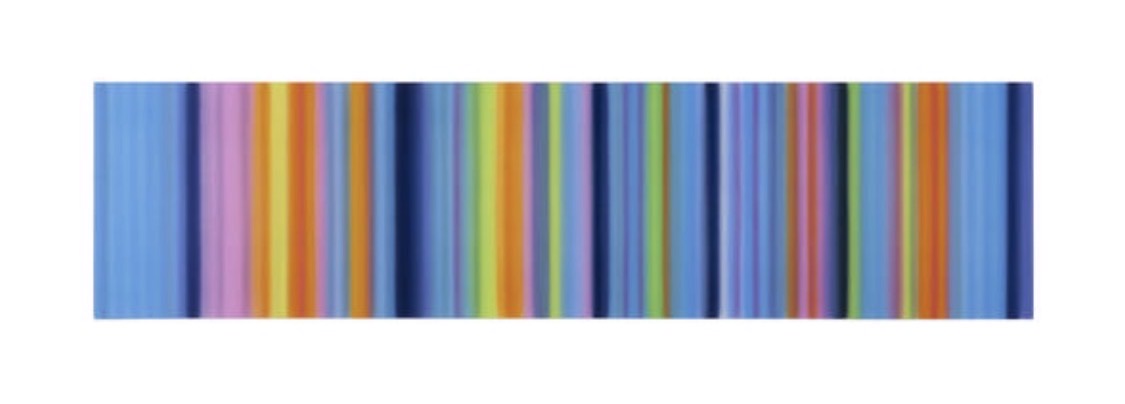
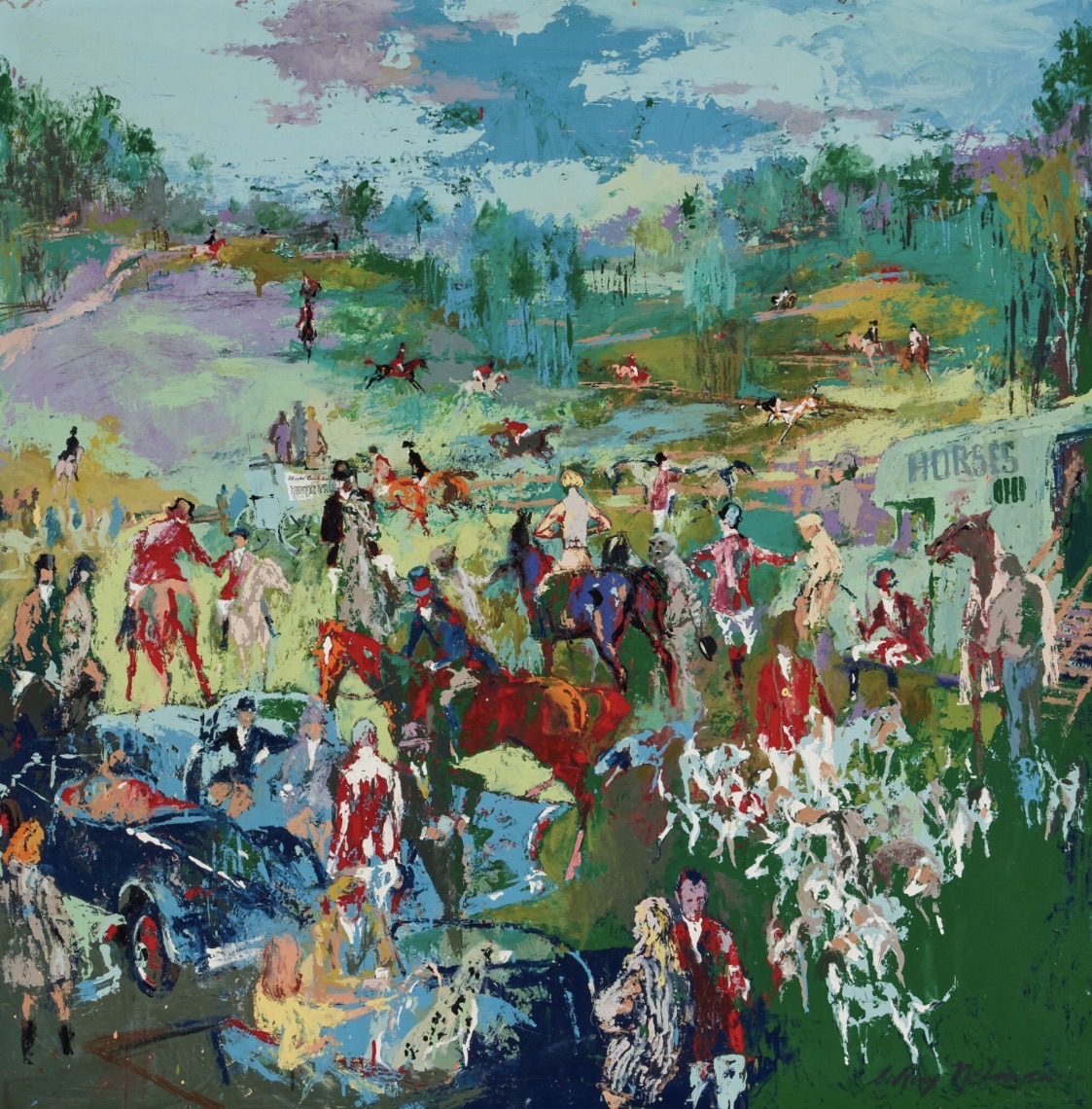
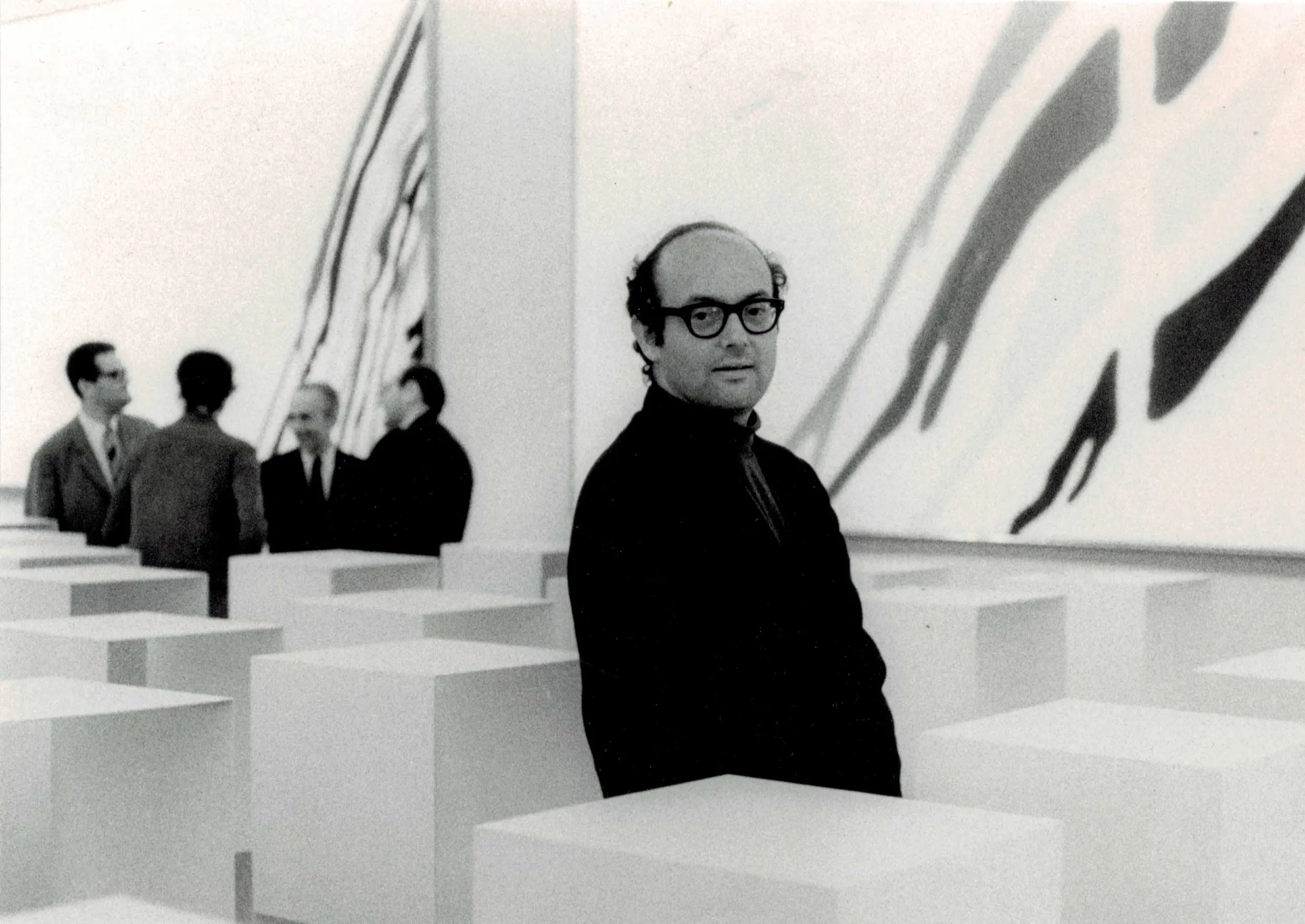
Juan Genovés
Tosco, 2019
He was excavating. Each canvas is a precise investigation into how color behaves in proximity to other color, and the results are never the same twice. A collector approaching Albers should look for works where the chromatic relationships feel genuinely surprising, where the colors seem to vibrate against one another rather than merely sit beside each other. That tension, that refusal to resolve, is the mark of a work with lasting presence.
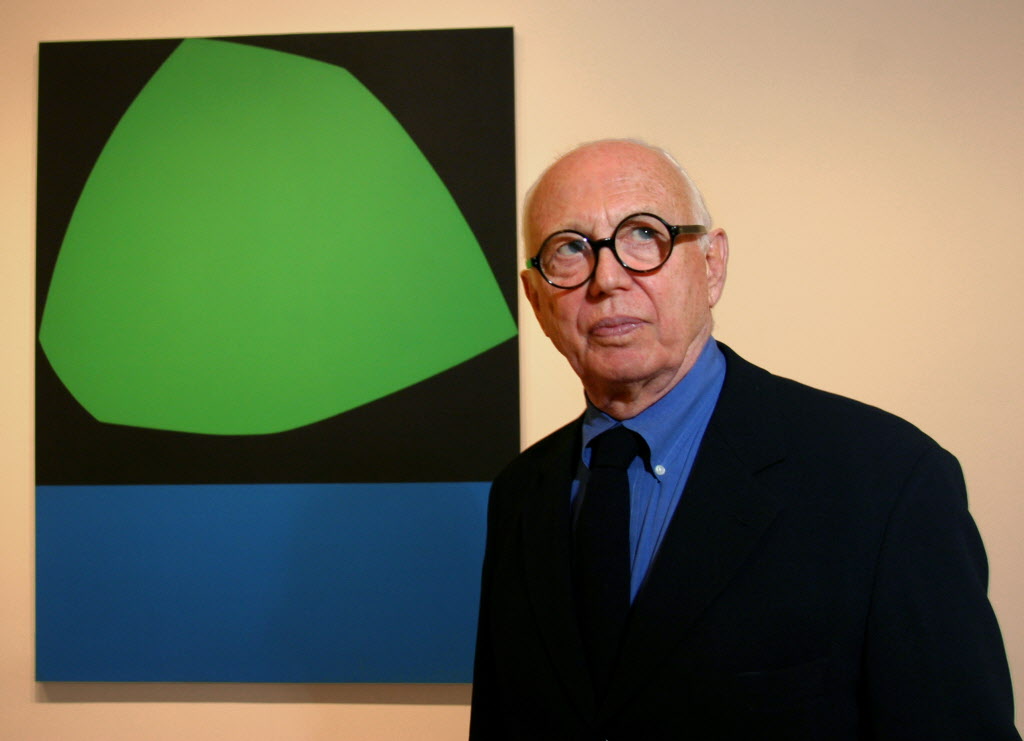
The same standard applies across the field. With Frank Stella, whose output spans an extraordinary range from the austere black stripe paintings of the late 1950s to the explosive Maximalist constructions of later decades, the most compelling works are those where the formal decision and the material execution feel inseparable. With Ellsworth Kelly, look for the works where the shaped canvas or the single color field creates a genuine spatial event in the room rather than simply a decorative gesture. Kelly understood that geometry is architecture, and his best works reorganize the viewer's sense of where they are standing.
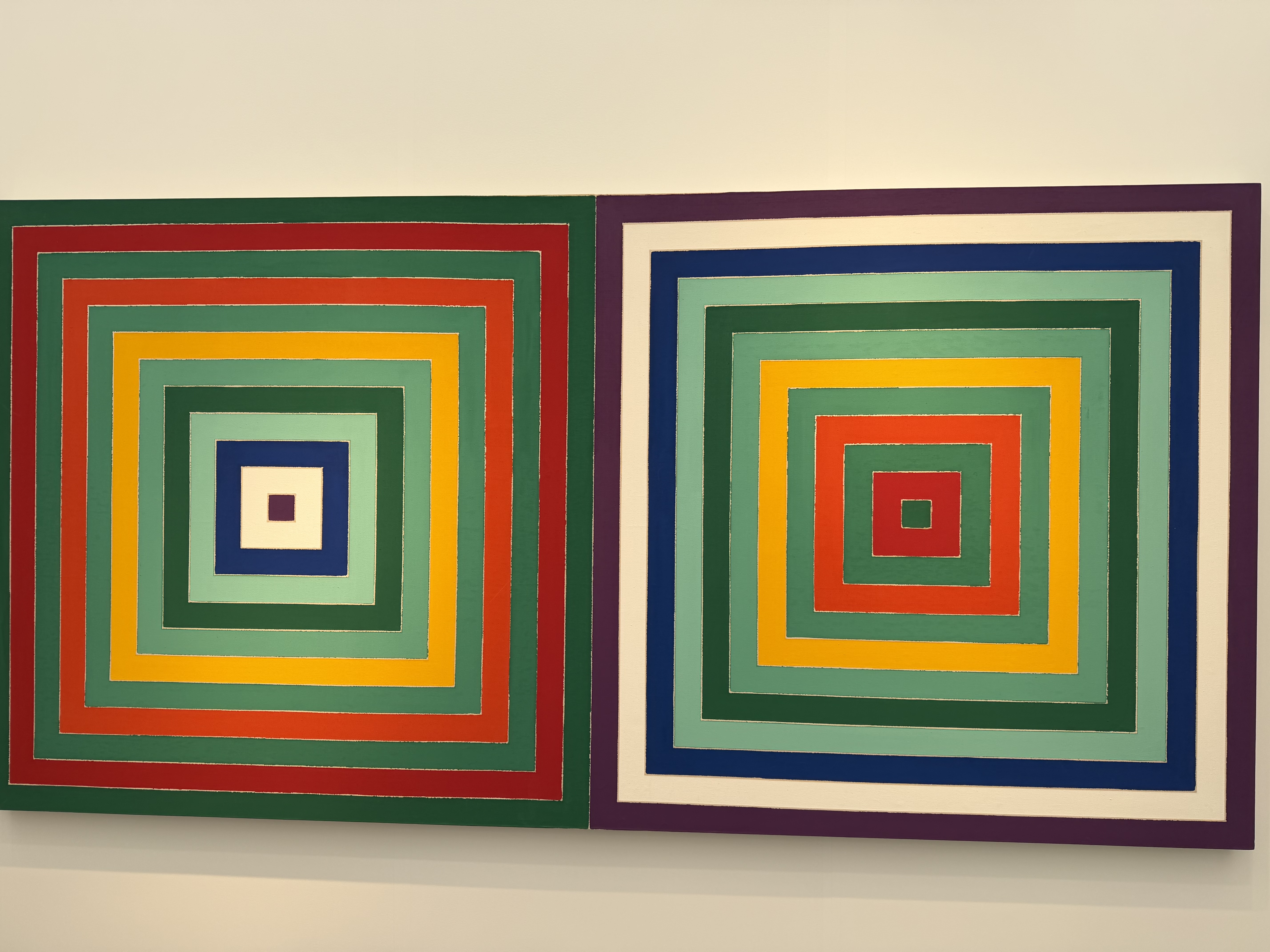
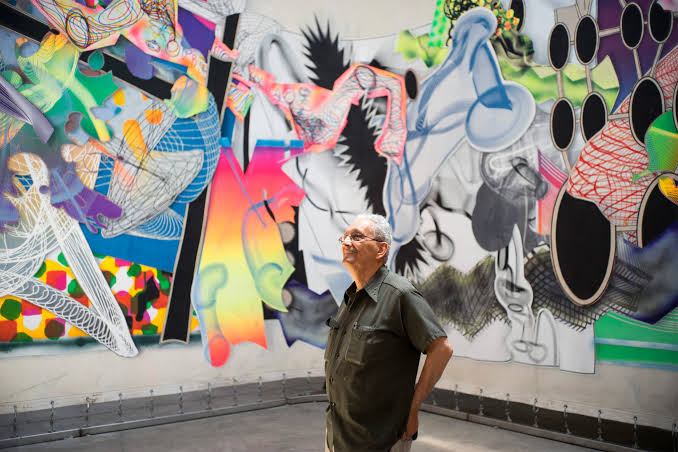
Frank Stella
Scramble: Green Double/ Left N, Right 8, 1977
That quality is not replicable and it does not diminish with time. In terms of value, the artists with the deepest institutional support tend to hold the most stable positions in the secondary market. Sol LeWitt presents an interesting case because his wall drawings and structures exist in editions and also as unique certificates authorizing new installations, which raises genuine questions about originality and scarcity. Collectors have largely resolved this question in LeWitt's favor: the market for his work remains strong because the conceptual framework is so rigorous and so historically significant.
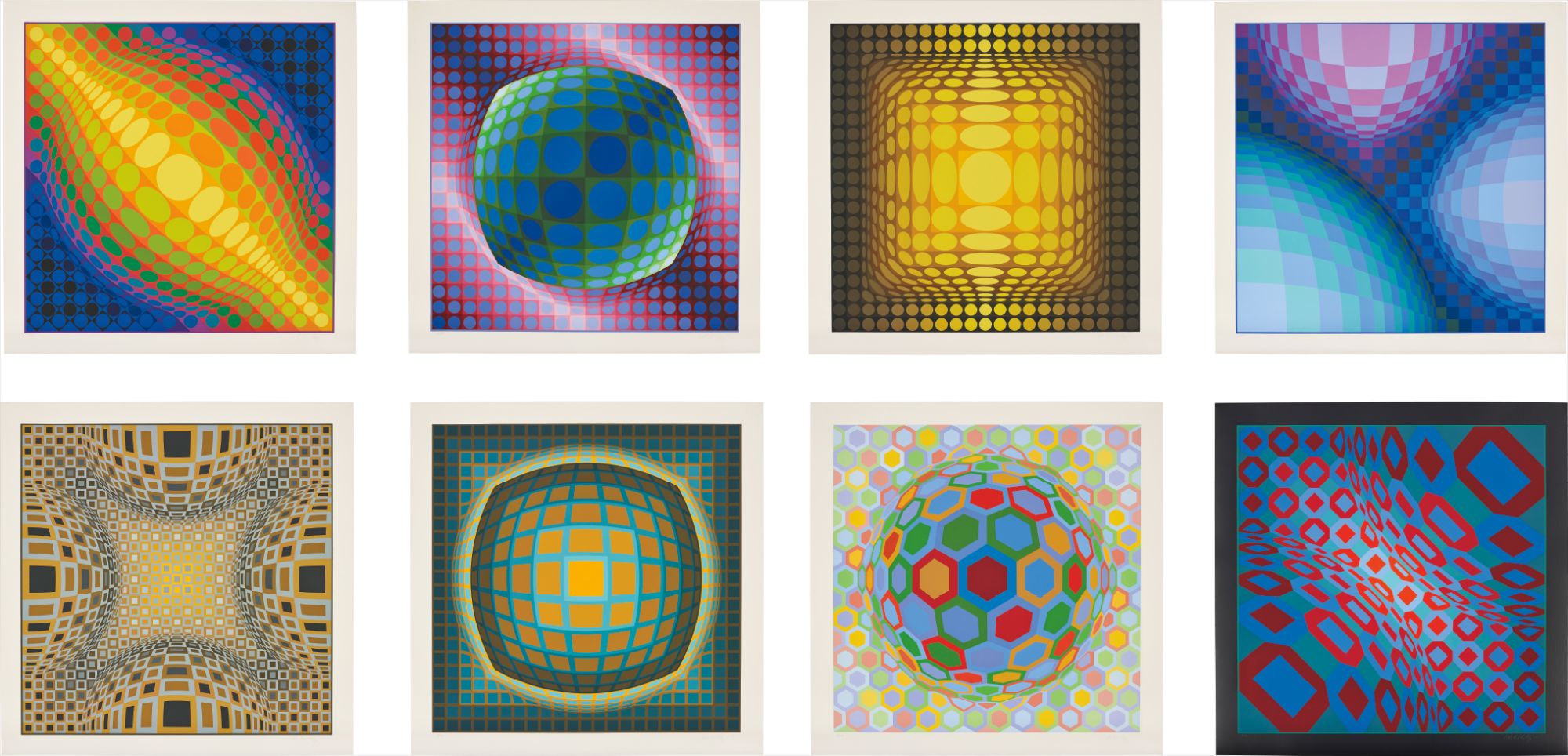
Bridget Riley, whose Op Art investigations from the 1960s onward remain among the most visually potent works in this field, has seen sustained institutional interest from the Tate and elsewhere that continues to support her market. Victor Vasarely, the Hungarian French master who was arguably the most ambitious theorist of visual perception in the twentieth century, represents one of the more interesting value propositions right now. His work is widely held in European collections but has not always received the attention it deserves in the American market, which creates opportunity for the attentive buyer. Among artists with somewhat less canonical status but equally serious practice, Tauba Auerbach deserves close attention.
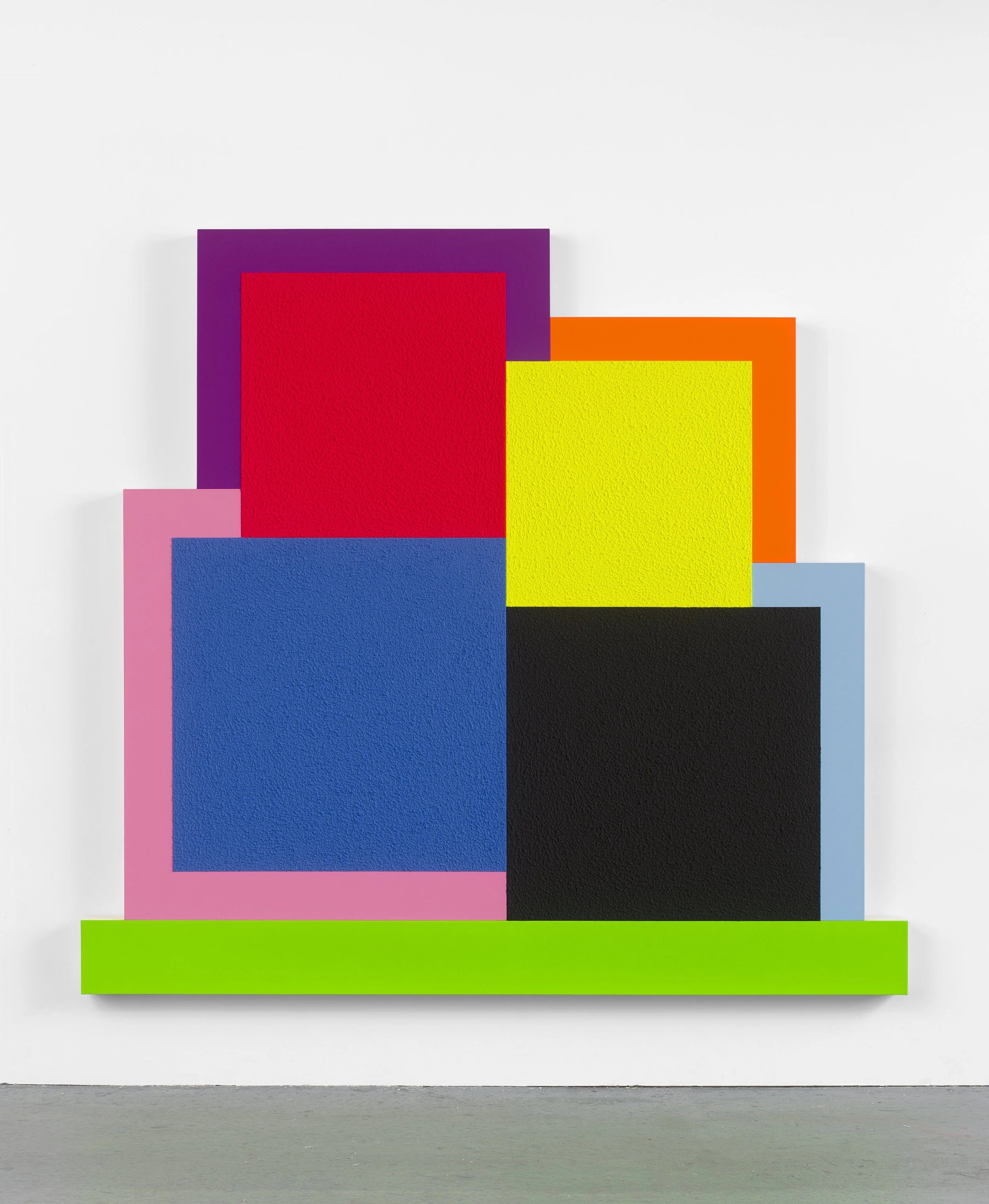
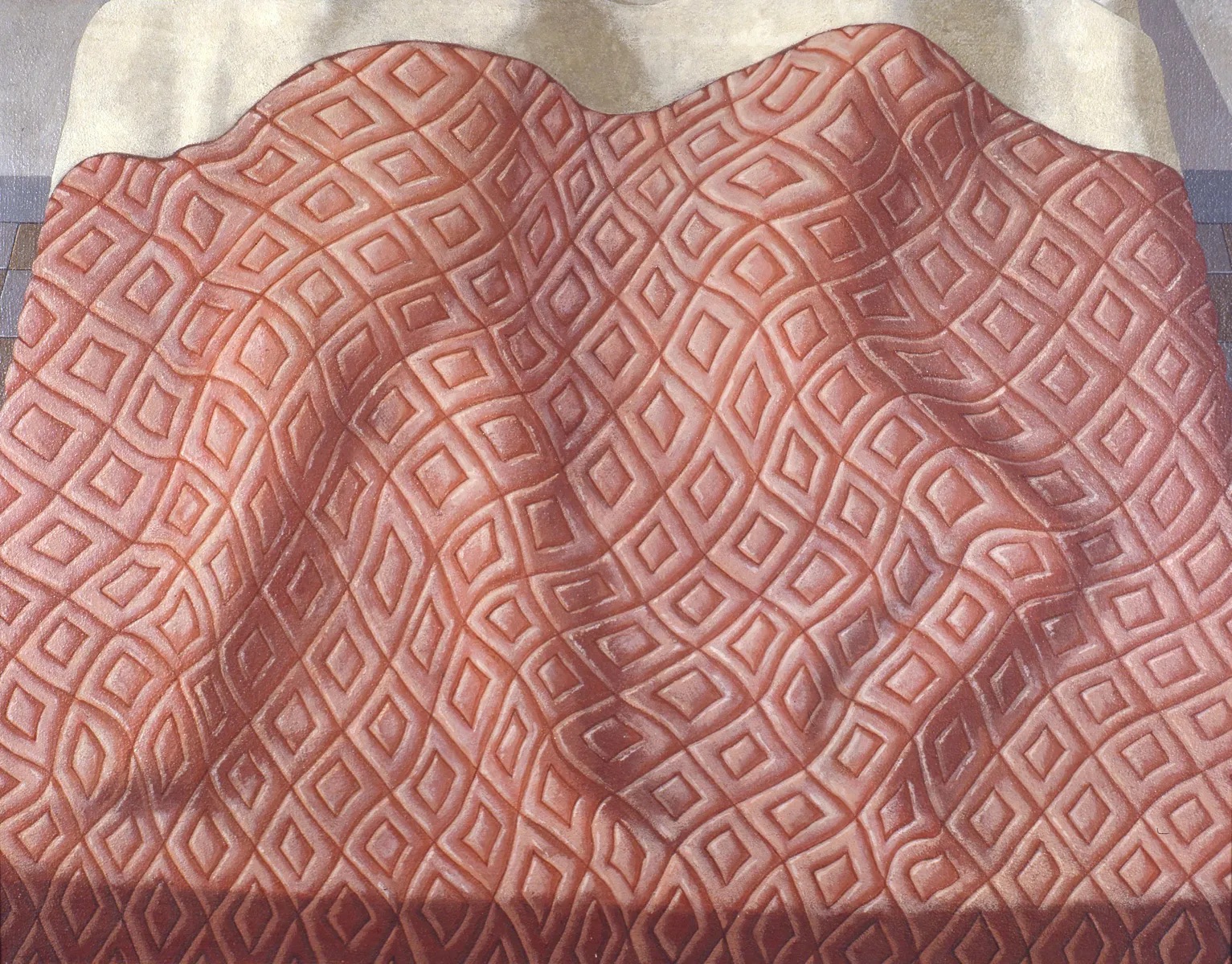
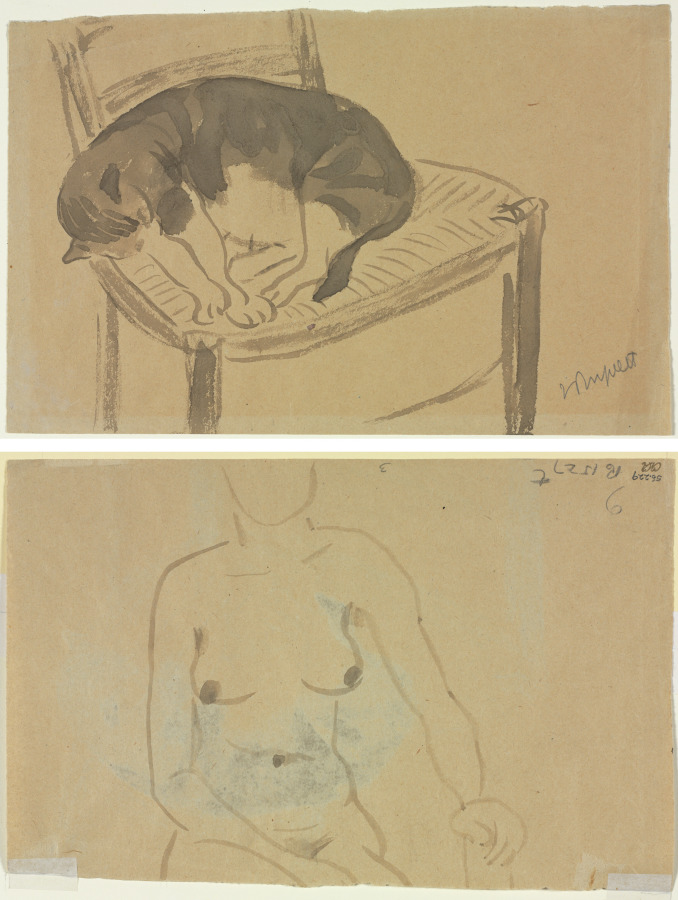
Peter Halley
Untitled
Working at the intersection of mathematics, printmaking, and painting, Auerbach makes work that feels genuinely of this moment while remaining in serious conversation with the Minimalist and Conceptualist traditions. Peter Halley, whose neon infused geometric paintings reference both Neo Geo theory and the visual language of urban infrastructure, occupies an interesting position in the market: well regarded critically, collected by serious institutions, and still available at prices that may not reflect his long term importance. Sonia Delaunay, whose Simultanism brought geometric abstraction into fashion, textiles, and design as well as fine art, continues to be undervalued relative to her male contemporaries despite growing scholarly attention. Her works on The Collection offer an entry point into a genuinely pioneering practice.
At auction, geometric abstraction has proven remarkably resilient. The 2022 sale of a large scale Ellsworth Kelly at Christie's New York demonstrated that blue chip geometric work commands prices comparable to the strongest Abstract Expressionist material. Bridget Riley's auction record has climbed steadily over the past decade. More importantly for collectors entering the market now, the mid tier of geometric abstraction, works by serious artists that have not yet achieved record prices, has shown consistent appreciation over the same period.
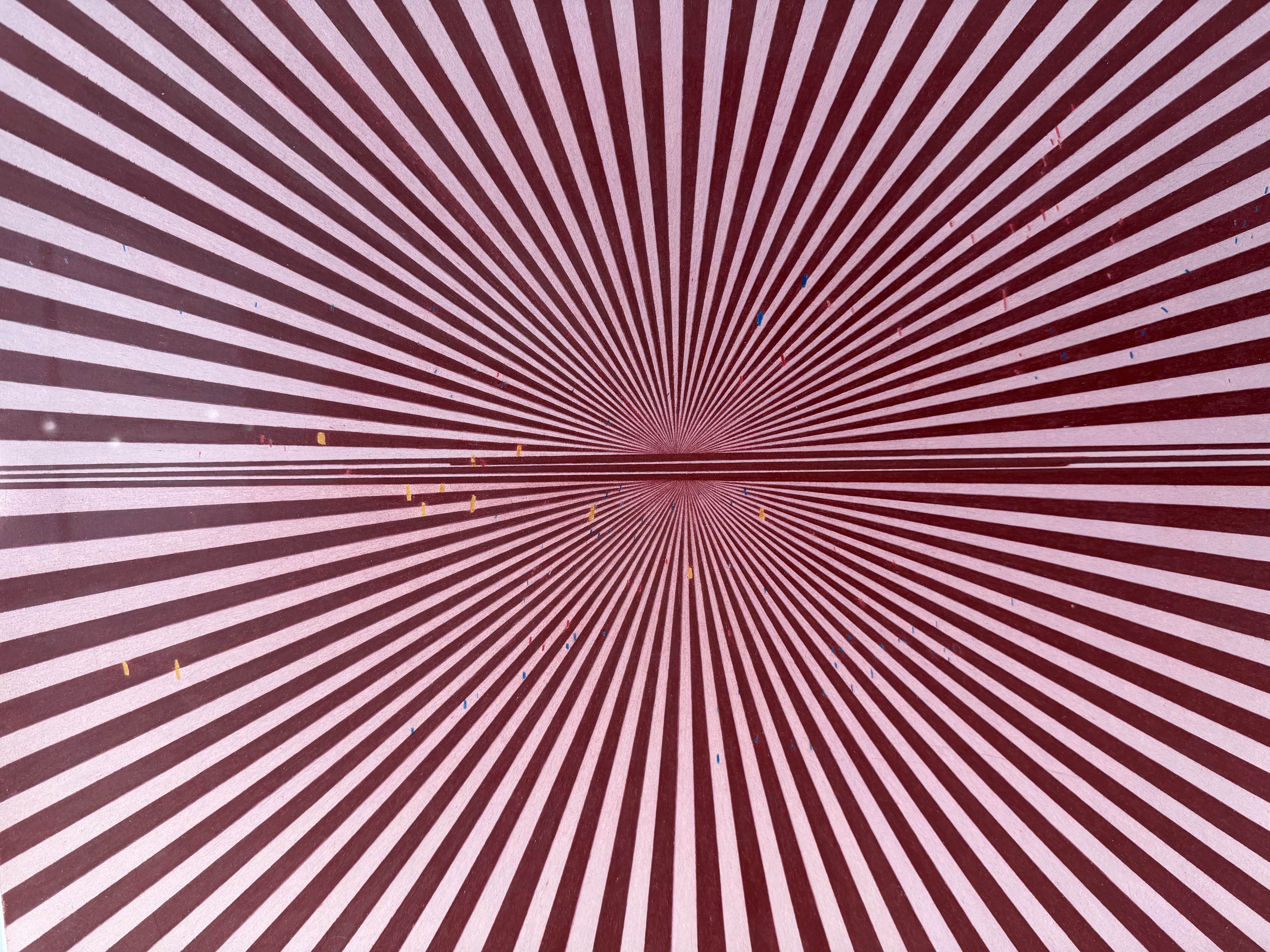
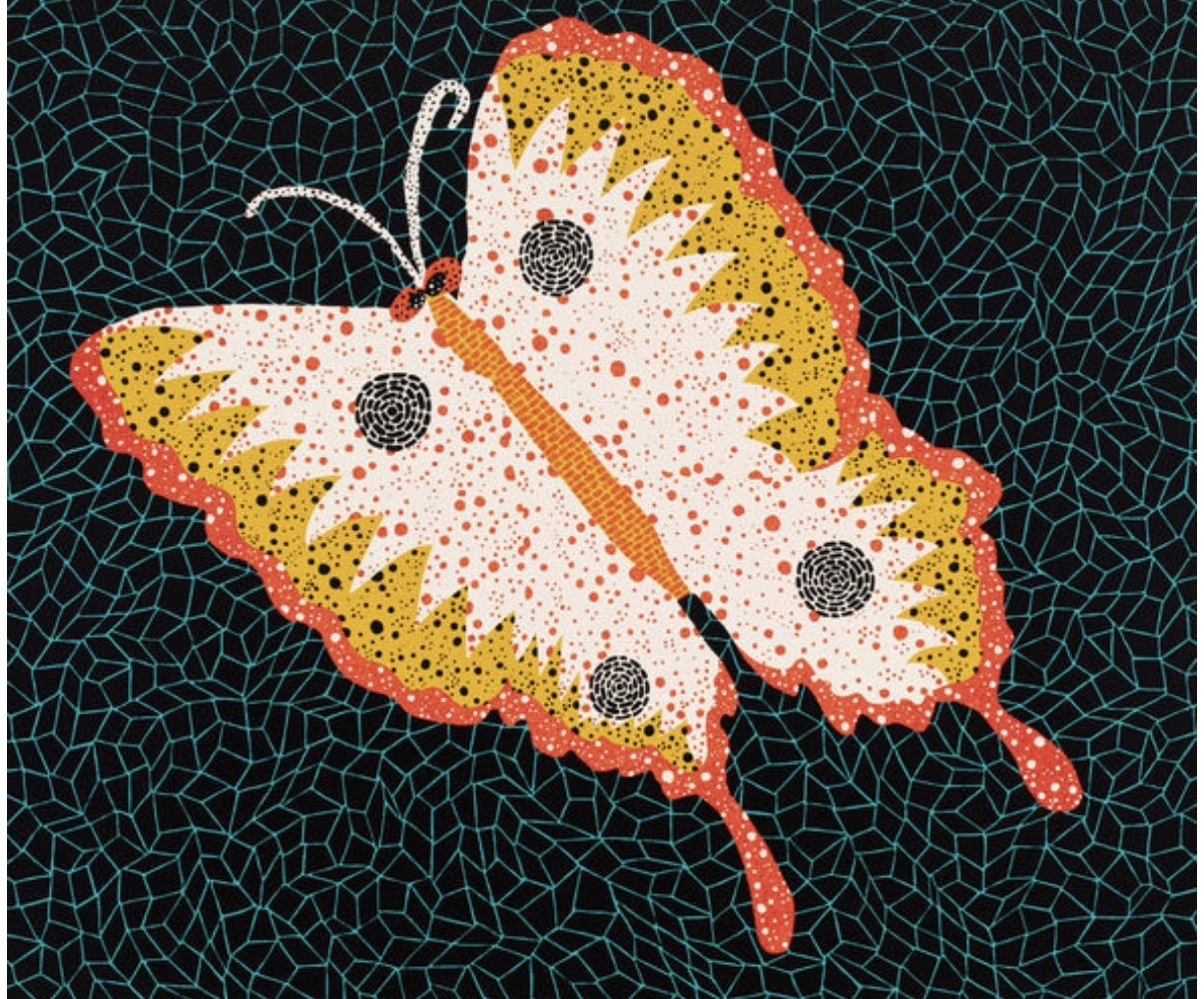
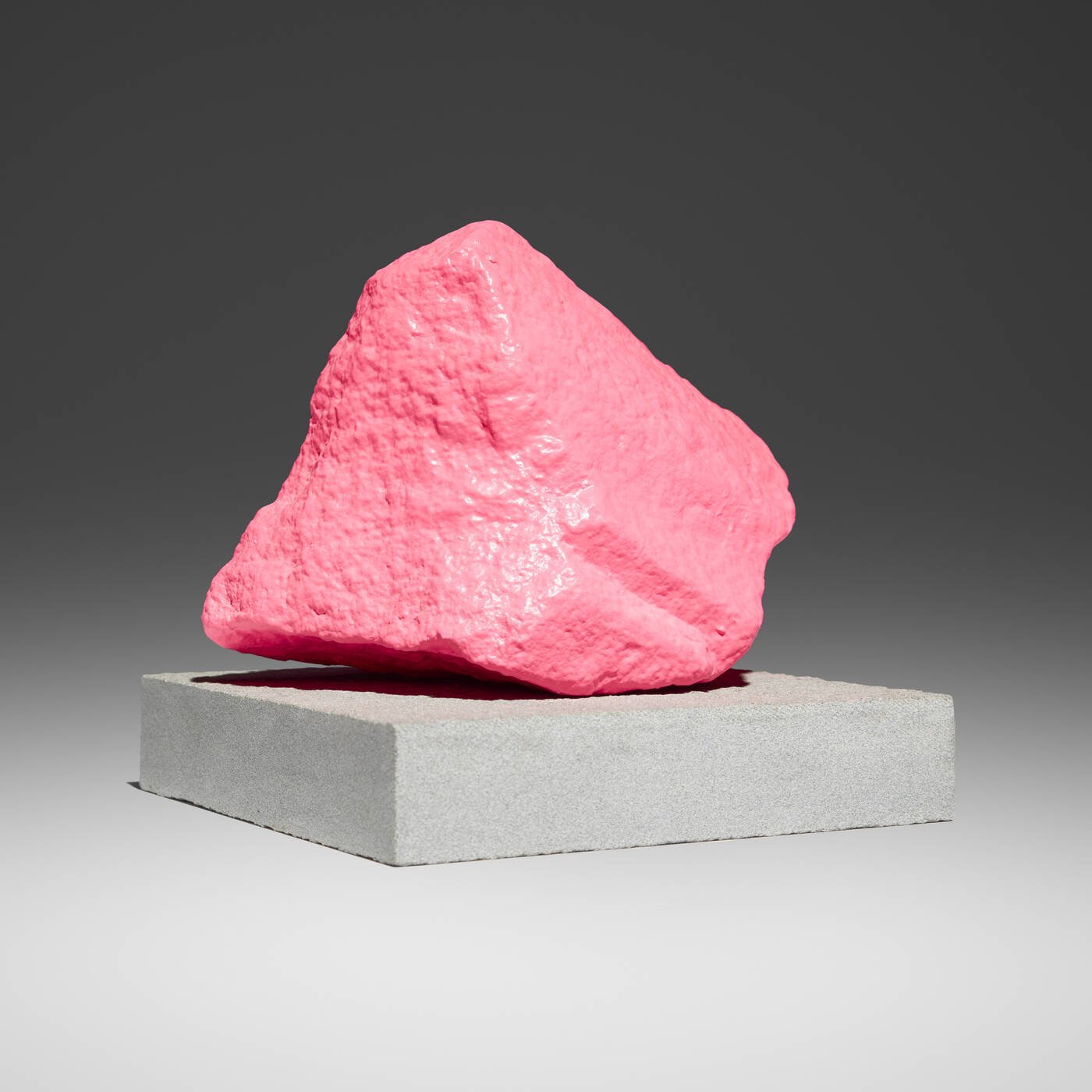
Mark Grotjahn
Untitled (Tuscan Red and Pink Rose Butterfly 45.90), 2015
Works by Kenneth Noland and Robert Mangold, both rigorous and underappreciated relative to their peers, have moved meaningfully upward as institutional reassessment continues. Practical considerations matter enormously in this field. Condition is particularly critical with geometric abstraction because the work offers no narrative camouflage. A small loss or retouch in a figurative painting can pass unnoticed; in a hard edge geometric work, any disruption to the surface reads immediately.
Ask the gallery for condition reports and, where possible, for ultraviolet examination records. For editions, whether prints by Jasper Johns or multiples by Donald Judd, verify that works come with full certificates of authenticity and understand the edition size clearly before committing. A work from an edition of six commands a different premium than one from an edition of ninety, and that distinction matters both aesthetically and financially. Display decisions are also consequential.
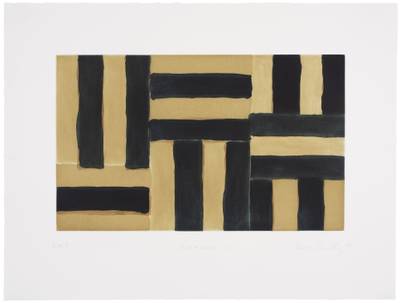
Geometric abstraction is sensitive to light in ways that can work for or against the collector. A Vasarely needs consistent, even illumination to allow its optical effects to function as intended. A Sean Scully stripe painting, by contrast, rewards raking light that reveals the texture of the weave. Ask the gallery or the artist's studio for display recommendations before installation.
Finally, resist the temptation to crowd geometric work. These are paintings and sculptures that need room to act on the viewer. Give them space and they will return the favor, becoming more themselves, and more necessary to you, with every passing year.