Etching
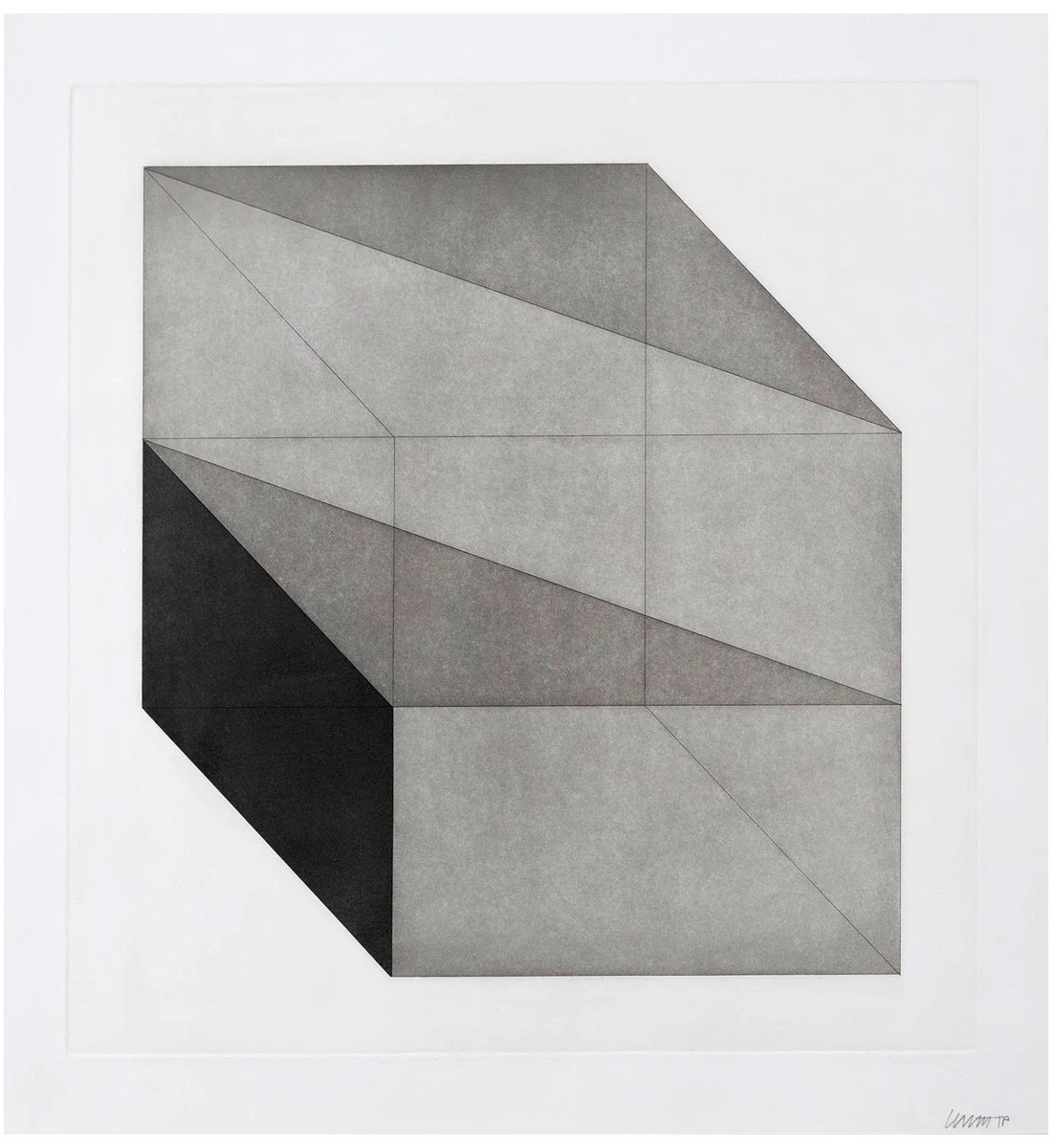
Sol LeWitt
Derived from a Cube 5, 1982

The Acid Test: Etching's Thrilling Return
When a Rembrandt etching sells at auction, the room changes. There is a particular quality of attention that descends, a collective intake of breath that you rarely feel for paintings or sculpture. In November 2023, Christie's Amsterdam offered a fine impression of Rembrandt's Christ Presented to the People, the 1655 drypoint etching that exists in eight distinct states, and the bidding climbed with the unhurried confidence of people who know exactly what they are looking at. That result, well into seven figures, reminded the market of something it occasionally forgets: that prints are not secondary objects.
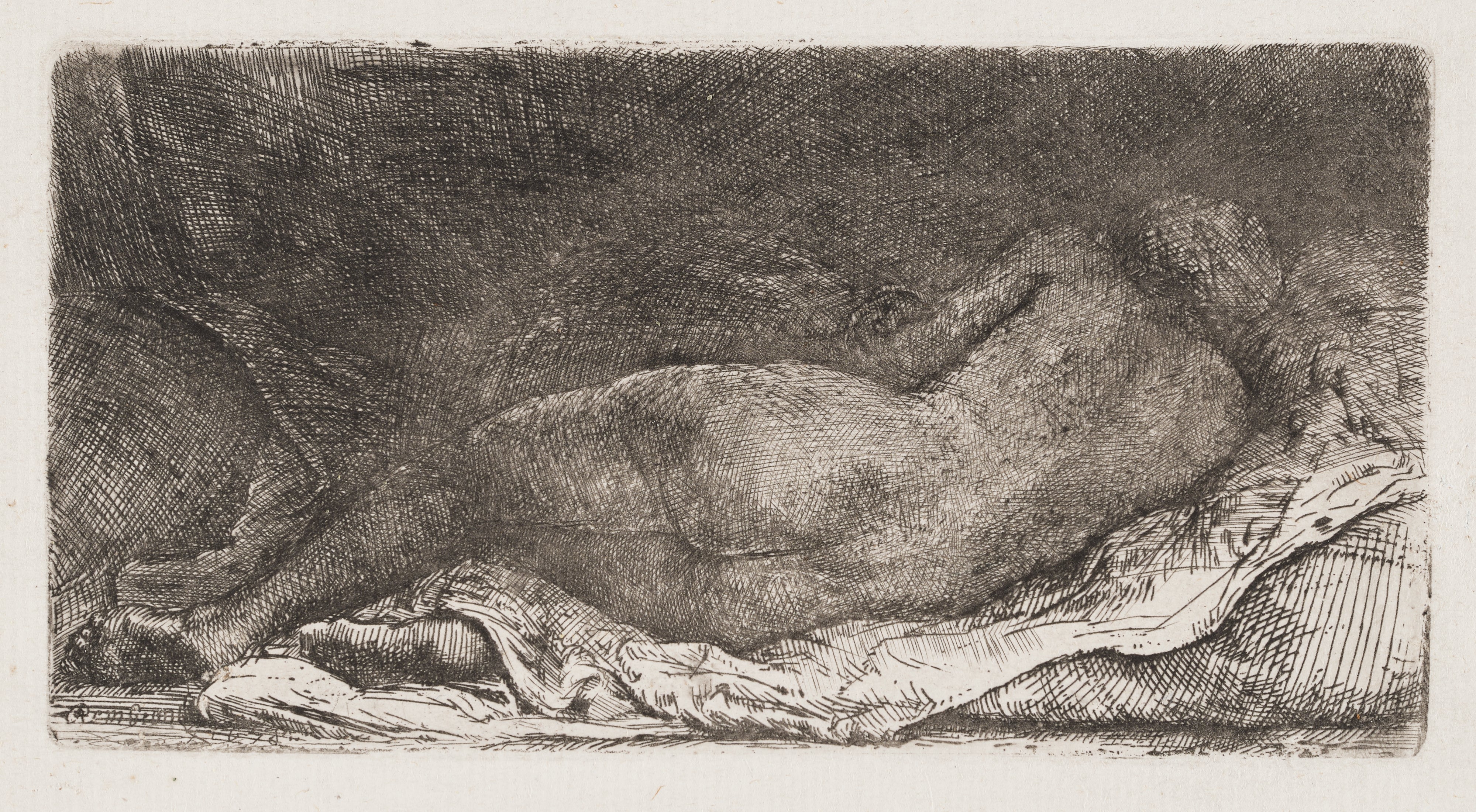
They are, in many cases, the place where an artist's thinking is most exposed, most pressurised, and most alive. Etching occupies a strange and privileged position in the history of art making. Unlike engraving, which demands a certain muscular certainty, etching allows for something closer to drawing. The needle moves through the waxy ground with the ease of a pen across paper, and it is in that ease that temperament reveals itself.
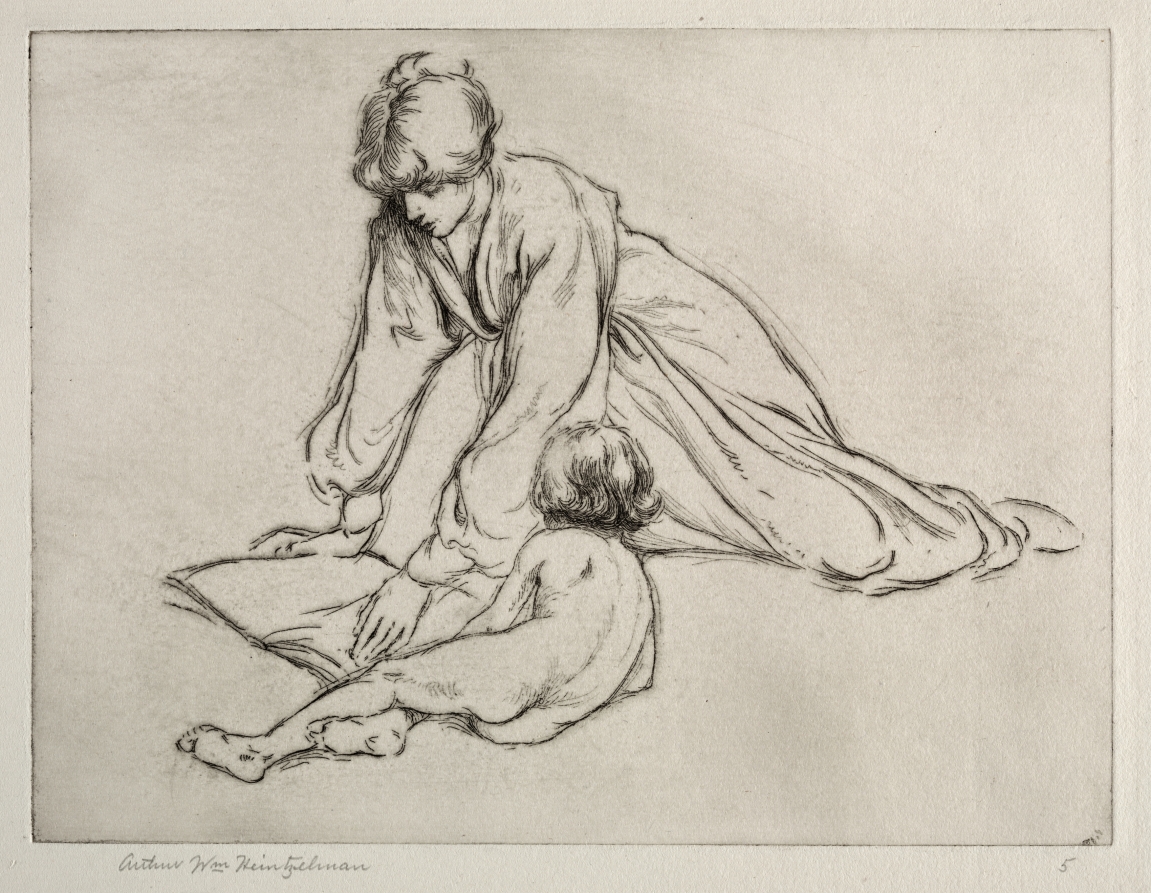
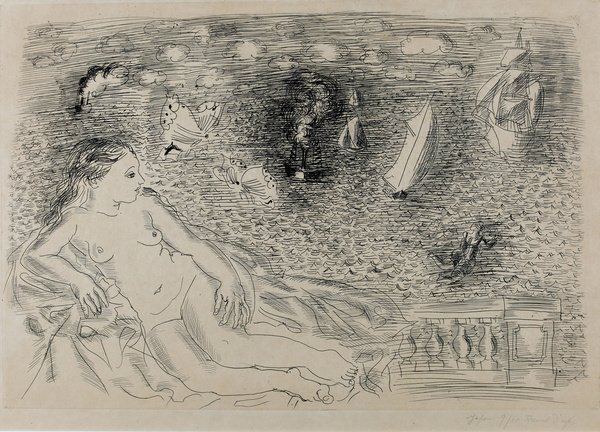
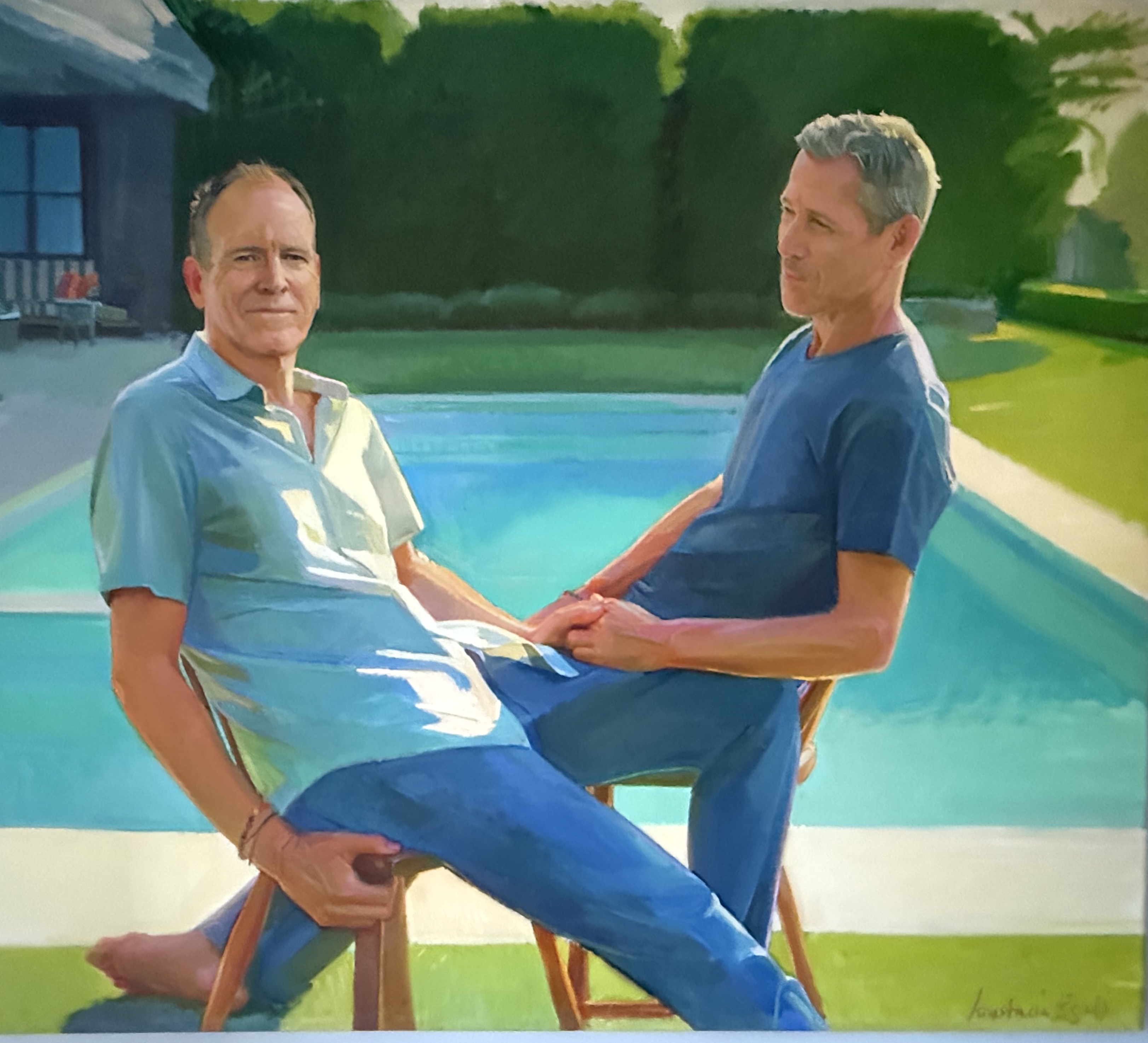
Arthur William Heintzelman
The Sun Bath, 1919
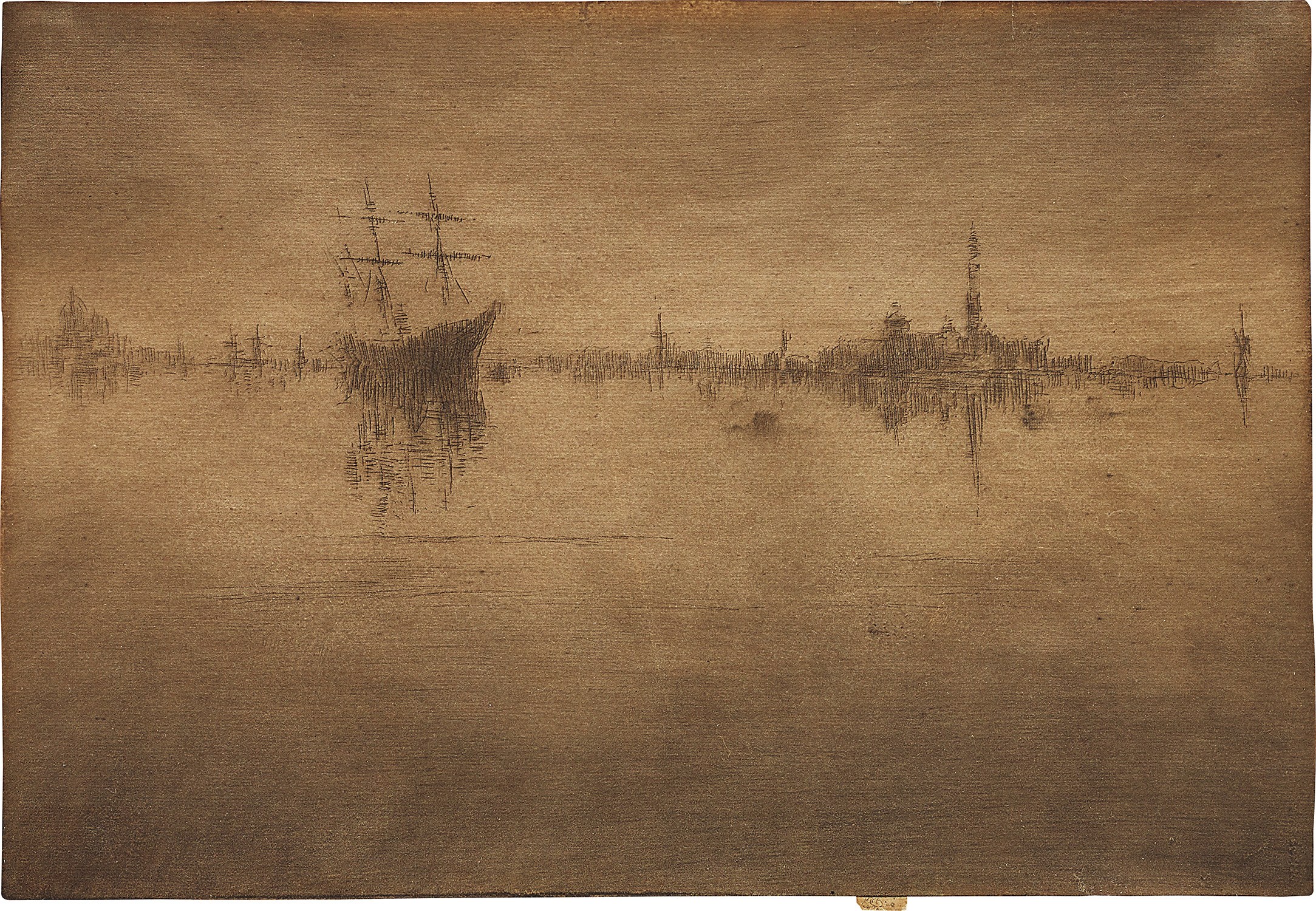
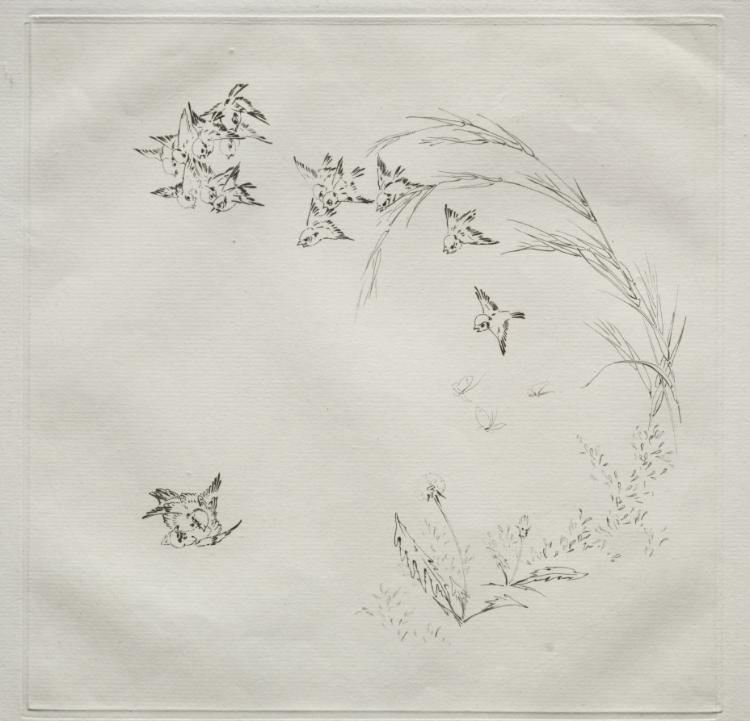
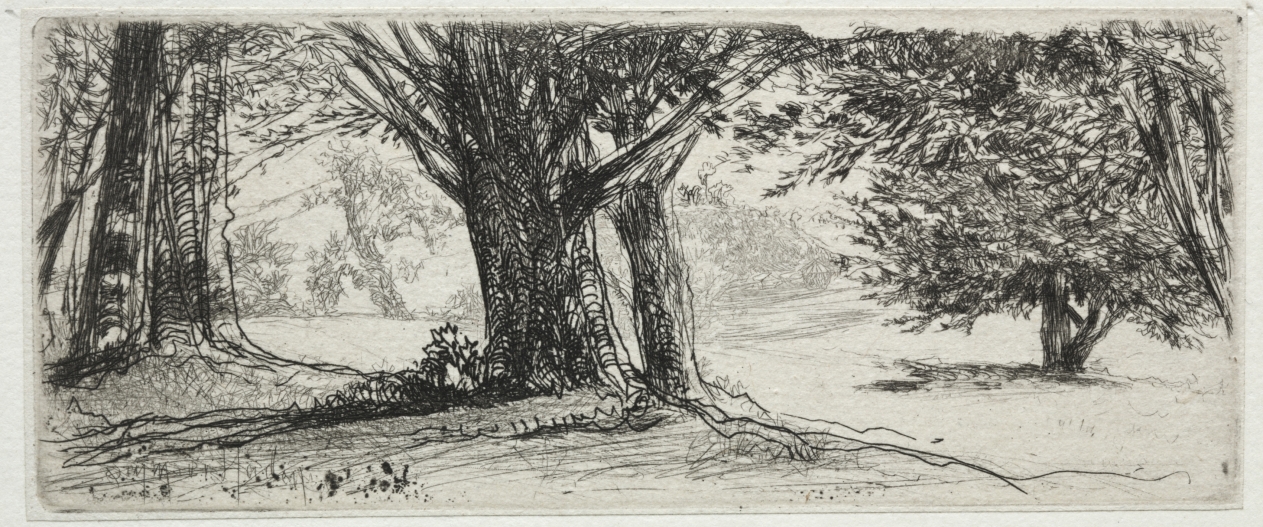
You can see this in the works of James McNeill Whistler, whose etchings of Venice produced during his fourteen month stay in 1879 and 1880 remain among the most critically discussed prints of the nineteenth century. The Venice Sets, as they are known, toured in London exhibitions that were themselves theatrical productions, Whistler controlling the hanging, the lighting, even the colour of the walls. The Grosvenor Gallery and the Fine Art Society both showed these works to audiences who were frankly bewildered by their lightness and economy. Today, fine impressions of those Venice plates command serious prices at auction, and they are among the most sought after works in the category.
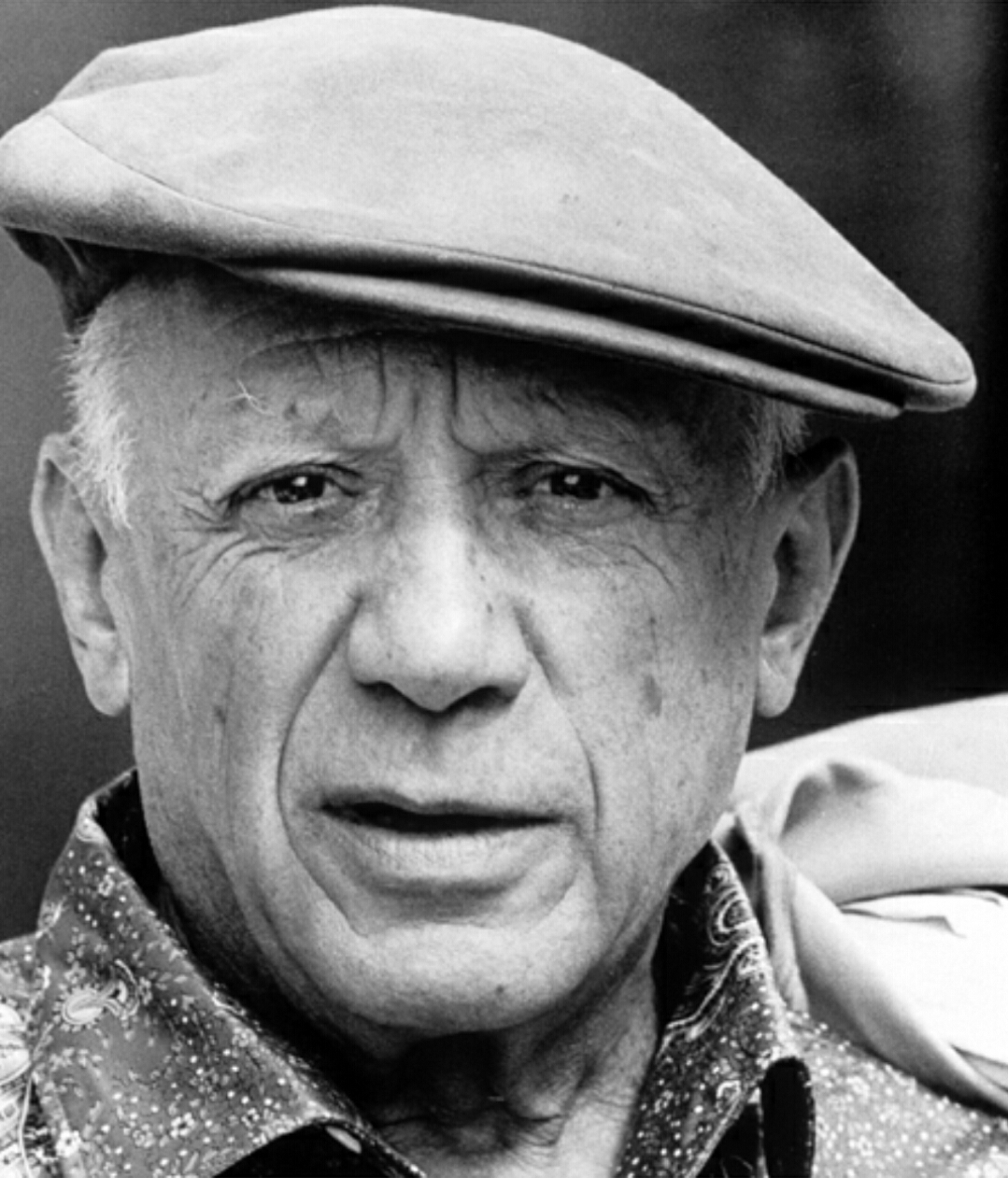
The market for etching has been quietly reorganising itself over the past decade, and the signals from major auction houses point toward a broadening of appetite rather than a narrowing. Picasso's etchings, of which there are a remarkable range on The Collection, consistently attract competitive bidding. His Suite Vollard, the series of one hundred etchings produced between 1930 and 1937 and published in 1956, is a benchmark. Individual plates from the Suite appear regularly at Sotheby's and Christie's, and strong impressions of the more iconic images, the sculptor in his studio, the Minotaur, the portraits of Marie Therese, routinely exceed their high estimates.
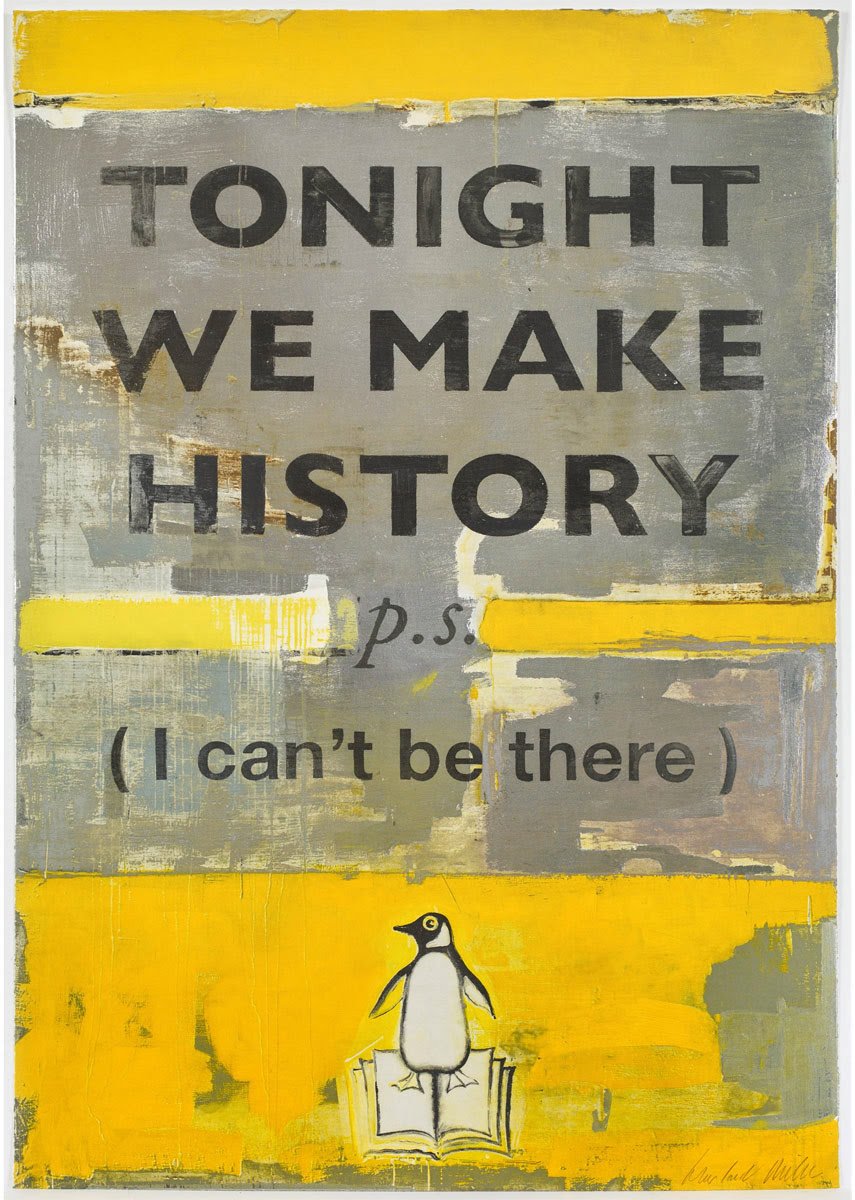
Harland Miller
Tonight We Make History, P.s. I Can't Be There (Small), 2018
What the Picasso market tells us is that collectors are not simply buying a famous name in a secondary medium. They are buying a window into process, into the intimacy of an artist thinking out loud in a medium that punishes hesitation and rewards instinct. Lucian Freud's etchings tell a different story about intimacy. Freud came to etching seriously in the 1980s and the plates he produced in that decade and into the 1990s are now considered essential to understanding his project as a whole.
The figures are close, almost unbearably so, and the scratched line has a quality of accumulation, of looking and looking again, that mirrors the famous slowness of his painted portraits. A strong impression of Head of a Naked Girl or Naked Man on a Bed will test six figures at auction with regularity, and museum collections from the British Museum to the Art Institute of Chicago hold significant groups of his prints. That institutional endorsement matters enormously in a category where the question of which impressions are truly fine is one that rewards specialist knowledge. Curators and scholars have been doing important work to sharpen that knowledge.
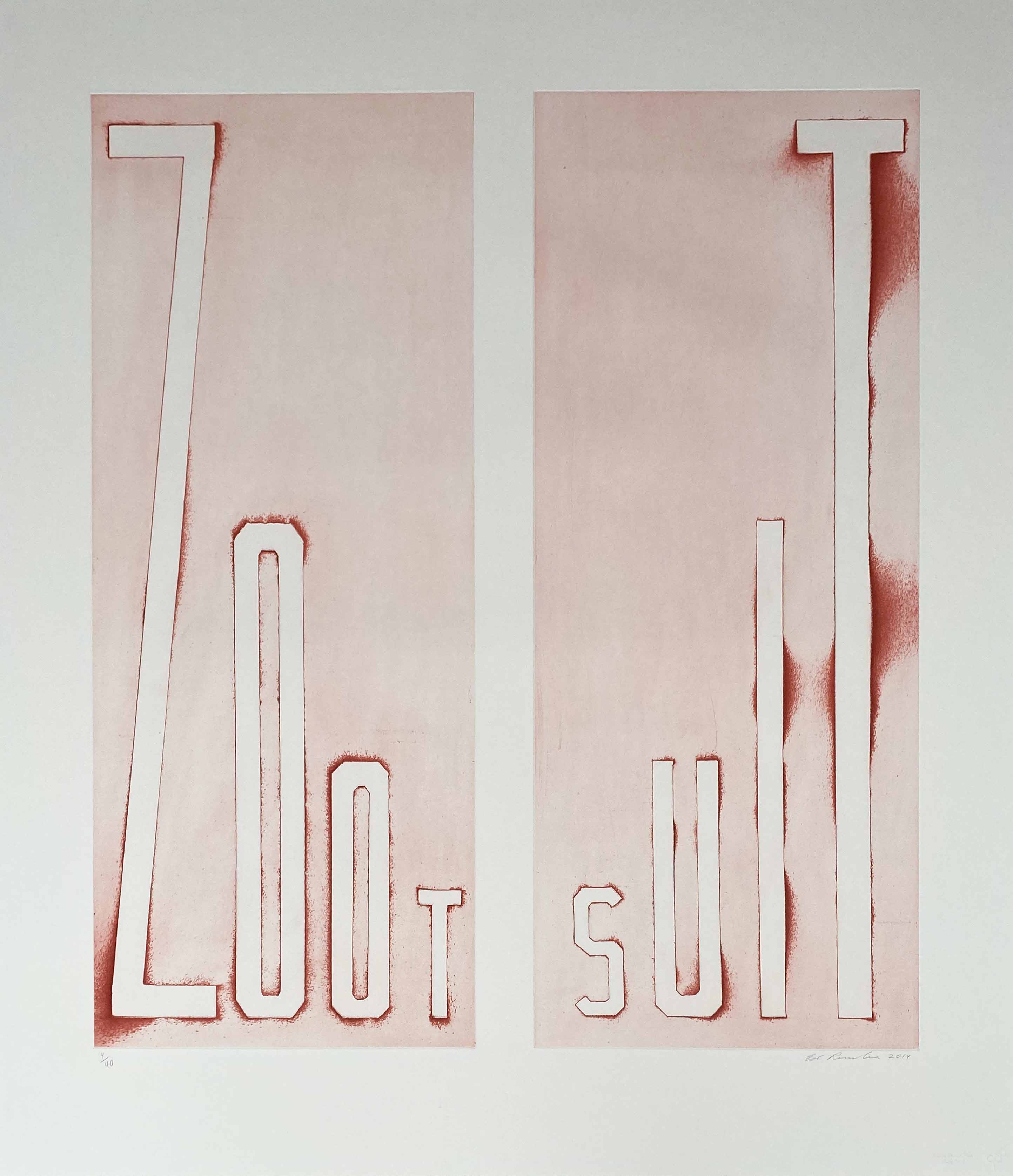
Ed Ruscha
Zoot Suit , 2014
The Morgan Library and Museum in New York has been a consistent champion of prints as primary objects, and its ongoing acquisitions program reflects a serious commitment to building a collection that speaks to both historical depth and contemporary practice. The British Museum, whose print room remains one of the great scholarly resources in the world, mounted a significant Whistler exhibition in 2020 that reframed his etchings not as decorative curiosities but as radical acts of compression. Publications like Print Quarterly continue to do the critical labour of establishing hierarchies of impression quality, tracing provenance, and identifying the specific moments in an artist's relationship with a plate where the work becomes extraordinary rather than merely good. That scholarship feeds directly into auction results, which increasingly reference impression quality in ways that would have seemed overly specialised to a general market just fifteen years ago.
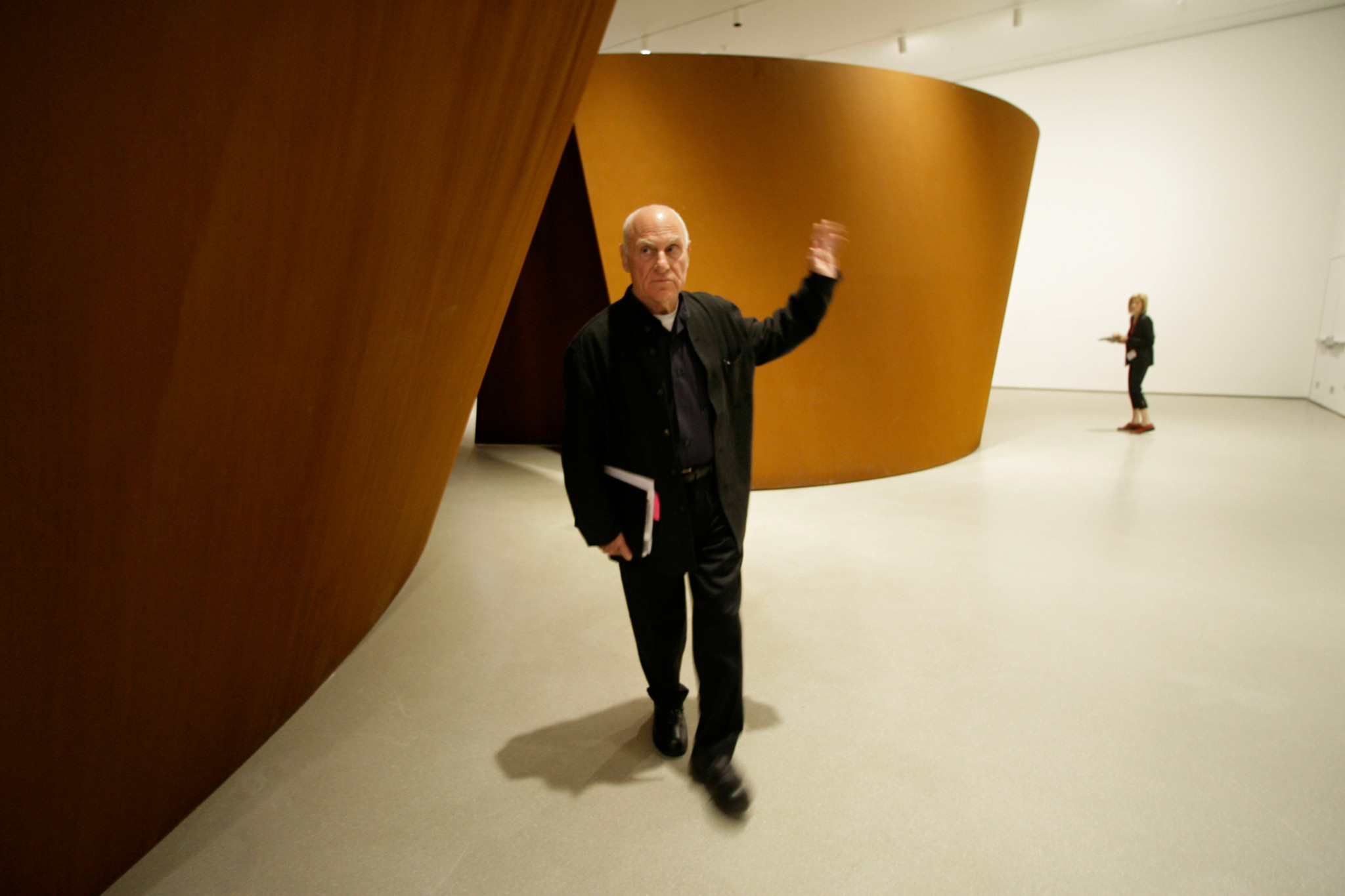
The contemporary end of the conversation is where the energy feels most volatile and most interesting. Richard Serra's etchings and aquatints, substantial and physically assertive in a way that seems almost aggressive for works on paper, have attracted serious institutional attention and auction results that position him as one of the significant printmakers of his generation. Brice Marden's etchings, which draw on calligraphic traditions from East Asian art, are collected by museums that also hold his paintings, which is to say the most important museums in the world. David Hockney's relationship with printmaking has been a constant thread through a career that resists categorisation, and his etchings from the 1960s and 1970s, sharp with wit and observation, remain among the most collectible works on The Collection.
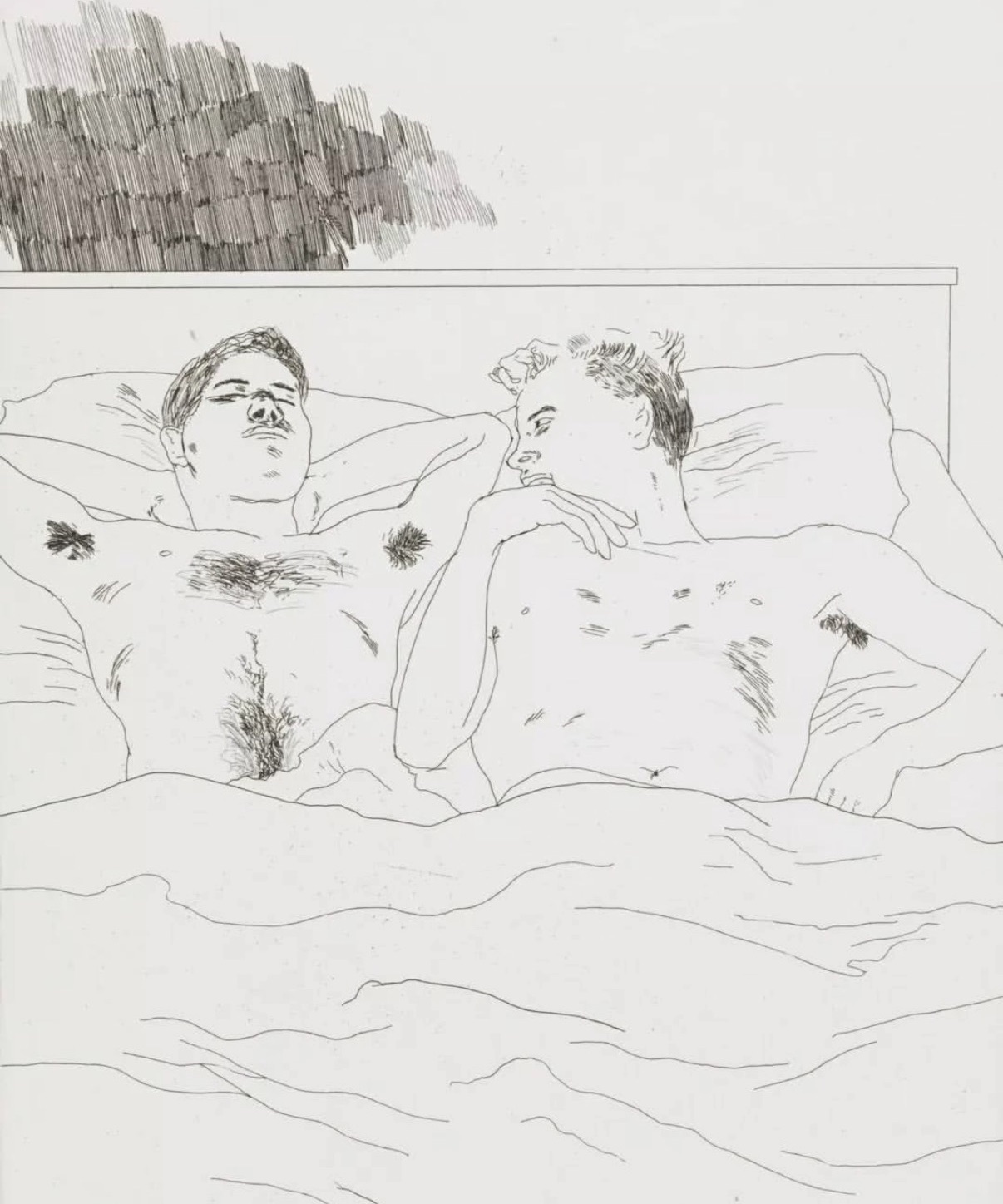
David Hockney
In Despair, 1966
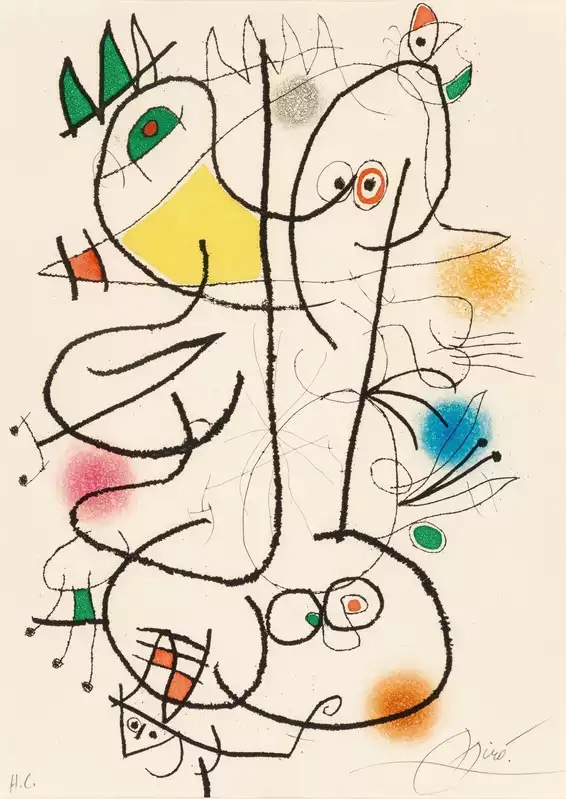
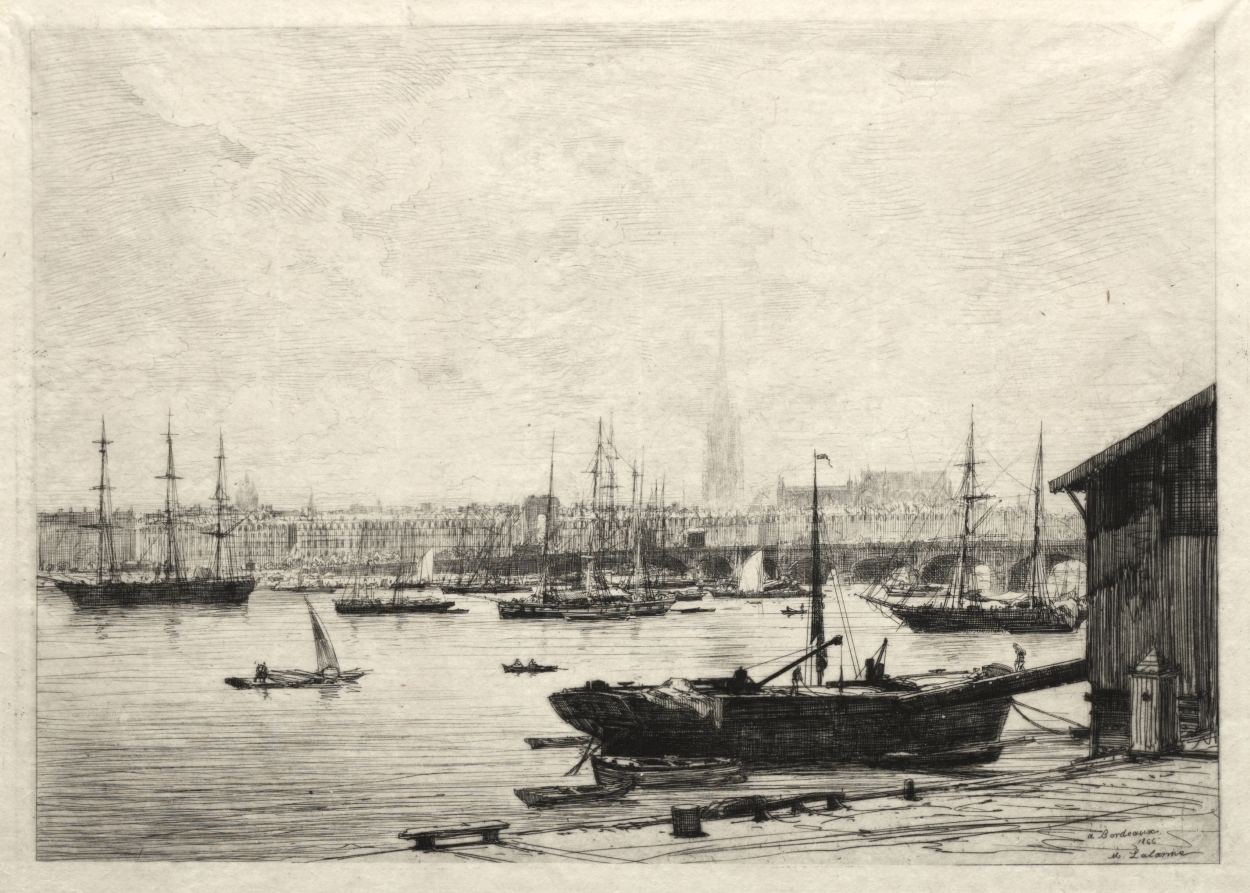
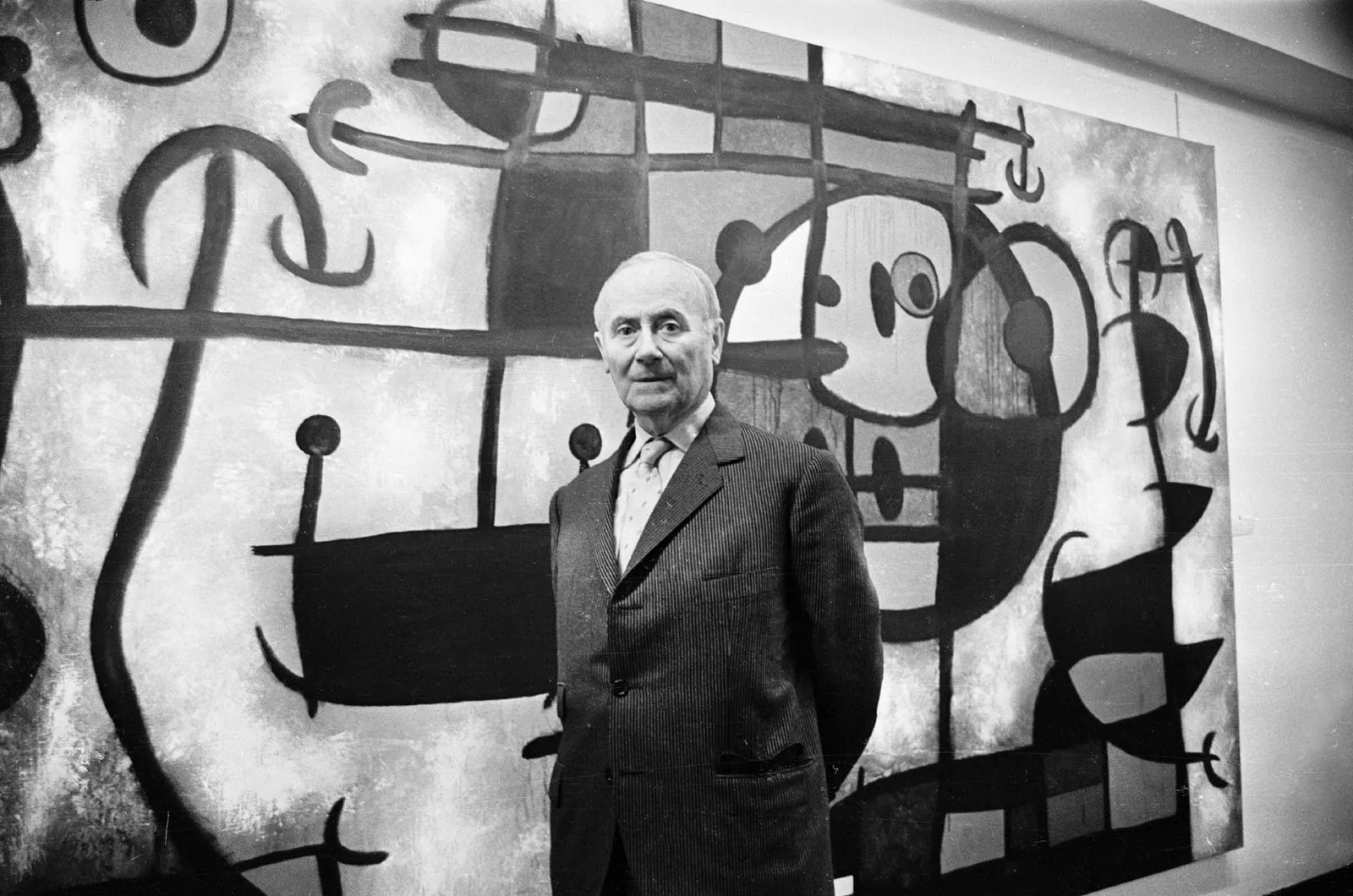
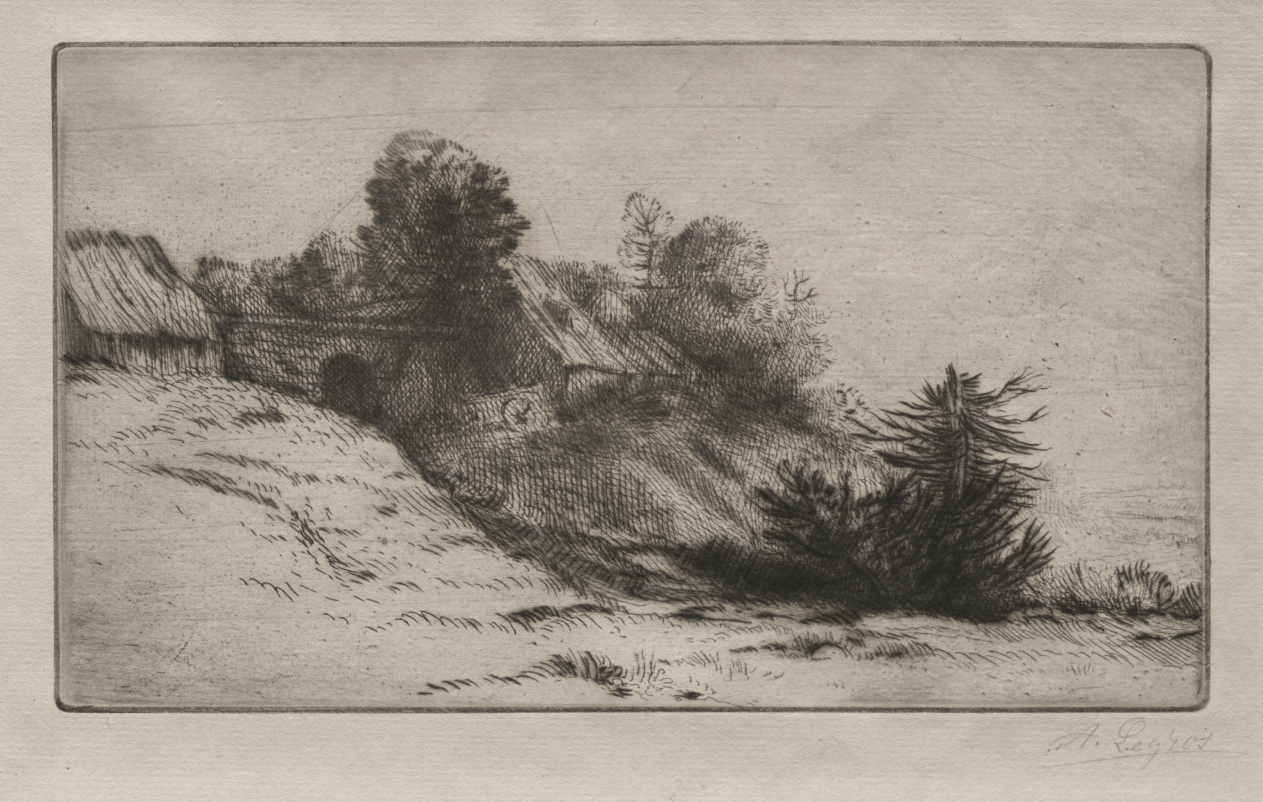
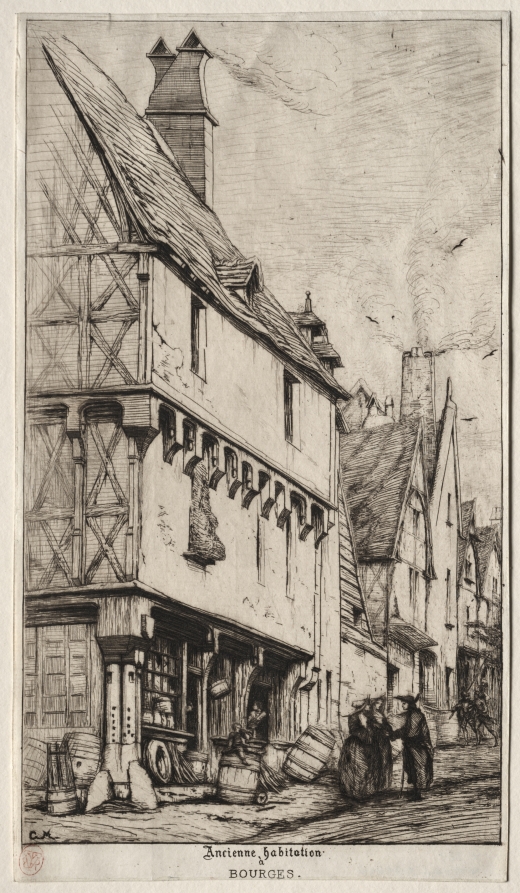
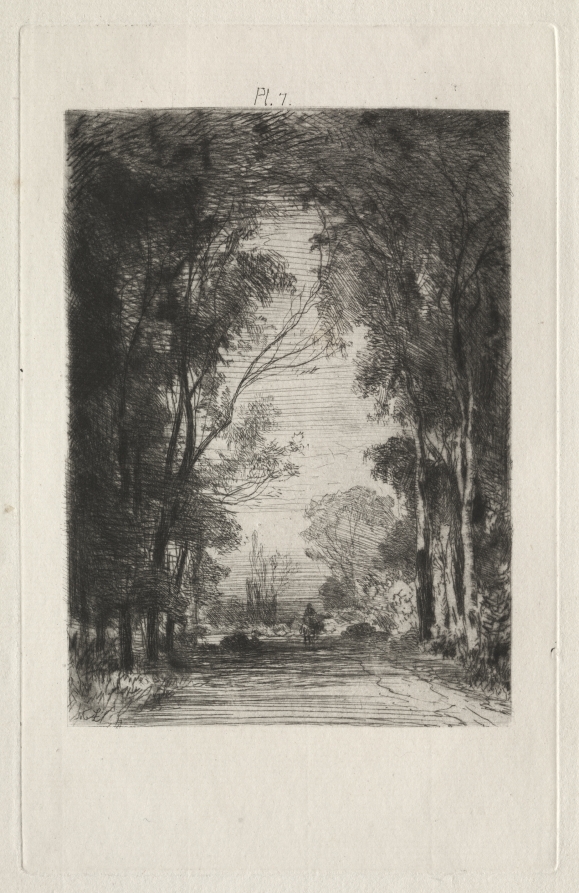
Joan Miro brought to etching the same surrealist freedom he brought to everything else, and the results are works of startling chromatic invention that sit comfortably alongside his paintings in the most serious collections. What feels settled in this market is the canonical hierarchy, Rembrandt at the apex, Whistler and Charles Meryon close behind in the nineteenth century, Picasso dominant in the modern period. What feels genuinely alive is the reassessment of artists who were once considered secondary. Alphonse Legros, Felix Bracquemond, and Auguste Brouet, all well represented on The Collection, are receiving renewed critical attention as scholars reconsider the French etching revival of the 1860s and 1870s as a movement with its own coherent aesthetic ambitions rather than a simple nostalgic turn.
The surprise, when it comes, may arrive from that direction, from the recognition that the story of etching has not yet been fully told, and that the most interesting chapters may still be open to reinterpretation.