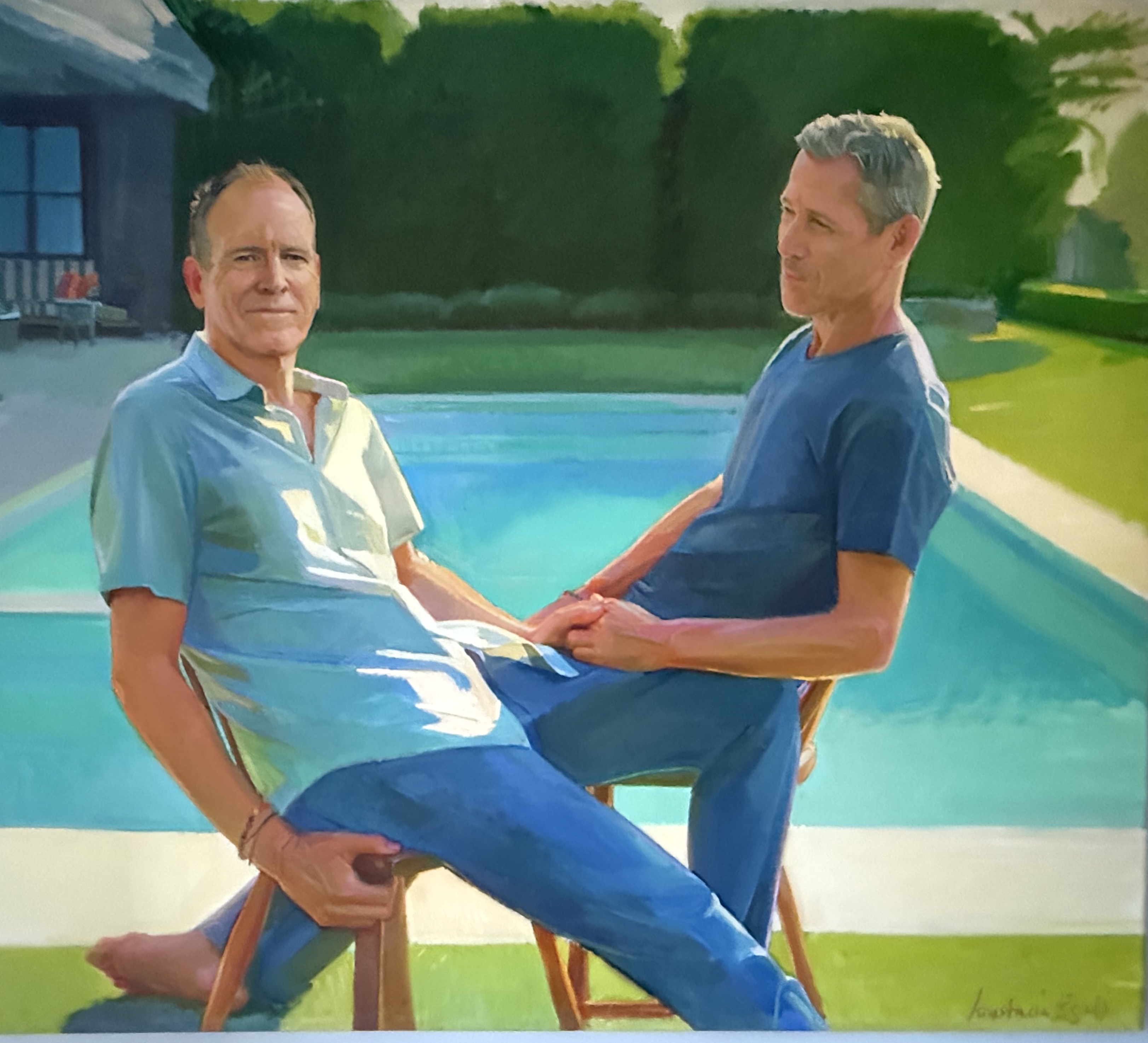
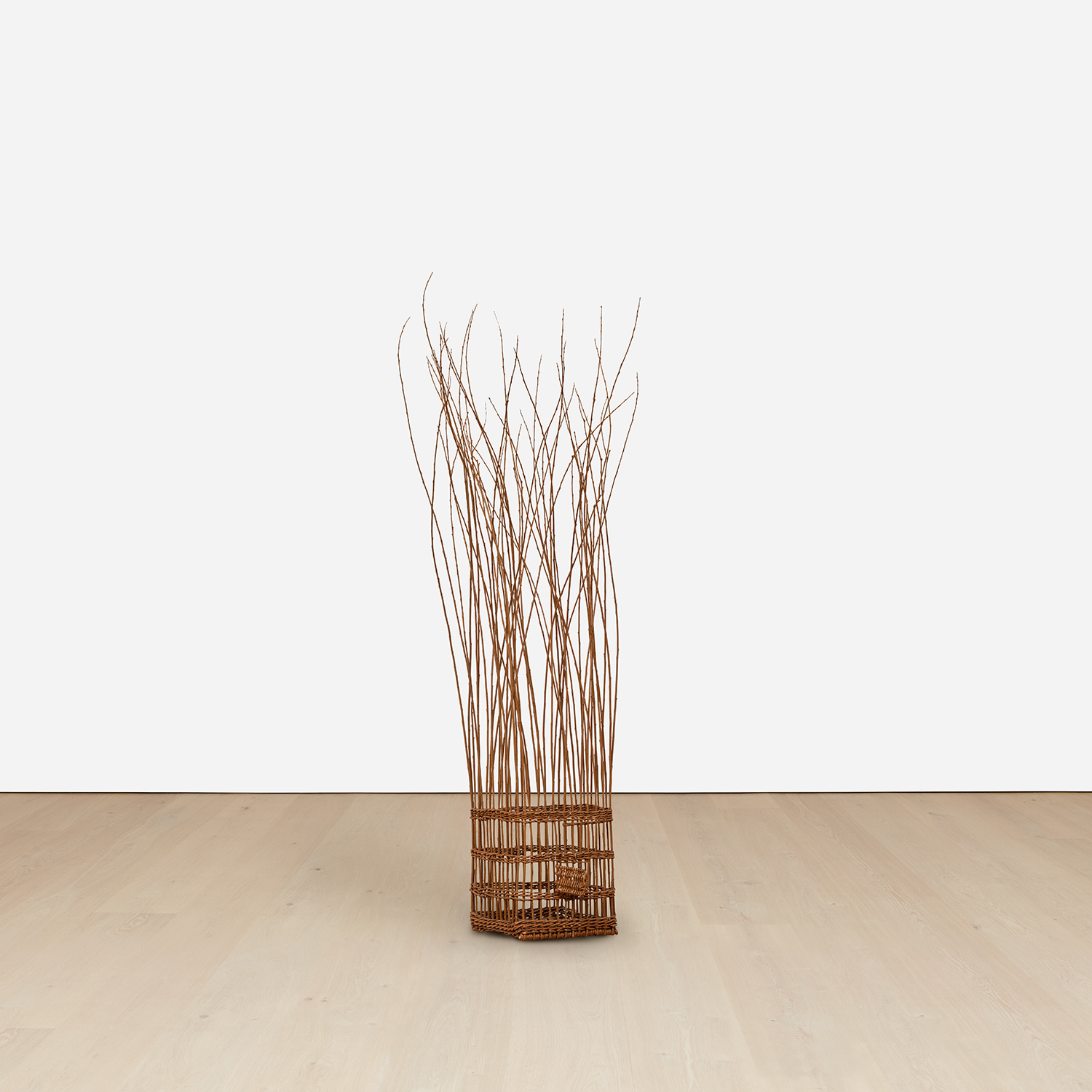
American Artist
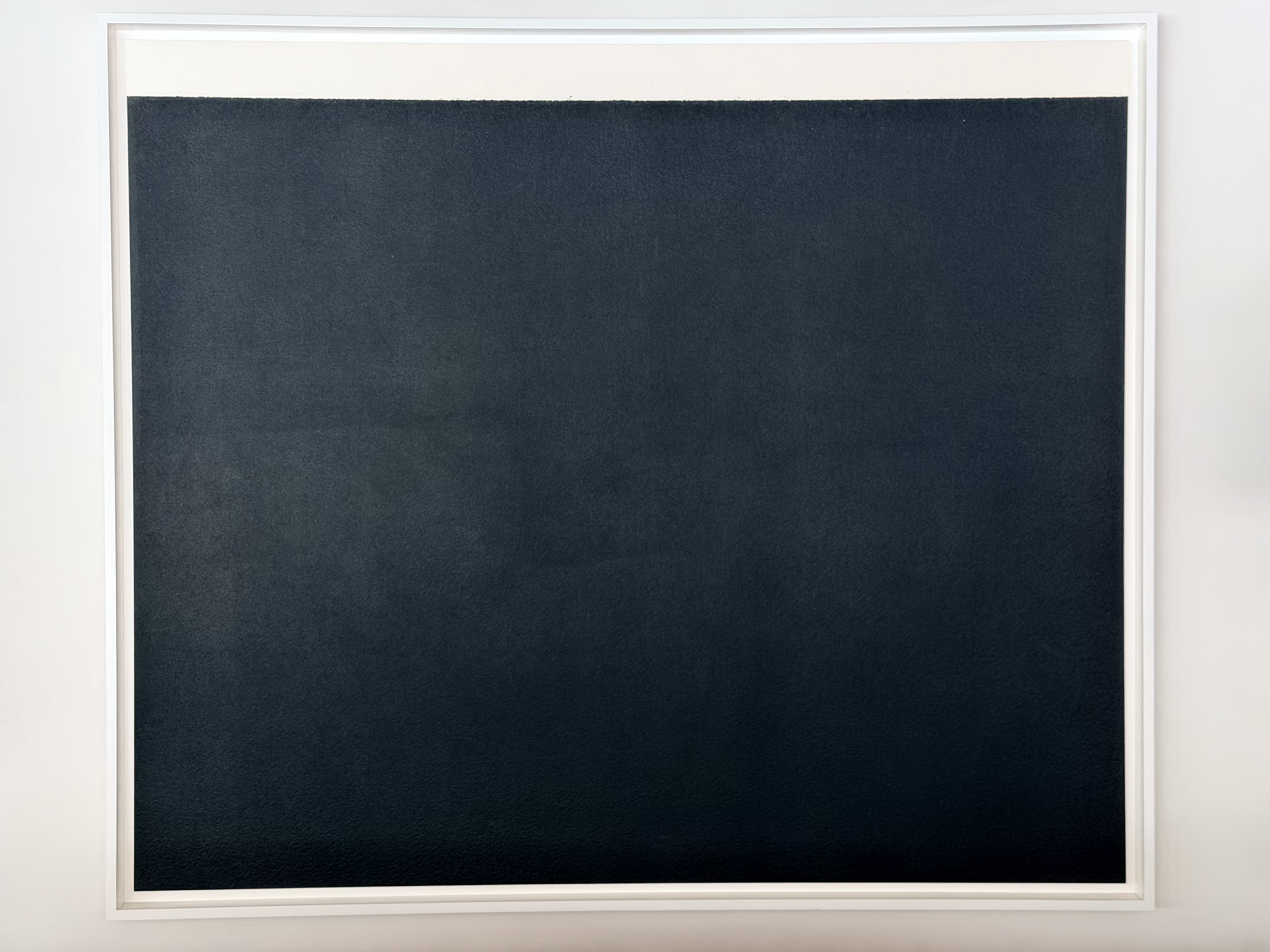
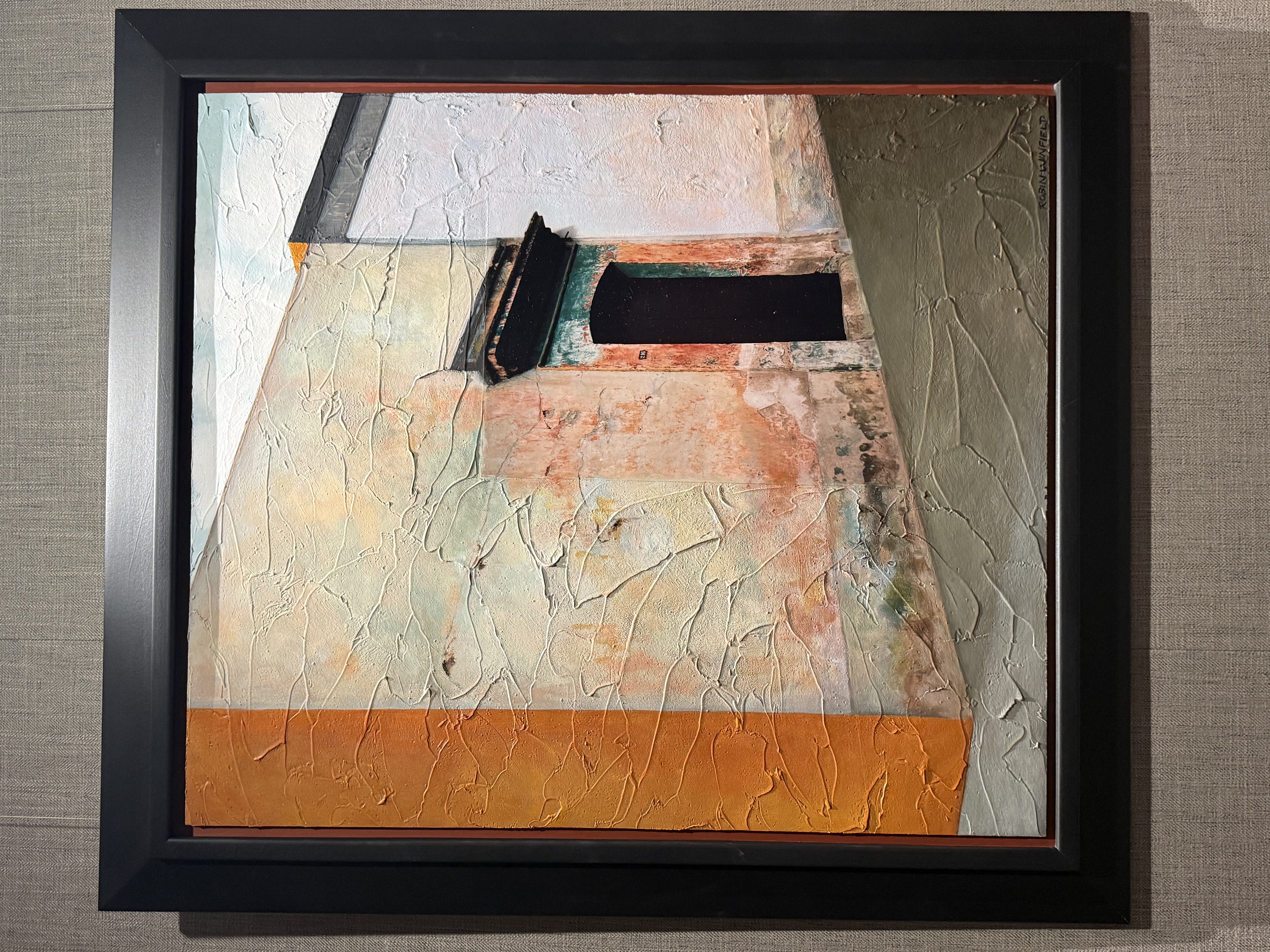
Richard Serra
Level V, 2013
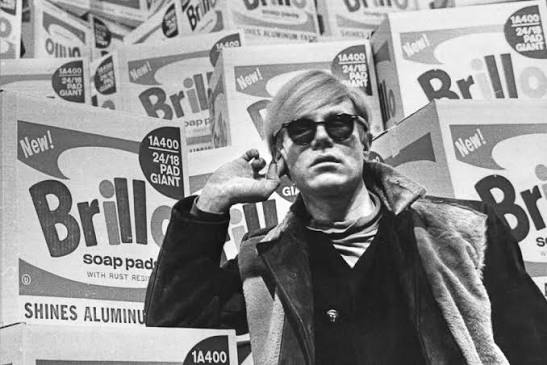
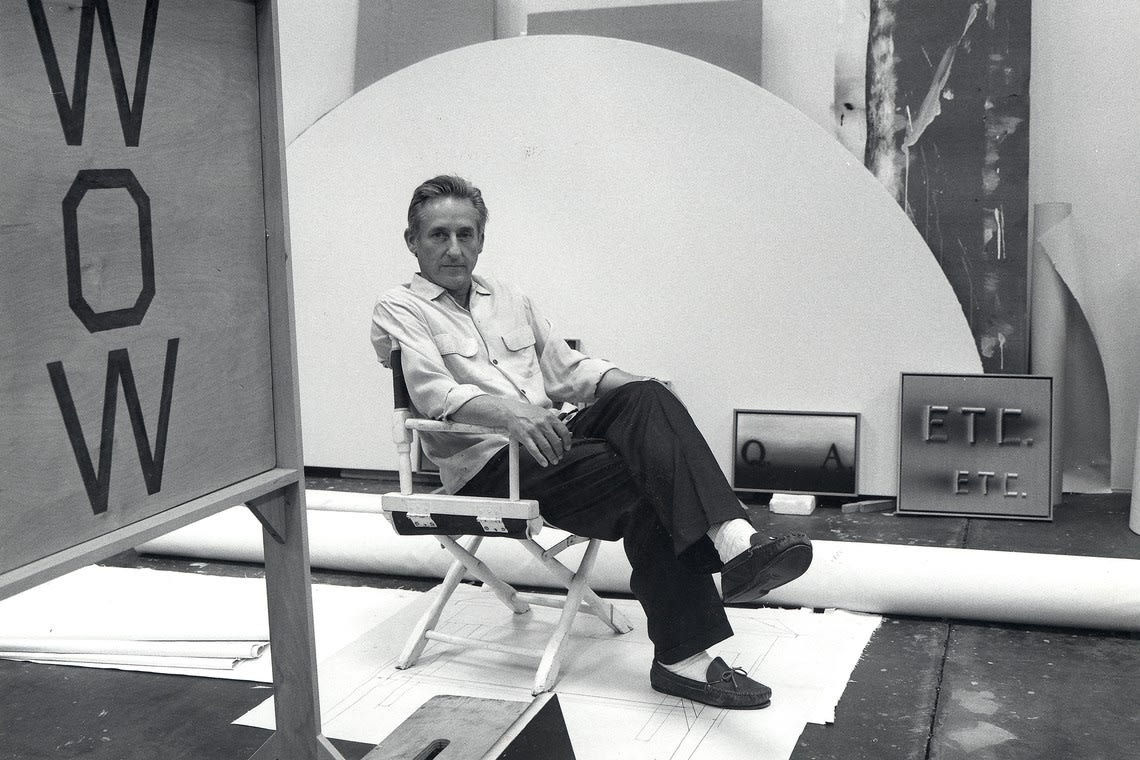
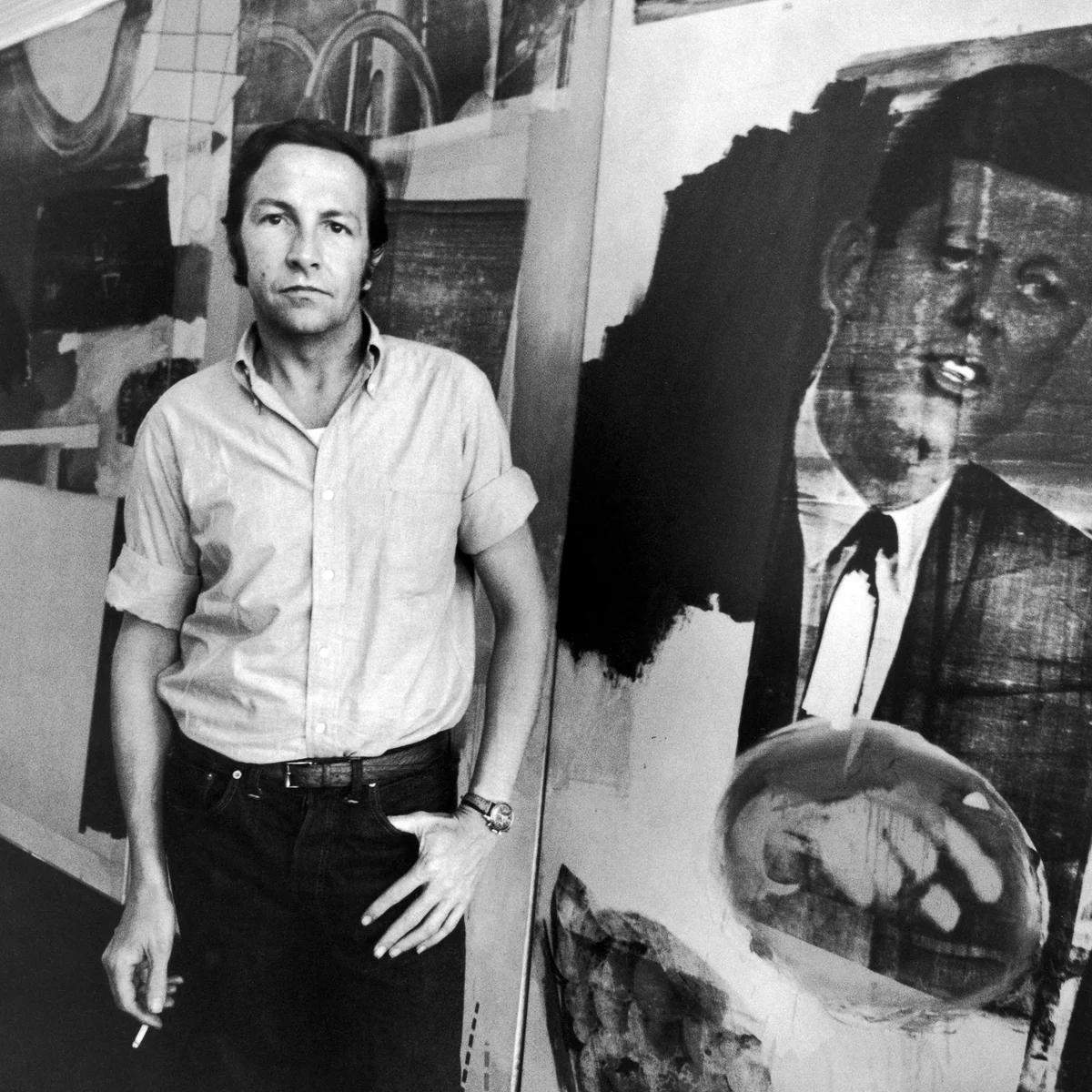


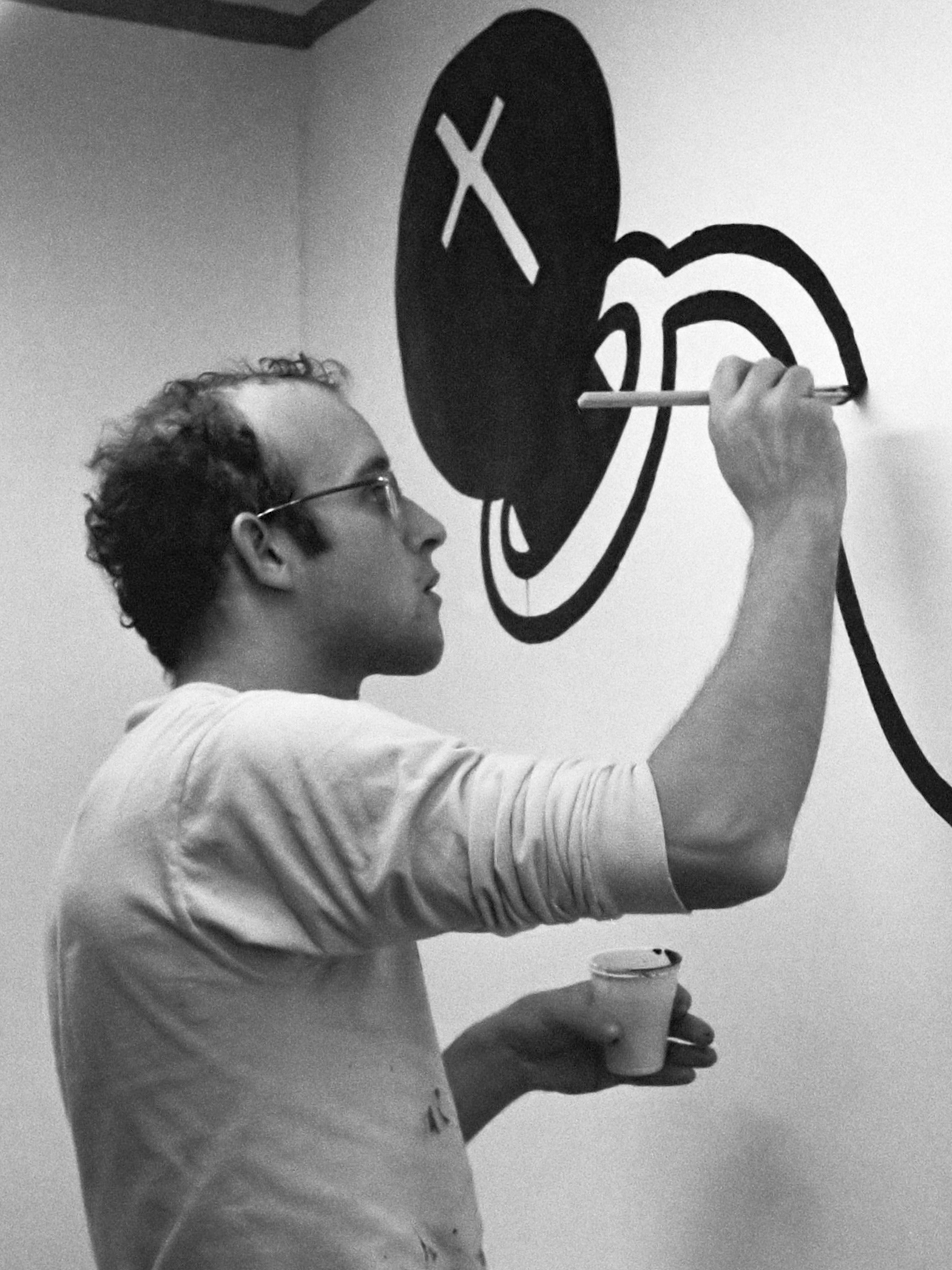
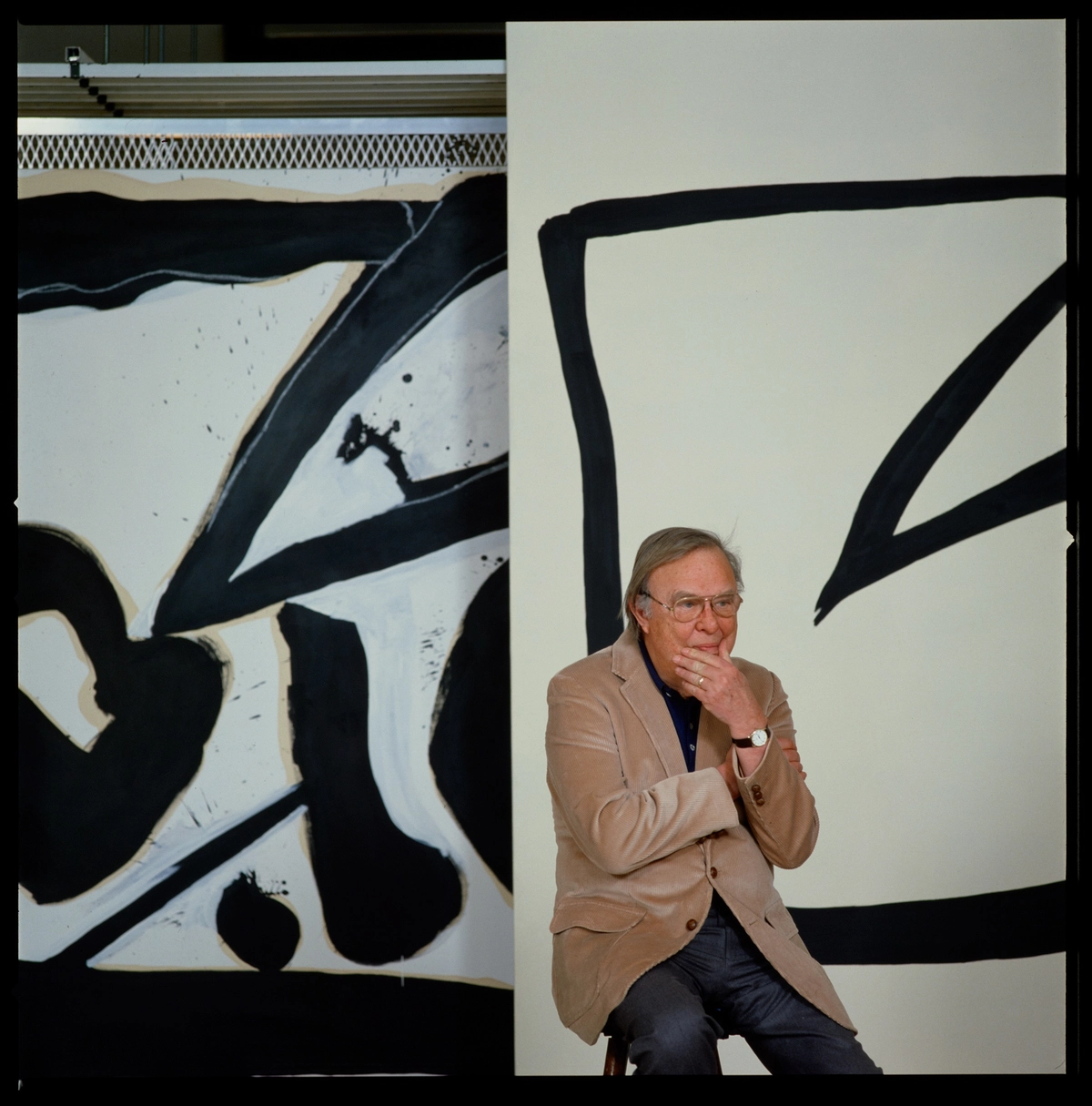



The American Vernacular That Collectors Keep Returning To
There is something almost unavoidable about American art when you live with it. It gets into the room. Whether it is the flat, declarative confidence of a Ruscha word painting or the raw kinetic energy of a Basquiat canvas, work made in the American tradition tends to demand a kind of attention that European modernism, for all its rigor, rarely asks of you in quite the same way. Collectors are drawn to it because it mirrors back the culture they already inhabit, but estranged just enough to make that culture newly visible.
That productive friction, between familiarity and defamiliarization, is what keeps American work compelling to live with across decades. The question of what separates a good American work from a great one is not simply about provenance or period, though both matter enormously. The strongest works are those where the formal decisions and the cultural argument are inseparable. A Lichtenstein that captures the tension between high art and mass media reproduction does something that a merely decorative Lichtenstein does not.
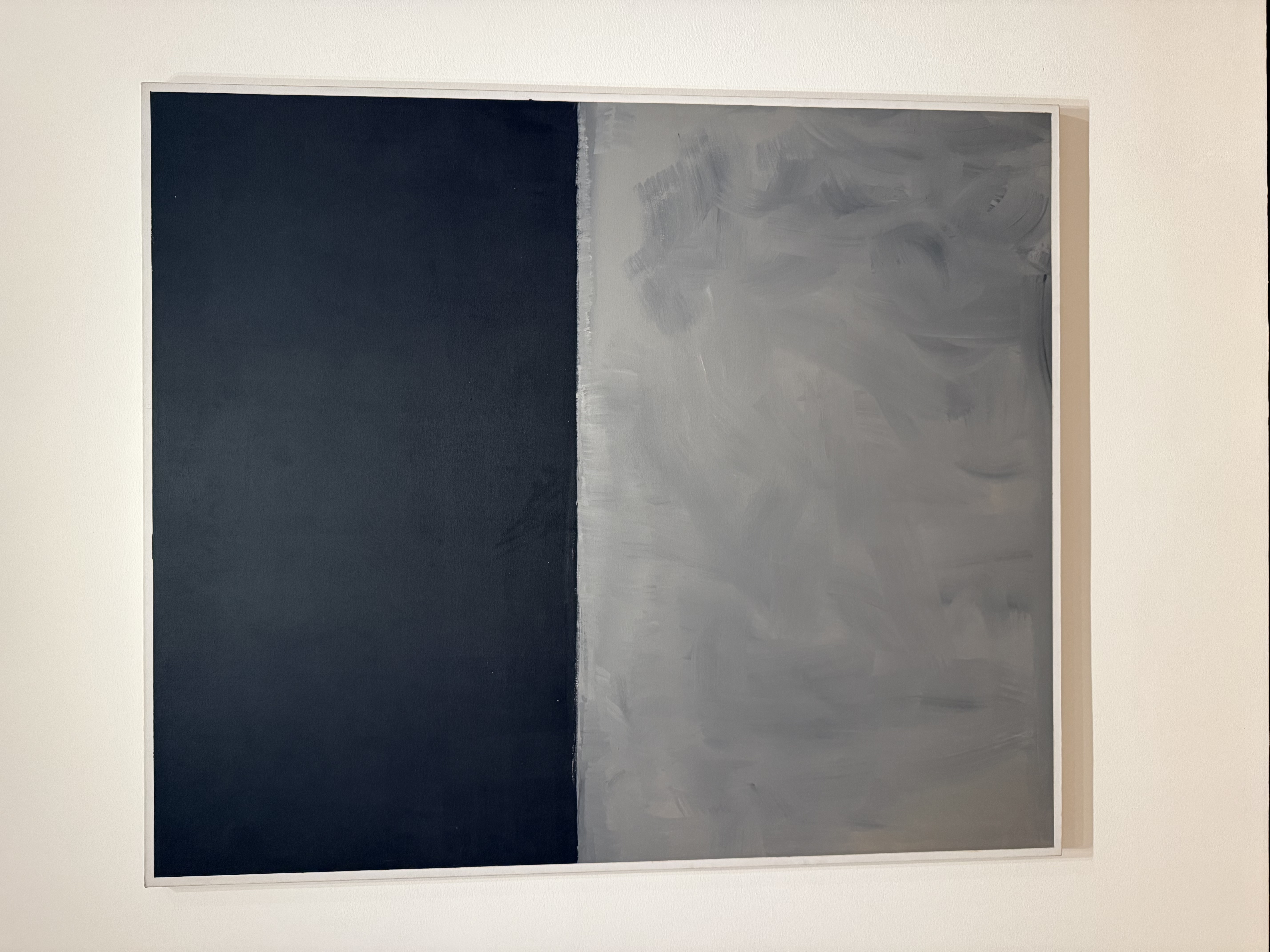
Robert Rauschenberg
Breakthrough I, 1964
A Warhol print carries far less weight than a unique canvas where you can feel the decisions being made in real time, the drag of the squeegee, the slight misregistration that reminds you a human hand was involved. Collectors should train themselves to ask not just what an artist was doing, but whether this specific work is doing it at full intensity. Among the artists most strongly represented on The Collection, several stand out as anchors of any serious American holding. Ed Ruscha remains one of the most intellectually coherent artists the country has produced, and his work holds value with unusual stability because it operates at multiple registers simultaneously, as painting, as poetry, as graphic design philosophy.
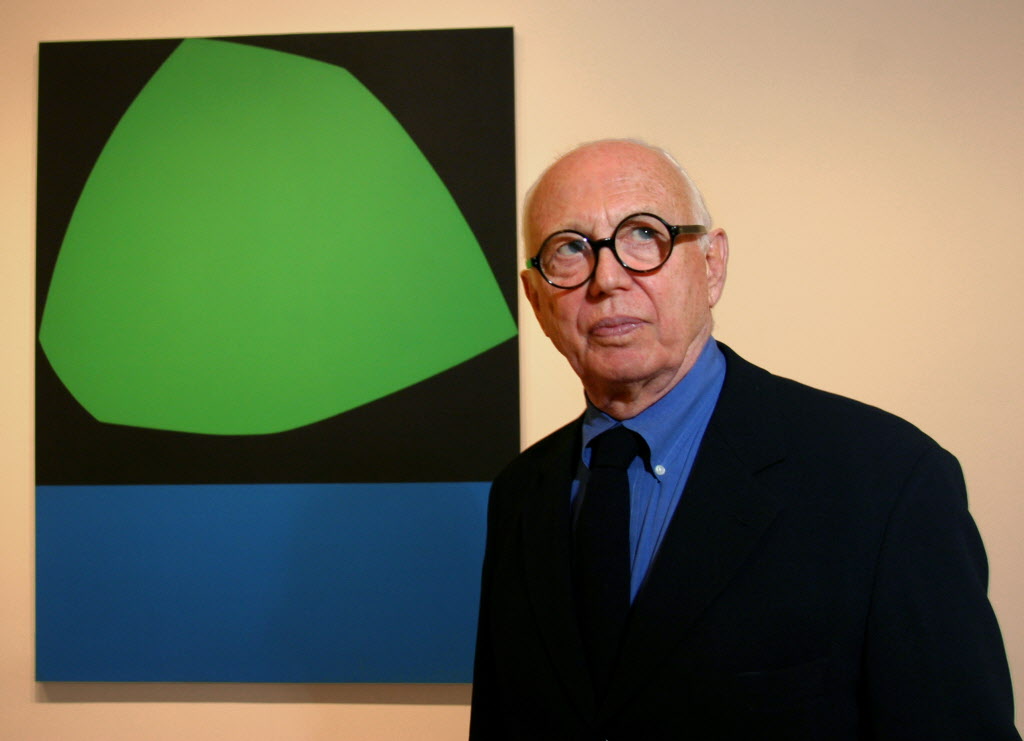
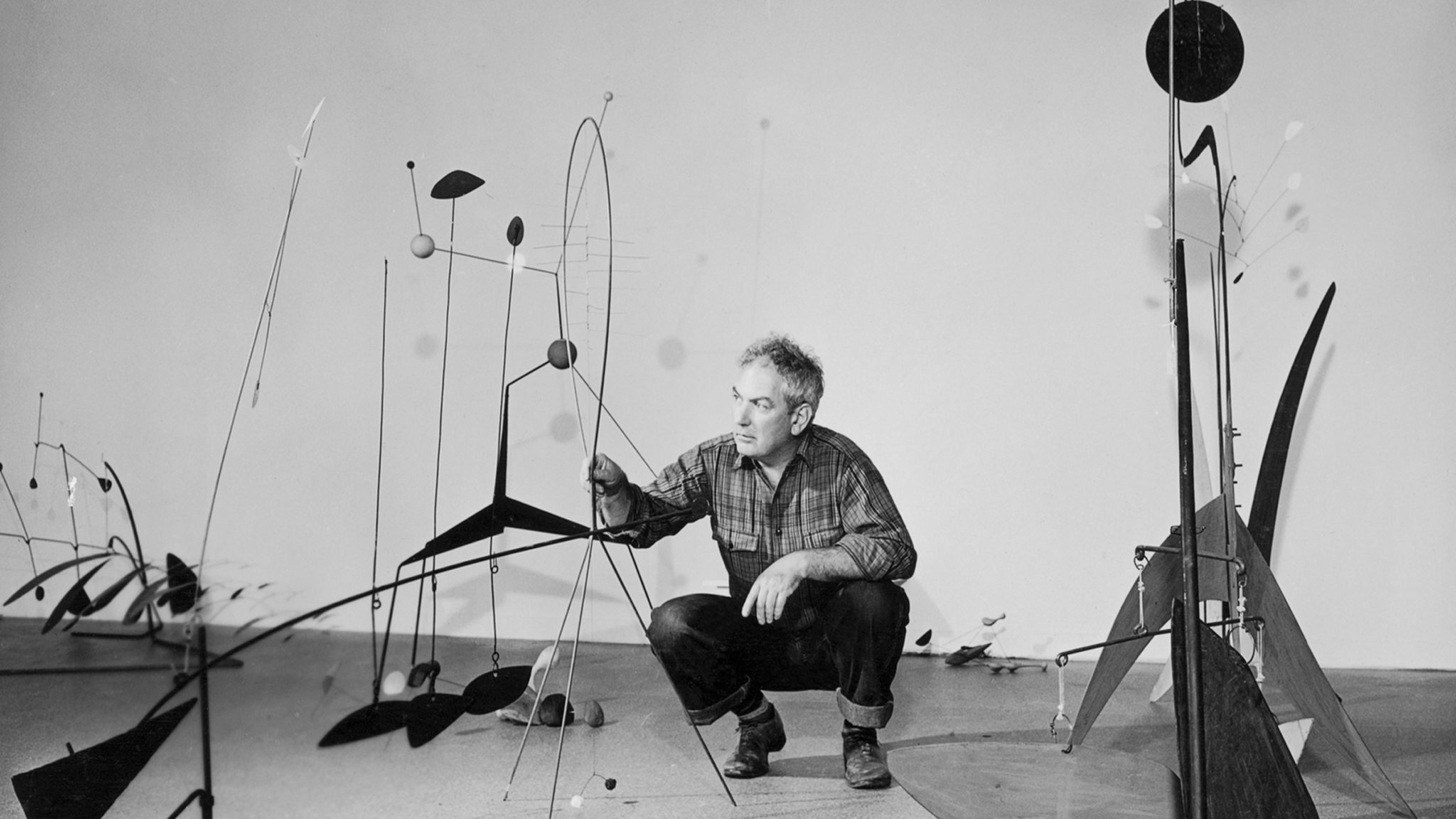
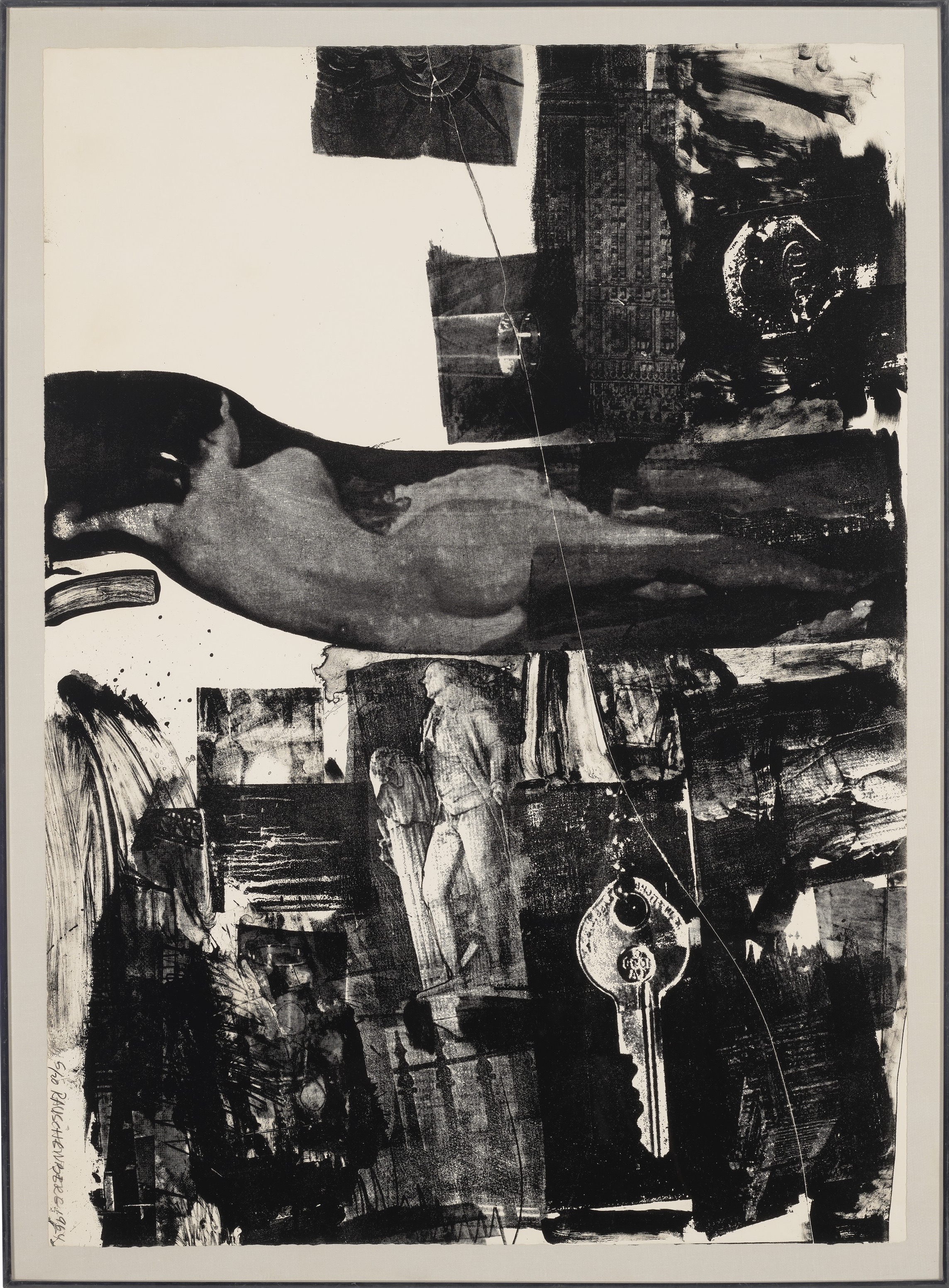
Robert Rauschenberg opened so many doors that his Combines and transfer drawings still feel generative rather than historical, and institutions continue to mount major survey exhibitions that lift market awareness with them. Ellsworth Kelly and Frank Stella represent the rigorous end of American abstraction, artists whose influence on subsequent generations has been so thorough that their primary market position remains undervalued relative to their historical importance. Collectors who can access strong examples of either should consider the opportunity seriously. Alexander Calder sits in a category that rewards patience and deep attention.
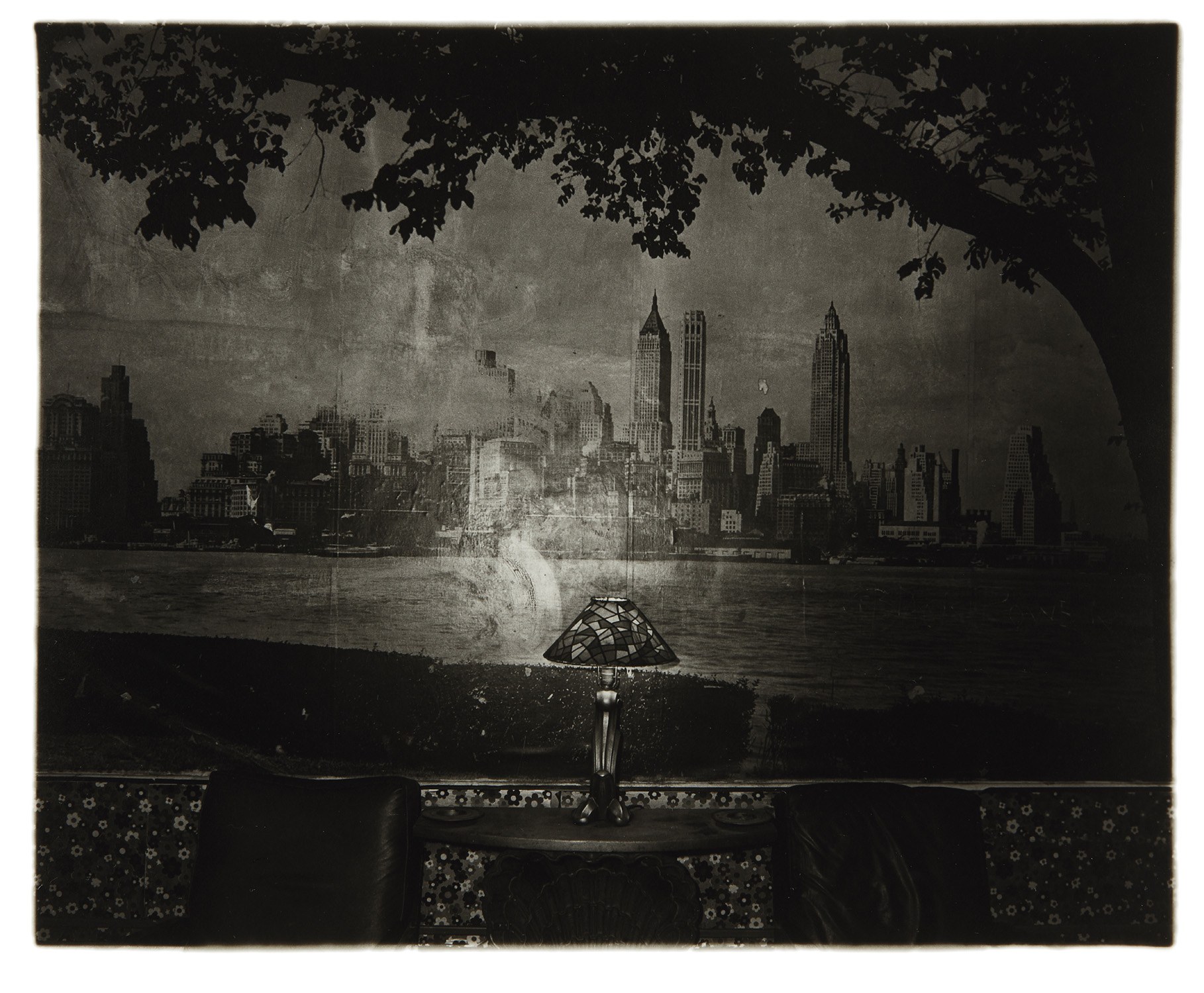
Diane Arbus
Woman at a counter smoking, N.Y.C.
His works on paper are often more accessible entry points than the mobiles and stabiles, but they carry the same spatial intelligence and tend to appreciate steadily as museum retrospectives cycle through. Robert Motherwell, particularly his Elegies to the Spanish Republic series and related works, represents one of the genuine achievements of American abstraction, yet his market has historically lagged behind contemporaries like de Kooning and Rothko, which is an argument for rather than against collecting him now. Sol LeWitt presents a different kind of opportunity, where the conceptual framework is the work, and owning a certificate of authenticity for a wall drawing is owning something philosophically radical about what art objects can be. For collectors interested in where the next significant valuations are forming, two areas deserve close attention.
Mickalene Thomas has built a body of work that addresses Black femininity, beauty, and leisure through a material language drawing on rhinestones, enamel, and photographic collage that is entirely her own. Her institutional profile has grown substantially, with major museum acquisitions accelerating, and secondary market prices are beginning to reflect that seriousness. Sterling Ruby crosses the lines between sculpture, painting, ceramics, and textile in ways that resist easy categorization, which has historically made the market cautious but tends to reward early collectors handsomely once institutional consensus forms. Both artists are well represented on The Collection, and both repay careful study.
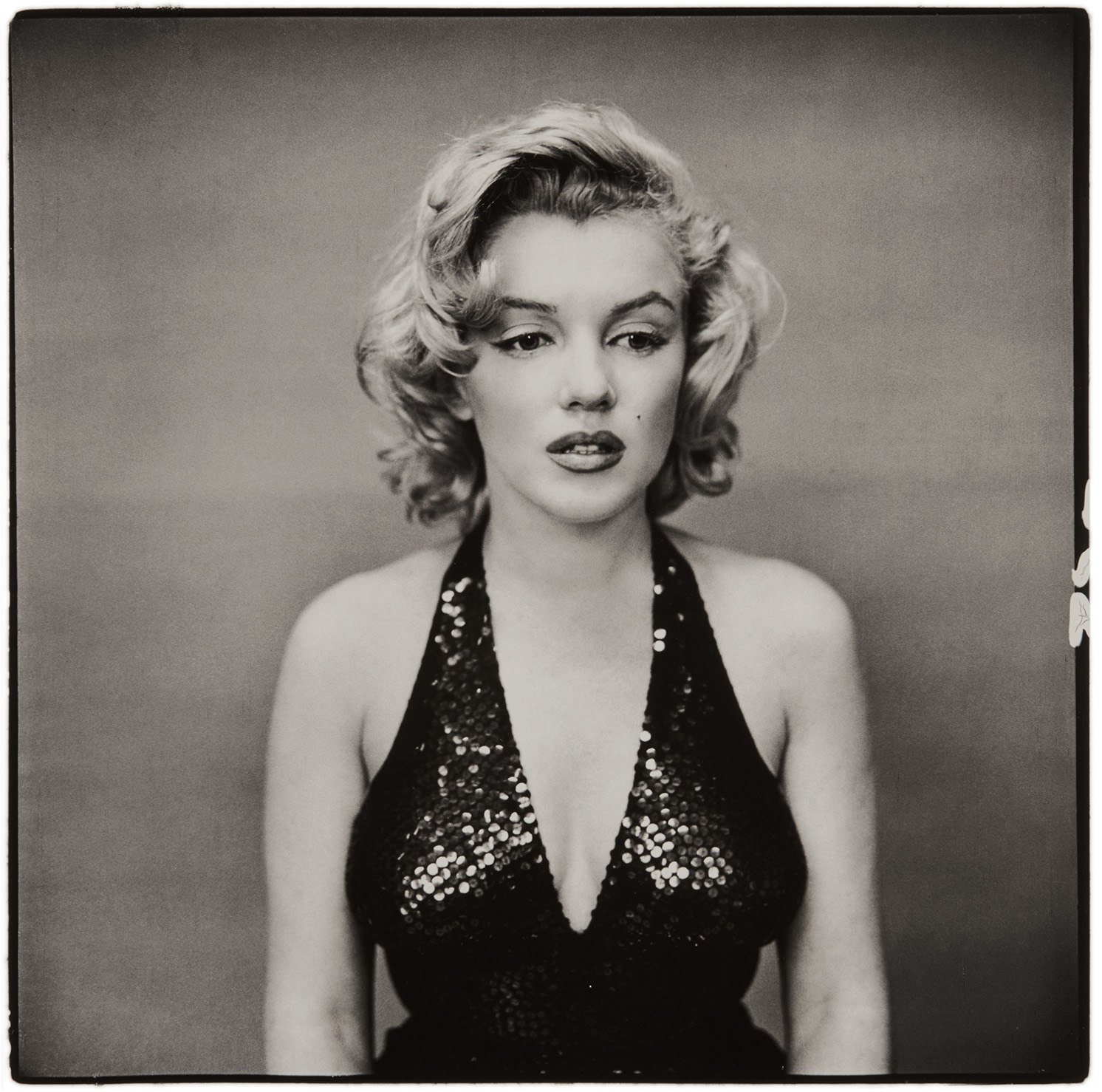
Richard Avedon
Marilyn Monroe, New York City, May 6
At auction, American work from the postwar and contemporary periods has proven to be among the most liquid in the global market. The reasons are structural as much as aesthetic. American collectors tend to be active and confident, institutions in the country have deep acquisition budgets, and the infrastructure of dealers, advisors, and auction specialists is unmatched. Work by Keith Haring continues to perform above estimate with regularity, driven partly by his cultural visibility and partly by genuine scarcity of strong unique works as opposed to the multiples market.
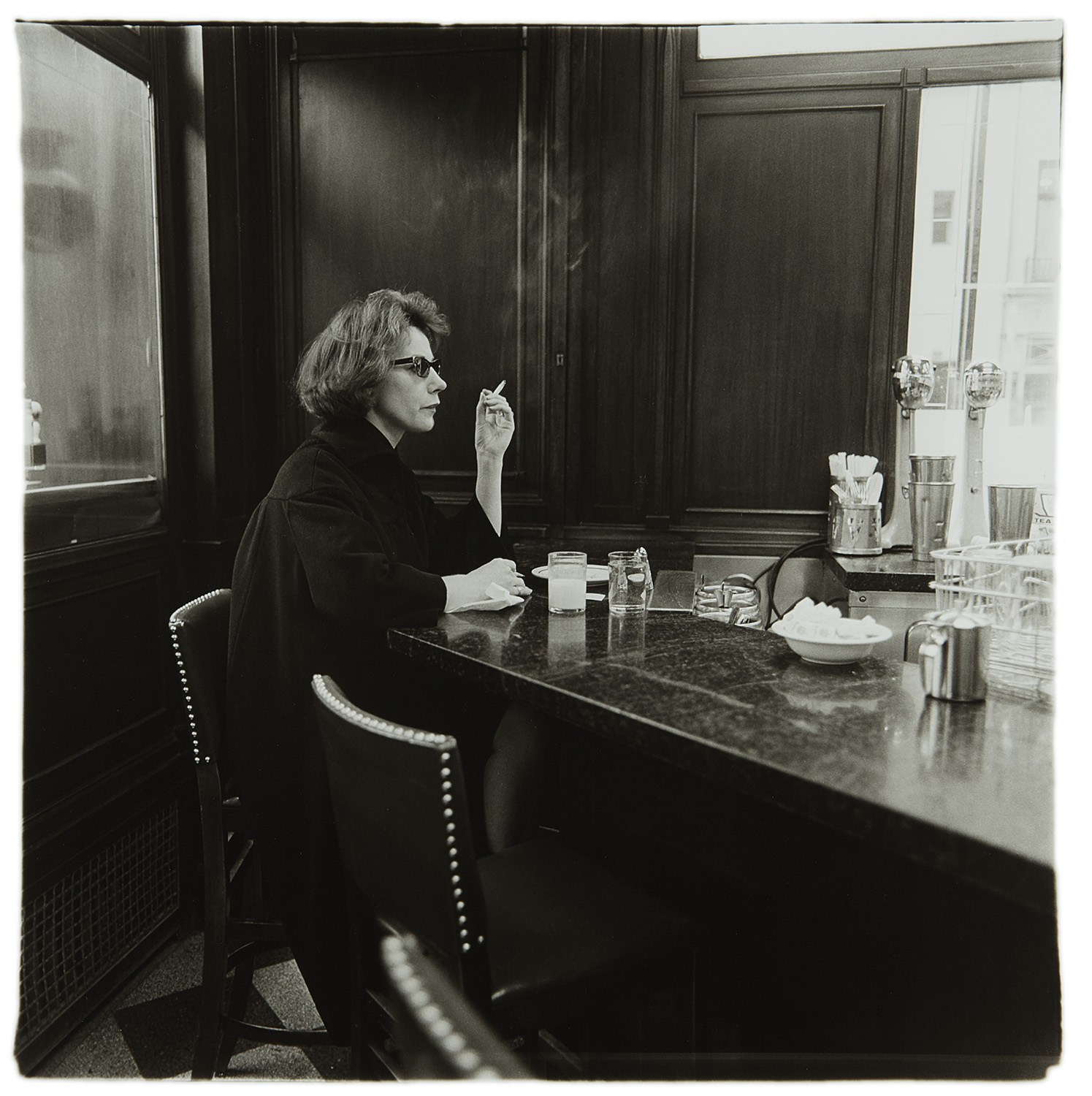
Jean Michel Basquiat operates at the very top of the contemporary market globally, with prices that have made early collectors extraordinarily wealthy and that now require serious capital to access at the primary level. Richard Prince's market is more contested and requires more careful navigation, but strong works from the Cowboys and Nurse series have demonstrated real staying power. Practical considerations matter as much as aesthetic ones when building in this area. Condition is everything with works on paper, which includes a significant portion of what is available from artists like Diane Arbus, whose photographs require careful attention to light exposure and humidity.

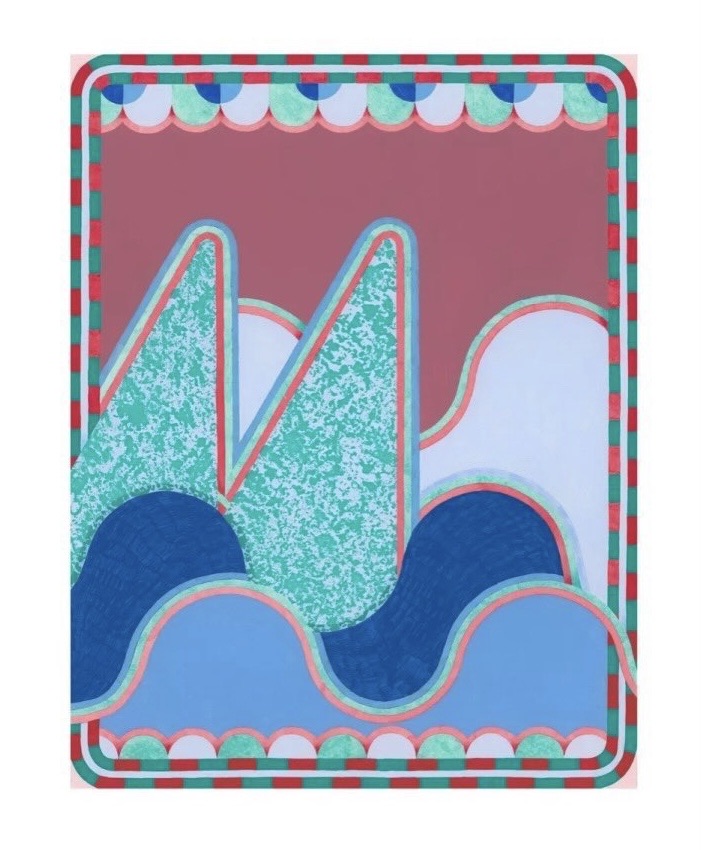
Roy Lichtenstein
Artist's Studio "Foot Medication", 1974
For prints and multiples, which represent a substantial part of the market for artists like Shepard Fairey and KAWS, understanding the edition size and the difference between artist proofs and standard editions can significantly affect both the experience of ownership and the long term value. When approaching a gallery, ask specifically about exhibition history, whether the work has been shown publicly, which tends to add to its story, and ask for documentation of any restoration or conservation work that has been done. The right gallery will welcome those questions. The wrong one will not, which tells you something useful in itself.
What makes American art a category worth building seriously rather than sampling opportunistically is precisely its range. It can accommodate a Calder mobile next to a George Condo figure painting next to a Robert Indiana sculpture without any of them canceling the others out. The tradition is capacious enough to contain contradiction, to hold optimism and dread in the same room, to celebrate the vernacular while interrogating it. That is what draws collectors back, not just the market logic, though the logic is sound, but the feeling that these works are still in conversation with the world outside the frame.