Architecture
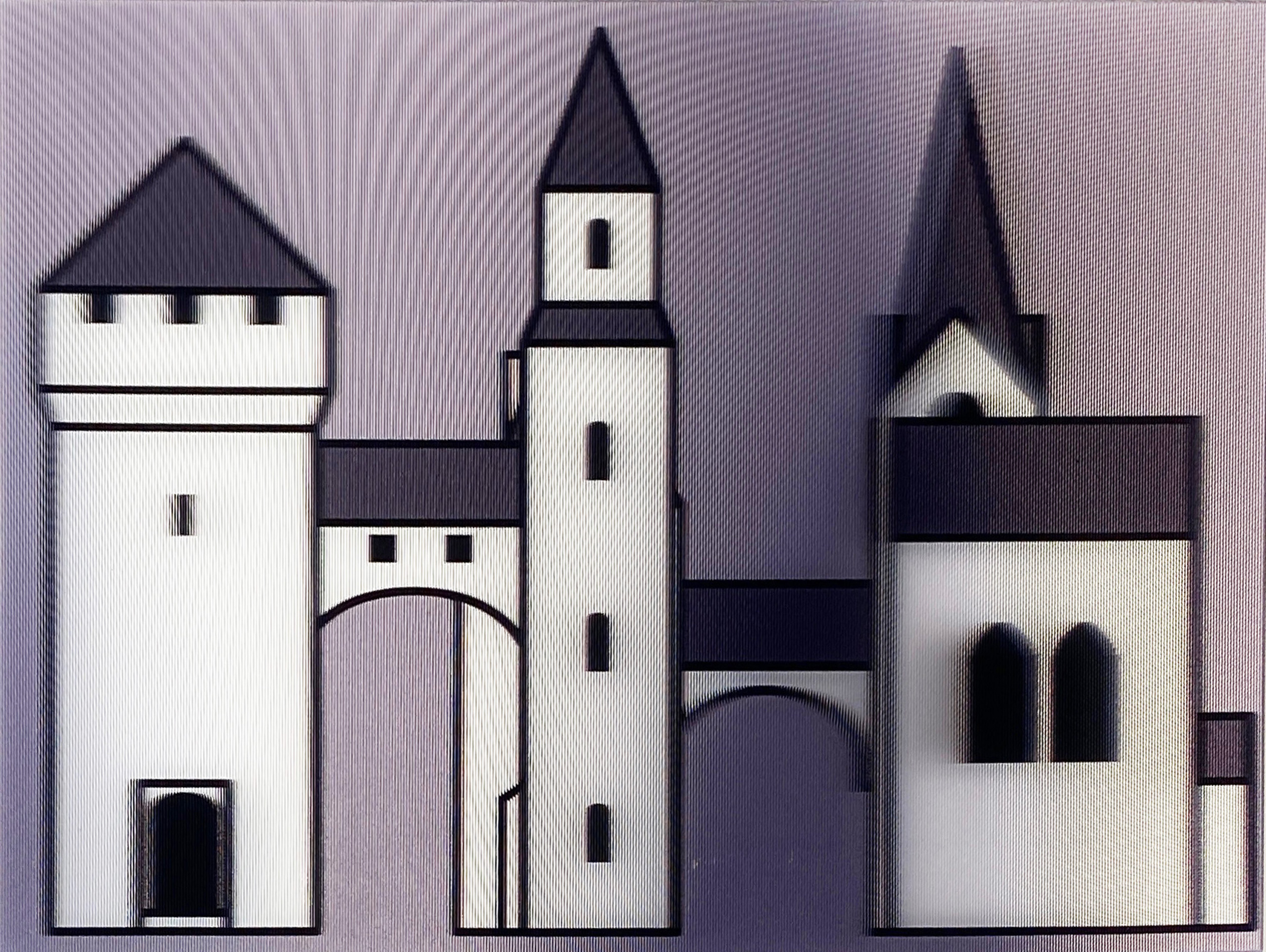
Julian Opie
Medieval Village #1, 2019
The Buildings That Refused to Stay Still
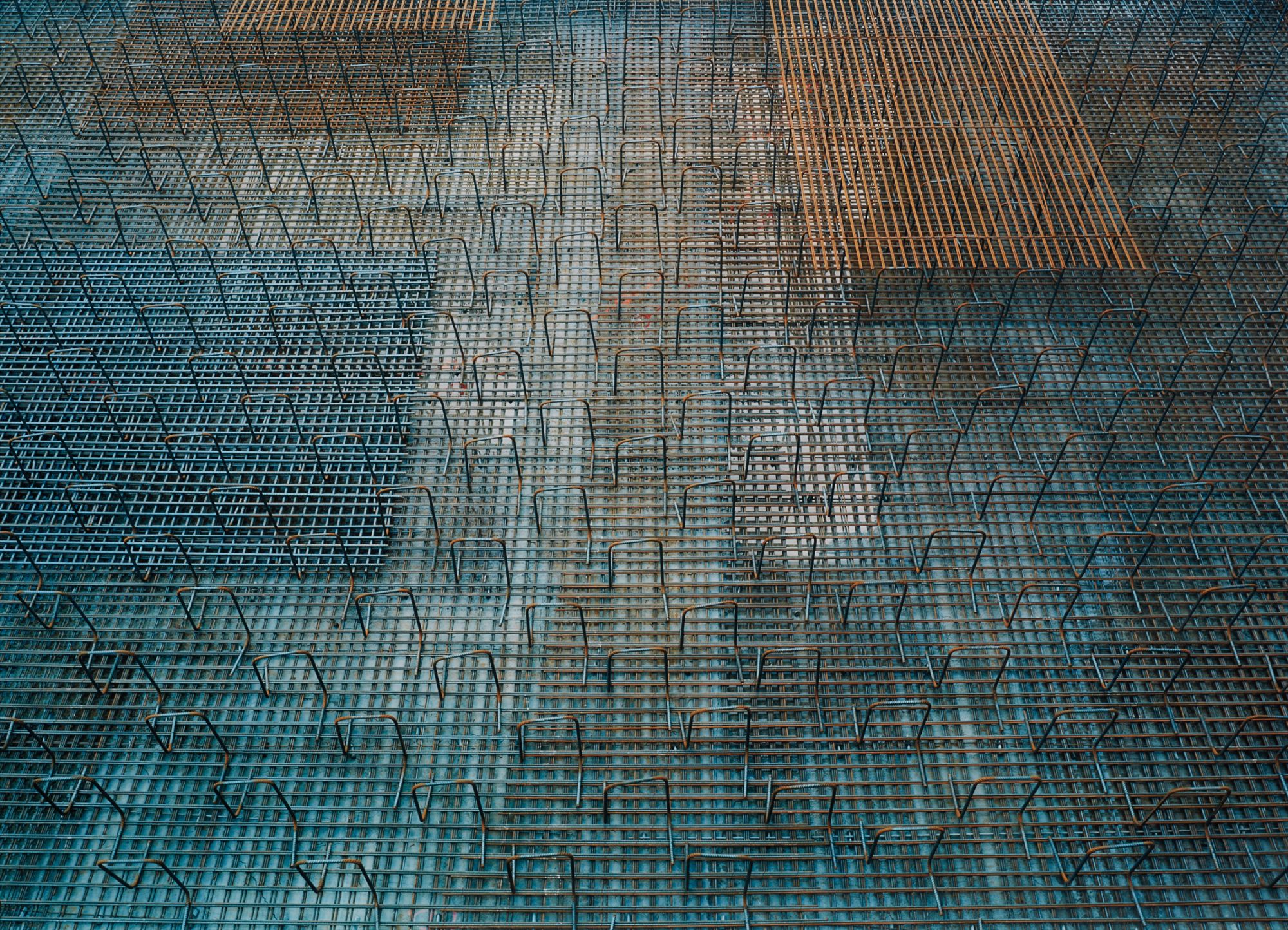
When Sotheby's offered a significant group of Bernd and Hilla Becher photographs in a recent contemporary sale, the room paid attention in a way that felt instructive. These were not the flashiest works on offer, not the most immediately seductive, and yet the bidding was competitive and purposeful. Collectors understood that what the Bechers had spent decades doing, turning water towers and blast furnaces and grain elevators into objects of austere beauty and rigorous thought, had fundamentally changed how we see the built world. That shift in perception is now fully priced into the market, and institutions are not letting go of these works easily.
The Bechers occupy a special position in the broader story of how architecture became one of the most consistently compelling subjects in both photography and printmaking. Their influence radiates outward in every direction, and you can trace it clearly in the work of their students. Thomas Struth and Candida Höfer both studied under the Bechers at the Kunstakademie Düsseldorf, and both have developed bodies of work that carry the spirit of that education into very different emotional registers. Struth's large format photographs of museums and cathedrals ask viewers to consider how we look at spaces designed to overwhelm us.
Ai Weiwei
Serpentine Gallery Pavilion
Höfer, meanwhile, has spent years cataloguing the interior architecture of libraries, opera houses, and grand public halls, finding in emptiness a kind of latent social energy that is quietly thrilling. The auction market for architectural photography has matured considerably over the past decade. Hiroshi Sugimoto's theater photographs, long among the most coveted works in the genre, continue to perform strongly at Christie's and Phillips. His images of movie palaces with their screens burned white by long exposure do something remarkable: they collapse time inside architecture, making the building itself feel like a vessel for collective memory.
Robert Polidori's photographs of Versailles and of post Katrina New Orleans command serious prices and attract institutional buyers precisely because they hold both grandeur and devastation in the same sustained gaze. These are not documentary images in any simple sense. They are arguments about what architecture reveals when human habitation withdraws. The historical foundations of the category are equally well represented among serious collectors.
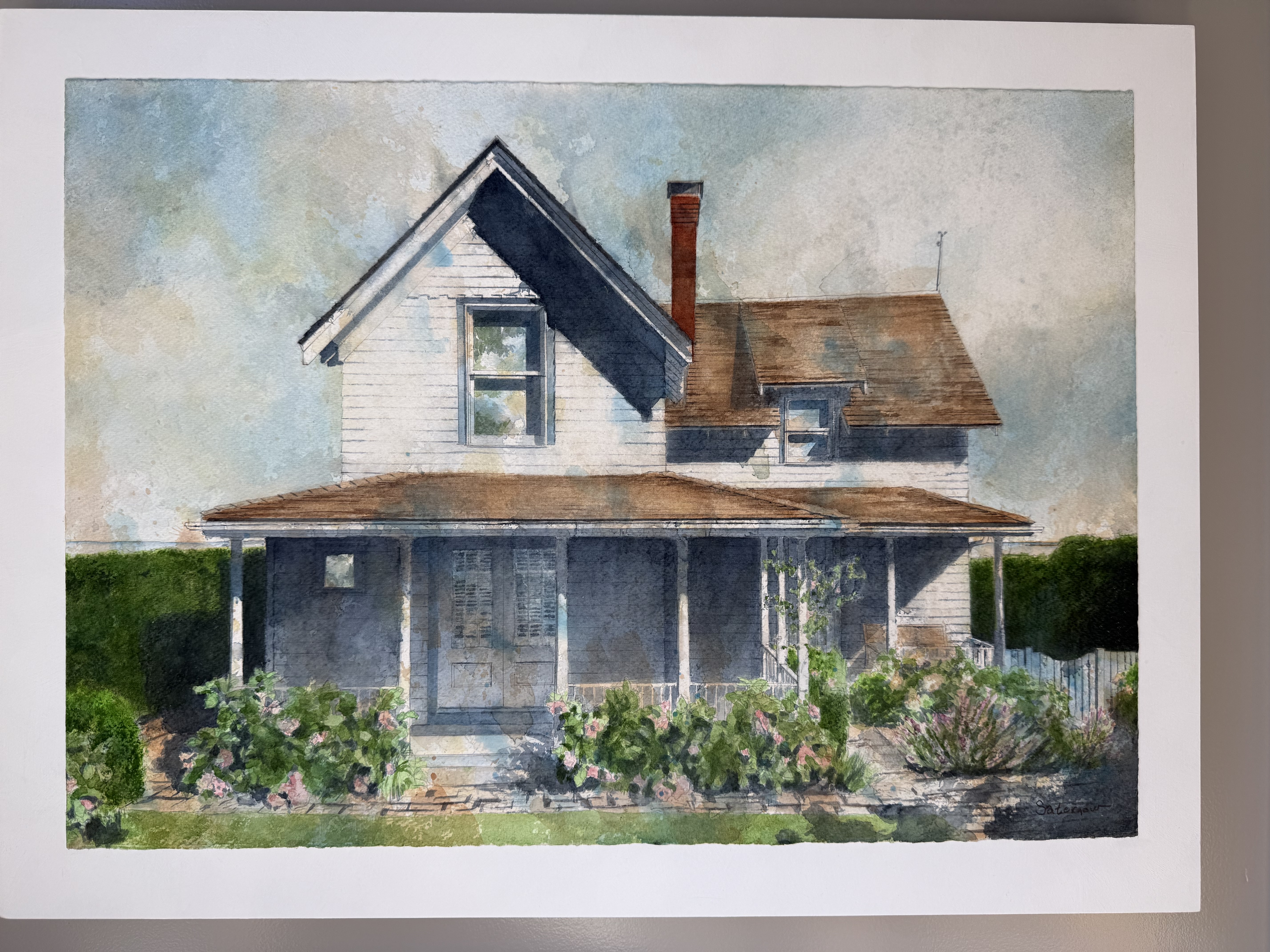
Tim Sharenow
479 COMMERCIAL ST.
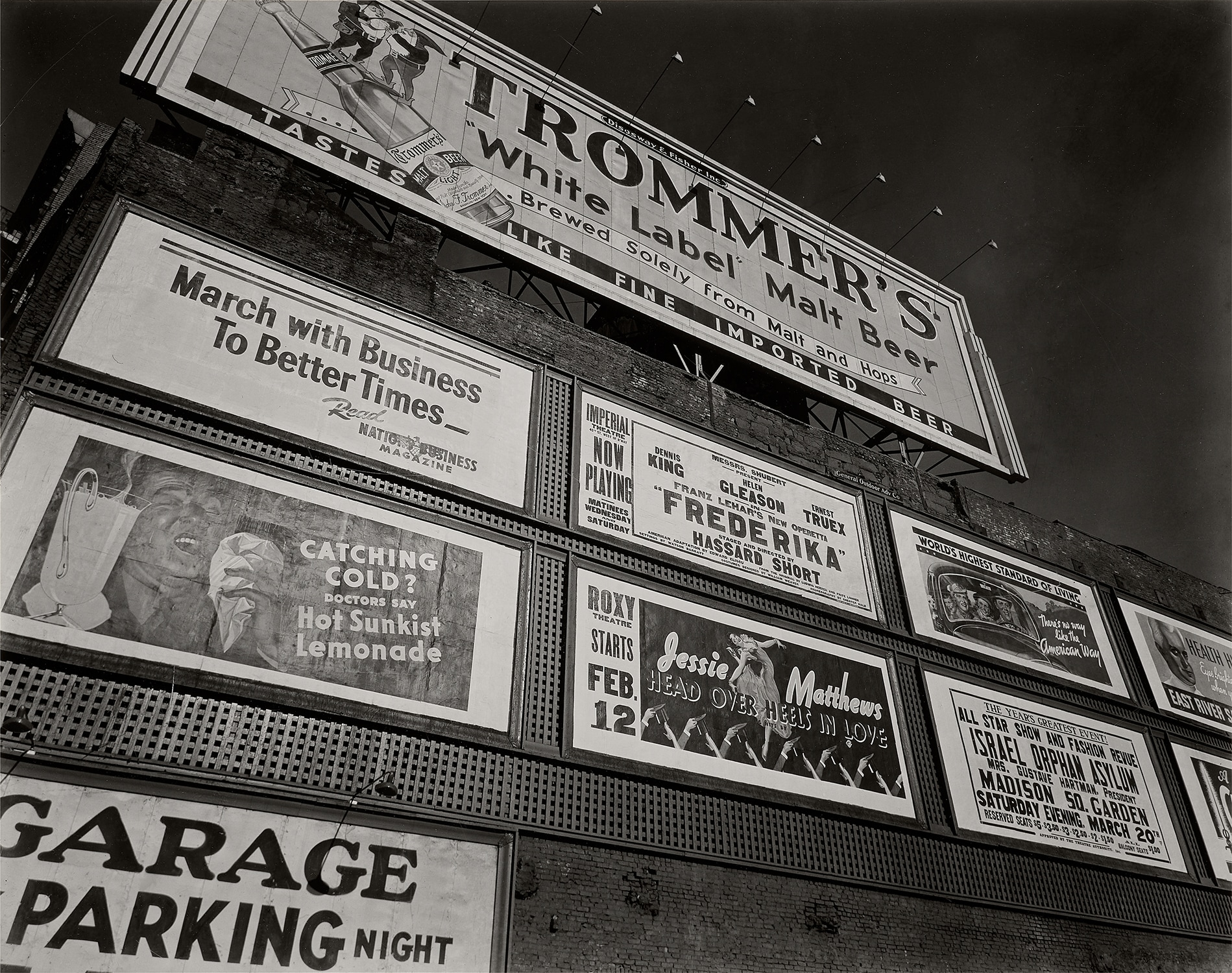
Eugène Atget spent the early decades of the twentieth century walking the streets of Paris and recording its courtyards, storefronts, and doorways with a patience that bordered on devotional. The Museum of Modern Art recognized his importance early, and his work entered the canon partly through Berenice Abbott's tireless efforts to preserve and champion his archive after his death in 1927. Abbott herself went on to document New York with a similarly rigorous eye, and her photographs of Manhattan's vertical ambitions during the 1930s remain among the most searching images of American urban life ever made. Both artists are well represented on The Collection, and their work continues to attract buyers who understand that the best architectural photography is always also a form of social history.
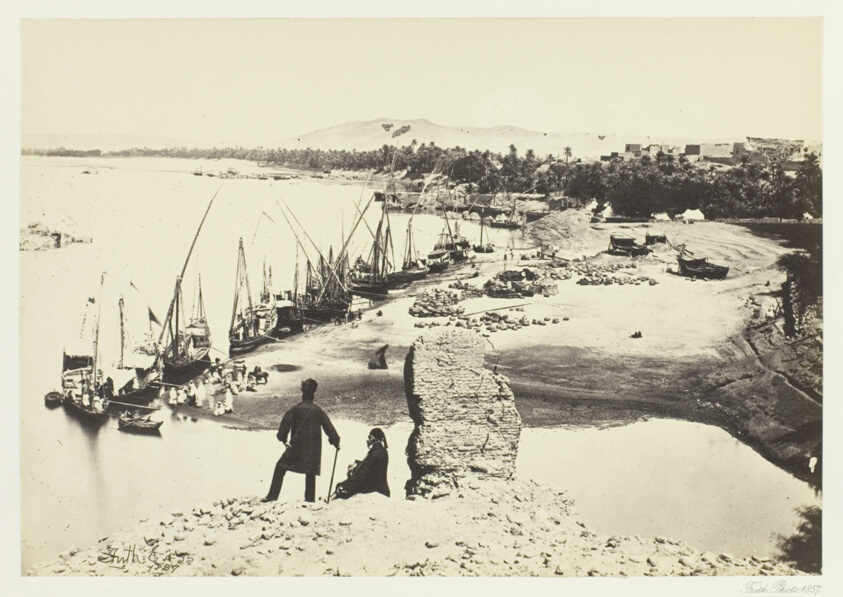
Francis Frith and Samuel Bourne approached architecture from the other side of the world and from the constraints of the nineteenth century wet plate process, hauling their equipment to Egypt, India, and beyond at a moment when photography itself was barely a generation old. Their images of temples, mosques, and ancient ruins were consumed eagerly by European audiences who would never travel to see these places themselves, and they shaped an entire visual vocabulary for thinking about non Western architecture. Today these works circulate through specialized photography sales and attract collectors attuned to the complexity of their historical context, the remarkable technical achievement alongside the colonial framing. Édouard Baldus brought a comparable ambition to French monuments and to the newly constructed railways that were reshaping the French landscape, and his large calotype and albumen prints have found their way into the permanent collections of institutions from the Bibliothèque nationale to the Getty.
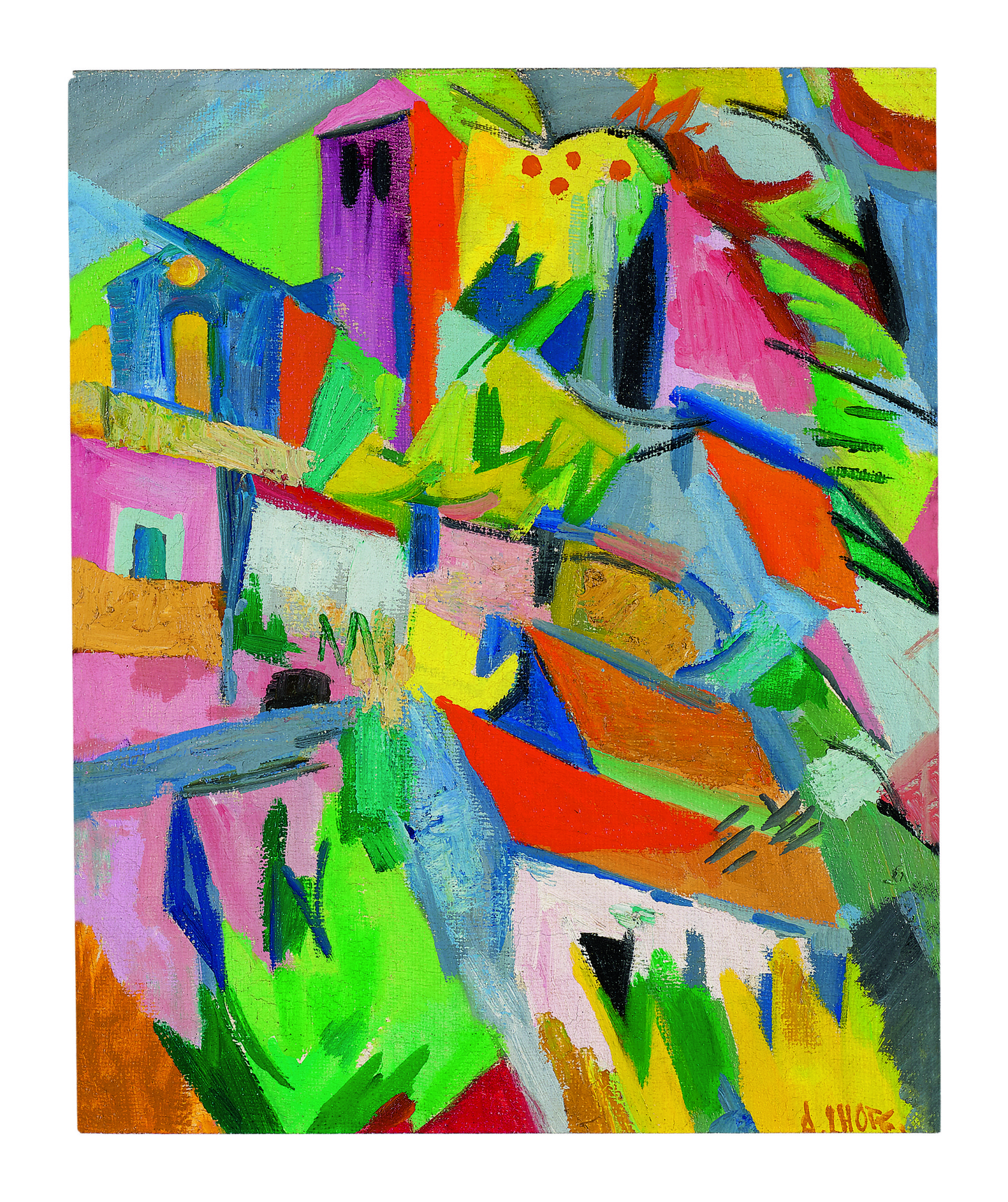
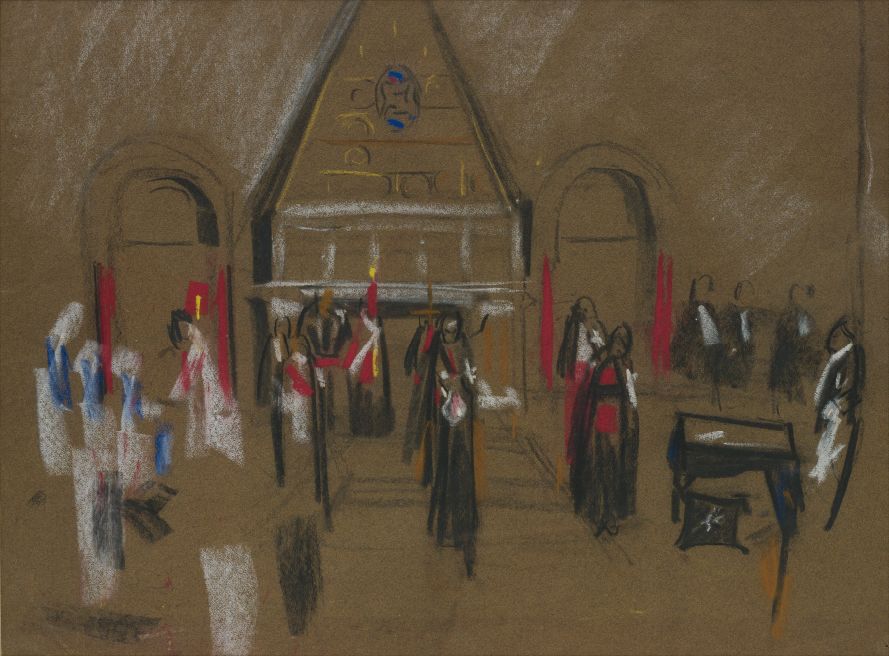
André Lhote
L'église De Mirmande, 1959
The critical conversation around architectural imagery has shifted in interesting ways. Curators at institutions like the Canadian Centre for Architecture and the Architecture Foundation in London have been pushing toward a more expansive understanding of what architectural representation can do, moving beyond the celebratory monument photograph toward work that deals with contested space, demolition, social housing, and the politics of urban planning. Publications including the Journal of the Society of Architectural Historians and the more accessible Architectural Review have published serious writing about photography as architectural thinking rather than mere documentation. This reframing has created new appetite for artists who work in the territory between disciplines.
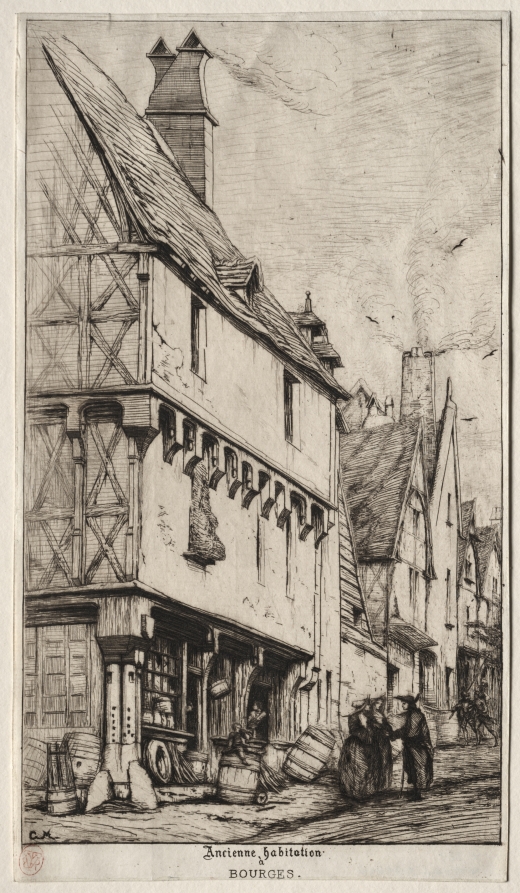
Charles Méryon deserves particular mention in any discussion of how architecture is rendered in printmaking. His etchings of Paris in the 1850s, made as Haussmann's renovations were beginning to tear the medieval city apart, captured an urban melancholy that feels almost prophetic. James McNeill Whistler's Venetian etchings from the early 1880s operate in a related emotional space, finding in the city's decaying palaces and narrow side canals something that grand tourist views consistently missed. Both artists are well represented on The Collection, and their work speaks to collectors who understand that the most enduring images of architecture are rarely triumphant.
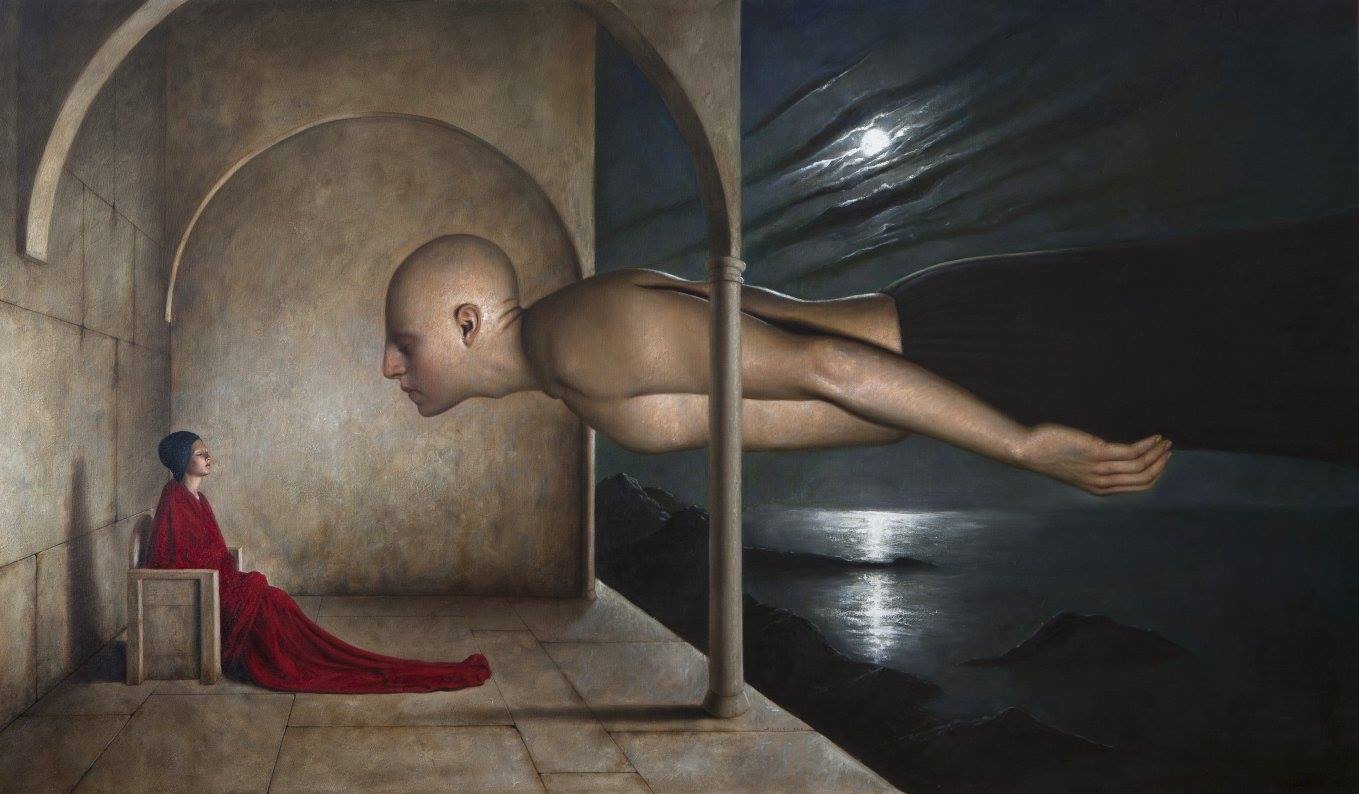
Alessandro Sicioldr
La Visita, 2018
The energy in the market right now feels concentrated around two poles. On one end there is the continued institutional validation of the Düsseldorf school and its legacy, which shows no sign of cooling. On the other end there is growing interest in nineteenth and early twentieth century photographic documents of non Western architecture, work by photographers like Felice Beato and John Burke and Francis Bedford that is being reconsidered with fresh critical tools. Between these poles sits a great deal of extraordinary material, and collectors who move with both knowledge and patience will find that architecture, as a subject for art, remains one of the richest territories available.