Landscape
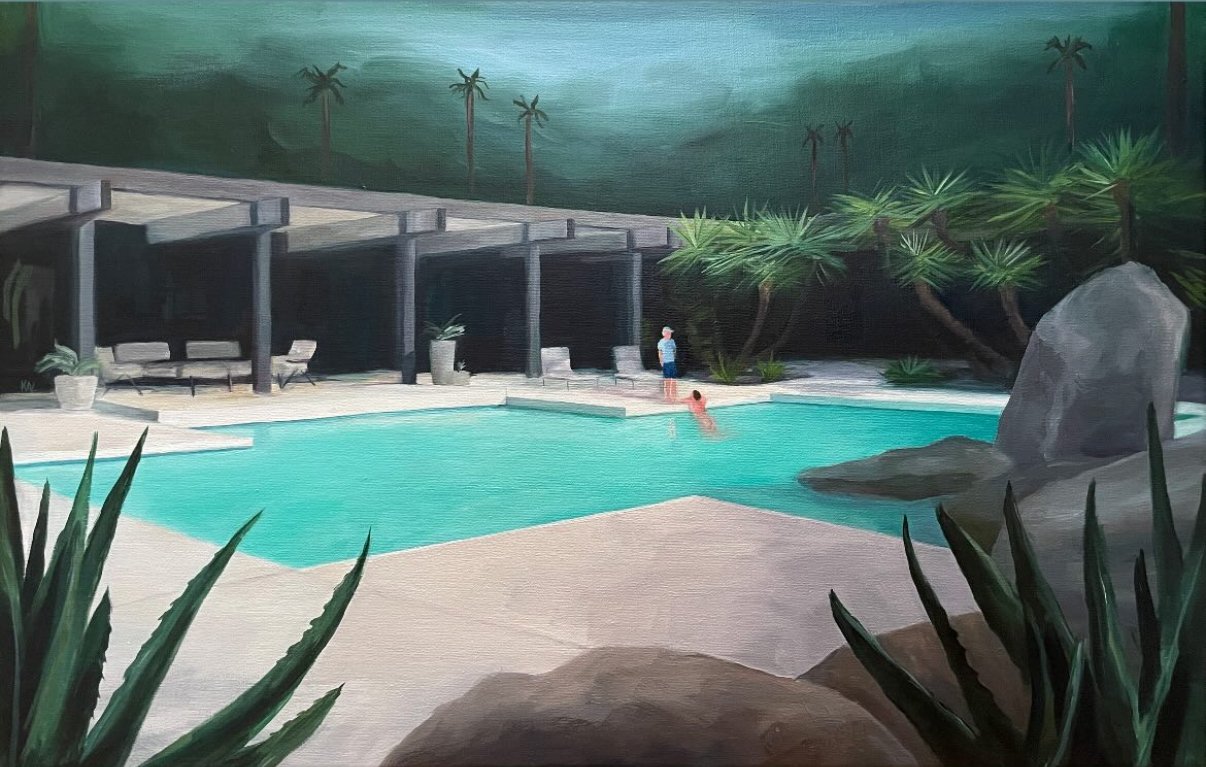
Kory Alexander
Untitled (Harvey House), 2025
The Horizon Has Never Stood Still
There is no subject in the history of art more deceptively simple than landscape. A stretch of land, a body of water, a sky rendered in oil or ink or silver gelatin, and yet within that apparent simplicity lies the full range of human feeling: longing, awe, displacement, belonging. Landscape is the canvas onto which every era has projected its anxieties and its ambitions, its theology and its politics, its sense of what it means to be alive in a particular place at a particular moment. To collect landscape is to collect nothing less than the history of how human beings have understood themselves in relation to the world around them.
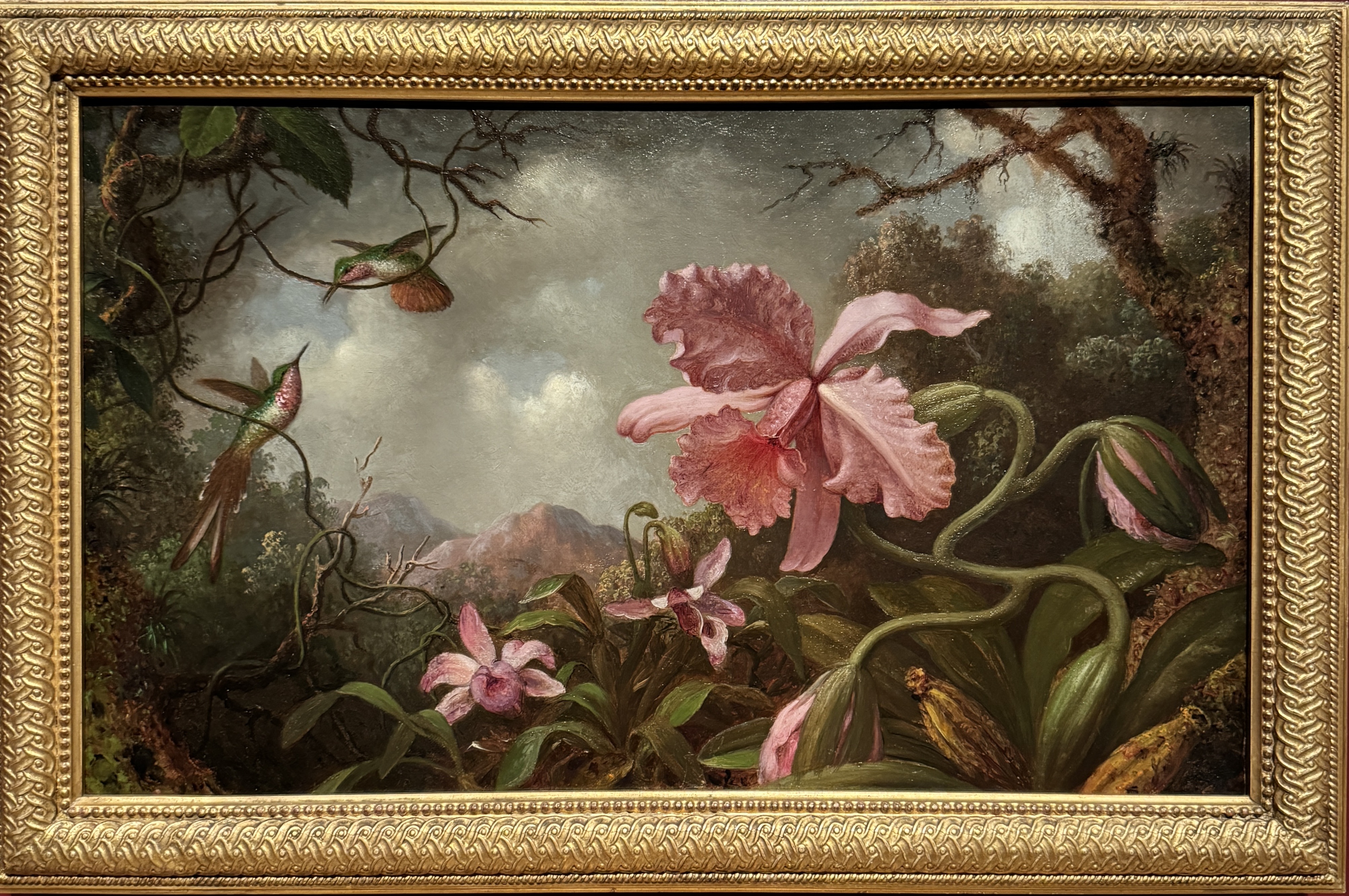
The idea that nature itself could be the primary subject of a work of art took centuries to fully take hold in Western tradition. In European painting, landscape long existed in service of something else, a backdrop for biblical narrative, a setting for portraiture, a symbol of aristocratic dominion. It was not until the Dutch Golden Age of the seventeenth century that painters like Jacob van Ruisdael began treating the natural world as worthy of sustained attention on its own terms. By the early nineteenth century, the Romantic movement had elevated landscape to the realm of the sublime, with artists like Caspar David Friedrich and J.
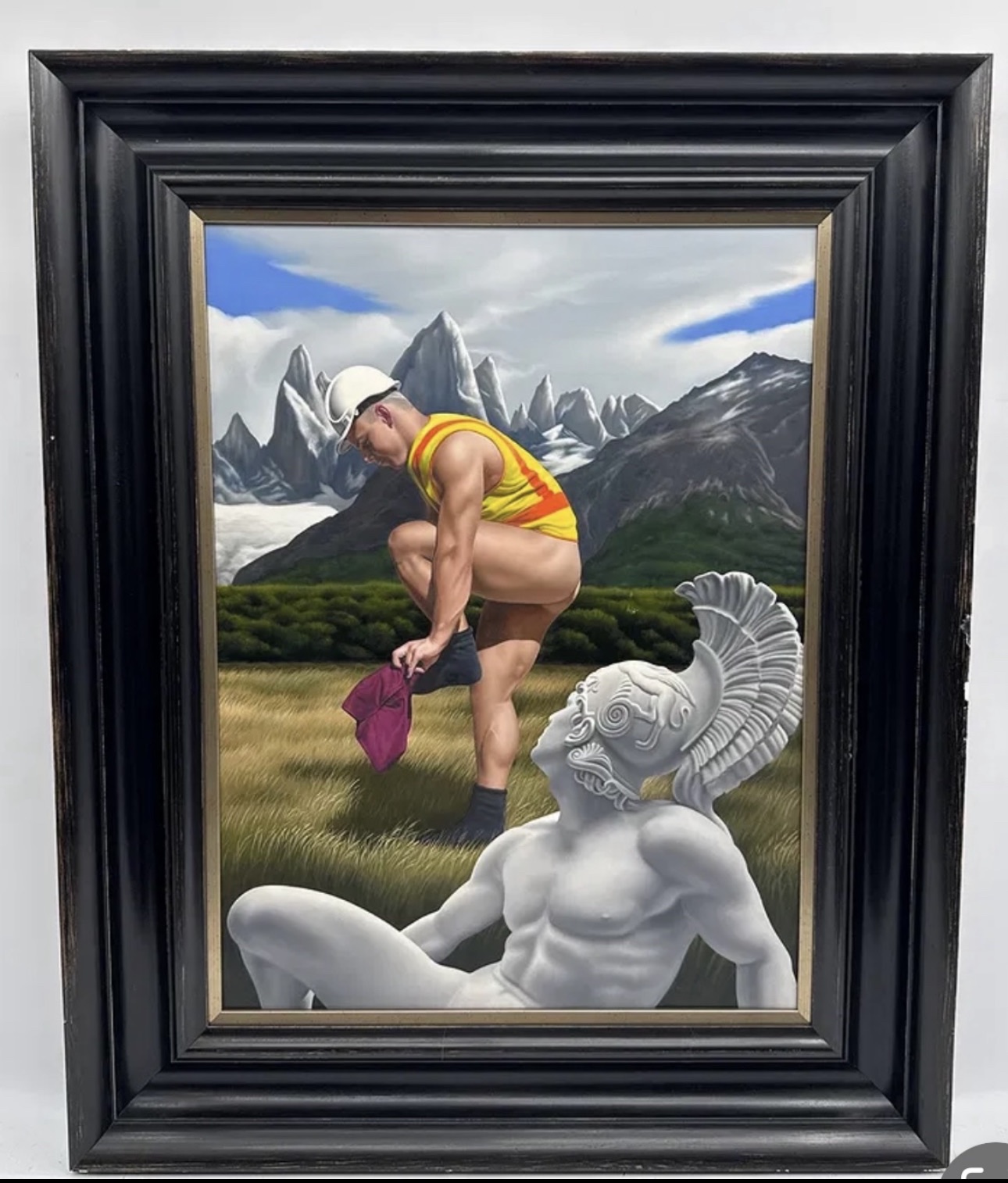
Ross Watson
The Gaze of Adonis
M.W. Turner producing work that treated nature as a site of spiritual confrontation. The founding of the Hudson River School in America around the 1820s and 1830s extended this project to the New World, where vast, uncharted wilderness carried its own mythological charge.
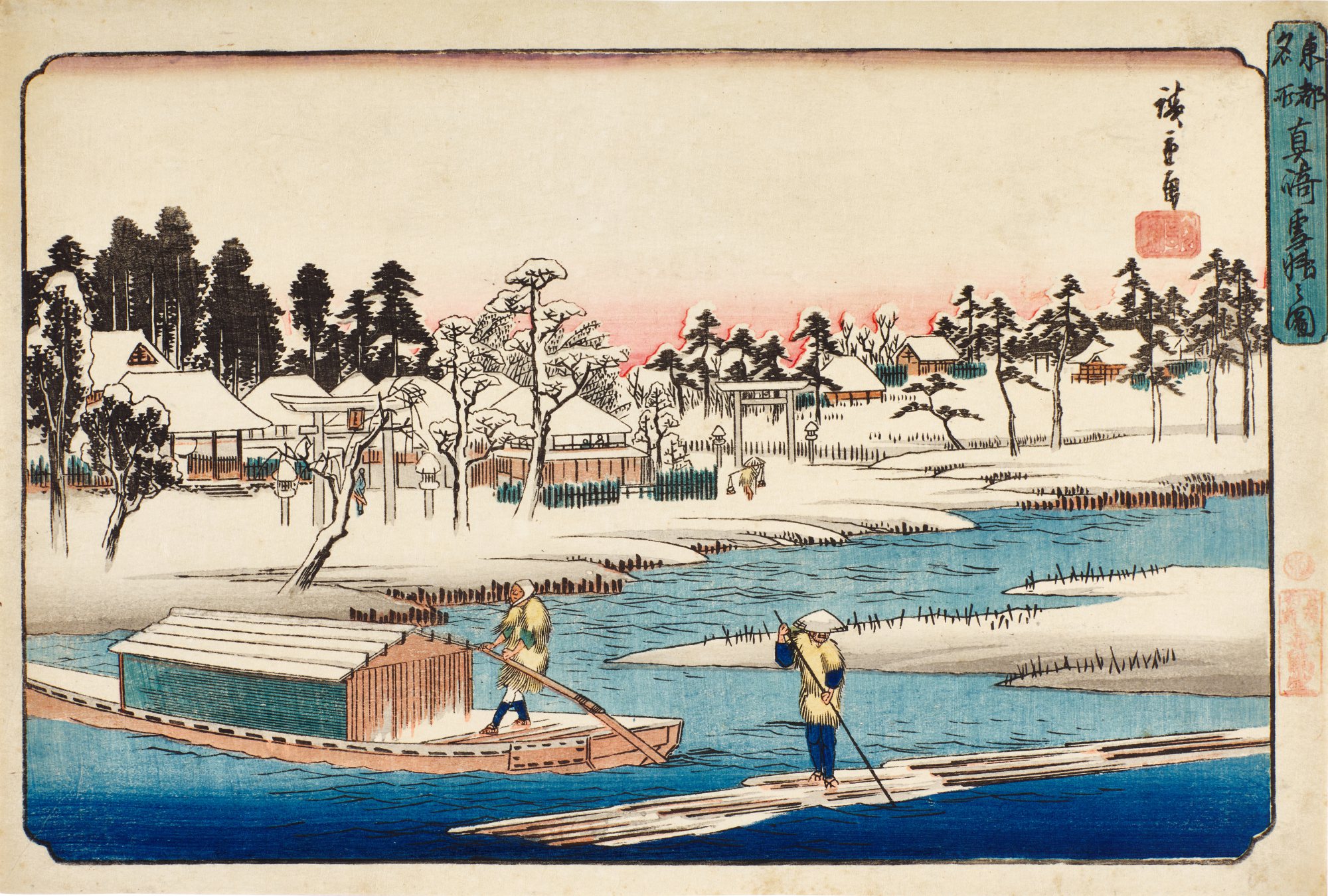
In parallel, and with considerably different ambitions, the Japanese tradition had been developing its own profound engagement with landscape for centuries. Katsushika Hokusai's Thirty Six Views of Mount Fuji, published between 1830 and 1832, represents one of the most concentrated meditations on a single landscape motif in the history of any art form. Utagawa Hiroshige, his great contemporary, brought to the woodblock print a melancholy lyricism that would prove enormously influential on European Impressionism. Both artists are well represented on The Collection, and the depth of work available speaks to how central the landscape theme was to the entire ukiyo e tradition, not as escapism but as a way of locating the human figure within the rhythms of season and weather and time.
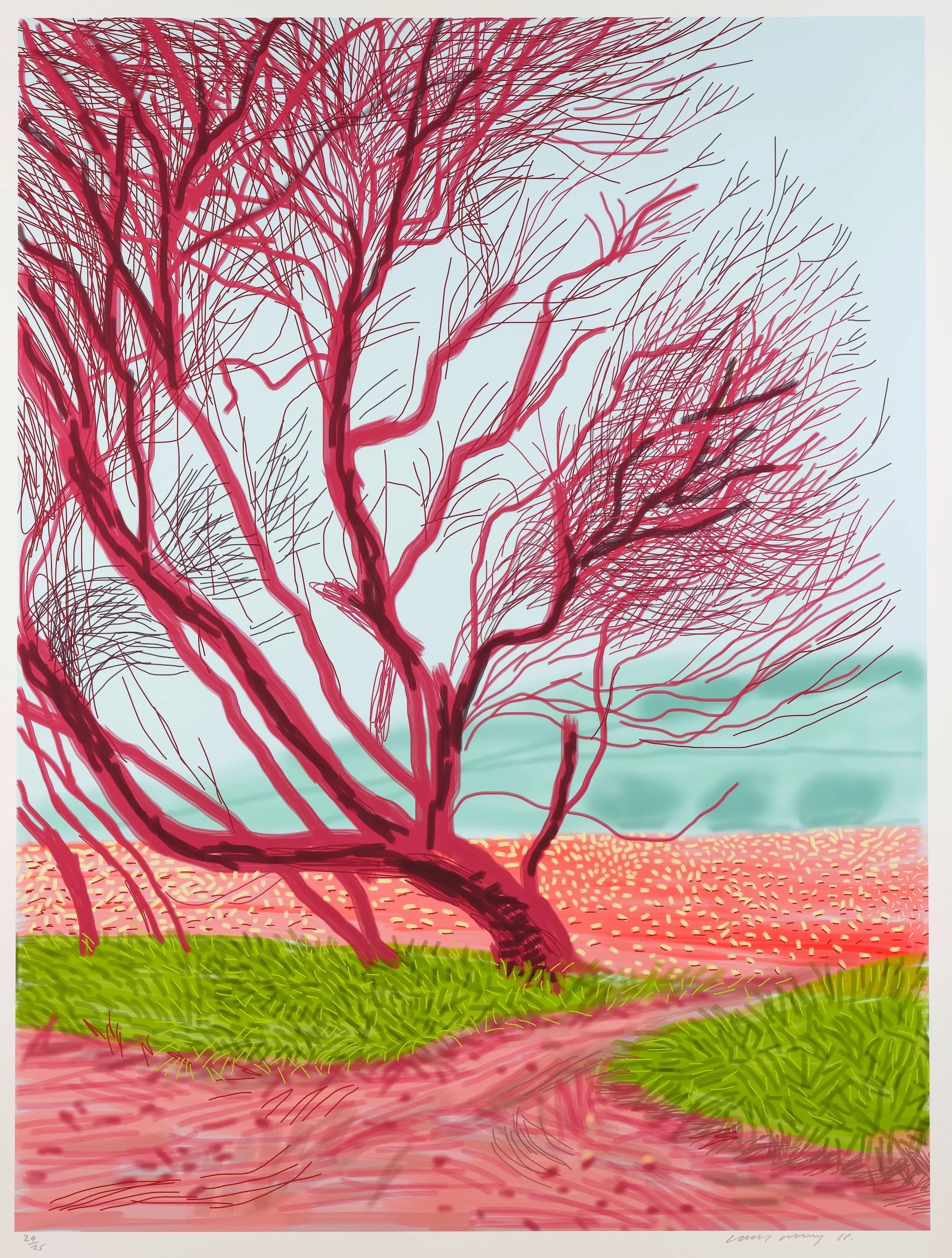
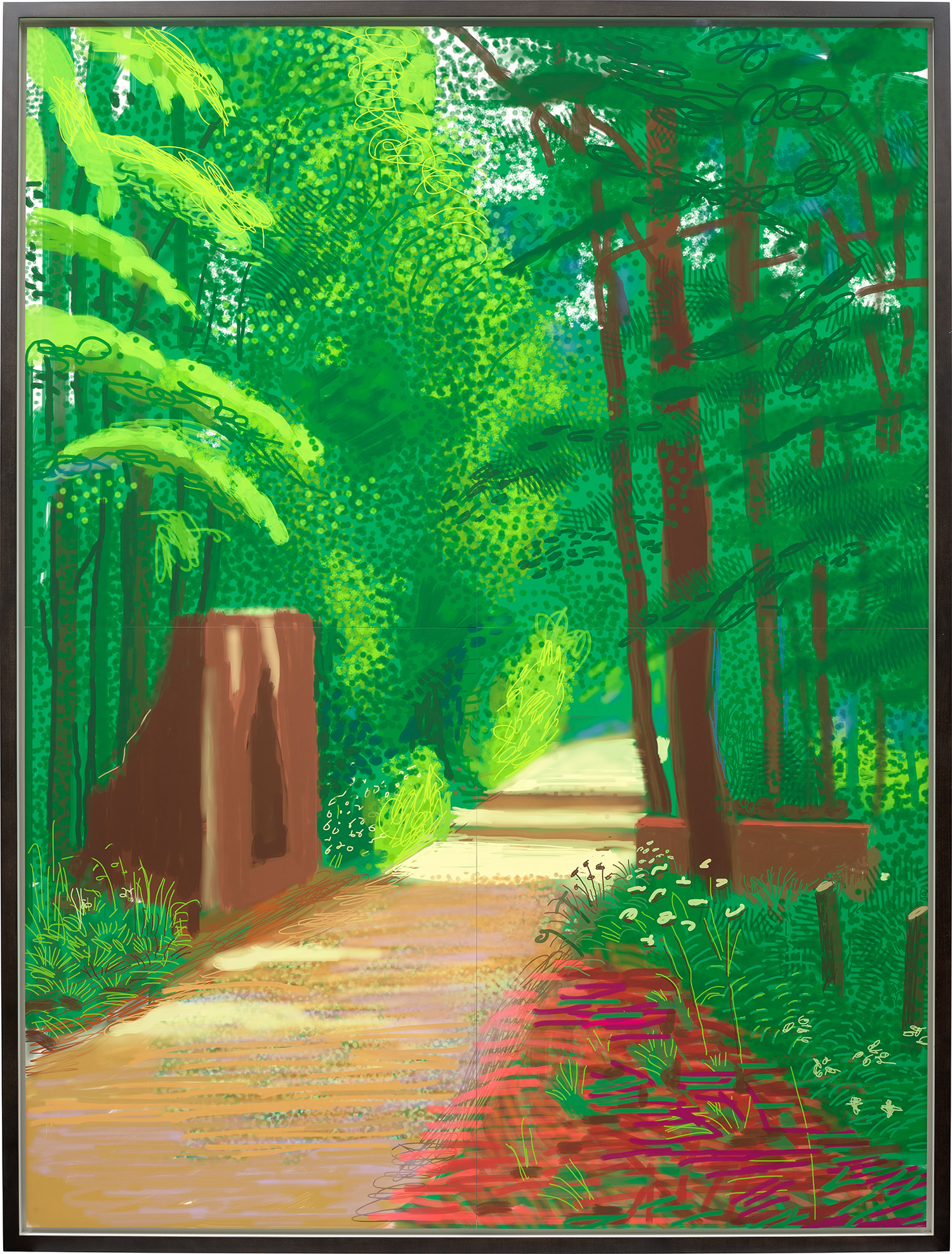
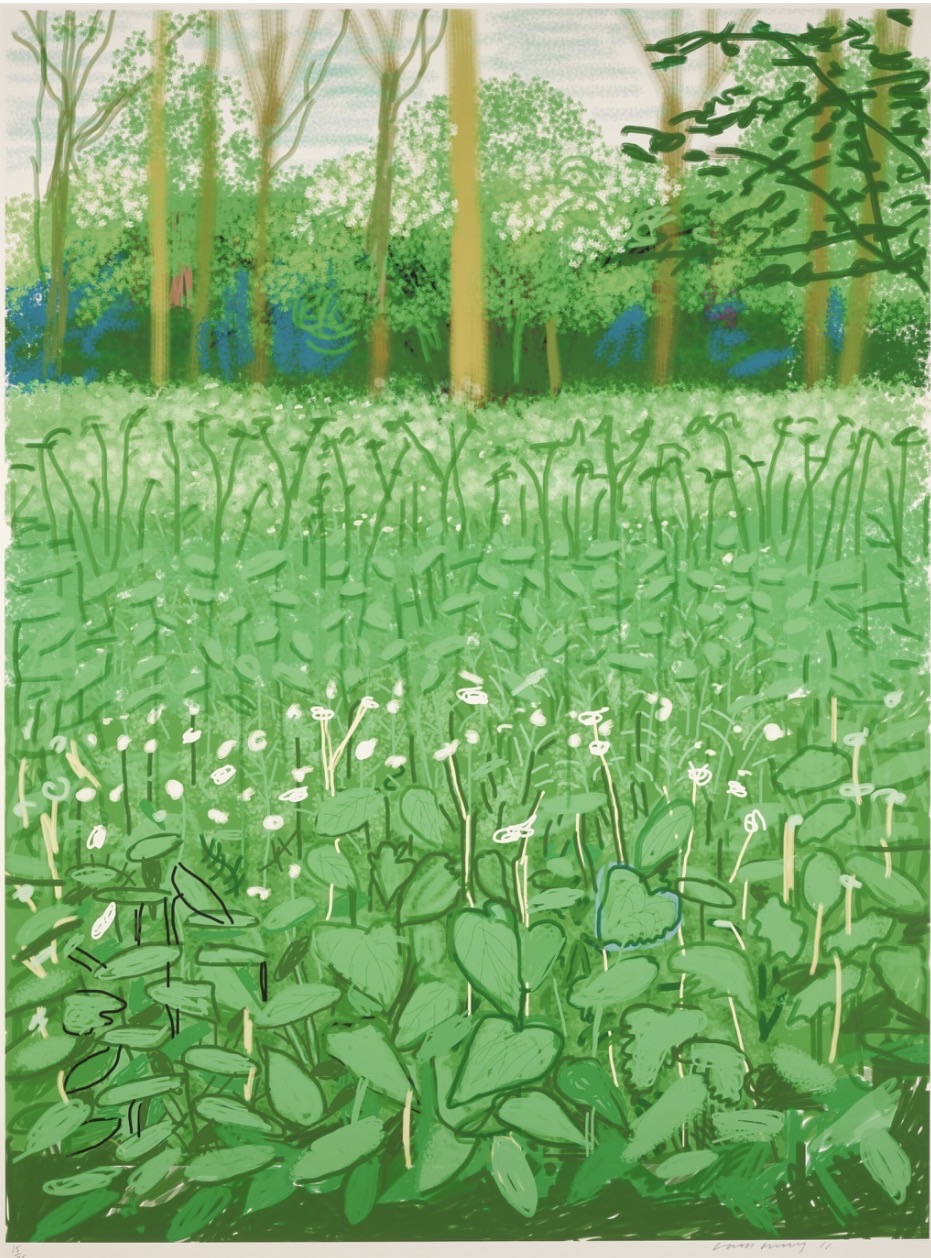
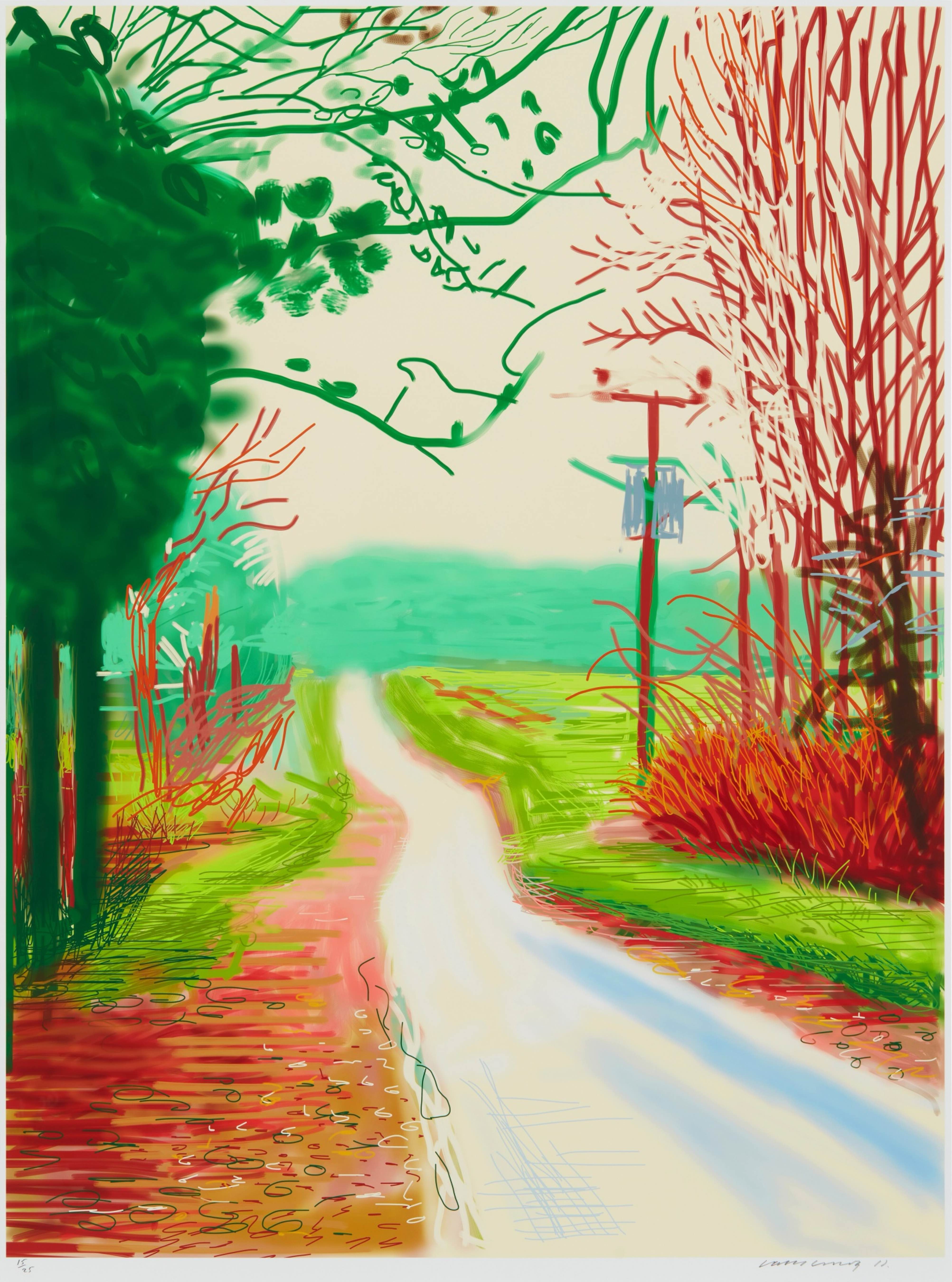
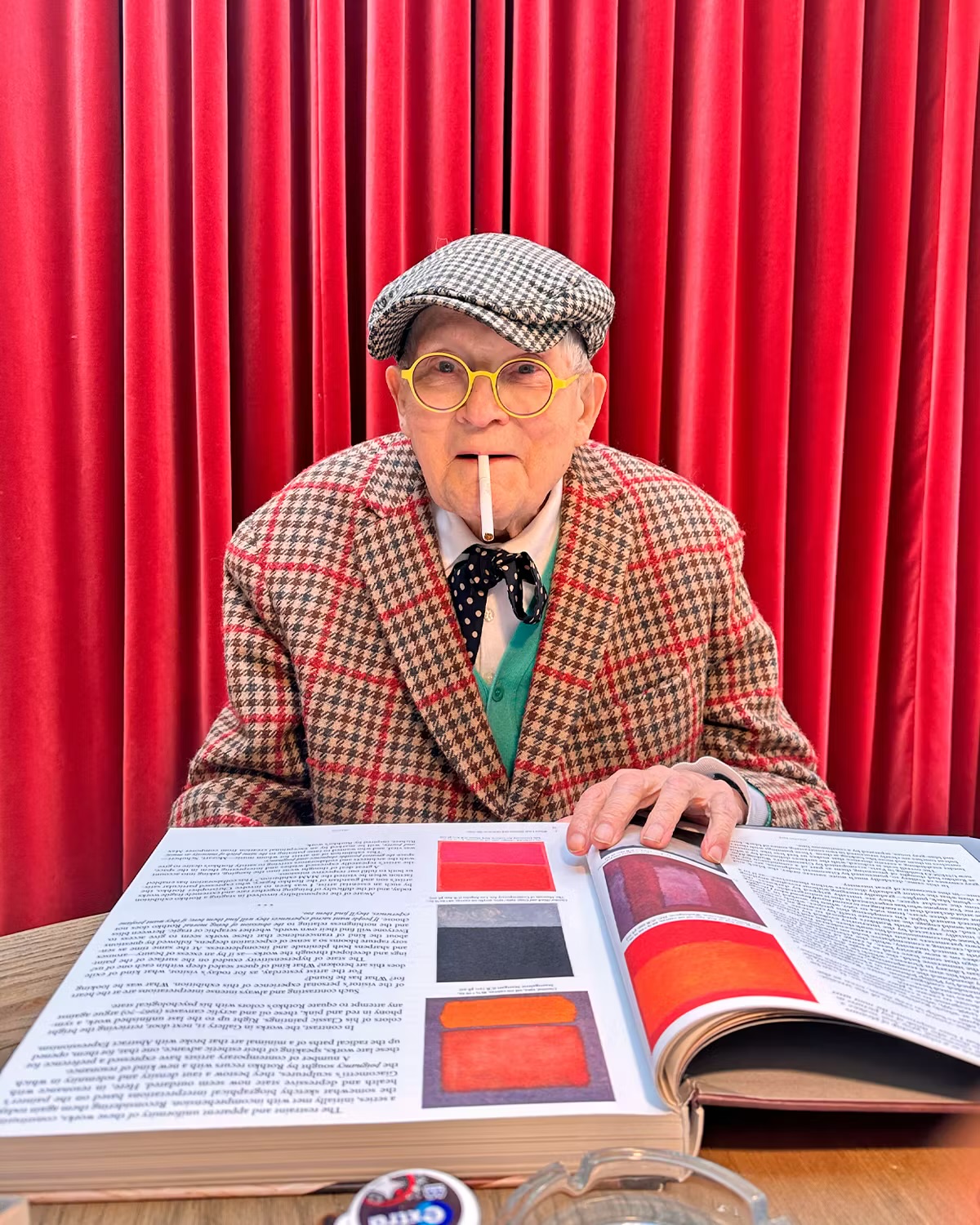
David Hockney
The Arrival of Spring in Woldgate, East Yorkshire in 2011, 2011
The arrival of photography in 1839 created an immediate reckoning for painters who had staked their reputations on faithful depiction of the natural world. And yet photography did not diminish the painted landscape so much as it transformed what painting was asked to do. More immediately, photography produced its own extraordinary landscape tradition. Maxime Du Camp was among the first photographers to apply the new medium to the documentation of ancient landscapes, traveling through Egypt and the Near East in 1849 and 1850.
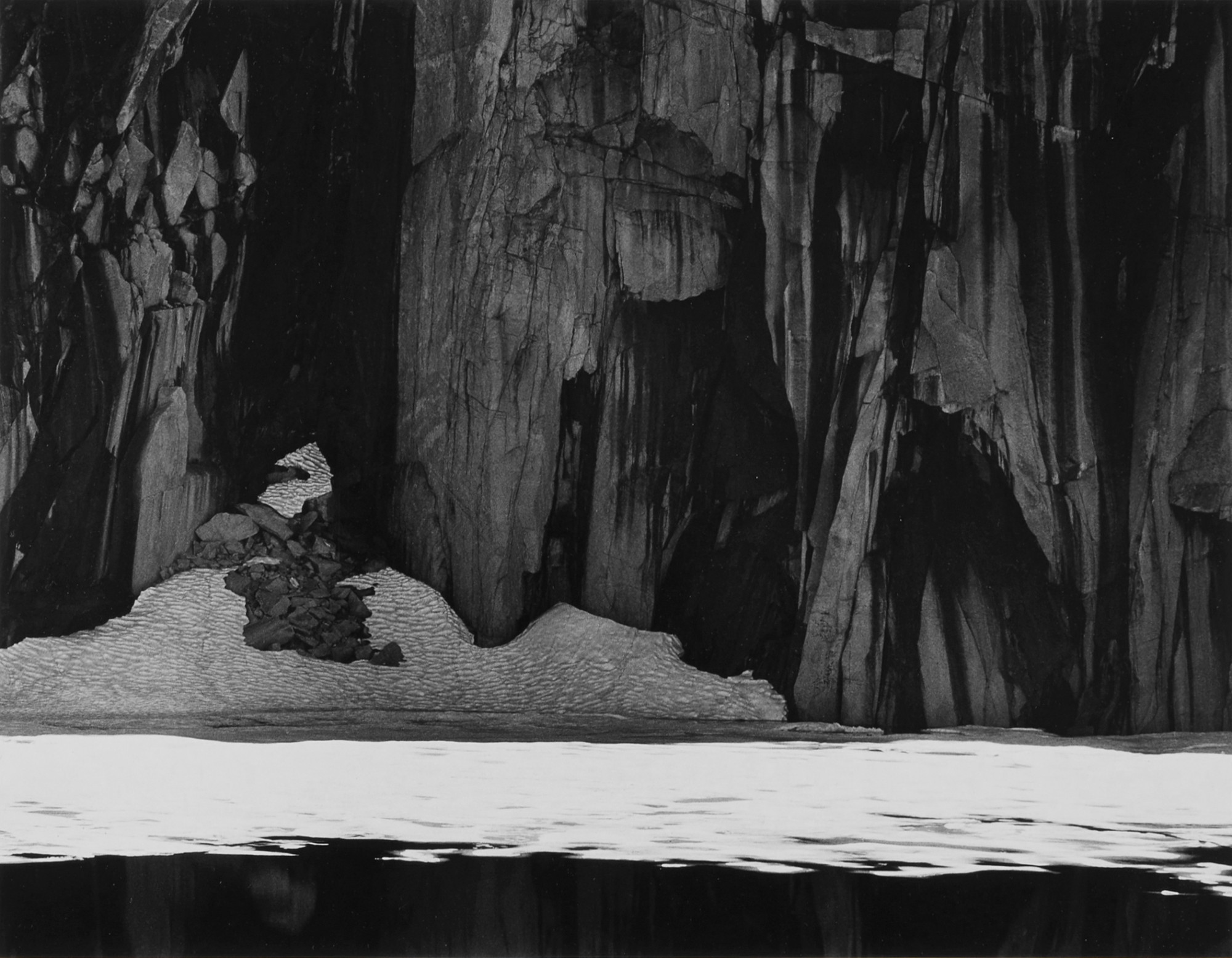
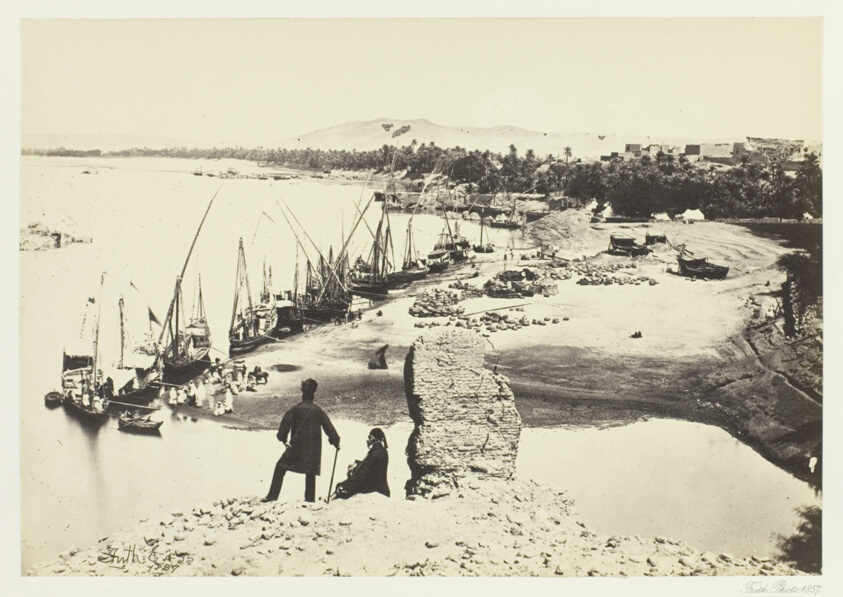
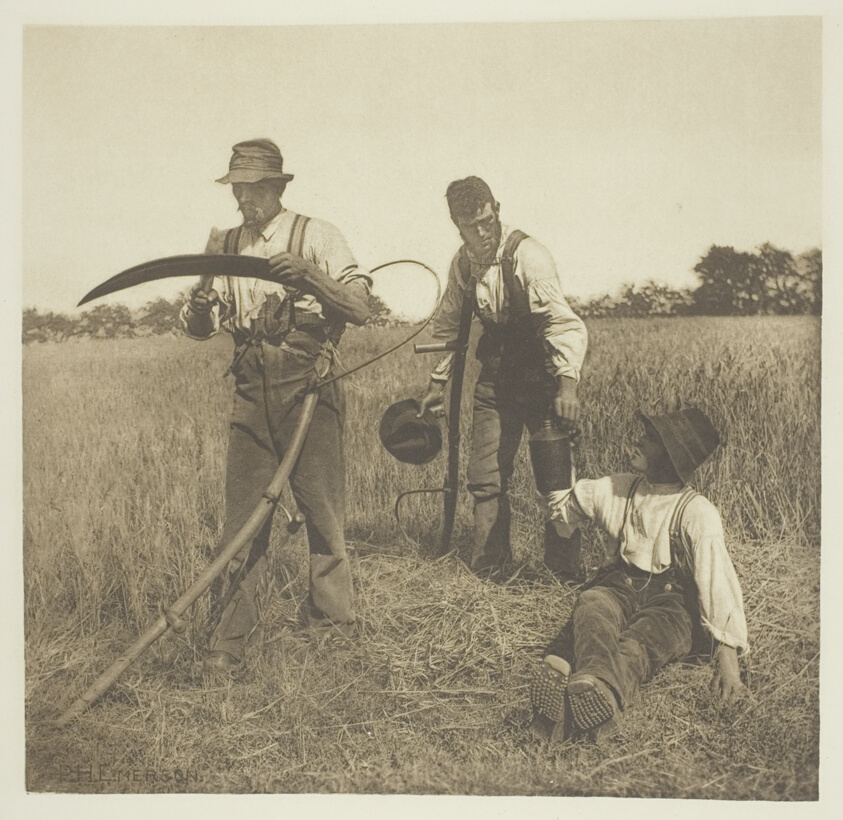
Francis Frith extended this project throughout the 1850s and 1860s, producing large format views of Egypt and the Holy Land that reached enormous audiences through reproduction. In America, Henry Hamilton Bennett brought the same documentary seriousness to the Wisconsin Dells, and Peter Henry Emerson developed a naturalistic approach to landscape photography in the British countryside that self consciously positioned photography as a fine art medium. Ansel Adams, whose work is exceptionally well represented on The Collection, would later bring all of these threads together with a technical mastery and compositional intelligence that has rarely been equalled. The Impressionists, working in France from the 1860s onward, shifted the entire terms of the conversation.
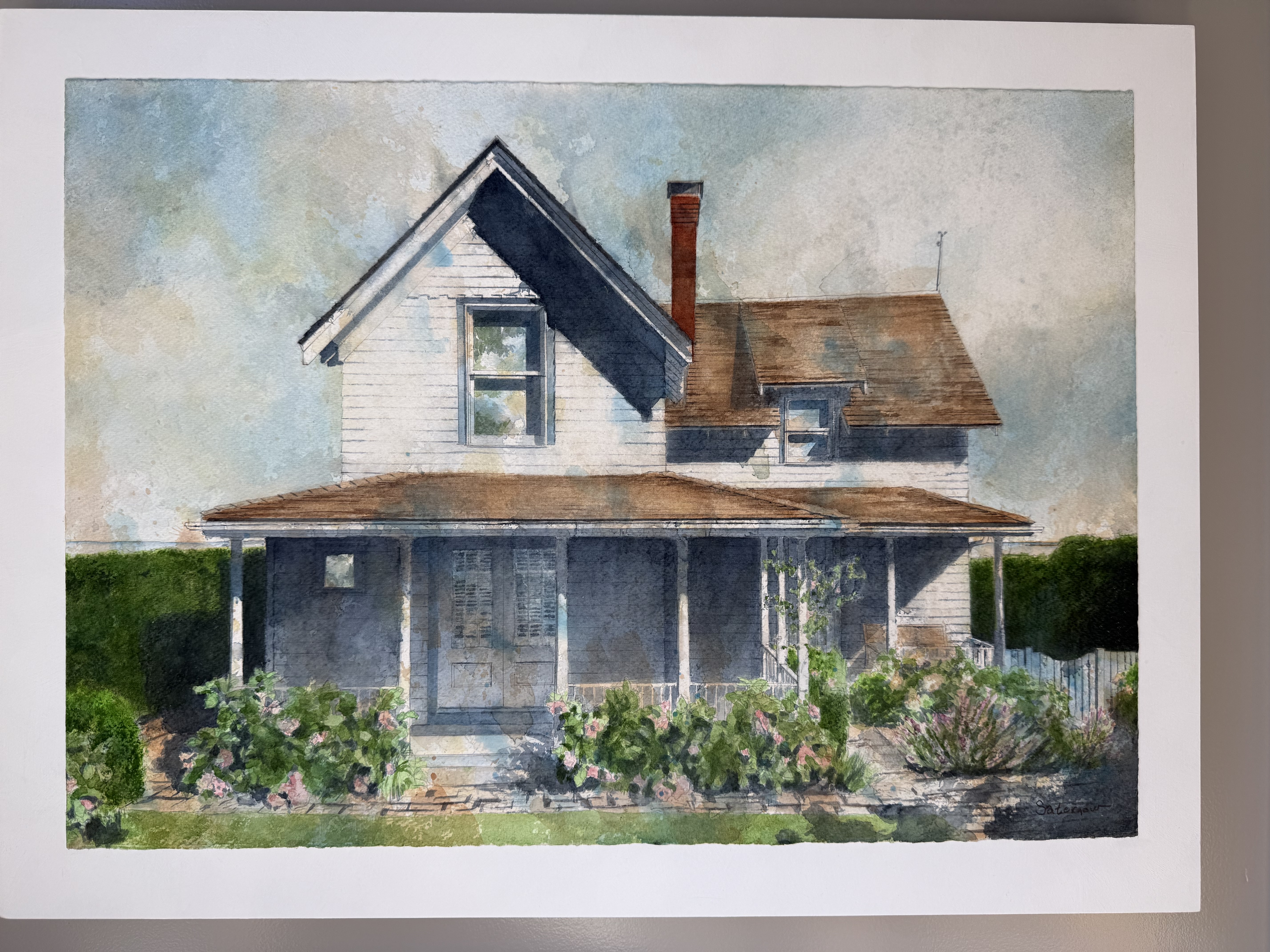
Tim Sharenow
479 COMMERCIAL ST.
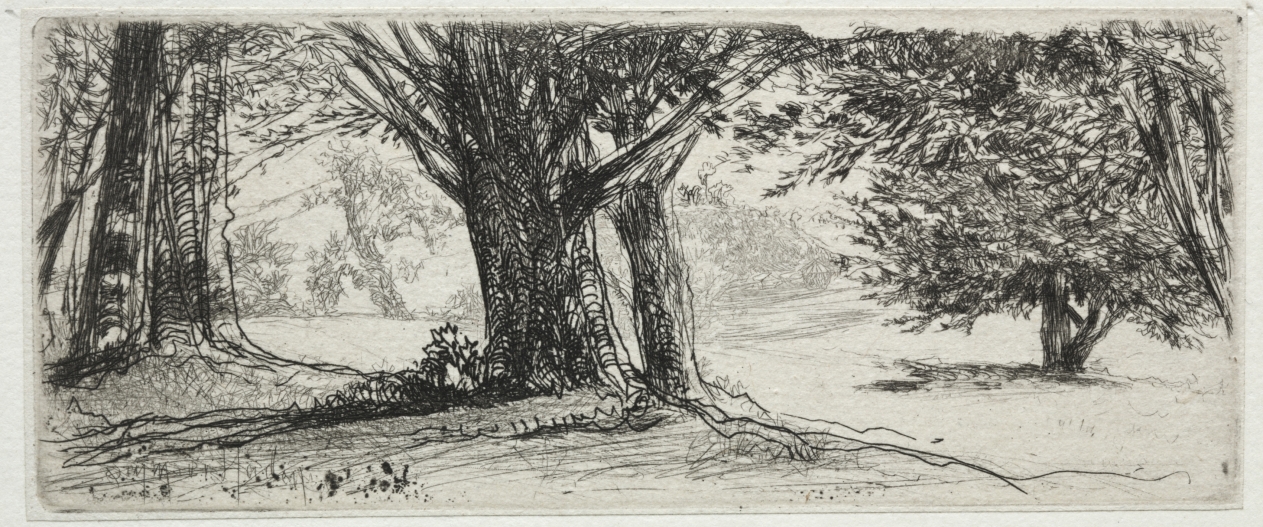
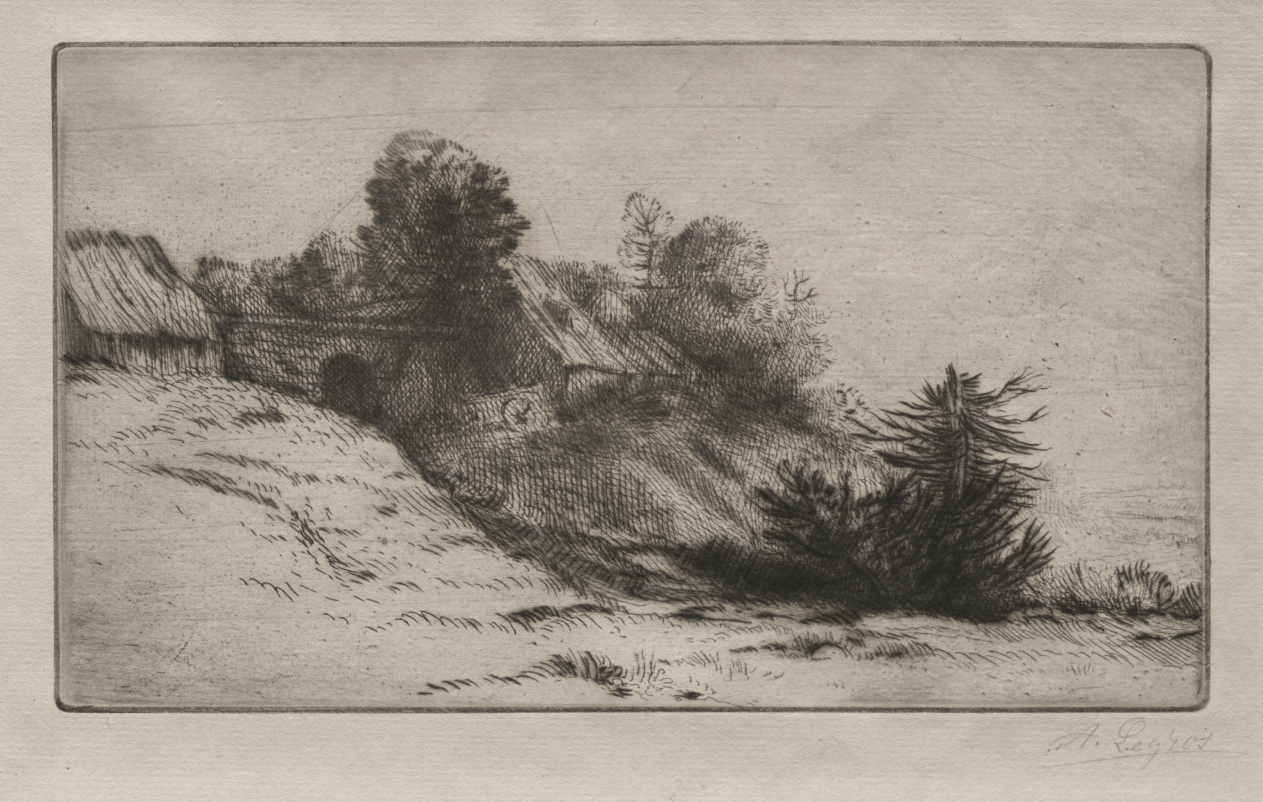
For Camille Pissarro and Eugène Boudin, landscape became a study in perception itself, in the way light falls differently at different hours, the way weather changes the color of water, the way the eye moves through a scene rather than settling on a fixed point. Paul Signac carried this inquiry further through the systematic chromatic logic of Divisionism, building landscapes from individual units of pure color that cohere into atmosphere only when seen at a distance. These artists were not simply painting places; they were painting the act of looking. The printmakers Auguste Louis Lepère and Francis Seymour Haden extended landscape into etching and engraving with extraordinary refinement, finding in the bite of acid on copper plate a tonal range suited to the description of foliage, water, and atmospheric distance.
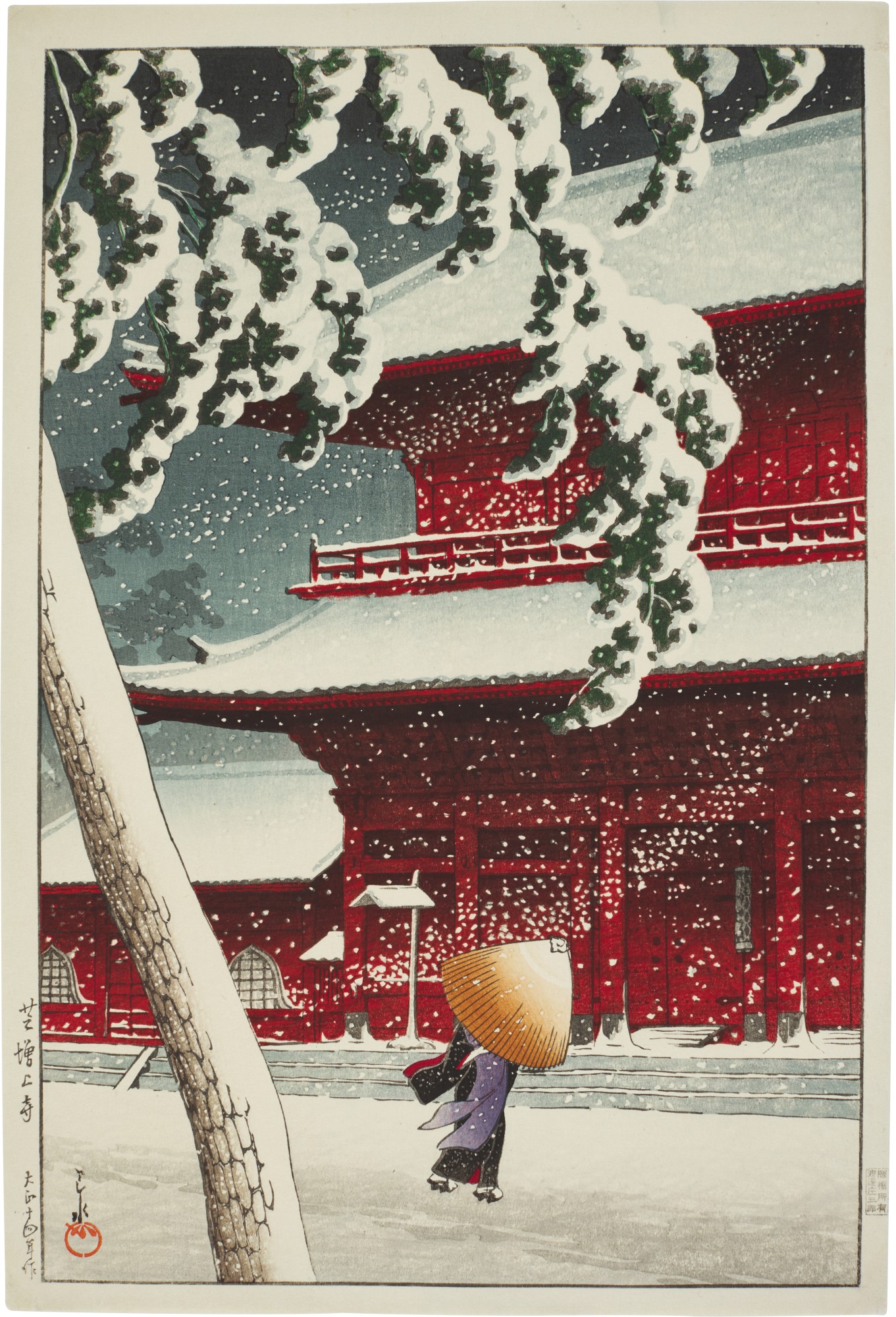
Through the twentieth century, landscape underwent a series of radical transformations without ever losing its hold on artists or audiences. Raoul Dufy brought a hedonistic, almost musical energy to coastal scenes along the French Riviera. Winslow Homer transformed the American seascape into something elemental and unsparing. The Japanese printmaker Hasui Kawase, working in the shin hanga movement of the early twentieth century, created nocturnal and seasonal landscapes of haunting quietness.
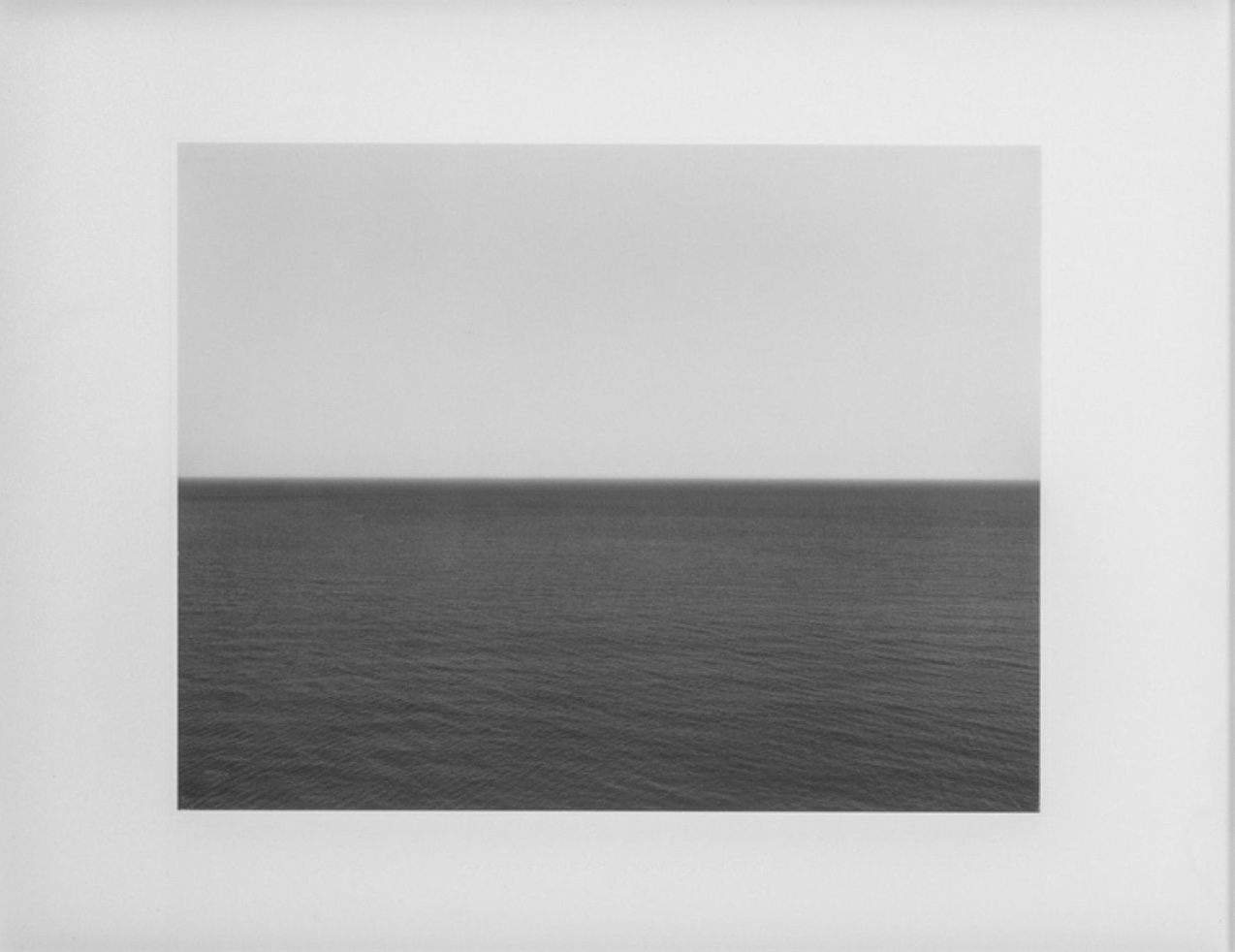
Hiroshi Sugimoto
Time Exposed, 1990
Wu Guanzhong reinvented Chinese landscape painting by drawing on both ink tradition and Western modernism, producing work that feels rooted and new simultaneously. Hiroshi Sugimoto's long exposure photographs of seascapes, begun in the late 1970s, reduce land, sea, and sky to their most essential horizontal relationships, stripping away everything contingent to arrive at something geological in its patience. What contemporary artists have done with landscape is refuse to let it remain comfortable. Gerhard Richter's photographic paintings of landscapes make the act of seeing itself feel unstable, as if clarity is always just beyond reach.
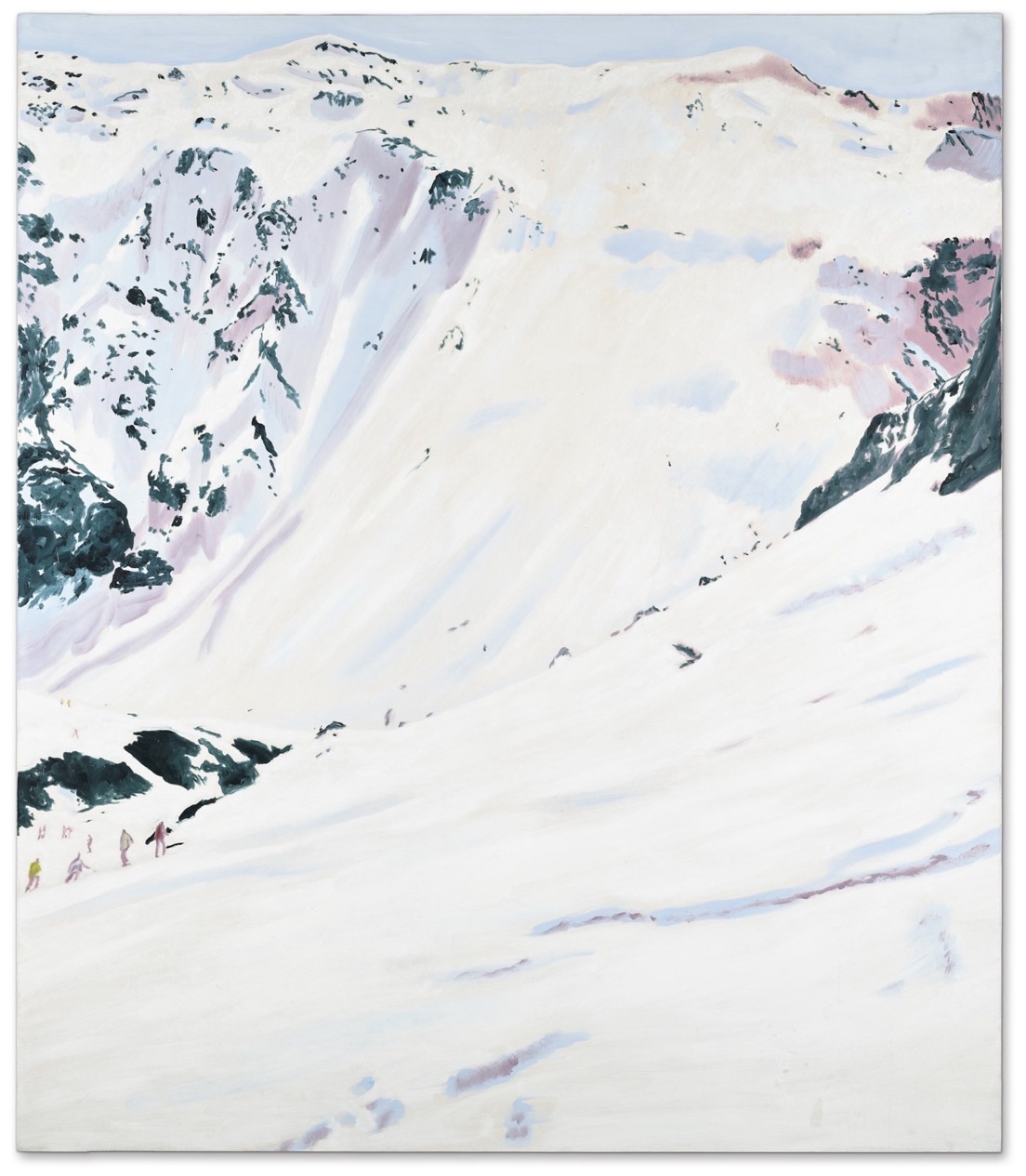
Peter Doig, whose paintings carry an atmosphere closer to memory than observation, transforms found photographs and recollected places into scenes that feel at once familiar and unreachable. Matthew Wong, working with a vibrancy and emotional directness that drew on Cézanne and Van Gogh but arrived somewhere entirely his own, made landscape a vehicle for the full weight of interior life. David Hockney, perhaps the most restlessly inventive landscape artist of the past several decades, has moved through painting, drawing, photography, and digital media in his sustained engagement with the English countryside and the light of southern California, always insisting that the landscape is not a fixed thing but something alive and changing with every hour of the day. The Collection draws together this entire arc, from the meditative prints of Hokusai and Hiroshige through the photographic surveys of the nineteenth century to the conceptual rigors of Richter and the lyrical immediacy of Wong.
To move through these works is to understand that landscape has never really been about scenery. It has always been about the relationship between the one who looks and the world that receives that looking, and there is no end to what that relationship can yield.