Mixed Media
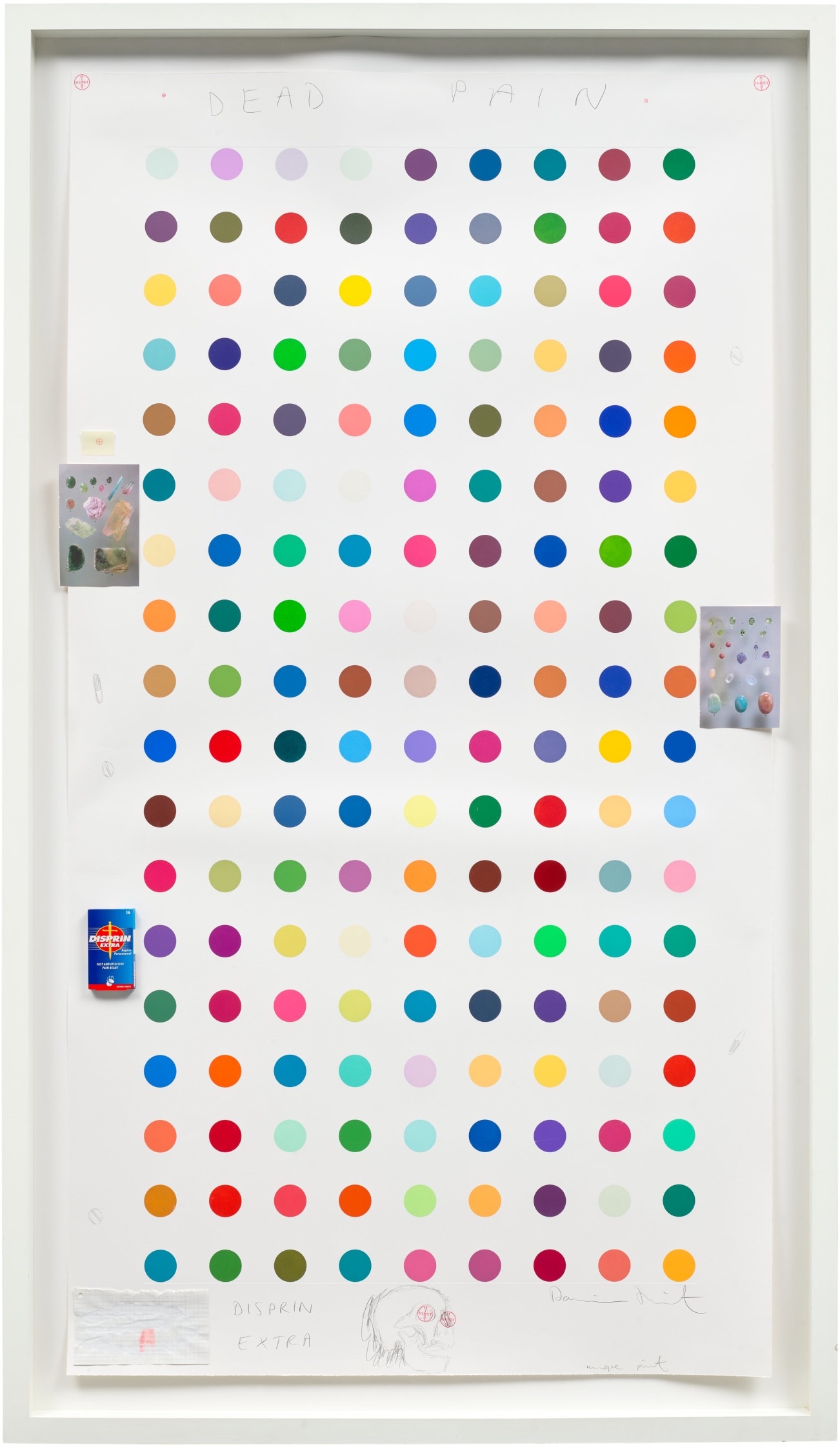
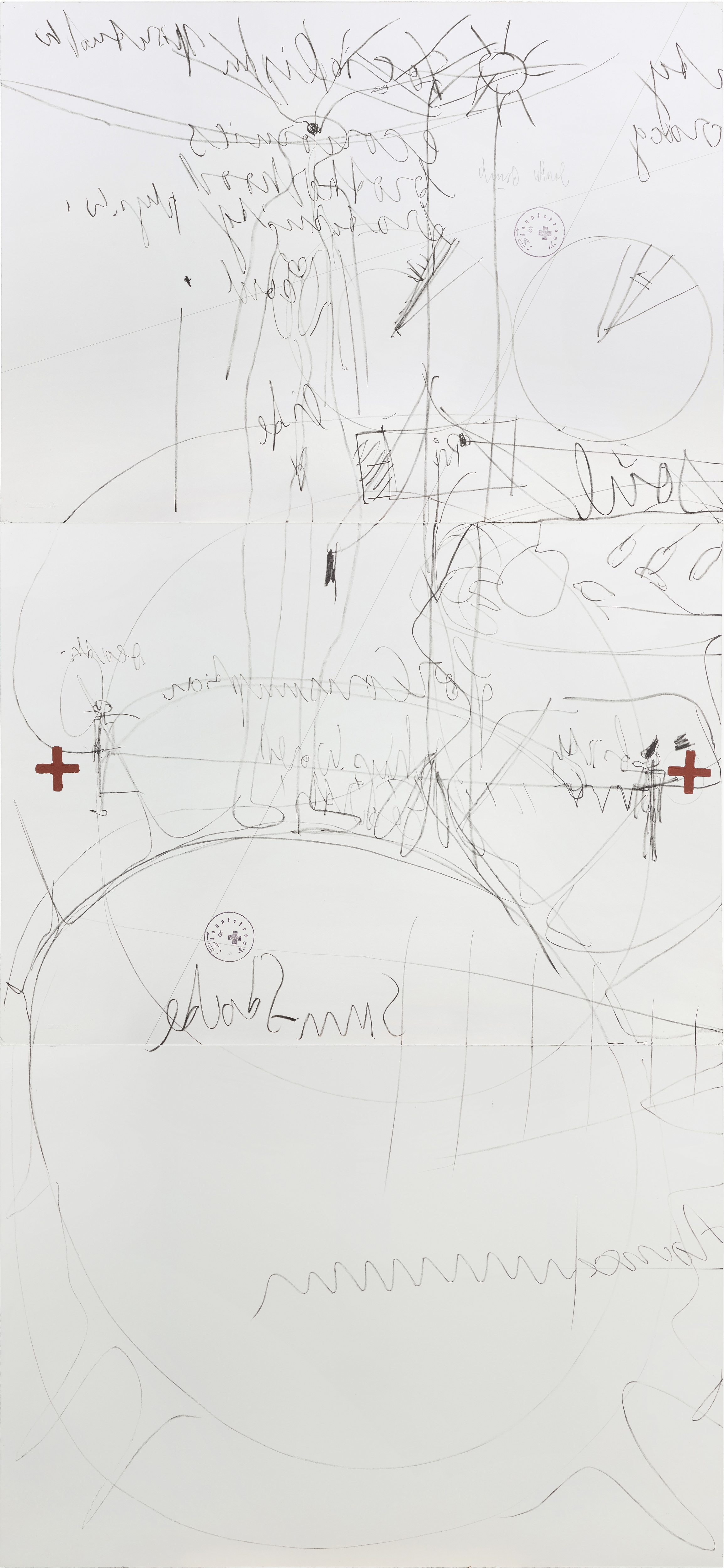
Damien Hirst
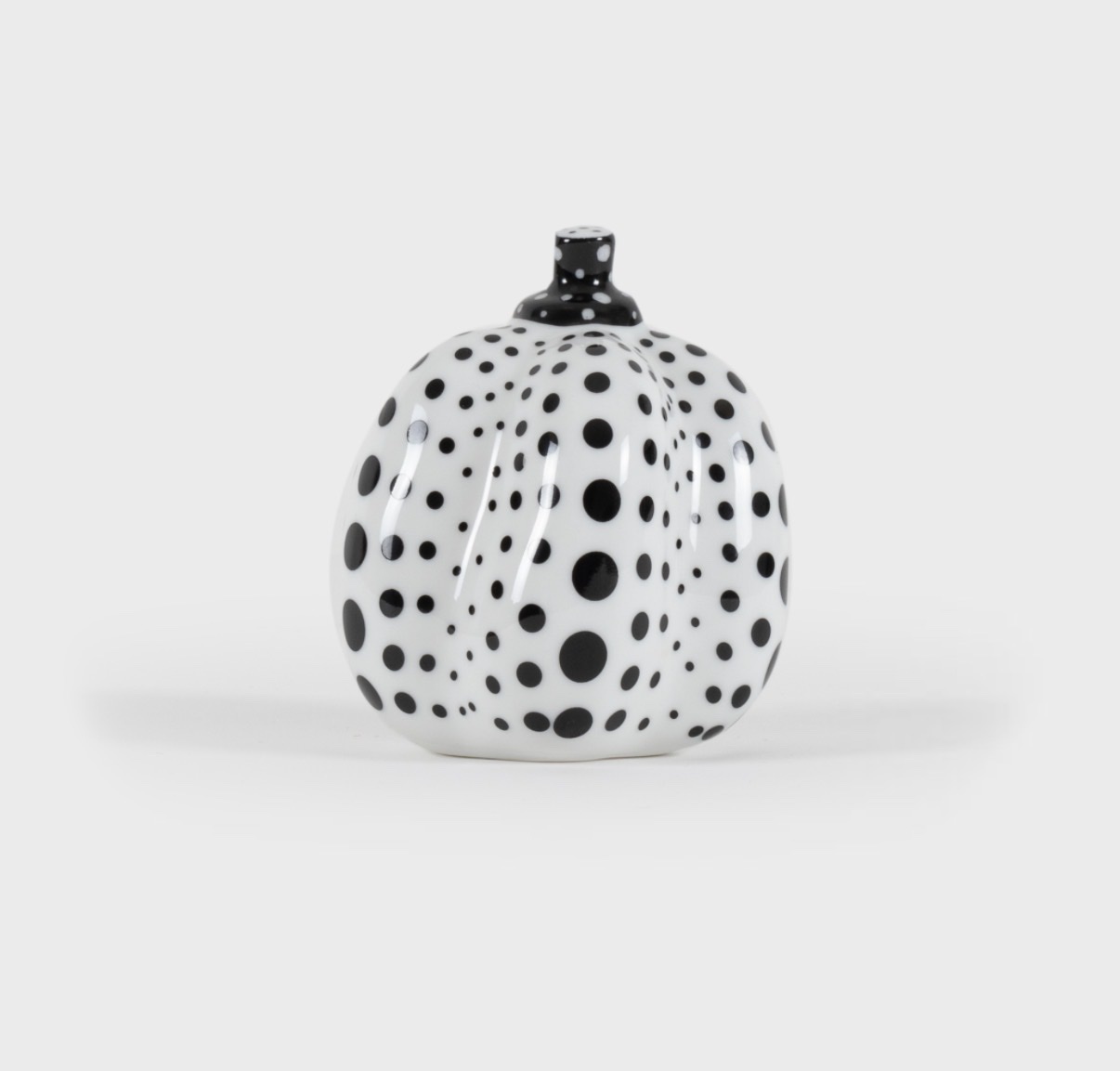
Dead Pain (Disprin Extra)
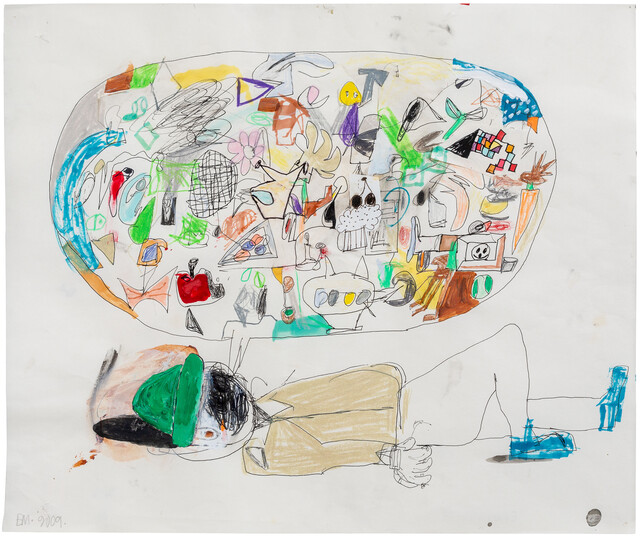
Nothing Is Off Limits Anymore
There is a moment in looking at a great mixed media work when the eye doesn't quite know where to settle. A torn photograph bleeds into painted gesture. A newspaper headline disappears beneath layers of wax or resin. A found object sits inside a canvas like a secret kept in plain sight.
That productive confusion, the sense that a work is made from the world rather than merely depicting it, is what separates mixed media from every other category in contemporary art. It is not a style or a movement so much as a disposition toward making, one that insists the studio door stay open to everything outside it. The roots of this approach reach back to the early twentieth century, when Picasso and Braque began gluing newspaper clippings and wallpaper fragments directly onto their canvases around 1912. Those early Cubist collages were scandalous in a quiet way.
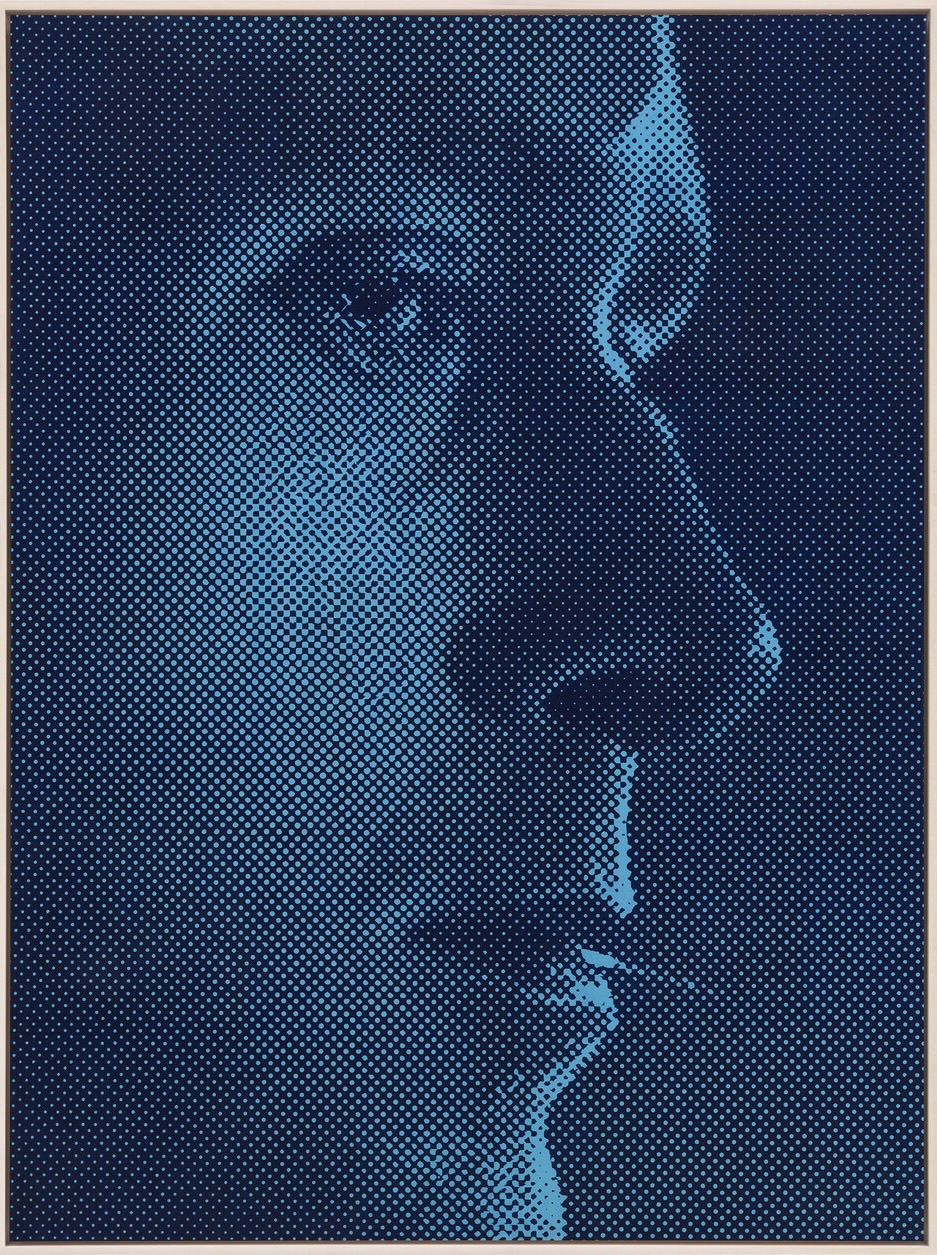
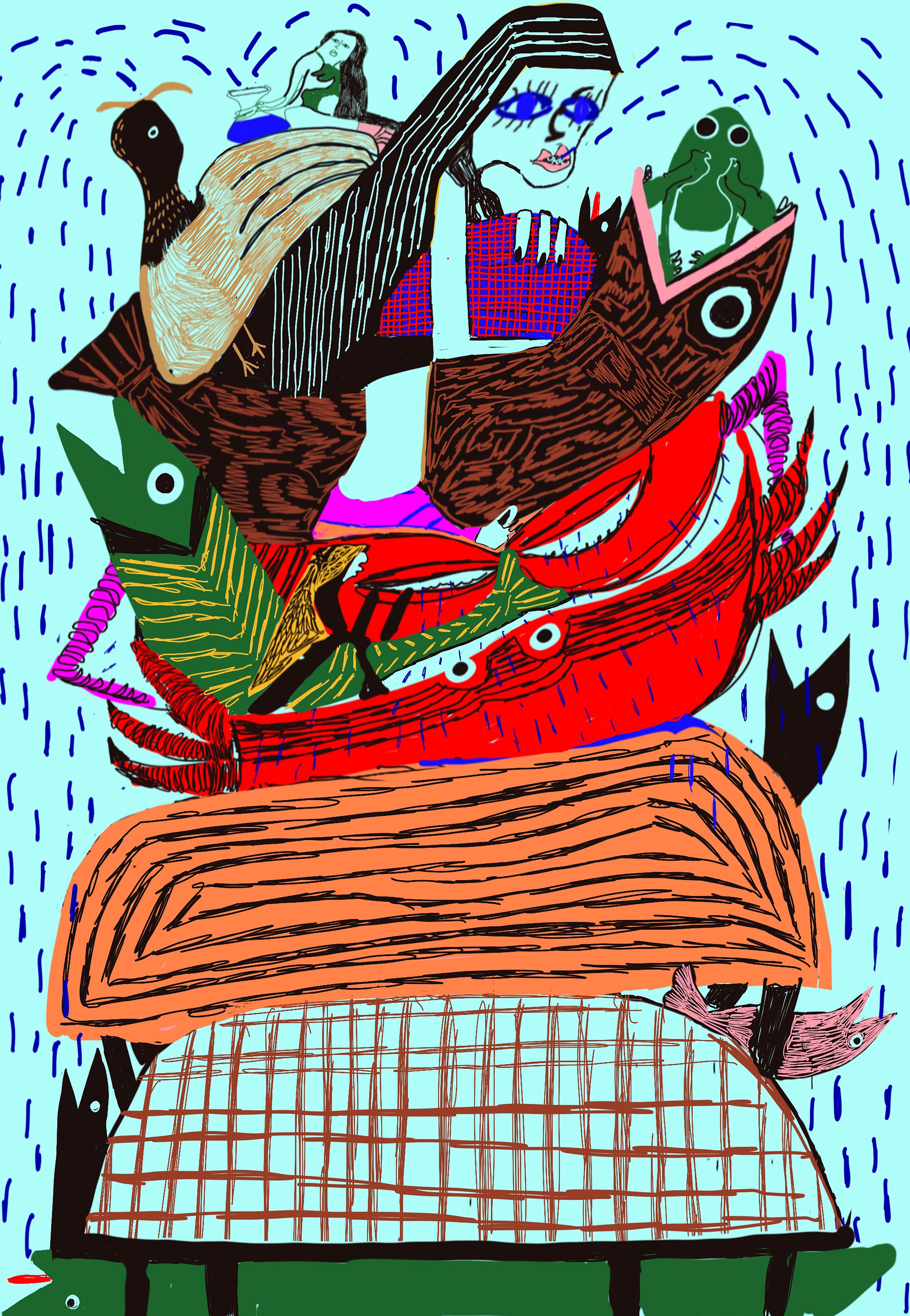
Andrew Brischler
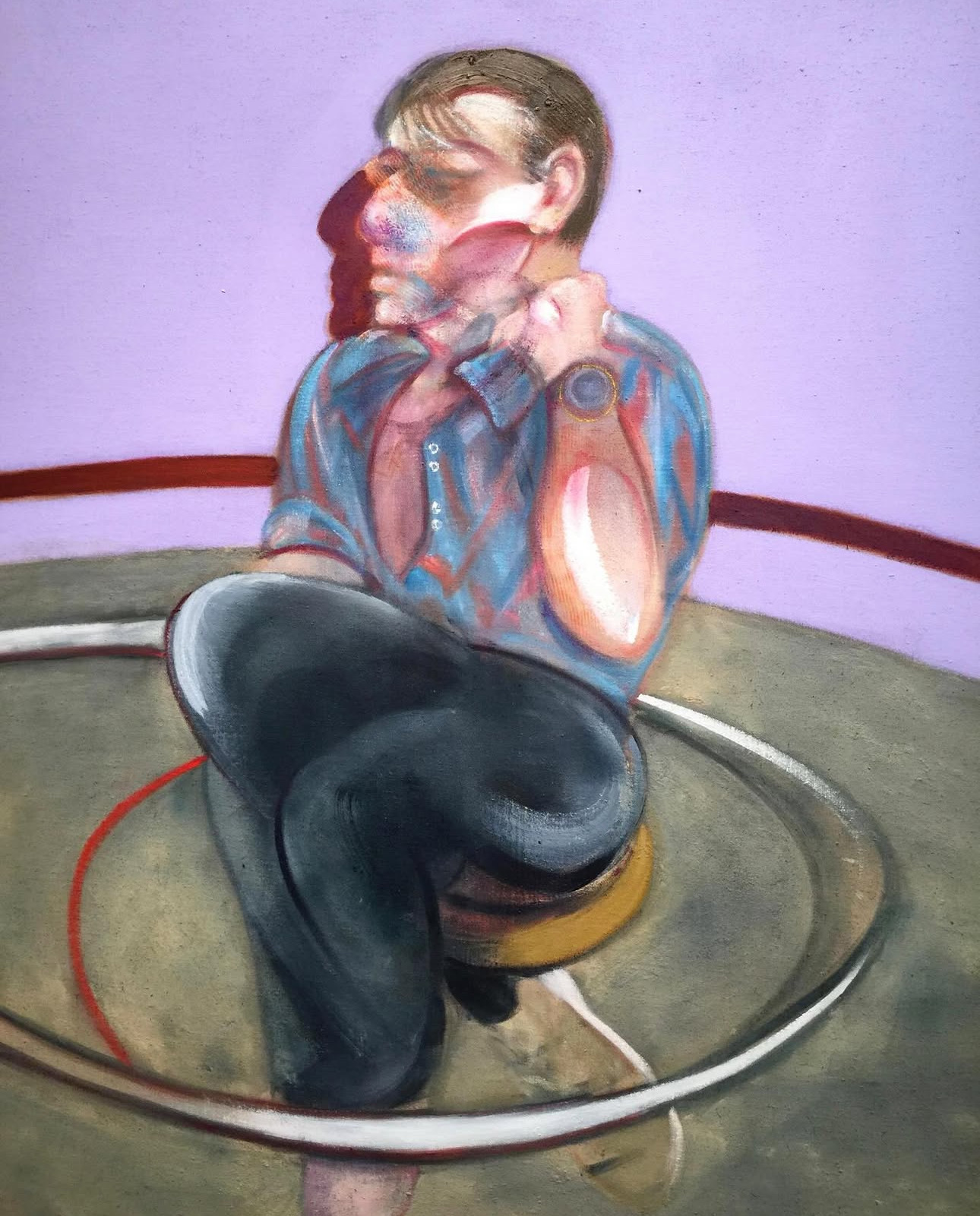
Self Portrait (as The Driver), 2024
They introduced the logic that a work of art need not be made of art materials at all, that truth and texture could come from anywhere. Dada picked up that thread and ran hard with it. Kurt Schwitters spent decades assembling his Merz constructions from bus tickets, wire mesh, and scraps of wood, calling his method a total artwork that consumed the refuse of modern life. Marcel Duchamp's readymades pushed the argument further still, proposing that selection and context could be as creative an act as the most practiced brushstroke.
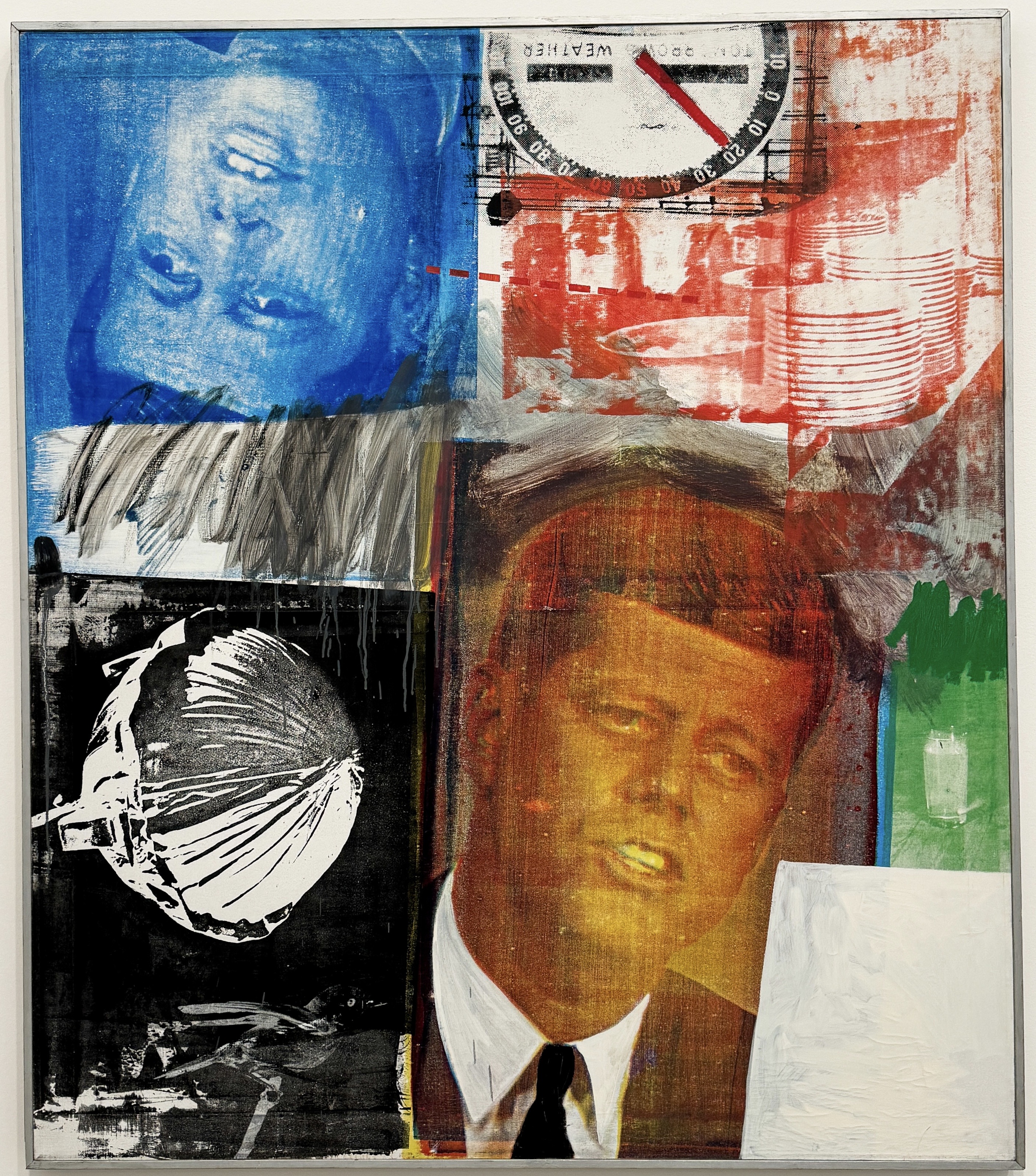
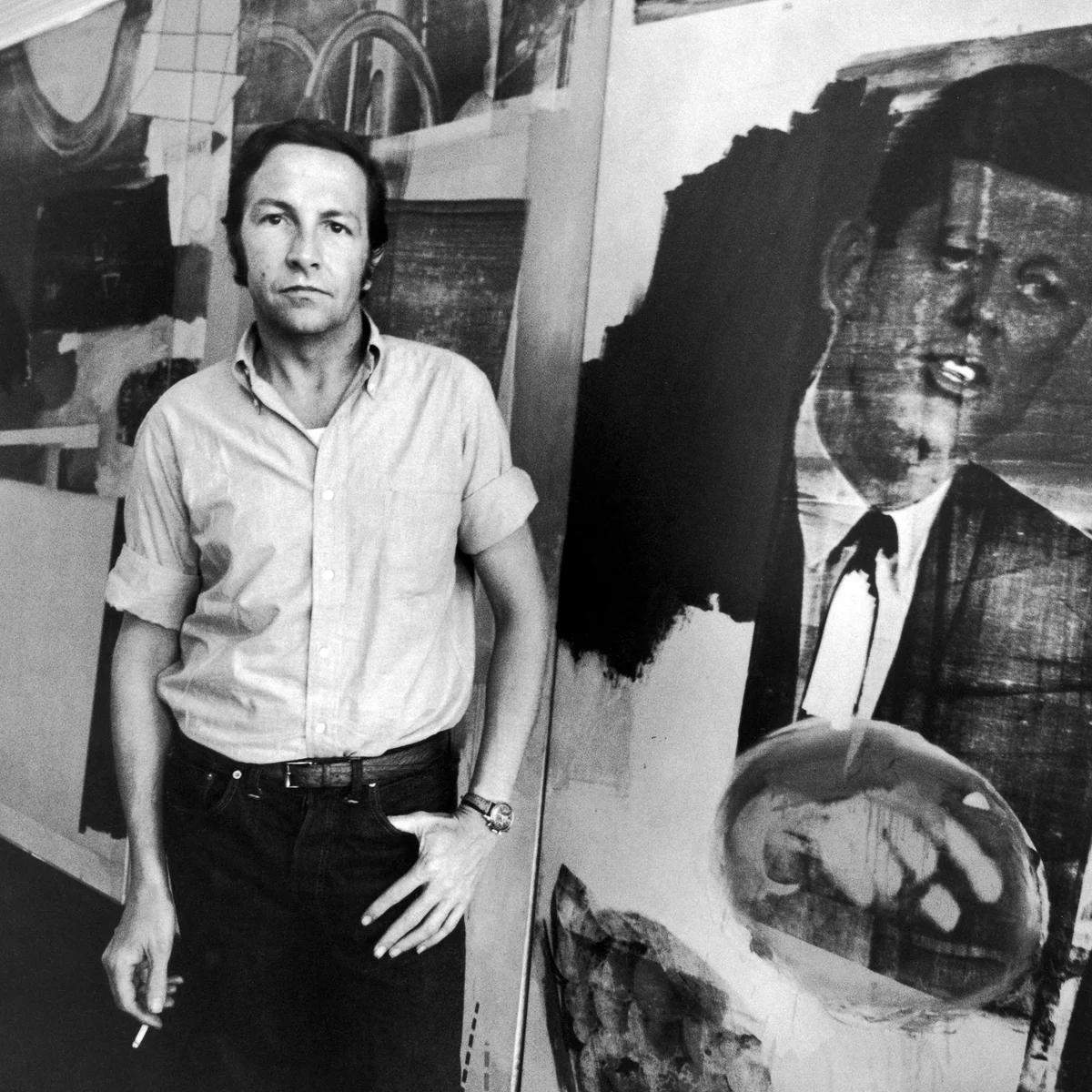
By the 1950s, a younger generation of American artists inherited all of this and decided the real question was not what counted as art material but what counted as subject matter. Robert Rauschenberg, whose body of work is among the most generously represented on The Collection, gave that question its most exhilarating answer. His Combines, begun in earnest around 1954, wove paint, fabric, newspaper, photographs, and actual objects into works that refused the boundary between painting and sculpture. When Rauschenberg incorporated a stuffed eagle or a quilt into a canvas, he was not making a statement about consumer culture so much as insisting that culture, all of it, was already inside the studio whether artists acknowledged it or not.
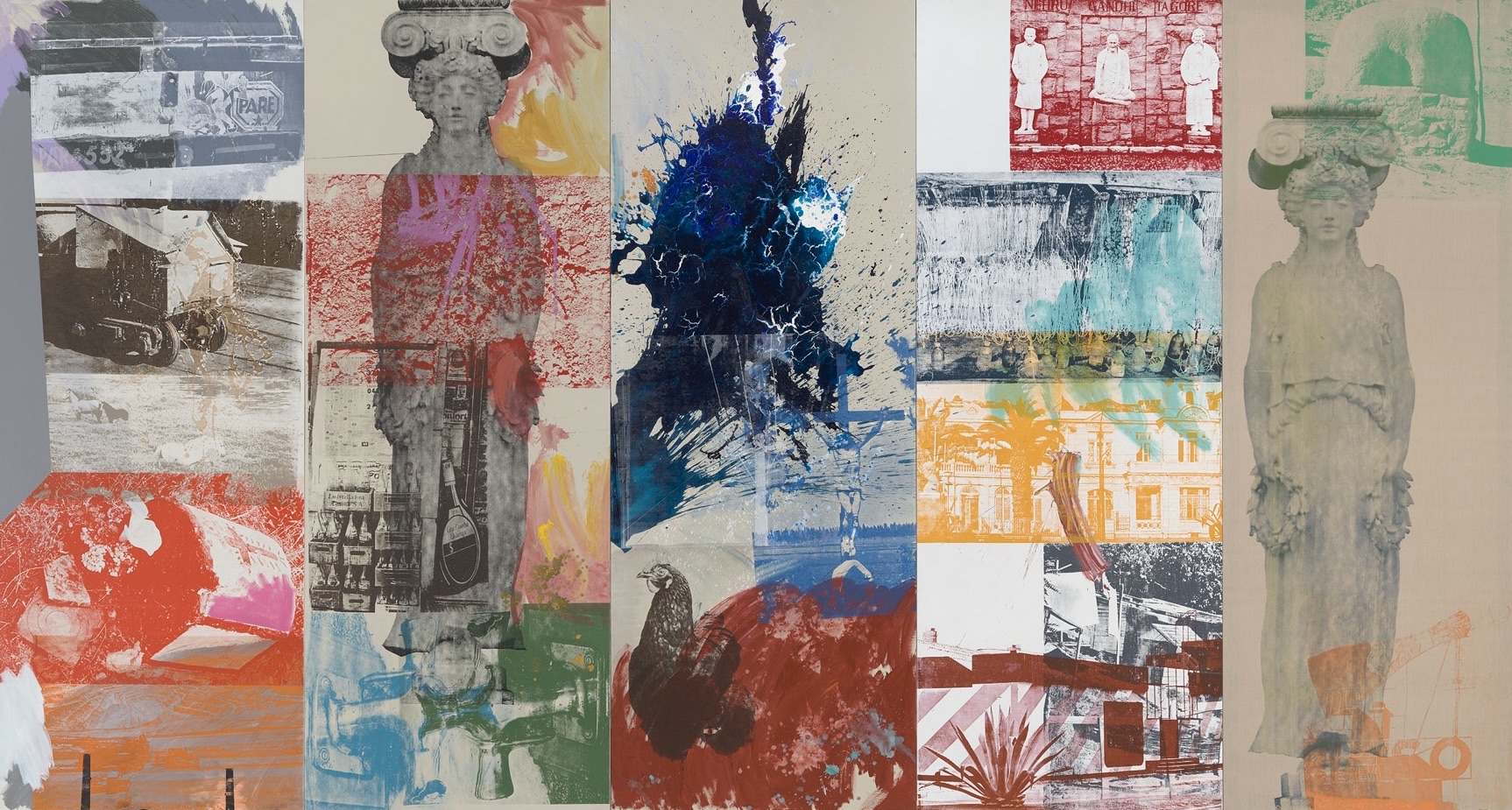
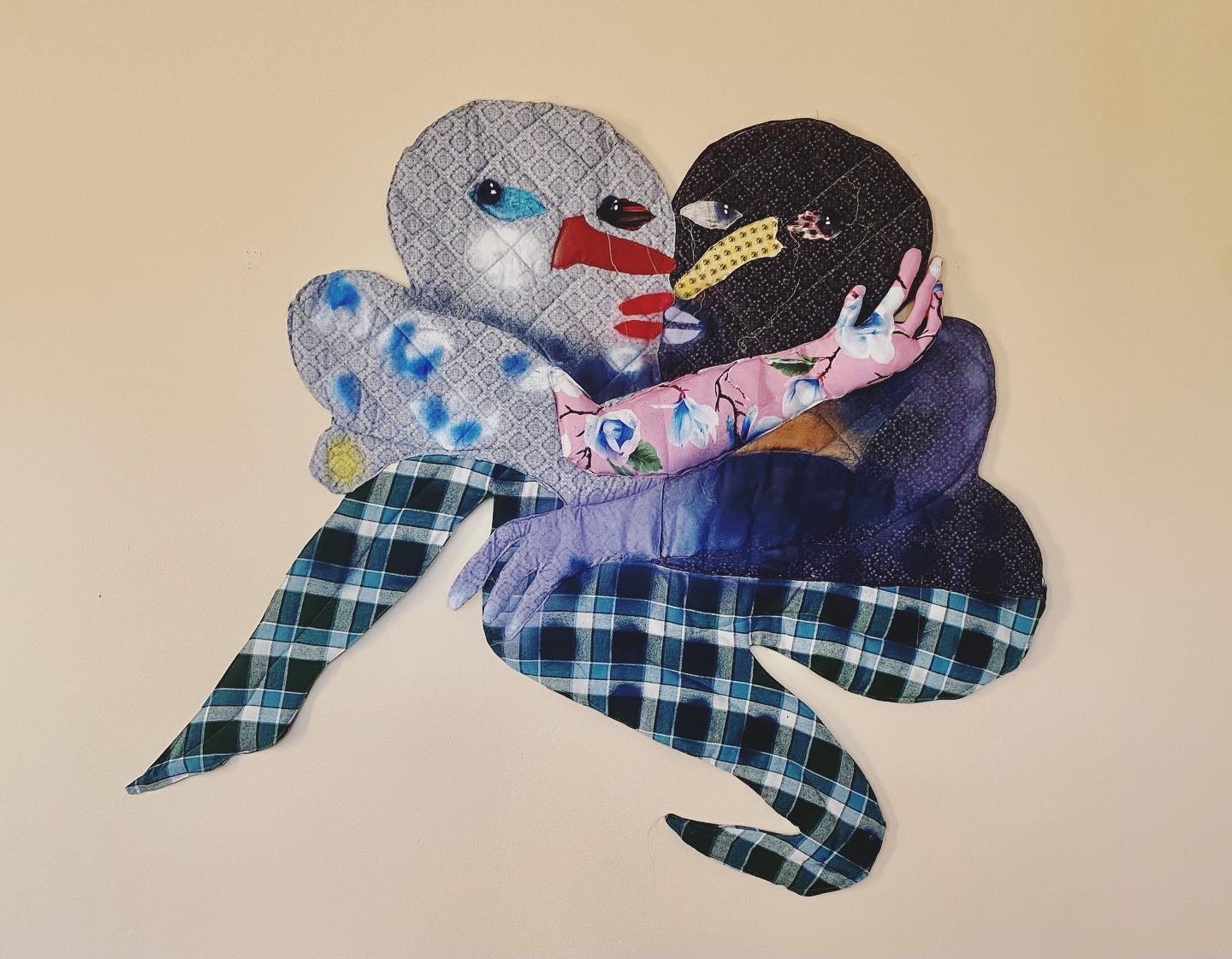
Robert Rauschenberg
Caryatid Cavalcade I / ROCI CHILE, 1985
His influence on every subsequent generation of mixed media practitioners is nearly impossible to overstate. Joseph Beuys, working in postwar Germany, arrived at similar conclusions through an entirely different temperament. Where Rauschenberg was exuberant and expansive, Beuys was ritualistic, drawing on felt, fat, copper, and iron in ways that felt less like aesthetic choice and more like shamanic necessity. His 1965 performance and installation work deepened the sense that mixed media was not simply a technique but a philosophy, a belief that materials carry memory and that healing and art share the same vocabulary.
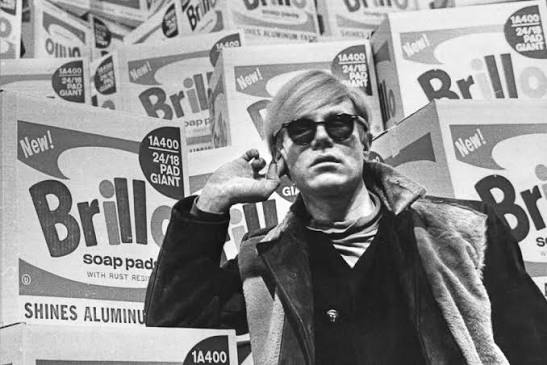
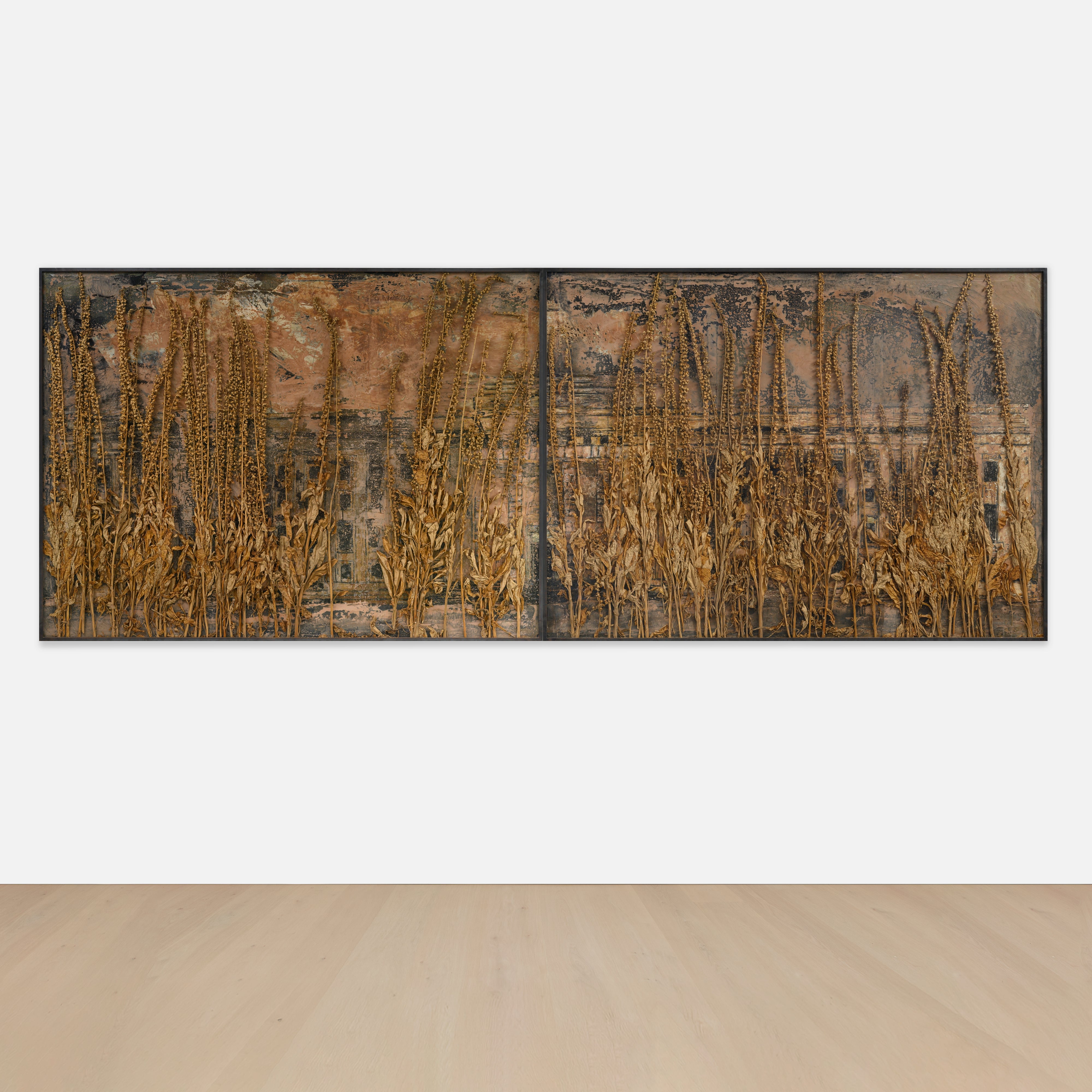
Anselm Kiefer, who studied with Beuys and whose large scale works appear prominently on The Collection, carried that legacy forward into paintings and installations incorporating lead, straw, ash, and photography, turning German myth and historical trauma into something physically overwhelming. Through the 1970s and 1980s, the possibilities expanded in every direction. Jean Michel Basquiat layered text, symbol, and image onto surfaces that included everything from canvas to found doors, creating work that felt like archaeology in real time. Andy Warhol's screenprints, so often combined with hand applied paint and collage elements, blurred the line between mechanical reproduction and personal touch in ways that still feel unresolved, which is precisely their power.
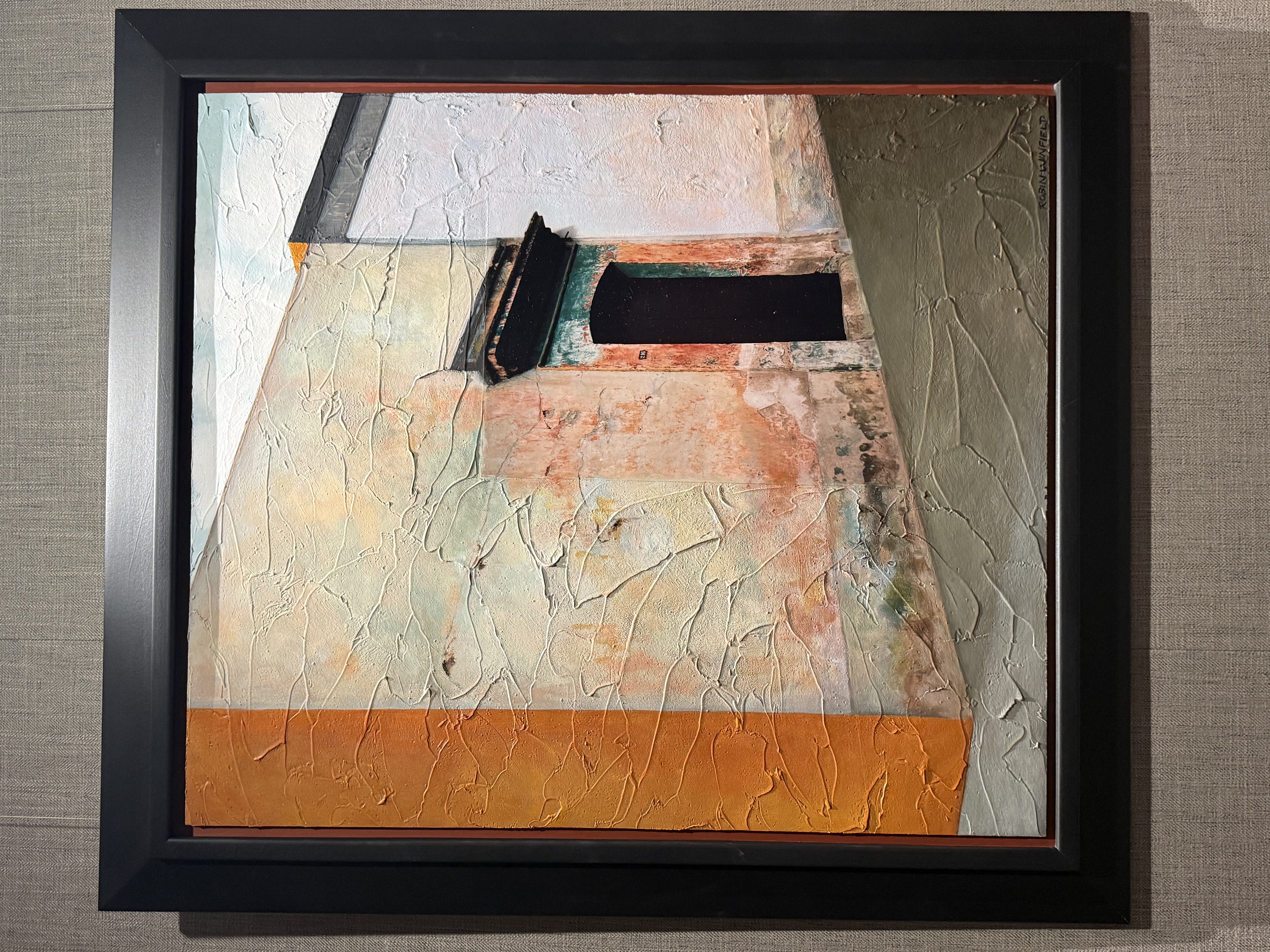
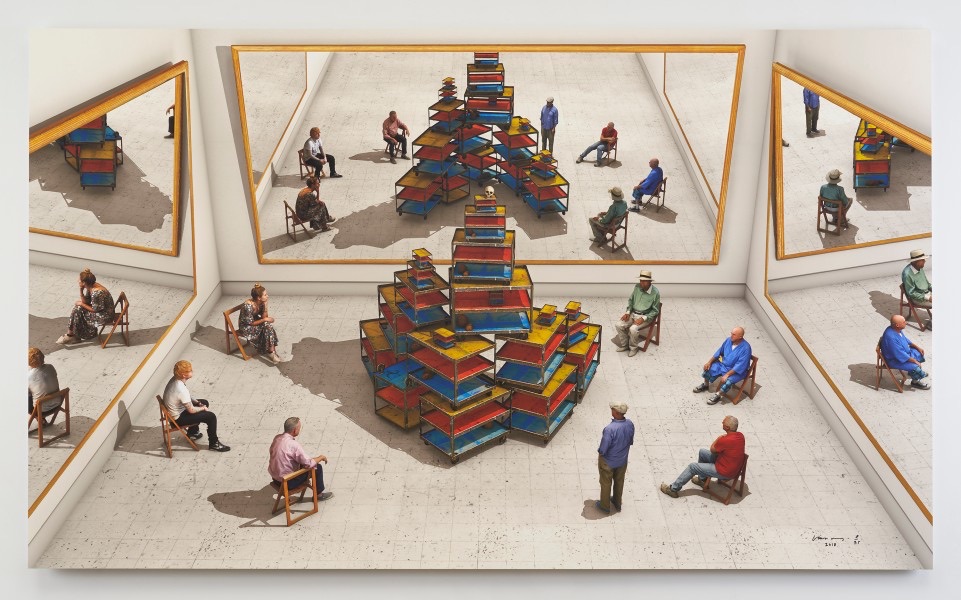
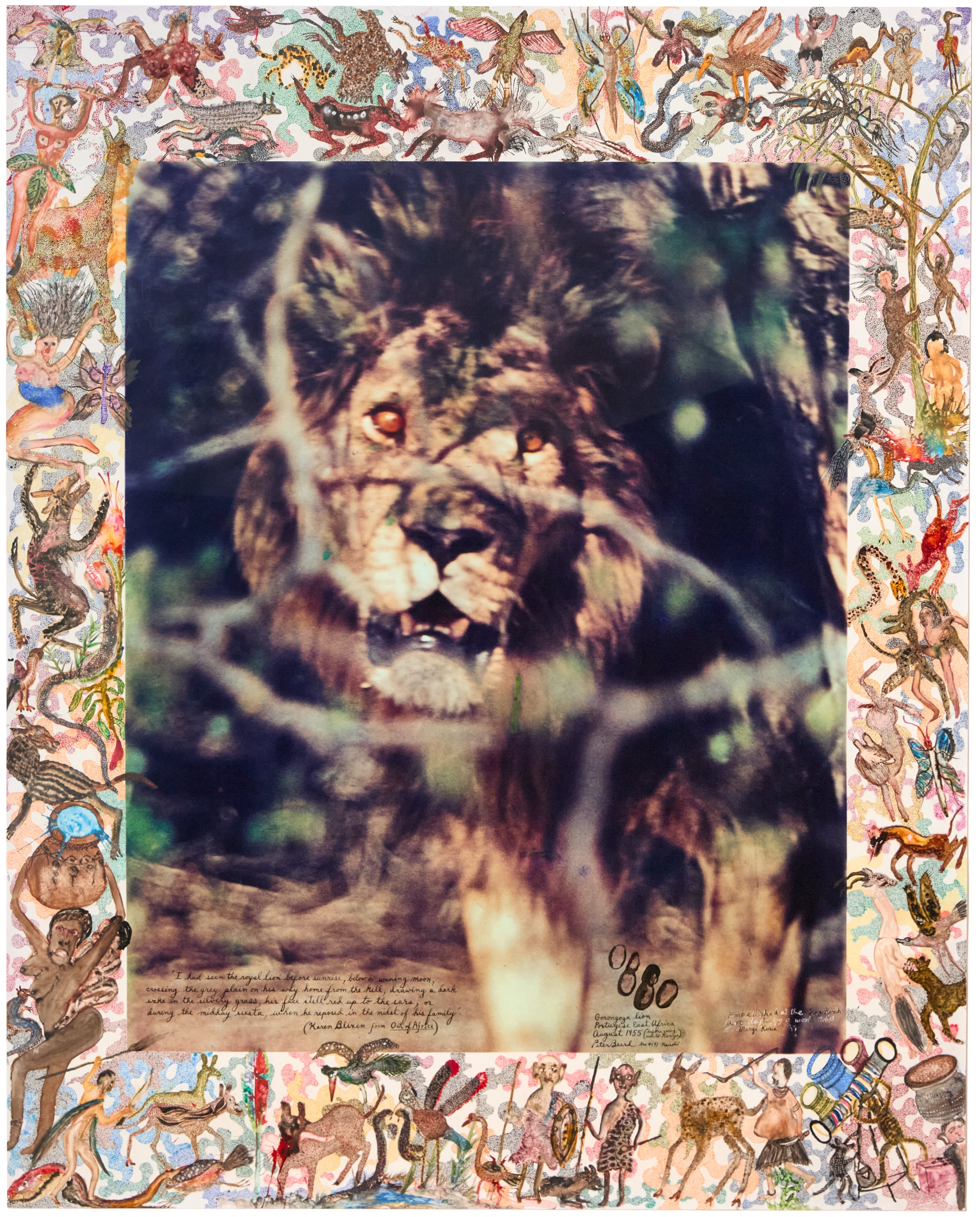
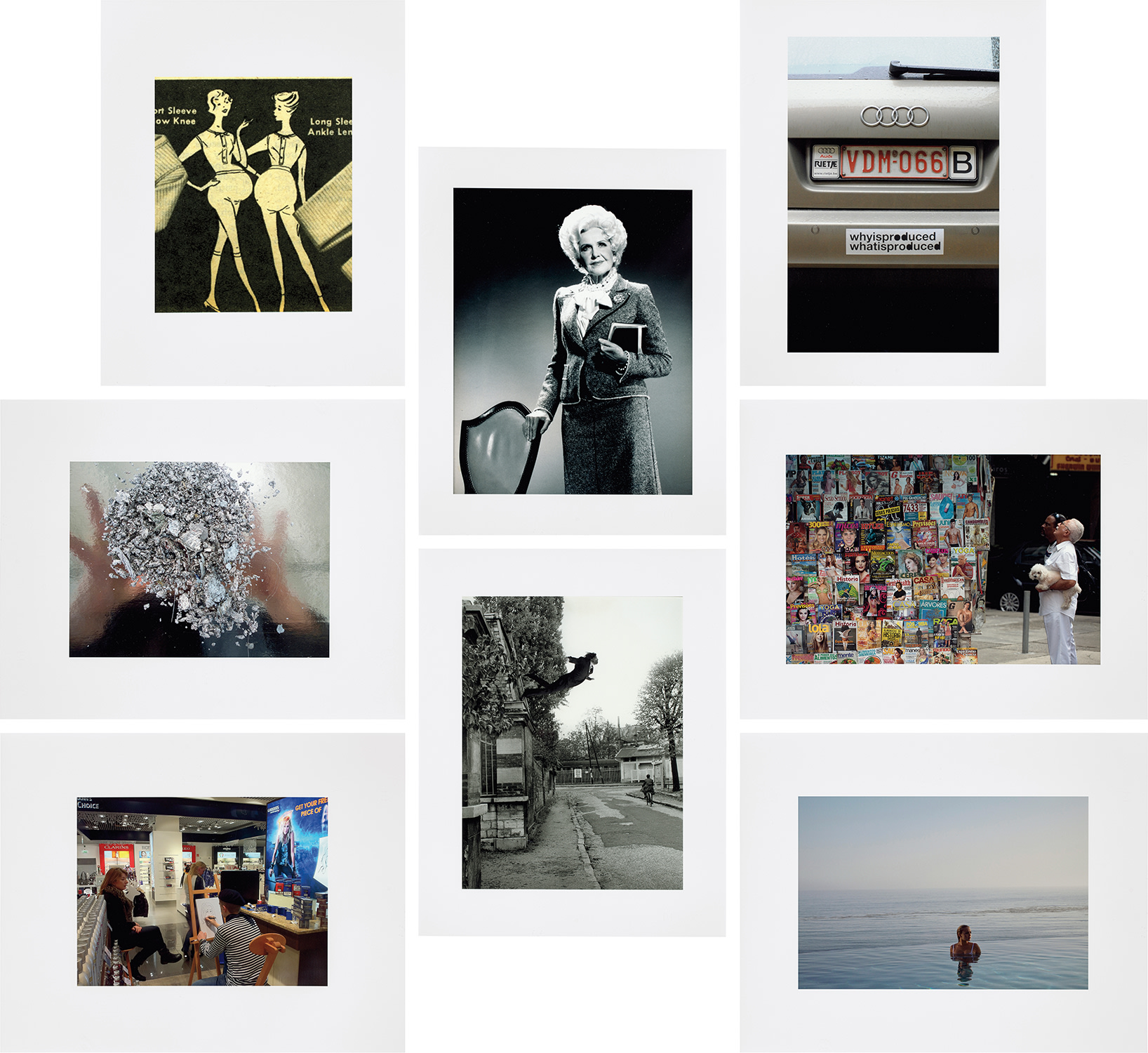
Robin Winfield
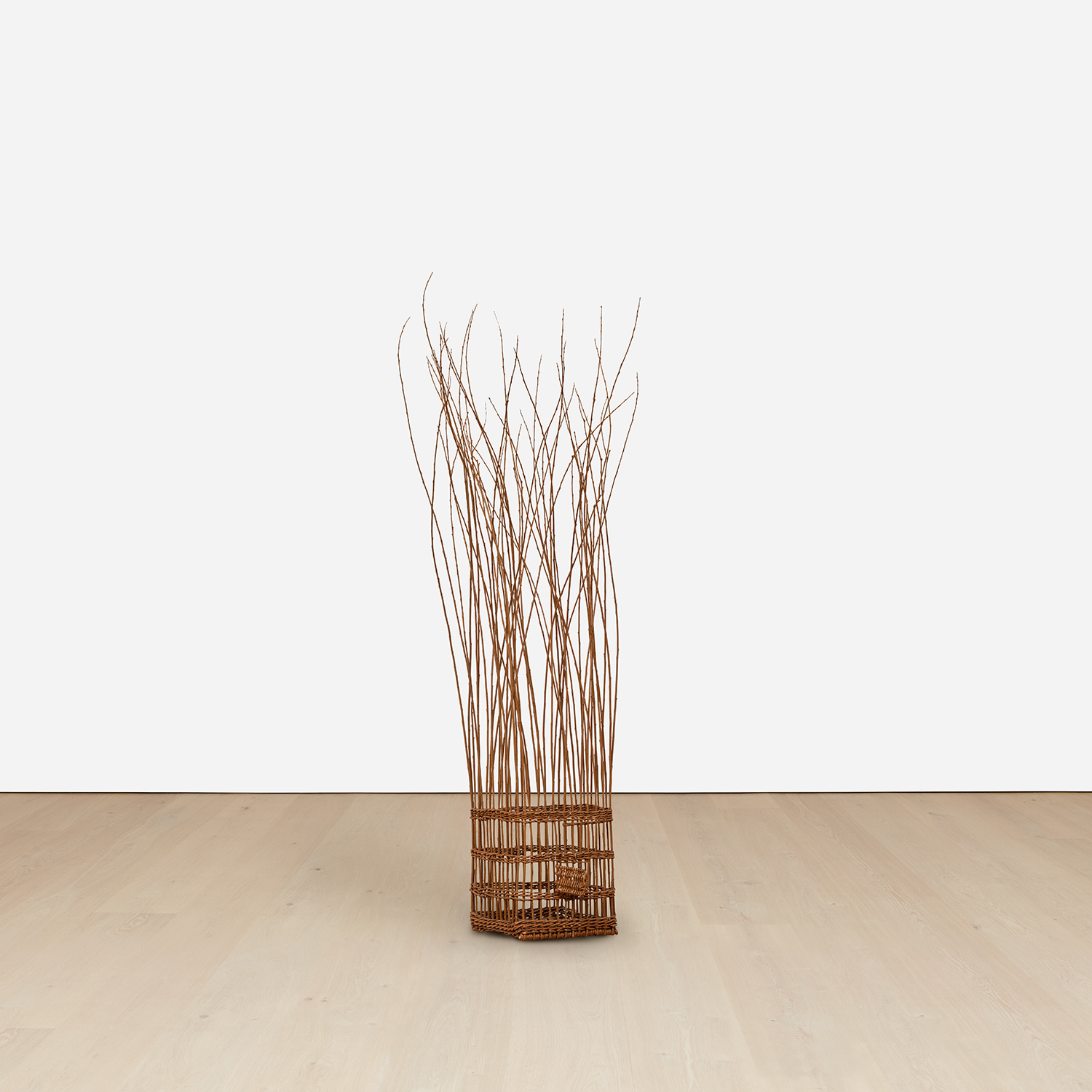
#216, Mexico
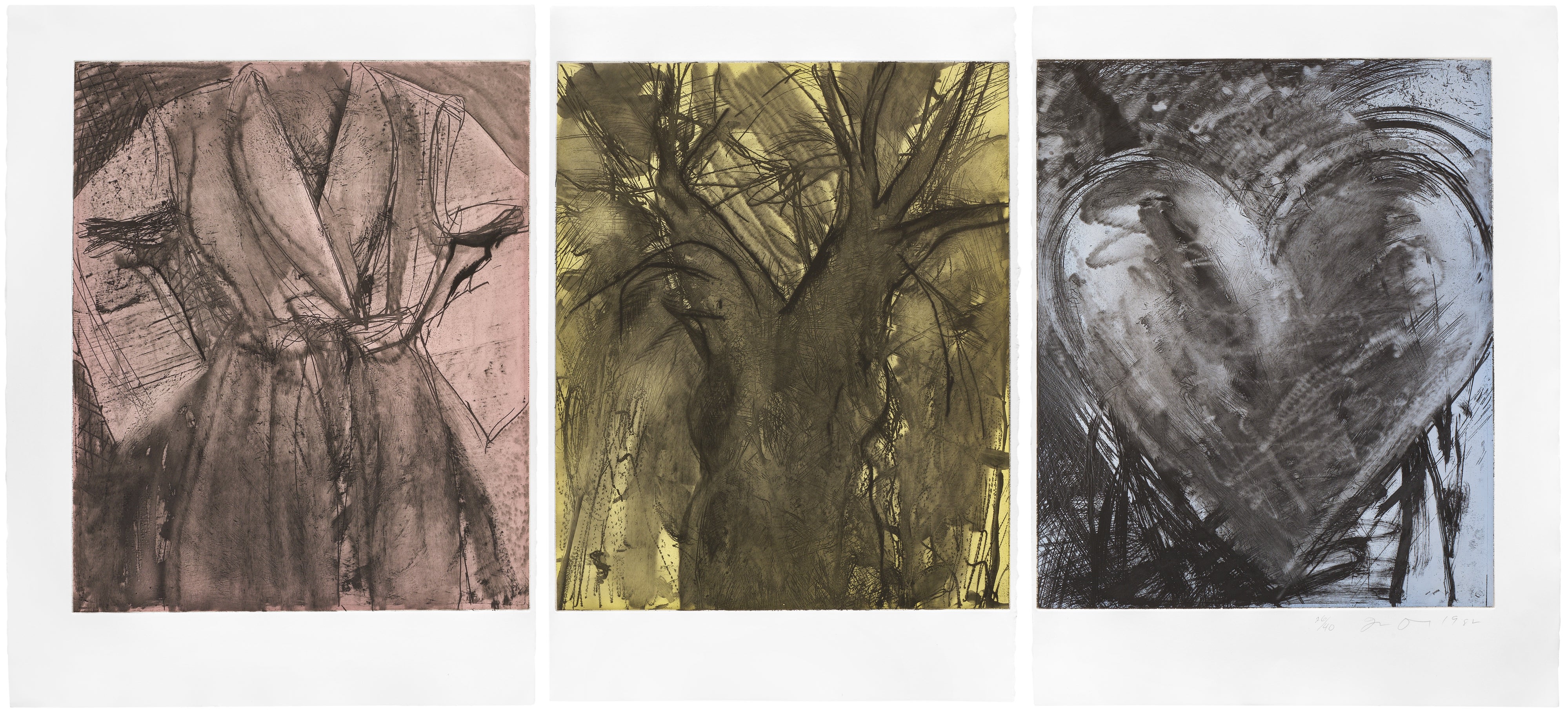
Jim Dine brought a more intimate, almost confessional energy to works that attached hardware, tools, and fabric to painted surfaces. Each of these figures, all well represented on The Collection, understood that the choice of material is never neutral. What you make a work from tells us what you think the world is made of. The generation that came to prominence in the 1990s and after inherited a genuinely open field.
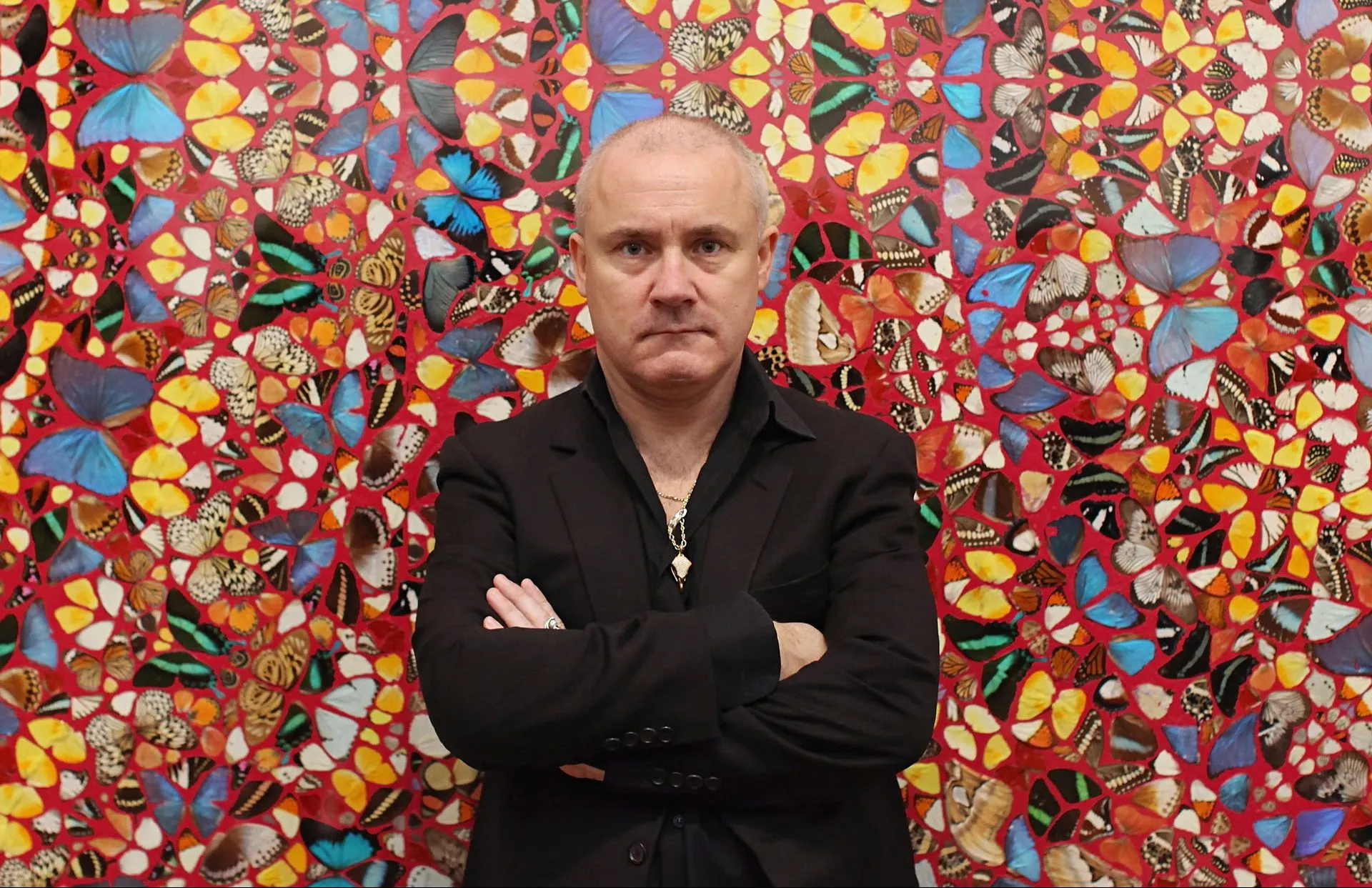
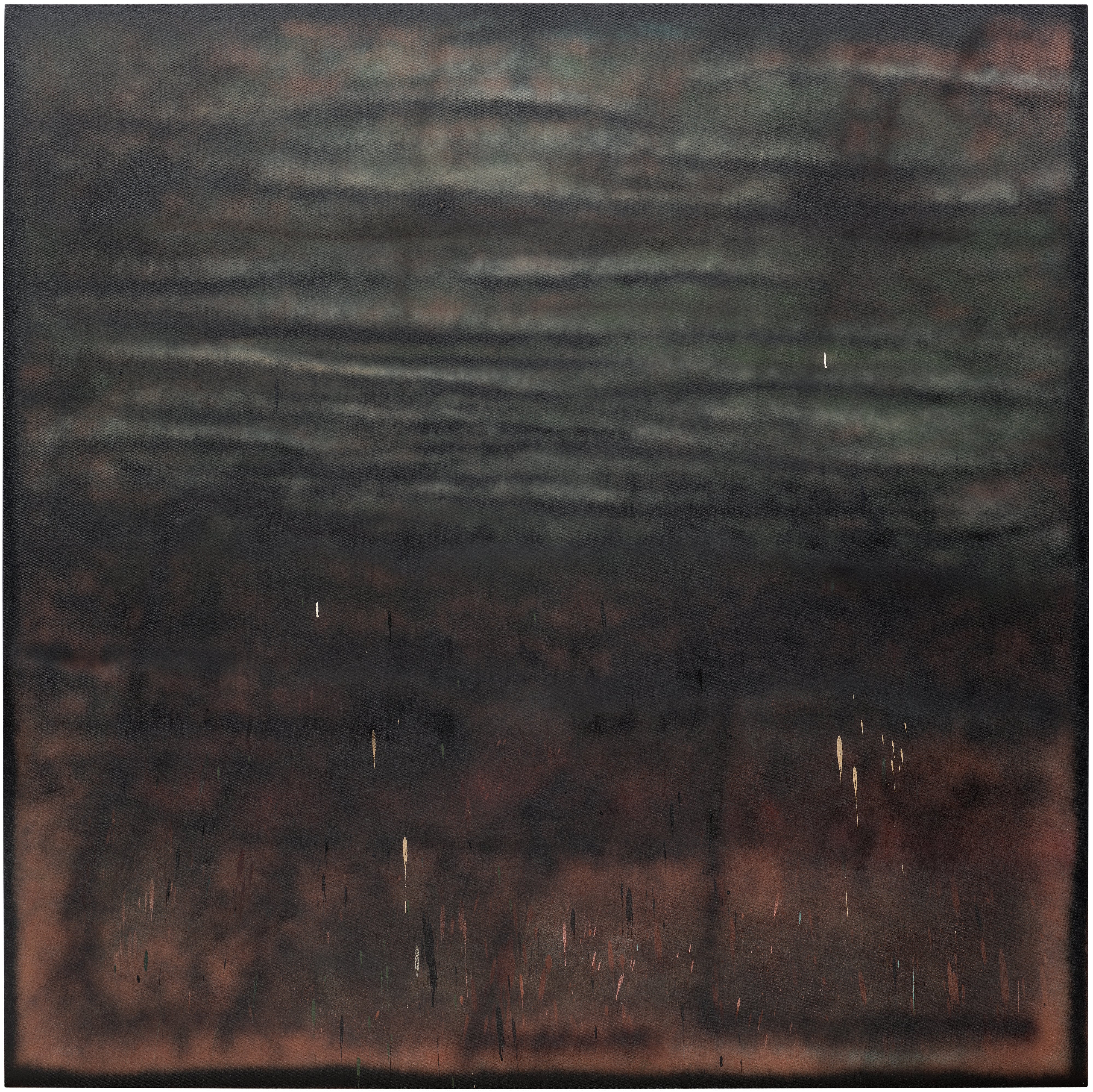
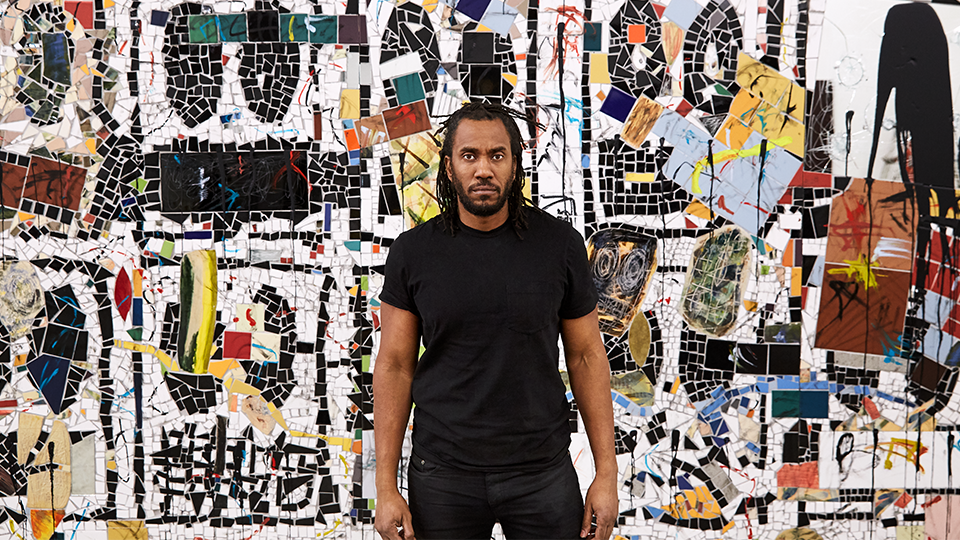
Damien Hirst's spot paintings and vitrine works incorporated biological specimens, pharmaceutical packaging, and industrial fabrication alongside paint in ways that interrogated how we understand value and mortality simultaneously. Mark Bradford builds densely layered surfaces from billboard paper, mesh, and string, creating abstractions that are also documents of urban commercial life. Rashid Johnson works across sculpture, photography, video, and painting, often combining shea butter, black soap, and growing plants in installations that treat material culture as autobiography. Mickalene Thomas embeds rhinestones into painted canvases, creating a dazzling surface that asserts Black feminine beauty with a richness that pure paint could never quite achieve.
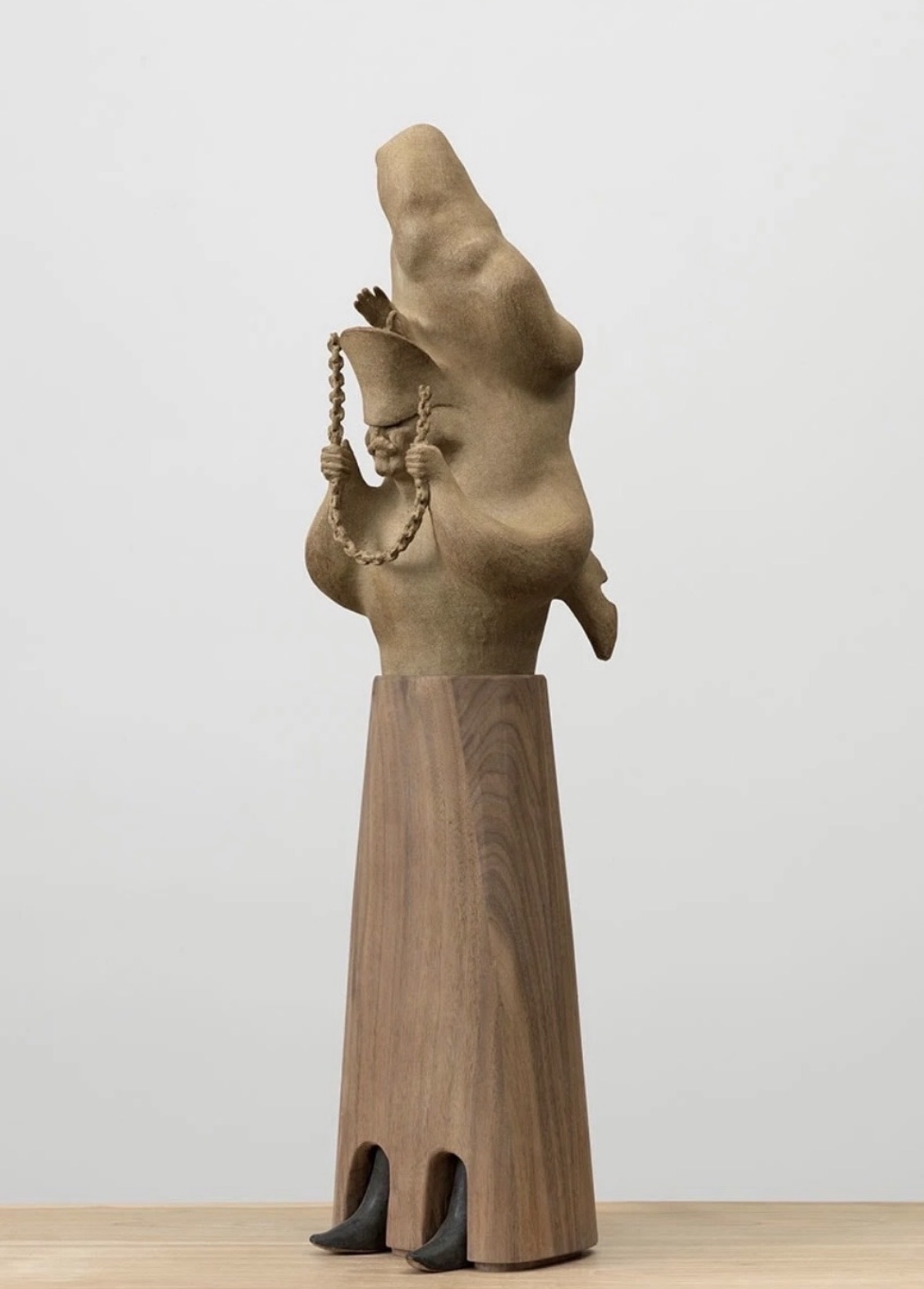
Damien Hirst
Dead Pain (Disprin Extra)
What connects all of these practices, from Schwitters's salvaged train tickets to Thomas's rhinestones, is a fundamental argument about representation. Mixed media insists that the world is layered, that meaning accumulates rather than arrives complete, and that no single material can contain a full account of lived experience. Oscar Murillo stitches and drags canvases across studio floors before hanging them, making the history of the object's making visible in its surface. Sterling Ruby's work moves freely between textile, ceramics, painting, and collage, treating each material as a different frequency of the same signal.
Vik Muniz creates images from unexpected substances and then photographs them, so that the final work is both the material arrangement and its photographic ghost. For collectors, mixed media presents particular pleasures and particular demands. These works often require more thought in installation and conservation than works in a single medium. They can be harder to categorize and sometimes harder to live with.
But they are also more alive in a specific way. They carry the debris of the world inside them. They age and change. They hold time differently than a painting or a sculpture alone can.
On The Collection, the depth and range of mixed media work reflects a broader truth about where art has been for the last century and where it shows every sign of continuing to go. The most interesting artists of our moment are not choosing between mediums. They are choosing everything, and asking us to look harder at what that means.