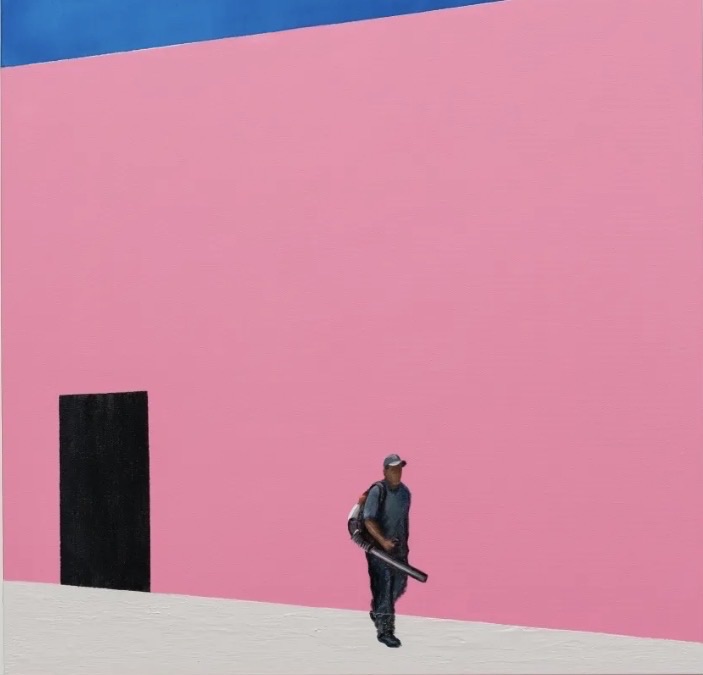
Urban
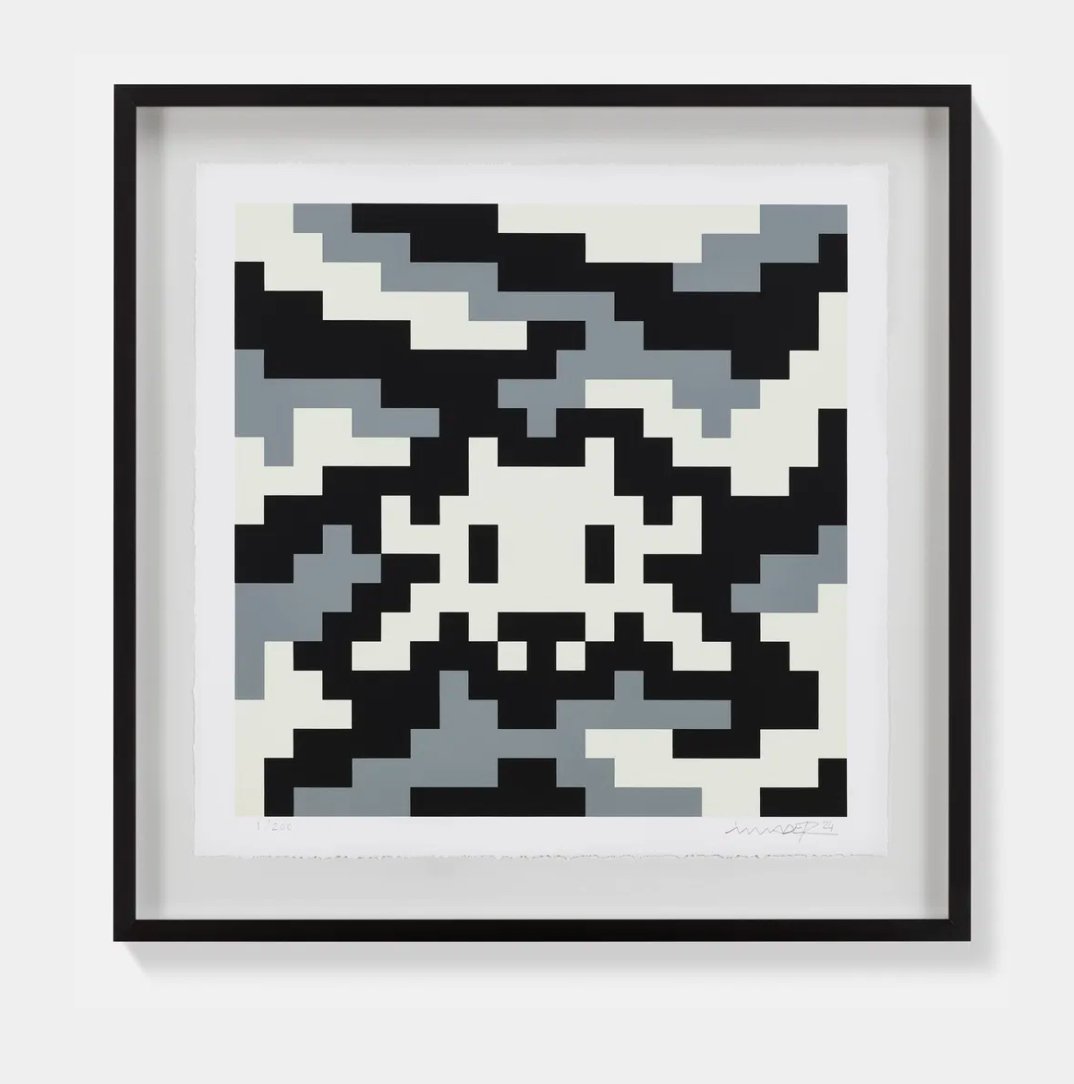
Invader
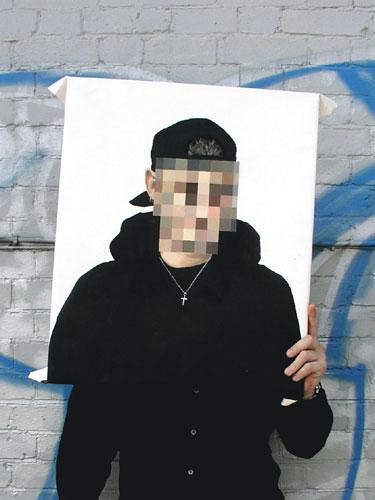
Camouflage (Small), 2024
The City Has Always Been the Canvas
There is no subject in the history of art more restless, more alive, more perpetually unfinished than the city. It refuses to sit still for its portrait. It changes overnight, tears itself down, rebuilds, sprawls, contracts, glows, and decays, sometimes all within a single block. Artists have been drawn to this turbulence not despite its difficulty but because of it, sensing that the city contains something essential about what it means to be human in the modern world.
To look at urban art across the centuries is to watch artists wrestling with a subject that always seems to be winning. The serious artistic engagement with urban life as a theme in its own right began to crystallize in the nineteenth century, as European cities swelled with industrial populations and the pace of daily life accelerated in ways that had no precedent. Paris was the crucible. Charles Baudelaire gave the experience its philosophical framework in the 1860s, theorizing the flâneur, the attentive wanderer who absorbed the spectacle of the modern city without being consumed by it.
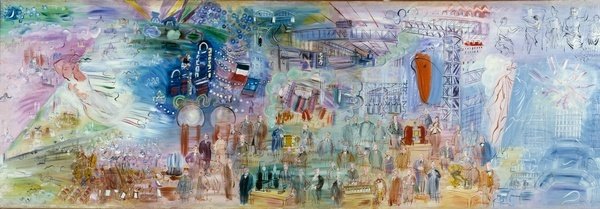
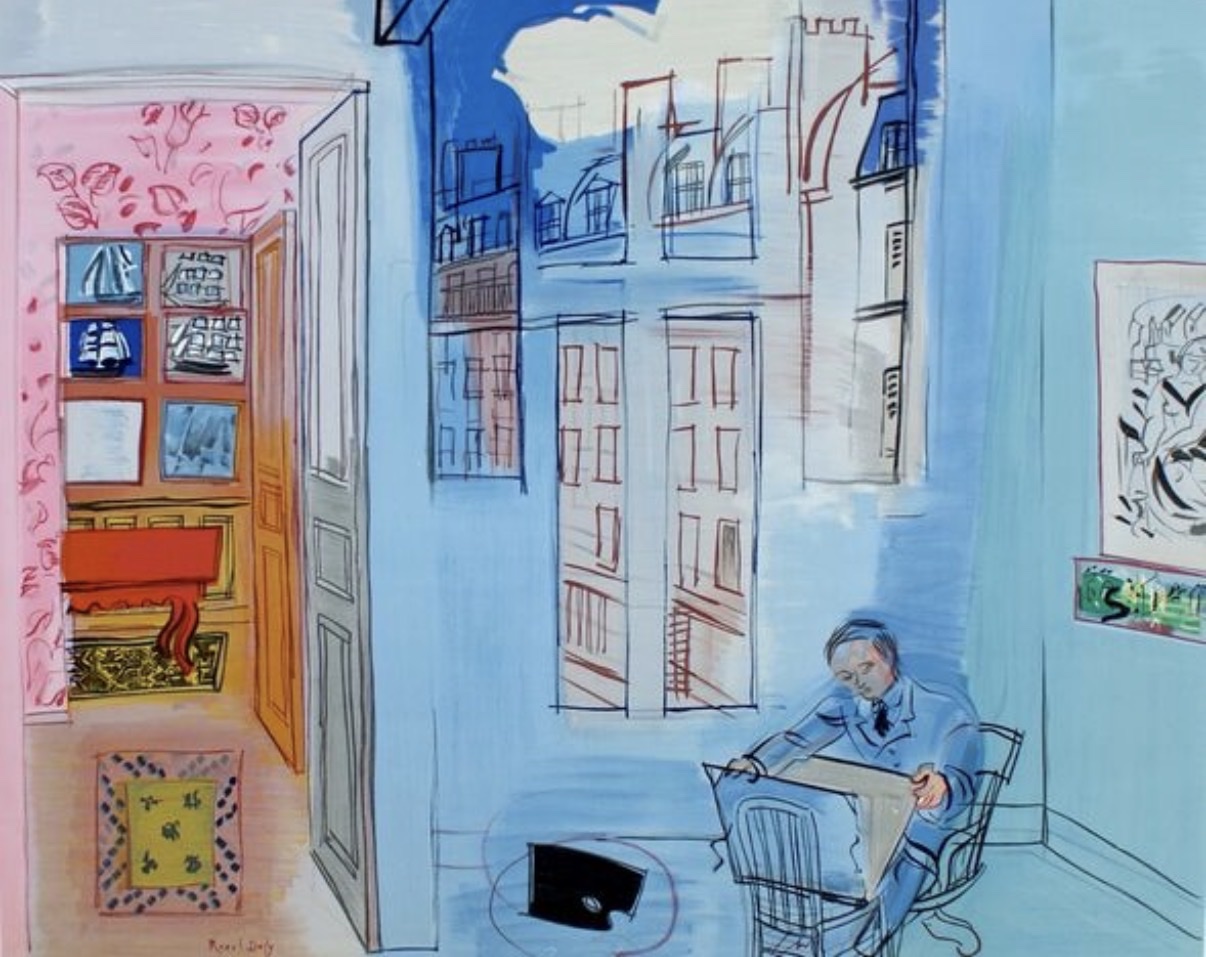
Raoul Dufy
La Fée Electricité, 1937
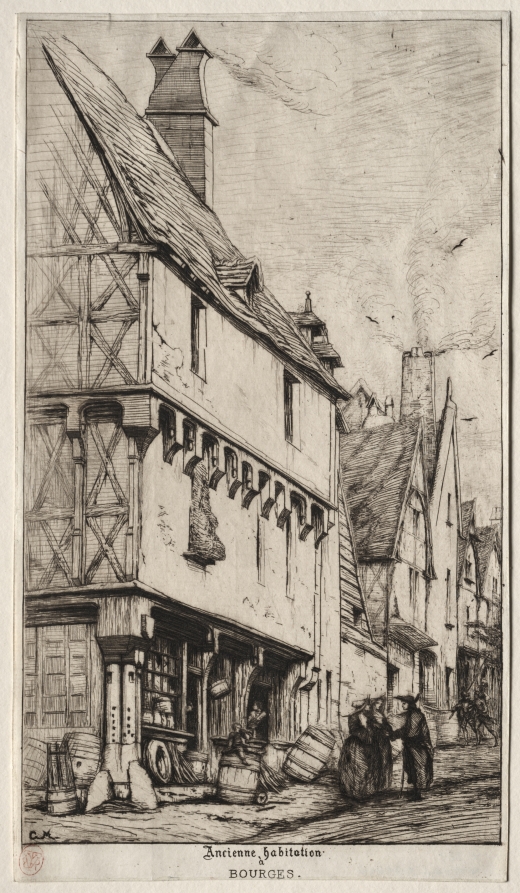
Artists followed this model instinctively. Charles Méryon, working in Paris in the 1850s and 1860s, produced a series of etchings of the city that remain among the most psychologically charged urban images ever made. His views of the Île de la Cité feel simultaneously documentary and hallucinatory, as though the stones of Paris contained a darkness that only the printmaker's needle could release. Across the Channel, James McNeill Whistler was finding his own relationship to the city, one built less on shadow than on atmosphere.
His nocturnes of the Thames, produced through the 1870s and into the 1880s, dissolved the industrial waterfront into something close to pure sensation. Whistler understood that the city at night was a different city entirely, stripped of its functional logic and returned to something more ambiguous and more beautiful. In Paris, Auguste Louis Lepère was working in a similarly observational mode, using the woodcut and etching to document the streets and crowds of a city in perpetual transformation. These artists were not illustrators.
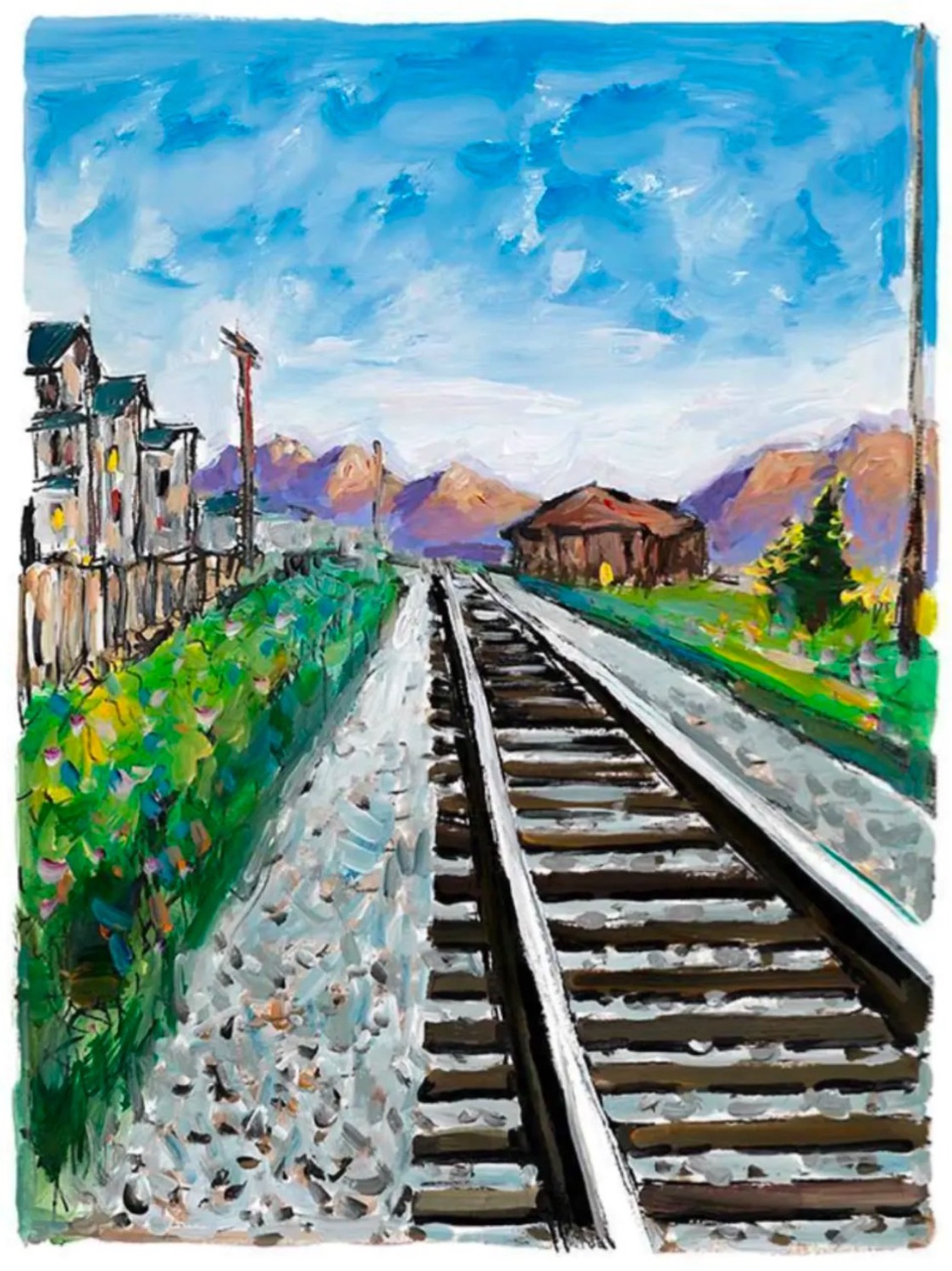
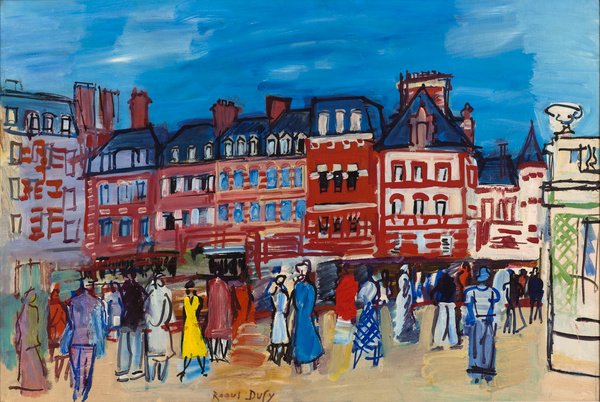
Bob Dylan
Train Tracks 2018 (blue), 2018
They were doing something harder, finding the emotional truth of urban experience and fixing it in ink. The camera changed everything, and it changed urban art most of all. Photography arrived in the nineteenth century with an appetite for the city that has never been satisfied. By the early twentieth century, photographers had established the urban street as their primary territory.
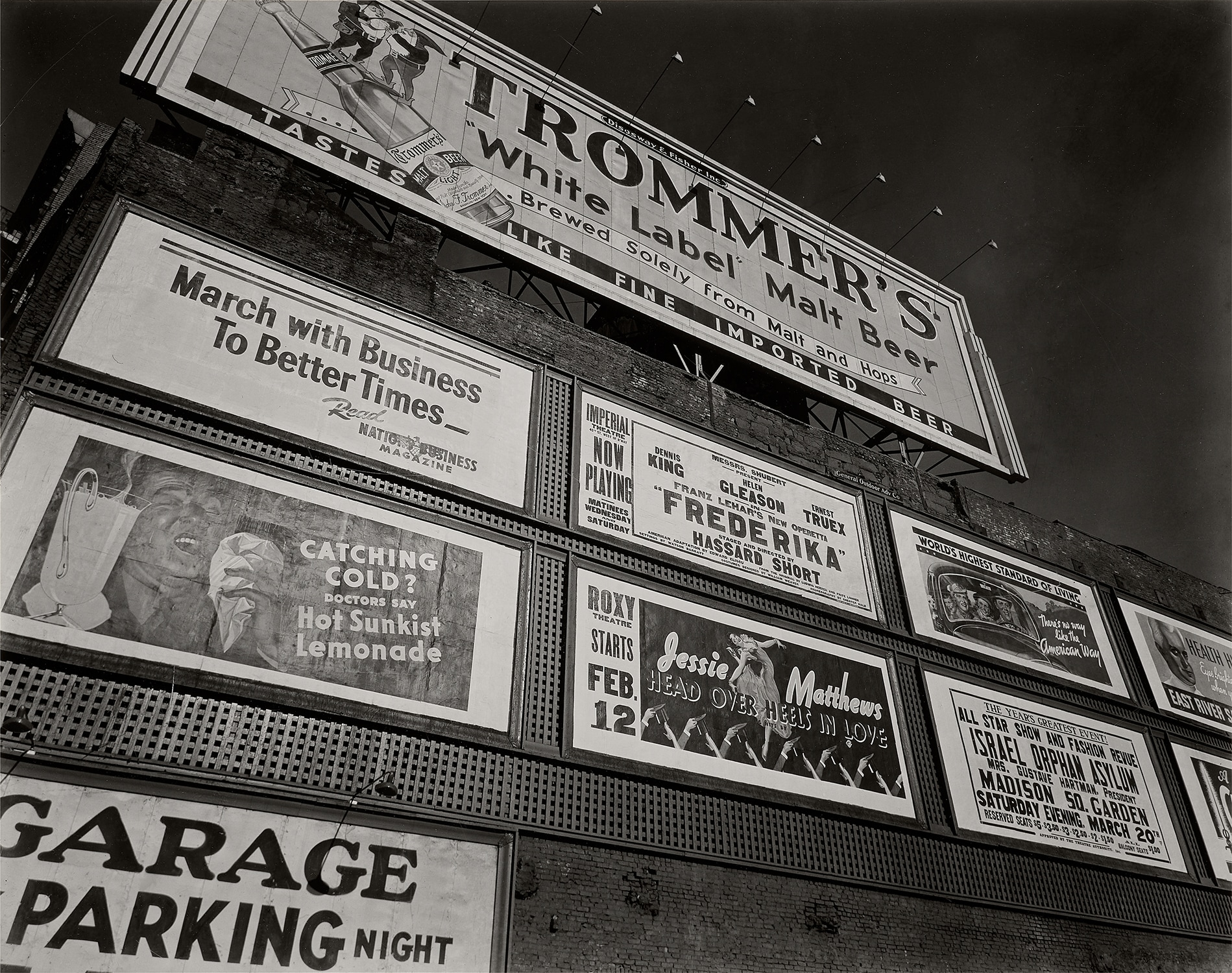
Berenice Abbott spent the 1930s systematically documenting New York City with a large format camera, producing her landmark project Changing New York, a work of extraordinary ambition that understood the city as an archive of overlapping histories. Around the same time, Walker Evans was photographing American streets and storefronts with a clarity that felt almost surgical. Lewis Wickes Hine had already spent years documenting the human cost of industrial urban life, his images of child laborers and immigrants arriving at Ellis Island serving as evidence and argument in equal measure. After the Second World War, the street photograph became the dominant form of urban art.
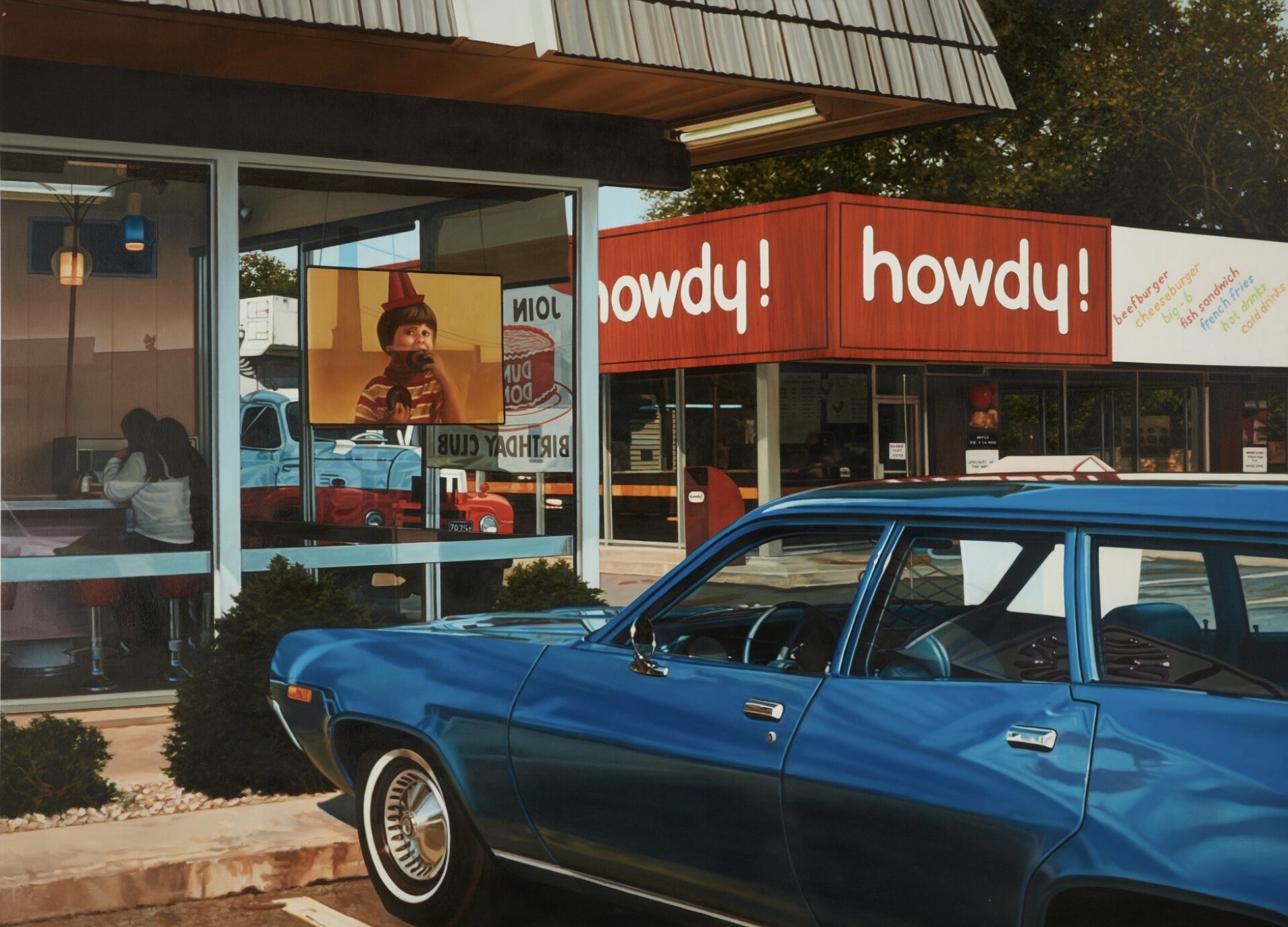
Tom Blackwell
Howdy Beef ‘n Burger, 1975
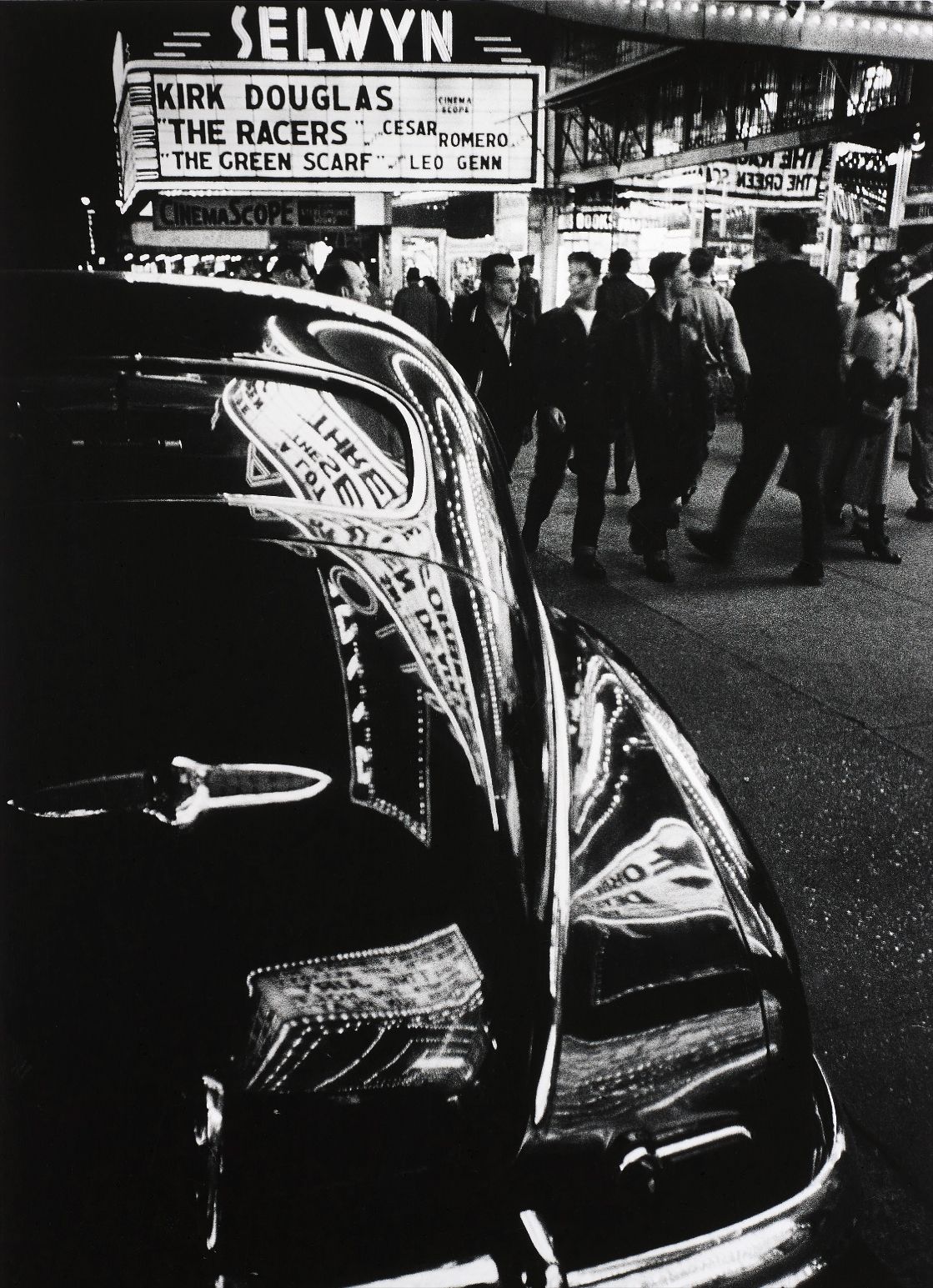
Robert Frank traversed the United States from 1955 to 1956 and published The Americans in 1958, a book that reframed what documentary photography could say and how it could say it. His images were grainy, tilted, uncomfortable, emotionally precise. They showed a country that its own citizens were not yet ready to see. Garry Winogrand followed with an almost compulsive energy, photographing New York in the 1960s as though the city were a natural phenomenon that needed constant monitoring.
Diane Arbus moved through the same streets toward darker, more intimate territory. William Klein brought noise and graphic aggression to the form, and Henri Cartier Bresson, working across decades and continents, gave the street photograph its defining methodology through what he called the decisive moment. Berenice Abbott, Klein, Cartier Bresson, and their generation elevated photography from documentation to art in ways that museum culture was slow to acknowledge but eventually could not ignore. Painting and printmaking never abandoned the city, even as photography dominated its representation.
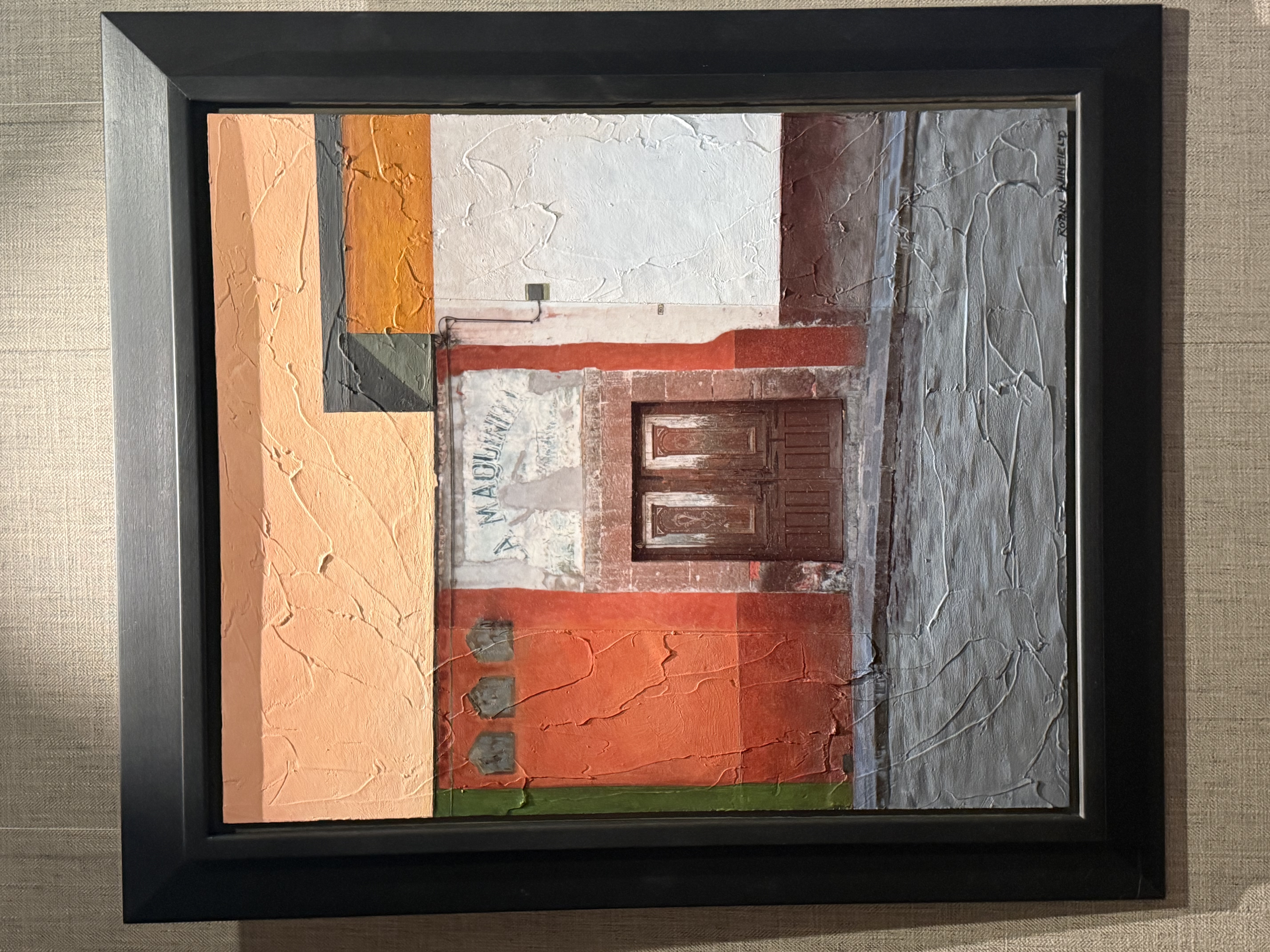
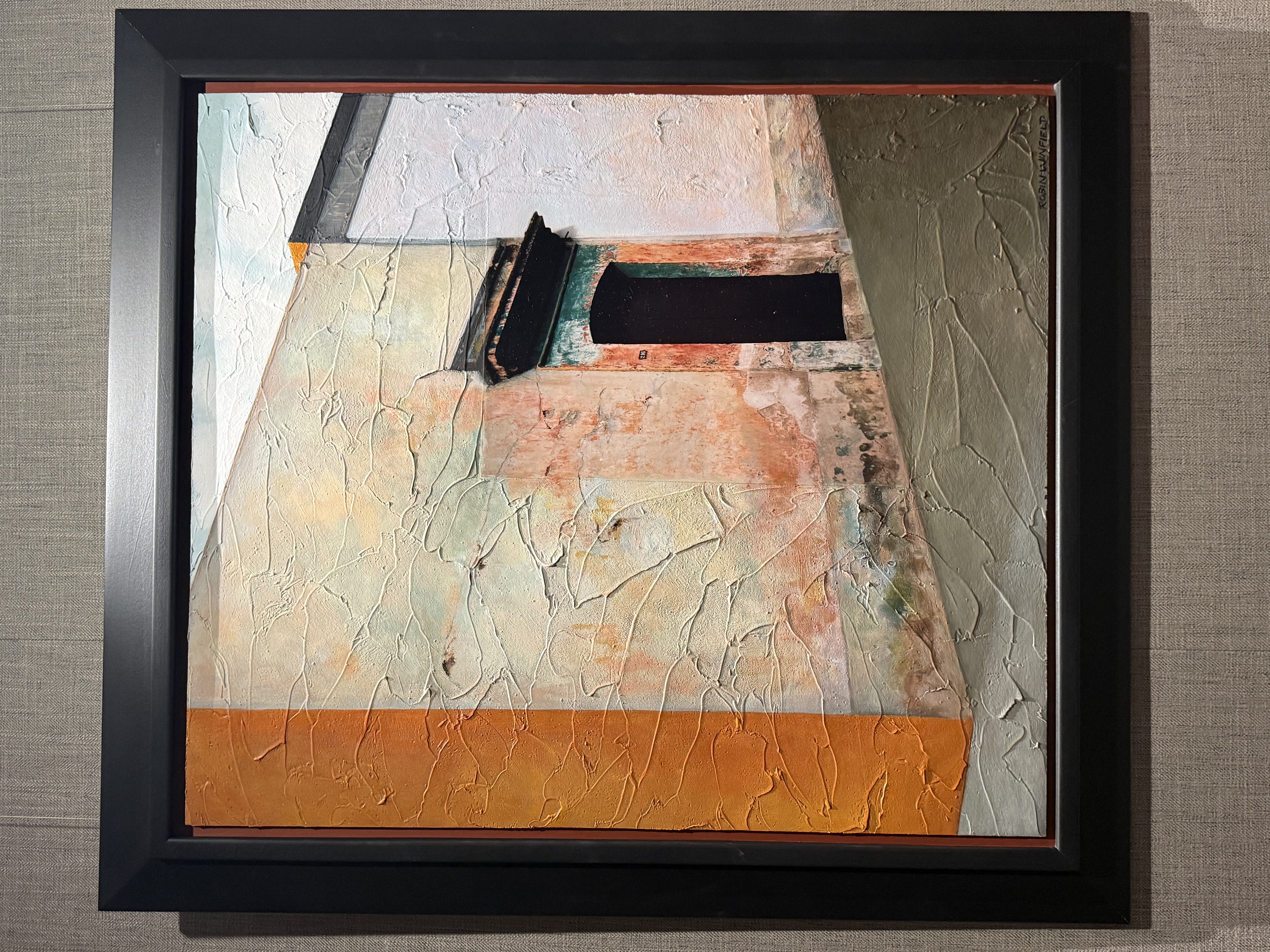
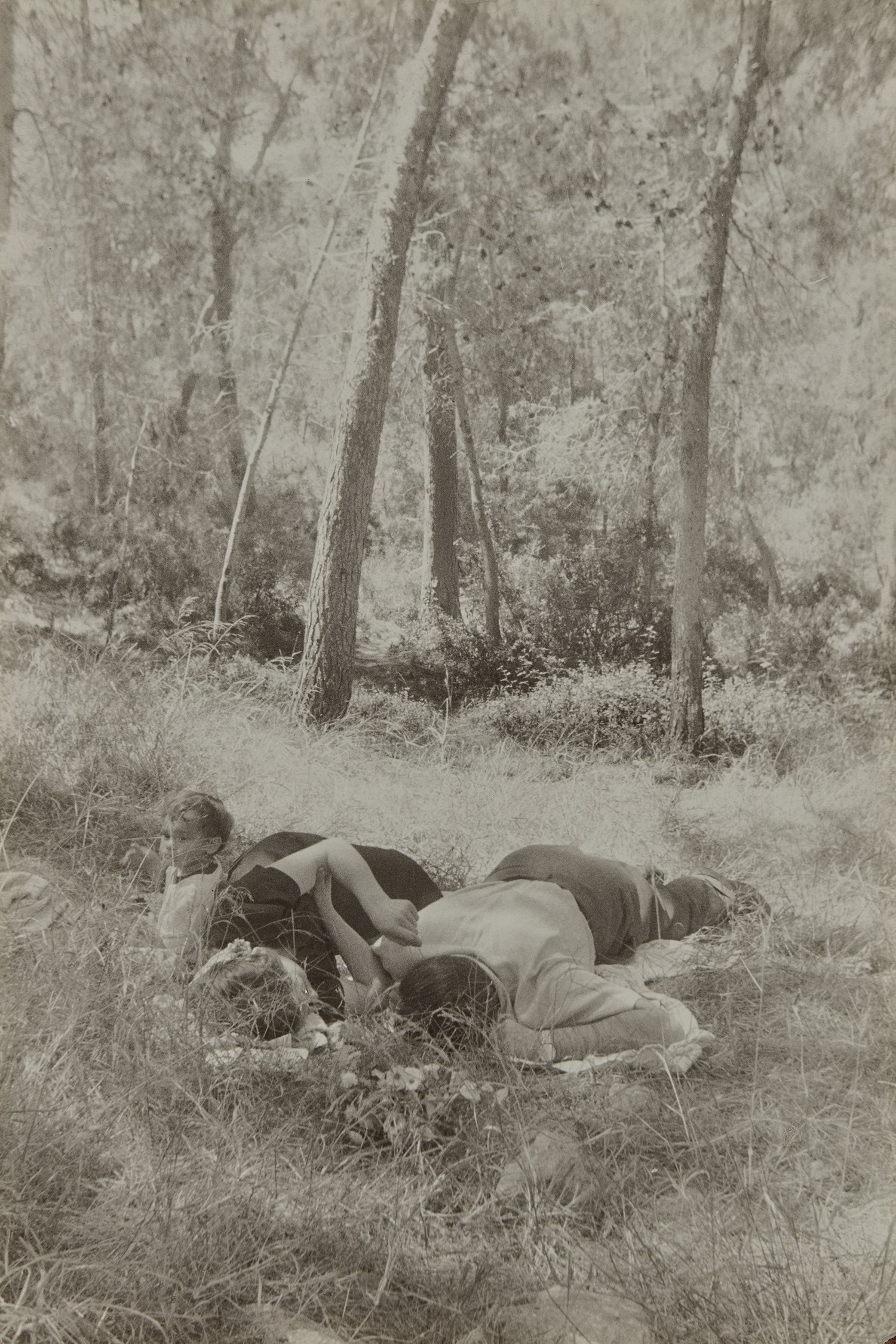
Robin Winfield
La Maquenita, Mexico
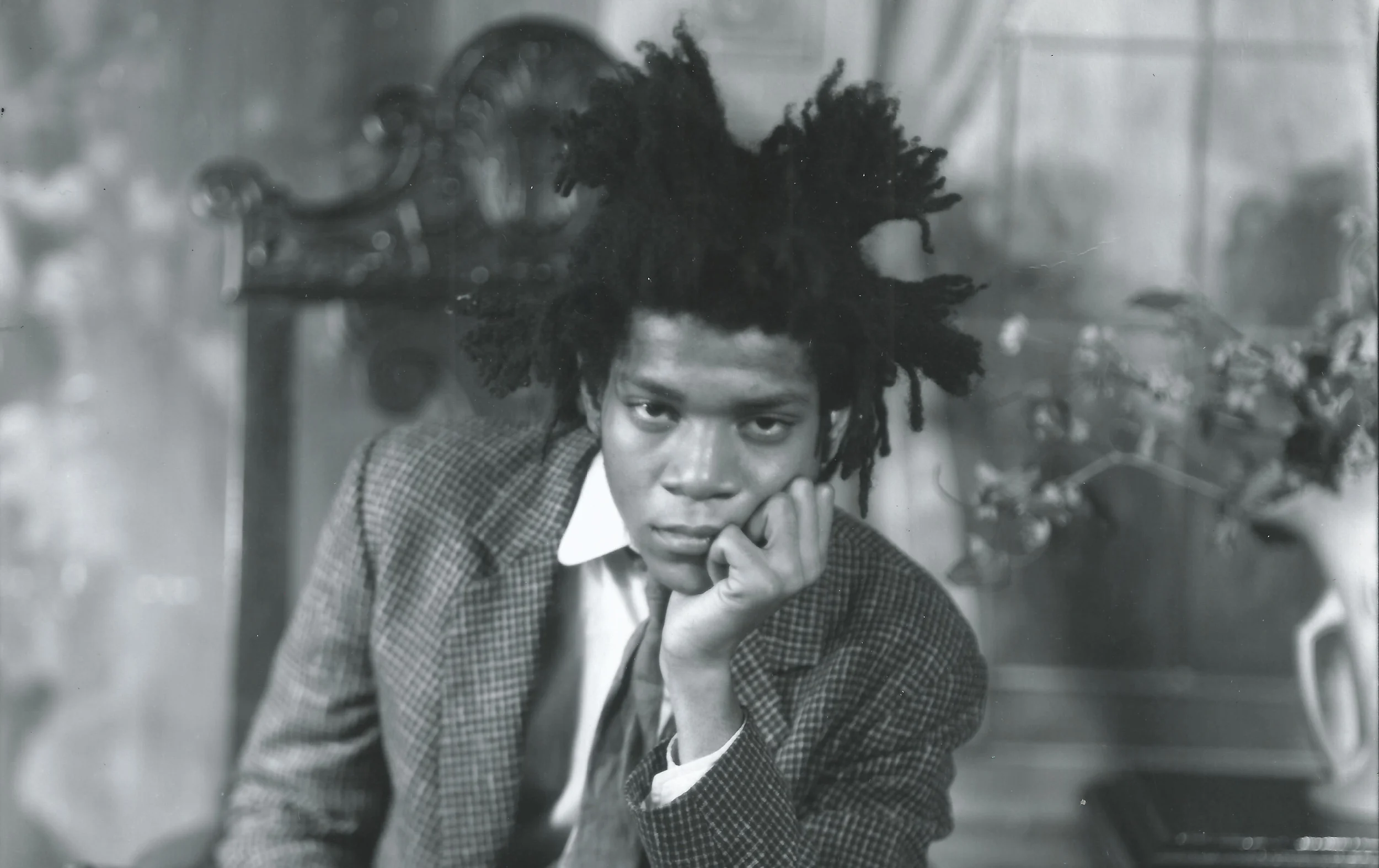
George Bellows captured the raw energy of New York in the early twentieth century with a physicality that matched his subject. By the 1970s and 1980s, a new generation was bringing urban experience directly into the gallery. Jean Michel Basquiat emerged from the streets of New York with a visual language built from graffiti, text, coded symbol, and art historical reference that made the city's social hierarchies visible in entirely new ways. Keith Haring found his audience first in the subway system, drawing in chalk on the black paper that covered unused advertising spaces, before that work migrated to galleries and museums worldwide.
The boundary between the street and the institution was dissolving. The urban theme also generated powerful conceptual responses. Ed Ruscha approached Los Angeles with a detached, almost clinical fascination, photographing the Sunset Strip as a continuous scroll in 1966 in a work that anticipated decades of thinking about the city as text. Mark Bradford works with materials salvaged from urban surfaces, layering and excavating the built environment as a way of uncovering the histories embedded in place.
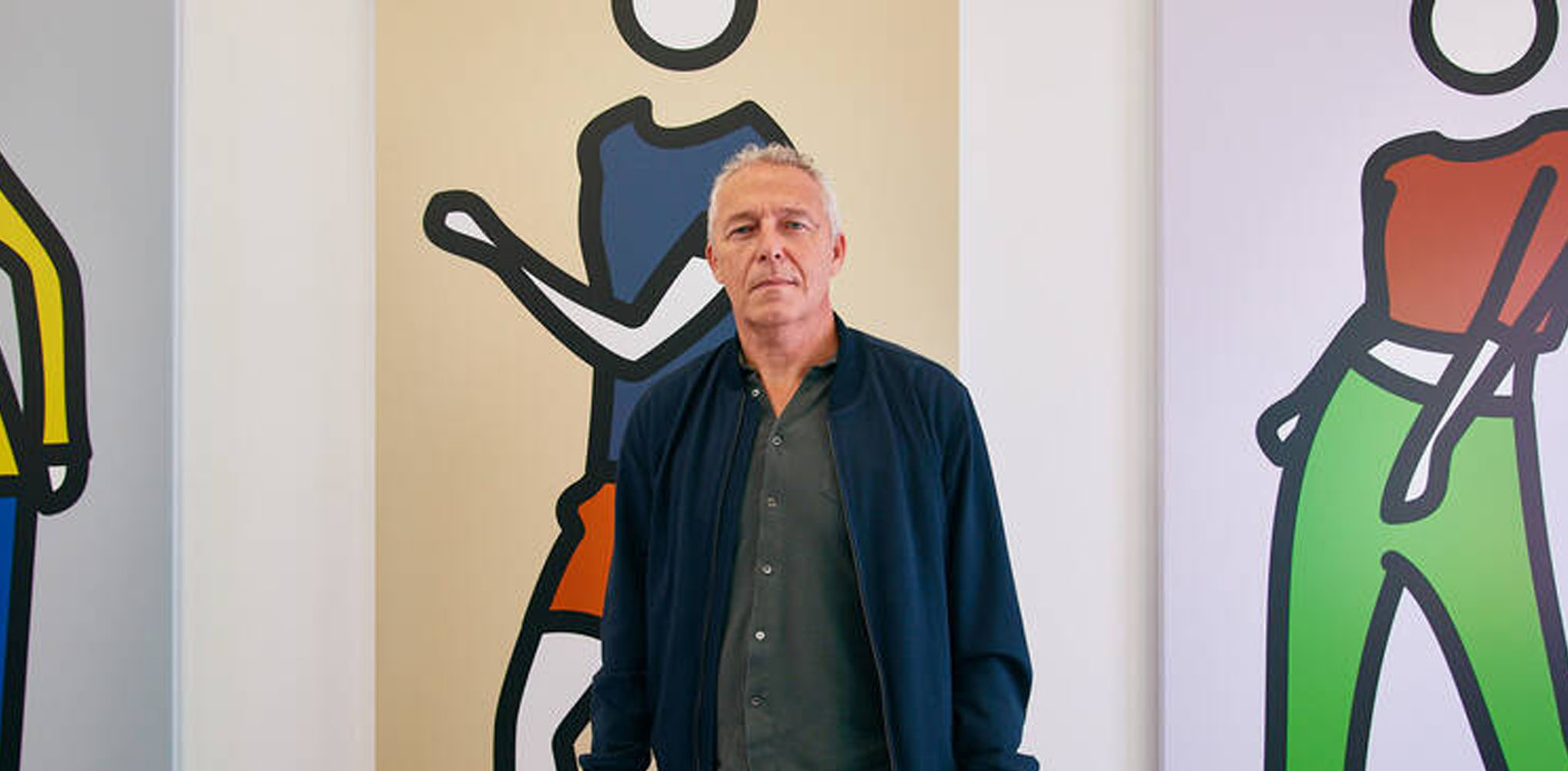
Robert Longo translated the kinetic energy of city movement into large scale charcoal drawings that feel simultaneously monumental and forensic. Julian Opie reduces the human figure to a walking sign, the individual absorbed into the crowd, the crowd reduced to a repeating pattern. Street art brought the question of who owns the city's visual space into sharp focus. Banksy turned urban surfaces into platforms for unsanctioned commentary, reaching audiences that galleries never could.
Shepard Fairey, KAWS, and others demonstrated that the street and the studio were no longer separate economies but part of the same conversation. Daidō Moriyama photographed Tokyo with a grain and contrast so extreme that the city seemed to be dissolving into pure energy, a visual correlate of urban overload. What The Collection holds in this theme is remarkable for its range, from nineteenth century etchings to twenty first century street interventions, from documentary photography to gestural abstraction. The city has always been the place where the social and the aesthetic collide most productively, where the artist is both witness and participant, never quite outside the thing being observed.
That tension has produced some of the most vital work in the history of art, and it shows no sign of resolving.