Nature
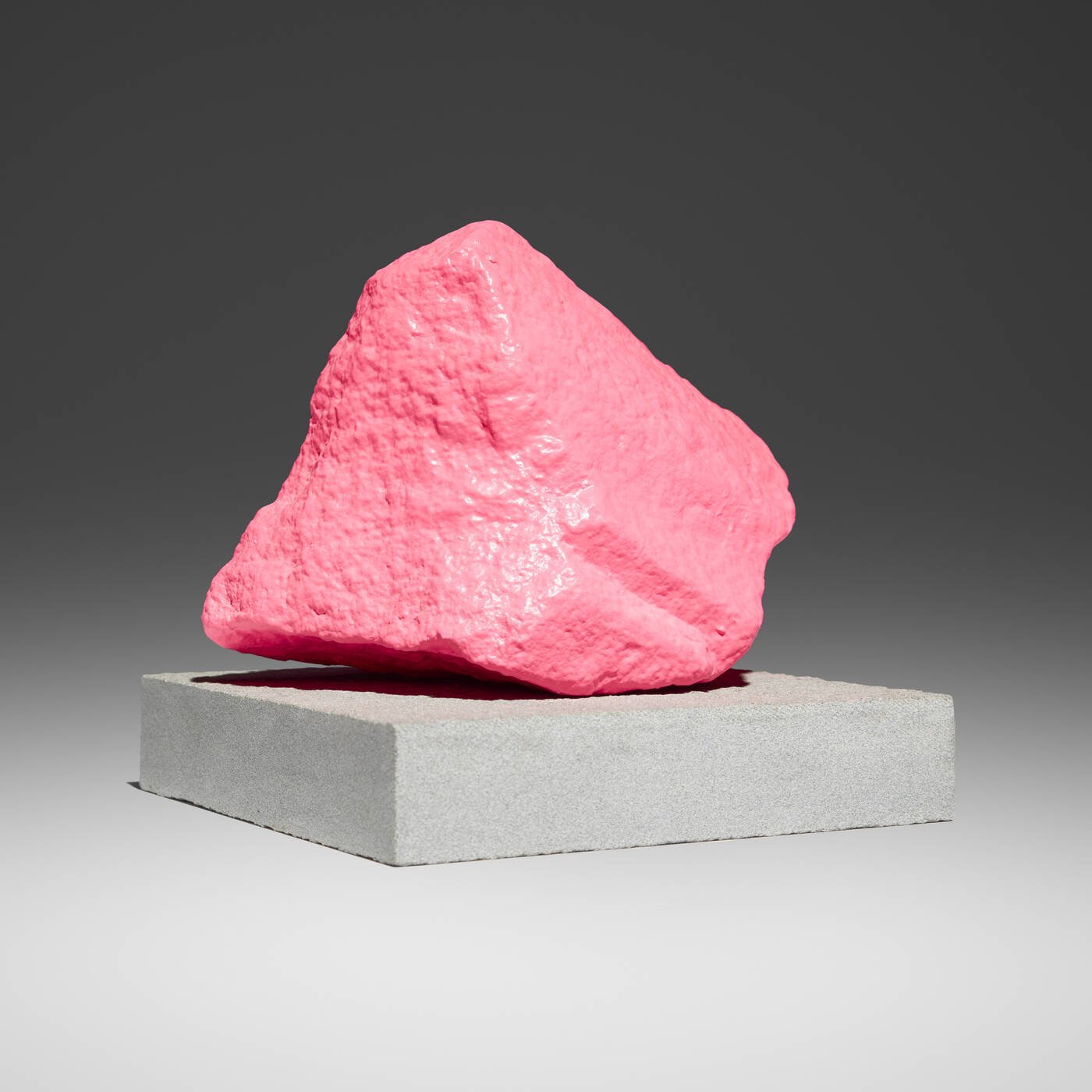
Ugo Rondinone
Small Pink Mountain, 2016

The Wild World Art Cannot Stop Painting
There is something almost embarrassing about how persistently artists return to nature. Across centuries, continents, and radical shifts in what art is even supposed to do, the natural world keeps pulling creative minds back to its light, its weather, its creatures, and its silence. It is not nostalgia that drives this. It is something more urgent: the sense that nature remains the one subject large enough to hold everything a person might want to say about time, beauty, mortality, and belonging.
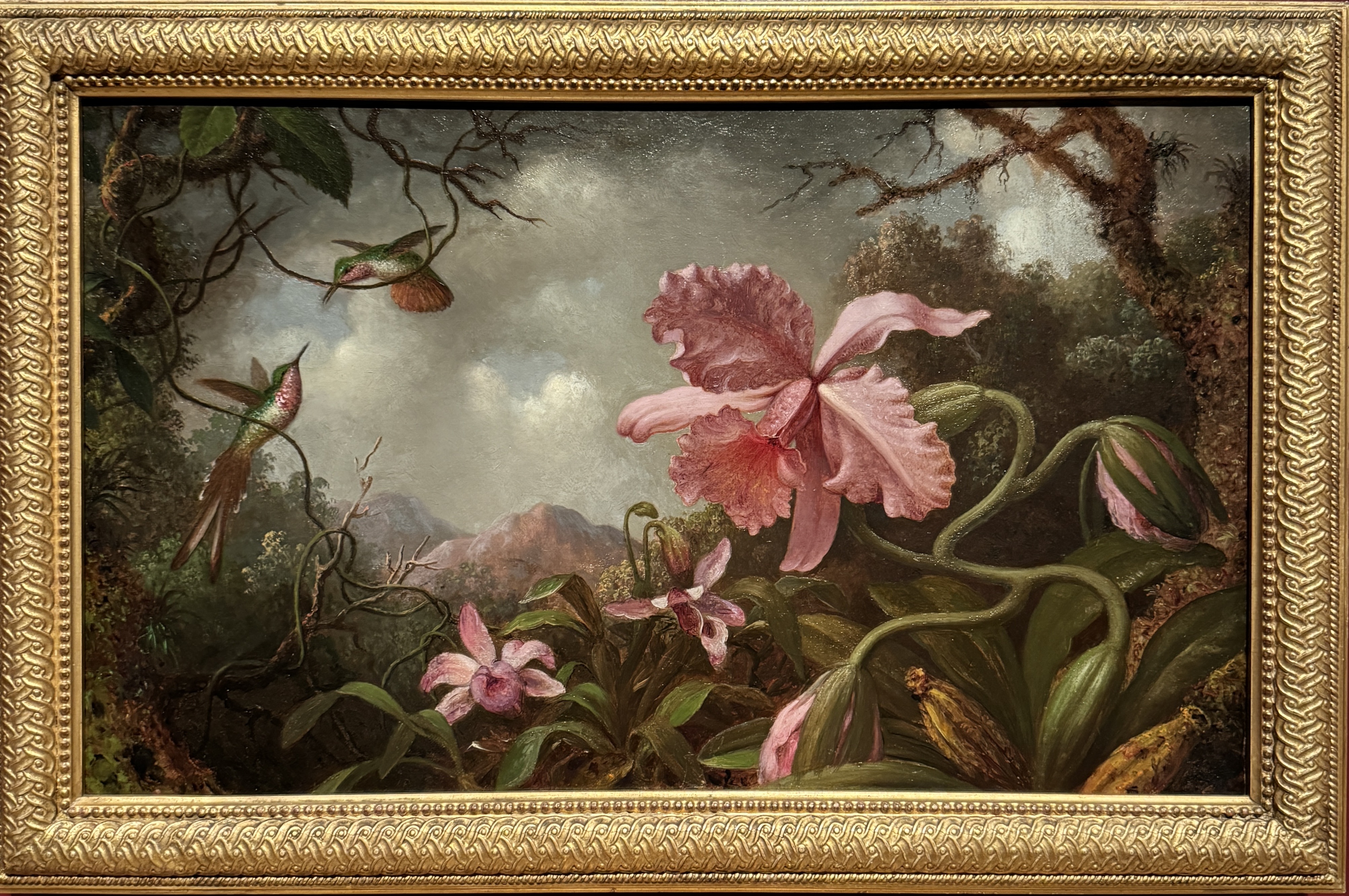
To collect works about nature is to collect a conversation that has no end. The roots of nature as a serious artistic concern in the Western tradition stretch back to the Dutch Golden Age, when painters like Jacob van Ruisdael elevated landscape from mere backdrop to full protagonist in the mid seventeenth century. But the real transformation came in the early nineteenth century, when Romanticism gave nature its philosophical weight. Artists began to understand the natural world not simply as scenery but as a force capable of inspiring awe, terror, and spiritual revelation.
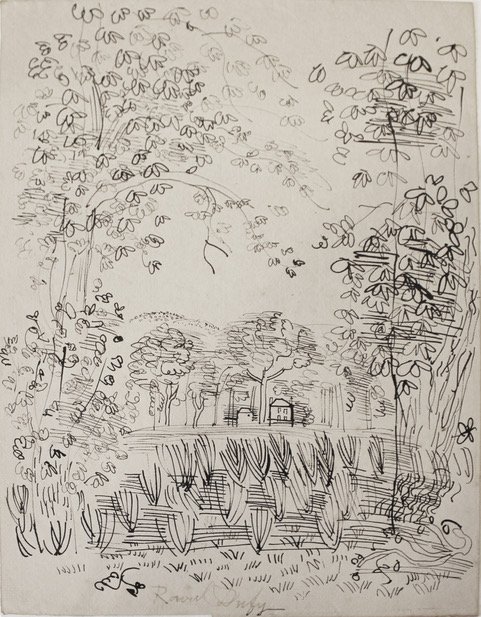
Raoul Dufy
Landscape, 1930
Caspar David Friedrich placed solitary figures before vast mountain vistas as a way of measuring human smallness against the infinite. J.M.W.
Turner dissolved solid matter into atmospheric light, suggesting that nature operated beyond the reach of rational description. These were not pretty pictures of countryside. They were arguments about the human condition. By the 1830s and 1840s, the Barbizon School in France brought nature back to earth, quite literally.
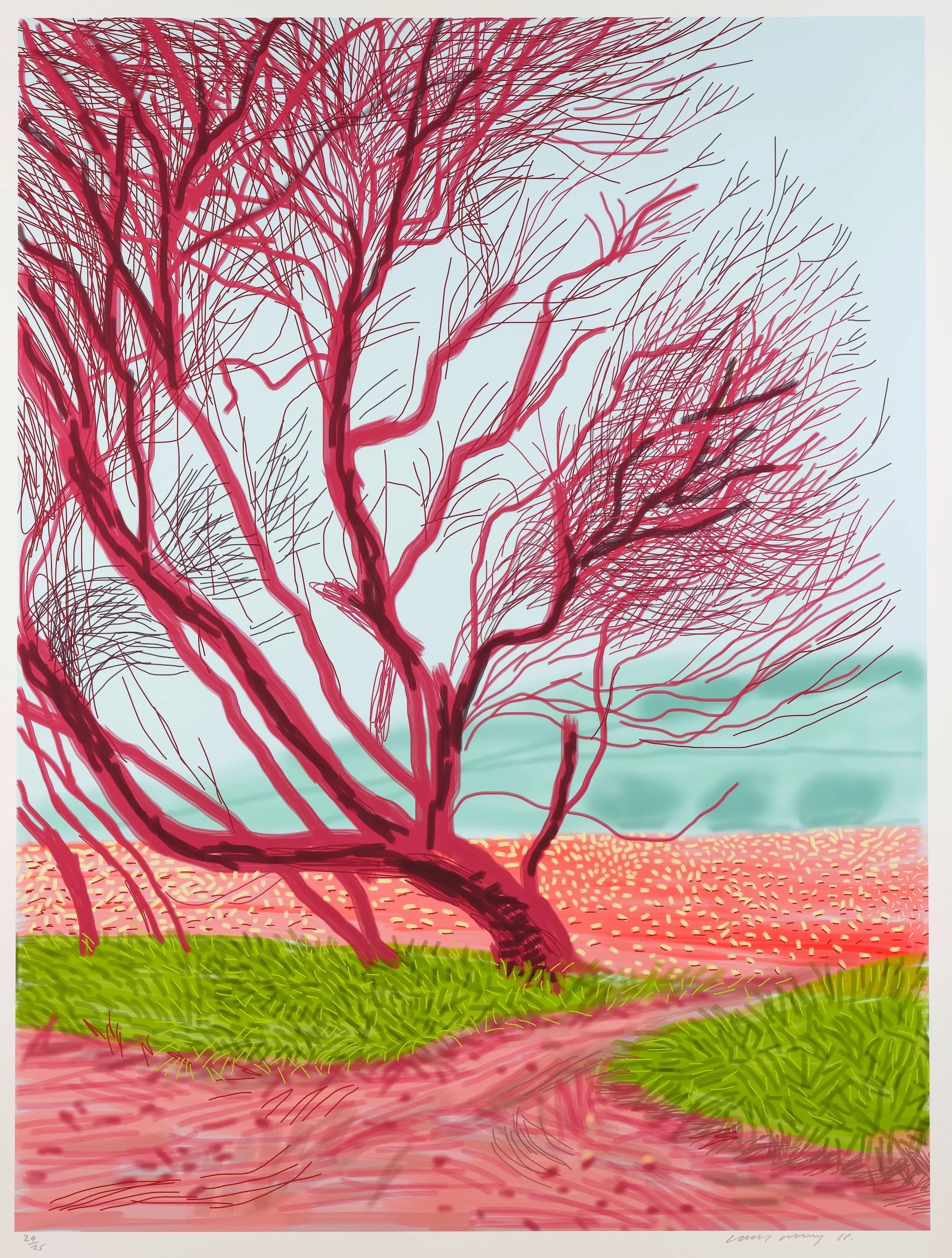
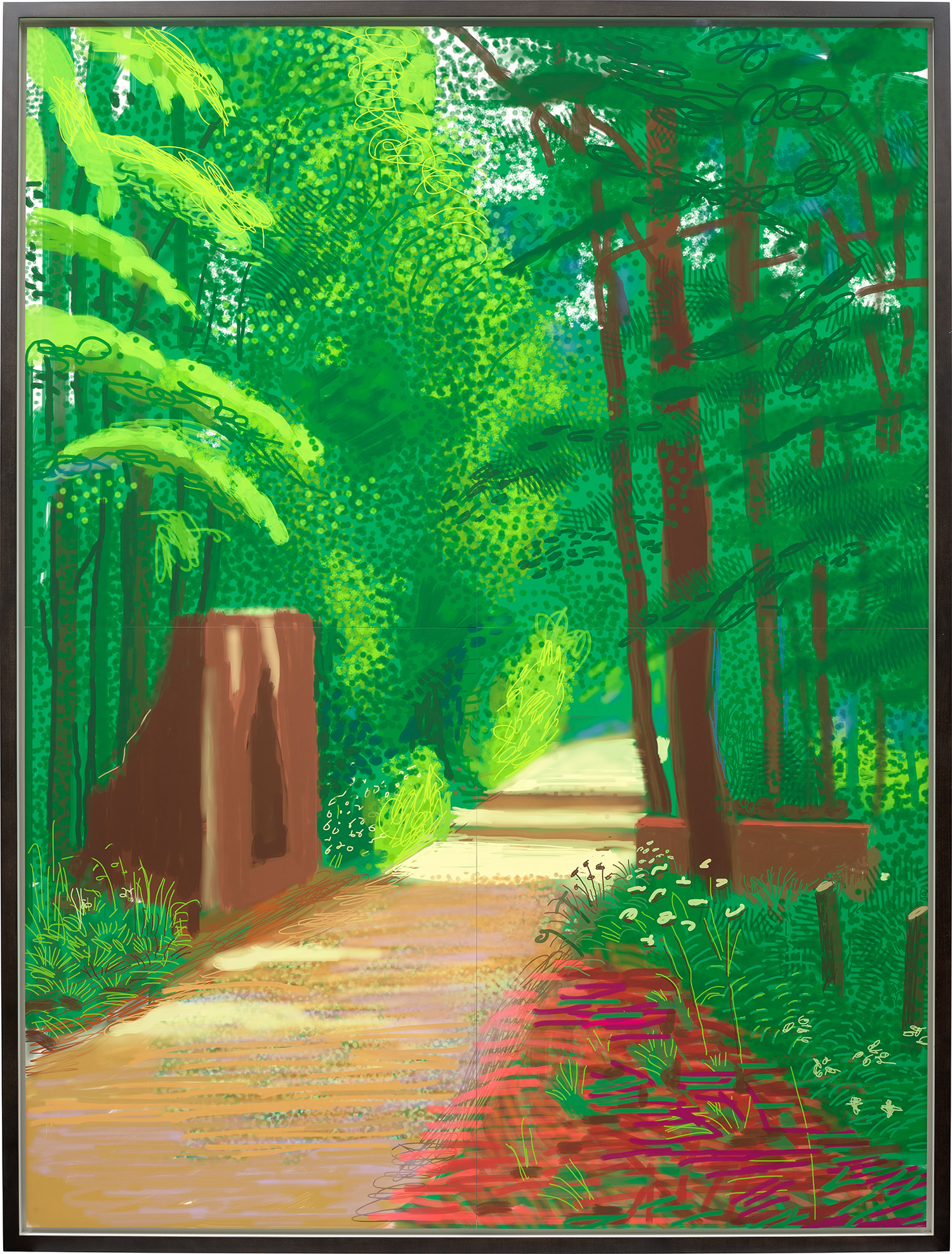
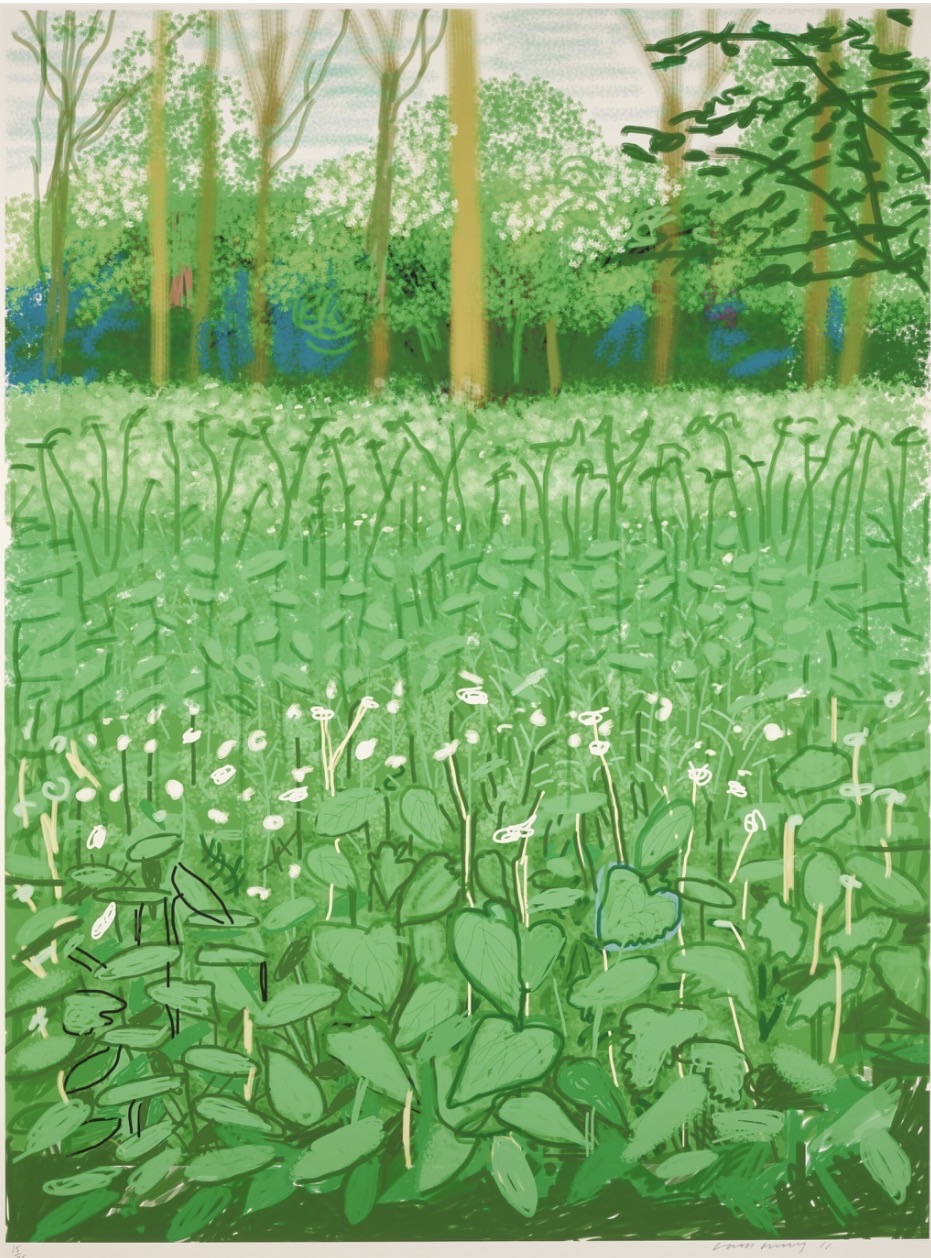
David Hockney
The Arrival of Spring in Woldgate, East Yorkshire in 2011, 2011
Working outdoors in the forest of Fontainebleau, painters like Camille Corot and Charles François Daubigny insisted on direct observation rather than studio invention. Daubigny, whose works are well represented on The Collection, was among the first artists to paint from a floating studio boat on the Oise and Seine rivers, catching the particular shimmer of water and the specific weight of afternoon clouds. This commitment to looking rather than imagining was radical, and it seeded everything that followed, including the Impressionism that would flower in the 1870s. Camille Pissarro, whose prints and paintings appear on The Collection, bridged the Barbizon sensibility and Impressionist color.
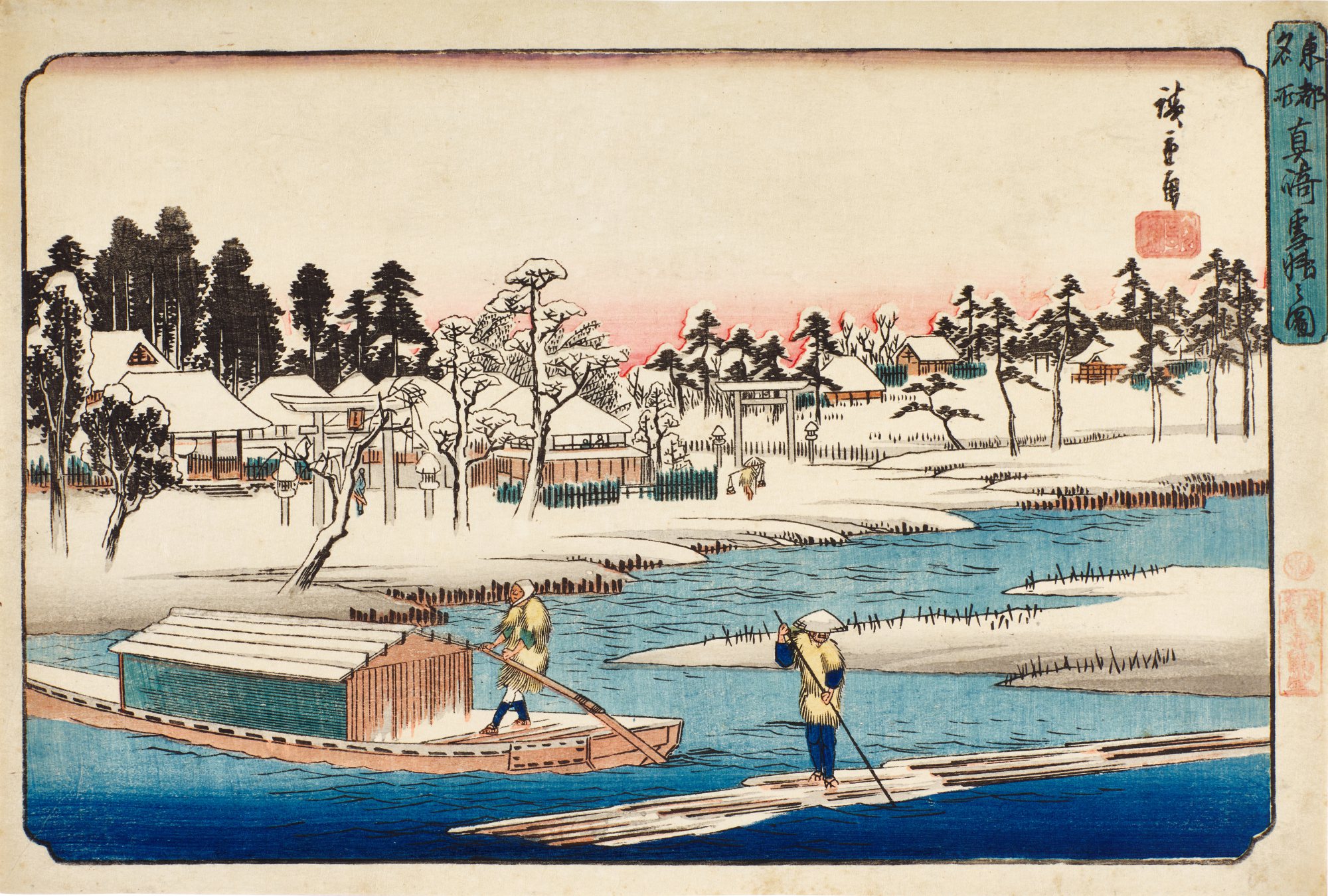
He painted the same orchards, roads, and market towns across seasons and decades, less interested in the dramatic view than in the rhythm of ordinary nature as it moved through time. Meanwhile, the explosion of printmaking as a serious medium brought a different visual language to the natural world. Utagawa Hiroshige and Katsushika Hokusai had already demonstrated in Japan how woodblock print could distill landscape into something both precise and dreamlike, with Hokusai's Thirty Six Views of Mount Fuji series from the 1830s standing as one of the most influential records of nature ever made. Their work entered European circulation after Japan's reopening in the 1850s and rewired how Western artists understood composition, negative space, and the graphic power of natural form.
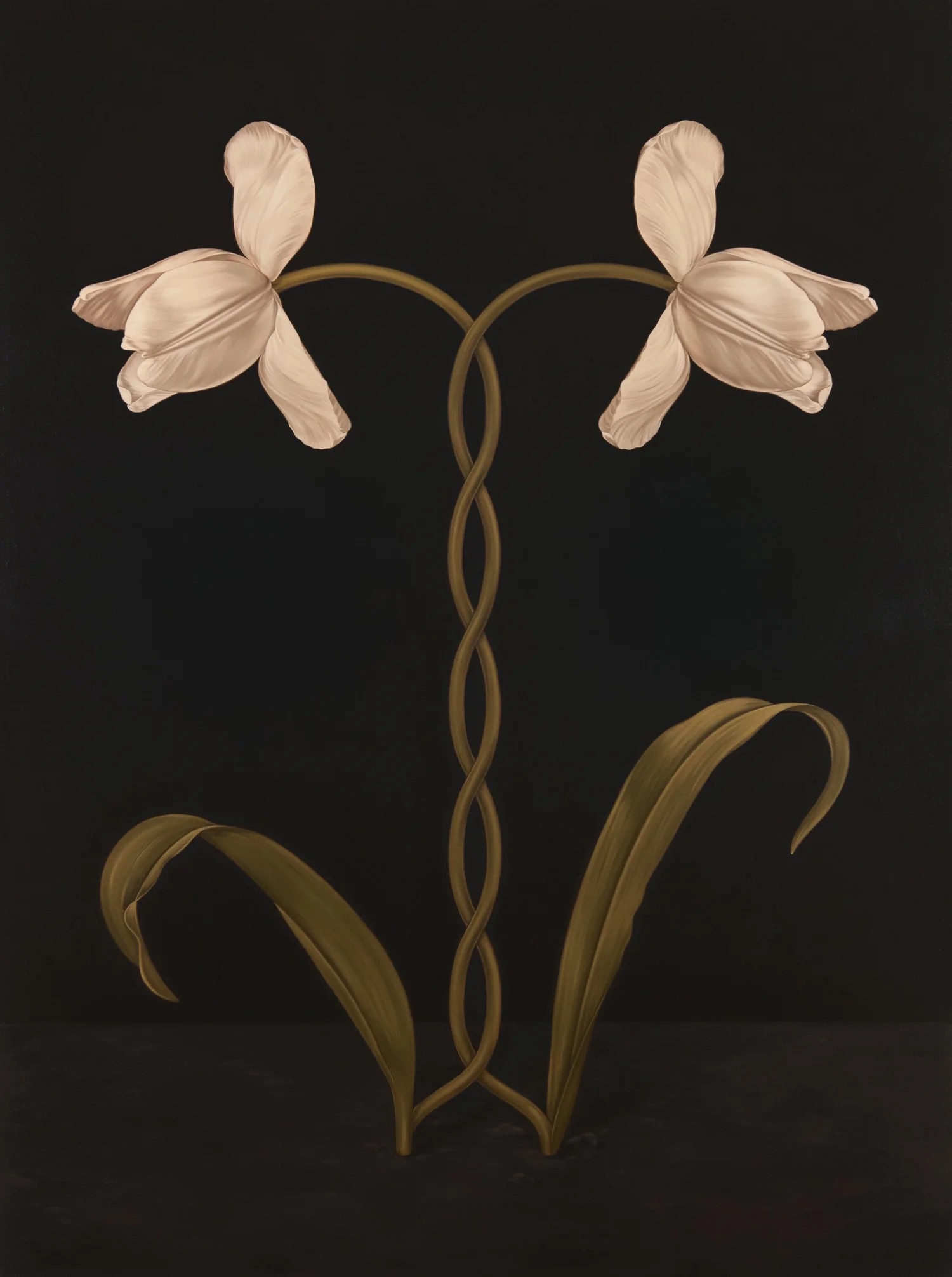
Meghann Stephenson
Mistaken For Strangers, 2025
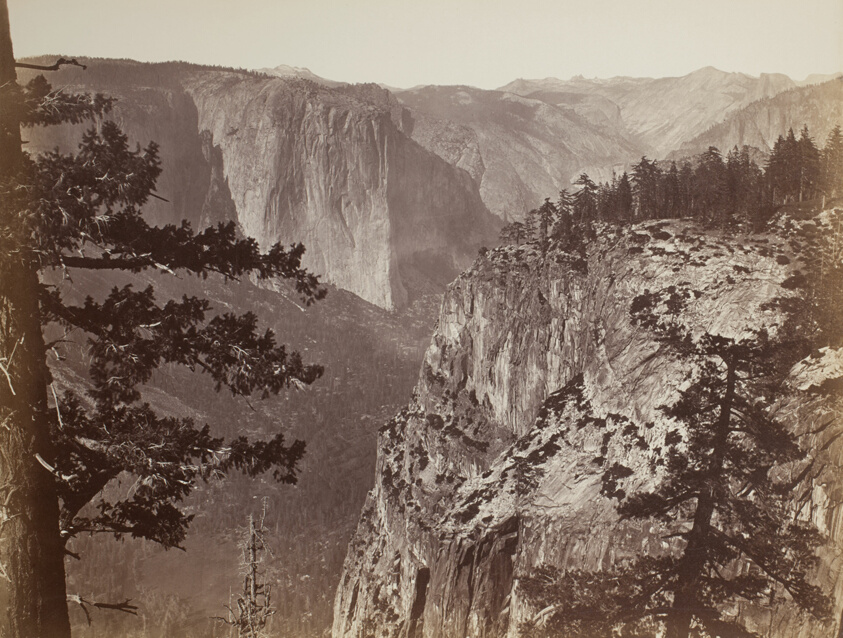
Felix Bracquemond, Auguste Louis Lepère, and Francis Seymour Haden, all represented on The Collection with significant bodies of work, were among those who absorbed this influence and pushed printmaking's capacity to describe the textures of bark, water, and open sky. Photography arrived as both a liberation and a complication for nature's artistic legacy. When Carleton E. Watkins hauled enormous glass plate cameras into Yosemite Valley in the 1860s, he produced images that helped Congress designate the area for public protection in 1864, making photography's encounter with wilderness genuinely consequential rather than merely aesthetic.
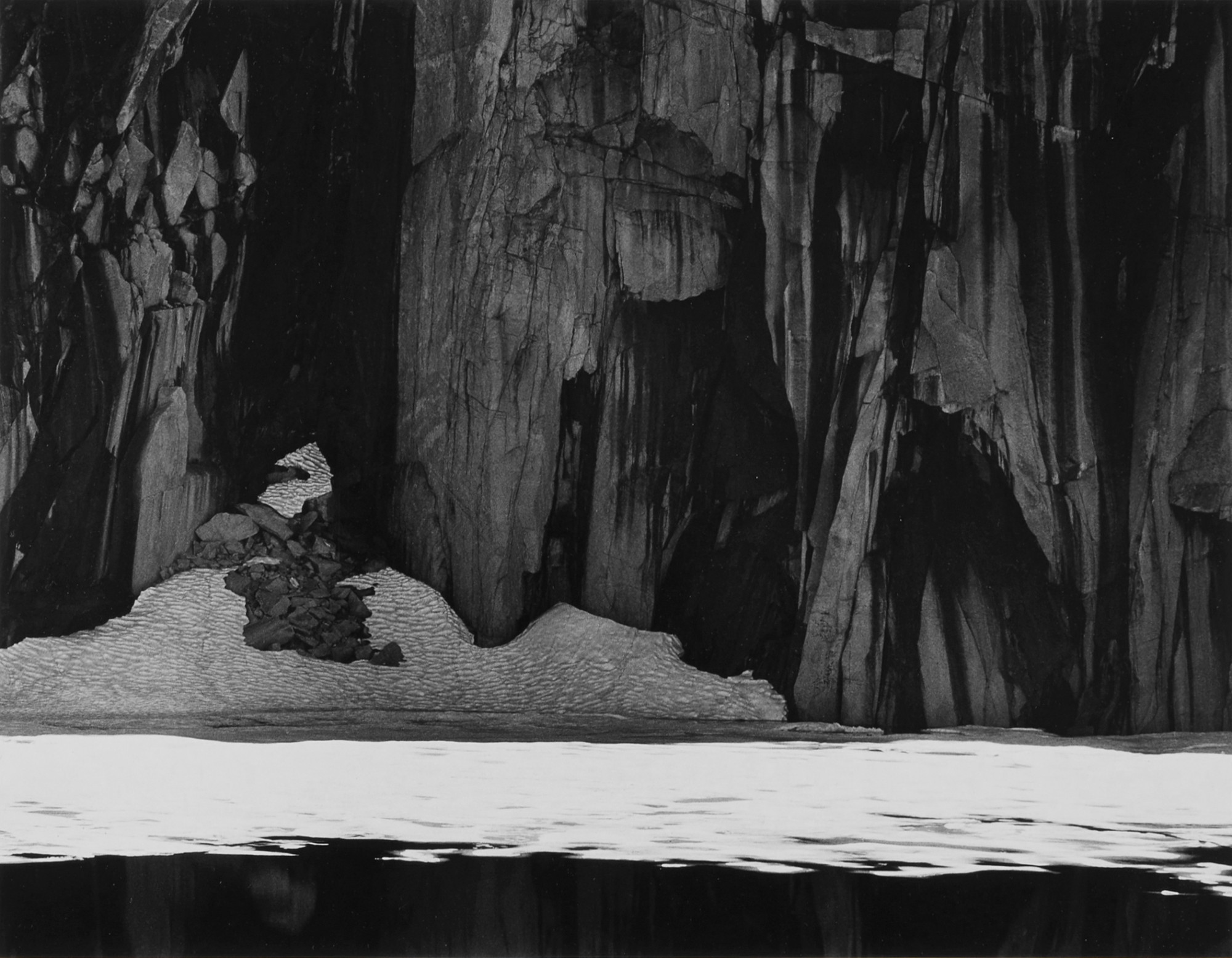
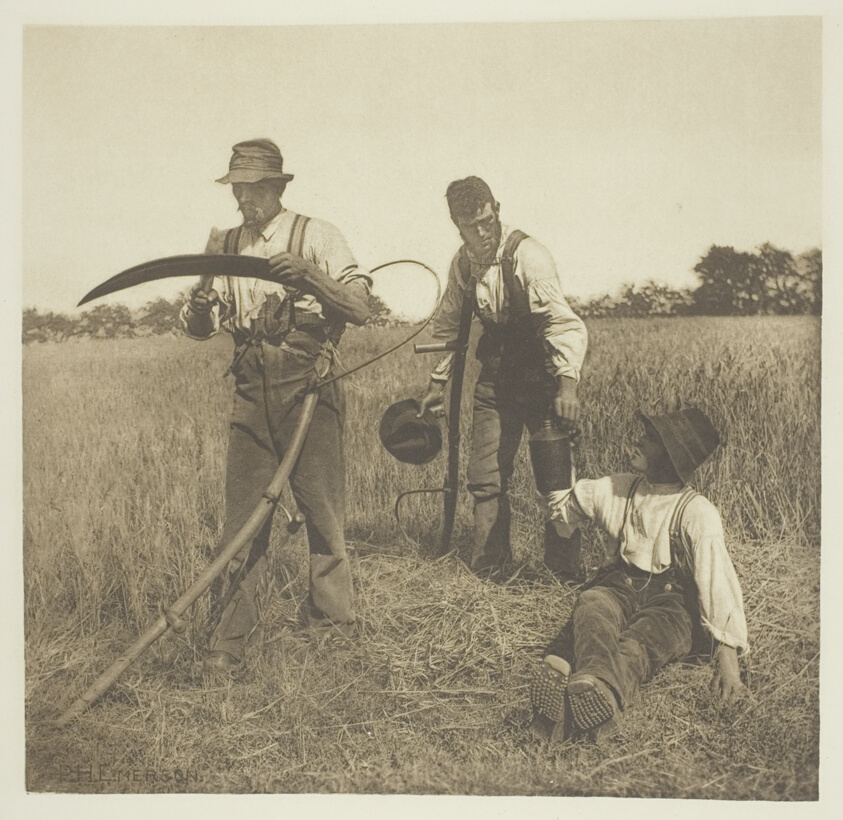
Peter Henry Emerson, whose work is well represented on The Collection, argued in his 1889 book Naturalistic Photography that the camera should render nature as the eye actually sees it, soft at the edges, selective in focus, honest about atmosphere. Then came Ansel Adams, whose presence on The Collection is among its most commanding. Adams codified his Zone System in the early 1940s as a technical framework for controlling tonal range, but his images of Yosemite, the Southwest deserts, and the California coast transcended technique. They made an ethical case for wilderness preservation at the very moment American landscapes were under unprecedented pressure.
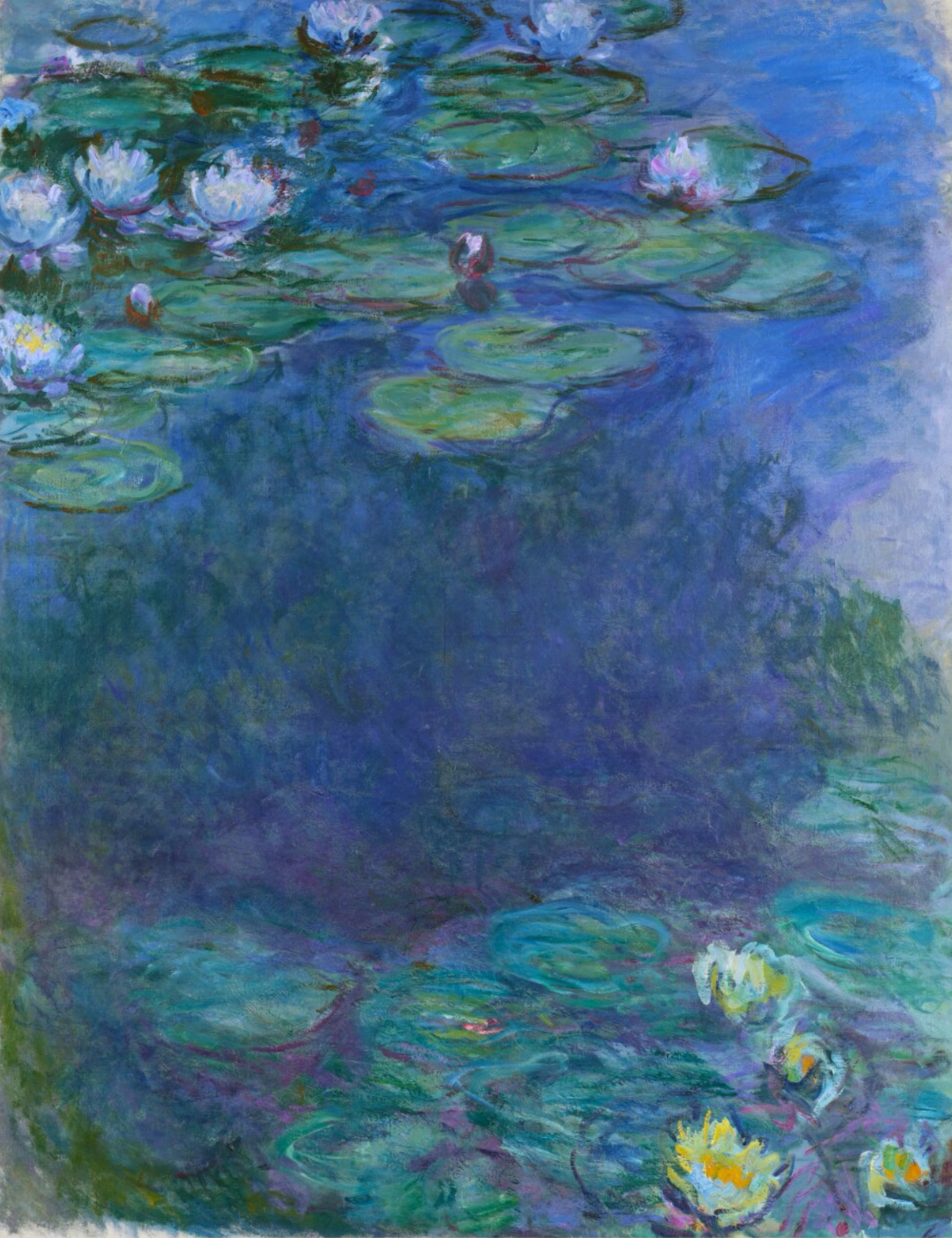
Claude Monet
Nymphéas, 1917
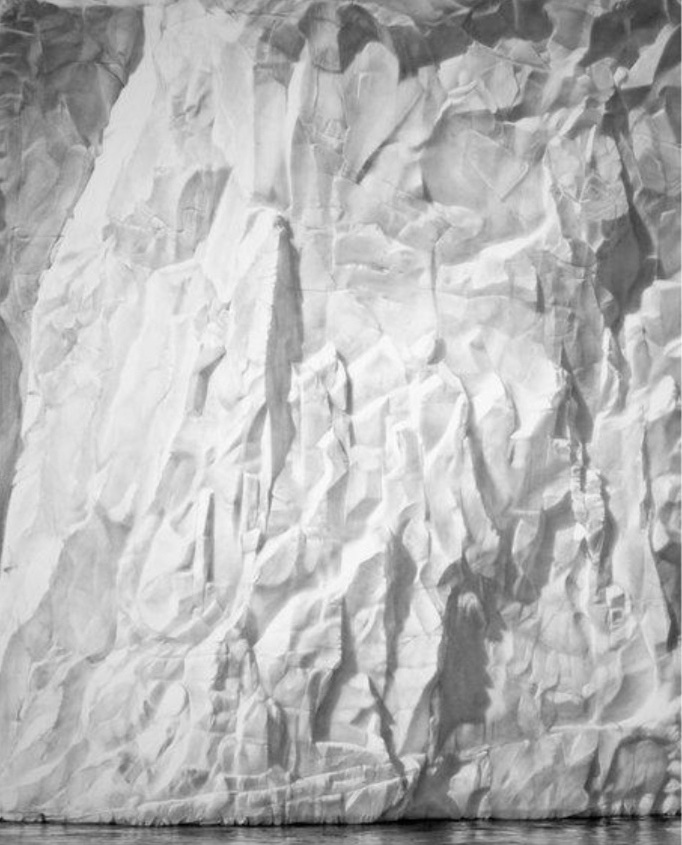
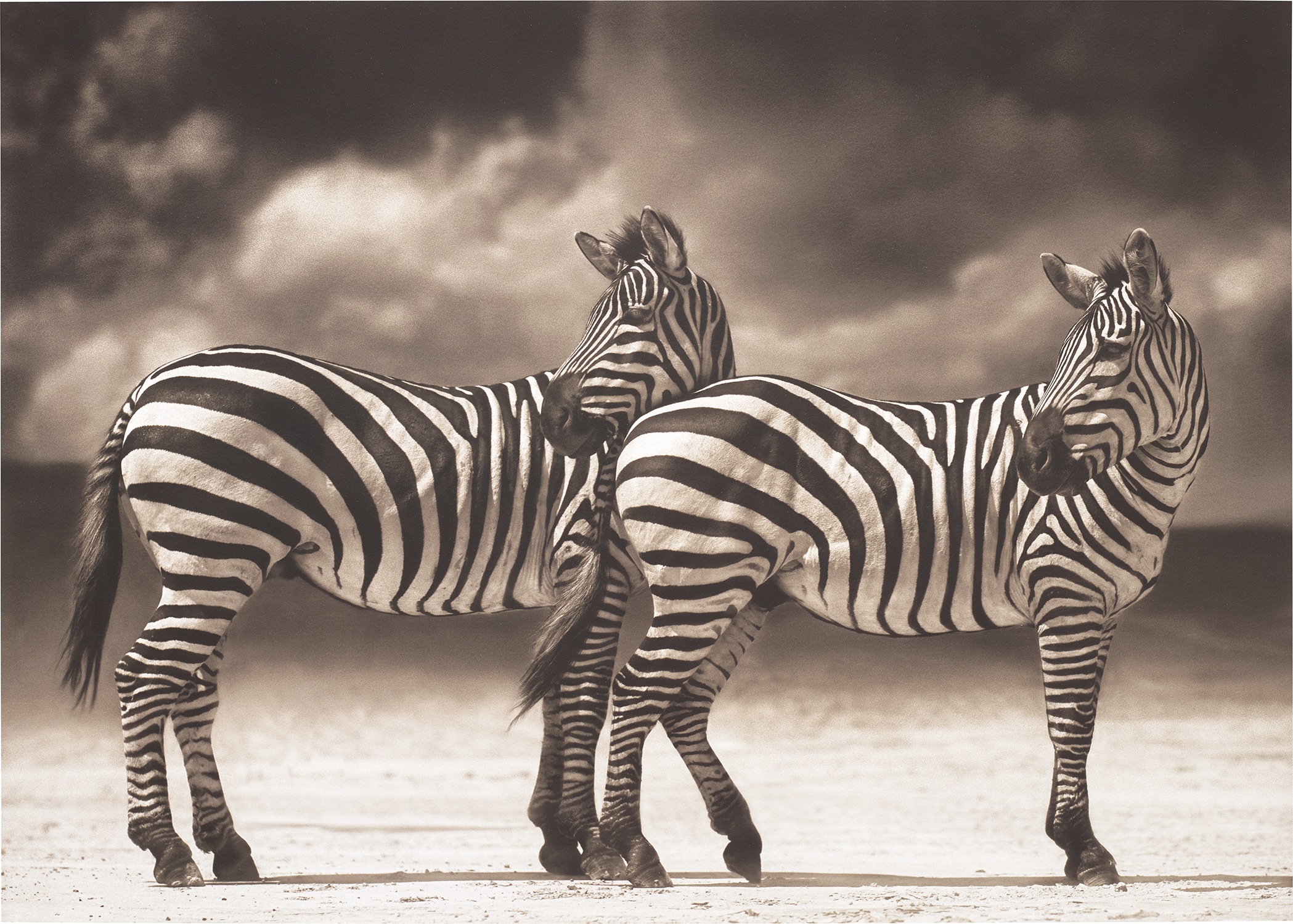
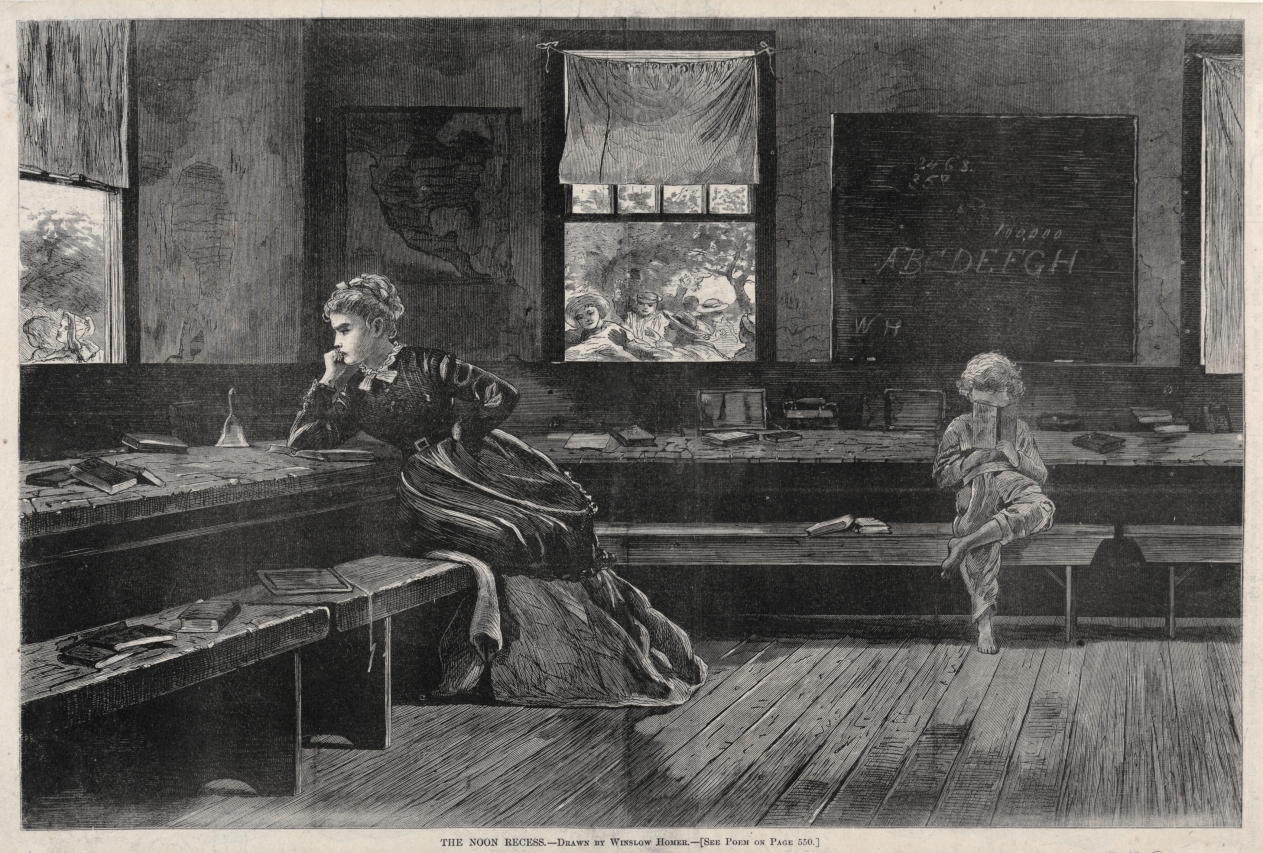
The twentieth century complicated any simple love of nature with irony, grief, and ecological anxiety. Winslow Homer, whose late seascape paintings from Prout's Neck in Maine carry a ferocious energy, had already shown in the late nineteenth century that nature could be indifferent and violent rather than consoling. Later, artists like Wolfgang Tillmans brought a cooler, more documentary gaze to natural phenomena, finding strangeness in skies and plant life that resists picturesque reading. Nick Brandt, whose large scale black and white photographs of African wildlife appear on The Collection, works in a tradition of urgent witness, documenting ecosystems and animals that are disappearing within living memory.
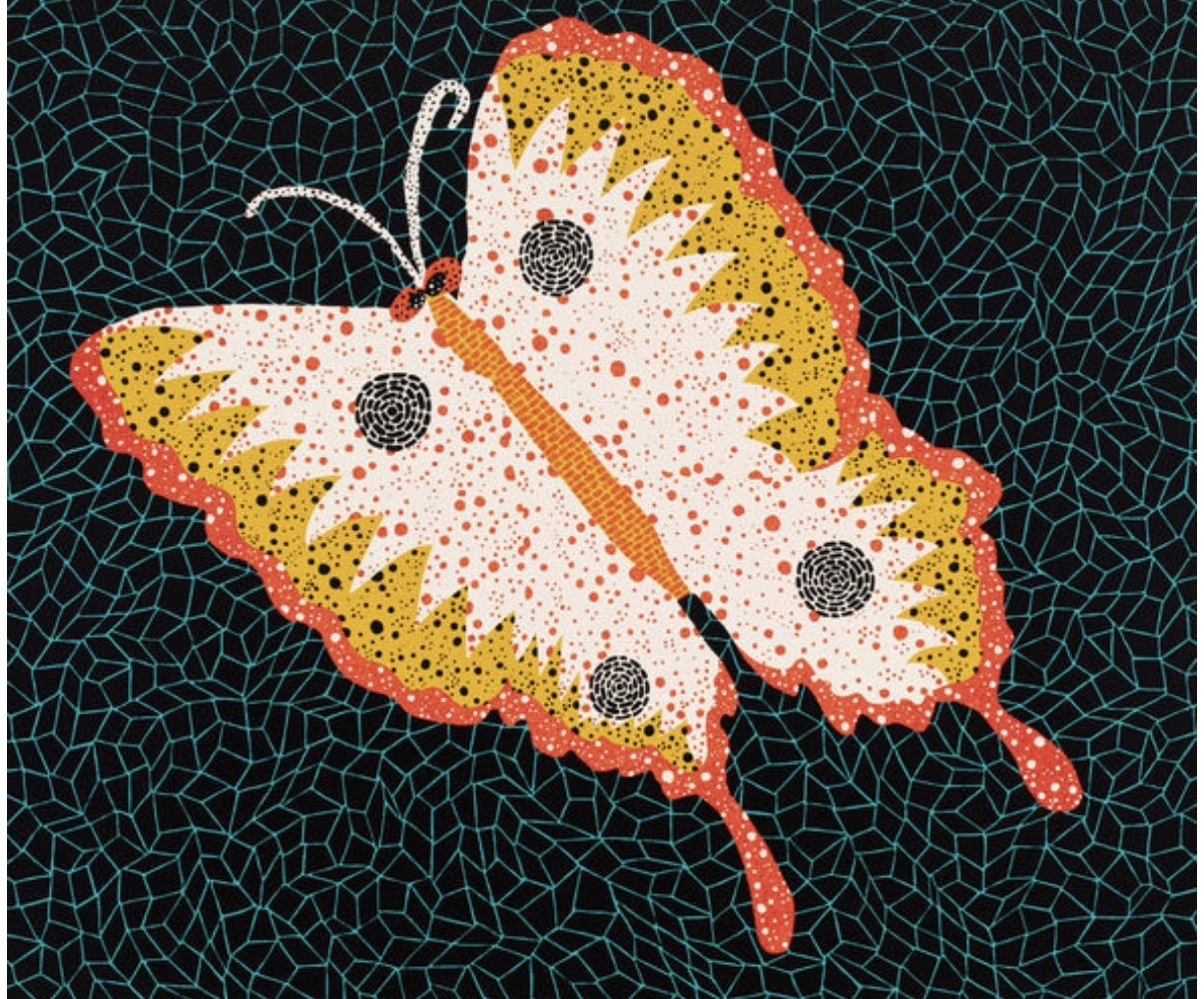
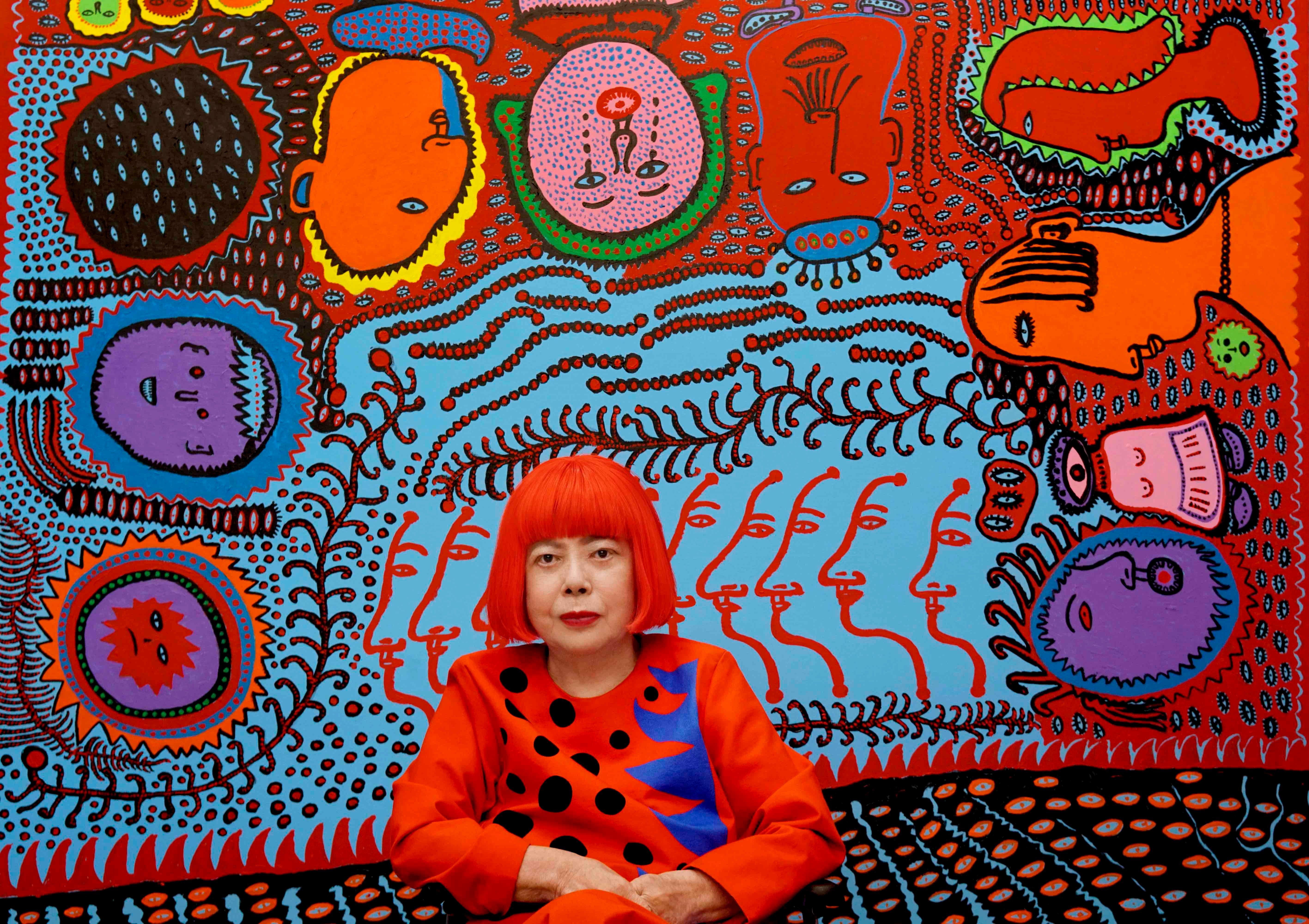
His images carry a grief that Adams's did not need to. Nature as theme also runs through some of the most conceptually ambitious art of the past fifty years. Yayoi Kusama's obsessive dot patterns, which began as hallucinations she described as covering her body and the world around her, found their fullest expression in natural forms: pumpkins, flowers, infinity rooms that simulate the experience of dissolving into an environment. François Xavier Lalanne spent decades making sculptures of animals, rhinoceroses and sheep and birds, that sit somewhere between functional object and surrealist dream.
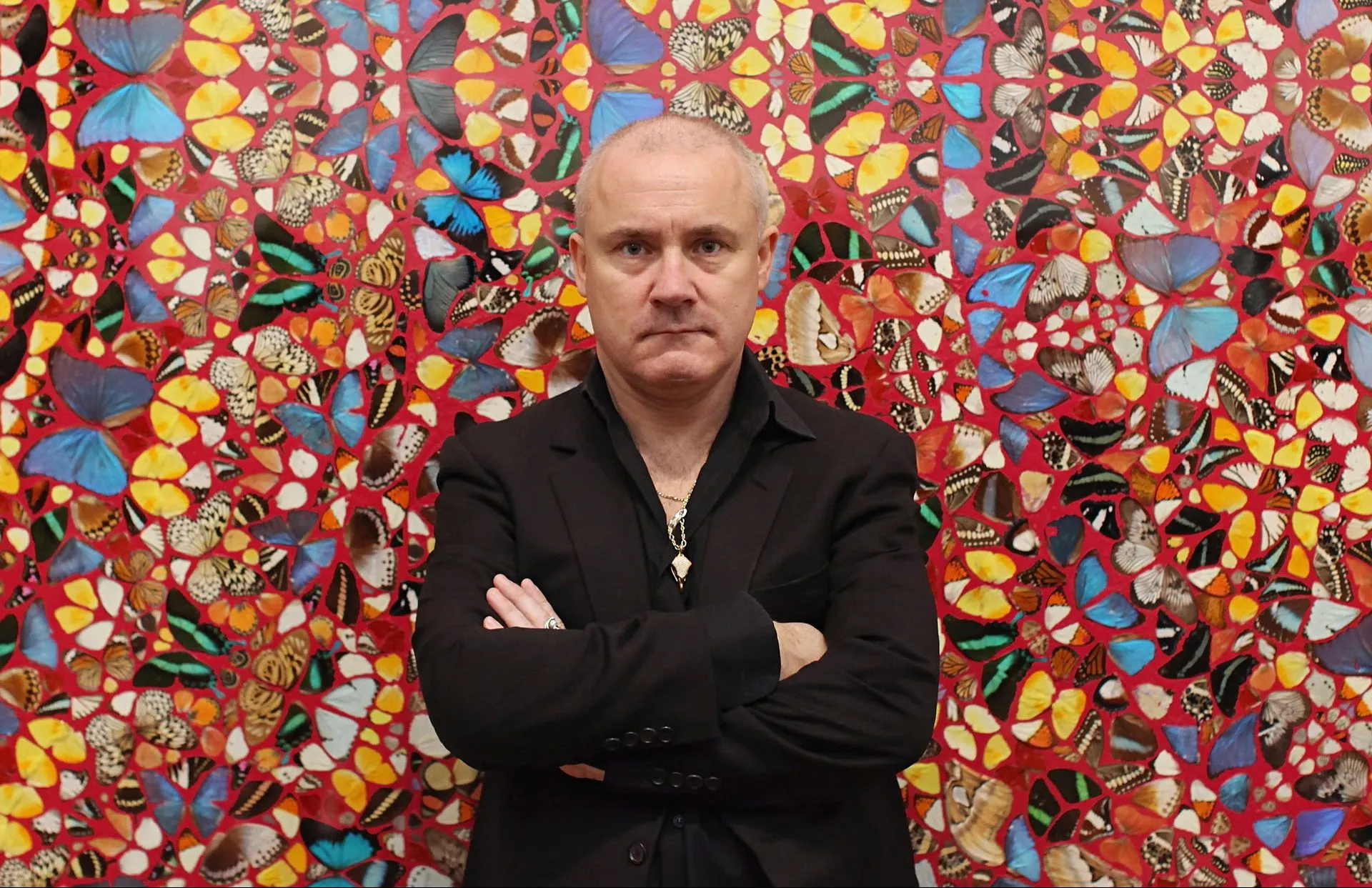
Even Damien Hirst's early Natural History series, with its preserved sharks and butterflies pinned in clinical cases, used nature as a way of thinking hard about death and display. What makes nature so durable as a subject is that it refuses to stay still as a concept. In the hands of Chinese ink painters like Wu Guanzhong, it carries a philosophical tradition in which mountains and rivers are metaphors for inner states, not external scenery. In the woodblock prints of Hasui Kawase and Yoshida Hiroshi, it holds the texture of seasonal feeling, a snow covered temple courtyard, winter rain on a harbor, the specific blue of twilight over water.
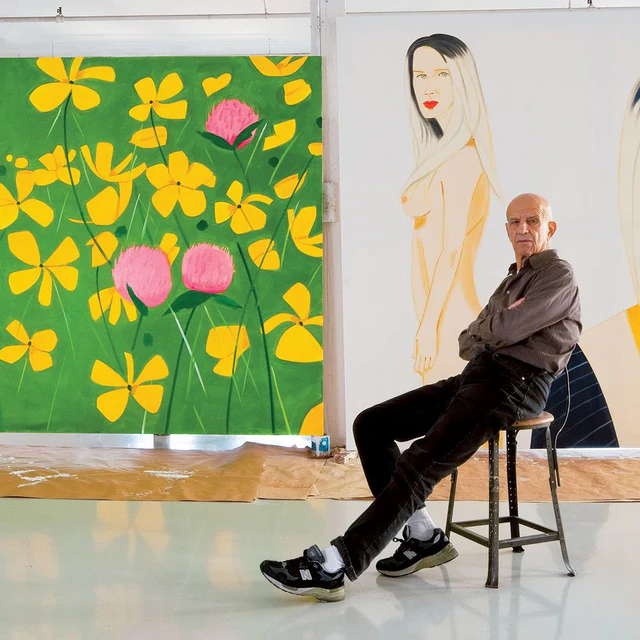
Alex Katz reduces a stand of trees to flat shapes of gray and green that feel both abstract and absolutely true. Every artist on The Collection who works with nature is asking the same question from a different angle: what does this world mean, and what does it ask of us?