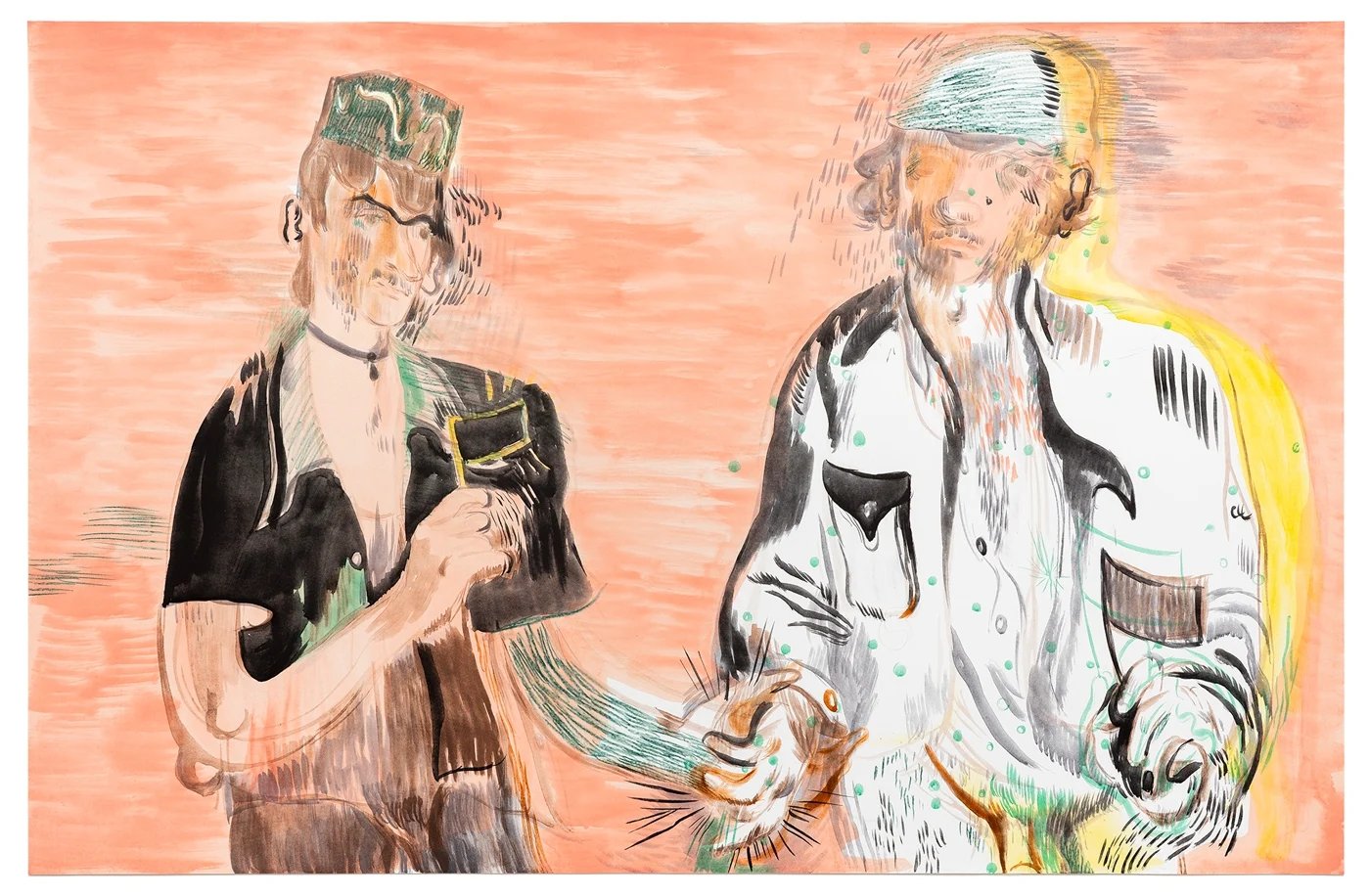
Acrylic
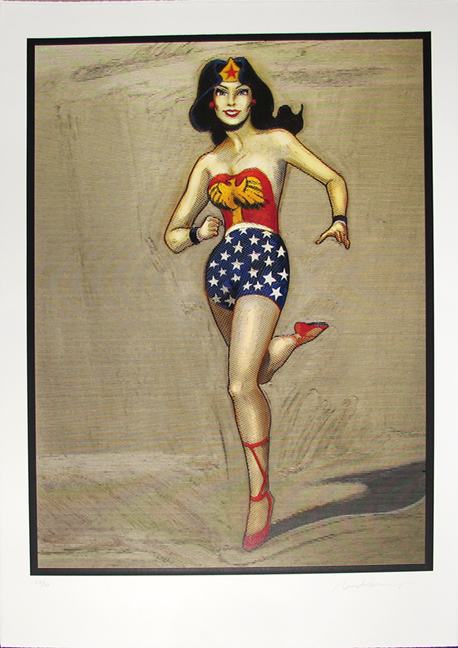
Mel Ramos
Wonder Woman, 2014
Acrylic: The Medium That Changed Everything
There is a moment in the mid twentieth century when painting quietly shifted on its axis. No single manifesto announced it. No singular exhibition declared it. Yet somewhere between the postwar optimism of American studios and the commercial energy of a rapidly expanding art market, acrylic paint arrived and began rewriting what was possible on canvas.
Fast drying, water soluble, endlessly adaptable, it was a material born of industrial chemistry that found its highest expression in the hands of painters who wanted more from their medium than oil could offer. Acrylic paint as we know it emerged from research conducted in the 1940s and 1950s, when chemists at companies like Rohm and Haas developed polymer emulsions initially intended for industrial coatings. Artists in Mexico, particularly those working within the muralist tradition, were among the first to experiment with these synthetic binders for their durability on exterior surfaces. By the late 1950s, commercial formulations marketed to fine artists, including Liquitex, were available in American art supply stores.
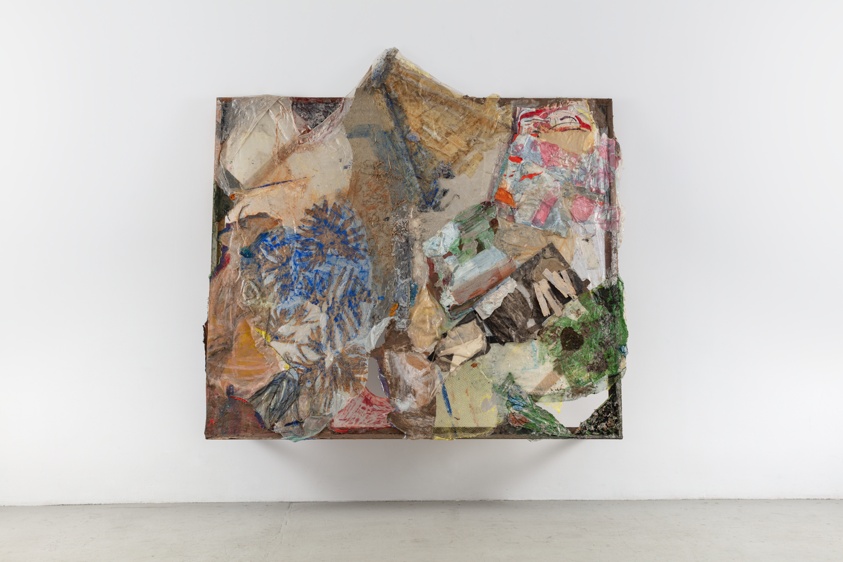
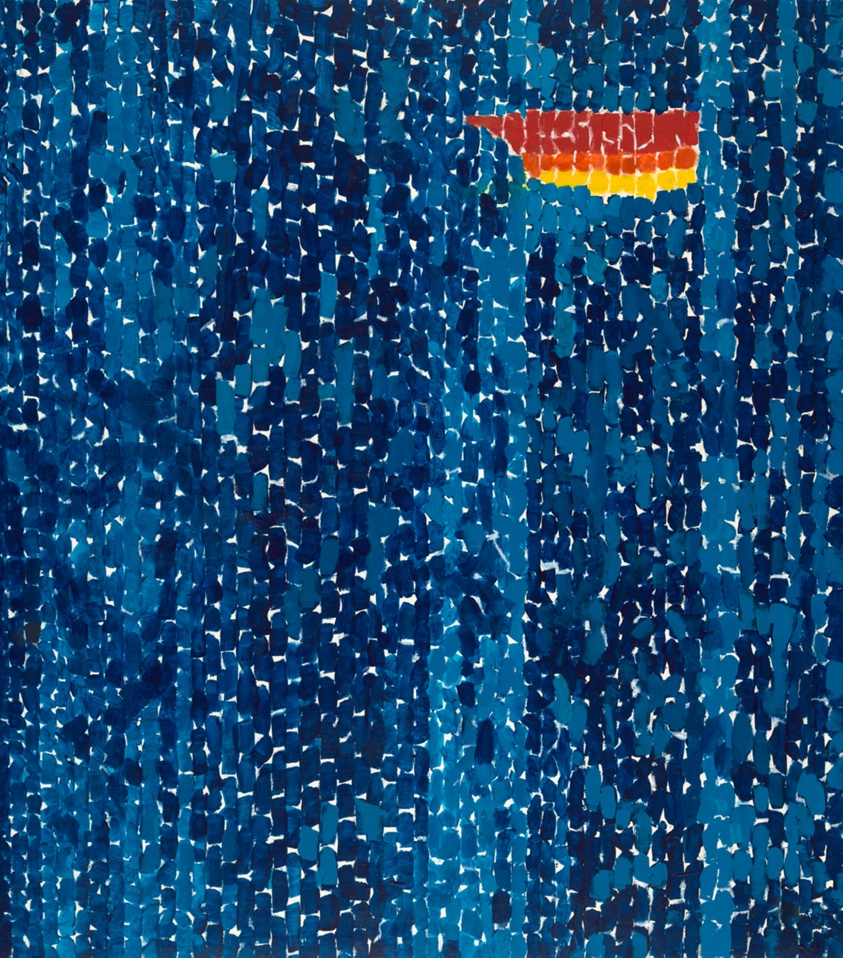
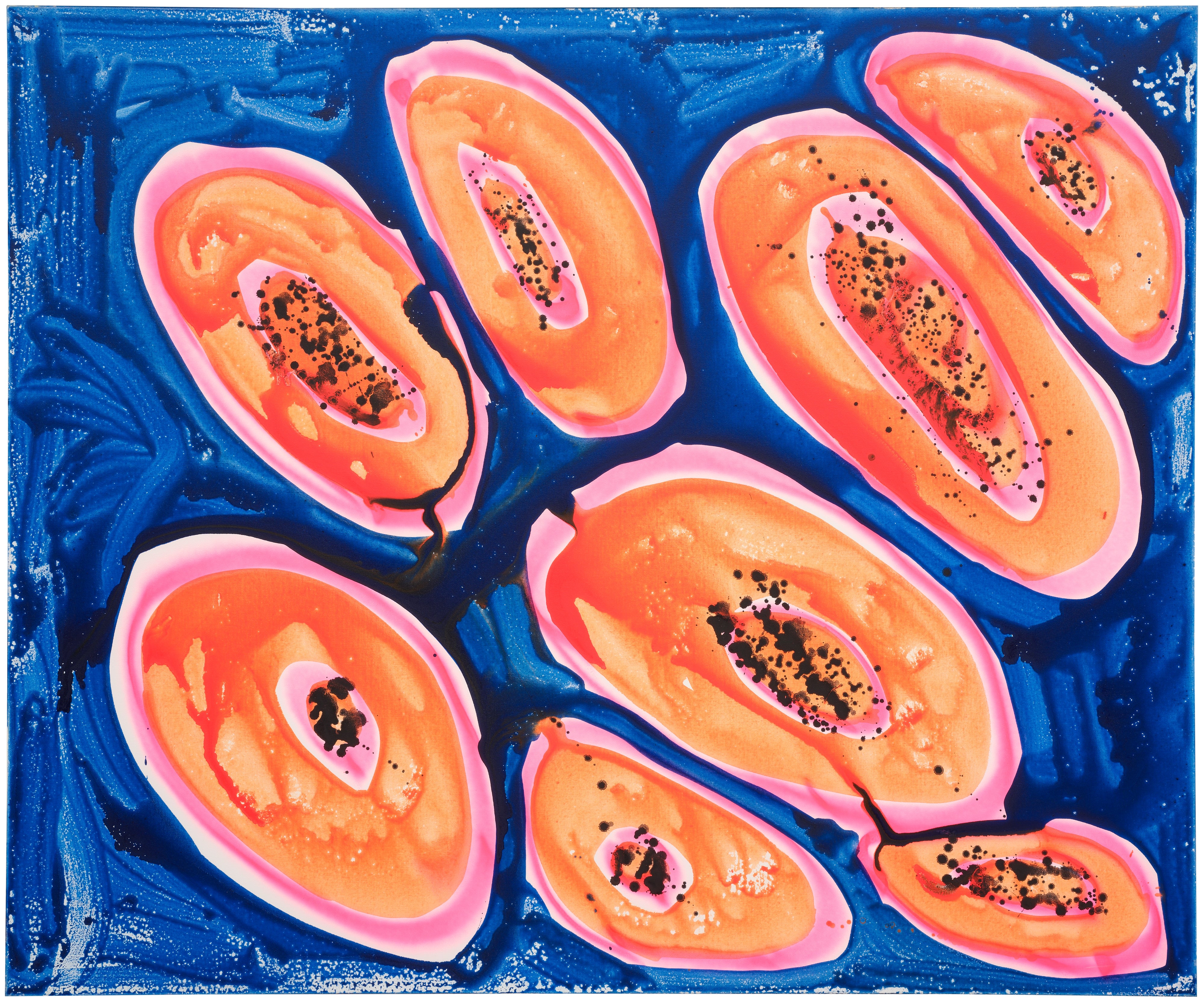
Suzanne Jackson
oldblueshanging, while she waits, 2017
The medium arrived at exactly the right cultural moment, when Abstract Expressionism had exhausted some of its emotional weight and younger painters were hungry for materials that could carry new ideas with new speed. What acrylic offered, above all else, was freedom from the constraints of oil. It dried in minutes rather than days. It could be diluted to a translucent wash or applied in thick, impasto passages that rivaled oil in body and texture.
It adhered to canvas, paper, wood, and synthetic surfaces without the elaborate grounds that oil demanded. For painters working at the scale and pace that the 1960s seemed to require, this was transformative. The Color Field painters recognized this immediately. Helen Frankenthaler, who had pioneered the soak stain technique with oil, made the switch to acrylic in the early 1960s precisely because it allowed paint to move into unprimed canvas with a luminous clarity that oil could not match.
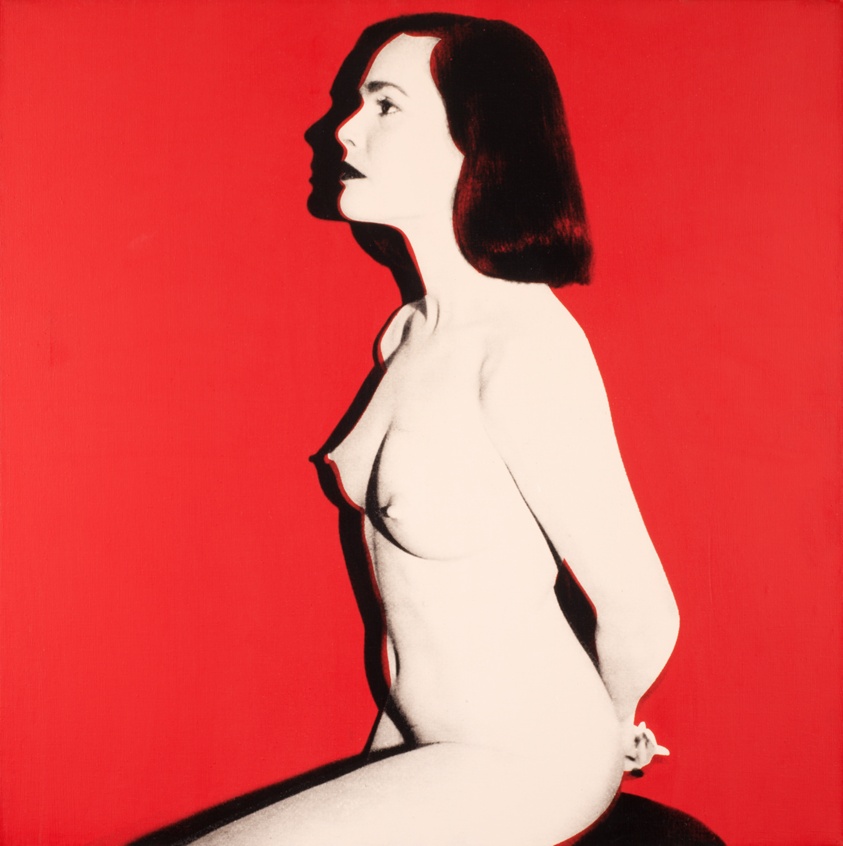
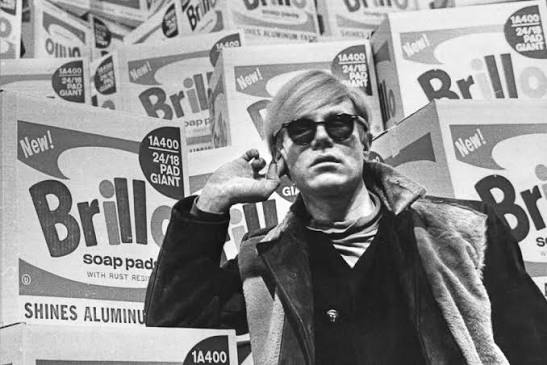
Andy Warhol
Pat Hearn, 1985
Sam Gilliam, whose draped and poured canvases remain among the most radical paintings of that decade, relied on the particular flow and layering qualities that acrylic made possible, creating works that treated the canvas itself as a sculptural element. The Pop artists understood acrylic differently. For Andy Warhol, the medium's affinity with flat, commercial surfaces was the point. The smoothness achievable with acrylic, its capacity to mimic the look of industrial printing when handled correctly, suited his entire enterprise.
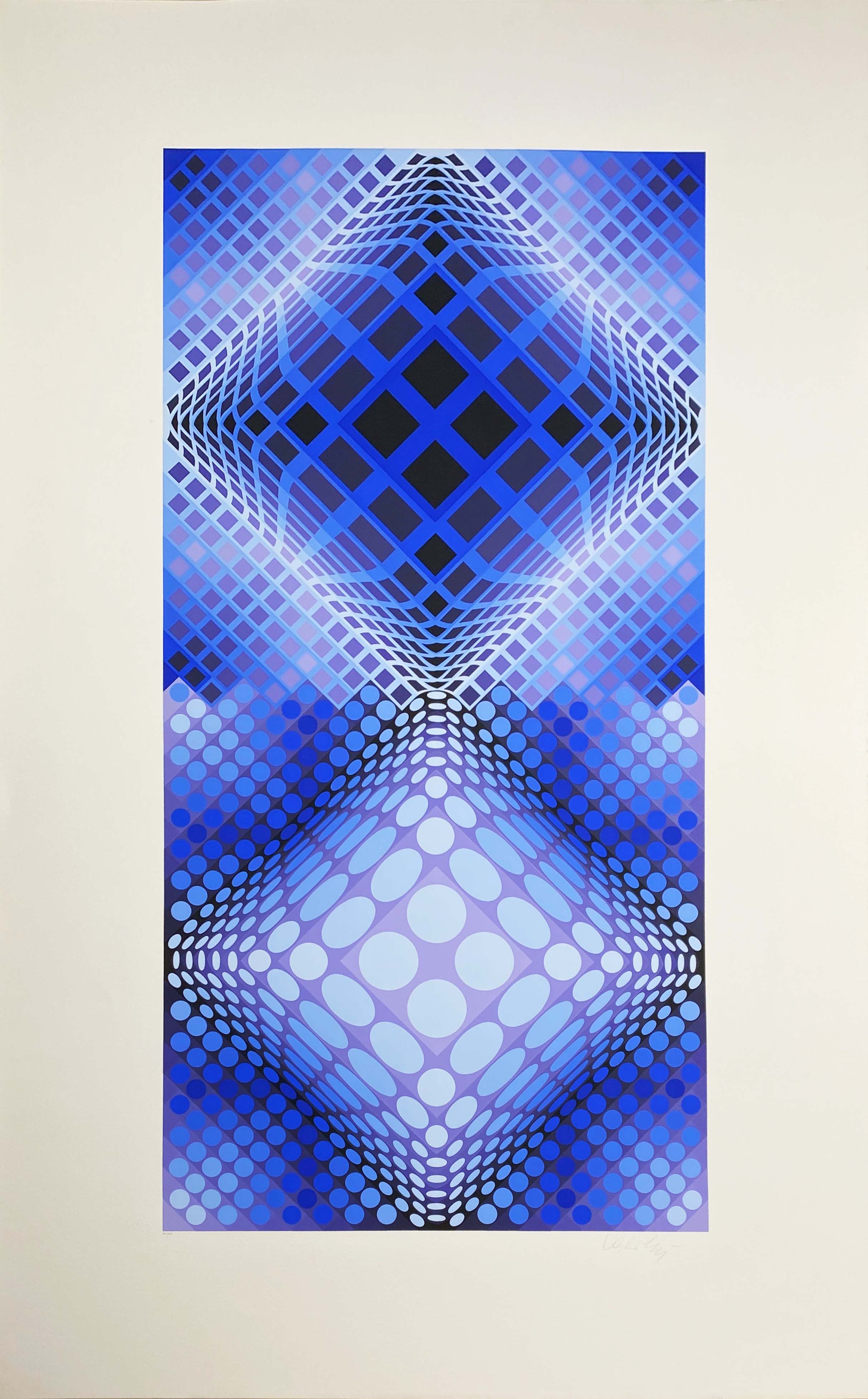
The works Warhol produced in his Factory during the 1960s depend on acrylic's particular surface quality, its ability to be both deadpan and electric at once. Tom Wesselmann, working in a related vein, used acrylic to achieve the bold, unmodulated color fields that gave his Great American Nude series their graphic punch. Victor Vasarely, approaching the medium from the perspective of Op Art, found that acrylic's color consistency across large areas was essential to the precise optical effects his work demanded. A slight variation in tone could collapse an illusion that depended on mathematical exactitude.
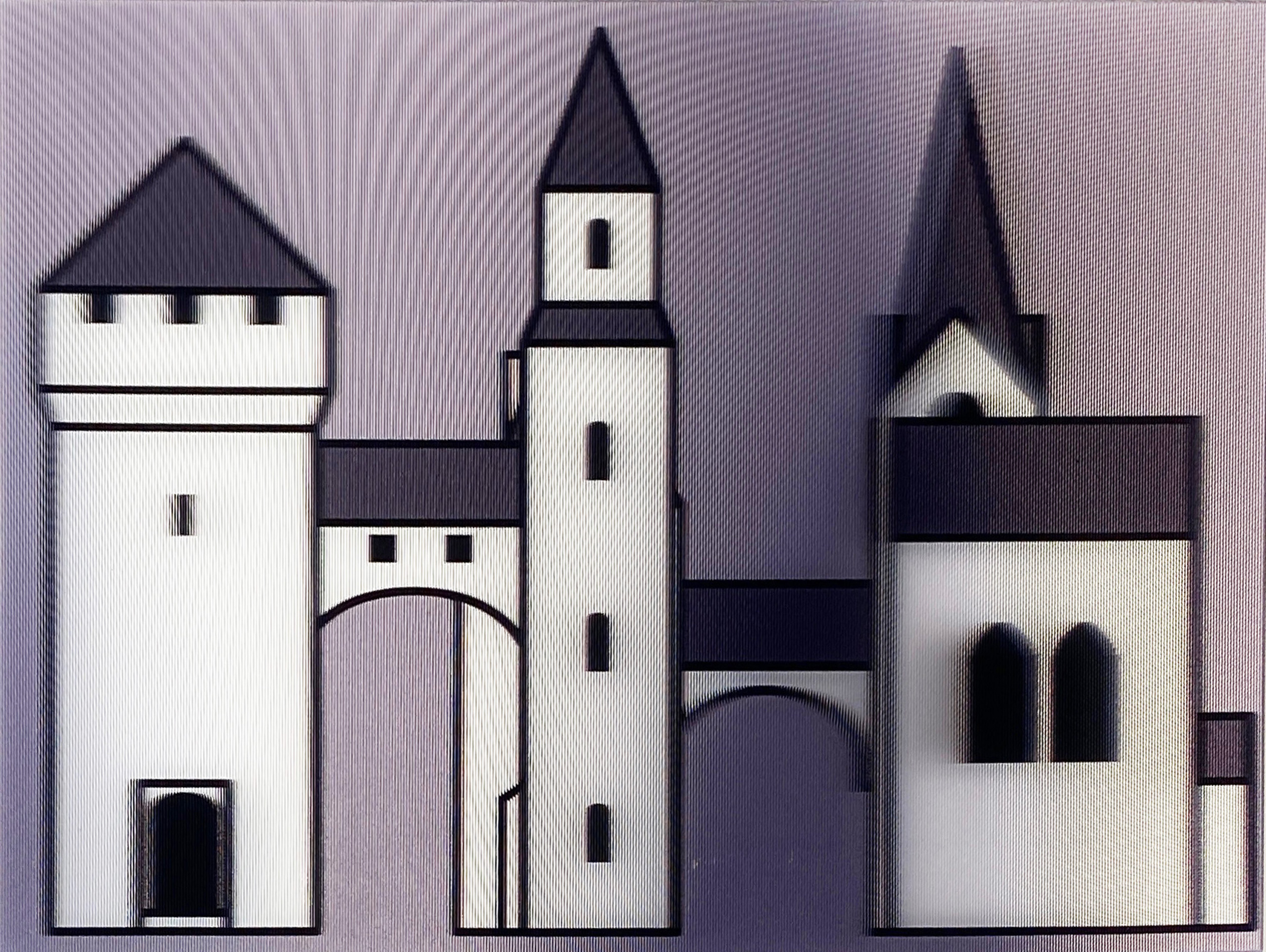
Julian Opie
Medieval Village #1, 2019
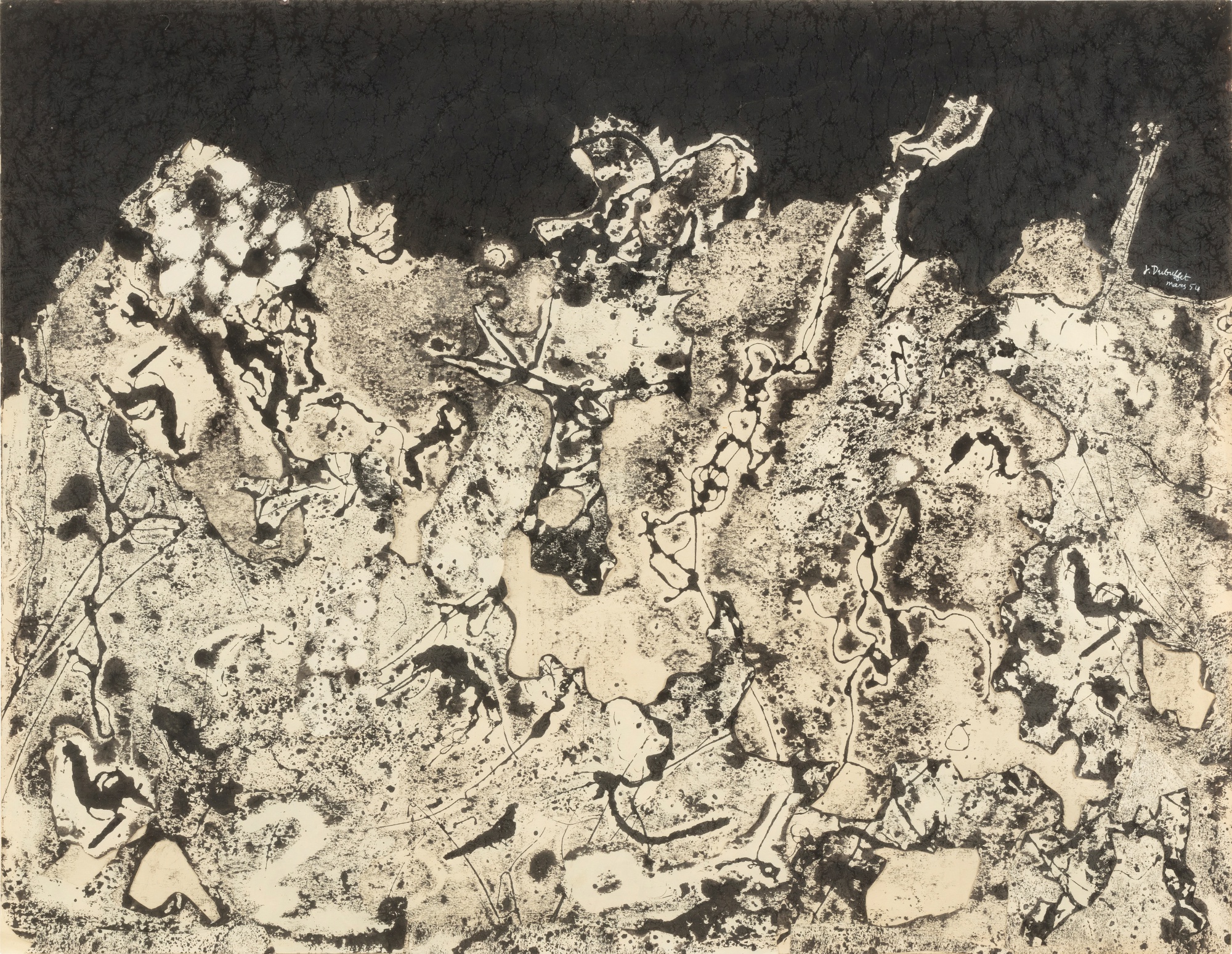
As the medium matured through the 1970s and into the 1980s, acrylic became the default choice for painters who wanted versatility without compromise. Jean Dubuffet, whose Art Brut sensibility led him toward raw, textured surfaces, used acrylic in his later Hourloupe series to achieve dense, interlocking fields of color with an almost graphic intensity. Robert Motherwell, associated primarily with the gestural emotionalism of Abstract Expressionism, incorporated acrylic into his practice as it allowed for both spontaneity and control within a single session. The medium had stopped being novel and become simply essential.
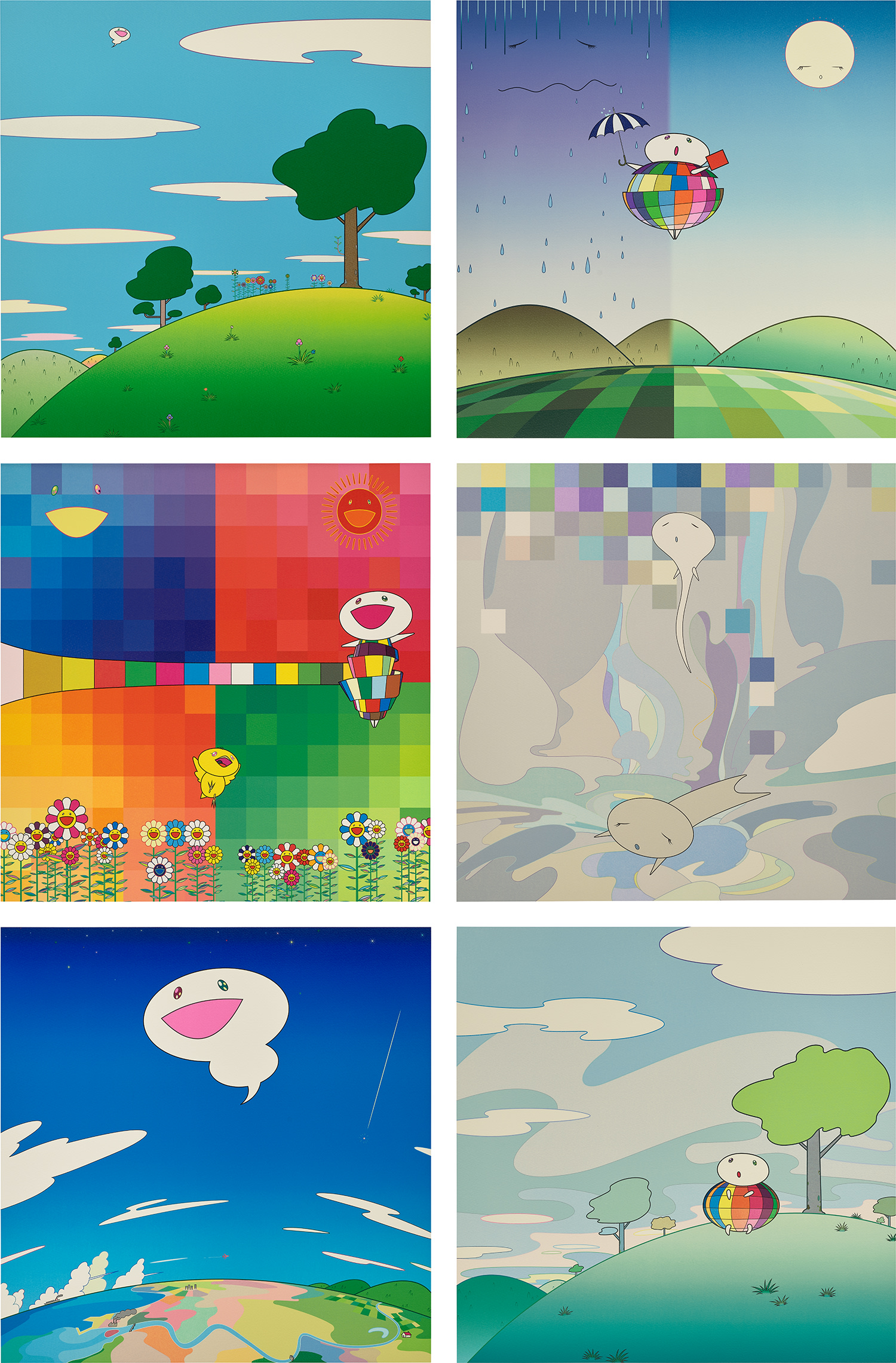
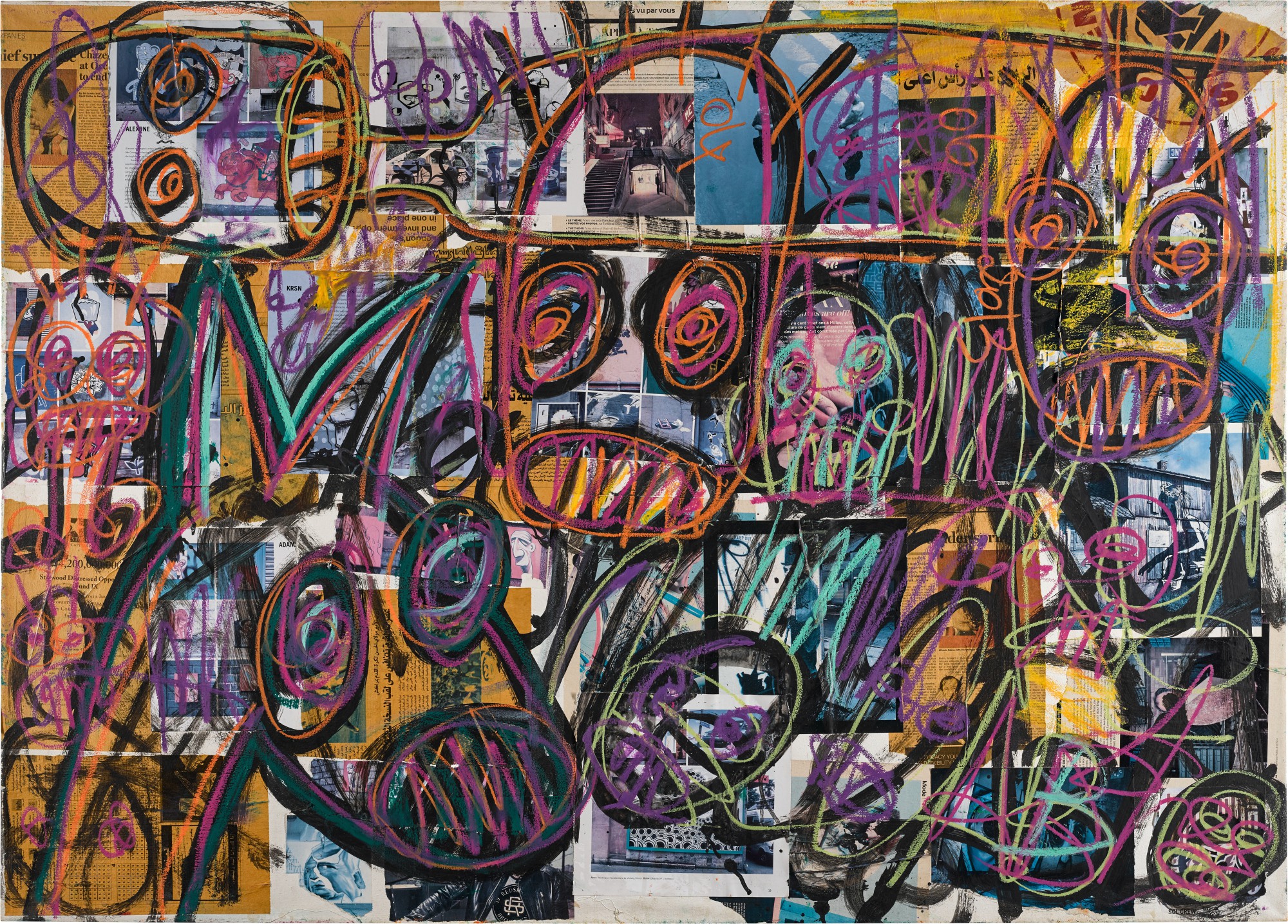
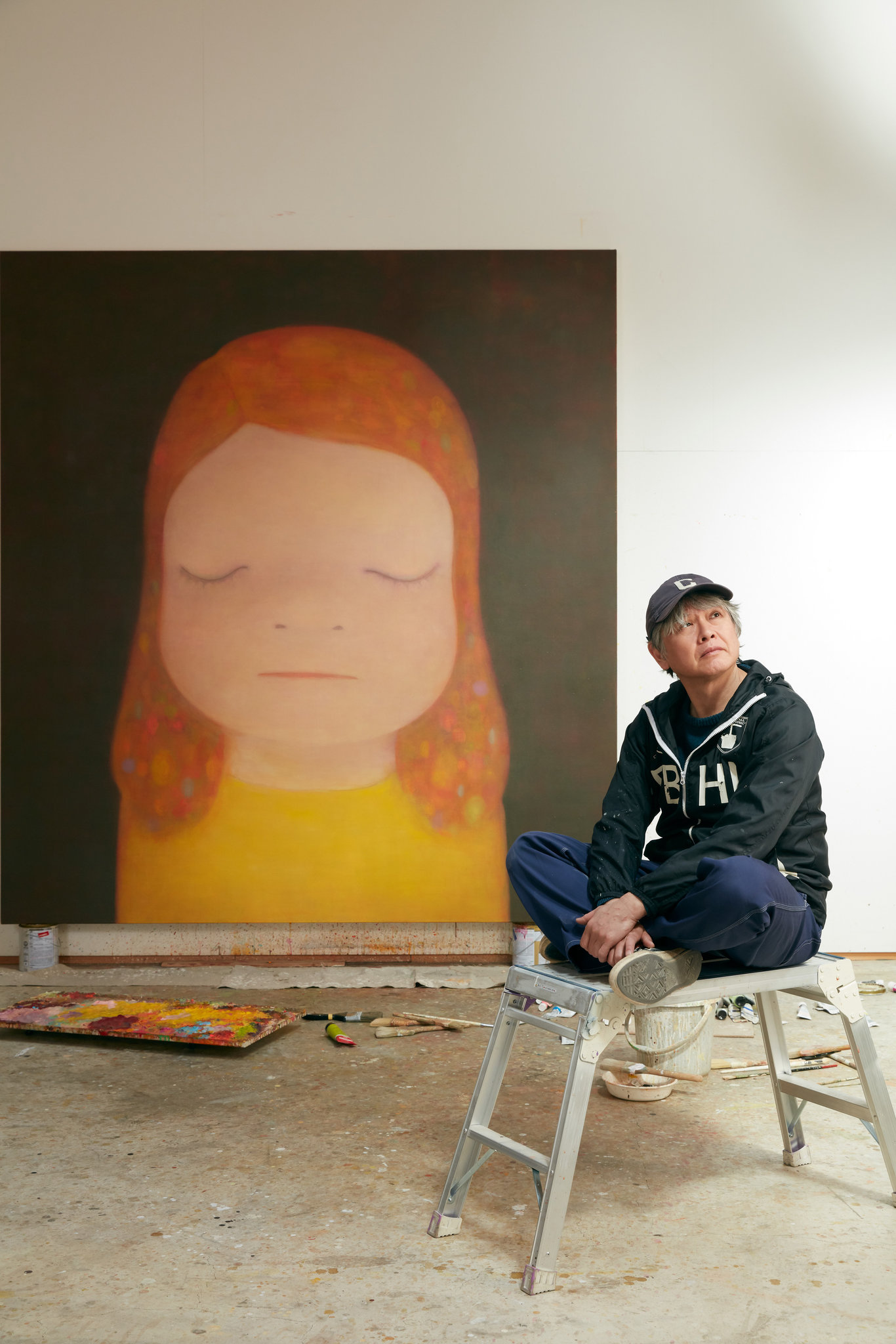
The generations that followed embraced acrylic with even less ideological ceremony. By the time Jean Michel Basquiat was working in downtown New York in the early 1980s, acrylic was simply the paint you used, layered over xerox transfers, oil stick, and found surfaces with total disregard for hierarchy. Yoshitomo Nara's quiet, searching paintings and Takashi Murakami's superflat canvases both depend on the precise, controllable finish that acrylic enables, though the emotional registers of these works could not be more different. Katherine Bernhardt brings yet another sensibility to the medium, using it with a deliberately loose and urgent hand, letting the paint drip and pool in ways that assert its materiality against the cheerful absurdity of her imagery.
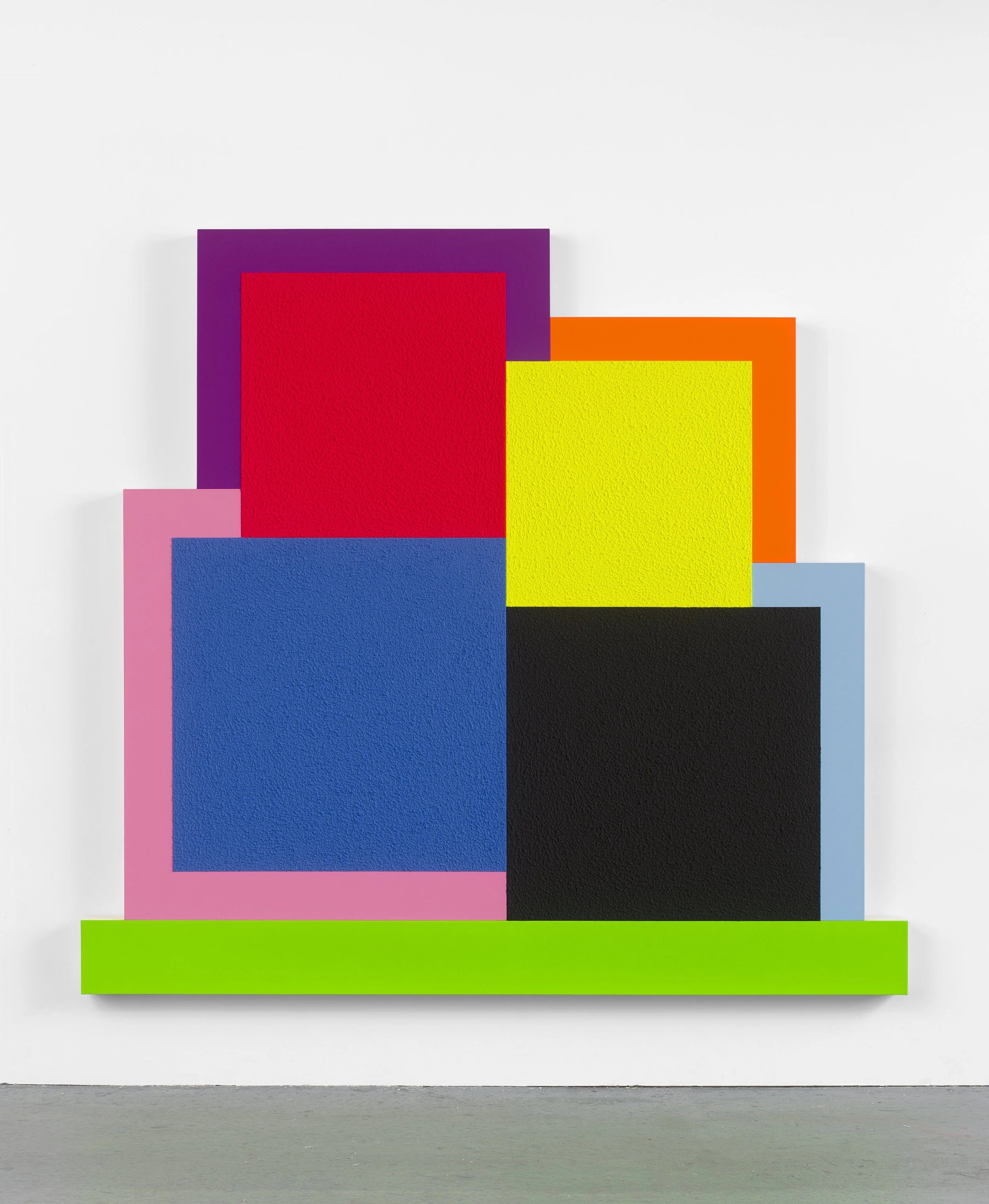
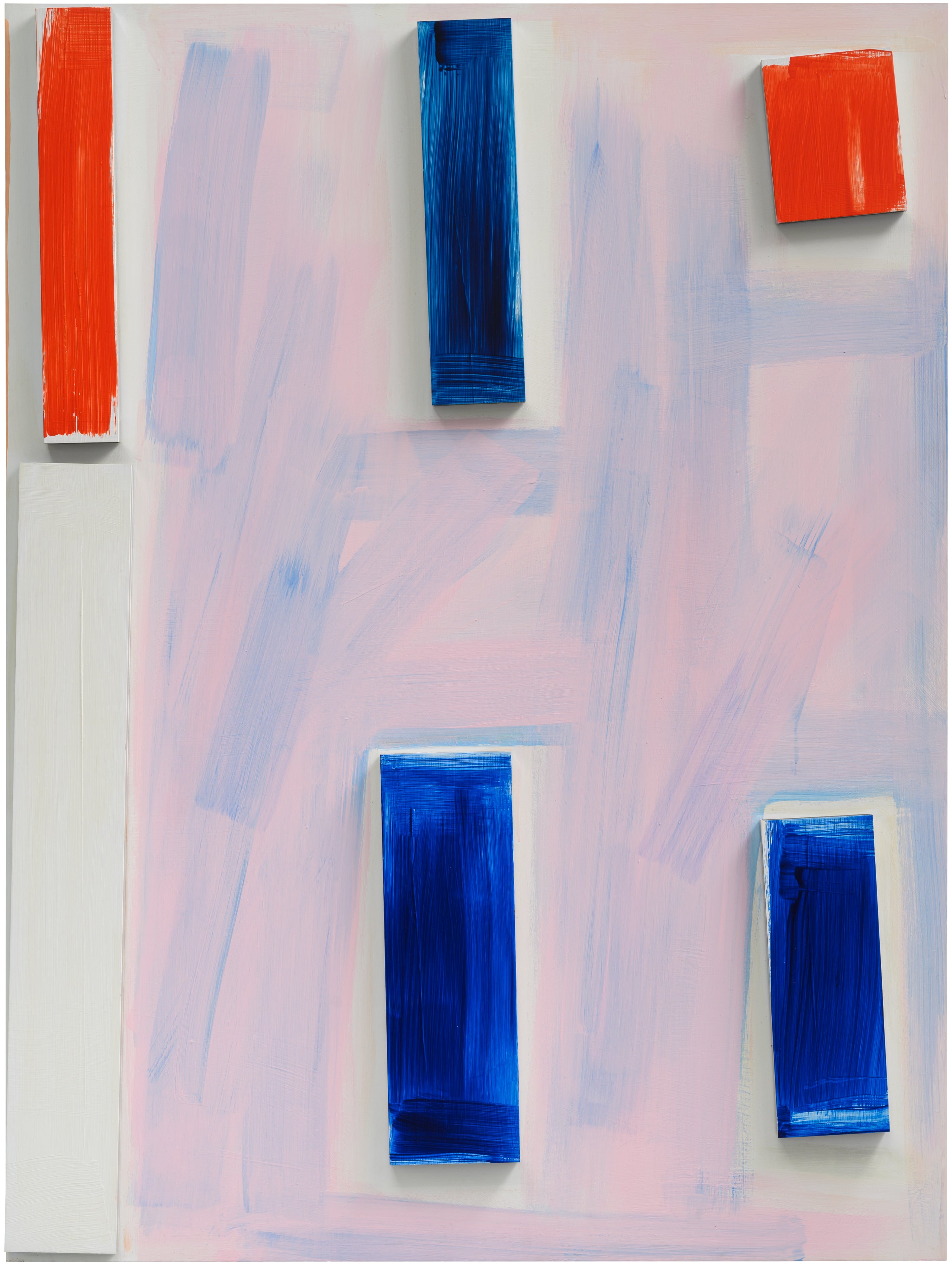
Peter Halley
Untitled
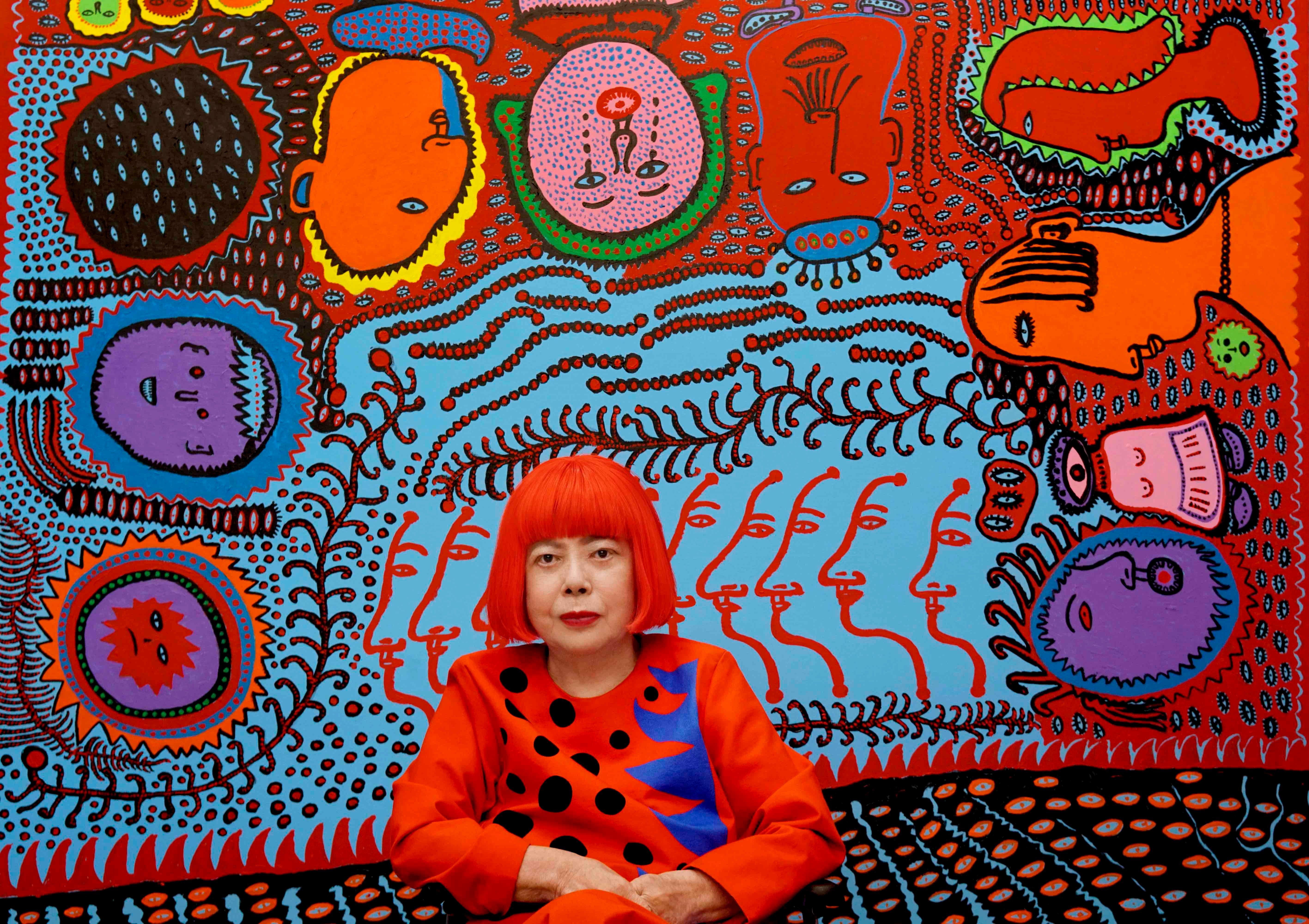
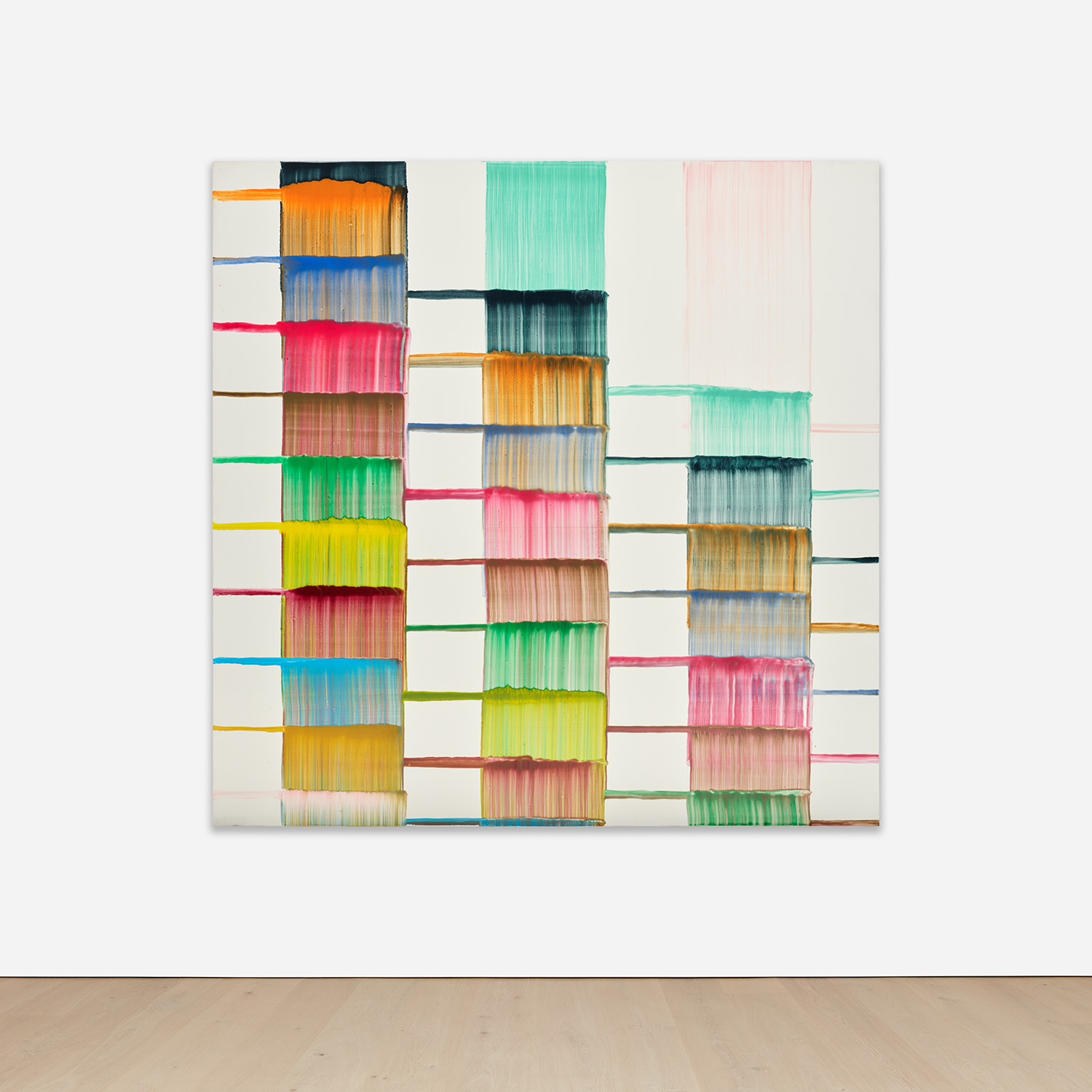
KAWS and Tomoo Gokita approach it differently again, the former building images that oscillate between tenderness and commercial irony, the latter using acrylic in diluted grays and blacks to create works of unexpected psychological depth. The medium's relationship with process has also generated its own formal vocabulary. Bernard Frize has made the act of applying acrylic, its flow, its pooling, its resistance and compliance, the very subject of his painting. Peter Halley's use of acrylic in his geometric, cell and conduit compositions carries an almost theoretical charge, where the paint's industrial smoothness reinforces the critique of late capitalist space embedded in the imagery.
Shara Hughes and Katherine Bradford each push acrylic toward an expressive openness that recalls the freedom of watercolor while retaining the structural confidence of something more permanent. Genieve Figgis uses the medium's ability to bleed and blur to conjure a world of aristocratic decay and uncanny domesticity that feels both timeless and completely her own. Acrylic's cultural significance lies partly in its democratizing influence. It lowered barriers of cost, complexity, and studio infrastructure.
It enabled artists working in cramped apartments and shared spaces to produce work of genuine ambition. It also allowed painting to keep pace with a culture that was accelerating, where images moved faster and demanded a medium capable of matching that velocity. Today, surveying the remarkable range of acrylic works on The Collection, from the optical rigor of Vasarely to the exuberant mark making of Aboudia, from Julian Opie's reductive clarity to Robert Nava's feverish mythologies, one sees not a single tendency but an entire civilisation of painting. The medium asked almost nothing of artists except attention.
What they gave back, it turns out, was everything.
![Andy Warhol — Liz #3 [Early Colored Liz]](https://rtwaymdozgnhgluydsys.supabase.co/storage/v1/object/public/artwork-images/aic/229406/362c0c2a-4576-2207-4ba9-2b87e6d0bad0.jpg)