French
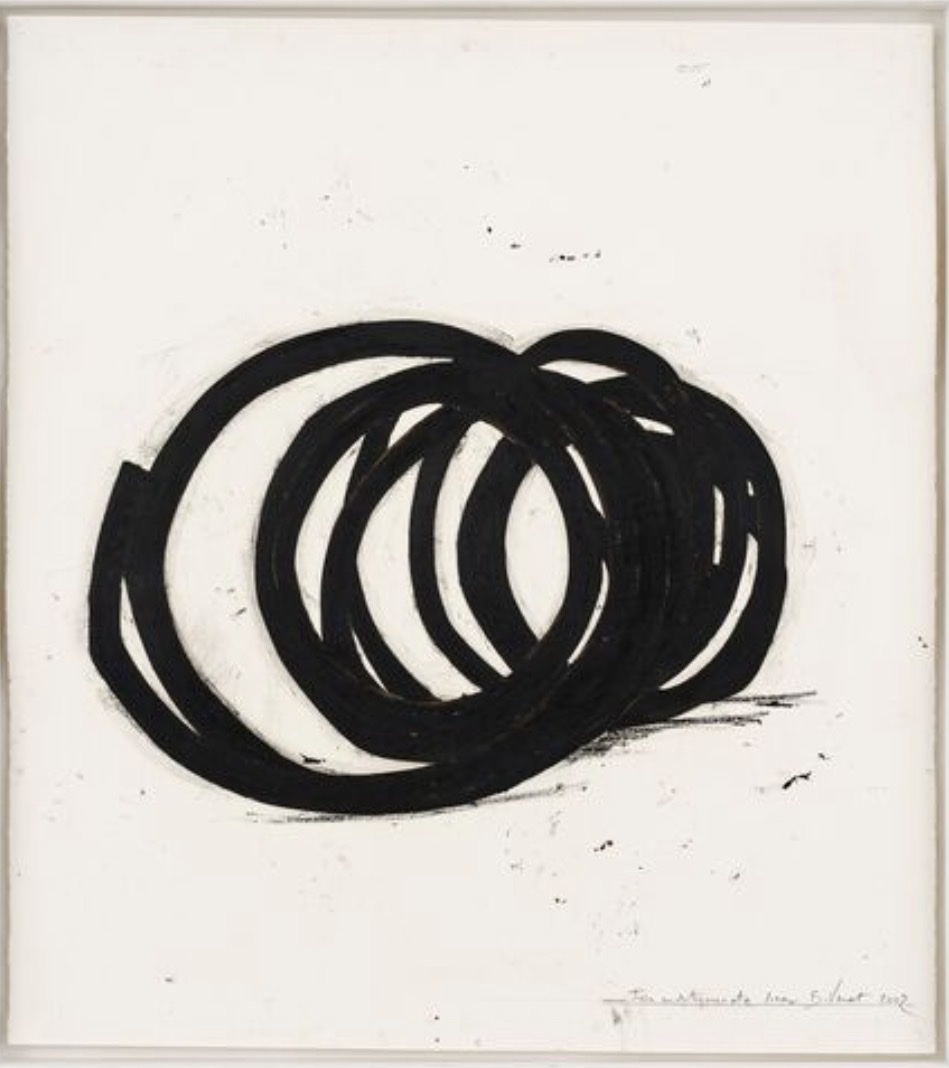
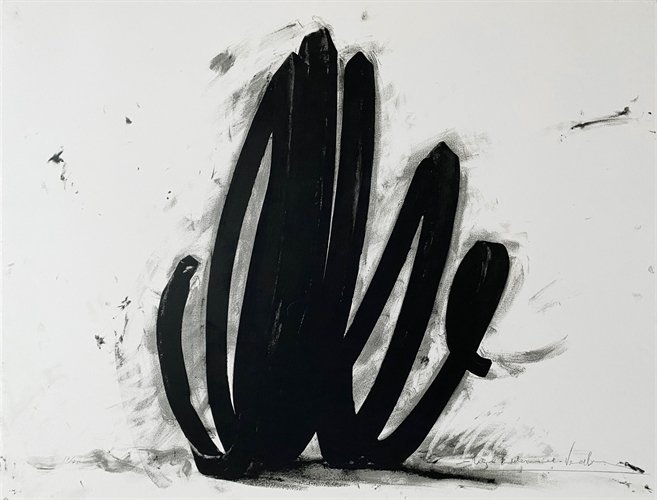
Bernar Venet
Two Indeterminate Lines, 2002
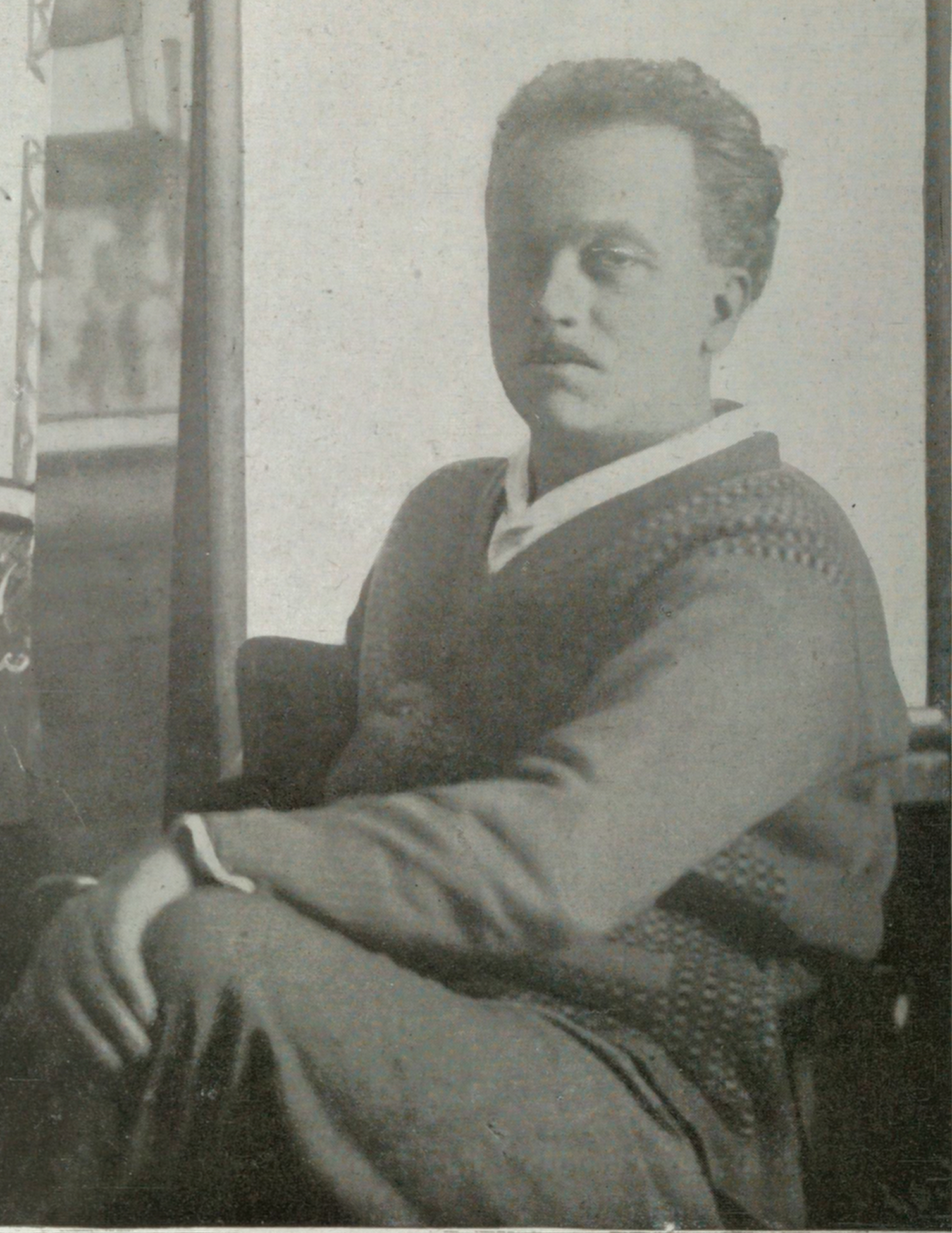

France Never Stopped Being the Center
There is a particular quality of light in French art that collectors describe almost physically, as though standing before a Bonnard interior or a Dufy harbor scene produces the same sensation as afternoon sun coming through a window onto a stone floor. This is not nostalgia. It is why French works of the nineteenth and twentieth centuries continue to anchor serious private collections around the world, and why serious collectors keep returning to them even as the market for newer, louder things surges and recedes. The depth of the French tradition offers something that trends cannot: it rewards prolonged looking, and it ages well on the wall.
What draws people into collecting French art is often a single encounter. A print by Auguste Louis Lepère glimpsed at a dealer's table, with its extraordinary command of wood engraving and its feeling for Parisian light filtered through stone and water. Or perhaps a lithograph by Toulouse Lautrec, its flat color fields and bold contour lines feeling as alive and immediate as the night it was designed. The category is enormous, running from intimate cabinet works to monumental prints, from documentary photography to pure formal invention, and a collector can spend decades moving through its rooms without exhausting what is available or interesting.
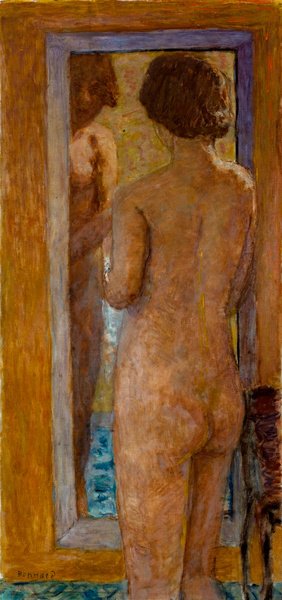
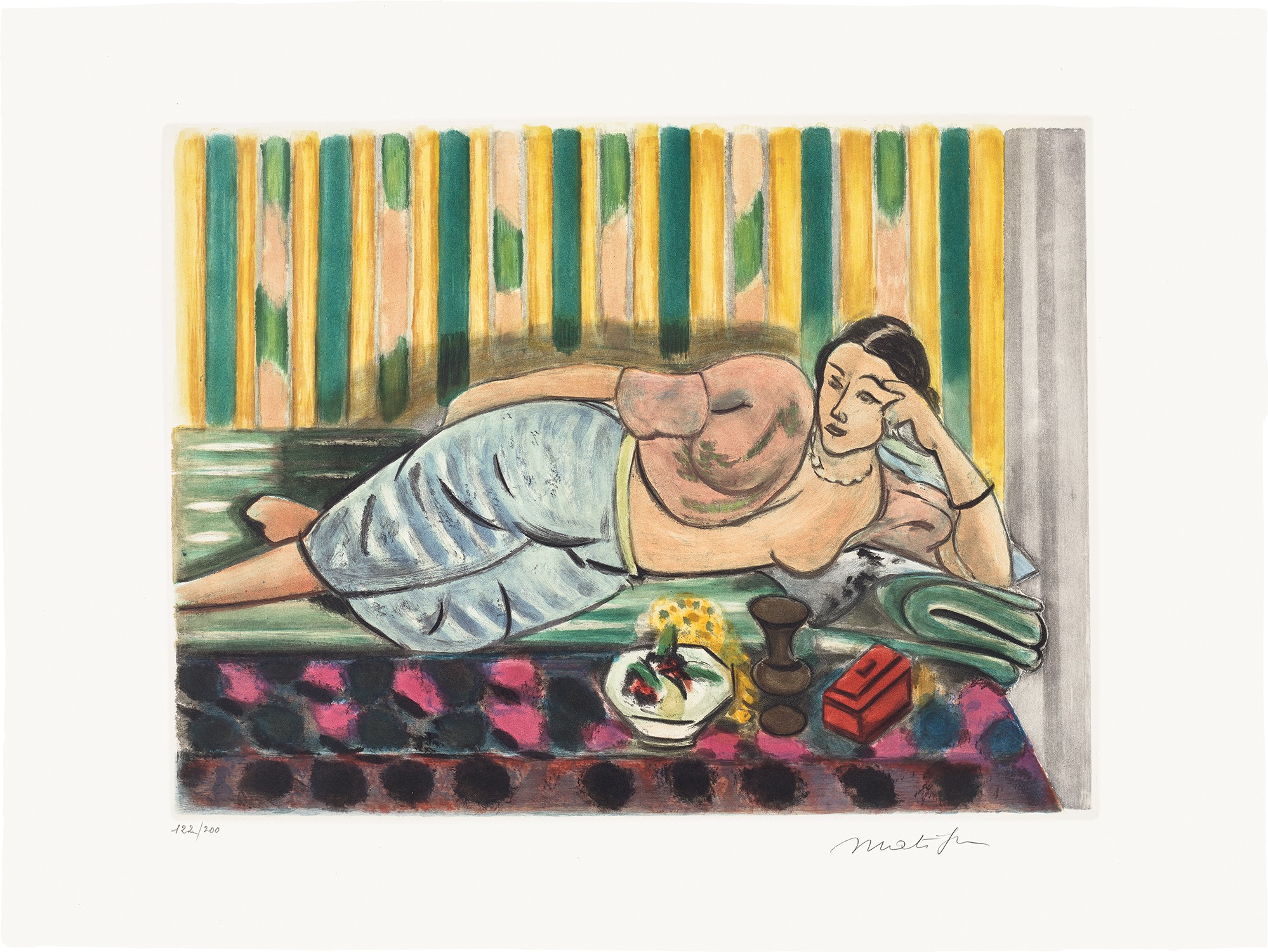
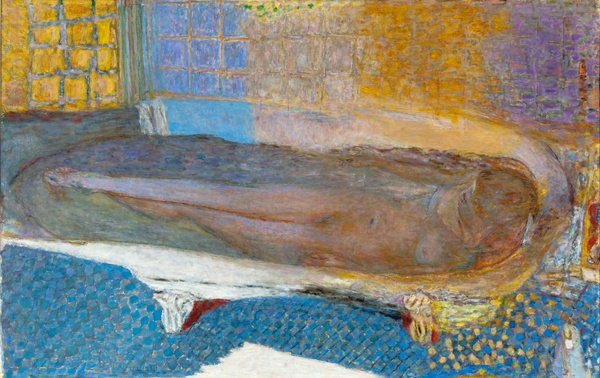
Pierre Bonnard
Femme à sa toilette, 1934
The difference between a good French work and a great one usually comes down to what collectors and dealers call presence, though that word is doing a lot of work. More precisely, it means the degree to which a work holds its own quality across time and across changing tastes. In prints, which represent some of the most rewarding collecting available in this area, a great impression is everything. Charles Méryon's etchings of Paris, made in the 1850s, exist in a range of impressions from the luminous and deeply bitten to the flat and overworked, and a collector who learns to distinguish between them has acquired a skill worth more than any price guide.
Similarly, the etchings and drypoints of Félix Bracquemond, one of the great technicians of the Etching Revival, reveal their full beauty only in early pulls on fine paper. Condition and impression quality are inseparable in this space, and they deserve equal weight with subject matter and attribution. For those looking at where genuine value resides right now, the answer in French art involves looking slightly sideways from the most famous names. Henri Matisse and Pierre Auguste Renoir command prices that reflect their canonical status, and exceptional works by these artists remain trophy acquisitions.
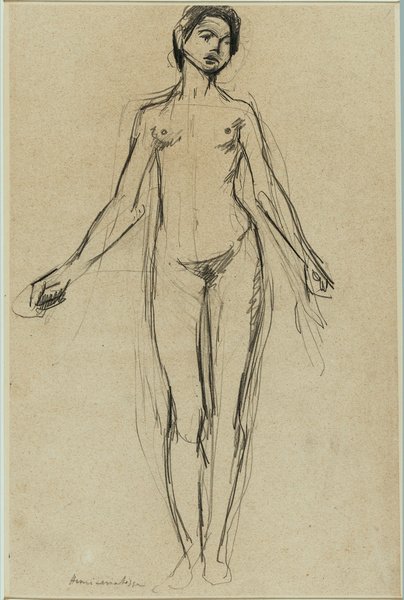
Henri Matisse
Etude de femme nue debout, 1900
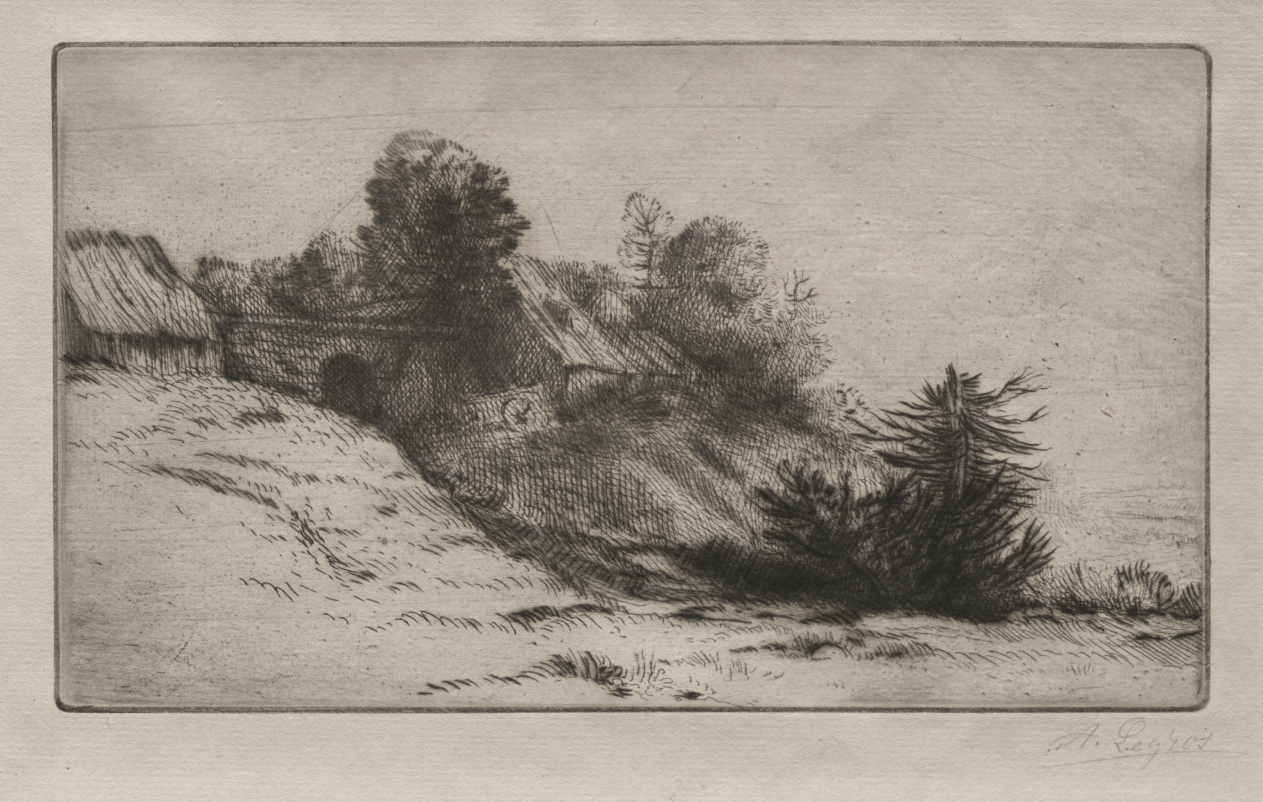
But the deeper pleasure, and often the stronger financial logic, lies with figures who are well represented on The Collection and whose market has not yet caught up with their art historical importance. Alphonse Legros, who worked across etching, drypoint, and lithography with a somber intensity that influenced a generation of British printmakers after he settled in London, remains significantly undervalued relative to his peers. Auguste Louis Lepère, who bridged the worlds of commercial illustration and fine printmaking with genuine mastery, offers a broad and accessible entry point into serious French graphic art. Henri Rivière, whose japoniste color woodcuts of Brittany and Paris are among the most beautiful objects the period produced, still surprises collectors with how affordable exceptional examples remain.
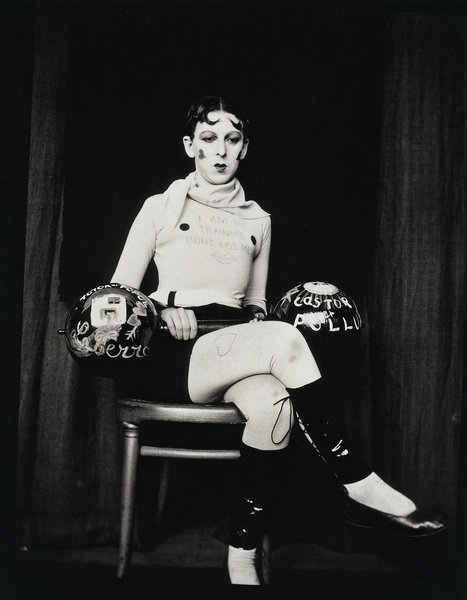
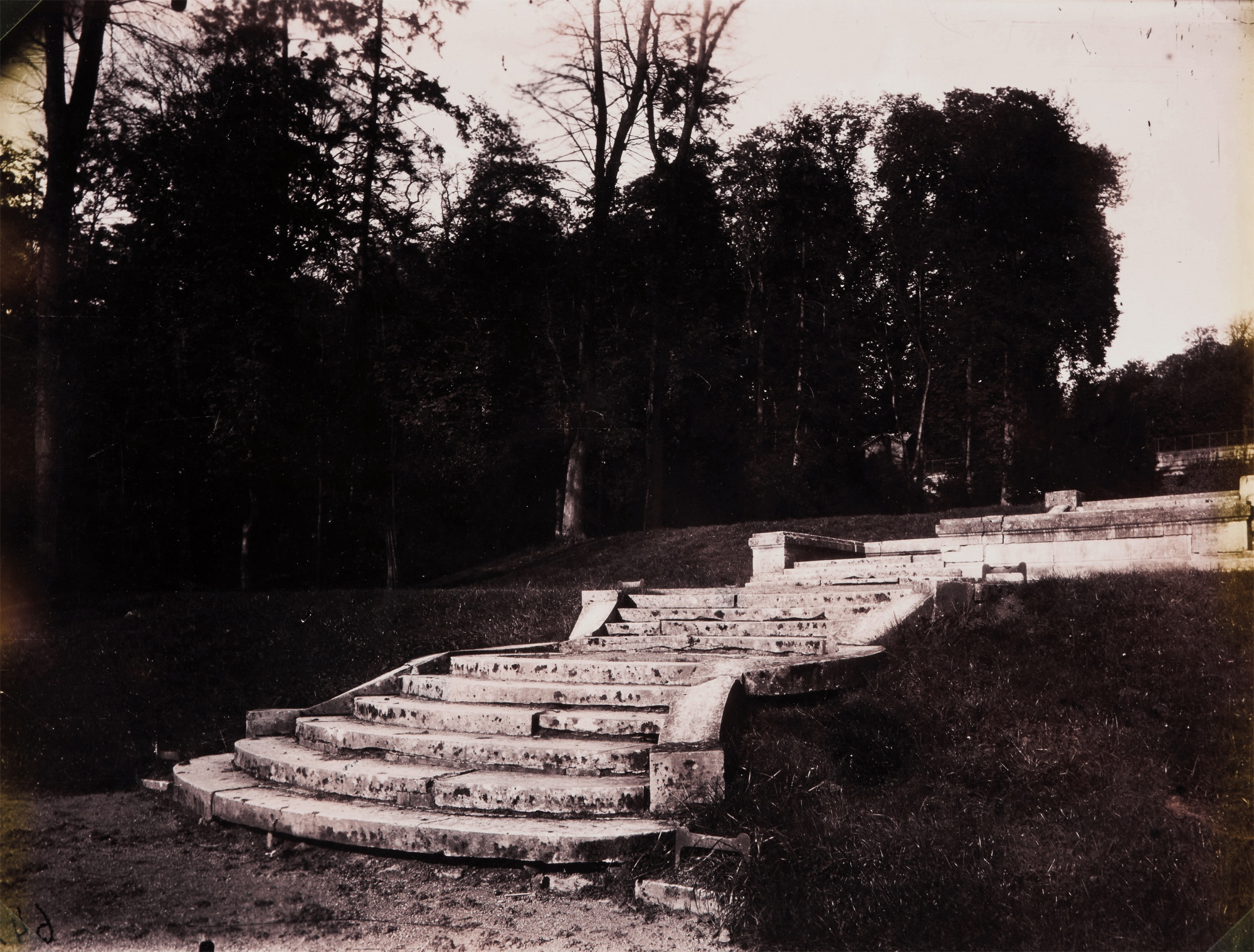
The category also contains photographers whose collecting market is finally maturing in ways that reward early attention. Eugène Atget spent decades documenting Paris before the city modernized beyond recognition, and his prints, particularly vintage albumen examples, have moved steadily upward at auction for the past two decades. His work sits at the intersection of document and poetry, and collectors who came to him through Berenice Abbott's championing of his archive in the late 1920s understood something that the broader market took longer to grasp. Henri Cartier Bresson occupies a different register, his vintage gelatin silver prints increasingly sought by collectors who understand photography as a medium of formal intention rather than mere record.
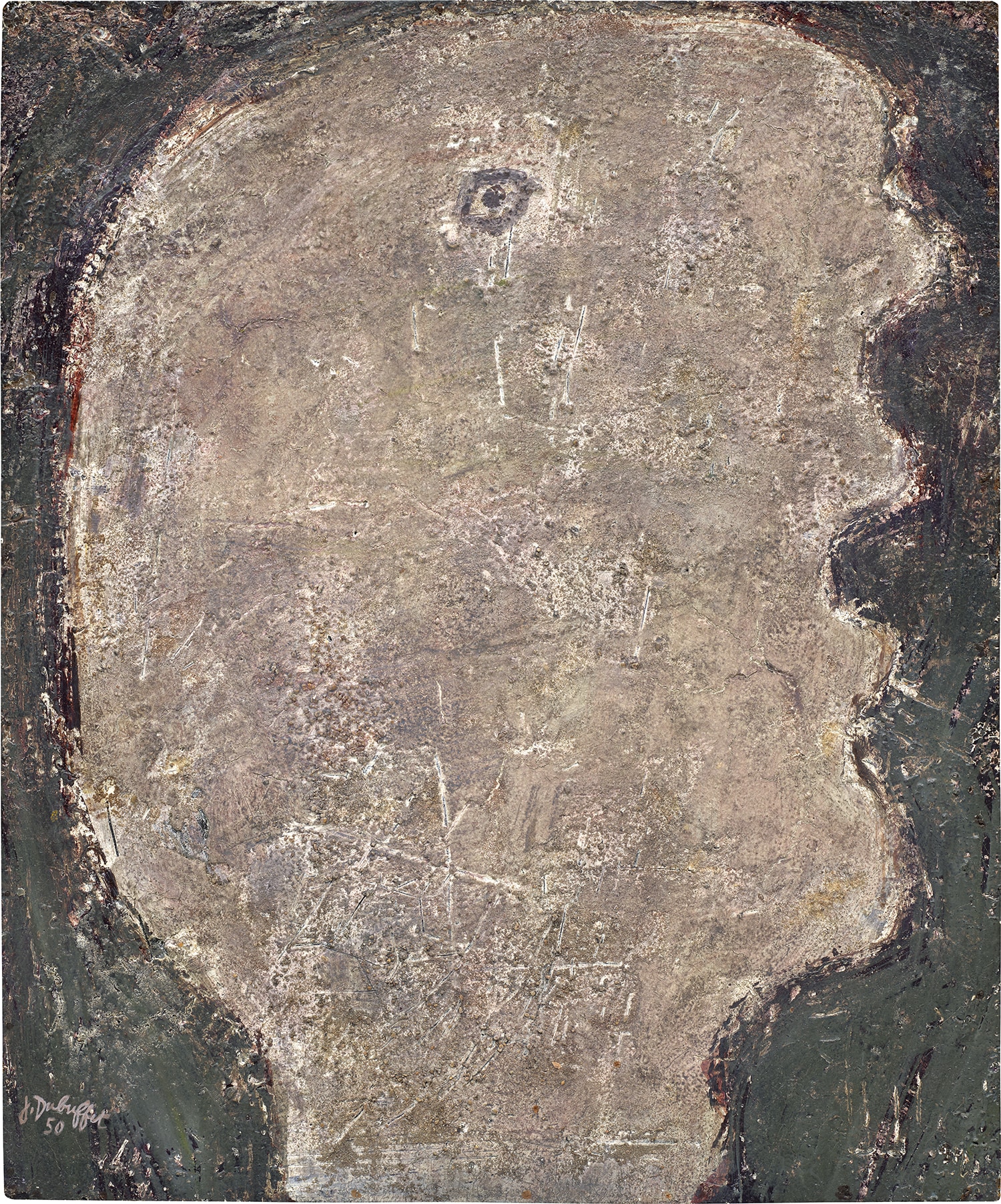
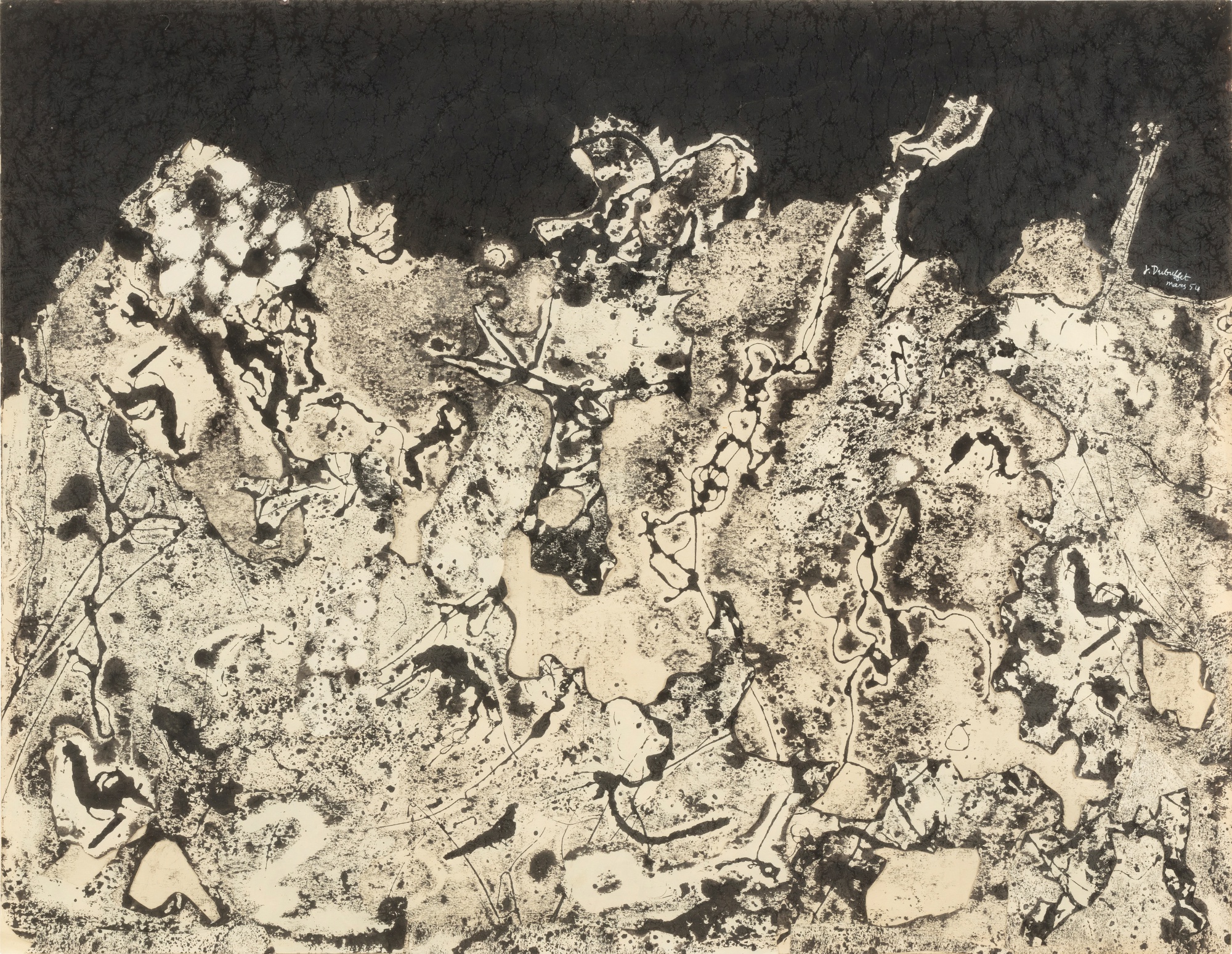
Jean Dubuffet
Tête de héros
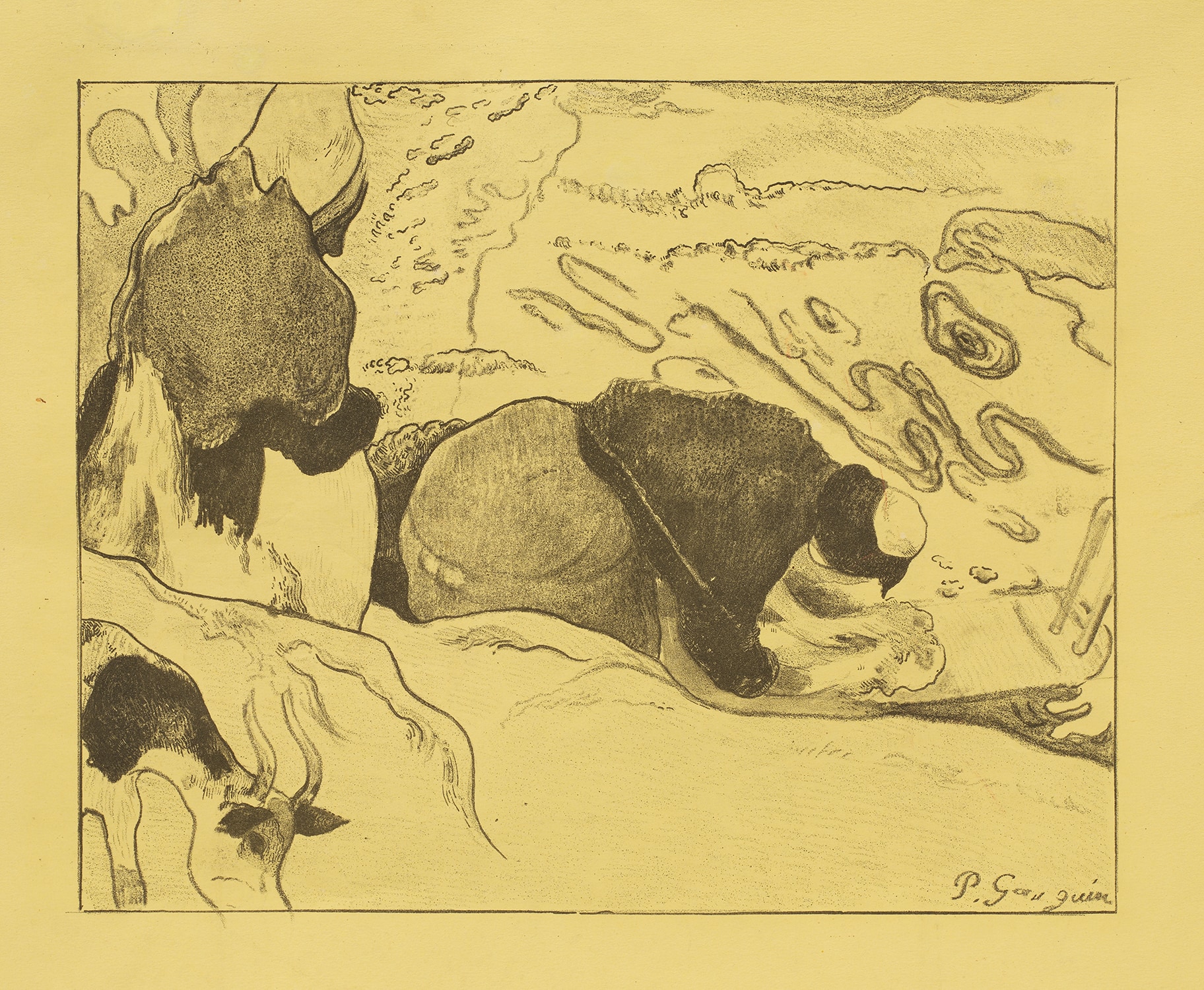
The distinction between a vintage print and a later reproduction print matters enormously here, and no informed collector should acquire either photographer's work without pressing a dealer or auction specialist on provenance and print date. At auction, French prints and multiples from the nineteenth and early twentieth centuries tend to perform with notable consistency in the middle market, meaning works priced between several hundred and several tens of thousands of dollars. Major prints by Toulouse Lautrec or Paul Gauguin at the top of the market can reach significant sums when fresh to sale and in exceptional condition, but the real action for most collectors is in the secondary market below that threshold, where dealers and specialist auction houses handle the bulk of transactions. Works by Jean Dubuffet, whose prints and multiples were produced in considerable quantity, require careful attention to edition size, publisher, and state, and the price differential between a well documented early impression and a later commercial edition can be substantial.
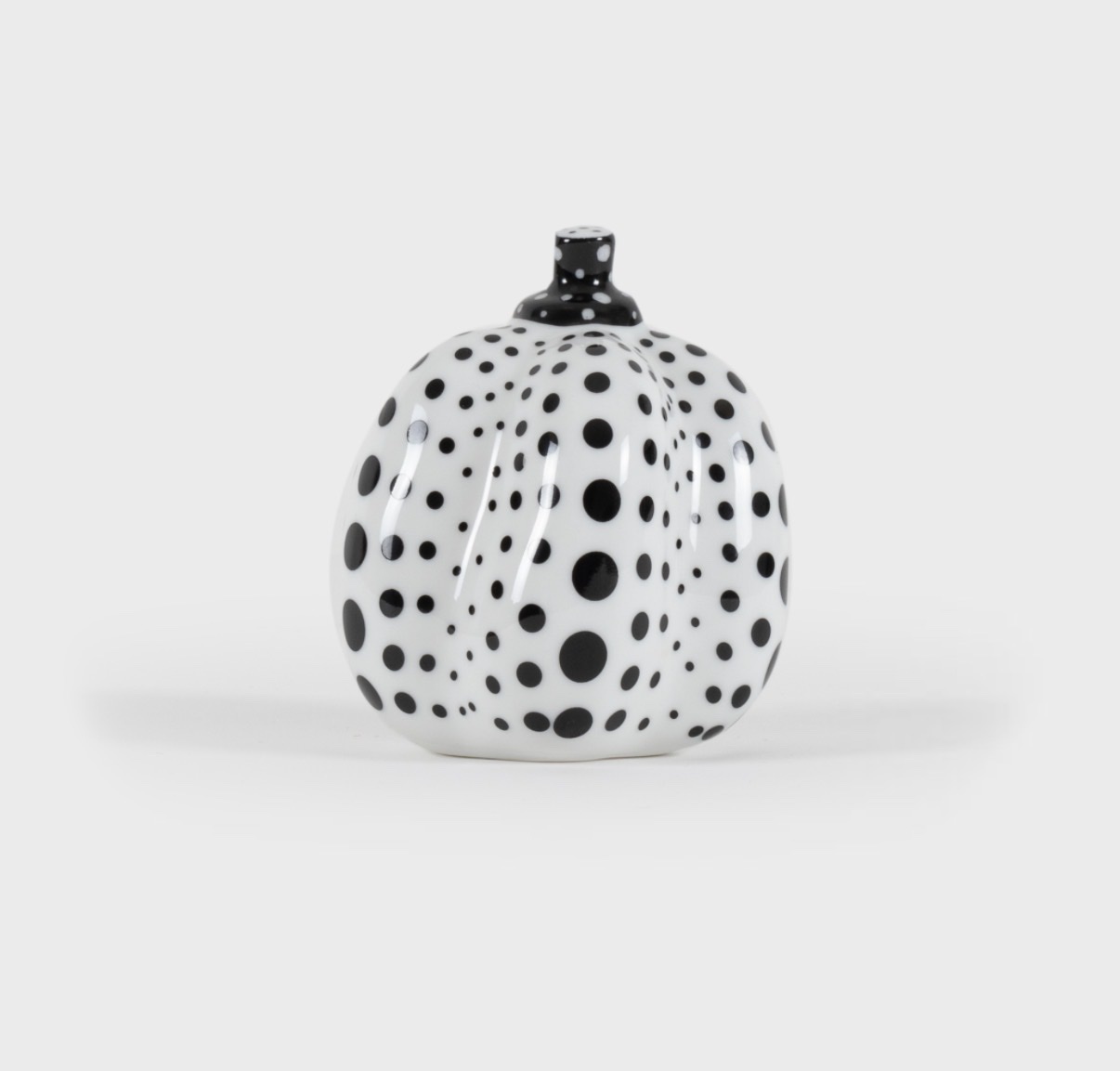
The Lalanne circle, meaning François Xavier Lalanne and Claude Lalanne, whose sculptural and decorative work sits somewhere between fine art and the applied arts, has seen remarkable auction performance over the past decade as collectors from the fashion and design worlds crossed over into serious art collecting. Practical advice for a collector entering or deepening a focus on French work begins with paper and ends with provenance. For prints, ask to see the work in raking light and under magnification if possible. Ask the dealer or specialist whether this is an early or late impression, whether the paper shows any restoration, and whether the work has been in any notable collections previously.
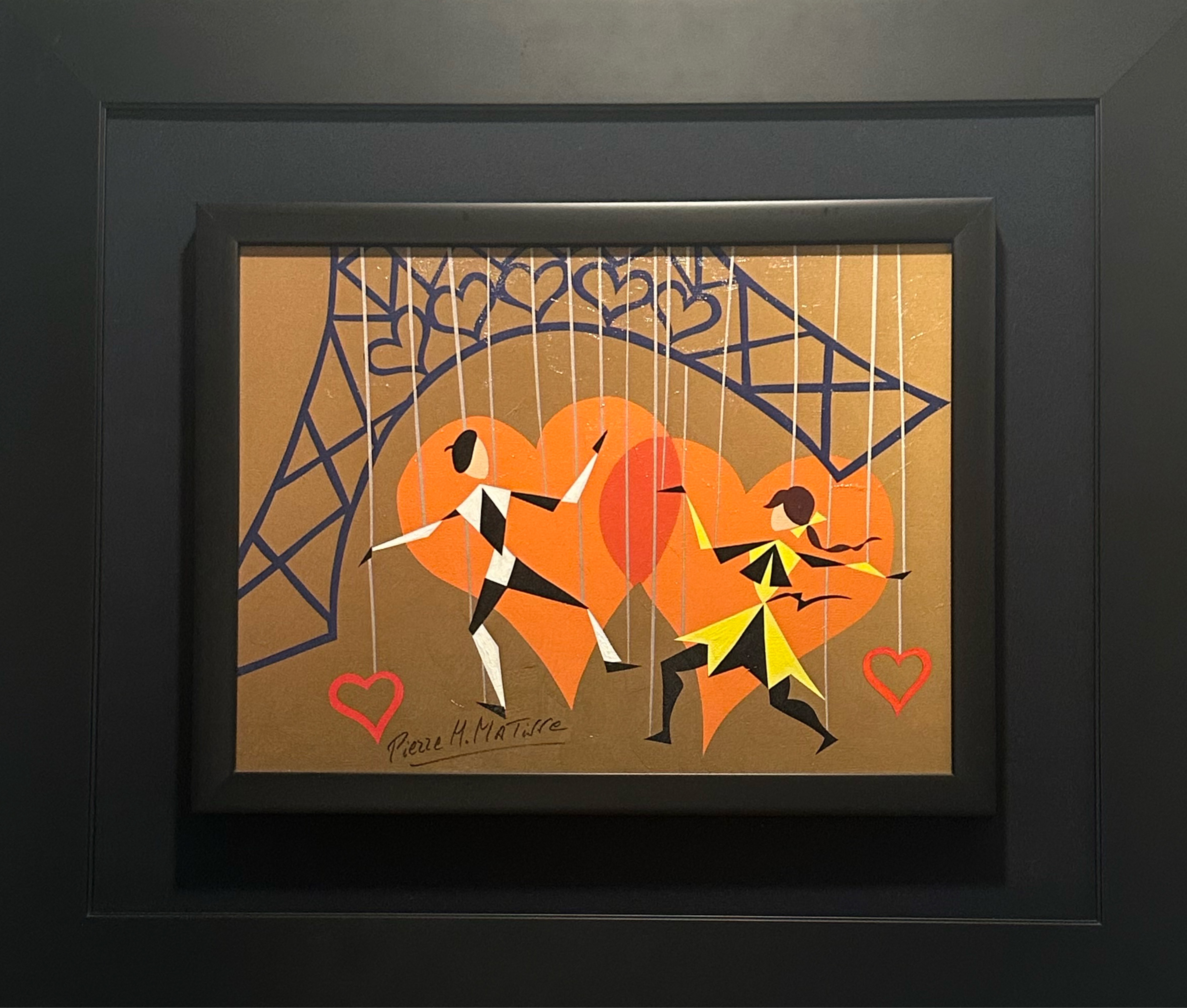
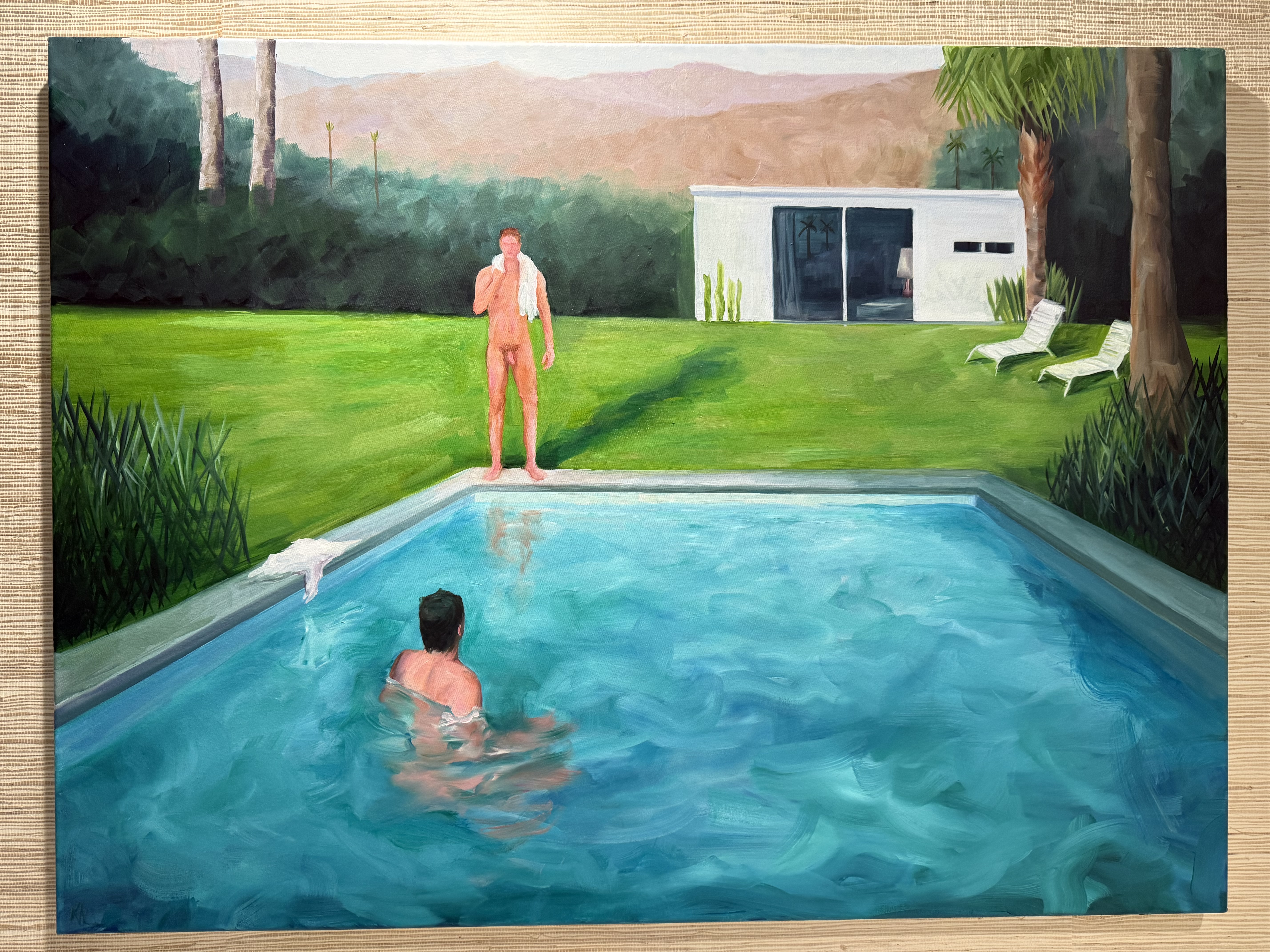
Pierre Matisse
No strings attached, 1980
A work that has passed through distinguished hands, with proper documentation, carries a kind of biography that adds to its meaning and protects its value. For unique works on paper, ask specifically about any previous conservation treatments, since old repairs to tears or losses can affect both the visual experience and long term stability. Display matters too. French works on paper, like all works on paper, require protection from direct light and environmental fluctuation, but they also deserve to be seen rather than stored.
The best French art rewards the kind of daily attention that only living with it provides, and a work by Honoré Daumier or Henri Fantin Latour seen every morning over years becomes something more than a possession. It becomes a way of understanding what looking at the world actually means.