Bronze
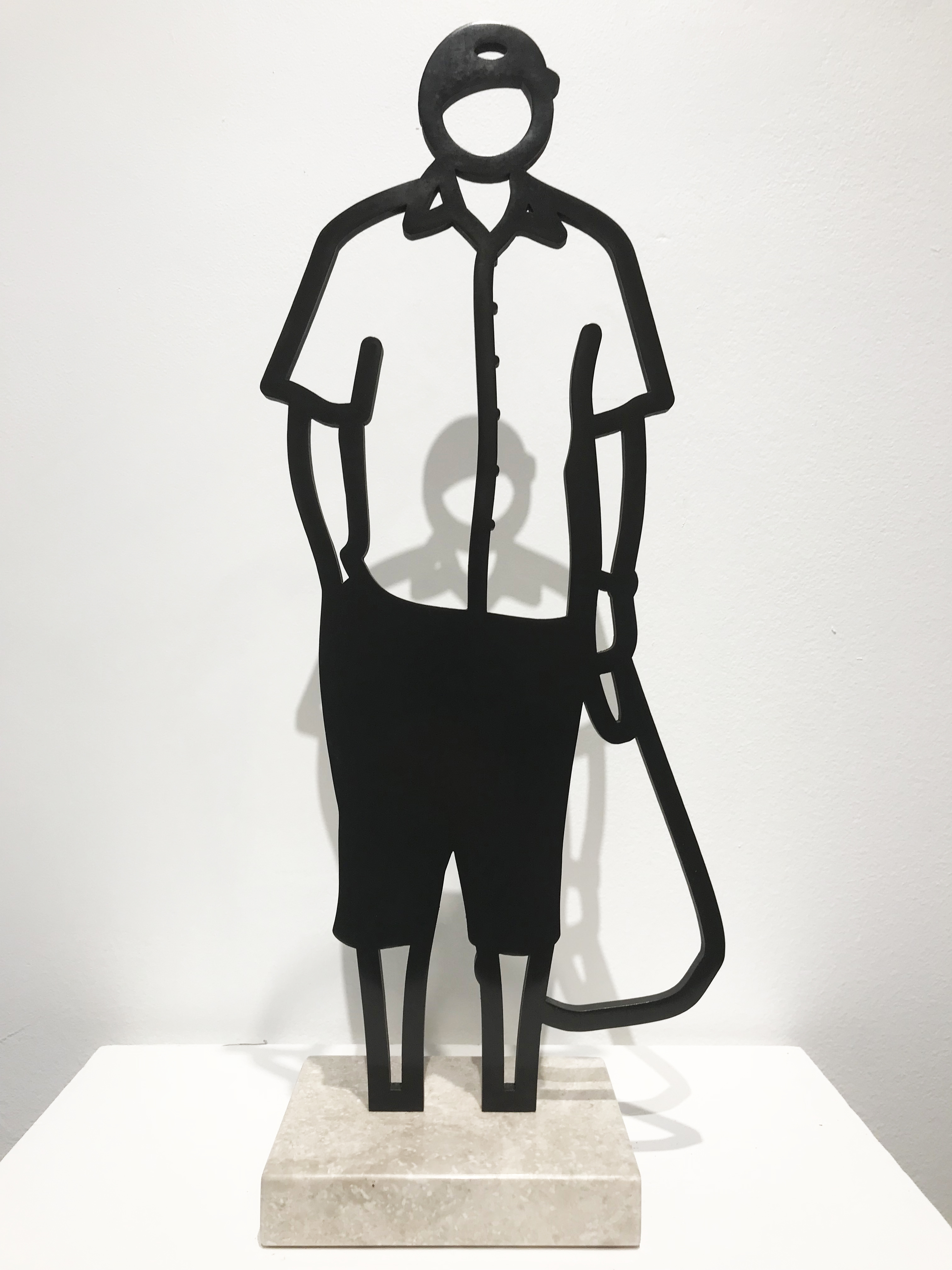
Julian Opie
Melbourne Statuettes: Plastic Bag, 2018

Bronze Never Cools: The Metal Collectors Want
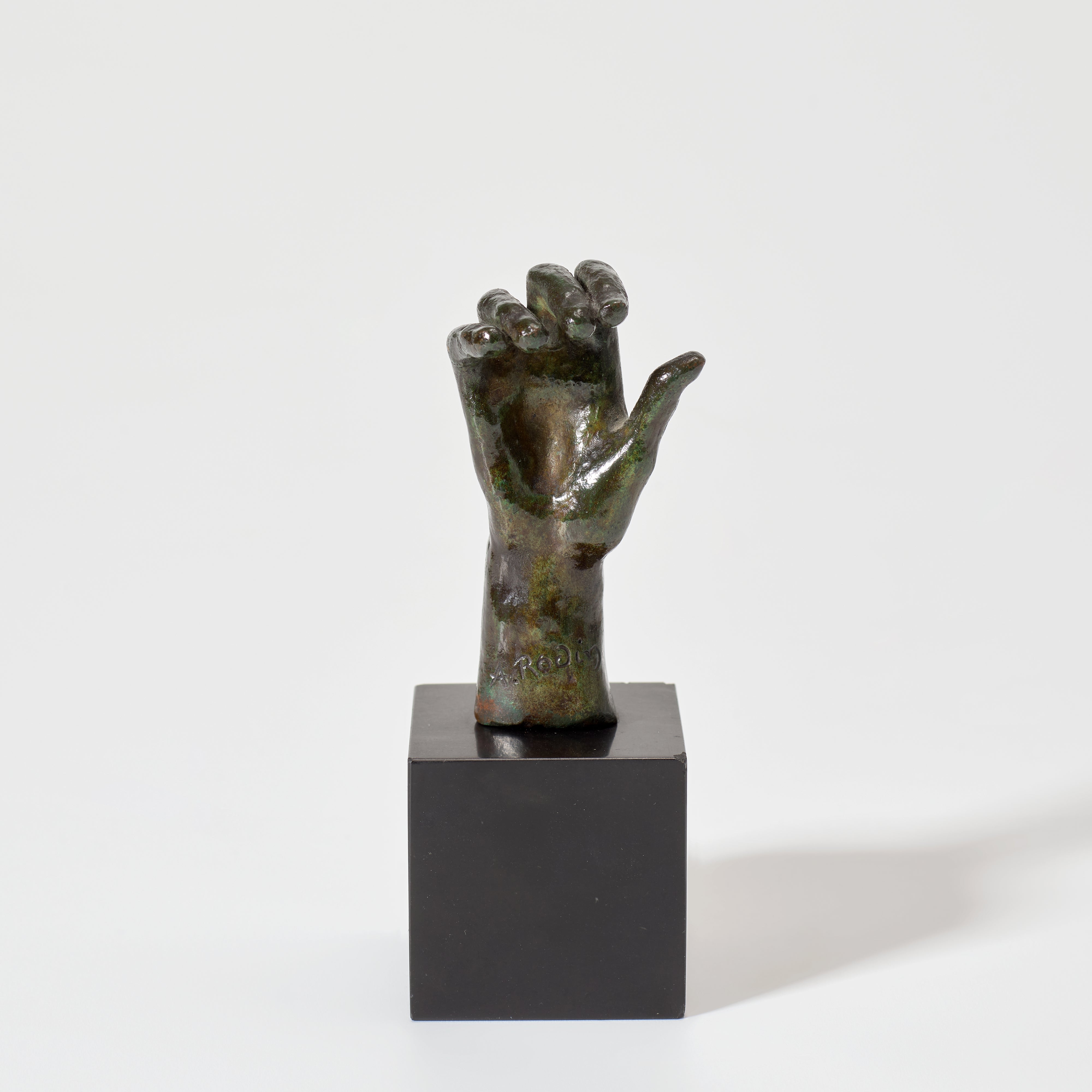
When a cast by Auguste Rodin sells at auction, the room changes. There is a particular kind of attention that settles over bidders and observers alike, a collective holding of breath that speaks to something deeper than market speculation. In May 2023, Christie's New York saw sustained bidding on multiple Rodin bronzes across its marquee evening sales, reinforcing what the serious market has understood for decades: the medium itself carries a gravity that other sculptural materials rarely achieve. Bronze does not merely hold form.
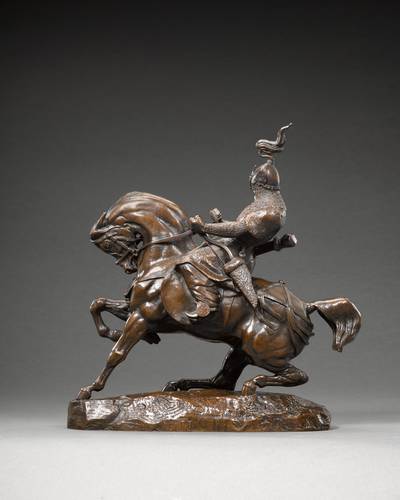
It accumulates meaning across centuries, across foundries, across the hands of artists who chose it precisely because it resists time. The critical rehabilitation of nineteenth and early twentieth century bronze sculpture has been one of the quieter but more consequential shifts in the art world over the past fifteen years. Museums that once treated Antoine Louis Barye as a footnote to French Romanticism now give his animal bronzes serious scholarly attention. The Musée des Arts Décoratifs in Paris mounted renewed focus on the decorative and animalier traditions that Barye helped define, and institutions in New York and London have followed with acquisitions that signal a genuine reappraisal.
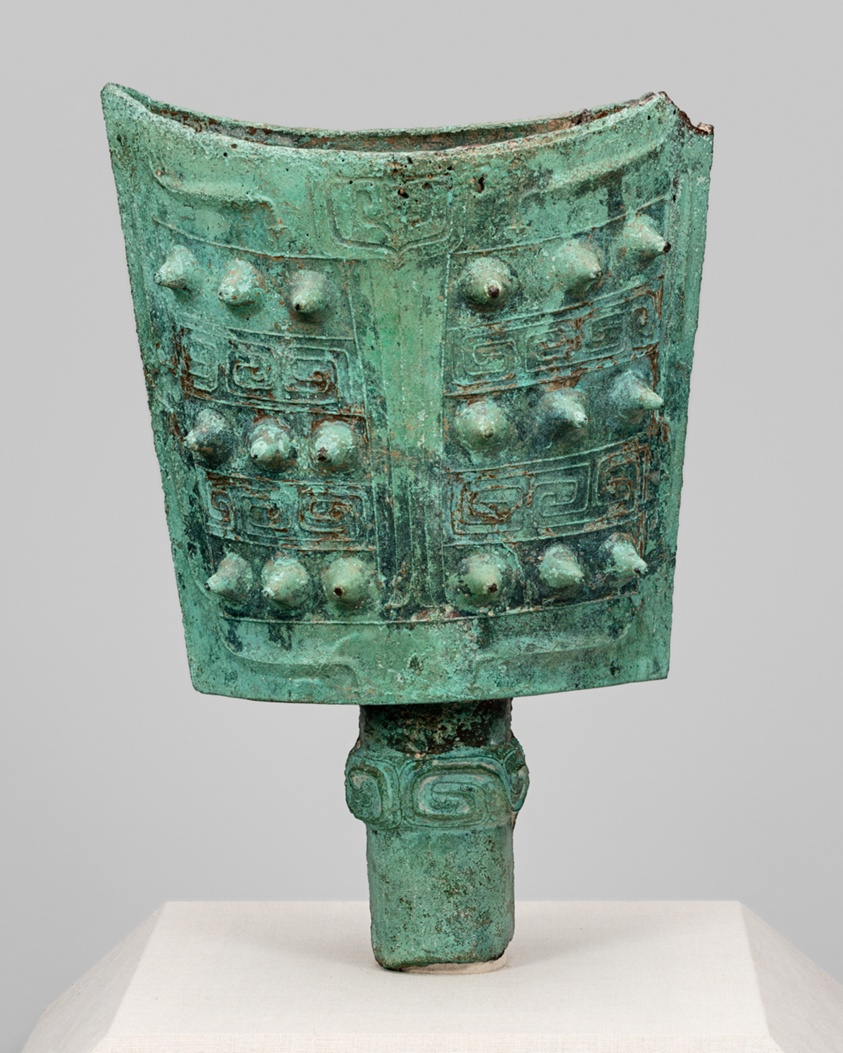
Unknown Artist
Bell (nao), -1046
Jean Baptiste Carpeaux, whose dynamic figures once seemed too theatrical for contemporary taste, has been reconsidered in light of scholarly work examining the social and political dimensions of his commissions. These are not sentimental revivals. They are arguments about what bronze sculpture was actually doing in its most fertile period. The Lalanne universe occupies its own extraordinary position in this conversation.
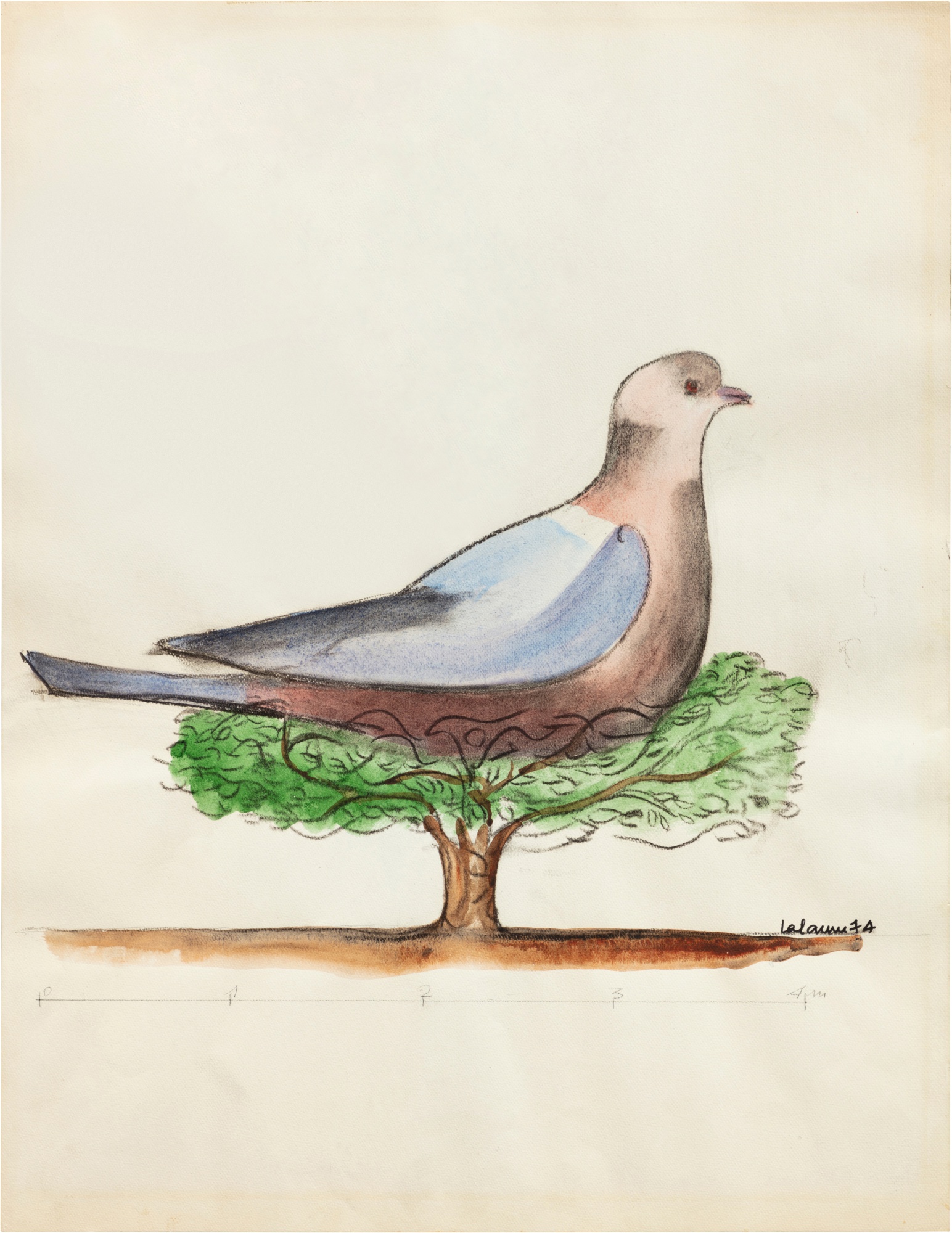
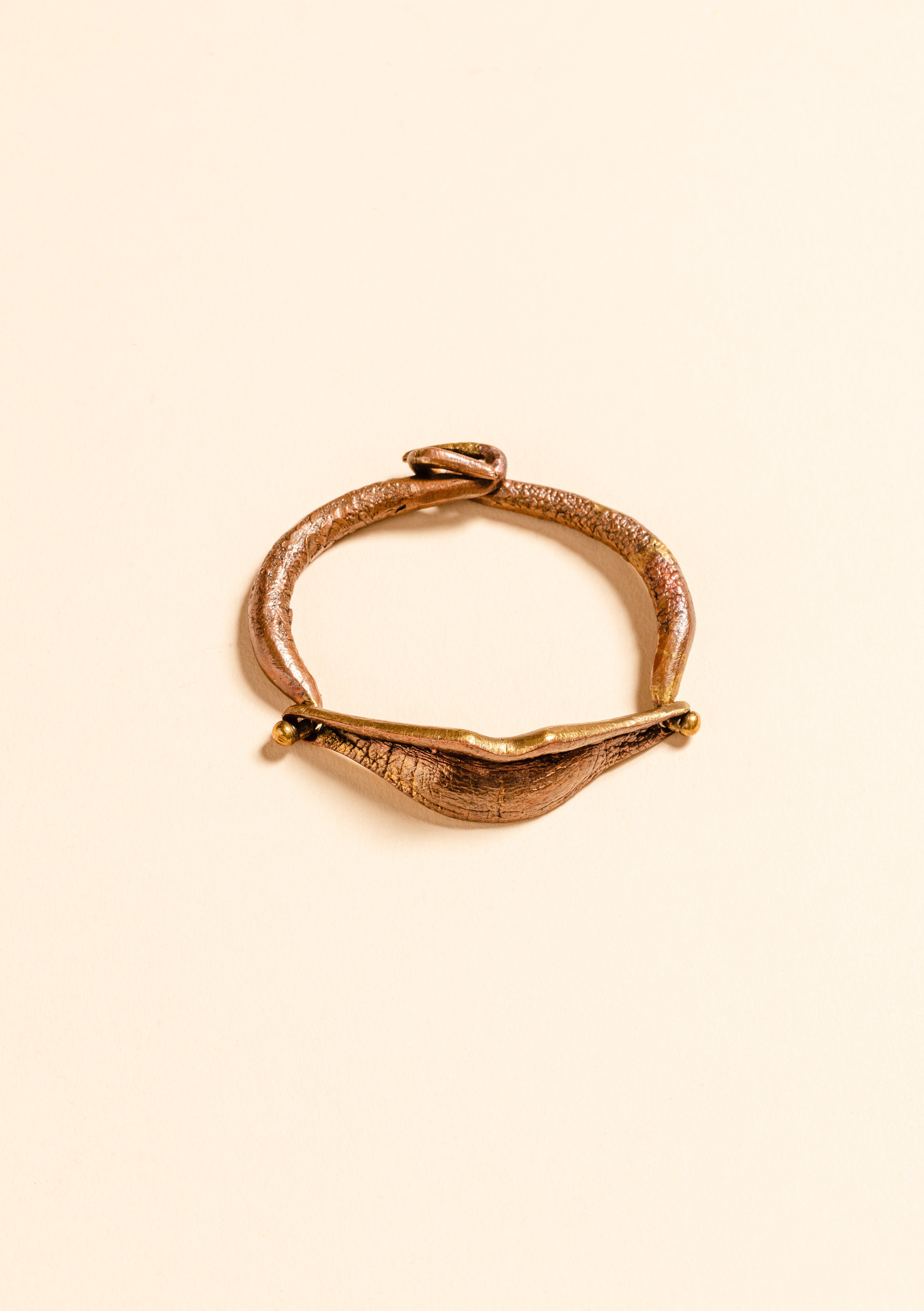
François Xavier and Claude Lalanne built a body of work that sits at the intersection of sculpture, design, surrealism, and natural observation, and the market has responded with a ferocity that continues to surprise even attentive collectors. Sotheby's Paris sale dedicated to the Lala nnes in October 2019 shattered expectations, with individual works reaching multiples of their high estimates. Both artists are well represented on The Collection, and the depth of available works reflects just how productive and various their practice was across more than five decades. The critical conversation around them has matured considerably.
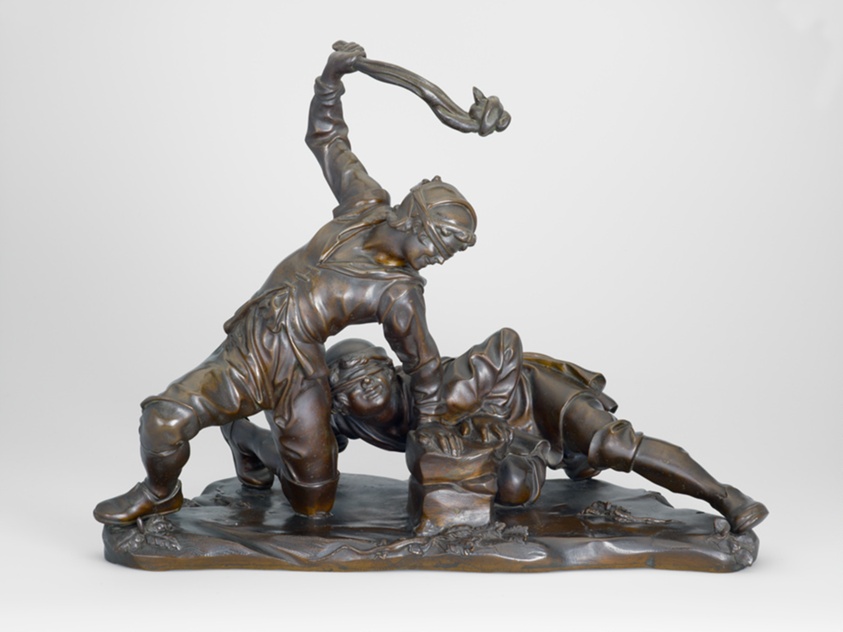
Orazio Mochi
Saccomazzone Players, 1616
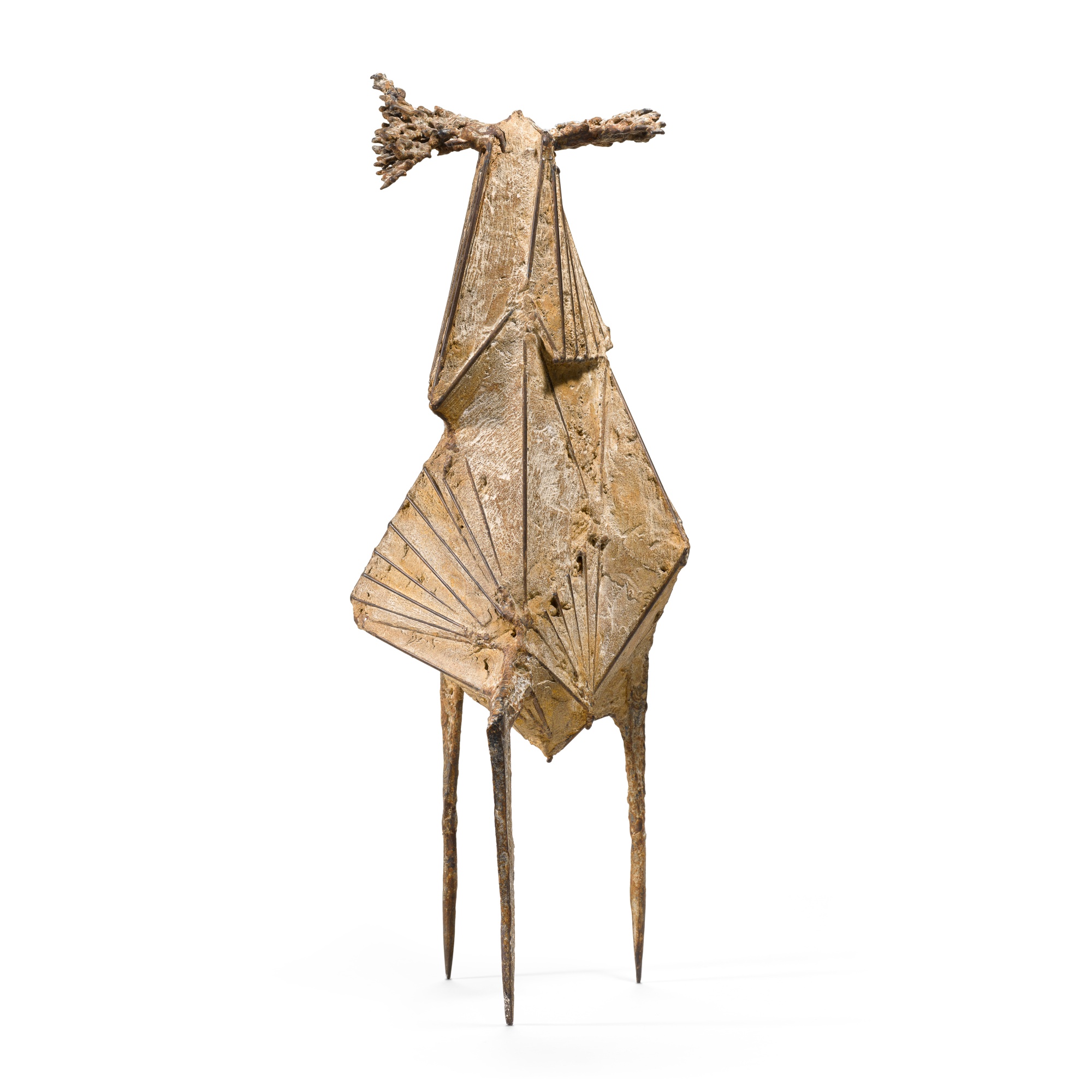
Curators now position their animal and botanical forms not as charming eccentricities but as sustained philosophical propositions about the relationship between the human body and the natural world. Lynn Chadwick and Henry Moore anchor a different but equally compelling strand of the bronze market, one rooted in the British modernist tradition and its dialogue with continental European abstraction. Moore's prices at the top end remain stratospheric, with major works routinely appearing in nine figure territory at the leading international houses. What is perhaps more interesting from a collecting perspective is the sustained and growing appetite for Chadwick, whose angular, winged figures spent years in the shadow of his more celebrated contemporaries before a concerted critical effort beginning in the early 2010s restored his reputation to something closer to its deserved stature.
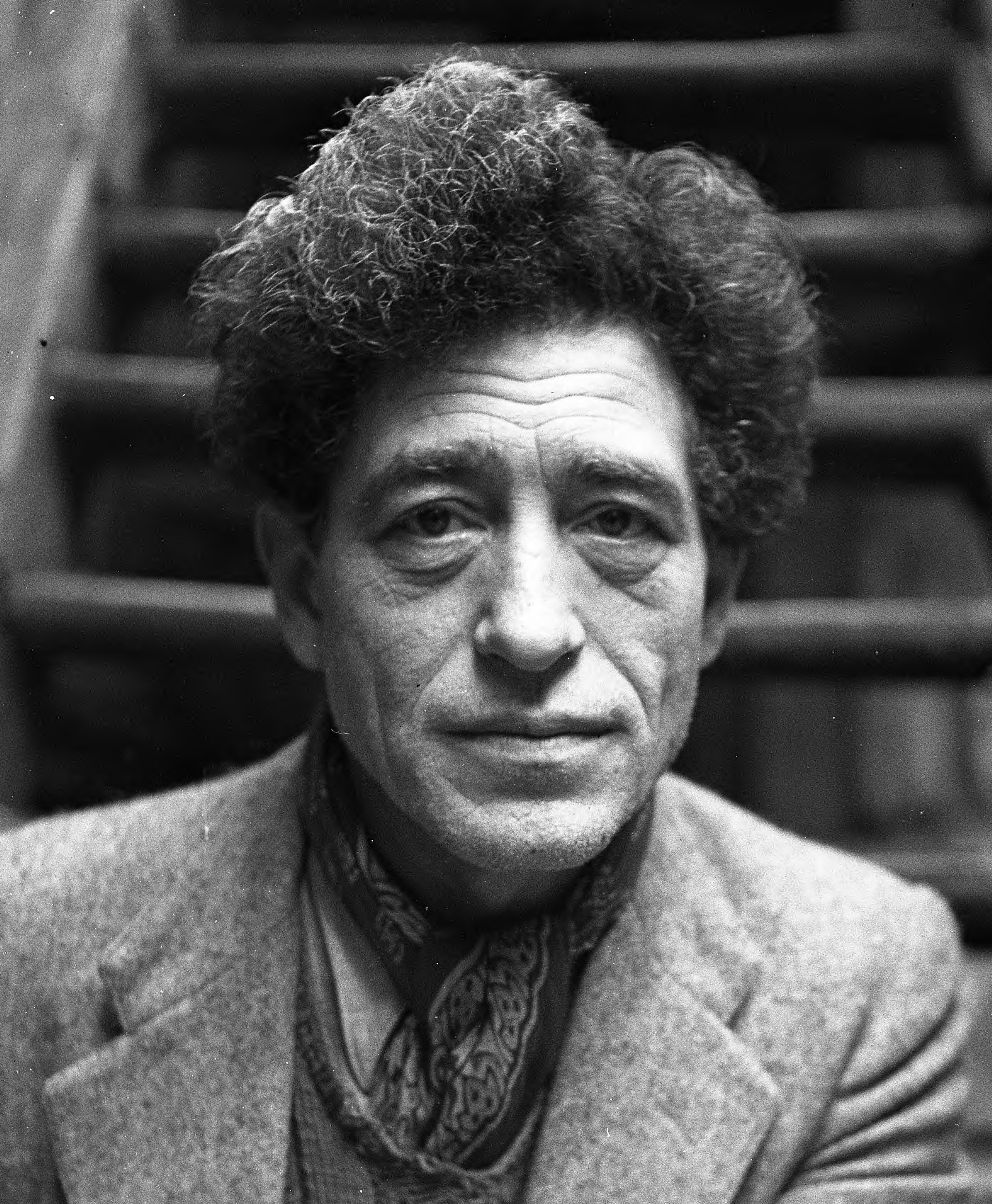
The Chadwick Estate has worked carefully to document the full casting history of his editions, and that provenance transparency has done real work in building collector confidence. Dame Elisabeth Frink has benefited from a similar reassessment, with major retrospective attention and auction results that have climbed meaningfully. The energy around bronze from the broader twentieth century canon remains intense. Alberto Giacometti's elongated figures have become totemic objects in the global market, with prices placing individual works among the most valuable sculptures ever sold.
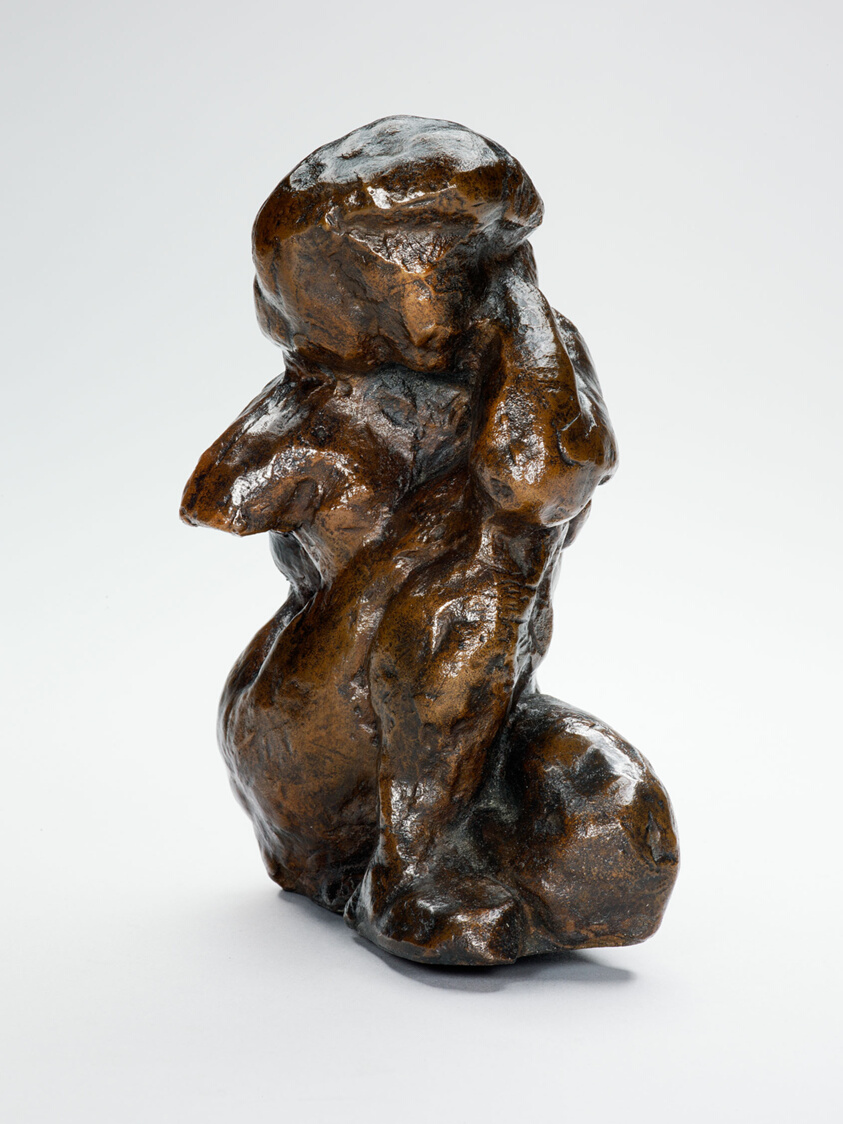
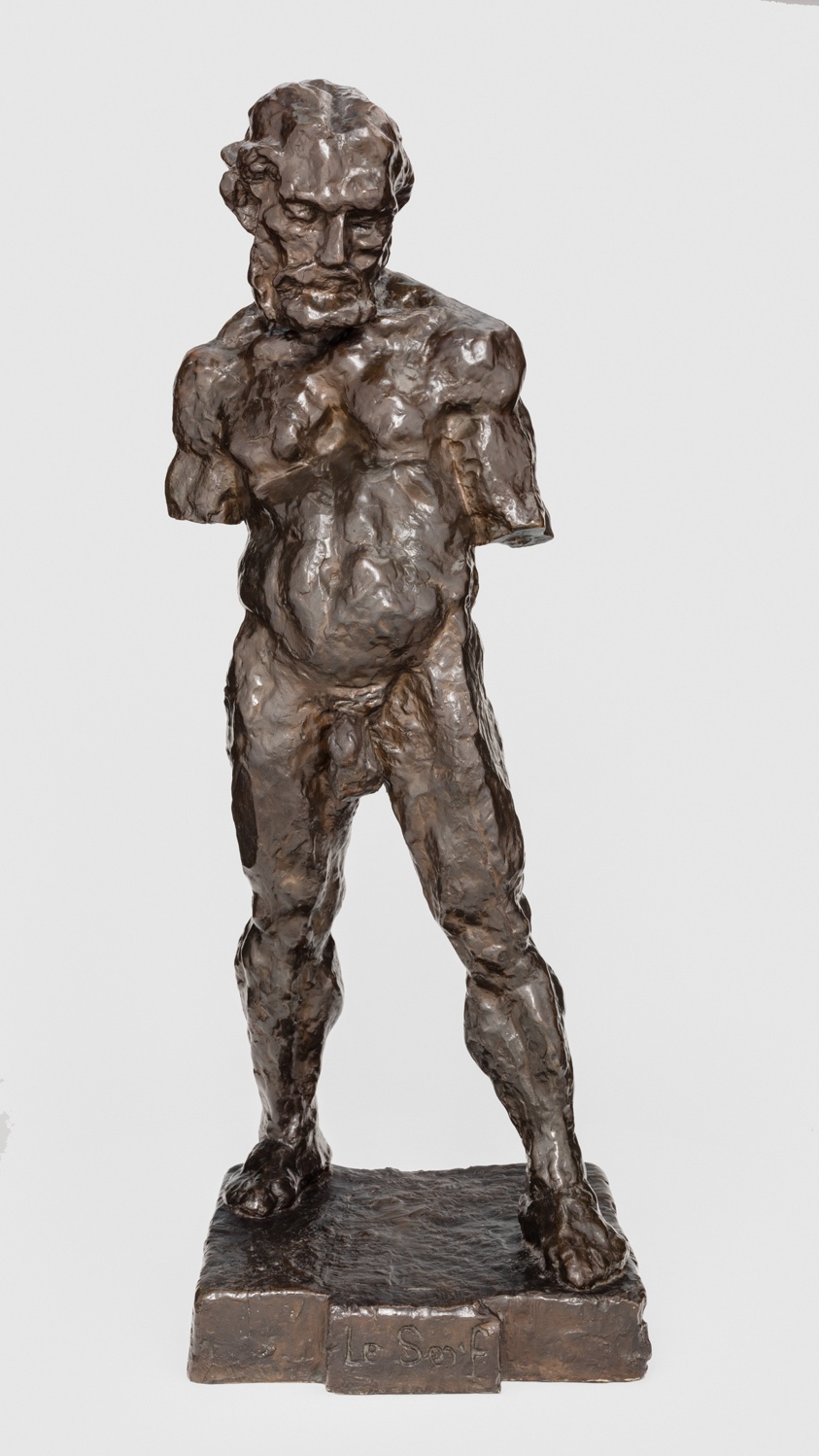
Henri Matisse
Small Crouching Nude without an Arm, 1903
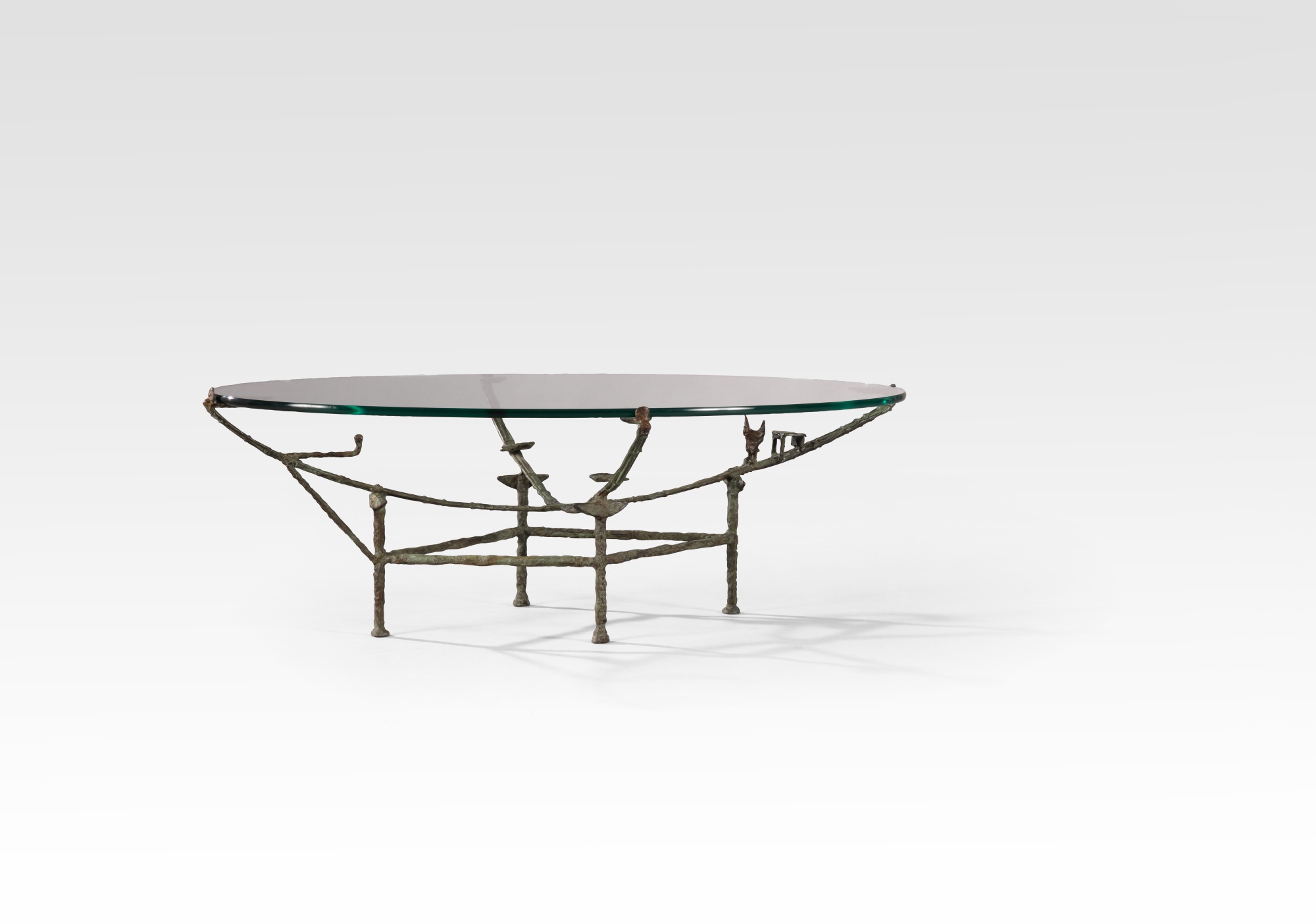
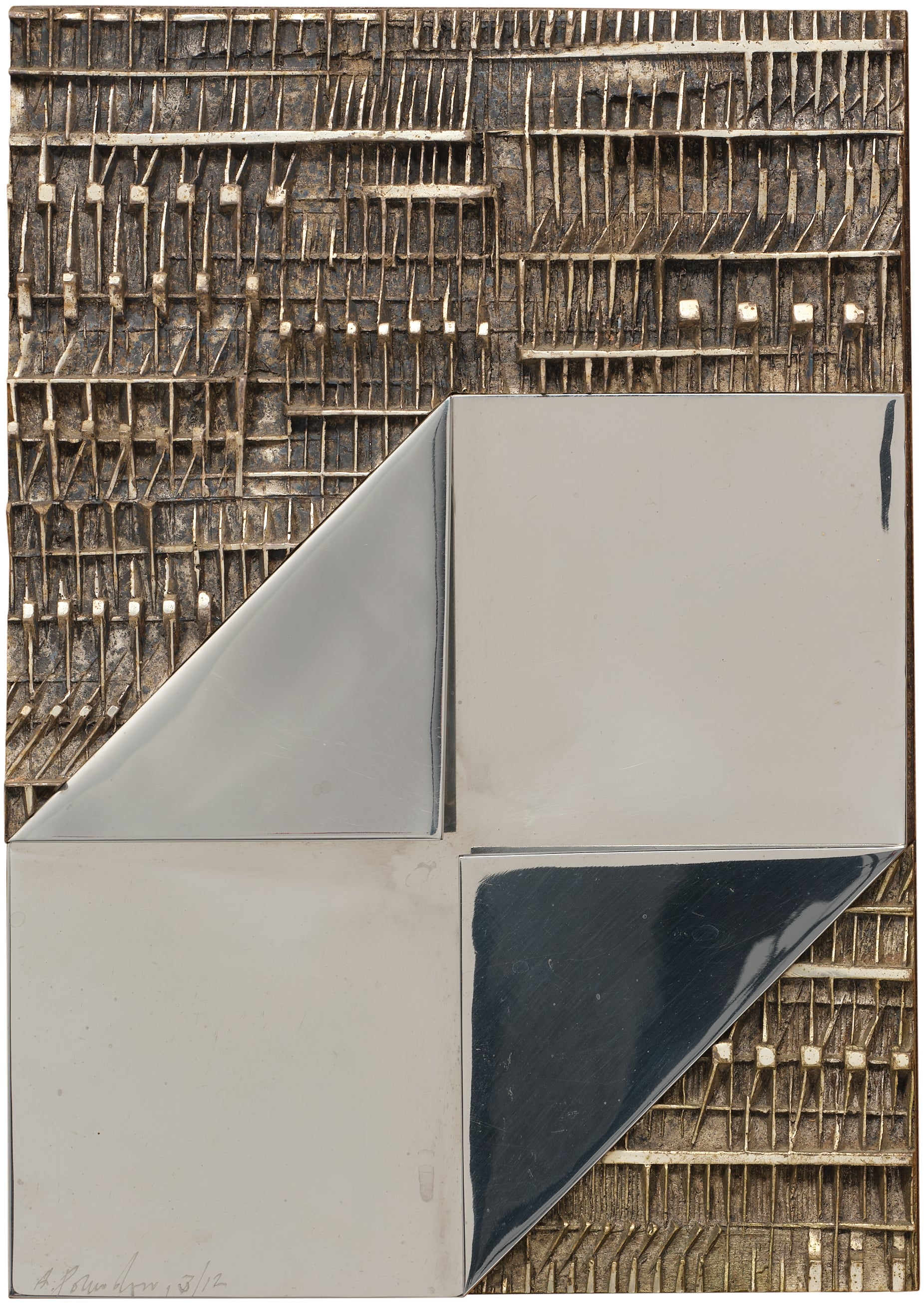
His brother Diego Giacometti, long understood primarily as a maker of extraordinary furniture, has attracted renewed attention as a sculptor in his own right, and The Collection holds a thoughtful group of his works that rewards careful looking. Arnaldo Pomodoro's fractured spheres and cylinders, which feel as formally urgent today as when they were first shown in the 1960s, have found institutional champions in Italy and beyond, with the Fondazione Arnaldo Pomodoro in Milan continuing to shape scholarly understanding of his practice. Fernando Botero, whose inflated bronze figures occupied public squares across five continents, left behind a legacy that the market absorbed with characteristic appetite following his death in 2023. What is alive in bronze right now is partly a story about legacy and partly about the medium's surprising elasticity.
KAWS, whose career began in a very different register entirely, has used bronze to give his figures a permanence and a material seriousness that complicates easy readings of his practice as purely commercial or pop adjacent. Louise Bourgeois understood bronze as a confessional material, and the institutions that hold her work, including the Tate Modern and the Guggenheim Bilbao, have programmed it with an urgency that keeps the critical conversation open. Li Chen brings a contemplative Buddhist sensibility to the medium that has found resonance with collectors across Asia and the West, suggesting that bronze's capacity to carry spiritual weight remains undiminished. The writers and curators shaping this space are increasingly interested in questions of production, edition, and authenticity.
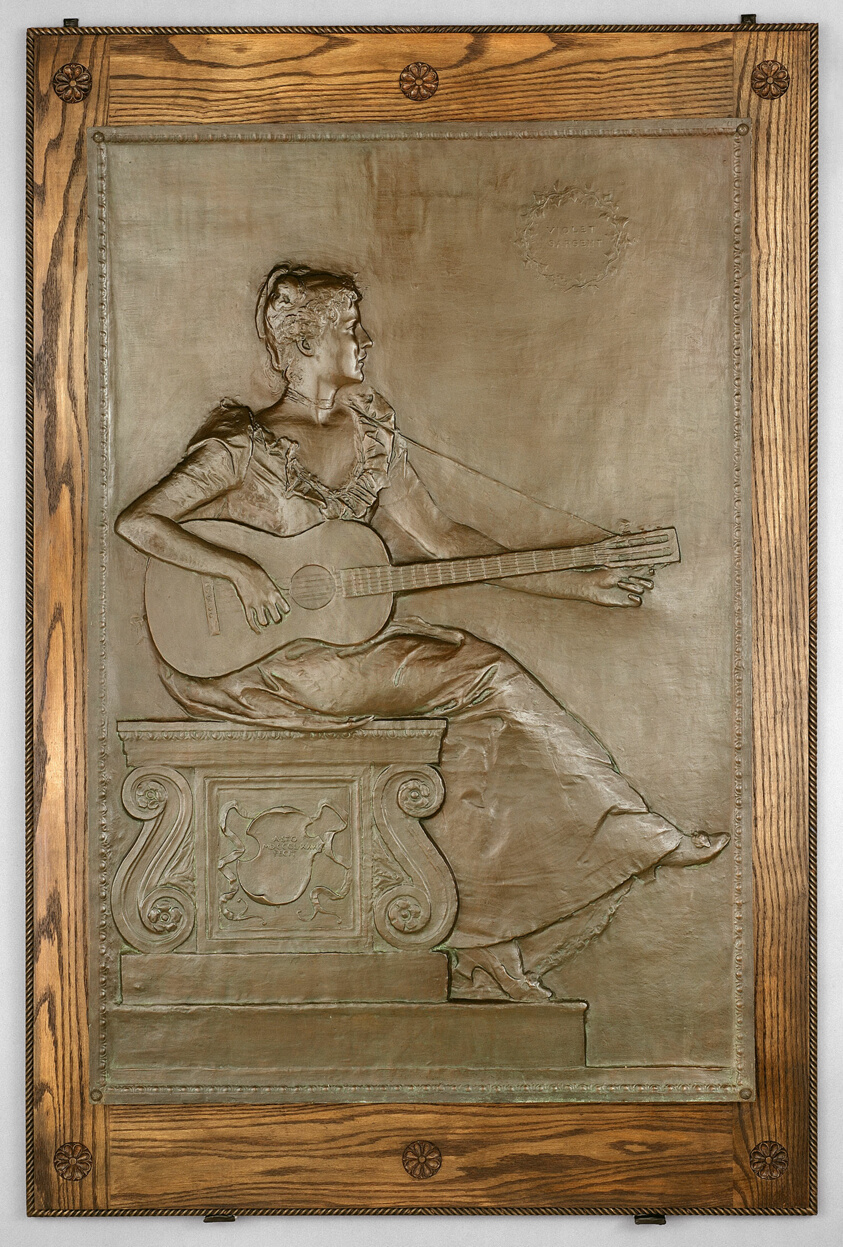
Augustus Saint-Gaudens
Violet Sargent, 1890
Scholarship around the foundry histories of major estates, including detailed attention to the Coubertin foundry in France and its relationship to estates including Rodin and Barye, has given collectors better tools for understanding what they are acquiring. Publications including the Burlington Magazine and the Journal of the History of Collections have run serious scholarship on bronze casting practices that filters, eventually, into how auction houses write their catalogue essays and how prices are argued. That chain of influence, from academic journal to saleroom podium, is shorter than it might appear. Where does the energy go from here.
The market for mid career artists working in bronze is genuinely contested territory, with galleries and fairs competing to establish the next generation of artists who will command the kind of institutional and collector attention that Rodin or Moore now do as settled historical propositions. The surprise is not that bronze endures. The surprise is how consistently it finds new artists willing to test its limits, and new collectors willing to believe that something made of metal and fire can still say something that nothing else can.