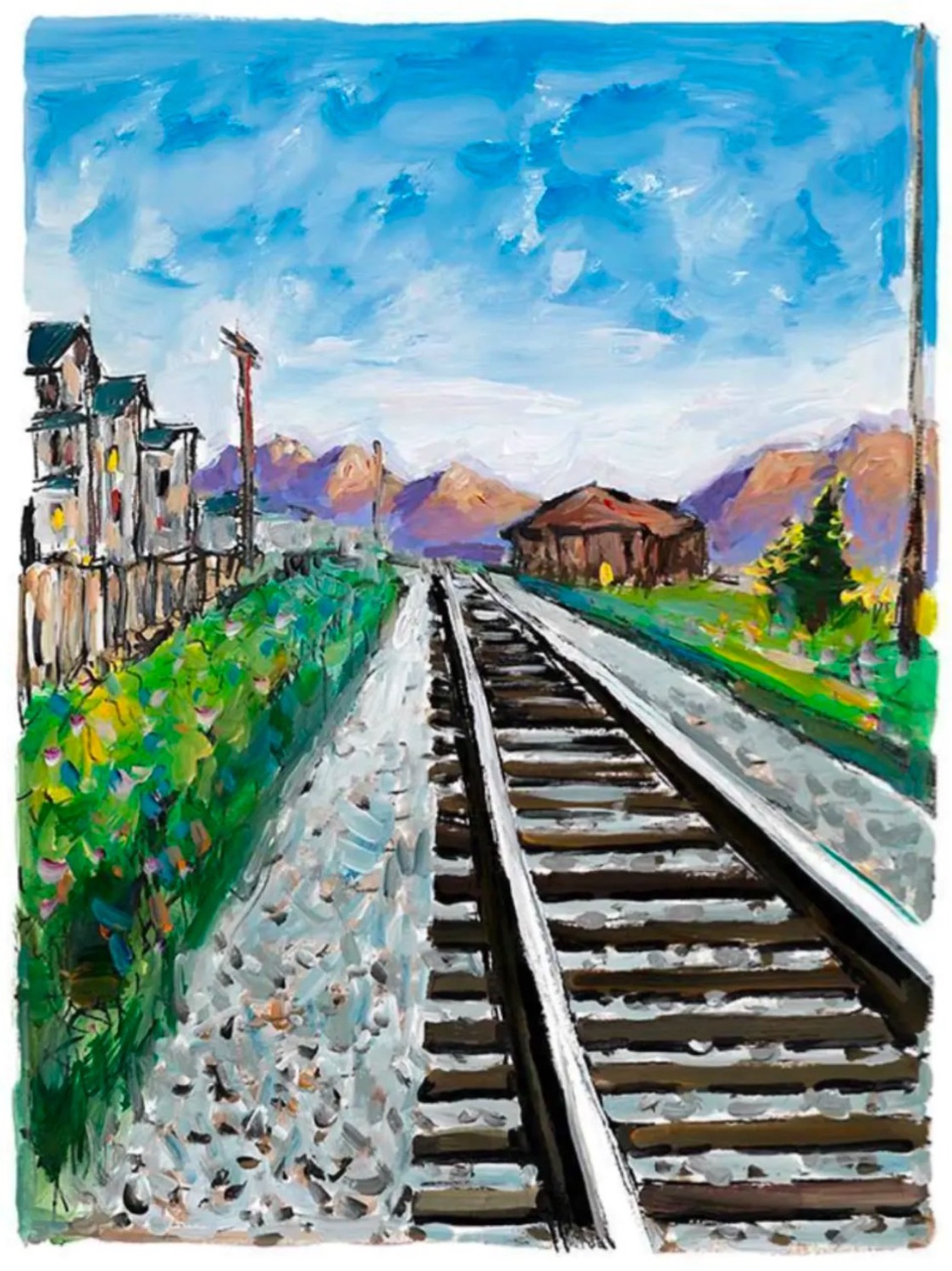
Monochrome
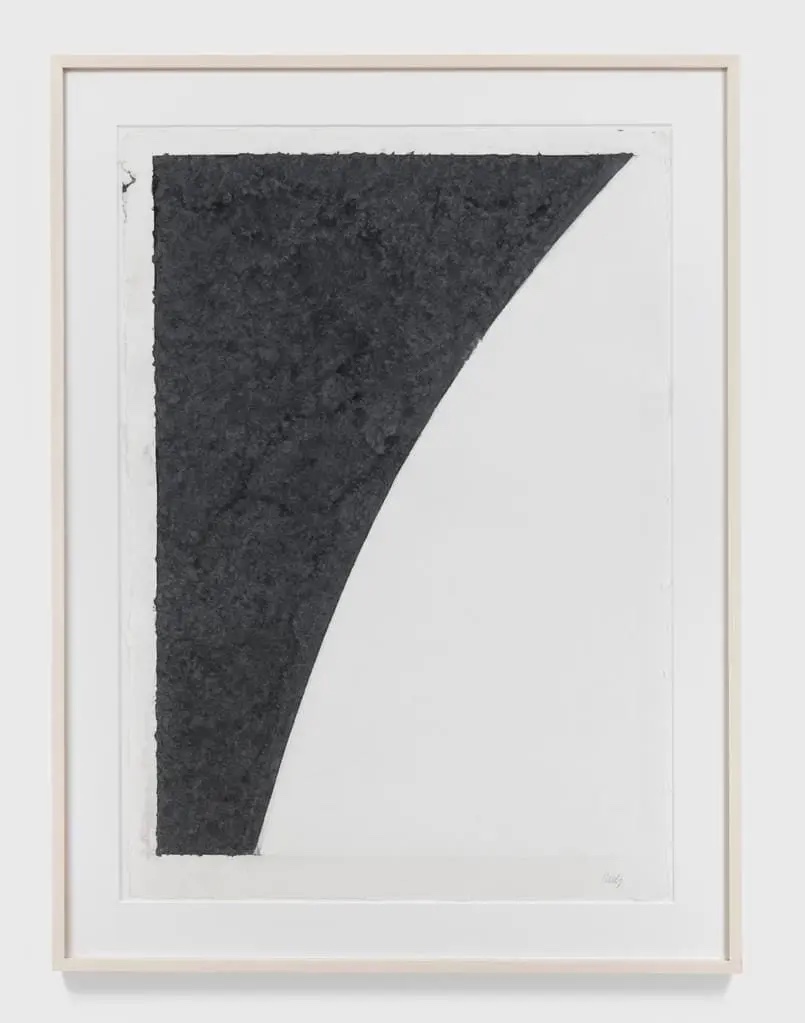
Ellsworth Kelly
Colored Paper Image I (White Curve with Black I), 1976



The Art of One Color, Infinitely Deep
There is something almost unreasonable about the pull of monochrome. A collector who has spent years chasing color, surface, narrative complexity, will walk into a room and find themselves stopped cold by a single grey photograph or a print that exists entirely in the register of black and white. The appeal is hard to articulate at first, and then suddenly it is not: monochrome removes the noise. It asks you to look at structure, at light, at the actual bones of an image or a surface.
Living with it is not austere, it turns out to be surprisingly intimate. Works that strip away color tend to hold the eye longer, and they tend to hold up better over years of looking. For collectors who are just beginning to think seriously about this territory, the essential question is what separates a good monochromatic work from a truly great one. The answer almost always comes down to tonal range and intentionality.
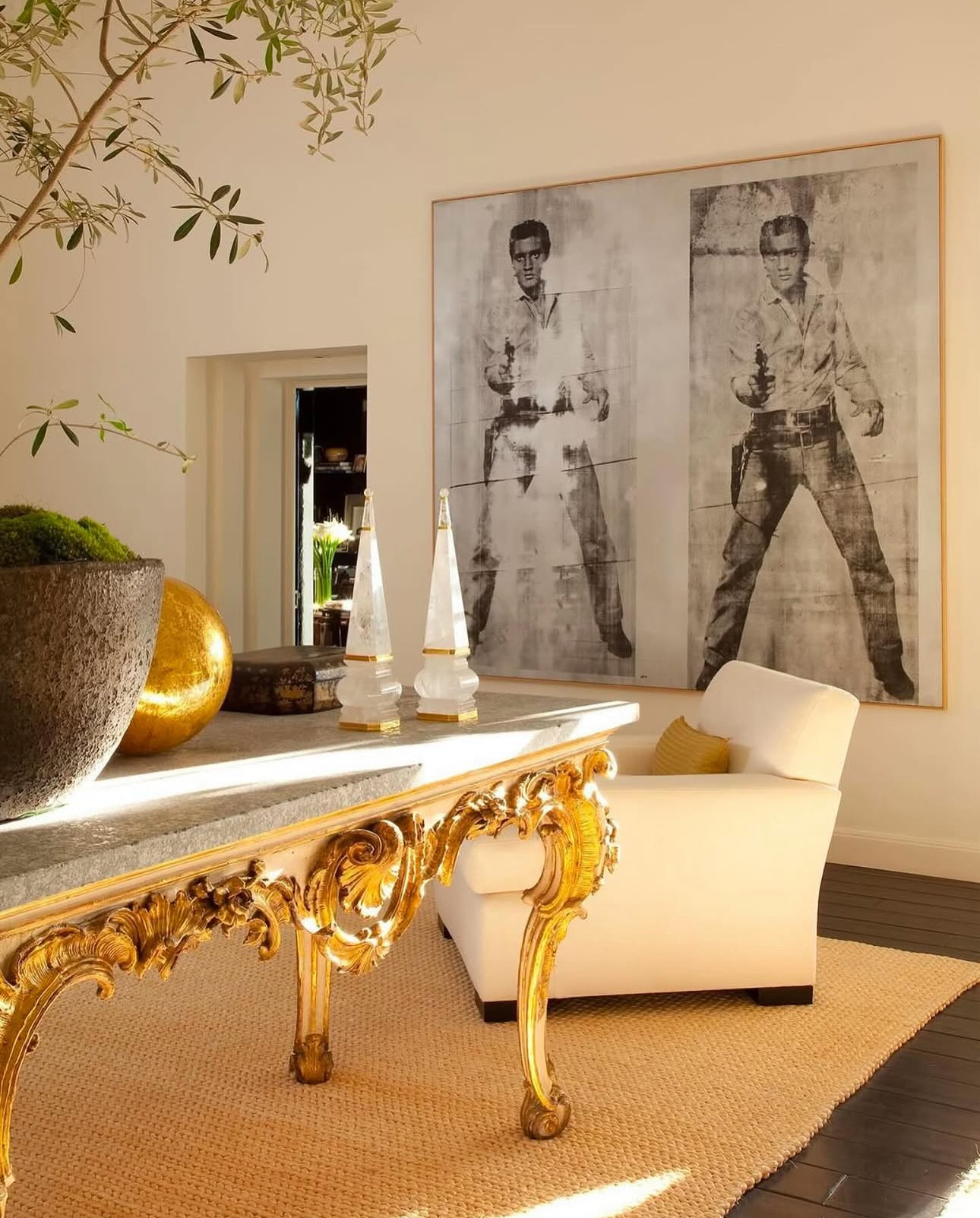
Andy Warhol
Double Elvis, 1963
A great work in this category uses the full spectrum of its limited palette with absolute control. Look at the deepest blacks and ask whether they have warmth or coldness, depth or flatness. Look at the transitions from shadow to highlight and ask whether they feel inevitable. The best works make you feel that color was never an option, that the choice to work without it was not a limitation but a form of precision.
When a work feels like it is simply missing color, you are looking at a lesser thing. The artists best represented on The Collection offer an extraordinary breadth of approaches to this question. James McNeill Whistler, whose nocturnes and lithographs essentially invented a modern language for tonal restraint, remains one of the most compelling figures for serious collectors. His works on paper in particular reward close attention and have shown consistent market strength across decades.
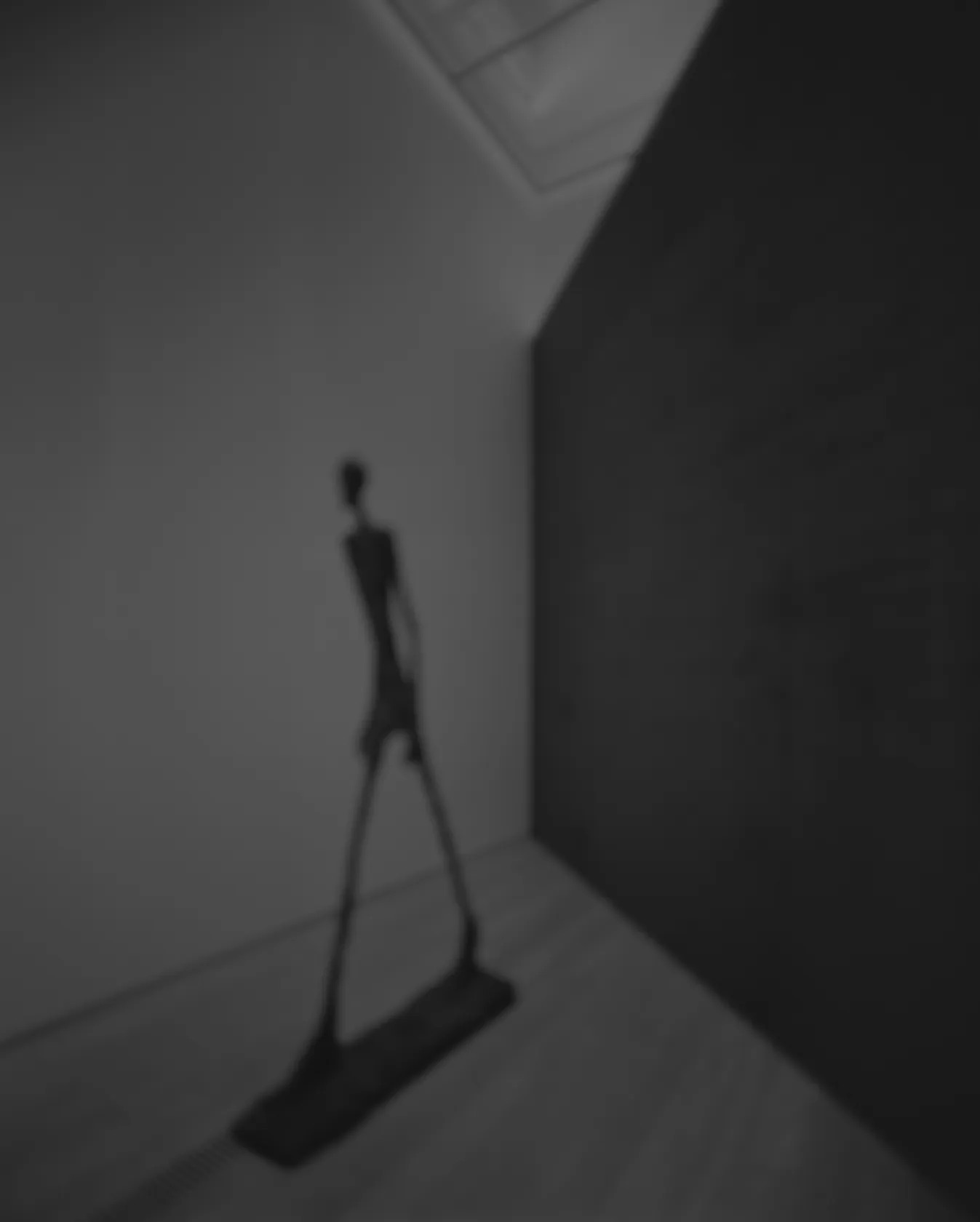
Hiroshi Sugimoto
Past Presence 071, L'Homme Qui Marche II, 2013
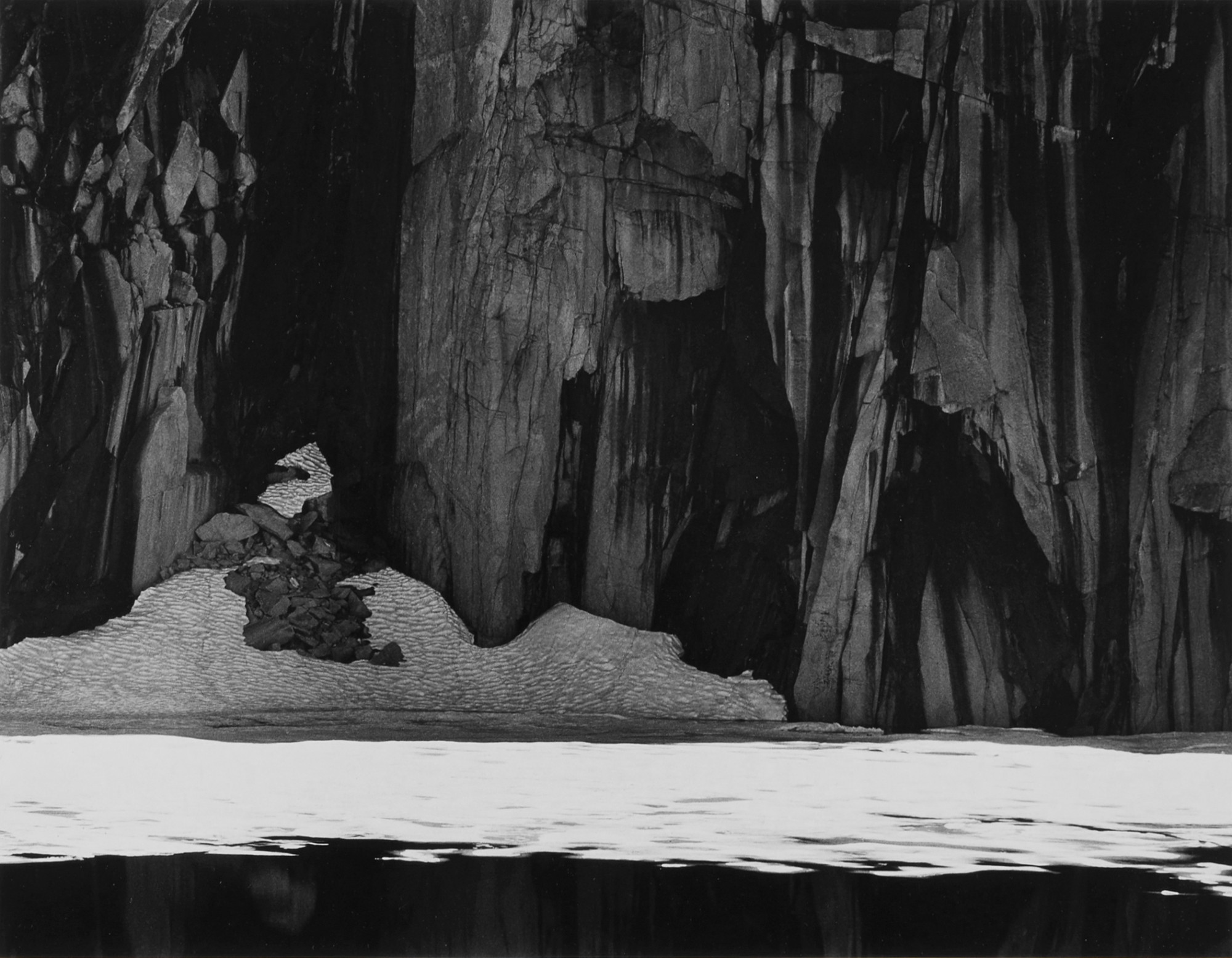
Ansel Adams occupies a different position but a similarly durable one. His zone system, the technical framework he developed for controlling tonal values in black and white photography, was essentially a philosophy about how much information a single print could hold. Works printed during his lifetime carry a premium that is well justified by the density and precision of the silver in the paper. Alongside Adams, Hiroshi Sugimoto represents one of the most intellectually coherent bodies of work in contemporary photography, and his long exposure series continue to perform exceptionally well at auction, with individual prints now regularly exceeding six figures at the major houses.
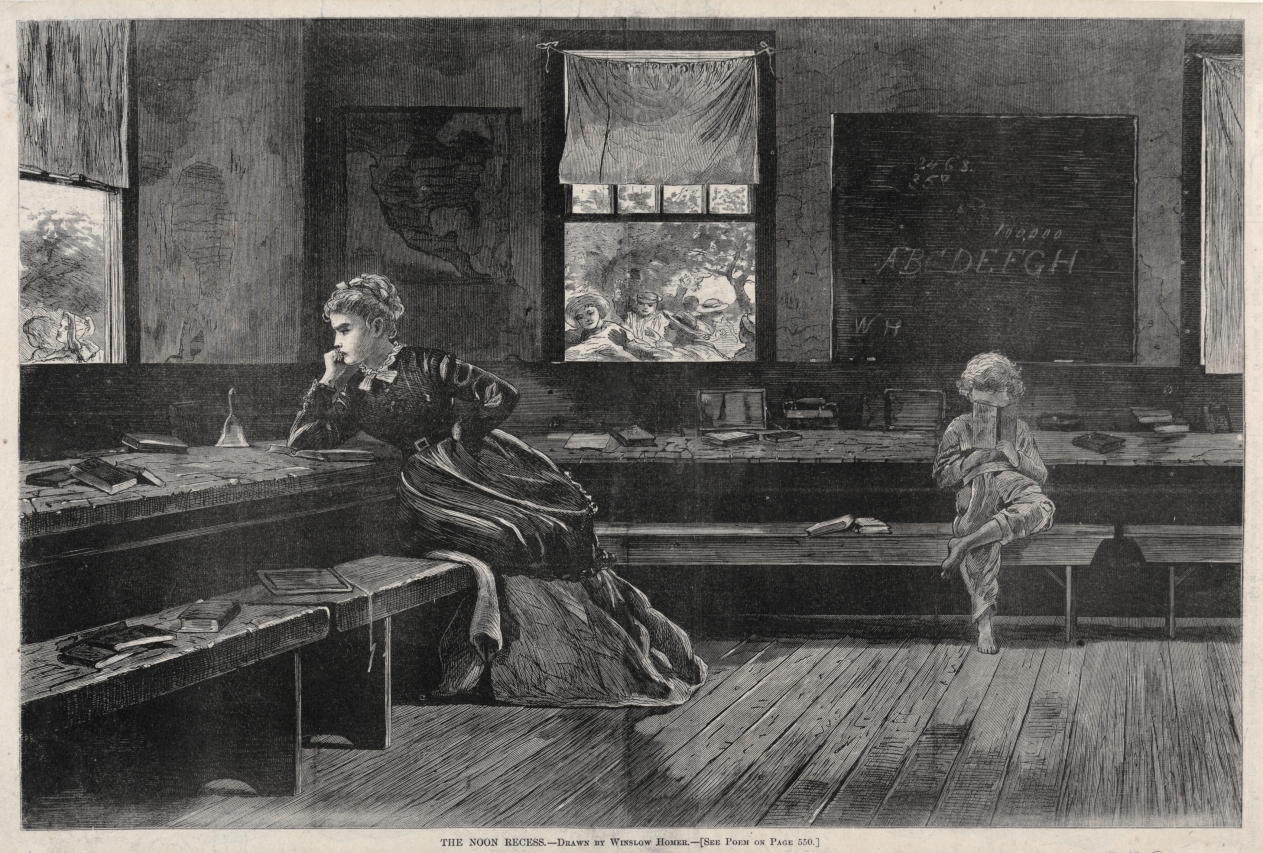
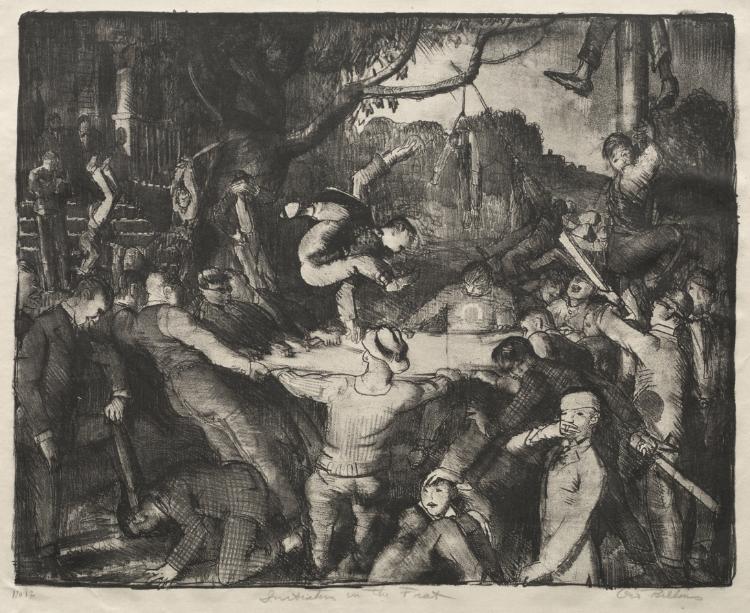
Winslow Homer's prints and works on paper represent some of the most undervalued opportunities in this space relative to his stature in American art history. His wood engravings, made for periodicals like Harper's Weekly in the 1860s and 1870s, display a compositional intelligence and tonal confidence that translate beautifully into living spaces. They are also, by almost any measure, still modestly priced compared to what comparable works by European contemporaries command. George Bellows is another figure whose monochromatic prints deserve more collector attention than they typically receive.
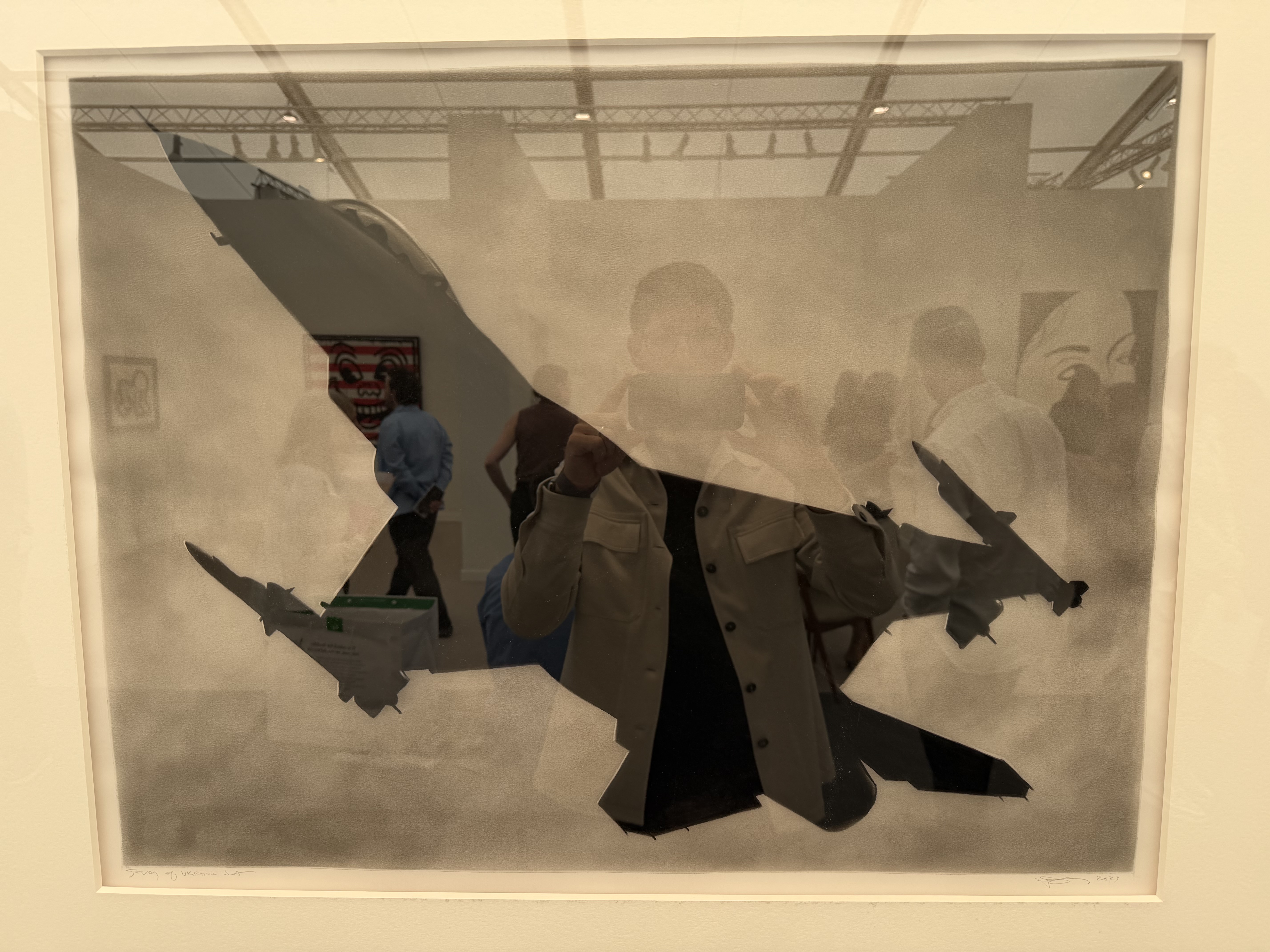
Robert Longo
Study of Ukraine Jet, 2023
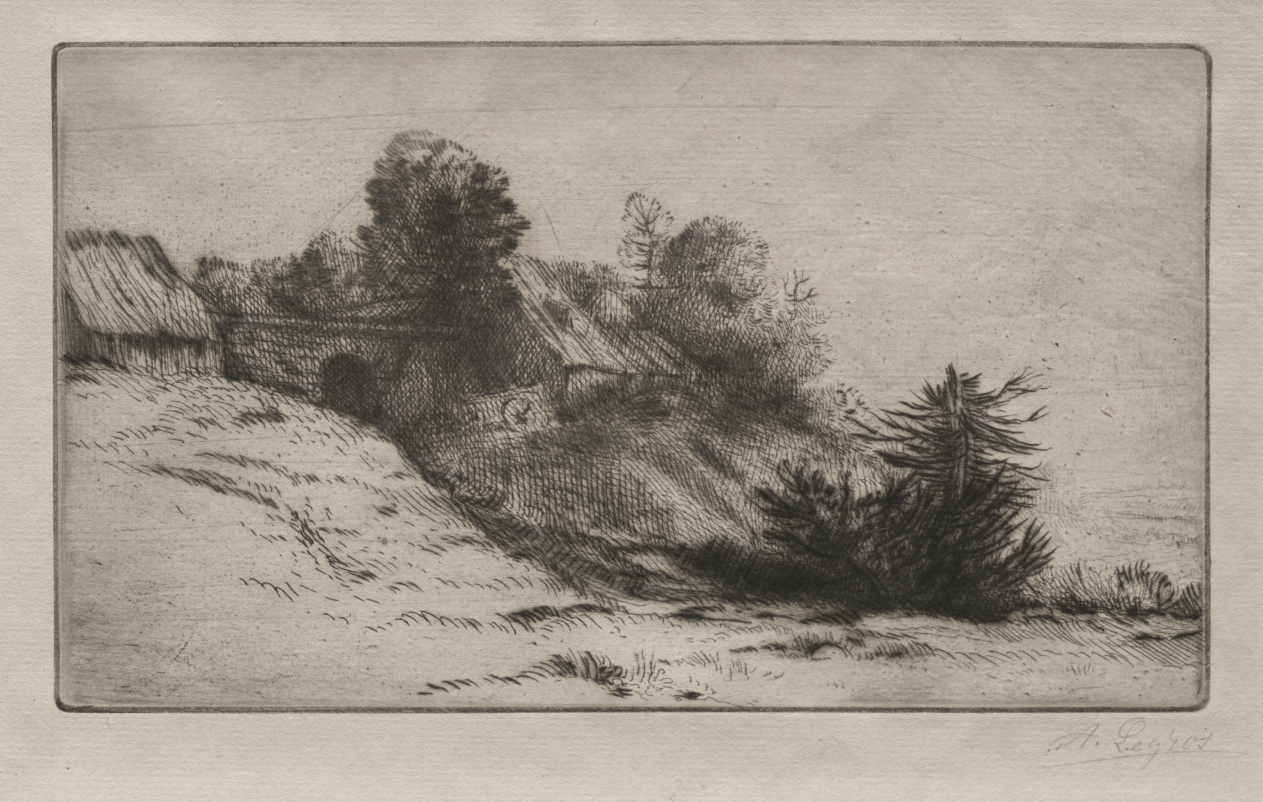
His lithographs from the early twentieth century have a physical rawness that photographs well and ages beautifully. Alphonse Legros, whose etchings and drypoints circulated widely among progressive collectors in the late nineteenth century and influenced a generation of printmakers on both sides of the Atlantic, can still be acquired at prices that feel almost anomalous given the quality. For collectors with an eye toward where value may be building, the conversation increasingly includes artists working in photography and works on paper whose reputations have been established but whose market prices have not yet fully caught up. Robert Longo, whose large scale charcoal drawings have been the subject of serious institutional attention, feels undervalued relative to the critical consensus around his work.
His drawings function almost like photography in their tonal precision, and the scale at which he works commands a physical presence that is genuinely rare in this medium. The early photographic pioneers on The Collection, including William Henry Fox Talbot and Roger Fenton, represent a category where historical importance and aesthetic quality converge in ways that auction results have only partially recognized. Works from the 1840s and 1850s that established the very grammar of photographic monochrome are not simply documents, they are objects with an extraordinary patina of time built into their surfaces. At auction, monochromatic works have shown a resilience that many color works have not.
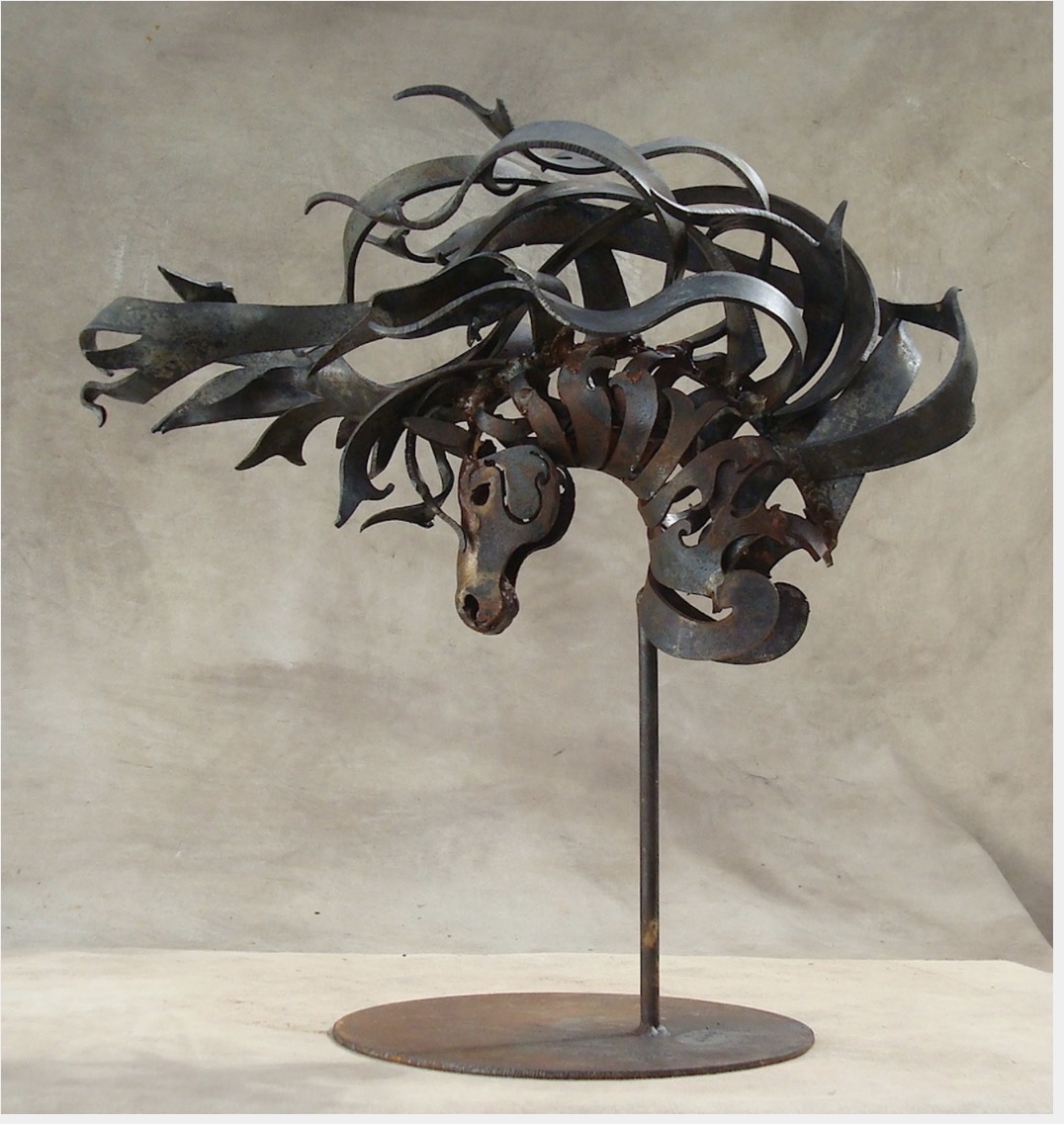
Doug Hays
Zephyr
The major photography sales at Christie's, Sotheby's, and Phillips have demonstrated repeatedly that strong prints by Adams, Alfred Stieglitz, and Robert Mapplethorpe hold their value across market cycles in ways that can surprise even experienced collectors. Mapplethorpe's platinum prints in particular have become benchmarks for condition expectations. The platinum process produces a surface that is among the most stable in photography, and collectors who understand the technical distinction between platinum and silver gelatin prints are consistently better positioned to evaluate works at the point of sale. On practical matters, condition means something specific in this category and collectors should not be shy about pressing for details.
For prints and works on paper, ask about paper acidity, any evidence of foxing under raking light, and the history of framing. Works that have spent decades behind UV filtering glass will look dramatically different from those that have not, and the difference will be visible in the highlights. For photographs, provenance of the print matters as much as the image itself. A vintage print, meaning one made close in time to when the negative was exposed, carries a different weight than a later authorized edition, and the market reflects this consistently.
Ask galleries whether a work is unique or editioned, what number in an edition you are acquiring, and whether there are artist proofs outstanding. These questions are not pedantic, they are the difference between a considered acquisition and an expensive misunderstanding. The best dealers will answer them readily and with specificity, and the ones who cannot are telling you something important.