Abstract
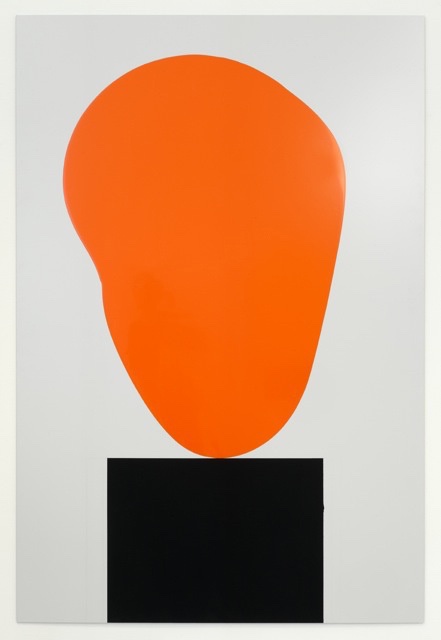
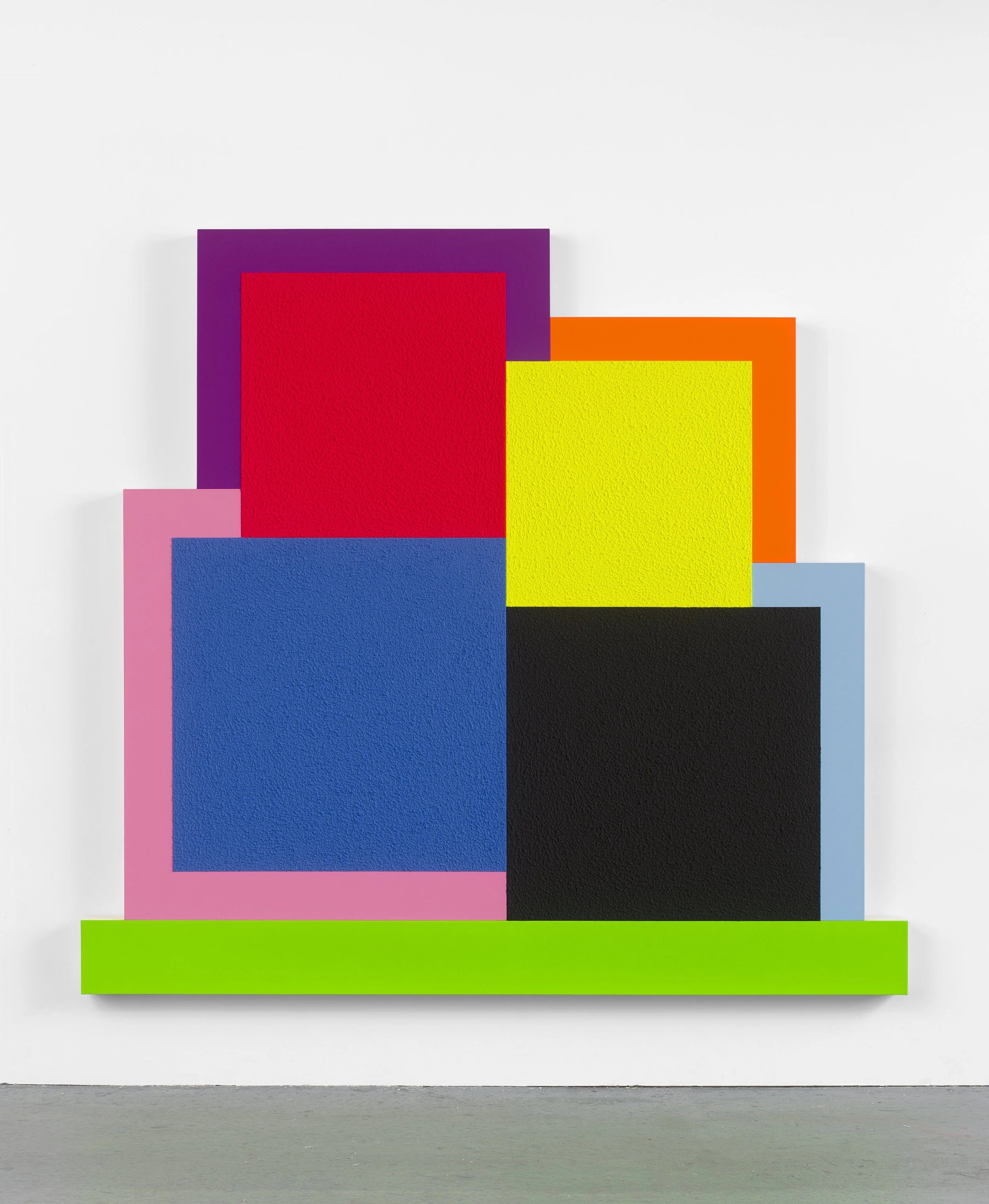
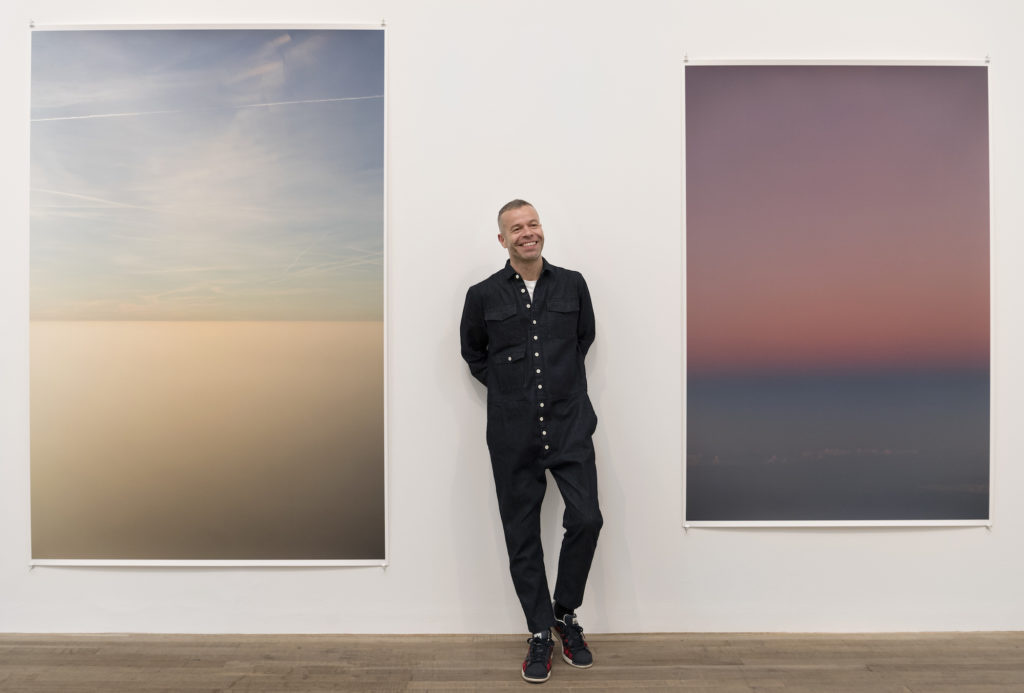
David Batchelor
Colour Chart 02 06.01.11, 2011

The Art of Living With Pure Abstraction
There is a particular kind of collector who gravitates toward abstraction not despite its resistance to easy explanation but because of it. These are people who want art that works on them over time, that changes with the light and with their mood, that refuses to be summarized at a dinner party. Living with a great abstract work is less like owning an object and more like entering into an ongoing conversation, one that you never quite finish. That quality of sustained engagement is, for many collectors, the whole point.
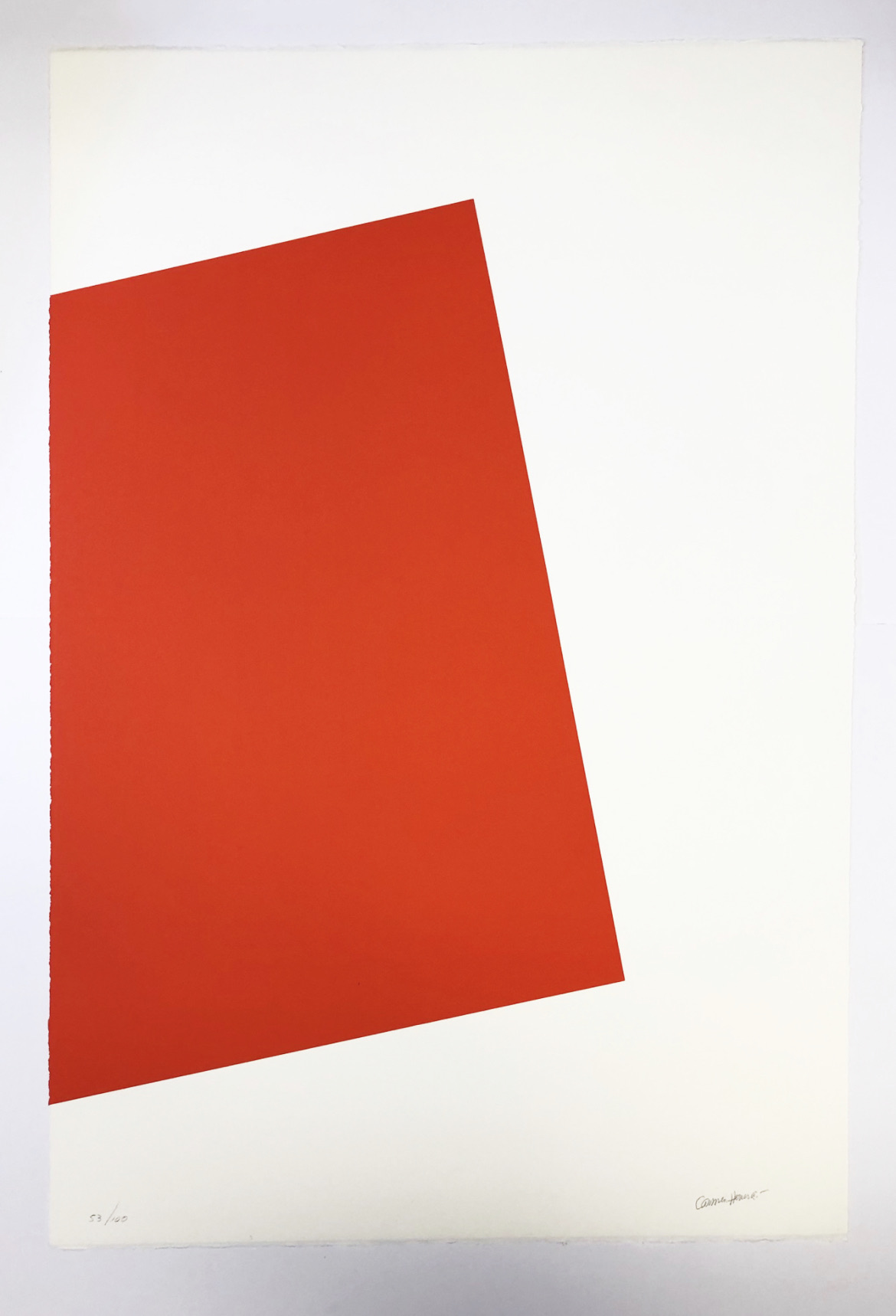
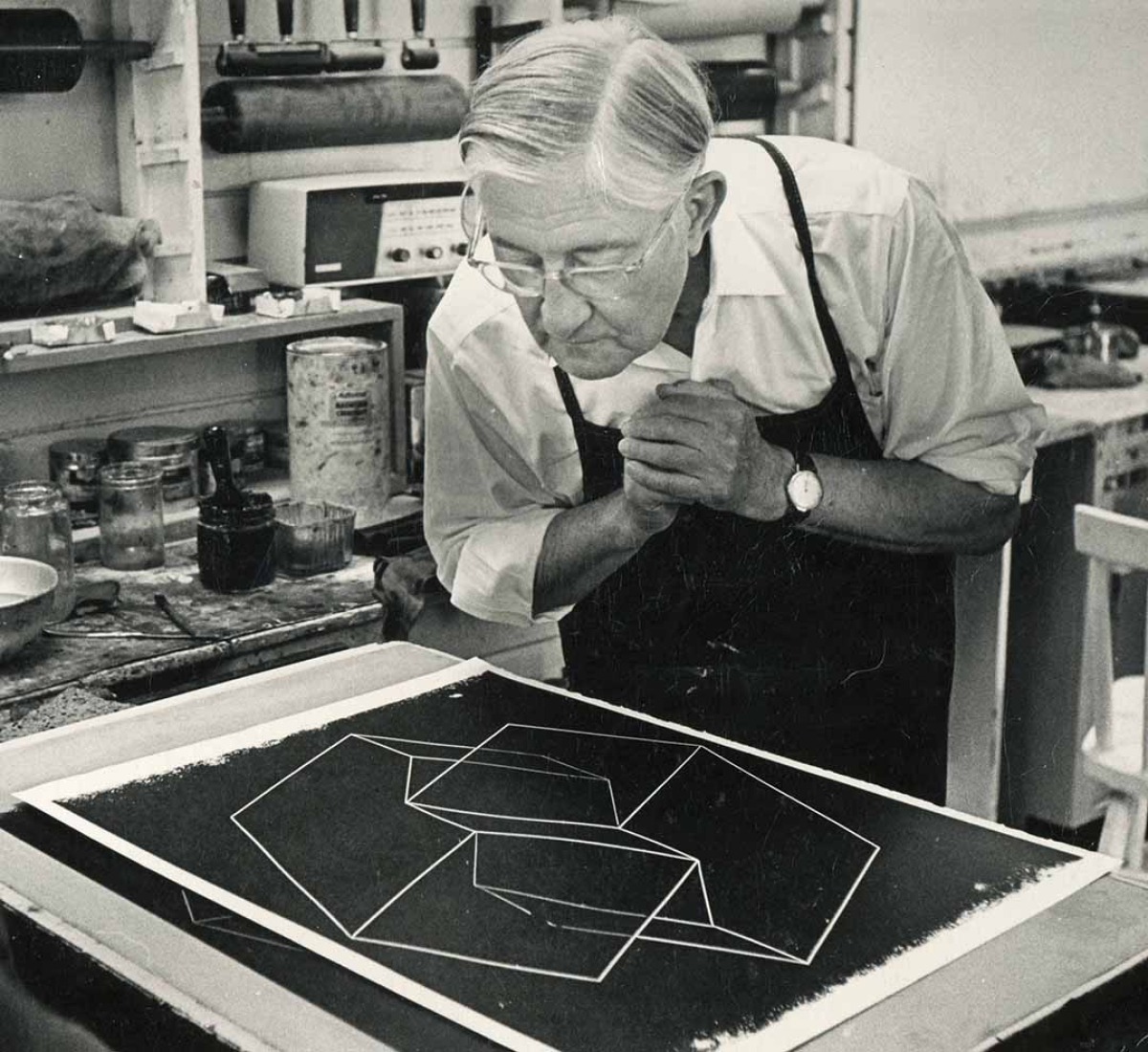
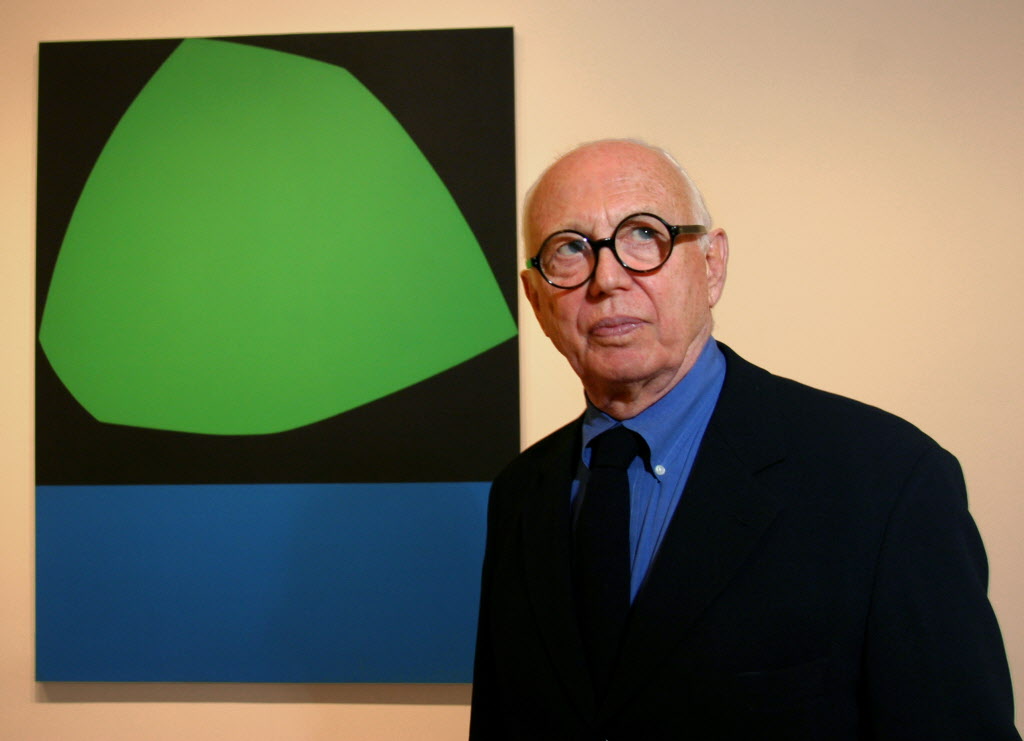
What separates a good abstract work from a truly great one is harder to articulate than it might be with figurative art, but it is no less real. The best works in this space have what might be called internal necessity: every mark, every edge, every color relationship feels earned rather than arbitrary. Josef Albers spent decades exploring the interaction of color in his Homage to the Square series, and the works that command serious attention today are the ones where the chromatic tension feels genuinely discovered rather than merely demonstrated. When you look at a strong Ellsworth Kelly, the shape and the color are so completely unified that you cannot imagine either differently.
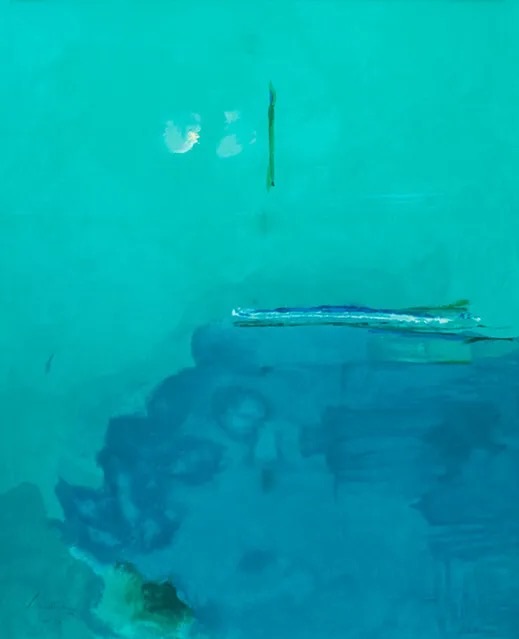
Helen Frankenthaler
Contentment Island, 2004
That sense of inevitability is what to look for, and it is rarer than it seems. Within the abstraction space, certain artists on The Collection represent genuinely strong long term positions. Zao Wou Ki and Chu Teh Chun, both deeply shaped by their engagement with Western abstraction while drawing on Chinese landscape and calligraphic traditions, have seen sustained institutional and market attention over the past decade. Their work occupies a territory that feels both historically grounded and formally alive.
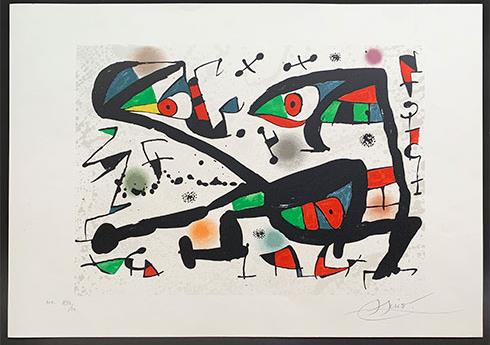
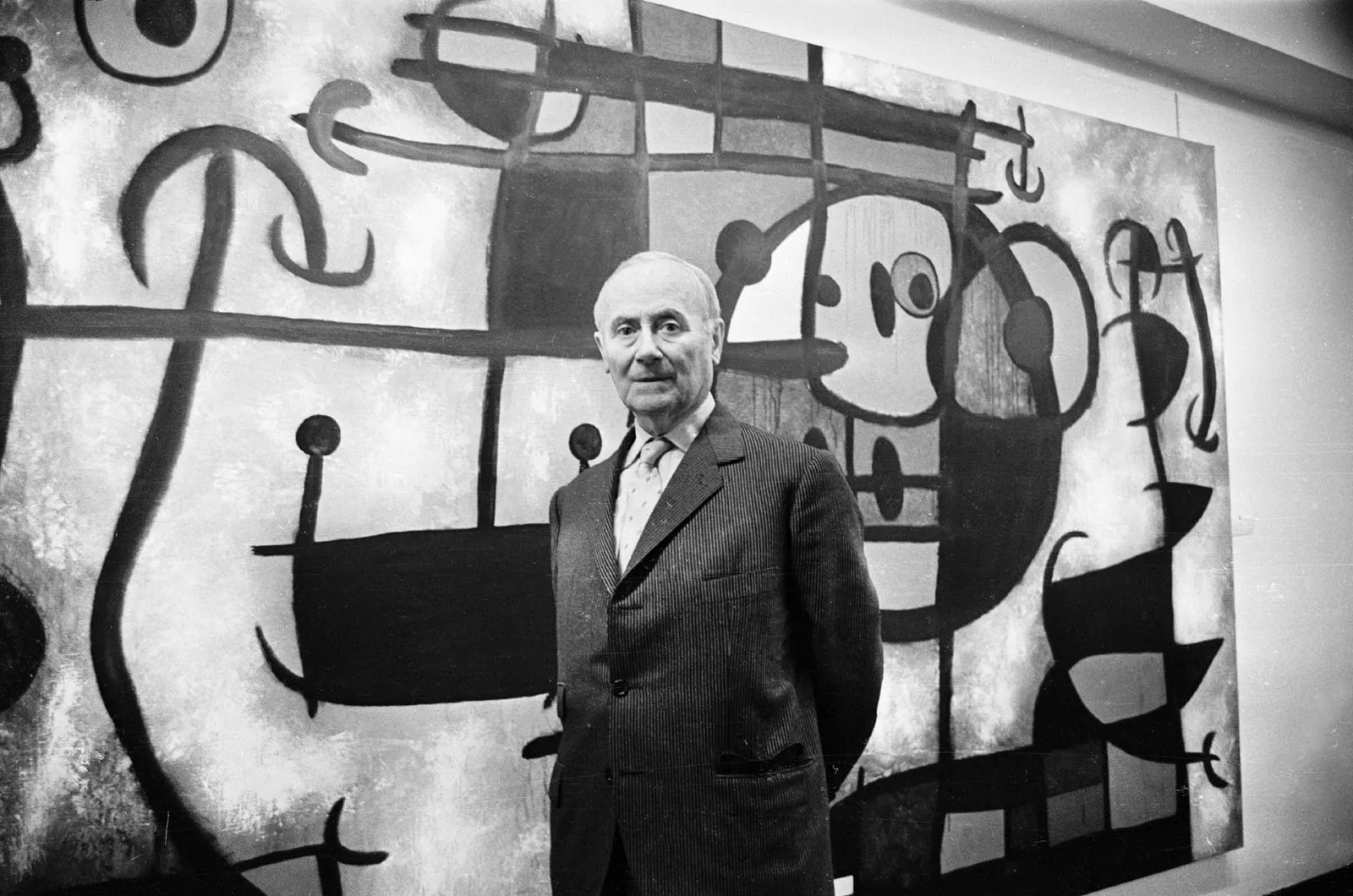
Pierre Soulages, who built an entire late career practice around what he called Outrenoir, the experience of light reflected from black surfaces, created a body of work that grows more compelling the longer you sit with it. Helen Frankenthaler, whose stain paintings redefined what paint on canvas could do, remains undervalued relative to her historical significance and her influence on Color Field painting more broadly. Joan Miró is perhaps the most abundantly represented artist in this space on The Collection, and with good reason. His works span an extraordinary range of scale, medium, and period, from the delicate surrealist automatism of the 1920s through to the monumental late paintings and sculptures.
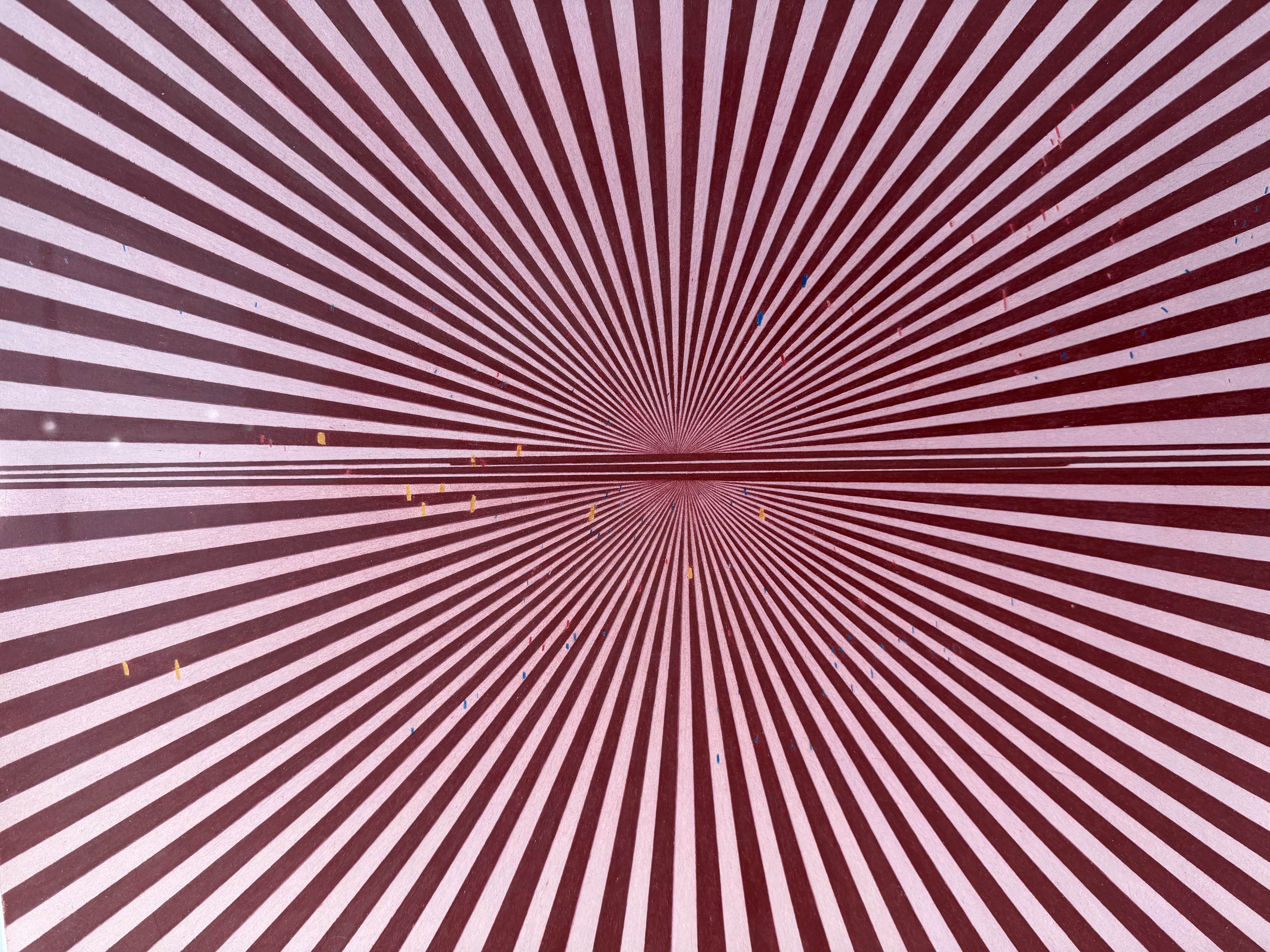
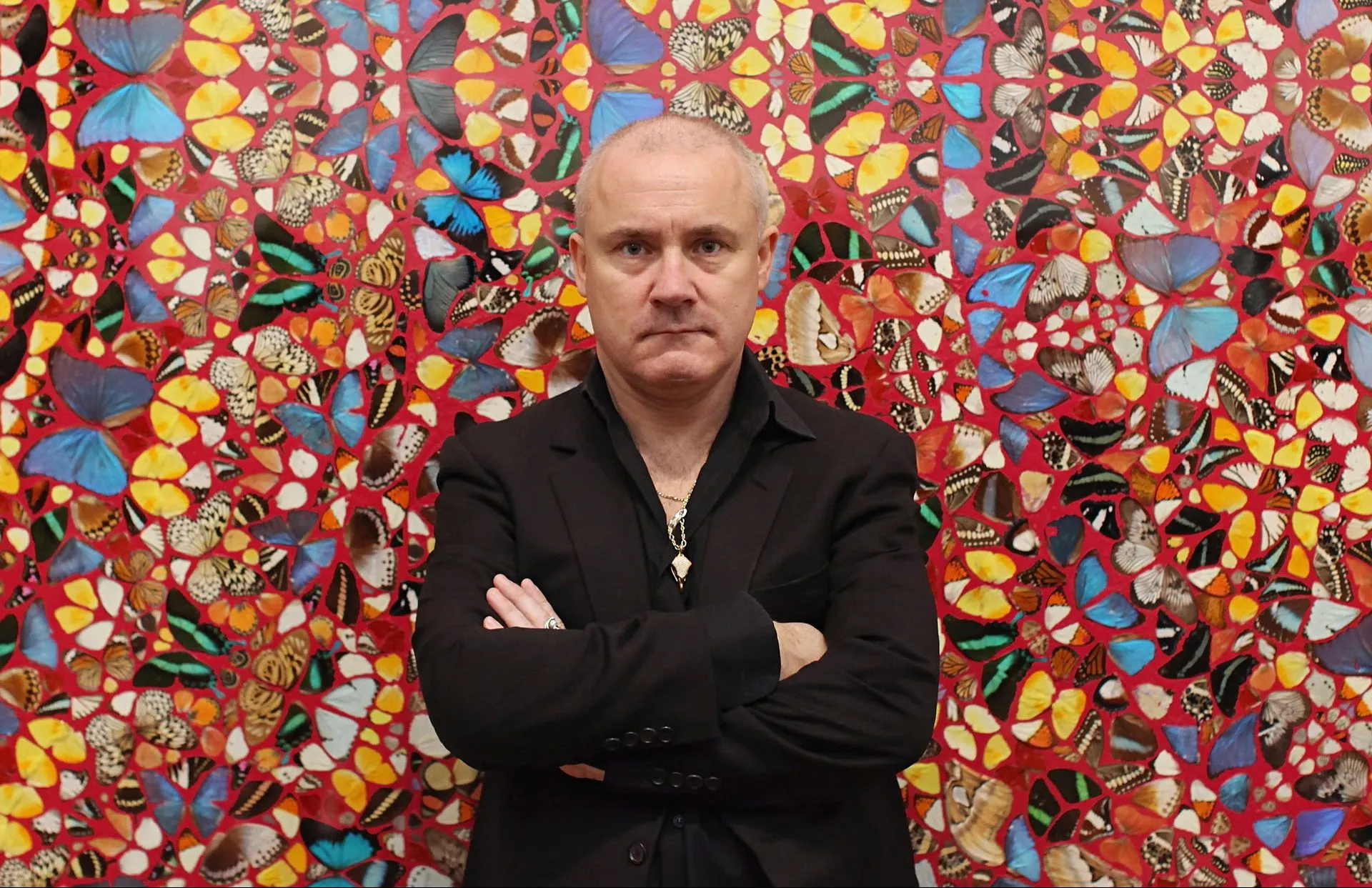
Mark Grotjahn
Untitled (Tuscan Red and Pink Rose Butterfly 45.90), 2015
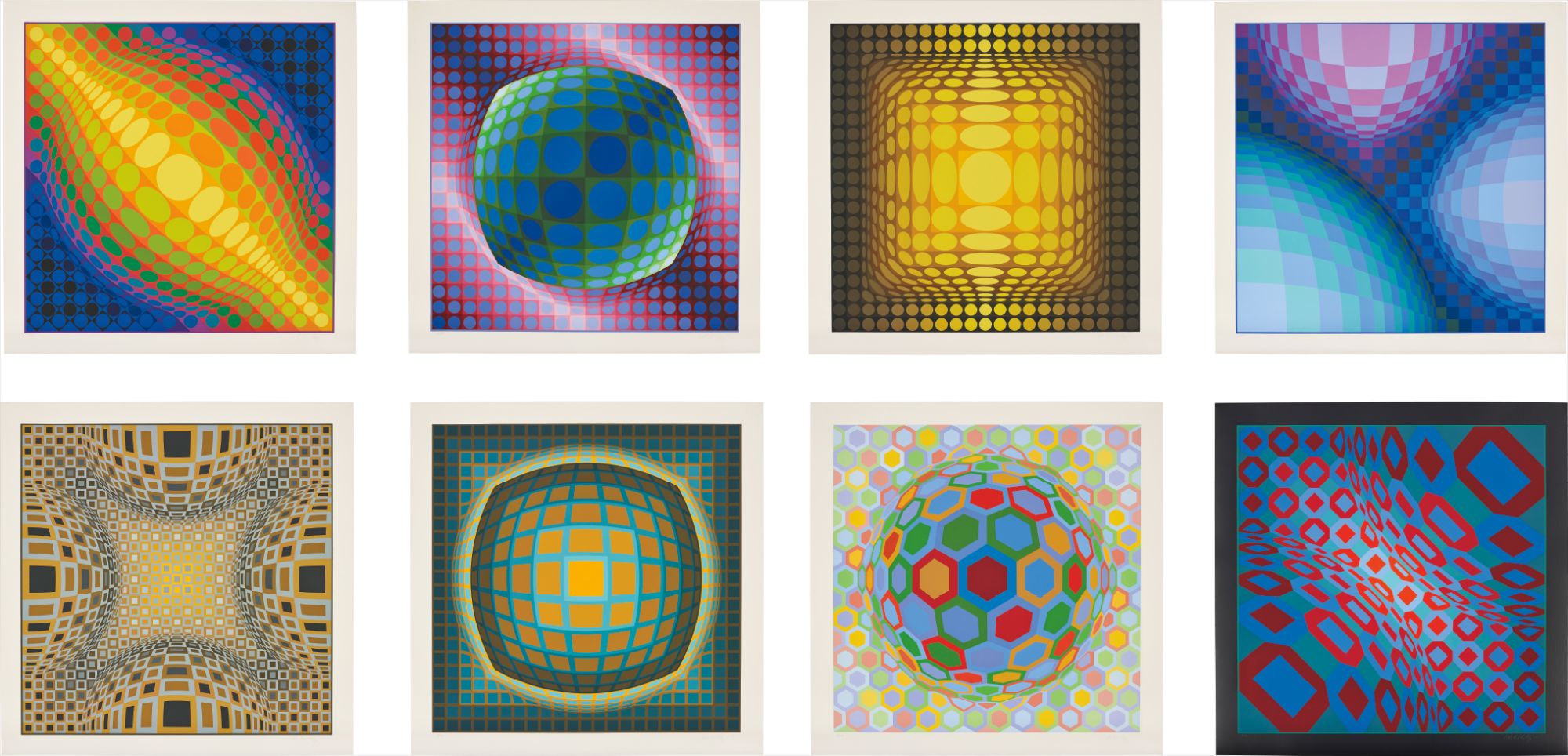
Collectors new to Miró are often surprised to discover how consistent his market has been across economic cycles. Victor Vasarely, whose optical abstractions once seemed consigned to a kind of retro novelty, has been significantly reappraised in recent years as younger artists and curators have returned to questions of perception, participation, and the relationship between art and design. Bridget Riley, working in a parallel but distinct tradition of perceptual abstraction, commands genuine institutional respect and her works on paper offer a more accessible entry point into her practice. For collectors thinking about where opportunity still exists, Sterling Ruby represents one of the more interesting positions in contemporary abstraction.
His practice moves restlessly across painting, ceramics, fabric, and sculpture, and the work resists easy categorization in ways that have occasionally frustrated the market but tend to reward patient collectors. Imi Knoebel, a student of Joseph Beuys at the Düsseldorf Academy in the 1960s, has built a rigorous practice around pure form and color that still feels radical without being inaccessible. Howard Hodgkin, who spent his career insisting that his densely layered, jewel like panels were representational rather than abstract, occupies a strange and beautiful position between the two, and his secondary market has remained remarkably steady in the years since his death in 2017. At auction, abstract works behave differently from category to category.
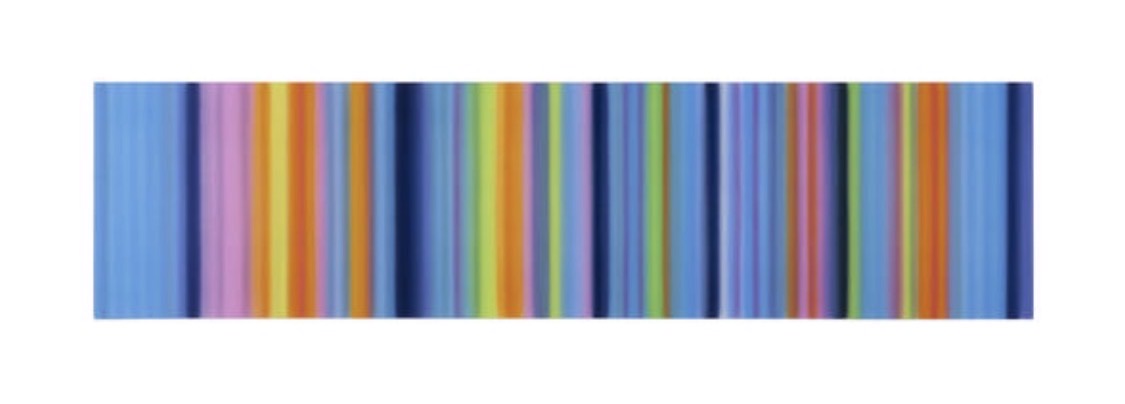
Tim Bavington
Matchbox Blues (SRV / intro), 2019
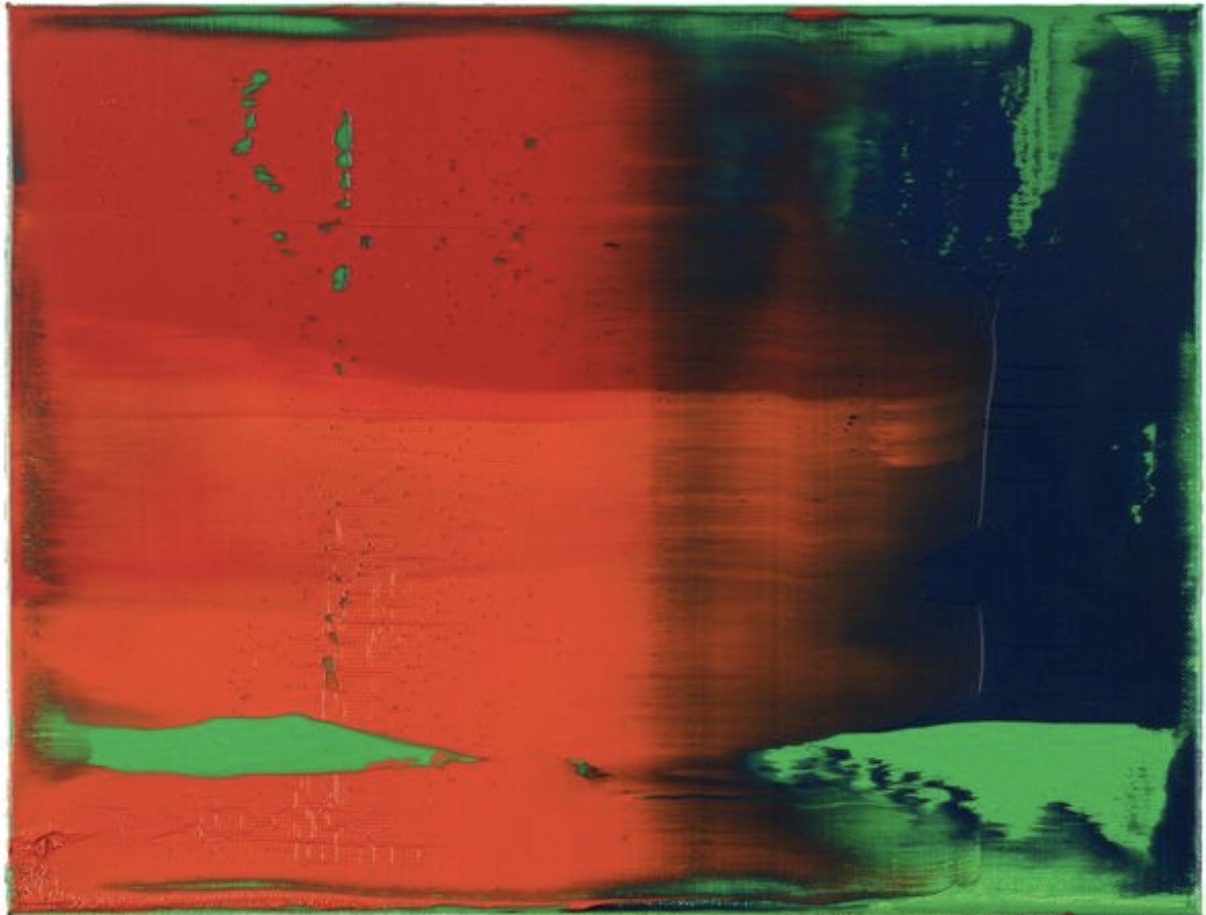
The top tier of the market, where major Richter abstractions or monumental Stellas trade, operates with its own logic: institutional provenance, significant exhibition history, and period matter enormously. Gerhard Richter's squeegee paintings from the 1980s onward have performed consistently at the highest levels, and a strong work with a clean exhibition history and a trusted provenance chain will almost always find buyers. Further down the market, condition becomes the dominant variable. Abstract works are particularly susceptible to display damage: fading from prolonged UV exposure, surface abrasion from improper framing, and cracking in heavily impastoed surfaces are all issues that can dramatically affect both aesthetic experience and value.
Practical advice for collectors entering this space: always ask a gallery for the full condition report and exhibition history before making a significant purchase. For works on paper, ask specifically about any prior framing and whether the work has been stored flat or rolled. In the case of artists who worked prolifically in print and multiples, as Sol LeWitt and Frank Stella both did, the distinction between a unique work and a signed edition matters enormously for long term value, and the edition size and numbering should be confirmed against published catalogues raisonnés where they exist. For sculpture, ask about foundry proofs and authorized posthumous casts, a question that becomes particularly pointed with an artist as widely collected as Alexander Calder, whose market is carefully managed by the Calder Foundation.
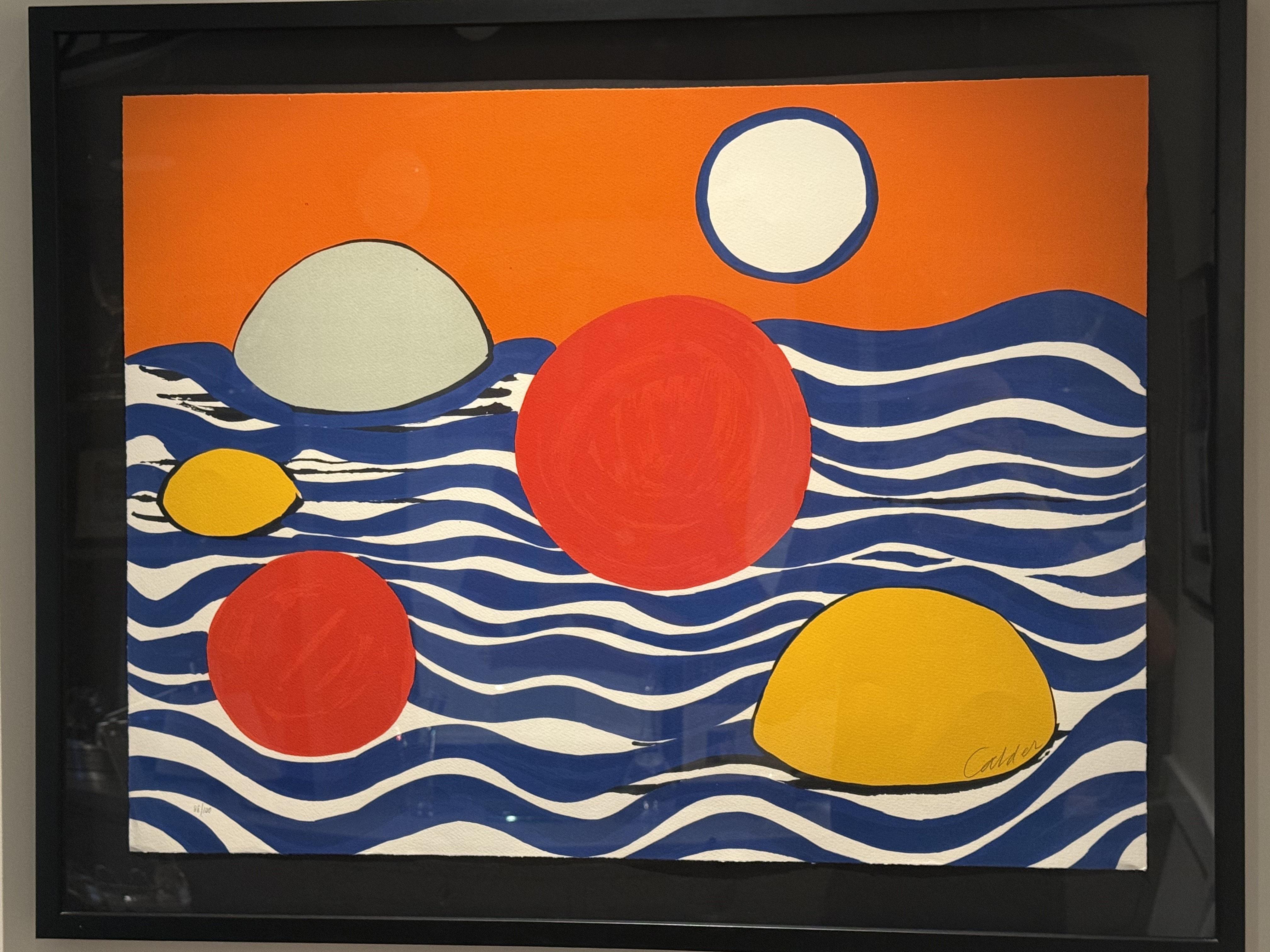
Alexander Calder
Waves and Circles, 1975
Above all, buy abstraction because you want to live with it. The collectors who have built the most coherent and ultimately valuable collections in this space are the ones who acquired work they found genuinely compelling rather than work they thought they should own. Abstraction rewards that kind of honest attention. The artists who matter in this field spent years developing visual languages with nothing to lean on except their own internal conviction, and the works that resulted ask something similar of the people who bring them home.