Conceptual
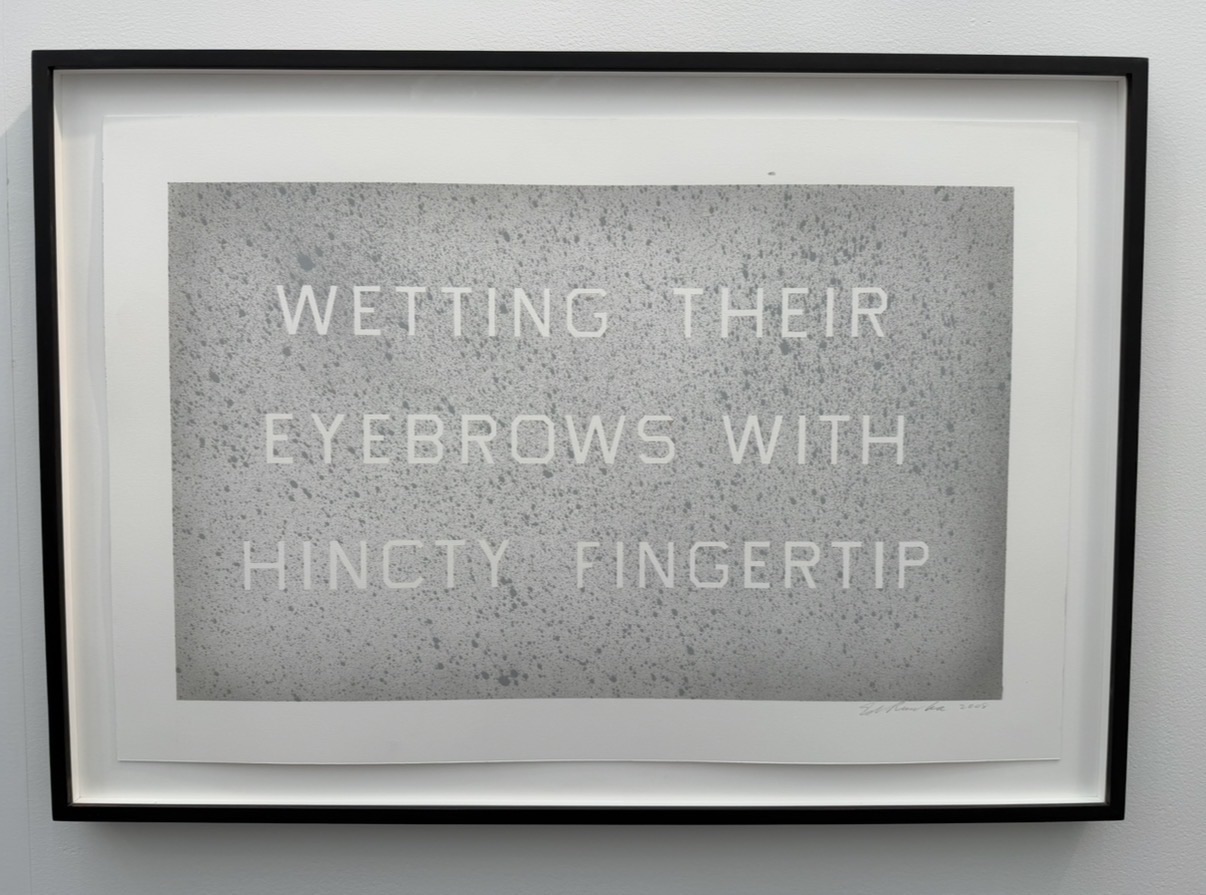
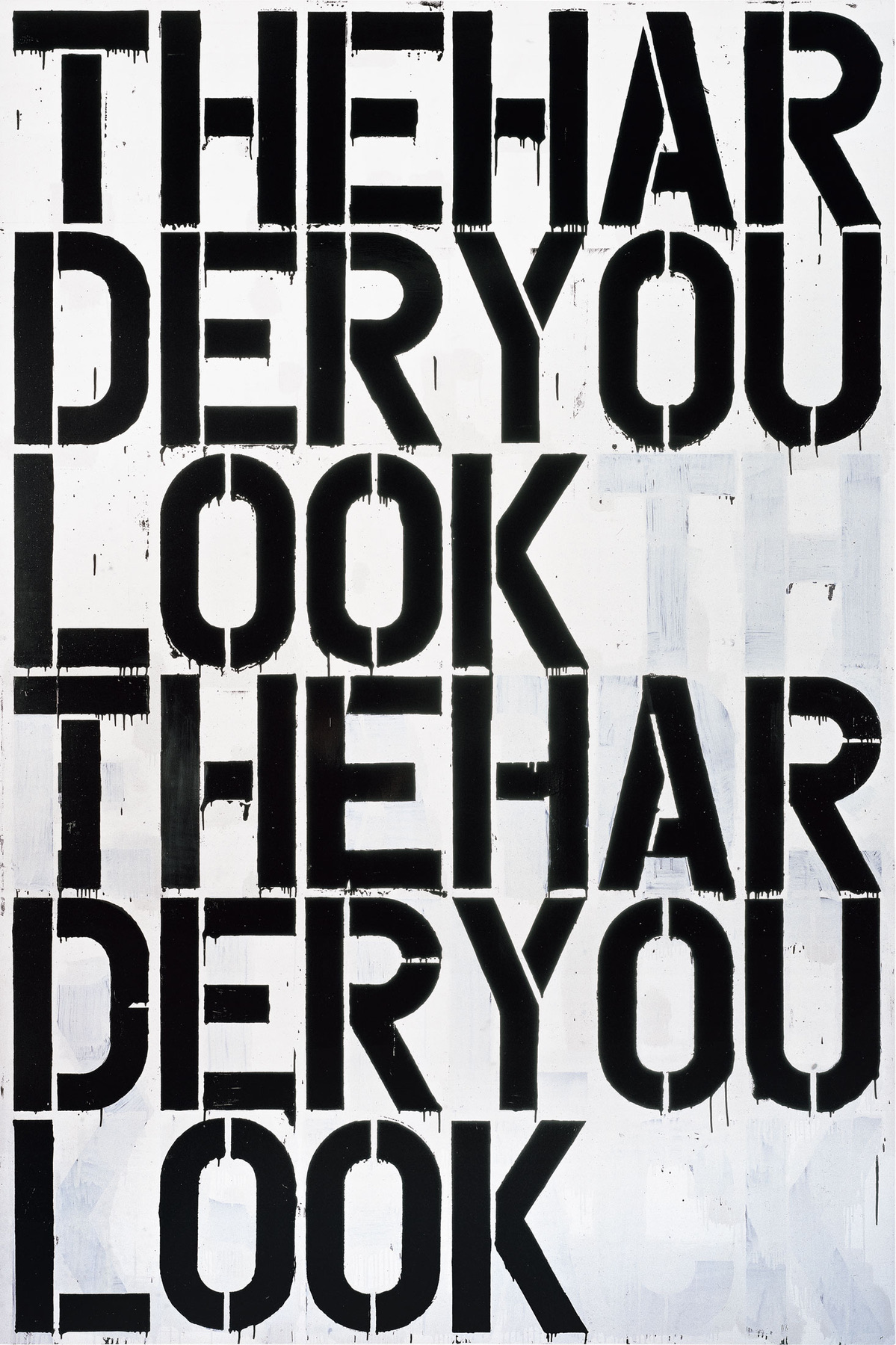
Ed Ruscha
Hincty, 2008


The Art That Lives Inside Your Head
There is a particular kind of collector who gravitates toward Conceptual art, and if you have spent any time around them, you know the type. They are not buying decoration. They are buying an argument, a proposition, a persistent itch in the mind that does not go away after the first look or the hundredth. What draws people to this movement is precisely what makes some newcomers wary of it: the work demands something back.
It asks you to think, to question, sometimes to feel mildly foolish, and occasionally to laugh. Living with Conceptual art means living with a work that keeps generating meaning long after the paint, or the neon, or the photograph has settled into familiarity. The movement emerged with force in the mid to late 1960s, shaped by artists and critics who were exhausted with the idea that art had to be a beautiful object above all else. Sol LeWitt's 1967 essay Paragraphs on Conceptual Art made the argument plainly: the idea itself is the machine that makes the work.

Anthony Goicolea
Untitled
That philosophical shift opened enormous territory, and the artists who moved into that territory with the most intelligence and wit are the ones whose work still commands serious attention in the market today. For a collector, understanding this lineage is not about being an art historian. It is about knowing what you are buying and why it matters. So what separates a good Conceptual work from a truly great one?
The honest answer is economy. The greatest works in this tradition do an enormous amount of thinking with very little material. When the idea and its execution are perfectly matched, when neither could exist without the other, you are looking at something exceptional. A work that requires a wall label of five hundred words to deliver its meaning is a less interesting proposition than one where the concept and the object arrive simultaneously, like a joke whose setup and punchline are the same sentence.
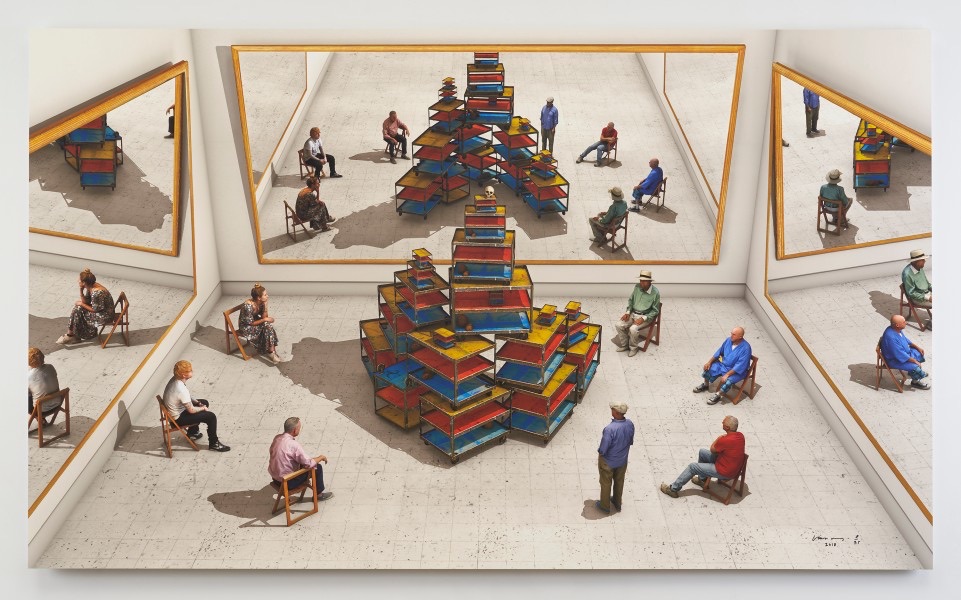
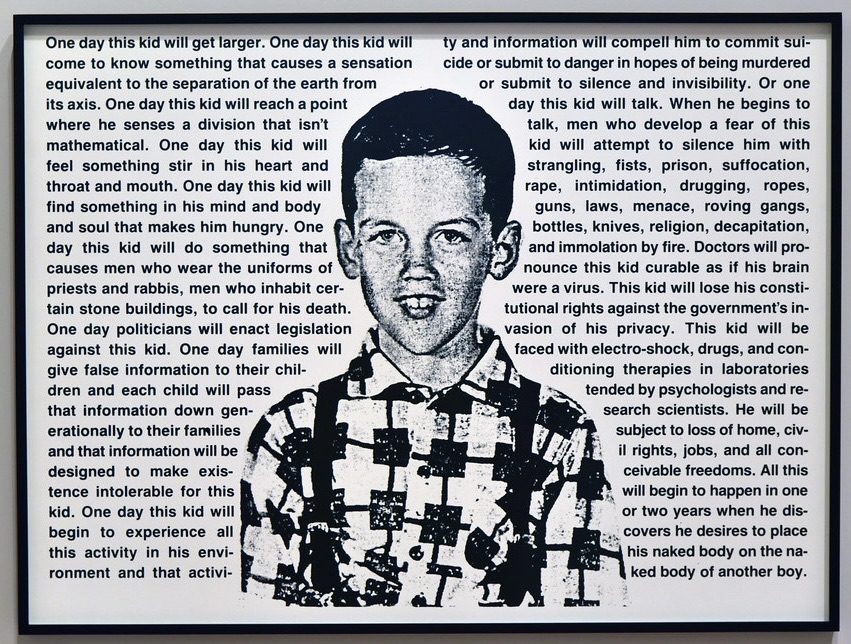
David Hockney
Viewers looking at a ready-made with skull and mirrors 2018, 2018
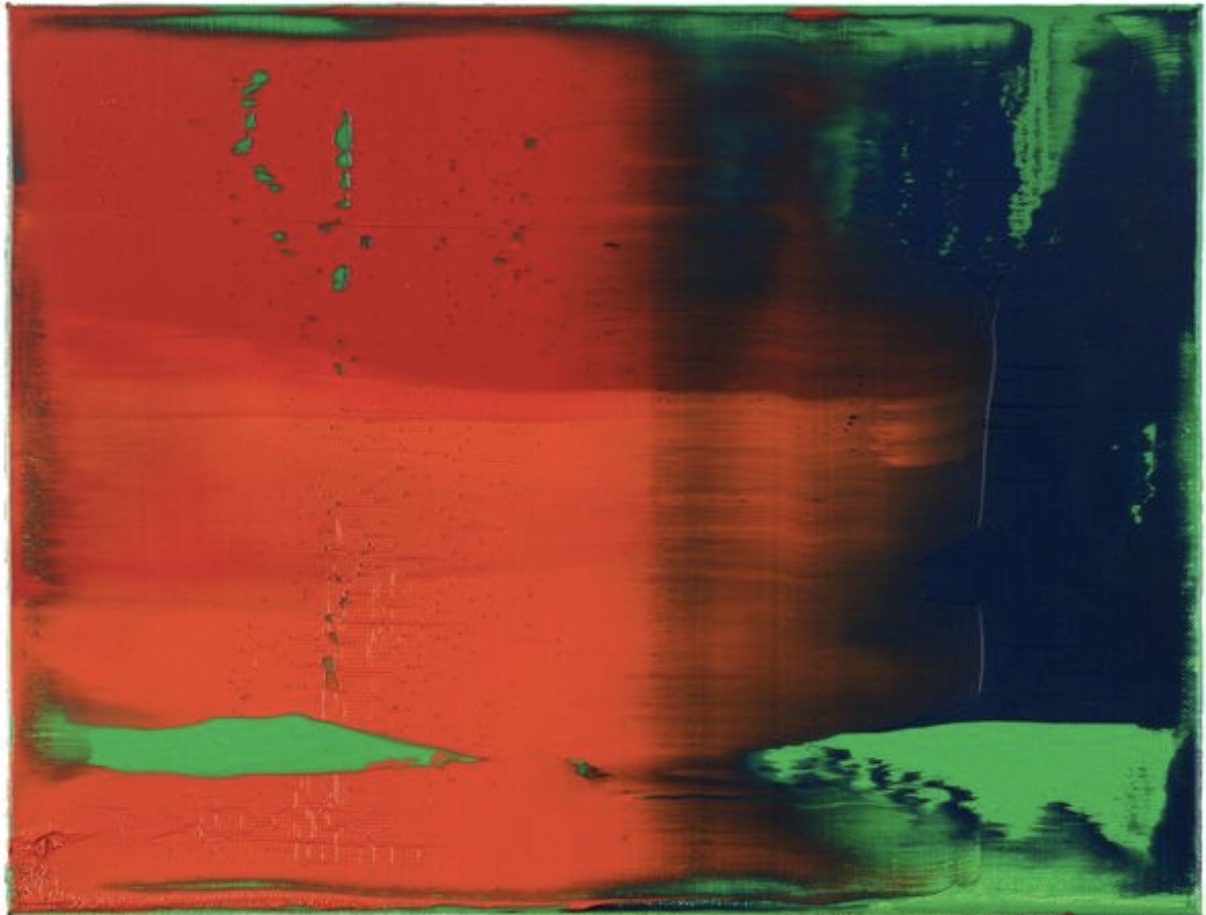
Collectors should also look for work that holds tension, pieces that do not resolve cleanly but instead maintain a productive ambiguity. A work that announces itself too loudly, that performs cleverness without genuine intelligence behind it, tends to feel thin over time. The artists best represented on The Collection offer a remarkable cross section of how this thinking has played out across decades and continents. John Baldessari, who spent the 1970s dismantling and rebuilding the grammar of images, remains one of the most important figures for any serious collector to understand.
His work asks fundamental questions about how photographs mean things, and those questions have only become more urgent in a culture saturated with images. Jenny Holzer's text works, operating in the tradition of language as visual medium, carry a social charge that feels as immediate now as it did when her Truisms first appeared on New York streets in the late 1970s. Mel Bochner, whose engagement with language, measurement, and the limits of representation stretches back to landmark early shows at the Visual Arts Gallery in 1966, is genuinely undervalued relative to his historical importance, and works on The Collection reflect the depth of his practice. Louise Lawler, whose photographs of artworks installed in collectors' homes and auction houses turn the entire institution of collecting into her subject matter, has achieved a kind of critical mass in recent years that the market is only beginning to fully absorb.
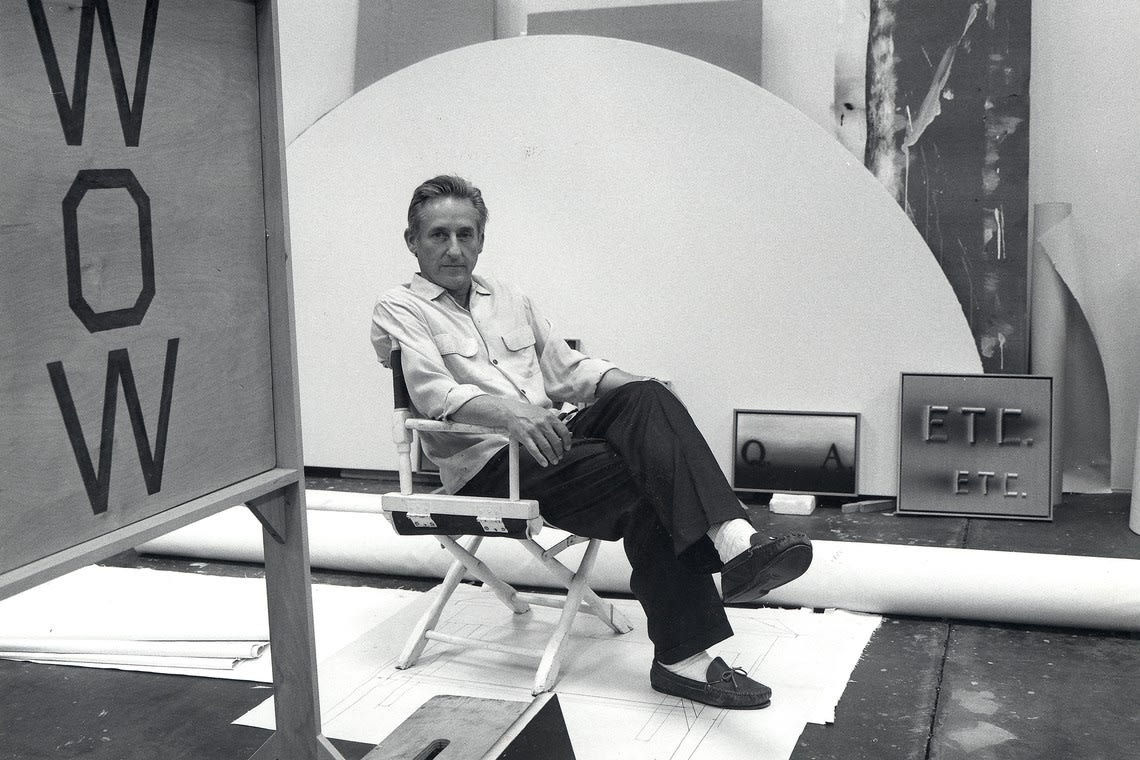
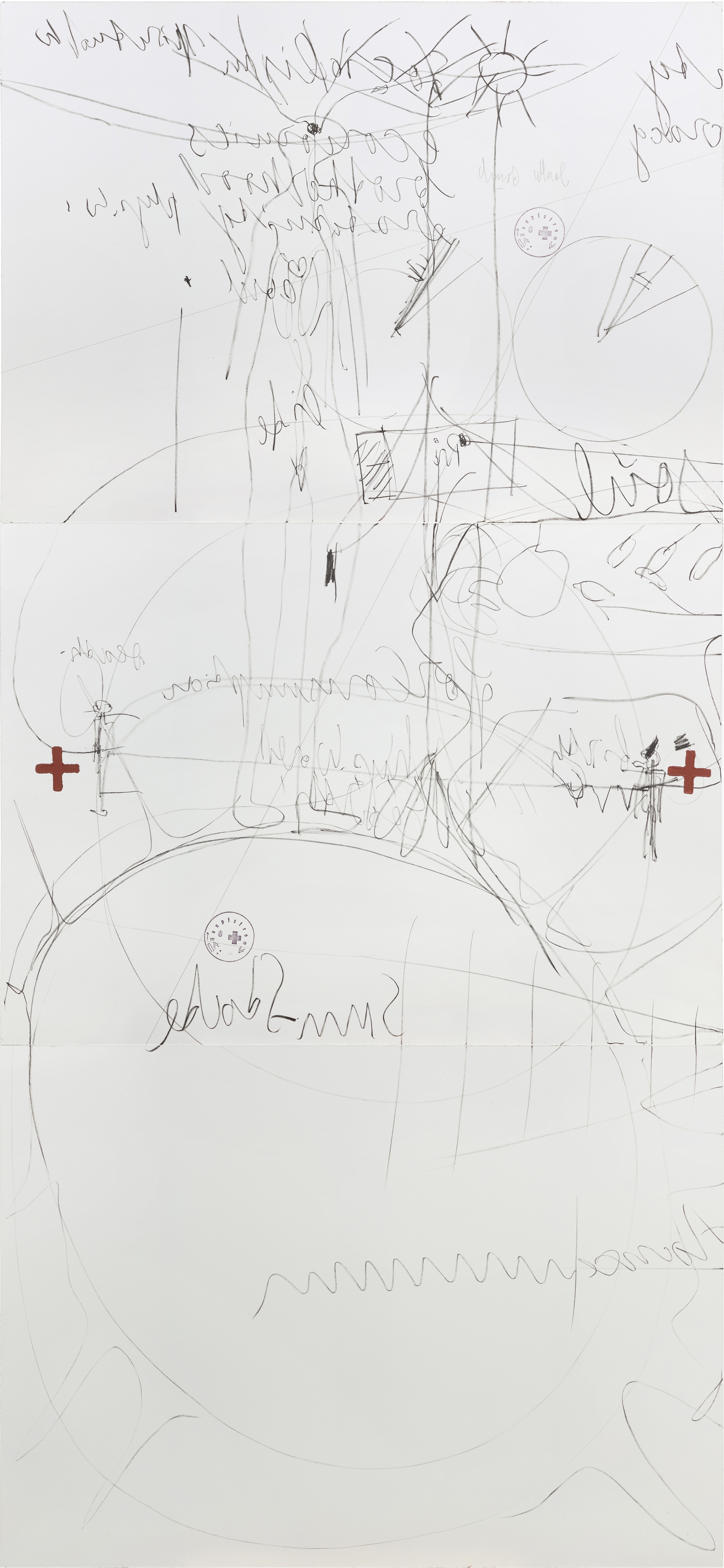
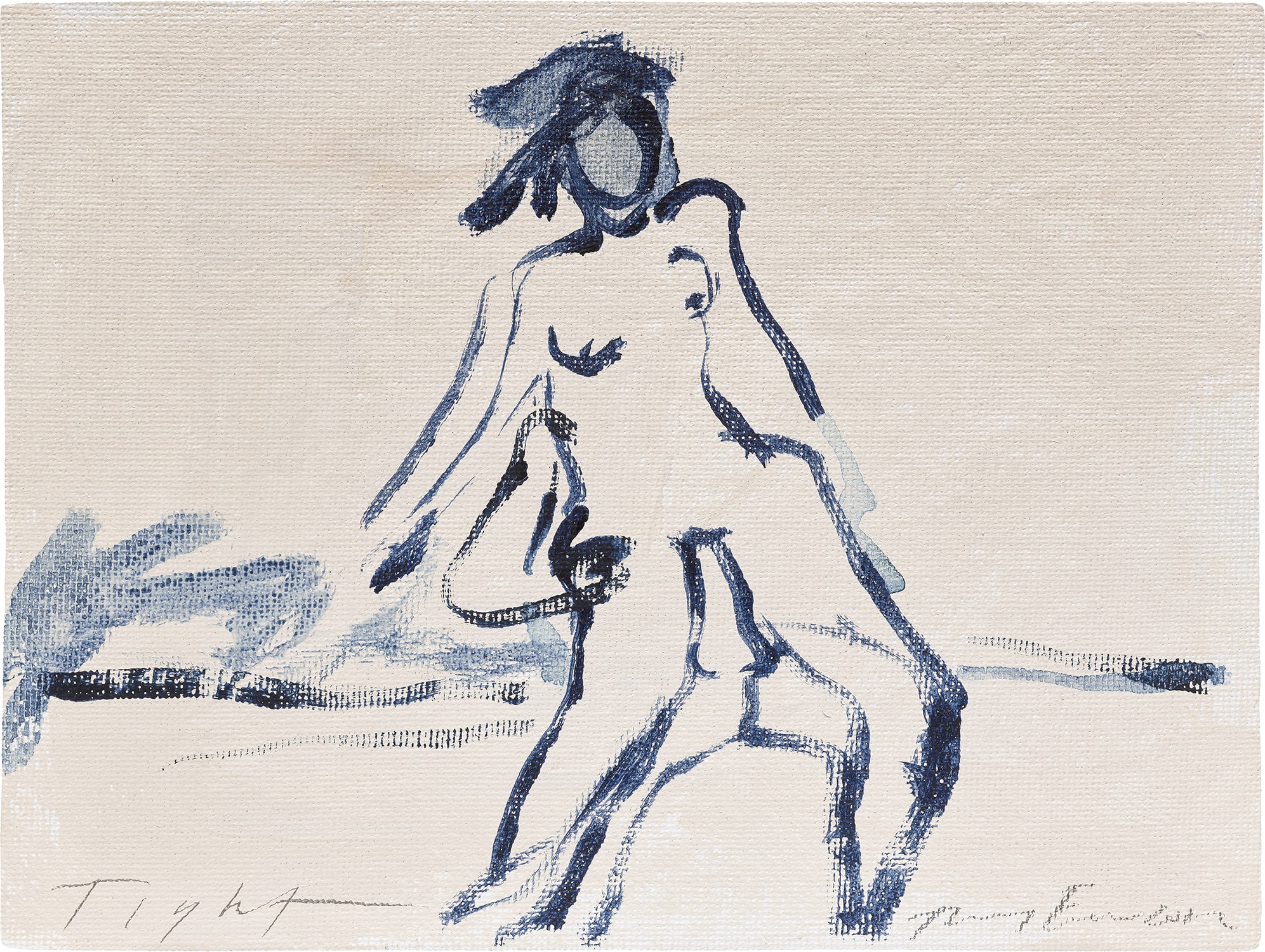
Ed Ruscha
Hincty, 2008
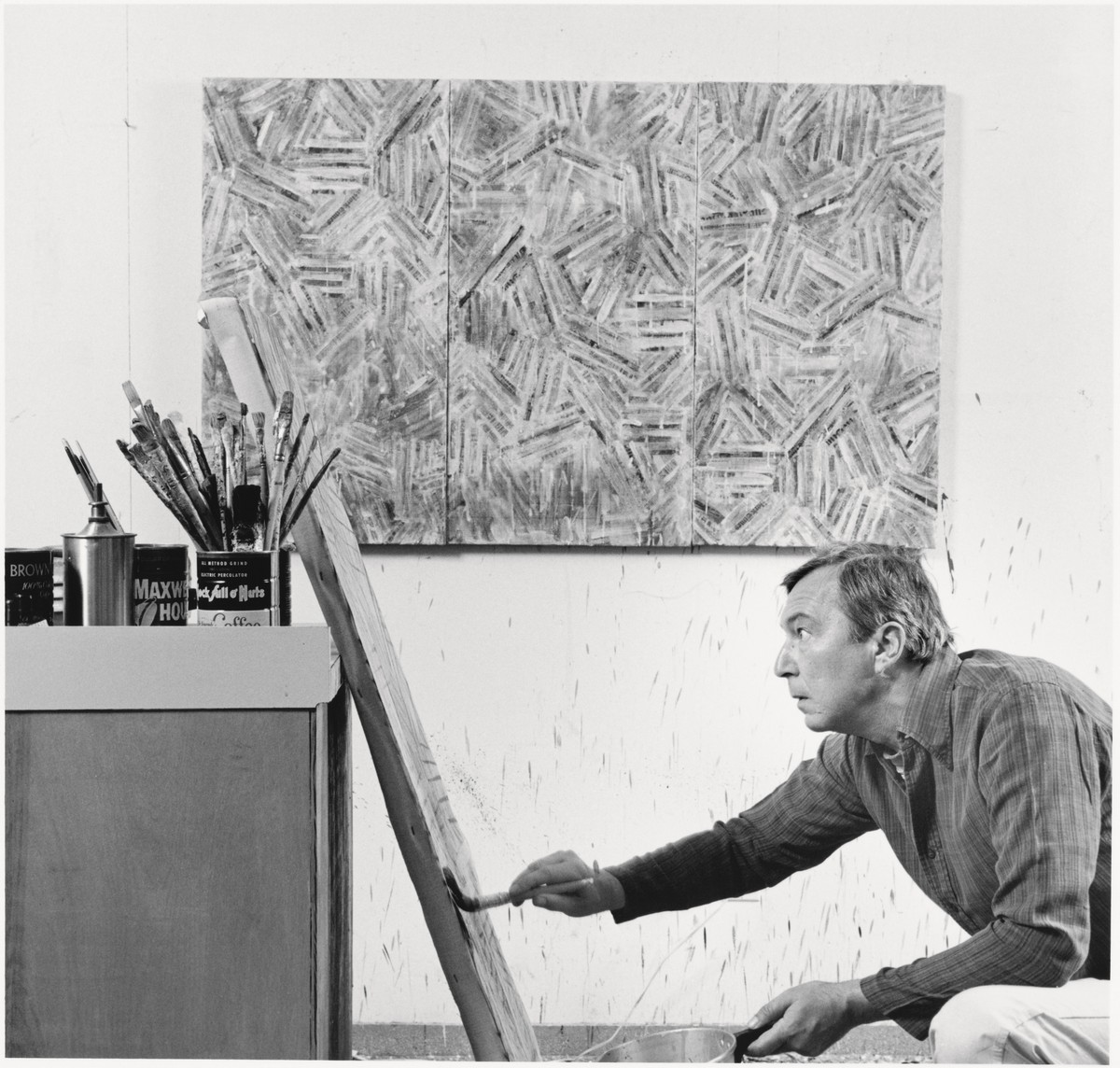
Jasper Johns sits at a fascinating intersection: his flags and targets from the late 1950s planted the seeds of Conceptual practice even before the movement had a name, interrogating what it means for something to be an image of itself. His works carry significant auction records and remain among the most coveted in any collection. Ed Ruscha, whose paintings and works on paper treat language with the cool deadpan intelligence of someone who has spent decades thinking about what words do when you paint them, is a cornerstone of any thoughtful Conceptual holding. Richard Prince and his appropriation practice remain controversial in the best possible sense, because controversy is exactly what he intended, and works that provoke genuine debate tend to hold value.
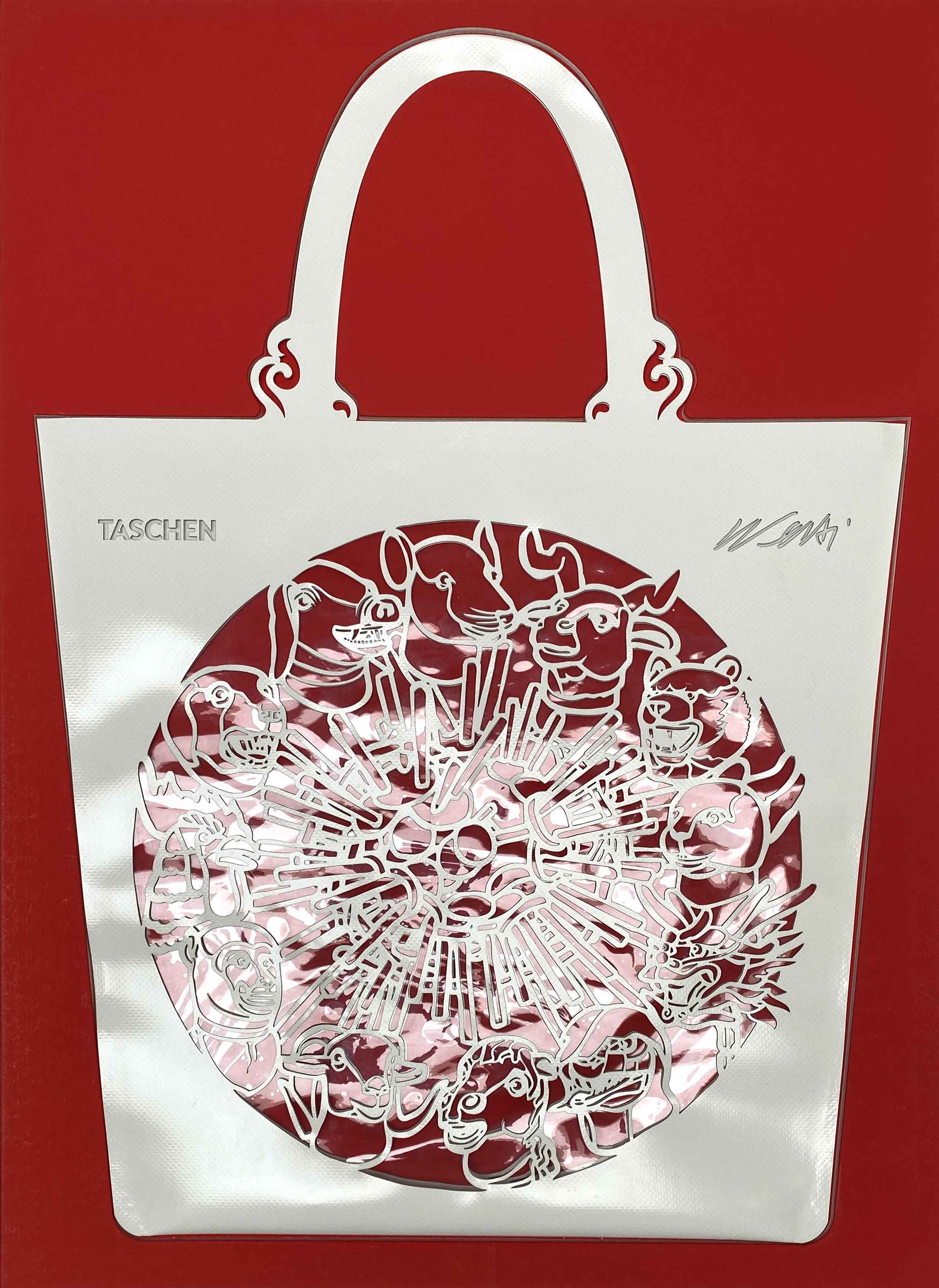
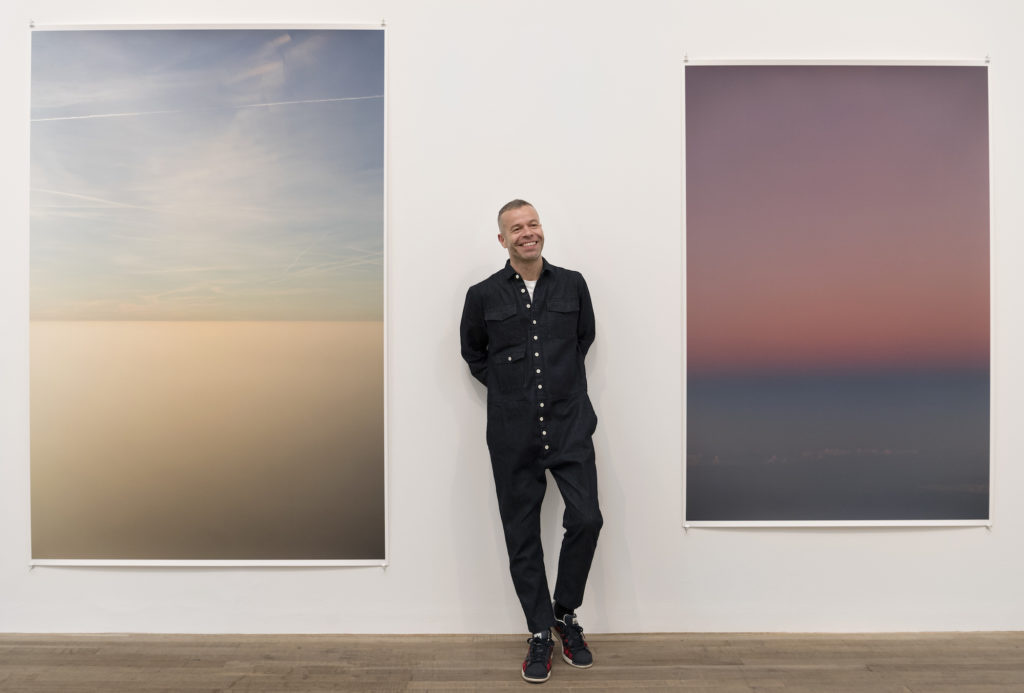
Ai Weiwei brings a different axis entirely, one in which Conceptual practice intersects with political urgency, giving collectors works that operate on multiple registers at once. For collectors looking beyond the established names, Walead Beshty deserves close attention. His investigations into photographic process and the material conditions of art making and transport sit squarely in a Conceptual tradition while feeling entirely of this moment. Rashid Johnson is working at the intersection of personal history, material culture, and conceptual structure in ways that the market has recognized but not yet fully priced.
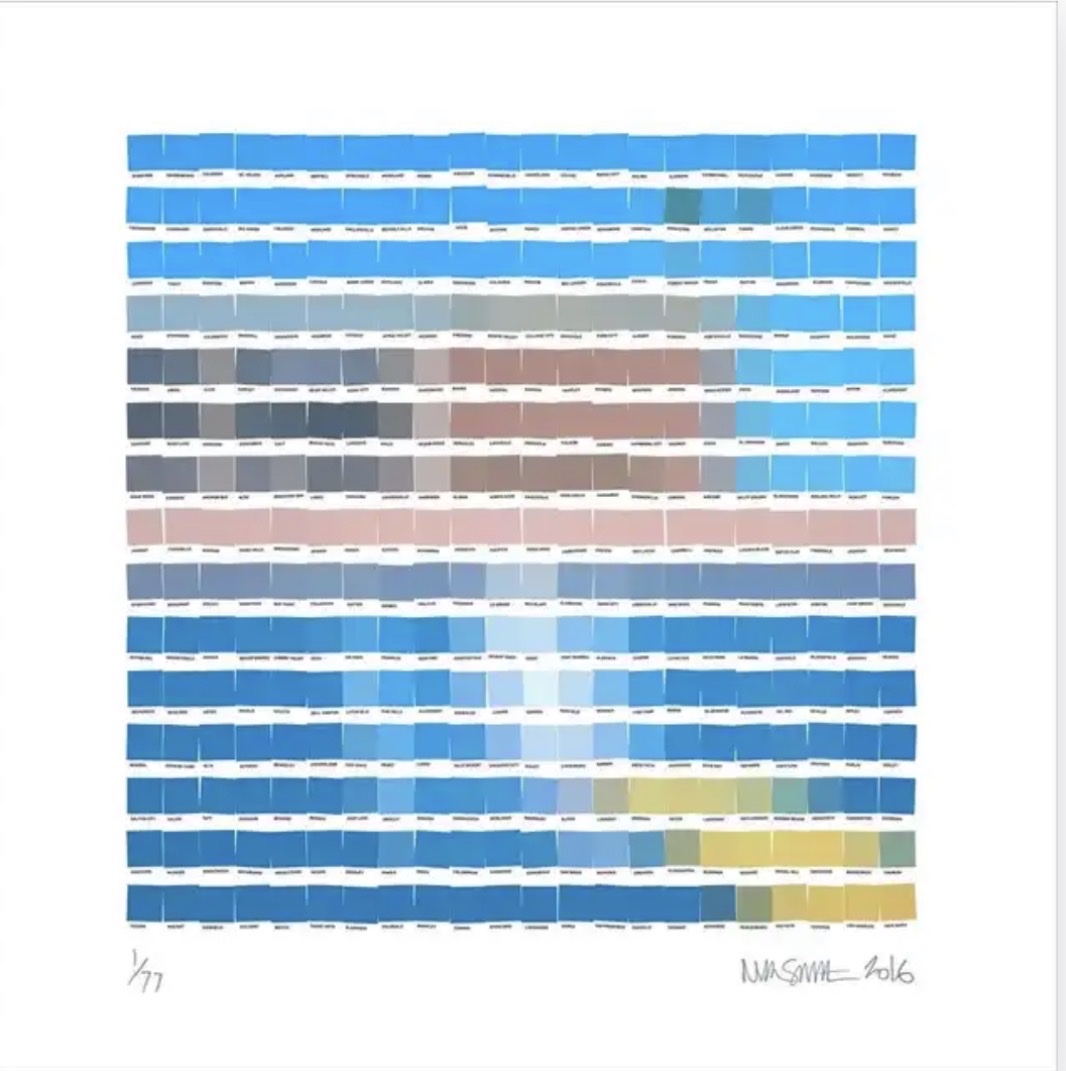
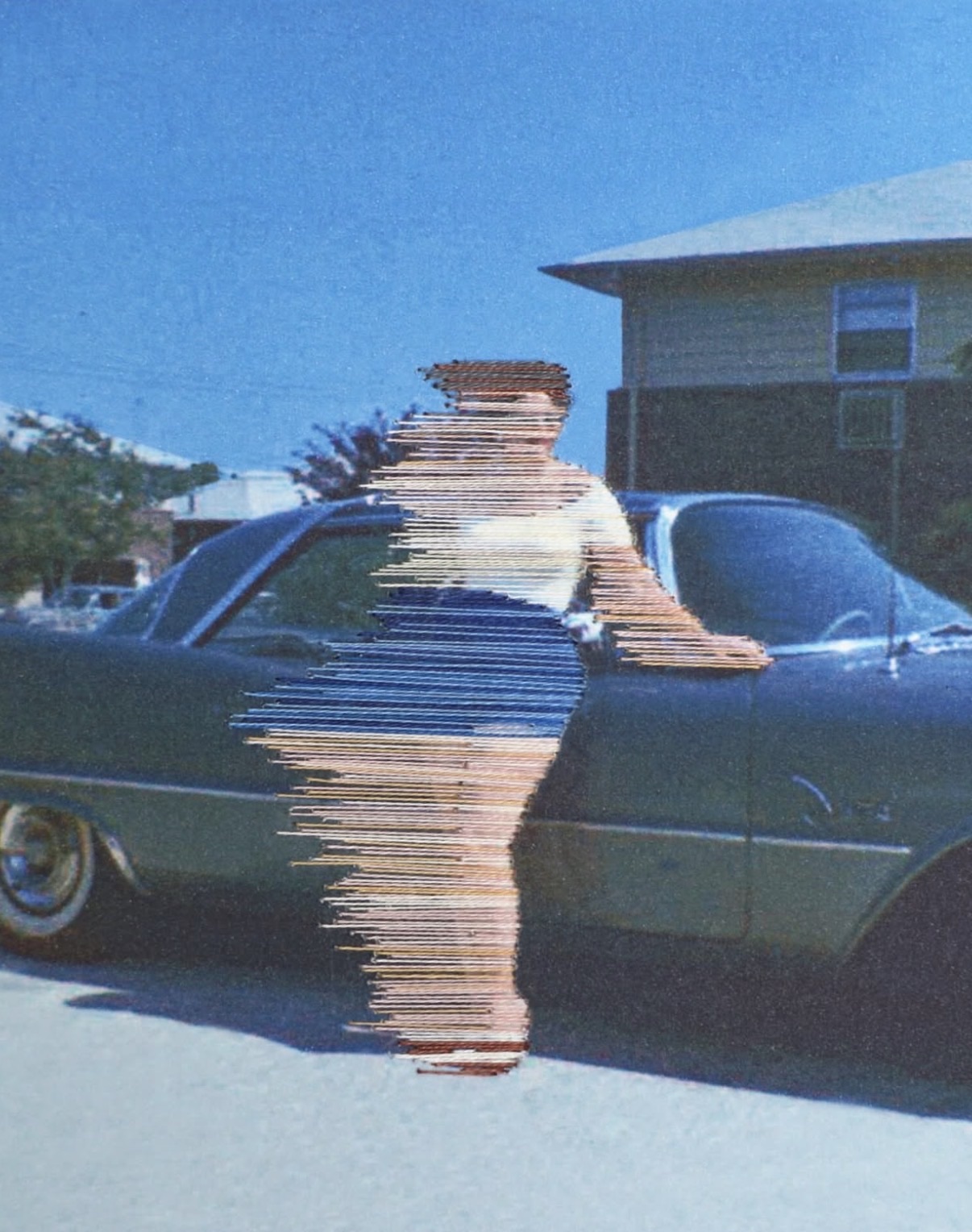
Nick Smith
Untitled
Thomas Ruff's long investigation into what photographs actually are, as opposed to what we assume they are, represents a sustained Conceptual project that rewards sustained collecting. In terms of market performance, Conceptual works have proven remarkably durable across cycles. The movement's emphasis on editions has historically made entry points accessible, but it has also created a market where condition and provenance documentation matter enormously. A work by Hirst from the spot painting series, for example, requires impeccable provenance and certificate documentation to command full value.
When buying editions, always ask the gallery for the edition number, the total edition size, and whether there are artist's proofs in circulation. For unique works, condition reports should include any text or surface elements, since Conceptual works often incorporate materials that age in unexpected ways. Display considerations are real: light sensitive works, works on paper, and works incorporating organic or industrial materials all require specific environments. The best advice is to ask the gallery not just how to hang the work but how to live with it, because in the end, that is the whole point.