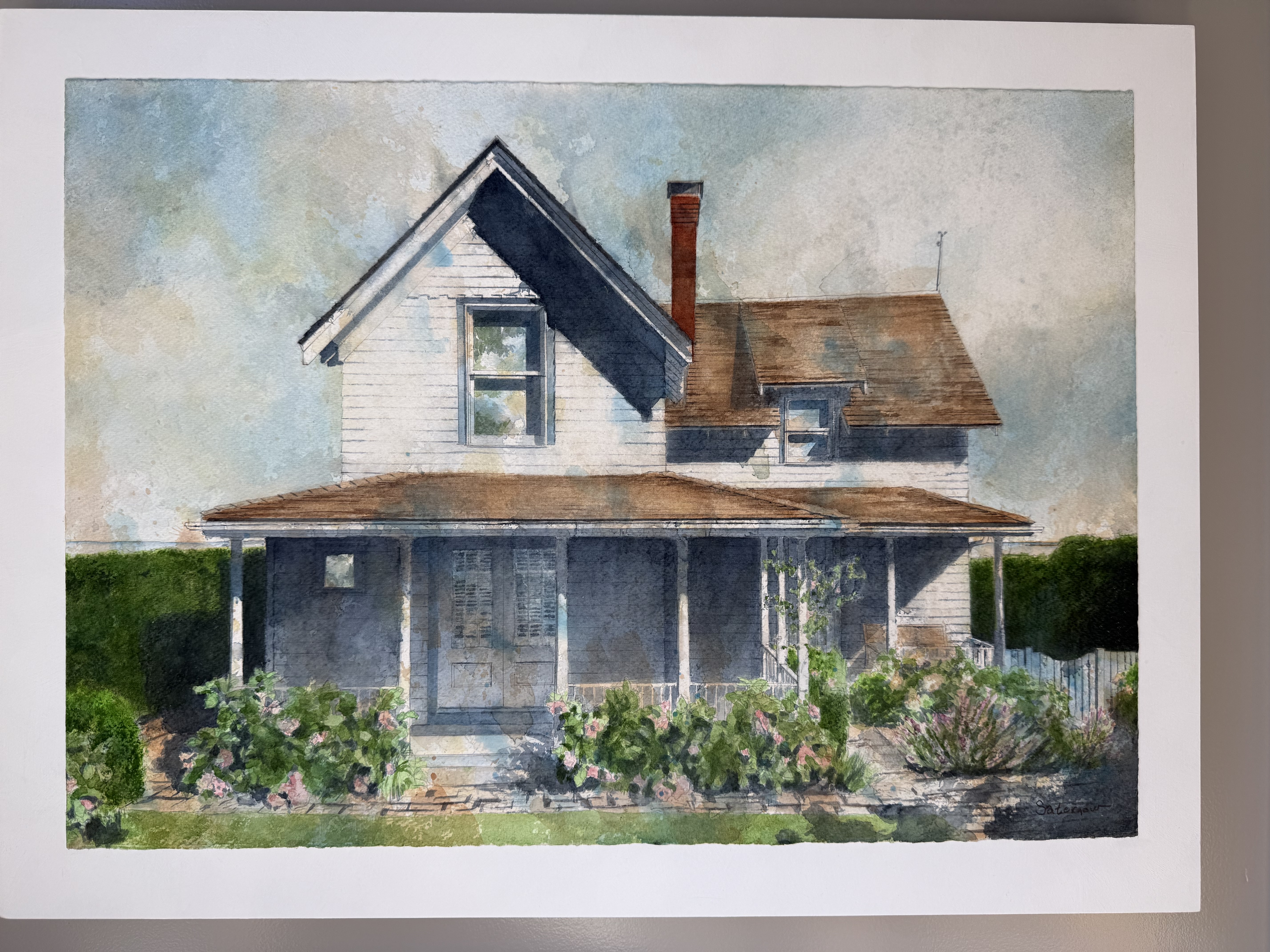
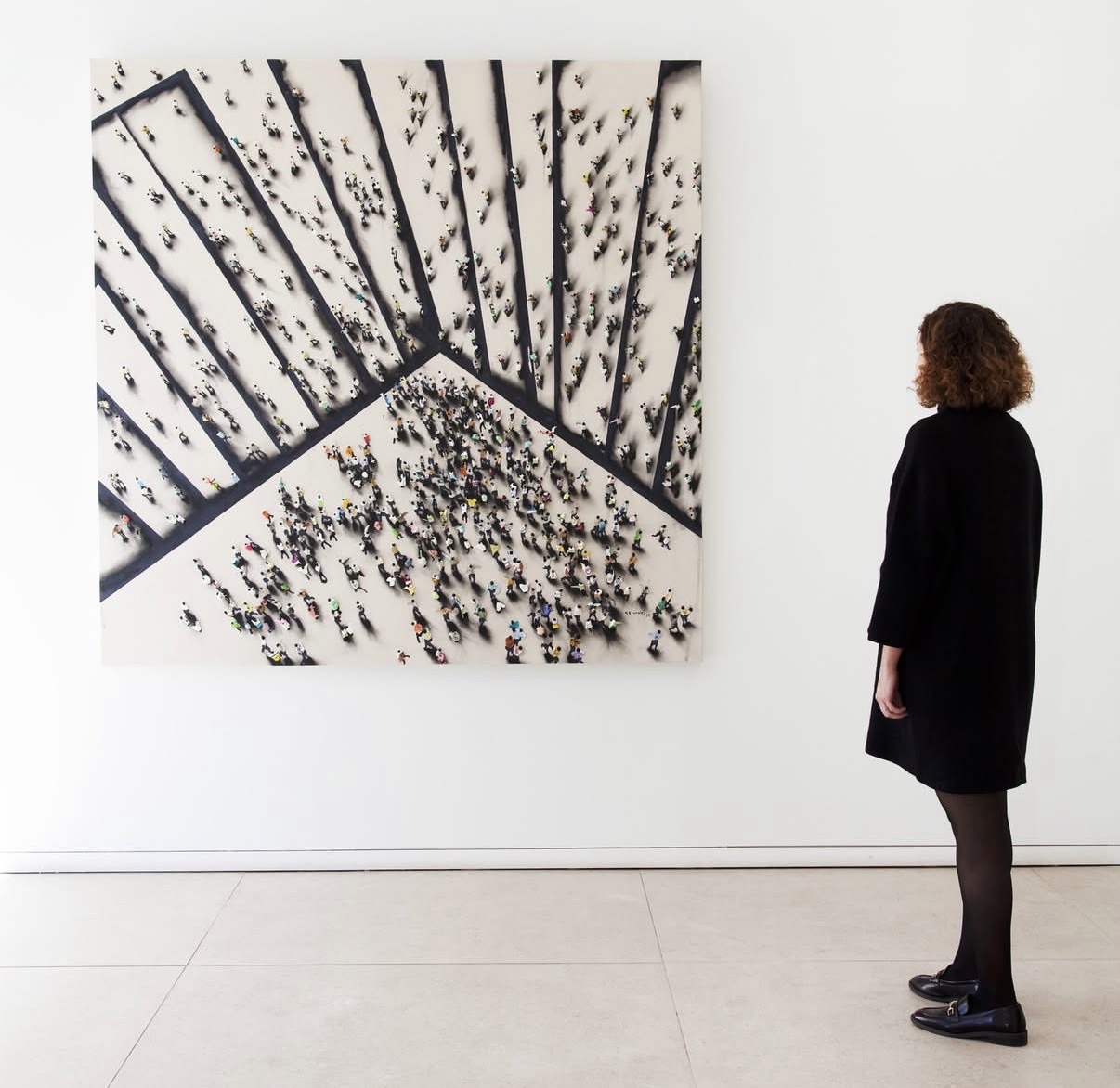
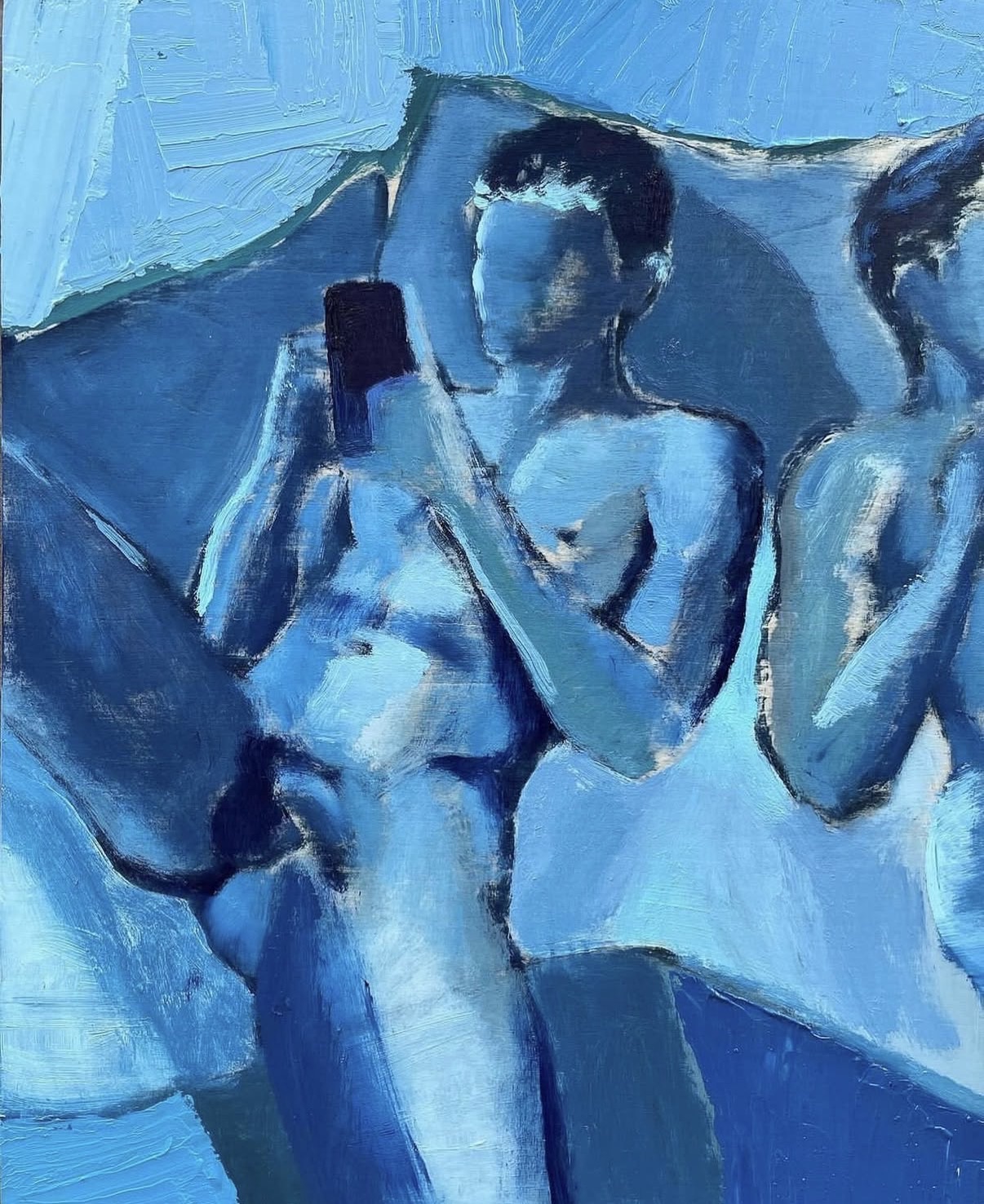
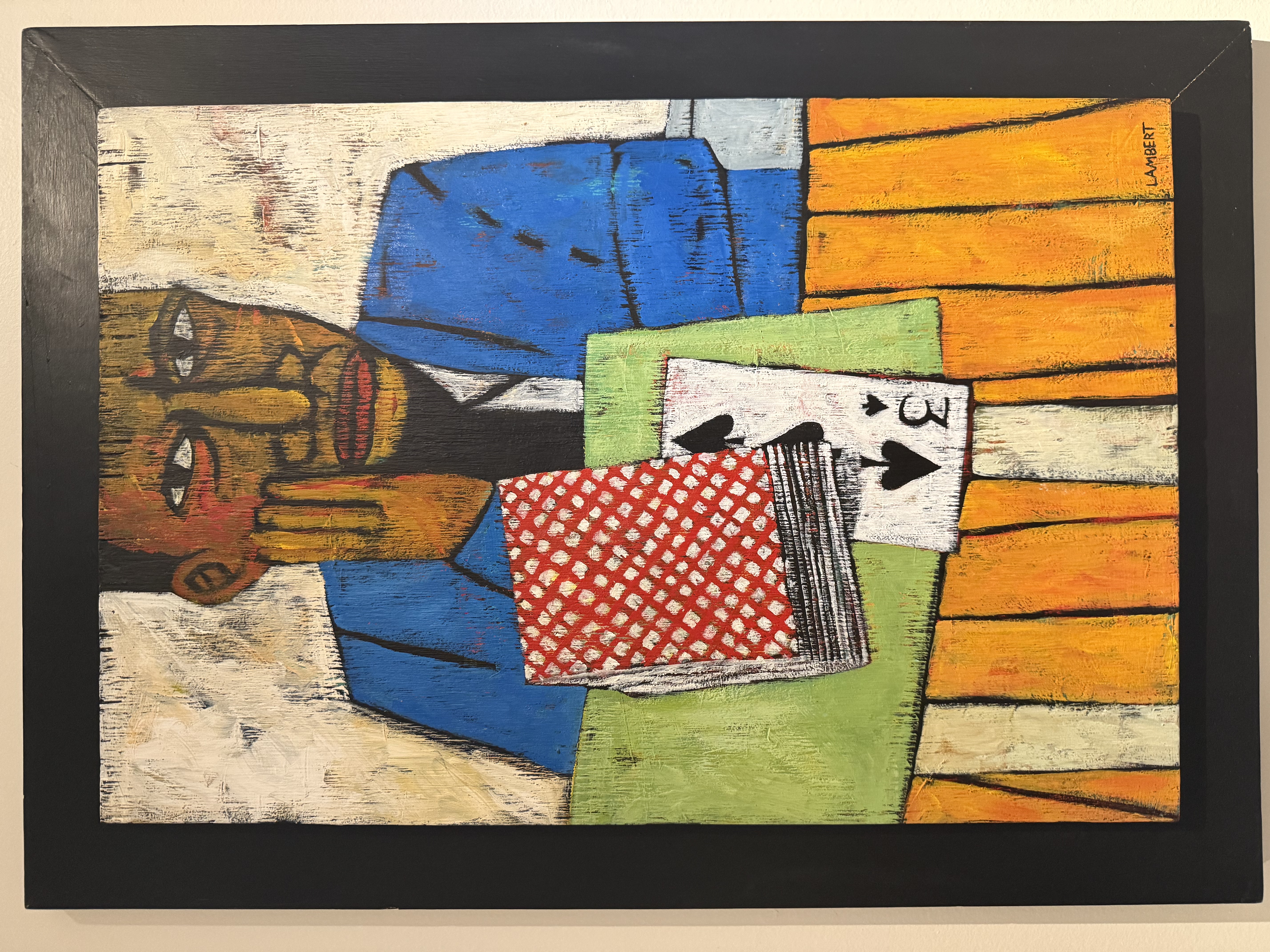
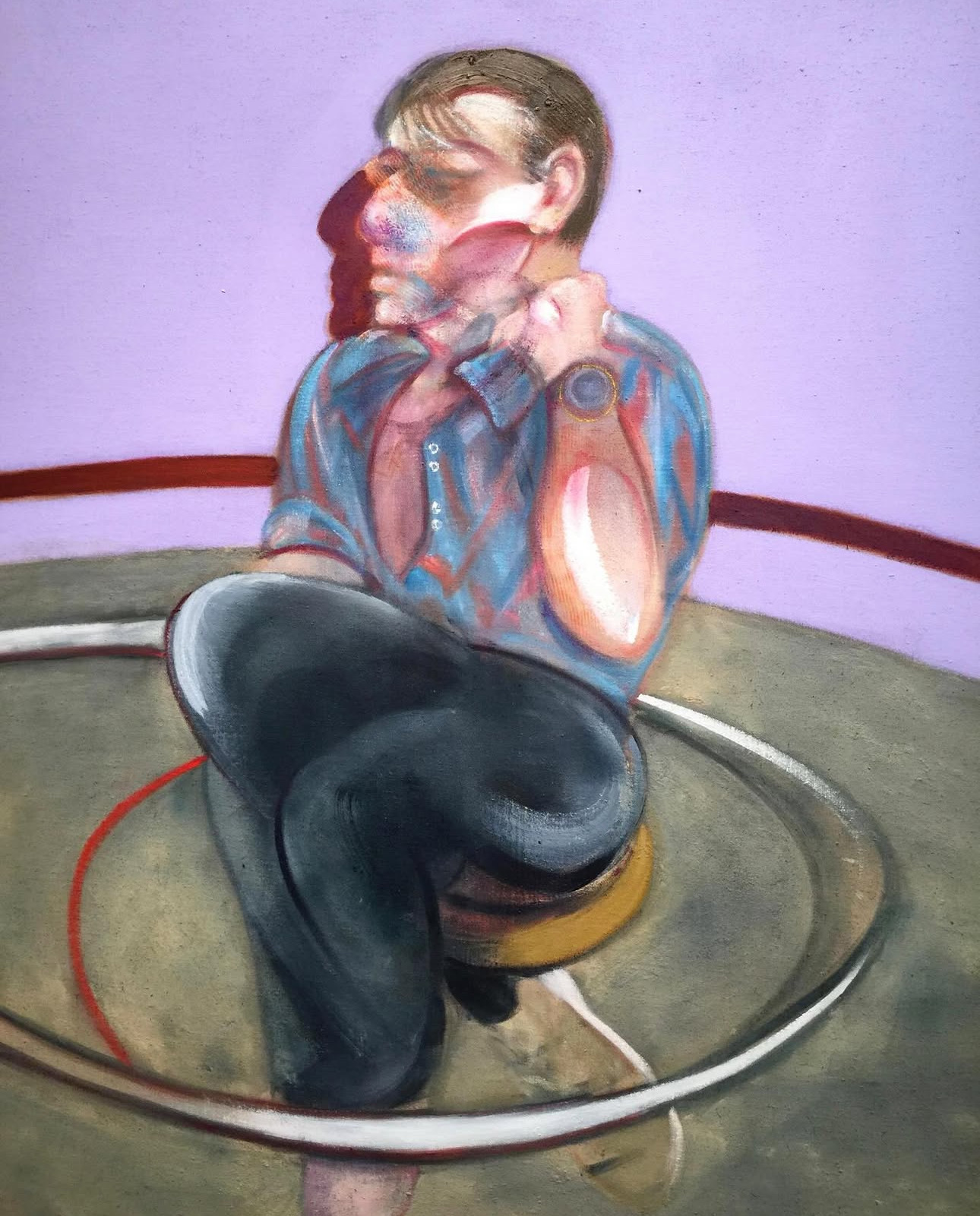
Contemporary
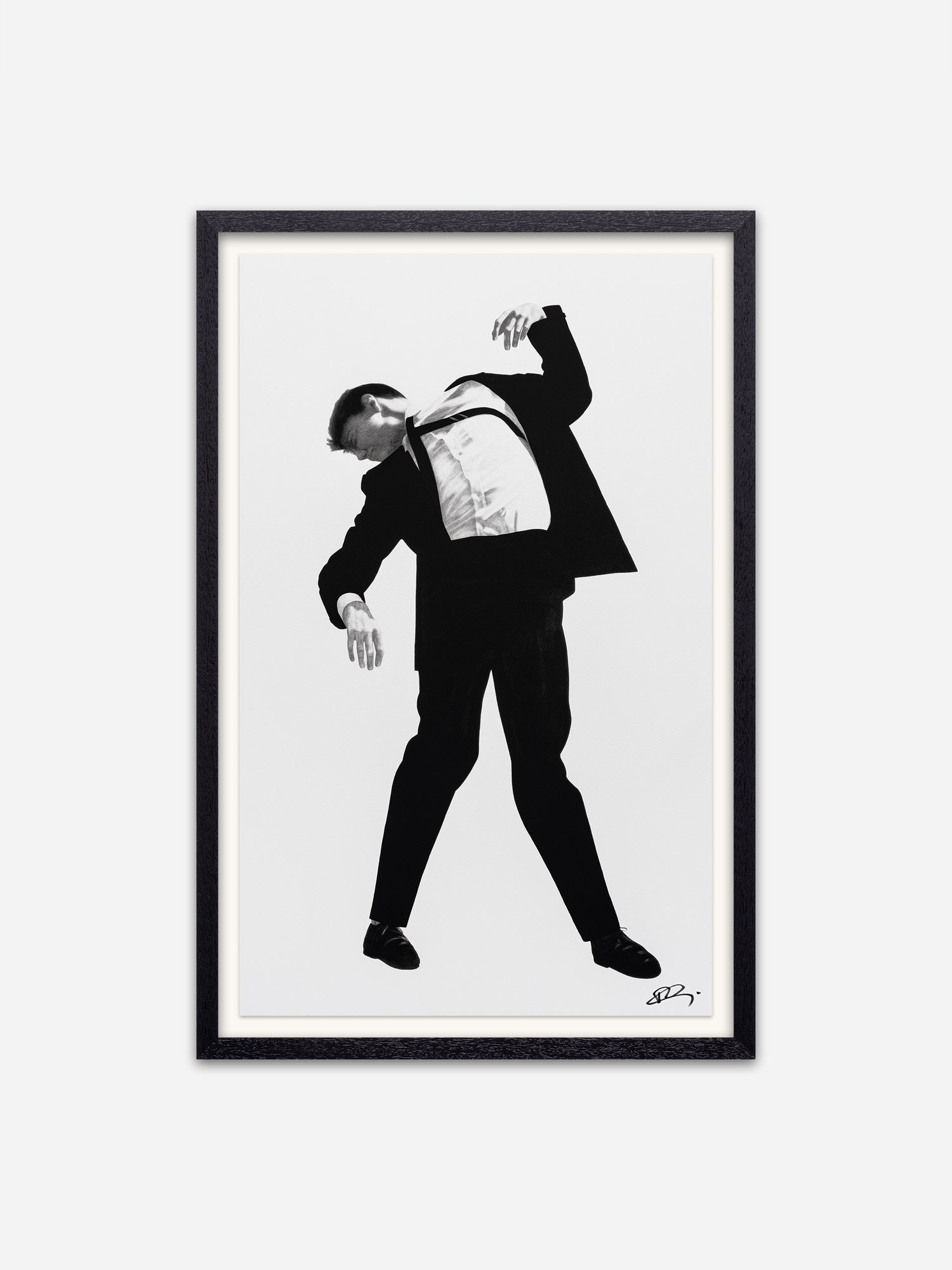
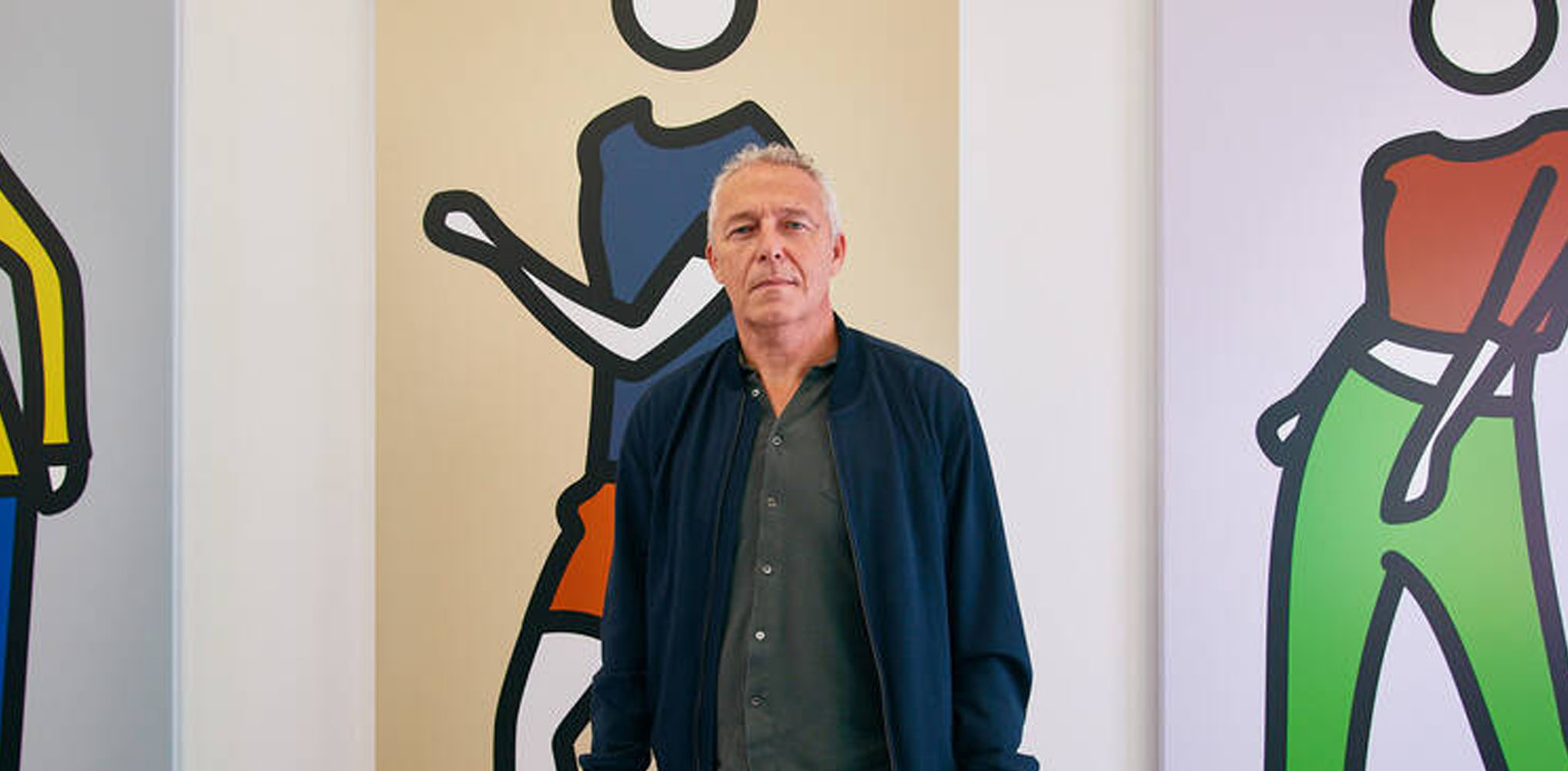
Robert Longo
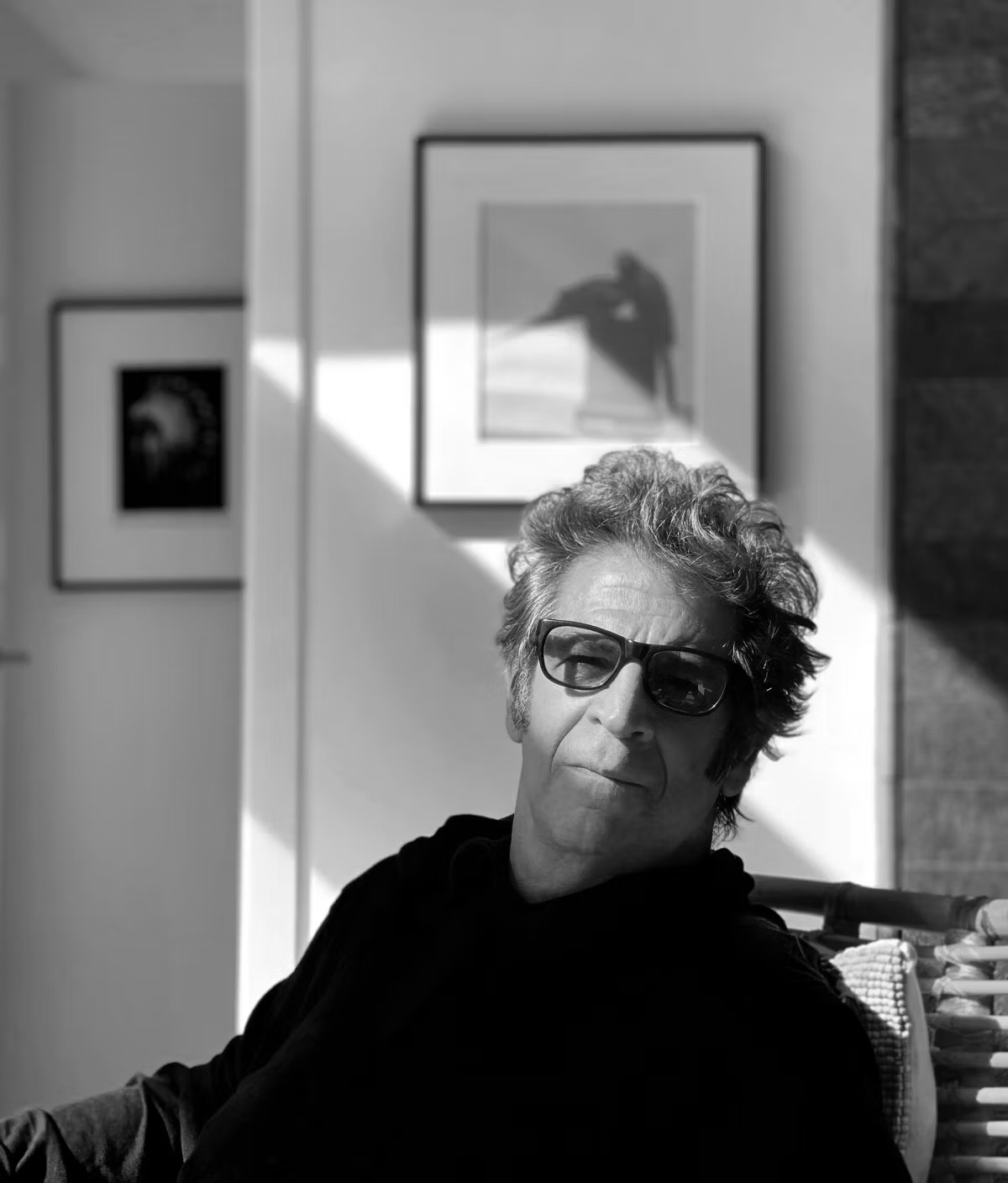
Untitled (Eric, from the series "Men in the Cities"), 2025


Now Is Always: The Case for Contemporary
There is something particular about living with contemporary art that no other collecting category replicates. It is the feeling of sharing time with a work, of owning something made by a hand that is still moving, a mind still forming. Collectors who gravitate toward contemporary art often describe it not as acquisition but as conversation, an ongoing exchange with the present tense. The work on your wall was made in a world you recognize, shaped by the same forces, anxieties, and pleasures that organize your daily life, and that proximity is both its challenge and its profound attraction.
The category itself defies clean definition, which is part of what makes collecting in this space so alive. Contemporary is not a style but a condition, a shared moment rather than a shared aesthetic. That means collectors must develop a finer sense of discrimination than those working in more codified historical movements. A great contemporary work does not simply look current.
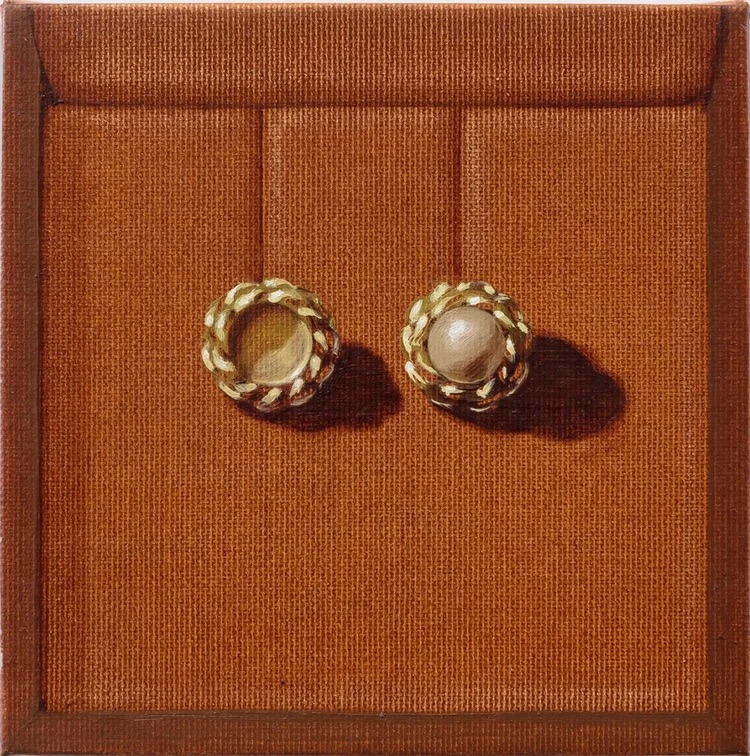
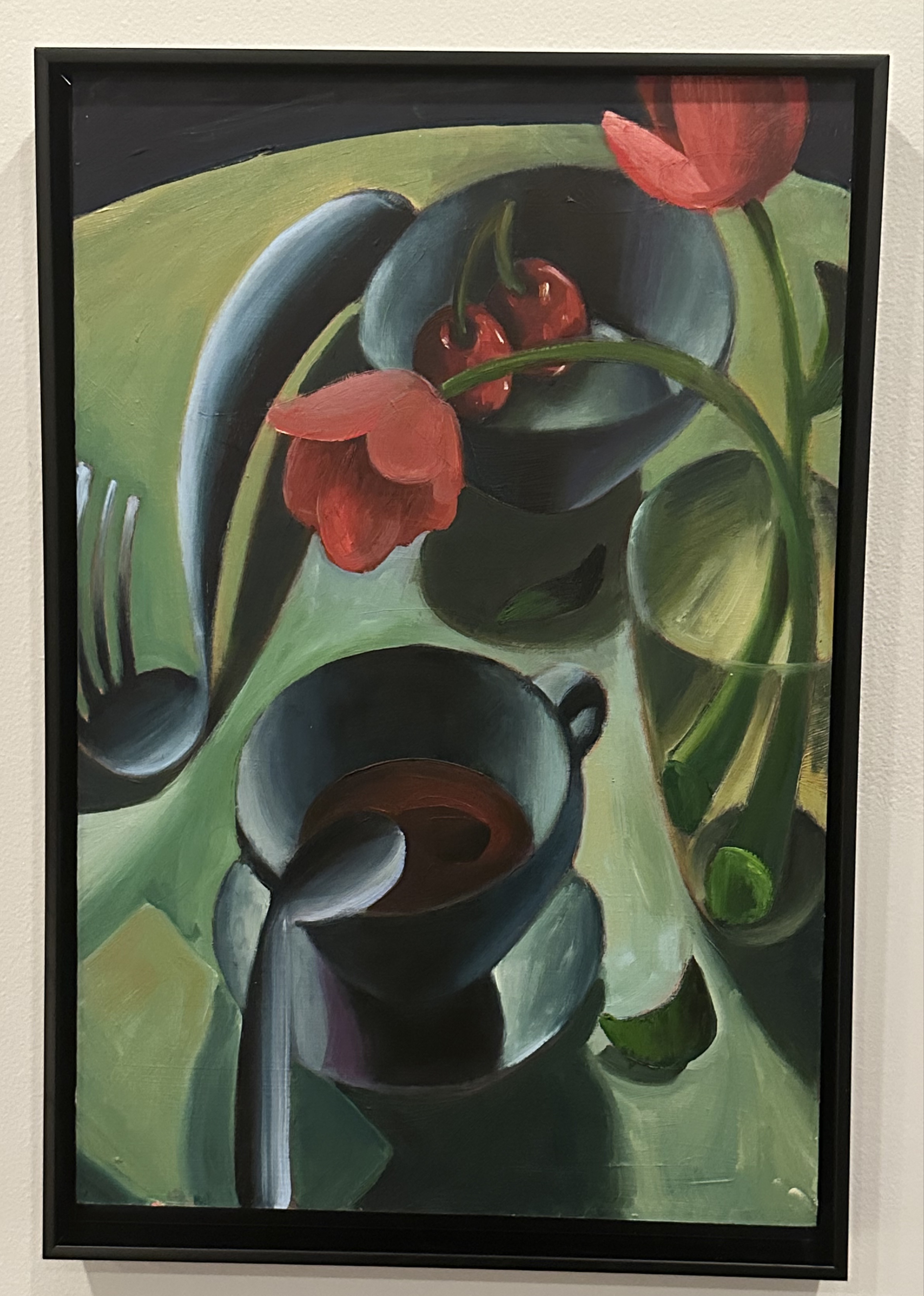
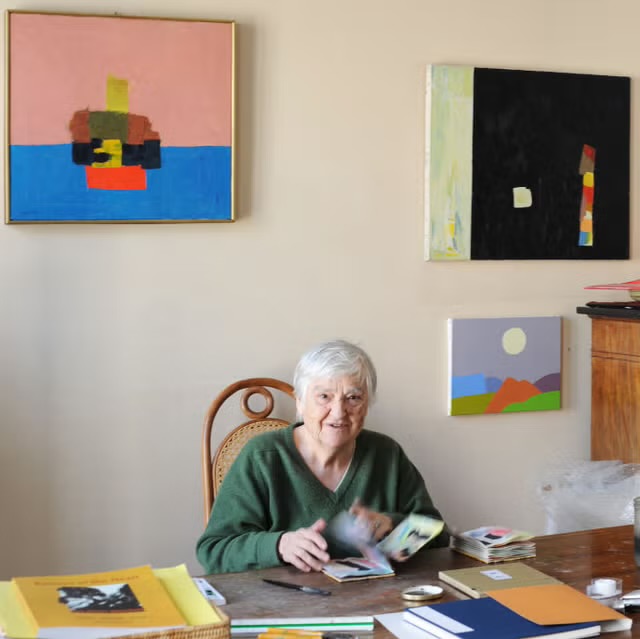
Anna Weyant
Untitled, 2021
It operates on multiple registers at once. It rewards close looking. It holds its meaning without requiring explanation, but deepens when context is applied. The best pieces you will encounter have an internal logic, a reason for every formal decision, that reveals itself slowly and keeps revealing itself over years of living with the work.
Quality in contemporary art often comes down to what a work does with its own language. Take Andy Warhol, whose presence across The Collection remains essential to any serious engagement with postwar and contemporary practice. His work is not merely iconic in the brand sense. It fundamentally restructured what a painting could be, what reproduction means, and how desire and death coexist in a single silkscreened image.
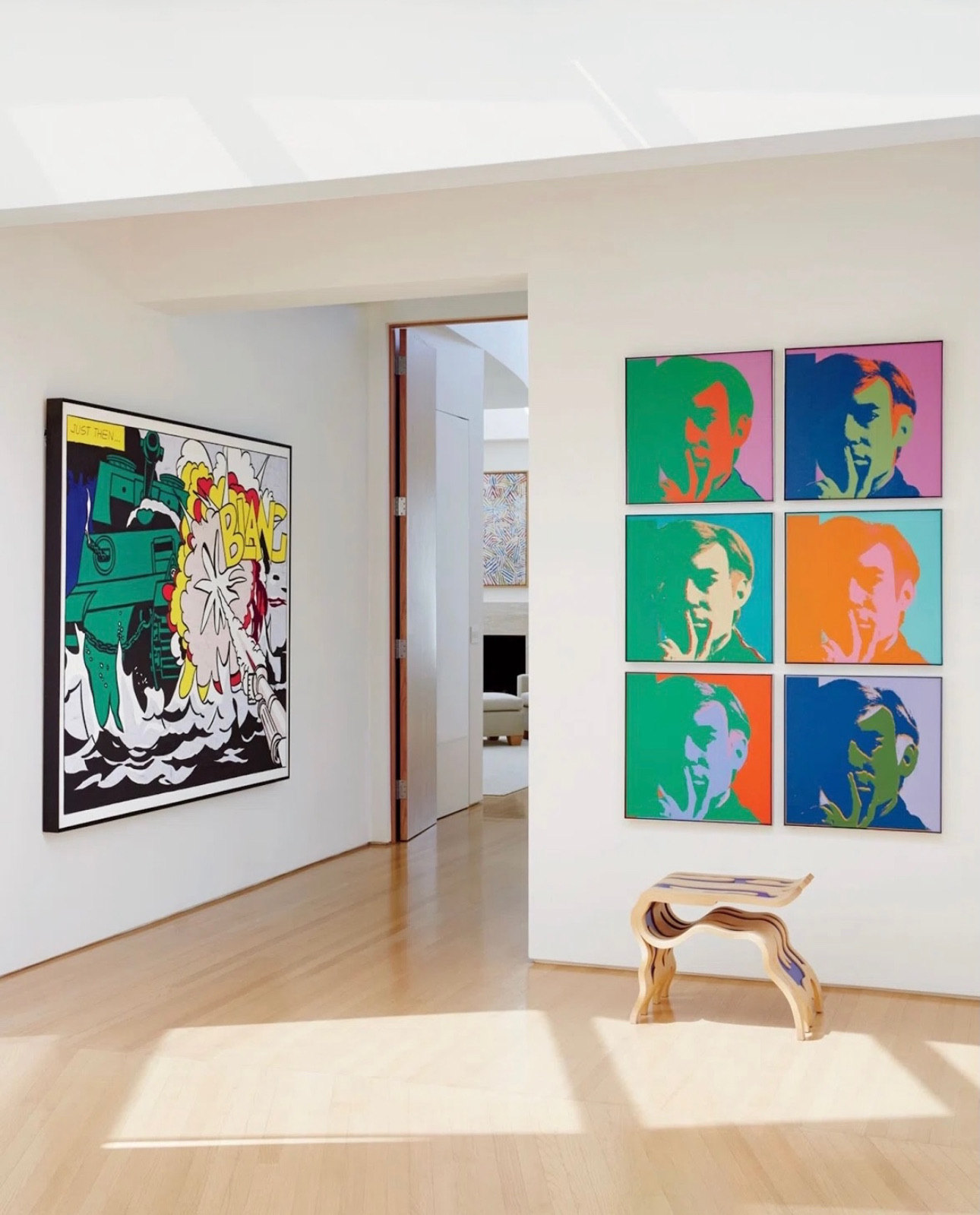
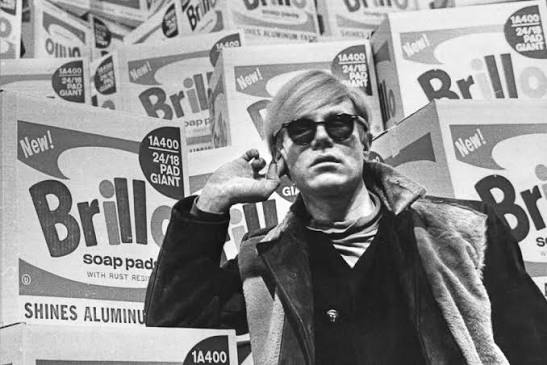
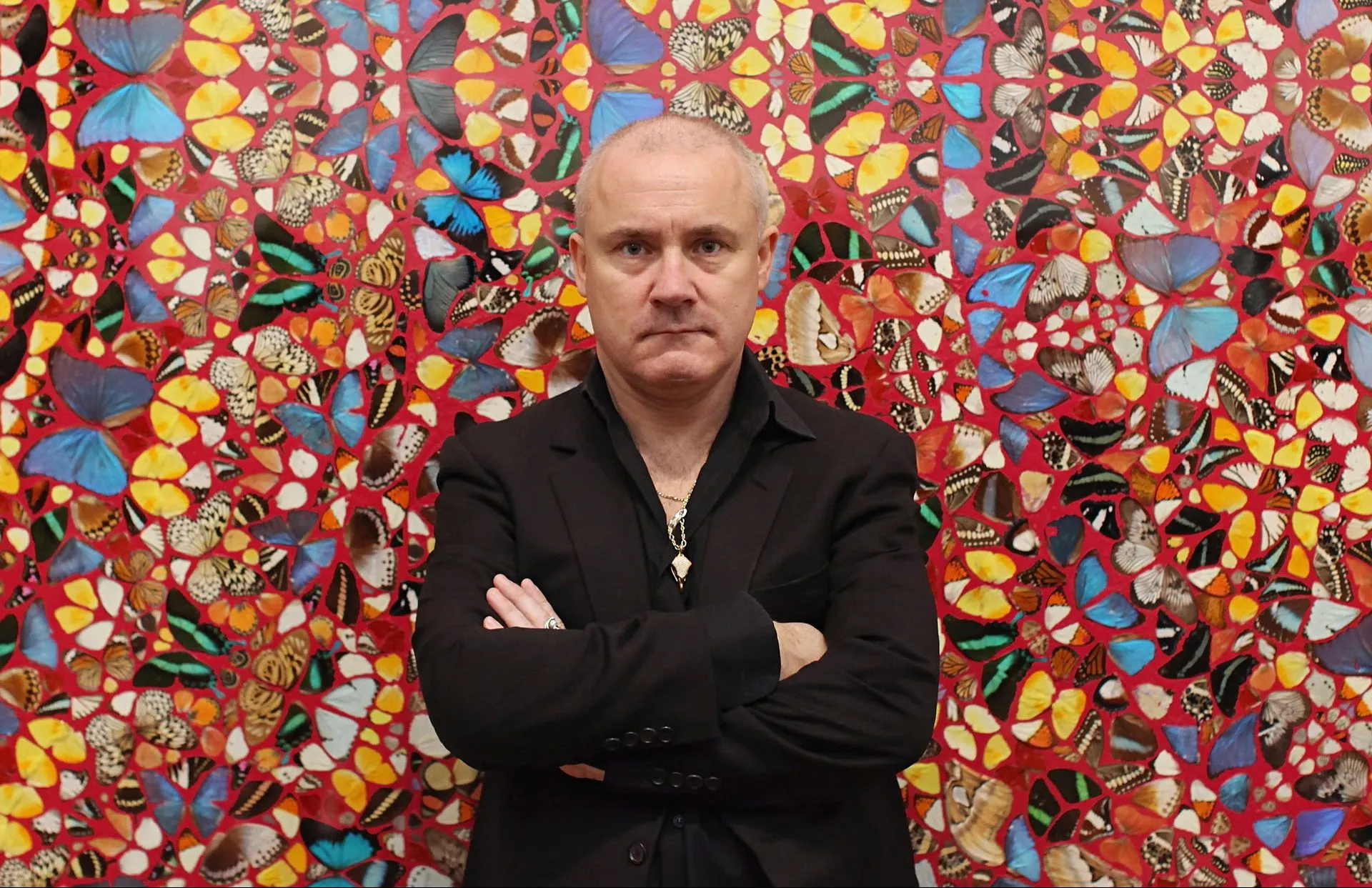
Andy Warhol
Self-Portrait
Collectors who understand Warhol as a conceptual as well as a visual artist tend to make better acquisitions because they can evaluate individual works rather than simply responding to the name. Similarly, Jasper Johns rewards collectors who look past surface familiarity. His flags and targets are not simple objects. They are dense philosophical propositions about perception and meaning that have only grown more layered with time.
For collectors thinking about where strength and long term value converge, the Japanese artists on The Collection deserve particular attention. Yayoi Kusama's market has been extraordinary over the past two decades, but what sustains it is not hype. Her Infinity Net paintings from the late 1950s and her subsequent pumpkin works represent a genuinely singular vision, one that was marginalized for years before being properly recognized. Takashi Murakami occupies a different but equally compelling position.

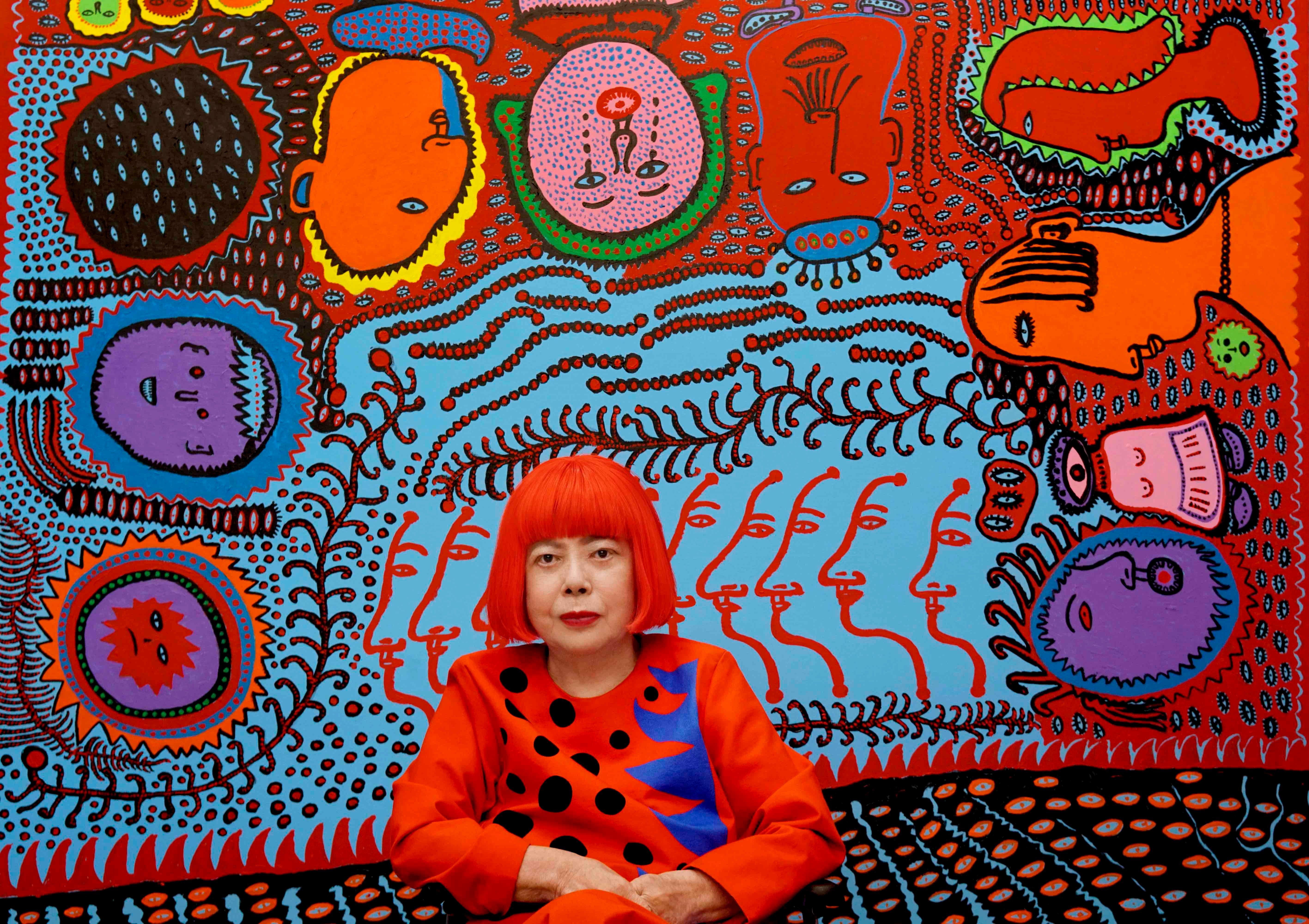
Yayoi Kusama
Butterfly, 1985
His synthesis of fine art and otaku culture, developed through his Superflat theory in the early 2000s, anticipated conversations about global image culture that are more relevant now than ever. Works by Yoshitomo Nara, whose deceptively simple children and dogs carry enormous emotional charge, represent one of the more compelling collecting opportunities in this space. His secondary market has been robust, particularly in Asia, but his critical standing in Western institutions continues to grow. For collectors willing to look slightly beyond the established names, there are genuine opportunities.
Daniel Arsham has built a remarkably coherent practice around the concept of fictional archaeology, imagining future civilizations excavating our contemporary relics. His market has grown quickly, and his institutional profile is strengthening. Jordy Kerwick, whose figurative paintings carry an expressive directness reminiscent of early Neo Expressionism, is building a following that suggests sustained interest ahead. Jonas Wood merits serious attention.
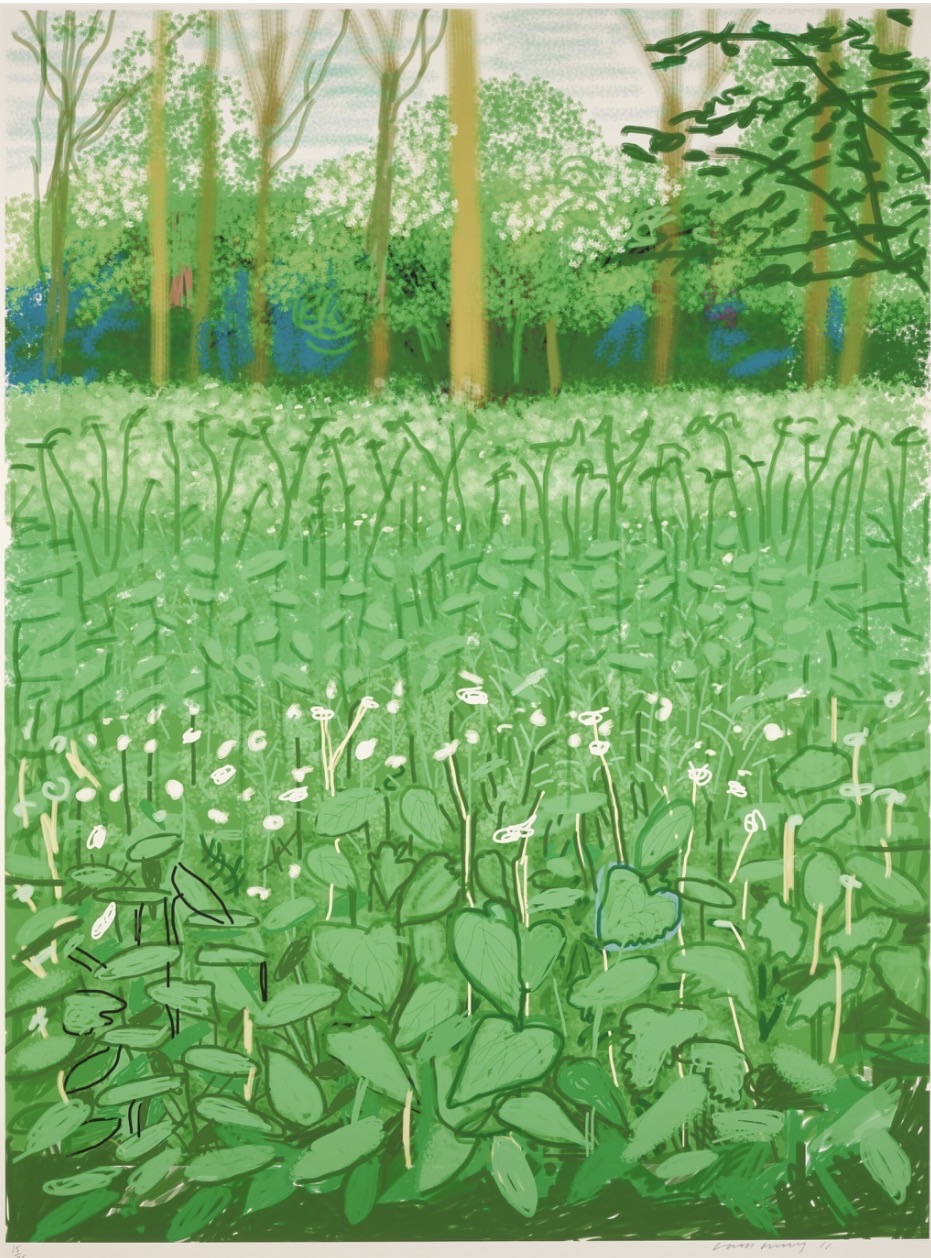
David Hockney
The Arrival of Spring in Woldgate, East Yorkshire in 2011 (twenty eleven) - 6 May, 2011
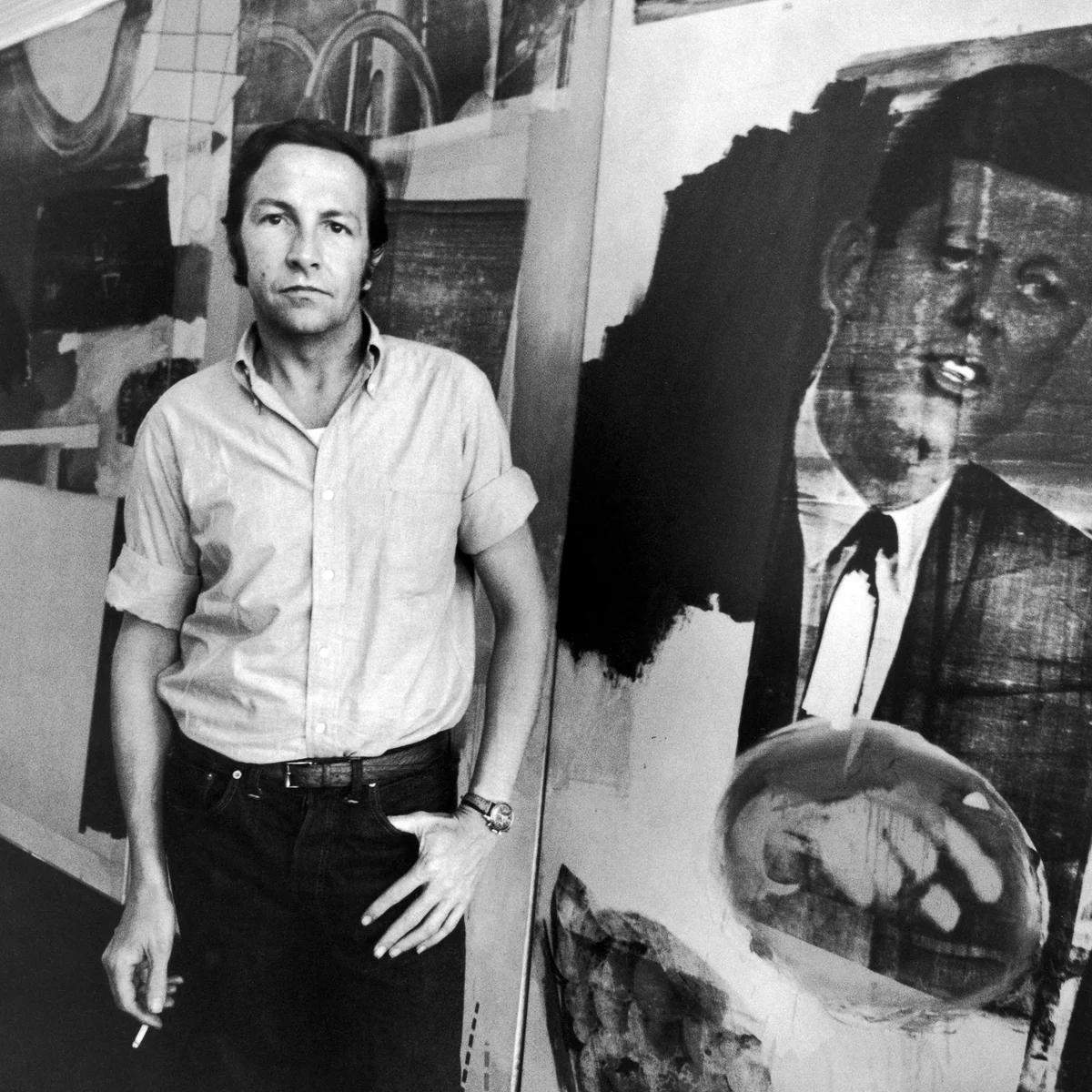
His dense, patterned interiors and still lifes have moved confidently through major auction houses, and his critical reception has matured well beyond the initial enthusiasm that greeted his rise. These are artists whose work has internal logic and visual intelligence, not simply market timing. The secondary market for contemporary art is more volatile than almost any other category, and collectors should approach it with clear eyes. Blue chip names like David Hockney, Gerhard Richter, and Robert Rauschenberg perform with relative consistency at major auction houses, partly because institutional demand is global and supply is finite.
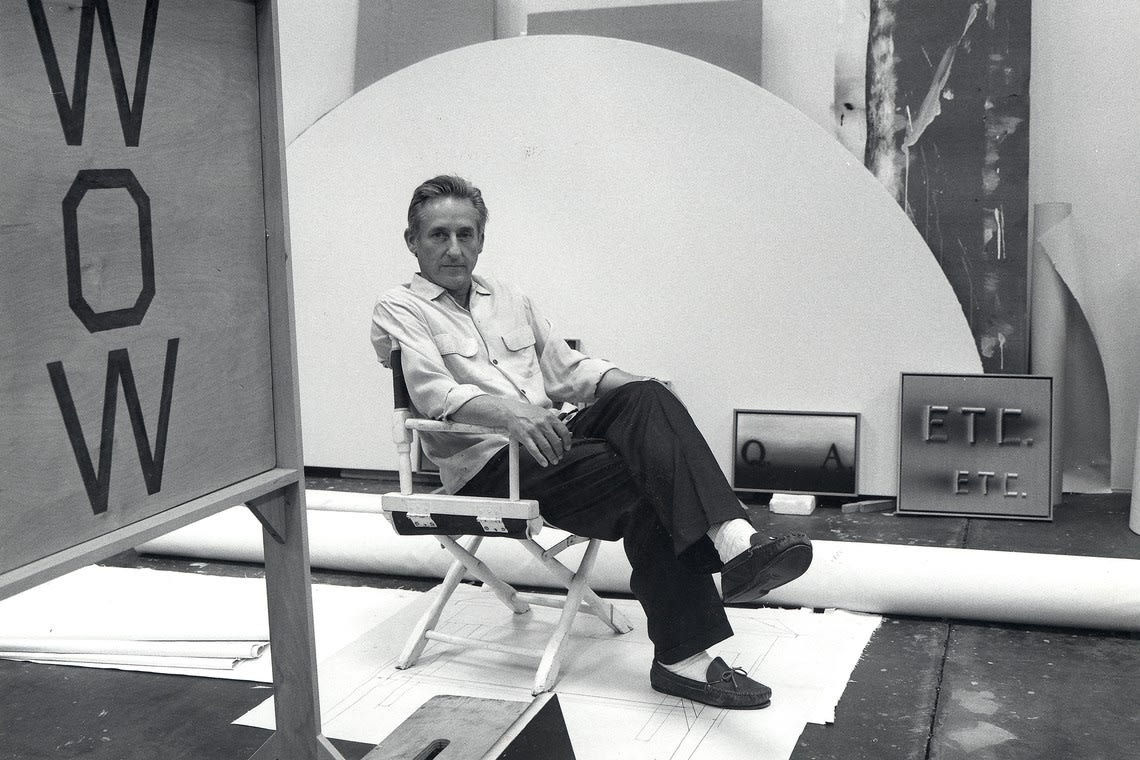
Ed Ruscha's word paintings have performed particularly well in recent years, with his deadpan Americanism finding renewed critical appreciation. But for younger artists, the secondary market can be uneven. A work that sells well at auction in a peak moment can find thinner support a few years later if the artist's institutional narrative has not continued to develop. The most reliable predictor of secondary market strength is not social media presence but sustained museum attention, group show inclusion in serious contexts, and critical writing that holds up over time.
Practically speaking, there are several questions every collector should ask before acquiring contemporary work. For editions, which constitute a significant portion of the contemporary market, ask about the edition size, the number of artist proofs, and whether the printer or fabricator is documented. An edition of ten and an edition of two hundred five are categorically different propositions. For unique works, condition is everything.
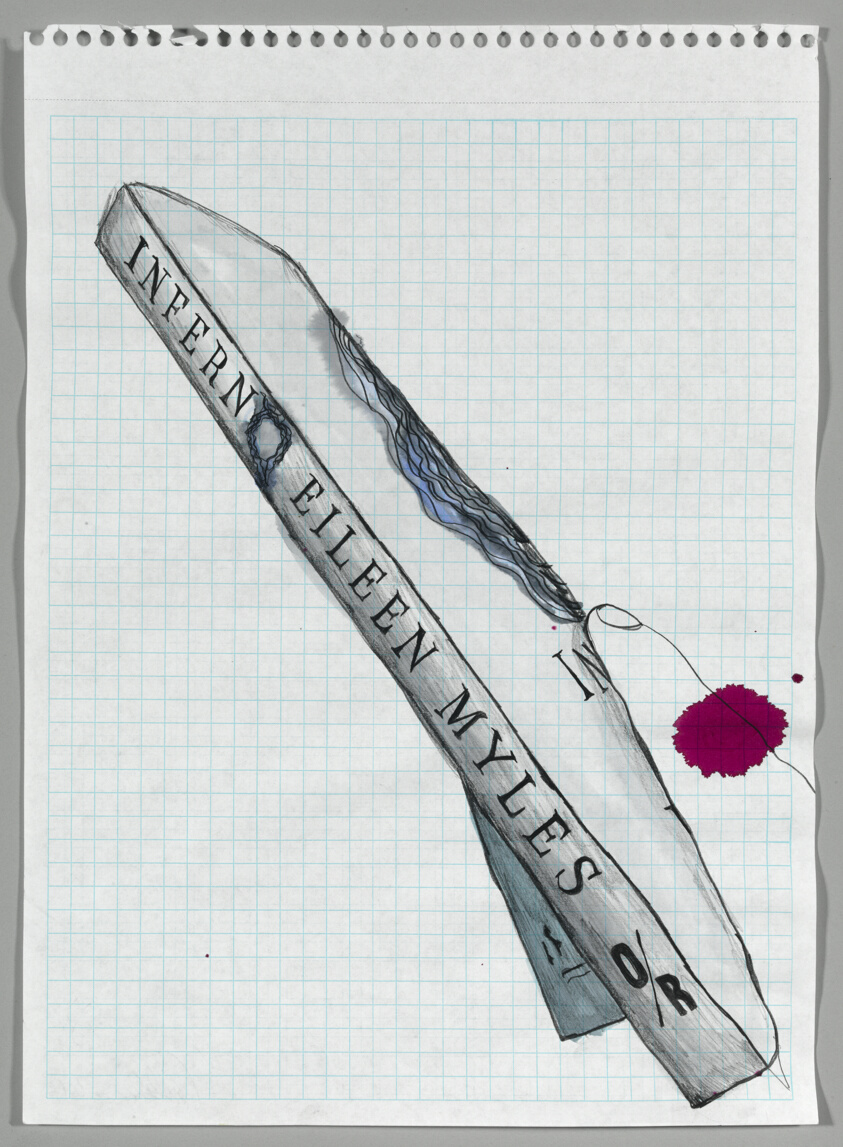
Contemporary materials are not always stable. Acrylic, photography, digital prints, and works on paper all require specific environmental conditions. Ask what the recommended light exposure is, whether there is a conservation report, and whether the artist has documented any ongoing material concerns. David Shrigley's works on paper, for instance, require the same careful storage as any delicate work on paper despite their apparently casual aesthetic.
Wolfgang Tillmans's large scale photographic works are light sensitive and demand thoughtful installation planning. The deeper point about collecting contemporary art is that it requires you to keep learning. The category will not hold still. Artists whose work seemed secondary can move to the center.
Movements that looked dominant can recede. What protects collectors in this environment is not certainty about what matters now but genuine curiosity about why things matter, a willingness to look slowly, ask real questions, and trust the works that hold their interest across many encounters. The art on your walls should make demands of you. That is precisely the point.