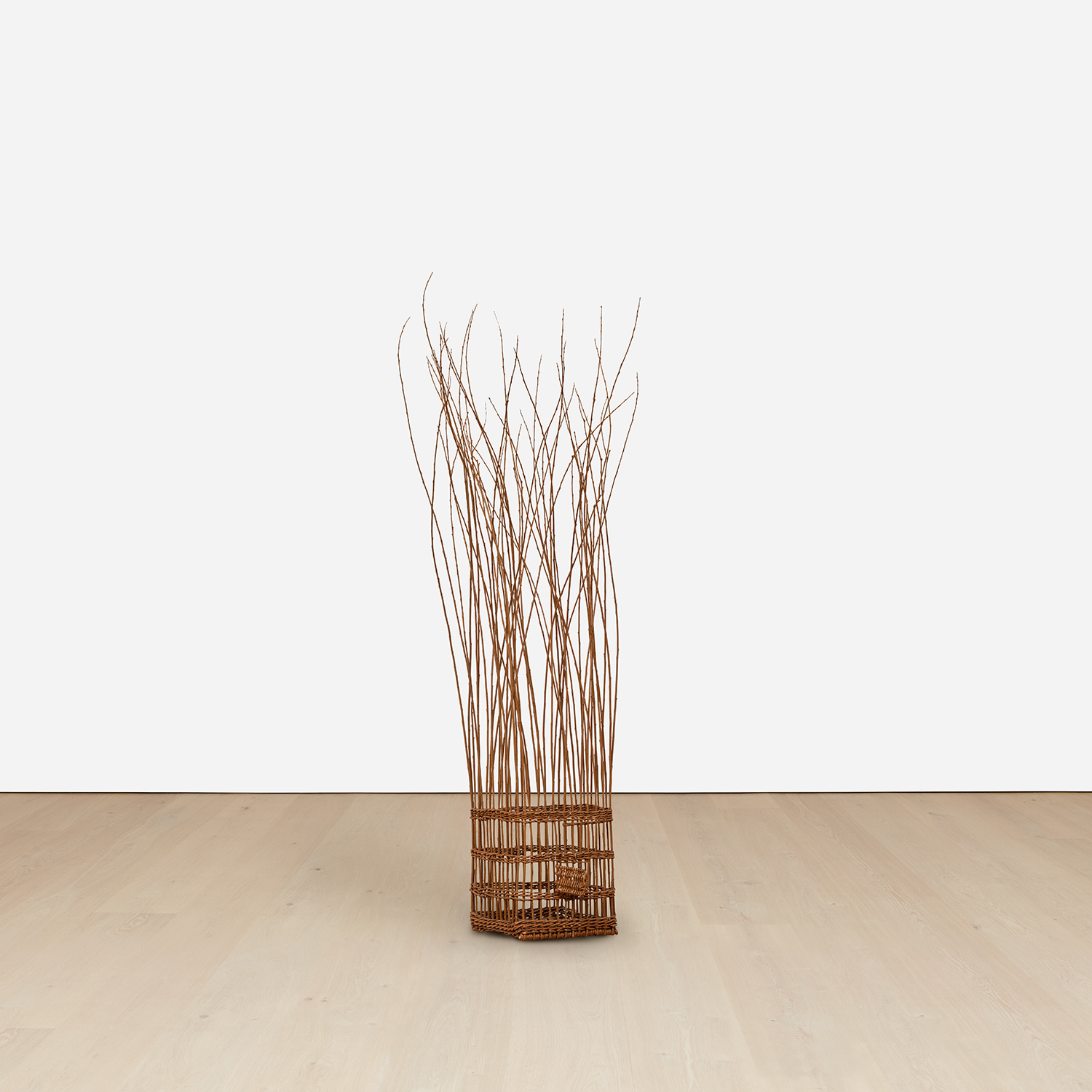
Oil On Canvas
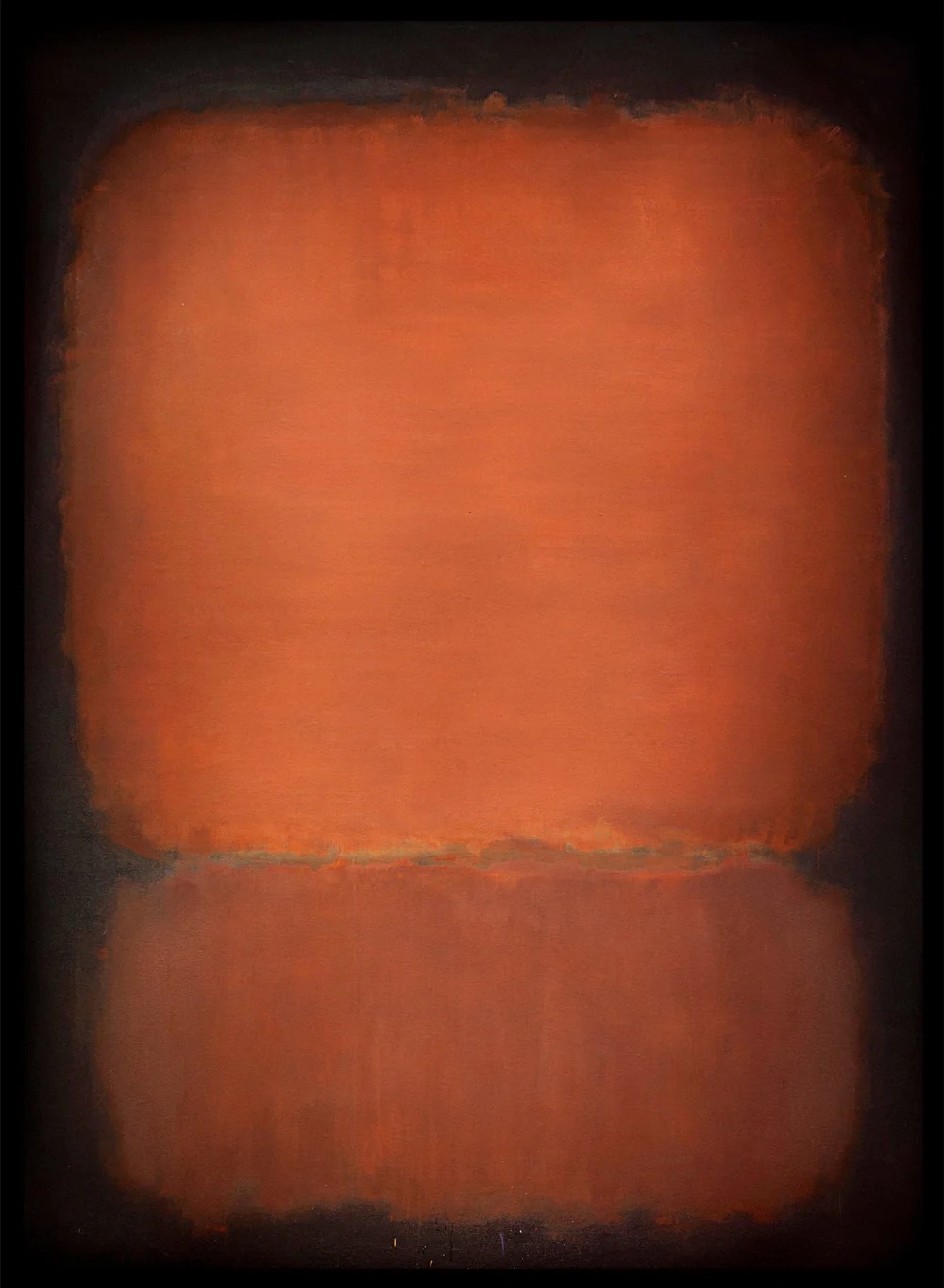
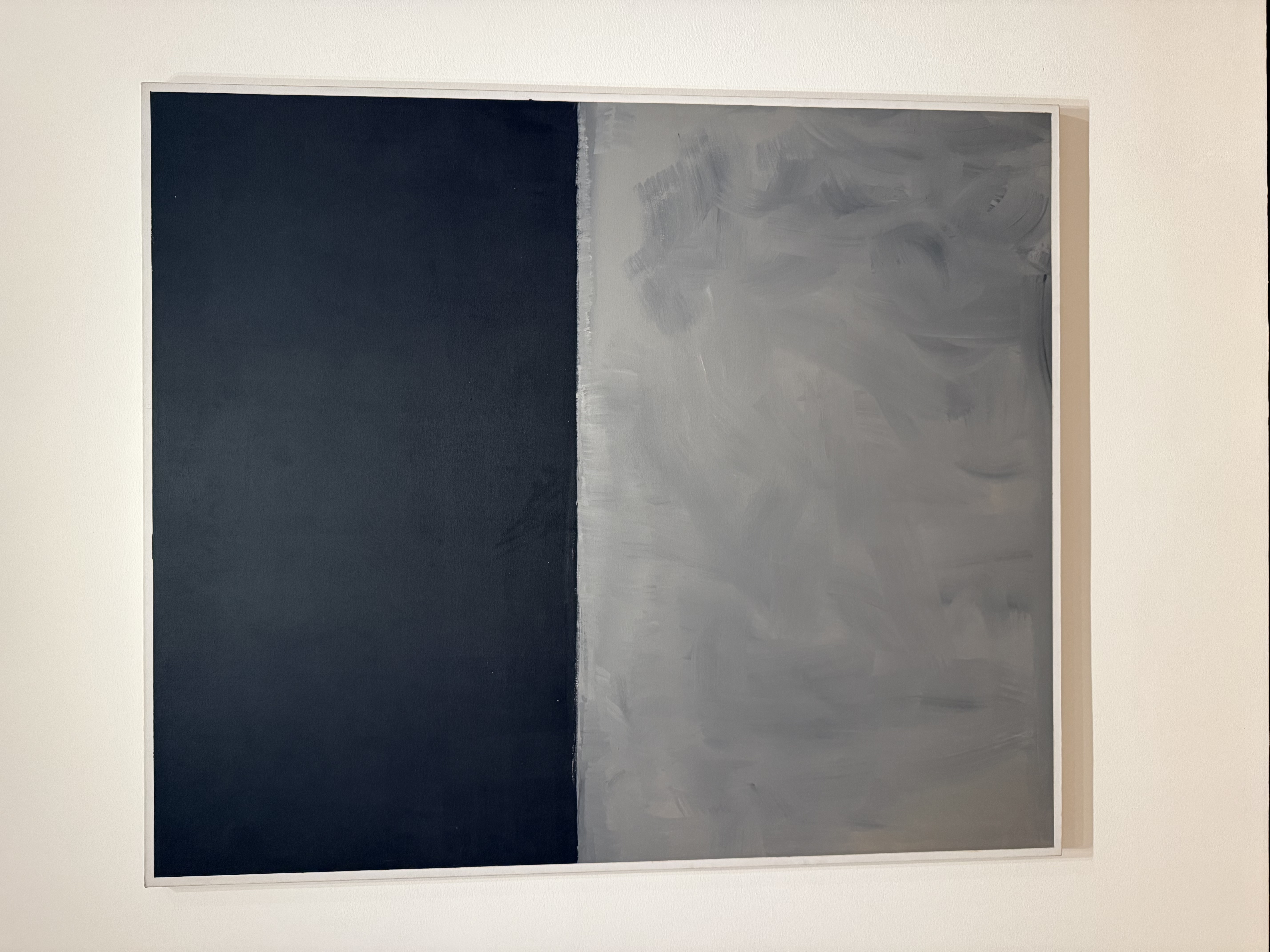
Mark Rothko
No. 10, 1958
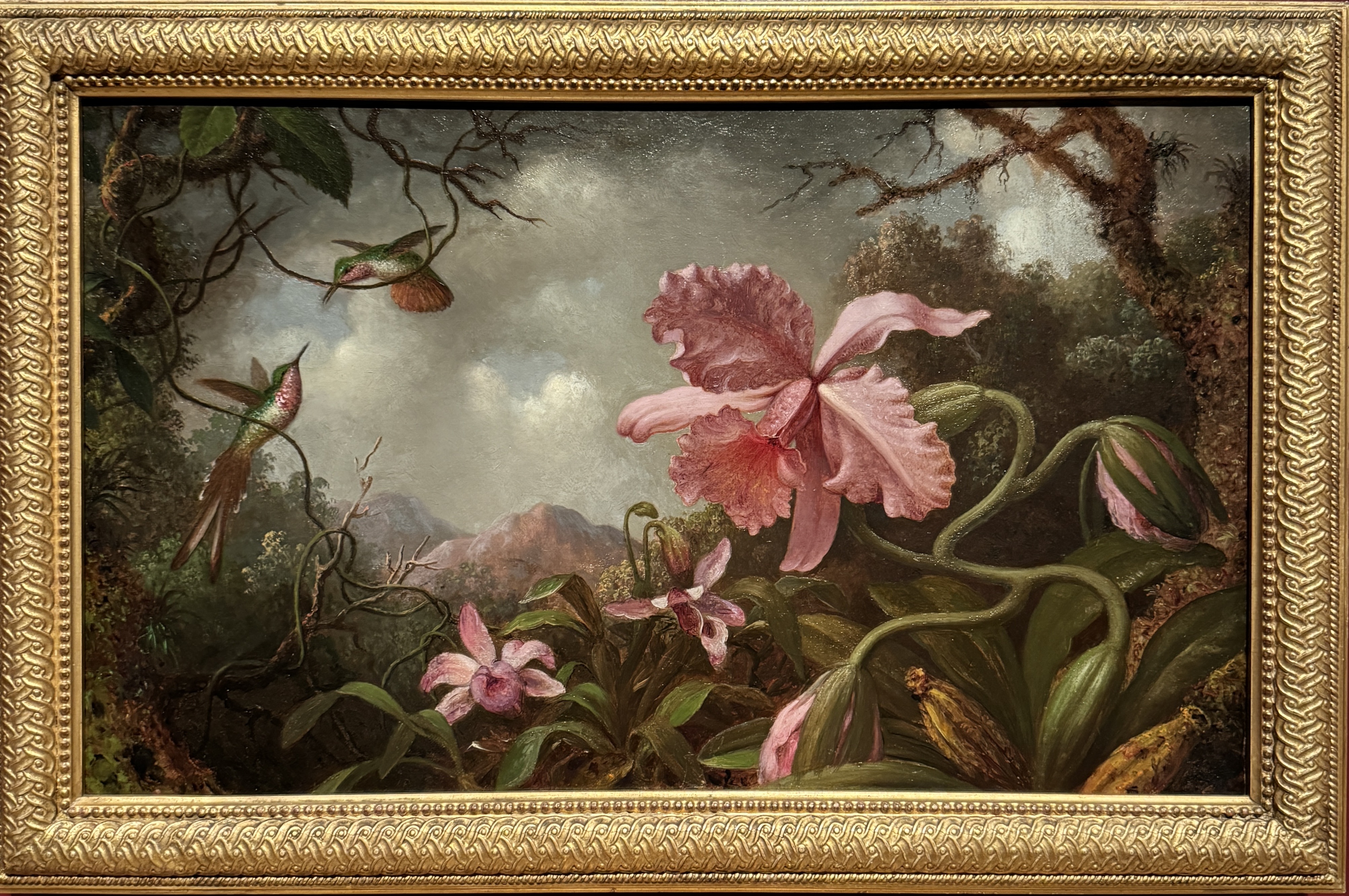
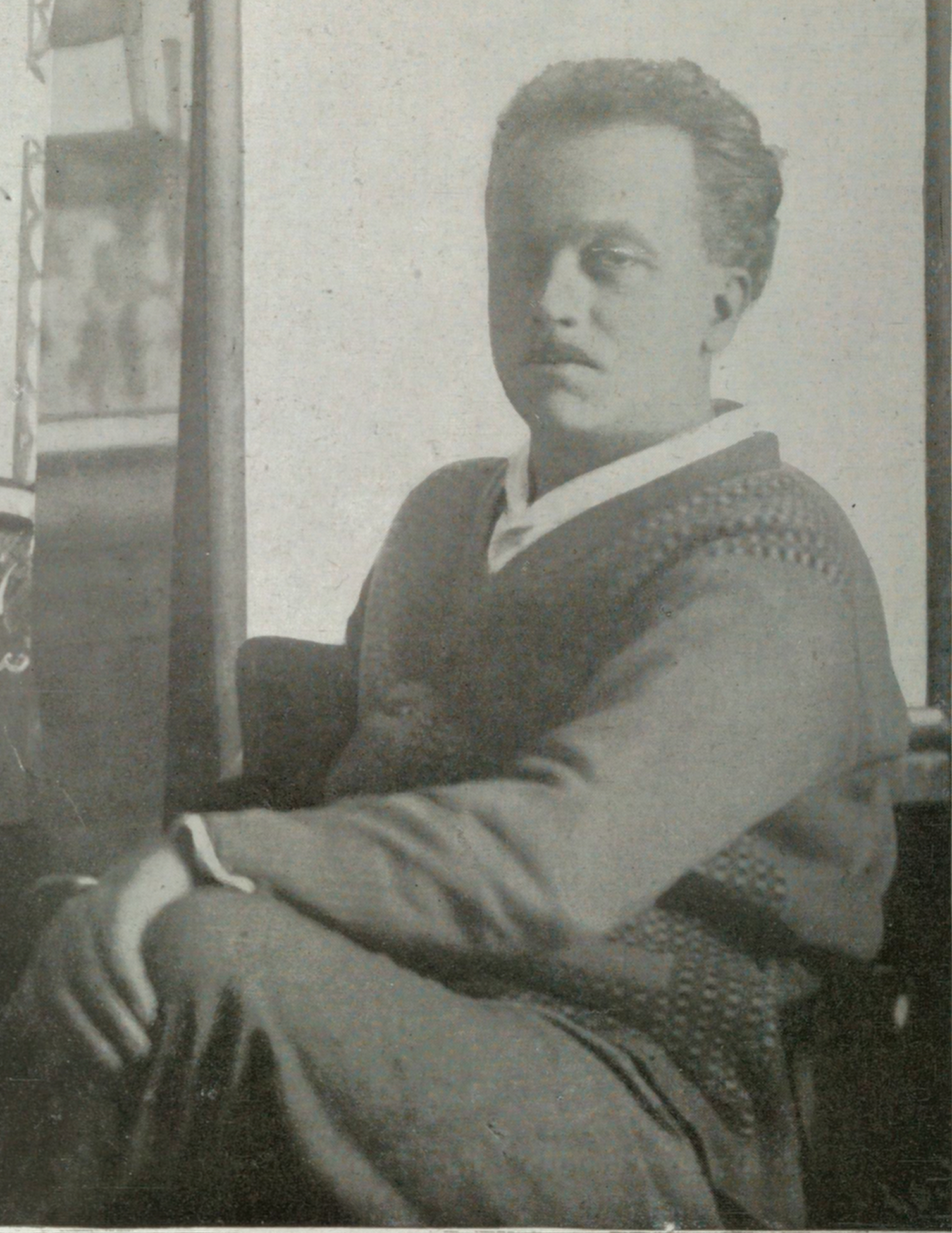



Oil on Canvas Still Has Something to Say
When Gerhard Richter's 'Abstraktes Bild' sold at Sotheby's London in 2012 for just under £21.3 million, setting a record for a living European artist at the time, it did more than make headlines. It reaffirmed something that the art world occasionally forgets in its enthusiasm for newer mediums: oil on canvas, that most ancient and stubborn of combinations, remains the arena where the deepest bets are placed. The moment felt like a recalibration, a reminder that the material conversation between pigment, linseed, and woven fabric had not said everything it needed to say.
If anything, collectors and institutions were paying closer attention than ever. The market for oil painting has never really cooled, though it has shifted in fascinating ways over the past decade. The Impressionist and Post Impressionist segment, long considered the bedrock of blue chip collecting, continues to command staggering sums. Works by Claude Monet, Pierre Auguste Renoir, and Camille Pissarro appear at major evening sales with a reliability that borders on ritual, and when the condition and provenance align, the results still astonish rooms full of people who thought they had seen it all.
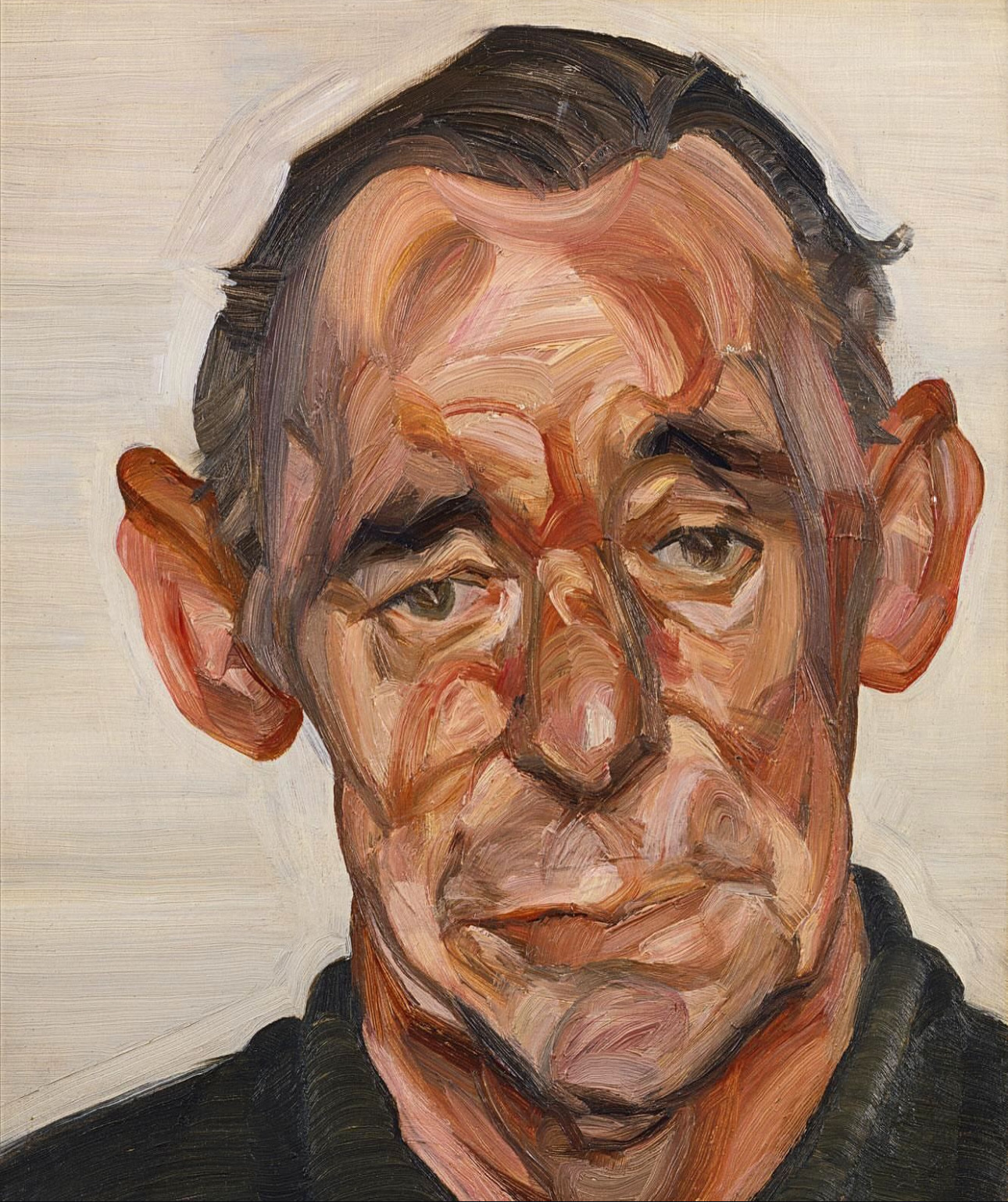
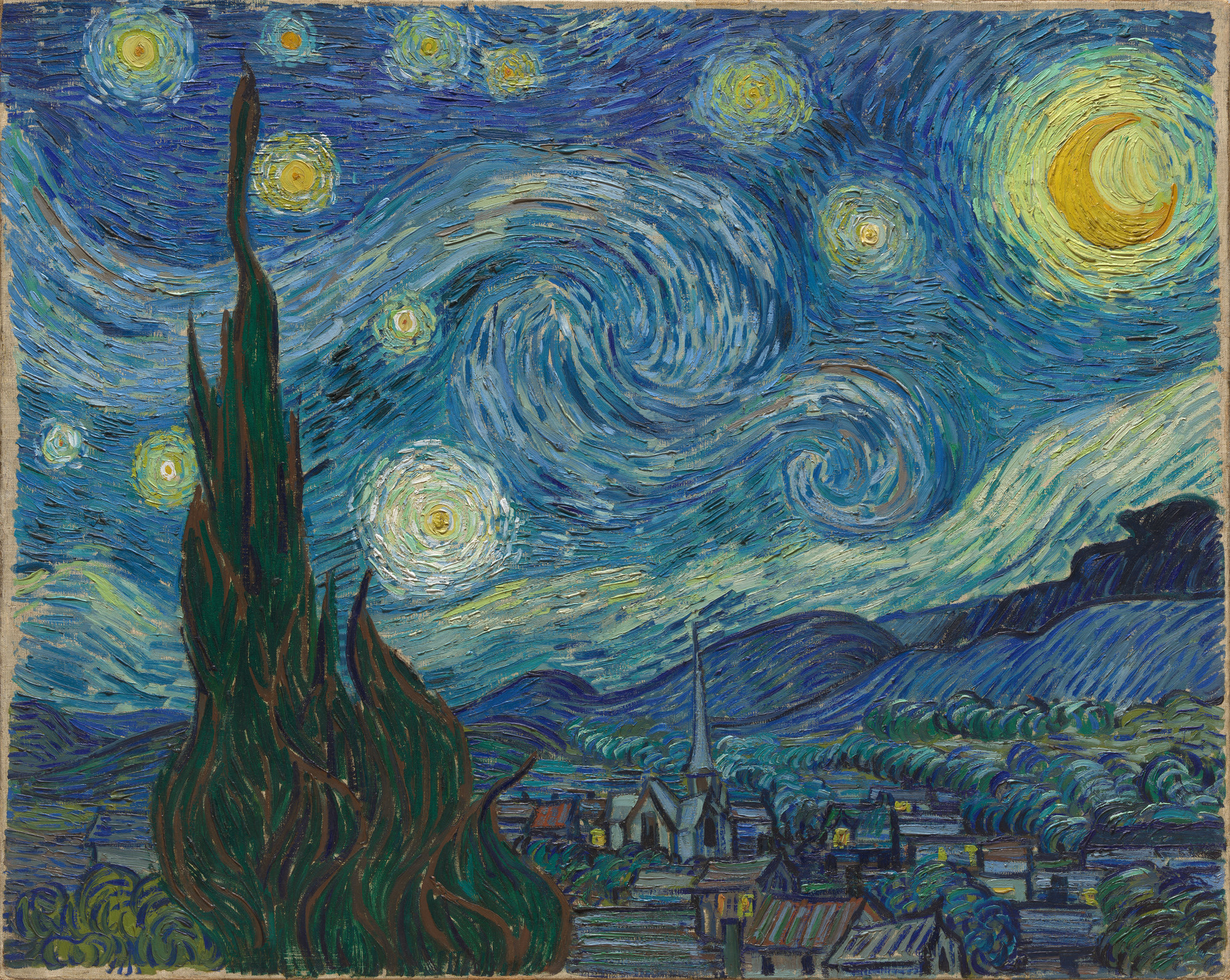
Lucian Freud
John Deakin, 1964
Monet's 'Nymphéas' series in particular has become something of a litmus test for market confidence, with individual canvases regularly exceeding estimates by wide margins. These are not just purchases. They are declarations of faith in the painted surface itself. What is more interesting to watch right now is how the market has expanded outward from that Impressionist core to embrace figures who were once considered secondary or regional.
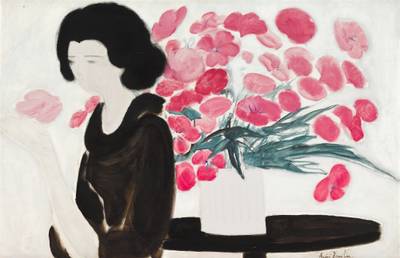
María Blanchard, whose Cubist period work from the 1910s and early 1920s represents some of the most emotionally charged painting of that era, has attracted serious institutional and private attention in recent years. The Museo Reina Sofía in Madrid has worked to restore her place in the canonical narrative, and that curatorial advocacy has translated into real market momentum. Similarly, Lê Phổ, the Vietnamese painter who trained at the École des Beaux Arts in Hanoi before moving to Paris, has seen his luminous oil paintings surge in auction rooms across Asia and Europe. His work sits at a genuine crossroads of traditions, and collectors are responding to that complexity with open chequebooks.
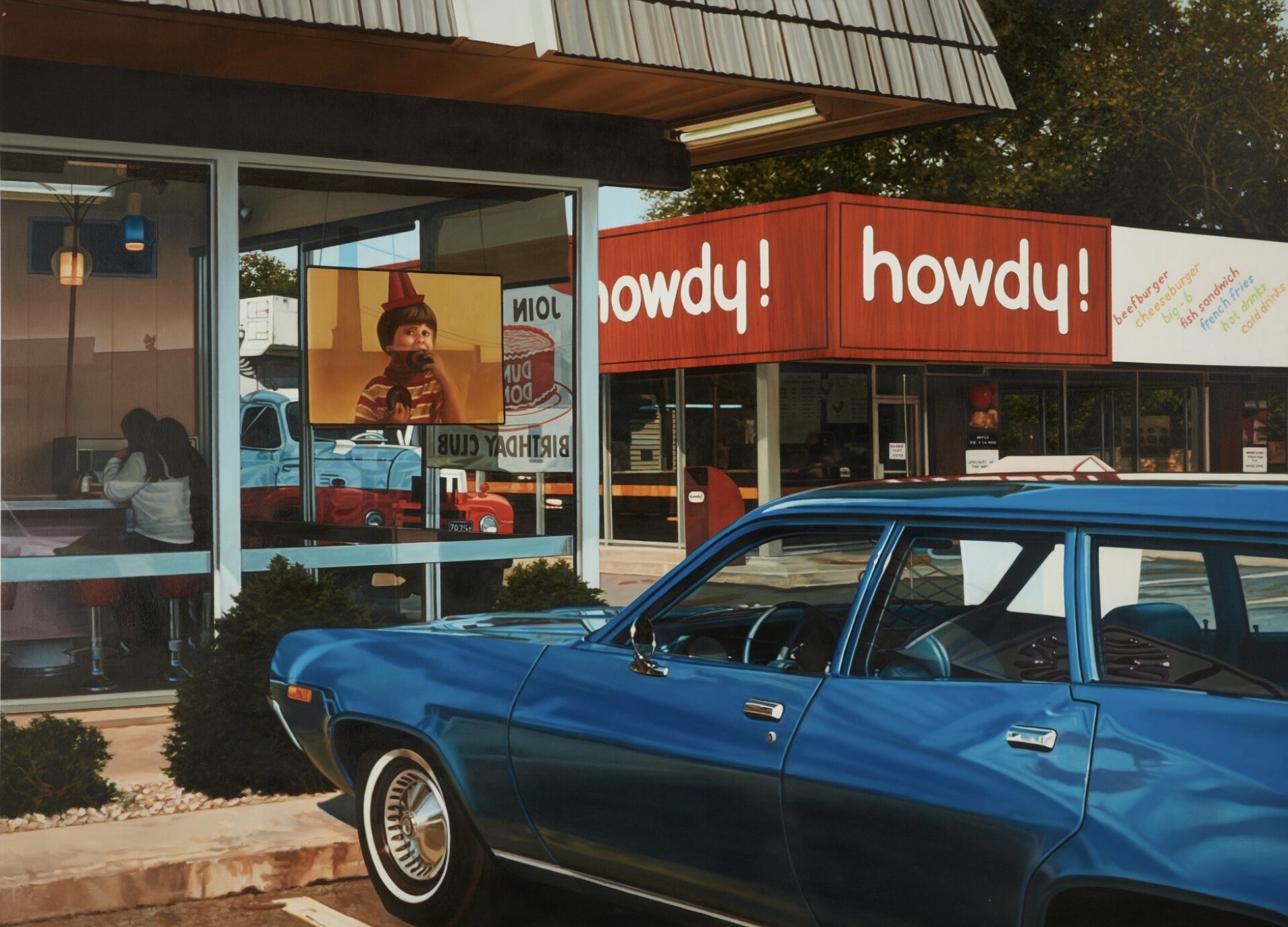
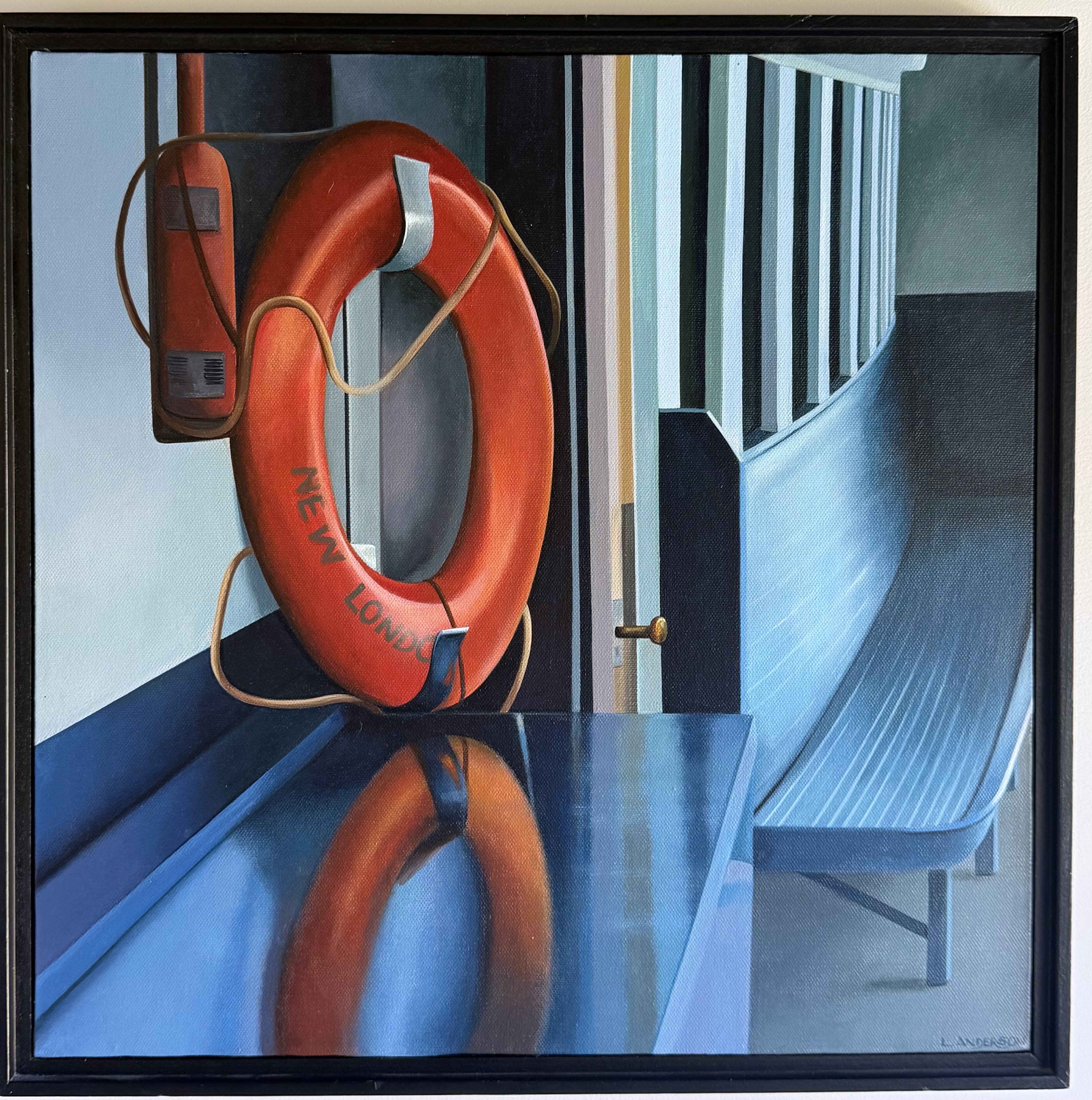
Tom Blackwell
Howdy Beef ‘n Burger, 1975
The critical conversation around oil painting has also matured in instructive ways. For a period in the 1990s and early 2000s, painting was perpetually being declared dead or reborn, a cycle that exhausted everyone involved. The more productive discussions happening now tend to focus on specific questions of surface, materiality, and the way paint holds time. The critic and curator Katy Siegel has written thoughtfully about the relationship between American abstract painting and the body, and her framing has influenced how a generation of collectors thinks about artists like Dana Schutz, whose visceral, figure based canvases refuse easy categorisation.
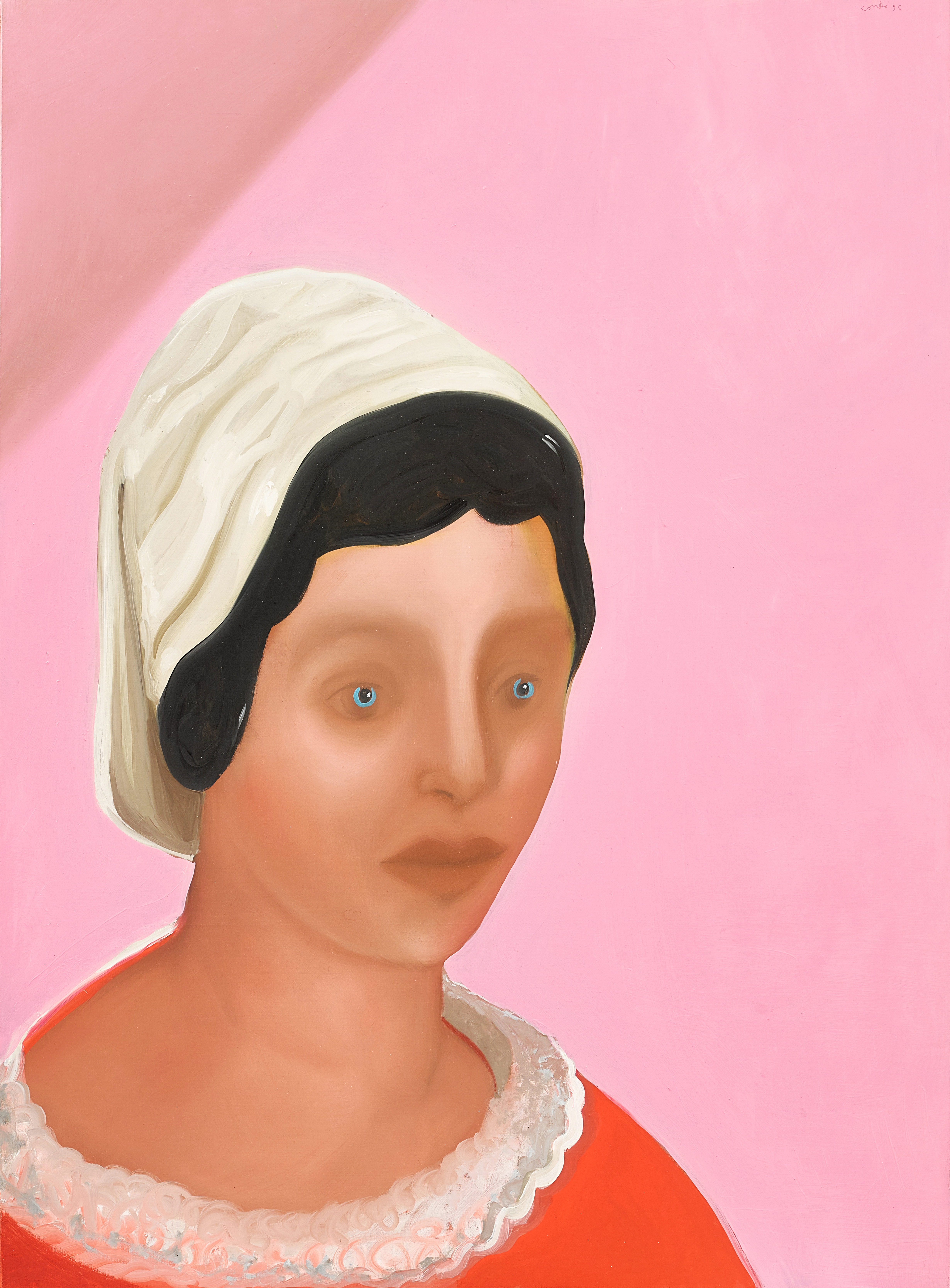
Publications like October and Texte zur Kunst continue to provide the theoretical scaffolding, but the conversation has also moved into more accessible spaces, including artist led podcasts and the dense annotation threads that appear around major auction results online. George Condo occupies a particularly revealing position in the current landscape. His work, which draws equally on Old Master technique and a kind of hallucinatory figuration, has been embraced by collectors who span generations and taste profiles. The Hayward Gallery retrospective in 2011 was a turning point for his critical standing in Europe, and since then his prices at auction have reflected a sustained institutional endorsement.
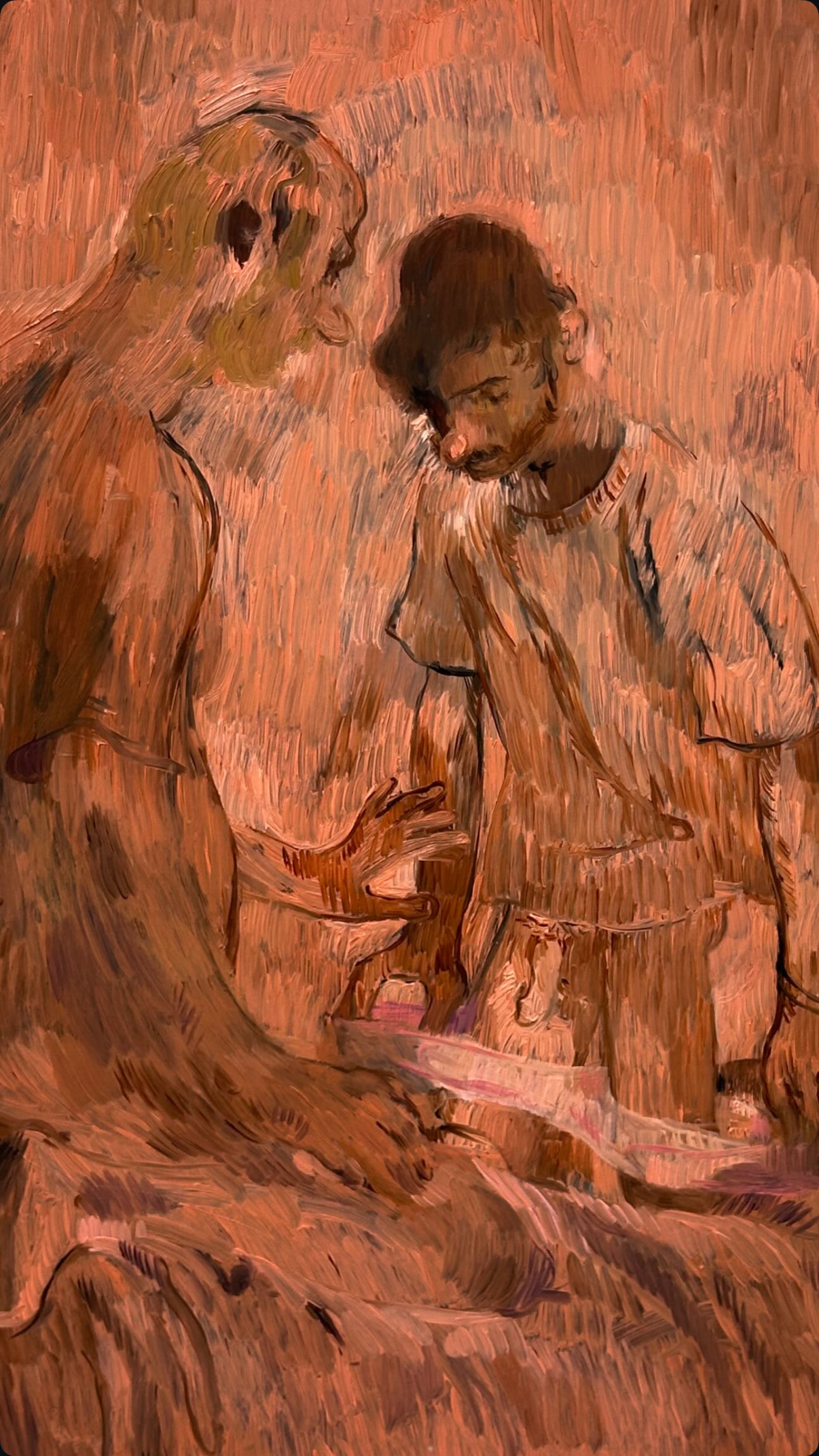
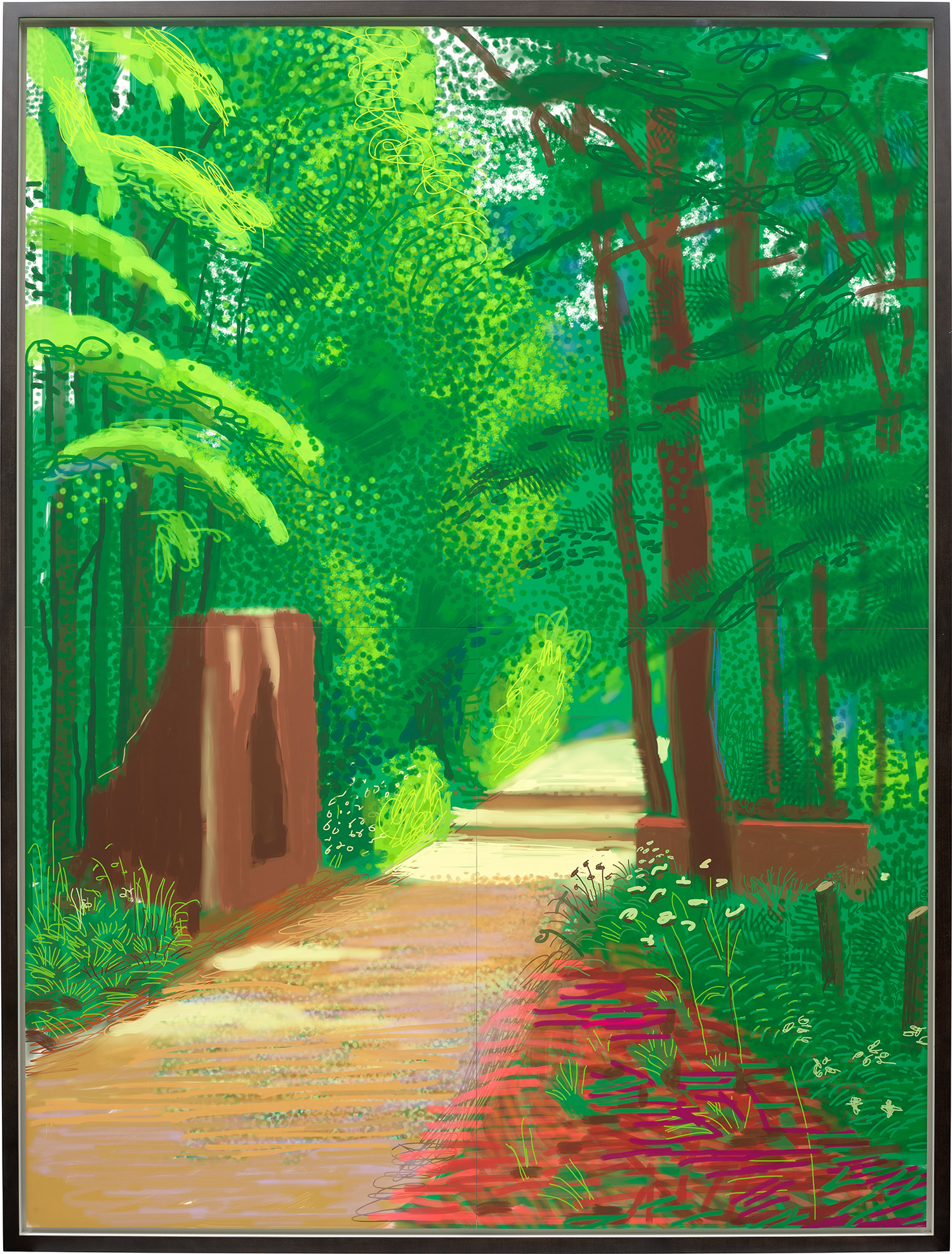
Salman Toor
Untitled
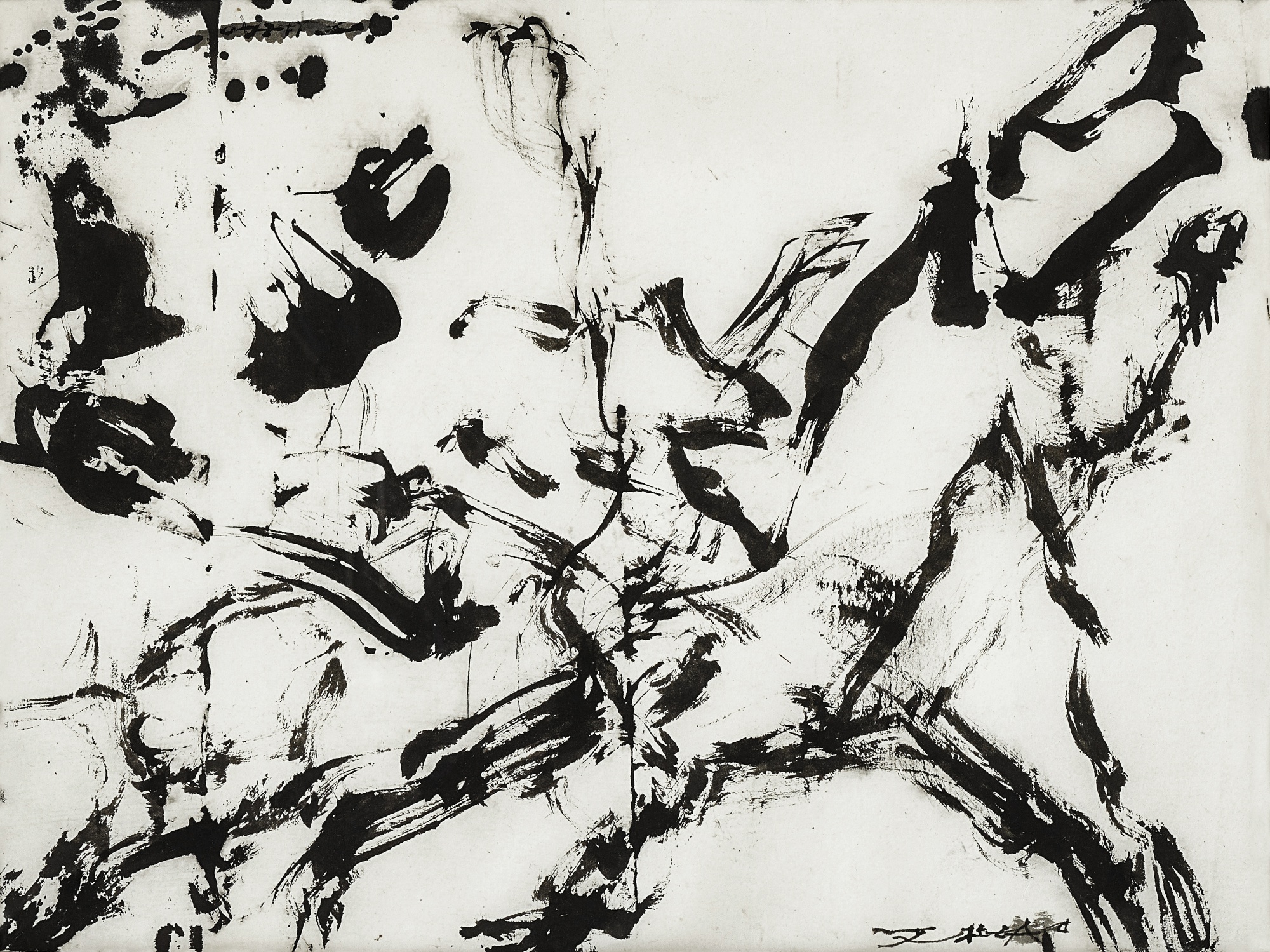
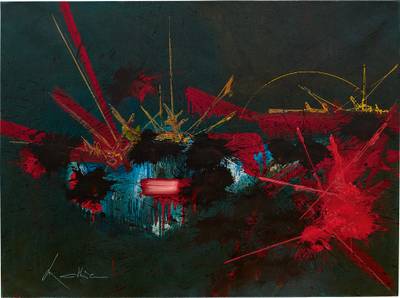
Works by Condo on The Collection offer a useful window into how that reputation has solidified. Zao Wou Ki, the Chinese French painter whose abstractions carry the atmospheric weight of landscape without depicting it literally, has seen his market reach extraordinary heights in recent years, driven in significant part by Asian collectors claiming him as a figure of cultural complexity rather than simply a School of Paris footnote. A 1955 oil on canvas sold at Christie's Hong Kong in 2018 for over HK$510 million, a result that reordered everyone's assumptions about where the ceiling was. Institutional collecting patterns tell their own story.
The Museum of Modern Art in New York has continued to acquire strategically in the area of mid century European painting, filling gaps in its representation of artists like Chu Teh Chun and Georges Mathieu, whose gestural canvases were central to the global spread of Abstract Expressionist ideas in the 1950s and 1960s. The Centre Pompidou has been similarly active, and its programming choices often signal what the serious private market will be chasing within a few years. André Brasilier, whose poetic, colour saturated paintings occupy a space somewhere between late Fauvism and lyrical abstraction, has a devoted following among French collectors that is beginning to find its equivalent in North America and Asia. His work repays patient looking, and institutions that have acquired it early are sitting comfortably.
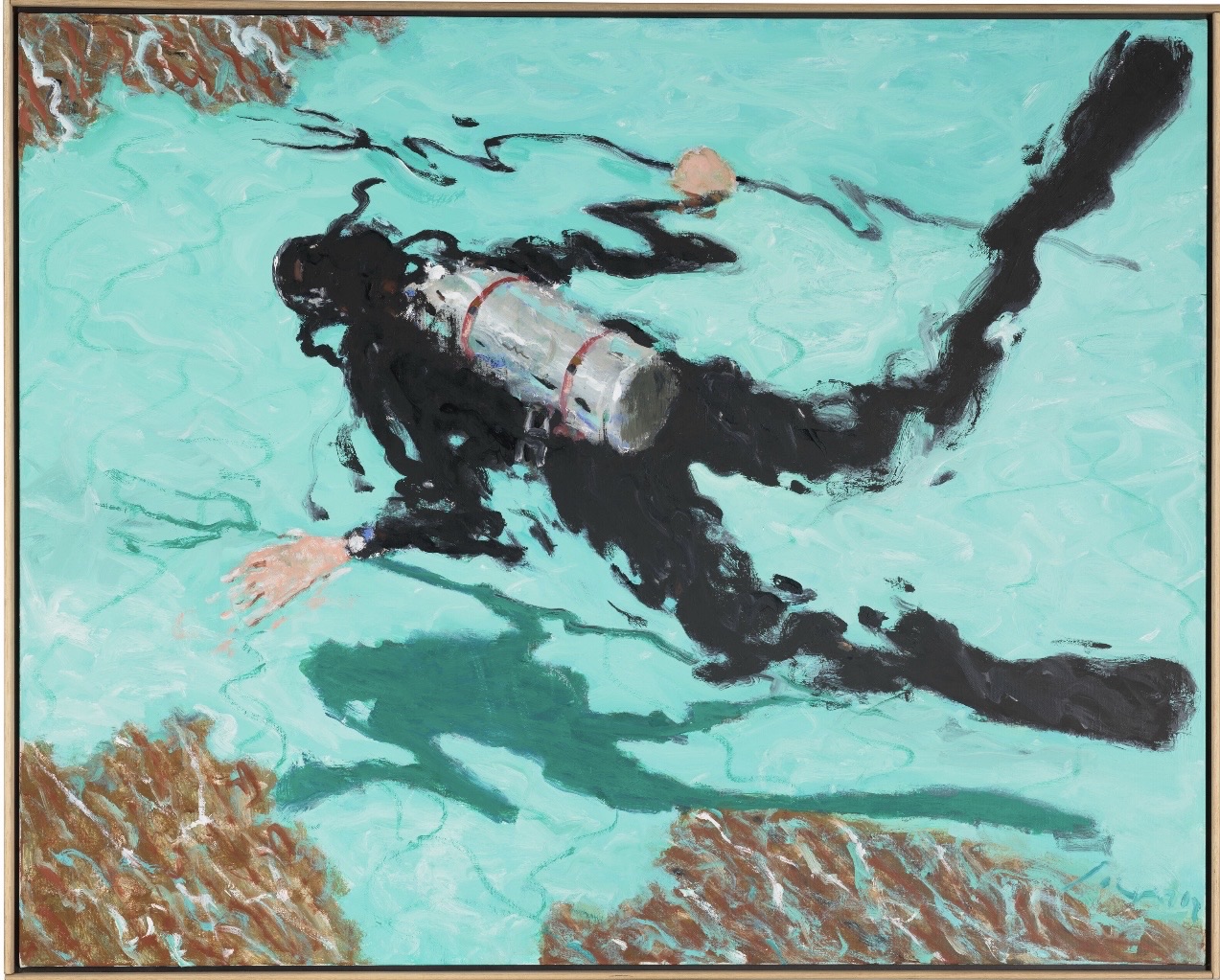
Julio Larraz
The Shadow of the Hunter, 2013
The energy right now feels concentrated around a few intersecting questions. How does figurative painting continue to evolve in a moment saturated with images? What does it mean to work in a medium with such a laden history when you are a painter from outside the Western tradition? Georg Baselitz, now in his mid eighties and still producing confrontational work, remains a provocation to comfortable assumptions about what late career painting can do.
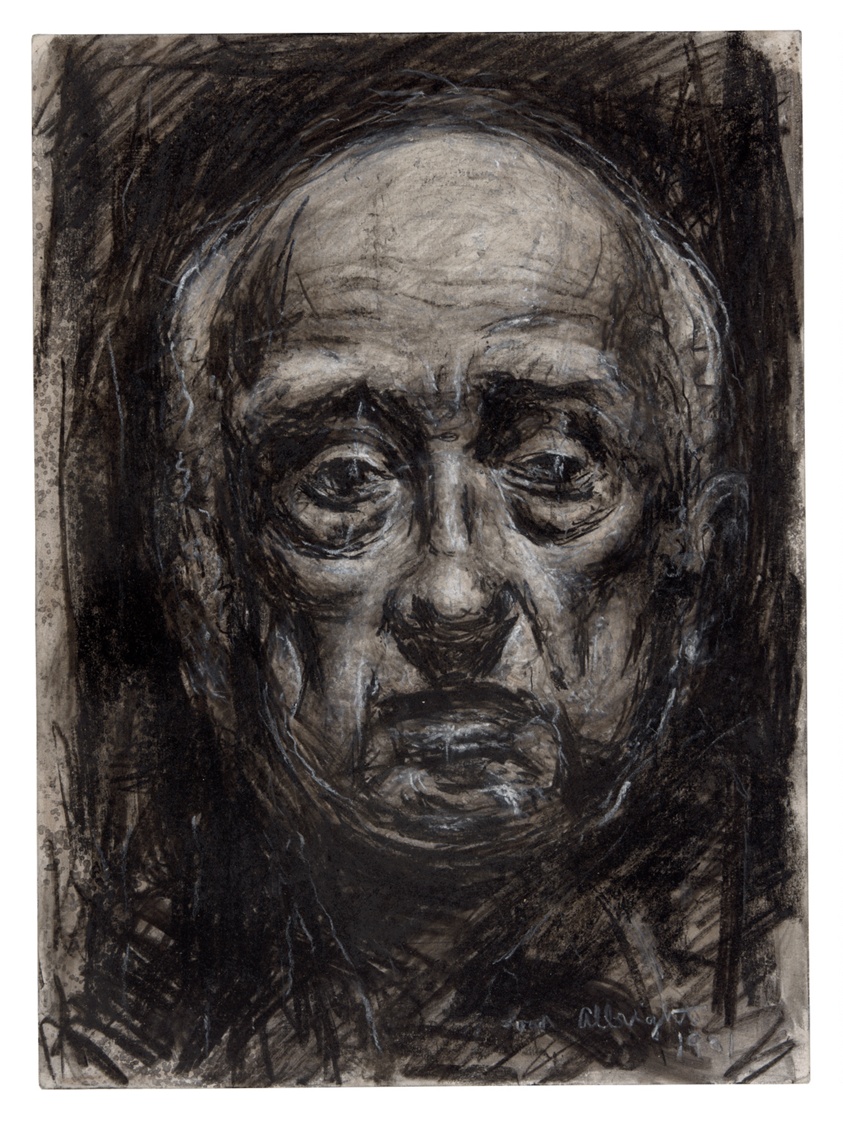
Ivan Albright, the American painter whose extraordinarily detailed surfaces border on the obsessive, is attracting renewed critical interest from scholars who see in his practice an anticipation of hyperrealist and even digital aesthetics. The surprises tend to arrive from the margins, from artists who were well regarded in their time and then slipped from view, or from painters working in traditions that the Western market is only now learning to read properly. Oil on canvas keeps offering that particular pleasure: the sense that there is always more to discover, and that the surface has not yet given up all of its secrets.