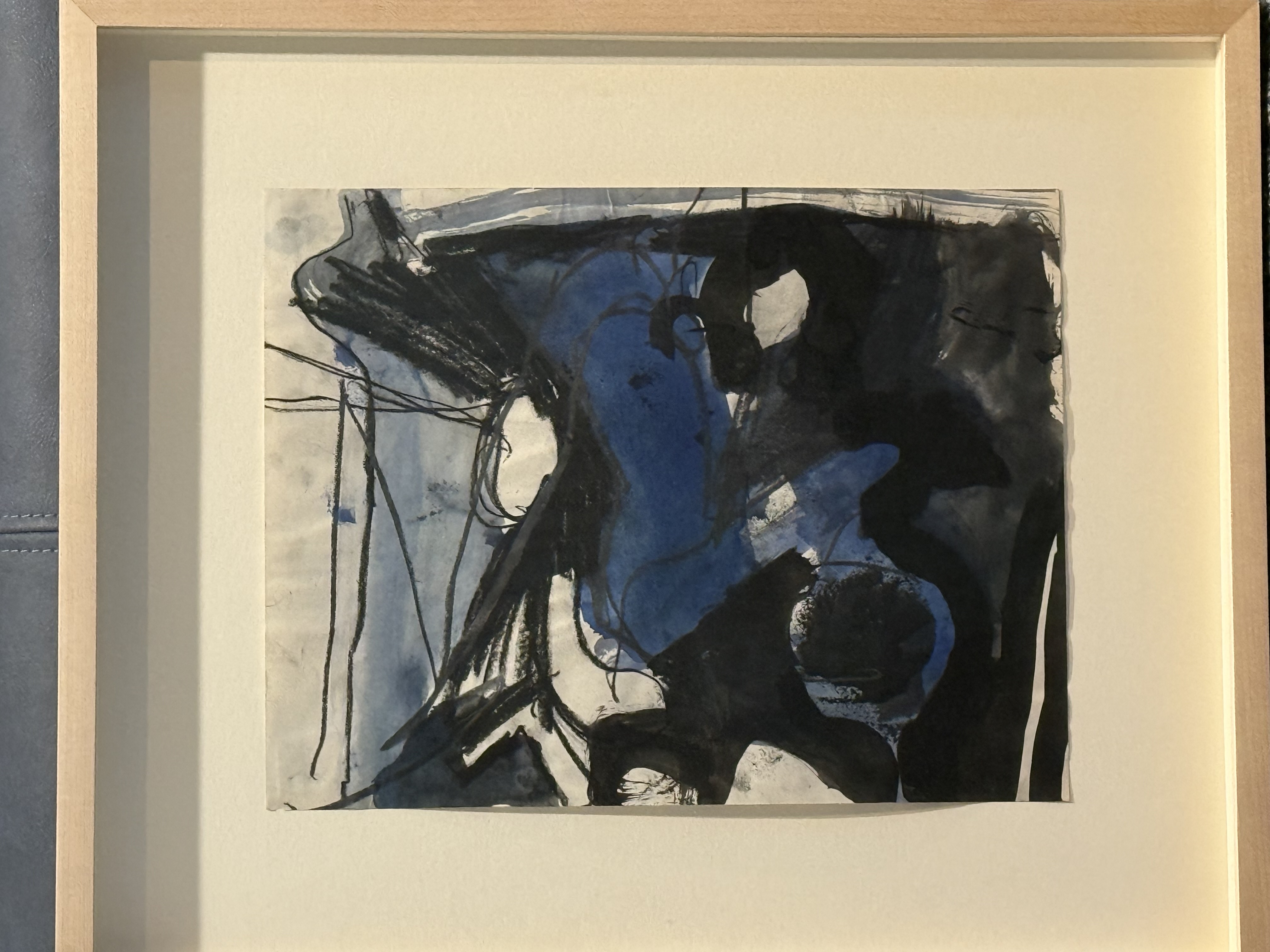
Gestural
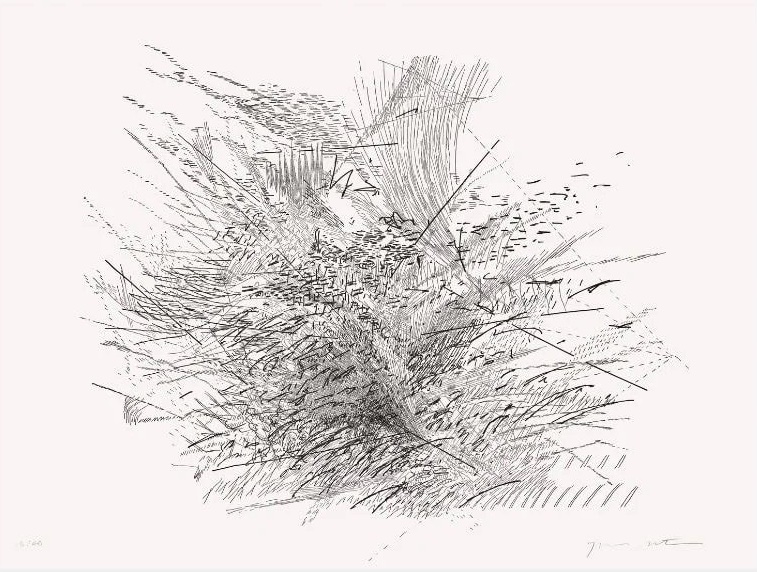
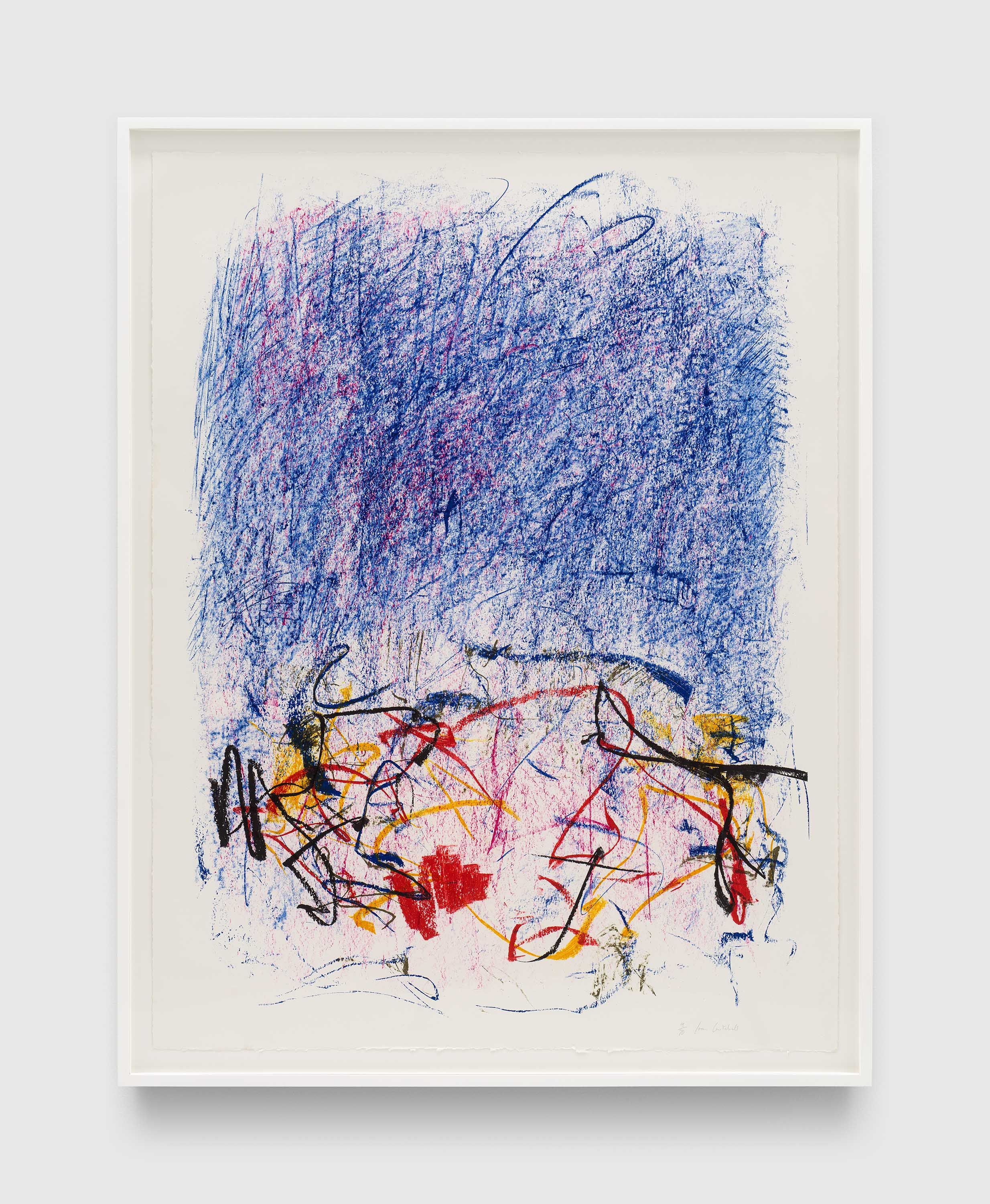
Julie Mehretu
Sapphic Strophe 3, 2011
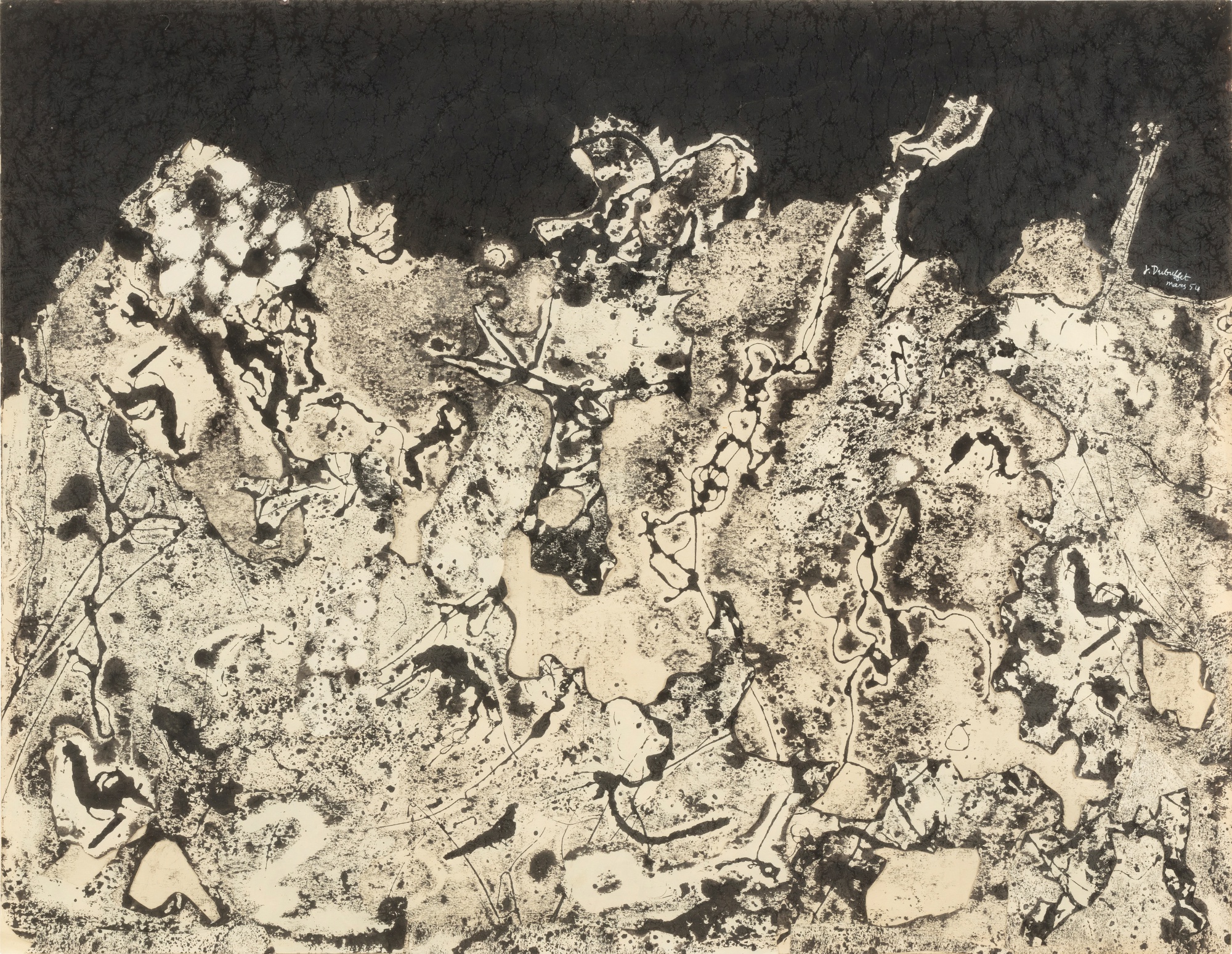
The Body Thinks Before the Mind Does
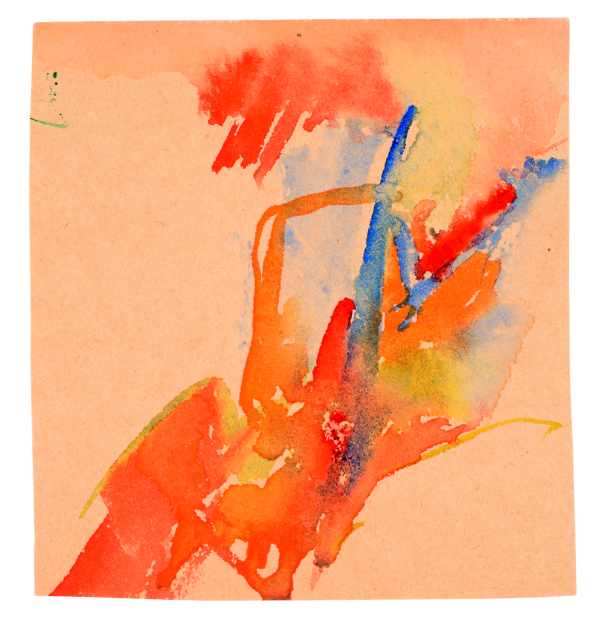
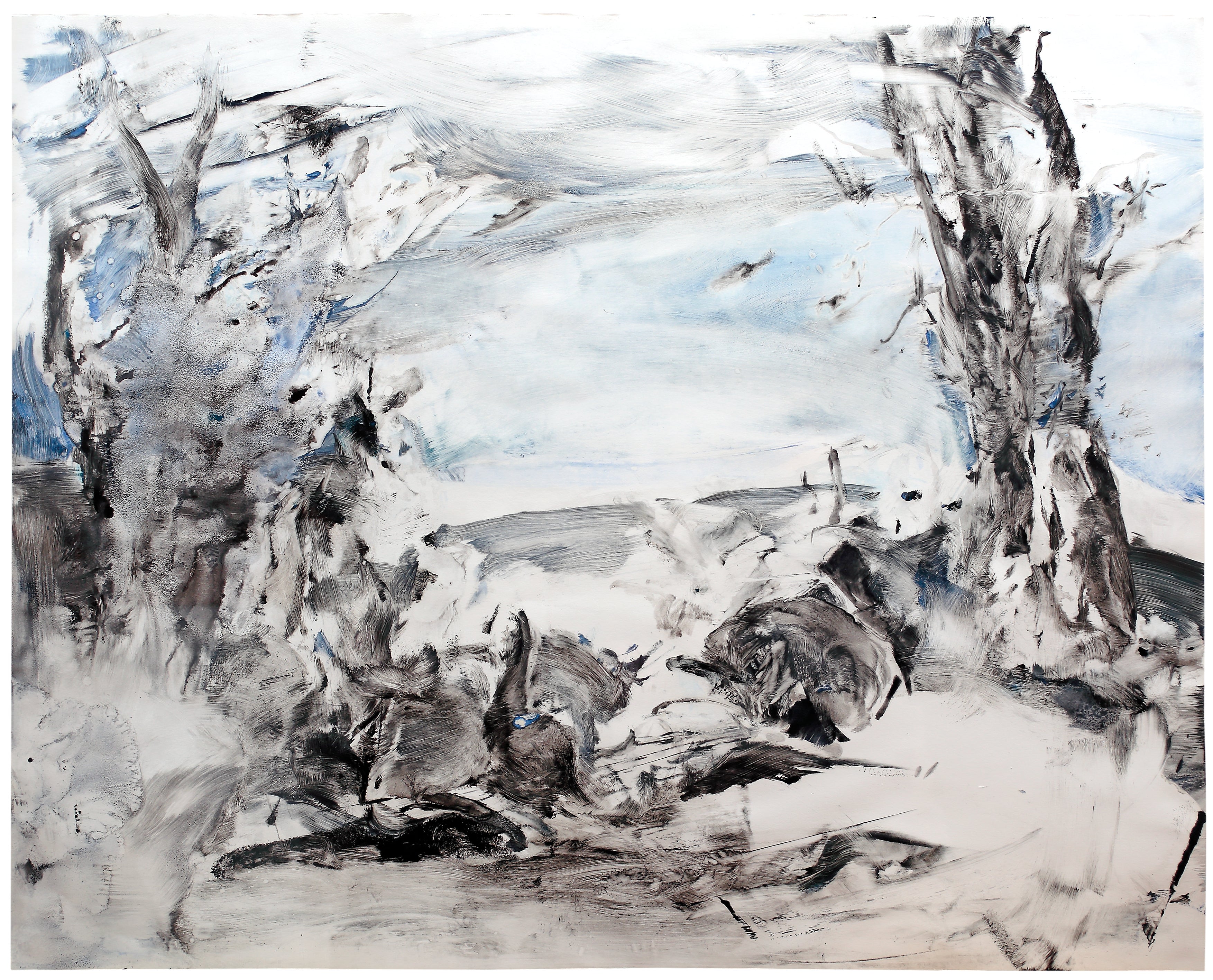
There is a moment, watching a painter work, when something shifts. The brush stops being a tool and starts being an extension of something deeper, something pre verbal and urgent. Gesture in painting is exactly that: the record of a body in motion, a trace of time, emotion, and decision compressed into pigment on a surface. To collect gestural work is to collect evidence of a particular kind of human presence, one that resists the tidy and the premeditated.
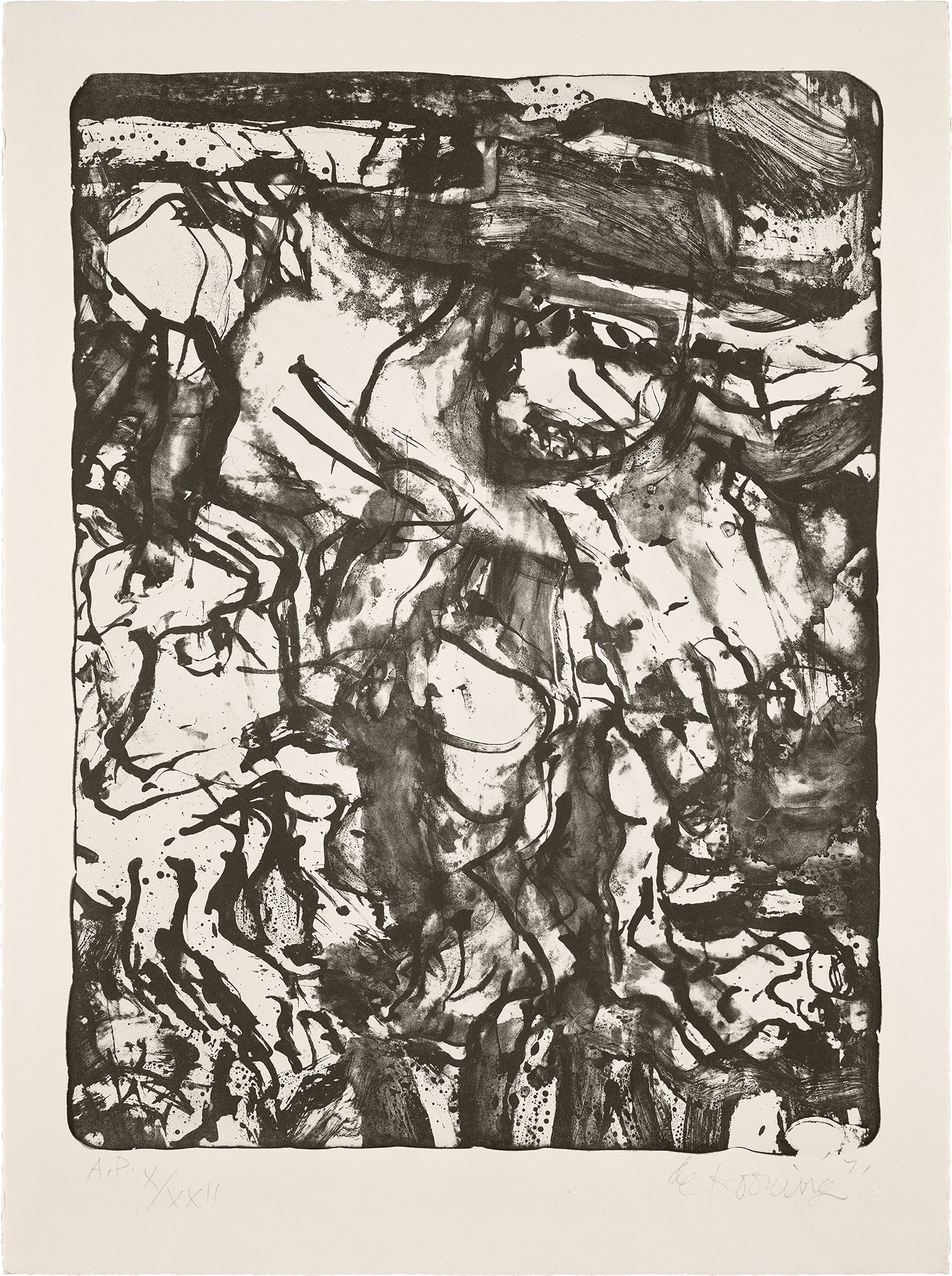
The story of gestural painting as a self conscious movement begins in earnest in the late 1940s in New York, when a loose generation of painters collectively rejected the idea that art should illustrate, symbolize, or narrate anything beyond the act of its own making. Abstract Expressionism, as critics eventually named it, placed the physical process of painting at the center of meaning. Harold Rosenberg coined the term "action painting" in 1952 in a now legendary essay for ARTnews, and the phrase stuck because it described something real: these were not pictures of things but records of encounters between a person and a canvas. Willem de Kooning, whose work is well represented on The Collection, became one of the defining figures of this moment, his slashing, ambiguous forms dissolving the boundary between figuration and abstraction in a way that felt genuinely new and slightly dangerous.
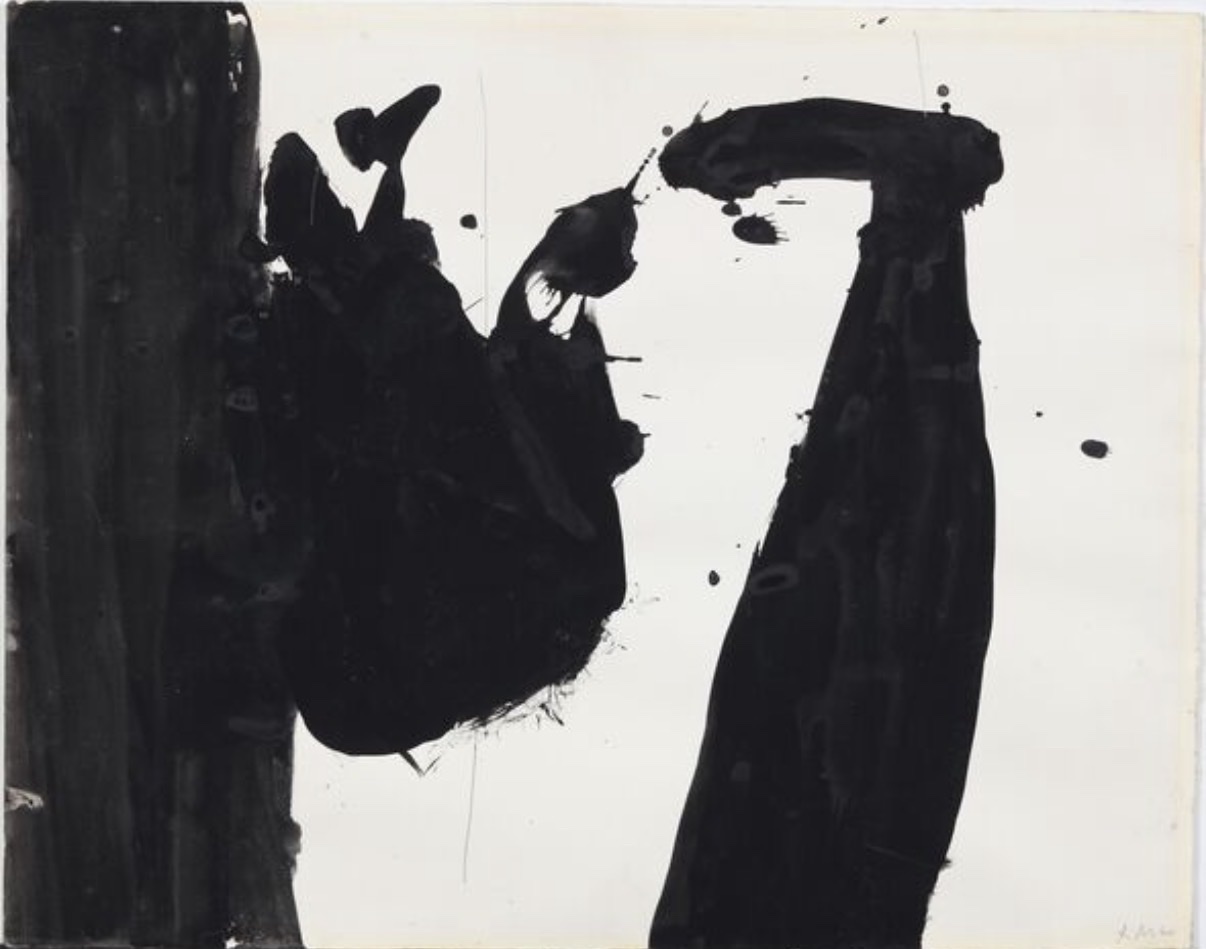
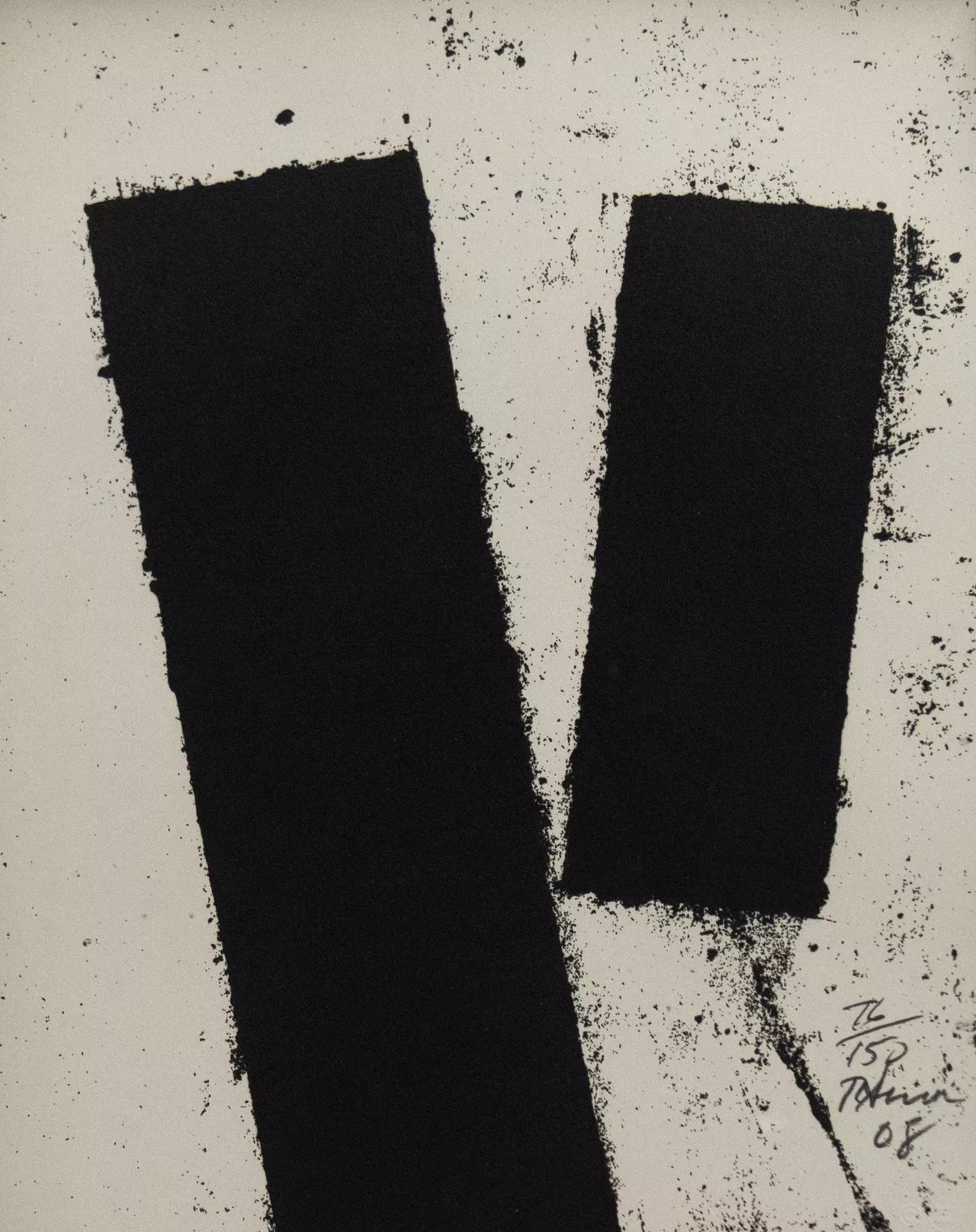
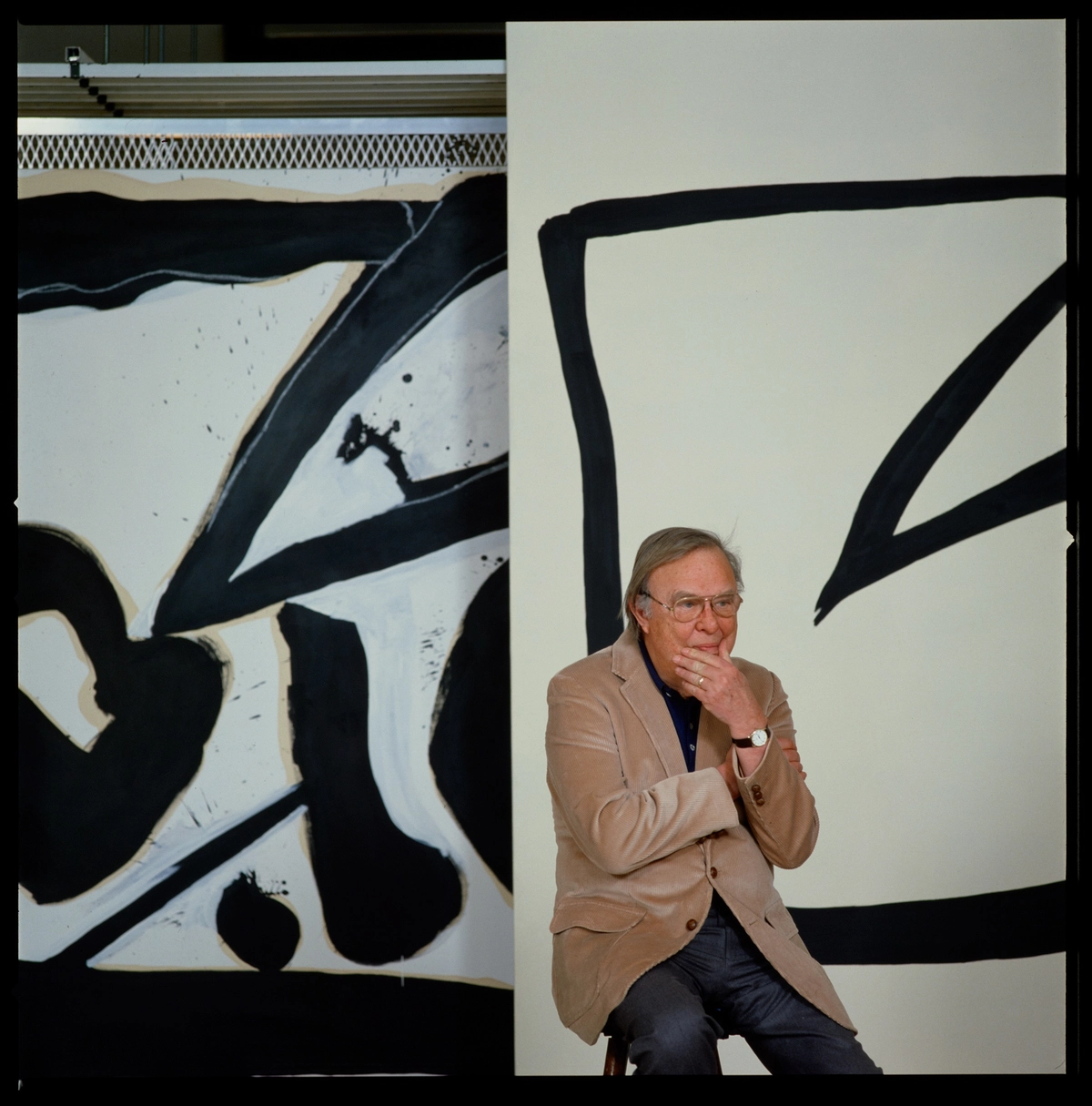
Robert Motherwell
In Black + White, 1960
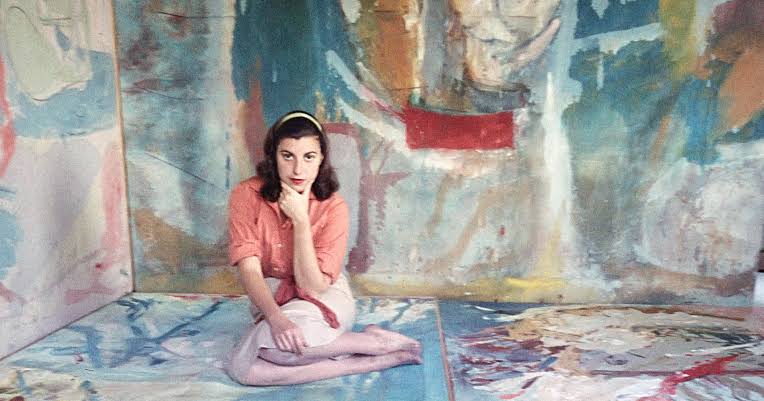
What made the New York School so generative was its diversity of temperament within a shared commitment to spontaneity. Robert Motherwell brought an intellectual's sensibility to the gestural tradition, his Elegies to the Spanish Republic series stretching over decades and demonstrating that gesture could carry sustained emotional and political weight without becoming illustrative. Joan Mitchell, sometimes unfairly positioned as a second generation figure, was in fact doing some of the most structurally rigorous gestural painting of anyone in the movement, her large canvases from the 1970s and 1980s holding color and stroke in a tension that feels architectural. Helen Frankenthaler changed the terms entirely with her soak stain technique, developed in the early 1950s, pouring thinned paint directly onto unprimed canvas and letting it bloom outward.
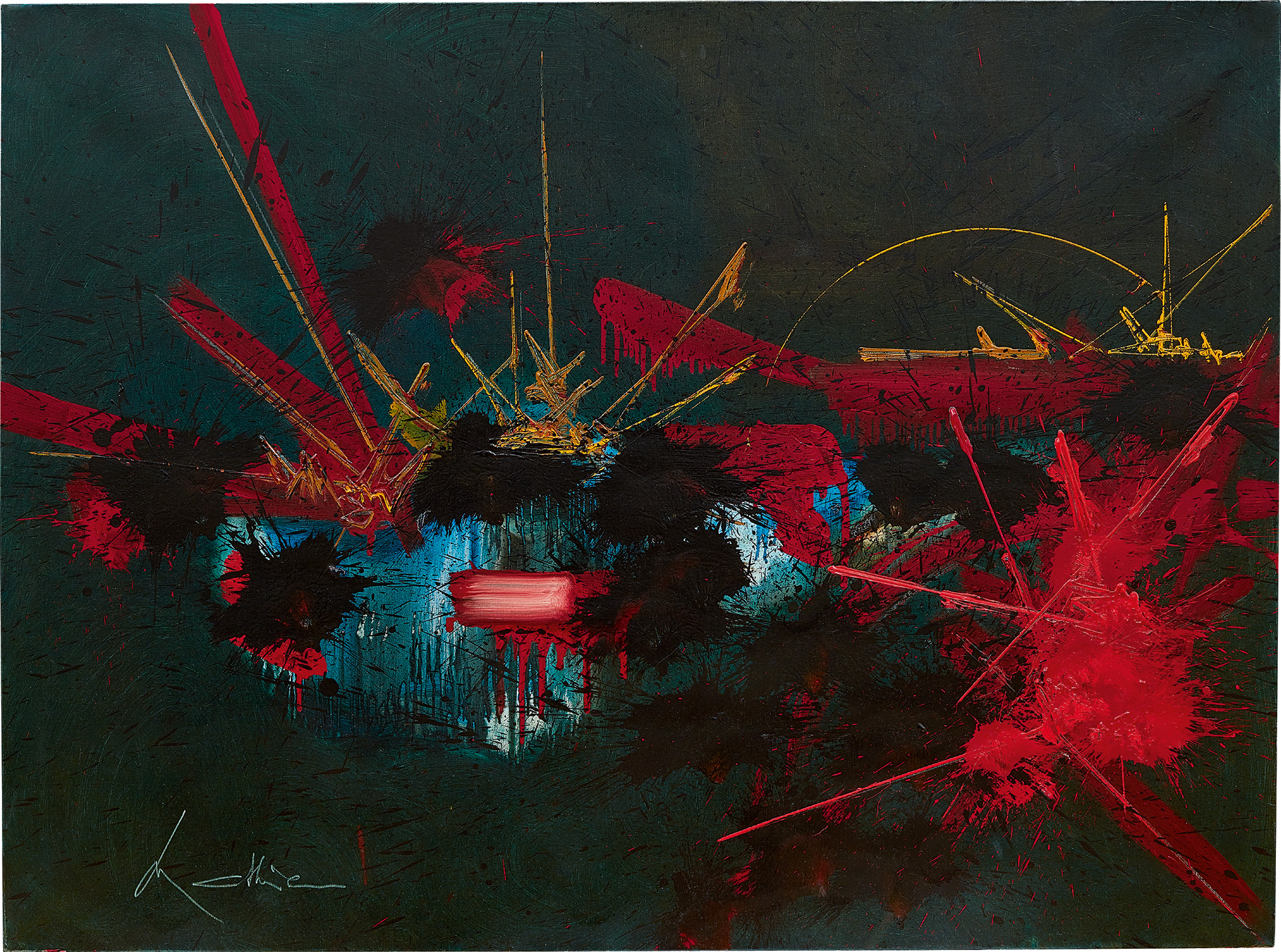
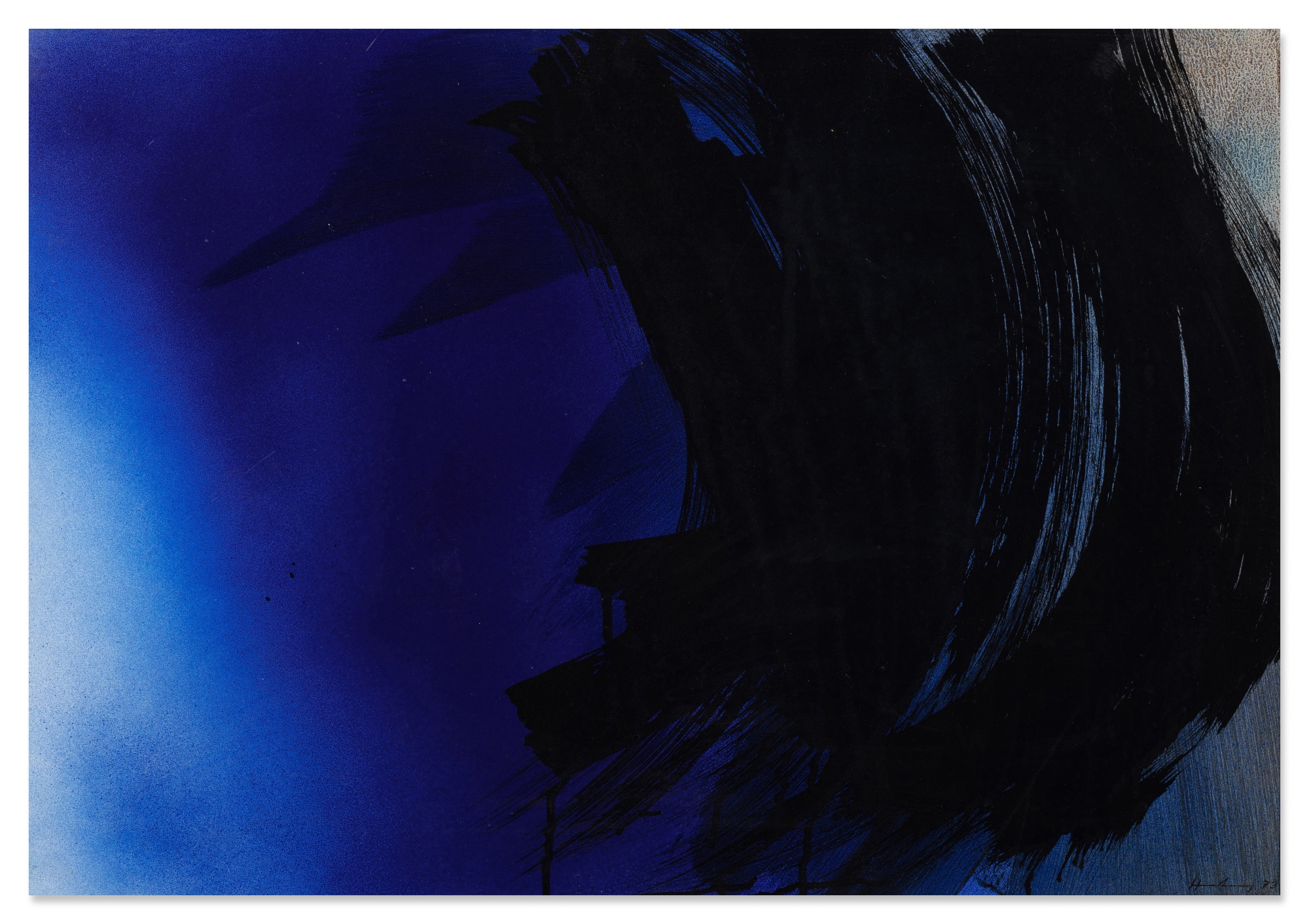
That discovery opened up an entirely different register of the gestural, one where control and accident were so intertwined they became indistinguishable. At the same time, in Paris and Tokyo, parallel revolutions were underway. Georges Mathieu was staging theatrical public performances of painting in the early 1950s, completing enormous canvases in minutes in front of live audiences, insisting on the spectacle of gesture as much as its result. Hans Hartung, who had been making gestural marks since the 1930s, found recognition as part of the Art Informel movement that swept postwar Europe.
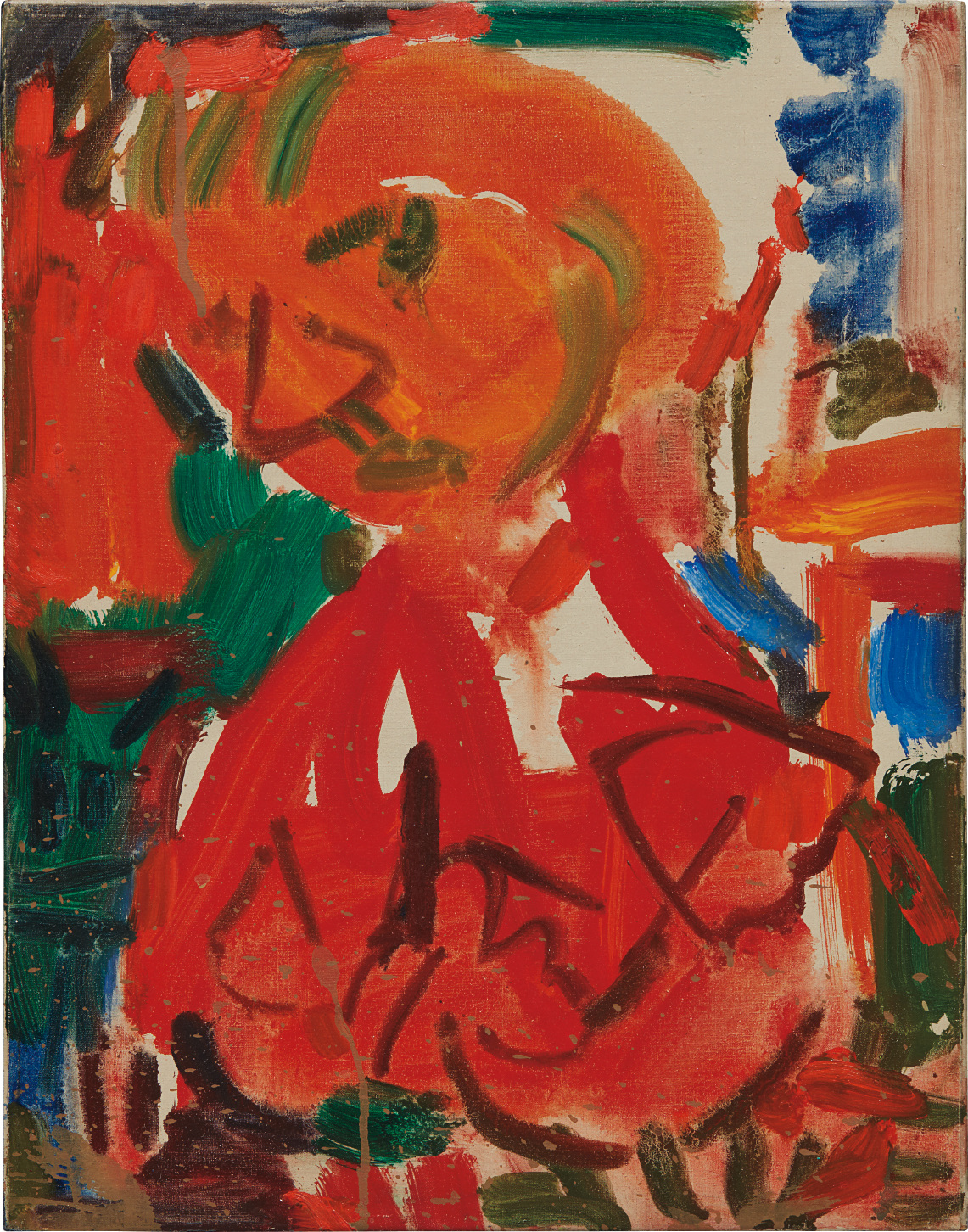
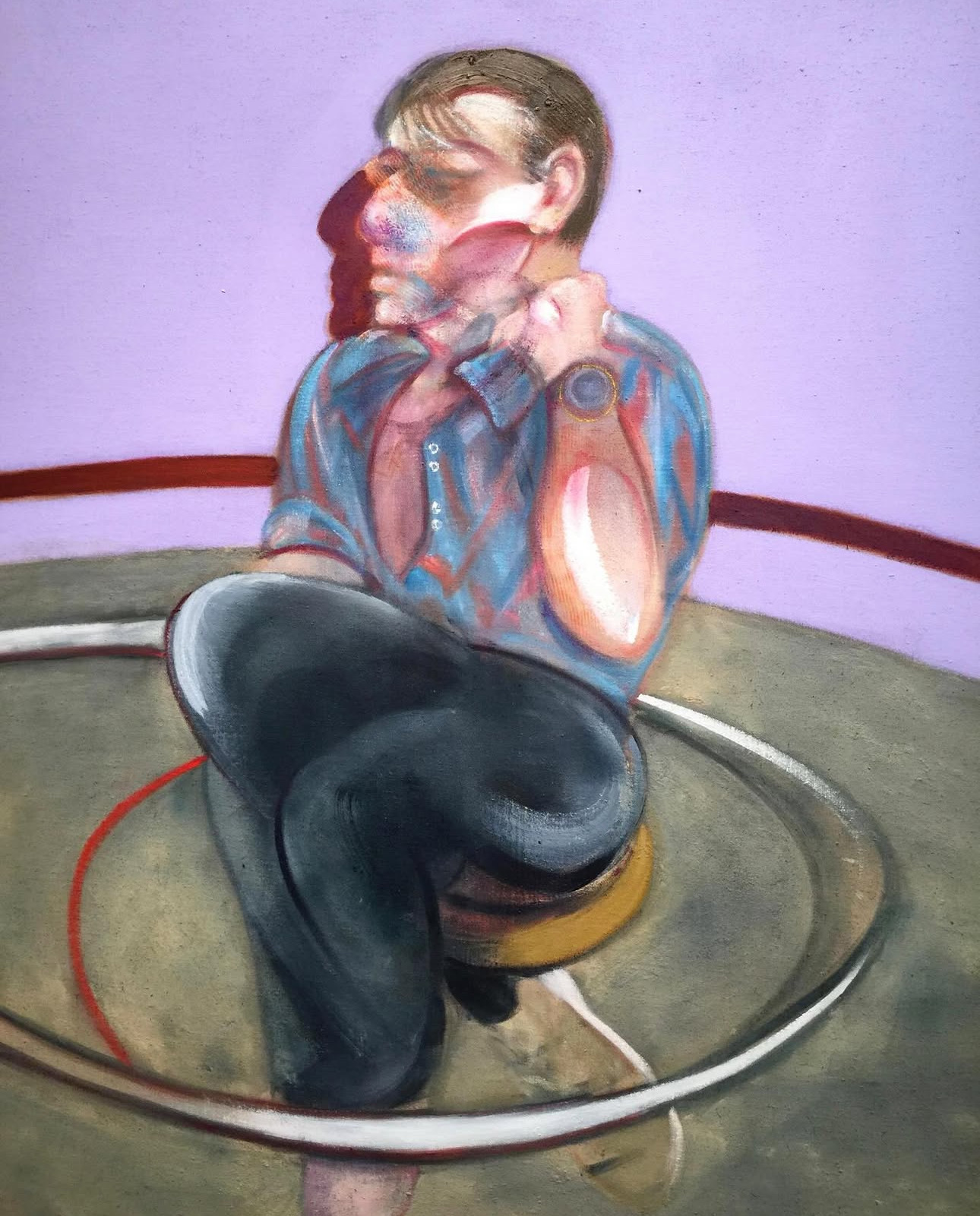
Hans Hofmann
The Artist 7, 1946
In Japan, the Gutai group pushed the body further into the work than almost anyone had dared. Kazuo Shiraga famously painted with his feet, suspended on ropes above a canvas on the floor, his whole weight becoming the instrument. These works, which appear on The Collection, feel as radical today as they did when Gutai exhibitions first shocked audiences in the mid 1950s. Zao Wou Ki and Chu Teh Chun were doing something equally original, fusing the gestures of Chinese calligraphic tradition with the vocabulary of postwar Western abstraction to create paintings that seemed to breathe.
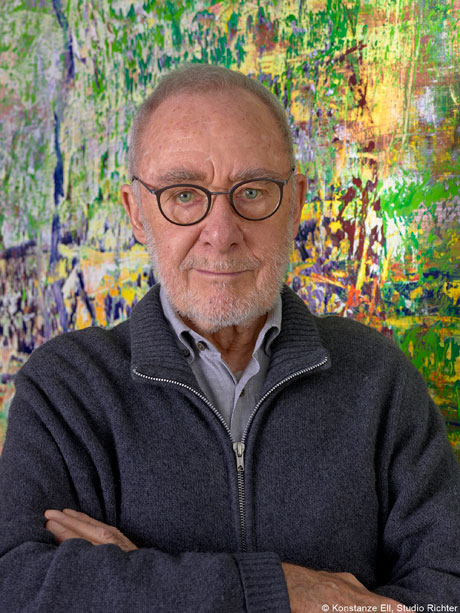
The gestural impulse never really went away. It absorbed Neo Expressionism in the late 1970s and 1980s, when painters like Georg Baselitz and Philip Guston returned figuration to the equation but refused to give up the rawness and directness of the gestural mark. Guston's late paintings in particular, those loaded, cartoonish forms built up in thick strokes, proved that gesture could carry irony and vulnerability simultaneously. Gerhard Richter, perhaps the most intellectually restless painter of his generation, approached gesture with characteristic skepticism, using squeegees to drag and obscure paint in ways that acknowledged the gestural tradition while also interrogating its romantic assumptions about authenticity.
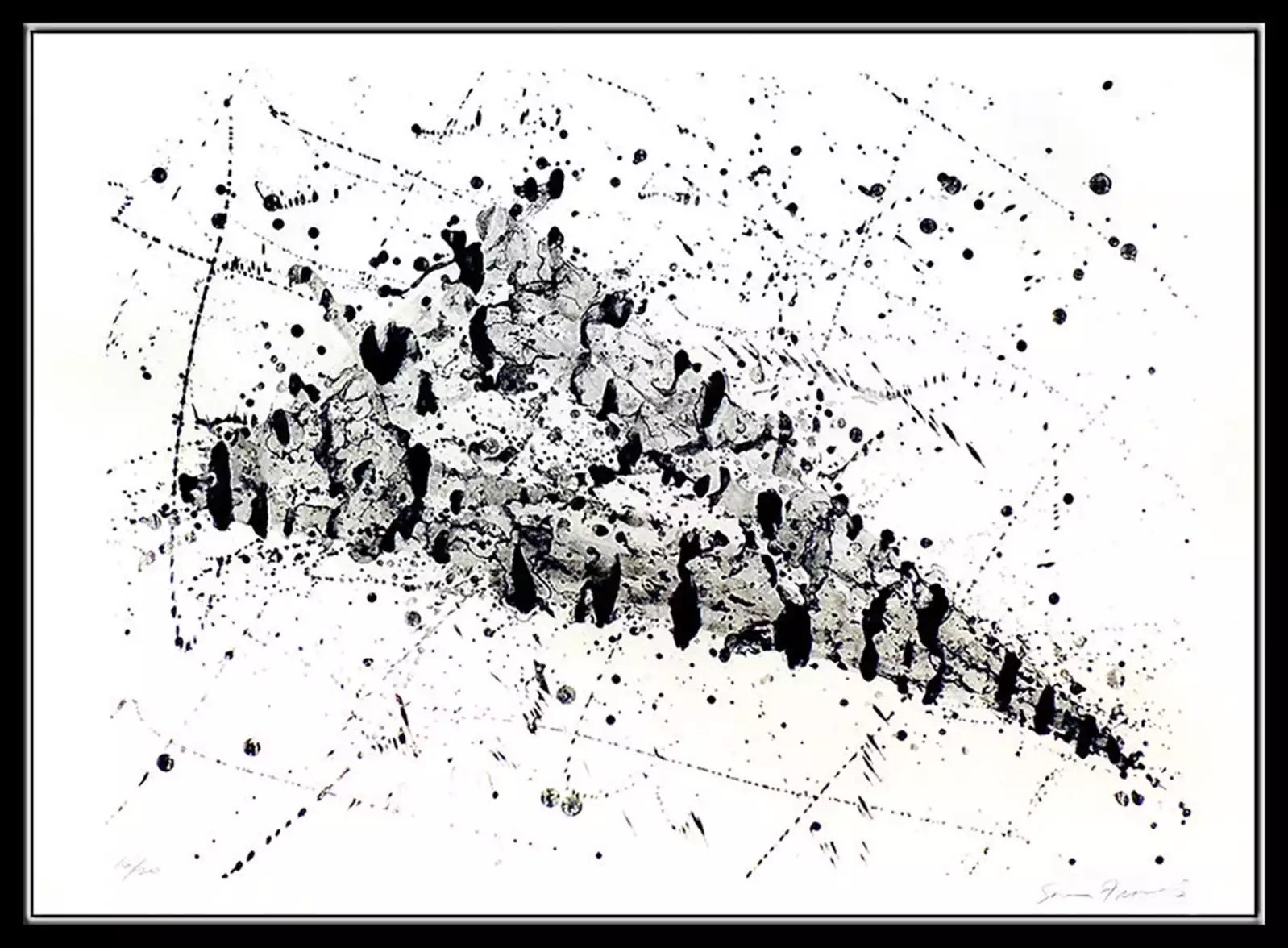
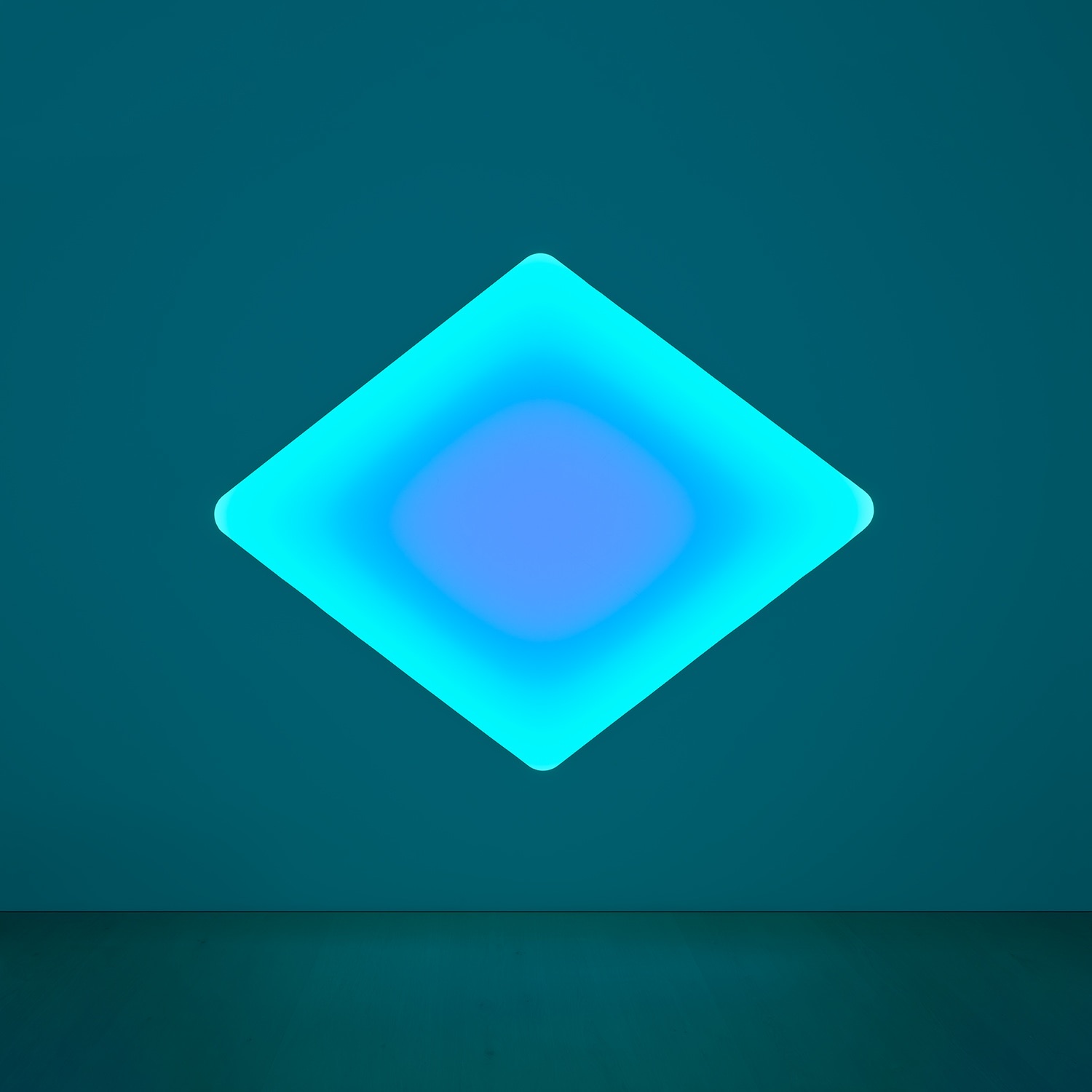
Sam Francis
SF. 240, 1976
His abstract paintings, extensively represented on The Collection, feel like a sustained philosophical argument conducted in paint. Cy Twombly occupies a singular position in this lineage. His marks, which look at first like nervous scribbles, turn out to be dense with classical and mythological reference, the gesture carrying a freight of literary memory that is entirely his own invention. Sam Francis brought a luminosity to gestural abstraction that owes as much to Monet and Japanese ink painting as it does to anything happening in New York, his open white centers and explosive peripheral color becoming instantly recognizable.
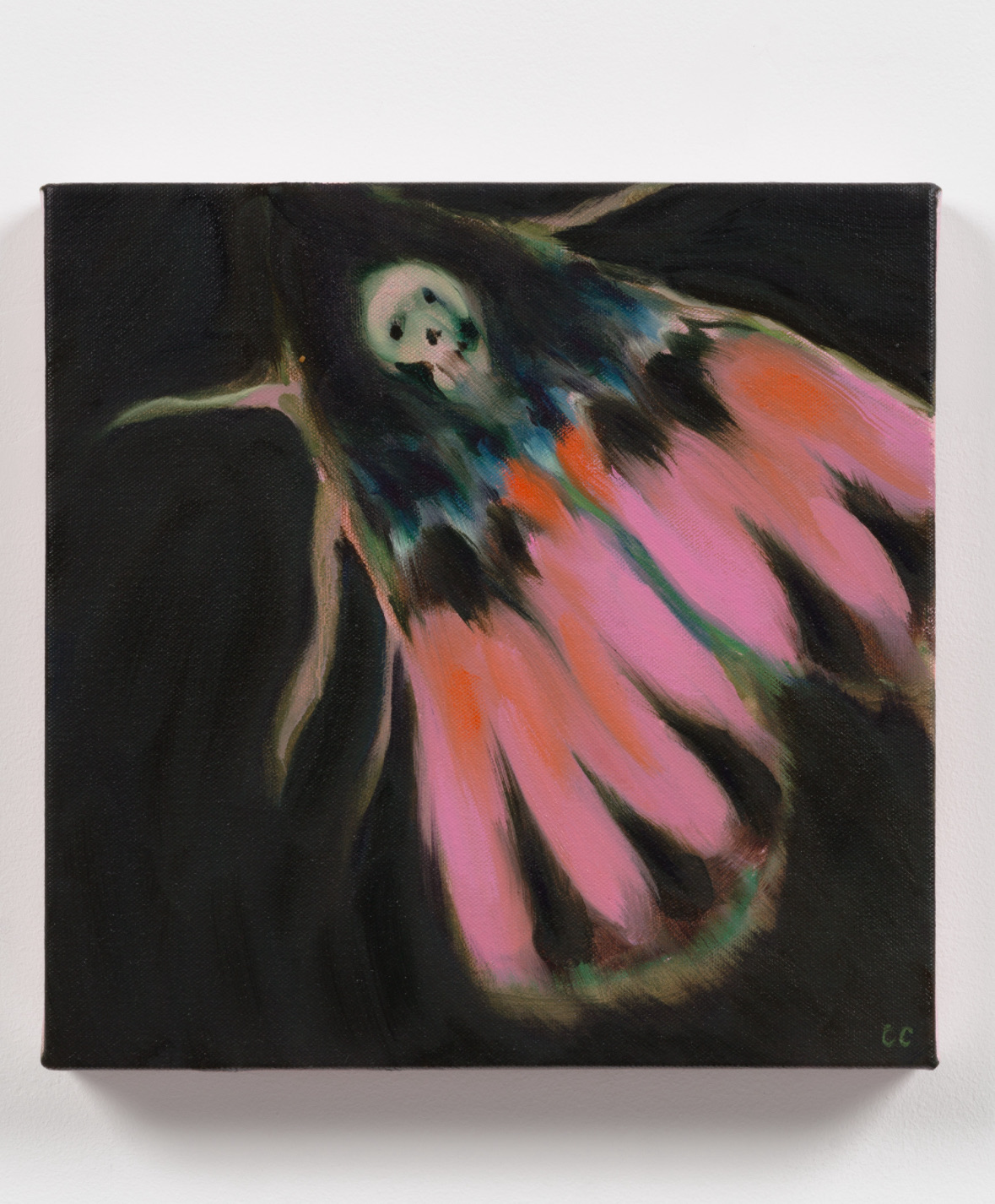
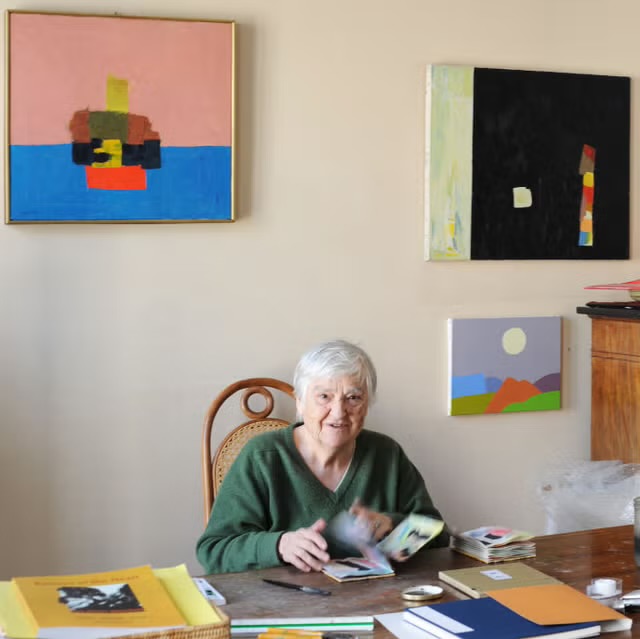
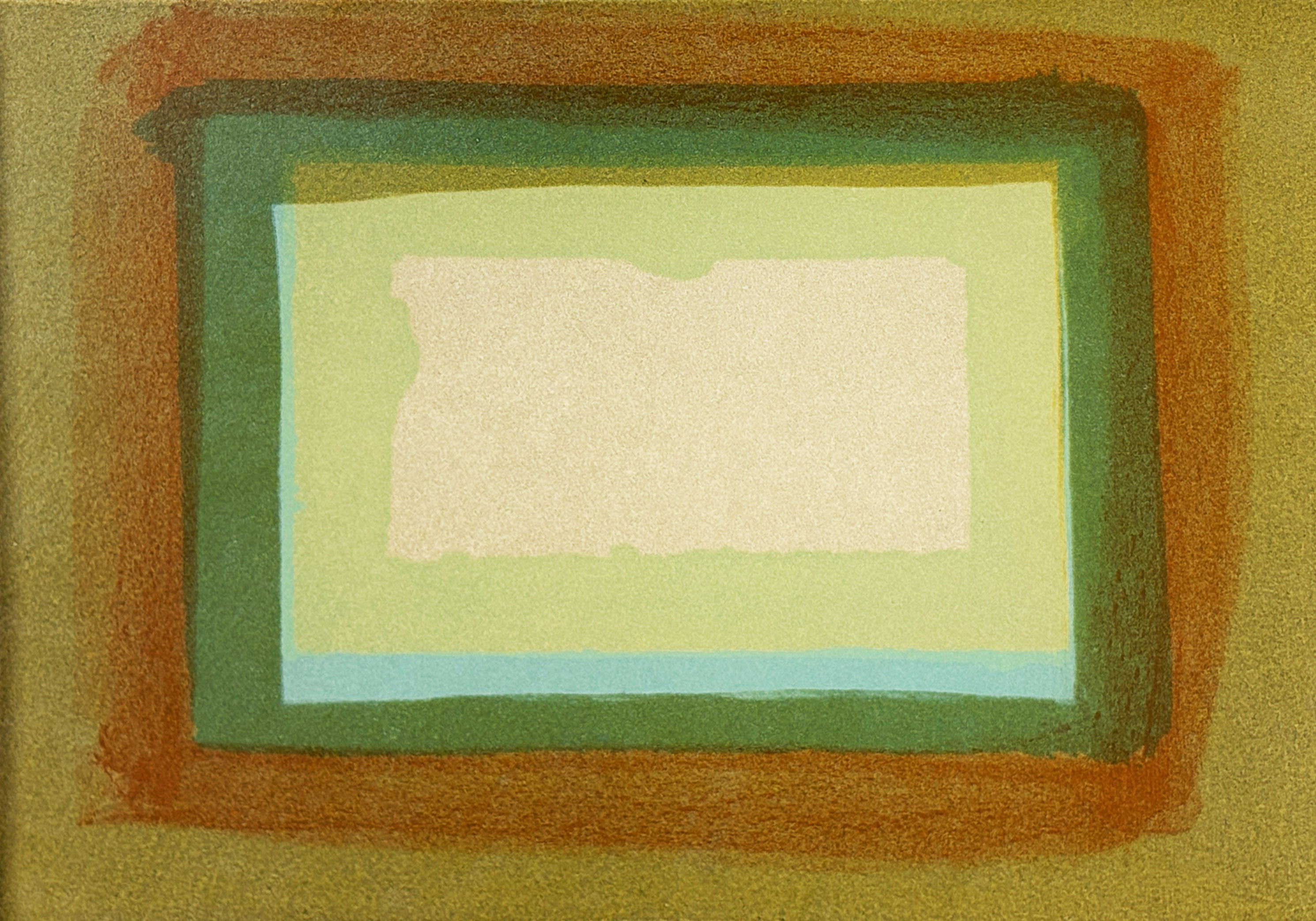
Howard Hodgkin spent decades refining a practice in which gesture and memory became fully synonymous, each stroke a distillation of a specific emotional encounter rather than a general expressive outpouring. What the current generation has done with this inheritance is fascinating to watch. Cecily Brown draws on the full sweep of art history from Rubens to de Kooning while maintaining a genuinely contemporary psychological complexity. Eddie Martinez and Lucien Smith work in the space where gestural energy meets pop cultural awareness.
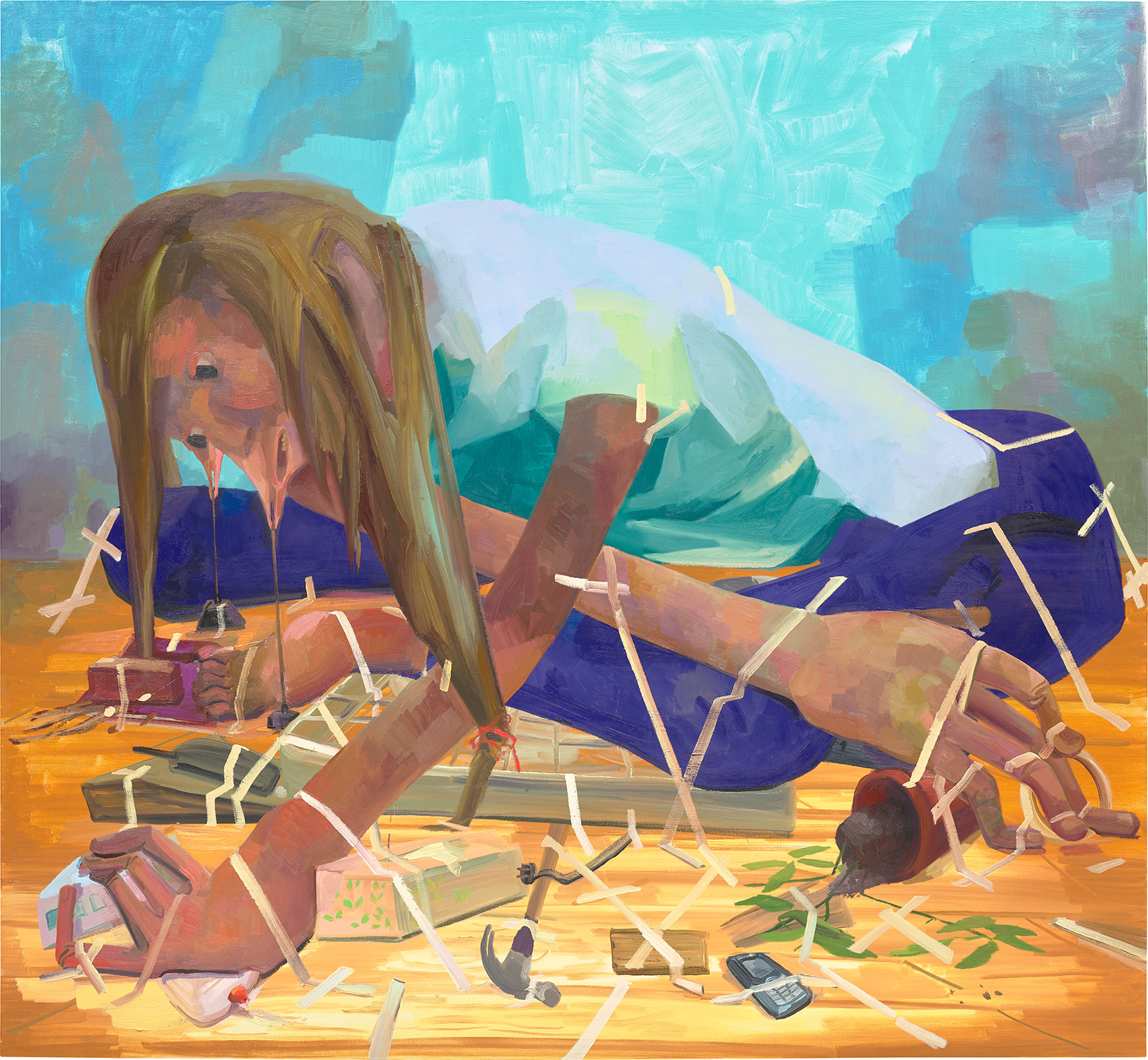
Dana Schutz
Gravity Fanatic, 2005
Jadé Fadojutimi approaches the painted surface as a kind of emotional score, building densely layered canvases that record an interior life with extraordinary intensity. Oscar Murillo reintroduces labor, migration, and collective history into the gestural equation, asking whose body is doing the work and under what conditions. Dana Schutz and Carroll Dunham push gesture toward figuration and back again, keeping the conversation with the past alive while refusing to be nostalgic. To collect gestural painting is ultimately to believe that the body knows things the intellect cannot fully articulate, and that those things are worth preserving.
The works on The Collection represent an extraordinary range of this belief in practice, from the postwar founders to the painters defining what gestural means right now. Each work is a record of a particular person being fully present in front of a surface, with everything they knew and felt brought to bear on that encounter. That is a remarkable thing to live with.