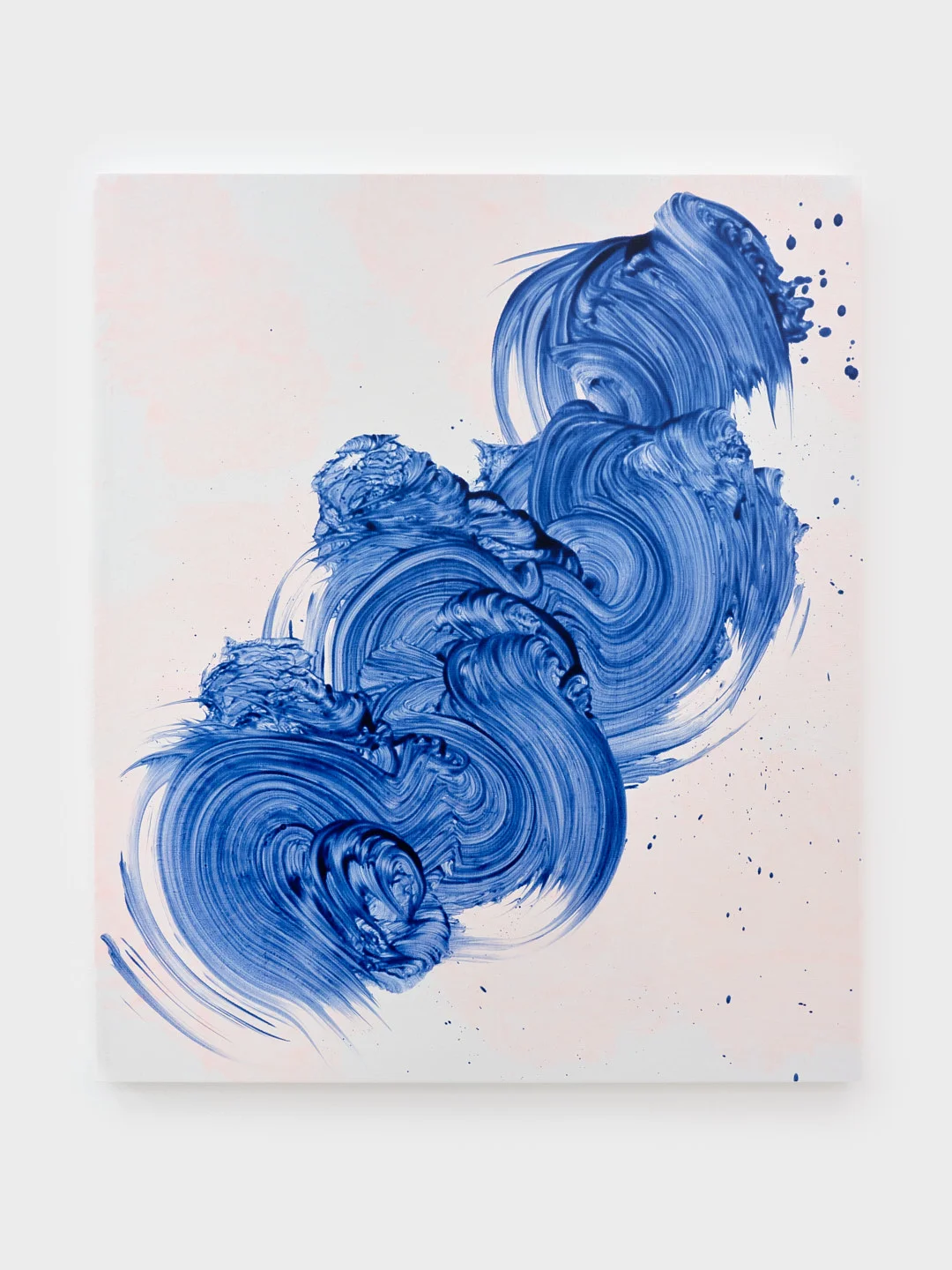
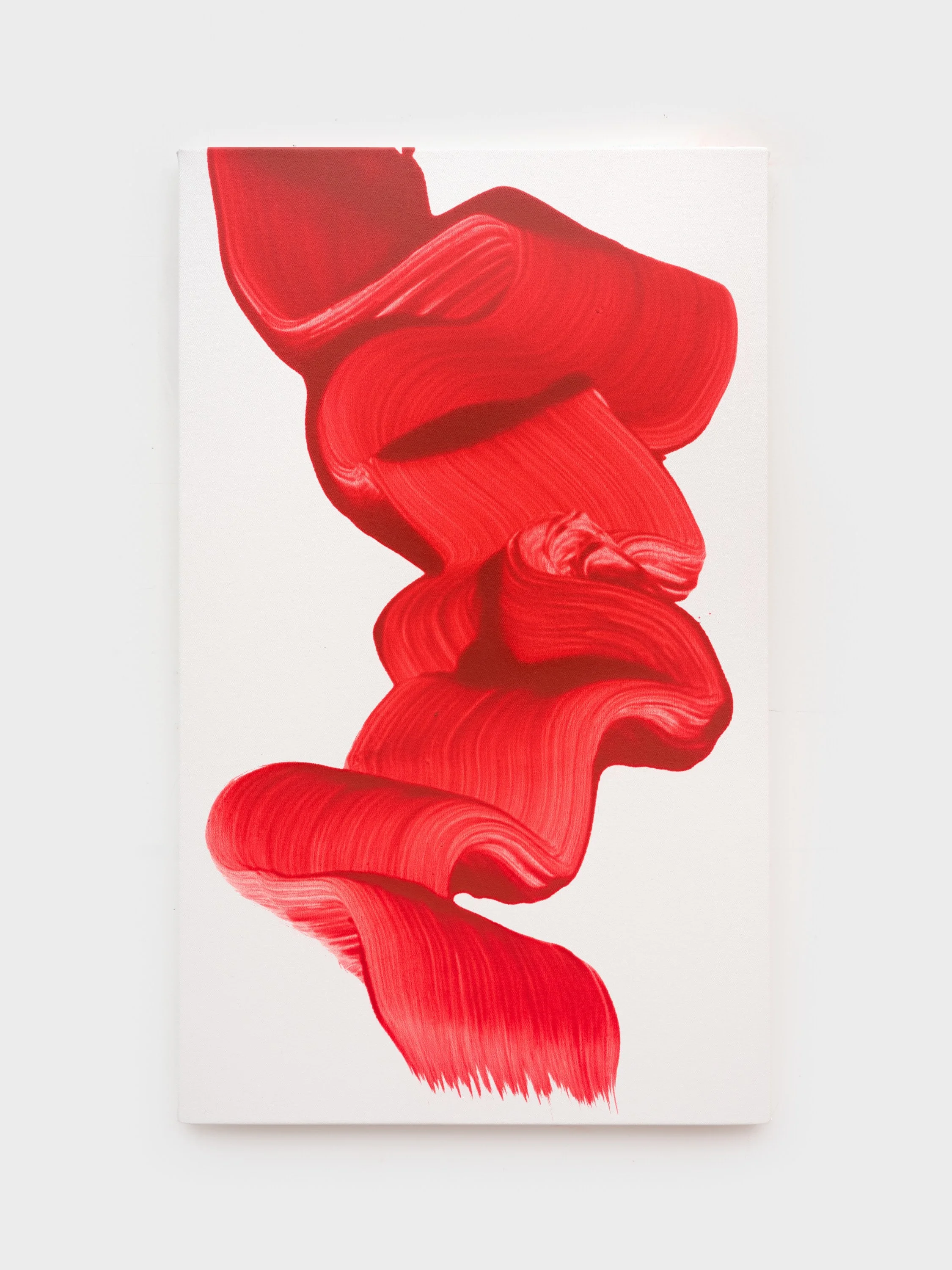
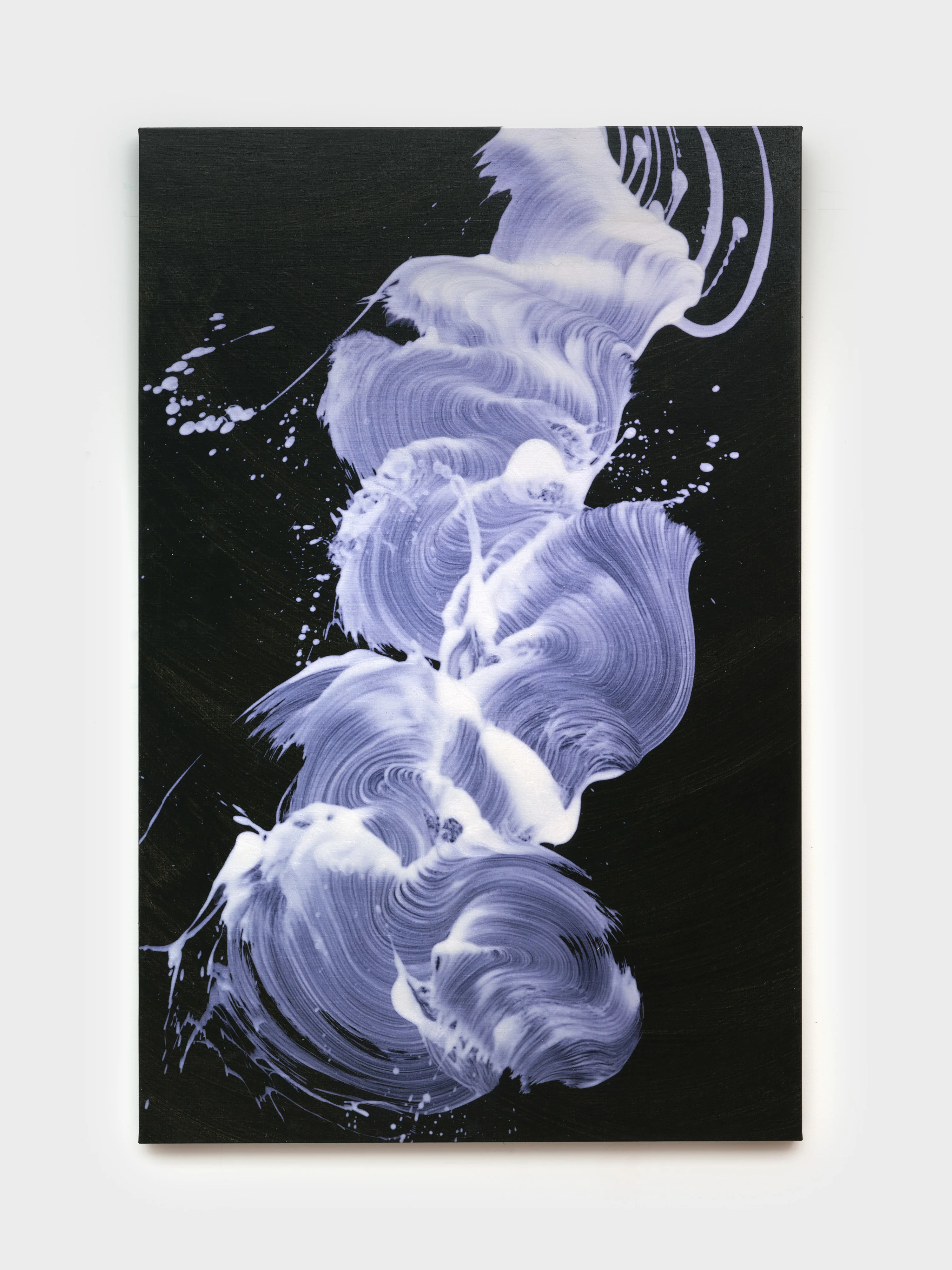
Abstract Expressionism
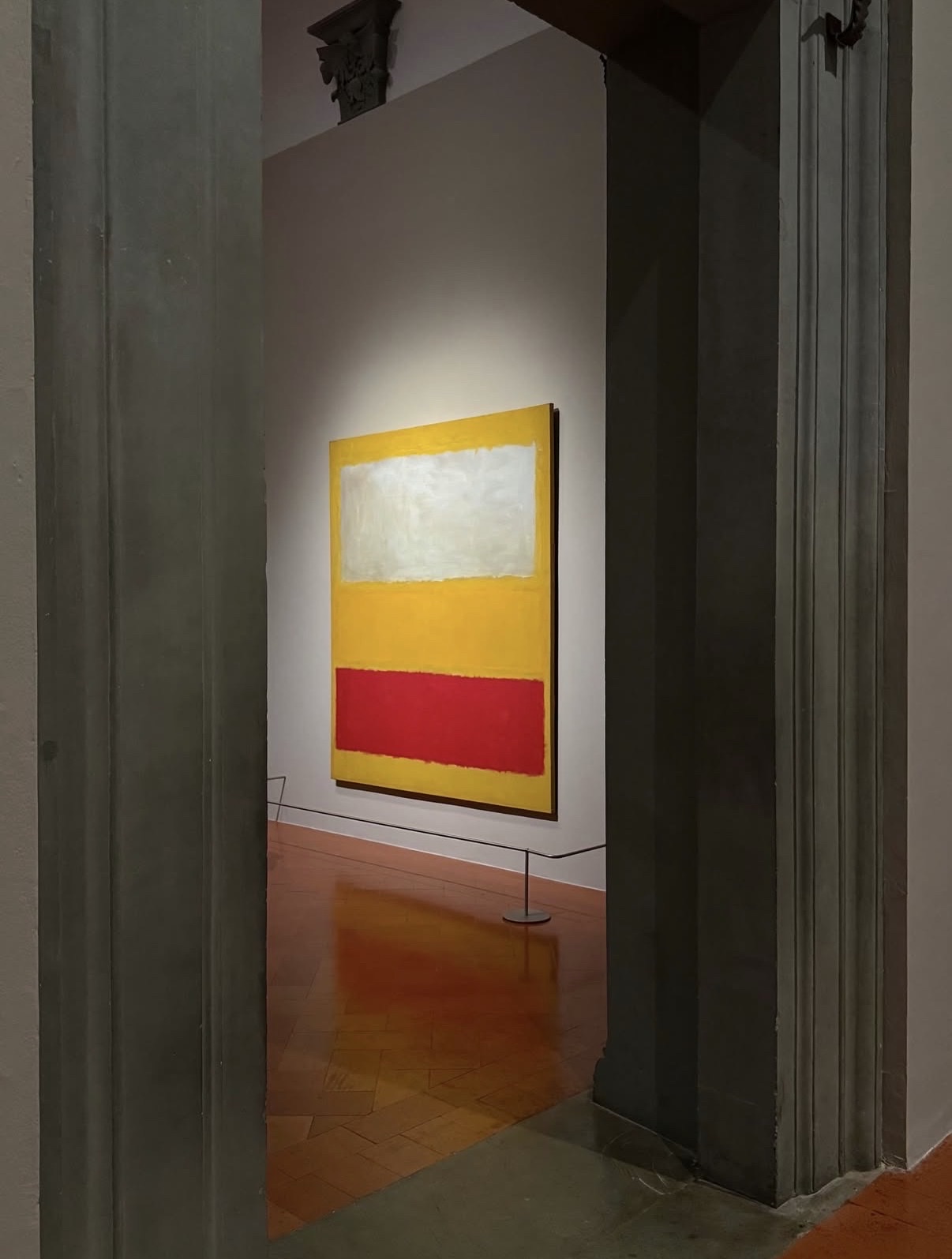
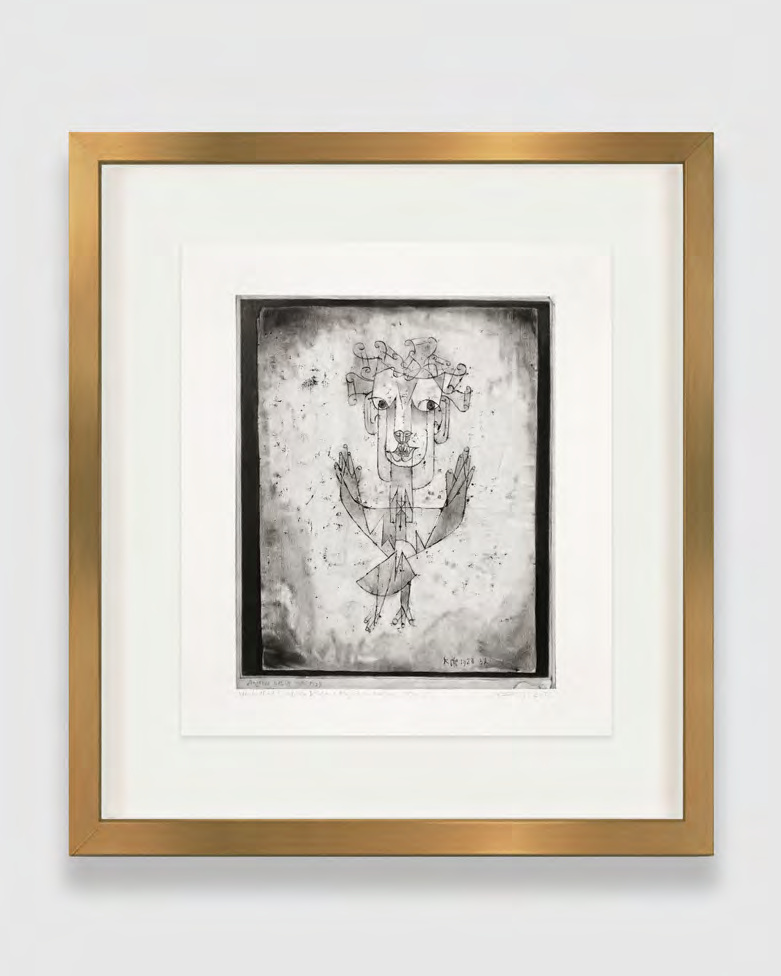
Mark Rothko
Four Darks in Red, 1958
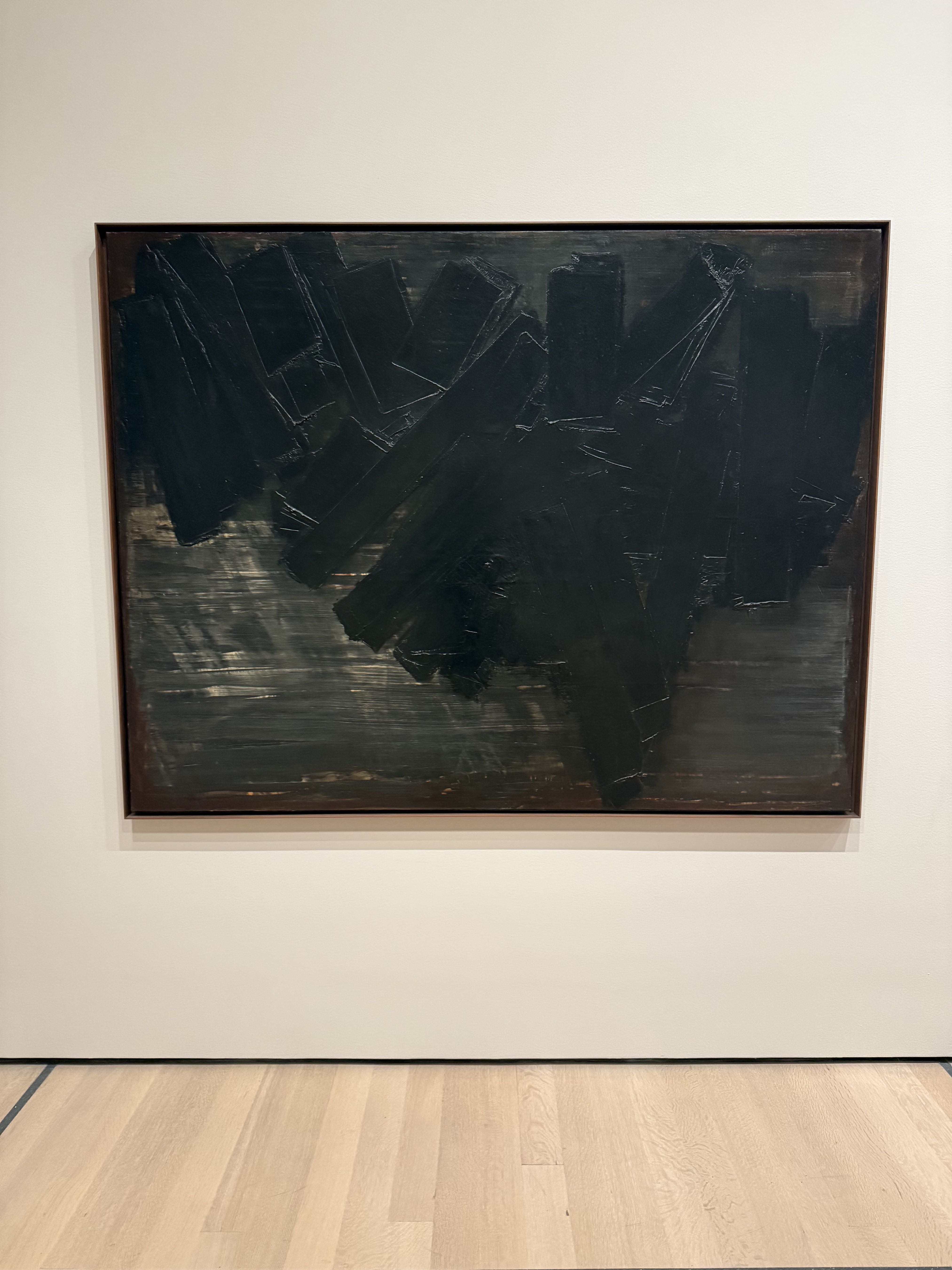
The Gesture That Changed Everything Forever
There is a particular kind of looking that Abstract Expressionism demands. You cannot scan it from a doorway or absorb it on a phone screen. You have to stand close enough to feel the scale pressing against you, close enough to read the physical evidence of how a painting was made: the drag of a loaded brush, the pooled edge of a stain, the impasto ridge where a knife turned. This is painting as existential record, and no movement before or since has made the act of mark making feel quite so consequential, so nakedly human, so irreversible.
The story usually begins in New York during the early 1940s, when a generation of artists found themselves in the same city as the great European modernists who had fled fascism. The Surrealists brought psychic automatism with them, the idea that the unconscious could speak through the hand if the conscious mind got out of the way. American painters absorbed that idea and pushed it somewhere harder, more physical, less literary. By 1951, when Leo Castelli and others organized the Ninth Street Show in a vacant building in Greenwich Village, there was a genuine sense that something unprecedented had happened.
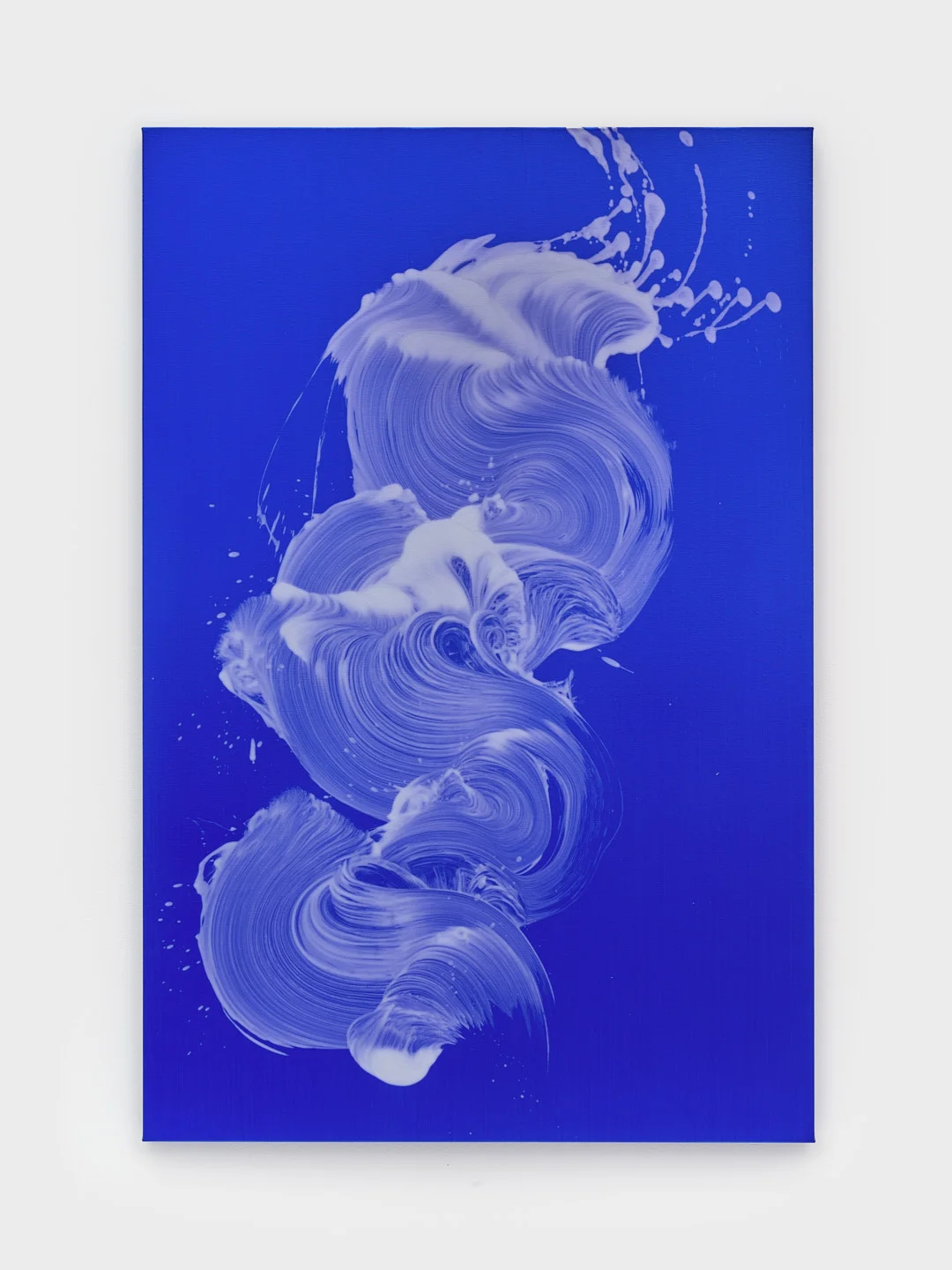
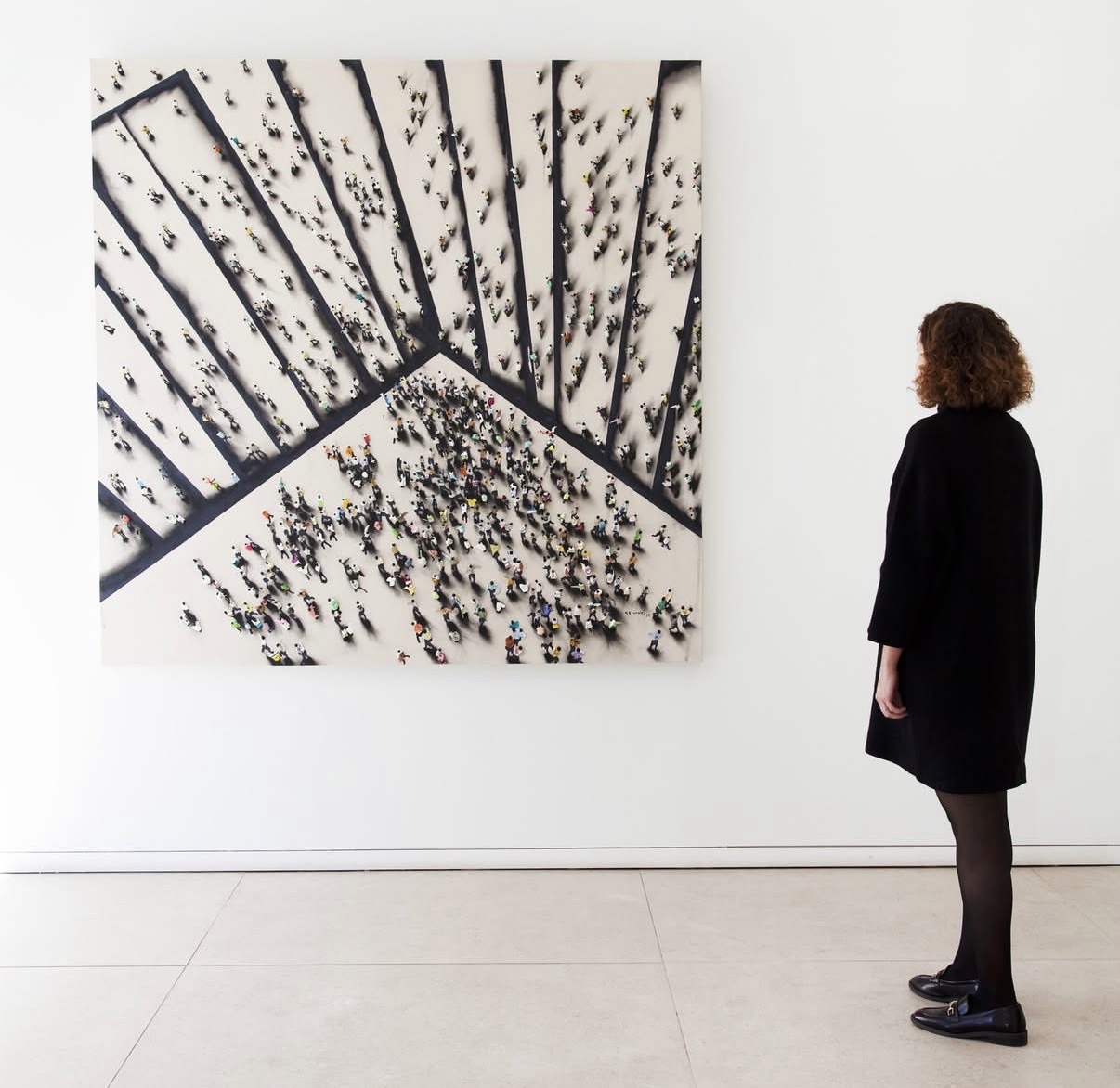
Jamie Nares
Juke, 2025
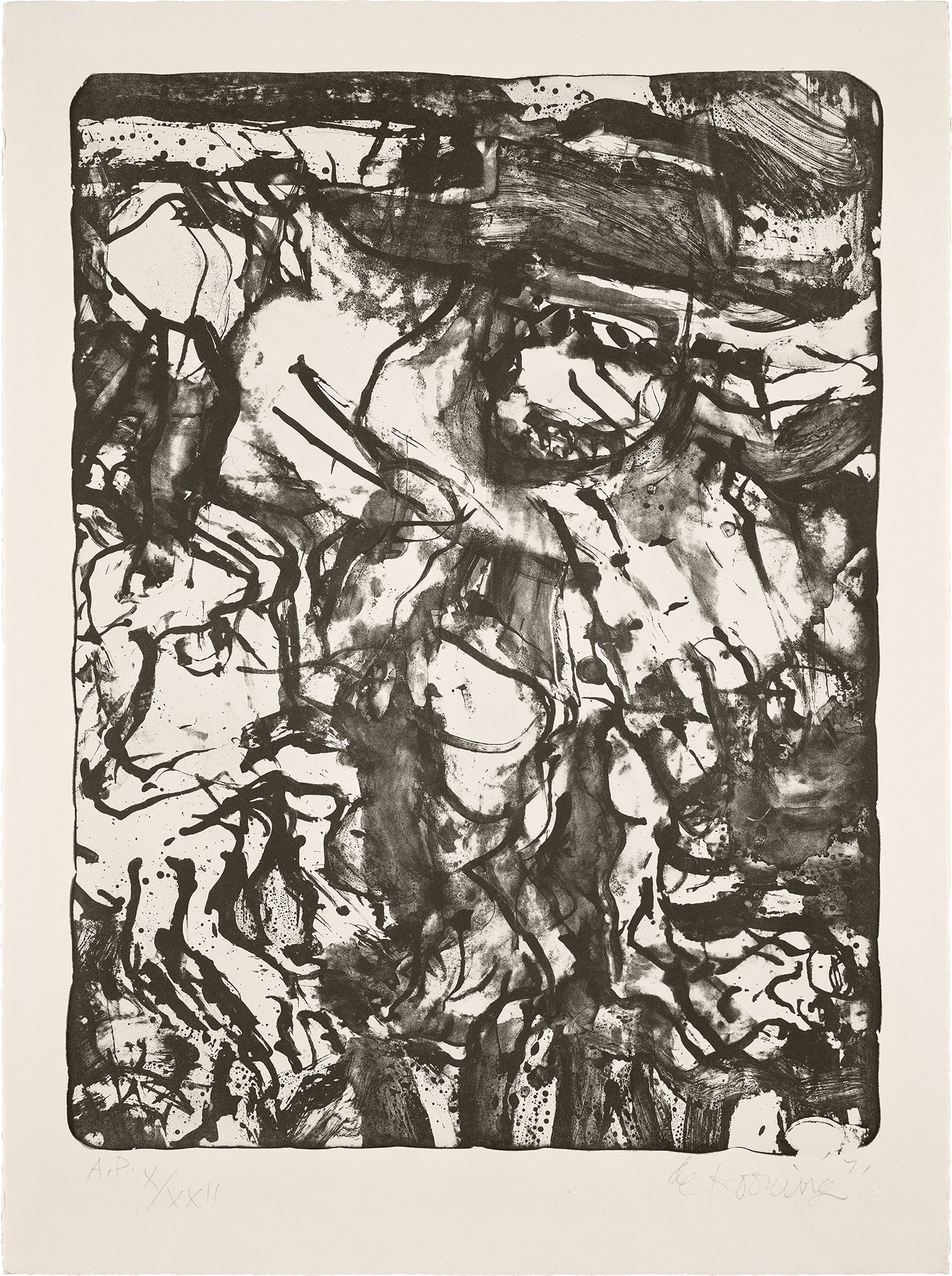
Painting had become an arena, as Harold Rosenberg famously wrote, not a surface on which to represent a pre formed image. Willem de Kooning and Hans Hofmann were among those who understood that energy and instability could be formal virtues rather than failures of control. De Kooning's Women series of the early 1950s unsettled everyone, Abstract Expressionists included, by dragging the figure back into the conversation. Hofmann, who taught for decades and influenced at least two generations of painters, treated color as a structural force, his push and pull theory insisting that warm and cool tones could create genuine spatial tension without recourse to perspective.
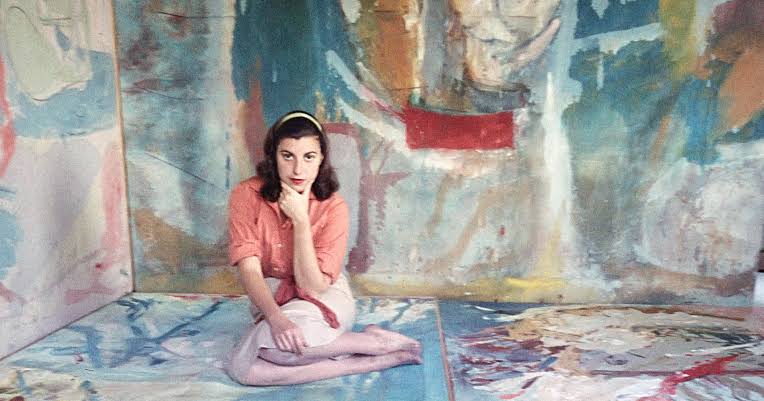
These ideas rippled outward in ways that are still shaping how painters think about the surface in front of them. Helen Frankenthaler changed the physical logic of the movement in 1952 when she laid raw, unprimed canvas flat on the floor and poured thinned paint directly onto it. The resulting work, Mountains and Sea, was stained into the canvas rather than sitting on top of it. That distinction mattered enormously.
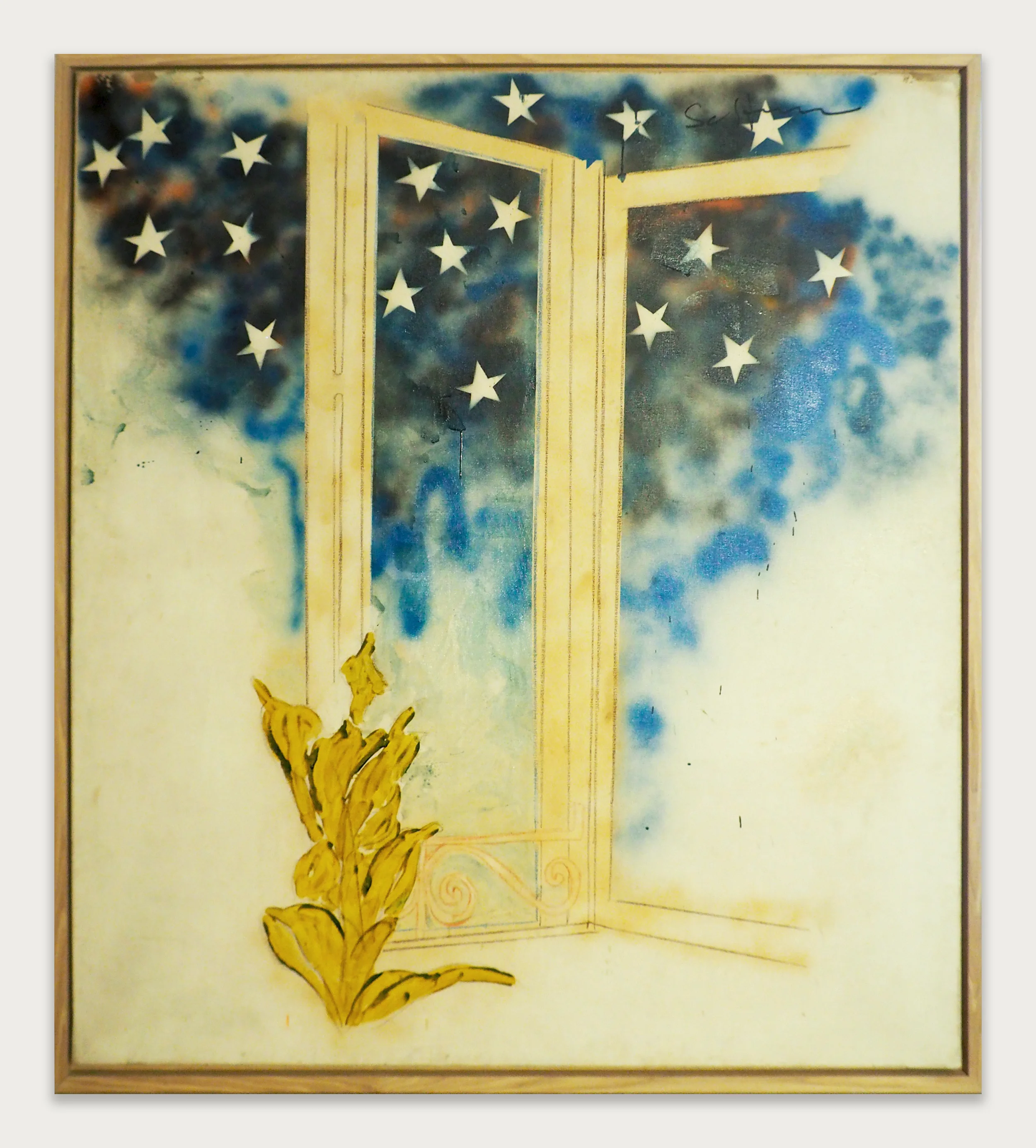
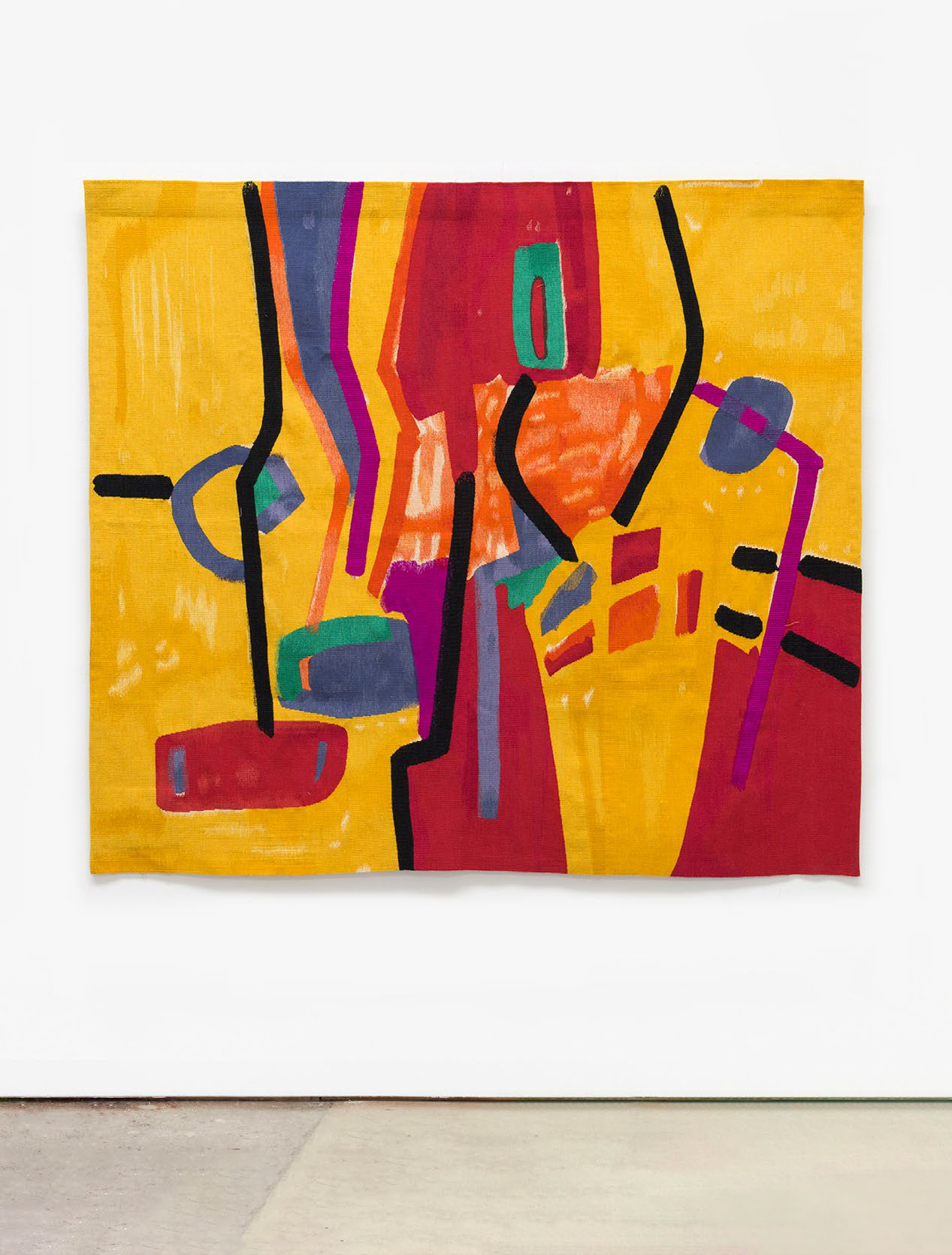
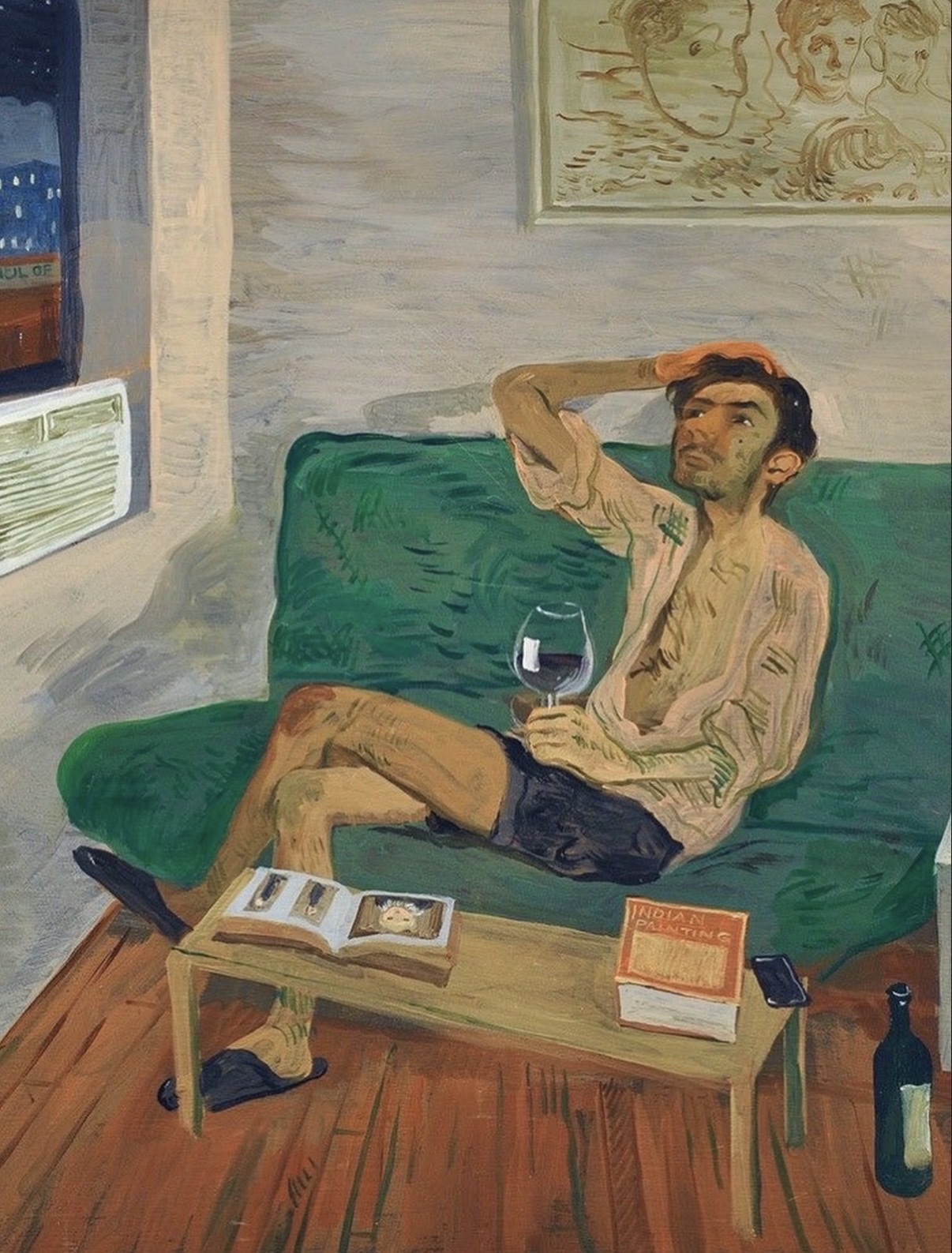
Mario Schifano
Senza Titolo, 1970
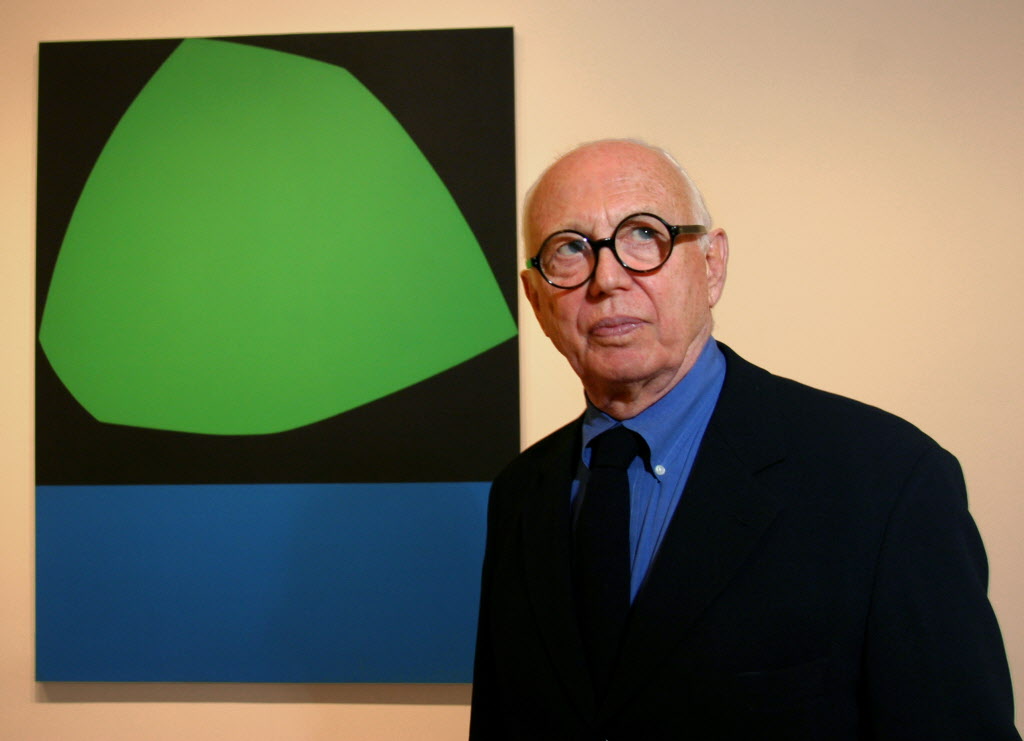
It opened a path toward the luminous color field work of the following decade and directly influenced Morris Louis and Kenneth Noland, both of whom visited her studio and left transformed. Noland went on to develop his target and chevron paintings, works where color relationships carry virtually the entire expressive weight of the composition. His work, well represented in The Collection, demonstrates how the movement's lessons could be distilled into something almost austere. Robert Motherwell brought an unusual combination of philosophical sophistication and raw emotional power to the movement.
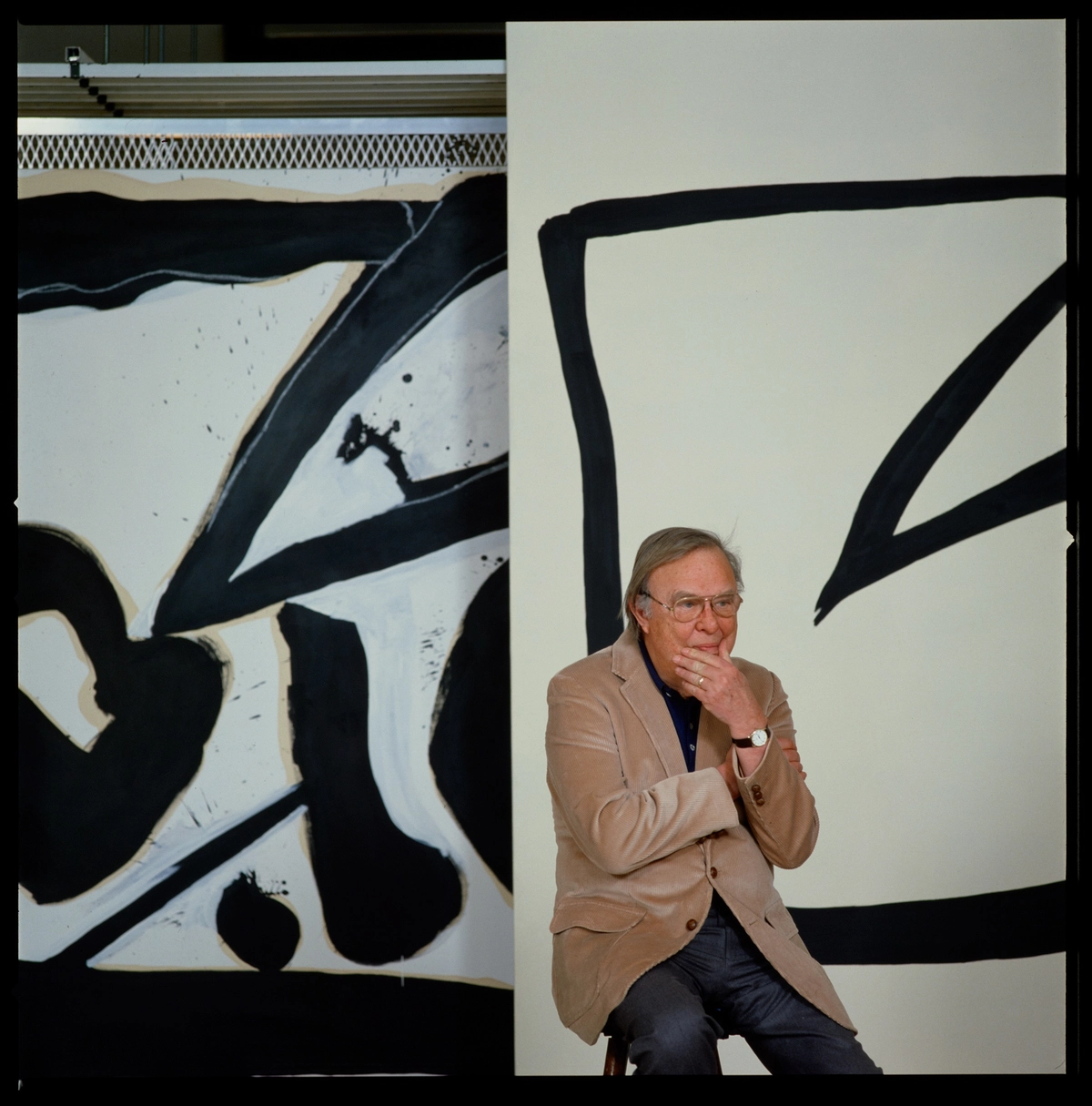
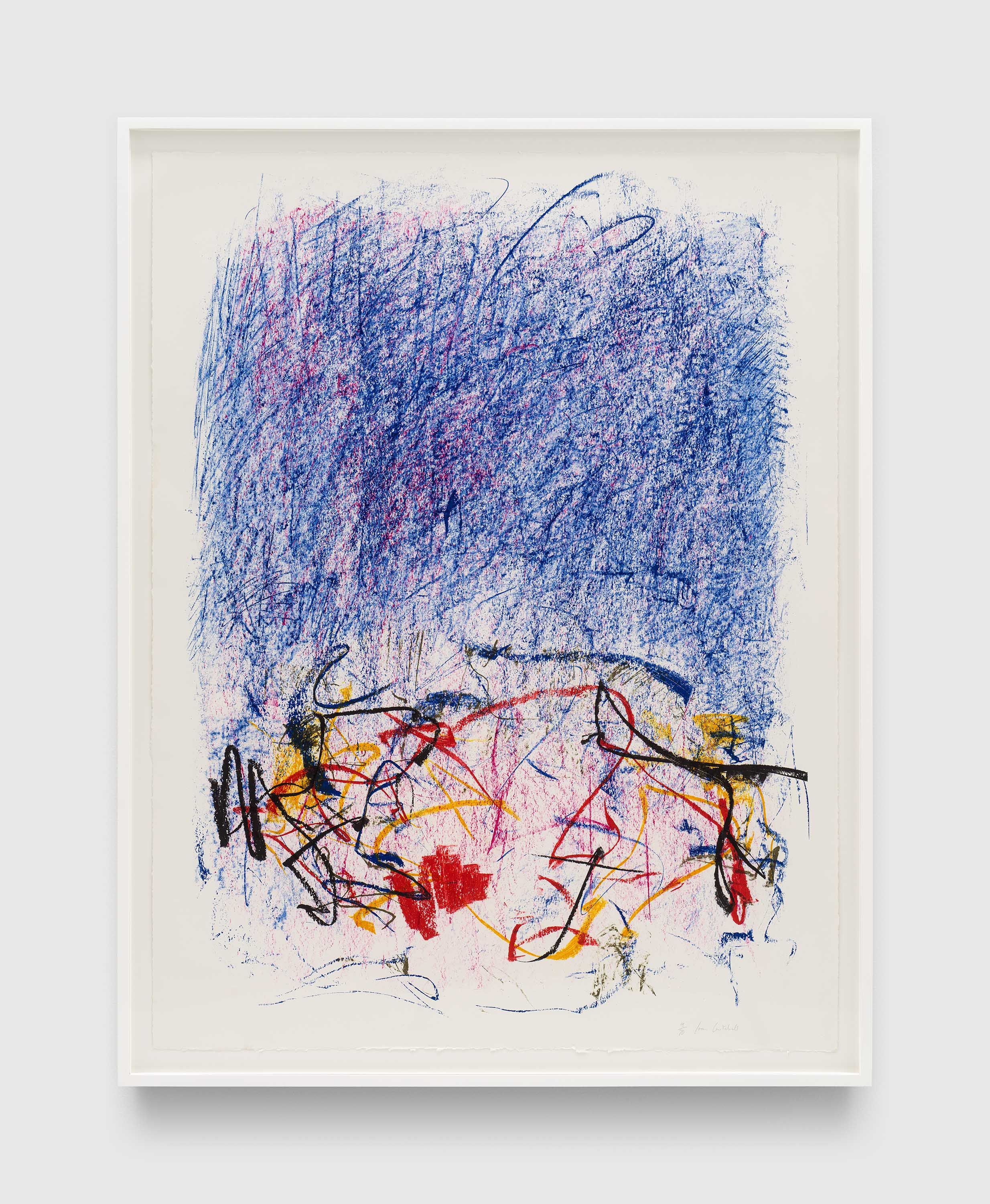
His Elegy to the Spanish Republic series, which he worked on across five decades, used recurring black biomorphic forms against white or ochre grounds to build something that feels genuinely elegiac without being sentimental. Joan Mitchell, working first in New York and later in Vétheuil, France, carried the gestural tradition into the 1970s and 1980s with a ferocity that made many of her male contemporaries look cautious. Her large scale diptychs and triptychs, dense with layered color and furious brushwork, remind you that Abstract Expressionism was never simply an American phenomenon. That last point matters more than art history sometimes acknowledges.
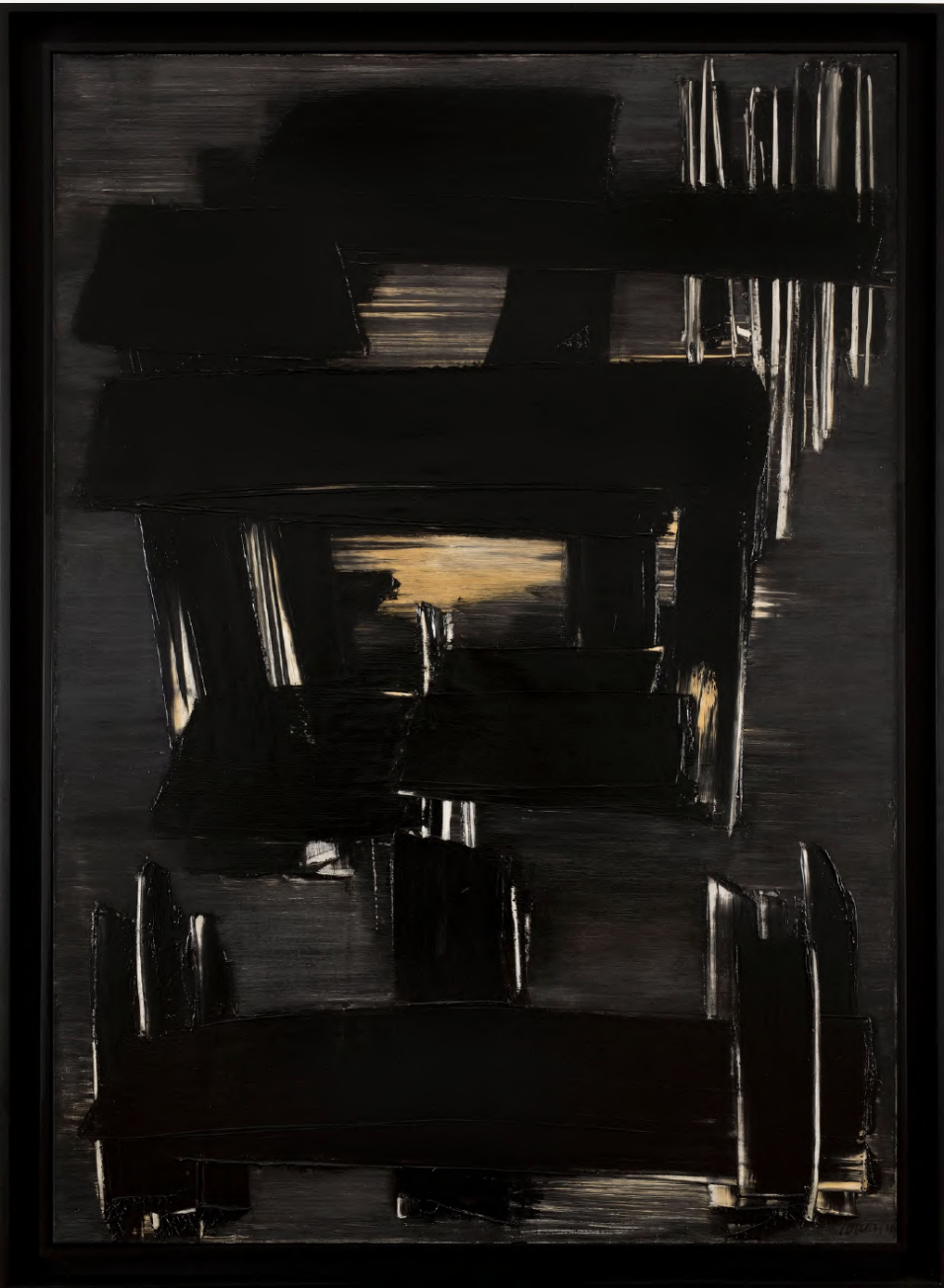
Pierre Soulages
Peinture 162 x 114 cm, 29 août 1958, 1958
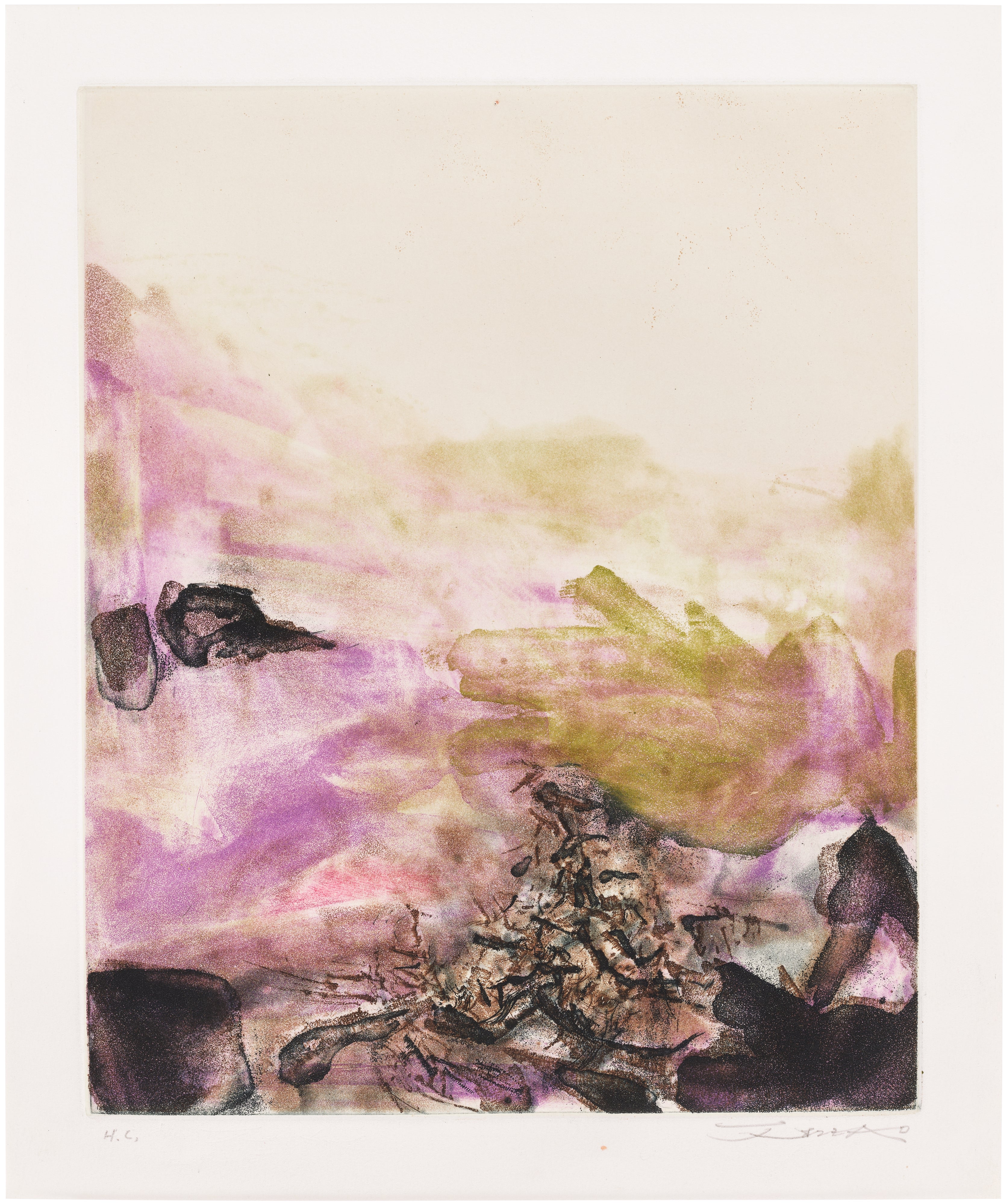
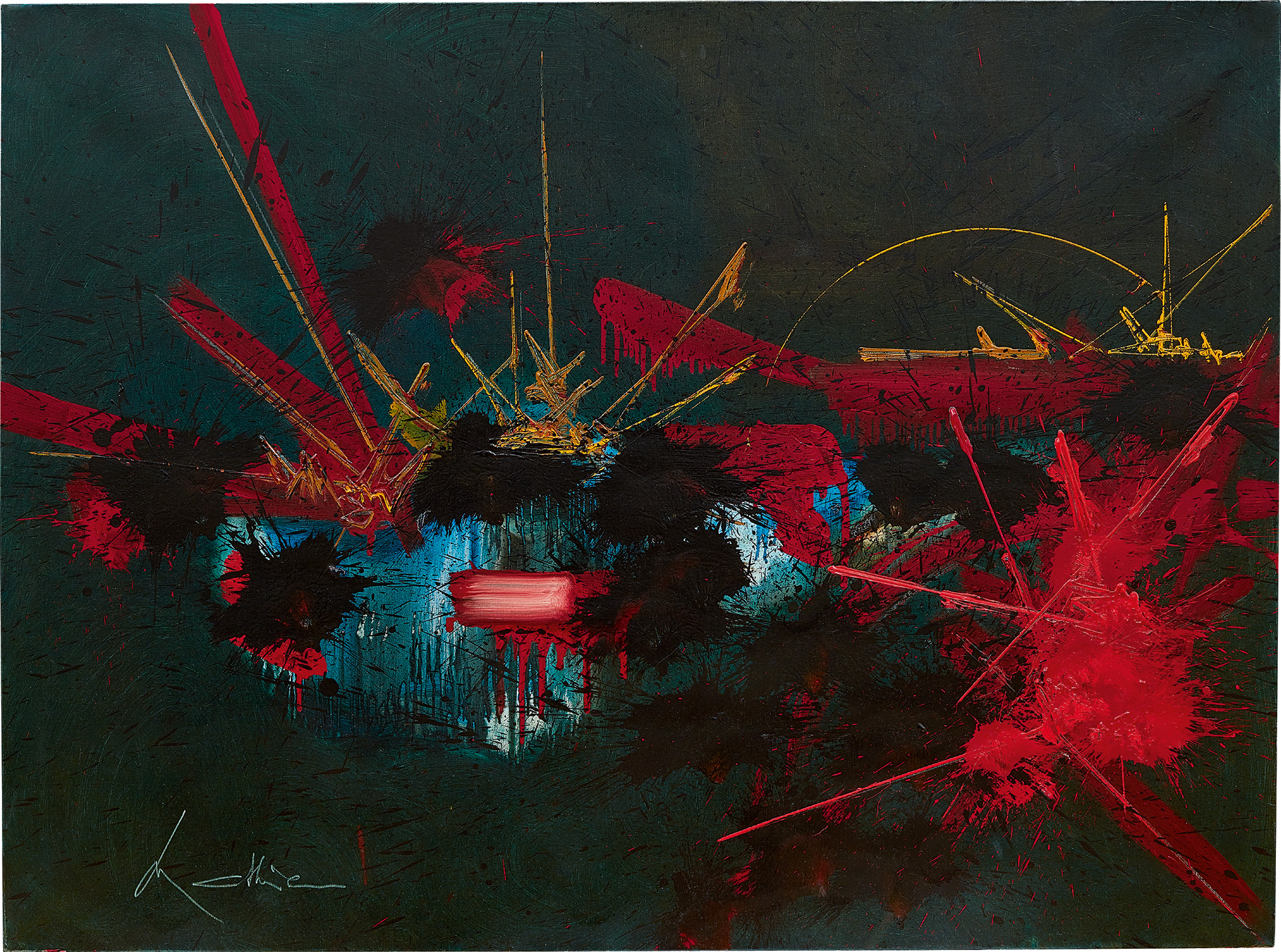
Zao Wou Ki left China in 1948, settled in Paris, and developed a practice that synthesized the gestural freedoms of Western abstraction with a deep understanding of Chinese calligraphy and landscape. Pierre Soulages, also working in Paris, was already pushing paint toward darkness and texture in ways that paralleled the New York School without owing it anything in particular. Hans Hartung and Georges Mathieu were developing their own versions of gestural mark making from inside the tachisme tradition. The movement was, in retrospect, a convergence of international energies rather than a purely American export.
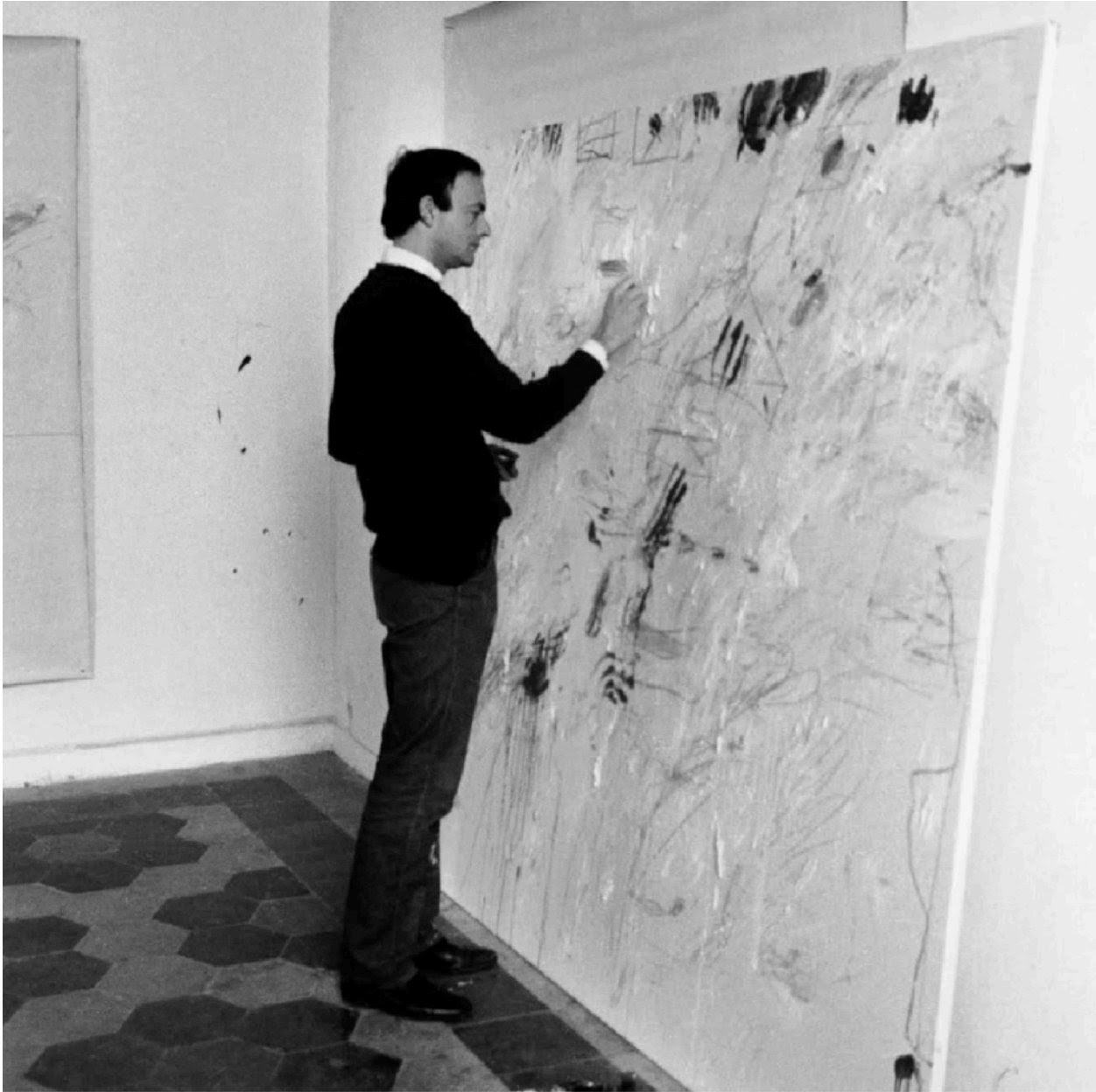
Cy Twombly complicates any tidy account of the movement, which is part of why his work remains so compelling. His tangled, scrawled surfaces look closer to writing than to painting, evoking the Mediterranean world as much as the New York art scene he briefly inhabited. Sam Francis, who trained in San Francisco and worked extensively in Japan, brought a Buddhist sensibility to the language of the gesture. Philip Guston abandoned pure abstraction altogether in the late 1960s, a decision that shocked his contemporaries but now looks like one of the most important pivots in postwar American art.
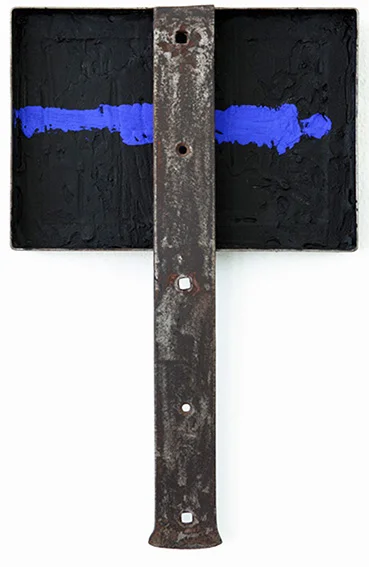
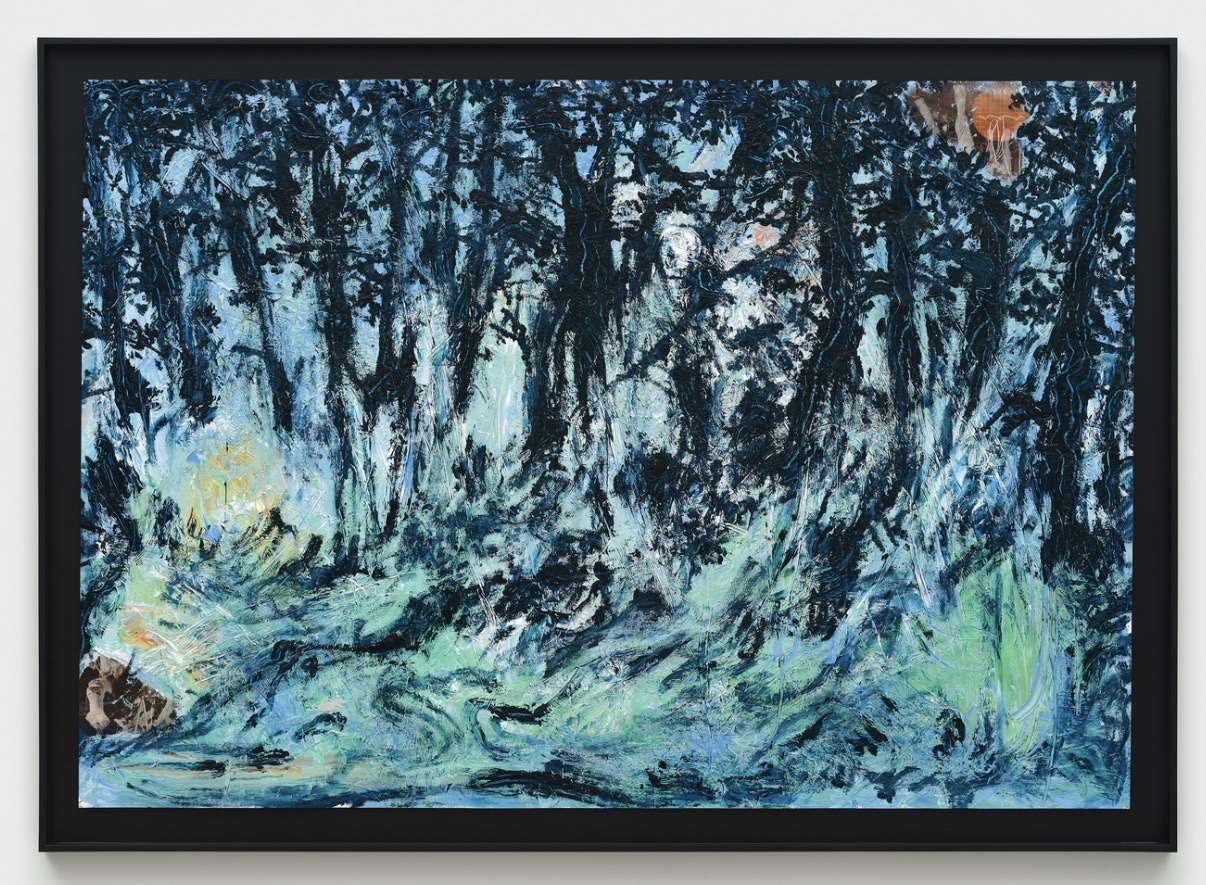
Mimmo Paladino
Gesto Nel Sale/ Nel Blue, 2006
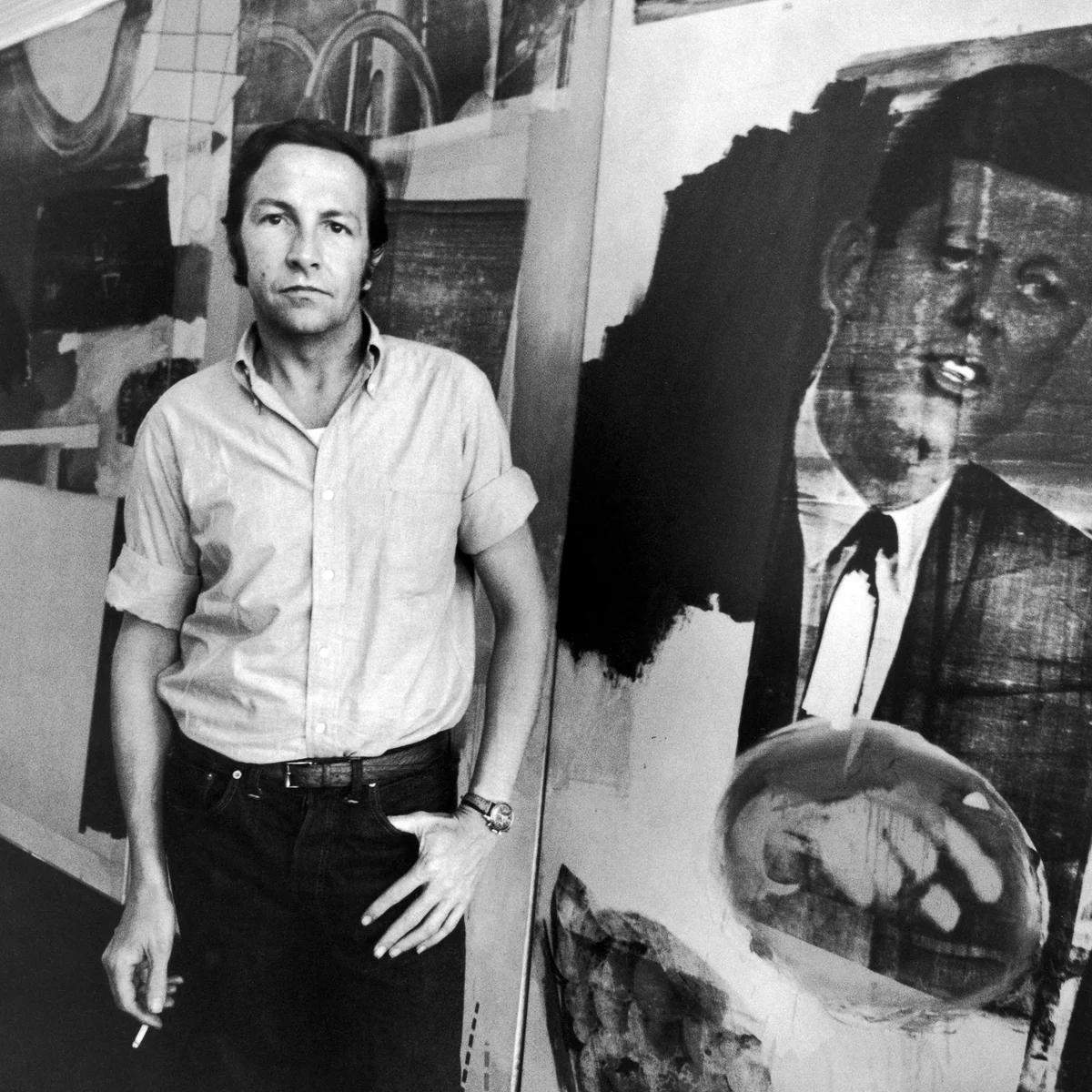
His figurative work of the 1970s drew directly on his earlier gestural painting, and the continuity between those phases is clearer now than it was then. The influence of Abstract Expressionism on subsequent collecting culture is difficult to overstate. It established the large format painting as a prestige object, it made process visible and therefore collectable, and it created the template for an art world in which the artist's biography and emotional state became part of the work's meaning. Robert Rauschenberg, whose Combines of the mid 1950s deliberately pushed back against the movement's seriousness, nevertheless absorbed its scale and its insistence on the physical presence of materials.
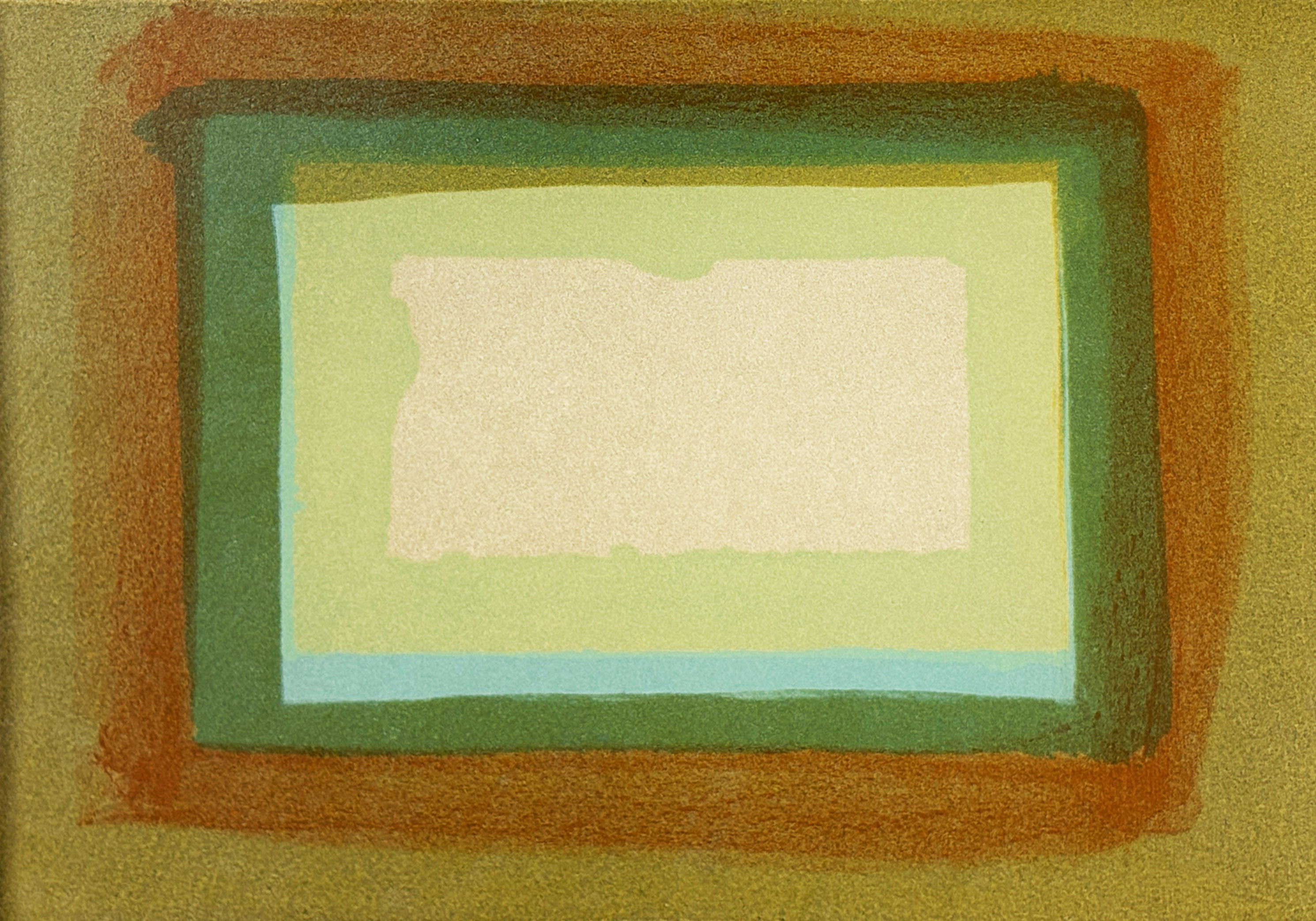
Even Gerhard Richter, whose work operates in a very different register of irony and distance, engages directly with gestural abstraction in his squeegee paintings, both honoring and questioning the tradition. For collectors today, works tagged under this broad category represent an extraordinary range. The more than 3,3,422 works in The Collection span from canonical figures like de Kooning and Frankenthaler to less celebrated voices like Grace Hartigan and Elaine de Kooning, both of whom deserve far more attention than they typically receive. Howard Hodgkin's intimate, deeply felt panels sit in productive tension with the heroic scale the movement is usually associated with.
Sean Scully's grid based abstractions carry the tradition's emotional seriousness into the present tense. Collecting in this area is not about acquiring historical documents. It is about continuing a conversation that started with the conviction that paint on canvas could tell the truth about what it feels like to be alive.