Unique Work
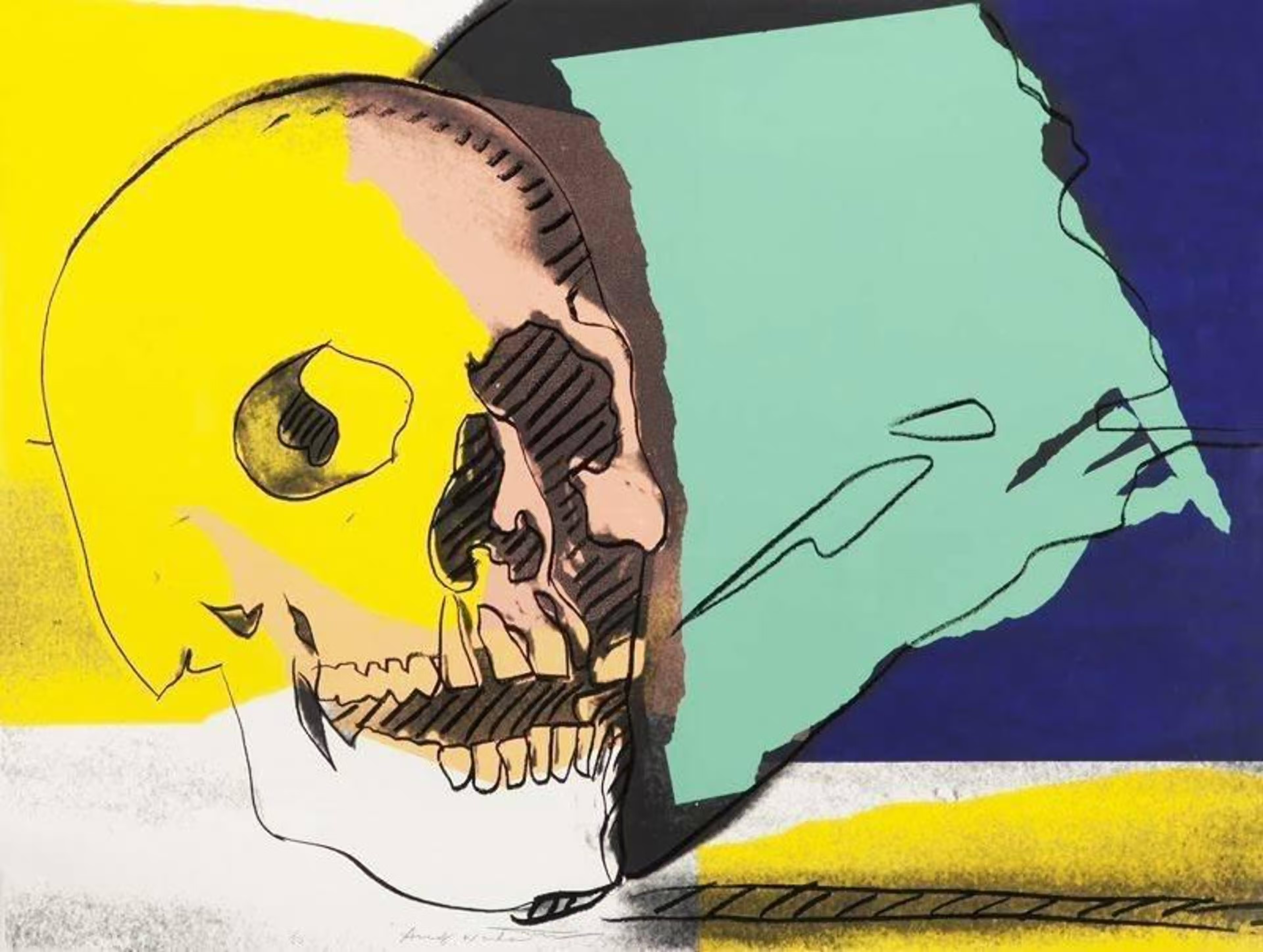
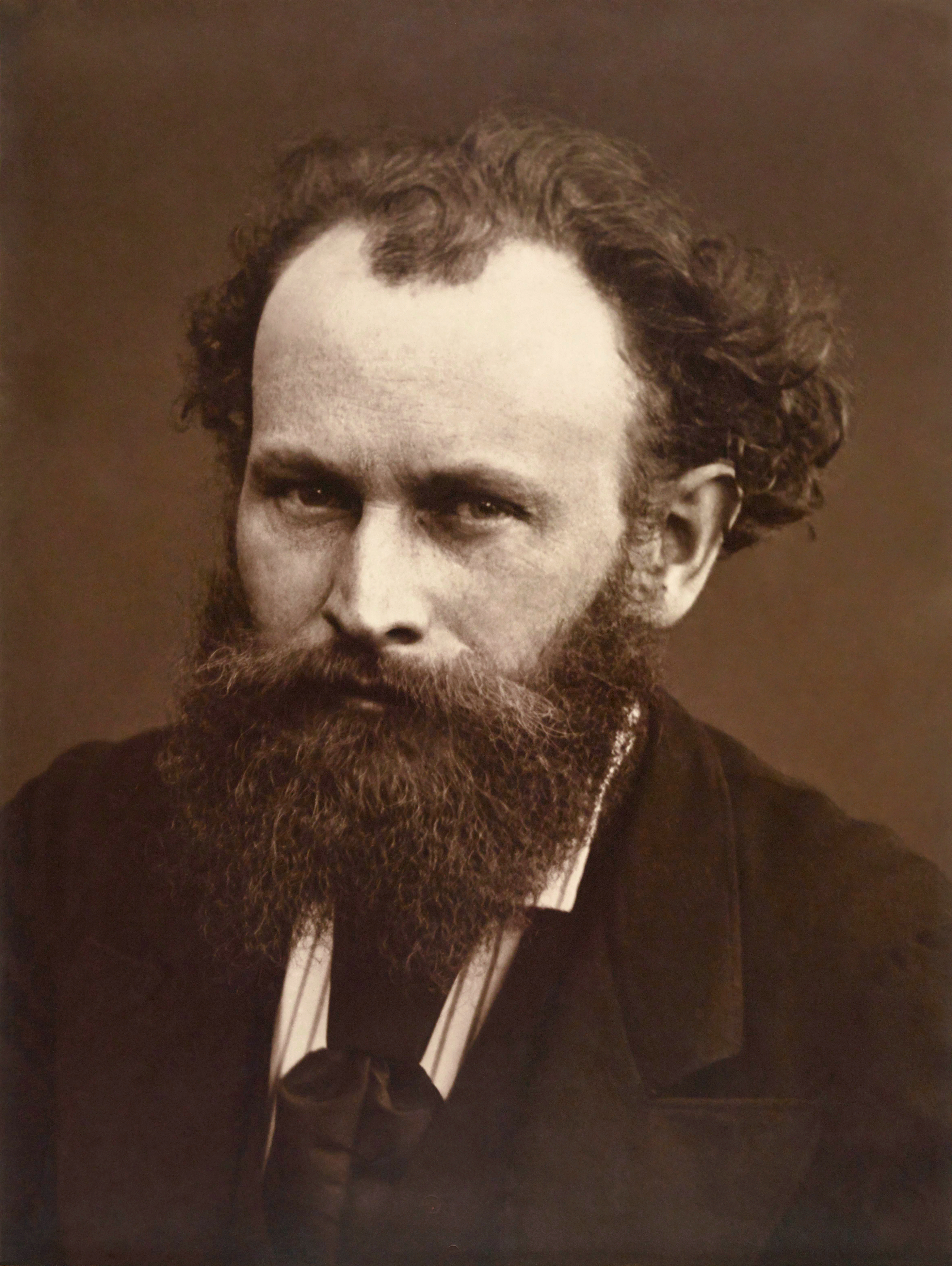
Andy Warhol
Skull (F. & S. II.158), 1976
```json
{ "headline": "One of a Kind: The Singular Power of Unique Works", "body": "There is a particular silence that falls over a room when you are standing before something that exists nowhere else on earth. Not the hushed reverence of a cathedral, not the polite quiet of a lecture hall, but something more instinctive than either of those. It is the silence of recognition, of understanding that the object in front of you is an unrepeatable event, a moment of human consciousness fixed in material form that will outlast everyone in the room. This is the condition of the unique work, and it has shaped how we think about art, value, and meaning for as long as artists have been making things.
", "In the long history of art, uniqueness was simply the default. A fresco painted onto a wall, a carved marble figure, a portrait commission completed in oils: these were singular objects almost by necessity. The idea that a work might be reproduced, distributed, multiplied across hundreds of identical surfaces, was largely unthinkable before the printmaking revolution of the fifteenth century. When Albrecht Dürer began disseminating his woodcuts and engravings across Europe in the 1490s and early 1500s, he transformed the relationship between artist and audience, but he also, perhaps unintentionally, threw the unique work into relief.
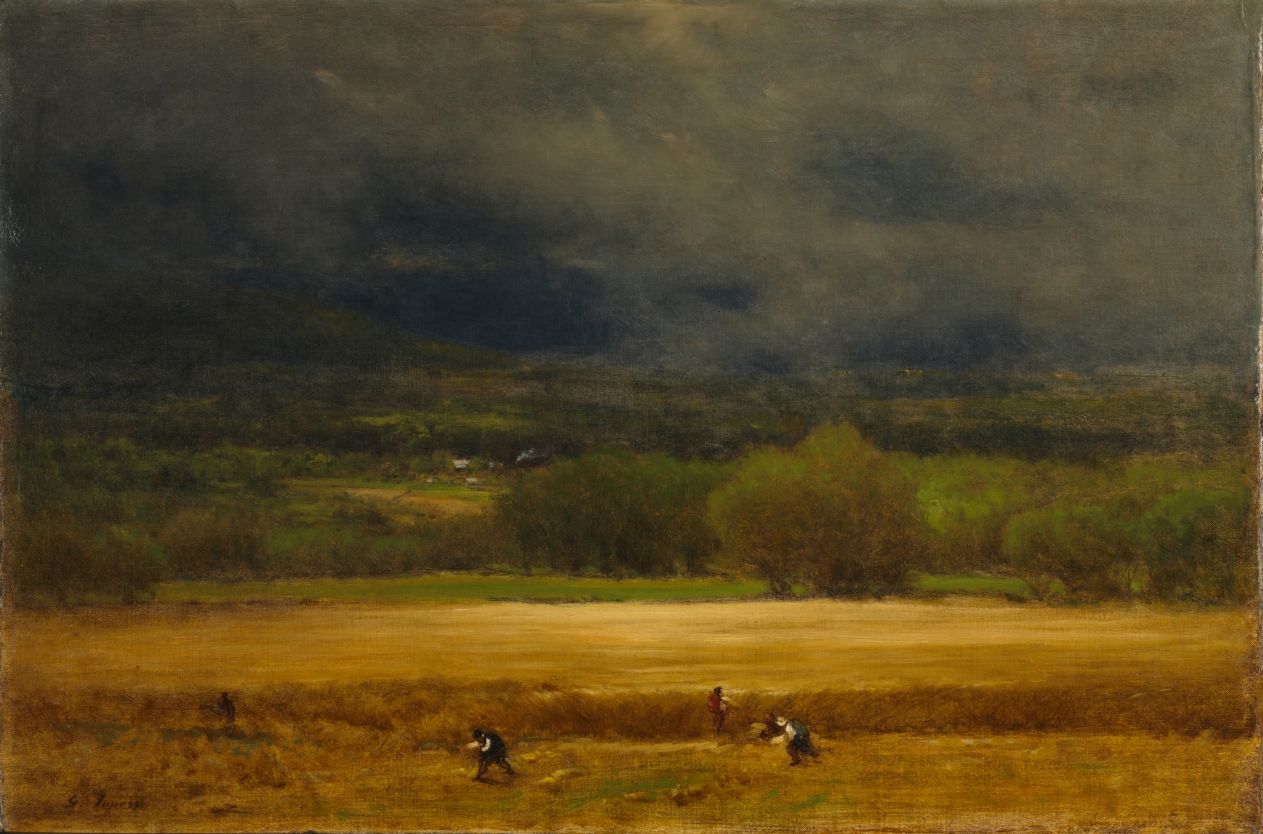
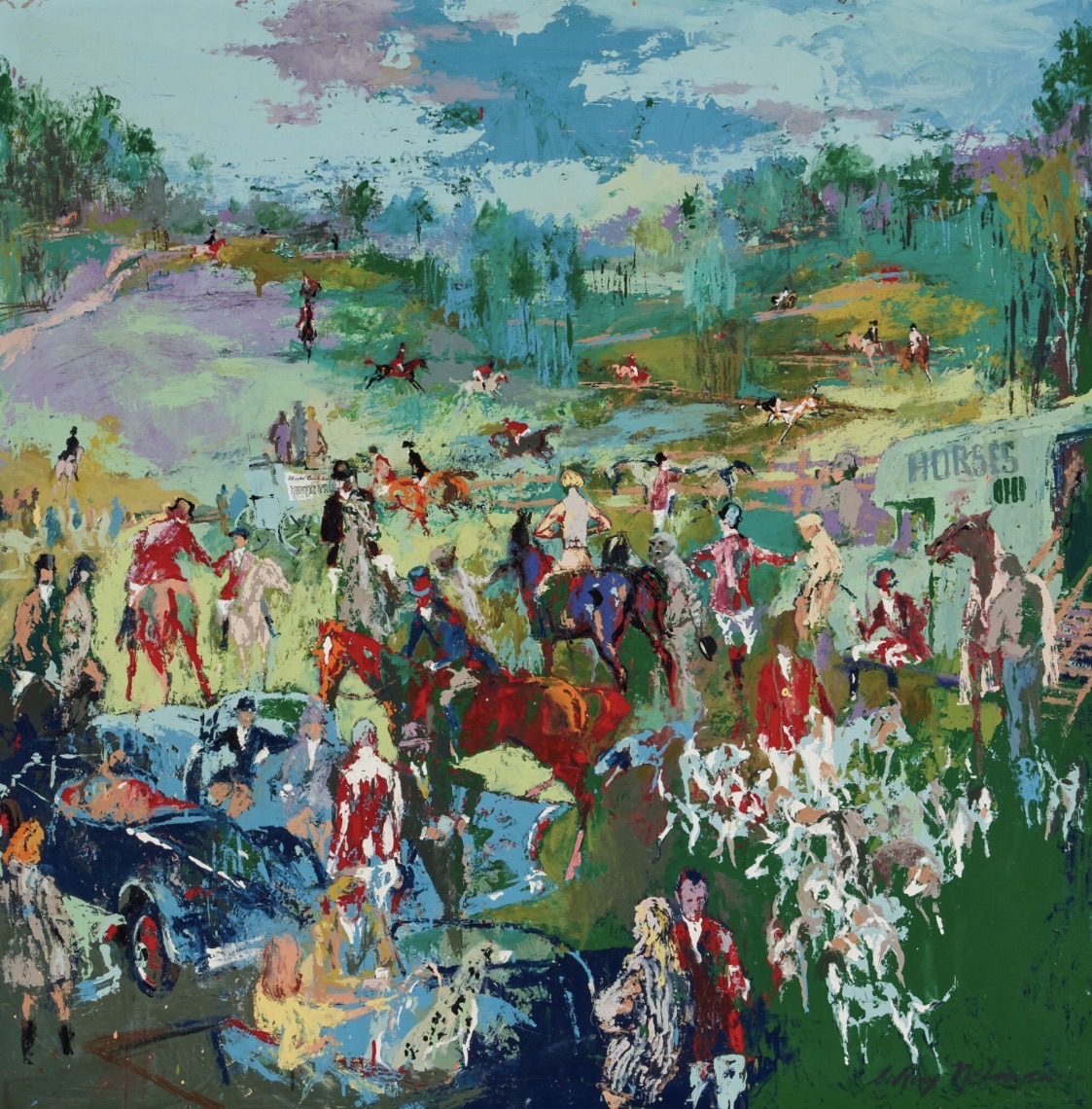
George Inness
The Wheat Field, 1875
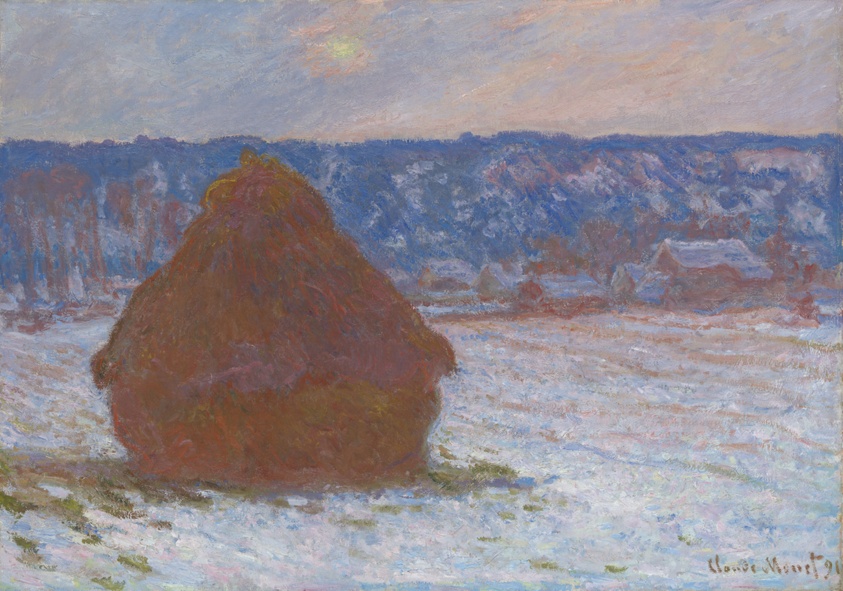
Suddenly there was something to compare it against. The unrepeatable object became visible precisely because repetition had become possible.", "The Impressionist movement, which exploded publicly at the first group exhibition on the Boulevard des Capucines in April 1874, offers a fascinating lens through which to consider uniqueness. Painters like Claude Monet and Pierre Auguste Renoir were working in series, returning to the same subject again and again, haystacks and water lilies and the surface of the Seine at different hours of the day.
And yet each canvas was unmistakably singular, a record of one specific quality of light at one specific moment, unreproducible by definition. Monet understood this intuitively. His ambition was not simply to paint a cathedral but to paint the Cathedral of Rouen at eight in the morning in February, a goal that made each work in the sequence its own irreducible statement. Both Monet and Renoir are well represented on The Collection, and looking across their works together, you begin to feel that serial practice and radical uniqueness are not opposites at all.
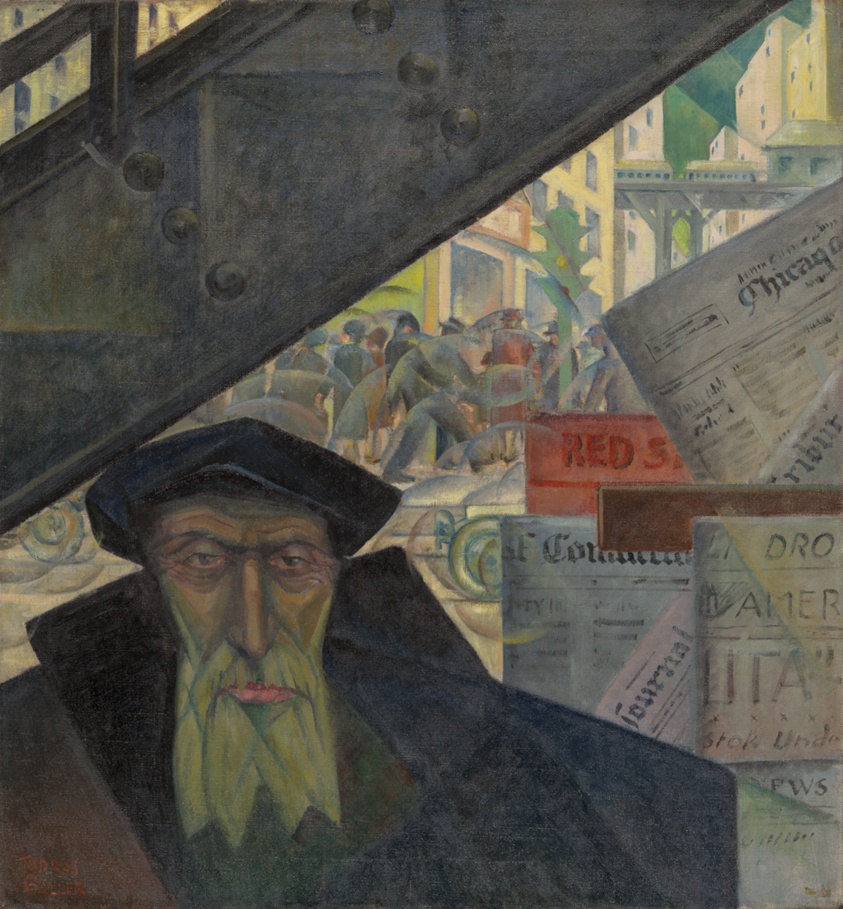
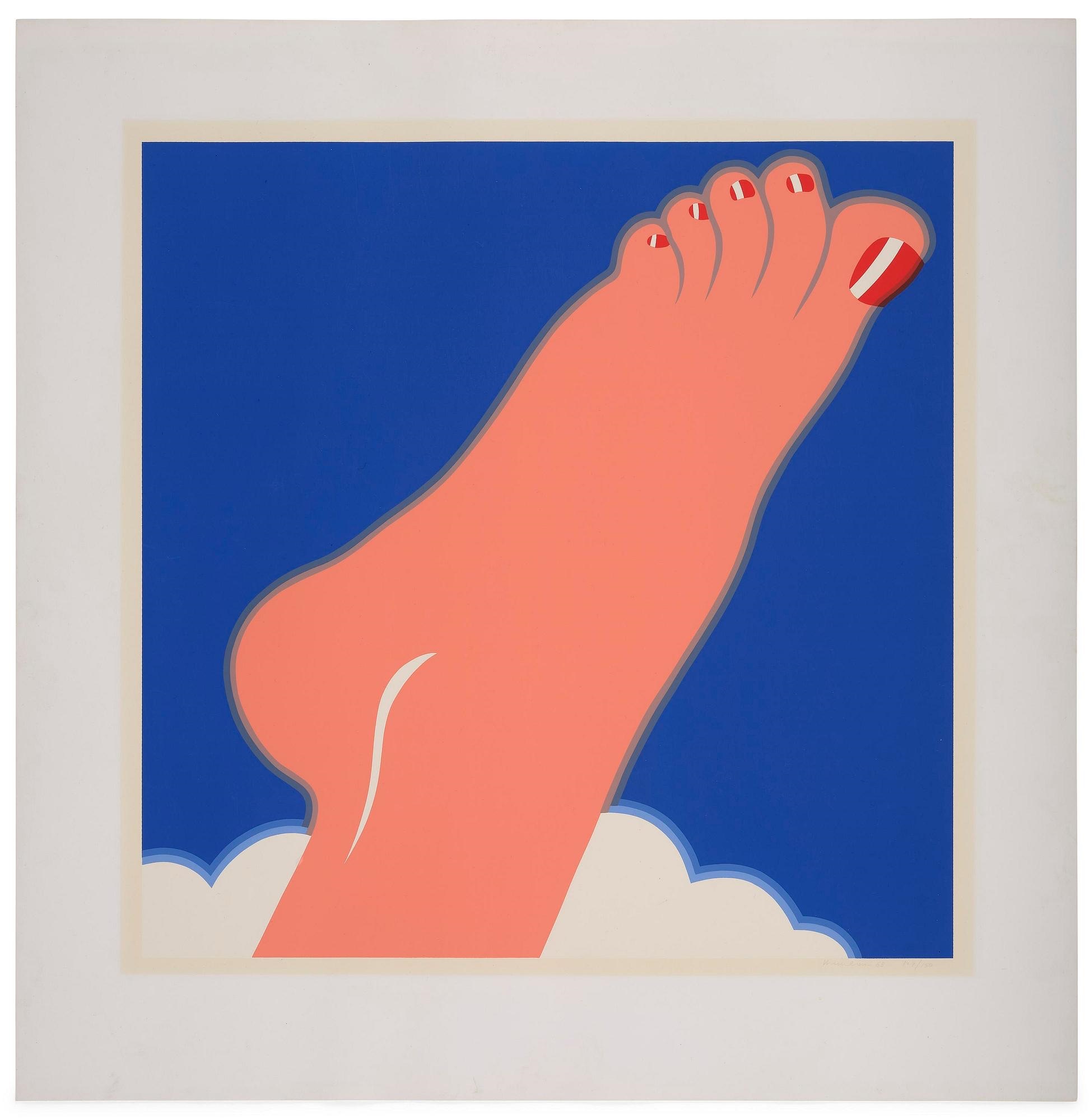
Todros Geller
Strange Worlds, 1928
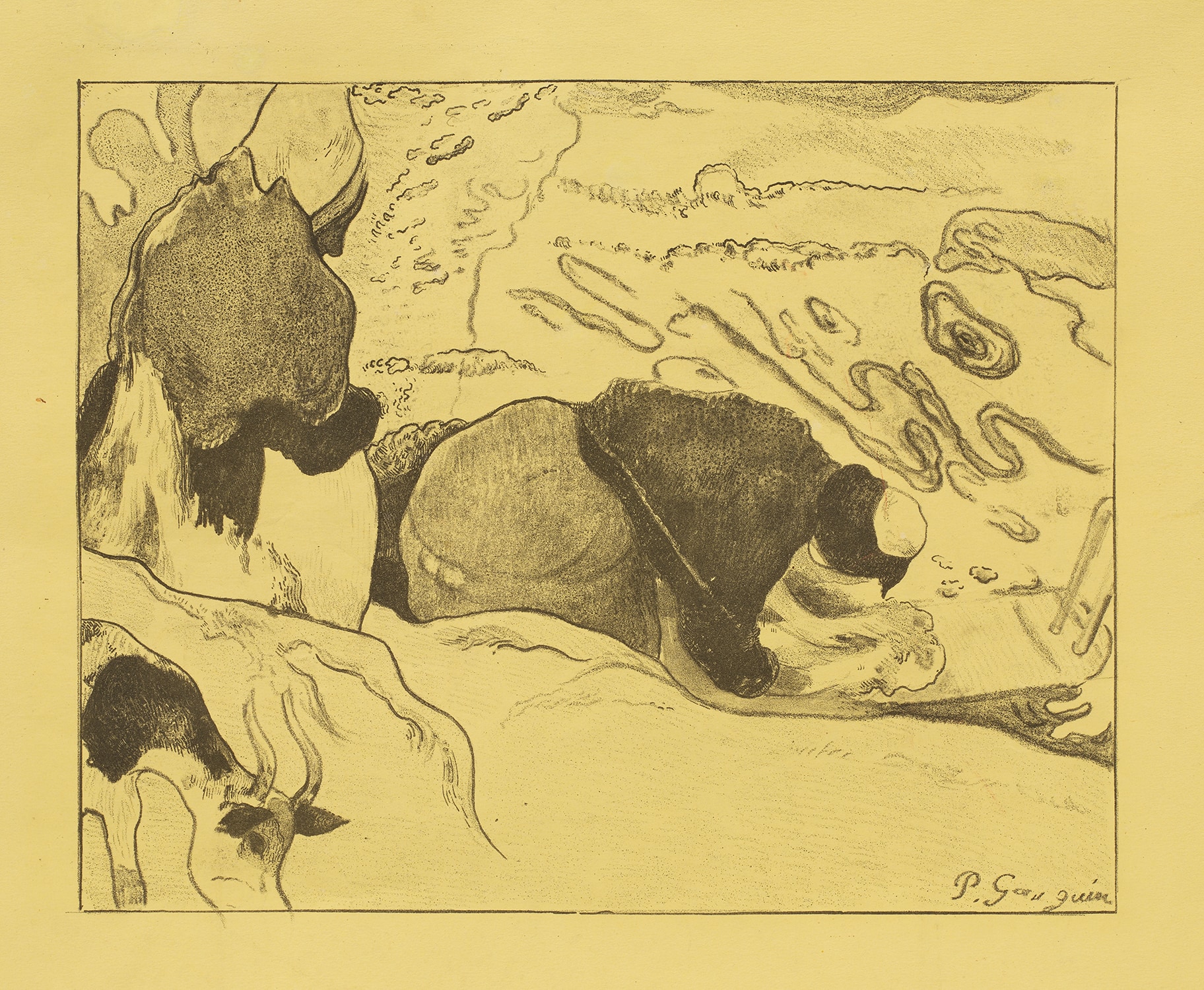
", "Paul Gauguin pushed uniqueness in a more defiant direction. After leaving Europe for Tahiti in 1891, his work became singular not just in the sense of being one of a kind but in the sense of being unlike anything produced within the European tradition. The imagery, the color logic, the spiritual weight he brought to his canvases and woodcuts were self consciously irreducible to any existing category. Gauguin is among the most extensively represented artists on The Collection, and what strikes you when moving through that body of work is how fiercely individual each object feels, even within a recognizable style.
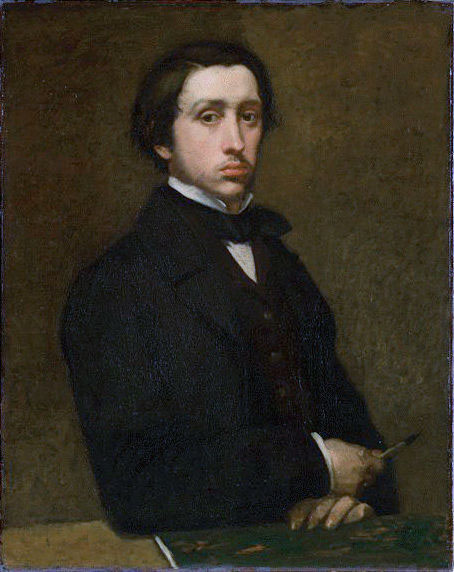
Edgar Degas, another of his contemporaries and a figure whose works appear on The Collection, arrived at uniqueness through a different kind of obsession, working and reworking compositions across monotype, pastel, and oil until the boundary between medium and subject seemed to dissolve.", "The question of uniqueness became philosophically urgent in the twentieth century, when Walter Benjamin published his landmark essay on the work of art in the age of mechanical reproduction in 1935. Benjamin argued that the unique work possessed what he called an aura, a quality tied to its singular presence in time and space, its here and now. Reproduction, he suggested, withered that aura.
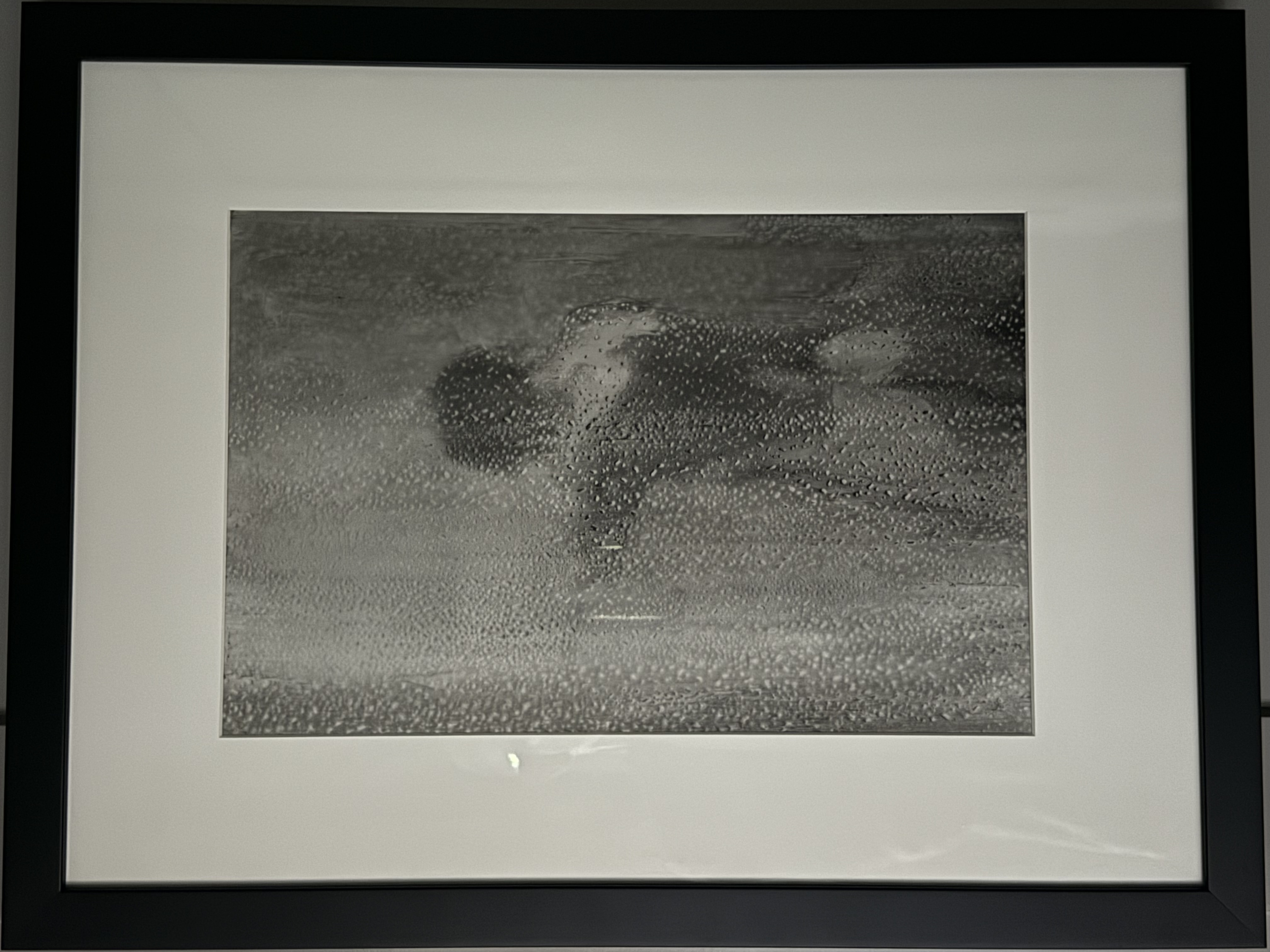
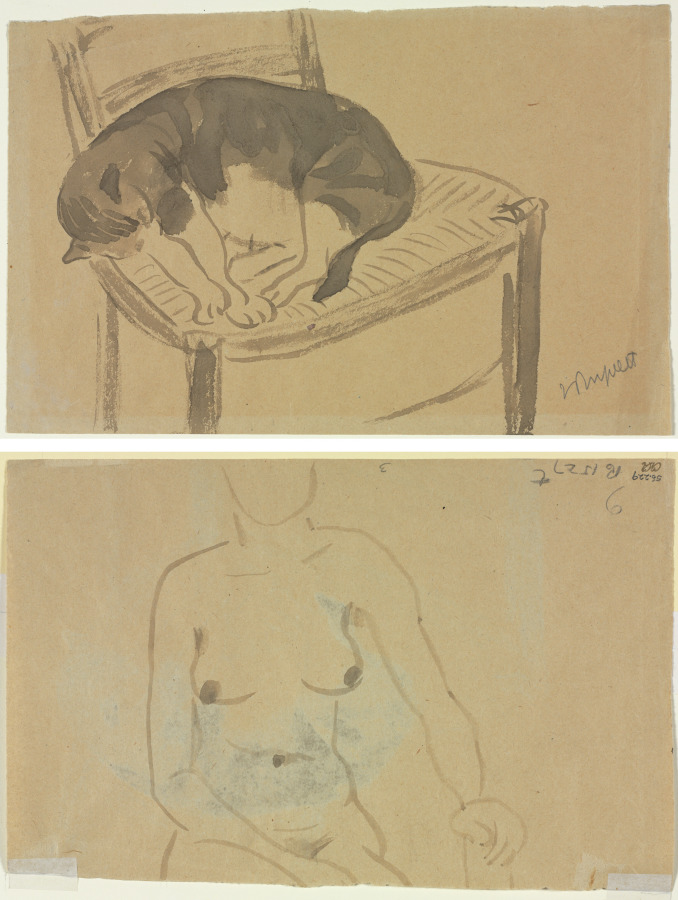
Michael David
Small Shower VII, 1998
Artists responded to this idea in wildly different ways. Andy Warhol, represented on The Collection, seemed to spend his career gleefully dismantling the aura altogether, reproducing soup cans and celebrity faces until the question of originality became its own subject. And yet the irony is that Warhol's unique works, his drawings and paintings made by hand, are among the most fiercely sought objects in the contemporary market. The aura reasserted itself.
", "Uniqueness in art is also bound up with the materiality of making. When James McNeill Whistler worked on a copper plate, the pressure of his hand, the slight drag of the needle through the metal, left marks that could never be exactly replicated. Whistler was a tireless experimenter with etching, often printing very small editions and sometimes canceling his plates afterward to preserve the rarity of each impression. His works on The Collection speak to that careful, almost possessive relationship with the singular object.
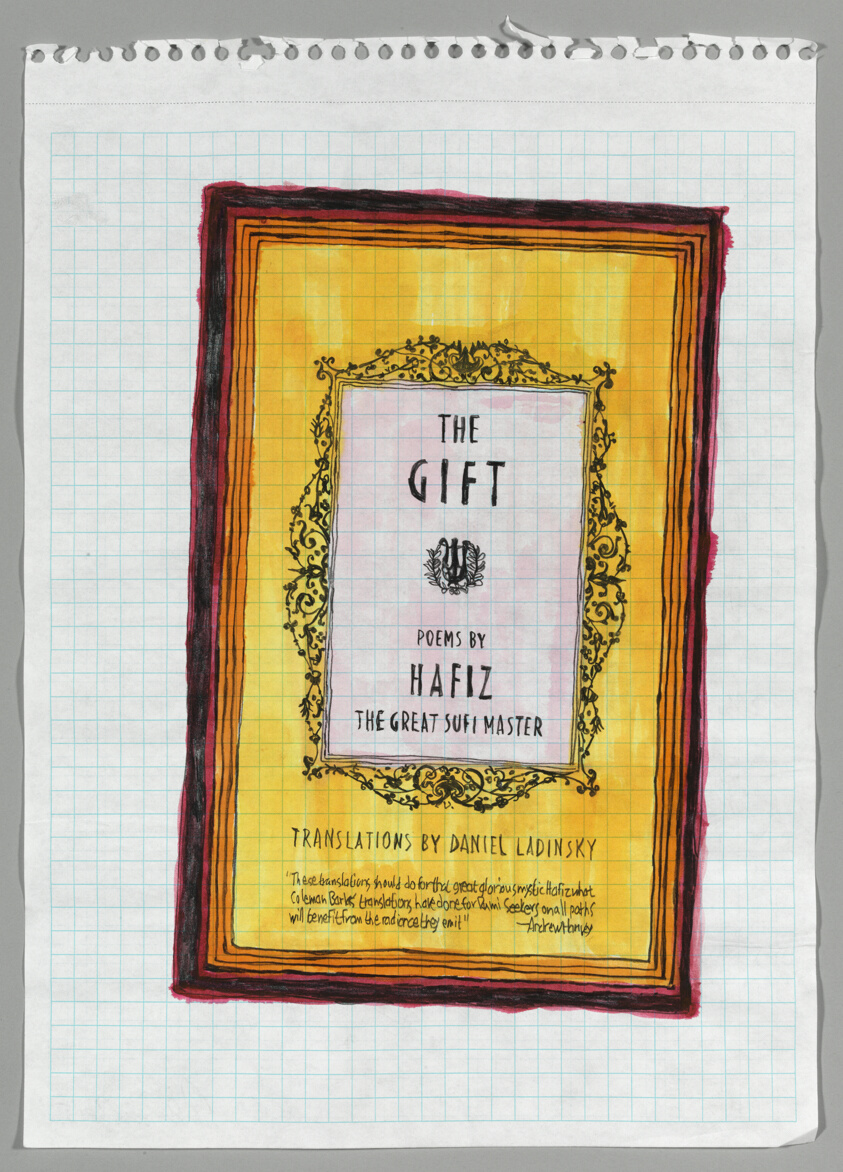
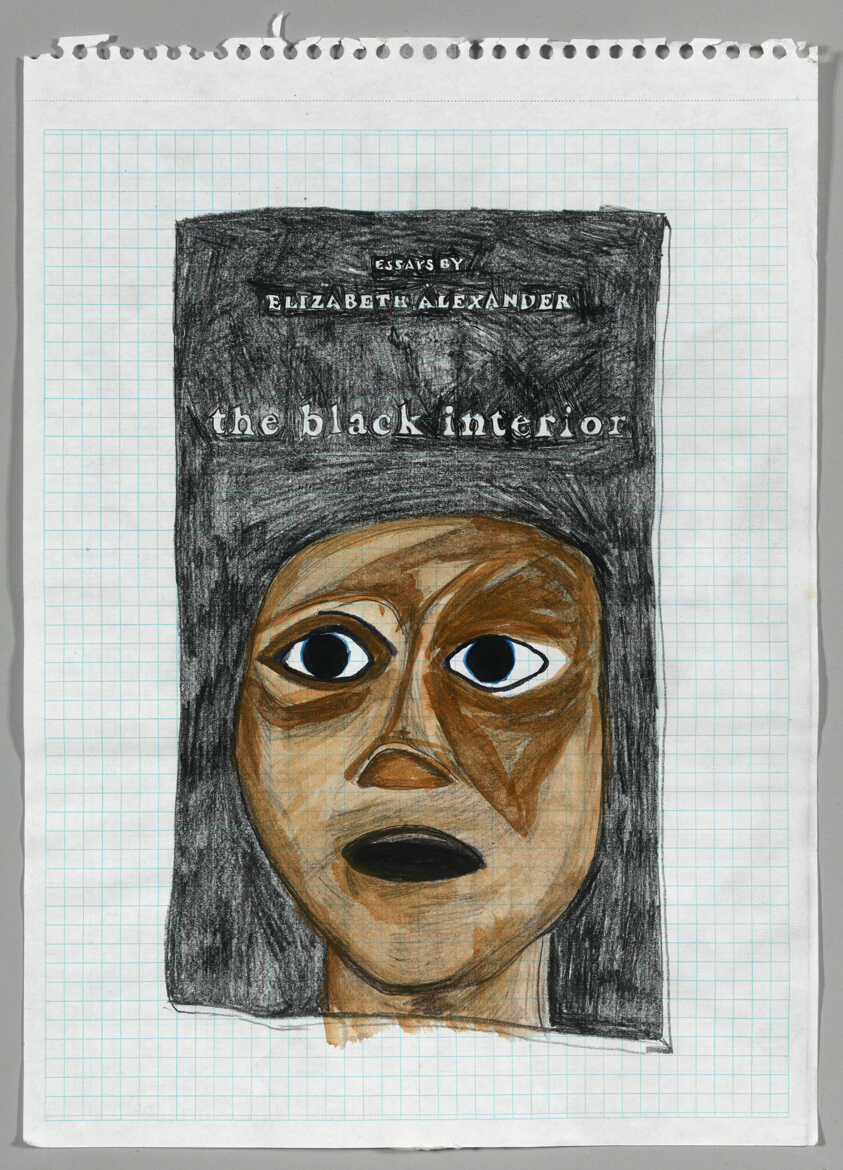
Cauleen Smith
The Gift, from Human_3.0 Reading List, 2015
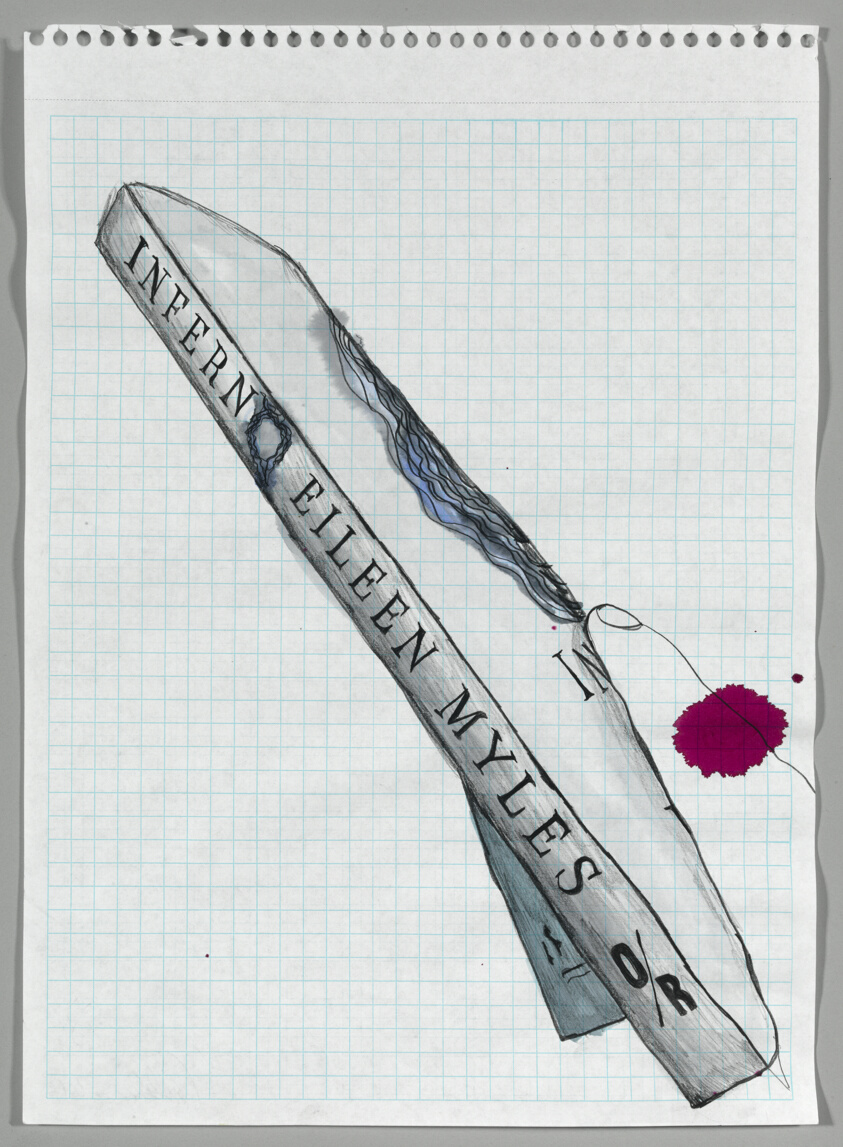
Auguste Louis Lepère, a French printmaker working in the late nineteenth and early twentieth centuries, brought a comparable intensity to the woodcut, a medium whose grain and resistance always collaborate with the artist in ways that resist pure control. In both cases, the material becomes a co author of the work's uniqueness.", "Contemporary artists have found new ways to interrogate what it means to make something singular in an era of infinite digital reproduction. Cauleen Smith, whose practice spans film, installation, and works on paper, brings to each piece a layered attention to history, community, and embodied experience that resists easy duplication.
Her works on The Collection carry the feeling of objects with specific origins, made in particular circumstances for reasons that matter. This is perhaps the deepest definition of the unique work: not simply that it exists in one copy, but that it could not have come from anywhere other than where it came from.", "What collectors have always understood, and what the market consistently confirms, is that uniqueness concentrates meaning. When you acquire a work that exists nowhere else, you are not simply purchasing an object.
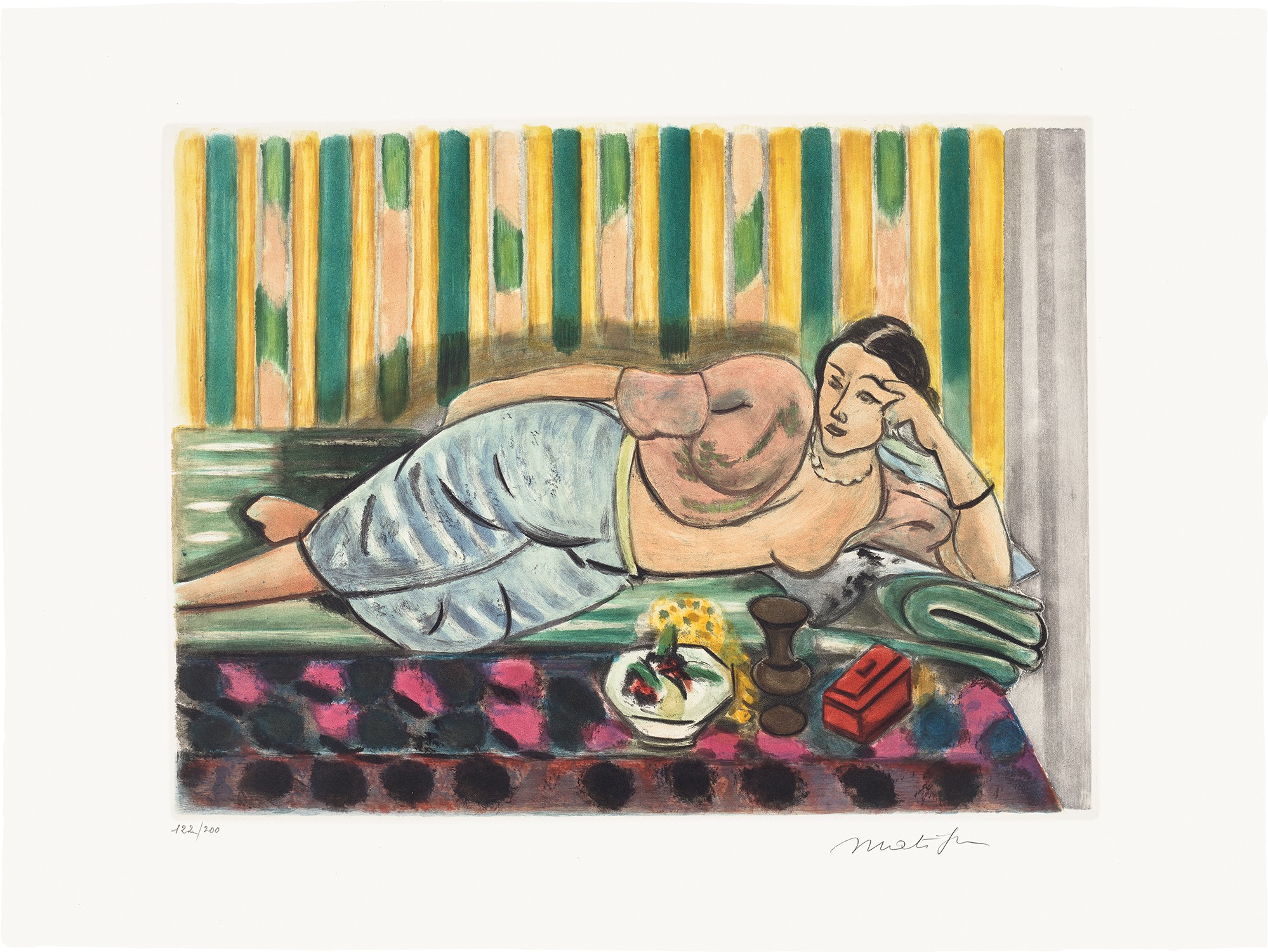
You are entering into custody of a specific act of attention, a moment when a particular mind engaged with the world in a way that left a permanent trace. The artists who have shaped the history of collecting, from Gauguin and Van Gogh to Matisse and Warhol, understood that the unique work is not a luxury or an accident. It is the fundamental unit of artistic communication. Everything else is commentary.