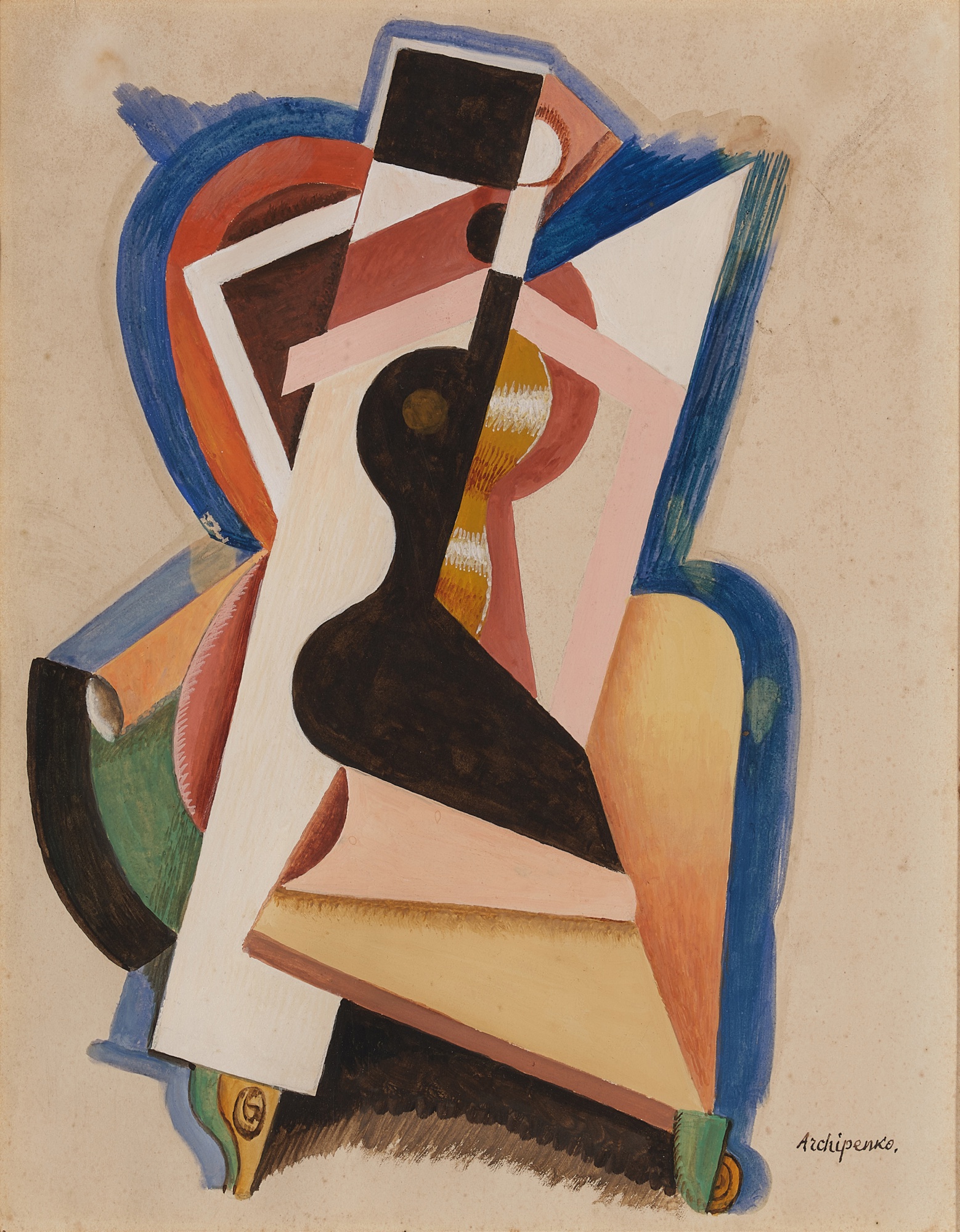
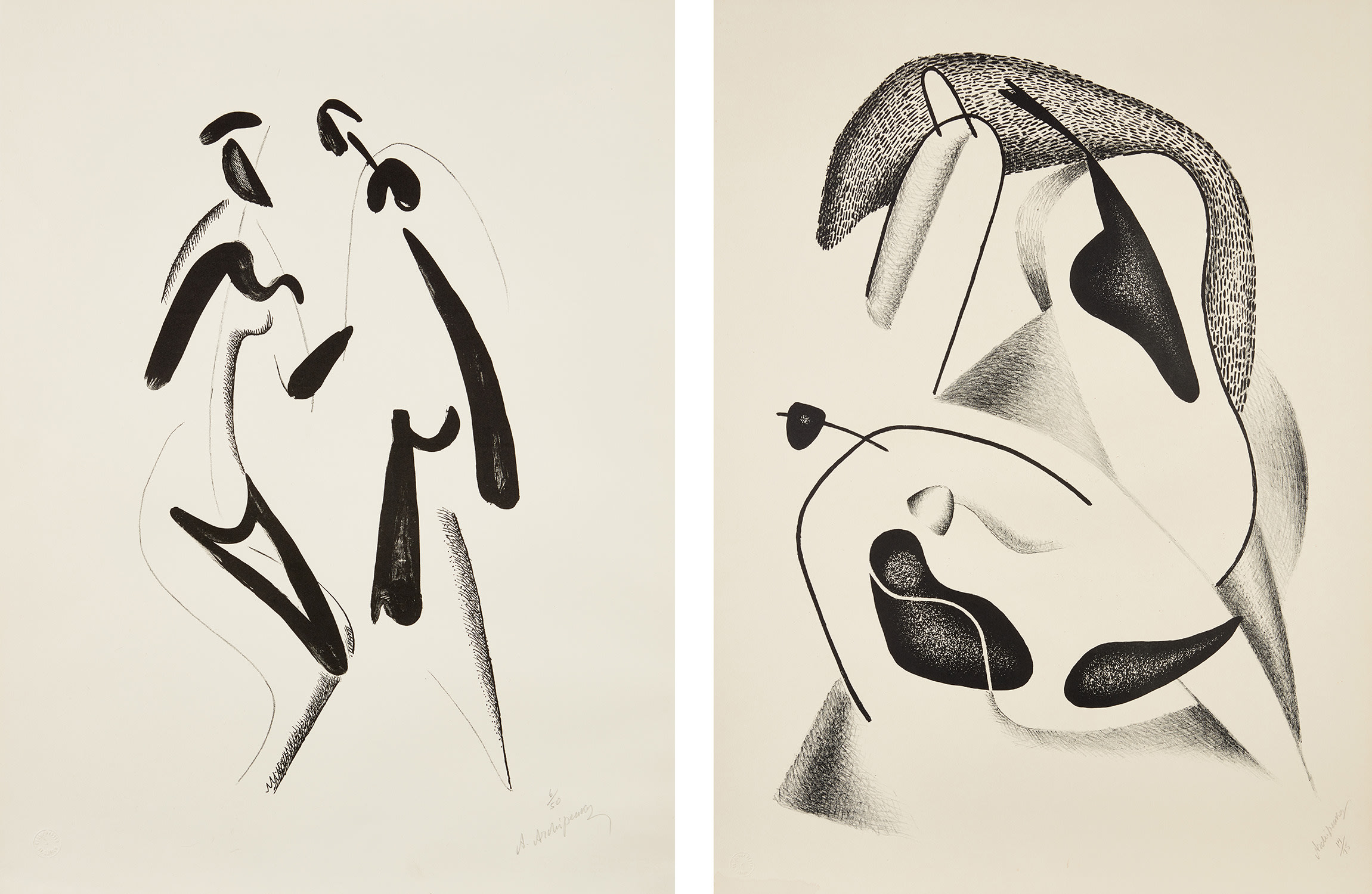
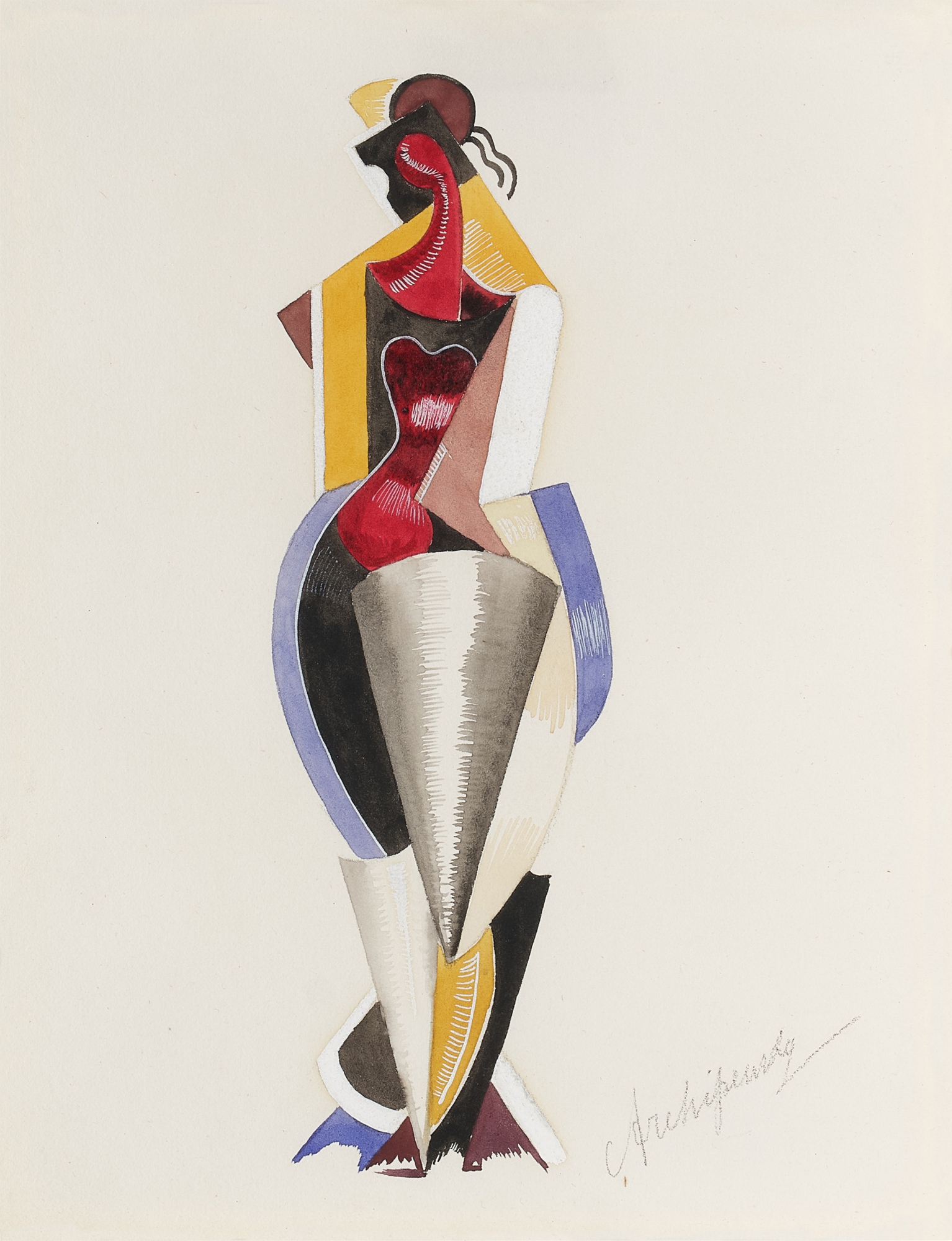
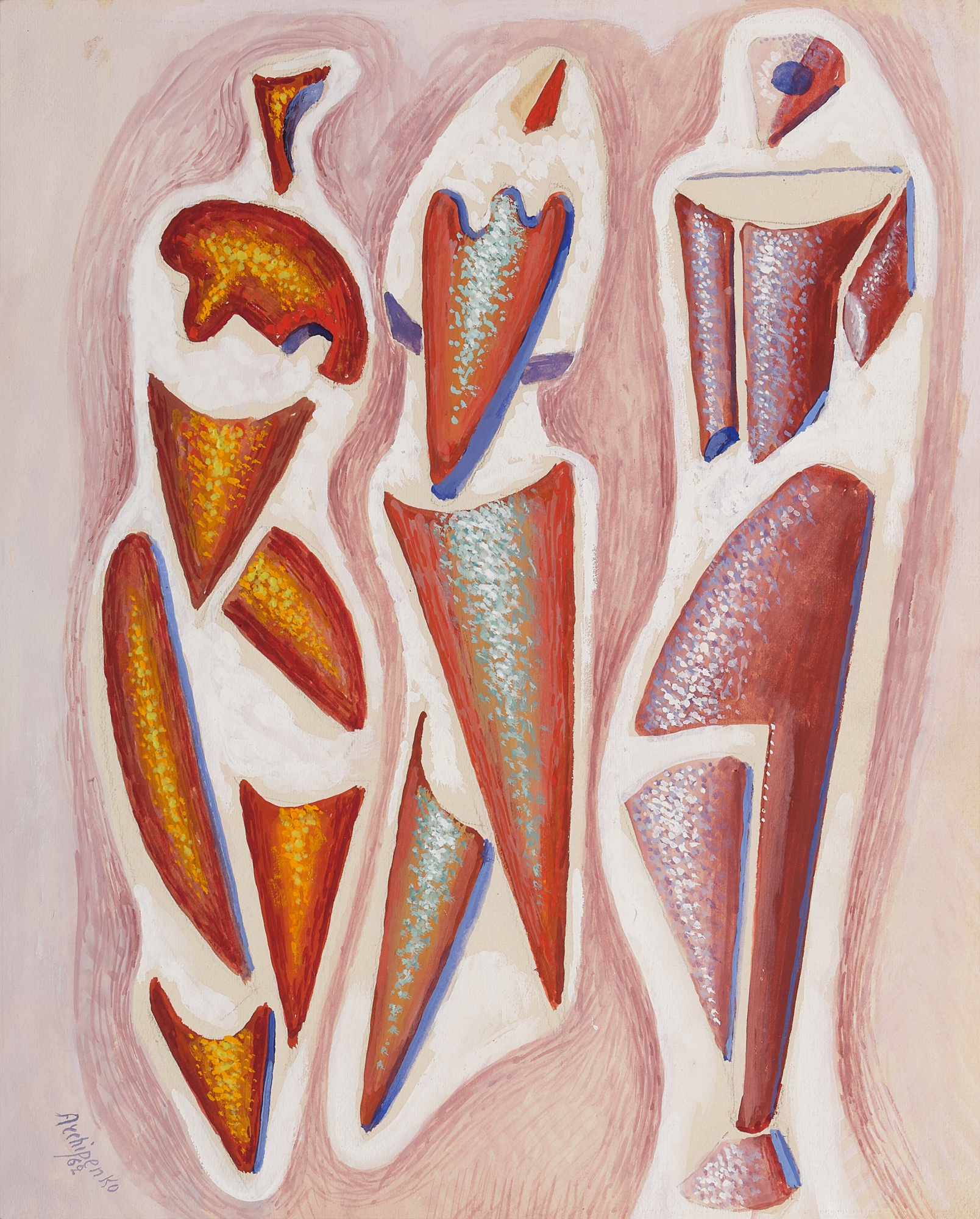
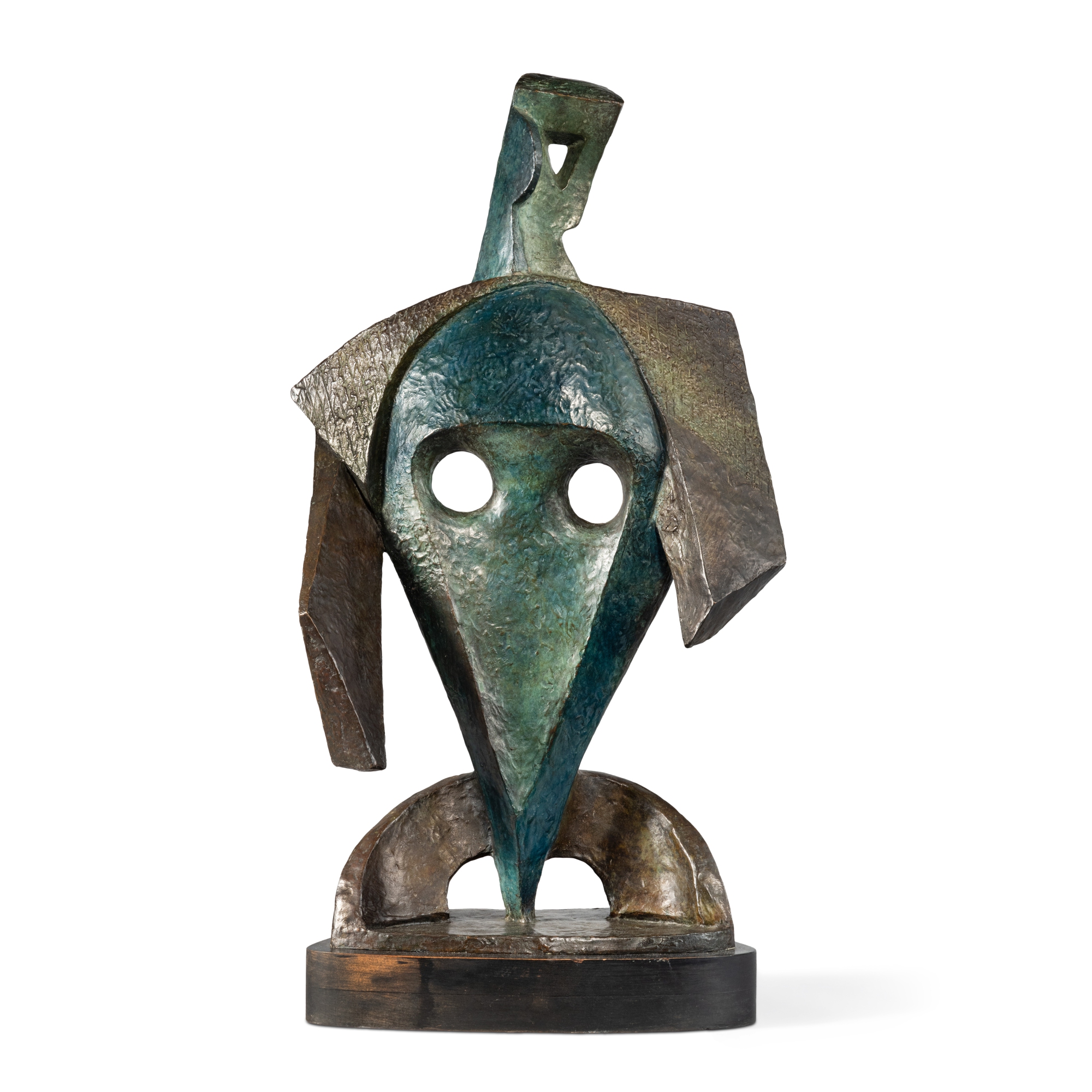
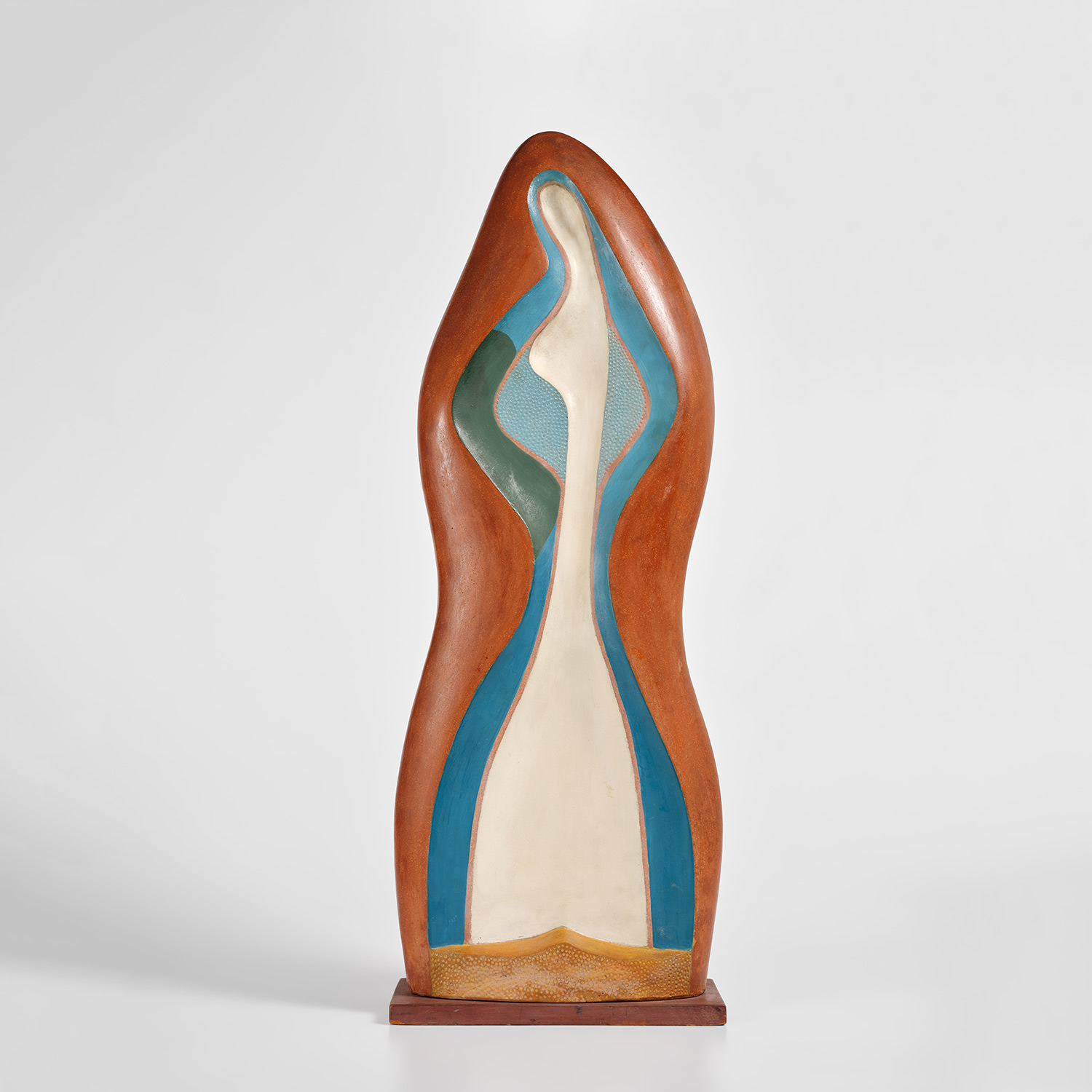
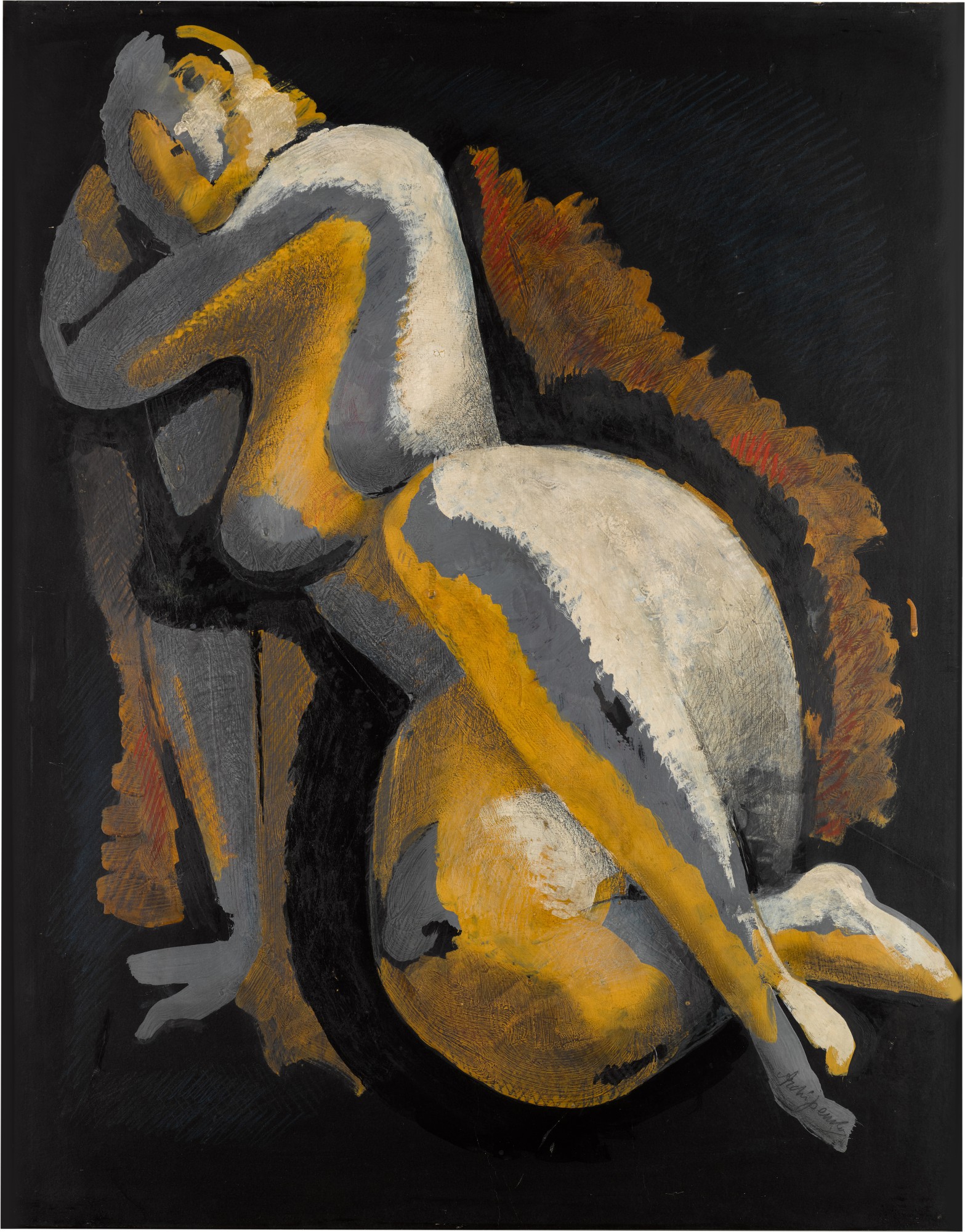
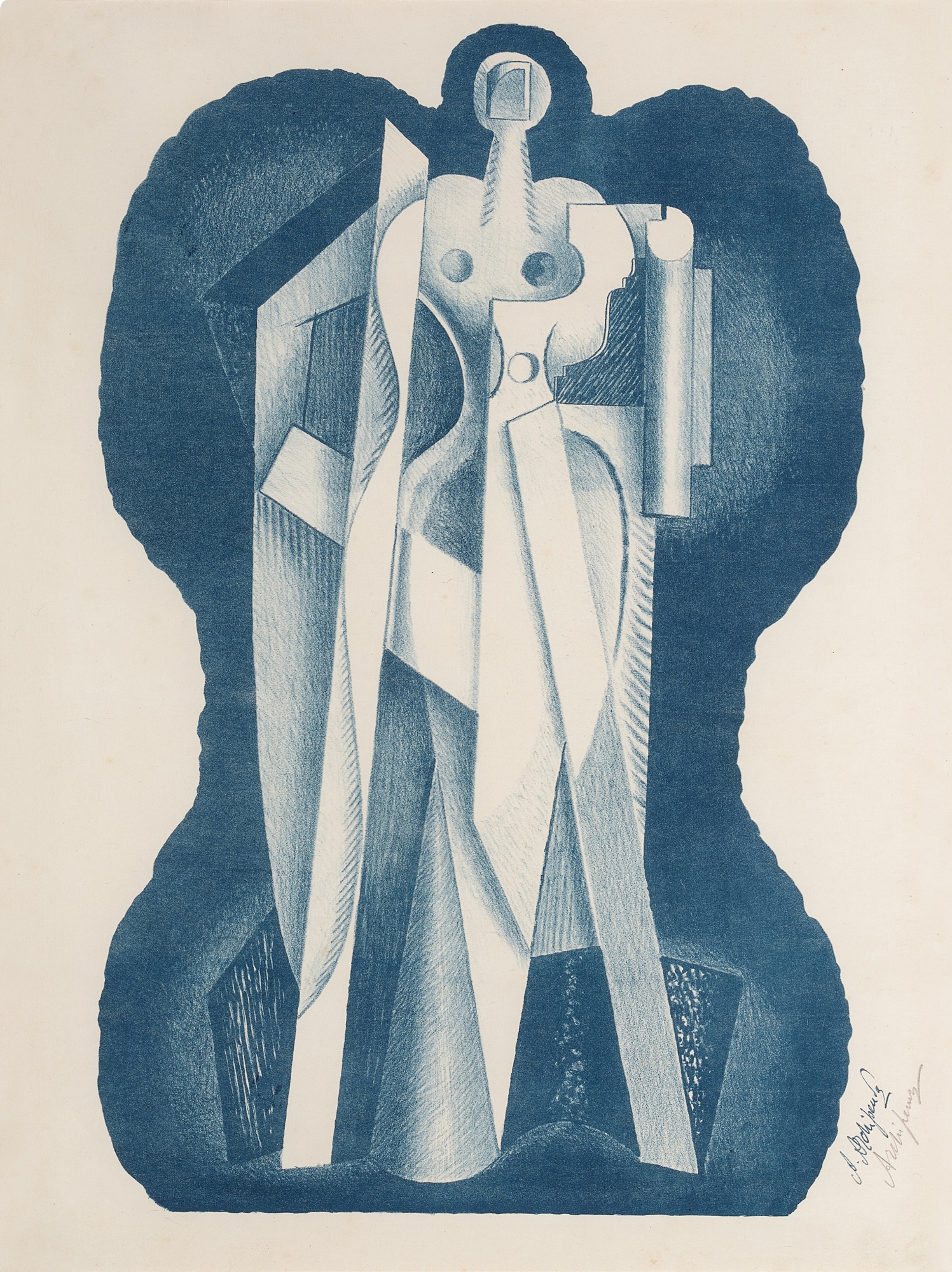
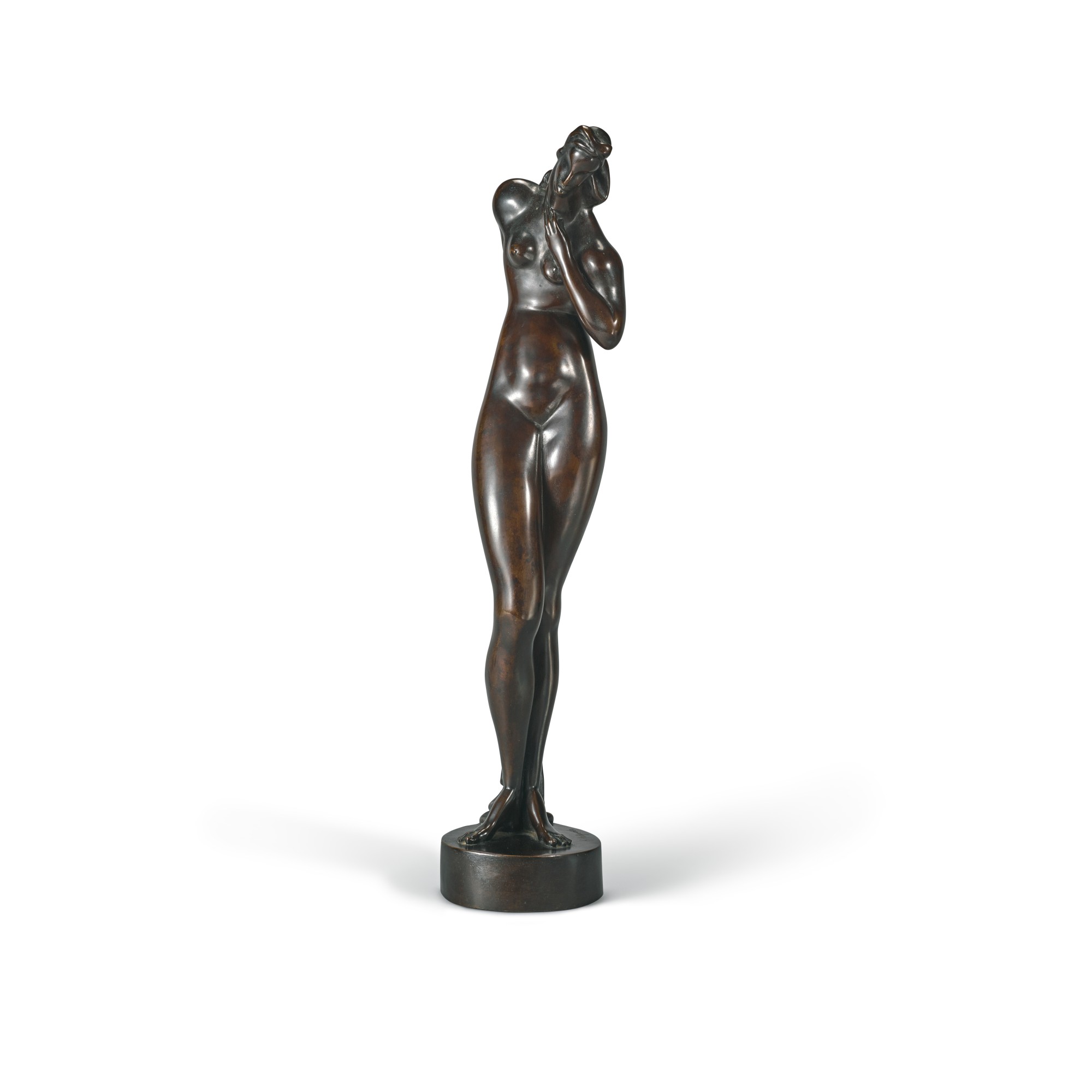
When the Centre Pompidou presented its sweeping survey of Cubist sculpture in Paris, one name surfaced again and again as the movement's restless, indispensable innovator: Alexander Archipenko. Scholars and curators returned to his early bronzes with fresh eyes, struck by how completely he had dismantled the inherited logic of the human figure and rebuilt it as something entirely new. His work did not simply participate in the modernist revolution of the early twentieth century. In many ways, it helped cause it. Alexander Porfiryovitch Archipenko was born in Kyiv in 1887, in what was then part of the Russian Empire. His grandfather was a painter of church icons, and the deep formal language of Ukrainian religious art, its flattened planes, its compressed spirituality, its comfort with abstraction in service of meaning, left an unmistakable imprint on his sensibility. He studied art briefly in Kyiv and then in Moscow before leaving for Paris in 1908, arriving at exactly the moment the city was becoming the most charged laboratory for visual ideas in human history. He enrolled at the École des Beaux Arts but found its conservatism stifling and left after only a few weeks, preferring the unruly education of the galleries, the studios, and the streets of Montparnasse. In Paris, Archipenko fell into orbit around the Cubists, showing at the Salon des Indépendants from 1910 onward and exhibiting with the Section d'Or group alongside Fernand Léger, Juan Gris, and Robert Delaunay. But where Picasso and Braque were dismantling pictorial space on the canvas, Archipenko was asking what those same ideas could do in three dimensions. The answer arrived with startling speed. By 1912 he had opened his own school in Paris and was producing sculptures that treated the void, the empty space within a form, as a positive sculptural element rather than an absence. This was a conceptual rupture of the first order. The hole was no longer nothing. It was something. His bronze of 1911 titled Dancer, one of the works now available through The Collection, captures this early breakthrough with elegance and force. The figure is recognizably human and yet radically compressed, its surfaces tilted and faceted as though seen from multiple angles simultaneously. It vibrates with kinetic energy, the body caught mid movement and somehow stilled into permanence. Equally revelatory is his Statue on Triangular Base from 1914, a patinated bronze that demonstrates how completely he had absorbed the lessons of Cubism and made them entirely his own. The triangular base is not merely structural. It is compositional, part of the visual argument the work is making about geometry, weight, and the human presence. The portfolio Dreizehn Steinzeichnungen, completed in 1921, opens another dimension of his practice entirely. Comprising fourteen lithographs printed in colors on laid Japan paper, with one sheet hand colored, and presented in the original suede covered boards, it is a work that reveals Archipenko as a printmaker of great sophistication. The portfolio circulated among a small number of collectors in Europe and America and has since become a landmark document of early modernist printmaking. Its imagery distills the same formal ideas as his sculpture into the language of line and color, proving that his thinking was not medium specific but rooted in a set of principles that could travel freely across materials and processes. Archipenko left Europe for the United States in 1923, settling eventually in New York. The move marked a new phase in his career and his influence. He opened schools in New York and later in Chicago, where he taught and lectured with tireless energy, becoming one of the central figures in the transmission of European modernism to American artists. His later works, including the luminous oil and crayon composition White, Gray and Yellow (Seated Nude) from 1938, show a painter's attentiveness to light and surface. The figure dissolves into arcs and planes of warm color, the seated form becoming almost architectural in its stillness. It is a work that rewards long looking, its apparent simplicity concealing a lifetime of hard won understanding. For collectors, Archipenko represents a remarkable intersection of historical importance and visual pleasure. His works appear regularly at the major auction houses, and important bronzes have achieved strong results at Christie's, Sotheby's, and Bonhams in recent years, reflecting sustained institutional and private demand. Works on paper, including the gouache Femme dans un fauteuil from 1920, offer collectors an accessible point of entry into a practice of great depth and range. The gouache format allowed Archipenko to work with directness and speed, and these intimate works often carry the feeling of a master thinking aloud, ideas moving through the hand with unguarded fluency. To understand Archipenko properly is to understand the wider ecosystem of early twentieth century modernism. His peers in sculpture included Constantin Brancusi, Julio González, and Jacques Lipchitz, all of whom were pursuing related questions about form, material, and the representation of the figure. Archipenko's particular contribution was his willingness to introduce concavity and open space as formal equivalents to solid mass. The work titled Concave within Concave from 1938 makes this argument literally, its very title a philosophical position. He was also in dialogue with the painters of his generation: his formal vocabulary shares much with the geometric abstraction of Kazimir Malevich and the structural clarity of the Constructivists, though Archipenko always kept the human figure as his central subject and concern. His legacy today is secure and still expanding. Museums including the Solomon R. Guggenheim Museum in New York, the Smithsonian American Art Museum in Washington, and the Peggy Guggenheim Collection in Venice hold significant examples of his work. Ukrainian cultural institutions have in recent years reasserted his importance as a foundational figure in the country's artistic heritage, a reclamation that feels urgent and entirely deserved given the renewed global attention to Ukrainian cultural identity. Archipenko died in New York in 1964, but his ideas about space, form, and the productive power of absence remain alive in contemporary sculpture, design, and architecture. To collect his work is to hold a piece of the moment when the modern world first learned to see differently.