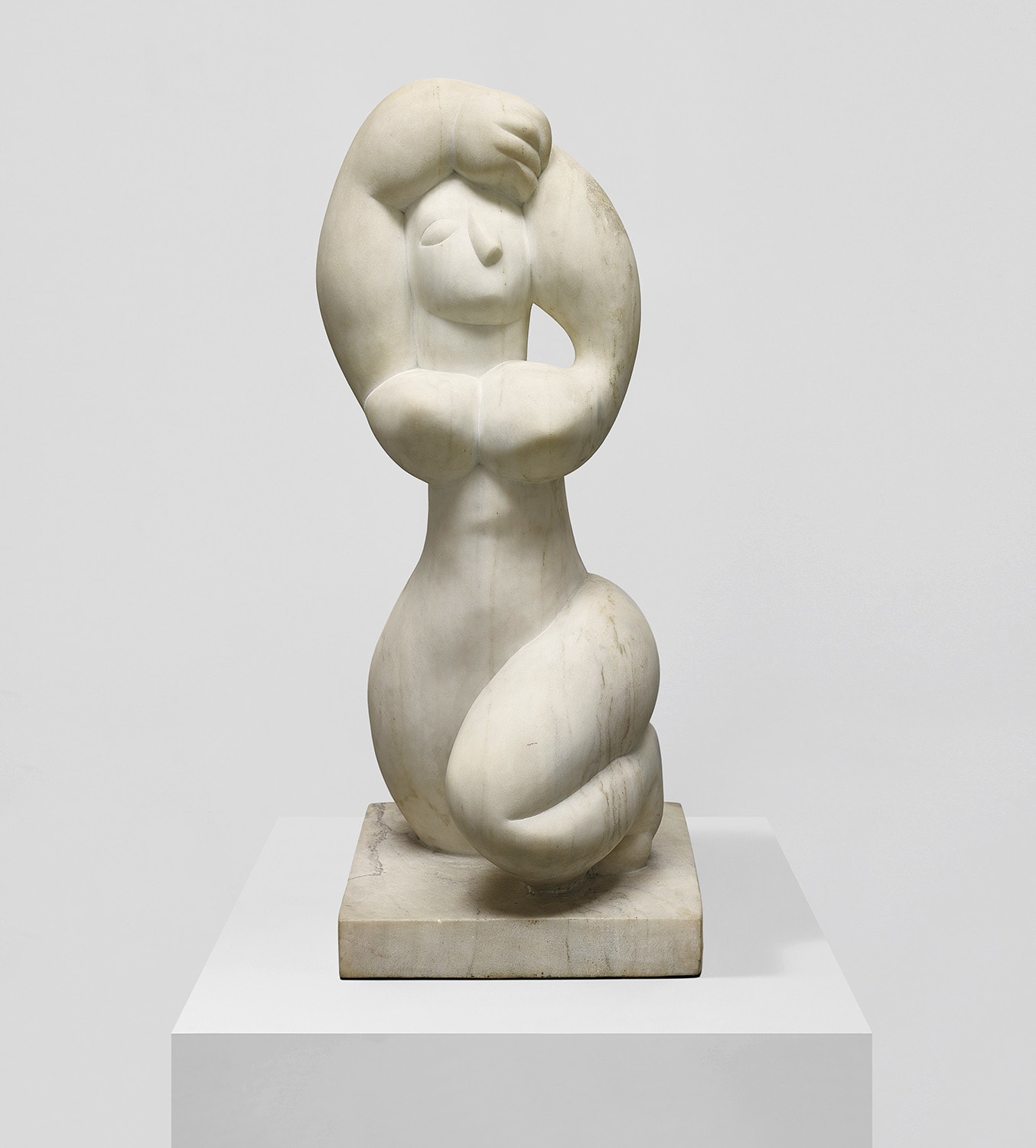
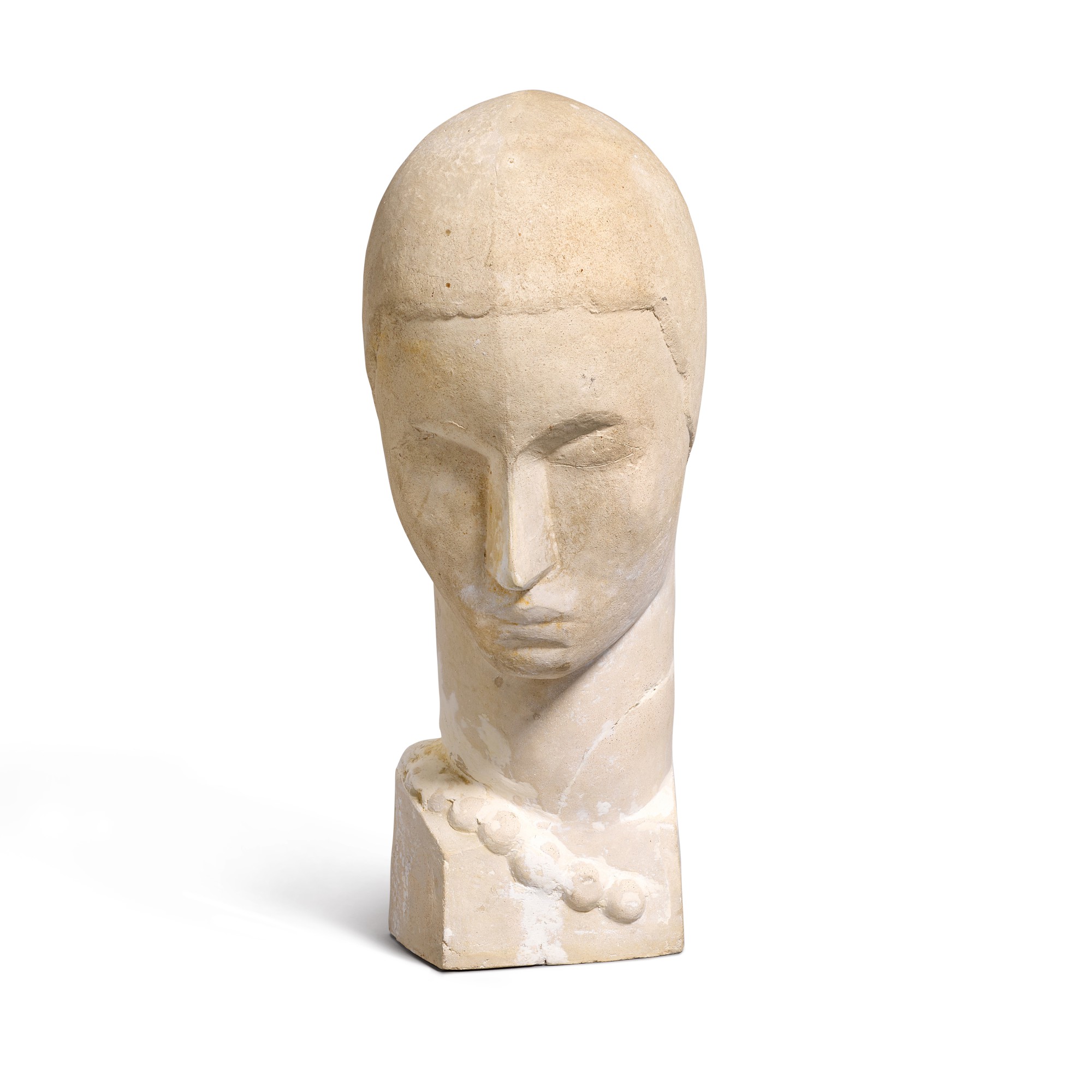
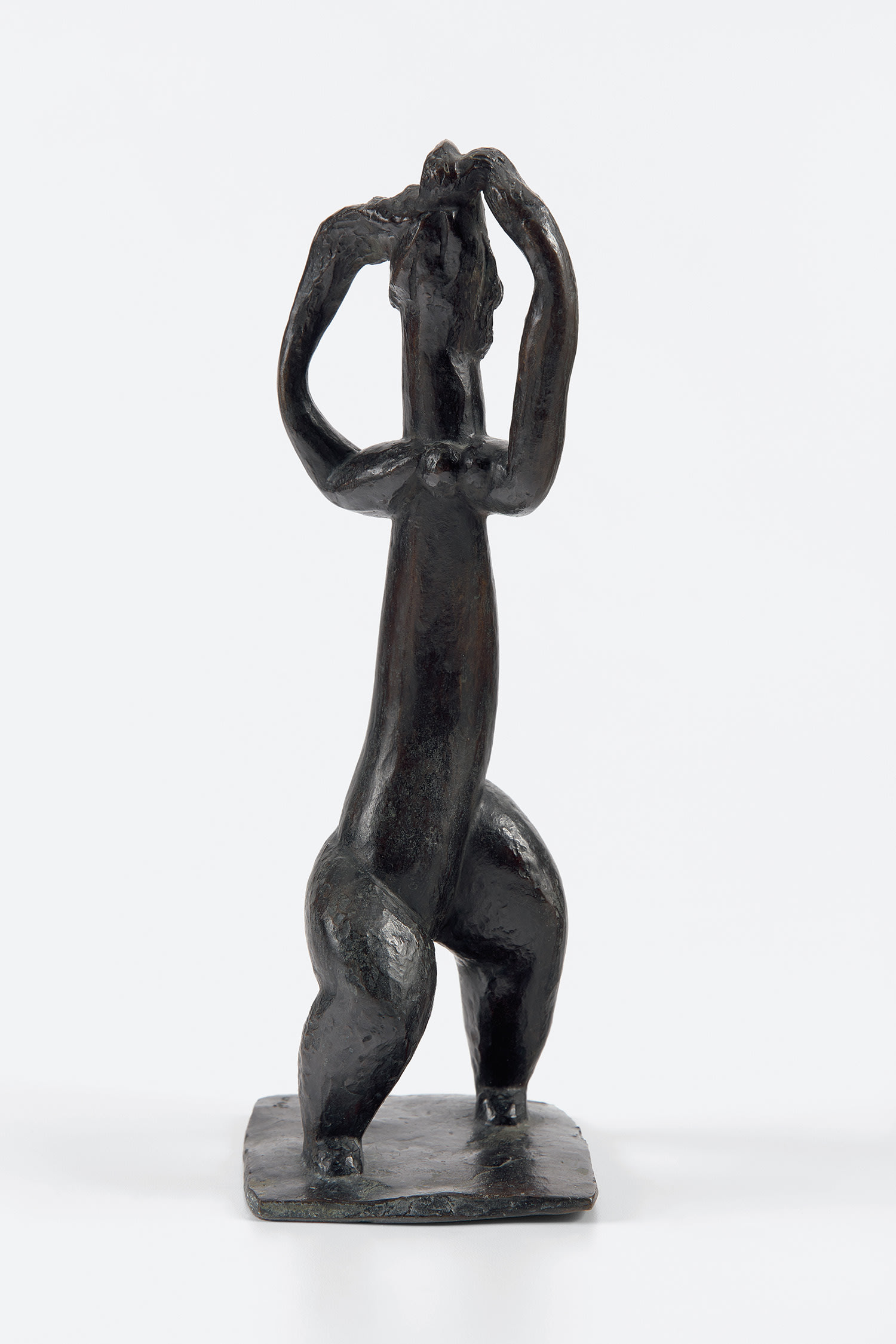
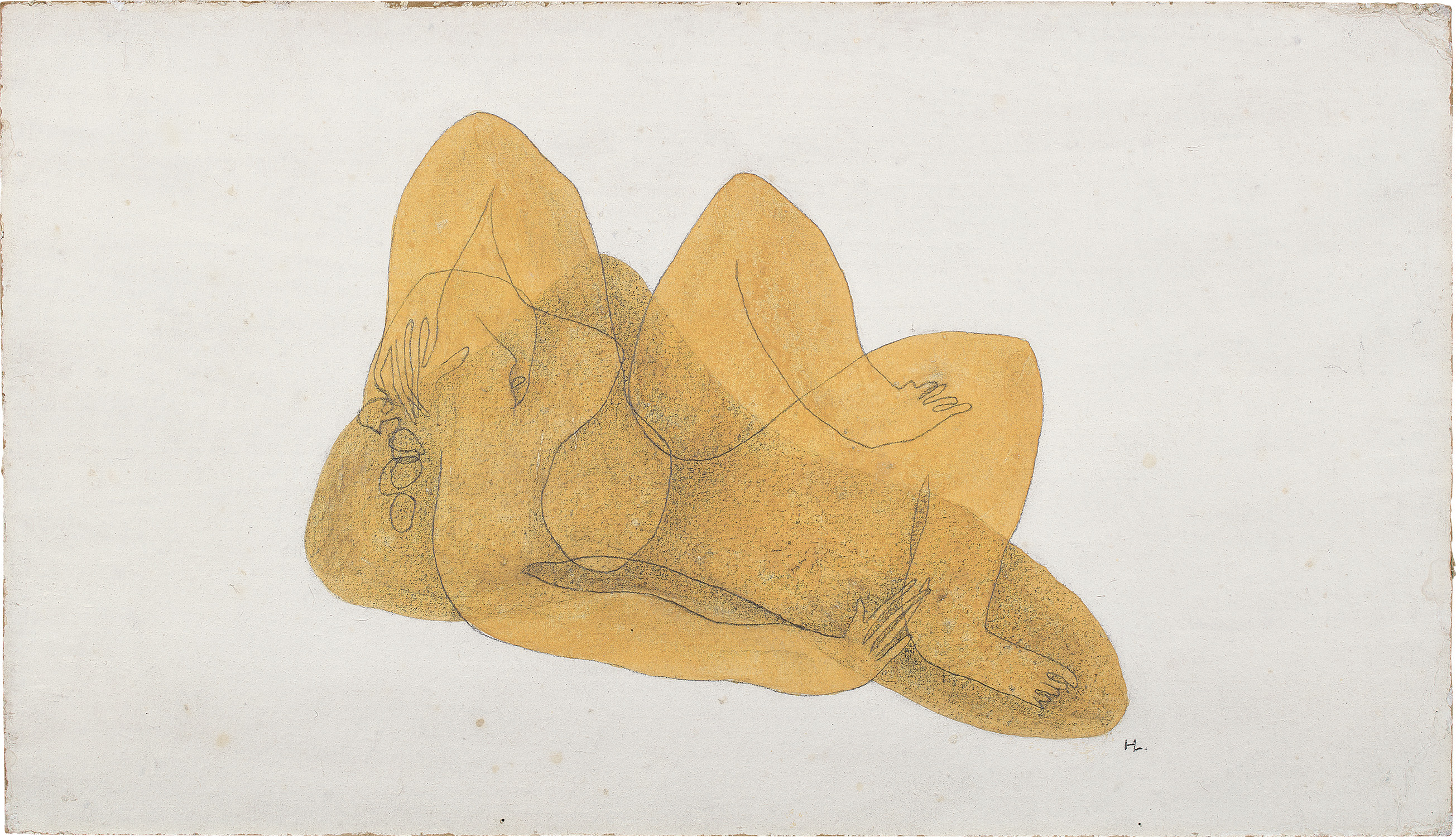
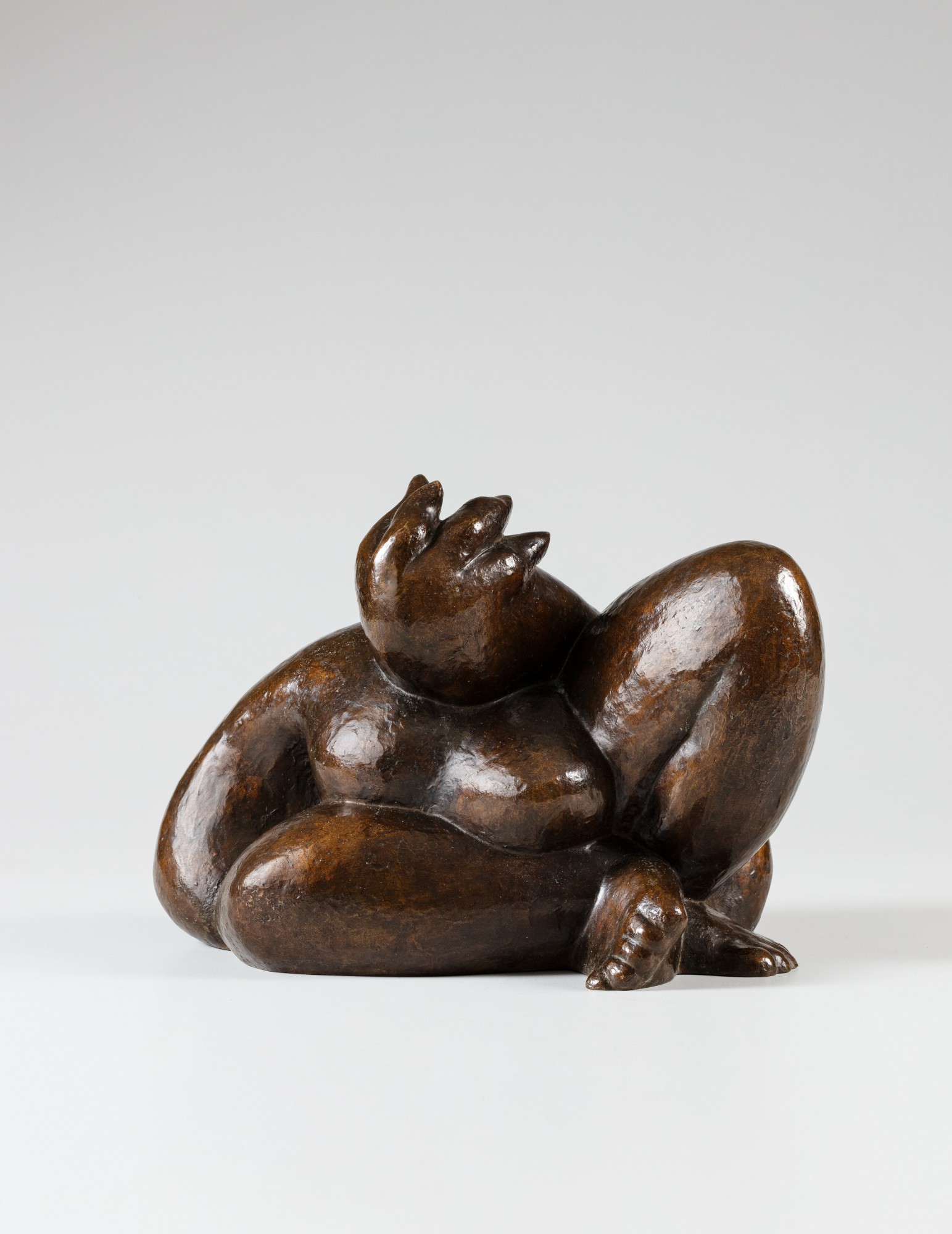
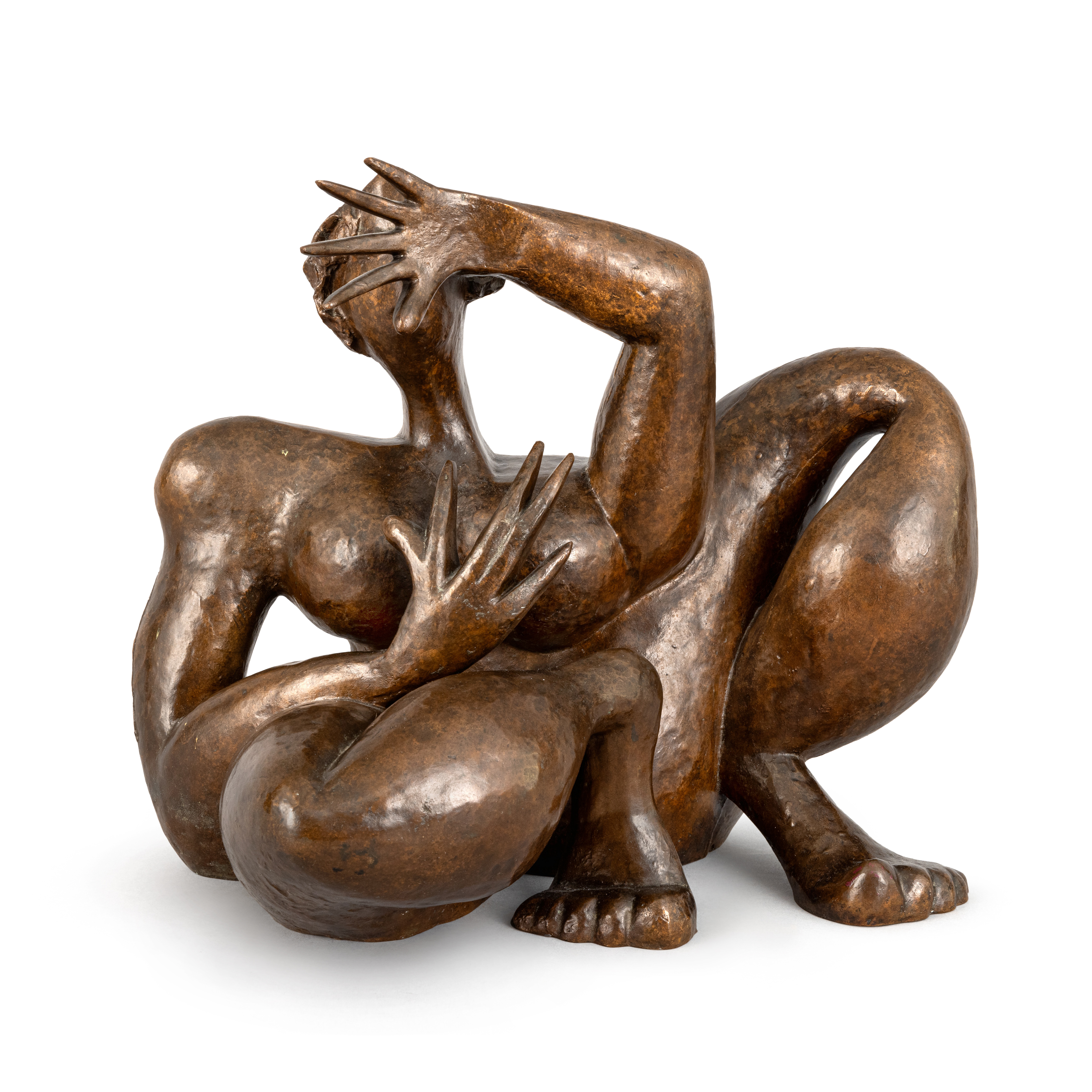
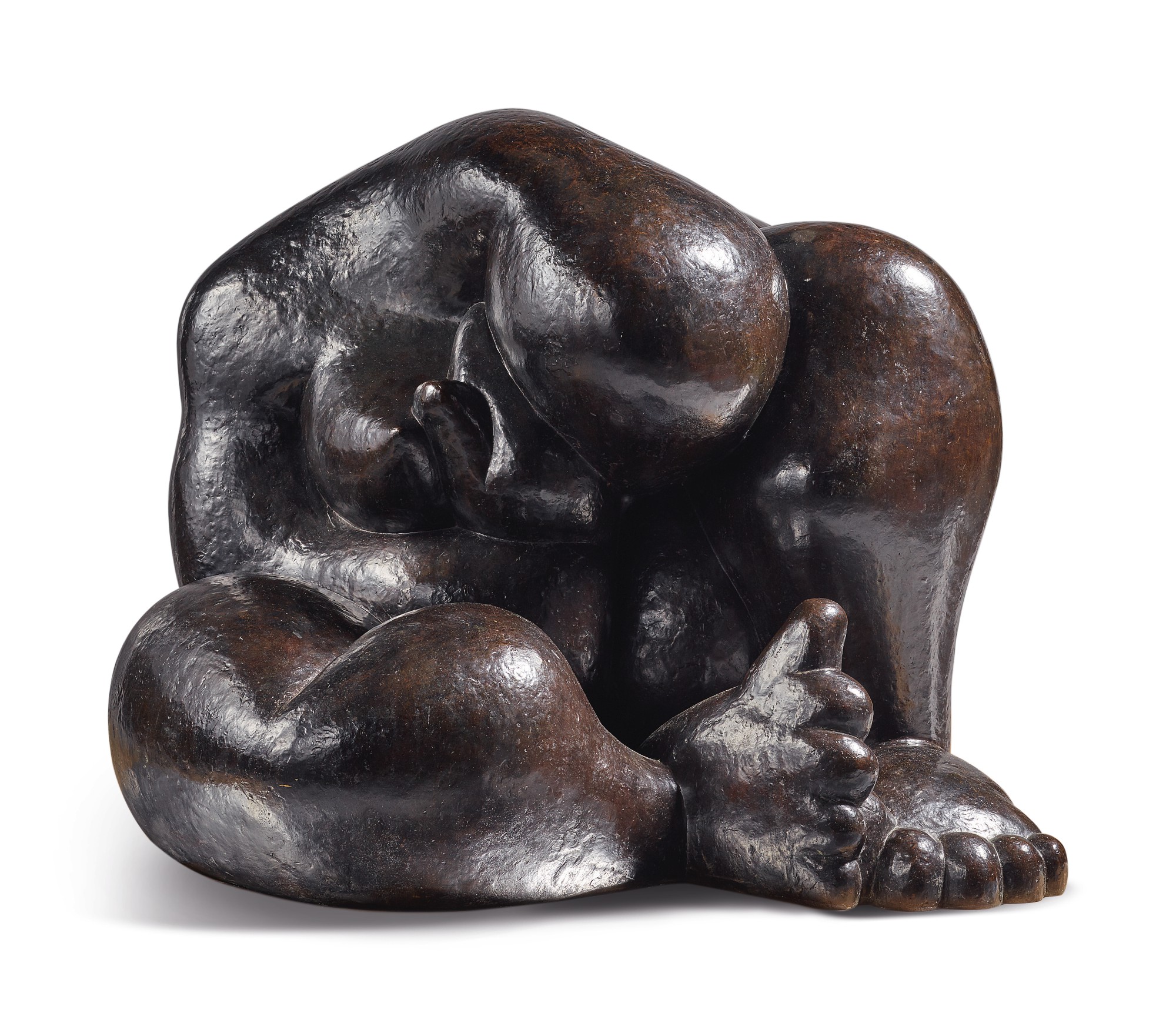
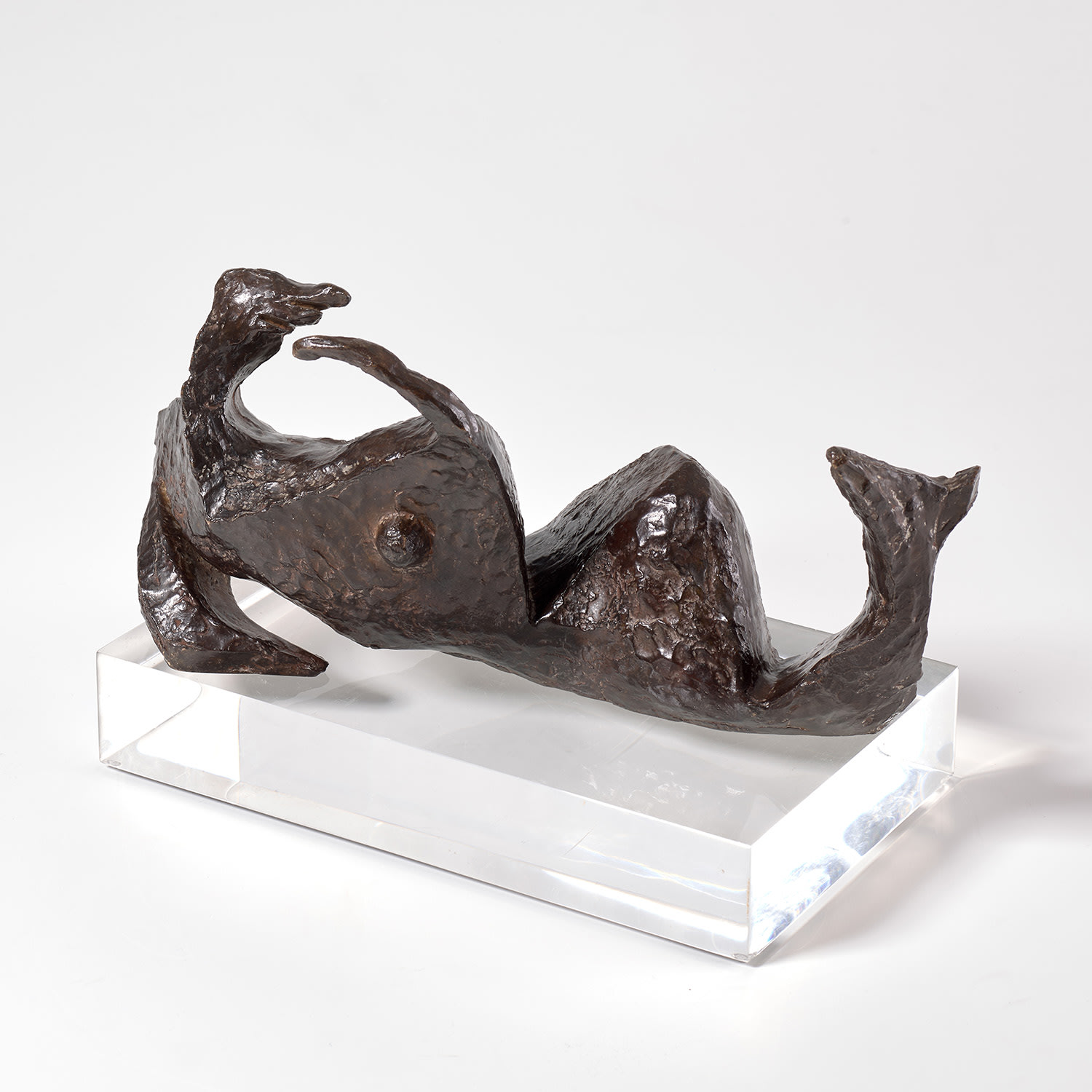
In the grand galleries of the Centre Pompidou in Paris, where the permanent collection traces the arc of European modernism with rare authority, a bronze figure by Henri Laurens commands a particular stillness. Visitors pause before it with the instinctive recognition that something deeply human has been achieved in metal. It is not the loudest work in the room, but it is often the one people return to, drawn by a quality that resists easy description: a warmth, a fullness, a sense that the figure breathes. This quality, sustained across nearly five decades of work, is precisely what makes Laurens one of the most rewarding sculptors of the twentieth century to collect and to live with. Henri Laurens was born in Paris in 1885, into a working class family with no particular connection to the art world. He left school young and apprenticed as a decorative stone carver, learning the craft of sculpture not in an academy but in the ateliers and building sites of the Belle Époque city. This formation was crucial. Where many of his contemporaries arrived at modernism through drawing and painting, Laurens came to it through the direct handling of material, through an understanding of how stone and wood yield to the chisel, how mass displaces air. His was a sculptor's intelligence from the very beginning, rooted in physical reality rather than theoretical abstraction. By around 1911, Laurens had settled in Montparnasse and entered the extraordinary social and intellectual world gathering there. His friendship with Georges Braque, which deepened in the years before the First World War, proved to be the decisive relationship of his artistic life. Through Braque he encountered Cubism at its most rigorous and generative moment, and he became one of the very few sculptors to genuinely inhabit its principles rather than simply borrow its visual vocabulary. Where many artists applied Cubist faceting decoratively, Laurens understood it structurally. His polychrome constructions of the mid 1910s, assembled from wood, cardboard, and sheet metal and often painted in bold, flat tones, are among the most intellectually serious responses to Analytic Cubism produced in three dimensions. The "Danseuse espagnole" of 1915, worked in wood, gives vivid evidence of how fully he had absorbed these ideas and how inventively he was already transforming them. Through the 1920s, Laurens's work began to move away from angular construction toward something more fluid and organic. It was a gradual evolution rather than a sharp turn, driven by an increasingly intimate engagement with the human figure, and above all with the female body. By the early 1930s, the transformation was complete. Works such as "Les Petites Ondines" from 1933 show a Laurens fully emerged into his mature voice: forms that swell and curve with an almost geological generosity, figures that seem less carved than shaped by natural forces, by water and wind and the slow pressure of time. The surface of these bronzes catches light in ways that feel alive, and the proportions, deliberately distorted toward amplitude and ease, carry a Mediterranean warmth that links Laurens to a deep current in European art running from antiquity through Maillol and Matisse. The works of the late 1930s and 1940s represent the fullest flowering of this vision. "La Sirène au Bras Levé" from 1938 and "La Nuit" from 1943 demonstrate how Laurens could invest mythological subjects with genuine feeling, making the siren and the night not symbols but presences. "Femme fleur" of 1942 achieves something rare in modern sculpture: a figure that is simultaneously abstract and tender, formal and sensuous. Then there is "La Lune" from 1946, realized in white marble, a material Laurens used sparingly and with great deliberateness. The marble's cool luminosity suits the subject perfectly, and the work stands as one of the most serene and complete achievements of his career. In these years, working through the privations of the Occupation and its aftermath, Laurens produced some of the most affirming and humanly generous sculpture of the mid century. For collectors, Laurens presents a picture of remarkable coherence and depth. His market has long been anchored by major European institutions and serious private collectors, particularly in France, Germany, and Switzerland, where his reputation has never dimmed. Works on paper, including his rich body of drawings and gouaches, offer accessible entry points into his world, while bronze editions from the core decades of the 1930s through the early 1950s represent the most sought after category. Bronzes with dark brown patinas, such as "La jeune soeur" from 1949, are particularly prized, the patination a deliberate aesthetic choice that gives the surfaces a warmth and depth quite different from the colder effect of lighter finishes. When a significant Laurens bronze appears at auction, it reliably draws competitive international bidding, and institutional competition for major works has intensified as museums increasingly recognize the gaps in their modern sculpture holdings. To understand Laurens fully is to understand him in relation to his contemporaries. His friendship with Braque was the foundation, but he was also close to Juan Gris, whose sense of classical order left traces in Laurens's compositional thinking. Comparisons with Alexander Archipenko illuminate the shared Cubist inheritance, while the contrast with Ossip Zadkine, another Montparnasse sculptor of the same generation, clarifies how distinctive Laurens's particular brand of formal warmth really was. In the generation that followed, Henry Moore acknowledged the importance of Laurens's example, and the connection to Aristide Maillol's celebration of the female form, while stylistically quite different, speaks to a shared commitment to the body as the primary site of sculptural meaning. The legacy of Henri Laurens is one of quiet but enduring power. He never sought the monumental public gesture, never worked at the scale of political spectacle. His art is domestic in the best sense: made for rooms where people live, for spaces where a beautiful object can be encountered daily and reveal new things over years. The "La Banderole" of 1931 and "Femme agenouillée" of 1926 exemplify this: works that reward long acquaintance, that change with the light, that seem to participate in the life around them. In an era when the art market prizes spectacle and scale, Laurens stands as a reminder that the most lasting art often works at human scale, with human feeling, and in service of the oldest subjects. To acquire a Laurens is to bring something irreplaceable into your world, a piece of the best of the twentieth century, held in bronze or marble, warm to the attention.