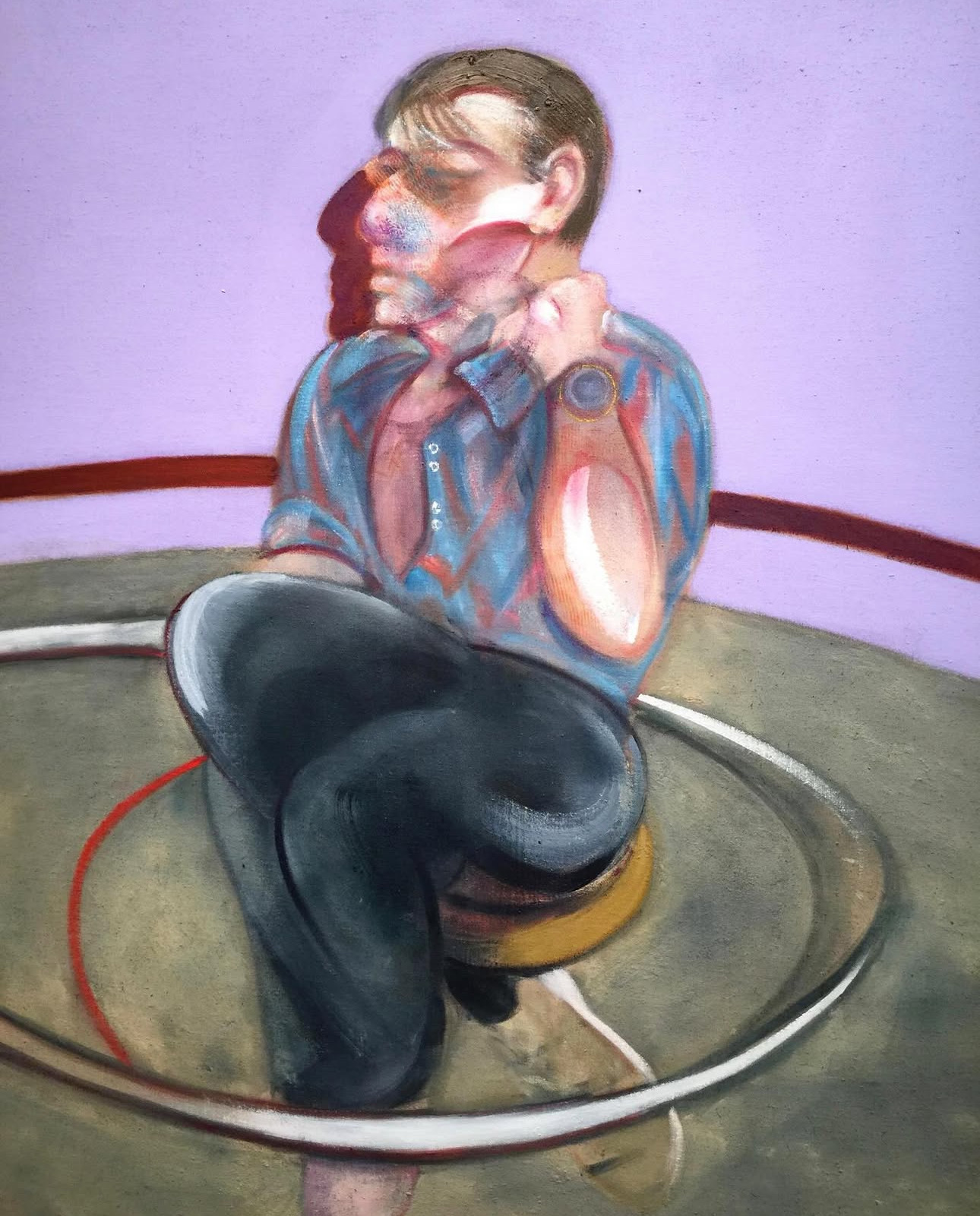
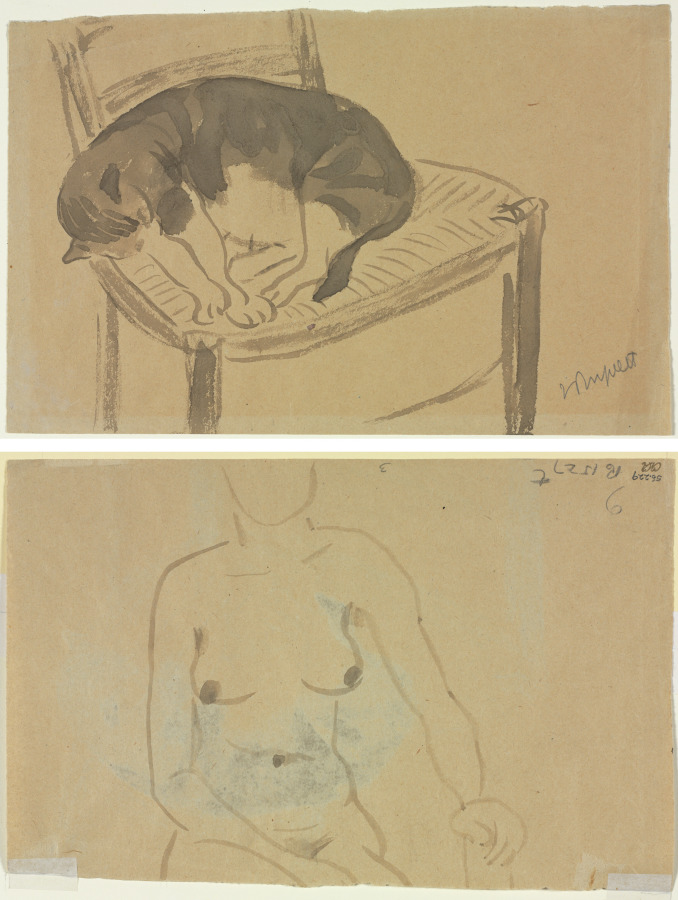
Colorful
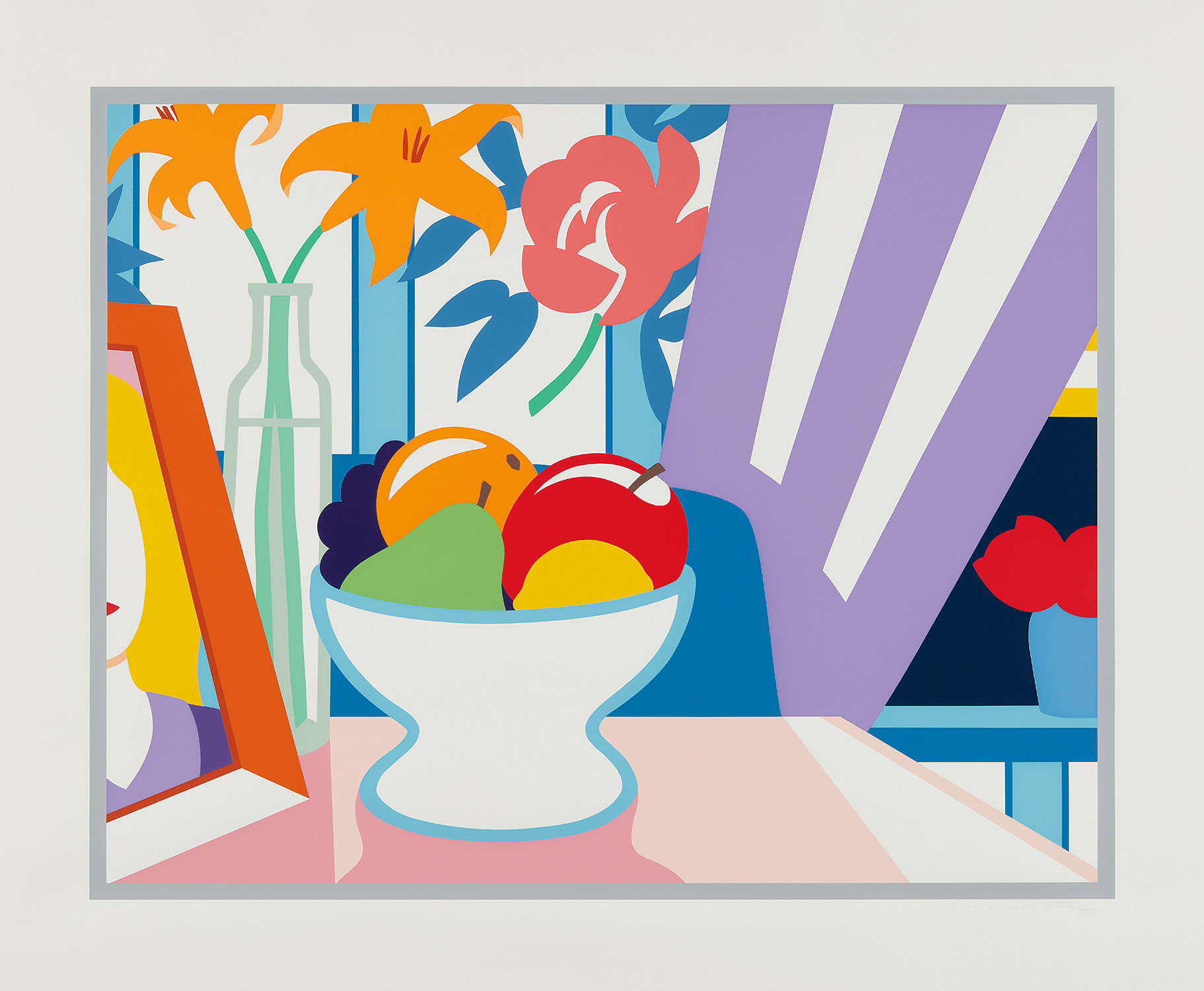
Tom Wesselmann
Stil Life with Lilies and Mixed Fruit
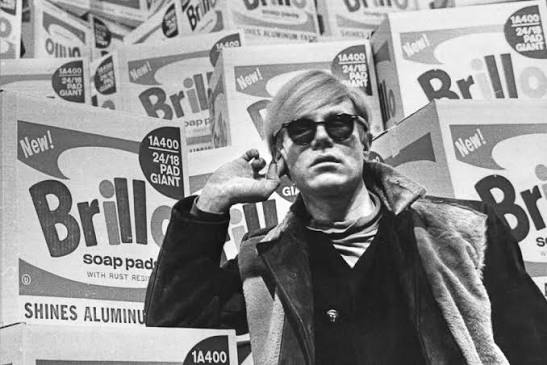


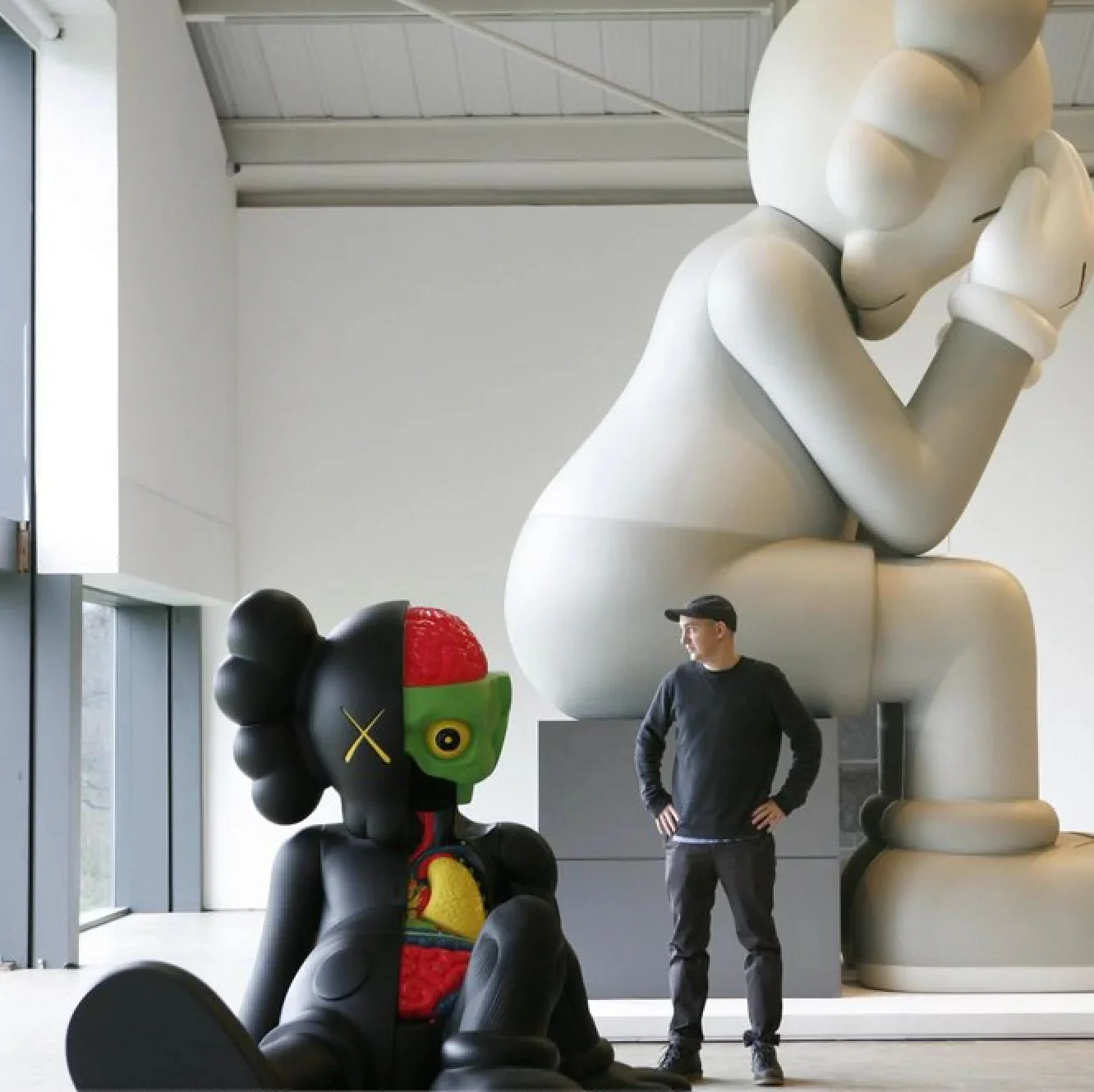
Color Is Having Its Most Expensive Moment Yet
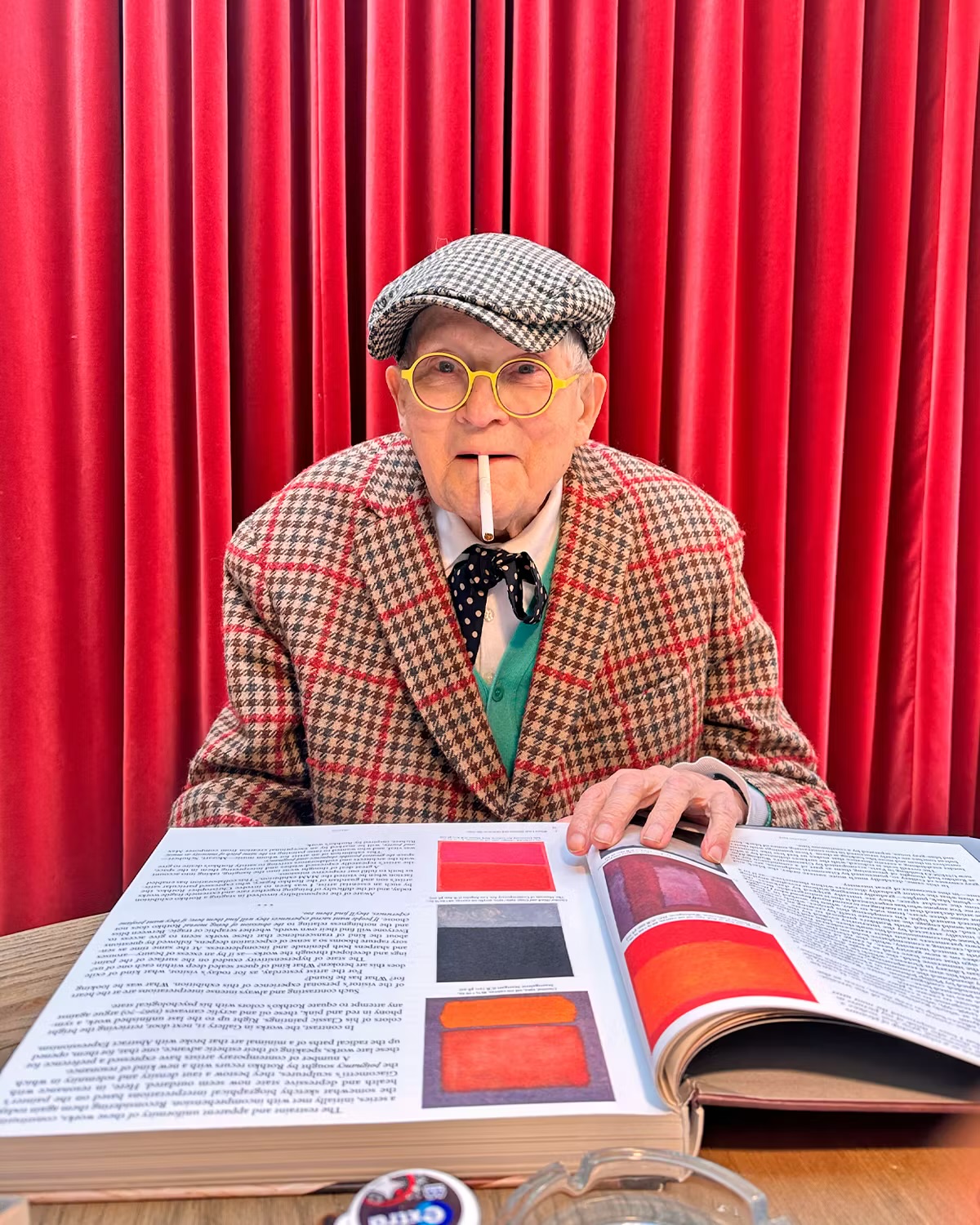
When David Hockney's portrait of an art dealer sold at Christie's London for over 28 million pounds in 2021, setting a new auction record for a work by a living artist at the time, the art world paid attention for more than the obvious reasons. It was the sheer audacity of the color that made the room hold its breath. That flat, swimming pool blue. The ochre and cadmium singing off the canvas without apology.
The result confirmed something collectors had been feeling for years: chromatic ambition is not a decorative concern. It is a serious one, and the market has decided to price it accordingly. The appetite for color rich work has been building for well over a decade, but recent years have concentrated that energy into something undeniable. Yayoi Kusama's retrospective at the Hirshhorn in 2017 and its subsequent tour introduced her infinite dot environments to a generation of collectors who had grown up with the imagery on screens but had never experienced the physical overwhelm of standing inside one.
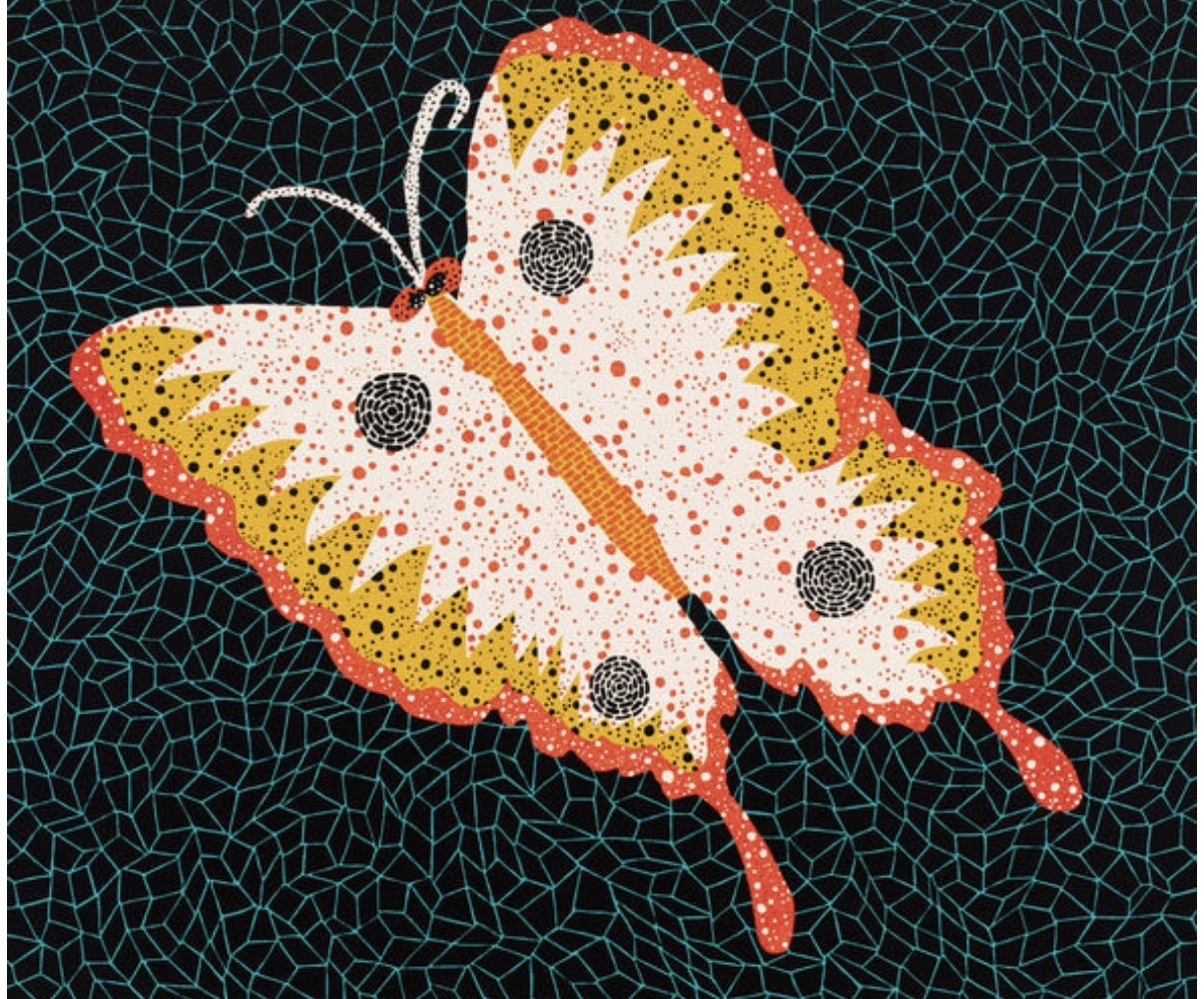
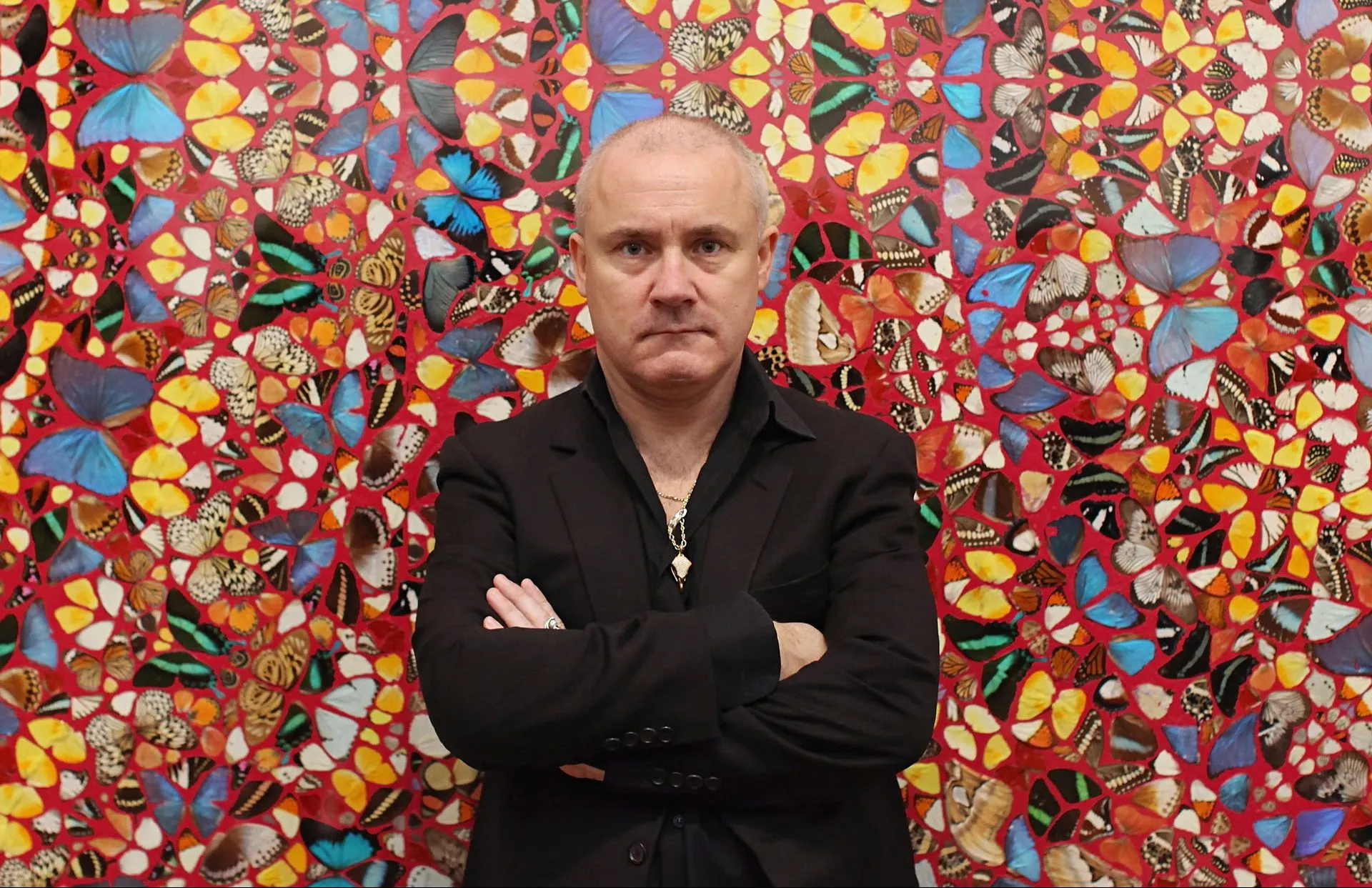
Yayoi Kusama
Butterfly, 1985
The show generated a waitlist culture that felt closer to a concert than a museum visit. Tate Modern's Hockney retrospective the same year drew record attendance and reminded critics who had grown comfortable with more austere modes of practice that pleasure, deployed with rigor, is not the enemy of seriousness. These were not nostalgia exercises. They were arguments.
The auction market for color forward work has a few clear peaks and they tend to cluster around names that have been consecrated by both institutional attention and popular love. Warhol remains the gravitational center. His Marilyn works, his flower series, his Mao portraits have consistently occupied the top tier of Phillips, Christie's, and Sotheby's contemporary sales. In 2022, Shot Sage Blue Marilyn sold at Christie's New York for just over 195 million dollars, making it the most expensive work of the twentieth century sold at auction at that time.
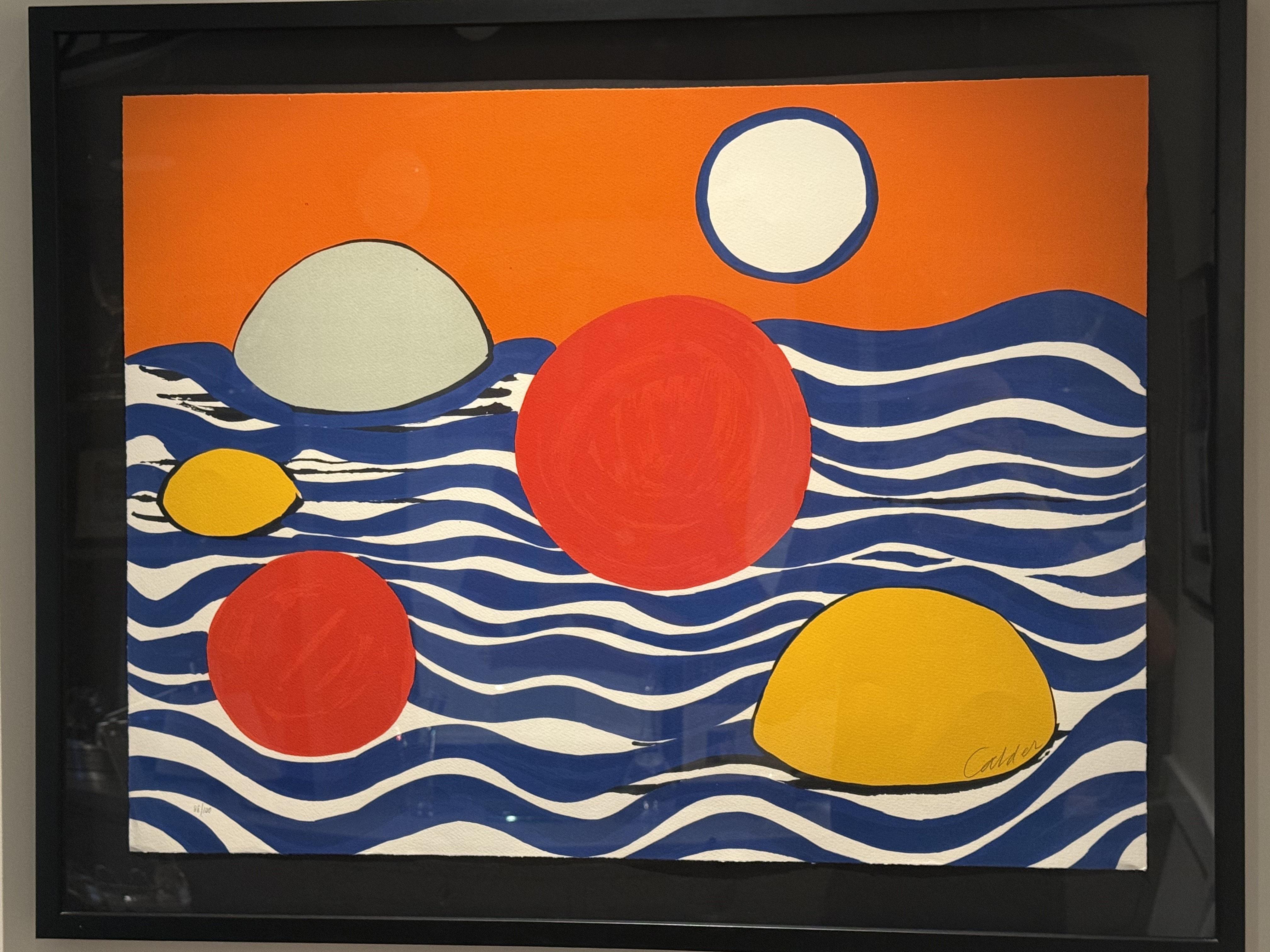
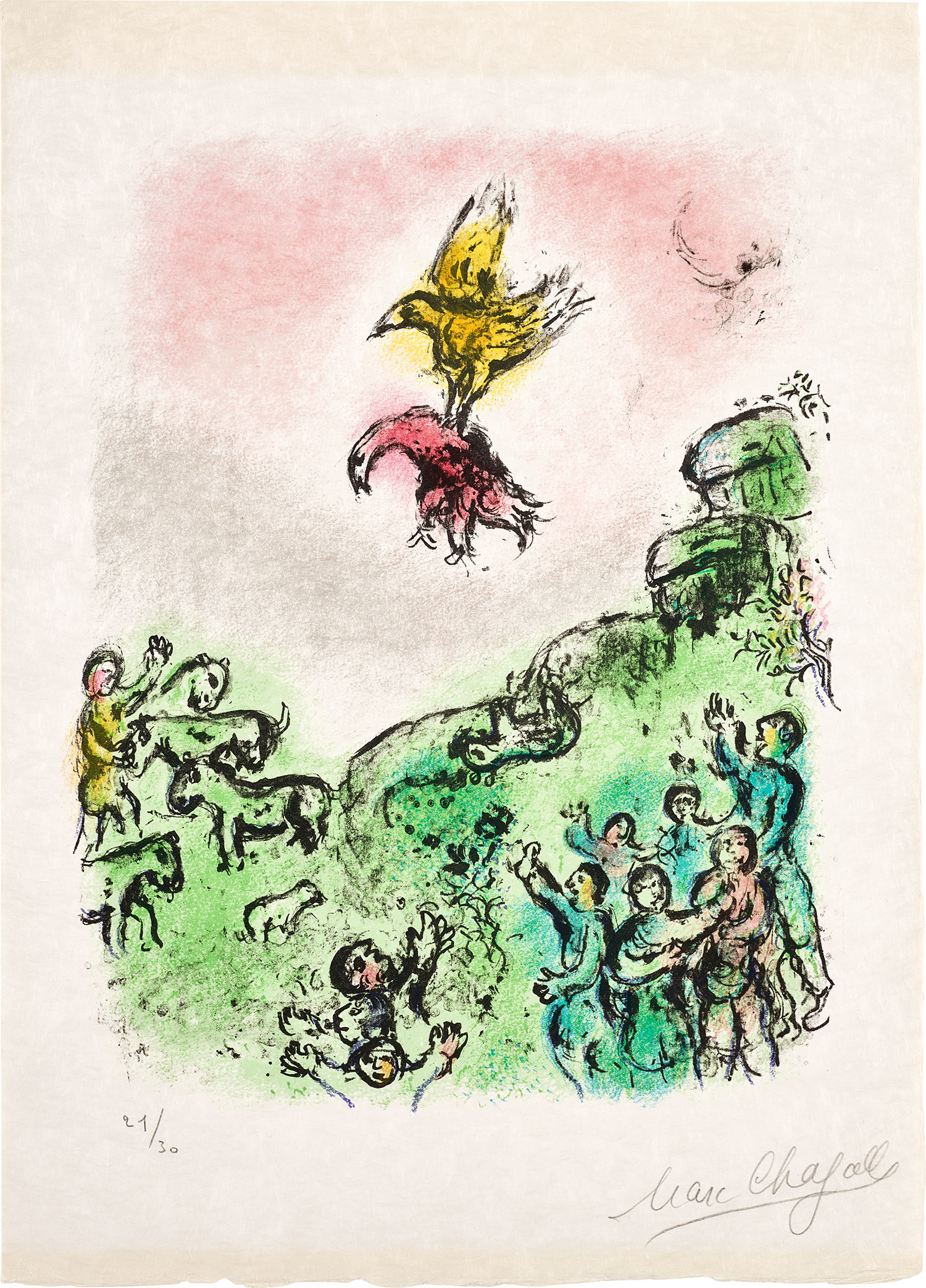
Alexander Calder
Waves and Circles, 1975
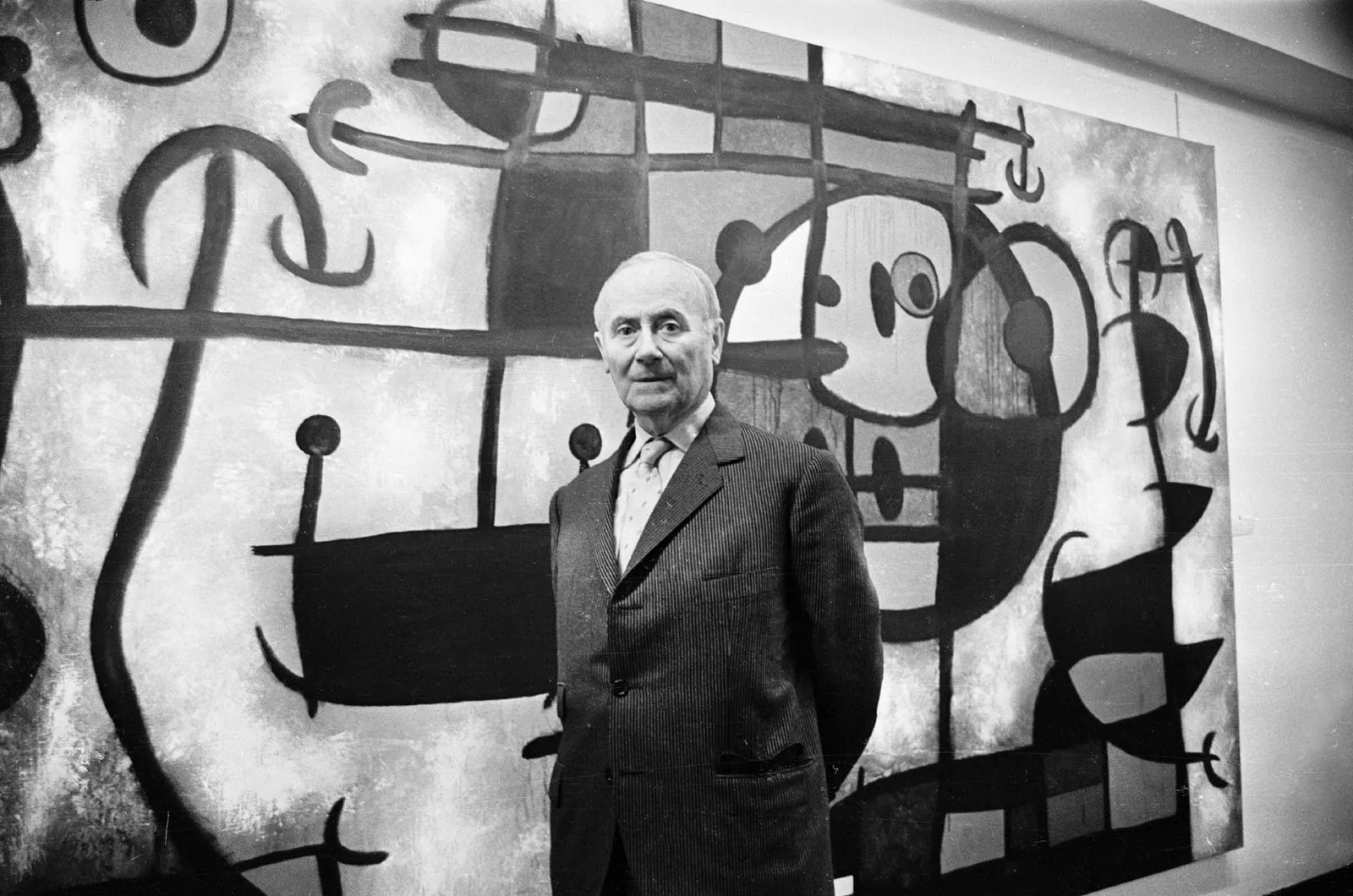
The result was polarizing among critics but the market spoke clearly. Joan Miró, whose biomorphic forms pulse with a particular Mediterranean heat, has seen steady price growth at auction, with major works on paper and canvas regularly exceeding estimates at European sales. Alexander Calder's mobiles and gouaches, vibrant in their primary palette and architectural in their presence, have found especially strong results in the past five years as collectors respond to their joyful formal intelligence. Takashi Murakami occupies a fascinating position in this conversation.
His work arrives from a different lineage, the superflat aesthetic drawing on manga and Buddhist iconography and Western Pop in equal measure, yet the chromatic intensity places him firmly in dialogue with Roy Lichtenstein and Frank Stella. Murakami's solo shows at Perrotin and his ongoing collaborations with institutions across Asia and Europe have kept his market dynamic and slightly unpredictable, which is exactly the condition serious collectors find most interesting. KAWS, meanwhile, has moved from street culture adjacency to genuine auction legitimacy, with major works now appearing at white glove sales and performing with consistency that suggests the market has made up its mind about his place in the canon. Institutions are collecting in this space with notable conviction.
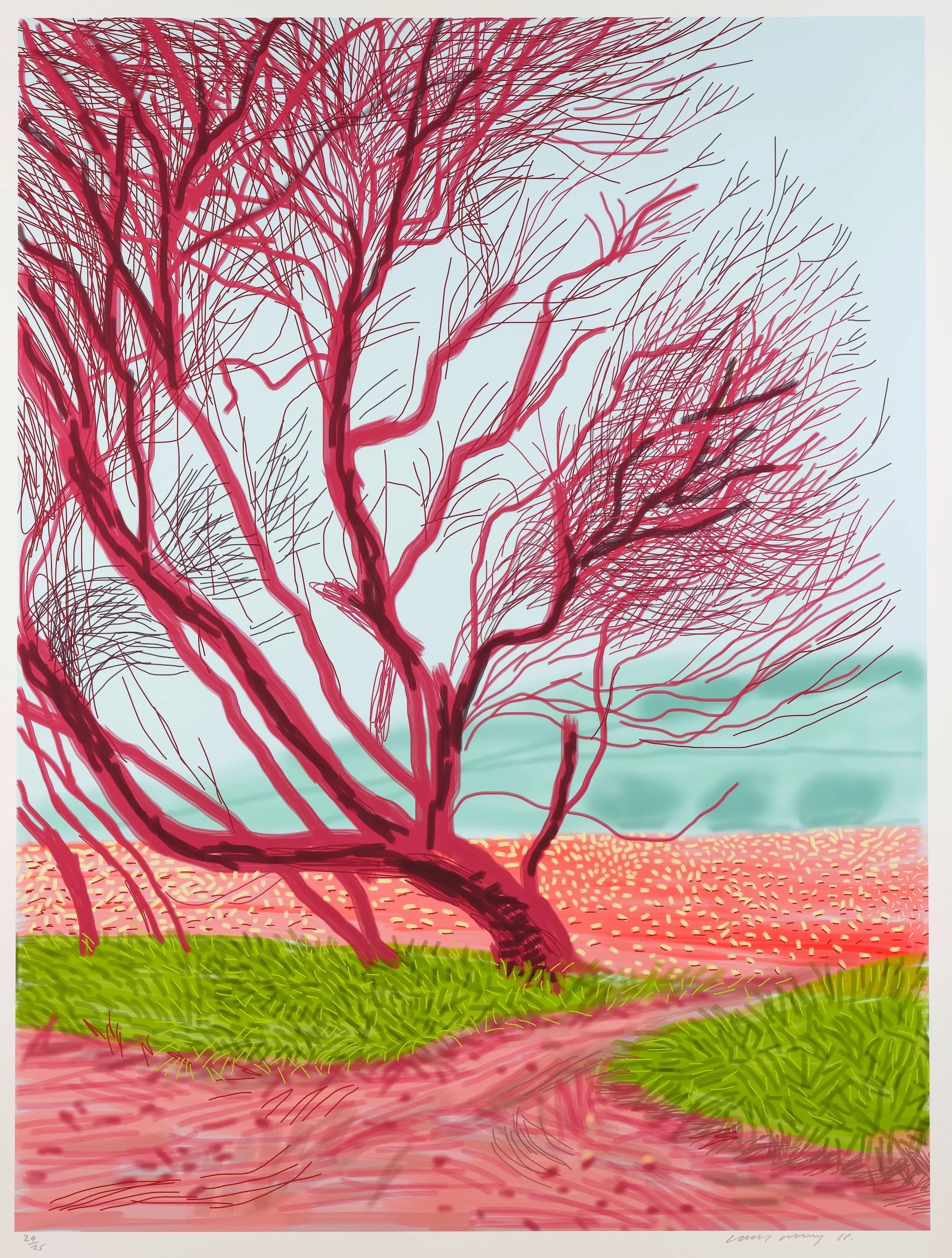
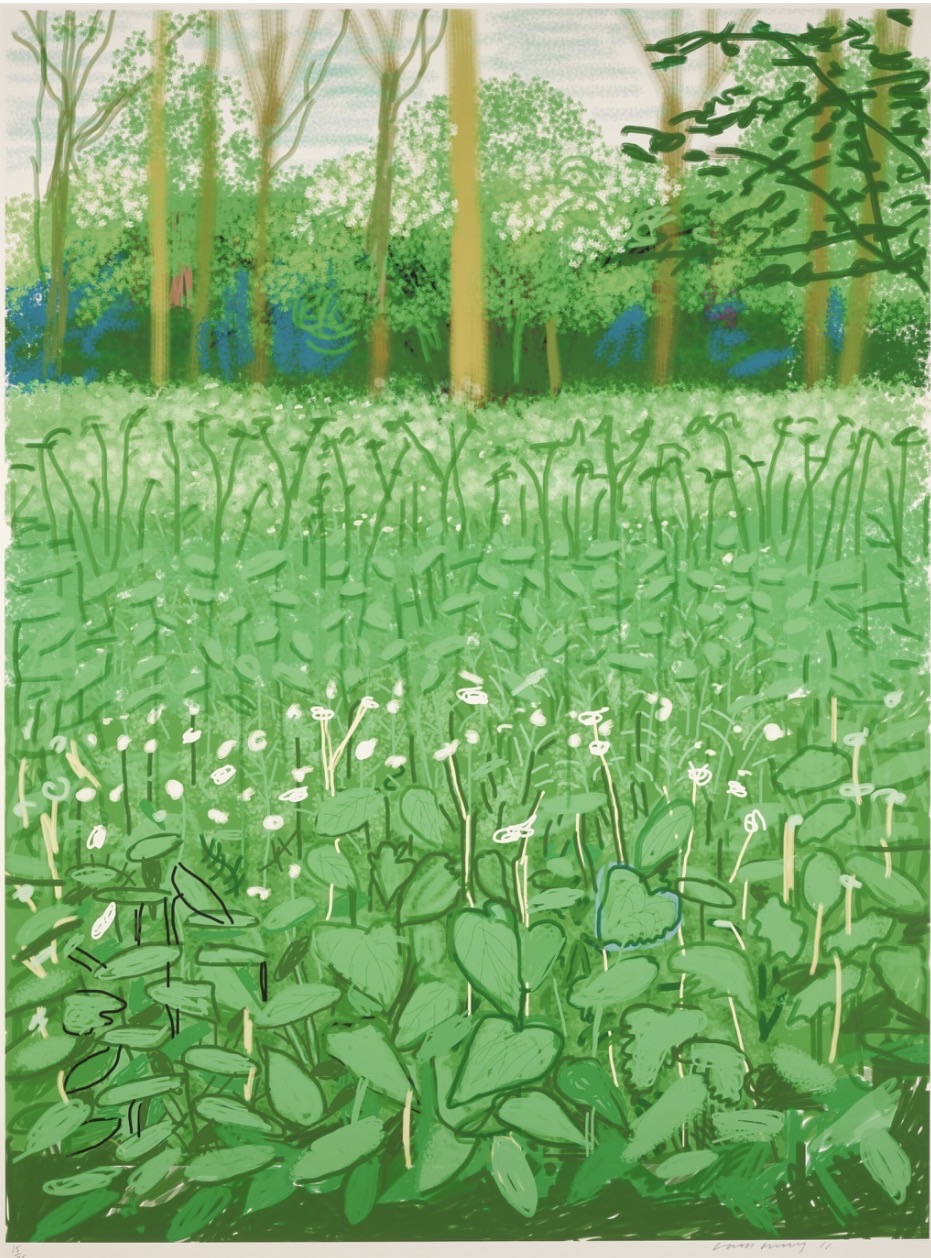
David Hockney
The Arrival of Spring in Woldgate, East Yorkshire in 2011, 2011
The Broad in Los Angeles has built a collection that reads almost like a manifesto for chromatic maximalism, with Koons, Hirst, and Basquiat sharing walls in a building designed to celebrate exactly this kind of visual confidence. MoMA's acquisitions in recent years have included works by Shara Hughes, whose lush, invented landscapes operate somewhere between abstraction and theatrical stage design, confirming that the museum's curators see her practice as part of a significant contemporary development rather than a decorative sidebar. The Fondation Maeght in Saint Paul de Vence remains perhaps the most concentrated single argument for color as a philosophical position, with its Miró labyrinth and Calder works embedded in the landscape like punctuation marks in a long, luminous sentence. The critical conversation around color has become more nuanced and more historically honest in recent years.
Writers like Hilton Als and critics associated with Artforum and Frieze have increasingly examined how chromatic hierarchies in Western art history encoded cultural biases, treating European restraint as sophistication and non Western vibrancy as decoration. This reframing has material consequences. It opens space for a reconsideration of artists like Walasse Ting and Raoul Dufy, whose work was long categorized as charming rather than rigorous, and whose prices reflect that undervaluation in ways that are beginning to look like opportunities. Sam Francis, whose late abstractions pour color across the canvas with a kind of controlled euphoria, has attracted renewed curatorial interest precisely because his work resists easy categorization and rewards sustained looking.
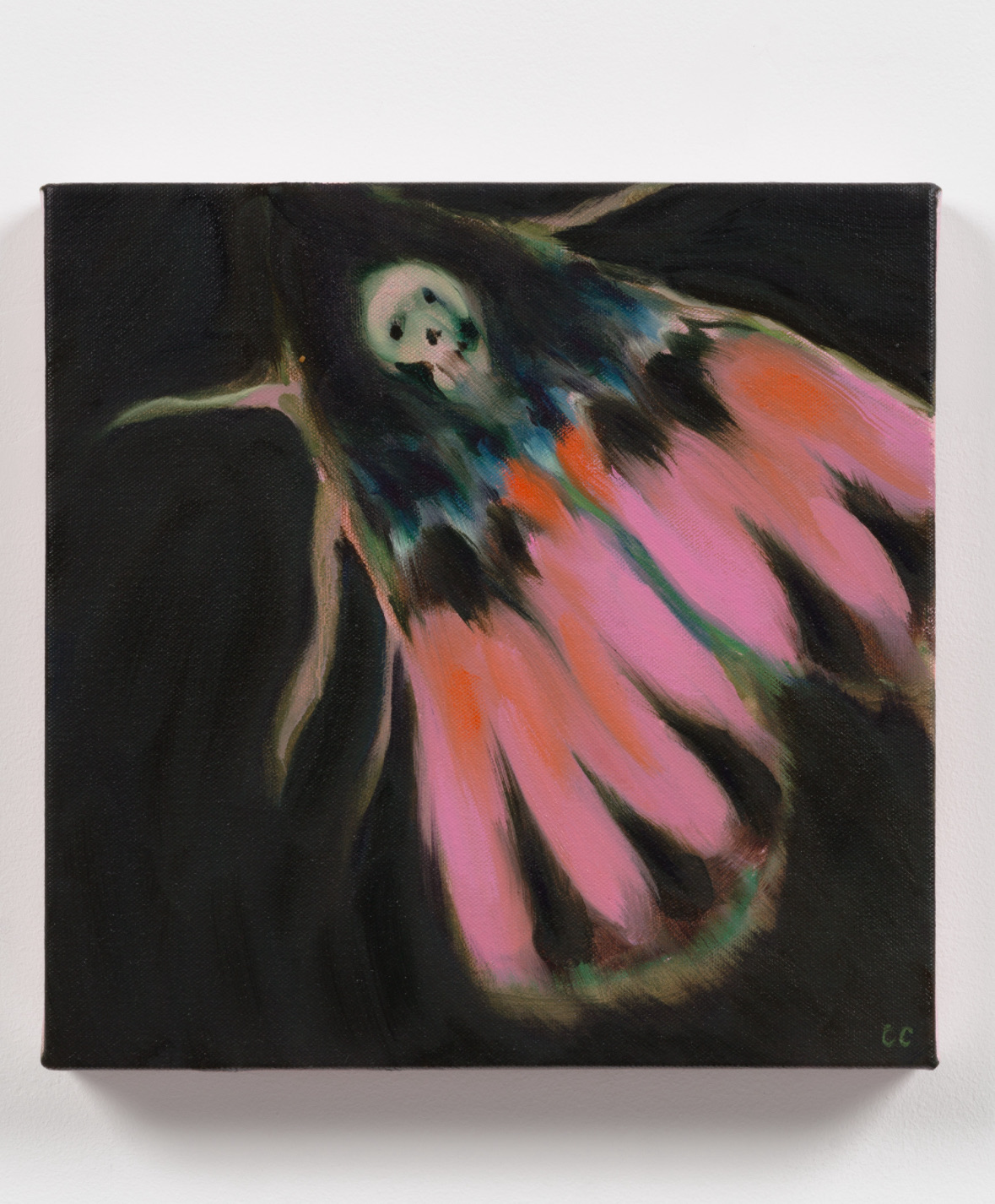
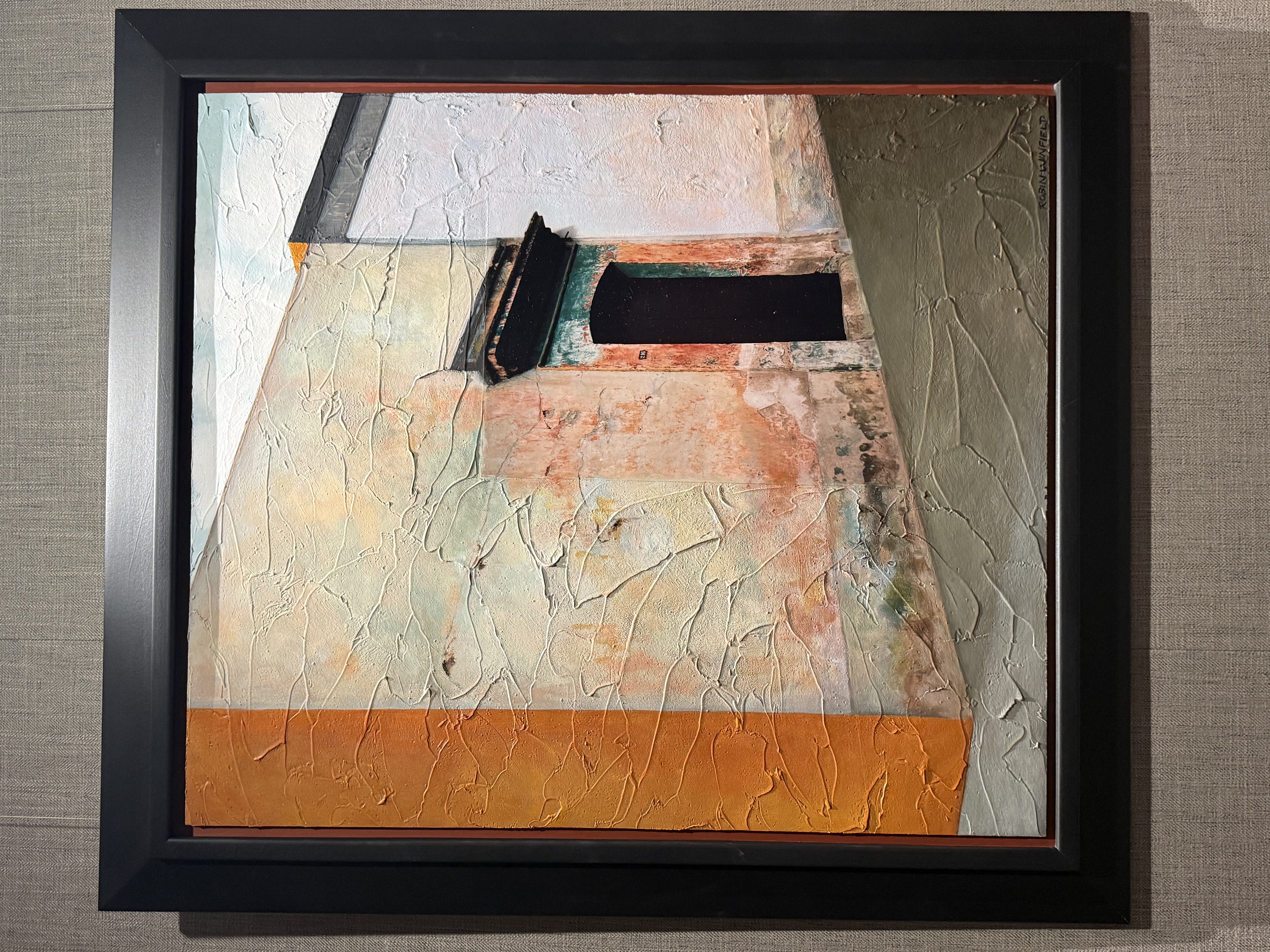
Cathleen Clark
Untitled
Katherine Bernhardt and Thierry Noir represent two very different poles of what alive looks like in this conversation right now. Bernhardt's work is loose and fast and almost aggressively cheerful, combining consumer imagery with gestural paint handling in a way that unsettles anyone who expects color to arrive with gravitas. Noir painted the Berlin Wall across kilometers of concrete in the 1980s in a political act that was also an aesthetic one, and his work carries that doubled weight with remarkable grace. Both suggest that the energy in this space is not moving toward resolution.
It is moving toward argument, toward productive friction between beauty and meaning, between pleasure and purpose. For collectors building positions in this area, the most useful lens is not stylistic but attitudinal. The works that last, the Miró gouaches, the Hockney prints, the Kusama nets, the Keith Haring paintings that glow like stained glass in motion, share a quality of commitment. The artist believed in the color not as effect but as content.
That belief is what the market is pricing, however imperfectly, and it is what institutions are trying to preserve when they acquire and exhibit this work with such consistent ambition. Color, at its best, is not decoration. It is argument, evidence, and occasionally something close to joy transformed into a lasting object.