Still Life
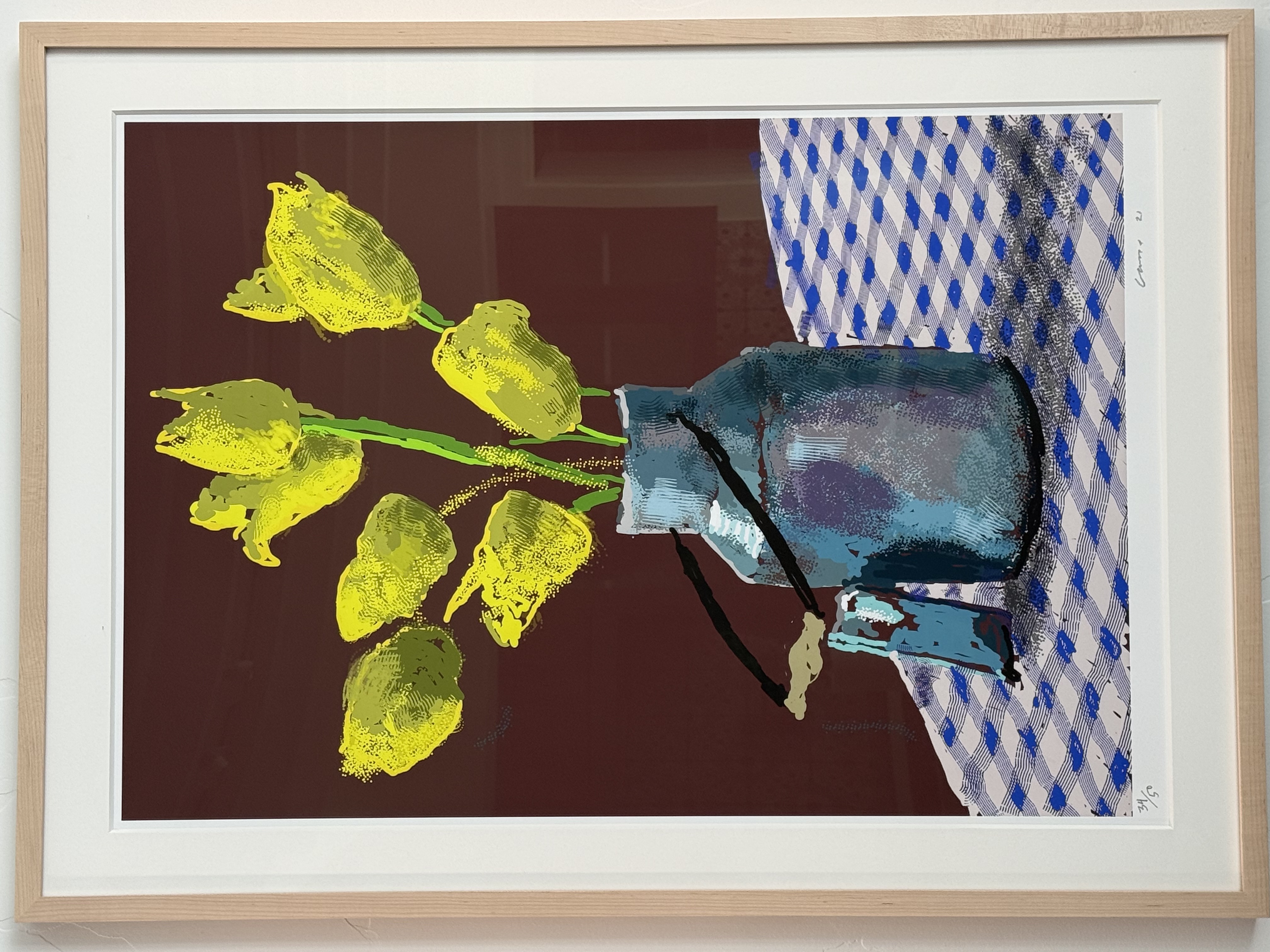
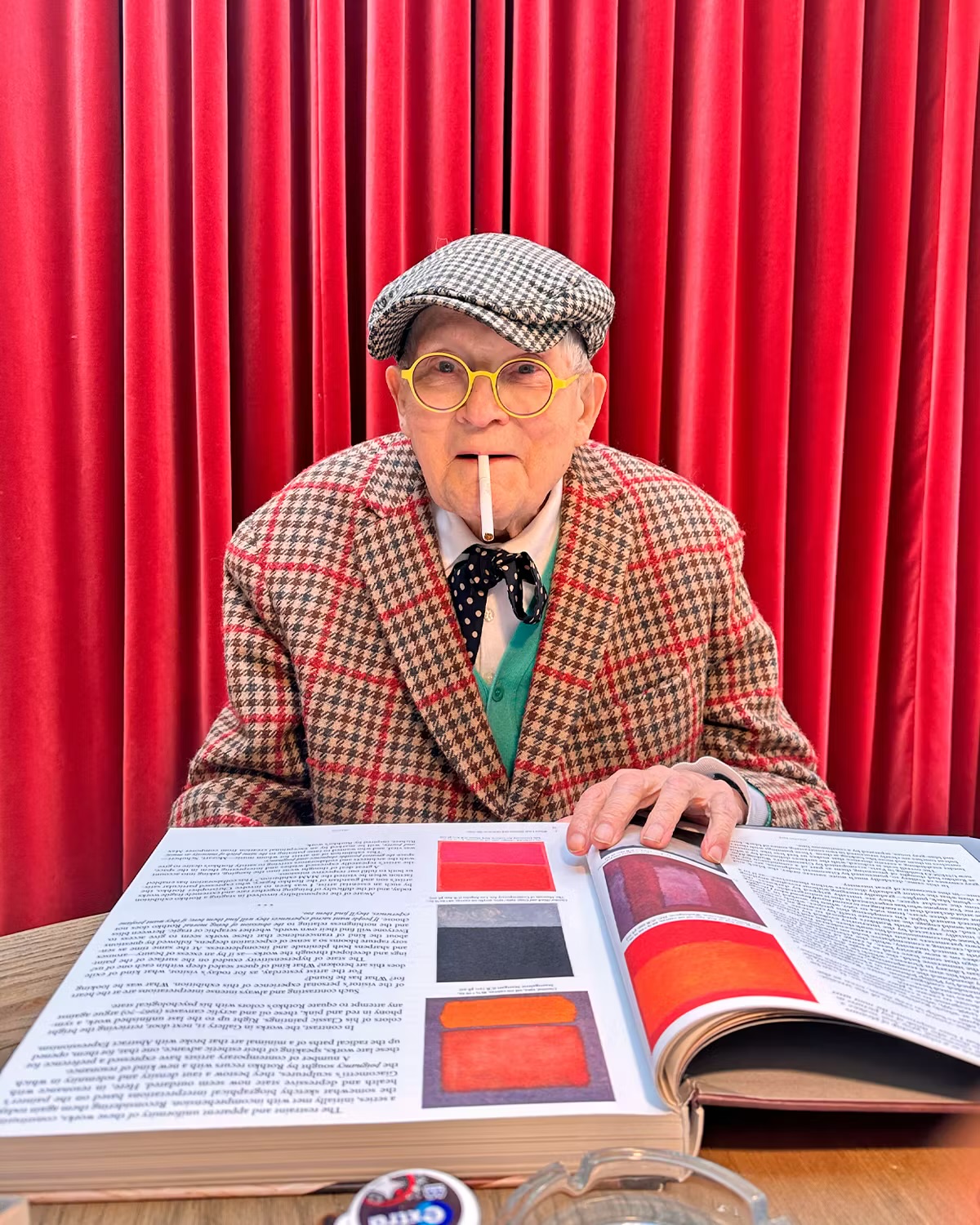
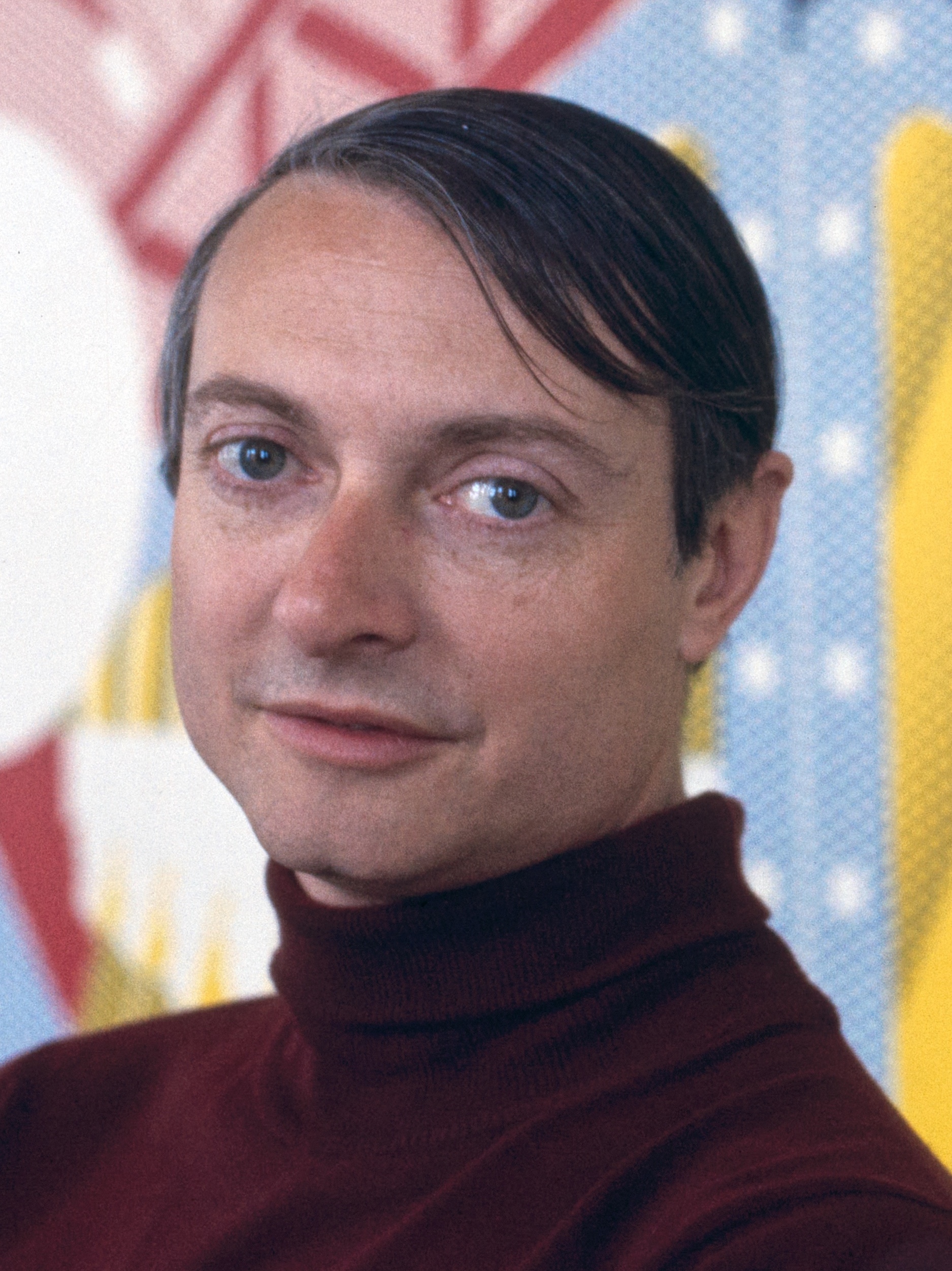
David Hockney
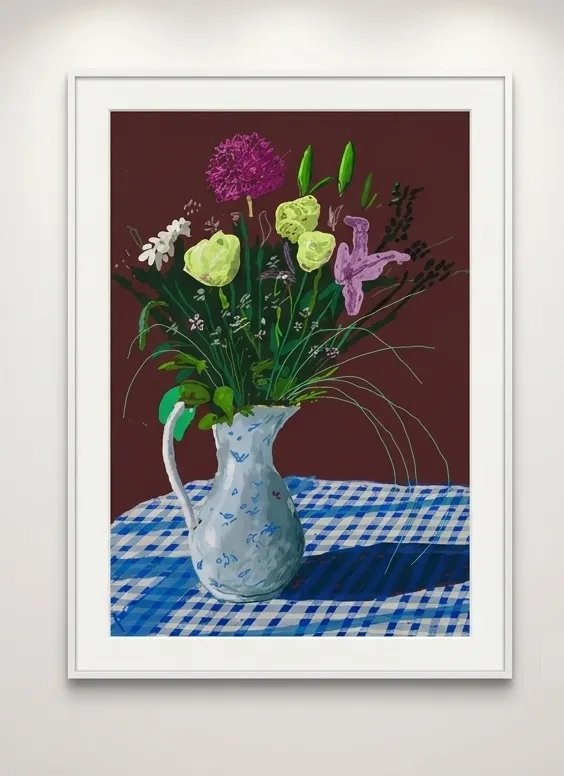
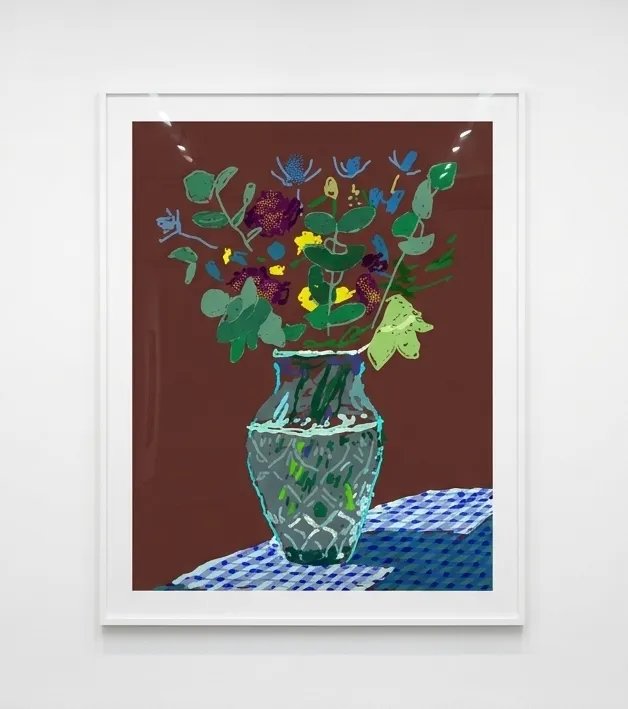
21st April 2021, Yellow Flowers in a Small Milk Churn, 2021
The Object Stays. Everything Else Changes.
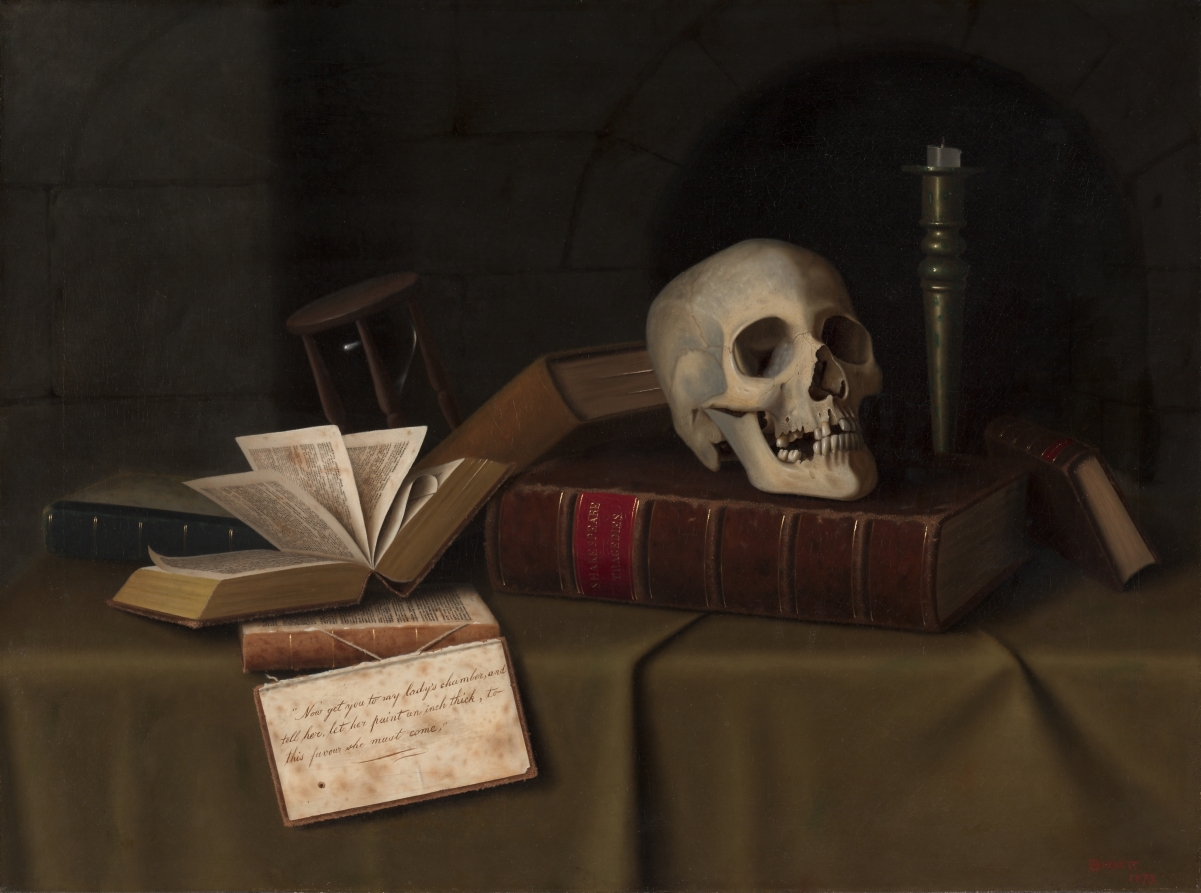
There is something quietly radical about choosing to live with a still life. In a market saturated with grand gestures and conceptual provocation, the collector who reaches for a bowl of fruit or a vase of flowers is making a statement that has nothing to do with trend chasing. They are betting on intimacy. The still life does not ask you to stand back and contemplate it from a distance.
It pulls you closer, into the folds of a petal, the glaze on a ceramic, the particular way light falls across a tabletop at three in the afternoon. This is the genre that rewards daily looking more than almost any other, and collectors who understand that tend to become its most devoted champions. What separates a good still life from a great one is harder to articulate than it sounds. Technical facility is the floor, not the ceiling.
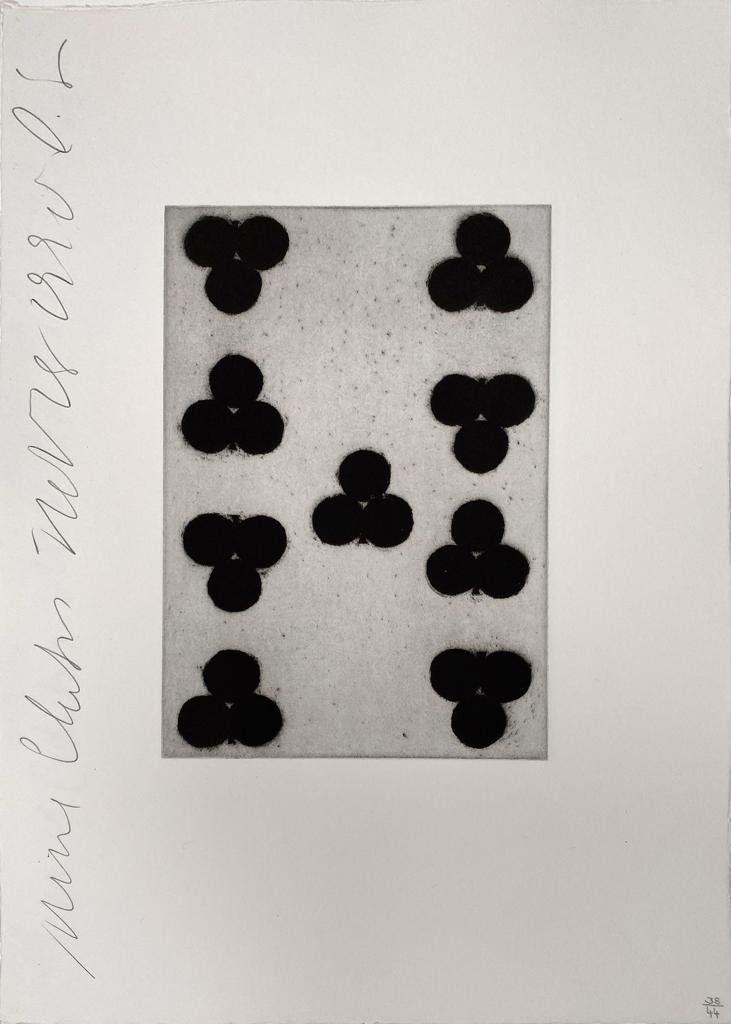
Donald Sultan
Playing Cards (Nine of Clubs), 1990
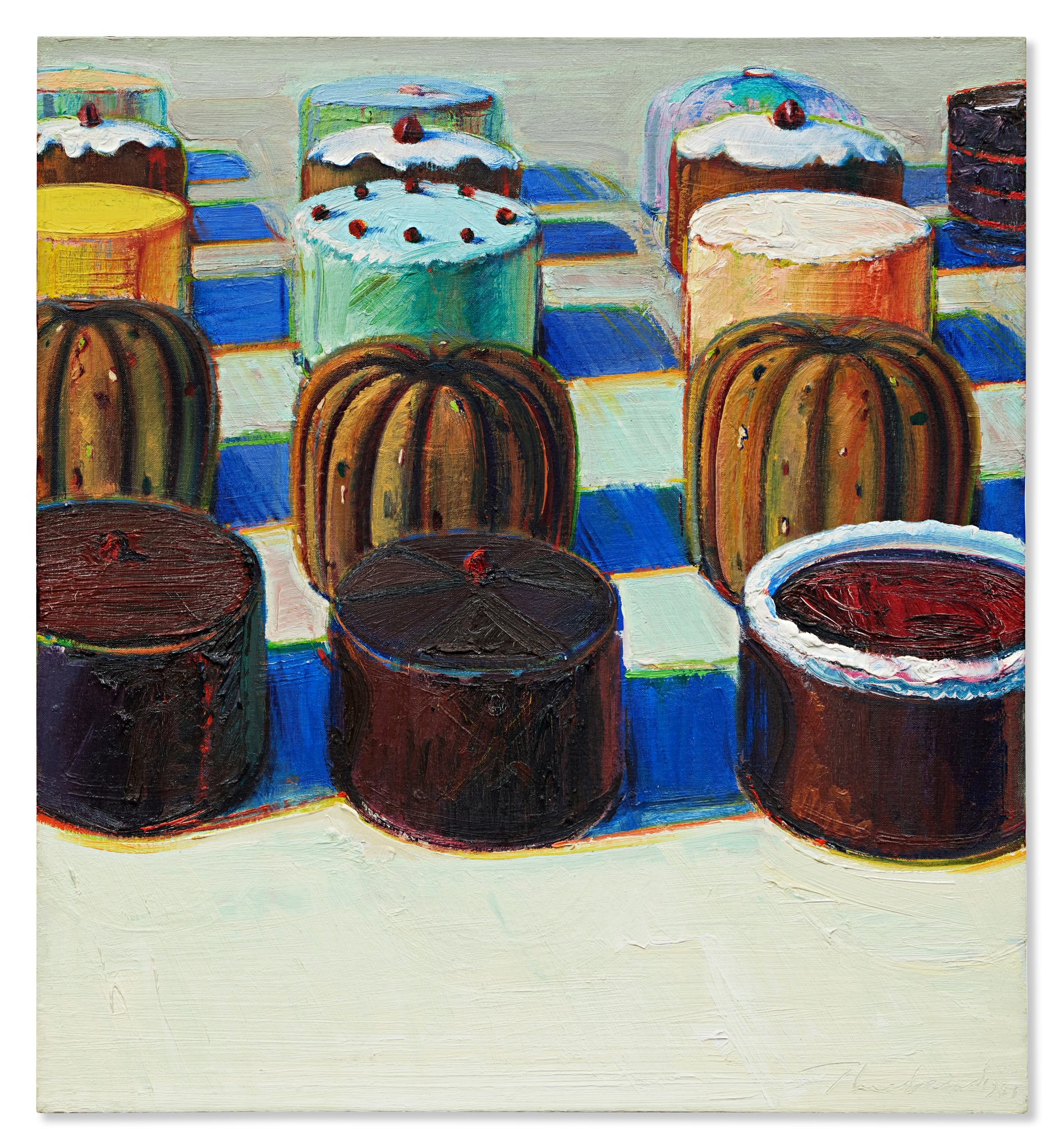
What matters more is a sense of psychological pressure, the feeling that the artist is not simply recording objects but is interrogating them. Wayne Thiebaud understood this instinctively. His pastries and pies from the early 1960s are technically straightforward, even cheerful, but they carry an undercurrent of longing and American anxiety that makes them unforgettable. Similarly, the best works by Donald Sultan use industrial process and an almost brutal material heaviness to transform lemons and flowers into something that feels genuinely menacing.
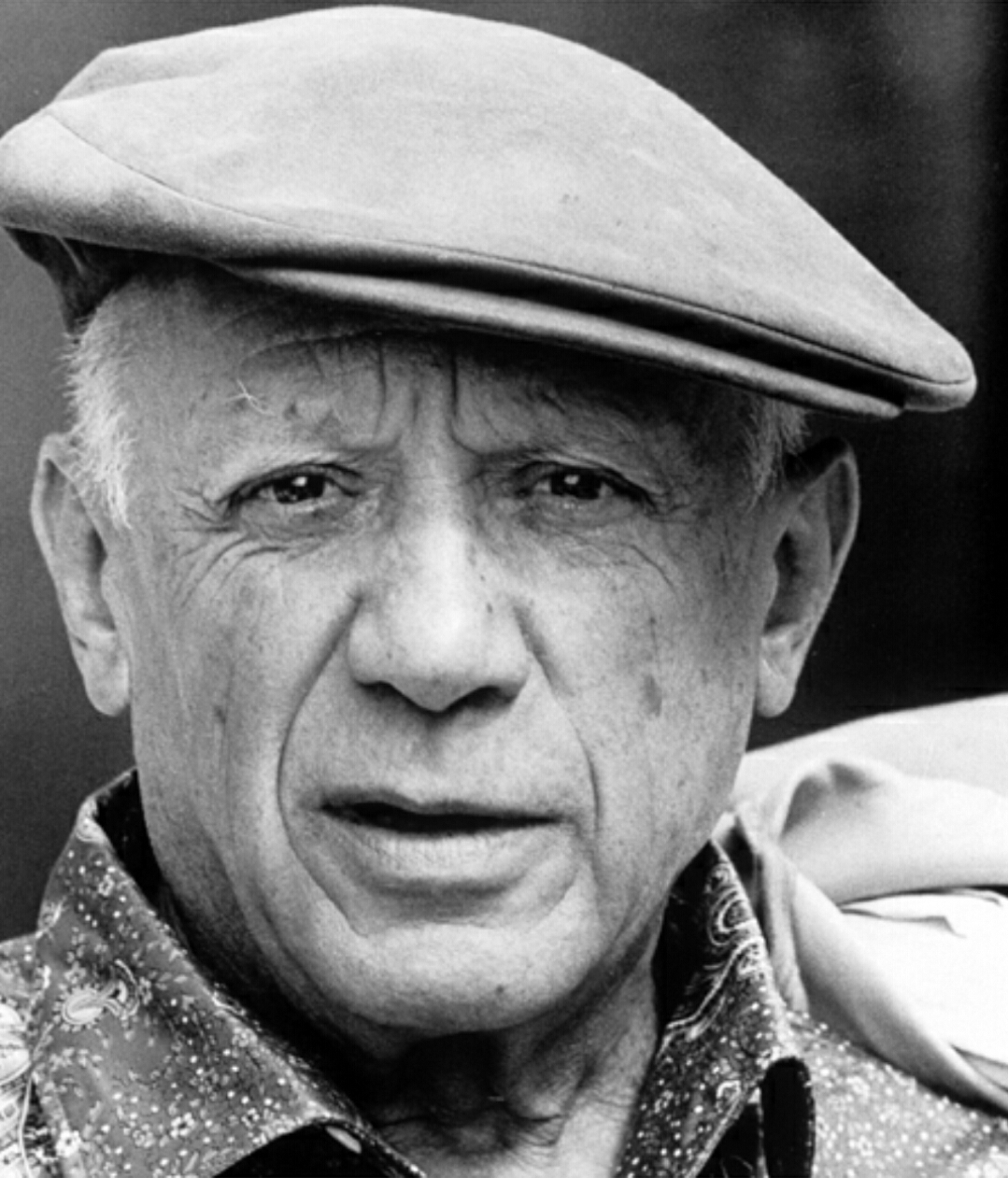
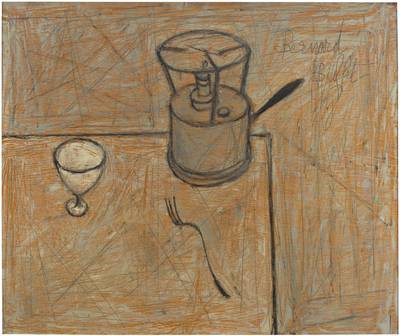
When you are looking at a still life and you feel slightly unsettled without knowing why, that is usually a signal worth trusting. For collectors building a collection with long term integrity, certain artists on The Collection represent positions that the market has repeatedly validated. Pablo Picasso's still lifes, particularly those from his Cubist period and the rich, decorative works of the late 1910s and 1920s, remain foundational holdings for major collections globally. Georges Braque, whose dialogue with Picasso essentially invented the modern still life as we understand it, is arguably the more undervalued of the two at this moment, which makes him interesting.
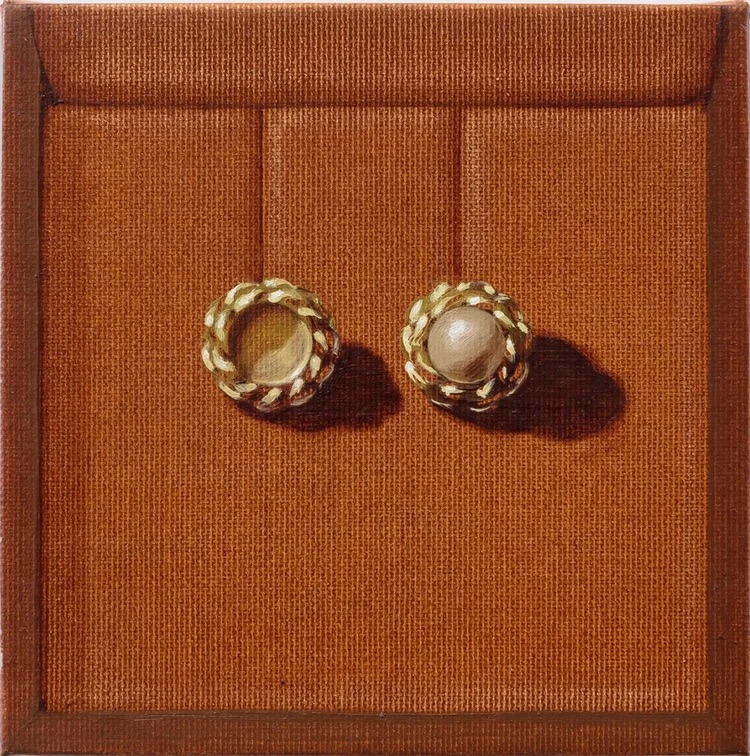
Anna Weyant
Untitled, 2021
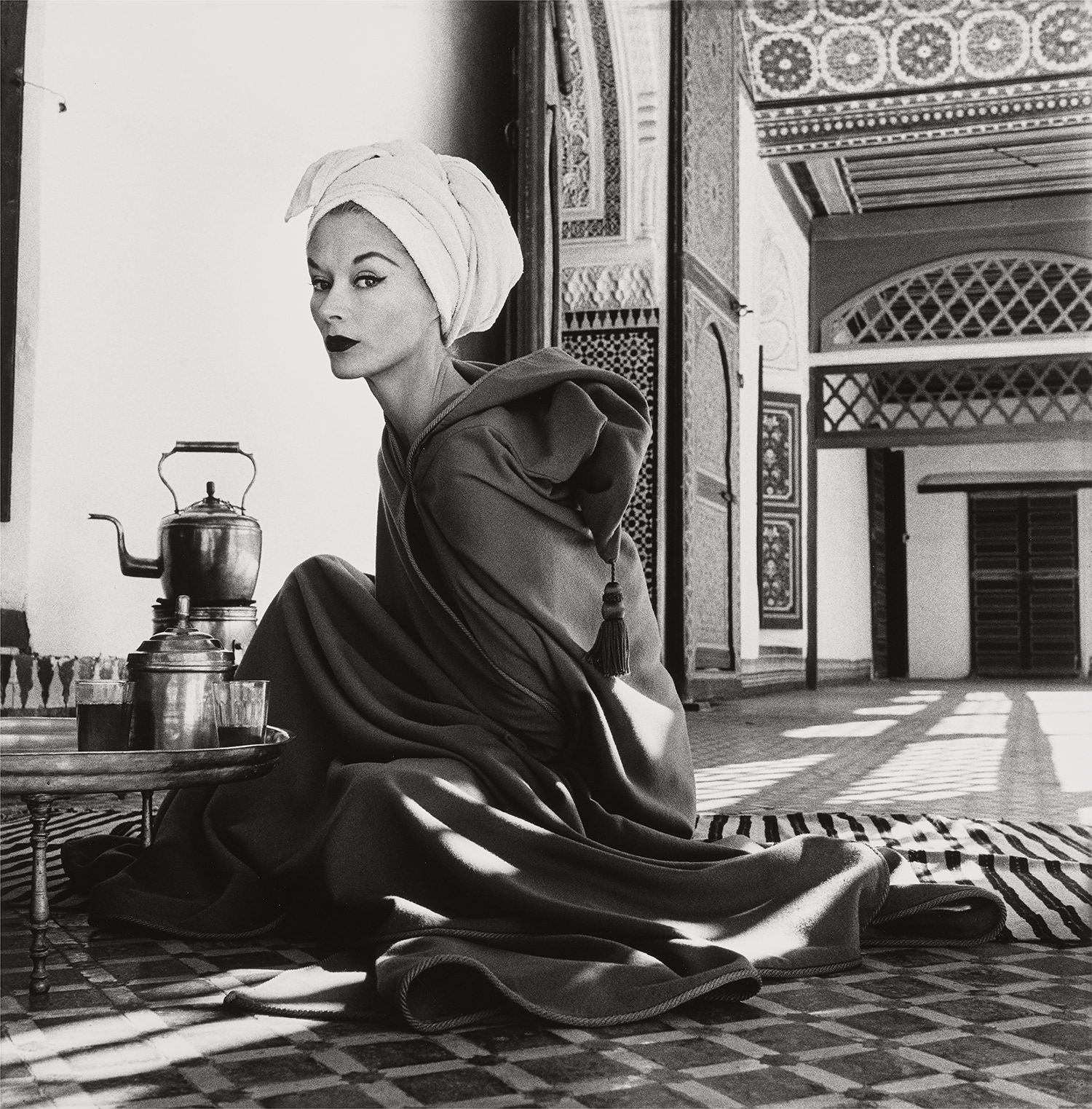
His sense of surface and his willingness to let the picture remain partially unresolved give his works a quality of sustained attention that rewards prolonged ownership. Both artists are well represented on The Collection and offer collectors genuine depth to explore. Irving Penn and Robert Mapplethorpe brought the still life into the photographic tradition with an authority that has only grown more legible over time. Penn's flower photographs from the 1960s and beyond occupy a fascinating space between commercial and fine art photography, a tension that once made the market cautious and now makes them genuinely compelling as historical objects.
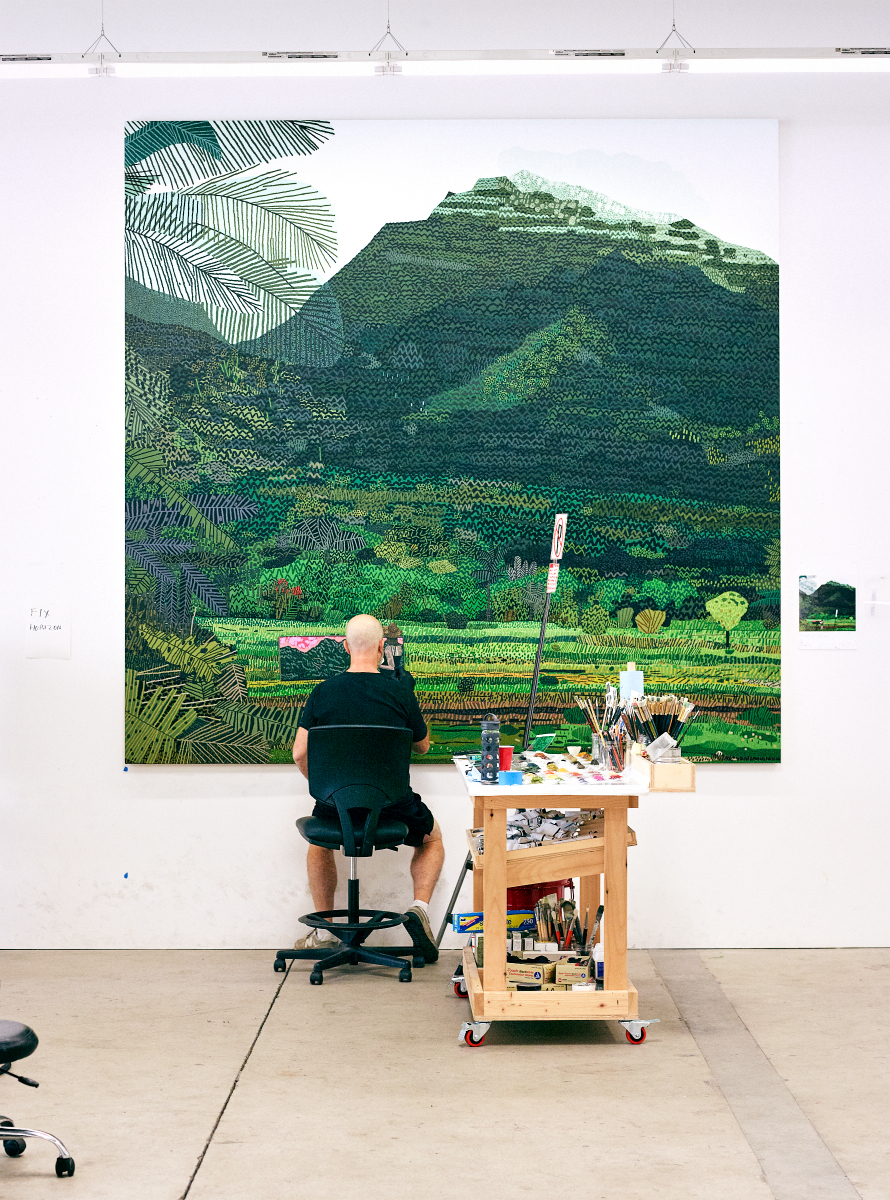
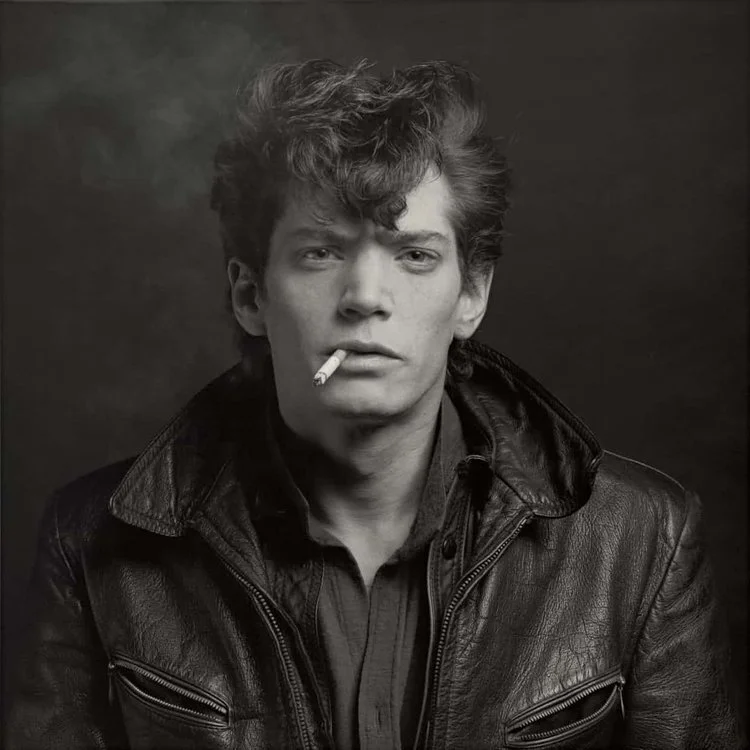
Mapplethorpe's flowers, meanwhile, carry the full weight of his biography and his formal obsessions, and they have proven to be among the most stable long term performers in the photography market. Josef Sudek, the Czech photographer working through the mid twentieth century, is less universally known but is deeply respected among photography specialists for his window studies and still life arrangements, which have a melancholy and stillness entirely their own. For collectors with an eye on emerging value, Jonas Wood and Nicolas Party represent two artists who are reshaping what the still life can do in a contemporary context. Wood's interiors and plant arrangements carry layers of art historical reference while remaining visually immediate and personally inflected.
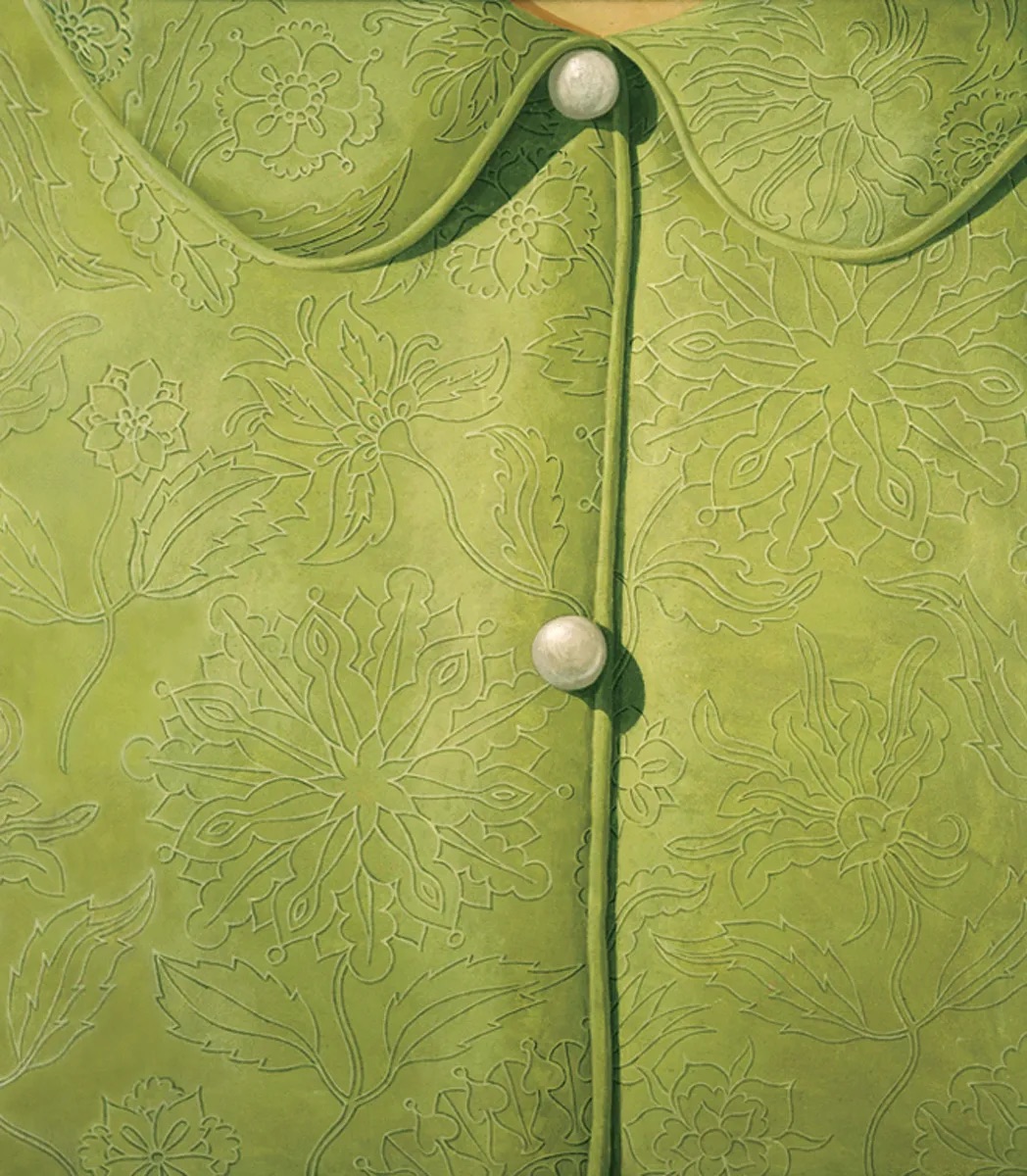
Domenico Gnoli
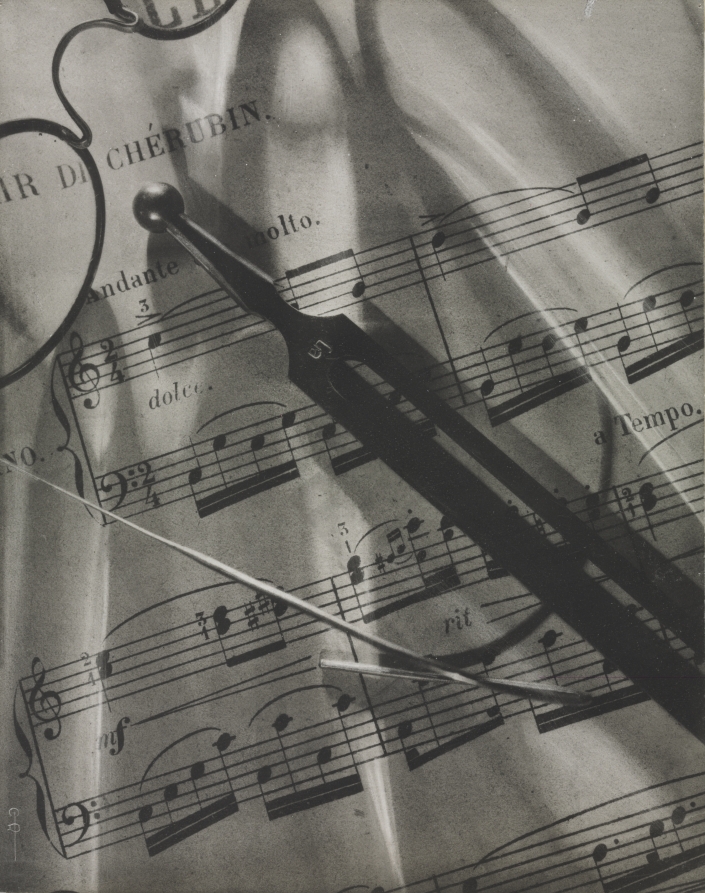
Chemisette Verte, 1967
His market has moved considerably in the past decade but there is a strong argument that his work is still in the process of finding its full institutional recognition. Party, the Swiss born artist whose pastel colored still lifes and landscapes have attracted serious institutional attention, is one of the more interesting cases in the current market, a painter whose work looks both ancient and extremely contemporary. Katherine Bernhardt operates in a different register entirely, her flat graphic surfaces and repeated motifs sitting somewhere between pattern painting and pop sensibility, and she represents a genuinely distinct voice worth watching carefully. At auction, still lifes have historically been the quiet workhorses of the secondary market.
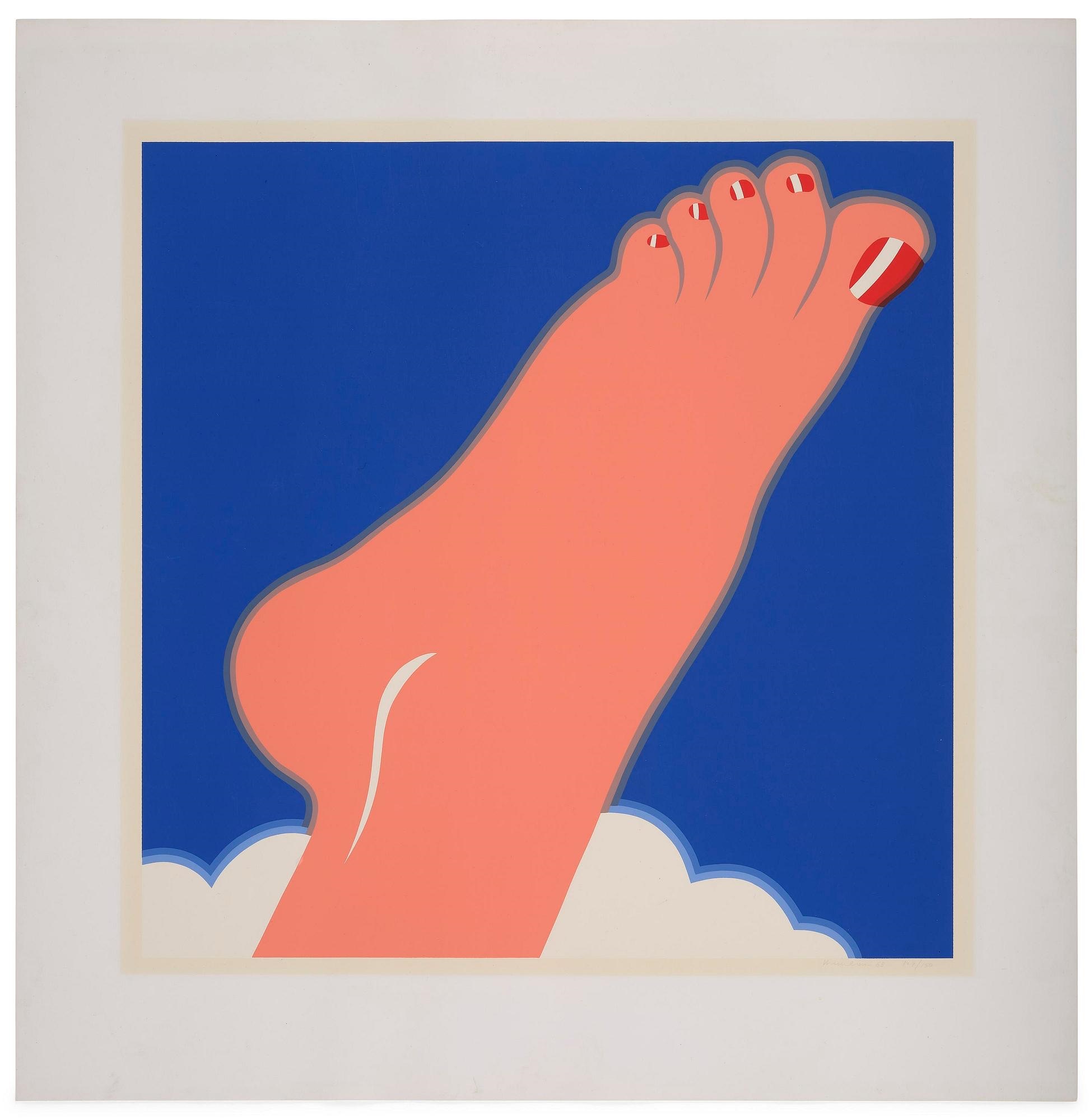
They rarely generate the headline numbers that portraits or large scale abstractions do, but they also tend to hold value with impressive consistency. Works by Tom Wesselmann, whose Great American Nude series sits adjacent to his still life production, have shown sustained demand particularly for works that foreground his pop vocabulary most clearly. Patrick Caulfield, the British painter whose flat planes of color and graphic line brought an almost architectural coolness to domestic objects, has seen increasing auction activity and critical reassessment in recent years. The lesson the market keeps teaching is that strong provenance, exhibition history, and condition will always outperform novelty.
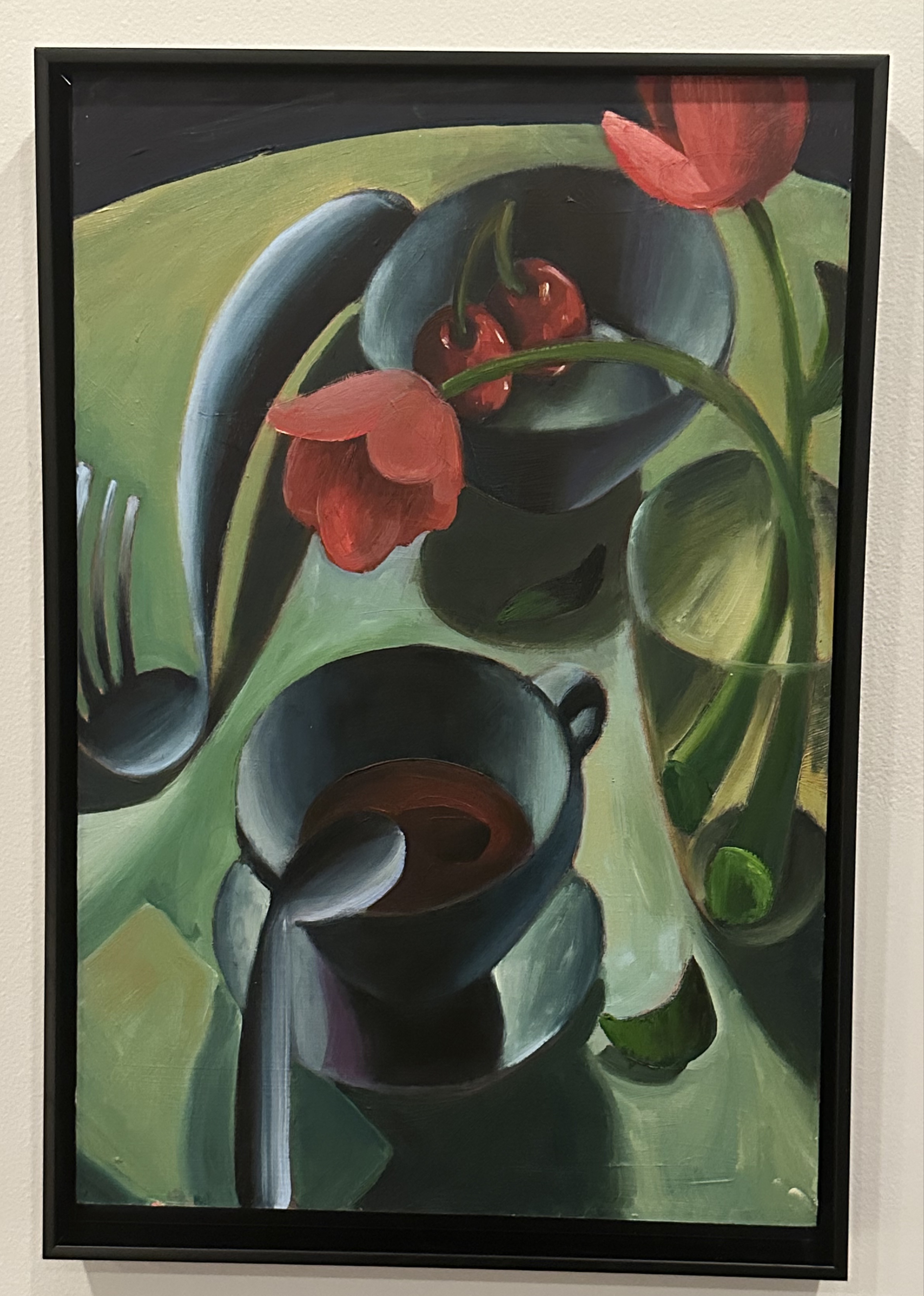
Yam Shalev
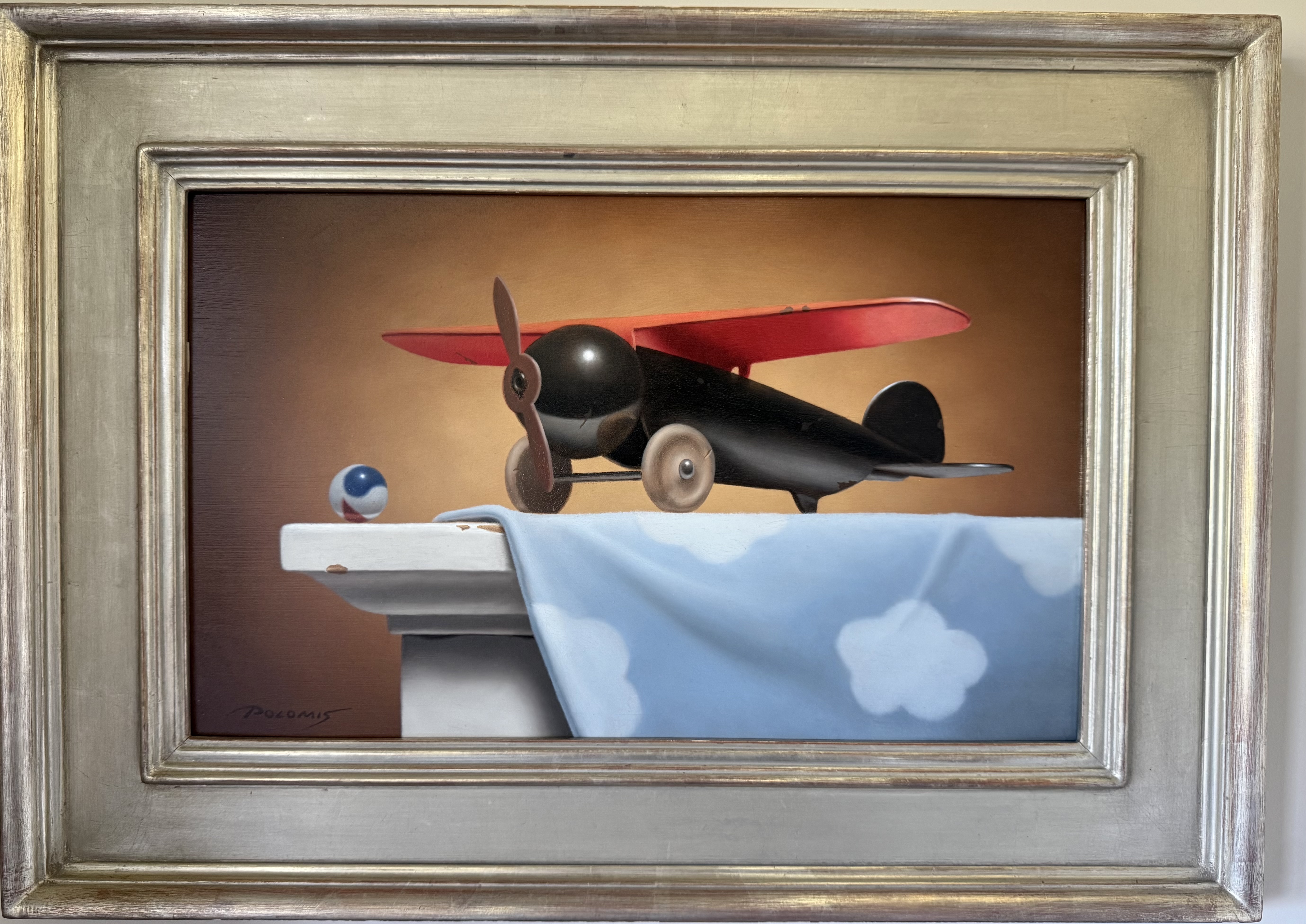
"Table Corner" 2026, 2026
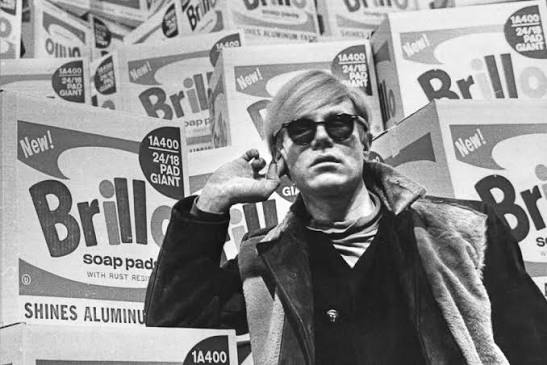
Condition deserves more attention than collectors sometimes give it at the point of acquisition. For works on paper, including prints by artists like Andy Warhol or Roy Lichtenstein, UV protective glazing is not optional. Ask specifically about any previous restoration, particularly in older works where cracking, flaking, or overpainting can significantly affect value. For photographic works, understand the edition structure fully before purchasing.
Penn's flower photographs, for instance, exist in various edition sizes and printing periods, and those distinctions carry real market consequences. When approaching a gallery about a still life, the most useful questions are often the most direct ones: has this work been exhibited, where has it lived, and what does the back of the canvas or the verso of the photograph tell us. The still life has survived every shift in taste precisely because it refuses to be only one thing. It can be formal or intimate, severe or luscious, politically charged or purely sensory.
Le Pho brought the French tradition into dialogue with Vietnamese visual culture in ways that feel increasingly significant as the market broadens its geographic frame of reference. Edward Weston turned a pepper into something that looked like a human body, and in doing so reminded everyone that the genre had always been capable of great strangeness. Living with a great still life means living with an object that keeps changing as you change, that gives back something different in winter than it does in summer. That is not a small thing to ask of a work of art, and the best ones deliver it every time.