Installation
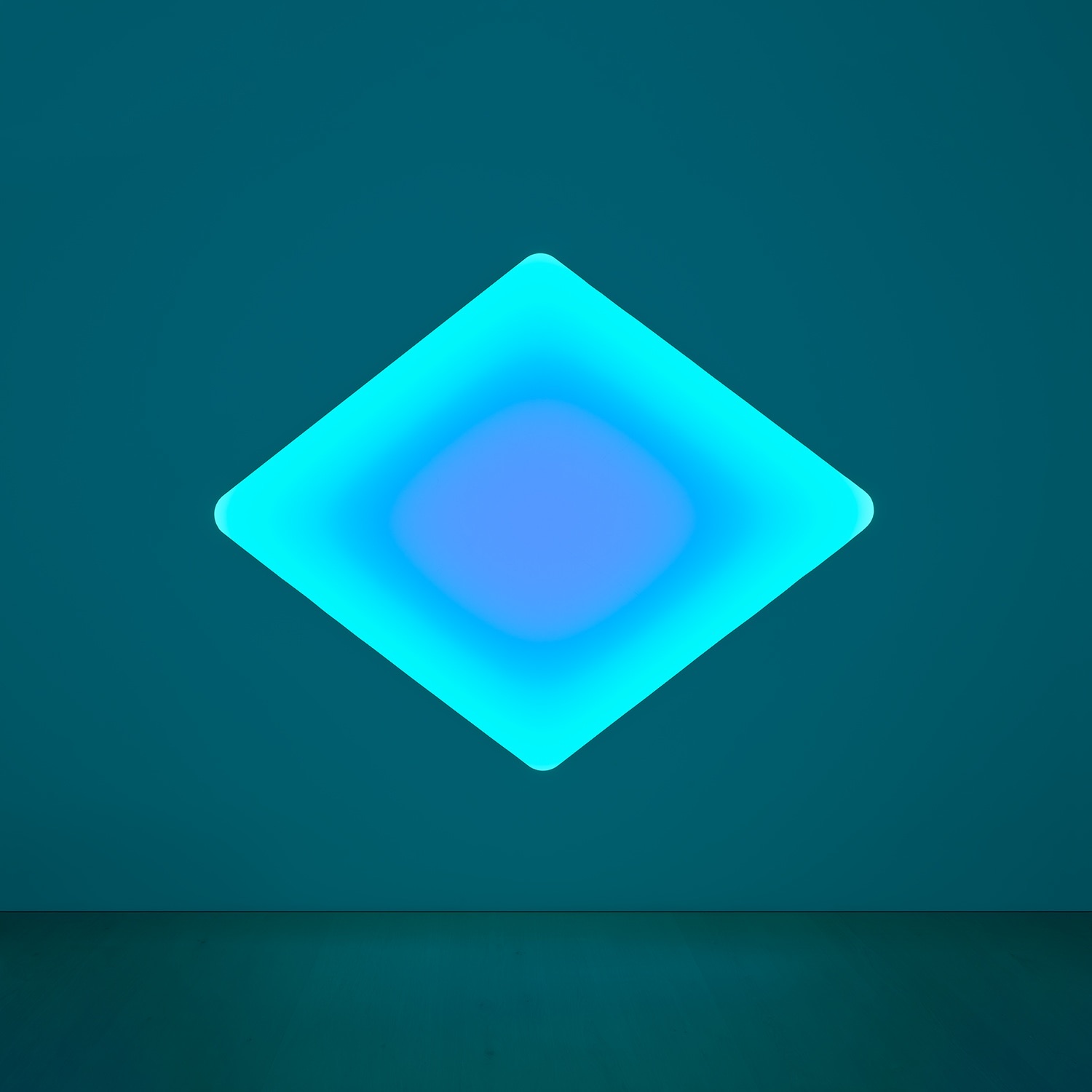
James Turrell
Ariel

The Art That Refuses to Hang Still
There is a particular kind of vertigo that overtakes you when you walk into a great installation. The floor is not quite neutral anymore. The air has a different charge. Whatever you thought you were about to experience, this is not it.
Installation art does something that almost no other medium can claim: it converts the viewer from observer into participant, often without asking permission. The roots of installation as a serious artistic language reach back to the early twentieth century, when artists began to question whether the wall and the pedestal were the only legitimate homes for art. The Dadaists in Zurich and Berlin were early agitators, filling rooms with provocation rather than pictures. Kurt Schwitters spent decades constructing his Merzbau in Hanover, an environment that grew organically through his home like a coral reef of found objects and personal mythology, eventually consuming multiple rooms before the building was destroyed in 1943.
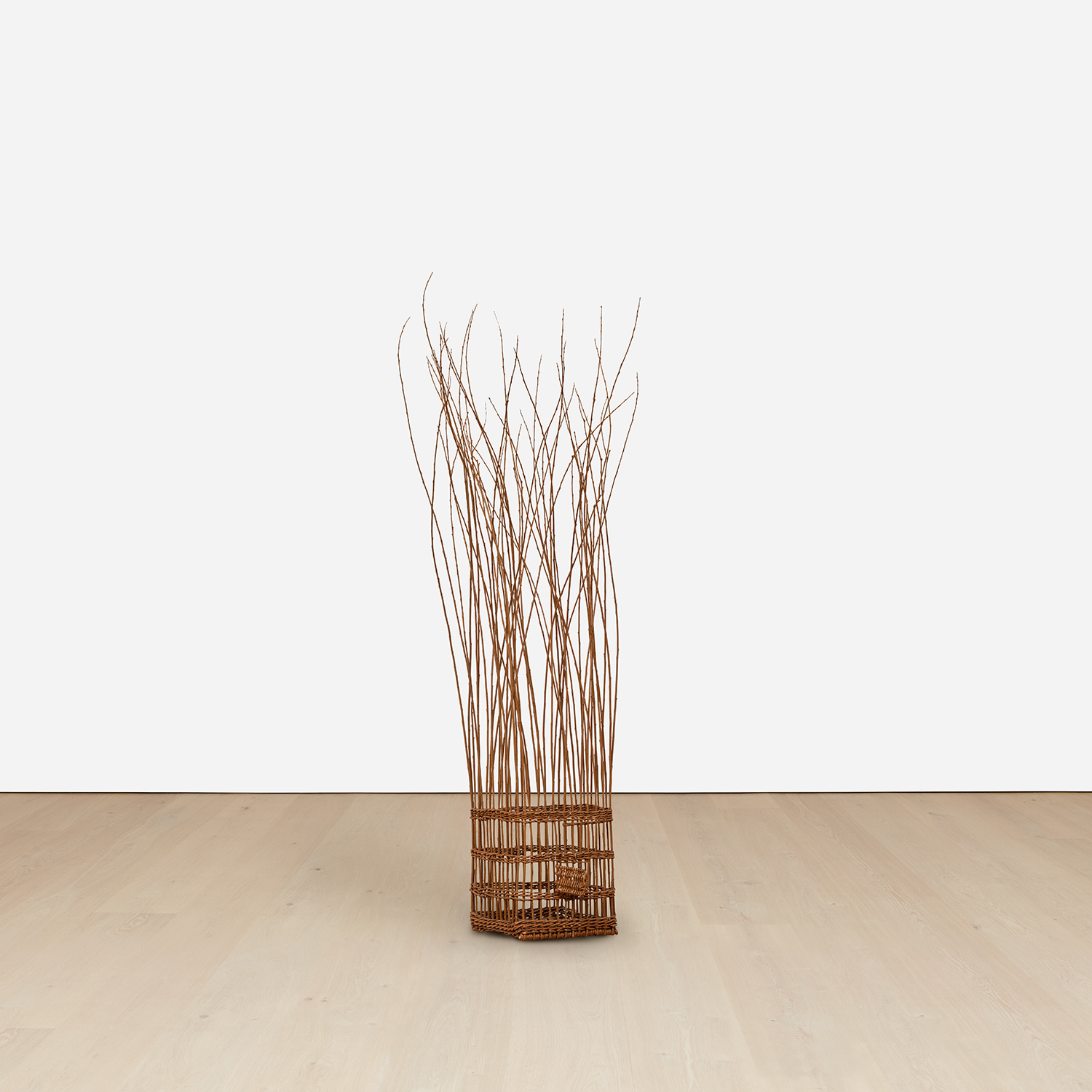
Mona Hatoum
willow, 2002
That work, which almost nobody saw in its time, now reads as a foundational text for everything that came after. By the 1960s, the question of space had become urgent in ways that felt political as well as aesthetic. Allan Kaprow coined the term "environment" to describe his immersive constructions, and Happenings pushed art into time and lived experience. In Europe, Joseph Beuys was developing what he called social sculpture, the idea that the entire shaping of society could be understood as an artistic act.
His installations were dense with symbolic material, fat, felt, copper, each chosen for its resonance with ideas about energy, trauma, and transformation. Beuys remains one of the most important and provocative presences in the installation tradition, and his work is well represented on The Collection for good reason. The watershed moment for institutional recognition came with the rise of large scale survey exhibitions in the 1970s and beyond. When Germano Celant began codifying Arte Povera in the late 1960s, he gave critical language to artists who were already dissolving the boundaries between object, space, and time.
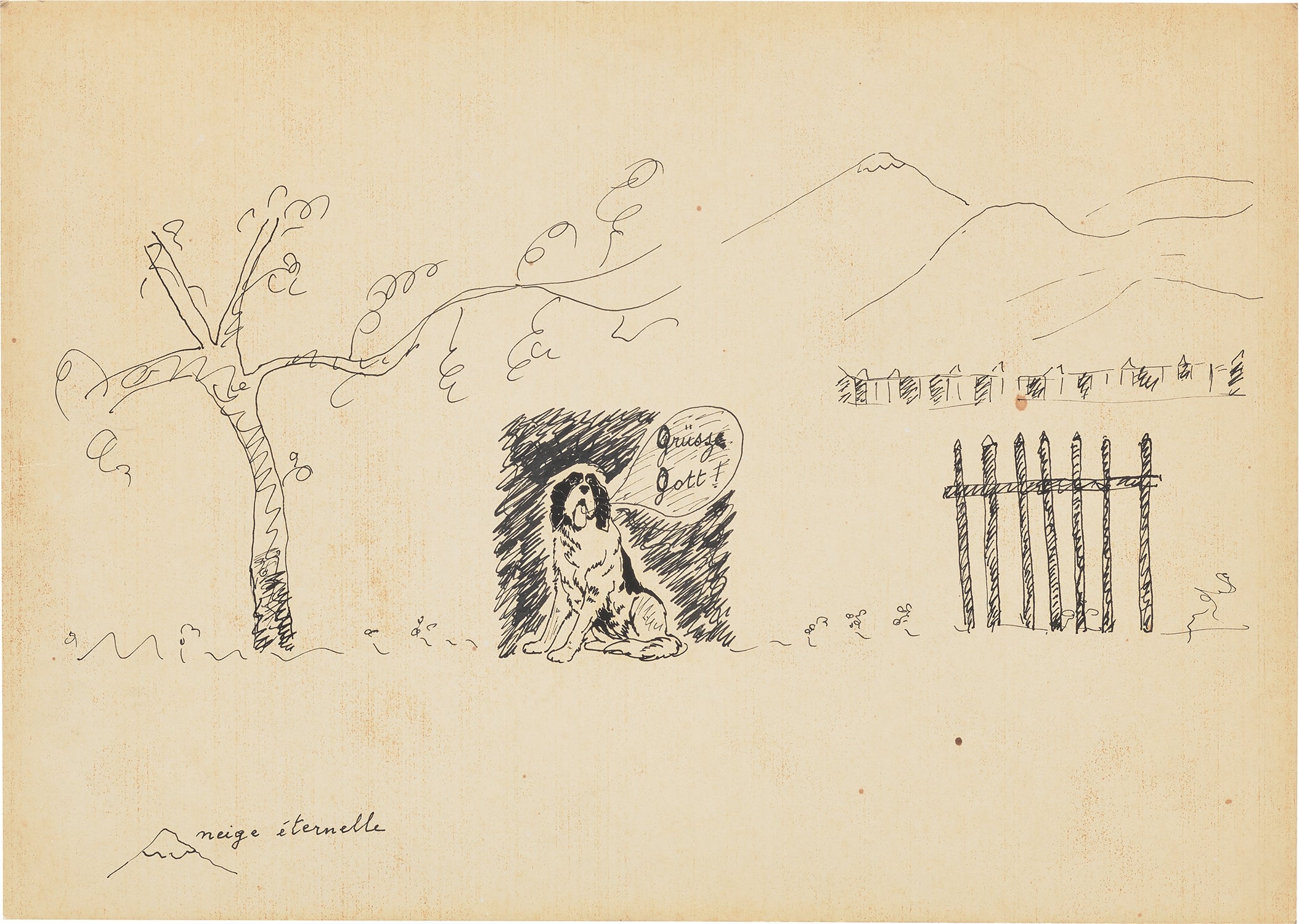
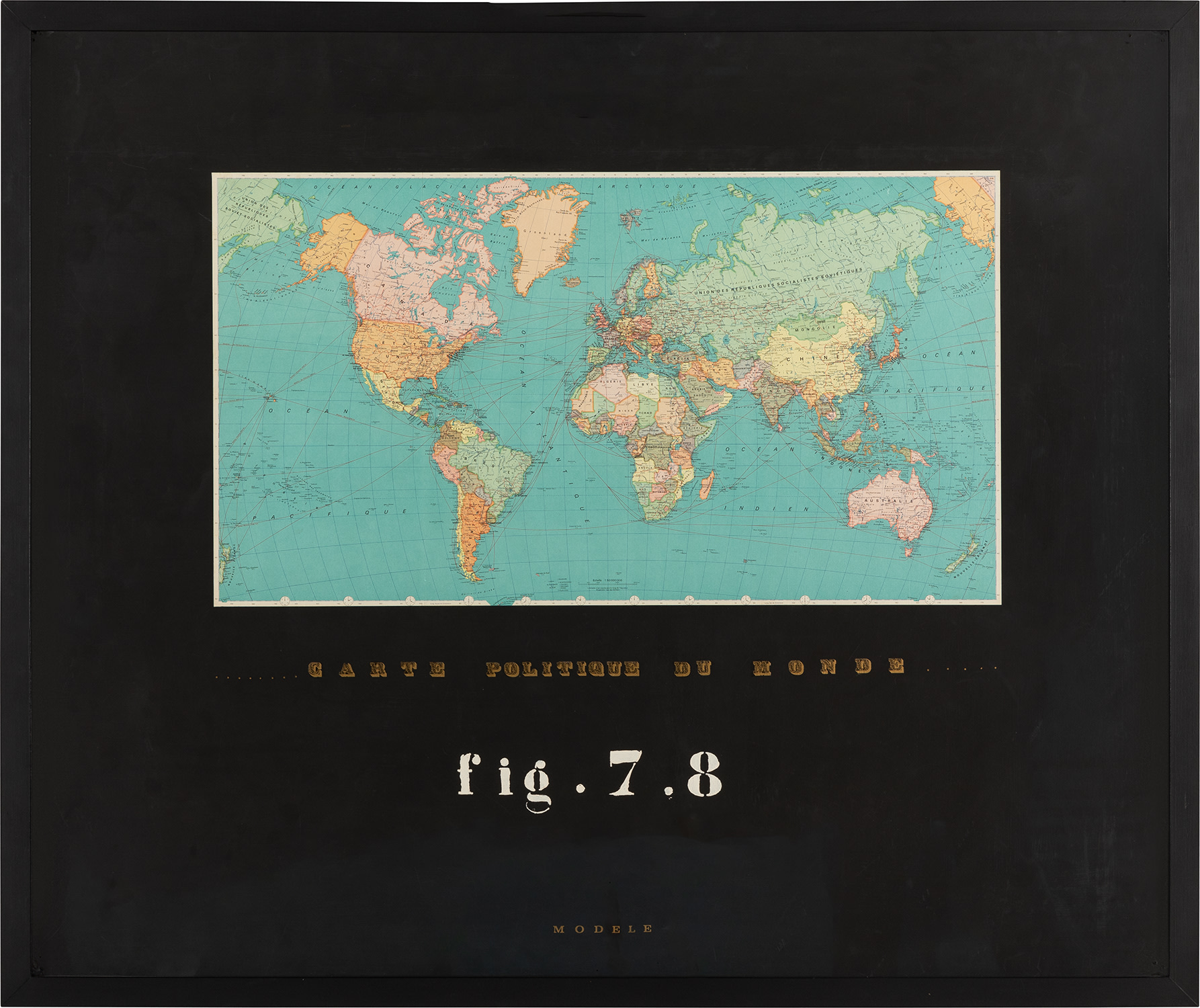
Marcel Broodthaers
Grüsse Gott! – neige internelle
Marcel Broodthaers, the Belgian artist and former poet who pivoted to visual art in 1963, constructed elaborate fictional museums within galleries, interrogating the very machinery of art display with a wit that still feels unnervingly fresh. His Department of Eagles series, begun in 1968, turned the white cube into both subject and stage, and his legacy on The Collection reflects how central he remains to understanding conceptual installation. Through the 1980s and 1990s, installation became the preferred mode for artists grappling with identity, politics, and the nature of public space. Jenny Holzer weaponized language in architectural scale, projecting texts onto government buildings and monumental surfaces in ways that made passivity feel impossible.
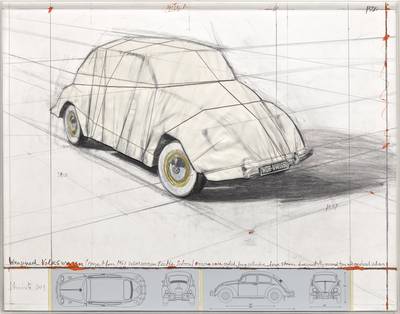
Christo and Jeanne Claude wrapped entire islands, bridges, and coastlines, transforming geography into temporary sculpture and raising questions about access, ownership, and the politics of spectacle. Daniel Buren pursued his signature striped interventions across museums and public spaces on almost every continent, insisting that context was never innocent. Each of these artists understood that installation was not simply a format but a philosophical position. The materials available to installation artists expanded dramatically with the arrival of new technologies and global supply chains.
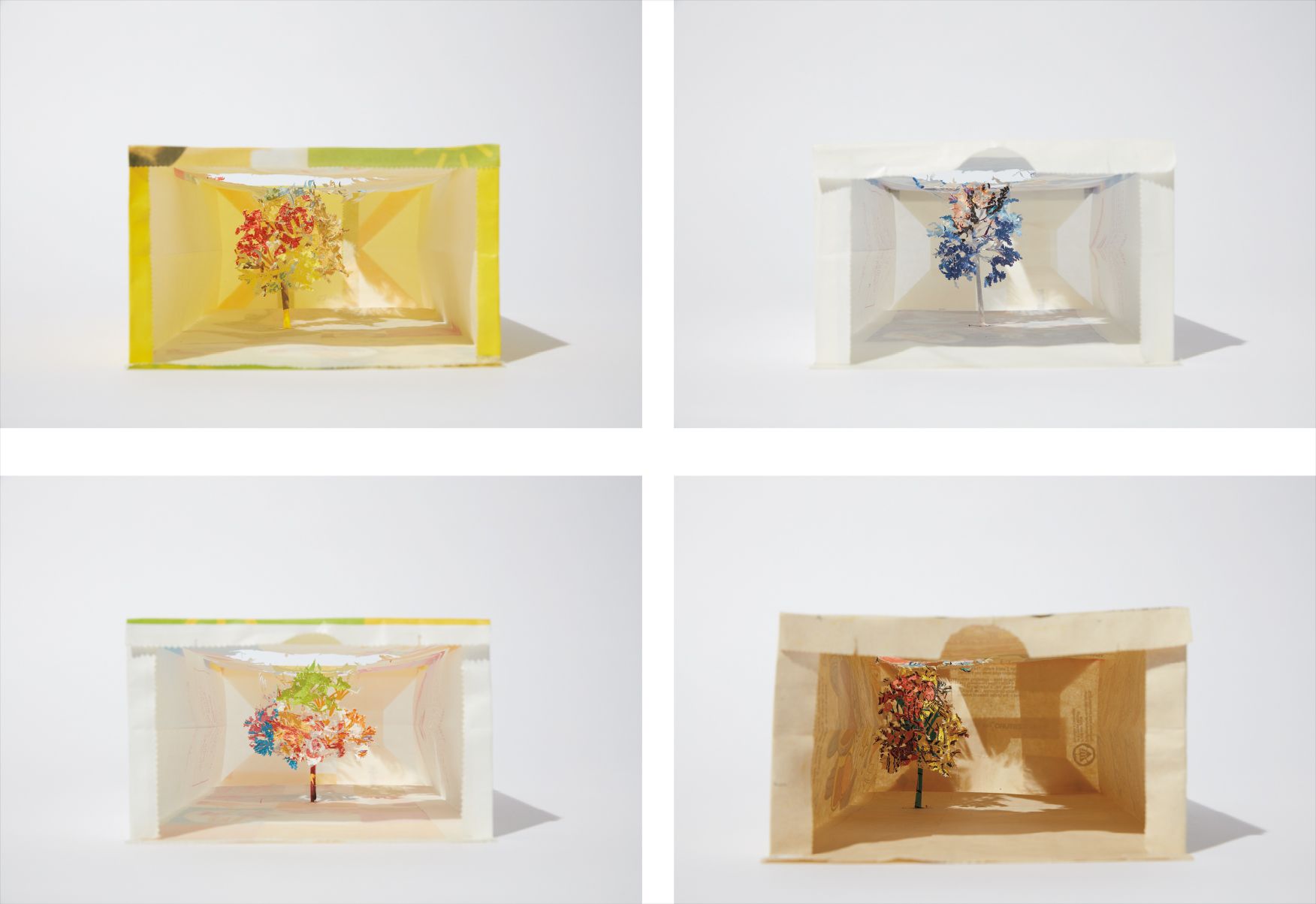
Yuken Teruya
Happy Meal Crossing, 2005
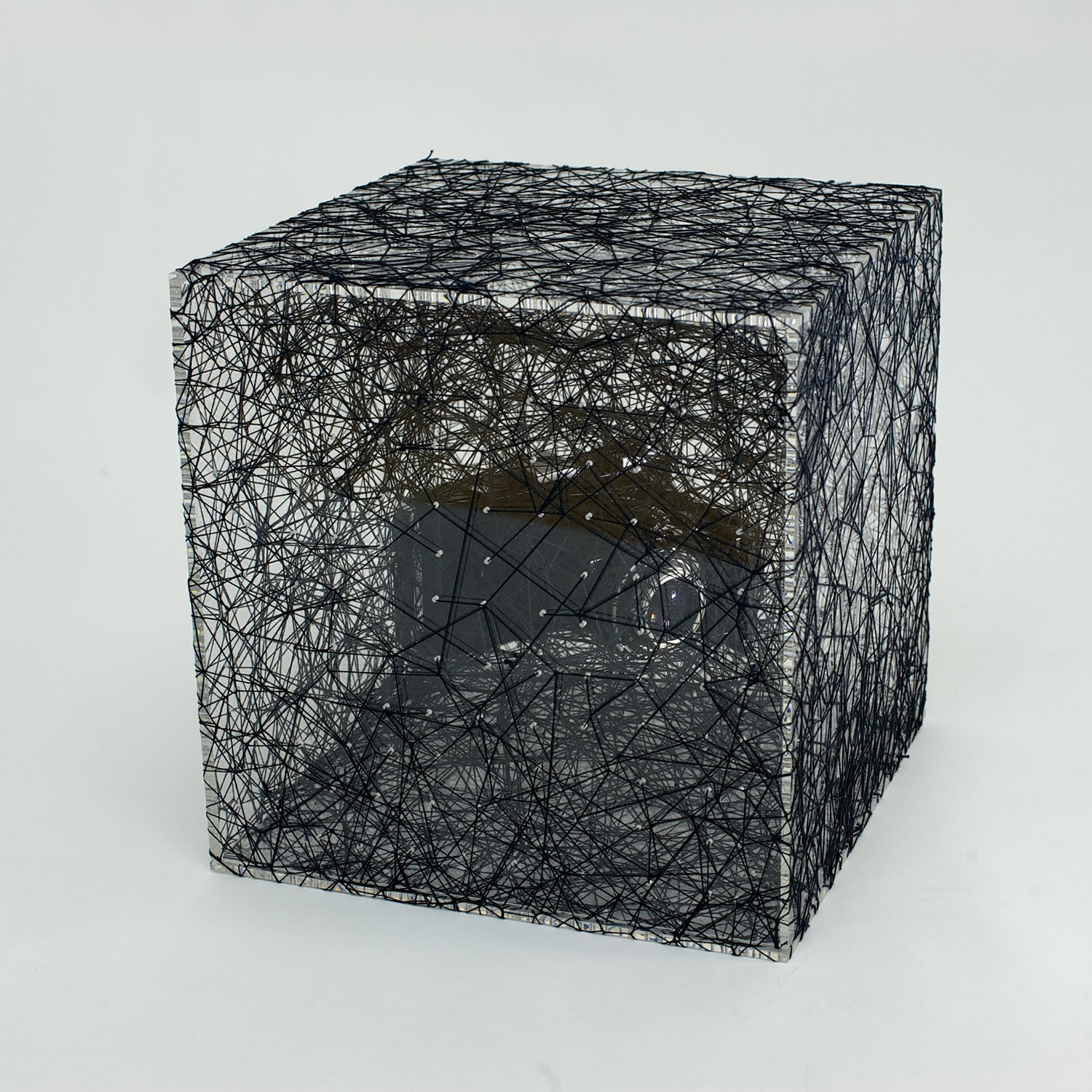
Olafur Eliasson has built entire indoor weather systems, most famously with The Weather Project at Tate Modern in 2003, where a mirrored ceiling and artificial sun drew two million visitors who lay on the floor staring at their own reflections as if the building had become a landscape. Chiharu Shiota works at the opposite register, filling rooms with vast webs of thread that seem to catch memory in their filaments, the accumulated weight of human experience made visible and almost tangible. Both approaches, the technologically spectacular and the quietly material, demonstrate how wide the installation field has always been. Collectors who engage seriously with installation quickly learn that the medium demands a different kind of relationship than a work you hang above a console table.
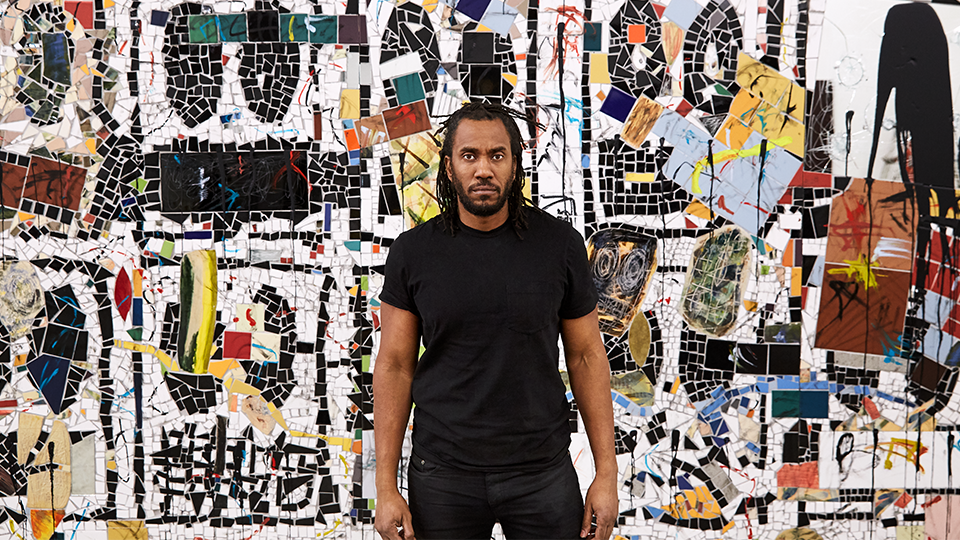
Anish Kapoor's mirror works bend and distort the spaces they inhabit, making every room a different proposition. Jeppe Hein builds interactive sculptures that respond to presence, turning the viewer's own body into an instrument of the work. Rashid Johnson creates room scale environments from personal and cultural materials, shea butter, black soap, plants, books, that function as ecosystems of meaning rather than single statements. What distinguishes the most compelling installation work is the way it refuses to behave, refusing to become wallpaper, refusing to let you off the hook.
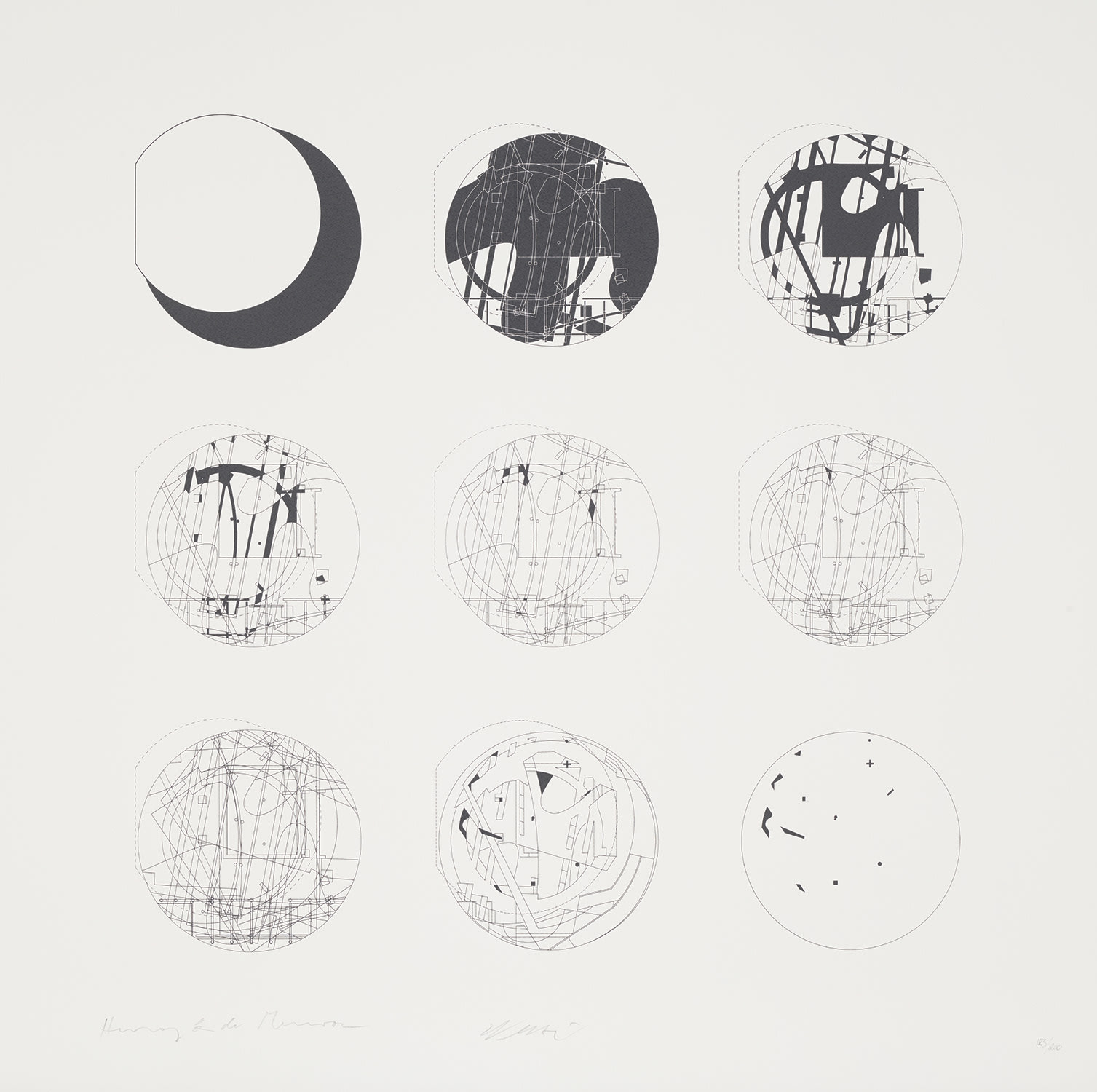
Ai Weiwei
Serpentine Gallery Pavilion
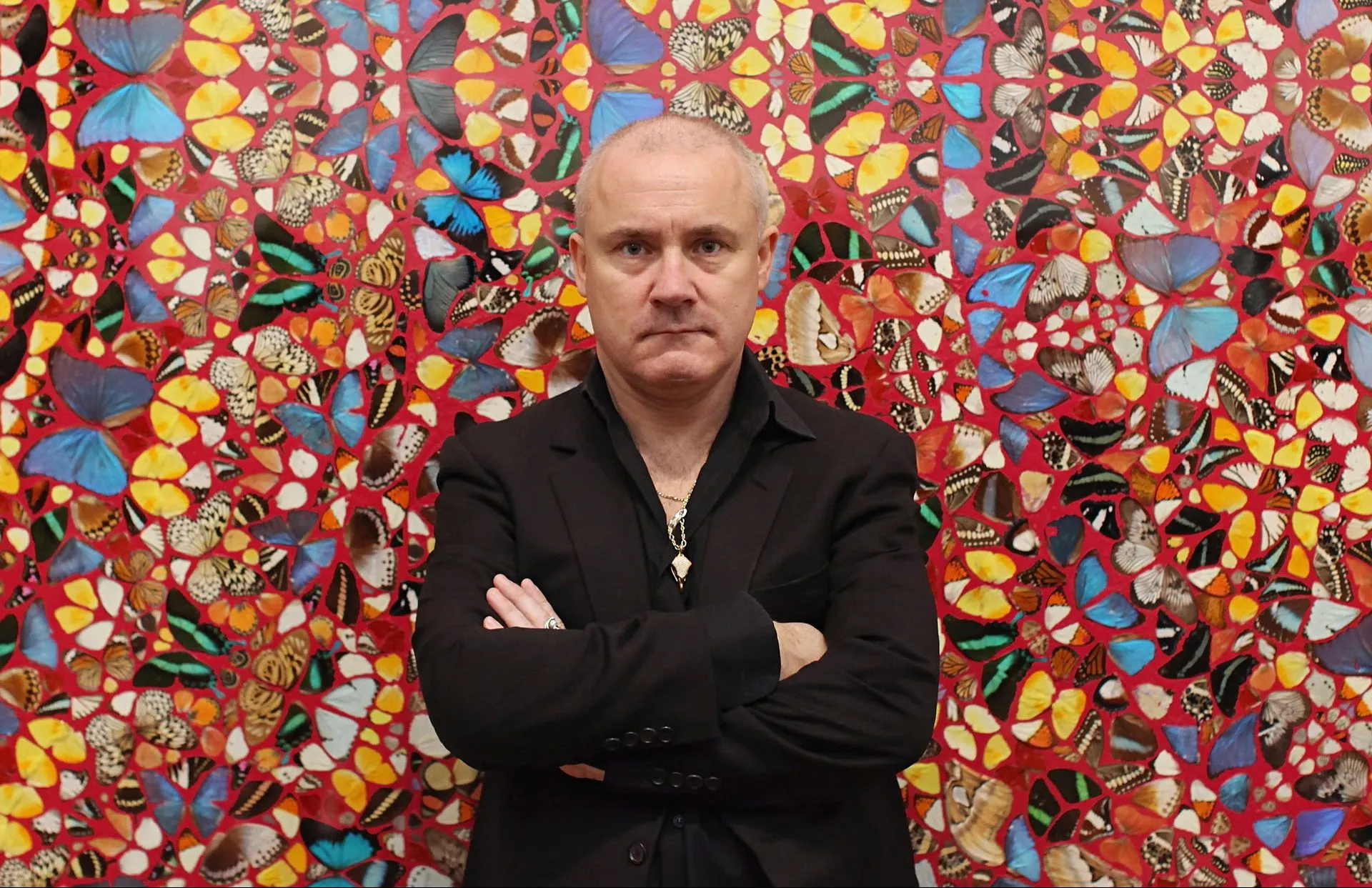
Damien Hirst's vitrines occupy a particular place in this conversation. Often described as sculpture, they are fundamentally environments in miniature, sealed worlds that frame mortality with clinical precision. The shark suspended in formaldehyde is not simply an object; it is a theater of dread, a room within a room. Maurizio Cattelan works in a similar mode of concentrated shock, his installations arriving as pranks that gradually reveal genuine philosophical weight.
Yayoi Kusama's infinity rooms, which have become among the most visited art experiences of recent decades, distill the installation impulse to its most ecstatic extreme, surrounding the visitor in their own reflection until selfhood starts to feel optional. What all of this points toward is a medium that has never been more alive or more various. Theaster Gates builds installations that are also community archives, Ai Weiwei uses objects as political testimony, and Ernesto Neto creates soft organic architectures that invite visitors to enter and breathe differently. The works gathered on The Collection across this category span that full range, from the intimately scaled to the architecturally ambitious, from the quietly political to the visually overwhelming.
Installation remains the art form that most insists on your presence. You cannot send someone else to look at it for you. You have to show up, and when you do, something in the air changes.