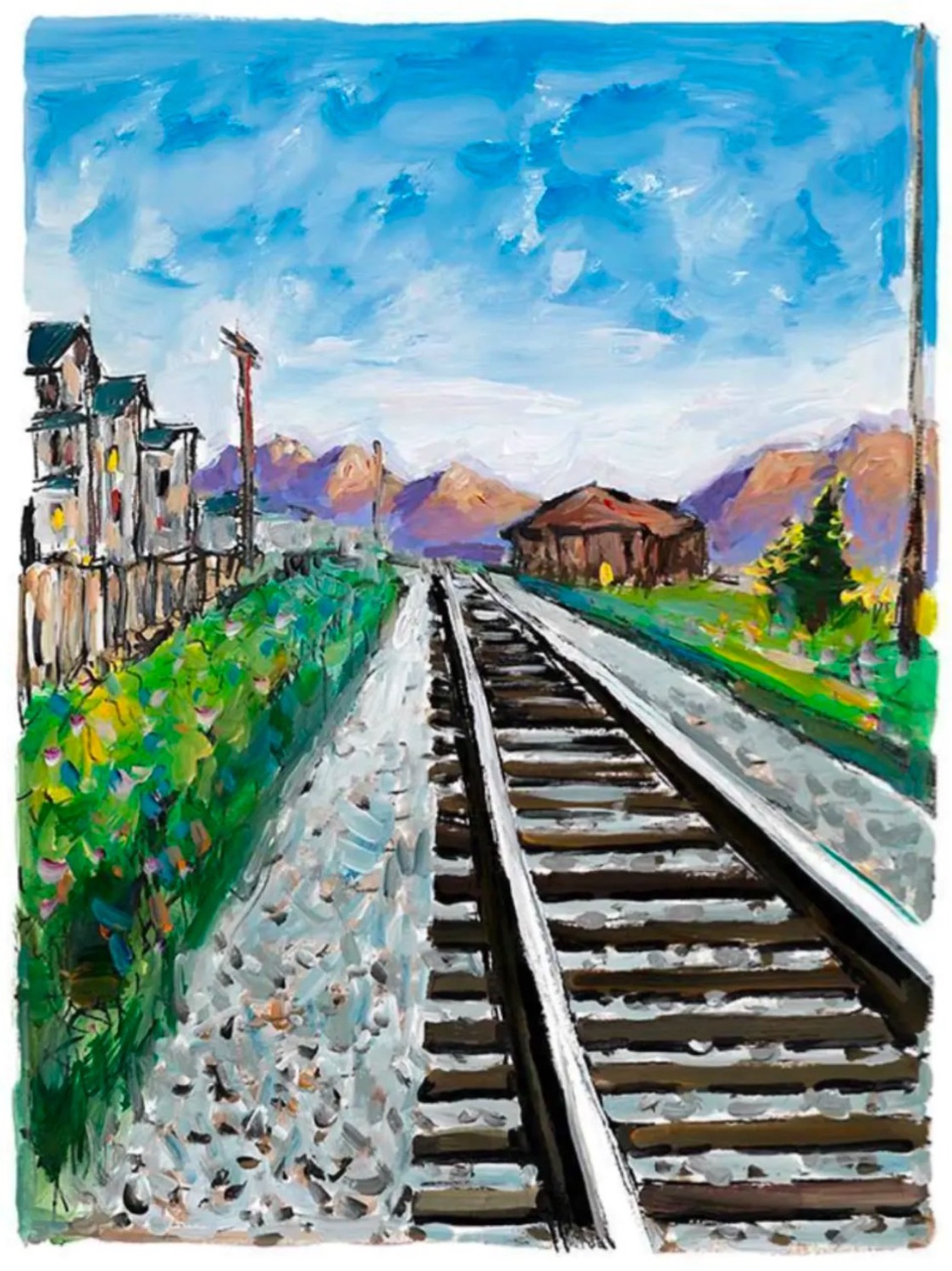
Nineteenth Century
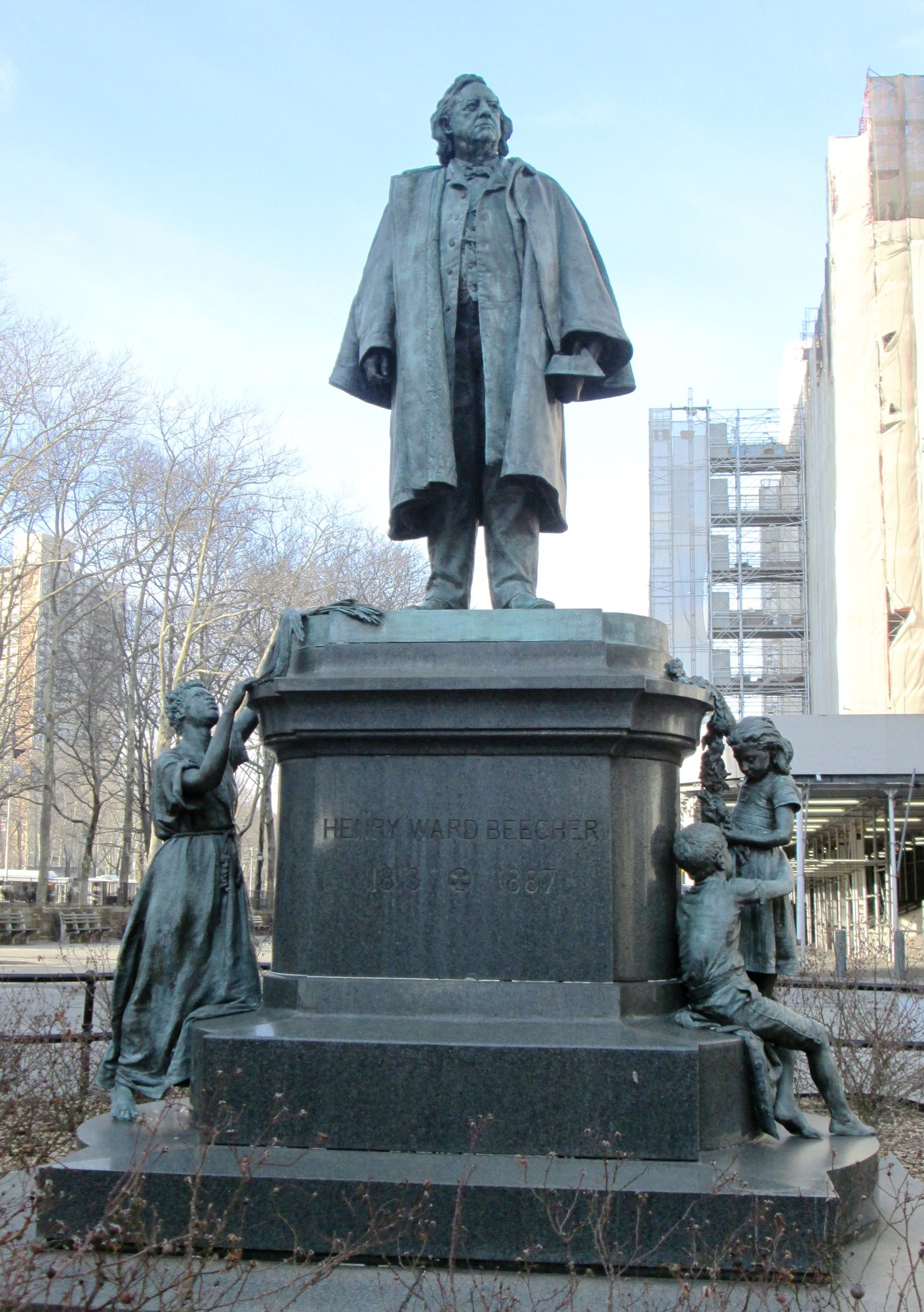
John Quincy Adams Ward
Henry Ward Beecher Monument, 1891
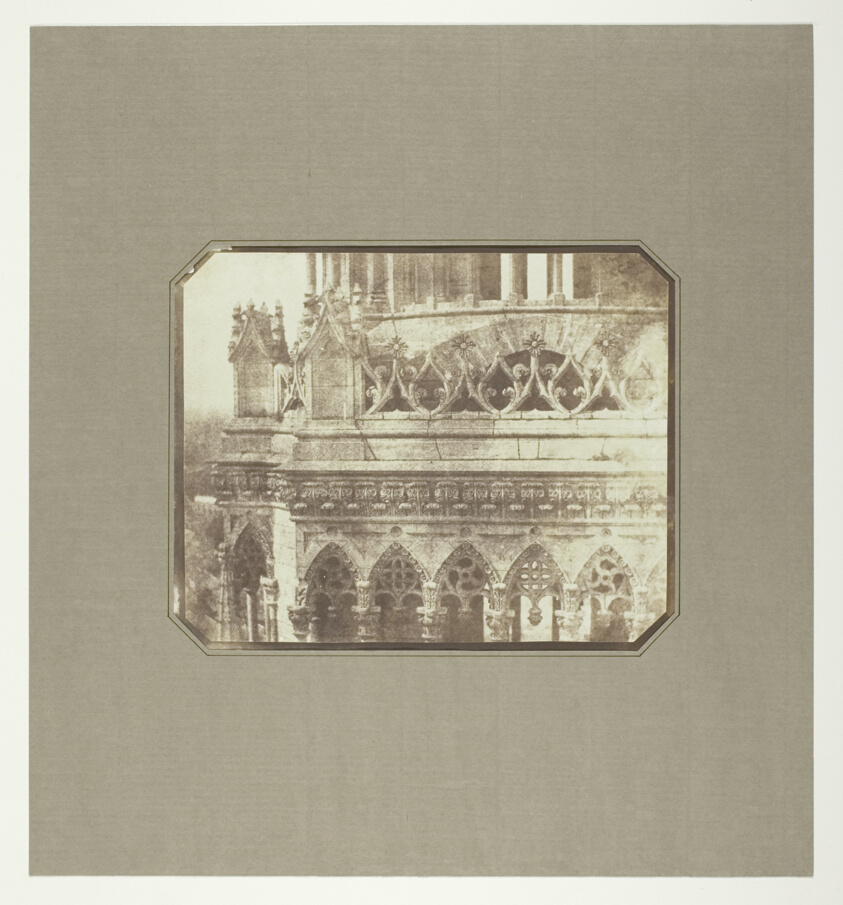
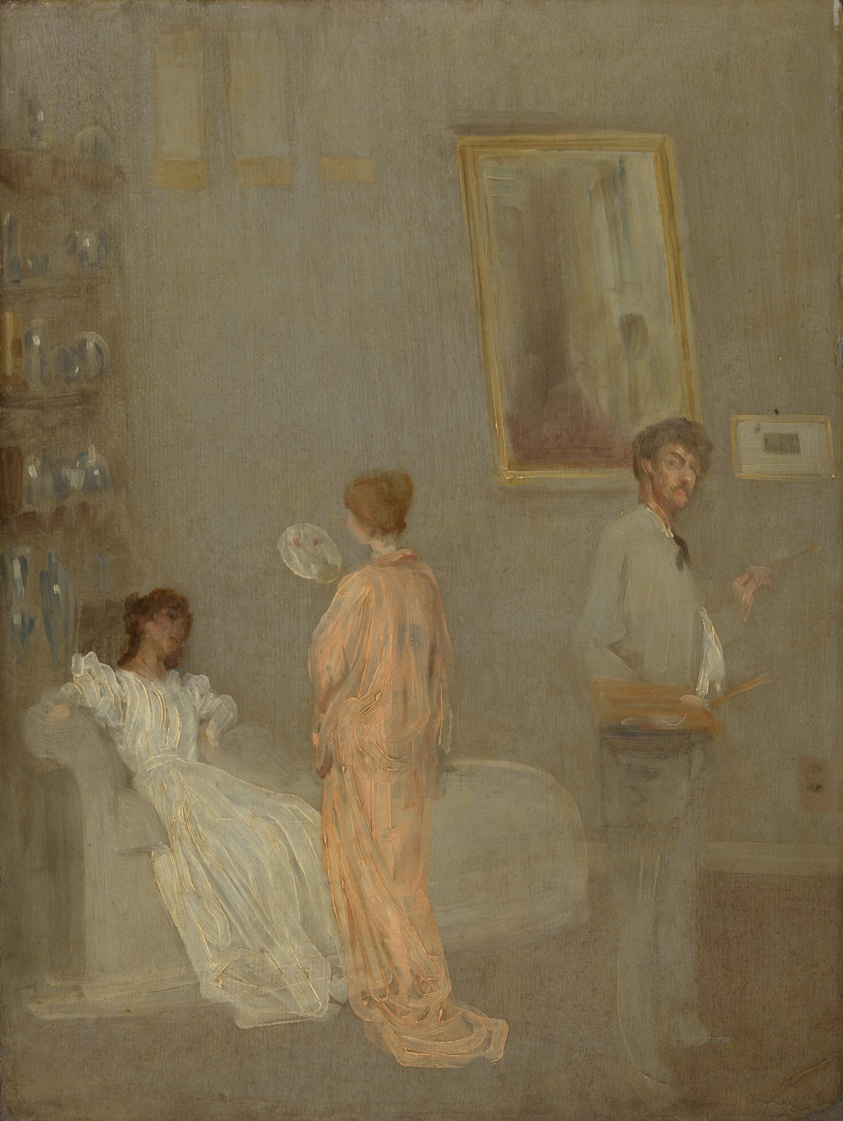
The Century That Taught Us How to See
There is no cleaner way to understand the modern eye than to spend time with nineteenth century art. Between 1800 and 1900, the Western world underwent a transformation so rapid and so disorienting that artists were forced to invent entirely new visual languages just to keep pace. The century produced Romanticism, Realism, Impressionism, Symbolism, and the birth of photography, sometimes within a single artist's lifetime. To look at work from this period is not to look backward.
It is to watch the present tense being assembled, brushstroke by brushstroke, plate by plate. The century opened in the long shadow of the Enlightenment and under the immediate pressure of the Napoleonic Wars. Artists who had been trained in the grand tradition of history painting found themselves confronted with a world that was moving faster than allegory could accommodate. By the 1820s and 1830s, the Romantic movement had already fractured the neoclassical consensus, privileging feeling over formal perfection and landscape over the heroic figure.
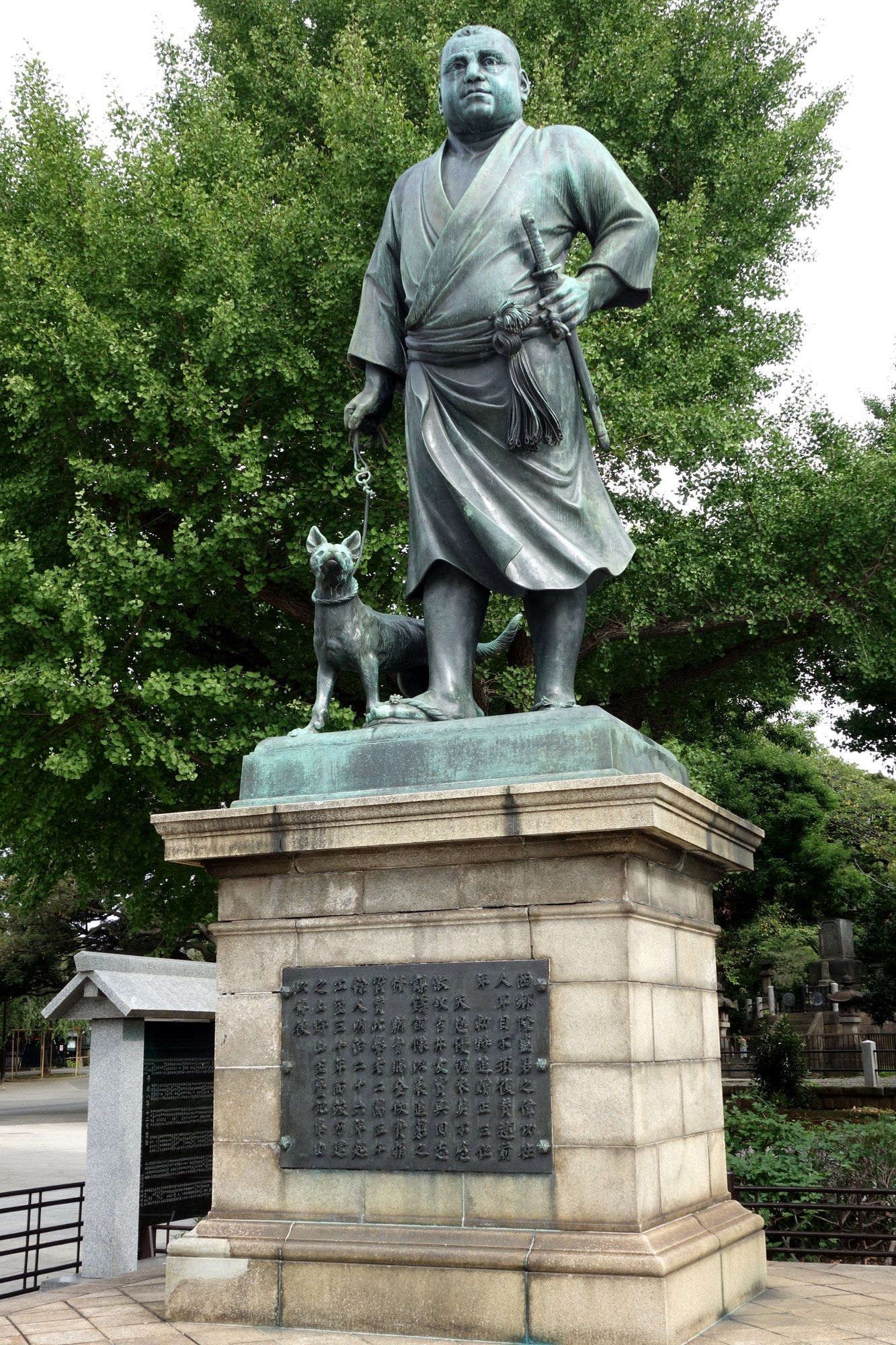
Takamura Kōun
Statue of Saigō Takamori, 1898
J.M.W. Turner was dissolving form into light.
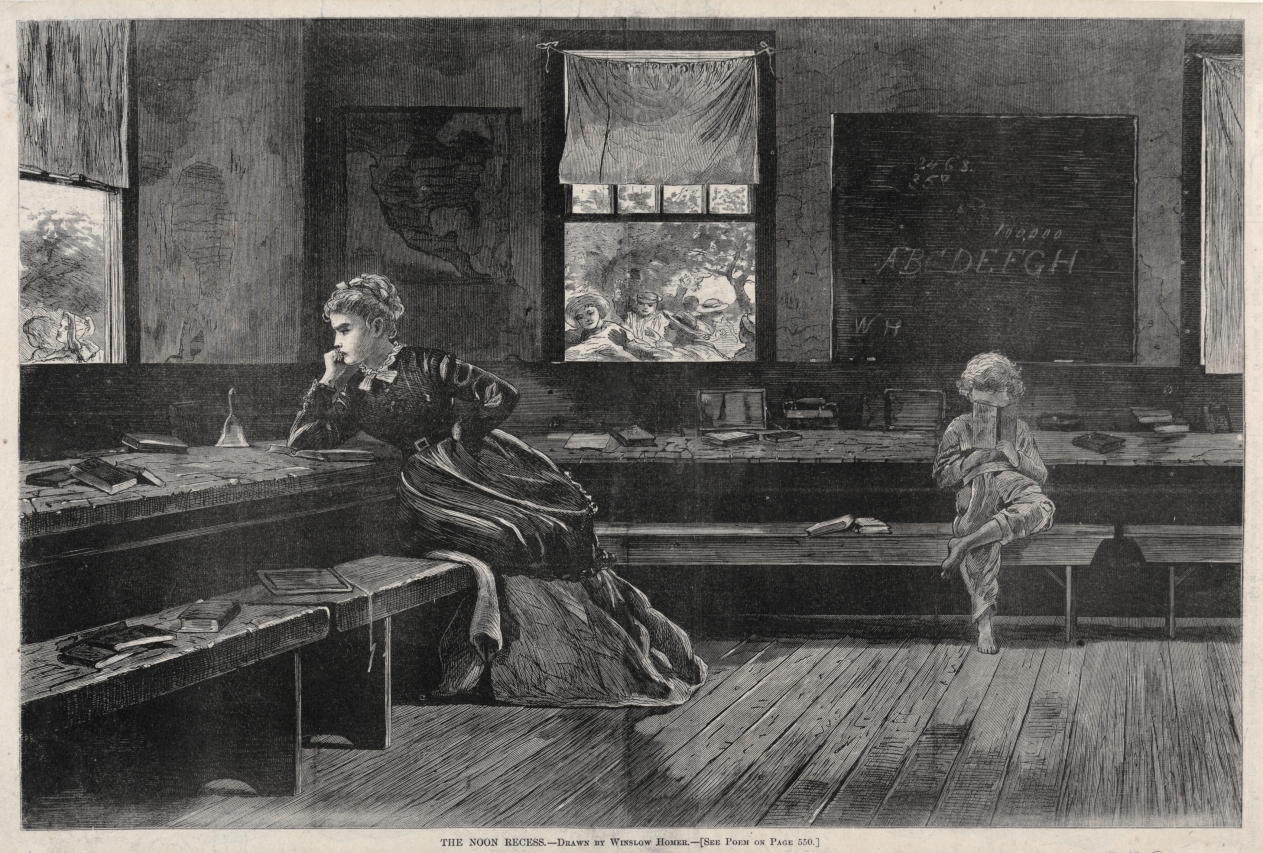
Caspar David Friedrich was placing solitary figures at the edges of cliffs and asking what it felt like to be small. The stage was set for something genuinely new, and the century obliged repeatedly. Winslow Homer, whose work is richly represented on The Collection, stands as one of the defining American voices of the period. Homer came of age during the Civil War and produced some of his earliest celebrated work as an illustrator for Harper's Weekly.
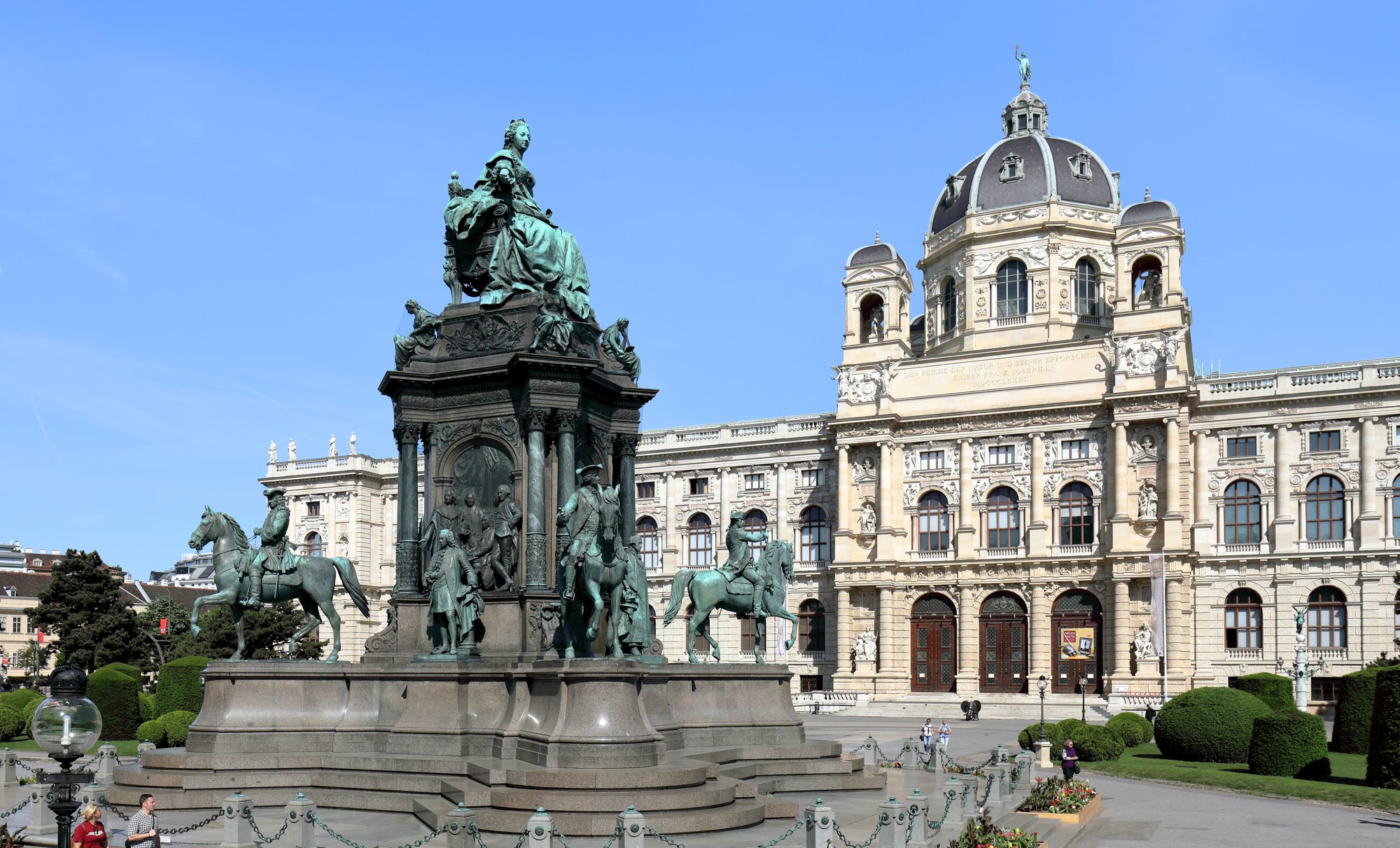
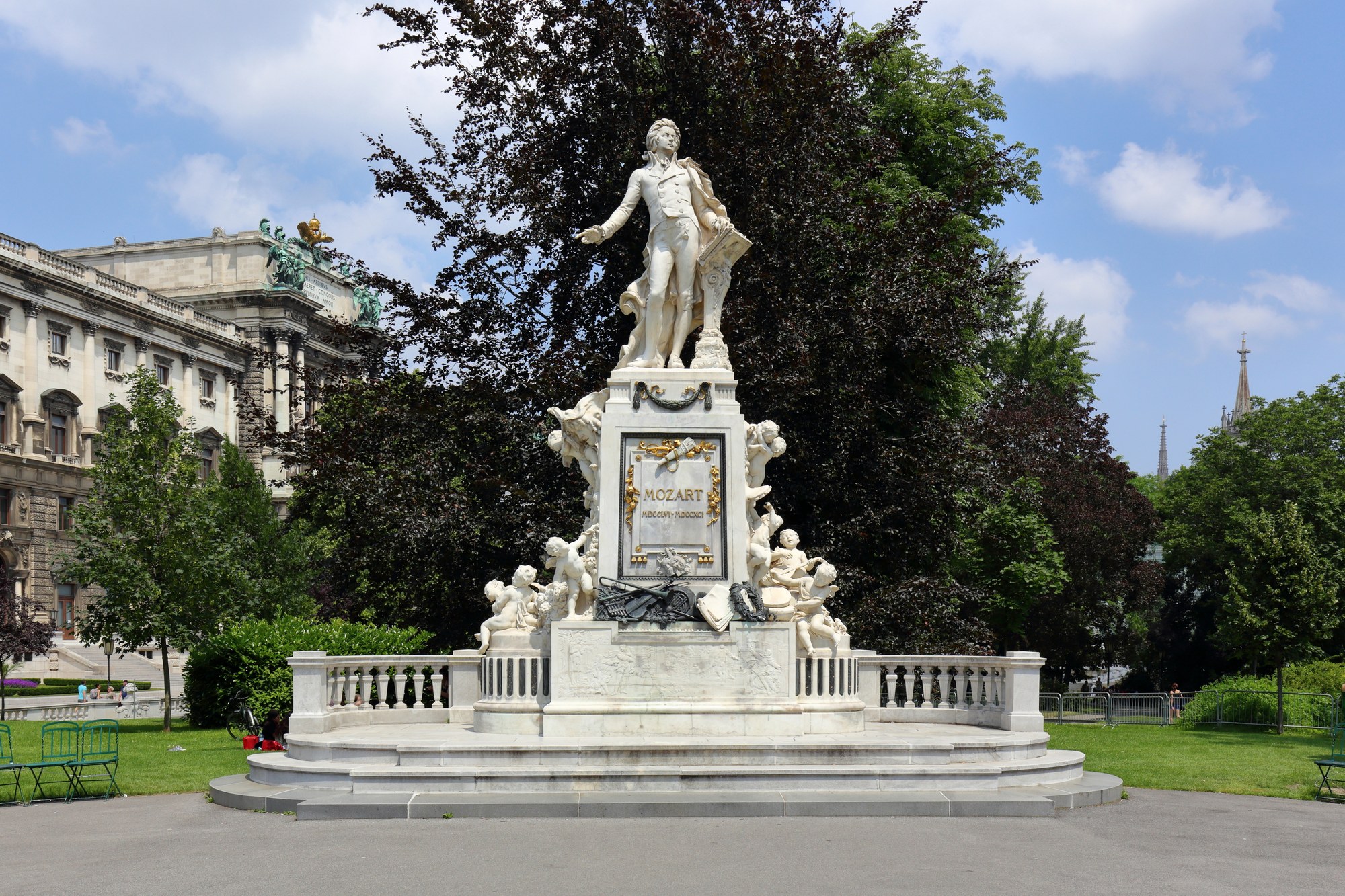
Caspar von Zumbusch
Maria Theresa Monument, 1888
What makes him essential is not simply his technical command, which was considerable, but his refusal to sentimentalize. His seascapes feel earned rather than composed. His figures exist in weather, in labor, in consequence. James McNeill Whistler, another American who chose Europe as his arena, took an entirely different path toward something equally lasting.
His Nocturnes, painted from the early 1870s onward, drained narrative from the picture plane and replaced it with atmosphere, color, and mood. Whistler was, in many ways, more radical than his contemporaries acknowledged at the time. The emergence of printmaking as a serious artistic medium transformed what the nineteenth century could say and who it could say it to. Honoré Daumier used lithography as a political instrument, creating images that circulated widely and made ordinary Parisians the subjects of art rather than its distant admirers.
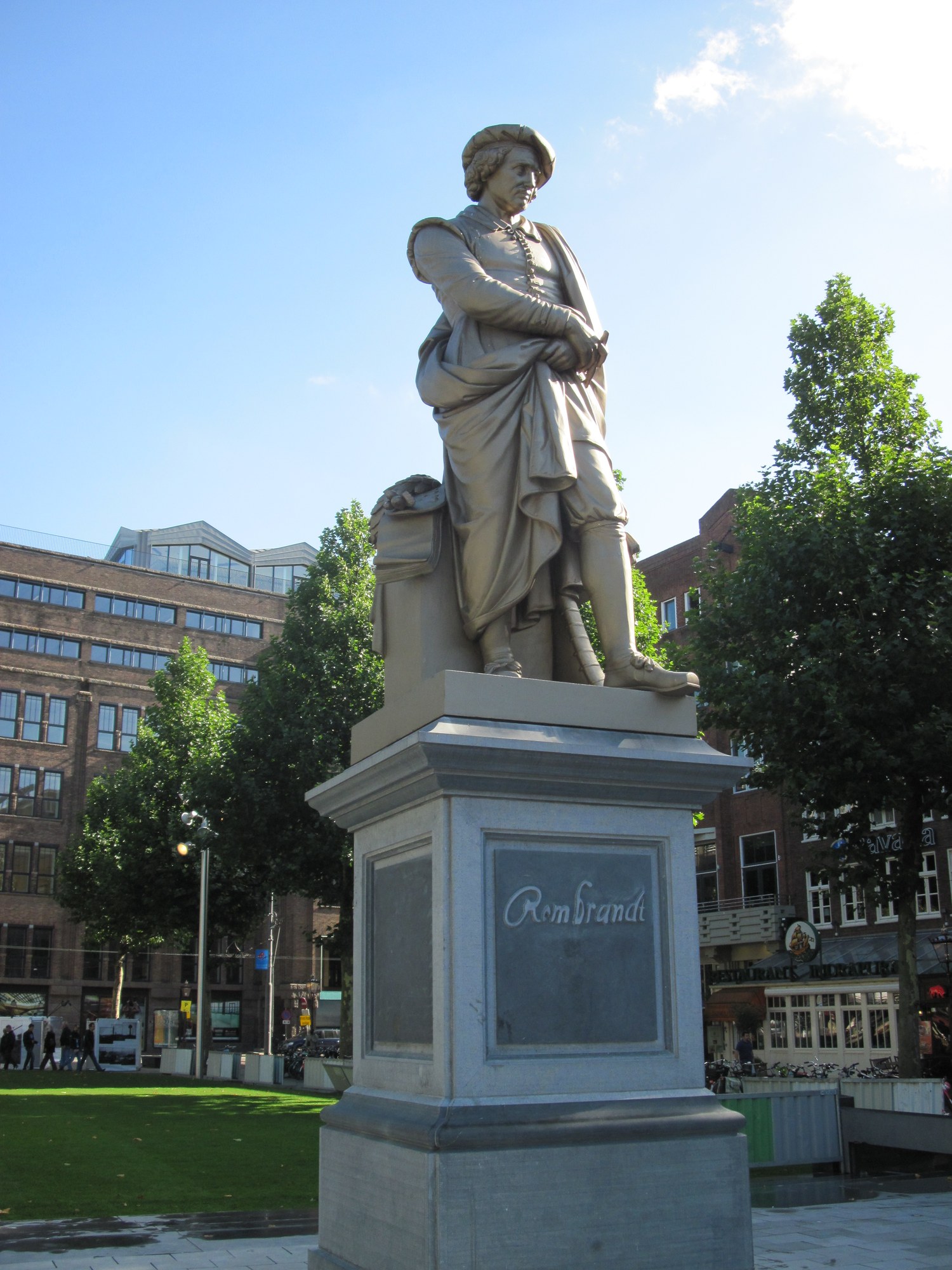
Louis Royer
Rembrandt Monument, 1852
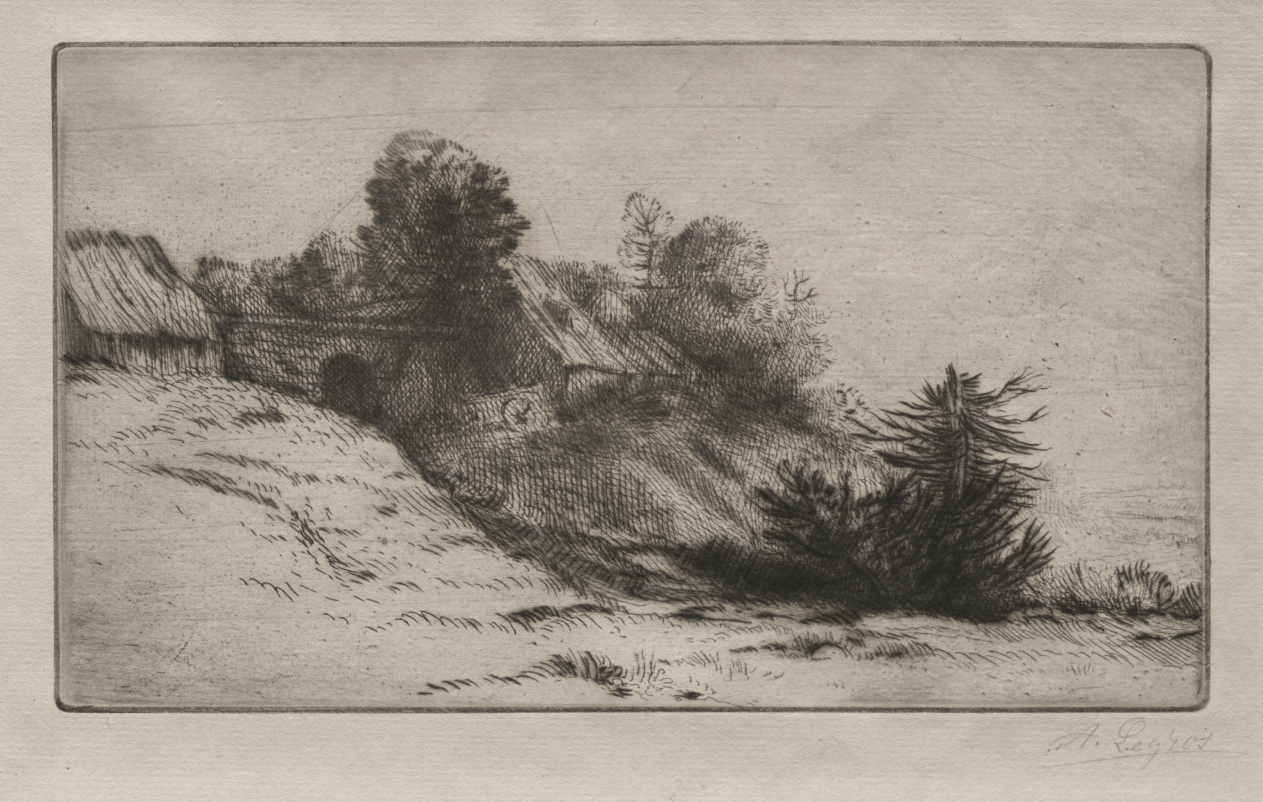
Félix Bracquemond and Francis Seymour Haden were central figures in the etching revival that swept through France and England from the 1850s onward, a movement that drew Whistler and Alphonse Legros into its orbit. Legros, who spent much of his career in England after settling in London in 1863 and eventually taking a position at the Slade School of Art, produced prints and paintings that carried the weight of peasant life with genuine gravity. Auguste Louis Lepère and Henri Fantin Latour each extended the graphic tradition in their own directions, Lepère toward a bold, expressive woodcut aesthetic and Fantin Latour toward a lithographic practice rooted in music and reverie. Photography is perhaps the century's most consequential gift to visual culture, and it arrived early.
William Henry Fox Talbot's development of the calotype process in the 1840s established photography as a reproducible art rather than a unique object, a distinction that still shapes how we think about images. Roger Fenton documented the Crimean War in 1855, creating some of the earliest sustained photographic coverage of armed conflict. Timothy O'Sullivan traveled with geological surveys of the American West in the 1860s and 1870s, producing images of an environment so alien to Eastern audiences that they read almost as science fiction. Carleton Watkins photographed Yosemite with an 8x10 glass plate camera, making pictures of such clarity and grandeur that they reportedly influenced Abraham Lincoln's decision to protect the valley.
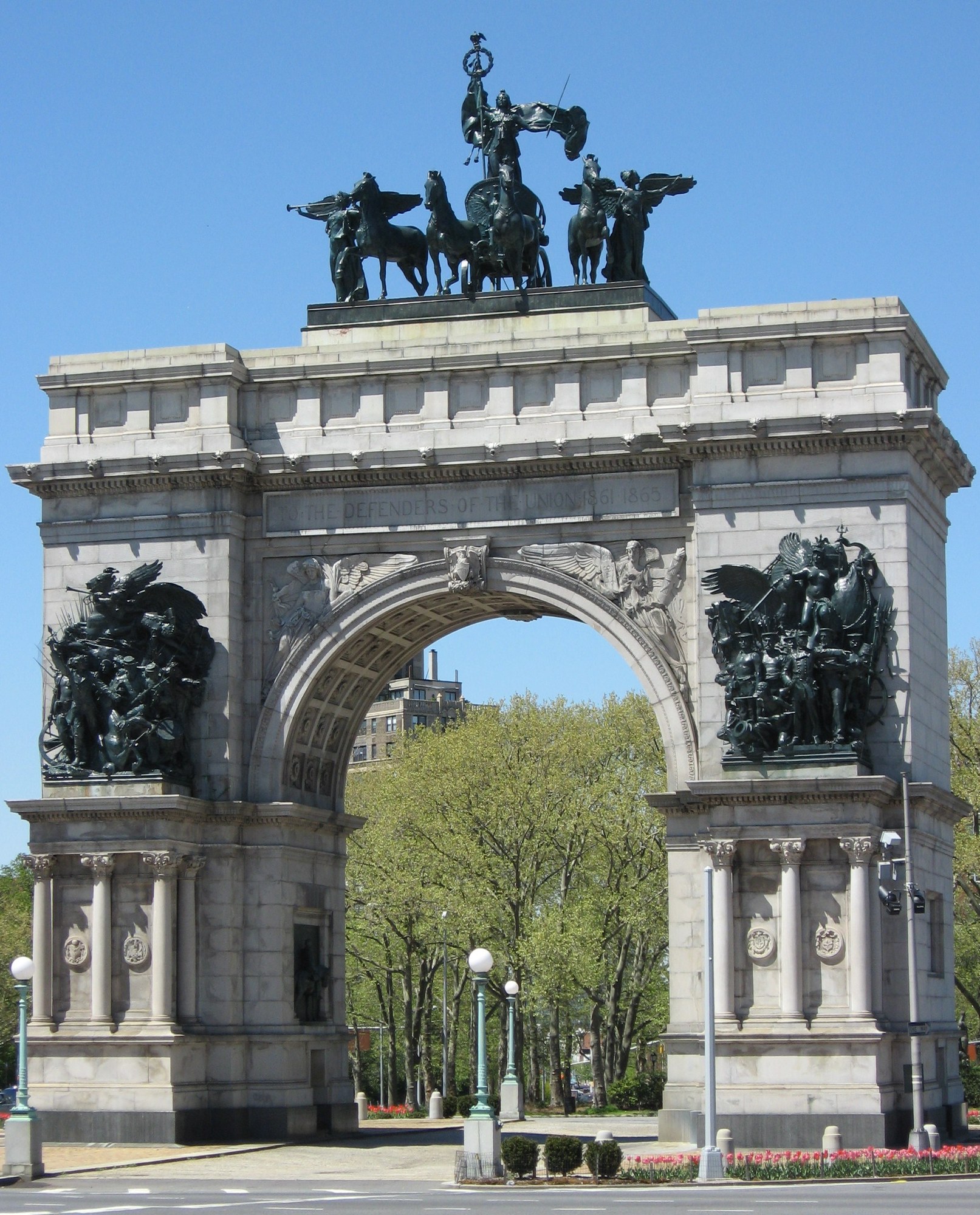
John H. Duncan
Soldiers' and Sailors' Memorial Arch, 1892
These were not merely documentary exercises. They were arguments about what mattered and what deserved to be seen. Beyond the American frontier, photographers were reshaping how the world understood itself through pictures. Julia Margaret Cameron brought an almost painterly intensity to portraiture, using soft focus and close framing to suggest psychological depth in an era when most photographers prized sharp definition above all else.
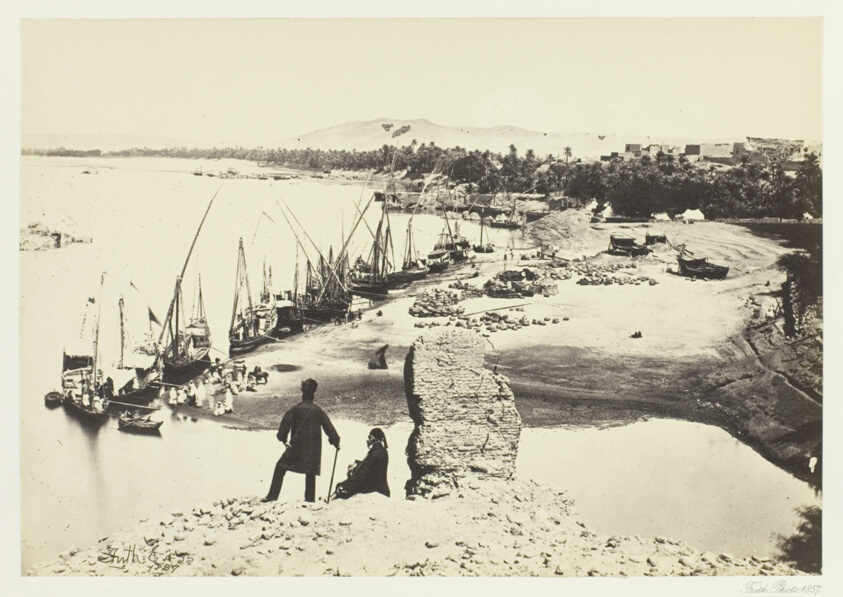
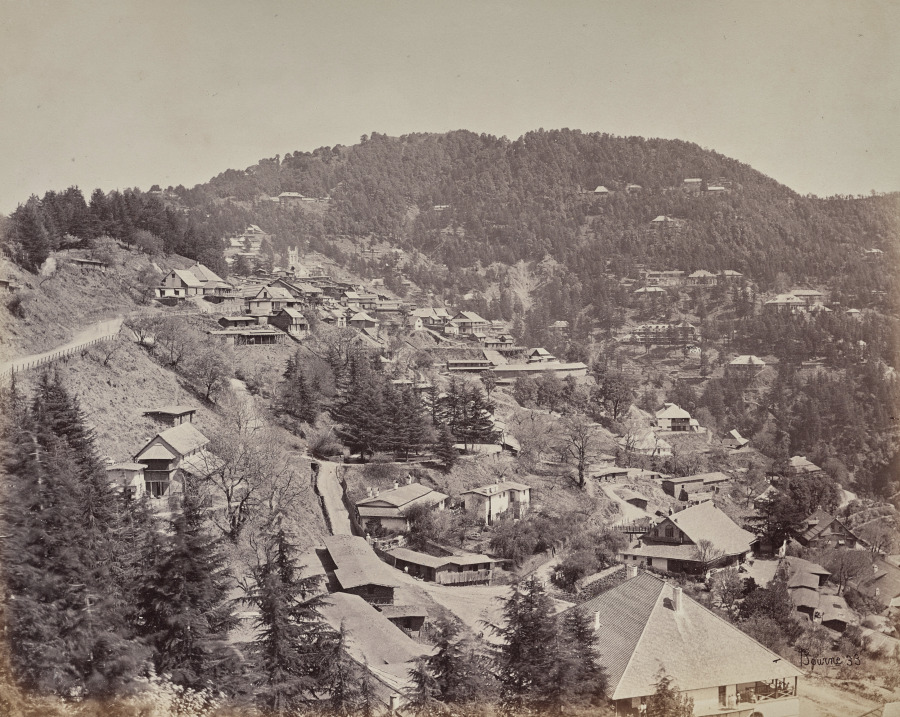
Francis Frith documented Egypt and the Near East with an archaeological rigor that made his images essential references for scholars and the simply curious alike. Samuel Bourne produced extraordinary work across India between 1863 and 1870, covering terrain that had never been photographed and that most of his British audience would never see firsthand. Raja Deen Dayal, working from the 1870s onward, brought an insider's perspective to the documentation of Indian courts and daily life, becoming one of the most significant photographers of the subcontinent on his own terms. John Thomson's photographs of street life in London in the early 1870s placed the urban poor within a frame of genuine dignity.
What the nineteenth century ultimately gave us is an understanding that art could bear witness. It could respond to industrialization, to war, to colonialism, to the rupture of tradition, and to the beauty that persisted alongside all of that. The works on The Collection from this period reflect precisely this range, from the intimacy of a Cameron portrait to the expansiveness of an O'Sullivan landscape to the urban irony of a Daumier lithograph. Henri de Toulouse Lautrec, working at the very end of the century, synthesized Japanese printmaking, the Parisian entertainment world, and a sharp eye for human longing into posters and paintings that still feel urgent.
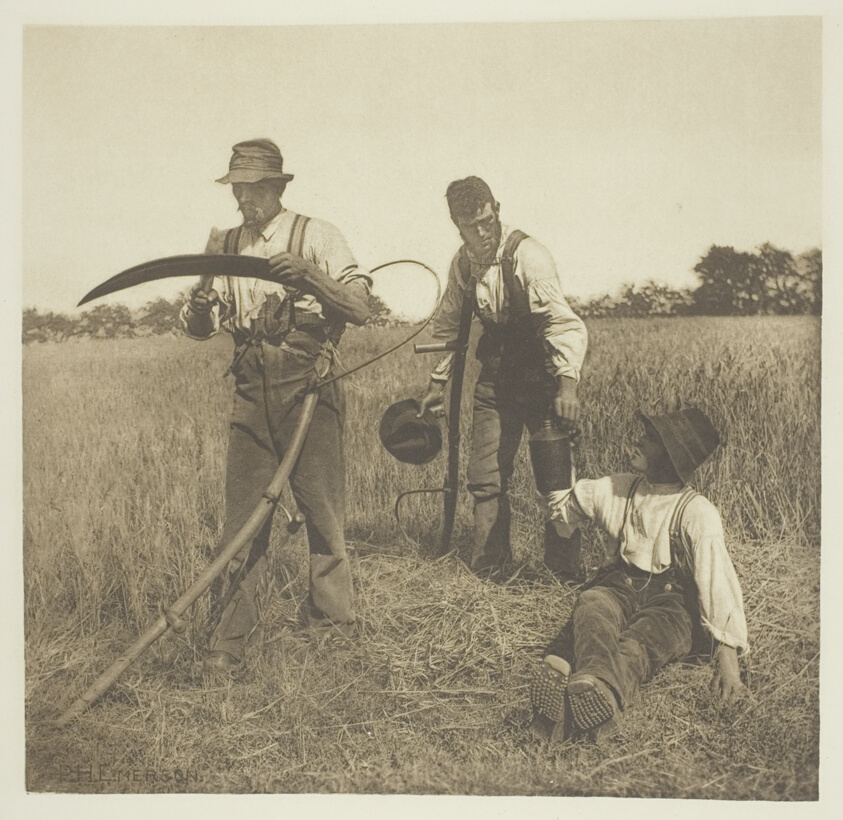
Peter Henry Emerson argued in 1889 for a naturalistic photography that prioritized perception over mechanical precision, anticipating arguments that would not fully resolve themselves until the twentieth century. To collect nineteenth century work is to collect the moment when art became self aware about its own power and limits. These artists knew they were living through something extraordinary. Many of them responded with work that was experimental precisely because the conventional frameworks had stopped making sense.
That willingness to start over, to look hard at the world and find a new form for what they saw, is what makes this century feel so startlingly contemporary when you spend time in its company.