Conceptual Art
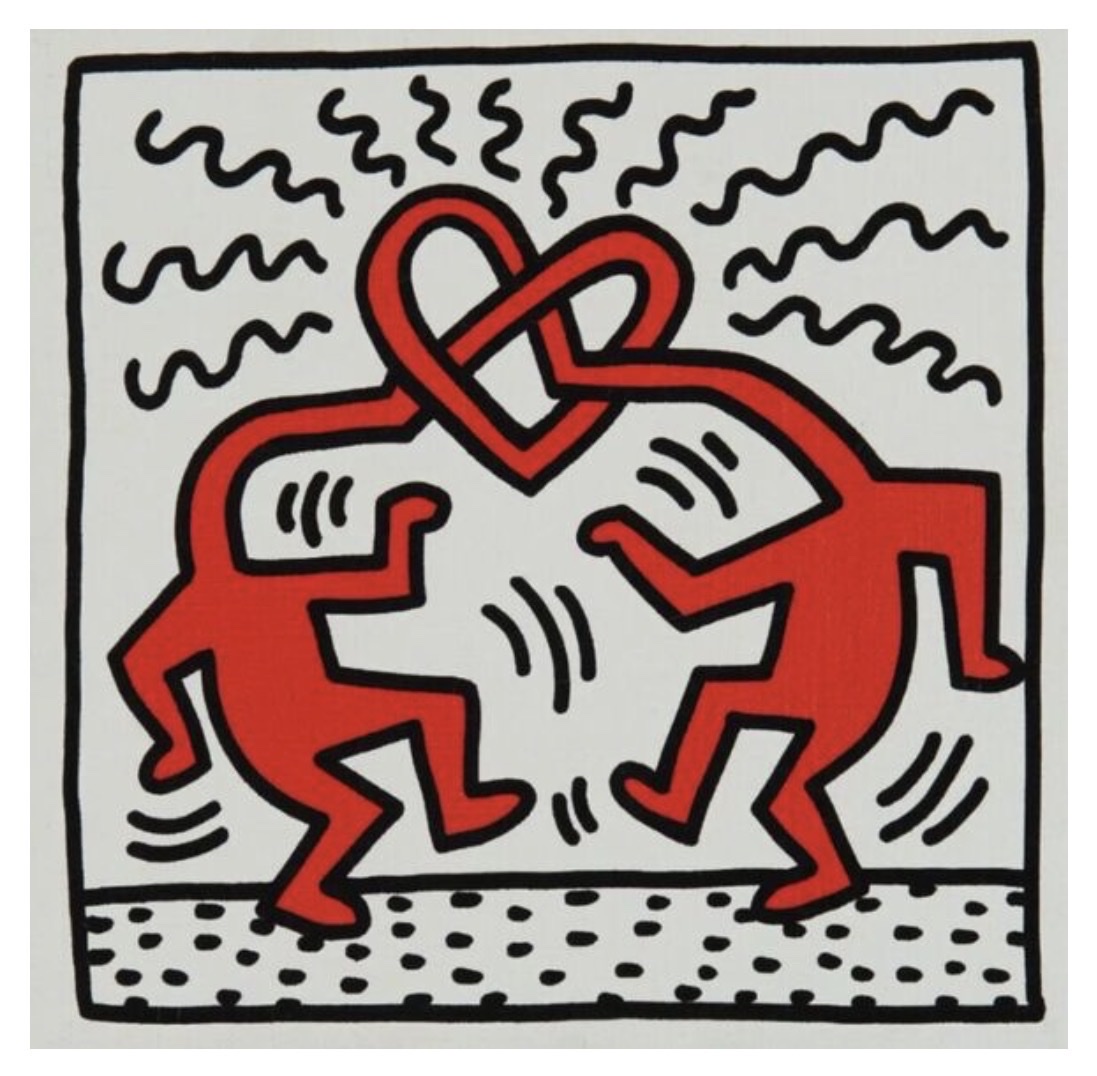
Damien Hirst
Spot Painting





The Idea Was Always the Point
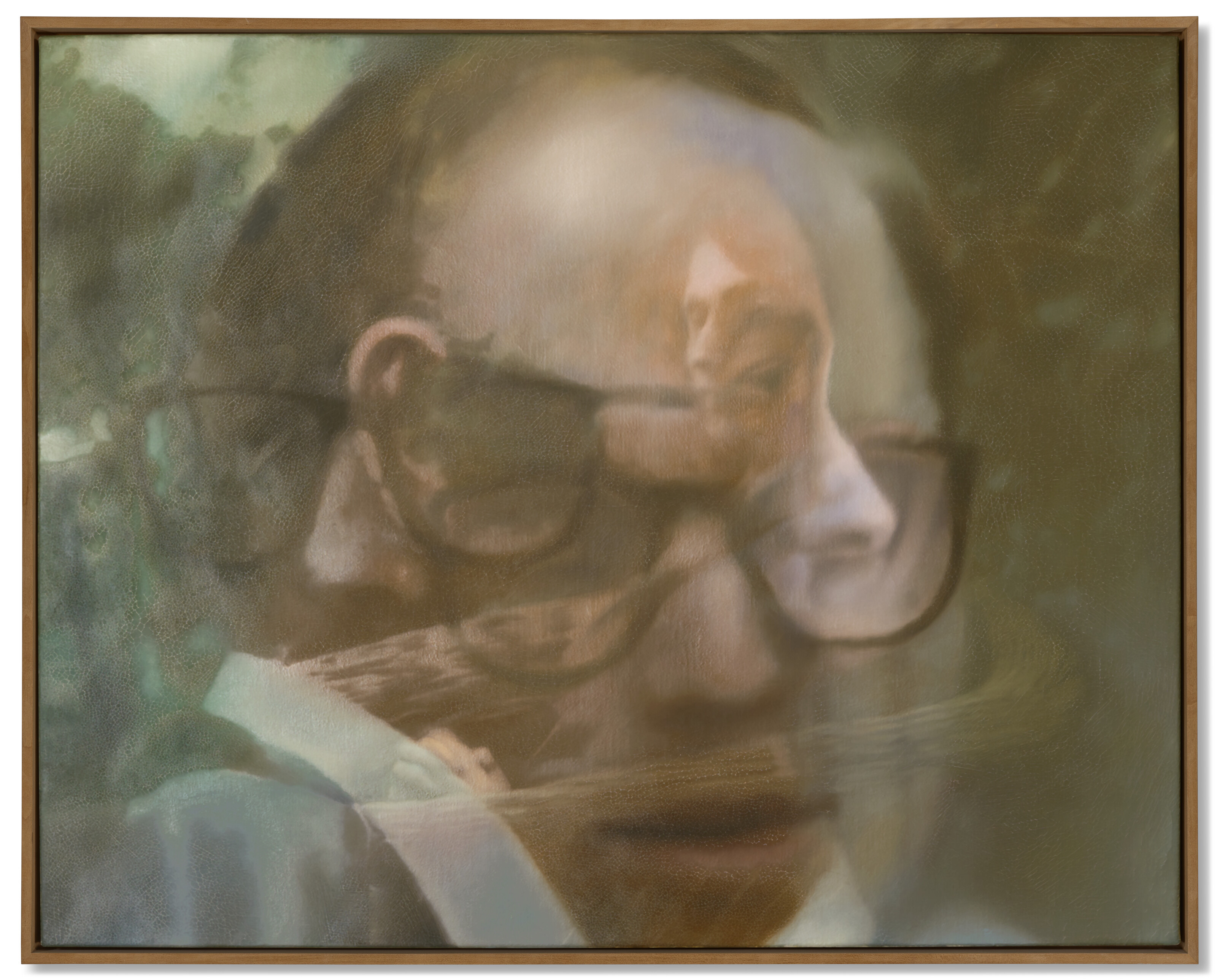
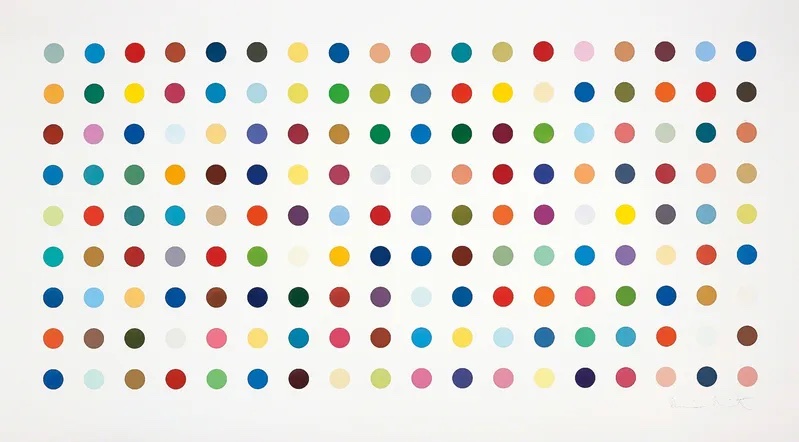
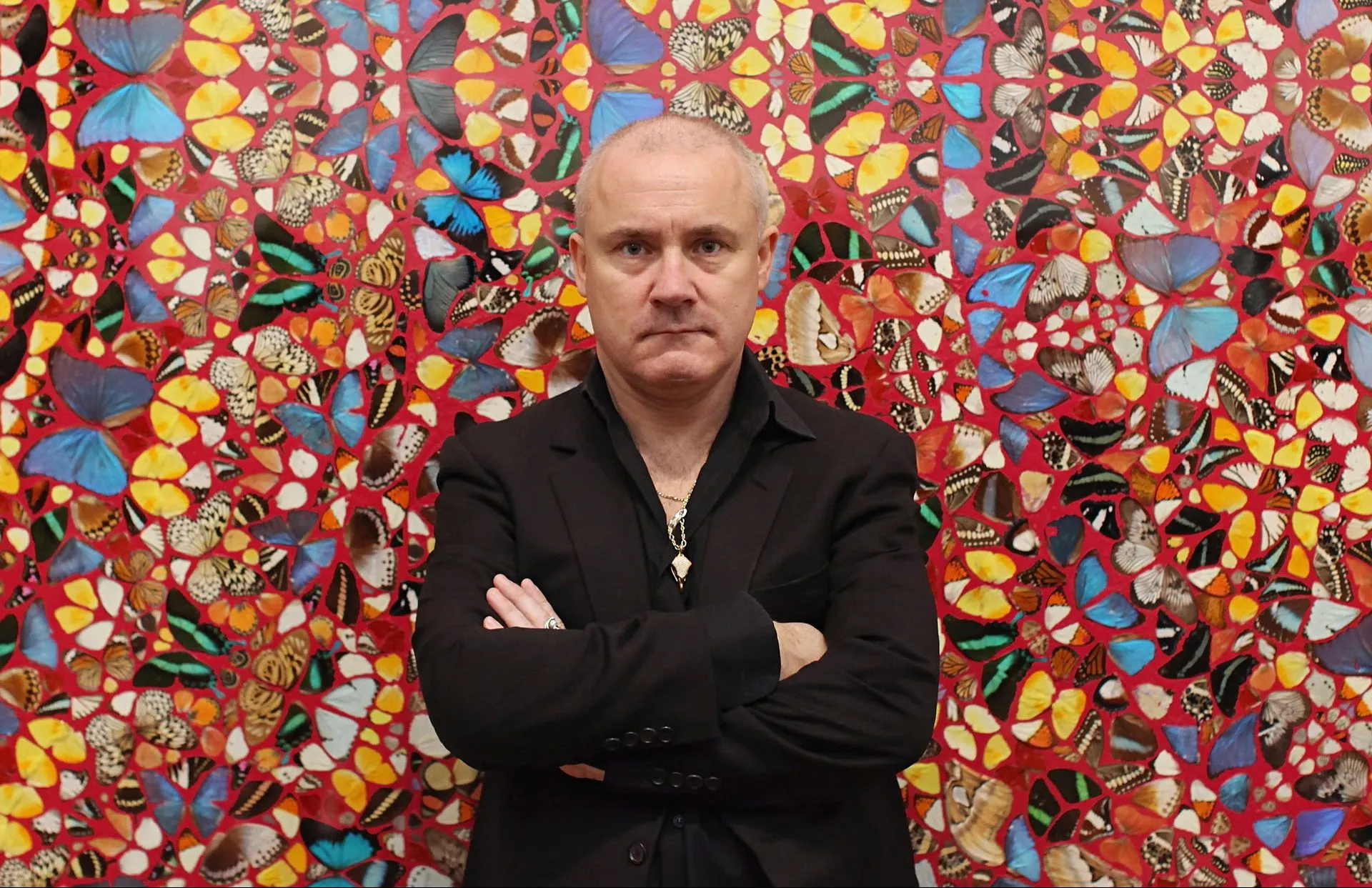
When Christie's sold a Damien Hirst spot painting for well over a million dollars in a recent sale, the room barely flinched. That kind of number, for a work whose entire premise is the deliberate suppression of artistic gesture, would have seemed absurd to critics who spent the 1970s arguing that conceptual art had finally freed itself from the commodity system. The market, as it tends to do, found a way in anyway. What is striking now is not that collectors pay serious money for ideas rendered in physical form, but how completely the conversation has shifted from whether that is appropriate to simply which ideas are worth owning.
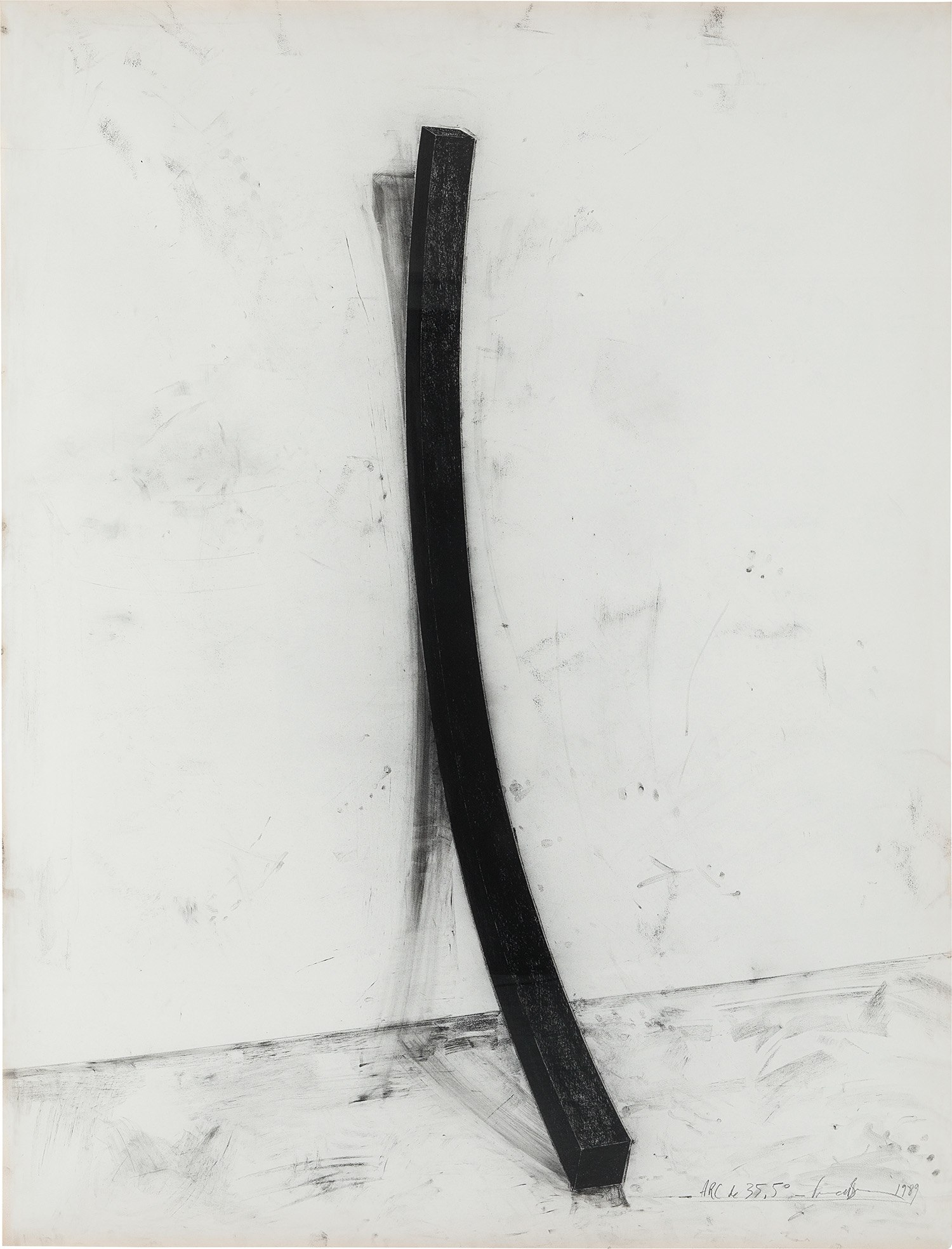
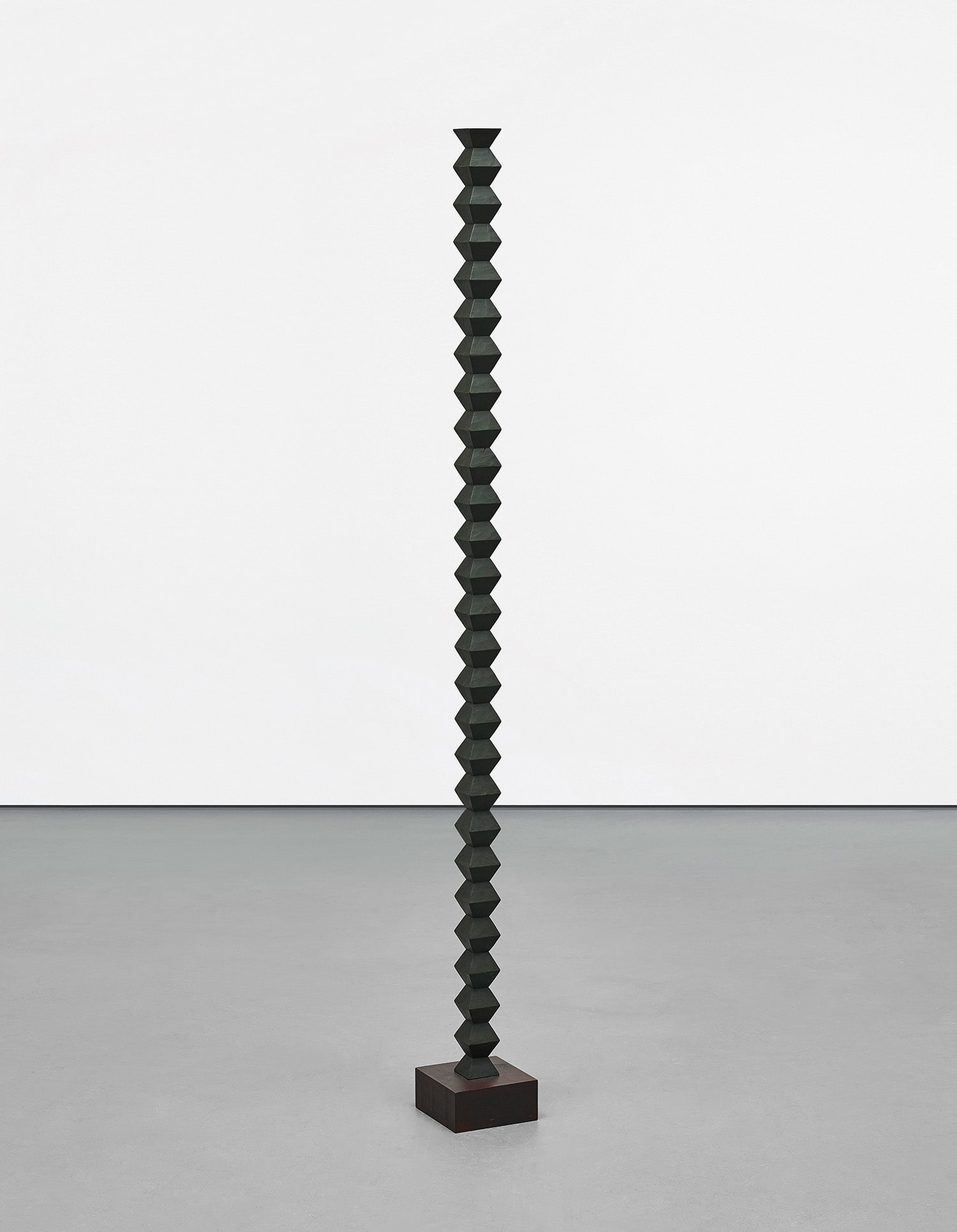
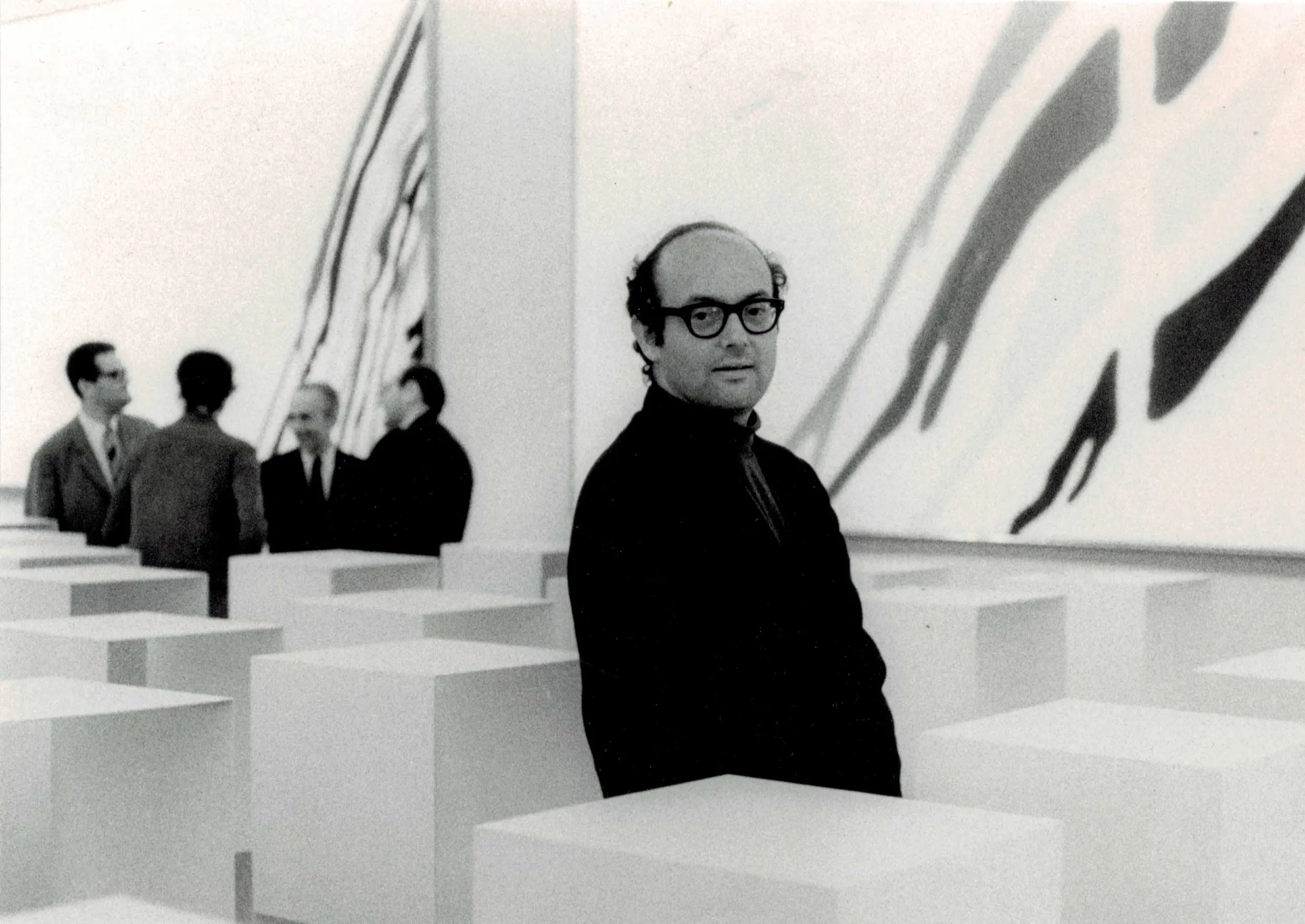
Conceptual art as a category has never been tidier or more contested than it is at this particular moment. On one hand, institutions from the Museum of Modern Art to the Tate have spent the past decade building survey exhibitions that treat Sol LeWitt, Joseph Beuys, and Marcel Duchamp as settled canon, the kind of artists whose works anchor permanent collection galleries and whose influence is cited in almost every curatorial statement written today. On the other hand, younger curators and critics are actively questioning whether that canonization has calcified something that was supposed to remain restless and open. The tension between monument and movement is exactly what makes this area so generative for collectors right now.
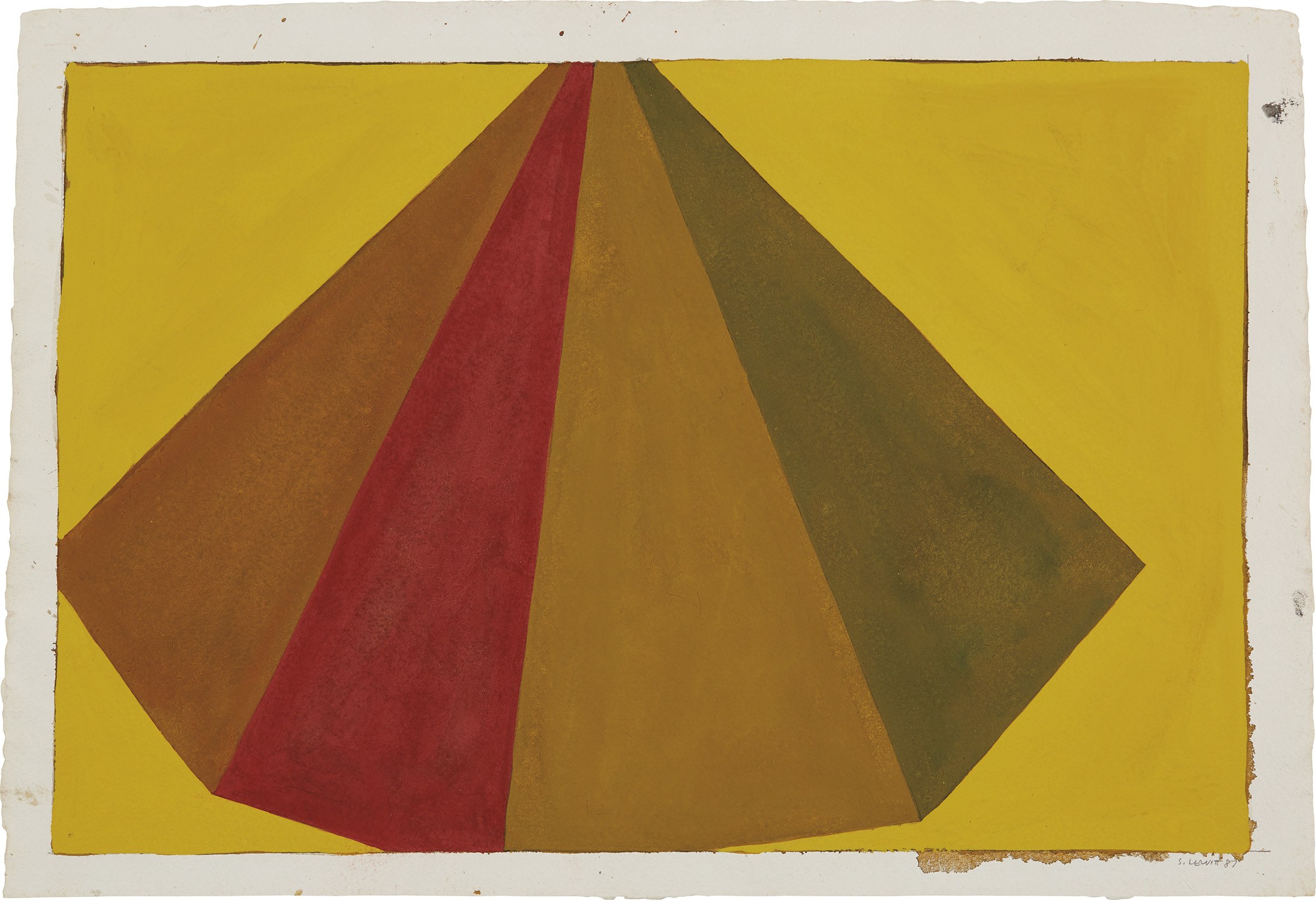
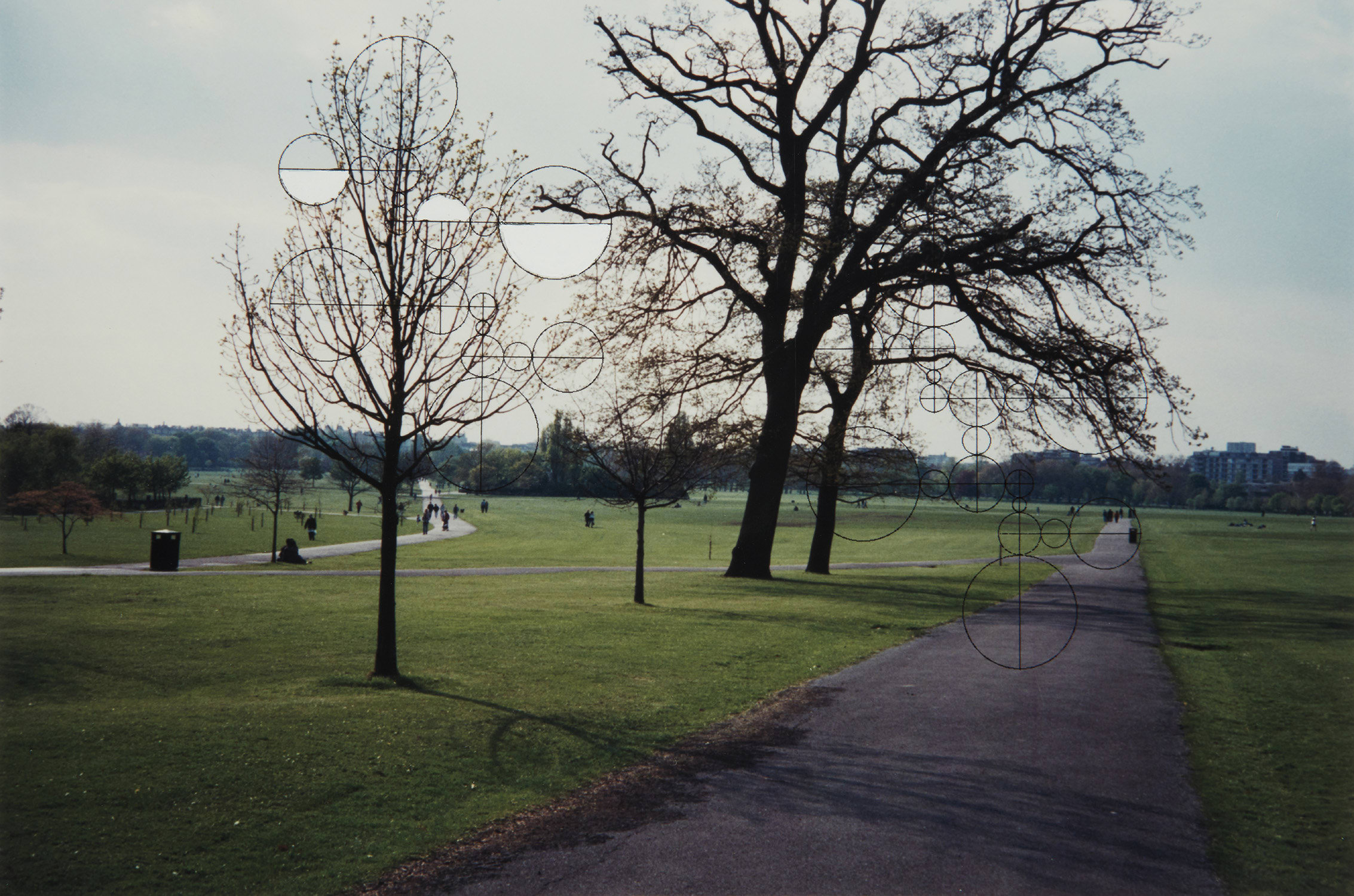
Sol LeWitt
Asymmetrical Pyramid, 1987
The auction record worth understanding is not always the loudest one. When works by John Baldessari have come to market in recent years, they consistently exceed estimate in ways that suggest something beyond speculative heat. Baldessari spent decades making work that was fundamentally about skepticism: skepticism toward painting, toward authorship, toward the idea that art needed to look like art. The fact that collectors are now paying premium prices to own that skepticism says something interesting about what the market has absorbed and what it still finds genuinely strange.
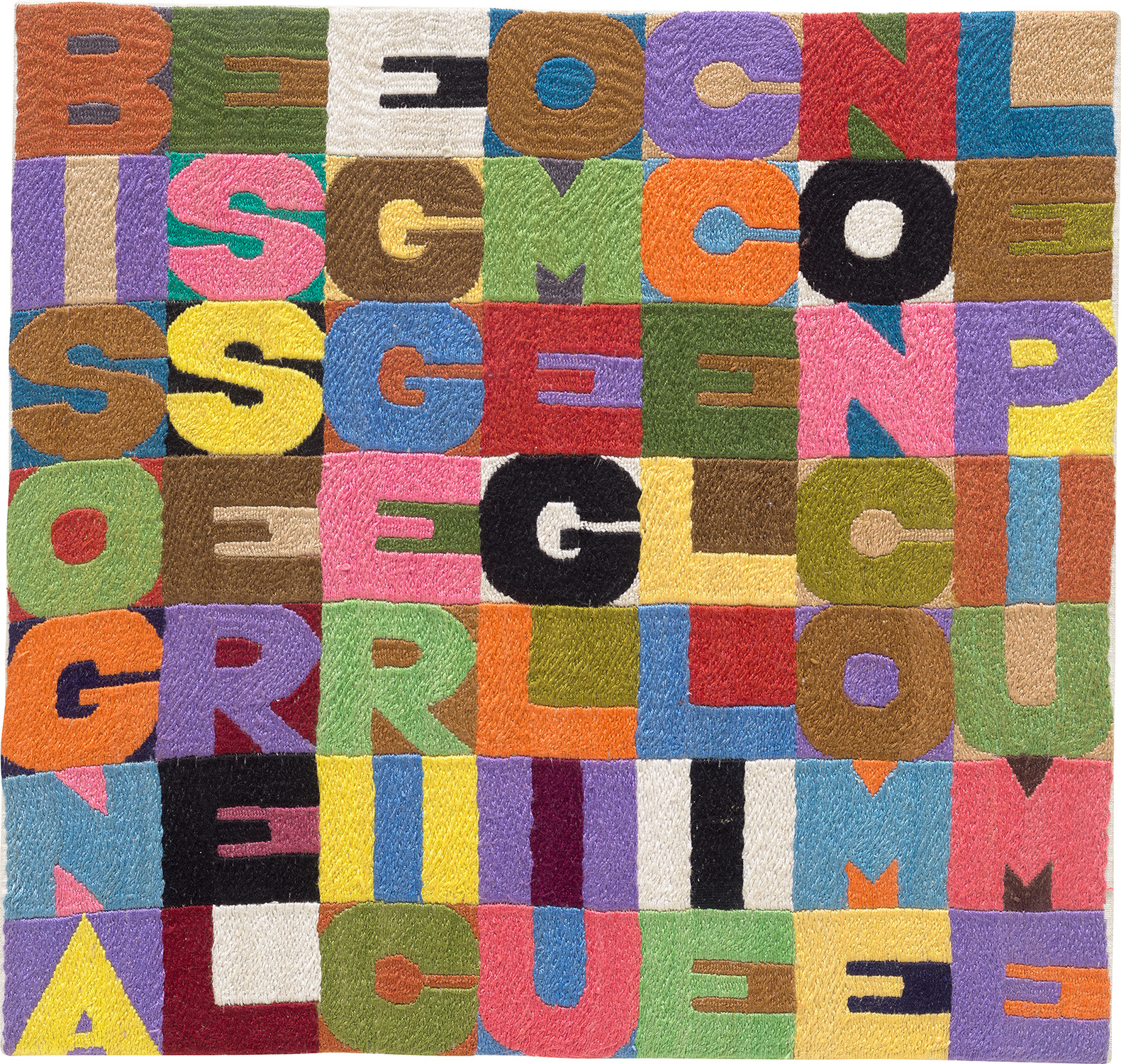
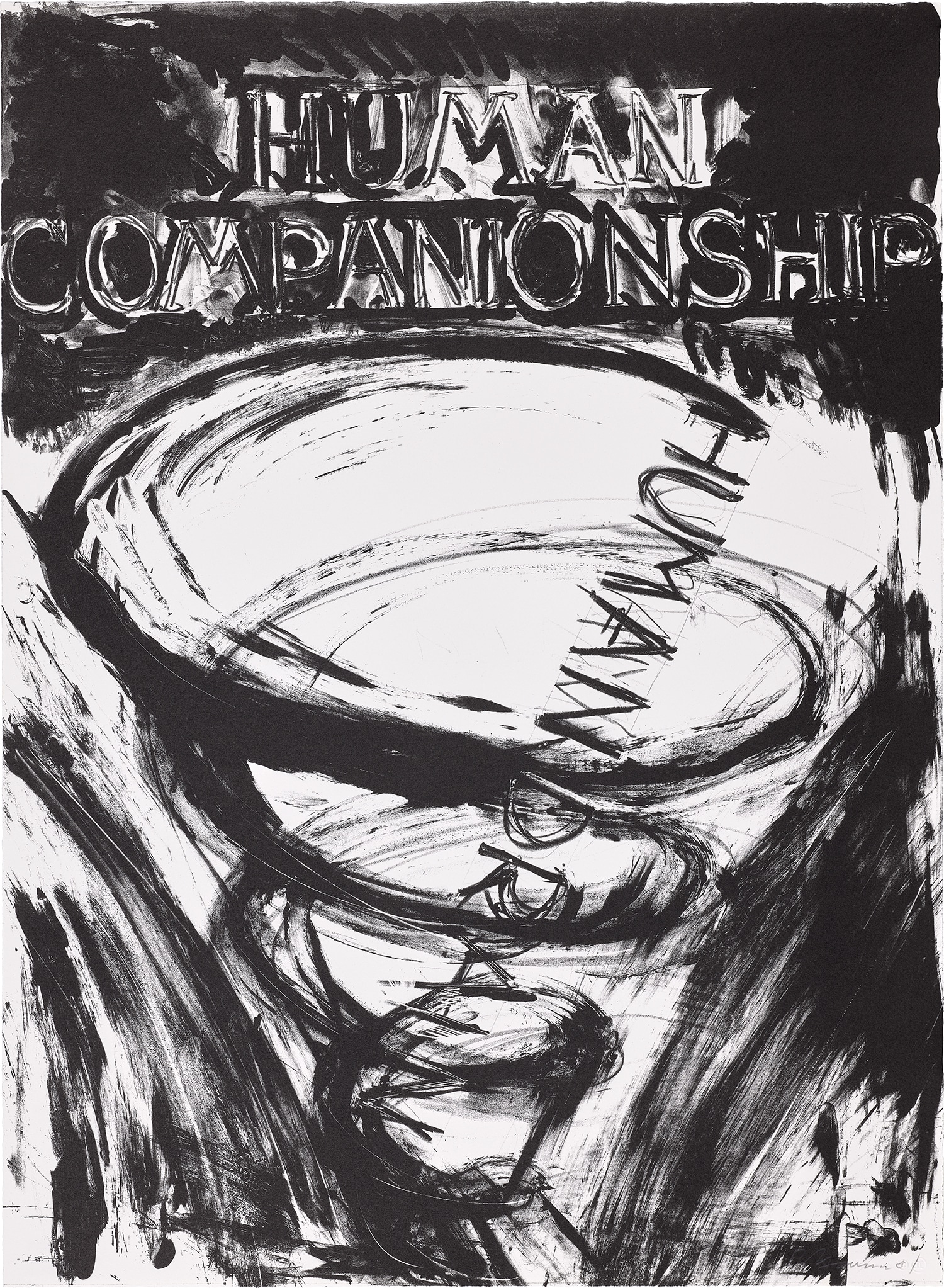
Bruce Nauman presents a similar case, commanding significant results at auction for works that remain physically and psychologically uncomfortable, which is not a small thing. Museum activity in this space has been substantial. The MoMA retrospective dedicated to Jenny Holzer demonstrated how fully institutional language and advertising aesthetics had migrated from provocation to patrimony, with her Truisms now read less as assaults on received wisdom than as foundational texts for understanding how artists began using public space as a medium. The Getty Research Institute has done serious archival work around figures including Alighiero Boetti, whose woven maps and postal projects now read as prescient meditations on globalization and distributed authorship.
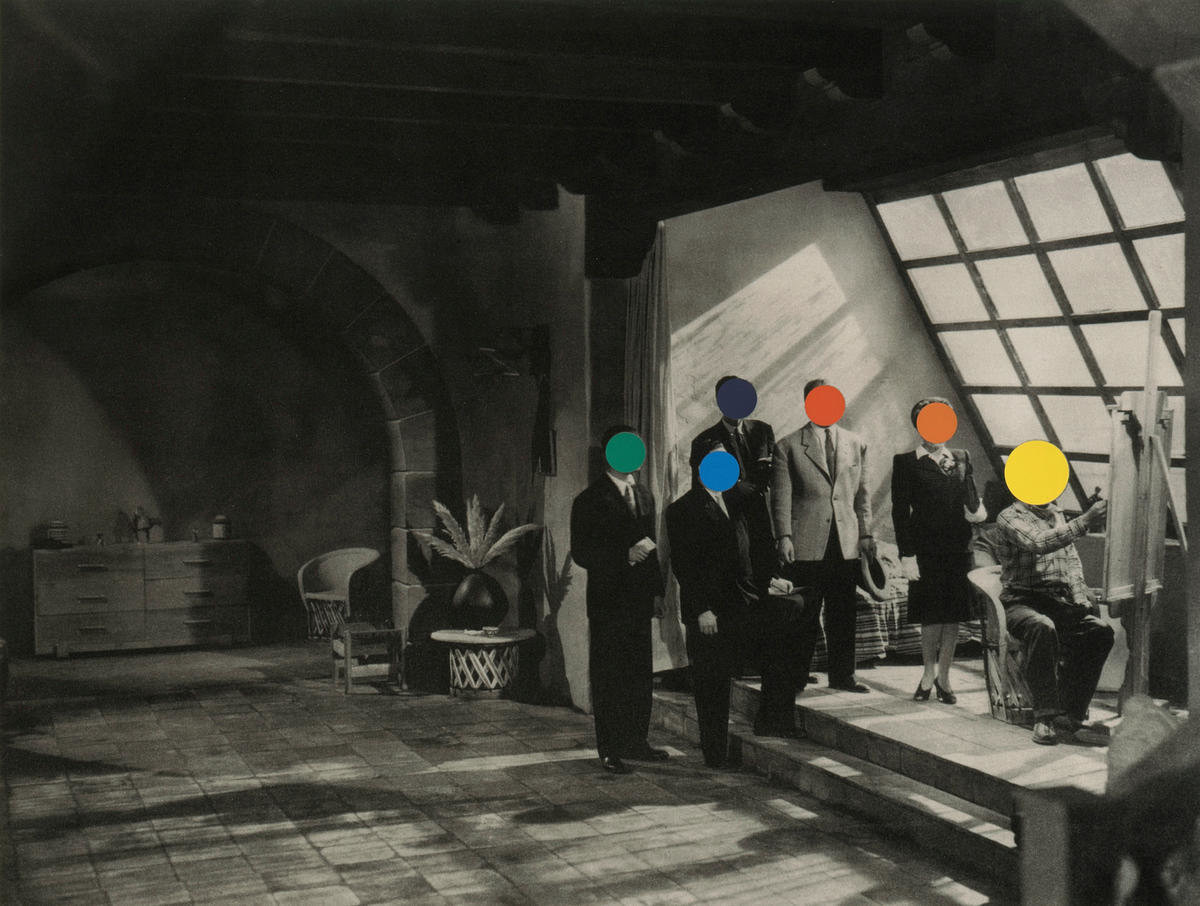
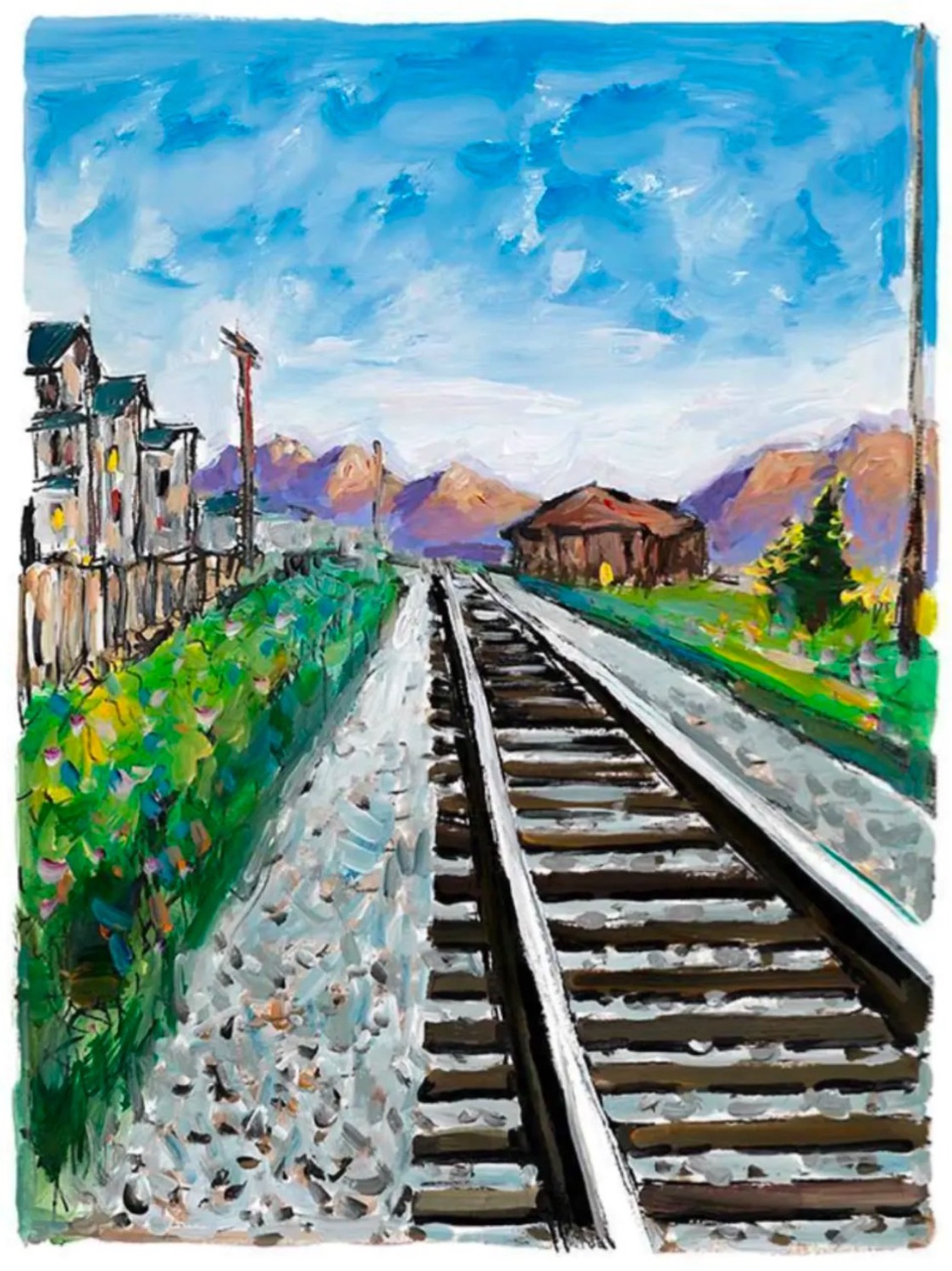
John Baldessari
Studio, 1988
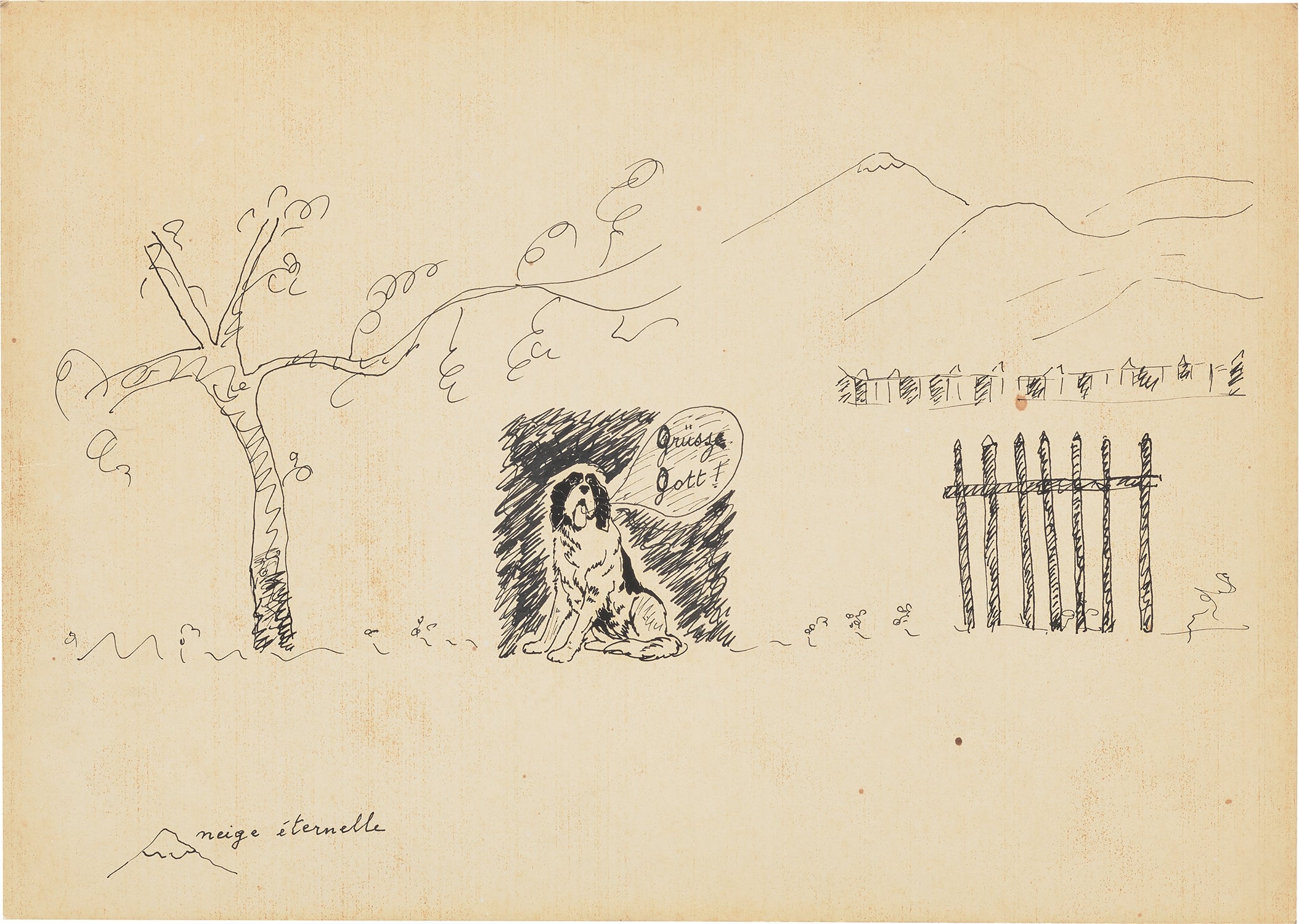
Meanwhile the Stedelijk in Amsterdam and the Pompidou in Paris have both revisited Marcel Broodthaers with the kind of extended critical attention that suggests they understand his work is still generating new readings rather than just confirming old ones. Among the writers and curators shaping the critical conversation, a few voices stand out. Rhea Anastas, whose writing on John Baldessari remains essential, helped establish a framework for understanding conceptual art as fundamentally pedagogical, interested in how knowledge moves between people. The philosopher and critic Alexander Alberro has done perhaps more than anyone to complicate the tidy origin story that places conceptual art neatly in New York and London in the late 1960s, expanding the map to include Latin American and Eastern European practices.
This has real consequences for how collectors and institutions think about figures like Boetti, whose Italian roots and obsession with collaborative and geographic processes now look less like regional footnotes and more like central chapters. Publications including Artforum and October continue to set the critical temperature, though the most urgent thinking is increasingly happening in smaller journals and in the curatorial essays accompanying shows at institutions like the Wexner Center and the Institute of Contemporary Arts in London. The institutional collecting signal worth watching involves how aggressively major museums are now acquiring works by artists who treat appropriation and institutional critique as their primary medium. When the Whitney or the Hammer acquires work by Louise Lawler or Sherrie Levine, it creates a productive and slightly vertiginous situation where the critique of the museum is now housed inside the museum, cared for and insured and presented under ideal lighting conditions.

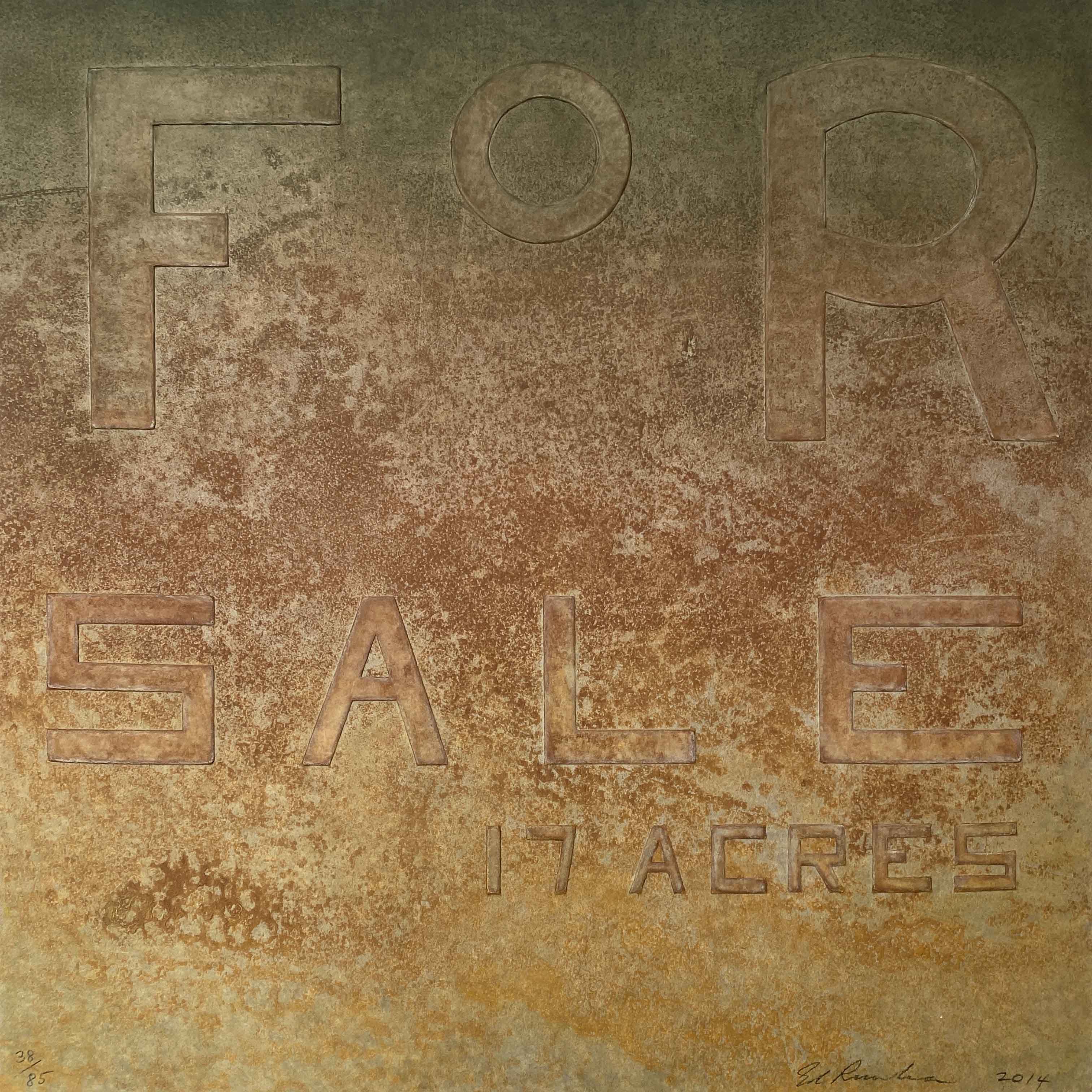
Ed Ruscha
Ex Libris, 2018
Richard Prince sits in a related position, his rephotography work now valued as a kind of historical document of a moment when the art world began to grapple seriously with what originality could possibly mean in a culture saturated by mass media reproduction. Barbara Kruger's graphic work, which once appeared as posters and billboards, now commands serious institutional and private attention as the culture has caught up to exactly the critique she was staging. What feels genuinely alive right now is the intersection of conceptual practice with questions about labor, digital circulation, and the status of the document. Walead Beshty's work around shipping damage and corporate logistics, for instance, engages the same skepticism toward the art object that defined early conceptualism but translates it into a contemporary anxiety about global supply chains and institutional care.
Ai Weiwei continues to insist that political commitment is not separate from formal intelligence, a position that was central to Joseph Beuys and that remains as necessary and as difficult as ever. What feels more settled is the market for the blue chip names, where prices reflect consensus rather than discovery. The surprise, or rather the thing that collectors who are paying close attention are beginning to understand, is that the most interesting acquisitions in this space are the ones where the idea still has some friction left in it, where the work has not quite been absorbed into the decorative logic that conceptualism set out to disrupt in the first place. The works represented on The Collection across this category reflect exactly that range, from the canonical to the genuinely unsettled, which is precisely where the most interesting conversations begin.