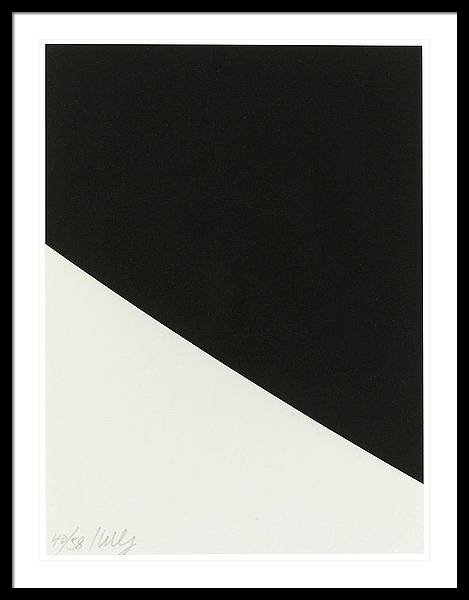
Black And White
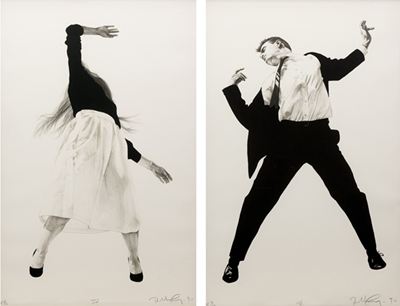
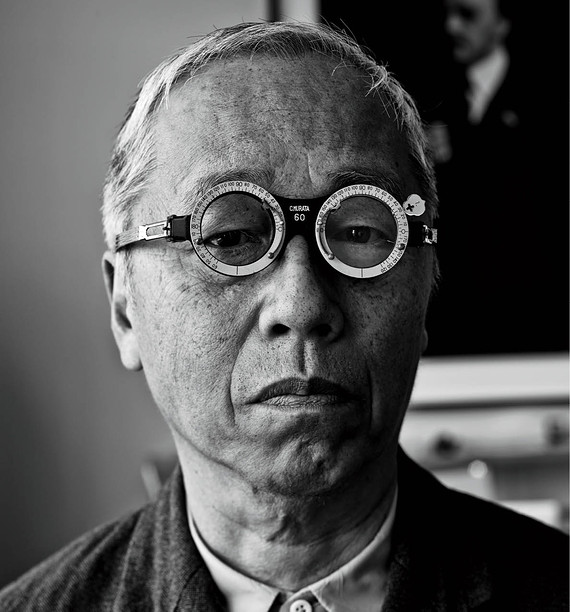
Robert Longo
Men in the Cities, Tokyo, Seibu Department Stores, Ltd. V (Single Man) & IV (Single Woman), 1990
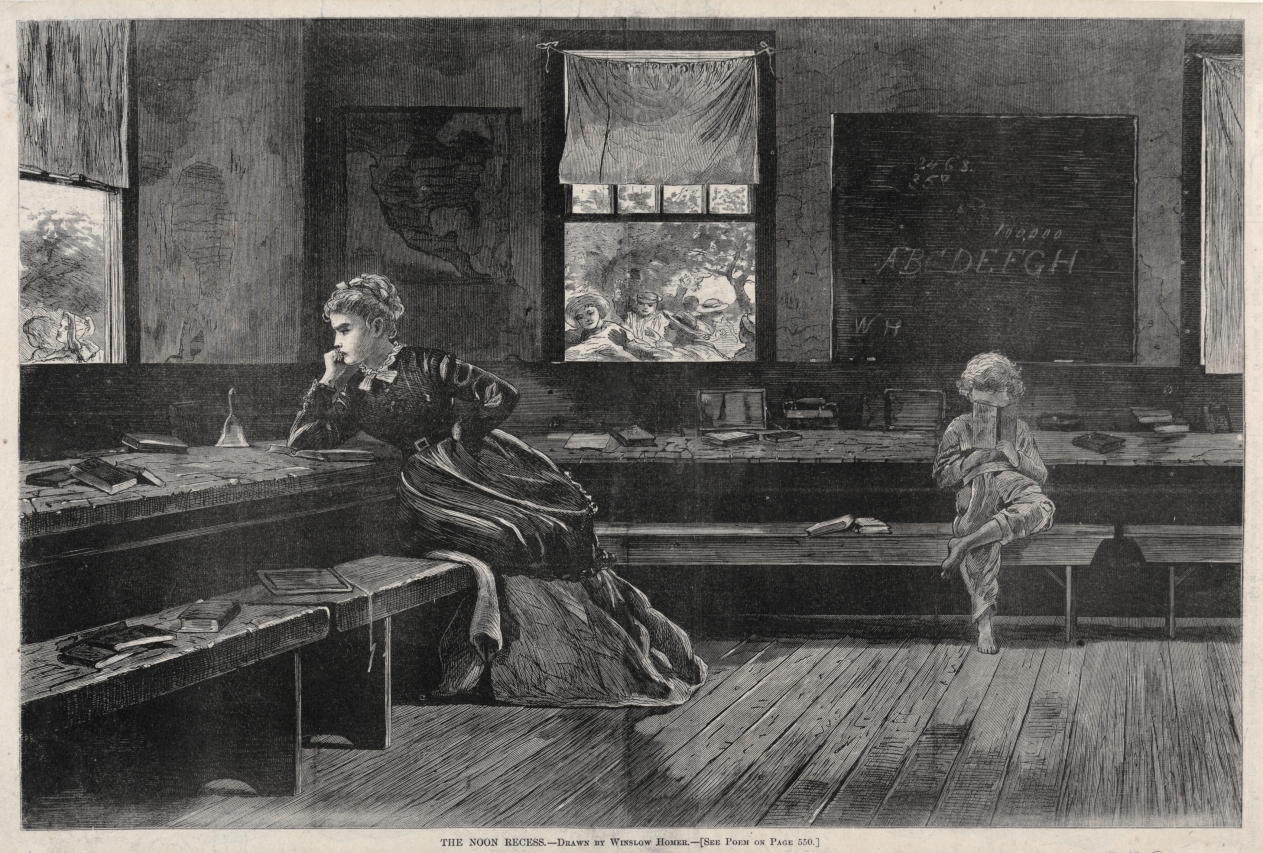
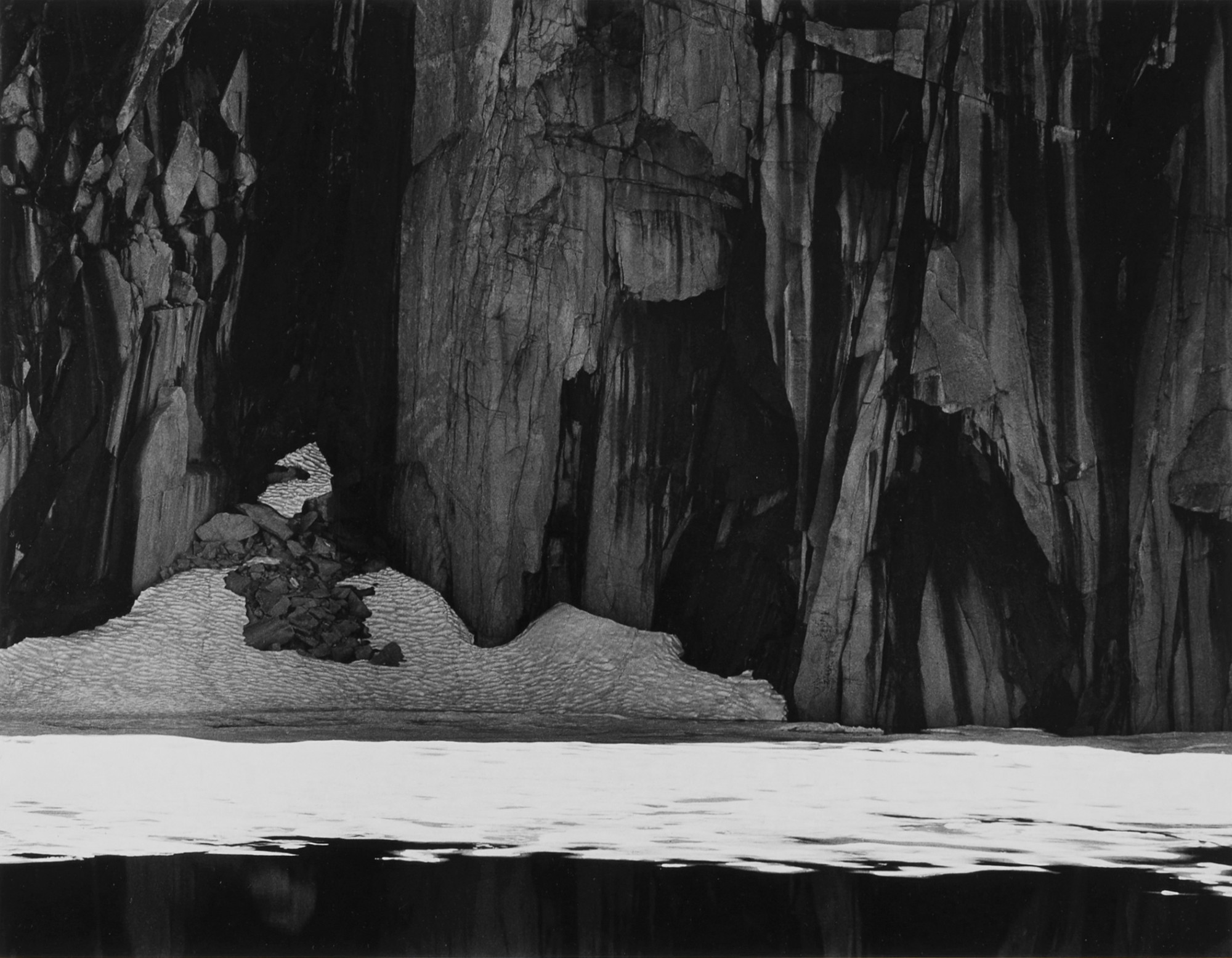
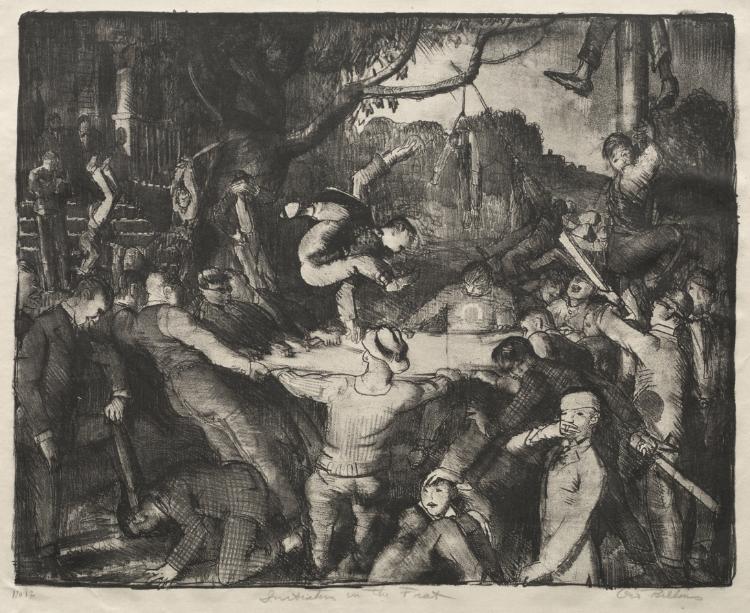

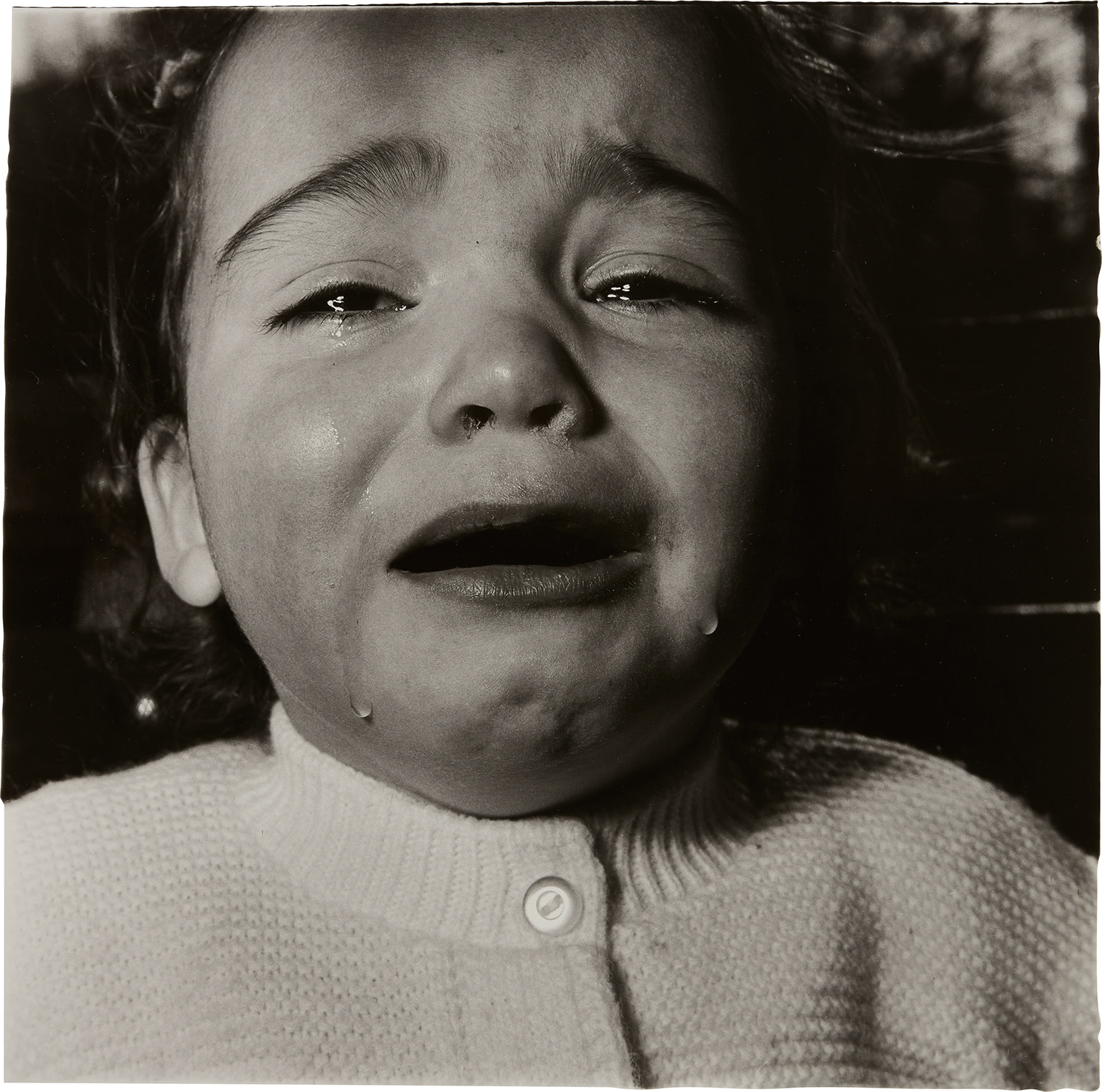

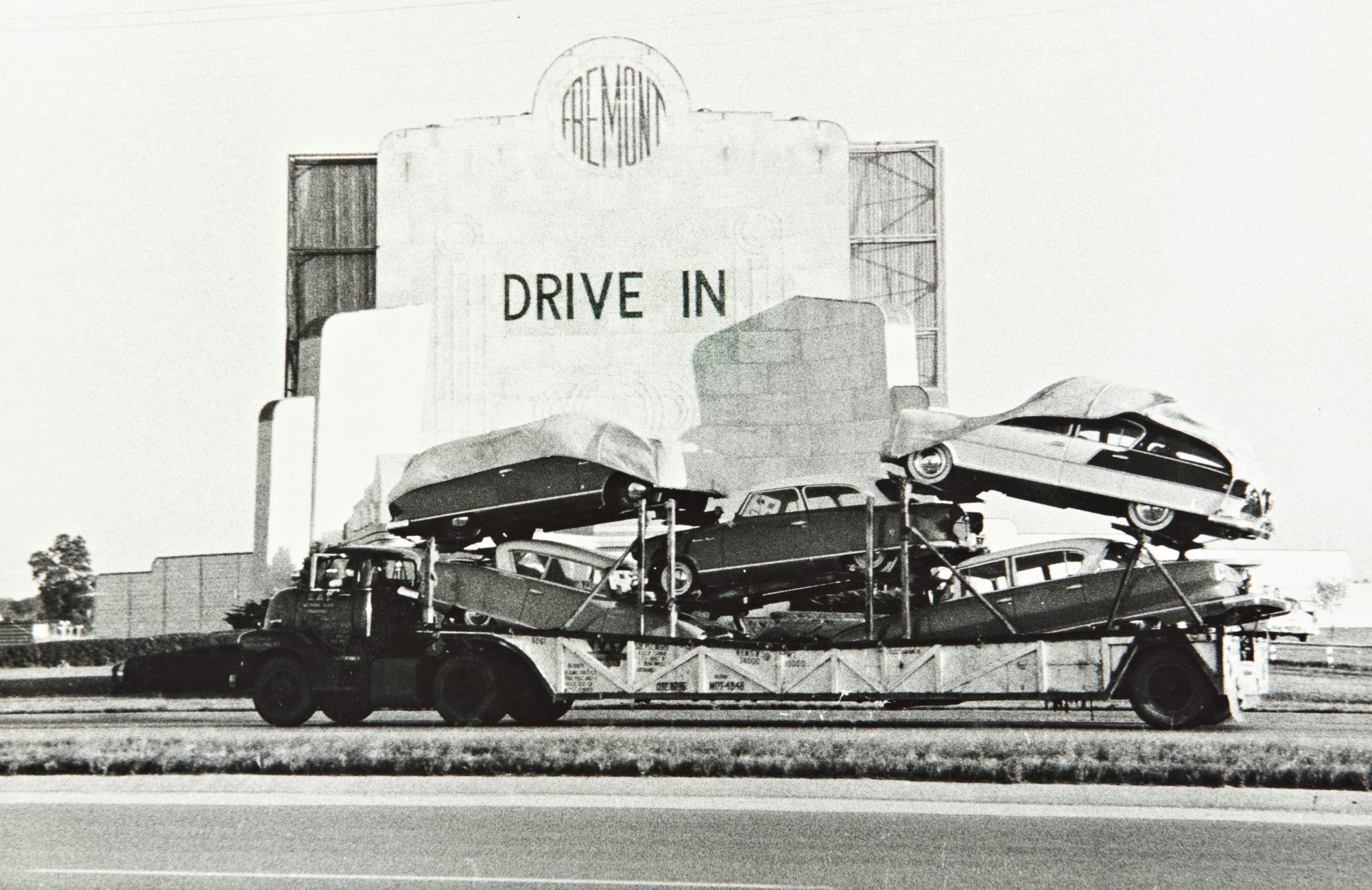
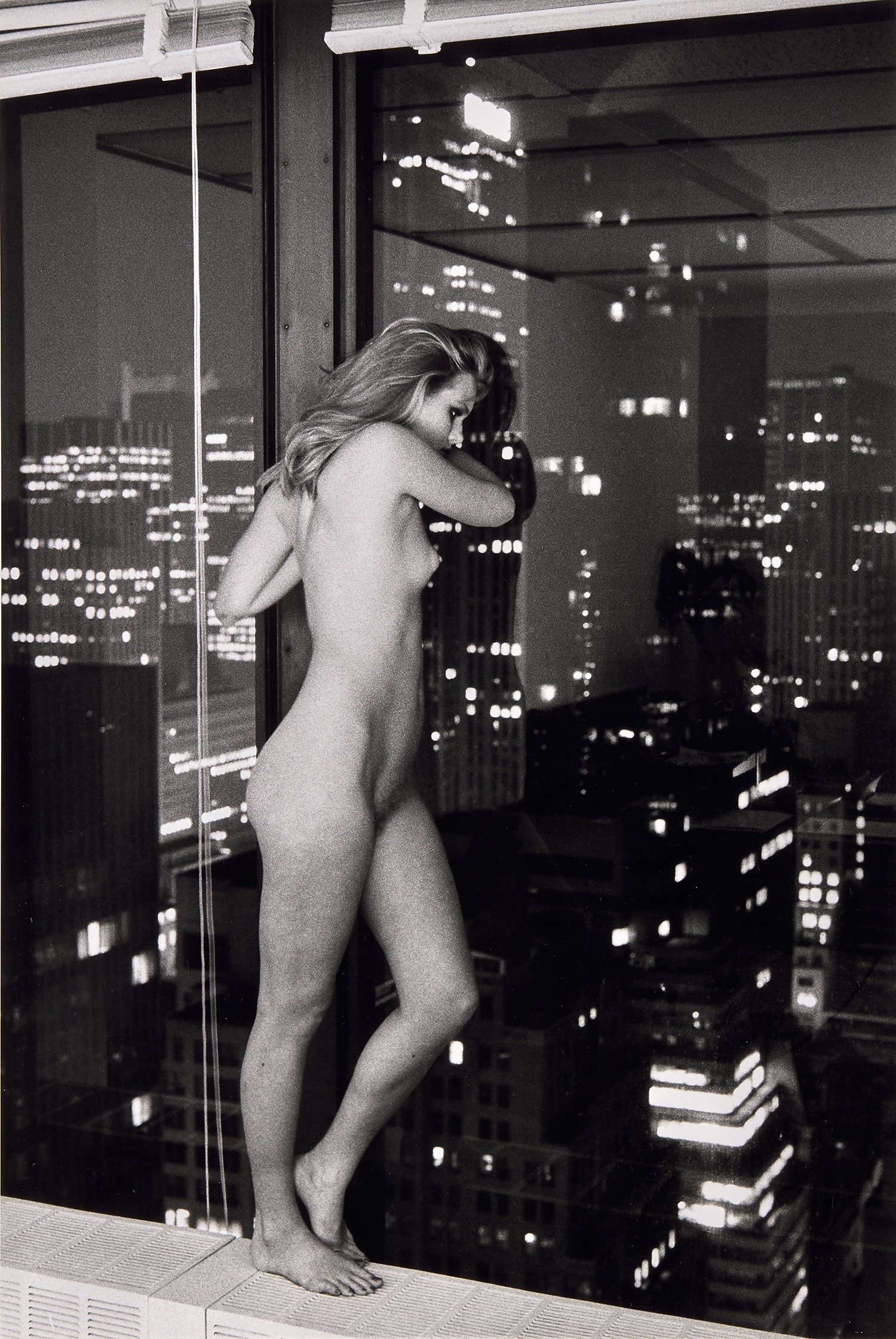
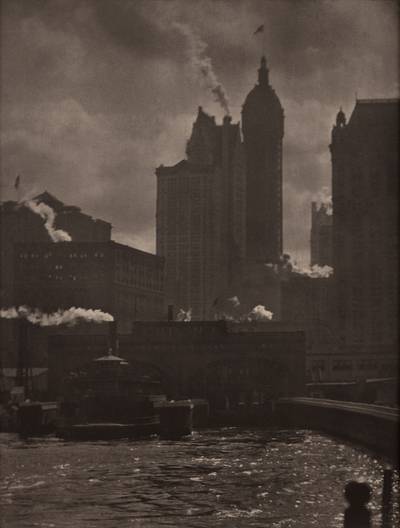
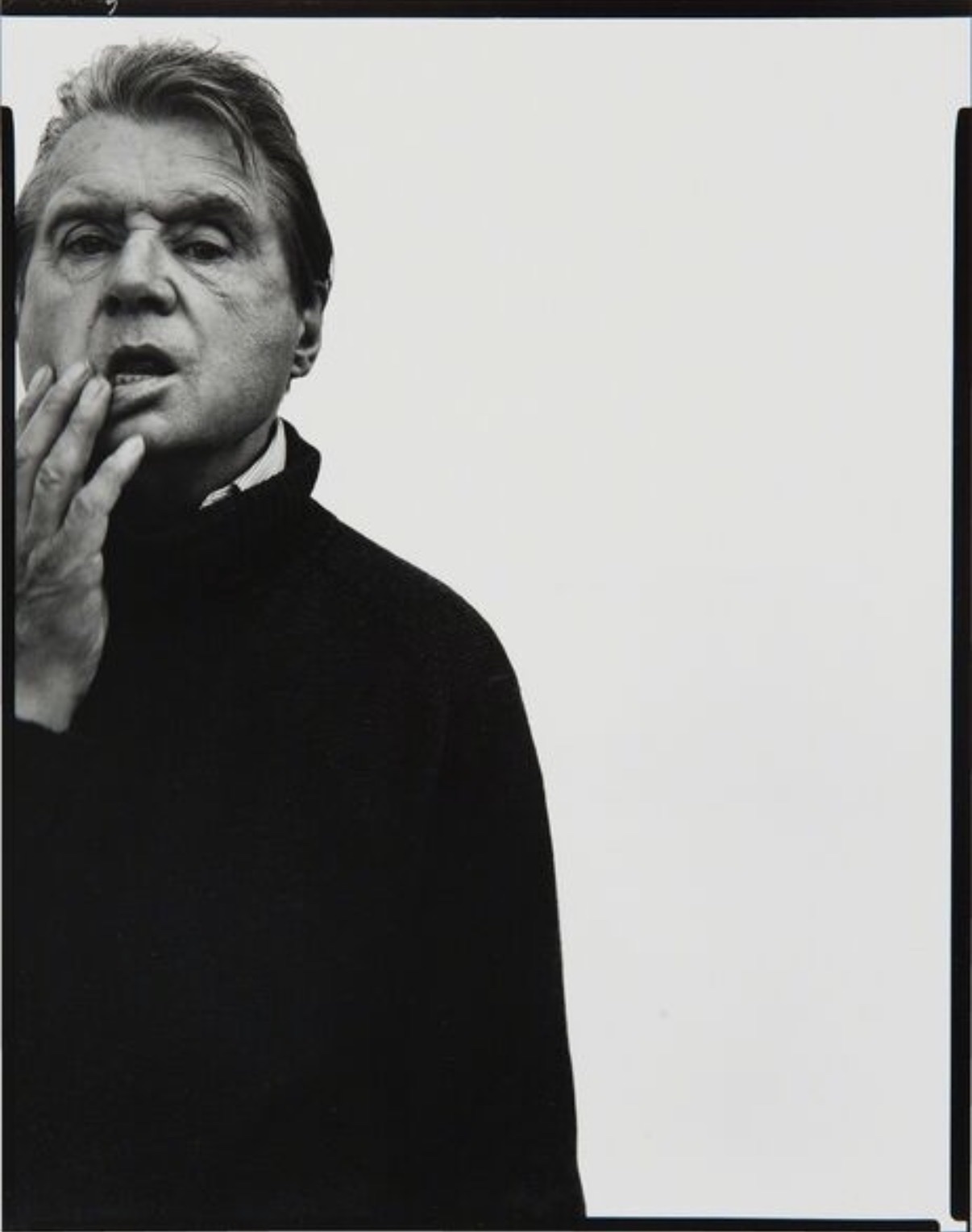
The Case for Collecting Without Color
There is something almost confessional about the works collectors choose to live with in black and white. Stripped of color's seductive immediacy, these pieces demand a different kind of attention. You are not swept in by a saturated field of cadmium or a particularly satisfying passage of cerulean. You are asked instead to look at structure, at light as a physical force, at the weight of shadow against a pale ground.
Collectors who fall for this territory tend to stay fallen. They describe it as a clarity that other work cannot offer, a sense that you are seeing the essential thing rather than its decoration. That pull has a logic to it. When Ansel Adams printed a negative from his time in Yosemite, he was not documenting a landscape so much as engineering an emotional experience out of tonal contrast alone.
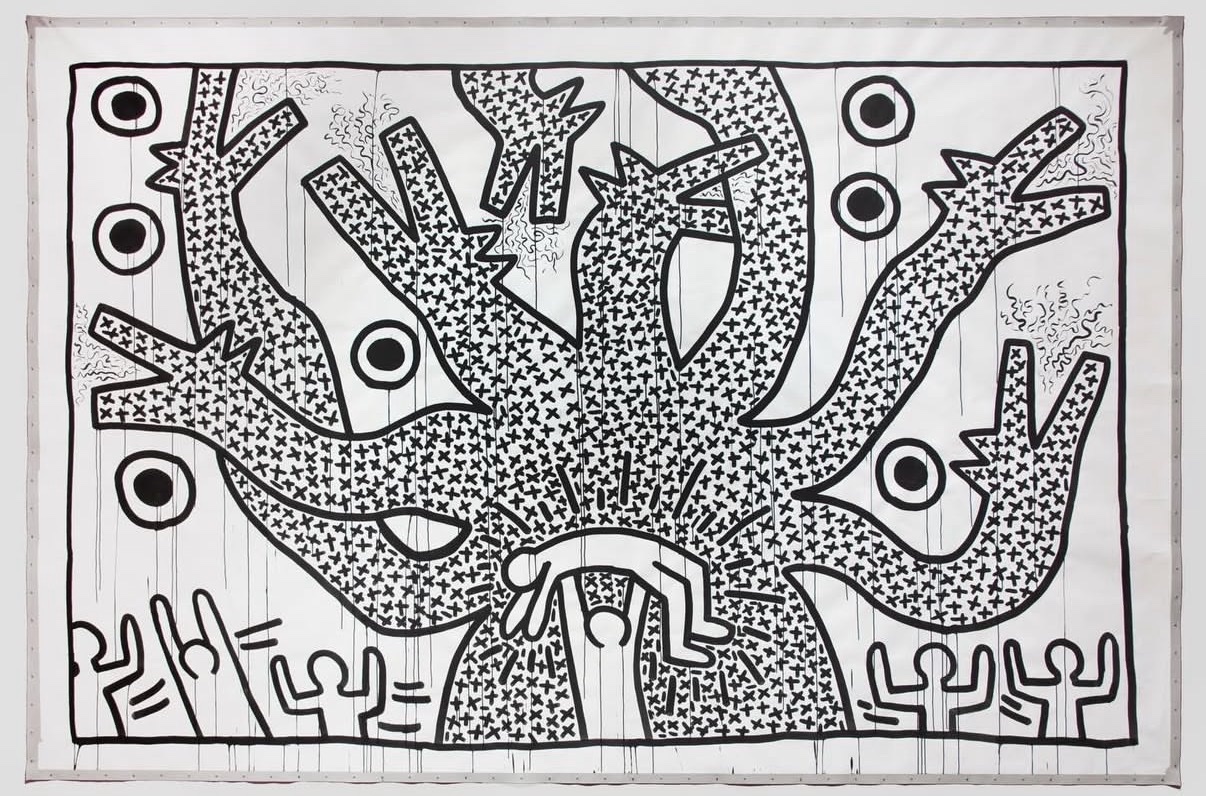
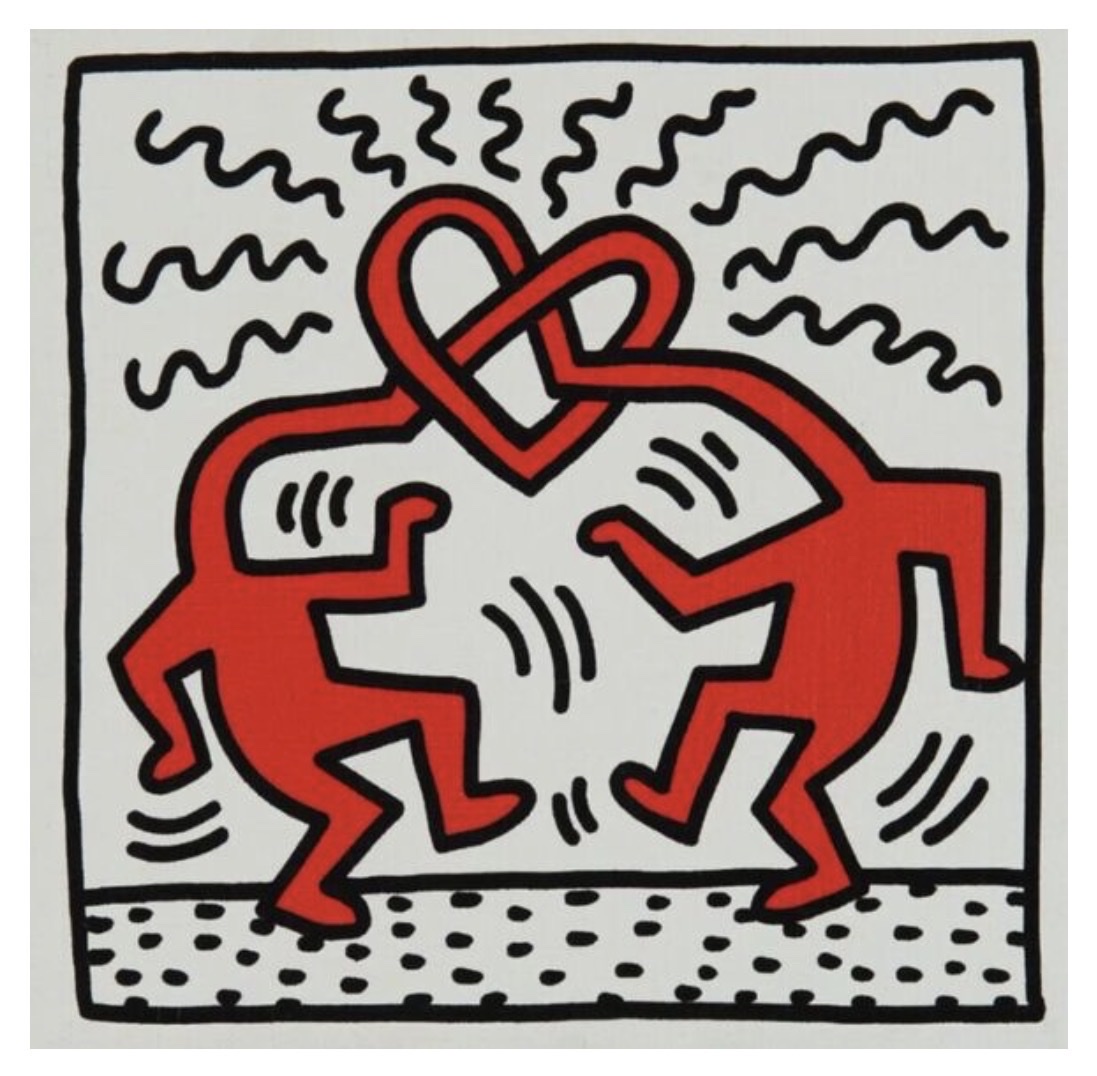
Keith Haring
7-headed dog (untitled), 1982
His zone system, the technical framework he developed to control the full range from deepest black to brightest white, was really a philosophy about what a print could be asked to carry. Collectors who engage seriously with photography often trace their passion back to a single encounter with a masterfully printed photograph, and Adams remains one of the most accessible entry points precisely because his prints so clearly demonstrate what technical mastery in service of vision looks like. What separates a good work from a great one in this category almost always comes down to the quality of the original printing and the integrity of the tonal range. In photography, a print made by the artist's own hand during their lifetime carries a fundamentally different weight than one made posthumously by a printer working from an estate.
Collectors should ask directly whether a photograph is a vintage print, meaning produced close to the time of the negative, or a later edition, and they should understand that vintage prints by major figures like Diane Arbus, Walker Evans, or Henri Cartier Bresson can command multiples of the price of later editions for very good reason. The silver in the paper ages differently, the aesthetic choices made in the darkroom at the moment of creation are unrepeatable, and you are in the presence of an object the artist touched. For works on paper, whether prints, drawings, or works in charcoal or ink, the criteria shift toward condition and rarity in equal measure. Auguste Louis Lepère, the French printmaker who was central to the revival of woodcut and wood engraving in the late nineteenth century, produced works of extraordinary tonal sophistication that remain undervalued relative to their historical importance.
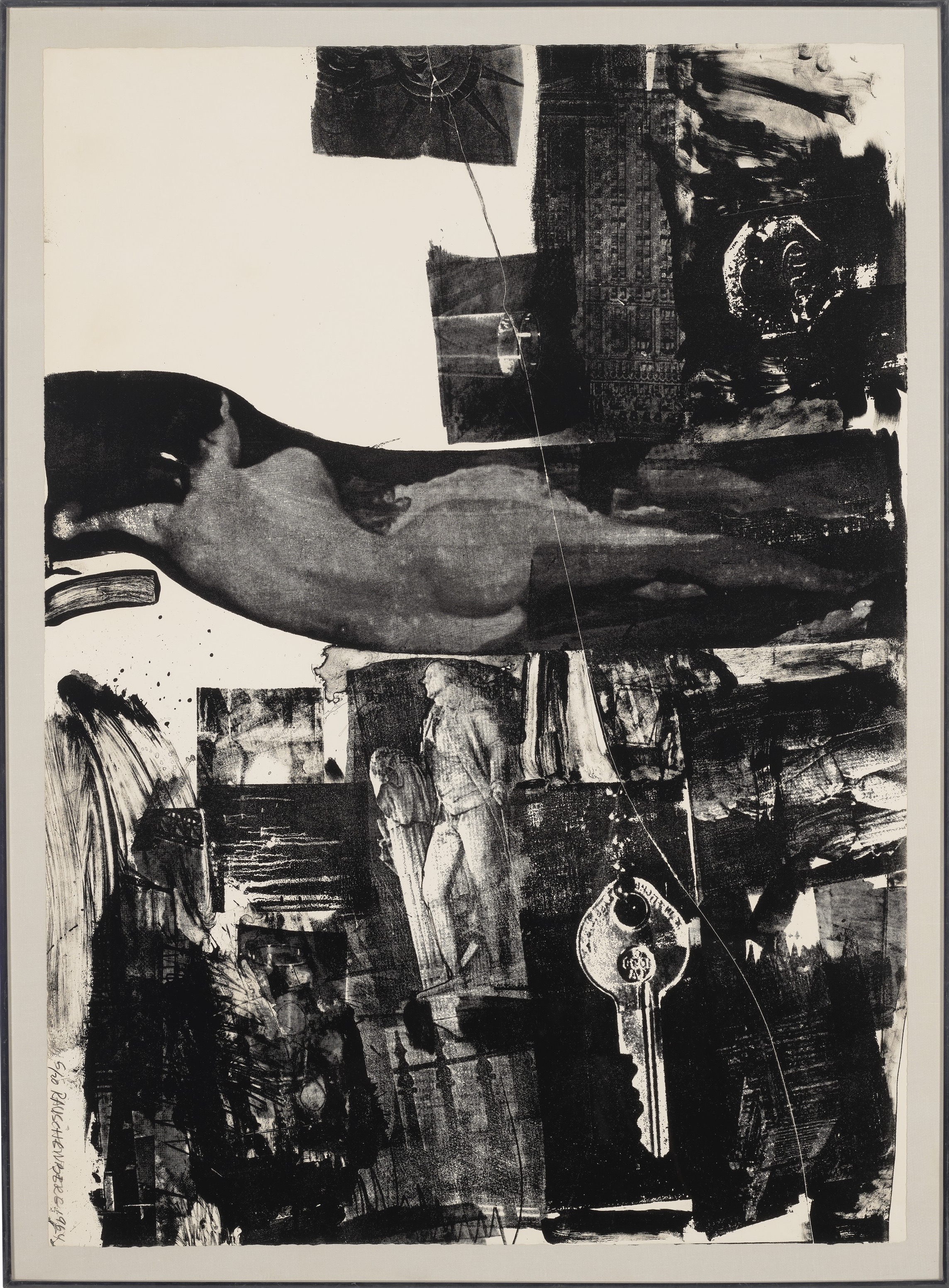
Robert Rauschenberg
Breakthrough I, 1964
Similarly, Alphonse Legros, who bridged the French and British art worlds and was deeply admired by contemporaries including Whistler, made etchings and drypoints of remarkable psychological depth. James McNeill Whistler himself, whose Venice etchings from 1880 established a new language for the medium, is well represented in the market and offers collectors a genuine entry into canonical printmaking at a range of price points depending on impression and condition. For collectors thinking about long term value and some protection against market volatility, the strongest positions tend to sit with artists whose reputations are institutionally anchored. Robert Frank's contact sheets and prints from the period of The Americans, published in 1958, represent work that changed how photographers thought about sequencing and subject.
Irving Penn's still lifes and portraits, made with a formal precision that bordered on sculptural, continue to find buyers who understand that his command of the platinum palladium process produced objects of lasting physical beauty. Hiroshi Sugimoto's seascapes, in which ocean and sky divide into identical halves of silver grey, operate almost as philosophical propositions printed in gelatin silver, and the secondary market for his work remains consistently strong. Richard Avedon's fashion and portrait work from his Harper's Bazaar and Vogue years now reads as social history as much as image making, and institutional interest in his archive has kept prices firm. The most interesting opportunities for collectors with a longer horizon lie in figures whose critical reputations outpace their current market presence.

Hiroshi Sugimoto
Past Presence 071, L'Homme Qui Marche II, 2013
Aaron Siskind, who moved from documentary work in Harlem in the 1930s toward an abstract photographic vocabulary that brought him into close dialogue with the Abstract Expressionist painters, remains genuinely underpriced relative to his influence. His rock and wall surfaces from the 1950s onward feel completely contemporary and reward close looking in ways that many more expensive photographs do not. Robert Adams, whose photographs of the American West document suburban expansion and environmental change with a quiet devastation, is collected seriously by institutions but has not yet seen the auction results that his work merits. For those interested in the graphic arts, Marjane Satrapi's drawings connect a literary tradition of the graphic novel to the fine art market in ways that are still being negotiated, and her black and white line work has a toughness and wit that ages well on a wall.
At auction, black and white photography and works on paper have shown resilience through market corrections that have been harder on painting. The category benefits from a broad collector base that includes specialists in photography, in prints, and in works on paper, which creates competitive bidding even in softer seasons. That said, condition is punished severely in this market. Foxing, fading, tears, and evidence of poor storage are far harder to forgive in a print or photograph than in a painting that can be cleaned or restored.
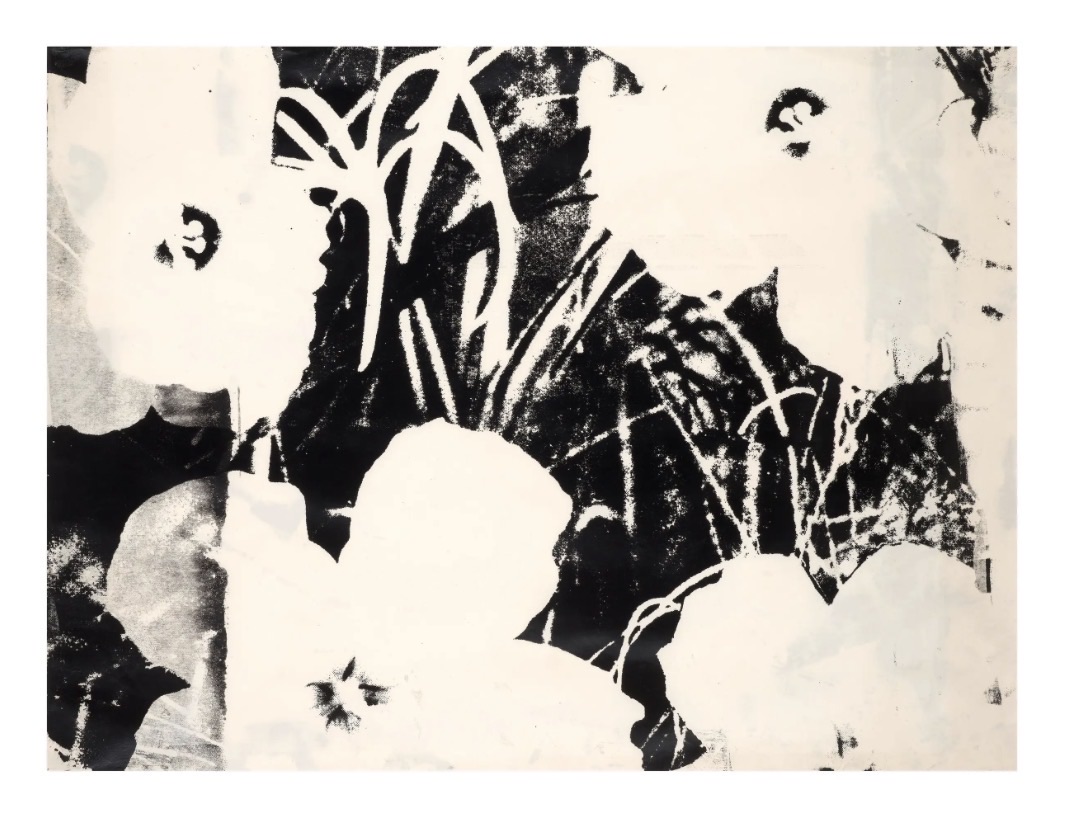
Andy Warhol
Flowers
Ask any gallery or auction specialist for condition reports in writing, ask about provenance and whether a work has been previously sold or exhibited, and for editions ask about the size of the edition, the numbering, and how many impressions are known to exist. For photography specifically, the distinction between a printed later and a posthumous print can mean the difference between a piece that holds value and one that struggles to find a buyer at resale. Living with black and white requires thinking about light in a way that color work does not always demand. These pieces tend to be generous in low light and unforgiving under harsh direct illumination, which can create flat spots and destroy the subtlety of a carefully managed tonal range.
If you are hanging a significant silver gelatin print, work with a framer who understands archival standards and ask about UV filtering glazing. The works reward proximity and time in a way that stops you. That is, finally, the best argument for collecting in this territory: you never quite stop seeing them.